
Will I Regret a Breast Reduction? Setting Realistic Expectations

AI Summary
- Breast reduction regret is uncommon when size, scars, recovery, and breastfeeding expectations are clear.
- Some patients should wait if planning pregnancy, changing weight, or feeling emotionally rushed.
- A detailed consultation reduces regret risk by clarifying safe goals, scarring, and aftercare.
- Cost should follow safety, credentials, transparent planning, and long-term follow-up for Canadian patients.
Summary generated by AI, fact-checked by our medical experts
Breast reduction regret is uncommon, but it is real enough to deserve an honest conversation before surgery. Most patients report high satisfaction after breast reduction, especially when pain, posture, clothing fit, and activity improve. Regret usually comes from mismatched expectations around size, scars, breastfeeding, timing, or recovery rather than from the decision itself.
If you are asking this question, you are not being negative. You are doing the responsible thing. A breast reduction can feel life-changing for patients dealing with neck pain, shoulder grooves, rashes, exercise limits, and the daily frustration of clothing that never fits properly. Still, it is surgery. It leaves scars. It changes your shape. It may affect breastfeeding. And your final cup size cannot be promised like a clothing order.
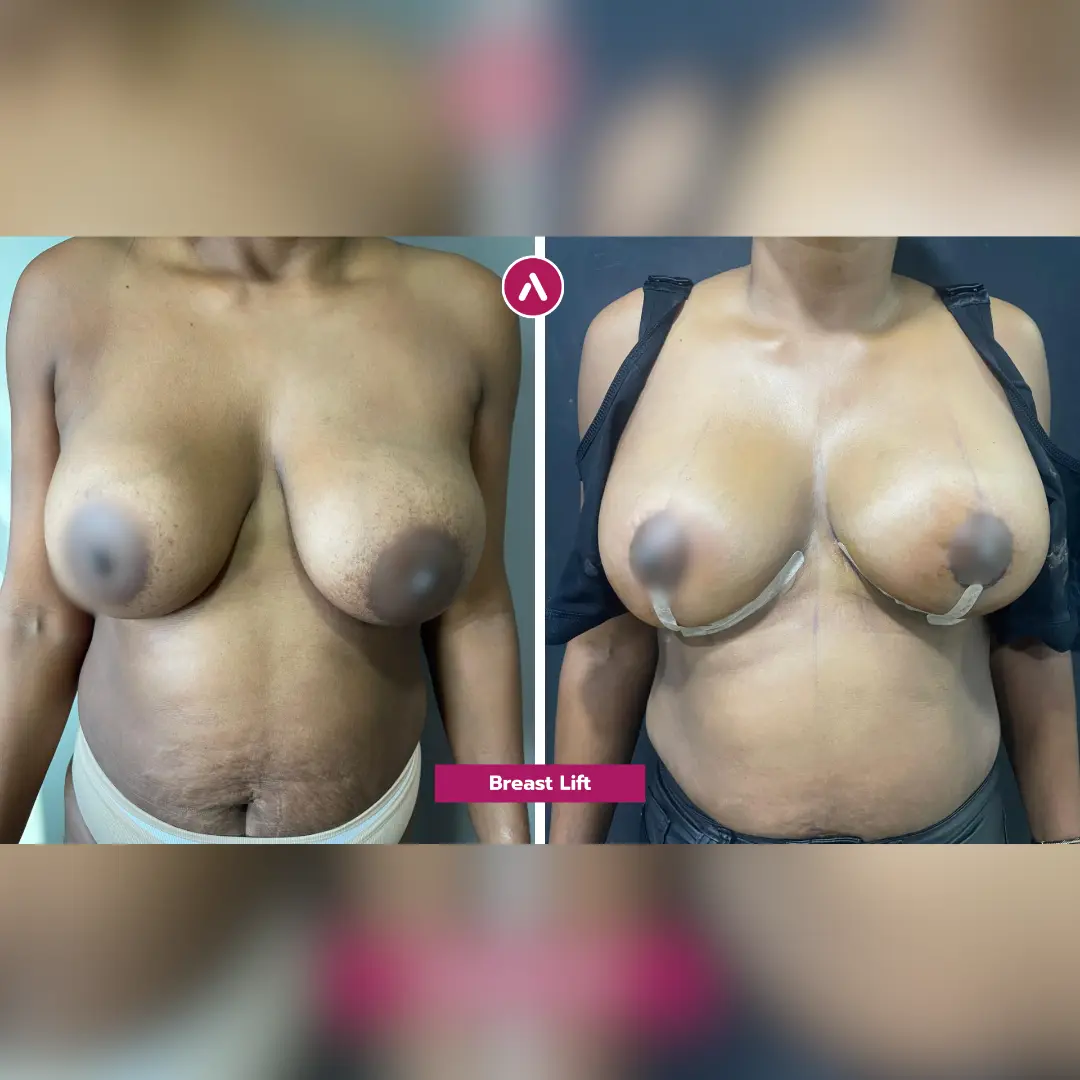
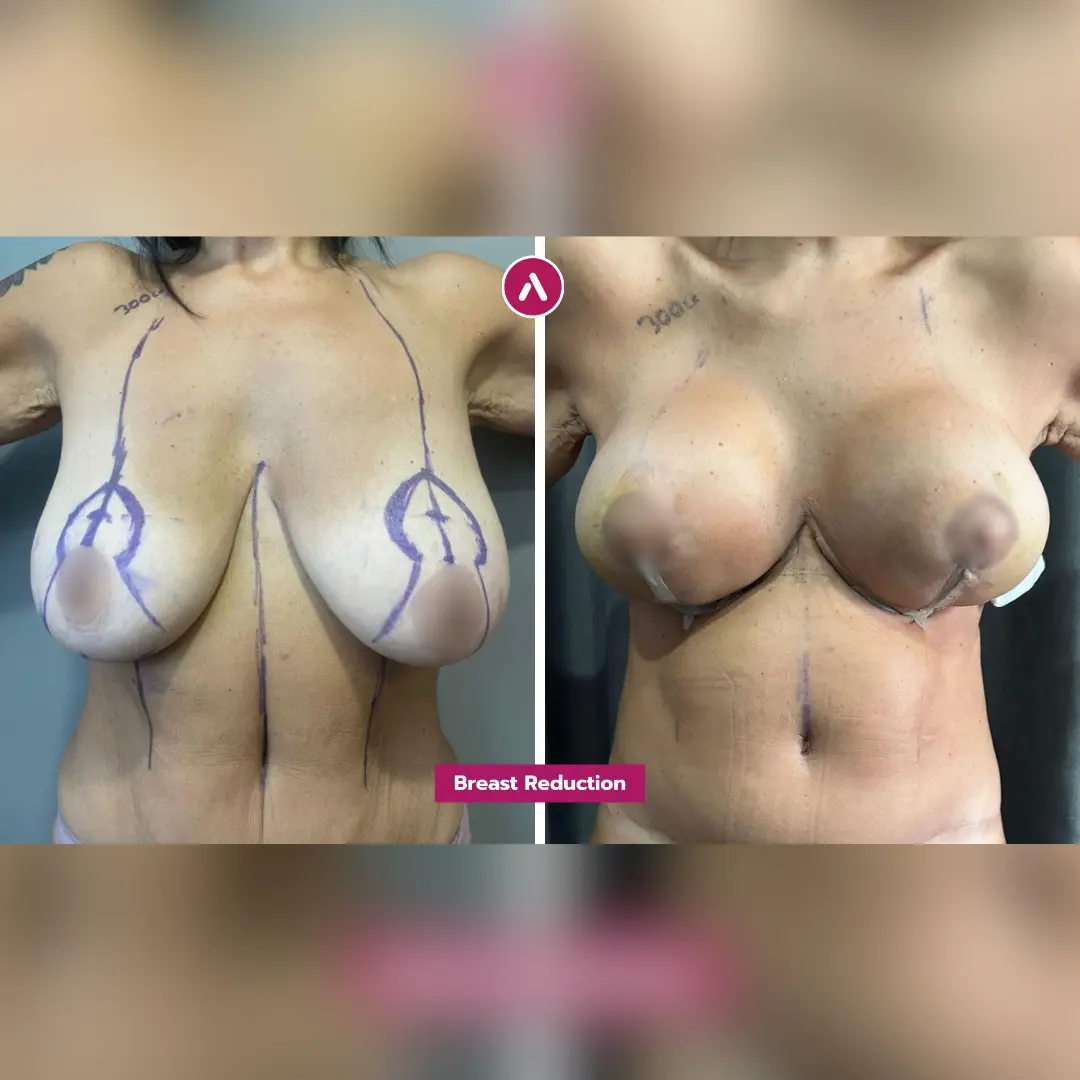
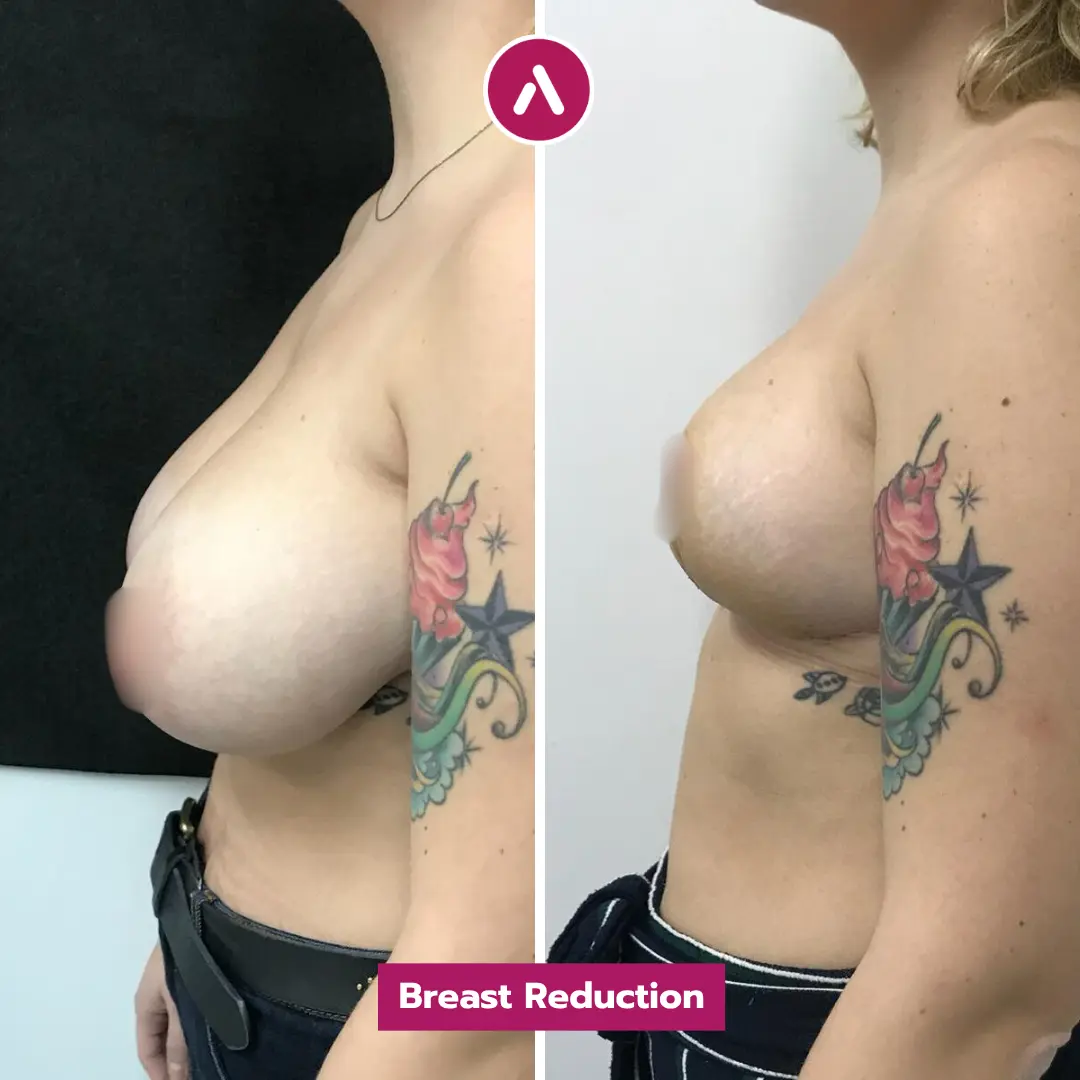
That is why a good decision starts with clarity, not pressure. At AKM Clinic, AKM’s breast reduction procedure is planned around anatomy, tissue quality, safety, and realistic goals rather than a single cup-size promise. For Canadian patients comparing local private options, provincial wait times, and treatment abroad, the strongest protection against regret is a consultation that makes the trade-offs visible before you commit.
Most breast reduction patients do not regret becoming smaller. When regret happens, it is usually because the patient was surprised by something that should have been discussed in advance: scars, size limits, breastfeeding plans, healing time, or how their body would look in proportion after surgery.
Table of Contents

How Common Is Regret, Really?
Breast reduction has one of the stronger satisfaction profiles in plastic surgery, but “high satisfaction” does not mean every patient has the same emotional experience. Some people feel instant relief. Others have a dip during swelling, bruising, and scar maturation before they feel confident. Understanding that difference matters because temporary recovery doubt is not the same as long-term regret.
Breast reduction satisfaction is usually high
Breast reduction is often performed for a mix of physical and emotional reasons: back and neck discomfort, shoulder strap grooves, skin irritation, difficulty exercising, unwanted attention, and trouble finding clothes that fit comfortably. When those problems improve, satisfaction tends to be high.
Patient-reported outcome research using validated BREAST-Q measures has shown meaningful improvements in satisfaction and quality of life after reduction mammaplasty. You can review one validated study on breast reduction outcomes in this PubMed-indexed BREAST-Q research. The American Society of Plastic Surgeons also discusses breast reduction’s high satisfaction profile in its article on breast reduction and patient satisfaction.
For many patients, the relief is practical first. Bras fit better. Exercise feels less restricted. Posture may improve. Clothing can feel easier to choose. These benefits often become more obvious after swelling settles and the patient starts moving through daily life in a smaller, lighter body shape.
Regret does not always mean “I made the wrong decision”
There is a vulnerable stage after surgery when the breasts are swollen, high, bruised, firm, or uneven. Scars may look red or raised. The new size can feel too small one day and still too large another day. That emotional swing can feel like regret, especially for patients who expected to feel confident immediately.
This early uncertainty is usually part of adjustment. Your body is healing, your brain is catching up with a changed silhouette, and your final shape has not arrived yet. A more useful question is not “Do I feel unsure today?” but “Were my expectations realistic before surgery?”
True regret is different. It tends to last beyond the normal recovery window and is often tied to a specific issue: the patient wanted a different size, was not prepared for scars, had future breastfeeding goals, chose surgery during an unstable life stage, or felt rushed into a decision.
What “regret” usually means in real life
Regret after breast reduction rarely has one simple cause. It is usually a gap between what the patient imagined and what surgery could safely deliver. A patient may be happy about pain relief but disappointed by scars. Another may love the size but wish they had waited until after pregnancy. Someone else may have wanted a dramatic reduction, only to learn that nipple blood supply and breast shape limited how small the surgeon could safely go.
This is why expectation-setting is not a small part of the process. It is the process. The consultation should help you understand what can change, what cannot be guaranteed, and what trade-offs you are willing to accept for long-term comfort.
Canadian patient note: If you are considering surgery abroad because local private pricing or provincial wait times feel frustrating, do not let speed become the deciding factor. A shorter timeline is only useful when the surgical plan, aftercare, documentation, and realistic expectations are equally strong.
The Real Reasons People Regret It
Most regret drivers can be identified before surgery. That is good news. It means regret prevention is not about guessing how you will feel later; it is about asking better questions now. The most common issues involve scars, size expectations, breastfeeding, complications, recovery, and timing.
| Regret driver | Who may be at higher risk? | How to prevent it in consultation |
|---|---|---|
| Scarring feels more visible than expected | Patients who focus only on size and do not review incision patterns | Ask where scars will sit, how they mature, and what they may look like after 12 months |
| Final size does not match the imagined cup size | Patients attached to one exact bra letter | Discuss a realistic size range, not a guaranteed cup size |
| Breastfeeding concerns appear later | Patients planning pregnancy or breastfeeding in the near future | Talk through technique, nipple sensation, ducts, and whether waiting makes sense |
| Recovery feels emotionally harder than expected | Patients expecting immediate confidence or a fast return to normal | Review swelling, bruising, scar changes, activity limits, and follow-up milestones |
| The decision was made during the wrong life stage | Patients with unstable weight, major stress, or unclear goals | Pause until your body, goals, and support system are steady |
Scarring they were not prepared for
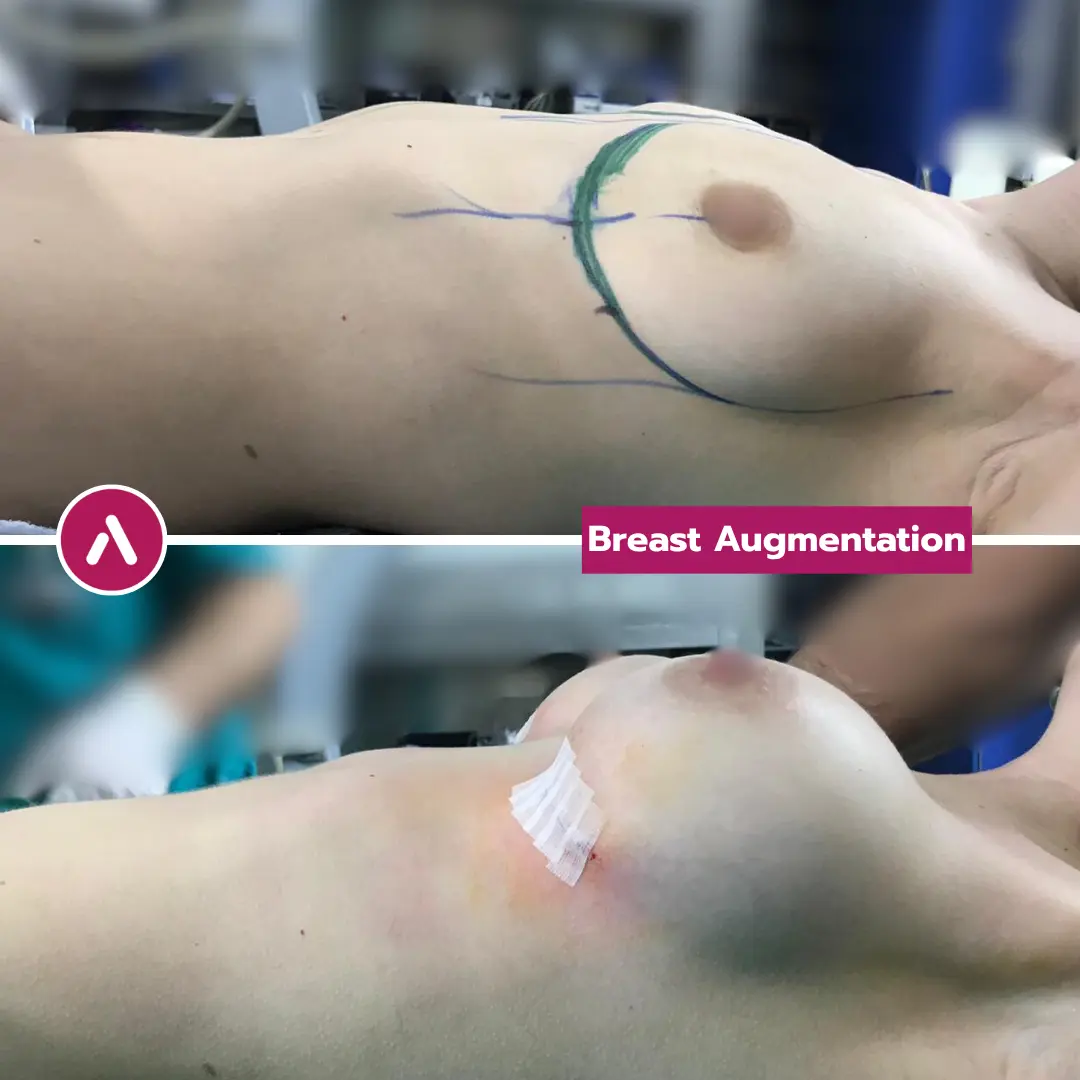
Scars are one of the biggest expectation gaps in breast reduction. Even when they heal well, they are still part of the trade-off. Depending on anatomy and reduction amount, scars may sit around the areola, vertically down the lower breast, and sometimes along the breast fold in an anchor pattern.
For many patients, the scars are worth it because the physical relief is greater than the cosmetic trade-off. For others, the visibility of scars can feel emotionally difficult, especially in the first months when they are still pink, firm, or raised. This is why scars should be discussed before surgery, not discovered emotionally after it.
The key is not to expect invisible scars. The key is to understand placement, maturation, and how your skin type may heal. If scarring is one of your biggest fears, it should be one of the first topics in consultation.
Size mismatch with expectations
Another common source of regret is expecting a precise cup size. Bra sizing is inconsistent across brands, and cup volume changes with band size. A “C cup” does not mean one fixed breast volume. It depends on the ribcage, breast width, tissue density, and how the bra is made.
A safer way to plan is to discuss a target range: smaller, lighter, proportionate, and still safe for nipple blood supply and breast shape. If your main question is how much smaller you can realistically go, the deeper size discussion belongs in how much smaller you can realistically expect.
Regret risk rises when the patient wants a very small result but the anatomy does not support it safely. It can also rise in the opposite direction: the patient wanted a dramatic change but asked too cautiously, then later feels the result was not enough. A strong consultation should explore both possibilities.
Complications that affect satisfaction
Breast reduction is generally associated with high satisfaction, but complications can affect how a patient feels about the outcome. Delayed wound healing, infection, asymmetry, nipple sensation changes, fat necrosis, or poor scarring can make the recovery more stressful and may influence satisfaction.
This article will not turn into a complication guide, because that is a separate topic. Still, a realistic decision includes knowing that complications are possible and asking how they are prevented, monitored, and managed. For a focused discussion, read about the complications that can affect satisfaction.
For Canadian patients travelling for surgery, this part deserves extra attention. You should know what documentation you receive before returning home, how virtual follow-up is handled, and what symptoms require urgent local assessment after you are back in Canada.
Breastfeeding plans were not fully considered
Some patients can breastfeed after breast reduction, but it cannot be guaranteed. The outcome depends on anatomy, the technique used, how much tissue is removed, nipple sensation, milk ducts, and individual biology. This is one of the most important regret-prevention topics for patients who are planning children.
If breastfeeding is a near-term priority, waiting may be the more comfortable choice. If pregnancy is years away or uncertain, you may decide the physical relief now is worth the trade-off. There is no universal answer. There is only a decision that fits your timeline and risk tolerance.
For the dedicated discussion, use the guide to breastfeeding after a reduction before making a final decision.
Who Might Want to Wait?
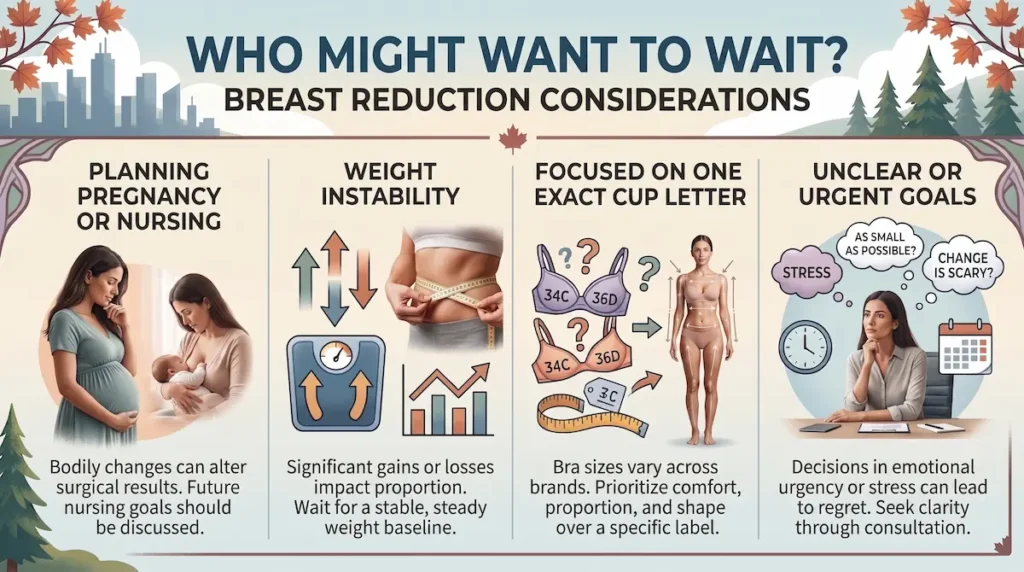
Not every “no” is permanent. Sometimes the wisest answer is “not yet.” Breast reduction can still be the right procedure, but the timing may need to change if your body, goals, or life plans are in motion. Waiting can prevent a decision that feels rushed, emotionally reactive, or misaligned with your future.
You are planning pregnancy or breastfeeding soon
If pregnancy or breastfeeding is part of your near-term plan, it is worth slowing down. Pregnancy can change breast volume, skin elasticity, nipple position, and overall shape. A reduction before pregnancy may still provide relief, but the result can shift afterward.
Breastfeeding is the bigger question for many patients. Some breast reduction techniques preserve more glandular tissue, ducts, and nipple connection than others, but no ethical surgical team should promise that breastfeeding will be possible. If breastfeeding is a major personal goal, you need a direct conversation about whether surgery now or later makes more sense.
This does not mean every patient must wait until after children. It means the choice should be made with open eyes. Relief now may matter more than an uncertain future plan for one person, while another may feel better postponing surgery until pregnancy and breastfeeding are behind them.
Your weight is still changing
Stable weight matters because breast size can change with weight gain or weight loss. If you are actively losing a significant amount of weight, a breast reduction performed too early may not match your final body proportions. You may later feel the breasts are still too large, too small, or lower than expected after your body changes.
Weight stability does not mean perfection. It means your body has settled enough for the surgical plan to be based on a reliable baseline. If your weight has been moving up or down for months, it may be better to wait until it has been steady for a reasonable period.
This is especially relevant for patients who want a proportional result, not just a smaller number on a bra tag. The goal is a breast size that fits your shoulders, ribcage, torso, and lifestyle over time.
You are focused on one exact cup letter
Wanting to be smaller is clear. Wanting to be “exactly a C cup” is less clear than it sounds. Cup size depends on band size, breast width, bra brand, tissue density, and how the breast settles after healing. Two people can both wear a C cup and have very different breast volumes.
If your satisfaction depends on one exact letter, regret risk goes up. A safer goal is a range: lighter, more comfortable, easier to dress, proportionate to your frame, and surgically safe. Your surgeon can estimate direction and proportion, but cannot ethically guarantee a final bra label.
A good consultation should translate your visual goals into anatomy-based planning. Reference photos can help, but they should be used to communicate proportion and shape, not to copy someone else’s body.
Your goals are emotionally urgent but not yet clear
Some patients seek breast reduction after years of discomfort and self-consciousness. That is understandable. But if the decision is happening during a period of acute stress, body image distress, relationship pressure, or major life change, it may be harder to separate a stable surgical goal from a temporary emotional need.
Breast reduction can improve comfort and confidence, but it should not be asked to solve every body-image concern. If your goals change every time you look in the mirror, or if you feel pulled between “as small as possible” and “I’m scared to change,” more consultation time may help.
Confidence comes from knowing what you are choosing and what you are accepting. If either part feels vague, waiting is not failure. It is protection.
CA planning note: For Canadian patients, the decision may involve provincial wait times, private local fees, or treatment abroad. Those pressures are real, but timing should still be based on medical readiness, stable goals, and a clear aftercare plan.
How to Prevent Regret in Consultation?
The consultation is where regret prevention happens. It should not feel like a sales conversation. It should feel like a structured medical discussion where your surgeon explains what is possible, what is not wise, and what trade-offs come with each choice. If the answers are vague, keep asking.
Ask what size range is realistic for your anatomy
Start with your symptoms and lifestyle, not only your desired cup size. Tell the surgical team what bothers you most: neck pain, posture, exercise, rashes, bra grooves, clothing fit, unwanted volume, or asymmetry. Then ask what reduction range would address those concerns while preserving a safe and natural breast shape.
The answer should include anatomy. Breast width, skin elasticity, tissue density, nipple position, and blood supply all affect how much tissue can be removed safely. A very aggressive reduction may not be appropriate for every patient, even if the patient wants to be much smaller.
You can ask, “What is the smallest result you think is safe for me?” and “What result would you advise against?” Those two questions often reveal more than asking for a cup letter.
Talk about scars before you talk about the final look
Scars are part of breast reduction. Their pattern depends on the technique and the amount of reshaping required. Some patients need a vertical pattern. Others need an anchor pattern. The scar trade-off may be worthwhile, but it should not be a surprise.
Ask where your scars are likely to sit, how they usually mature, and what scar care is recommended once the incisions are closed. Also ask how your skin tone, history of raised scars, or previous healing patterns may affect the result.
Scars usually fade over time, but they do not vanish. If that sentence feels hard to accept, spend more time with this part of the decision before moving forward.
Review realistic outcomes, not only ideal outcomes
Before-and-after photos can be helpful, but only when used carefully. Look for patients with similar starting breast size, torso length, nipple position, skin quality, and reduction goals. A result on someone with a different frame may not be a meaningful comparison.
For the CA version of this topic, result review should stay realistic rather than promotional. You can use verified breast reduction outcomes as a reference point, but your own plan should still be based on your anatomy.
Ask what parts of the example results are transferable to you and what parts are not. That one question can prevent a lot of disappointment later.
Ask about breastfeeding, nipple sensation, and future changes
Even if you are not planning pregnancy soon, it is worth discussing future breast changes. Ask how the technique may affect nipple sensation, breastfeeding potential, and how your breasts may respond to weight change, pregnancy, or aging.
No surgeon can predict every future change. The goal is not certainty. The goal is to know which trade-offs you are accepting and which ones would make you prefer to wait.
If you are undecided about children, say that plainly. A careful surgical team should help you think through timing without pressuring you toward one answer.
Confirm the aftercare plan before travelling
For Canadian patients considering surgery in Turkey, aftercare planning is part of the safety conversation. Before you book, ask what happens before you fly home, what documentation you receive, how virtual follow-up works, and which symptoms require urgent local care in Canada.
AKM’s model includes long-term virtual follow-up checkpoints after surgery, but you should still understand the practical plan in plain language. Ask who reviews your photos, how concerns are escalated, and what information you should bring to a Canadian healthcare provider if you need local assessment.
This is also where credential language matters. For a breast procedure, the appropriate frame is a board-certified plastic surgery team and European Board-Certified Surgeons with RCPSC-equivalent standards, not a vague promise of “the best” or “risk-free” surgery. The more specific the discussion, the safer the decision feels.
Use a regret-prevention checklist
Before making a final decision, you should be able to answer the following questions without hesitation:
- What symptoms am I trying to improve?
- What size range is realistic for my anatomy?
- Where will my scars likely be?
- How might surgery affect breastfeeding or nipple sensation?
- What recovery limitations should I expect in the first six weeks?
- What would make me wish I had waited?
- What is my follow-up plan after I return to Canada?
If you cannot answer one of these, that does not mean you should cancel surgery. It means that topic needs another conversation before you decide.

Feeling Confident in Your Decision
Confidence does not mean having zero nerves. It means you understand the benefits, accept the trade-offs, and feel that the timing fits your life. A breast reduction decision should feel steady rather than urgent. You should be able to explain why you want it, what you expect to improve, and what compromises you are willing to accept.
Weigh relief against trade-offs
For many patients, the main benefit is not cosmetic at first. It is comfort. Less pulling on the neck. Less shoulder pressure. Less skin irritation. Easier movement. A better chance of finding clothes that fit without constant adjustment.
Those benefits can be significant, but they come with trade-offs. You will have scars. Your breasts may not be perfectly symmetrical. Sensation may change. Recovery takes patience. Your final shape will settle gradually, not overnight.
A balanced decision includes both sides. If the relief you expect is meaningful enough to accept the surgical realities, regret risk is usually lower.
Do not use cost as the main confidence signal
For Canadian patients, cost can be part of the decision, especially when comparing private local care with surgery abroad. Still, cost should not lead the decision. It should come after safety, surgical planning, aftercare, and realistic expectations.
This article is not a pricing guide, so it will not break down fees here. If you are comparing options, review breast reduction cost in CAD separately and keep the medical decision separate from the financial one.
A lower total price does not automatically mean a better decision. A higher local price does not automatically mean a better plan either. The better question is: which option gives you a clear surgical plan, transparent inclusions, qualified care, and follow-up you understand?
Know why many patients say they wish they had done it sooner
Many breast reduction patients describe a sense of relief after healing. They can exercise more comfortably, dress with less frustration, and move through daily life with less physical strain. Some also feel emotionally lighter because their body no longer feels dominated by breast size.
That said, “I wish I had done it sooner” is not a promise. It is a common feeling among patients whose symptoms, expectations, timing, and surgical plan were well matched. The same procedure can feel less satisfying for someone who expected invisible scars, a guaranteed cup size, or immediate confidence during early recovery.
Your goal is not to copy another patient’s emotional outcome. Your goal is to make a decision that still makes sense after the swelling settles, the scars mature, and the excitement fades.
Choose a consultation that makes uncertainty smaller
A strong consultation should leave you with fewer unknowns, not more. You should understand your likely incision pattern, the realistic size range, how your nipple position will be handled, what recovery will look like, and how follow-up is managed once you are home in Canada.
It is also reasonable to ask what would make you a poor candidate. A careful surgical team should be willing to say when expectations are not realistic, when timing is not ideal, or when a patient may be better served by waiting.
If the discussion feels rushed, overly glossy, or focused only on the final look, pause. Regret prevention is built through honest planning.
RCPSC-equivalent trust point: When planning breast reduction abroad, Canadian patients should look for clear credential framing, written aftercare instructions, and a follow-up pathway that can be understood before travel. At AKM, breast procedures are handled by a board-certified plastic surgery team within a European Board-Certified framework aligned with RCPSC-equivalent expectations.
Book the decision, not just the surgery
The best next step is not to force yourself into a yes or no today. It is to clarify the decision. Bring your symptoms, photos of your current fit issues, bra-size history, pregnancy or breastfeeding plans, scar concerns, and your ideal outcome range into the consultation.
Then ask the direct questions: What is realistic for me? What is not? What might I regret if I ignore it now?
Talk through your size goals, scar concerns, timing, and expectations with AKM in a virtual consultation before deciding whether breast reduction is right for you.
Frequently Asked Questions: Breast Reduction Regret
These questions cover the concerns patients most often have before choosing breast reduction. The answers are intentionally direct, because regret prevention depends on understanding both the benefits and the limits of surgery.
Will I regret my breast reduction?
What is the breast reduction satisfaction rate?
What do people regret most after breast reduction?
Can I breastfeed after a breast reduction?
Should I wait until after having kids?
Is the scarring worth it?
Can I choose my exact cup size?
What if I feel regret during recovery?
How can I reduce the chance of regret?
Medical Disclaimer: This article is for educational purposes only and is not a substitute for personal medical advice, diagnosis, or treatment. Breast reduction results, healing, scarring, sensation changes, breastfeeding outcomes, and satisfaction vary from patient to patient. Always consult a qualified medical professional before making decisions about surgery.
Related Procedures




Ready to Begin Your Journey?
Join the more than 2,000 patients who have trusted Dr. Akif Mehmetoğlu and the AKM Clinic team. Your journey begins with an informative, no-obligation conversation. Contact us today from across Canada to schedule your complimentary virtual consultation.
#1: Receive Your Personalized Quote
Start with a complimentary, no-obligation virtual consultation. Share your photos, and our surgical team will provide a fully personalized treatment plan and a transparent, all-inclusive pricing package quoted in Canadian dollars (CAD). There are no hidden fees.
#2: Secure Your Procedure Date
Once you are ready to proceed, our dedicated English-speaking patient coordinators will help you secure your procedure date. We will manage your logistical bookings in Istanbul, including your five-star hotel and private airport transfers.
#3: Arrive in Istanbul & Meet Your Surgeon
Arrive at Istanbul Airport (IST), where you will be greeted by your private driver. Settle into your hotel before your comprehensive in-person consultation. You will meet your specialist surgeon to finalize the details of your procedure and ensure your goals are aligned for a natural, subtle result.