
Tummy Tuck Belly Button Healing: What's Normal and What's Not
AI Summary
- Tummy tuck belly button healing often includes swelling, scabbing, tightness, and temporary uneven shape.
- Warning signs include black tissue, pus, foul odour, spreading redness, fever, or worsening pain.
- Most belly buttons settle gradually over weeks to months as swelling decreases and scars soften.
- Safe aftercare means gentle cleaning, dry dressings, photo follow-up, and prompt surgical guidance.
Summary generated by AI, fact-checked by our medical experts
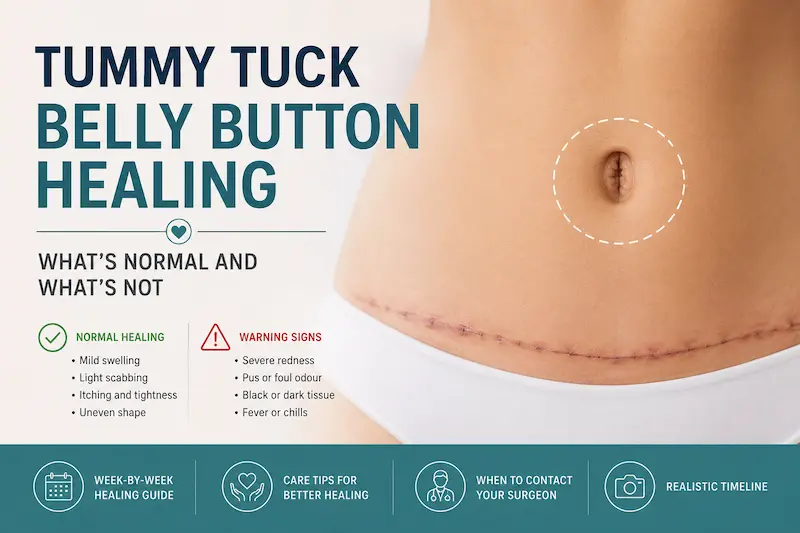
After a tummy tuck, the tummy tuck belly button can look swollen, tight, crusted, uneven, or “too small” in the first few weeks. Most of that is normal early healing. What is not normal is darkening or black tissue, pus, a foul odour, spreading redness, fever, or worsening pain.
The belly button is one of the most watched parts of a tummy tuck recovery because it sits right in the centre of the result. Even when the lower incision is covered by clothing, the new umbilicus is visible every time you change dressings or look in the mirror.
That can make normal healing feel alarming. A belly button that looked neat in the operating room may look swollen, flat, puckered, crusted, or slightly off-centre once swelling sets in. This guide explains what usually settles with time, what should be monitored, and which signs deserve a prompt call to your surgical team.
For Canadian patients considering surgery abroad, aftercare clarity matters. At AKM Clinic, your plan starts with AKM’s tummy tuck approach, then continues with post-operative checks and long-term virtual follow-up after you return home. This article focuses only on belly button healing, not the full tummy tuck recovery process.
Table of Contents
How the New Belly Button Is Created?
Understanding how the belly button is handled during surgery makes the early healing phase less mysterious. In a full tummy tuck, the belly button is usually kept attached to its deeper stalk while the abdominal skin is lifted and tightened around it. A new opening is then made in the tightened skin so the umbilicus can be brought through and sutured into place.

Why the navel is repositioned
During a full abdominoplasty, excess lower abdominal skin is removed and the remaining skin is pulled downward. If the original belly button opening stayed in the same surface skin, it would be pulled out of position. That is why the surgeon preserves the deeper umbilical attachment and creates a new skin opening for it.
This does not mean you receive a “fake” belly button. It means the visible skin around the belly button is reconstructed so the umbilicus sits naturally within the tightened abdominal skin. The goal is usually a small, subtle “innie” shape with a soft upper hood rather than a wide, round, obvious surgical opening.
The exact look depends on your anatomy, skin thickness, swelling pattern, scar behaviour, and surgical design. A flatter or tighter belly button in the first month does not automatically predict the final shape.
Sutures and scabbing basics
The belly button is usually secured with fine sutures around the new opening. Some sutures may dissolve on their own; others may be removed during a post-operative visit, depending on the surgeon’s protocol. Either way, the area is delicate in the first few weeks.
Light crusting is common. So is a small amount of clear or pale yellow fluid on the dressing early on. The skin edges are sealing, the suture line is under tension, and the area is often surrounded by swelling.
Scabs should not be picked. Pulling at crusts too early can reopen tiny areas, increase irritation, or make the scar more noticeable. If dried drainage is present, it is usually better managed with the cleaning method your surgical team gives you rather than aggressive scrubbing.
ASPS describes the belly button incision as a normal part of many tummy tuck scar patterns, especially in full abdominoplasty cases. You can review their general scar explanation here: ASPS on the tummy tuck belly button incision.
Why it looks different at first
The first version of your belly button is not the final version. Early swelling can make it look puffy, stretched, compressed, shallow, or unusually tight. Bruising and skin colour changes can also make the area look more dramatic than it feels.
There is also a psychological piece. Patients often expect the belly button to look “finished” as soon as dressings come off. It rarely does. The new opening needs time to soften, the scar needs time to mature, and the abdominal swelling around it needs time to settle.
A belly button that looks odd at week two may look much more natural by week six, and still continue refining for several months. The important question is not “Does it look perfect today?” but “Is it healing in the right direction?”
Week-by-Week Healing
Belly button healing does not move in a straight line. Some days it may look cleaner and flatter; other days it may look more swollen because you walked more, stood longer, or changed dressings. The timeline below gives a general pattern, but your surgeon’s instructions should always take priority.
Week 1: swollen, crusted, and tight
In the first week, the belly button often looks swollen and slightly compressed. The surrounding abdominal skin is tight, and the navel may appear smaller, deeper, flatter, or more puckered than expected. Mild bruising and tenderness are common.
You may see light crusting around the edges. A small amount of clear or lightly blood-tinged drainage can also happen early, especially when dressings are changed. This should gradually decrease rather than increase.
During this phase, the priority is protection. Keep the area as clean and dry as instructed, avoid friction from clothing, and do not try to reshape the belly button yourself. Cotton swabs, aggressive cleaning, and “checking” the area too often can irritate healing skin.
Weeks 2–3: scabs, itch, and dissolving sutures
By weeks two and three, swelling usually begins to shift. The belly button may still look uneven or crusted, but it should slowly become less angry and less tender. Itching is common as superficial nerves wake up and the skin edges continue sealing.
If dissolving sutures are used, you may notice tiny suture ends or small crusted points around the rim. That can be normal. Do not pull them unless your surgical team specifically tells you to.
This is also when patients often worry that their belly button “smells.” A mild dressing smell can happen if the area has been covered, especially with ointment or old drainage. A strong foul odour, yellow-green discharge, increasing redness, or worsening pain is different. That belongs in the warning-sign category.
General abdominal swelling can make the belly button look more distorted than it really is. For a broader view of how the abdomen changes after surgery, use the overall swelling timeline rather than judging the belly button alone.
Weeks 4–6: the shape starts to look more believable
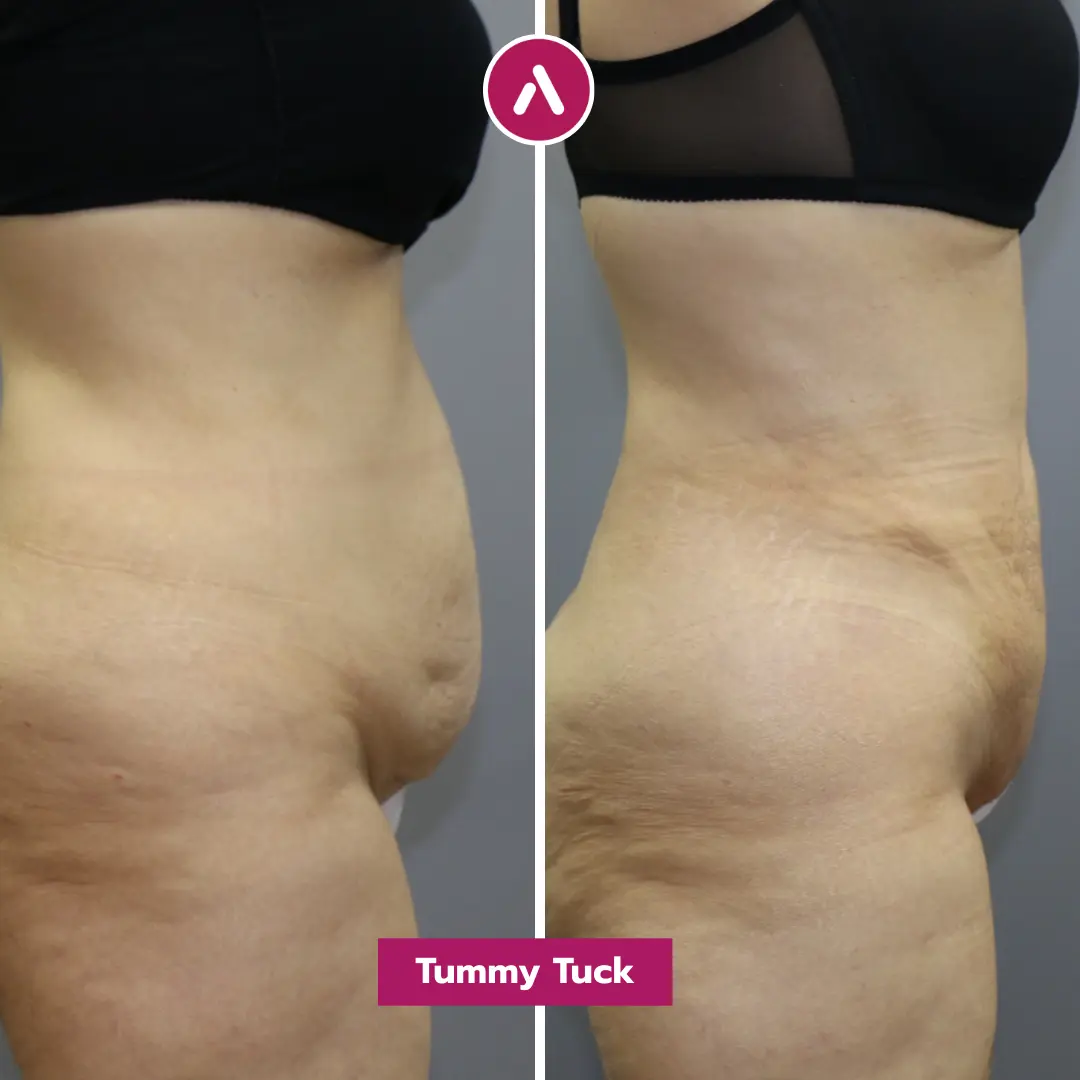
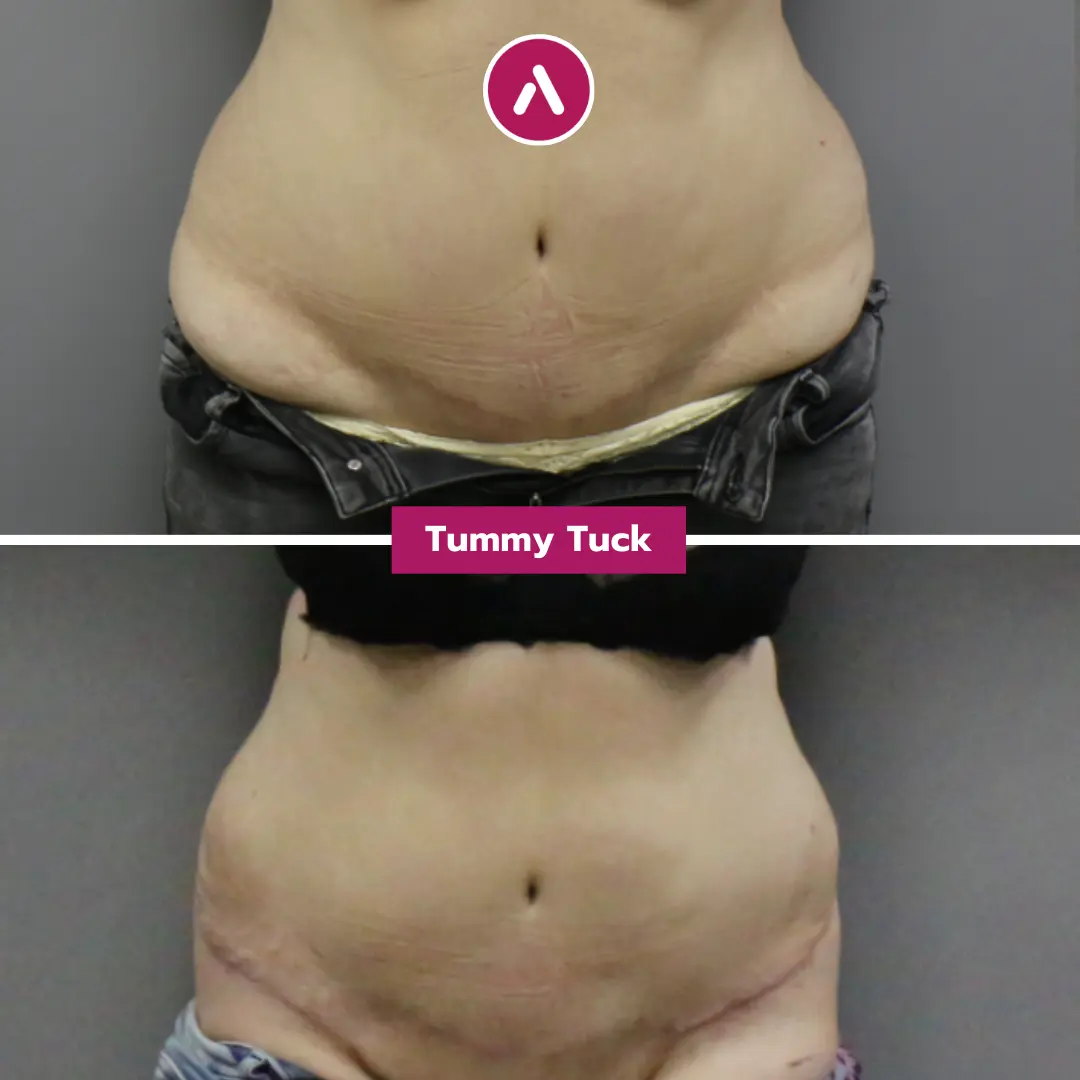
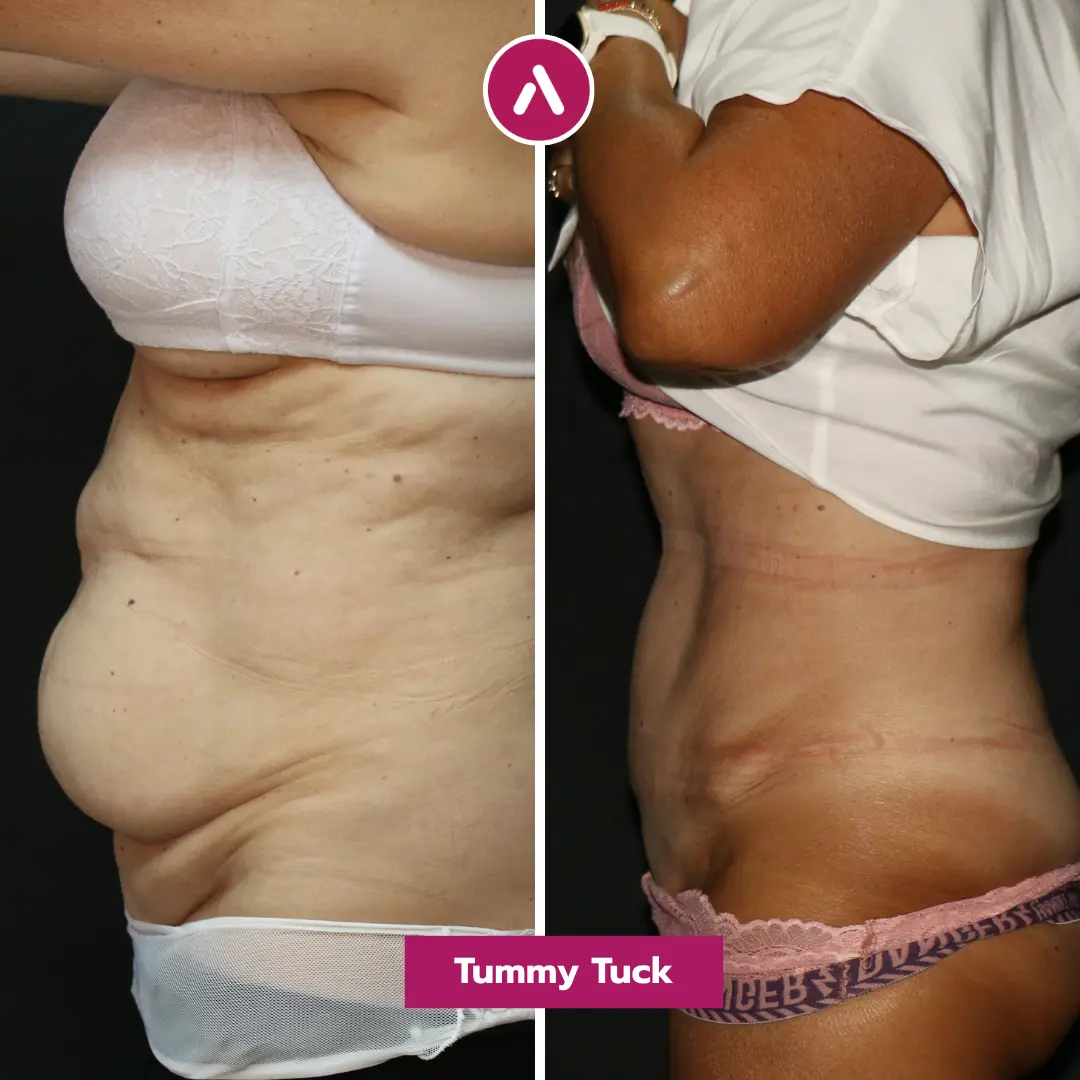
Many patients start to see a more recognizable belly button shape around weeks four to six. The crusting is usually reduced, the suture line looks calmer, and the surrounding skin may feel less tight.
That does not mean the belly button is final. It may still look too round, too small, too deep, or slightly pulled. Scar tissue is firm at this stage, and the abdomen is still settling.
This is the stage where patience matters. A belly button that looks “surgical” at week four can soften significantly over the next several months. Early revision thoughts should be avoided unless your surgeon identifies a true healing problem.
Months 2–6: settling and scar fade
From month two onward, the belly button scar usually becomes less active. Redness or pink colour gradually fades, firmness softens, and the rim may relax into a more natural contour.
The surrounding abdomen also changes. As swelling decreases, the belly button may look less stretched and more proportional. Numbness around the lower abdomen or belly button can persist during this period and often improves slowly.
By six months, many patients have a much clearer sense of their final belly button shape, although scar maturation can continue beyond that. The result should be judged over months, not days.
What’s Normal?
Most tummy tuck belly button concerns in the first few weeks are caused by swelling, surface healing, and scar tightness. The area may not look polished yet, but normal healing should slowly trend toward less redness, less drainage, less tenderness, and a more settled shape.

A compressed or uneven shape
A newly reconstructed belly button often looks compressed, narrow, oval, or slightly uneven. This can happen because the abdominal skin is tight and swollen around the new opening. It may also look pulled in one direction while the surrounding tissues are settling.
That does not automatically mean the result is poor. Early shape is heavily influenced by swelling. The belly button can look too small one week, then more open and natural a few weeks later.
What matters is whether the skin is healthy in colour, the discomfort is manageable, and the appearance is improving over time. A slightly strange shape is usually a cosmetic healing concern, not an emergency.
Light crusting or scabbing
Light scabbing around the belly button rim is common. The incision edges are sealing, and dried fluid can collect where the sutures sit. This may look brown, yellowish, or slightly red-brown depending on the drainage and ointment used.
Scabbing becomes more concerning when it is paired with worsening pain, heat, spreading redness, pus, a foul odour, or black tissue. A dry, stable scab is different from a wet, smelly, expanding wound.
Do not pick the scab to “see what is underneath.” It is tempting. It is also risky. Let your surgical team tell you when the area is ready for more active scar care.
Mild redness, tenderness, and tightness
Mild redness around the suture line can be normal, especially in the first couple of weeks. The same is true for tenderness, tightness, and a pulling feeling when you stand upright or move too quickly.
In normal healing, these symptoms should be limited and gradually improving. They should not spread widely across the abdomen or suddenly become more painful after previously getting better.
Some numbness or altered sensation around the belly button can also occur because small sensory nerves are disturbed during surgery. Sensation often changes slowly over months.
Early belly button healing can look less refined than patients expect. Swollen, crusted, tight, or slightly uneven does not automatically mean something is wrong. The exceptions are signs that the tissue is not healthy: darkening, black areas, pus, a foul odour, spreading redness, fever, or worsening pain.
What’s NOT Normal — Warning Signs
This section is intentionally direct. Serious belly button problems after a tummy tuck are not the most common outcome, but they need fast attention when they appear. If a sign suggests infection, poor blood supply, or tissue breakdown, do not wait for your next routine check-in.
Darkening, purple-black colour, or black tissue
A little bruising can be normal. A belly button that becomes progressively dusky, dark purple, grey, or black is different. That can suggest poor blood supply to the tissue, especially if the area feels increasingly painful, numb in a new way, or begins to break down.
Patients often search for “dead belly button after tummy tuck” when they see this kind of change. The medical concern is umbilical necrosis, which means tissue is not receiving enough blood flow and begins to die. It is considered uncommon, but it is serious.
Contact your surgeon promptly if the belly button is turning black, if the dark area is spreading, or if the tissue looks wet, leathery, or open. Do not cover it with extra ointment and hope it will settle without guidance.
Pus, foul odour, spreading redness, or fever
A mild dressing smell is not the same as a foul wound odour. A small amount of clear drainage is not the same as thick yellow-green pus. The distinction matters.
Possible infection signs include increasing redness, warmth, swelling, worsening pain, thick drainage, a strong smell, fever, chills, or feeling generally unwell. These signs deserve medical attention, particularly if they are getting worse rather than better.
Canadian wound-care resources commonly advise patients to seek care when an incision becomes more painful, red, swollen, warm, or starts draining pus. After a tummy tuck, those same warning signs should be taken seriously around the belly button.
Fluid build-up or sudden swelling around the navel
A small amount of swelling is expected. A new pocket of fluid, a wave-like feeling under the skin, or sudden increasing swelling around the belly button may point to fluid collection rather than normal surface healing.
That does not always mean an emergency, but it should be assessed. Fluid can place pressure on healing tissues and may need monitoring or treatment depending on the size, timing, and symptoms.
Because this article is focused on the umbilicus, it will not go into the full fluid-collection topic here. For that, see fluid build-up after a tummy tuck.
When to contact your surgeon urgently
Contact your surgeon urgently if your belly button becomes black, develops pus, smells foul, opens significantly, bleeds heavily, or becomes increasingly painful. You should also seek help if redness spreads outward, if you develop a fever, or if you feel unwell.
If you are back in Canada and cannot reach your surgical team quickly, use the post-operative instructions you were given and seek local medical assessment when symptoms suggest infection or tissue compromise. Bring your operative notes, medication list, photos, and any aftercare instructions.
At AKM Clinic, patients are followed after surgery through scheduled virtual check-ins. For a body procedure such as tummy tuck, the correct clinical frame is a board-certified plastic surgery team, a JCI-accredited surgical setting, and clear documentation before you fly home.
| Sign | Normal or warning? | What to do |
|---|---|---|
| Mild swelling around the belly button | Usually normal in the first weeks | Follow dressing instructions and monitor for improvement. |
| Light dry scabbing | Usually normal | Do not pick. Clean only as instructed by your surgical team. |
| Small amount of clear or lightly blood-tinged drainage | Can be normal early on | Keep the area protected and report if drainage increases. |
| Mild itch as the incision closes | Usually normal | Avoid scratching. Ask before applying creams or gels. |
| Compressed, oval, or uneven shape | Usually normal while swelling settles | Take progress photos weekly rather than judging daily. |
| Increasing redness, warmth, or swelling | Warning sign | Contact your surgeon, especially if symptoms are spreading. |
| Thick yellow-green discharge or pus | Warning sign | Contact your surgeon promptly for assessment. |
| Strong foul odour from the belly button | Warning sign | Do not mask it with ointment. Ask your surgical team for instructions. |
| Dark purple, grey, or black tissue | Urgent warning sign | Contact your surgeon urgently. This may suggest poor blood supply. |
| Fever, chills, or feeling unwell | Urgent warning sign | Seek medical advice promptly, especially with wound changes. |
Supporting Belly Button Healing
Good aftercare will not force the belly button into its final shape overnight, but it can protect the tissue while it heals. The goal is simple: keep the area clean, reduce irritation, avoid unnecessary pressure, and report warning signs early.

Keep it clean and dry, but do not over-clean
Your surgical team will give you specific instructions for cleaning the belly button. Follow those instructions closely. In most cases, gentle care is safer than repeated scrubbing.
Over-cleaning can irritate the wound edges, loosen scabs too early, and keep the area inflamed. The belly button is a small space, so moisture and ointment can collect if too much product is used.
After showering is allowed, pat the area dry carefully. Do not rub. If you are unsure whether the area is too moist, too dry, or too crusted, send clear photos to your surgical team rather than changing the routine yourself.
Use dressings as instructed
A non-stick dressing may be used to protect the belly button from clothing and compression garments. The dressing should sit gently. It should not dig into the new opening or trap heavy moisture for long periods.
Compression garments are often part of tummy tuck recovery, but they must fit correctly. If a garment folds into the belly button, presses sharply into the incision, or creates a painful crease, ask your team to check the fit.
Concerns near the ends of the lower tummy tuck incision are a separate topic from the belly button itself. If you are noticing puckering or fullness at the incision edges, read more about dog-ear concerns at the incision ends.
Wait until the wound is closed before scar products
Silicone gel or silicone sheets may be used for scar support once the skin is fully closed and your surgeon clears you. They should not be placed on an open, wet, infected, or unstable wound.
This timing matters. Scar care is for a closed scar. Wound care is for an incision that is still healing. Mixing the two too early can trap moisture, irritate the skin, or hide a problem that needs assessment.
Once cleared, scar care should be consistent and patient. Belly button scars often continue to soften and fade for months.
What affects an “innie” result
Many patients want to know whether their tummy tuck belly button will be an innie. The answer depends on several factors: your original anatomy, skin thickness, swelling, scar tightness, umbilical stalk length, and the way the new opening was designed.
In the early weeks, even a well-designed belly button may look too flat or too tight. As swelling settles, the surrounding skin relaxes and the shape may become more natural.
If the belly button remains too round, too large, too shallow, or too visible after full healing, your surgeon can discuss whether revision is appropriate. That conversation usually happens after the tissues have matured, not during the first few weeks.
What to ask before travelling home to Canada
Before flying home, ask your surgical team what your belly button should look like at each stage, how often to send photos, which symptoms require urgent contact, and what documentation you should carry back to Canada.
For Canadian patients, this is part of safe planning. You should know how to reach your team virtually, what to do if a local clinician needs your operative details, and when a symptom should be treated as urgent.
Cost and healed-result comparisons can be useful during research, but they should not distract from aftercare safety. For planning only, you can review tummy tuck cost in CAD or look at verified healed results. This guide does not open either topic in detail because belly button healing is its own recovery question.
Frequently Asked Questions: Tummy Tuck Belly Button
These answers cover the most common tummy tuck belly button worries during early healing. They are general educational guidance, not a replacement for your surgeon’s advice.
Why does my belly button look weird after a tummy tuck?
This usually improves as swelling settles and the scar softens. The final shape should be judged over months, not in the first few days.
Is scabbing normal around the tummy tuck belly button?
Scabbing is more concerning if it is wet, spreading, black, painful, foul-smelling, or paired with pus, fever, or increasing redness.
Why does my belly button smell after a tummy tuck?
If the smell is strong, worsening, or paired with thick drainage, redness, warmth, or pain, contact your surgical team promptly.
Can a belly button die after a tummy tuck?
Warning signs include dark purple, grey, or black tissue, worsening pain, tissue breakdown, foul odour, and spreading wound changes. These signs should be assessed urgently.
When will my belly button look normal?
If the area is healthy and improving, patience is usually part of the process. If it is getting darker, smellier, more painful, or more open, that is not a “wait and see” situation.
Will my tummy tuck belly button be an innie?
If the belly button still looks too shallow, too round, or too visible after full healing, your surgeon can discuss options. Early healing is usually too soon to judge the final cosmetic result.
Should I send photos to my surgeon?
Send photos promptly if you see black tissue, thick discharge, spreading redness, a foul odour, opening of the wound, fever, or worsening pain.
Key Takeaway
A tummy tuck belly button often looks swollen, crusted, tight, or uneven during the first weeks. That can be normal. The warning signs are different: black or grey tissue, pus, foul odour, spreading redness, fever, wound opening, or pain that is getting worse instead of better.
For Canadian patients considering tummy tuck surgery in Turkey, the safest plan is not just a good-looking result. It is a clear aftercare pathway, photo-based follow-up, proper documentation, and a surgical team that tells you exactly what to watch for once you are home.
Medical disclaimer: This article is for general educational purposes only and is not medical advice. Healing varies from patient to patient. Always follow your surgeon’s instructions and seek qualified medical care if you have symptoms of infection, tissue compromise, or any urgent concern.
Related Procedures




Ready to Begin Your Journey?
Join the more than 2,000 patients who have trusted Dr. Akif Mehmetoğlu and the AKM Clinic team. Your journey begins with an informative, no-obligation conversation. Contact us today from across Canada to schedule your complimentary virtual consultation.
#1: Receive Your Personalized Quote
Start with a complimentary, no-obligation virtual consultation. Share your photos, and our surgical team will provide a fully personalized treatment plan and a transparent, all-inclusive pricing package quoted in Canadian dollars (CAD). There are no hidden fees.
#2: Secure Your Procedure Date
Once you are ready to proceed, our dedicated English-speaking patient coordinators will help you secure your procedure date. We will manage your logistical bookings in Istanbul, including your five-star hotel and private airport transfers.
#3: Arrive in Istanbul & Meet Your Surgeon
Arrive at Istanbul Airport (IST), where you will be greeted by your private driver. Settle into your hotel before your comprehensive in-person consultation. You will meet your specialist surgeon to finalize the details of your procedure and ensure your goals are aligned for a natural, subtle result.