
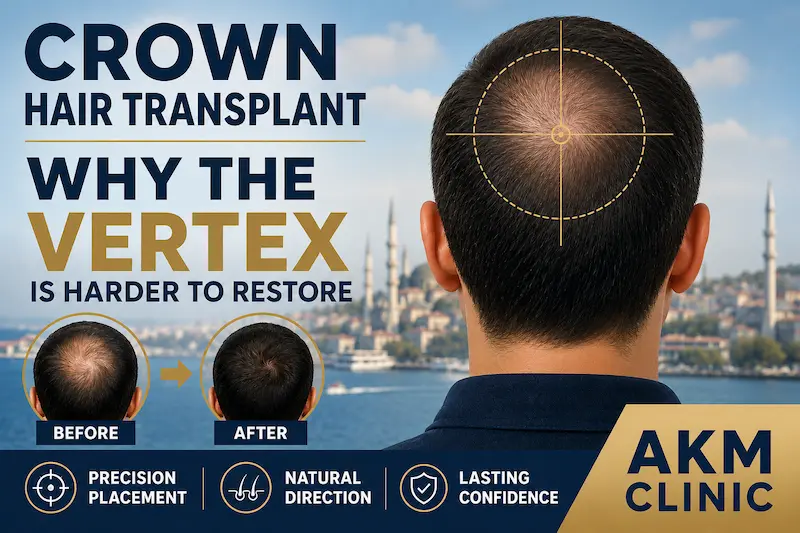
Crown Hair Transplant: Why the Vertex Is Harder to Restore
AI Summary
- Crown hair transplant planning requires precise whorl direction, angle control, and realistic vertex density expectations.
- Donor-area protection matters because the crown can consume many grafts and future hair loss may continue.
- Natural social fullness is the goal, not maximum density that risks an artificial or depleted result.
- Cost and staging should follow your personalized crown plan, donor reserve, and long-term scalp outlook.
Summary generated by AI, fact-checked by our medical experts
Quick answer: A crown hair transplant is harder than a frontal hairline transplant because the vertex grows in a spiral pattern, covers a wider visual area, and can consume a large number of donor grafts. The best crown results are planned for natural “social fullness,” not maximum density at any cost.
The crown, also called the vertex, is the circular area at the upper back of the scalp where hair changes direction and forms a whorl. It is often the spot men notice in overhead photos, bathroom lighting, or security-camera angles long before they notice thinning from the front.
That visibility can make crown loss feel urgent. But urgency is exactly where poor planning starts. At AKM Clinic, crown restoration is assessed as part of the full FUE hair transplant plan, not as an isolated bald patch to “fill in” quickly. The donor area is finite. Once grafts are used, they cannot be spent again.
For Canadian patients comparing options carefully, this matters. A natural crown is not built by simply adding more grafts. It is built by matching the swirl direction, choosing the right angles, protecting the donor area, and planning for future hair loss around the transplanted zone.
Table of Contents
Why the Crown Is Harder to Restore
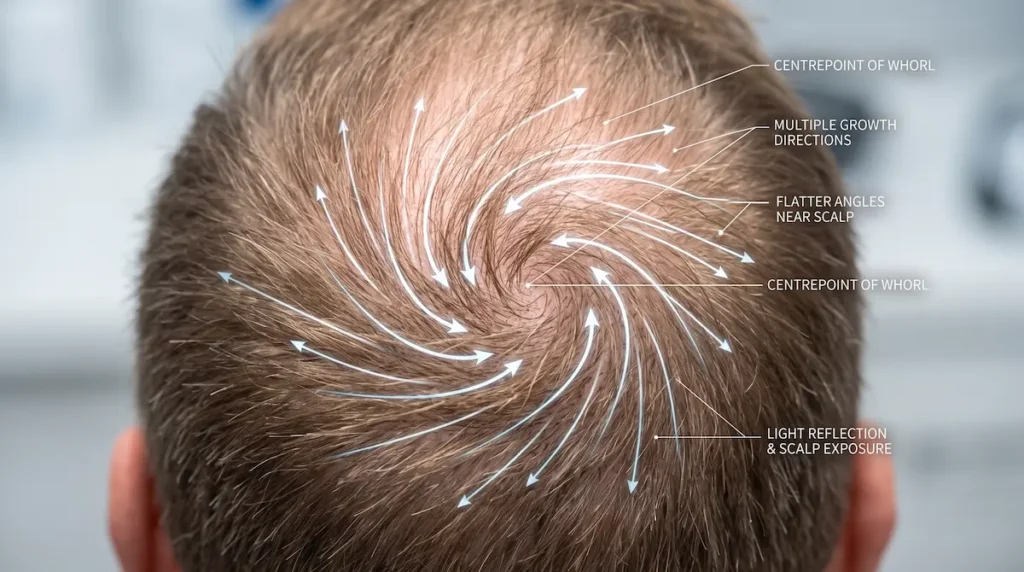
The crown is technically demanding because it behaves differently from the frontal scalp. In the front, hairs usually point forward and downward in a more predictable pattern. In the crown, the hairs rotate out from a central whorl. That means every graft has to be placed with a direction that changes across the zone.
The whorl is not a straight-line design
A frontal hairline can often be designed as a soft, irregular border. The crown is more three-dimensional. Hair must rotate around a centre point, then blend into the surrounding native hair without creating a visible “plugged” or radial pattern.
This is why a crown transplant is not just a density exercise. Two patients can receive the same number of grafts and look very different if the hair angles are wrong. In the crown, even small errors in direction can catch the light and make the result look artificial.
Angles change across a small area
In the vertex, graft angles are usually flatter to the scalp and change direction as they move around the swirl. The surgeon has to think like a cartographer, not a painter. The pattern needs to make sense from the back, from above, and when the hair is wet or cut short.
That is also why copying someone else’s graft count is unreliable. A patient with a tight, small whorl and strong surrounding hair may need a different plan from someone with a broad, expanding crown and miniaturized native hair around the edges.
The crown shows more scalp under light
The crown is exposed to overhead light. Because the hair radiates away from the centre, the scalp can show through more easily than it does at the front. This is true even after a technically strong transplant.
A realistic plan accepts that the vertex will often look less dense in harsh lighting than the hairline. That does not mean the transplant failed. It means the crown reflects light differently and needs a different expectation.
| Factor | Crown / Vertex | Frontal Hairline |
|---|---|---|
| Growth pattern | Spiral whorl with changing directions | Mostly forward/downward direction |
| Graft need | Often high because the area is broad and reflective | Often lower for visible framing effect |
| Density expectation | Natural coverage and social fullness | Sharper visual impact with lower graft use |
| Maturation time | Can appear slower and more gradual | Often noticed earlier because it frames the face |
Discover If Hair Transplant Is Right for You
Share your photos and medical history to receive a personalized assessment from our European Board-Certified surgical team — surgeons whose credentials align with the surgical standards Canadian patients expect from the Royal College of Physicians and Surgeons of Canada (RCPSC). An honest evaluation of whether this procedure suits your anatomy, your health, and your goals.
The Graft Density Problem
The second reason crown restoration is harder is simple: the crown can be graft-hungry. A small-looking vertex thinning pattern may actually cover a large circular surface area. If the surgeon tries to create hairline-level density across the whole crown, the donor area may be depleted too early.
The crown can take more grafts than patients expect
Many patients assume the crown is “just one spot.” In practice, the visible thinning may be the centre of a larger miniaturizing zone. The outer ring can continue to thin over time, especially in androgenetic alopecia.
This is why crown planning starts with mapping, not counting. The key question is not “How many grafts can we place?” It is “How many grafts should we safely invest here while preserving options for the future?”
Donor hair is limited
Healthy donor hair usually comes from the back and sides of the scalp. This donor zone is valuable because it is more resistant to pattern hair loss. But it is not unlimited. Once overharvested, it can become thin, patchy, or visibly scarred.
That donor limitation is especially important in crown cases. Clinical guidance on hair transplantation warns that grafting only the scalp vertex can prematurely use donor grafts and may create a “doughnut” appearance if surrounding native hair continues to fall. For that reason, the crown should be planned as part of the whole scalp, not as a stand-alone patch. Clinical guidance on transplanting the vertex supports this conservative approach.
More density is not always better
Dense packing can sound appealing, but the scalp still needs to heal and support the grafts. Graft survival depends on multiple factors, including handling, placement, recipient-site health, and the stress placed on follicles during the transplant process.
A smart vertex plan balances density with biology. The goal is enough coverage to reduce scalp show-through while avoiding an aggressive graft load that may compromise future planning.
AKM surgical planning note: “The crown is a donor-economy area. A natural result does not come from carpeting the scalp with the highest possible graft number. It comes from spending grafts where they create the most visible improvement, while keeping enough donor reserve for future hair loss.”
For patients from Canada, this is also a follow-up issue. If your native crown hair keeps miniaturizing after you return home, the transplant may still grow well, but the surrounding area can become thinner. That is why the plan should include long-term virtual monitoring, not only the procedure day.
Realistic Density Expectations
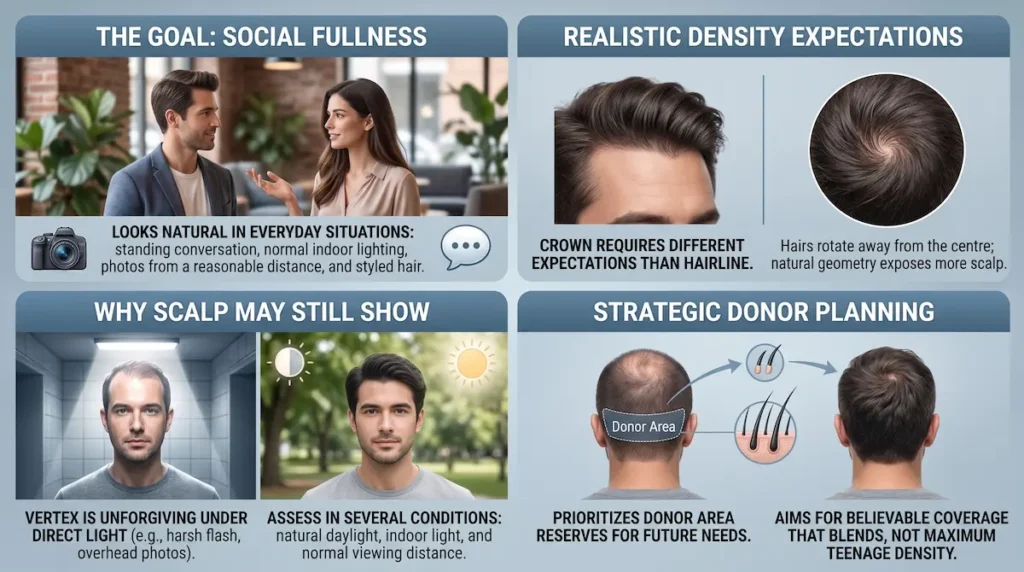
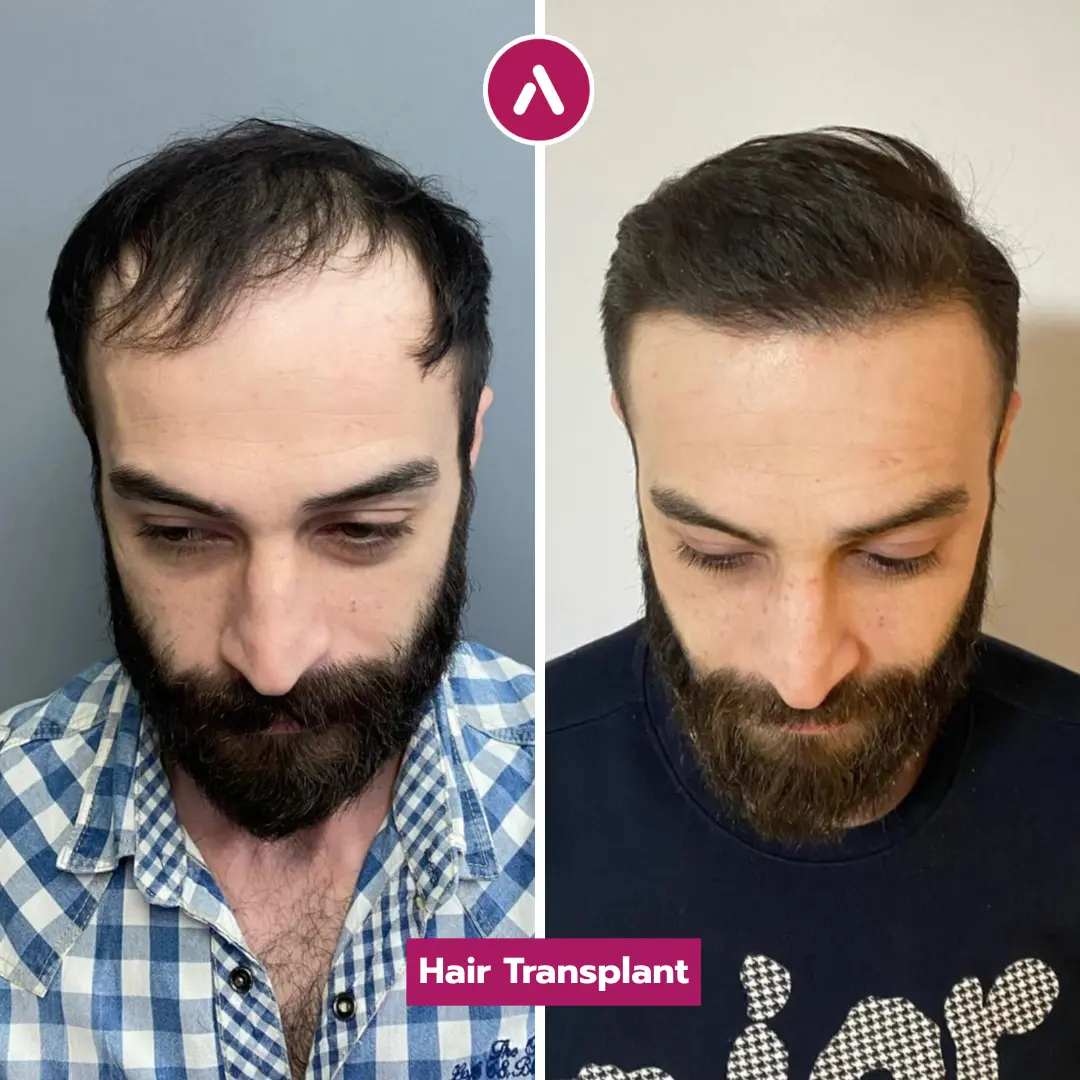
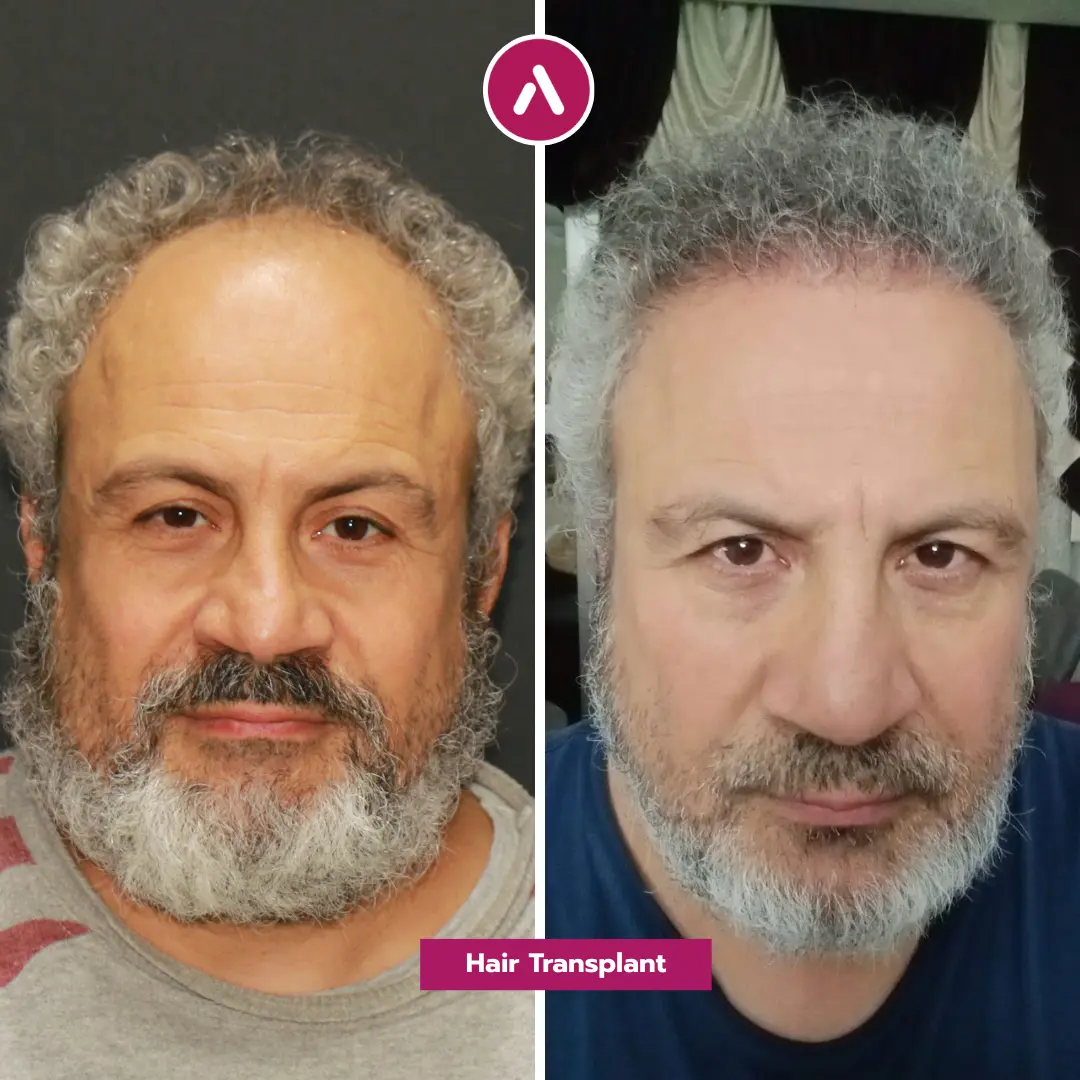
Crown density needs a different expectation from hairline density. A successful crown hair transplant should make the vertex look natural in everyday situations: standing conversation, normal indoor lighting, photos from a reasonable distance, and hair styled in a practical way. It should not be judged only by a harsh overhead flash photo taken a few centimetres from the scalp.
“Social fullness” is the real goal
The phrase “social fullness” means the scalp no longer draws attention in normal life, even if it is not as dense as non-thinning hair. This is especially important in the crown because the hairs rotate away from the centre. That rotation lets more light reach the scalp.
Trying to make the crown look like a teenage scalp is usually the wrong target. It can require too many grafts, increase pressure on the donor area, and still fail to look natural if the swirl pattern is not respected. The better target is believable coverage that blends into the surrounding hair.
Why the crown may still show scalp in photos
The vertex is unforgiving under direct light. Bathroom lighting, elevator cameras, and top-down phone photos often make even healthy hair look thinner. After a transplant, this effect can continue because the crown’s natural geometry exposes more scalp than the frontal hairline.
This does not automatically mean the result is weak. It means the crown should be assessed in several conditions: dry hair, damp hair, natural daylight, indoor light, and from the back at a normal viewing distance. One overhead image is not the whole story.
Why matching the hairline density is not always wise
The hairline has a high visual return on each graft because it frames the face. The crown is different. The same graft count can appear less dramatic because it is spread across a broader, circular zone.
For that reason, crown planning often requires discipline. The surgeon may recommend a moderate density that improves coverage but keeps donor reserves safe. That is not a compromise in quality. It is long-term planning.
This is also where permanence needs to be understood correctly. Transplanted follicles are usually selected from a more stable donor zone, but the native hair around them can keep thinning. That is why a crown plan has to account for the native hair, not only the grafts.
Canadian planning note: If you are comparing crown restoration options from Canada, ask for a plan that separates three things: transplanted-hair survival, native-hair progression, and donor-area reserve. A good plan should address all three before a graft number is proposed.
A Well-Coordinated Hair Transplant Experience
From private airport transfers to comfortable, well-appointed hotel accommodation, we handle every detail of your stay. The result is a seamless all-inclusive clinical pathway in Istanbul — so you can focus on your procedure and recovery while we manage the logistics.
The Native Hair Loss Factor
The crown is rarely a static target. In many patients, the visible bald spot is surrounded by miniaturizing hair that still looks present but is already weakening. If that surrounding hair continues to thin after surgery, the transplanted centre may grow while the ring around it fades. This is the classic long-term crown planning problem.
The “doughnut” risk
A crown-only transplant can look logical at first: fill the bald centre, improve coverage, and move on. The risk is what happens later. If the native hair around the grafted centre keeps falling, the result can become a circle of transplanted hair surrounded by thinning scalp.
This is sometimes described as a “doughnut” pattern. It is not caused by the transplanted grafts failing. It is caused by future hair loss around them. That is why the crown should be planned with the full Norwood pattern in mind, not only the area that bothers you today.
Shock loss and native hair vulnerability
Some patients still have a lot of fine, miniaturized hair in the crown. Those hairs may help the area look fuller before surgery, but they can be fragile. After transplant surgery, some native hairs may shed temporarily. This is commonly discussed as shock loss.
Shock loss does not affect every patient the same way. In some cases, shedding is temporary. In others, very weak native hairs may not return strongly. That is why an honest assessment of the existing crown hair matters before surgery.
When waiting may be smarter than grafting
Not every crown should be transplanted immediately. If the hair loss pattern is still changing quickly, a surgeon may advise monitoring, medical stabilization, or prioritizing other areas first. This is not avoidance. It is graft protection.
For younger patients, this point is especially important. A dense crown at 28 can become a problem at 38 if the frontal scalp, mid-scalp, or surrounding vertex continues to thin and donor grafts have already been overused.
Why the crown and hairline must be planned together
Many patients ask whether they should fix the crown or the hairline first. There is no universal answer. The decision depends on age, pattern of loss, donor density, styling habits, family history, and how much the crown affects daily confidence.
In general, the hairline often creates more visual change with fewer grafts because it frames the face. The crown often needs more grafts to produce a subtler change. For that reason, a careful surgeon looks at the whole scalp before deciding where the first grafts should go.
At AKM Clinic, the crown is reviewed as part of a long-view treatment plan. The discussion is not only “Can we restore this area?” It is also “Will this still look natural if the surrounding native hair changes over the next decade?” That question protects the result.
Getting a Natural Crown Result
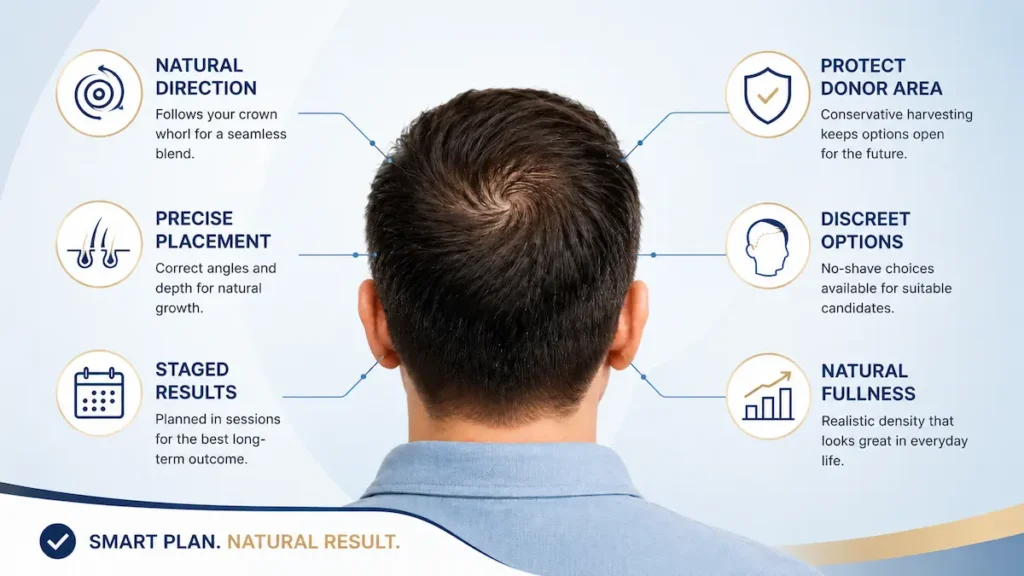
A natural crown result depends on restraint, not force. The vertex has to look believable from above, from behind, and in motion. That requires careful whorl design, conservative graft spending, and a plan for what may happen to the surrounding native hair later.
Whorl direction must be recreated, not ignored
The crown has a centre point where the hair changes direction. Some patients have a clockwise whorl, some have a counter-clockwise whorl, and some have a more irregular pattern. The transplant design should follow the patient’s natural direction rather than forcing a generic circular layout.
This is one of the details that separates a natural-looking crown hair transplant from a visibly artificial one. The grafts need to lie at the right angle, follow the existing swirl, and blend into the hair around the vertex.
Staged crown restoration can be safer
Some crown cases are better treated in stages. A first session may create a natural base of coverage, then a later session can refine density if the donor area remains strong and the native hair pattern is stable.
This approach can feel slower, but it protects the donor area. It also gives the surgeon time to see how your scalp responds, how the grafts mature, and how your surrounding hair behaves over time.
No-shave options depend on the crown pattern
Some patients ask whether the crown can be treated without shaving. In selected cases, it may be possible, especially when the target area is smaller and the surrounding hair can help conceal the work. But the crown’s swirl pattern can make visibility and placement more demanding.
If discretion matters because you are travelling from Canada and returning to work, ask whether no-shave transplant options are realistic for your crown pattern. Do not choose no-shave access if it compromises angle control or graft placement.
The donor area must be protected
A strong crown result begins in the donor area. If too many grafts are harvested too close together, the donor zone can look thin or patchy. In crown work, this risk is important because the vertex can demand a high graft count.
Before agreeing to surgery, ask how the graft number was calculated, how donor density was measured, and what will be left for future needs. Our guide to the donor-area scarring to expect explains why harvest planning matters beyond the recipient area.
Poor donor planning can affect more than the scalp
Donor planning matters in every hair restoration procedure. Overharvesting or placing grafts without a long-term plan can limit future options, whether the patient later wants crown refinement, hairline work, or facial hair restoration.
This is why AKM evaluates donor supply conservatively. The same principle applies across scalp and beard work; poor planning can create avoidable problems.
Cost should follow the plan, not lead it
Crown restoration should never be planned around a pre-set graft package alone. The correct graft number depends on the size of the vertex, the whorl pattern, donor quality, native hair loss, and whether the hairline or mid-scalp also needs attention.
This article focuses on crown difficulty rather than pricing. Canadian patients can review FUE hair transplant cost in CAD separately, then use the consultation to understand how graft planning applies to their own scalp.
What to ask before you decide: When reviewing a crown plan, ask for a clear explanation of donor reserve, whorl direction, native-hair risk, and follow-up. AKM’s approach is surgeon-led, evidence-aware, and built around natural-first planning rather than maximum-density promises.
Frequently Asked Questions: Crown Hair Transplant
These are the crown transplant questions Canadian patients most often need answered before deciding whether the vertex should be treated first, later, or in stages.
Is a crown hair transplant harder than a hairline transplant?
How many grafts does the crown need?
Will the crown look as dense as the front?
Should I fix the crown or hairline first?
Does crown hair grow slower after a transplant?
Can native crown hair keep falling out after surgery?
Can the crown be made completely full?
Is the crown a good area for a second session?
Book a Crown Hair Transplant Assessment
If your crown is thinning, the first step is not choosing a graft number. It is understanding whether the vertex should be restored now, later, or in stages. AKM can assess your photos, donor area, whorl pattern, and long-term loss risk through a virtual consultation.
Ask AKM how many grafts your crown realistically needs and whether to treat it first.
Have Specific Questions About Hair Transplant?
Chat directly with our dedicated patient coordinators about your Hair Transplant. Whether you're weighing your options from Ontario, British Columbia, or Alberta, you'll get clear, personalized answers — straight from the team who will look after you, not a call centre.
Medical disclaimer: This article is for educational purposes only and does not replace medical advice, diagnosis, or treatment. Hair transplant suitability, graft survival, density, healing, and long-term results vary from person to person. Always consult a qualified medical professional before making decisions about surgery or medication.
Related Procedures

Awake Gynecomastia
Awake gynecomastia surgery in Turkey for Canadian men. Learn how local anesthesia, discreet recovery, CAD pricing, and fit-to-fly care work at AKM Clinic.

Awake Abdominal Etching
A Canadian patient guide to awake abdominal etching in Istanbul: pure local anesthesia, comfort, recovery, cost, safety, and fit-to-fly planning.

Awake Neck Lift
Learn how an awake neck lift in Turkey works under pure local anesthesia, including candidacy, cost vs Canada, and AKM Clinic’s Canadian patient journey.
Facelift
Explore Facelift in Turkey for Canadian patients, including SMAS vs deep plane techniques, CAD pricing, recovery, surgeon credentials and safety.
Ready to Begin Your Journey?
Join the more than 2,000 patients who have trusted Dr. Akif Mehmetoğlu and the AKM Clinic team. Your journey begins with an informative, no-obligation conversation. Contact us today from across Canada to schedule your complimentary virtual consultation.
#1: Receive Your Personalized Quote
Start with a complimentary, no-obligation virtual consultation. Share your photos, and our surgical team will provide a fully personalized treatment plan and a transparent, all-inclusive pricing package quoted in Canadian dollars (CAD). There are no hidden fees.
#2: Secure Your Procedure Date
Once you are ready to proceed, our dedicated English-speaking patient coordinators will help you secure your procedure date. We will manage your logistical bookings in Istanbul, including your five-star hotel and private airport transfers.
#3: Arrive in Istanbul & Meet Your Surgeon
Arrive at Istanbul Airport (IST), where you will be greeted by your private driver. Settle into your hotel before your comprehensive in-person consultation. You will meet your specialist surgeon to finalize the details of your procedure and ensure your goals are aligned for a natural, subtle result.