
Choosing a revision facelift specialist is not the same as choosing a surgeon for a first facelift. A revision case starts with scar tissue, changed anatomy, and a patient who may already feel disappointed or cautious after a previous procedure.
For Canadian patients comparing local options in Toronto, Vancouver, Montreal, or Calgary with surgery in Istanbul, the decision should be evidence-led. The right question is not simply, “Is this surgeon qualified?” It is more specific: “Has this surgeon repeatedly corrected complex facelift problems like mine?”
This guide explains how to evaluate revision facelift treatment options at a specialist level, with a focus on surgical judgement, revision-specific experience, and realistic planning.
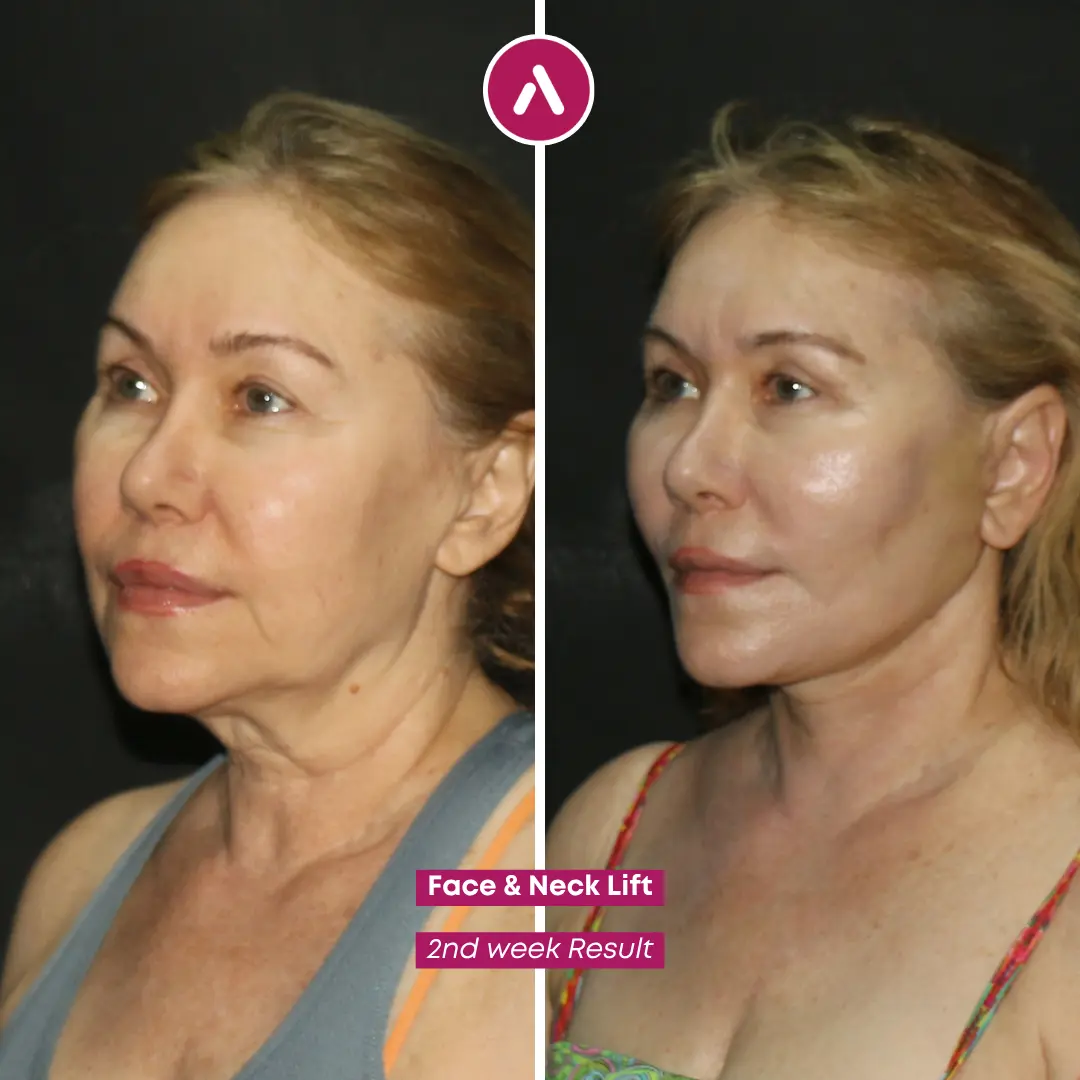
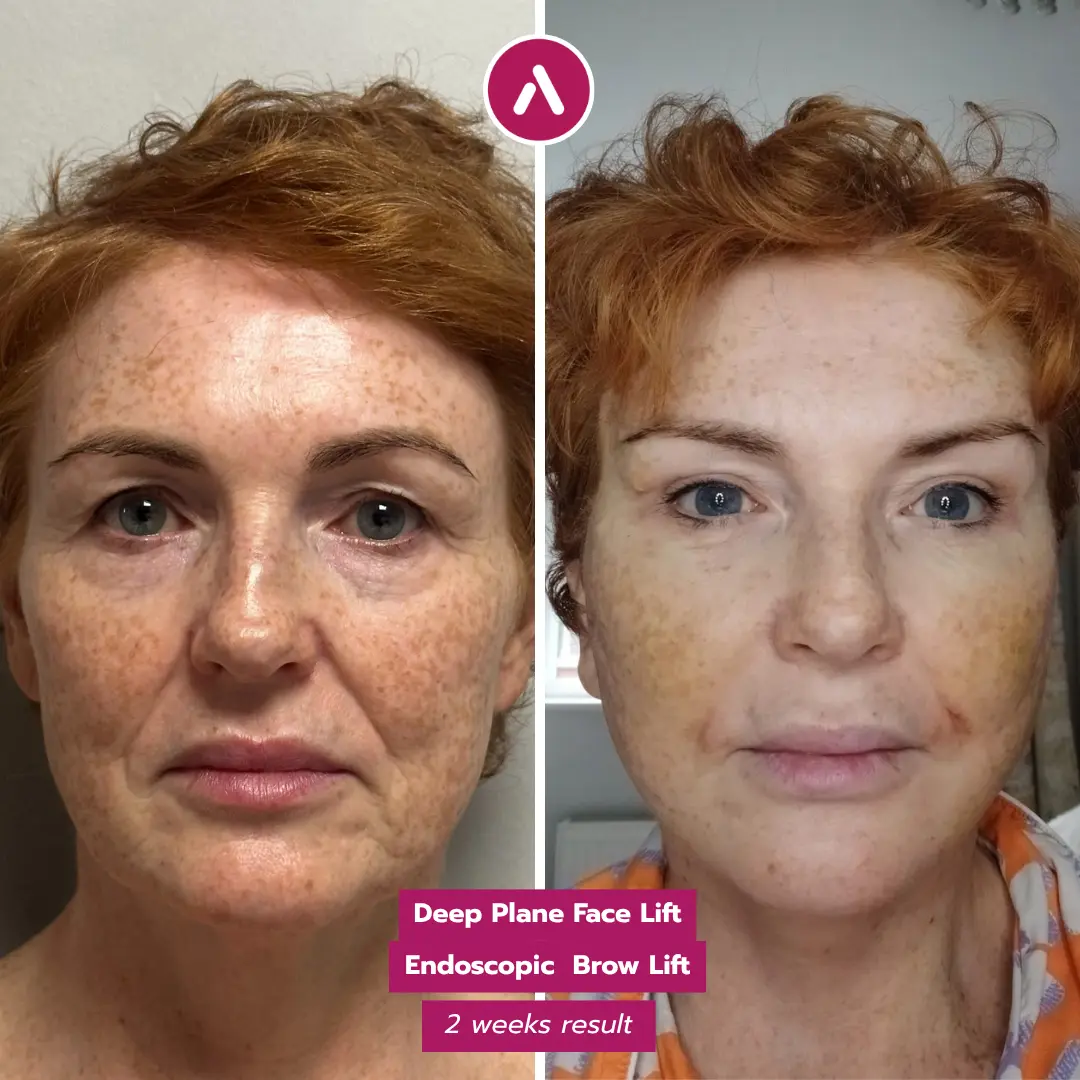
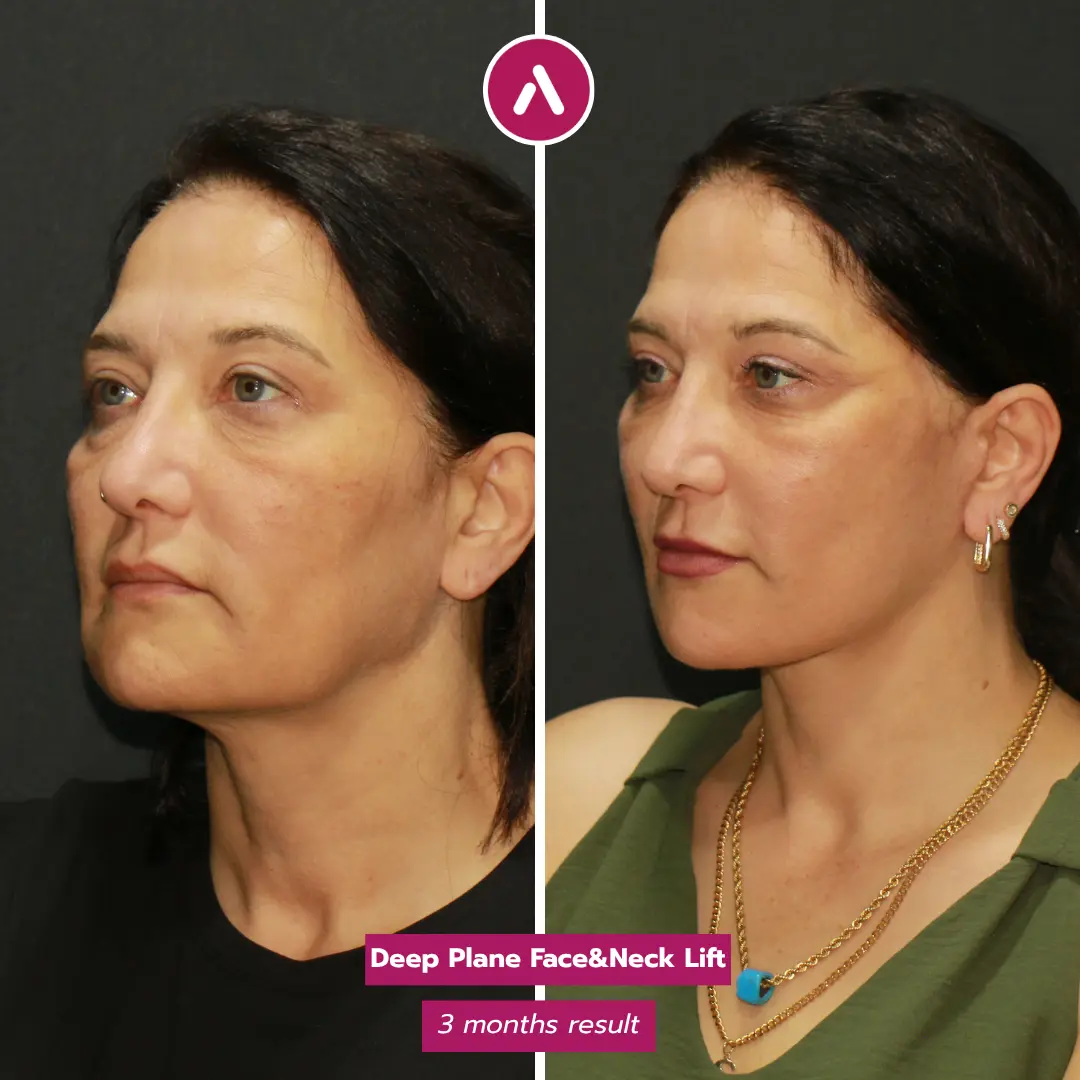
Quick Summary: Revision facelift requires a different skill set than primary facelift because the surgeon must work through scar tissue, altered tissue planes, and anatomy that may no longer follow standard surgical landmarks. Canadian patients should evaluate a revision facelift specialist by revision case volume, scar management skill, complication planning, and honesty during consultation.
Board certification matters, but it is only the starting point. The strongest revision candidates look for a surgeon who can explain what is correctable, what is not, and how the plan will protect facial nerves, blood supply, scars, and natural facial identity.
Table of Contents
Why Revision Facelift Is Surgically Harder?
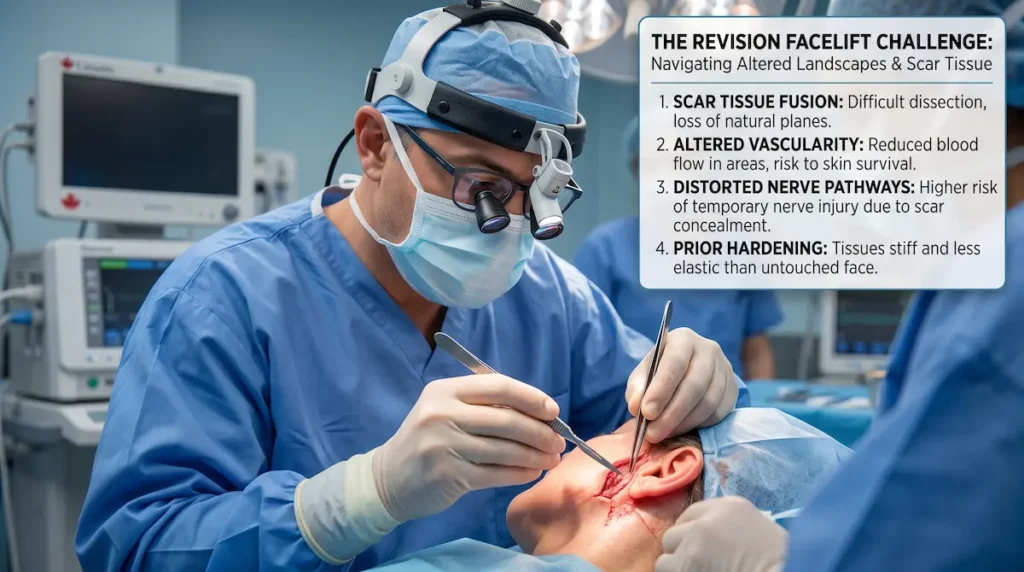
Revision facelift is harder because the first surgery changes the surgical landscape. Tissue that once lifted cleanly may now be stiff, tethered, or uneven. Blood supply can be reduced in certain areas, and scars may hide the original anatomy.
This is why a revision plan should never be treated as a “repeat facelift.” It is a corrective operation with a different risk profile. A careful surgeon must identify what the first procedure changed before deciding how much correction is safe.
Scar Tissue and Altered Tissue Planes
Scar tissue is the central challenge in revision surgery. After a primary facelift, the skin, SMAS layer, and deeper tissues heal together in new patterns. The natural sliding planes may become fused.
That fusion makes dissection more difficult. A revision surgeon cannot simply follow the same path used in an untouched face. Each millimetre has to be released with attention to blood flow, skin thickness, and tension.
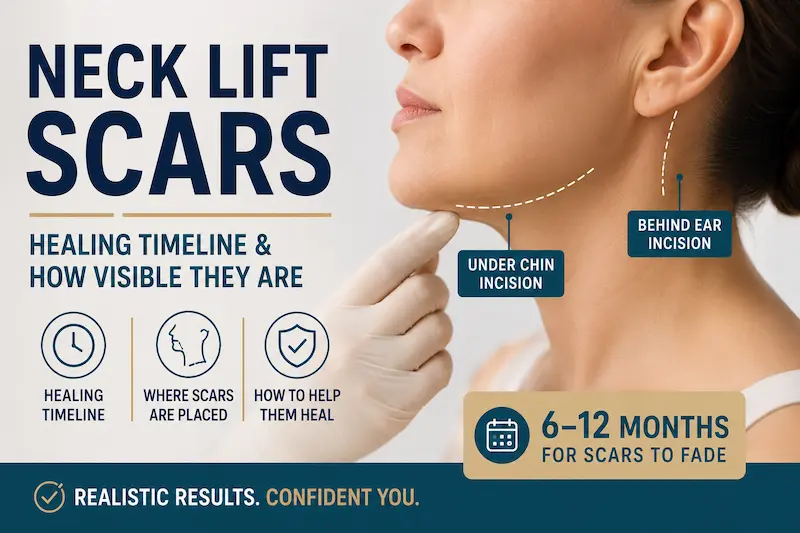
For patients who have visible scars, widened incisions, or tightness around the ears, scar strategy becomes part of the surgical plan. For scar-specific concerns beyond facelift revision, see our guide to scar revision considerations for facelift patients.
Distorted Vascular and Nerve Anatomy
A primary facelift can alter the position and behaviour of tiny blood vessels. Some areas may still have healthy circulation, while others may be more fragile. This matters because skin survival depends on reliable blood supply.
Facial nerves are another concern. Even when no nerve injury occurred during the first operation, scar tissue can make the nerve pathways harder to predict. A revision facelift specialist must work slowly and respect these altered layers.
Canadian patients often ask whether revision is “riskier.” The honest answer is yes, it can be. The goal is not to eliminate risk with reassurance. The goal is to reduce it with planning, experience, and conservative surgical judgement.
Higher Complication Risk Profile
Revision facelift has a higher complication profile than primary facelift because the tissues have already been operated on. Common concerns include delayed wound healing, visible scarring, asymmetry, skin tightness, and limited correction capacity.
A good consultation should address these issues directly. If a surgeon promises a simple fix without explaining the tissue limitations, that is a red flag.
| Evaluation Area | What Canadian Patients Should Ask | Why It Matters in Revision Facelift |
|---|---|---|
| Revision case volume | How many secondary facelift cases do you assess and perform? | Revision anatomy requires repeated exposure to scarred tissue planes. |
| Scar strategy | Can my previous scars be improved, moved, or softened? | Scar appearance often shapes the final result as much as the lift itself. |
| Risk planning | How do you protect blood supply and facial nerves? | Prior surgery can change vascular and nerve landmarks. |
| Expectation setting | What can realistically improve, and what cannot? | Revision success depends on honest limits, not aggressive promises. |
| Follow-up structure | How will my recovery be monitored once I return to Canada? | Long-distance patients need a clear post-op communication plan. |
“Primary facelift is often about restoring structure. Revision facelift is about restoring structure while respecting what the first operation has already changed. The safest plan is usually the one that corrects enough, not the one that promises everything.”
Canadian Patient Note: Revision Can Be Cosmetic or Medically Relevant
Most elective facelift revision is considered cosmetic in Canada and is not covered by OHIP, MSP, RAMQ, or AHCIP. In rare cases involving functional problems, painful scarring, or reconstructive concerns, a Canadian physician may document medical relevance. Patients should clarify this with their provincial provider before assuming coverage.
The Surgeon Credential Filter
Credentials matter, but revision facelift requires a deeper filter. A surgeon may be well qualified for primary cosmetic surgery and still have limited experience correcting another surgeon’s work.
For Canadian patients, the safest approach is to separate general credentials from revision-specific proof. Board certification, fellowship training, international memberships, and case history all matter, but none should be reviewed in isolation.
Beyond EBOPRAS — Revision-Specific Case Volume
European board certification, including EBOPRAS, can signal a high level of surgical training. It should be seen as the first checkpoint, not the final answer. Revision work depends heavily on case experience.
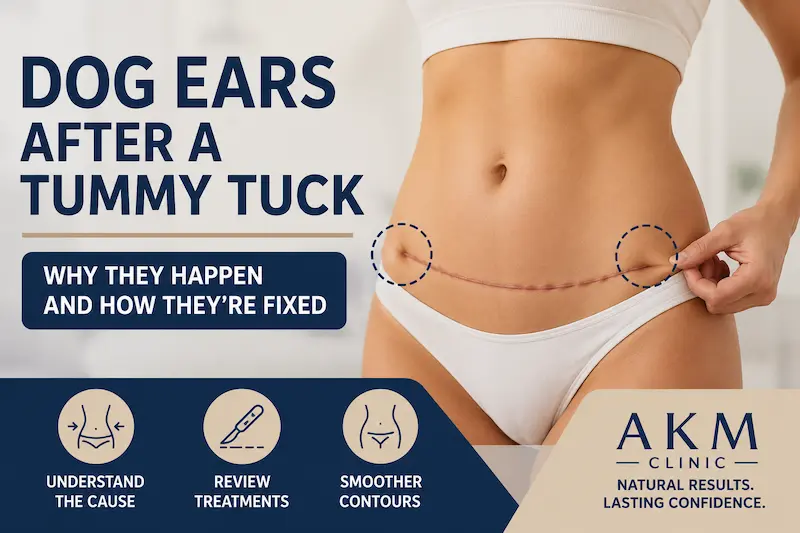
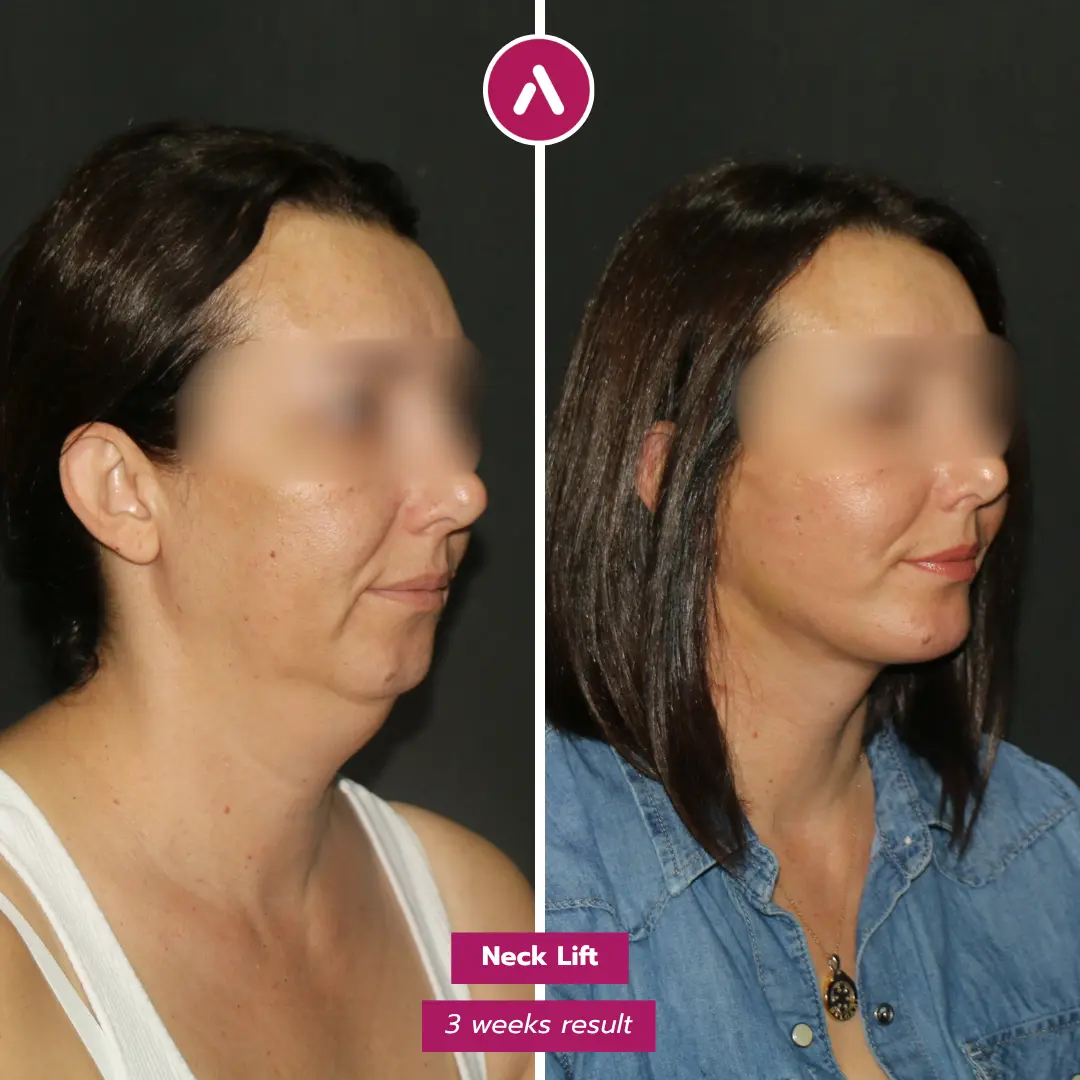
Ask how often the surgeon performs revision facelifts, not just facelifts in general. Ask whether they have corrected pixie ear deformity, widened scars, visible tension lines, residual jowling, neck banding, or an unnatural pulled result.
For a broader primary-surgeon comparison, see our guide to general deep plane surgeon evaluation criteria. This revision article focuses on a narrower and more complex problem.
Fellowship in Facial Plastic or Aesthetic Plastic Surgery
Fellowship training can show that a surgeon has spent focused time on facial anatomy and aesthetic decision-making. That matters in revision because the margin for error is smaller.
Canadian patients may compare international credentials against familiar Canadian systems. The Royal College of Physicians and Surgeons of Canada is the national body associated with specialist medical education and examination pathways in Canada, so it provides a useful reference point when thinking about what formal specialist training means.
For a Canada-specific explanation of credential language, see our guide to Canadian board certification context. For international aesthetic surgery context, ISAPS is also a useful professional body to review when assessing surgeon memberships.
Why Dermatosurgery Training Matters for Revision
Revision facelift is not only about lifting deeper tissues. Skin quality, scar behaviour, incision placement, and healing response all influence the result. This is where dermatosurgical judgement becomes valuable.
A surgeon with strong skin and scar experience may be better positioned to assess whether a previous incision can be reused, whether a scar should be excised, and how much tension the skin can safely tolerate.
Canadian patients should also verify credentials independently. For a practical checklist, use our step-by-step credential verification guide before committing to any international revision procedure.
Canadian Patient Note: Bring Your Records Early
If your first facelift was performed in Canada, request your operative report, anesthesia record, implant or suture details if relevant, and post-op notes before your AKM consultation. A revision surgeon can make a safer plan when they know what was done, which plane was used, and whether complications occurred during the first recovery.
Reviewing the Revision Surgeon’s Portfolio
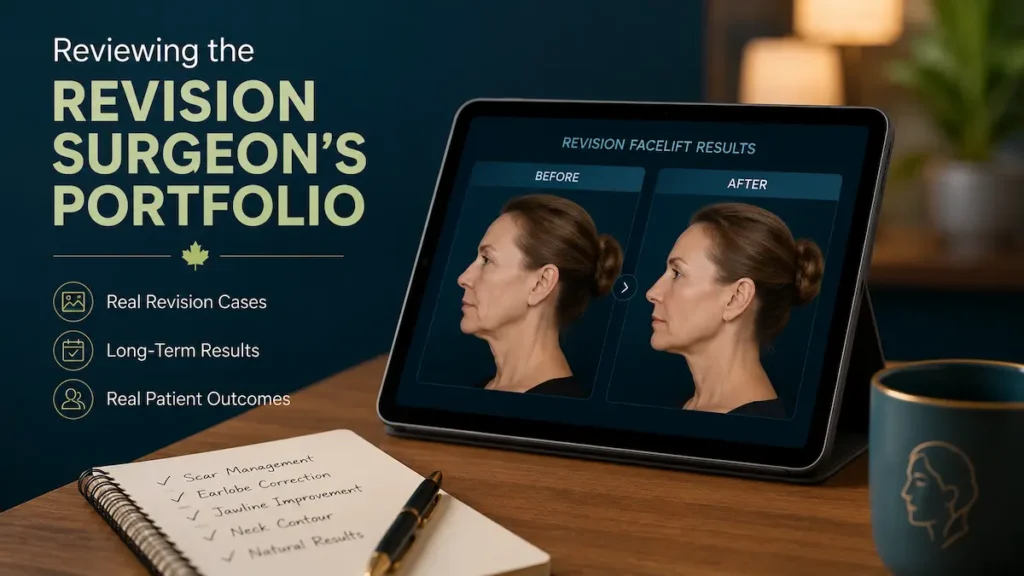
A revision facelift portfolio should be judged differently from a primary facelift gallery. The key question is not whether the surgeon can create a good result in untouched anatomy. It is whether the surgeon can improve a difficult result without making the face look tighter, flatter, or more operated-on.
Canadian patients should ask to see examples that resemble their own concern. A stretched earlobe, visible scar, residual jowl, tight neck, or asymmetric lift each requires a different corrective strategy.
Before-and-After Revision Cases Specifically
Primary facelift photos are useful, but they do not prove revision skill. Revision photos should show patients who had already undergone surgery before the corrective procedure.
Look closely at the ears, hairline, jawline, and neck. These areas often reveal whether the first operation placed too much tension on the skin. A revision facelift specialist should be able to explain what was corrected and what was intentionally left alone for safety.
Ask whether the photos are taken with consistent lighting, facial expression, and camera distance. Poor photo standards can make small improvements look larger than they are.
Patient Outcomes from Primary Failures
Revision patients usually arrive with one of two concerns: an under-corrected result or an over-corrected result. Under-correction may leave jowls, neck laxity, or loose skin. Over-correction may create tightness, pulled corners, pixie ear deformity, or visible scars.
The best revision plans are problem-specific. A surgeon should not treat every failed facelift with the same operation. Some patients need deeper structural release; others need scar refinement, earlobe correction, or conservative rebalancing.
For Canadians who had their first procedure in Toronto, Vancouver, Montreal, or Calgary, it helps to describe the original concern in plain language. Bring photos from before the first surgery if you have them. They show what your natural anatomy looked like before it was changed.
Long-Term Follow-Up of Revision Work
Early revision results can look encouraging because swelling temporarily softens scars and irregularities. Long-term follow-up matters more. A six-month or one-year result shows how the tissues settled.
Ask whether the surgeon tracks outcomes after patients return home. International patients need more than a surgery date and a departure date. They need structured virtual follow-up and a clear route for questions once they are back in Canada.
AKM Clinic’s long-term virtual follow-up model is designed around this reality. Revision patients need close observation because scarred tissue can mature unevenly over several months.
The Pre-Operative Consultation for Revision
The consultation is where a safe revision plan is built. It should feel more investigative than promotional. The surgeon needs to understand the first operation, the healing pattern, the current anatomy, and the patient’s emotional expectations.
A serious revision consultation may be less glamorous than a primary facelift consultation. That is a good sign. Corrective work depends on careful boundaries, not exaggerated promises.
Honest Assessment of What Is Correctable
A revision facelift can improve many problems, including residual laxity, visible tension, scar position, pixie ear deformity, uneven jawline contour, and some forms of neck banding. The degree of improvement depends on tissue quality and blood supply.
The surgeon should identify which issues are structural and which are skin-level concerns. Structural problems may require deeper release. Scar and skin concerns may need a different plan, including conservative excision, regenerative support, or staged correction.
If your concern is subtle, the safest answer may be to wait. A cautious surgeon will not operate simply because a patient is frustrated. Timing matters.
What Revision Cannot Fix
Revision has limits. It cannot fully restore untouched anatomy. It cannot guarantee perfect symmetry, erase every scar, or reverse every effect of aggressive skin pulling from the first procedure.
This is especially important for patients who feel emotionally affected by a disappointing first result. A revision facelift specialist should validate the concern without promising an unrealistic outcome.
The most trustworthy plan is usually specific. For example, the surgeon might say, “We can soften the earlobe tension and improve the jawline, but the scar quality may only improve gradually.” That kind of answer is more credible than a blanket promise.
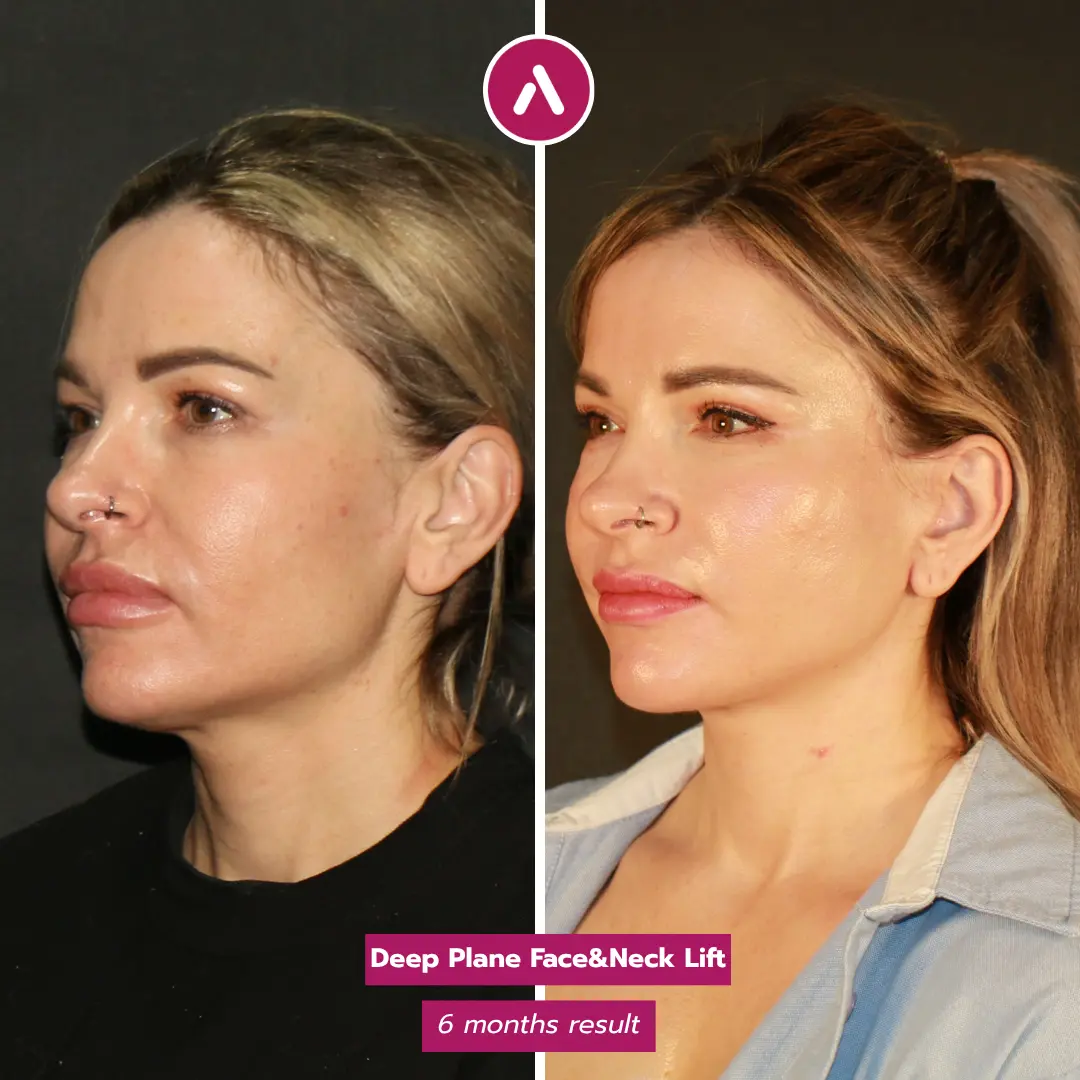
Realistic Expectation Setting
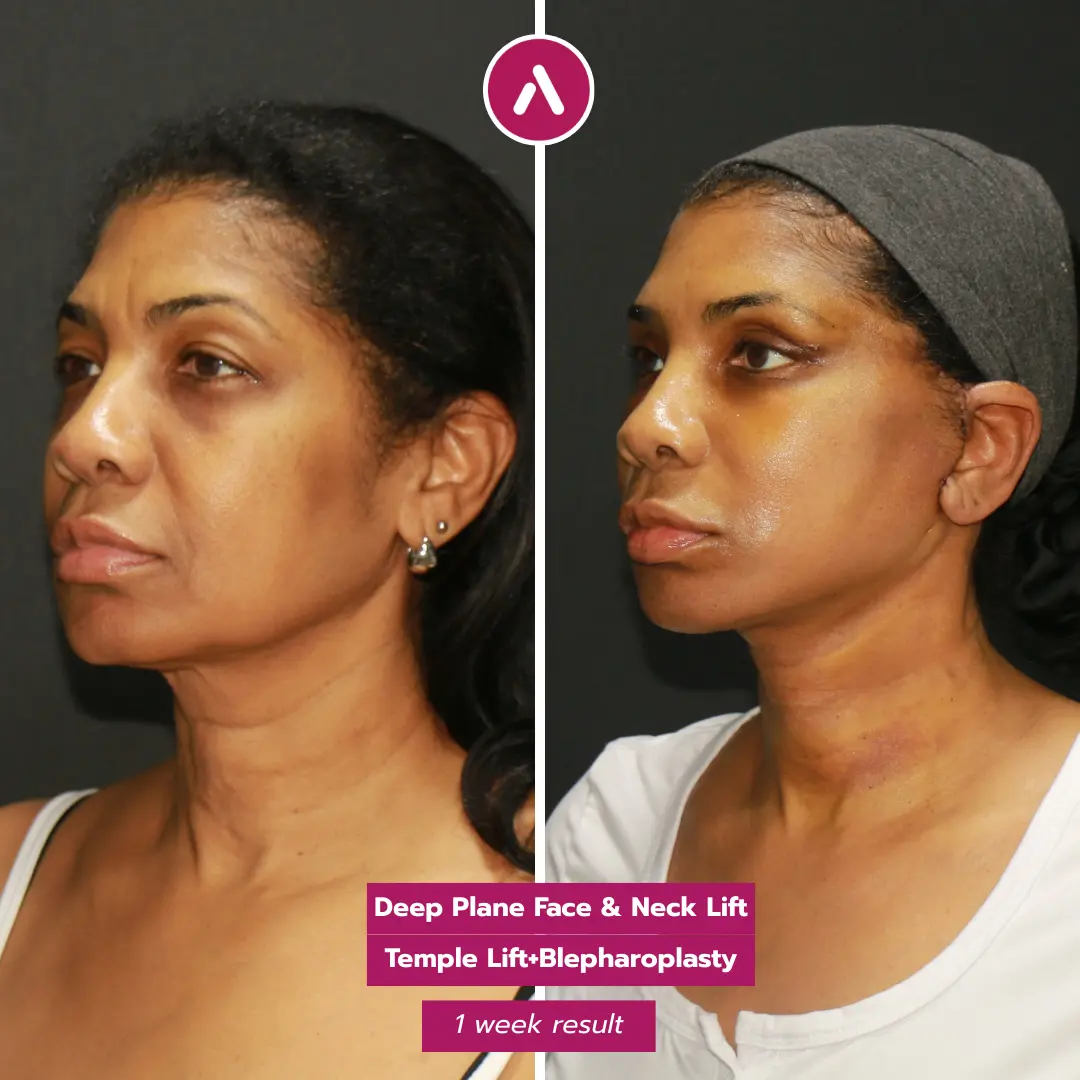
Expectation setting is part of surgical safety. Revision patients often hope the second surgery will undo the first experience. Sometimes it can improve the visible result significantly. Sometimes the goal is more modest: softer scars, less tension, better proportion, and a more natural resting expression.
For Canadian patients travelling internationally, expectation setting should include recovery logistics. Revision tissues may swell longer, bruise differently, or require more conservative flight timing.
A strong consultation should cover:
- What the surgeon believes caused the unsatisfactory result
- Which concerns can be improved surgically
- Which concerns may need non-surgical support
- Whether the correction should be staged
- How follow-up will work after returning to Canada
Canadian Patient Note: Sharing Records from Your First Surgeon
Canadian clinics may require formal consent before releasing operative notes. Request records early, especially if your first surgery was done in another province. AKM can review photos and history without records, but operative details make revision planning safer and more precise.
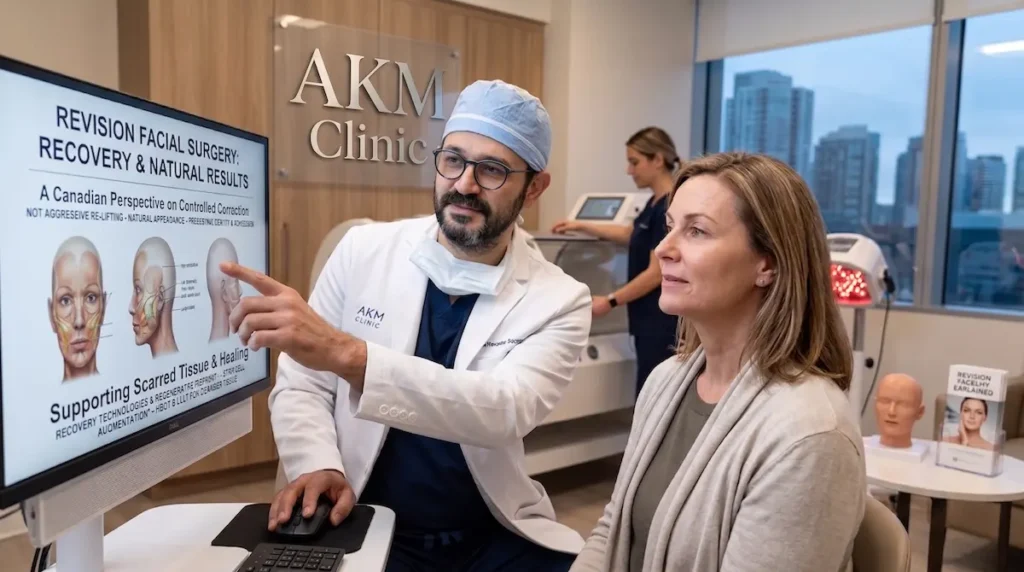
AKM’s Revision Approach
AKM Clinic’s revision approach is based on controlled correction rather than aggressive re-lifting. The goal is to improve the previous result while preserving circulation, facial identity, and natural movement.
This matters for Canadian patients who want a result that feels private. Many are not seeking a dramatic “new face.” They want to look less tight, less tired, less uneven, or less visibly operated-on.
AKM’s Revision Case Experience and Surgical Philosophy
AKM’s broader facial rejuvenation experience is built around a Natural-First philosophy: rejuvenation over alteration. For revision cases, that principle becomes even more important because overcorrection is often the reason patients seek a second opinion.
Dr. Akif Mehmetoğlu has practised since 2013, with over 2,000 successful facial surgeries in AKM Clinic’s facial surgery record. Revision planning is supported by a surgical leadership model that emphasizes facial structure, skin behaviour, and conservative judgement.
You can review AKM’s surgical leadership for revision cases to understand the clinic’s approach to facial surgery, patient advocacy, and long-term follow-up.
The Role of Stem Cell Augmentation in Revision
Revision tissue may have compromised healing capacity. Scarred areas can be less flexible and may respond more slowly than untouched tissue. In selected cases, regenerative support may be discussed as part of the plan.
Stem cell or nanofat-based augmentation is not a replacement for surgical correction. It may support skin quality, scar maturation, and tissue recovery in appropriate patients. The decision depends on anatomy, scar burden, and the revision goal.
A responsible surgeon should describe this as an adjunct, not as a guaranteed fix. Regenerative medicine can support healing, but it cannot erase poor tissue quality or replace careful surgical release.
HBOT and LLLT for Scarred-Tissue Recovery
AKM Clinic uses recovery technologies such as Hyperbaric Oxygen Therapy (HBOT) and Low-Level Laser Therapy (LLLT) as part of its healing-focused infrastructure. In revision cases, these tools may be especially relevant because scarred tissue can be more sensitive to inflammation and delayed healing.
HBOT supports oxygen delivery to healing tissues. LLLT uses 650nm low-level laser energy to stimulate cellular repair. Together, they are used to reduce inflammation, support scar maturation, and help international patients recover more comfortably before long-haul travel.
For Canadian patients flying back through YYZ, YUL, YVR, or a connecting hub, recovery technology is not just a comfort feature. It supports the practical need to return home safely after a corrective procedure.
Canadian Patient Note: Revision Timing Before Long-Haul Travel
Revision patients may need more conservative travel planning than primary facelift patients. If your tissues are heavily scarred or your correction is complex, AKM’s team may recommend extra nights in Istanbul before fit-to-fly clearance. Build flexibility into your return through Toronto, Montreal, Vancouver, or Calgary.
For credential context, Canadian patients can compare international training language with the Royal College of Physicians and Surgeons of Canada, which is a familiar reference point for specialist standards in Canada. Internationally, ISAPS patient safety guidance also encourages patients to assess the patient, procedure, surgeon, and facility together rather than judging credentials in isolation.
Frequently Asked Questions: Revision Facelift Specialist
Revision facelift decisions are often more personal than primary facelift decisions. Many patients are trying to correct a visible result, rebuild confidence, or understand whether a second surgery is worth the risk. These answers are designed to help Canadian patients ask sharper questions before booking a revision-specific consultation.
Can my failed Canadian facelift be corrected?
Many unsatisfactory facelift results can be improved, but not every concern can be fully corrected. A revision facelift specialist first needs to identify the cause of the problem: residual laxity, poor scar placement, earlobe distortion, skin tension, asymmetry, or inadequate deep-tissue support.
Correction is more likely when the tissues still have good blood supply and enough mobility for safe release. If the face is very tight or the scars are immature, the safer recommendation may be to wait before revising.
How long should I wait between primary and revision?
Most patients should wait at least 6 to 12 months before revision, unless there is a specific medical concern that requires earlier attention. Scar tissue needs time to soften. Swelling also needs to resolve before the surgeon can judge the true result.
Canadian patients should avoid making a final decision too early. A result that looks uneven at 8 weeks may settle by 6 months. A result that still looks pulled, scarred, or structurally under-corrected after the healing period deserves a specialist opinion.
Is revision more expensive than primary?
Revision can be more expensive because it requires more time, more planning, and more surgical caution than a primary facelift. The surgeon is not working with untouched tissue. Scar release, earlobe correction, incision revision, or secondary deep plane work may all change the scope.
That does not mean every revision is a major operation. A limited tuck-up or pixie ear correction may be smaller than a full secondary deep plane facelift. Pricing depends on the exact correction needed.
What does revision cost in CAD at AKM?
According to the AKM Clinic Treatment Techniques Cost Schedule, revision facelift pricing depends on the technique selected. Secondary Deep Plane revision is listed at CAD $9,550. A Tuck-up Procedure is CAD $7,500. Pixie Ear Correction is CAD $4,800, and Scar Revision Lift is CAD $4,100.
These figures should be reviewed through a case-specific assessment because revision planning depends heavily on previous surgery, scar burden, and tissue condition. For the full fee reference, see revision facelift pricing in CAD.
Can stem cells help revision recovery?
Stem cell or nanofat-based support may help selected revision patients with skin quality, scar maturation, and tissue recovery. It is not a substitute for surgical correction. It cannot move tissues that need structural release.
In revision cases, regenerative support is best understood as an adjunct. The surgical plan still has to correct the main problem safely. A responsible surgeon will explain whether the additional treatment is useful for your anatomy or unnecessary.
What if my original surgeon will not share records?
You can still request a revision consultation without operative records, but records make the assessment stronger. Ask your Canadian clinic for the operative report, anesthesia record, post-op notes, and any complication documentation.
If the original surgeon will not release information directly, request your records in writing. In many Canadian settings, patients have a formal pathway to access their medical file. Photos from before and after the first surgery are also valuable.
How do I know if I am a revision candidate?
You may be a revision candidate if your result has remained visibly unsatisfactory after full healing, or if you have problems such as persistent jowling, scar visibility, pixie ear deformity, neck laxity, asymmetry, or an unnatural pulled appearance.
You may not be ready if your surgery was recent, swelling is still changing, your scars are immature, or your expectations are not surgically achievable. A careful consultation should clarify this before any travel plans are made.
Ready for a revision-specific assessment? Submit your photos, previous surgical history, and main concerns to AKM Clinic for a virtual consultation. The goal is not to promise a second surgery. The goal is to determine whether revision is safe, realistic, and worth planning.
Medical Disclaimer: This page is provided for general educational purposes only and does not replace an in-person medical consultation, diagnosis, or personalized treatment plan. All surgery carries risks, and outcomes vary between individuals. Suitability for facelift surgery, procedure selection, and anesthesia choice can only be determined after a full clinical assessment by a qualified surgeon. Always follow your clinician’s instructions and seek urgent medical attention if you develop concerning symptoms during recovery.