
Quick Summary: The first wash after a hair transplant is one of the most important aftercare steps. Done too aggressively, it can disturb newly placed grafts; done correctly, it helps keep the scalp clean, soften scabs, and support a smoother recovery.
At AKM Clinic, Canadian patients receive clear instructions before leaving Istanbul, including when to start washing, how to apply lotion, how to rinse without pressure, and what to avoid during the first 30 days.
Washing hair after transplant surgery is not the same as taking a normal shower. The first days are about protection, not cleanliness perfection. Newly implanted grafts need time to stabilize, and the scalp must be handled with deliberate care.
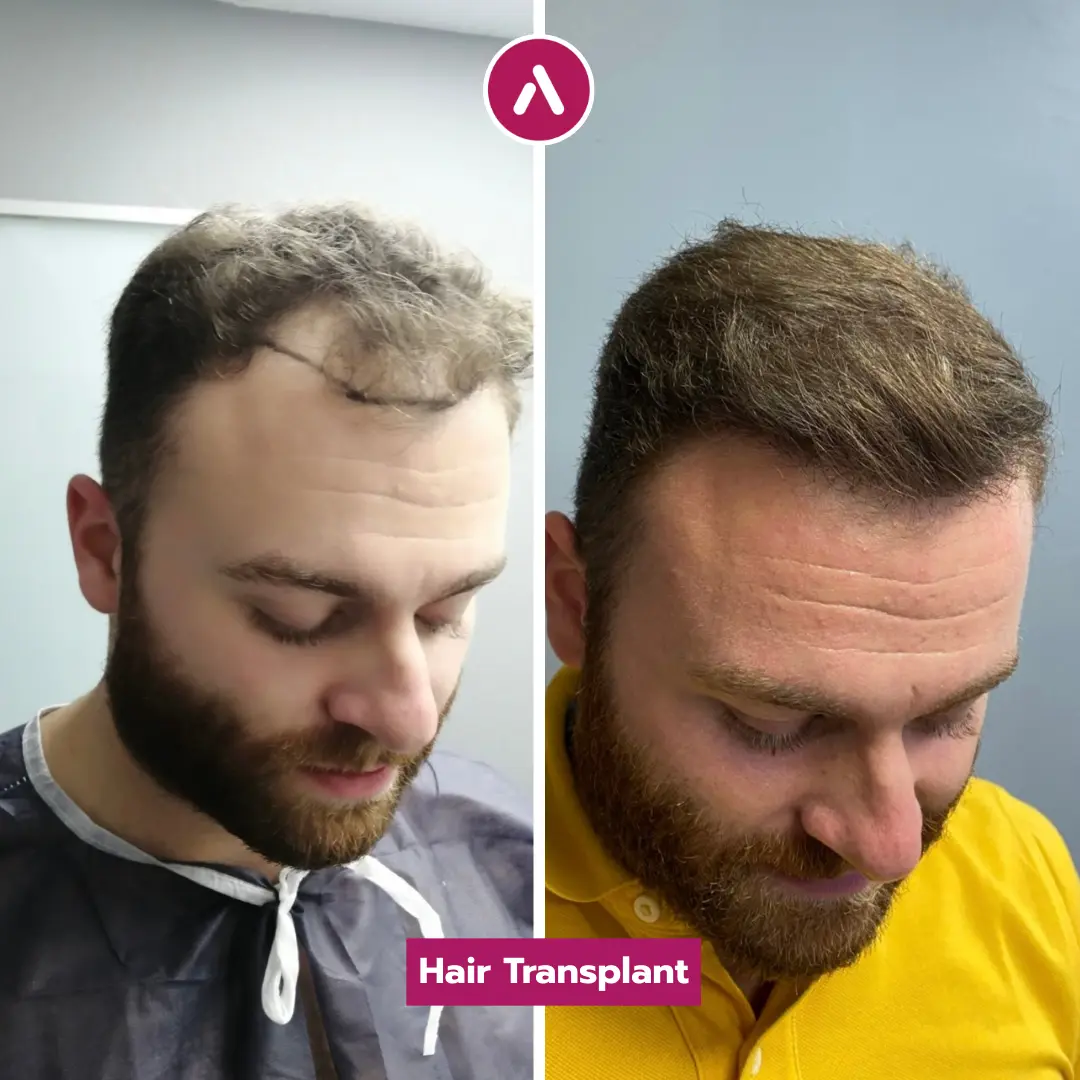
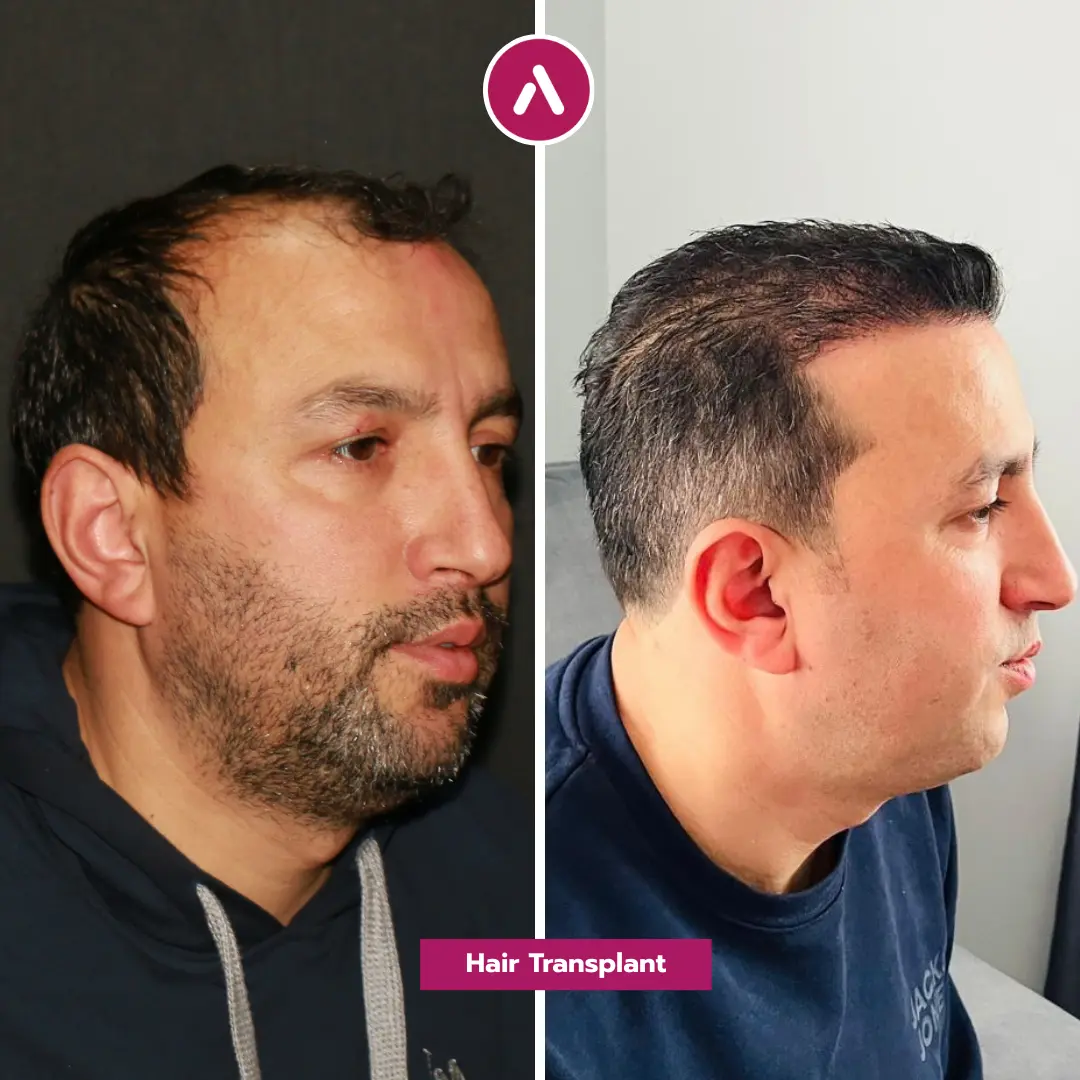
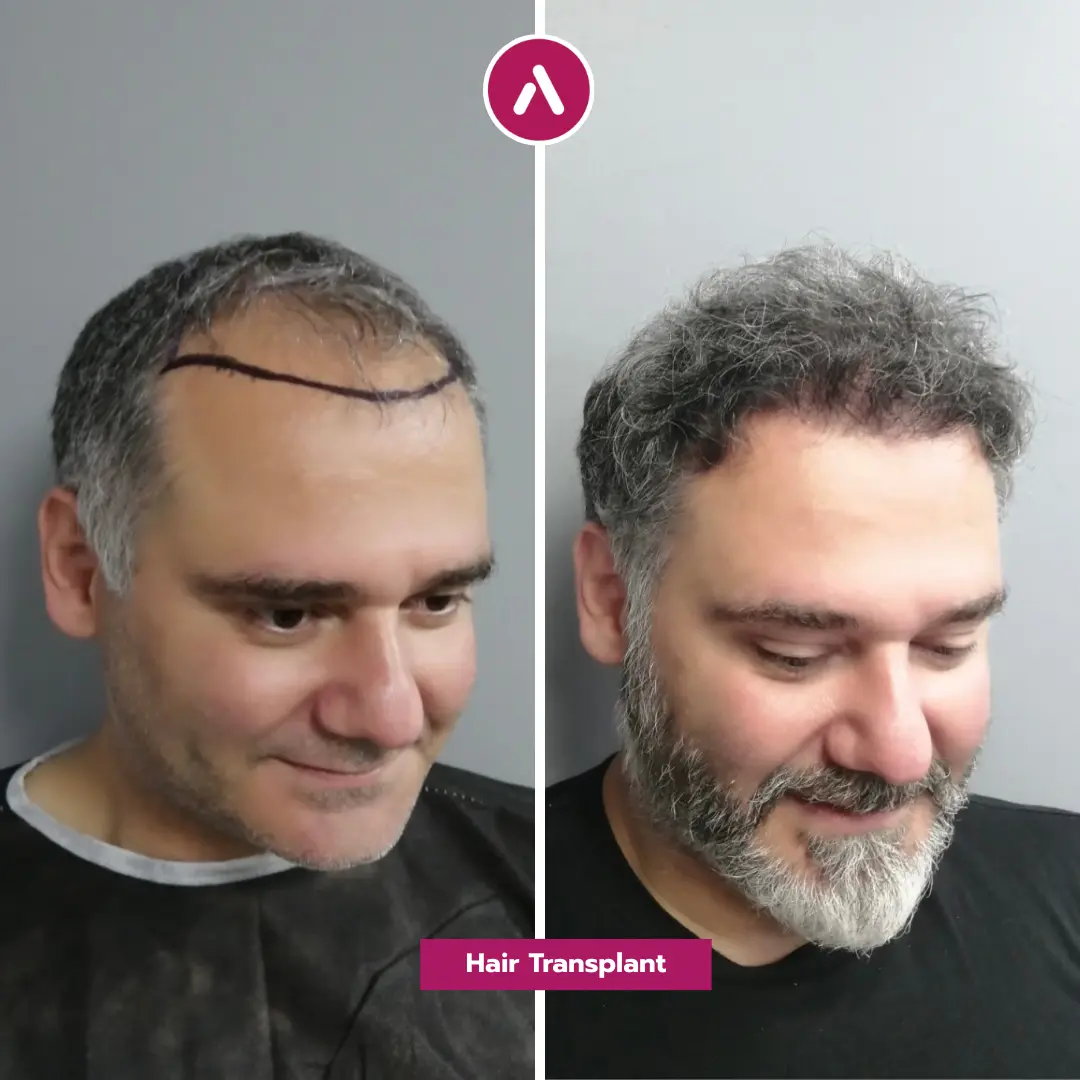
For Canadian patients travelling from Toronto, Vancouver, Montreal, Calgary, or Ottawa to Istanbul, this protocol matters even more. You are recovering thousands of kilometres from home during the first wash window, then continuing care once you return to Canada. A written, day-by-day plan helps remove guesswork.
This guide focuses only on the washing protocol. For the full procedure context, see hair transplant at AKM Clinic. For technique differences that may slightly affect early aftercare, see how DHI and FUE recovery differs. If you are still planning your transplant design, the hairline design behind your transplant explains the planning stage before graft placement.
Table of Contents
Why the First Wash Matters So Much?
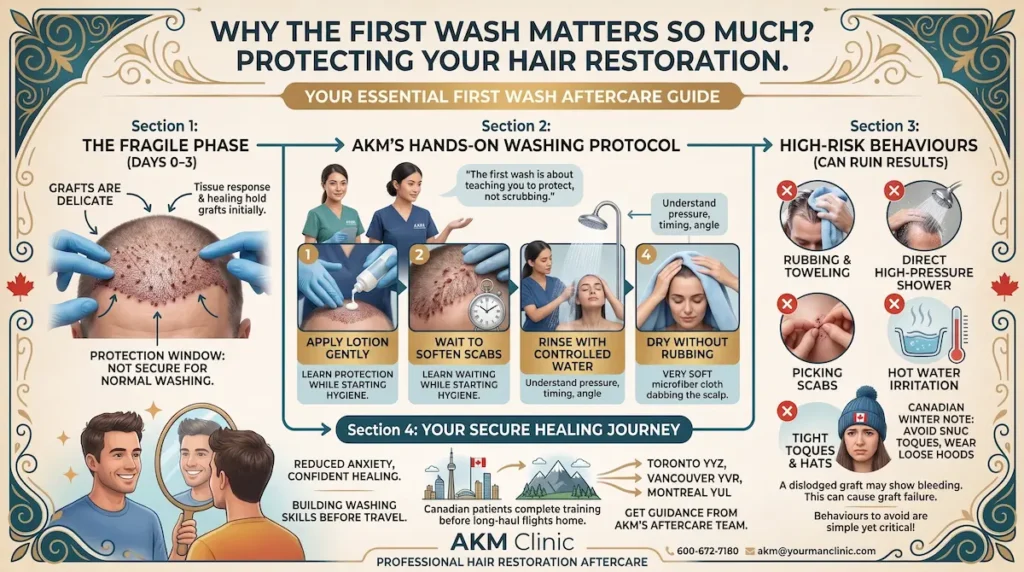
The first wash matters because the recipient area is still fragile. The grafts are not yet integrated into the scalp in the way mature hair follicles are. Early washing must clean without friction, soften without soaking aggressively, and remove residue without pulling at the implanted area.
Hair restoration organizations such as the ISHRS post-operative hair restoration resource emphasize that discomfort and tenderness vary after surgery, which is why aftercare instructions should come from the treating team rather than from generic online advice. AKM’s protocol is built around this same principle: each patient receives specific washing guidance before departure.
Graft anchoring timeline
Immediately after implantation, grafts are held in place by the surrounding tissue response and early healing activity. They are present, but they are not yet secure enough for normal washing. This is why the first 48 to 72 hours are treated as a protection window.
During this period, the recipient area should not be rubbed, scratched, massaged, or exposed to direct shower pressure. Even a well-meaning attempt to “clean the scalp properly” can create unnecessary risk. Gentle restraint is the safer choice.
By Day 3, many patients are ready to begin a controlled wash, but timing must still follow clinic instructions. AKM’s team may adjust your plan if you had dense packing, sensitive skin, more bleeding than expected, or a combined procedure.
The risk window for dislodging grafts
The main concern during early washing is graft dislodgement. A dislodged graft may appear as a tiny hair shaft attached to tissue, often with bleeding from the recipient site. Normal shedding later in recovery is different and should not be confused with early trauma.
The highest-risk behaviours are simple ones:
- rubbing the recipient area with fingertips or a towel
- standing under direct high-pressure shower water
- picking scabs before they soften naturally
- using hot water that increases irritation
- wearing tight hats or winter toques too early
That last point is especially relevant for Canadian patients returning during winter. A soft, loose hood is safer than a snug toque during the early healing window. Pressure matters.
Why AKM provides hands-on first-wash guidance
AKM Clinic’s hair restoration aftercare is practical. Patients are shown how to apply lotion, how long to wait, how to rinse, and how to dry the scalp without rubbing. The goal is not just to explain the process, but to make the patient comfortable repeating it at the hotel and later at home.
For patients comparing overall planning and care inclusions, hair transplant pricing including aftercare in CAD provides the cost context. To understand the team and support structure behind the protocol, see AKM’s hair restoration aftercare team.
“The first wash is not about scrubbing the scalp clean. It is about teaching the patient how to protect the grafts while beginning safe hygiene. Once a patient understands pressure, timing, and rinsing angle, the anxiety drops quickly.”
Canadian Patient Note: Your first wash may happen before your return flight
Many Canadian patients complete their early wash training while still in Istanbul. This is helpful before long-haul travel to YYZ, YVR, or YUL, because you know exactly how your scalp should feel and look before continuing the routine at home.
Day 0-2 — The No-Wash Window
The first two days are deliberately uneventful. You do less, not more. The scalp may look red, dotted, crusted, or mildly swollen, but this is the stage where protecting the grafts takes priority over removing every visible trace of surgery.
During Day 0 to Day 2, follow the clinic’s instructions on spray, medication, sleeping angle, and contact restrictions. Do not improvise. If something looks unusual, send a photo to the AKM team before touching the area.
Why you don’t wash immediately
You do not wash immediately because the recipient sites are still open and sensitive. Water pressure, fingertip movement, shampoo foam, and towel friction can all create avoidable trauma. The safest early action is controlled observation.
Some patients feel tempted to clean dried blood or crusts right away. Resist that impulse. What looks “dirty” in the first 48 hours is often part of the normal early healing environment.
If the donor area needs care, follow your written AKM instructions. The donor and recipient zones heal differently, and they should not be treated as one identical surface.
Sleeping position to protect grafts
Sleep with your head elevated and avoid contact between the recipient area and the pillow. A travel pillow can help maintain position, especially if you normally sleep on your side. Keep the head steady.
For the first nights, your goal is to prevent rubbing, pressure, and accidental scratching. If you wake up and feel tightness or mild itching, do not scratch. Use the clinic-approved method for comfort.
Canadian patients should also think ahead to the flight home. The same principle applies on the plane: protect the recipient area from headrests, hoodies, hats, and overhead-bin accidents.
Managing the donor and recipient areas
The recipient area is where the grafts were placed. This is the high-protection zone. The donor area is where follicles were extracted, usually at the back or sides of the scalp.
In the first 48 hours, the recipient area should usually remain untouched unless AKM gives a specific instruction. The donor area may feel tighter or more tender. That does not mean you should massage it.
Watch for changes, but do not over-monitor. Take photos only if needed, keep your hands away from the scalp, and allow the early healing process to begin without interference.
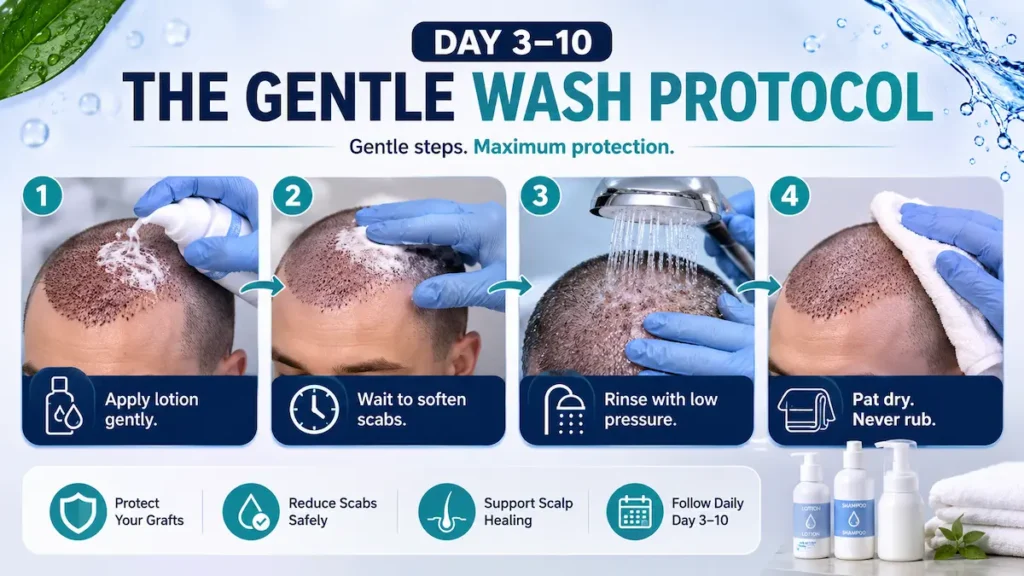
Day 3-10 — The Gentle Wash Protocol
Day 3 is often when the first controlled wash begins, but the exact timing should follow your AKM instructions. This stage is not a return to normal shampooing. It is a structured routine designed to soften crusts, clean the scalp, and protect every graft.
The technique is slow by design. You apply, wait, rinse gently, and dry without friction. That rhythm matters more than the product itself.
The lotion application step
The lotion step helps soften dried crusts and reduce the temptation to pick at scabs. Apply the clinic-approved lotion or foam lightly over the recipient area. Do not press it into the scalp.
Use a dabbing motion if your team has instructed you to touch the area. Many patients are told to let the product sit for a short period before rinsing. Follow the exact waiting time given by AKM.
The donor area may tolerate slightly more contact than the recipient area, but it still needs gentle handling. If the scalp feels tight or tender, move more slowly. Pain is a warning sign, not something to push through.
The gentle rinse technique
Rinsing should be done with low water pressure. The safest approach is usually to pour lukewarm water gently over the scalp using a clean cup, rather than standing directly under the showerhead. Keep the water comfortable, not hot.
Do not aim water pressure at the hairline or crown. Let water flow over the area naturally. The goal is to remove product and residue without disturbing the surface.
If shampoo is included in your protocol, dilute it in your hands first or apply it as foam. Do not lather aggressively on the grafts. Foam should touch the scalp; your fingers should not scrub it.
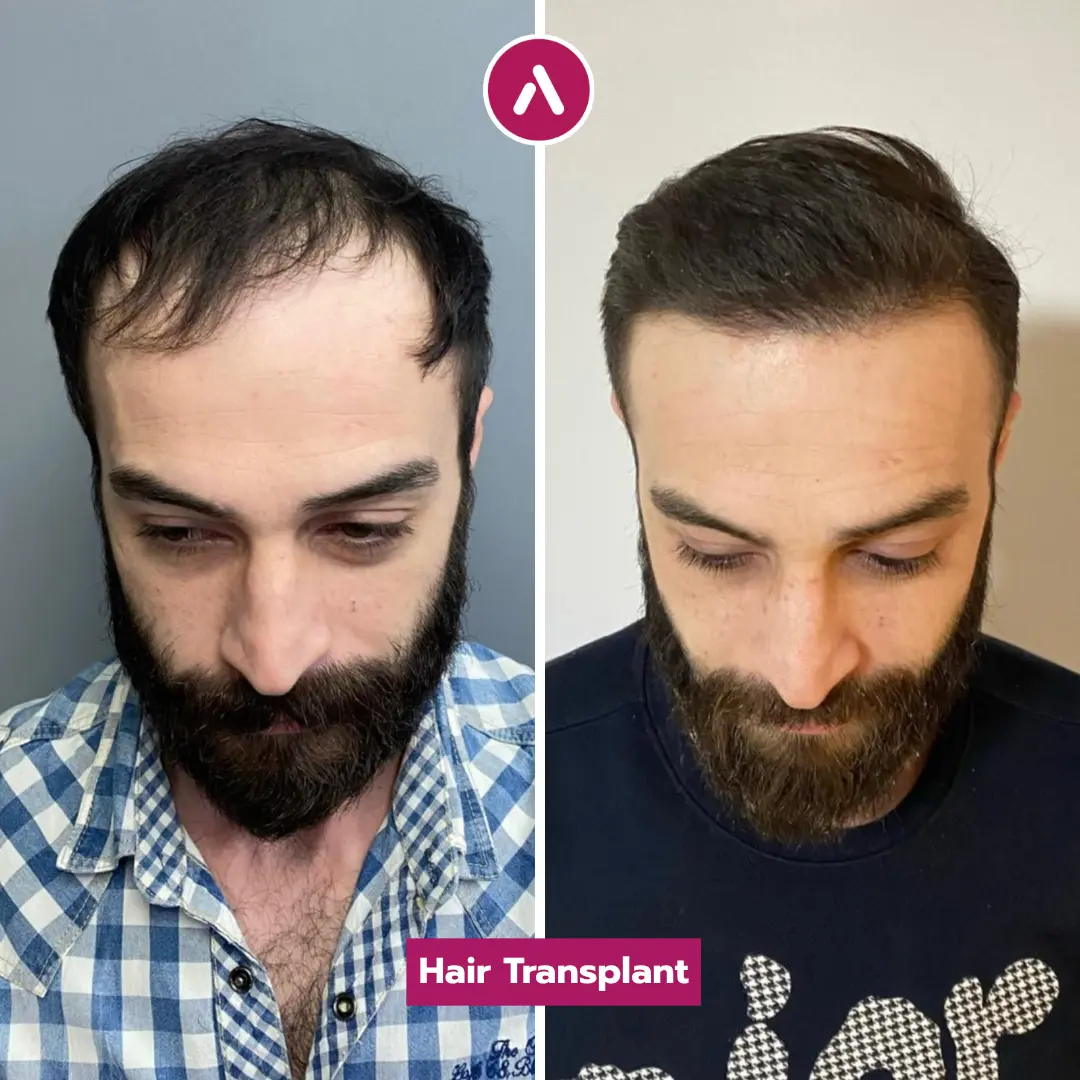
Patting dry, never rubbing
After rinsing, dry by patting around the scalp with a clean, soft towel or sterile gauze if advised. Do not drag fabric across the recipient area. Rubbing is one of the easiest ways to create avoidable irritation.
Air drying is often preferred when practical. If you use a hair dryer later in recovery, keep it on a cool setting and hold it far from the scalp. Heat can worsen dryness and irritation.
During this period, avoid styling products, fibres, concealers, gels, waxes, and sprays. They may look harmless, but they can clog the scalp or make washing more difficult.
| Day | Washing Action | Products | Cautions |
|---|---|---|---|
| Day 0 | No washing. Protect the recipient area and follow spray or medication instructions. | Clinic-approved spray or medication only, if provided. | Do not touch, rub, scratch, or expose the grafts to shower pressure. |
| Day 3 | Begin the first gentle wash if cleared by AKM. Apply lotion or foam lightly, wait, then rinse with low pressure. | Clinic-approved lotion or foam; mild shampoo only if instructed. | No fingertip scrubbing. No hot water. No direct showerhead pressure. |
| Day 5 | Continue once-daily gentle washing. Let softened crusts loosen gradually. | Same clinic-approved products. | Do not pick scabs that remain attached. Pat dry only. |
| Day 7 | Maintain the lotion-and-rinse method. Some scabs may begin to release during washing. | Lotion or foam plus mild shampoo if included in your plan. | Scabs should fall with washing, not with fingernail pressure. |
| Day 10 | Most patients can increase gentle circular contact only if AKM confirms it is safe. | Mild shampoo; avoid styling products. | Do not force remaining scabs. Ask the clinic before changing technique. |
| Day 14 | Transition toward a more normal wash routine if the scalp is clear and comfortable. | Mild shampoo; avoid harsh medicated products unless prescribed. | Still avoid aggressive towel drying and tight hats. |
| Day 30 | Most patients return to normal showering and shampooing habits, with sensible gentleness. | Regular gentle shampoo, unless AKM recommends otherwise. | Avoid chemical treatments, strong dyes, or harsh scalp exfoliation until cleared. |
Canadian Patient Note: Washing on flight day
If your return flight to Canada falls between Day 3 and Day 10, wash before leaving the hotel rather than trying to manage scalp care during airport transfers. Pack your aftercare products in a clear bag and keep them accessible, following airline liquid rules for carry-on luggage.
Scab Management
Scabs are a normal part of early healing after a hair transplant. They can look worrying, especially along the frontal hairline, but they should not be treated as something to remove by force. The washing protocol is designed to soften them gradually.
Scab management is also where many patients make mistakes. The scalp may itch as it heals, and the urge to pick can be strong. Keep your hands away from the grafts.
Why scabs form and when they fall
Scabs form because each graft is placed into a small recipient site. Tiny points of dried blood and fluid collect around the openings. This is expected.
With proper washing, scabs usually soften and begin to release during the first 7 to 14 days. Some may clear sooner. Others take longer, especially after dense grafting.
The timing matters less than the method. A scab that falls during gentle washing is different from one pulled away by scratching. The first is part of healing. The second can create trauma.
Softening scabs safely
Safe softening relies on moisture, time, and gentle rinsing. Apply the recommended lotion or foam and let it sit for the period AKM specifies. Then rinse with low pressure.
If scabs remain after washing, leave them alone. Repeating the protocol the next day is safer than forcing removal. Healing is not a race.
For scalp comfort, Canadian patients should use simple, fragrance-free products when purchasing replacements at home. The Canadian Dermatology Association provides patient-facing skin education, but your surgical aftercare instructions should always take priority over generic scalp advice.
What never to do: picking, scratching, pressure
Do not pick scabs with fingernails, tweezers, combs, or towels. Do not scratch even if the scalp feels itchy. Do not rub the recipient area to “help” scabs fall faster.
Avoid pressure from tight caps, helmets, winter toques, headphones, and sleep masks that touch the hairline. This is especially important for patients returning to colder Canadian cities where headwear feels automatic.
If a scab comes off and you are unsure whether a graft came with it, take a clear photo and send it to AKM. Do not inspect the area repeatedly with your fingers. That can make irritation worse.
Canadian Product Note: What to buy after returning home
Choose a mild, fragrance-free shampoo if you need a replacement in Canada. Avoid dandruff shampoos, exfoliating scalp treatments, alcohol-based styling sprays, hair fibres, and medicated products unless AKM specifically clears them for your case.
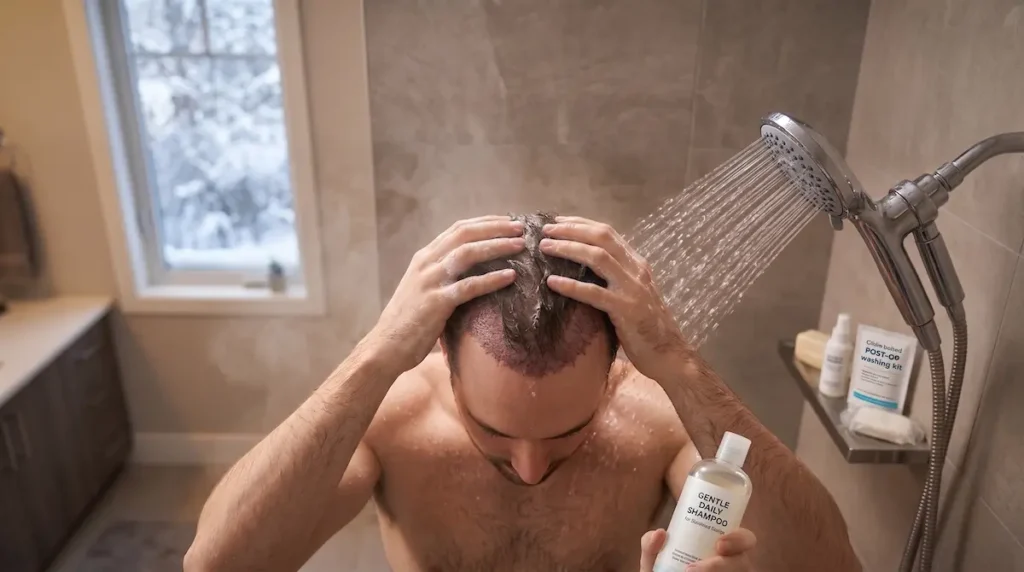
Day 11-30 — Returning to Normal Washing
By Day 11, most patients are moving out of the fragile early-wash phase. The scalp is usually cleaner, scabs have often reduced, and washing starts to feel less intimidating. Still, “more normal” does not mean careless.
This stage is about gradually returning to your usual routine while respecting that the scalp is still healing. Your grafts may be more secure, but the skin surface can remain sensitive, dry, or mildly itchy.
When you can resume normal shampoo
Many patients can begin transitioning toward normal shampooing around Day 14, if the scalp is comfortable and AKM has cleared them to do so. Choose a gentle shampoo first. Avoid strong fragrance, exfoliating ingredients, and harsh medicated formulas unless prescribed.
If you normally use anti-dandruff shampoo, scalp oils, hair fibres, minoxidil, or styling products, do not restart them automatically. Ask AKM first. A product that was harmless before surgery may irritate the scalp during early healing.
Patients returning to Canada should bring enough clinic-approved product for the first week at home. That is easier than trying to compare ingredients while tired after a long flight.
Water pressure and temperature
Normal showering returns gradually. Start with lukewarm water and moderate pressure. Hot water can increase irritation and dryness, especially during Canadian winter when indoor heating already dries the scalp.
Do not let a powerful shower stream hit the recipient area directly until the clinic confirms it is safe. Let water run over the scalp rather than blasting the hairline or crown.
Drying should stay gentle. Pat first, then air dry where possible. If you use a hair dryer, use a cool setting and keep distance from the scalp.
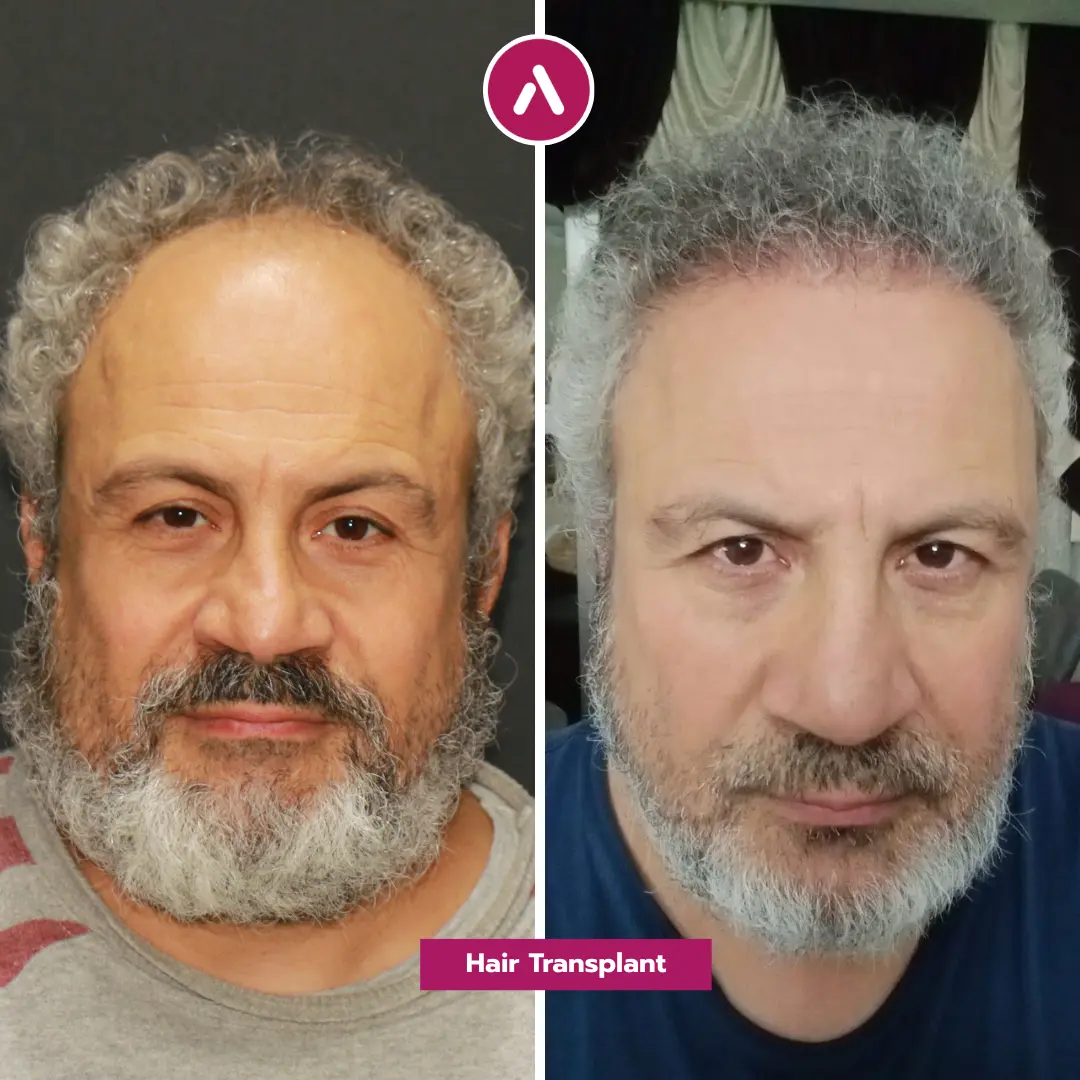
When grafts are fully secure
By the end of the first month, most patients can wash with far more confidence. The grafts are no longer treated as freshly placed implants, but the visible hair shafts may still shed. That shedding can be normal and should not be confused with a failed transplant.
For what happens after the washing period, see the month-by-month growth timeline. That guide explains shock loss, dormancy, early regrowth, and final density expectations.
If you are already back in Canada and want a broader recovery plan beyond scalp washing, read post-op care once you’re back in Canada. It covers virtual follow-up, warning signs, and how to coordinate care locally if needed.
Canadian Patient Note: Winter scalp care
Cold outdoor air and heated indoor spaces can make the scalp feel dry or tight. Do not compensate with oils, heavy moisturizers, or medicated shampoos unless AKM approves them. Simple, gentle care is usually safer in the first month.
Frequently Asked Questions: Washing Hair After Transplant
These questions cover the most common concerns patients raise during the first month after a hair transplant. Your individual instructions from AKM should always take priority, especially if your graft count, technique, or skin sensitivity requires a modified protocol.
When can I wash my hair after a transplant?
Many patients begin a controlled first wash around Day 3, but the exact timing depends on the surgeon’s instructions. Do not start early because of online advice or anxiety about scabs. Wait for your AKM protocol.
What shampoo should I use?
Use the shampoo or foam recommended by AKM during the early period. Once you are cleared to buy products in Canada, choose a mild, fragrance-free shampoo unless your team recommends something more specific.
What if a scab falls off early?
A scab falling off during gentle washing is usually not a problem. A scab pulled off by scratching, picking, or towel friction is different. If you see bleeding or suspect a graft came out, take a clear photo and contact AKM.
When can I shower normally?
Normal showering usually returns gradually after the early healing period, often around the second to fourth week depending on your scalp. Start with lukewarm water, moderate pressure, and gentle drying. Do not rush back to hot showers or aggressive towel use.
Can I wash at the hotel before flying back to Canada?
Yes, and in many cases this is preferable. Washing at the hotel gives you privacy, clean supplies, and time to follow the method properly before airport transfers. Pack your approved products carefully for the return trip.
What if I dislodge a graft?
A true dislodged graft often comes with bleeding and visible tissue attached to the hair shaft. Do not panic, and do not touch the area repeatedly. Send a photo to AKM so the team can assess what happened.
When can I use hot water again?
Hot water should be avoided during early healing because it can worsen irritation, redness, and dryness. Return to warmer showers only after the scalp is calm and AKM has cleared you. Lukewarm water is the safer default in the first month.
Get Your Personalized Aftercare Protocol
Hair transplant washing is simple once you understand the timing, pressure, and product rules. The safest plan is the one matched to your technique, graft count, scalp sensitivity, and travel schedule.
AKM Clinic provides Canadian patients with a personalized aftercare protocol before they leave Istanbul, including first-wash guidance and instructions for continuing scalp care at home.
Book your consultation and receive your personalized hair transplant aftercare plan.
Medical Disclaimer: This page is provided for general educational purposes only and does not replace an in-person medical consultation, diagnosis, or personalized treatment plan. All surgery carries risks, and outcomes vary between individuals. Suitability for a hair transplant, procedure selection, and anesthesia choice can only be determined after a full clinical assessment by a qualified surgeon. Always follow your clinician’s instructions and seek urgent medical attention if you develop concerning symptoms during recovery.