
Quick Summary: SMAS vs deep plane facelift comes down to one main technical difference: the tissue level where the lift is performed. SMAS techniques tighten, fold, or reposition the superficial musculoaponeurotic system, while deep plane techniques release deeper retaining ligaments to move the mid-face and lower face as a more unified layer.
For Canadian patients comparing facelift options in Turkey, the choice affects candidacy, longevity, recovery expectations, and CAD pricing. Neither technique is automatically “better” for everyone; the right option depends on facial anatomy, tissue laxity, age, previous procedures, and the degree of correction needed.
For Canadian patients searching “smas vs deep plane facelift,” the most useful question is not which technique is more popular. The better question is which anatomical problem each technique is designed to solve.
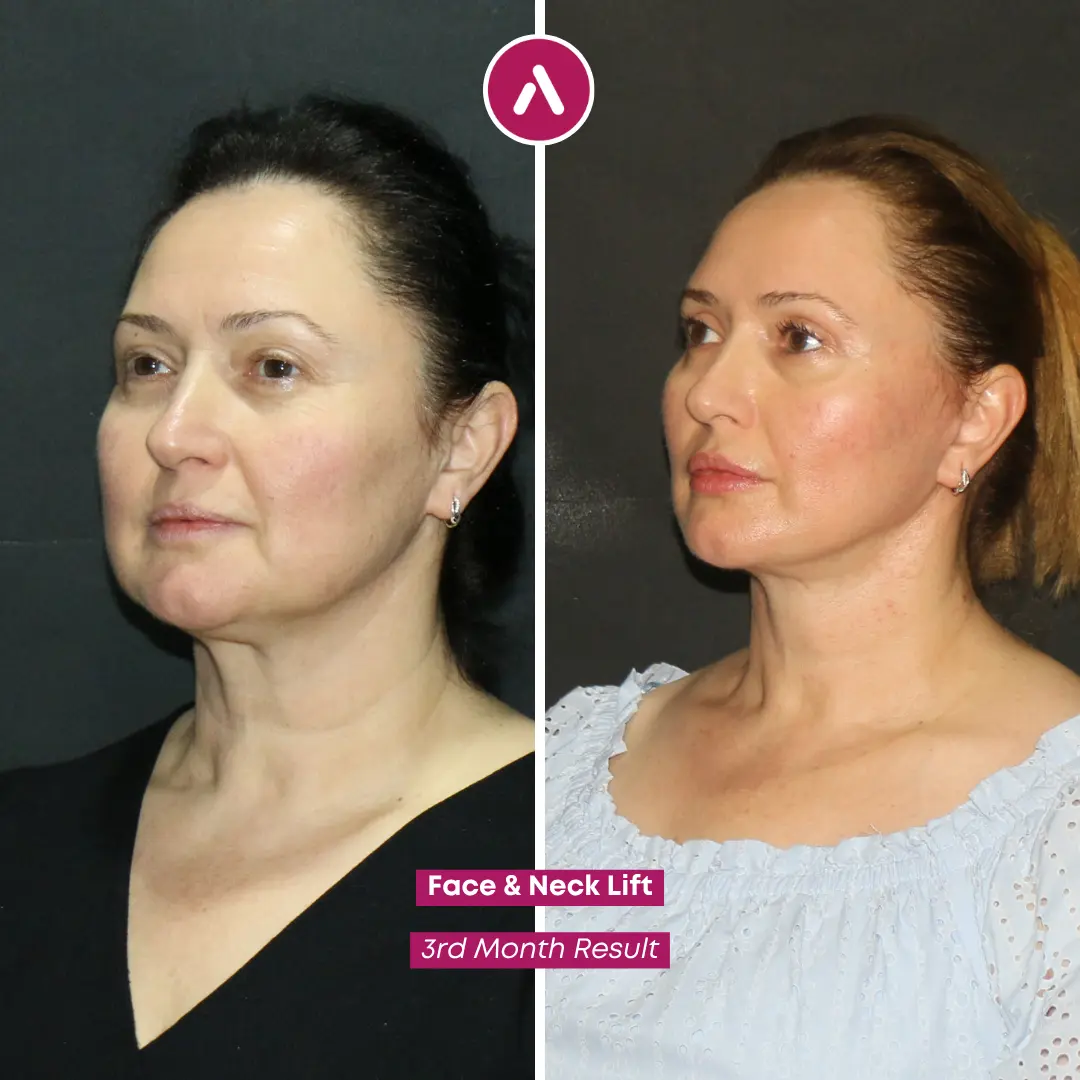
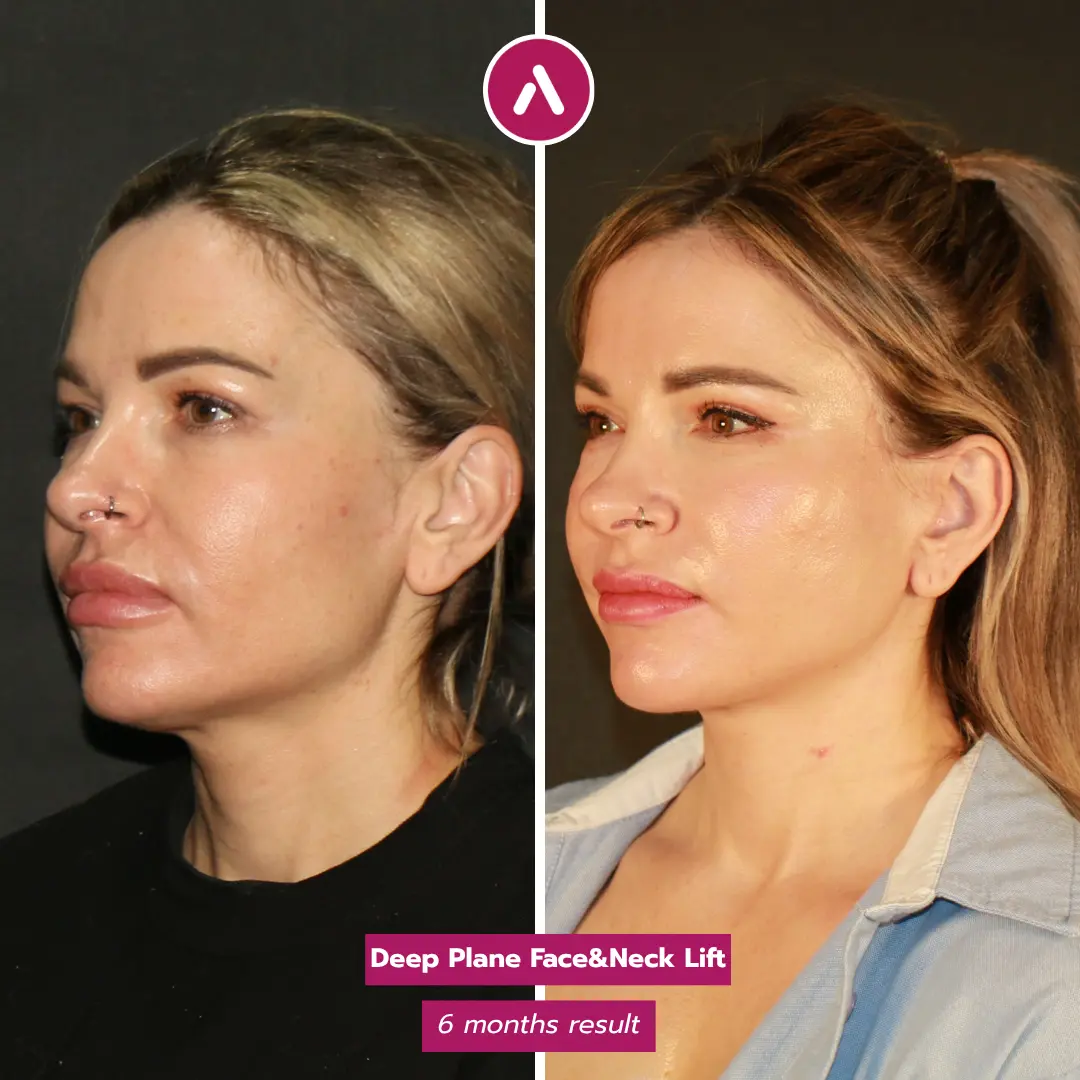
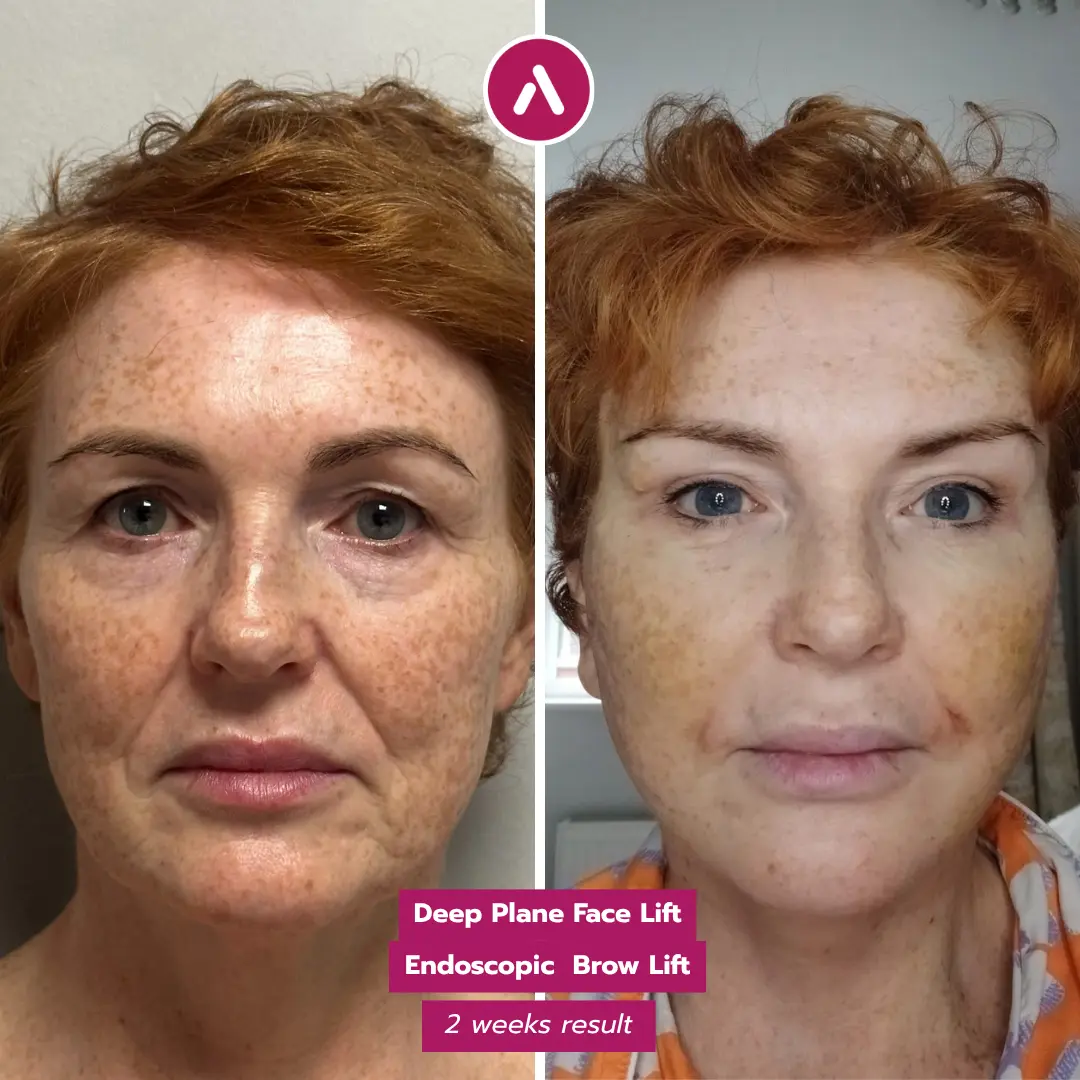
A facelift is not a single operation. It is a family of surgical methods that reposition facial tissues in different ways. At AKM Clinic, patients comparing options can begin with the deep plane facelift technique overview to understand how deeper structural lifting differs from more superficial approaches.
SMAS facelift and deep plane facelift both aim to improve jowls, lower-face sagging, cheek descent, and jawline definition. They differ in how the surgeon accesses and mobilizes the tissues. This technical distinction is why two patients of the same age may receive different recommendations during consultation.
This guide focuses only on the SMAS versus deep plane comparison. For the separate question of regenerative augmentation, see the comparison axis with stem cell augmentation.
Table of Contents
The Anatomical Difference Explained
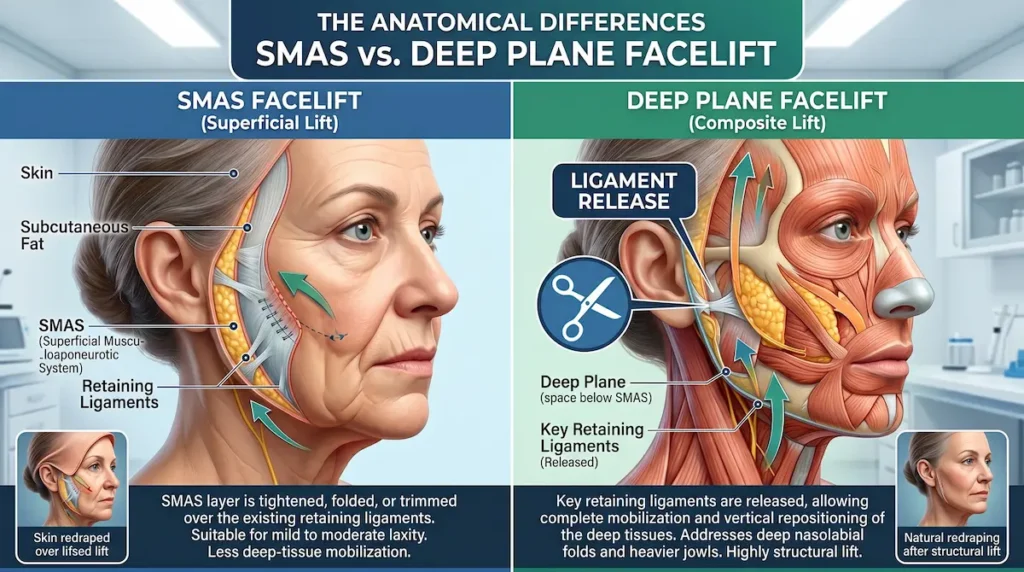
The first step in understanding SMAS versus deep plane facelift is understanding facial layers. Skin sits on top, but visible aging rarely comes from skin alone. Jowls, cheek descent, and deep folds develop when the deeper support system of the face loses position and tension.
That is why modern facelift surgery focuses on structural support. A skin-only lift can look tight without restoring youthful contour. A properly selected SMAS or deep plane technique aims to move the support layer beneath the skin, allowing the skin to redrape with less visible tension.
What the SMAS layer is and where it sits
The SMAS, or superficial musculoaponeurotic system, is a fibrous layer beneath the skin and subcutaneous fat. It connects to facial muscles and helps transmit movement through the mid-face and lower face.
In a SMAS facelift, the surgeon works on this layer by tightening, folding, trimming, or repositioning it. The skin is then redraped over the corrected support layer. This creates more durable results than a skin-only facelift because the lift is carried by the fibromuscular layer, not by the skin alone.
SMAS techniques are especially relevant for patients with mild to moderate lower-face laxity. They can improve early jowling, soften the jawline, and support the neck when combined with neck work. They do not always fully mobilize the deeper cheek structures.
The deep plane and the retaining ligaments below it
The deep plane lies beneath the SMAS layer. In this technique, the surgeon enters a deeper anatomical space and releases key retaining ligaments that tether facial tissues in a descended position.
These retaining ligaments act like fixed anchor points. As the face ages, the soft tissues around them drop, but the ligaments restrict how freely those tissues can be lifted. Deep plane surgery releases selected ligaments so the cheek, lower face, and jawline can be repositioned with less surface tension.
This is why deep plane facelift is often chosen for patients with more advanced mid-face descent, deeper nasolabial folds, heavier jowls, or a stronger need for vertical repositioning. The technique is more anatomical than cosmetic in the superficial sense. It changes the support system rather than pulling the outer covering.
Why ligament release is the technical differentiator
The main technical separator between SMAS and deep plane facelift is ligament release. SMAS surgery can tighten the support layer. Deep plane surgery can mobilize the support layer by freeing the deeper restrictions that hold it down.
This difference matters because the face does not age in a flat, horizontal pattern. It descends in three dimensions. Ligament release allows the surgeon to lift tissue more naturally along the original anatomical direction of descent.
For readers who want an independent international reference point, the International Society of Aesthetic Plastic Surgery provides general patient education on facial surgery standards and surgeon selection through ISAPS. Canadian patients may also compare that guidance with local standards before committing to surgery abroad.
SMAS Facelift Variants and What They Do
SMAS facelift is not one single technique. It includes several variants that manipulate the same general tissue layer in different ways. The goal is to strengthen and reposition the support system while limiting tension on the skin.
For patients considering a more moderate lift, SMAS facelift treatment options can be particularly relevant. This route may suit Canadians who want meaningful lower-face improvement without the broader tissue release of a deep plane approach.
SMAS plication, SMASectomy, and high-SMAS
SMAS plication folds the SMAS layer and secures it with sutures. No major section of SMAS is removed. It is often used when tissue laxity is present but not severe.
SMASectomy removes a strip of SMAS tissue before tightening the remaining layer. This can create stronger tightening than plication in selected patients, especially when the lower face has more redundancy.
High-SMAS facelift works higher on the cheek and mid-face region. It is designed to improve cheek descent more effectively than a lower SMAS-only approach. It can be useful when the patient has early mid-face heaviness but may not need a full deep plane release.
The lifting vector each technique creates
A lifting vector is the direction in which tissue is repositioned. In SMAS techniques, the vector is controlled by how the SMAS is folded, trimmed, or anchored. The surgeon may use a more vertical vector for jowls or a more diagonal vector for cheek and jawline support.
This matters because poor vector planning can distort facial shape. A lift that pulls too far sideways may flatten the cheeks and create an operated-on appearance. A lift that is too weak may leave the jawline undercorrected.
SMAS techniques can be subtle and effective when vector planning is precise. They are less dependent on broad ligament release, so the result often suits patients whose aging is concentrated in the lower face rather than the deeper mid-face.
Where SMAS techniques produce the best results
SMAS facelift often performs well in patients with moderate jowling, early neck laxity, and preserved cheek volume. It is also a reasonable option for younger facelift candidates who want structural improvement without a more extensive release.
Some Canadian patients from Toronto, Vancouver, and Montreal ask about SMAS specifically because they are planning a quieter return to work. This does not mean recovery is effortless. It means the surgical scope may be more limited when anatomy supports that choice.
Canadian Patient Note: When SMAS May Be Worth Asking About
If your main concern is early jowling with relatively good cheek position, ask whether a SMAS approach could meet your goals. This is especially relevant for patients who want a refined improvement and need to plan social recovery around work, family care, or travel back to Canada.
SMAS is less ideal when the mid-face has dropped significantly, the nasolabial folds are deep, or the tissues feel strongly tethered. In those cases, tightening the SMAS alone may not fully address the underlying descent.
Deep Plane Variants and What They Do
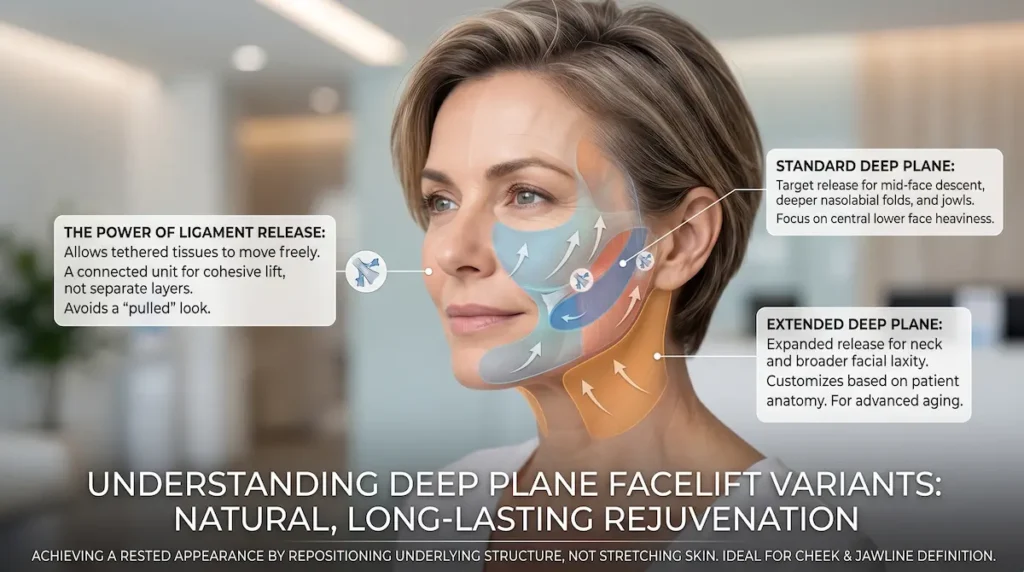
Deep plane facelift techniques work at a deeper anatomical level than standard SMAS tightening. Instead of only folding or tightening the SMAS layer, the surgeon enters the deep plane and releases selected retaining ligaments. This allows facial tissues to move more freely and naturally.
The key advantage is structural mobility. The cheek, jawline, and lower face can be repositioned as a connected unit rather than pulled in separate superficial segments. This is why the deep plane approach is often discussed with patients who want longer-lasting correction and less visible skin tension.
Standard deep plane and extended deep plane
Standard deep plane facelift focuses on releasing deeper facial attachments and repositioning the mid-face and lower face. It is commonly used when cheek descent, jowling, and lower-face heaviness are present together.
Extended deep plane facelift goes further. It expands the release into broader facial and neck areas, depending on the patient’s anatomy. This can be useful when aging is not limited to one zone.
The distinction is not simply “small versus large.” It is about how far the tissue release needs to go for a natural lift. A patient with mild jowling may not need an extended release. A patient with heavier mid-face descent and neck laxity may benefit from it.
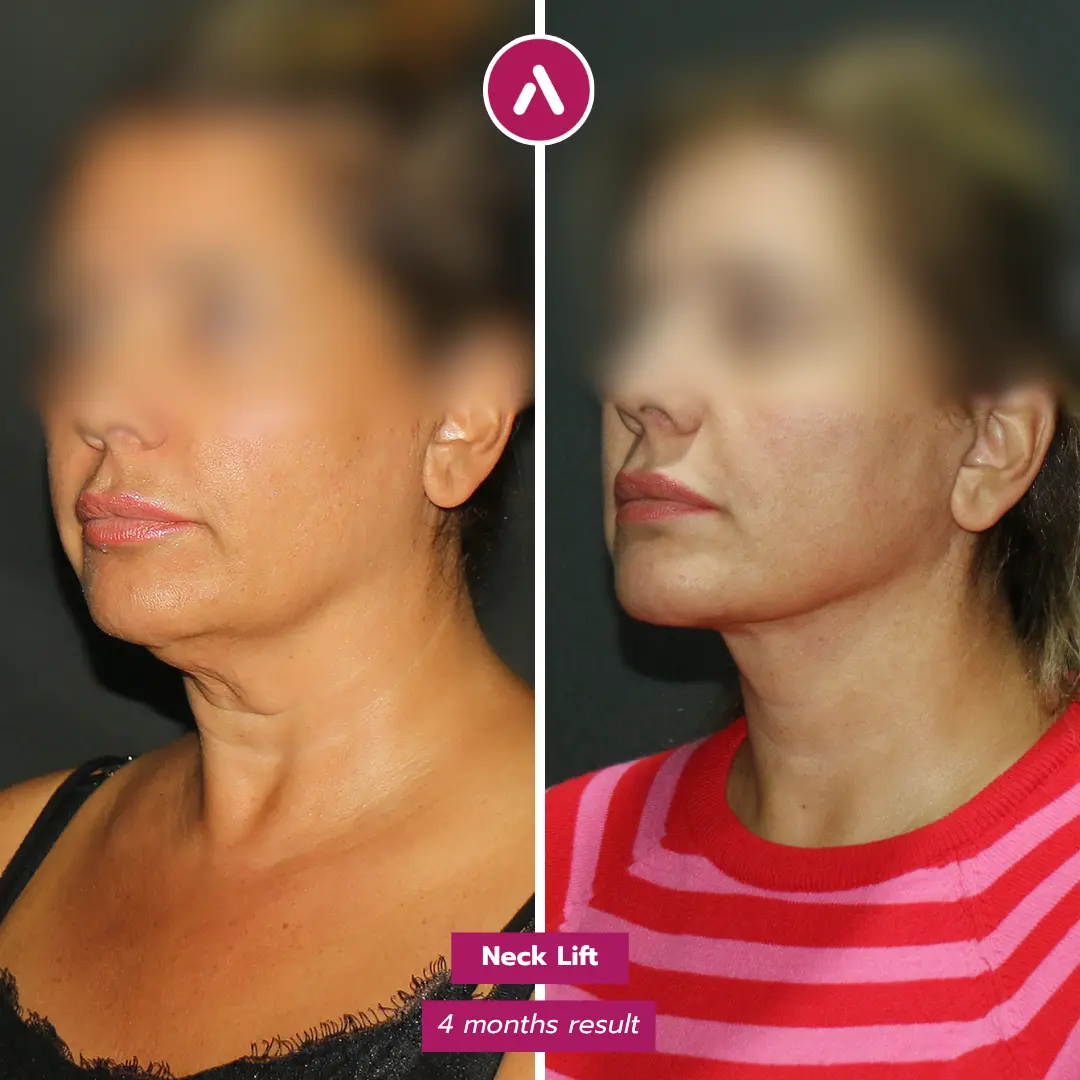
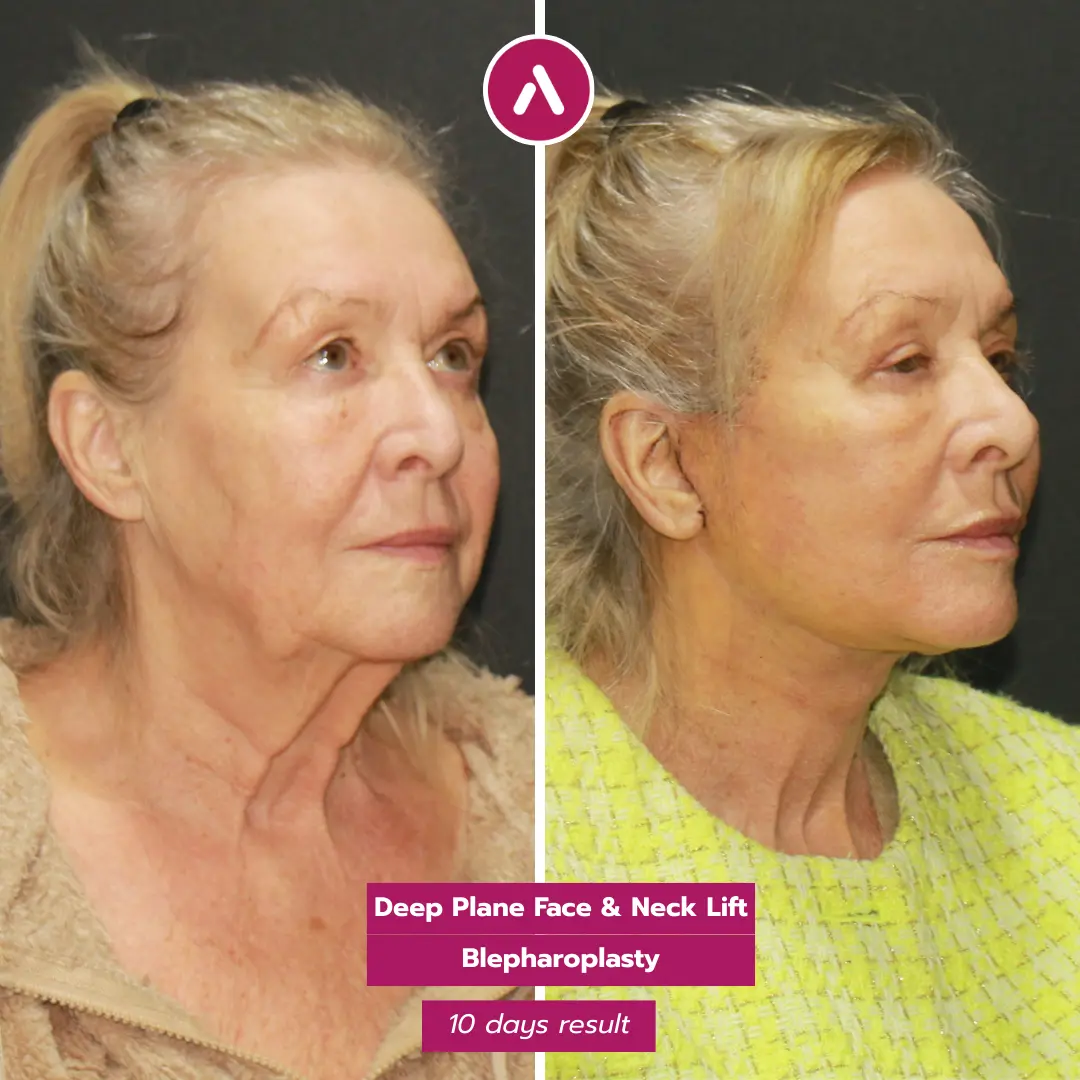
How ligament release changes the lifting capacity
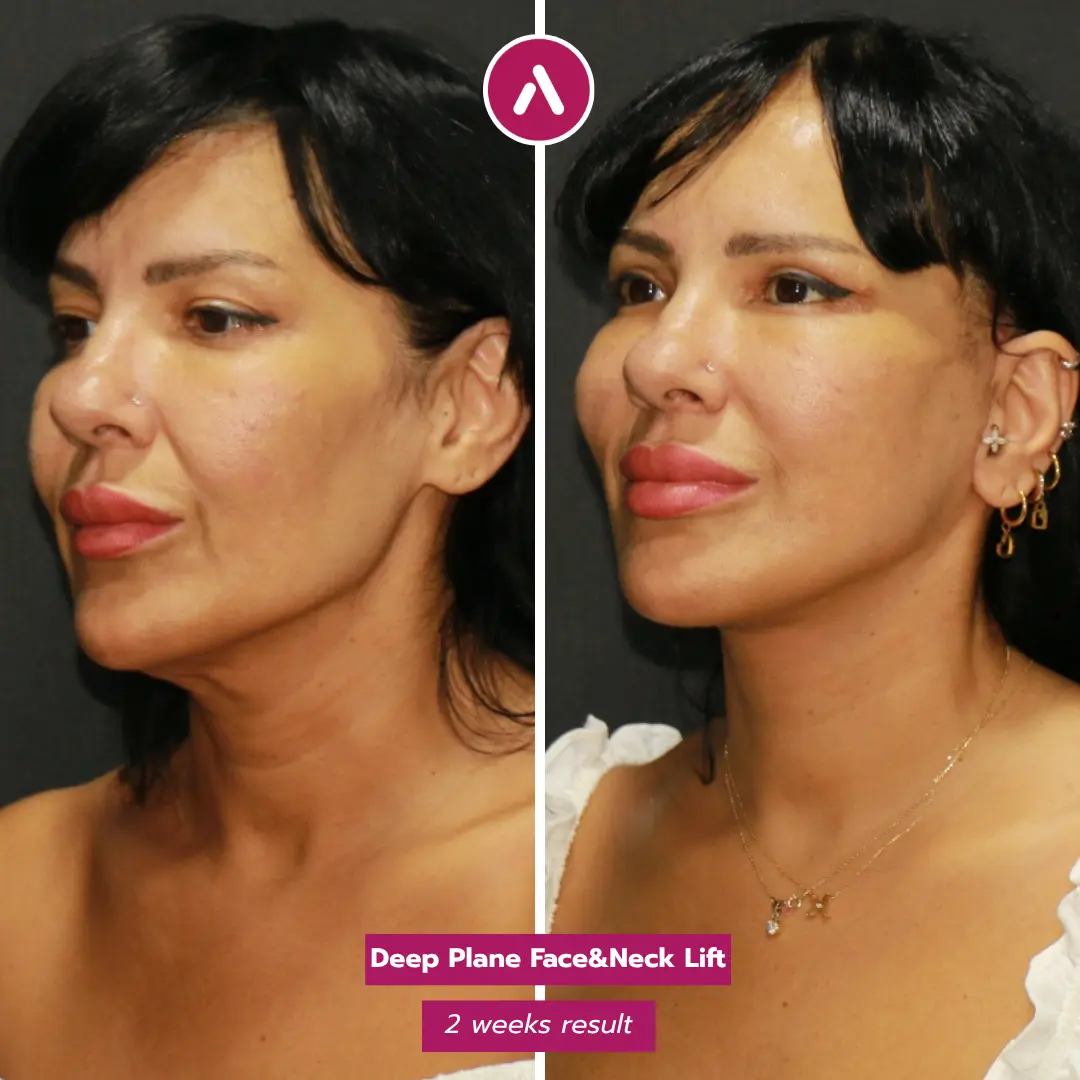
Ligament release changes what the surgeon can move. Without release, the tissue may tighten, but it remains partly tethered. With release, the surgeon can reposition the descended layer with less resistance.
This is one reason deep plane results often look less pulled when performed well. The correction is not dependent on stretching the skin. The skin follows the repositioned structure underneath.
For Canadian patients who want colleagues to notice that they look rested rather than operated on, this distinction matters. Deep plane lifting can restore cheek position and jawline definition while preserving familiar facial character.
Where deep plane techniques are most appropriate
Deep plane techniques are often considered when the patient has visible mid-face descent, deeper nasolabial folds, heavier jowls, or more advanced lower-face laxity. They may also be appropriate when the goal is a longer-lasting structural lift.
Patients in their late 40s, 50s, and 60s often ask about deep plane because they are trying to avoid repeating surgery too soon. That concern is common among Canadian patients travelling from Toronto, Vancouver, Calgary, or Montreal, where arranging international surgery requires careful time planning.
Deep plane is not automatically the right answer for everyone. It requires surgical experience, precise anatomical judgement, and honest patient selection. A conservative recommendation can sometimes be more appropriate than the most extensive operation available.
Candidacy — Who Should Choose Which
Candidacy is the point where technique comparison becomes personal. Two patients can have the same age and still need different procedures because their tissue quality, facial structure, skin laxity, and aging pattern are not the same.
During consultation, the surgeon evaluates where the face has descended, how mobile the tissues are, how much neck laxity is present, and how much correction the patient expects. For natural-result considerations specifically, see the natural results philosophy.
Patient factors favouring SMAS-only approaches
SMAS may be a strong option for patients with mild to moderate lower-face laxity and good remaining cheek support. It can refine early jowls and improve jawline definition without the broader release used in deep plane surgery.
It may also suit younger patients whose facial aging is still relatively limited. In these cases, the goal is often prevention of further lower-face descent rather than a dramatic structural reset.
SMAS may be worth discussing if your main priorities are:
- Early jowling rather than heavy mid-face descent
- Moderate skin laxity with good tissue elasticity
- A more limited surgical plan
- Subtle lower-face refinement
- A recovery window planned around work or caregiving duties in Canada
Canadian Patient Note: Asking for SMAS Specifically
Canadian patients often balance surgical ambition with return-to-work reality. If your anatomy is suitable and your goals are moderate, asking whether SMAS is enough is reasonable. A good consultation should explain why SMAS is sufficient or why it would undercorrect your concern.
Patient factors favouring deep plane
Deep plane may be favoured when aging is more structural. This includes stronger cheek descent, heavier jowls, pronounced folds, and visible separation between facial zones.
It may also be preferred when a patient wants a longer-lasting lift and is prepared for a more involved surgical plan. The deep plane method can be particularly valuable when facial tissues are tethered and cannot be repositioned adequately with SMAS tightening alone.
Common factors that may support a deep plane recommendation include:
- Moderate to advanced mid-face descent
- Heavier lower-face sagging
- Deep nasolabial folds linked to cheek descent
- Visible jowls that distort the jawline
- Desire for a 10-15 year structural result
- Need for combined face and neck correction
For Canadian patients travelling a long distance, the attraction is not only the result. It is the possibility of doing the correct operation once, with careful planning, rather than choosing a smaller procedure that may need revision earlier.
Why younger patients sometimes choose SMAS
Younger facelift candidates may not need deep plane release. Their tissues can be more elastic, their ligaments less restrictive, and their facial descent less advanced. In that setting, SMAS correction can provide a balanced result.
This is especially true for patients in their early to mid-40s with early jawline softening but no major cheek descent. A deep plane procedure may be more than their anatomy requires.
That said, age alone should not decide. A 45-year-old with significant weight-loss-related laxity may need deeper correction, while a 58-year-old with preserved cheek support may do well with a less extensive approach. Anatomy leads the decision.
Longevity, Recovery, and Cost Side by Side
Once the anatomy is clear, most Canadian patients want to compare practical outcomes. How long will the result last? How different is recovery? What does the cost look like in CAD? These questions matter because travelling to Istanbul requires planning, time away from work, and confidence that the selected technique matches the patient’s anatomy.
The comparison below uses AKM Clinic’s published CAD pricing from the AKM Clinic Treatment Techniques Cost document. Pricing is shown in Canadian dollars only.
| Comparison Point | SMAS Facelift | Deep Plane Facelift |
|---|---|---|
| Anatomical level | Works on the SMAS layer beneath the skin and subcutaneous fat | Works beneath the SMAS, with selected release of retaining ligaments |
| Key technical action | Plication, SMASectomy, high-SMAS repositioning, or extended SMAS work | Deep tissue release and vertical repositioning of cheek, lower face, and jawline |
| Ligament release | Limited or indirect, depending on variant | Central technical feature of the operation |
| Best suited for | Mild to moderate lower-face laxity, early jowls, preserved cheek support | Moderate to advanced mid-face descent, heavier jowls, deeper folds, structural laxity |
| Typical longevity | Often 7-10 years, depending on anatomy, skin quality, and lifestyle | Often 10-15 years when anatomy and surgical execution are favourable |
| Recovery profile | Similar early swelling and bruising pattern; may be somewhat less extensive in selected cases | Similar visible recovery window, though the procedure is anatomically deeper |
| AKM CAD pricing examples | SMAS Plication: CAD $6,700 High-SMAS Facelift: CAD $7,150 Extended SMAS Facelift: CAD $7,500 | Standard Deep Plane: CAD $6,800 Extended Deep Plane: CAD $8,200 |
Typical longevity ranges for each
SMAS facelift results are often discussed in the 7-10 year range. That does not mean the face returns to its starting point after a fixed number of years. It means aging continues, and the visible benefit gradually softens as tissues keep changing.
Deep plane facelift is usually associated with a longer structural result because the lift addresses deeper restrictions and repositions the descended layer more completely. AKM Clinic’s locked clinical positioning describes deep plane results as lasting 10-15 years when performed on a suitable candidate.
For the dedicated longevity discussion, including long-term value calculations, see deep plane longevity data specifically. This article stays focused on the technical comparison.
Canadian Patient Note: Why Longevity Often Matters More for Travellers
Patients flying from Toronto, Vancouver, Montreal, Calgary, or Ottawa often prefer the technique that best matches long-term anatomy, not the smallest possible intervention. The reason is practical. International surgery requires vacation time, family planning, and a recovery schedule that many Canadians would rather not repeat sooner than necessary.
Recovery timeline differences
Early recovery can look similar in both techniques. Bruising, swelling, tightness, numbness, and social downtime depend on surgical scope, neck involvement, skin quality, and individual healing. The label alone does not predict every recovery detail.
SMAS may be somewhat less extensive in carefully selected patients. That can support a shorter-feeling recovery when the procedure is limited. Deep plane surgery works deeper, but because it reduces reliance on skin tension, visible recovery is not automatically longer.
Most patients should plan recovery around milestones rather than assumptions. The first week is usually the most visible phase. Social confidence often improves over the second and third weeks, while deeper tissue settling continues for months.
Cost differential at AKM Clinic in CAD
At AKM Clinic, the cost difference between SMAS and deep plane is not always dramatic at the entry level. SMAS Plication is listed at CAD $6,700, while Standard Deep Plane is listed at CAD $6,800. The gap becomes more meaningful with extended approaches.
Patients comparing exact figures should review both SMAS facelift pricing in CAD and deep plane pricing in CAD. Cost should not be used as the sole deciding factor. A less expensive technique that undercorrects the anatomy is not good value.
For Value Seeker Victoria, the more useful framework is cost per durable year of correction. For an expert patient, the more useful framework is whether the anatomical problem requires ligament release. Both questions belong in the same consultation.
“The right facelift is not chosen by trend. It is diagnosed from anatomy. Some patients need SMAS support; others need ligament release and deeper mobilization. The surgical plan should follow the tissue, not the marketing label.”

AKM’s Decision Framework
AKM Clinic uses a consultation-based approach rather than assigning every patient to one preferred technique. This is important because SMAS and deep plane facelift are not competing products in a catalogue. They are surgical tools for different anatomical patterns.
The decision is made by evaluating the patient’s facial structure, tissue mobility, neck condition, skin quality, prior procedures, and aesthetic goals. Canadian patients should expect the consultation to explain why one technique is likely to meet their goals better than the other.
How the surgeon evaluates anatomy at consultation
The consultation starts with visual analysis, photo review, and discussion of priorities. The surgeon looks at cheek position, jawline definition, jowl severity, neck laxity, skin elasticity, and the depth of facial folds.
Static photographs show tissue position at rest. Video or live consultation can reveal movement, asymmetry, and how the face behaves during expression. This matters because a natural facelift must preserve identity in motion, not only in still images.
Canadian patients often arrive with strong research. That is helpful. The best consultations turn that research into a patient-specific plan rather than a debate over which technique sounds more advanced.
When the recommendation is SMAS, when it is deep plane
SMAS may be recommended when the patient has early to moderate lower-face laxity, good cheek support, and a need for refinement rather than deeper repositioning. It may also be appropriate when surgical goals are deliberately conservative.
Deep plane may be recommended when the surgeon sees deeper descent, stronger jowls, heavy mid-face changes, or ligament tethering that would limit a SMAS-only result. In these cases, a more superficial lift may improve the skin envelope while leaving the deeper cause undercorrected.
For patients who want to evaluate the expertise behind the recommendation, see deep plane surgeon credentials. Technique quality depends heavily on surgeon judgement and case selection.
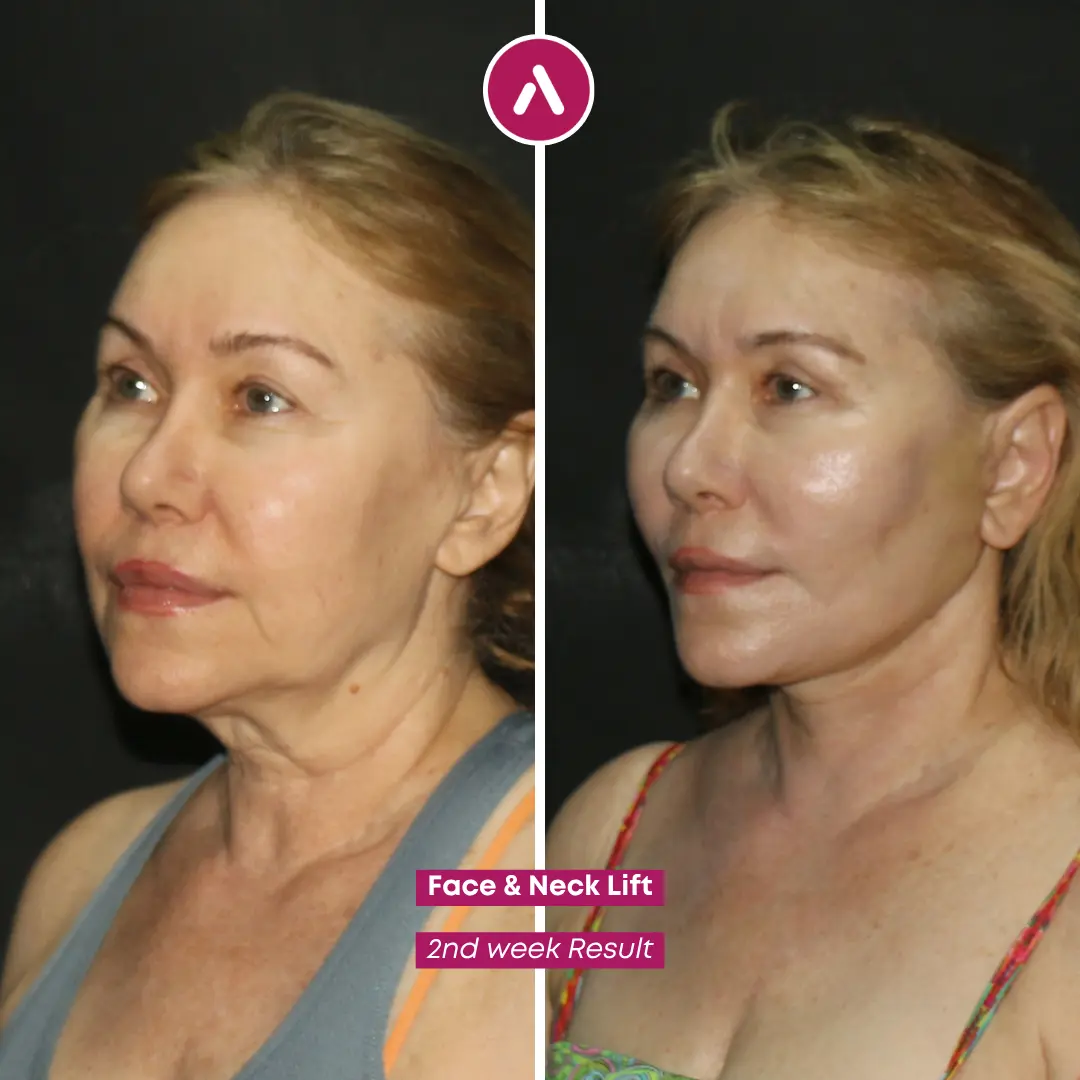
Patient input in the technique selection
Patient preference still matters. Some patients prioritize the longest structural result possible. Others prefer a more limited operation if their anatomy allows it. The consultation should make trade-offs clear.
Good patient input is specific. Instead of saying “I want the best technique,” it is more useful to say, “I want my jawline sharper, but I do not want my cheeks to look over-lifted.” Specific goals help the surgeon choose the correct vector, scope, and tissue plane.
Canadian patients can also compare international recommendations with domestic standards through the Canadian Society of Plastic Surgeons. This can help frame the questions to ask before booking any elective surgery abroad.
Canadian Patient Note: What to Bring to Your Virtual Consultation
Prepare front, side, and three-quarter photos in consistent lighting. Bring a short list of priorities, such as jowls, cheek descent, neck laxity, or recovery timing. If you have already had fillers, threads, or a previous facelift in Canada, disclose that early.
AKM’s broader approach is anchored in “Rejuvenation over alteration.” Patients who want that philosophy explained beyond the technique decision can review AKM Clinic’s Natural-First surgical philosophy before consultation.
The practical answer is simple. SMAS is often appropriate when the support layer needs tightening. Deep plane is often appropriate when deeper tissues need mobilization. The consultation determines which description fits your face.
Frequently Asked Questions: SMAS vs Deep Plane Facelift
Canadian patients comparing facelift techniques often arrive with detailed questions. That is appropriate. SMAS and deep plane facelift can both be effective, but they solve different anatomical problems and should not be chosen by trend alone.
The answers below summarize the main decision points to discuss during a virtual consultation.
Is deep plane always better than SMAS?
No. Deep plane is not automatically better for every patient. It is more appropriate when deeper facial tissues need mobilization, especially in cases of mid-face descent, heavier jowls, or stronger ligament tethering.
SMAS can be the better choice for patients with milder laxity, preserved cheek support, and a goal of moderate lower-face refinement. The best technique is the one that fits the anatomy.
What is the cost difference at AKM Clinic?
AKM Clinic’s published CAD pricing shows that SMAS Plication is CAD $6,700, High-SMAS Facelift is CAD $7,150, and Extended SMAS Facelift is CAD $7,500. Standard Deep Plane is CAD $6,800, while Extended Deep Plane is CAD $8,200.
These prices come from the AKM Clinic Treatment Techniques Cost document. The correct choice should not be based on the smallest price difference. It should be based on whether the technique can properly correct the facial structure.
Does deep plane have a longer recovery?
Not always. Deep plane surgery works at a deeper anatomical level, but visible recovery is not automatically longer than SMAS recovery. Bruising, swelling, numbness, and tightness depend on the patient’s tissue quality, surgical scope, and whether neck work is included.
Many patients should expect the first week to be the most visible stage. Social confidence usually improves during weeks two and three, with internal settling continuing for several months.
Can SMAS results last 15 years?
Some SMAS results can remain attractive for many years, especially in patients with strong skin quality, stable weight, and moderate initial aging. However, SMAS techniques are more commonly discussed in the 7-10 year range.
Deep plane facelift is more often associated with a 10-15 year structural result because it releases deeper restrictions and repositions the descended tissue more completely. Longevity is still individual.
Which is more popular at AKM?
AKM Clinic offers both SMAS and deep plane facelift options. The recommendation depends on the patient’s facial anatomy rather than popularity. Patients with stronger structural descent are more likely to be evaluated for deep plane techniques.
Patients with earlier lower-face laxity and preserved cheek position may be evaluated for SMAS. A careful consultation should explain why one route is preferred.
Can I switch from SMAS to deep plane mid-consultation?
Yes. Many patients arrive with one technique in mind and leave with a different recommendation after anatomical assessment. That is normal.
A good consultation should clarify what each technique can and cannot achieve. If the surgeon believes SMAS would undercorrect the face, deep plane may be recommended. If deep plane is more than the anatomy requires, SMAS may be the more restrained option.
What if I’m not a candidate for deep plane?
Not being a deep plane candidate does not mean surgery is impossible. It may mean your anatomy is better suited to SMAS, mini facelift, neck lift, fat transfer, skin resurfacing, or a staged approach.
The safest plan is the one that respects tissue quality, medical history, and realistic goals. For many Canadian patients, the consultation is less about choosing a brand-name technique and more about identifying the correct level of correction.
SMAS vs deep plane facelift is a technical comparison, but the final decision is personal. Your cheek position, jawline laxity, neck condition, skin quality, previous treatments, and recovery timeline all shape the recommendation.
If you are comparing options from Canada, schedule a virtual consultation with AKM Clinic to review your anatomy, goals, and technique candidacy before planning travel to Istanbul.
Medical Disclaimer: This page is provided for general educational purposes only and does not replace an in-person medical consultation, diagnosis, or personalized treatment plan. All surgery carries risks, and outcomes vary between individuals. Suitability for facelift surgery, procedure selection, and anesthesia choice can only be determined after a full clinical assessment by a qualified surgeon. Always follow your clinician’s instructions and seek urgent medical attention if you develop concerning symptoms during recovery.