
Scar revision surgery Turkey is an option for patients who want to improve old scars from previous surgery, injury, acne, burns, or C-section incisions. The goal is not to erase a scar completely. The goal is to make it flatter, softer, less visible, better positioned, or less restrictive.
At AKM Clinic, scar revision is planned as part of a broader plastic surgery options at AKM Clinic approach. That means the surgeon evaluates the scar itself, the surrounding skin, your healing history, and your long-term expectations before recommending surgery, laser, injections, or regenerative support.
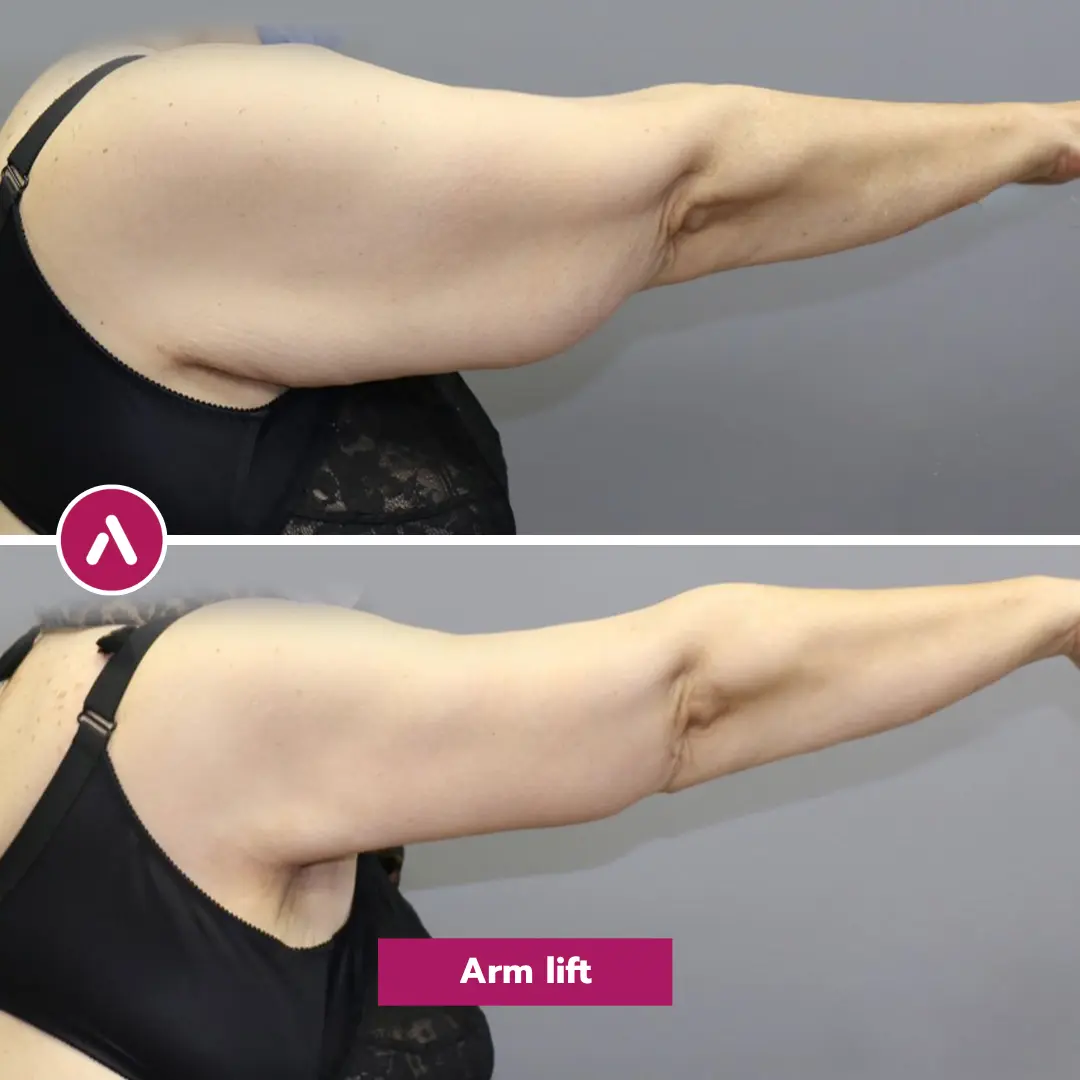
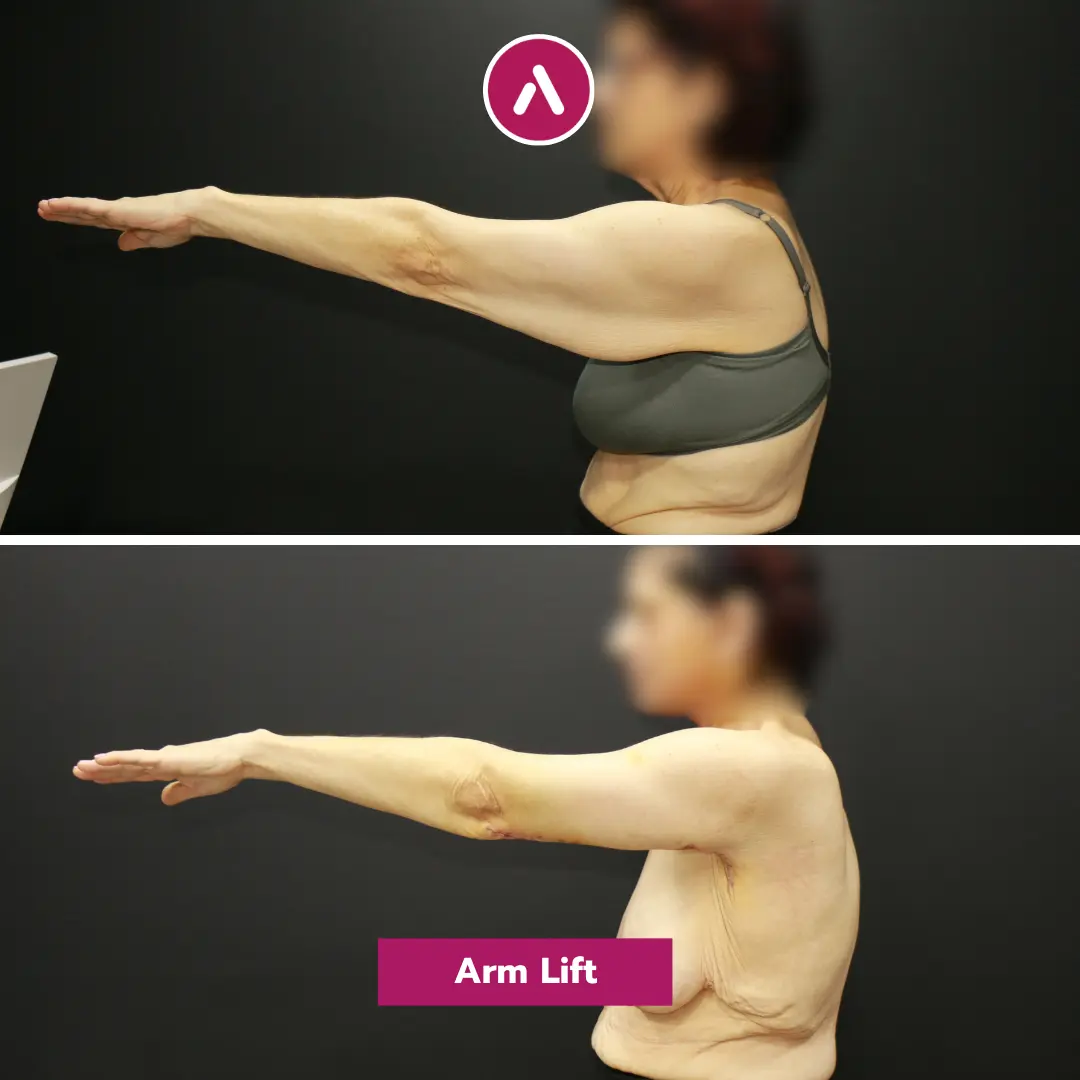
For Canadian patients, the decision often starts with one question: “Can this old scar still be improved?” In many cases, yes. But the right method depends on the scar type.
Quick Summary: Old scars can often be improved with surgical excision, laser resurfacing, steroid injections, or regenerative fat grafting. The best treatment depends on whether the scar is raised, wide, sunken, tight, keloid-prone, or related to a previous surgery. Old scar revision improves appearance and function, but it does not make skin look completely untouched.
Table of Contents
When Scar Revision Is Worth Considering?
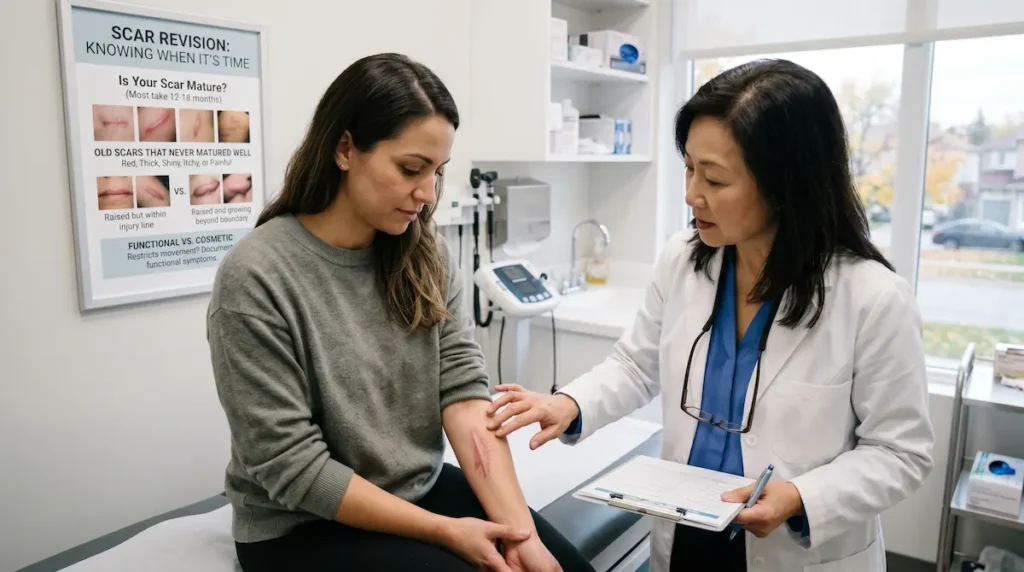
Scar revision becomes worth considering when a scar remains noticeable, uncomfortable, raised, indented, wide, or functionally restrictive after the normal maturation period. Most scars continue changing for 12 to 18 months, so timing matters. A scar that is still red at three months may simply be immature, while a thick scar that remains raised after one year may need active treatment.
Old scars that never matured well
A mature scar should gradually become softer, flatter, and closer to the surrounding skin colour. Some scars do not follow that pattern. They may stay red, thick, shiny, itchy, painful, or stretched.
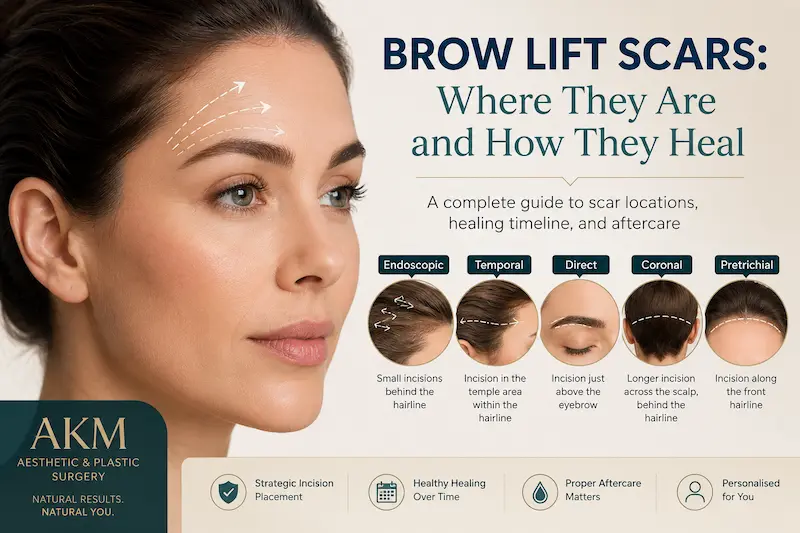
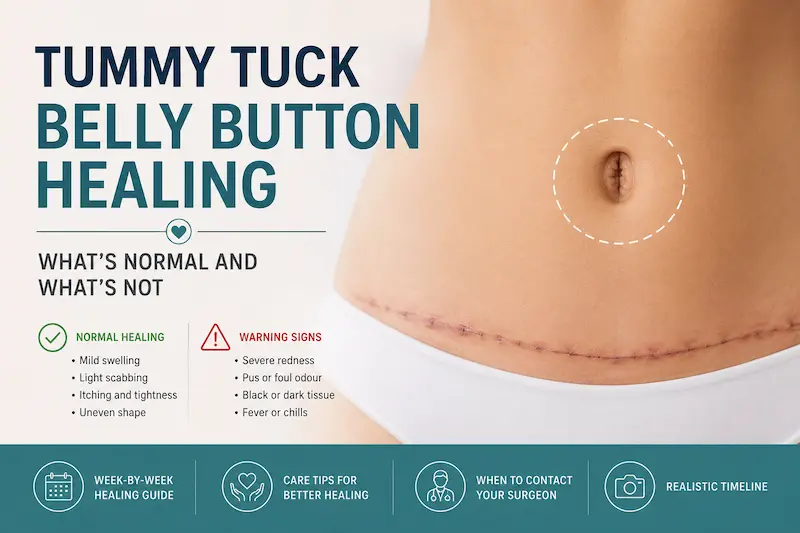
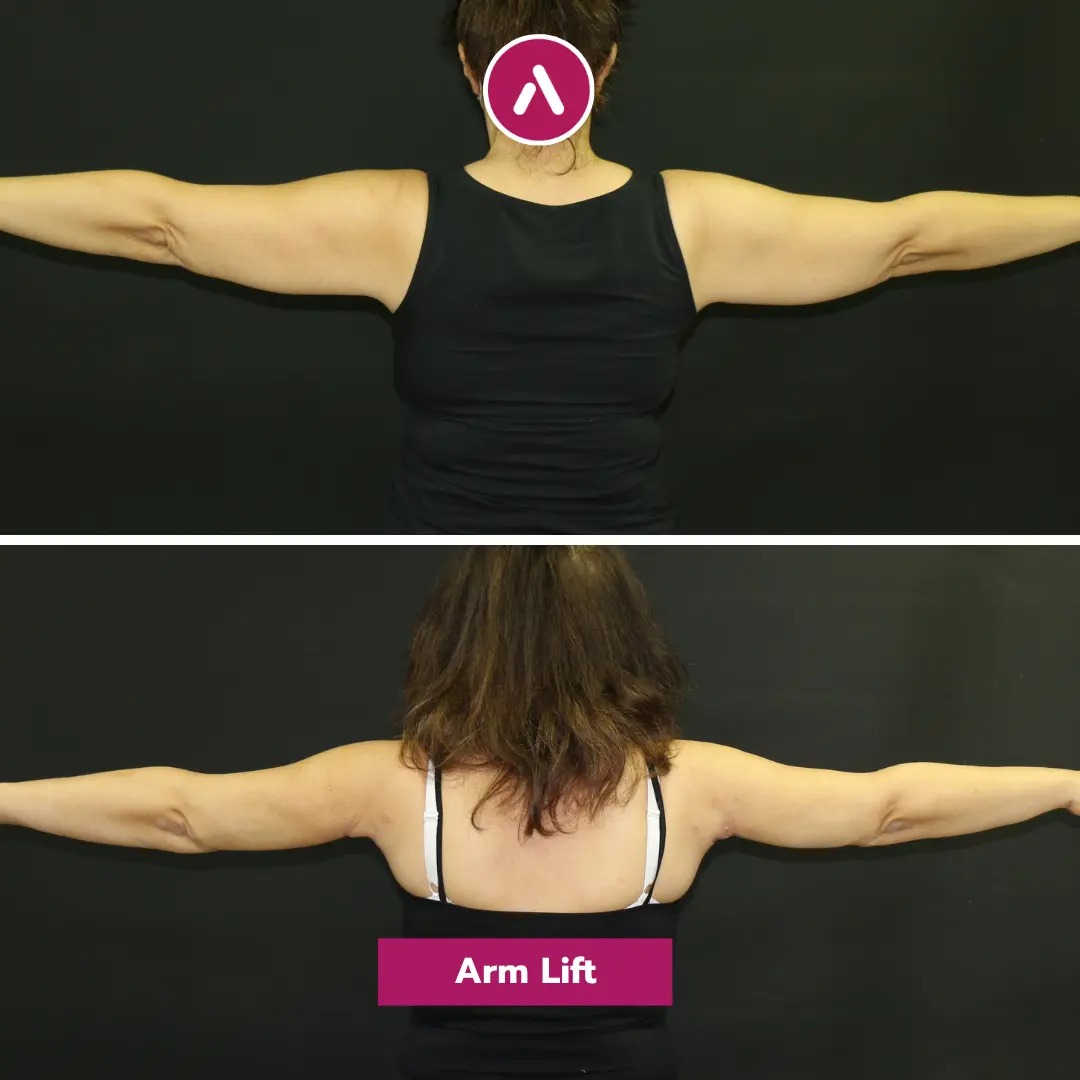
These scars often result from excess tension, infection, poor wound healing, sun exposure, genetic healing patterns, or inadequate early scar care. For procedure-specific prevention, patients can review guides on preventing tummy tuck scar problems and the arm lift scar healing timeline.
Hypertrophic and keloid scars
Hypertrophic scars are raised scars that stay within the original incision or injury line. Keloid scars grow beyond the original wound boundary and may continue enlarging over time.
This distinction matters. A hypertrophic scar may respond well to excision, silicone therapy, laser, or steroid injections. A keloid often needs a more cautious plan because cutting it out without controlling the healing response can trigger recurrence.
Functional vs cosmetic scar revision
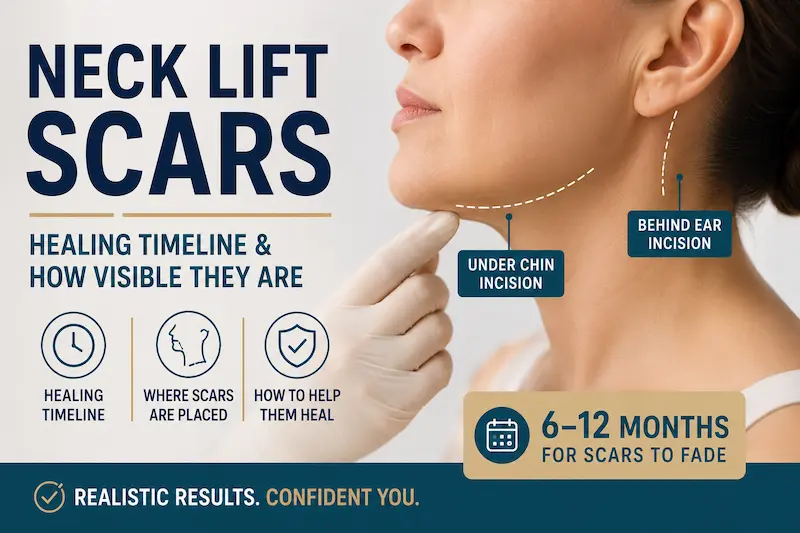
Some scars are mainly aesthetic. Others affect function. A tight scar across a joint, eyelid, mouth corner, neck, breast crease, abdomen, or arm may restrict movement or pull on nearby tissue.
In Canada, functional scar revision may sometimes be reviewed differently from purely cosmetic improvement, especially when the scar restricts movement or causes documented symptoms. Coverage rules vary by province, including OHIP, MSP, RAMQ, and AHCIP. Patients should ask their Canadian physician whether local assessment is appropriate before travelling.
Canadian patient note
If your scar causes pain, tightness, recurrent irritation, or movement restriction, document those symptoms before your consultation. Functional concerns may also help your Canadian family physician coordinate local follow-up after treatment abroad.
Surgical Scar Revision
Surgical scar revision is often the strongest option for wide, poorly placed, tethered, or distorted scars. The surgeon removes the old scar tissue and closes the area again under better conditions. This can improve the scar’s direction, tension, width, and relationship to natural skin folds.
Excision and re-closure
Scar excision means the old scar is carefully removed, then the wound is closed again using layered sutures. The new closure is designed to reduce tension across the skin surface.
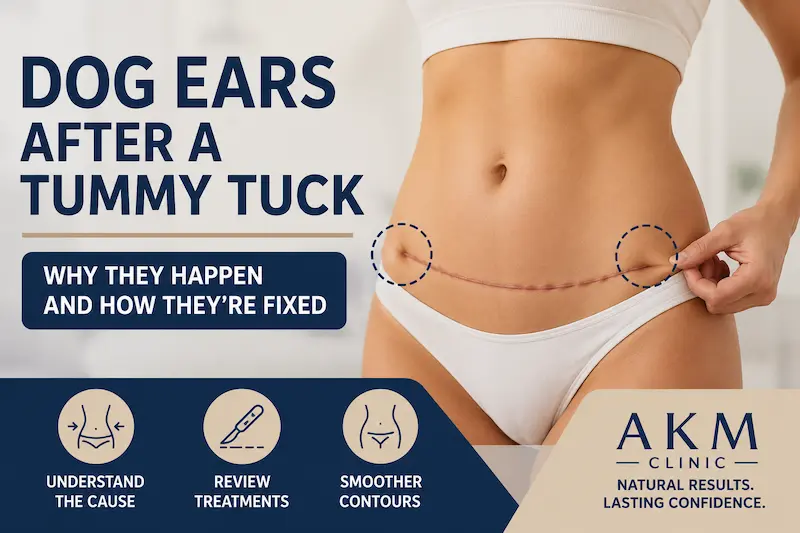
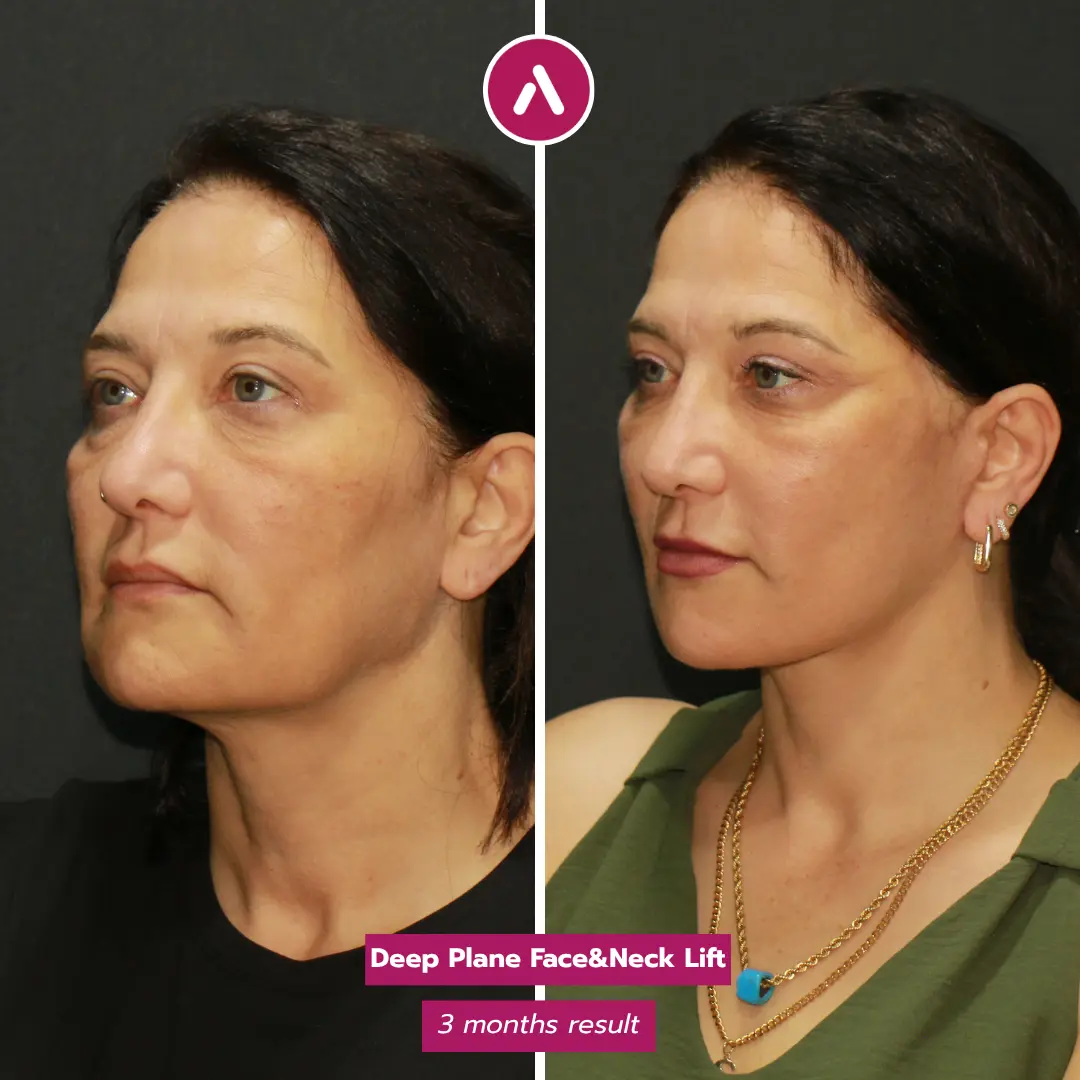
This can be useful for scars that widened after tummy tuck, facelift, breast surgery, arm lift, C-section, injury, or previous poor wound healing. For body-surgery cases, scar excision may also be part of tummy tuck revision and scar correction.
Z-plasty and W-plasty techniques
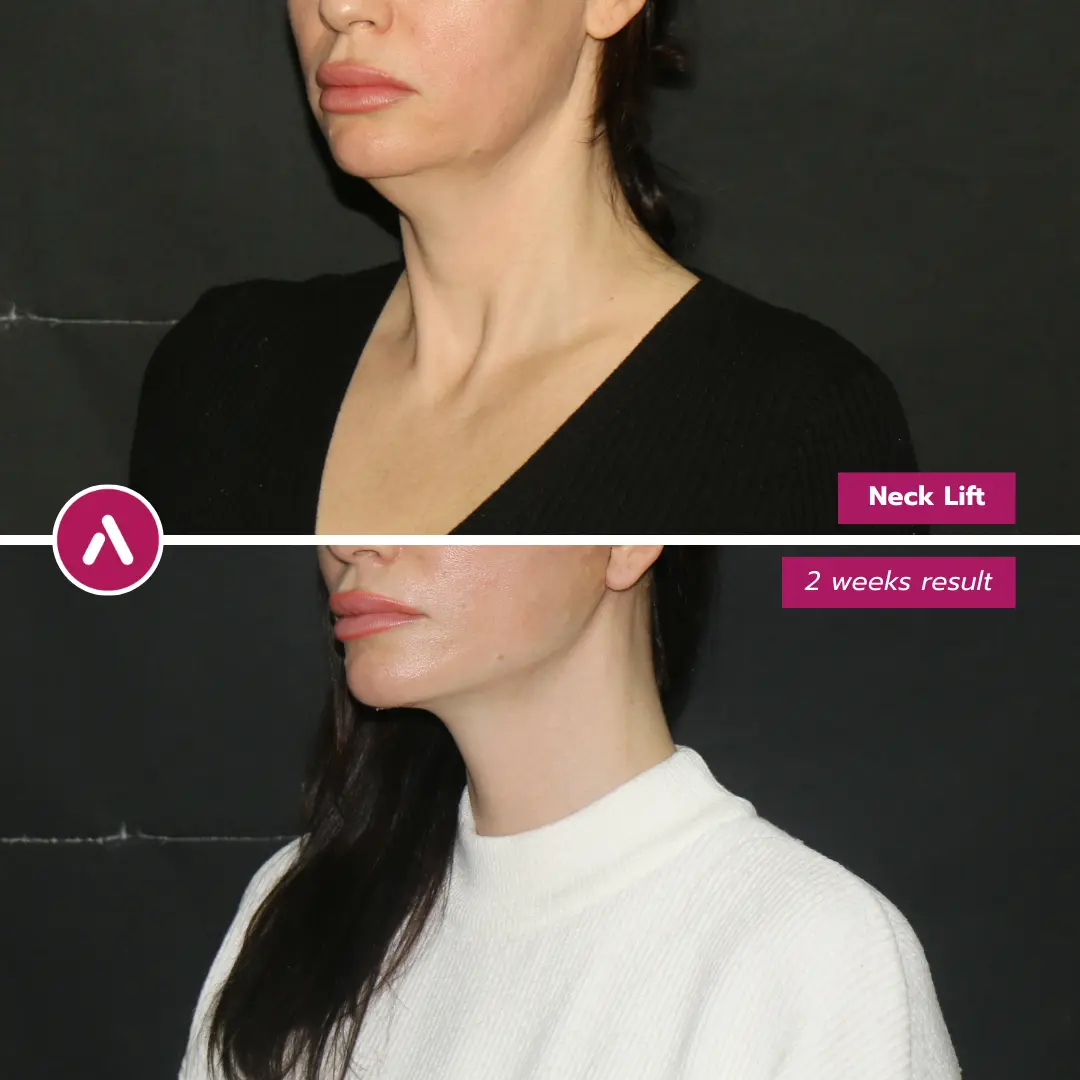
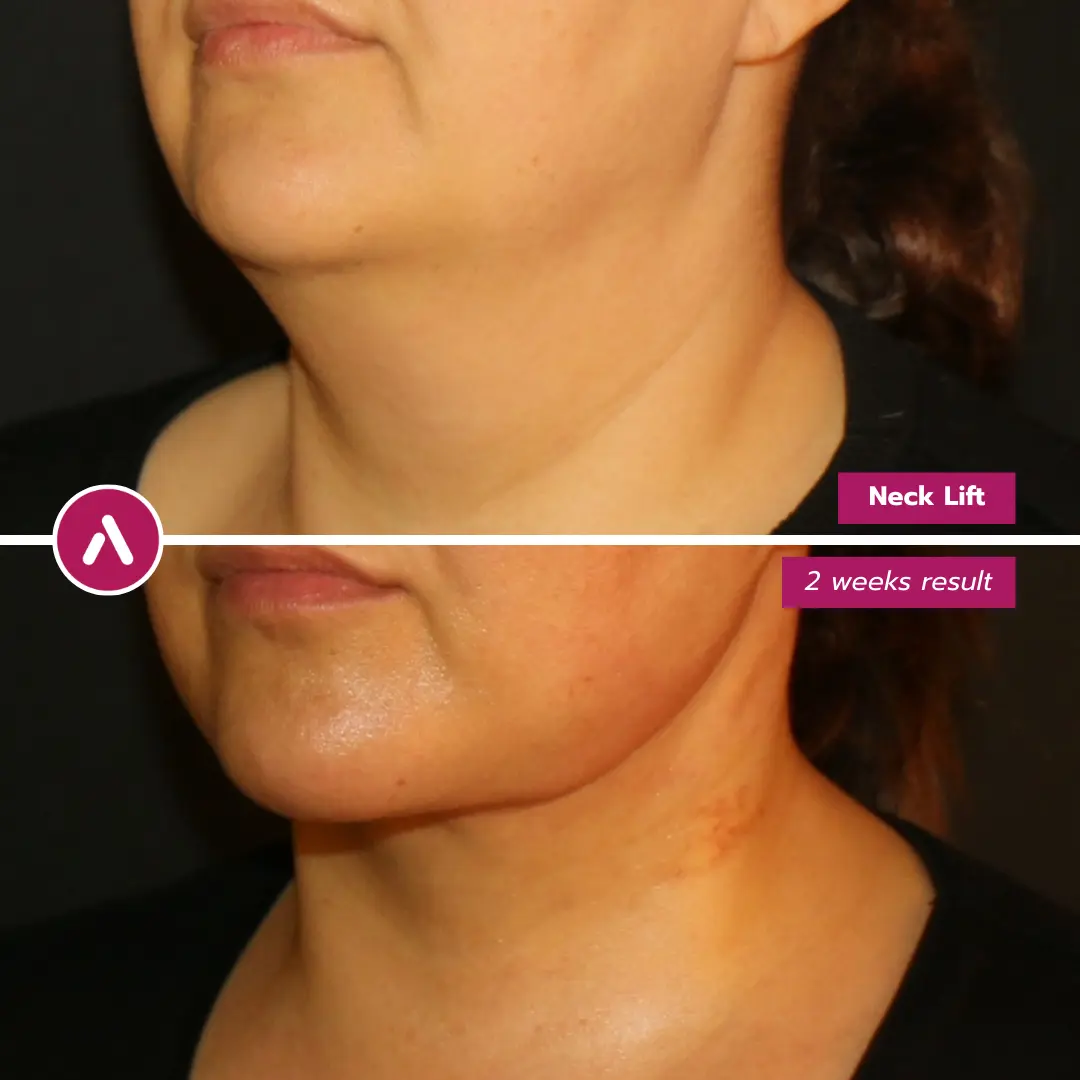
Z-plasty and W-plasty are surgical techniques used to redirect or break up a straight scar. A long straight scar can catch light and draw the eye. A revised scar that follows natural lines or has a less linear pattern may blend better.
Z-plasty may also help release tight scar bands. W-plasty is often used when the goal is camouflage rather than lengthening. The best choice depends on the scar’s location, direction, and surrounding skin tension.
When surgery is the best primary approach
Surgery is usually considered when the scar has a structural problem. Examples include wide scars, depressed scars tethered to deeper tissue, scars crossing natural skin lines, or scars causing distortion.
International aesthetic standards emphasize matching the revision technique to the scar type rather than applying a single solution to every patient. Patients interested in current scar revision best practices can review guidance published by the International Society of Aesthetic Plastic Surgery (ISAPS).
“Scar revision is not about promising invisible skin. It is about replacing an unfavourable scar with a better-planned scar, then supporting that new scar through careful healing.”
Laser Scar Resurfacing
Laser treatment is useful when the scar problem is mainly colour, texture, thickness, or surface irregularity. It does not remove the scar in one session. Instead, it remodels the surface and stimulates controlled healing.
Ablative vs non-ablative laser treatments
Ablative lasers remove thin layers of damaged skin. They are often used for deeper texture problems, acne scarring, and thick surface irregularities. Recovery is longer, but the effect can be more dramatic.
Non-ablative lasers work beneath the surface without removing the top layer of skin. They usually involve less downtime. They may be better for mild texture concerns, redness, or gradual collagen stimulation.
Canadian patients planning long-term scar management can also review educational resources from the Canadian Dermatology Association, which provides information about scar behaviour, skin healing, and dermatologic treatment options.
Fractional laser technology for scar texture
Fractional laser resurfacing treats a scar in microscopic columns rather than resurfacing the entire skin surface at once. This allows untreated skin between the laser channels to support faster healing.
Fractional laser can be helpful for acne scars, surgical scars, traumatic scars, and scars with uneven texture. It is often used when the scar is not wide enough to justify excision, or when surgery alone would not improve surface quality.
How LLLT supports scar healing
Low-Level Laser Therapy, or LLLT, is different from resurfacing laser. It does not burn or remove skin. Instead, it uses light energy to support cellular repair, circulation, and collagen remodelling.
At AKM Clinic, scar planning may include advanced recovery and scar management technologies, including LLLT and HBOT protocols where appropriate. For the science behind this modality, see our guide to low-level laser therapy for scar healing.
Some patients also benefit from hyperbaric oxygen therapy for recovery, especially when tissue healing, swelling, and oxygen delivery are important concerns.
Injection-Based Scar Treatment
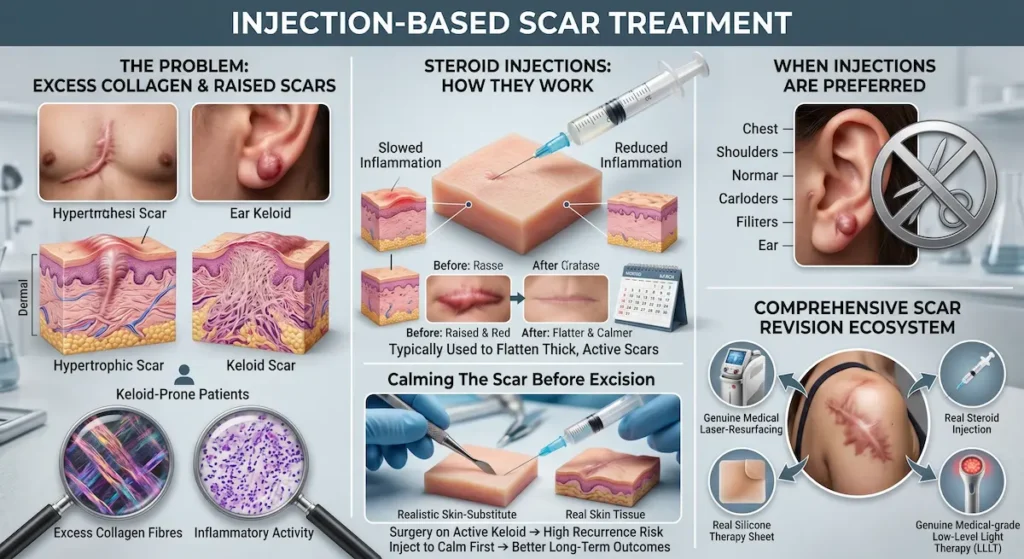
Not every scar should be cut out. Some raised scars respond better to injection-based therapy, especially when the main issue is excess collagen production. This is particularly important for keloid-prone patients.
Steroid injections for keloid scars
Steroid injections are commonly used to flatten thick, raised scars. They work by reducing inflammation and slowing excess collagen activity within the scar.
For keloid scars, injections may be used before surgery, after surgery, or instead of surgery. The timing depends on the scar’s size, location, growth pattern, and the patient’s personal history of keloids.
When injections outperform surgery
Injections may be preferred when cutting the scar could make it worse. This is often true for active keloids, especially on the chest, shoulders, jawline, earlobes, or upper back.
A raised scar that is still growing is not always ready for excision. In that situation, calming the scar first may produce a better long-term result than immediate surgical removal.
Combination treatment protocols
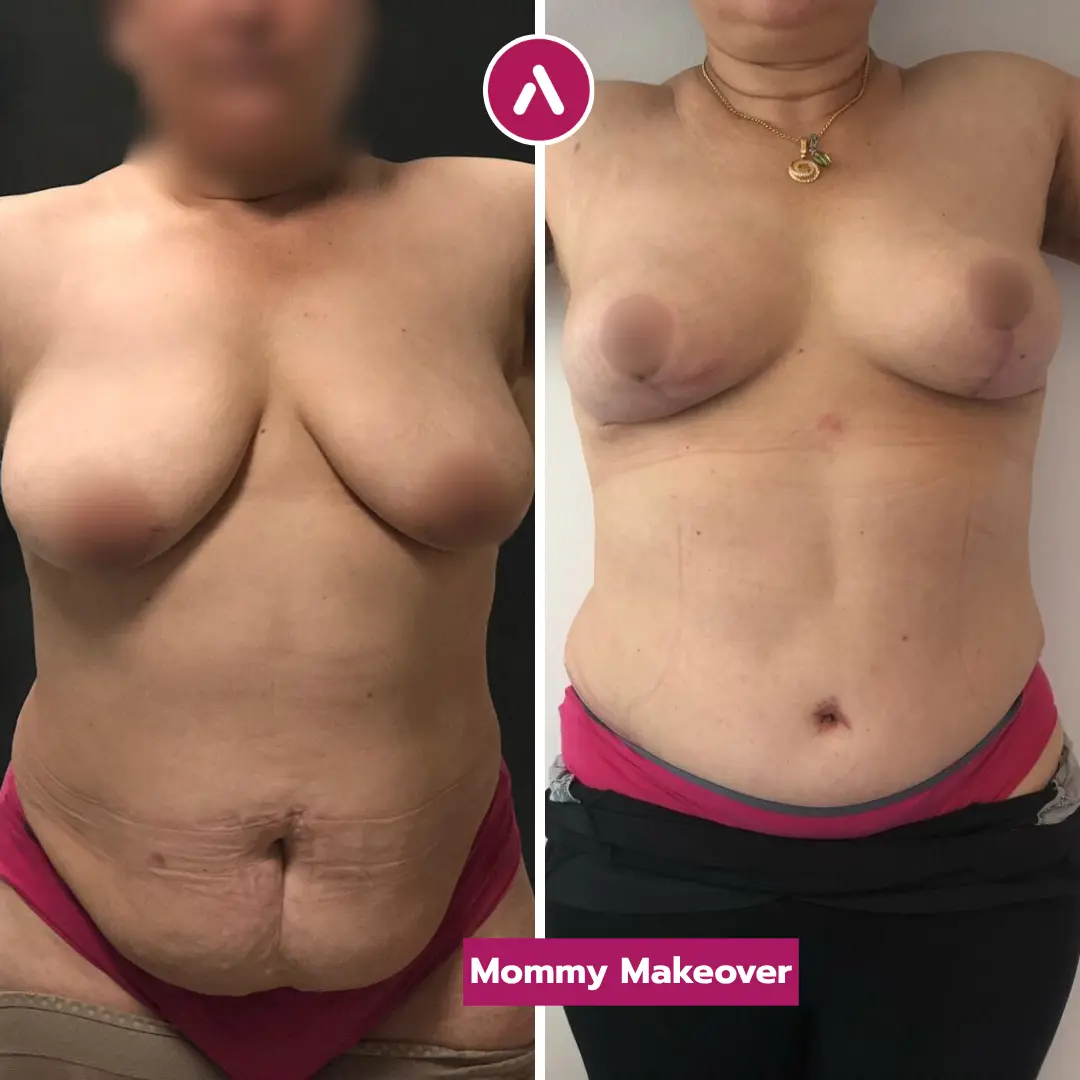
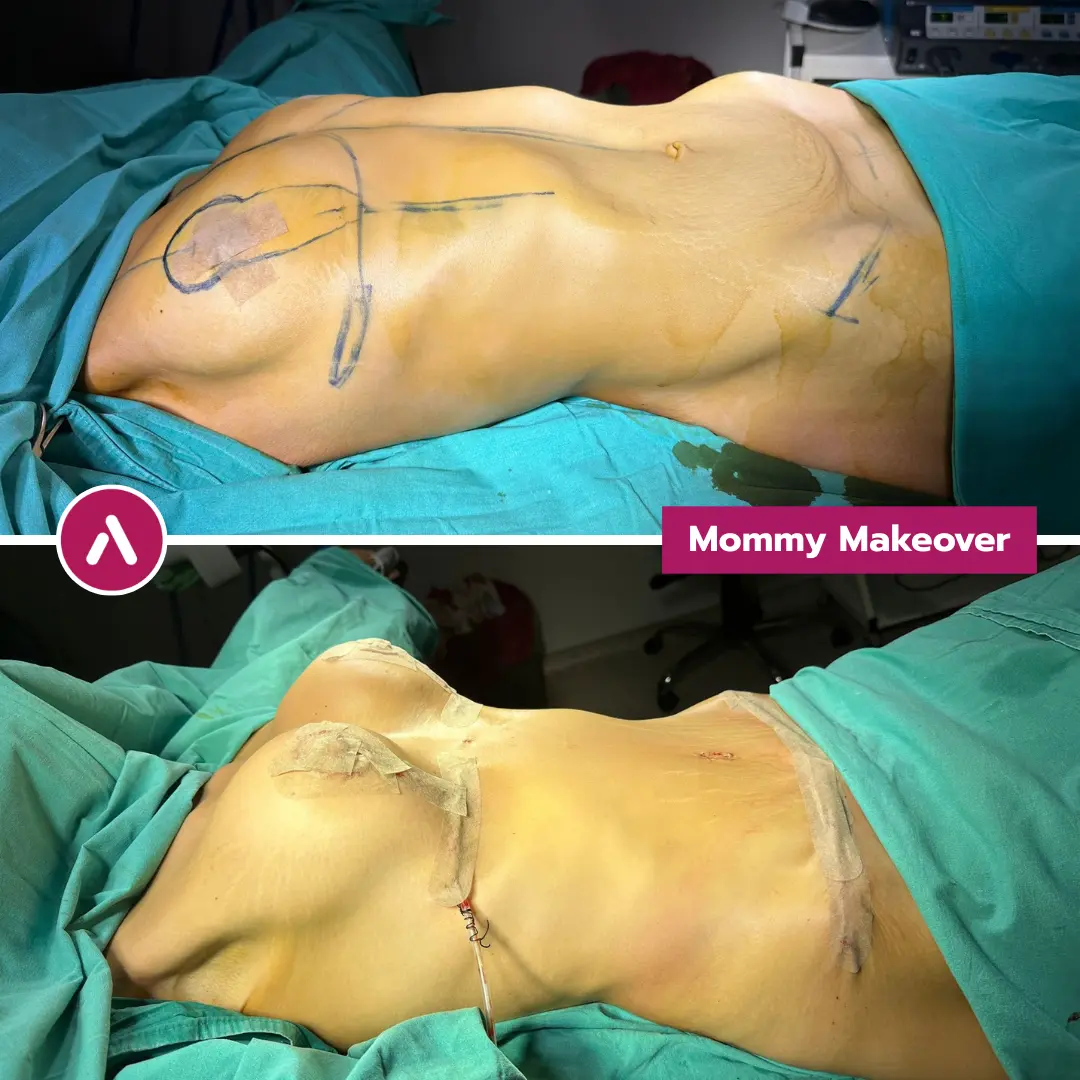
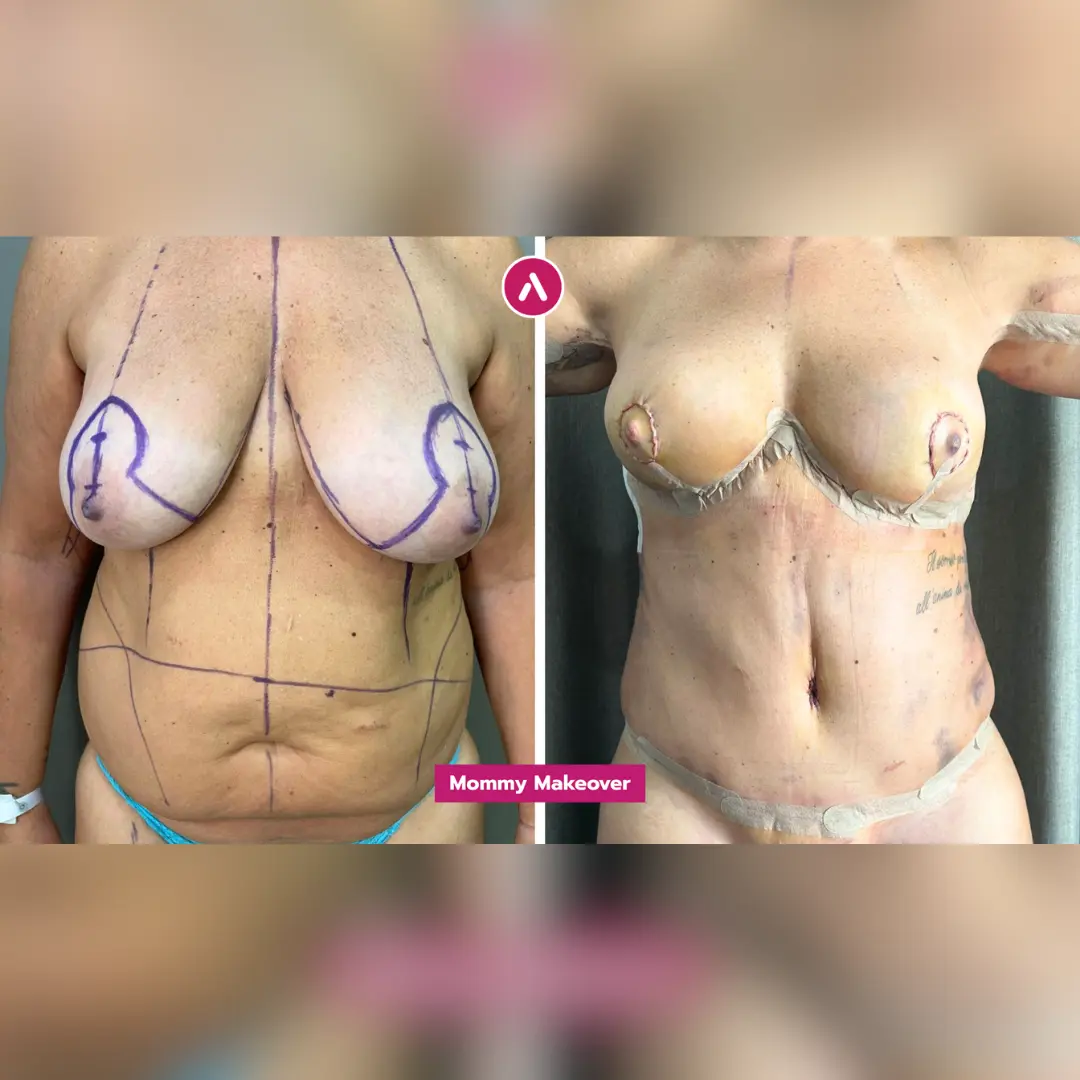
Scar revision often works best as a staged plan. A patient may need surgery to remove a wide scar, laser to improve texture, injections to control thickening, and LLLT to support healing.
This is why an accurate diagnosis matters. “Scar revision” is not one procedure. It is a treatment category that can combine several methods.
| Scar Type | Common Features | Recommended Treatment | Expected Improvement |
|---|---|---|---|
| Hypertrophic scar | Raised, firm, stays within incision line | Steroid injection, silicone care, laser, possible excision | Flatter texture and reduced thickness |
| Keloid scar | Raised scar growing beyond original wound | Steroid injections, cautious excision, combination therapy | Better control, flattening, lower recurrence risk |
| Atrophic scar | Sunken or indented scar | Laser resurfacing, nanofat, fat grafting | Smoother contour and improved texture |
| Wide surgical scar | Stretched or poorly positioned line | Excision and layered re-closure | Narrower, better-positioned scar |
| Contracture scar | Tight scar restricting movement | Z-plasty, release, reconstructive scar revision | Improved movement and reduced pulling |
Regenerative Scar Treatment
Regenerative medicine has become an increasingly important part of scar management. Rather than focusing only on removing or resurfacing tissue, regenerative approaches aim to improve the quality of the tissue itself.
These techniques are especially valuable for depressed scars, scars with poor skin quality, and scars that remain visible despite previous treatment. In many cases, regenerative therapies are combined with surgery or laser rather than replacing them.
Nanofat and fat grafting for scar improvement
Nanofat grafting uses processed fat rich in regenerative cells and growth factors. Unlike traditional volume restoration, the primary goal is not adding bulk. The objective is improving skin quality and scar characteristics.
Patients interested in regenerative approaches can learn more about regenerative fat grafting techniques and how purified fat is used across multiple aesthetic and reconstructive applications.
According to AKM Clinic pricing references, Nanofat Grafting for scars is available from CAD $3,400, although final treatment plans vary according to the scar type and treatment area.
How regenerative cells remodel scar tissue
Scar tissue behaves differently from normal skin. Blood supply, collagen organisation, elasticity, and texture are often altered. Regenerative therapies seek to influence these characteristics over time.
While patients sometimes expect dramatic overnight change, regenerative improvement is gradual. Collagen remodelling may continue for several months after treatment.
When regenerative therapy becomes part of the plan
Regenerative treatment is often considered when:
- The scar is depressed or tethered.
- Skin quality is poor.
- Previous treatment produced limited improvement.
- The goal is texture enhancement rather than simple scar removal.
- The surgeon wants to support healing after revision surgery.
Patients comparing recovery technologies can also review regenerative recovery technologies to understand how HBOT, LLLT, PRP, and regenerative treatments fit into a broader recovery strategy.
Matching the Technique to Your Scar
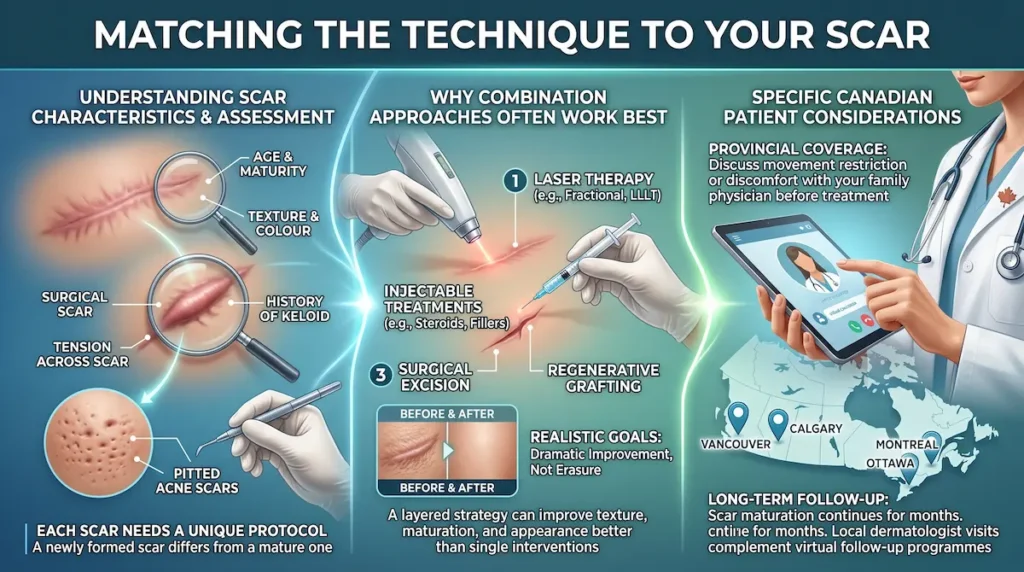
The most important decision in scar revision is not where treatment takes place. It is selecting the correct technique for the specific scar. Two scars may look similar to a patient while requiring completely different treatment plans.
Scar age, type, and location decision tree
A newly formed scar is treated differently from a mature scar. A raised scar is treated differently from a depressed scar. A scar on the face behaves differently from a scar on the chest, shoulder, abdomen, or arm.
During assessment, surgeons evaluate:
- Scar age and maturity.
- Thickness and texture.
- Colour differences.
- Tension across the scar.
- History of hypertrophic or keloid formation.
- Functional limitations.
- Previous treatments.
Why combination approaches often work best
Many patients assume one treatment should solve everything. In reality, combination protocols frequently deliver the best outcome.
For example, a wide abdominal scar may undergo surgical excision first. Once healed, fractional laser can improve texture, while LLLT supports maturation. If tissue quality remains poor, regenerative fat grafting may be added later.
This layered strategy often produces better results than relying on a single intervention.
Realistic expectations: improvement, not erasure
The most successful scar revision patients understand a simple principle: scars can improve dramatically, but they cannot usually disappear completely.
A scar that is flatter, softer, narrower, less visible, and easier to conceal can represent an excellent outcome even if some evidence of the original scar remains.
“The goal of scar revision is not perfection. The goal is replacing an unfavourable scar with a scar that is less noticeable, less restrictive, and better integrated into the surrounding skin.”
Canadian Patient Consideration: Provincial Coverage
Some Canadian provinces may evaluate functional scar revision differently from purely cosmetic scar improvement. Scars causing movement restriction, discomfort, or functional impairment may warrant discussion with your family physician before seeking treatment abroad.
Canadian Patient Consideration: Long-Term Follow-Up
Patients returning to Toronto, Vancouver, Montreal, Calgary, Ottawa, or other Canadian cities should remember that scar maturation continues for many months. Follow-up with a local dermatologist can complement AKM Clinic’s virtual follow-up programme and help monitor long-term progress.
Scar Revision in Turkey: What Canadian Patients Should Know
Scar revision in Turkey appeals to Canadian patients who want a more specialized assessment than a quick local cosmetic consultation. It is also useful for patients who want surgery, laser, and regenerative support considered together rather than as separate treatments.
At AKM Clinic, the plan is built around the scar type, healing pattern, and the patient’s realistic goal. A visible scar may become less distracting. A tight scar may become more comfortable. A wide scar may become narrower and better positioned.
Why Canadians seek scar revision abroad
Cosmetic scar improvement is usually not covered by Canadian provincial healthcare plans. Patients in Ontario, British Columbia, Quebec, and Alberta may also face long wait times when the concern is not medically urgent.
For that reason, many Canadians look for a clinic that can assess the scar from multiple angles: surgical revision, laser resurfacing, regenerative treatment, and post-operative healing support.
Recovery planning for Toronto, Vancouver, and Montreal patients
Recovery depends on the scar location and treatment type. A small scar excision may require only limited downtime. Larger revisions, laser resurfacing, or combination treatments may require more careful planning.
Patients flying home through YYZ, YVR, or YUL should ask when they can safely travel, how to protect the treated area during the flight, and when to send follow-up photos. Scar care continues after landing in Canada.
AKM Clinic’s Natural-First approach to scar improvement
AKM Clinic’s philosophy is “Rejuvenation over alteration.” For scar revision, that means the goal is not over-treatment. The goal is a measured, natural improvement that respects the surrounding skin.
Some patients need surgery. Others need laser or injections. Many need a staged plan. A careful consultation helps avoid unnecessary procedures and sets expectations before travel.
For patients comparing scar revision options, AKM Clinic lists C-Section Scar Revision at CAD $2,450 and Scar Revision Lift at CAD $4,100. Laser-assisted treatment references, such as SmartLipo, are listed at CAD $5,200, but scar-specific laser pricing depends on the scar and treatment plan.
If you are considering scar revision surgery Turkey, the best first step is a photo-based assessment. Clear photos help the surgeon identify whether your scar is raised, wide, depressed, tethered, keloid-prone, or suitable for combination treatment.
Submit photos of your scar for a personalized revision assessment.
Frequently Asked Questions: Scar Revision Surgery Turkey:
These are the most common questions Canadian patients ask before planning scar revision in Turkey. The answers are general and do not replace a medical consultation.
Can old scars be removed completely?
No. Scar revision improves a scar; it does not restore untouched skin. A strong result may mean the scar becomes flatter, narrower, softer, less red, or easier to conceal.
What is the best treatment for keloid scars?
Keloid scars often require steroid injections, careful monitoring, and sometimes staged treatment. Surgery alone can trigger recurrence, so the plan must be cautious.
Does laser or surgery work better?
It depends on the scar. Wide or poorly positioned scars often need surgery. Texture, redness, and surface irregularity may respond better to laser treatment.
Can a C-section scar be revised?
Yes. A C-section scar can often be revised if it is wide, indented, raised, uncomfortable, or tethered. AKM Clinic lists C-Section Scar Revision at CAD $2,450.
How much does scar revision cost in CAD?
Pricing depends on scar size, location, and technique. Verified AKM references include C-Section Scar Revision at CAD $2,450, Scar Revision Lift at CAD $4,100, and Nanofat Grafting at CAD $3,400.
Will the new scar be invisible?
No ethical surgeon should promise an invisible scar. The realistic goal is a better scar: thinner, flatter, softer, or better hidden in natural skin lines.
Can regenerative therapy help old scars?
Yes, in selected cases. Nanofat and fat grafting may help depressed, tethered, or poor-quality scars by improving tissue quality over time.
How long does scar revision recovery take?
Small excisions may heal quickly, but scar maturation takes months. Most scars continue changing for 12 to 18 months after treatment.
Am I a candidate for scar revision surgery in Turkey?
You may be a candidate if your scar is mature, stable, bothersome, raised, wide, indented, or restrictive. The best way to confirm is through a photo review and virtual consultation.
Medical Disclaimer: This page is provided for general educational purposes only and does not replace an in-person medical consultation, diagnosis, or personalized treatment plan. All surgery carries risks, and outcomes vary between individuals. Suitability for a plastic surgery, procedure selection, and anesthesia choice can only be determined after a full clinical assessment by a qualified surgeon. Always follow your clinician’s instructions and seek urgent medical attention if you develop concerning symptoms during recovery.