
Quick summary: Manual Lymphatic Drainage (MLD) after liposuction is best understood as part of the recovery plan, not as a spa-style add-on. It helps move excess fluid, reduce post-operative swelling, and support smoother contour healing after fat removal.
Patients who skip proper MLD may face longer swelling, firmer tissue areas, and uneven-feeling recovery. At AKM Clinic, MLD is integrated into the post-lipo recovery week, with practical guidance for Canadian patients who need to continue care after returning home.
Lymphatic drainage massage after lipo is one of the most misunderstood parts of liposuction recovery. Many patients imagine it as a relaxing liposuction recovery massage. It is not. Done correctly, Manual Lymphatic Drainage uses light, structured, directional movements to support fluid movement through the lymphatic system after surgical trauma.
After liposuction, the body has to process swelling, inflammatory fluid, and temporary disruption to tiny lymphatic channels. This is especially relevant for Canadian patients travelling back from Istanbul, because long-haul flights, prolonged sitting, and early activity changes can all affect swelling patterns. A structured recovery plan begins with understanding the liposuction overview at AKM Clinic and how post-operative care fits into the result.
MLD is not a shortcut. It does not replace compression garments, walking, hydration, nutrition, or surgeon-led follow-up. It works alongside them. The goal is controlled healing, not aggressive “draining” or forceful manipulation.
This article explains what MLD is, why it matters after liposuction, what can happen when it is skipped, and how Canadian patients can continue care in Toronto, Vancouver, Montreal, Calgary, or smaller markets after flying home.
Table of Contents
What MLD Is and Why It Differs from Regular Massage?
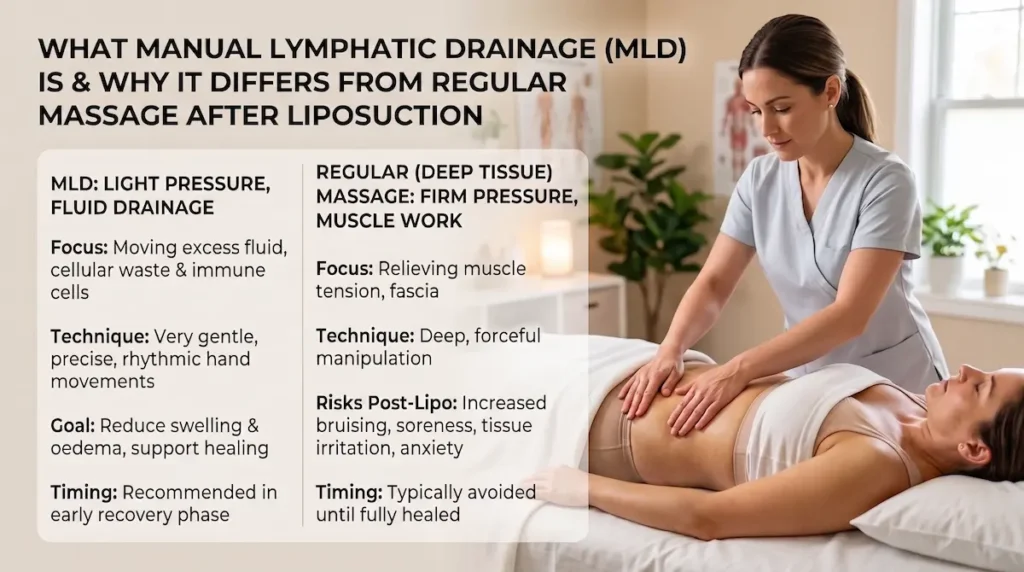
MLD is a specialized technique designed to support the lymphatic system, which helps move fluid, proteins, cellular waste, and immune cells through the body. After liposuction, this system is temporarily stressed. The purpose of MLD is to encourage gentle fluid movement without irritating healing tissue.
Lymphatic system biology
The lymphatic system is a low-pressure drainage network. Unlike the heart, it does not have a central pump. It depends on muscle movement, breathing, vessel contraction, and external stimulation to move lymph fluid through the body.
After liposuction, the treated area contains swelling and inflammatory fluid. The cannula passes through fat tissue, which creates internal tunnels. These tunnels are expected. They are part of the surgical process. The body then has to clear fluid while repairing the tissue.
MLD uses very light pressure because lymphatic vessels sit close to the surface. Heavy pressure can flatten or irritate these vessels. That is one reason MLD feels different from standard massage.
The International Lymphoedema Framework describes lymphatic swelling as a fluid imbalance in tissue spaces, and MLD is commonly discussed within broader lymphoedema and swelling-management frameworks. Patients should still remember that cosmetic post-lipo swelling is not the same as chronic lymphoedema, so their protocol must follow the surgeon’s instructions. International Lymphoedema Framework guidance is useful for understanding the biology, not for replacing post-surgical medical advice.
Why deep tissue massage is wrong for post-lipo
Deep tissue massage is designed to work into muscle and fascia. That is the opposite of what fresh liposuction tissue needs. In the early recovery phase, the treated area is inflamed, tender, and internally healing.
Forceful massage can increase bruising, worsen soreness, and irritate tissues that are trying to seal. It may also create anxiety for patients who already feel tightness, numbness, or uneven firmness under the skin.
Post-lipo MLD should never feel like someone is “breaking up” tissue aggressively. That language is common online, but it is not a safe way to think about early recovery. The therapist should work with the body’s drainage pathways, not against them.
- MLD pressure: light, rhythmic, and directional.
- Deep tissue pressure: firm, muscular, and often uncomfortable.
- Post-lipo goal: fluid movement and swelling control.
- Wrong early goal: aggressive tissue manipulation.
MLD technique fundamentals
Proper MLD usually begins away from the treated area. This surprises many patients. A trained therapist often starts by opening central drainage pathways before working closer to the liposuction zones.
The technique uses slow, repeated strokes that follow lymphatic direction. For abdominal liposuction, this may involve the abdomen, flanks, groin pathways, and nearby trunk drainage routes. For arm, thigh, back, or chin liposuction, the pathway changes.
Correct technique also respects timing. Very early sessions tend to be shorter and gentler. Later sessions can become more targeted as swelling settles and the surgeon confirms that the tissue is ready.
Canadian patient note
After returning to Canada, look for a therapist who specifically lists post-surgical MLD or Manual Lymphatic Drainage training. A general relaxation massage is not the same service. In regulated provinces, check whether the provider is a Registered Massage Therapist and whether they have additional MLD training.
The Post-Lipo Healing Problem MLD Solves
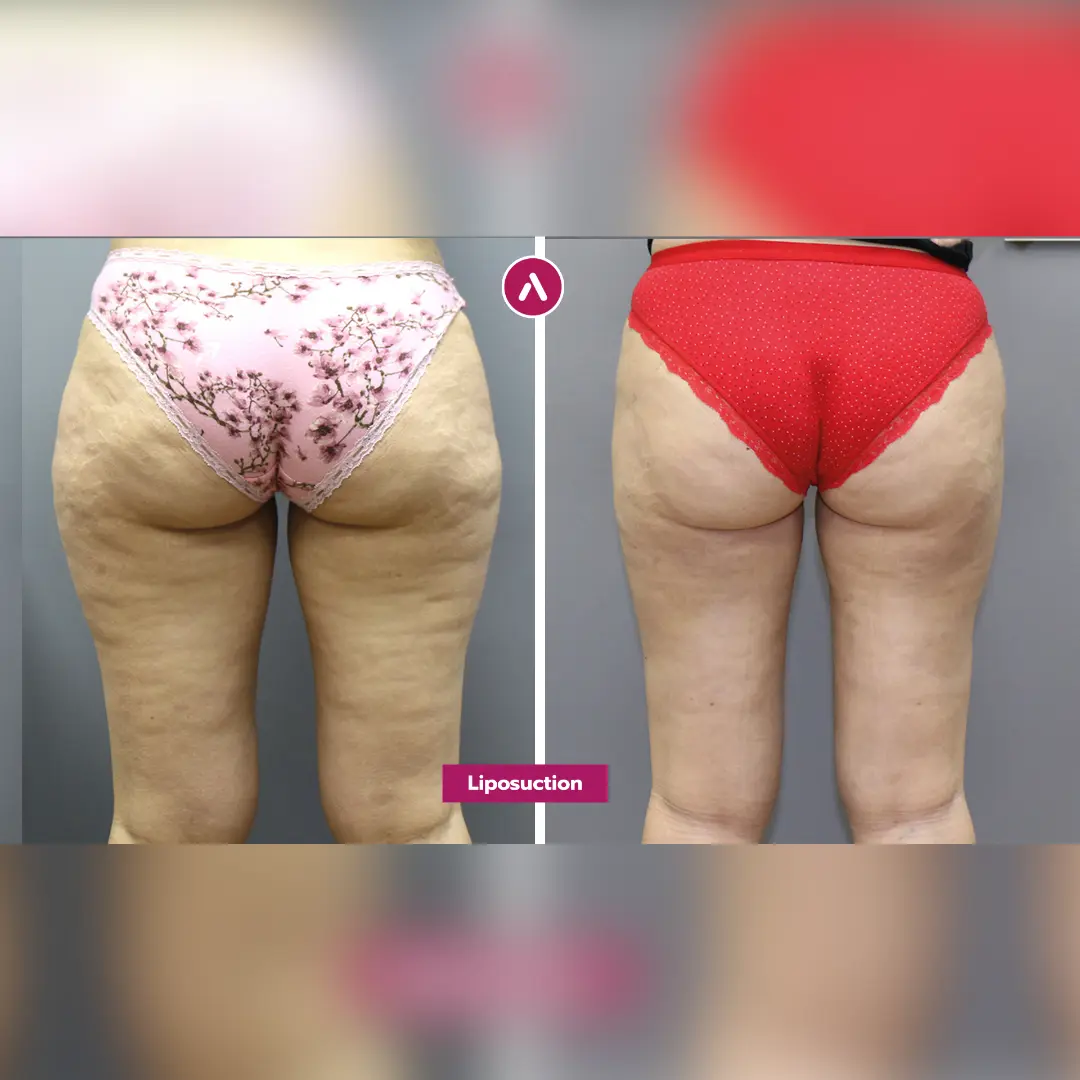
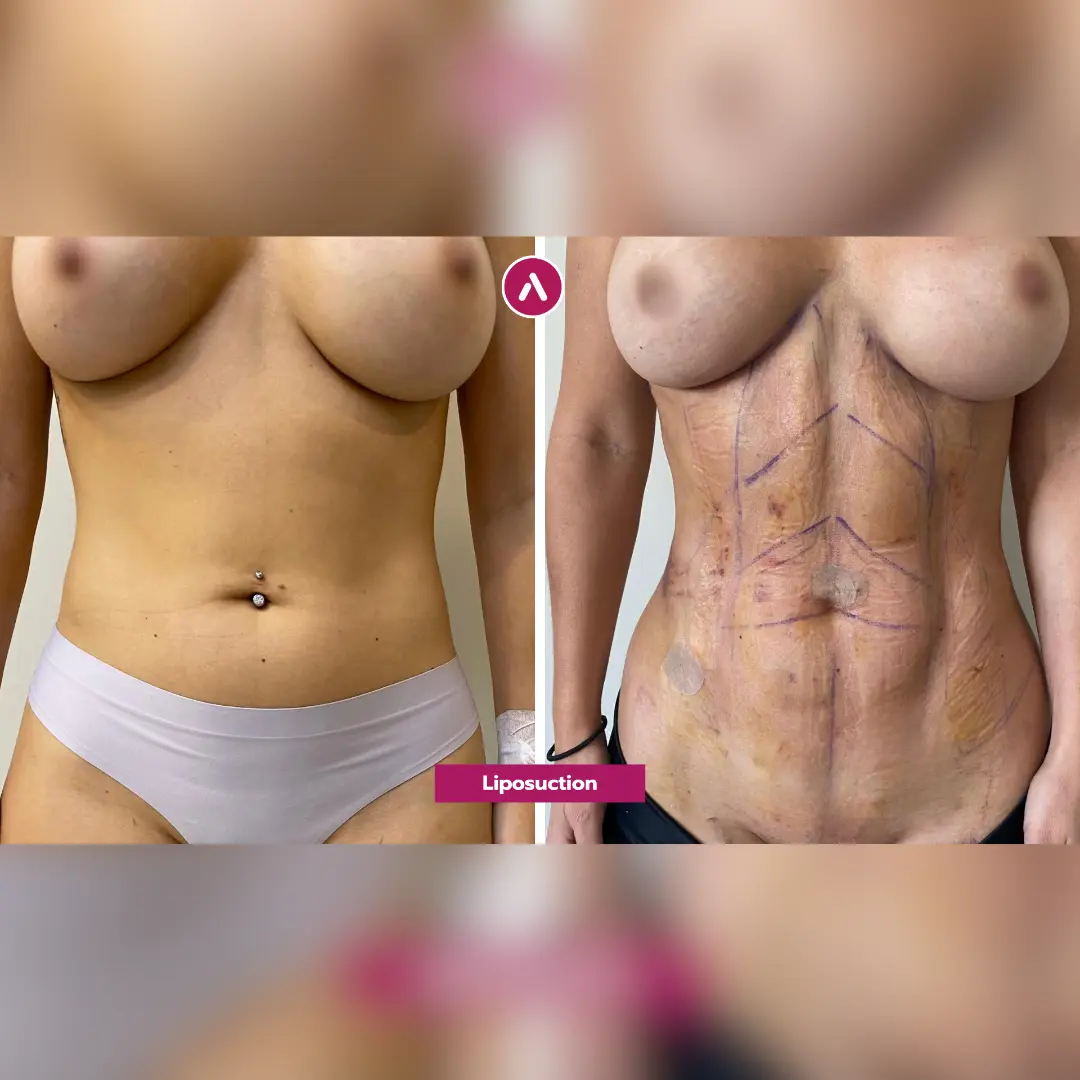
Liposuction removes fat, but the visible result depends on how the tissue heals afterwards. Swelling, firmness, and uneven fluid patterns can temporarily hide the final contour. MLD helps the recovery process stay more organized during the weeks when the body is reshaping internally.
Lymphatic congestion after liposuction
Liposuction creates controlled trauma under the skin. This triggers inflammation, which brings fluid into the treated area. Swelling is expected. The issue is how efficiently that fluid moves out.
When lymphatic channels are temporarily overloaded, the area may feel tight, heavy, or puffy. Some patients describe a “waterlogged” sensation. Others notice that swelling is worse at the end of the day, especially after walking, standing, or sitting for long periods.
This is especially relevant for patients undergoing larger-volume or circumferential treatments. For example, people researching VASER and high-definition liposuction recovery context should understand that precision contouring still requires careful swelling management afterwards.
MLD does not remove surgical swelling instantly. It supports a better drainage environment. That difference matters.
Fibrosis formation without intervention
Fibrosis refers to firm, scar-like tissue that can develop during healing. Some firmness is normal after liposuction. It does not automatically mean something is wrong. The concern is persistent hardening, lumps, rope-like bands, or areas that do not soften over time.
Fibrosis is influenced by inflammation, tissue trauma, compression use, genetics, aftercare quality, and movement patterns. MLD is one tool used to reduce fluid stagnation and encourage a smoother healing environment.
Patients sometimes try to treat early firmness with aggressive massage at home. This is risky. Early fibrosis prevention is not about force. It is about timing, compression, gentle fluid movement, and professional assessment.
“After liposuction, the goal is not to punish the tissue into shape. The goal is to guide swelling out, protect the contour, and let the internal healing layers soften in the correct sequence.”— Composite AKM Clinic recovery-team perspective
Asymmetric healing from skipped sessions
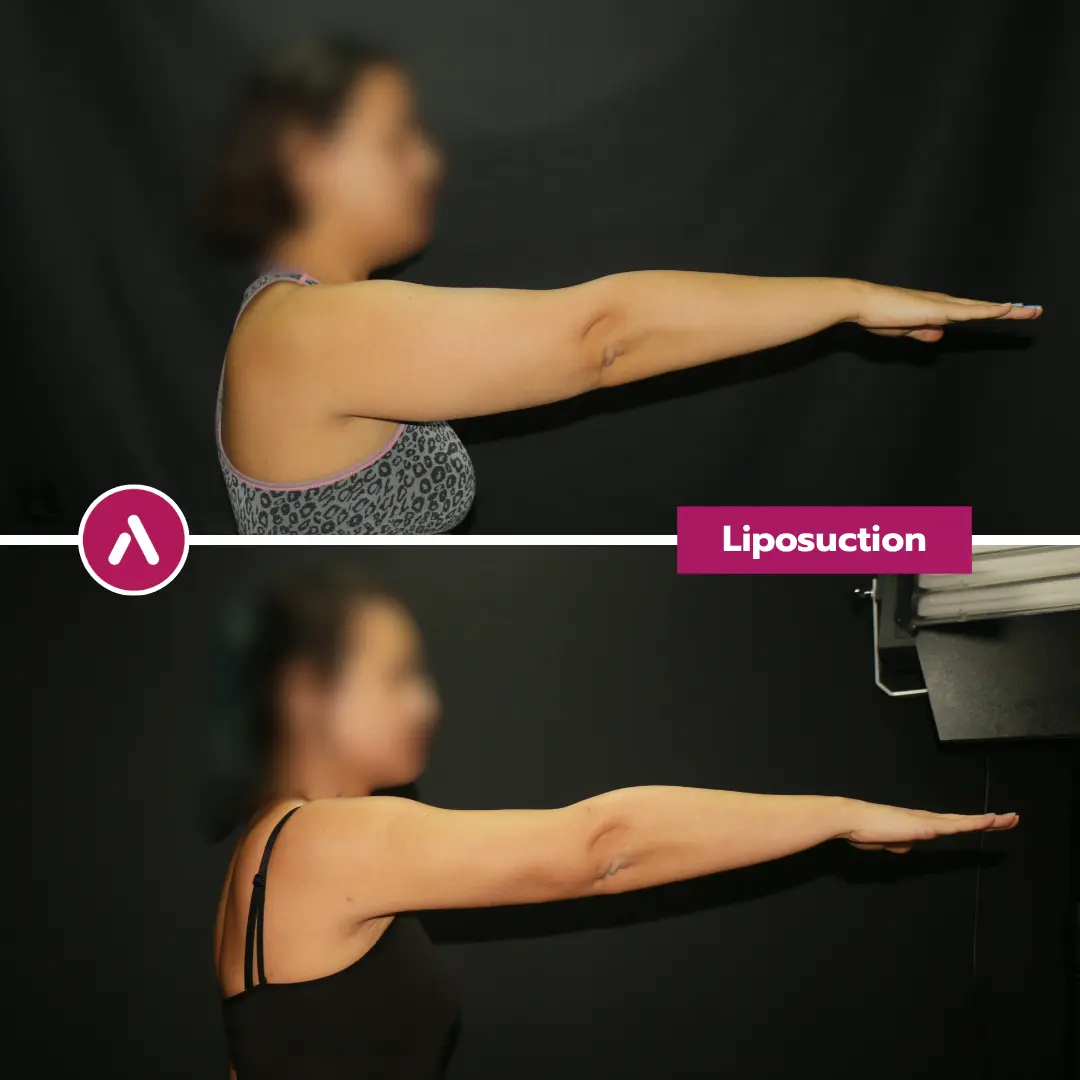
The body rarely swells perfectly evenly. One flank may look fuller than the other. One thigh may feel firmer. The abdomen may have small ridges that appear and disappear depending on posture, garment pressure, or time of day.
Some asymmetry is normal in the early weeks. MLD helps by reducing fluid pooling and identifying areas that need closer monitoring. It also gives patients a trained set of eyes during a vulnerable recovery stage.
This is why MLD matters for both standard and awake liposuction technique patients. Awake procedures may support faster mobility, but they do not eliminate the need for swelling control.
Men can also underestimate this part of recovery. Patients planning abdominal etching, flank sculpting, or chest contouring should review male liposuction recovery because firmer male tissue can behave differently during the swelling and fibrosis phase.
Canadian patient note
For patients flying home to Toronto, Vancouver, Montreal, Calgary, Ottawa, or Halifax, the first week back in Canada is often when swelling patterns become more noticeable. Long flights, airport walking, winter dehydration, and disrupted sleep can all affect how tight the treated area feels. A post-return MLD plan helps prevent gaps in care.
The Optimal MLD Schedule
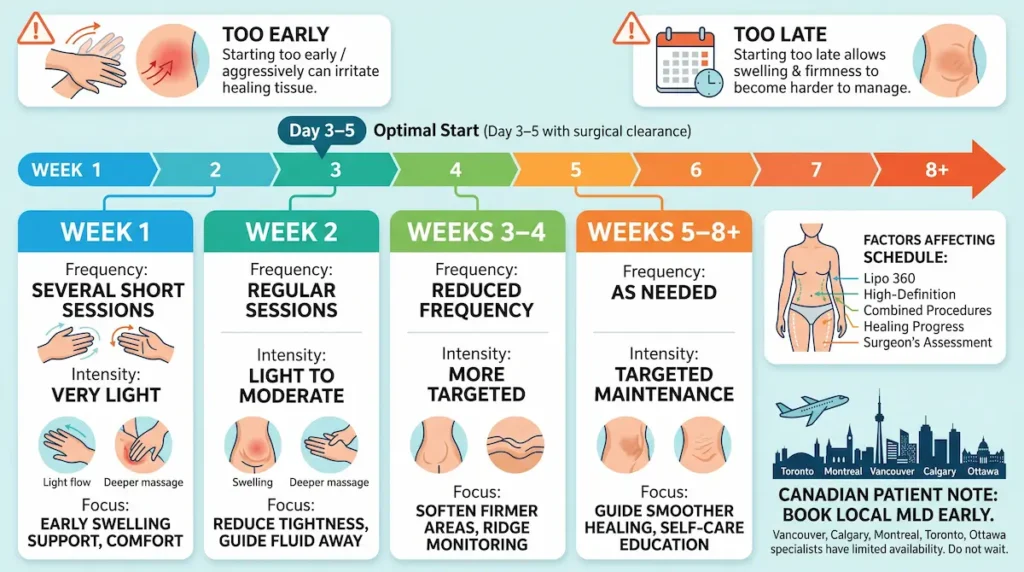
MLD timing matters as much as technique. Starting too early, too aggressively, or with the wrong therapist can irritate healing tissue. Starting too late can allow swelling and firmness to become harder to manage.
When to start, typically Day 3–5
Many liposuction patients begin MLD around Day 3 to Day 5, depending on the surgeon’s assessment, the extent of treatment, bruising level, incision status, and overall comfort. This is not a universal rule. The correct start date should come from the surgical team.
In the earliest days, the body is still responding to the procedure. Fluid shifts are active. Bruising may still be developing. The first MLD sessions are usually short, gentle, and focused on opening drainage pathways rather than working directly and firmly over the treated area.
Patients sometimes ask whether more MLD means faster results. Not necessarily. Too much manipulation can backfire. A good therapist should adapt the session to the stage of healing.
Frequency in Week 1–2
The first two weeks are usually the most important period for professional support. Swelling is active, the compression garment is being worn consistently, and patients are learning what normal healing feels like.
For many patients, several MLD sessions during the first week can help reduce tightness and guide fluid away from treated zones. During the second week, frequency may remain steady or begin to taper depending on swelling, firmness, and travel plans.
Canadian patients should plan ahead. If you are flying back to Toronto Pearson, Montréal-Trudeau, Vancouver International, or Calgary International soon after surgery, your schedule should include both Istanbul-based sessions and a realistic plan for care once home.
Tapering over Weeks 3–8
By Weeks 3 to 8, the focus shifts. Early swelling begins to settle, but firmness can become more noticeable as tissue repair continues. Some patients feel small ridges or denser zones under the skin. These areas often improve gradually, but they should be monitored.
MLD during this stage may be less frequent but more targeted. The therapist may also teach safe self-care movements between appointments. The goal is maintenance, not intensity.
Patients who had large-area liposuction, Lipo 360, high-definition contouring, or combined body procedures may need a longer MLD plan than someone who had a smaller area treated. Recovery should follow anatomy, not a calendar alone.
| Recovery Stage | Typical MLD Frequency | Intensity | Expected Effect |
|---|---|---|---|
| Week 1 | Several short sessions if cleared by the surgeon | Very light, drainage-focused | Supports early swelling movement and comfort |
| Week 2 | Regular sessions based on swelling and travel timing | Light to moderate, still gentle | Helps reduce tightness and fluid pooling |
| Weeks 3–4 | Often reduced frequency | More targeted, but not aggressive | Supports softening of firmer areas |
| Weeks 5–8 | As needed based on contour and firmness | Targeted maintenance | Helps guide smoother late-stage healing |
Canadian patient note
If you are returning to Canada before Week 2, book your first local MLD appointment before you leave Istanbul. Good post-surgical MLD therapists in Toronto, Vancouver, Montreal, Calgary, and Ottawa may have limited availability. Do not wait until swelling becomes uncomfortable.
AKM Clinic’s In-Clinic MLD Protocol
At AKM Clinic, recovery is treated as part of the surgical result. MLD is built into the post-lipo healing plan alongside compression, walking guidance, medical follow-up, and recovery technologies. The aim is steady progress, not rushed healing.
Sessions during the recovery week
During the Istanbul recovery week, MLD sessions are timed around the patient’s procedure, swelling pattern, and clinical checks. The team evaluates how the tissue responds before adjusting the plan.
For patients who have larger treatment areas, such as abdomen, flanks, back, or thighs, early fluid management can make the recovery feel more predictable. This is especially important after circumferential contouring, where swelling can shift depending on sitting, sleeping position, garment pressure, and walking duration.
MLD may also be coordinated with other body-contouring recovery steps. For patients comparing procedure recovery across abdominal surgery, the tummy tuck recovery integration with MLD article explains how swelling control differs when skin removal or muscle repair is involved.
Trained therapist credentials
Post-lipo MLD should be performed by someone trained in lymphatic drainage and post-surgical recovery. A standard massage background is not enough. The therapist needs to understand incision healing, bruising stages, compression garment use, and when to stop and refer back to the medical team.
A trained therapist should never ignore warning signs. Increasing redness, heat, fever, sudden severe pain, drainage changes, or one-sided calf swelling need medical attention rather than another massage session.
Good MLD is clinical and observant. The therapist is not only moving fluid; they are also helping identify whether the recovery pattern looks appropriate for that stage.
- Appropriate: light pressure, slow rhythm, comfort-focused technique.
- Concerning: painful pushing, deep kneading, forceful “lump breaking.”
- Appropriate: working around drainage pathways and garment pressure points.
- Concerning: treating fresh incisions or bruised tissue aggressively.
Integration with HBOT and LLLT
MLD works best when it is part of a complete recovery system. AKM Clinic also uses Hyperbaric Oxygen Therapy (HBOT) and Low-Level Laser Therapy (LLLT) as part of its recovery infrastructure for suitable patients.
HBOT supports oxygen delivery to healing tissues. LLLT uses 650nm low-level laser energy to stimulate cellular repair processes. MLD focuses on fluid movement. These tools have different roles, which is why they can complement one another within a supervised recovery plan.
Patients who want to understand the broader technology framework can review AKM’s integrated recovery infrastructure. The important point is simple: post-lipo recovery should not depend on a single intervention.
“MLD is most effective when it sits inside a full recovery protocol. Compression, walking, hydration, HBOT, LLLT, and therapist-guided drainage all solve different parts of the healing problem.”— Composite AKM Clinic recovery-team perspective
Canadian patient note
Once you are back in Canada, you may not have access to the same recovery technology stack used in Istanbul. That makes continuity planning more important. Ask for clear written guidance on MLD frequency, garment use, walking limits, and when to contact AKM’s team after returning home.
Continuity Once Back in Canada
The flight home is not the end of liposuction recovery. For many Canadian patients, swelling and firmness are still active for weeks after they leave Istanbul. A good MLD plan should bridge the recovery week at AKM Clinic with practical care once you are back in your own city.
Finding MLD therapists in Toronto, Vancouver, and Montreal
Before you fly home, ask your coordinator what type of therapist you should look for in Canada. The safest search phrase is usually “post-surgical Manual Lymphatic Drainage” rather than simply “massage.” You want someone comfortable with liposuction recovery, compression garments, bruising, and surgeon-directed restrictions.
In Toronto, many patients search through Registered Massage Therapist directories and then confirm post-operative experience directly. Vancouver patients should check the therapist’s registration status and ask whether they have worked with cosmetic surgery patients before. In Montreal, regulation and professional titles work differently, so patients should ask more detailed questions about training, experience, and insurance receipts.
Canada does not regulate massage therapy the same way in every province. Some provinces have formal regulatory colleges, while others rely more heavily on associations, education credentials, and insurer requirements. That means the patient has to verify more than the clinic name.
- Ask whether the therapist has specific MLD training.
- Ask how many post-liposuction patients they treat monthly.
- Ask whether they understand compression garment timing.
- Ask whether they will avoid deep tissue work in early recovery.
- Ask whether they can provide receipts for extended health claims.
For general information on Canadian massage therapy regulation and standards, patients can review the Natural Health Practitioners of Canada overview of massage therapy regulation. Local rules still matter, so verify the requirements in your own province.
Cost in Canadian dollars
MLD pricing in Canada varies by city, therapist credentials, session length, and whether the provider is registered for insurance purposes. Patients should ask for the fee in CAD before booking, confirm whether tax applies, and check whether their extended health plan reimburses Registered Massage Therapy.
Do not choose only by price. A cheaper session with the wrong technique can create more anxiety than benefit. Post-lipo MLD requires judgement, restraint, and clear communication with the surgical recovery plan.
For procedure budgeting, patients should separate surgical pricing from aftercare costs. AKM’s liposuction technique pricing is listed in Canadian dollars on the liposuction pricing in CAD page, while local Canadian MLD continuation depends on your therapist and insurance coverage.
Canadian patient note
Some Canadian extended health plans cover massage therapy when performed by an eligible provider, but coverage rules differ. Ask your insurer whether post-surgical MLD is eligible, whether a physician referral is required, and whether the provider must be registered in your province.
Provincial regulation context
Massage therapy regulation in Canada is provincial. This affects professional titles, complaint pathways, standards of practice, and insurance reimbursement. Ontario and British Columbia have well-established regulatory systems. Other provinces may have different association-based or transitional models.
This matters after liposuction because the therapist is working around healing surgical tissue. You need someone who knows when not to treat. A responsible therapist should refuse deep pressure if your surgeon has not cleared it, and they should tell you to contact the medical team if symptoms look abnormal.
Patients returning to smaller cities should not assume that every massage clinic offers post-operative MLD. It may be worth travelling to a larger centre for the first few sessions if your local options are limited. For broader recovery planning after the return flight, review post-op care once you’re back in Canada.
What Happens Without MLD?
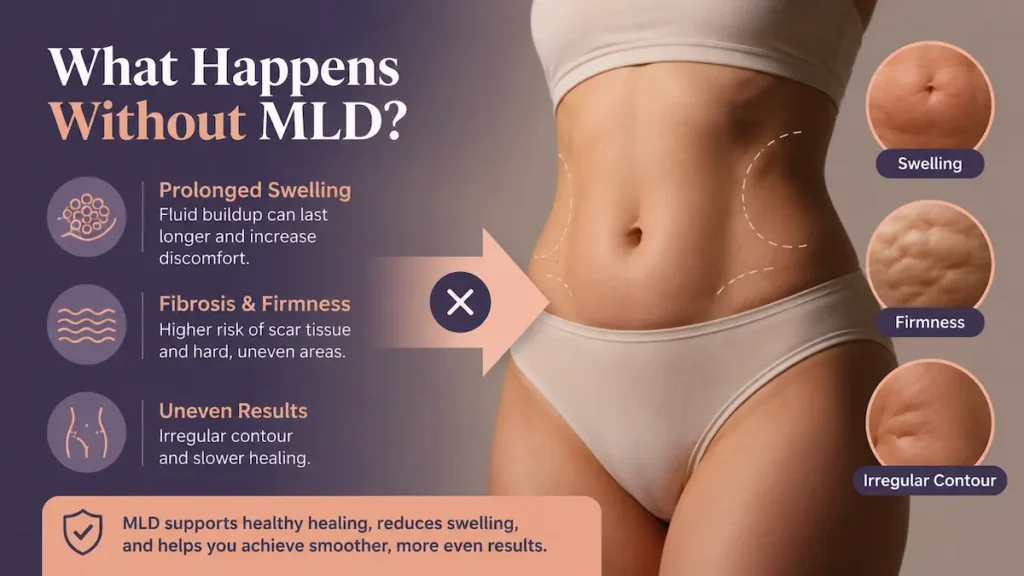
Not every patient who skips MLD will develop a serious problem. That would be an overstatement. The more accurate point is that skipping proper lymphatic care can increase the chance of prolonged swelling, uncomfortable firmness, and slower contour refinement after liposuction.
Fibrosis development timeline
Fibrosis does not usually appear as a single sudden event. It tends to develop gradually as the body repairs internal tissue. In the early weeks, patients may feel firmness, tight bands, or small uneven areas under the skin.
Some firmness is part of normal recovery. The concern is when hard areas persist, become uncomfortable, or create visible contour changes. MLD helps by reducing fluid stagnation and supporting more even softening during the healing phase.
Compression garment use is also essential. MLD cannot compensate for inconsistent compression, overactivity, dehydration, or poor nutrition. It is one part of the recovery structure.
Long-term contour irregularities
Liposuction results are judged by contour, not just fat removal. If swelling lingers unevenly or tissue becomes firm in patches, the early result may look lumpy or asymmetric. Many irregularities improve with time, but some require extra support.
Areas at higher risk include the abdomen, flanks, inner thighs, upper arms, back rolls, and male chest. These zones can have different tissue density, movement patterns, and garment pressure points.
High-definition and athletic contouring patients should be especially consistent. A precise sculpting result depends on smooth healing. If the tissue heals unevenly, the definition can look less clean even when the fat removal itself was technically sound.
“The best liposuction result is not created in the operating room alone. It is protected during recovery, especially during the swelling and softening phase.”— Composite AKM Clinic recovery-team perspective
When corrective intervention becomes necessary
Most early firmness does not require corrective surgery. It often improves with time, compression, MLD, hydration, walking, and follow-up guidance. The key is monitoring rather than panic.
Corrective intervention may be considered if hard areas persist after the expected healing window, if contour irregularities remain visible after swelling has settled, or if scar-like bands restrict smooth movement of the skin. The surgeon should make that assessment, not a massage therapist.
Warning signs need prompt medical review. These include fever, spreading redness, sudden severe pain, unusual drainage, shortness of breath, or one-sided calf swelling. MLD is not appropriate for these symptoms. Medical evaluation comes first.
Patients who had combined procedures may need a more individualized plan. The recovery needs of liposuction alone differ from tummy tuck, breast surgery, BBL, or mommy makeover combinations. Keep the plan procedure-specific.
Canadian patient note
Do not let a Canadian therapist “diagnose” a contour issue without your surgical team’s input. A good therapist can describe what they feel and help with approved MLD, but decisions about fibrosis after liposuction, revision, or corrective treatment should remain surgeon-led.
Frequently Asked Questions: Lymphatic Drainage Massage After Lipo
These answers address the most common questions Canadian patients ask about lymphatic drainage massage after lipo. They are general recovery guidelines, not a substitute for the instructions given by your surgical team.
How many MLD sessions do I need?
The number of MLD sessions depends on the treatment area, swelling level, tissue firmness, and whether you had liposuction alone or a combined procedure. A smaller area may need fewer sessions. Lipo 360, high-definition lipo, thighs, arms, or combined body contouring usually require a longer plan.
Many patients begin with several sessions in the first two weeks, then taper through Weeks 3 to 8. Your surgeon and recovery team should guide the exact schedule.
Is MLD included in AKM packages?
MLD is integrated into AKM Clinic’s recovery week for suitable liposuction patients. The goal is to help manage swelling, support comfort, and reduce the chance of firm or uneven healing during the early phase.
Ask your coordinator how many sessions are planned for your specific procedure. Larger treatment areas may require a more detailed recovery schedule than smaller zones.
Can I do self-MLD?
Self-MLD can help between professional sessions, but only after you have been taught the correct method. The pressure should be light. The movement should be slow and directional.
Avoid pressing hard on bruised areas, fresh incisions, or firm tissue that has not been assessed. Self-care should support your professional MLD plan, not replace it.
Where do I find MLD therapists in Canada?
Search for post-surgical Manual Lymphatic Drainage rather than general massage. In larger cities such as Toronto, Vancouver, Montreal, Calgary, and Ottawa, you will usually find more therapists with cosmetic surgery recovery experience.
Before booking, ask about MLD training, liposuction recovery experience, provincial registration, receipts for insurance, and whether they avoid deep tissue massage during early healing.
Does MLD hurt?
Proper MLD should not feel like deep tissue massage. It may feel unusual because the treated area is swollen or tender, but it should not be sharply painful.
If a therapist is pressing hard, forcing fluid through painful areas, or trying to “break up” tissue aggressively in early recovery, stop the session and contact your surgical team for guidance.
When can I start MLD after surgery?
Many patients begin around Day 3 to Day 5, but timing should always be cleared by the surgeon. The correct start date depends on bruising, incision healing, drainage, swelling, and procedure size.
Starting too early or too forcefully can irritate tissue. Waiting too long may allow swelling and firmness to become harder to manage.
Is MLD covered by Canadian extended health benefits?
Some extended health plans may reimburse massage therapy if the provider is eligible under the plan. Coverage depends on the province, therapist designation, referral requirements, and your insurer’s rules.
Ask your insurer before surgery. Confirm whether post-surgical MLD is eligible, whether you need a physician referral, and whether the provider must be a Registered Massage Therapist.
Plan Your Post-Lipo Recovery Before You Travel
MLD works best when it is planned before surgery, not added after swelling becomes frustrating. During your virtual consultation, ask how your liposuction area, treatment size, compression garment, travel schedule, and Canadian return plan affect your recovery protocol.
AKM Clinic’s team can help you map the Istanbul recovery week and prepare a realistic continuation plan for Canada. If you are still comparing technique, timing, and aftercare, start with the liposuction procedure guide and bring your recovery questions to the consultation.
Medical Disclaimer: This page is provided for general educational purposes only and does not replace an in-person medical consultation, diagnosis, or personalized treatment plan. All surgery carries risks, and outcomes vary between individuals. Suitability for a liposuction, procedure selection, and anesthesia choice can only be determined after a full clinical assessment by a qualified surgeon. Always follow your clinician’s instructions and seek urgent medical attention if you develop concerning symptoms during recovery.