
Quick summary: Flight safety after surgery depends on your procedure, mobility, swelling, clotting risk, and your surgeon’s final clearance. Canadian patients returning from Istanbul should plan their post-op flight home around a procedure-specific fit-to-fly window, not a fixed travel date.
For most patients, the safest plan is to build in buffer days, choose the most direct route possible, and follow a DVT-prevention plan during the long-haul return to Canada.
Flying home after surgery is not just a travel question. It is part of your recovery plan.
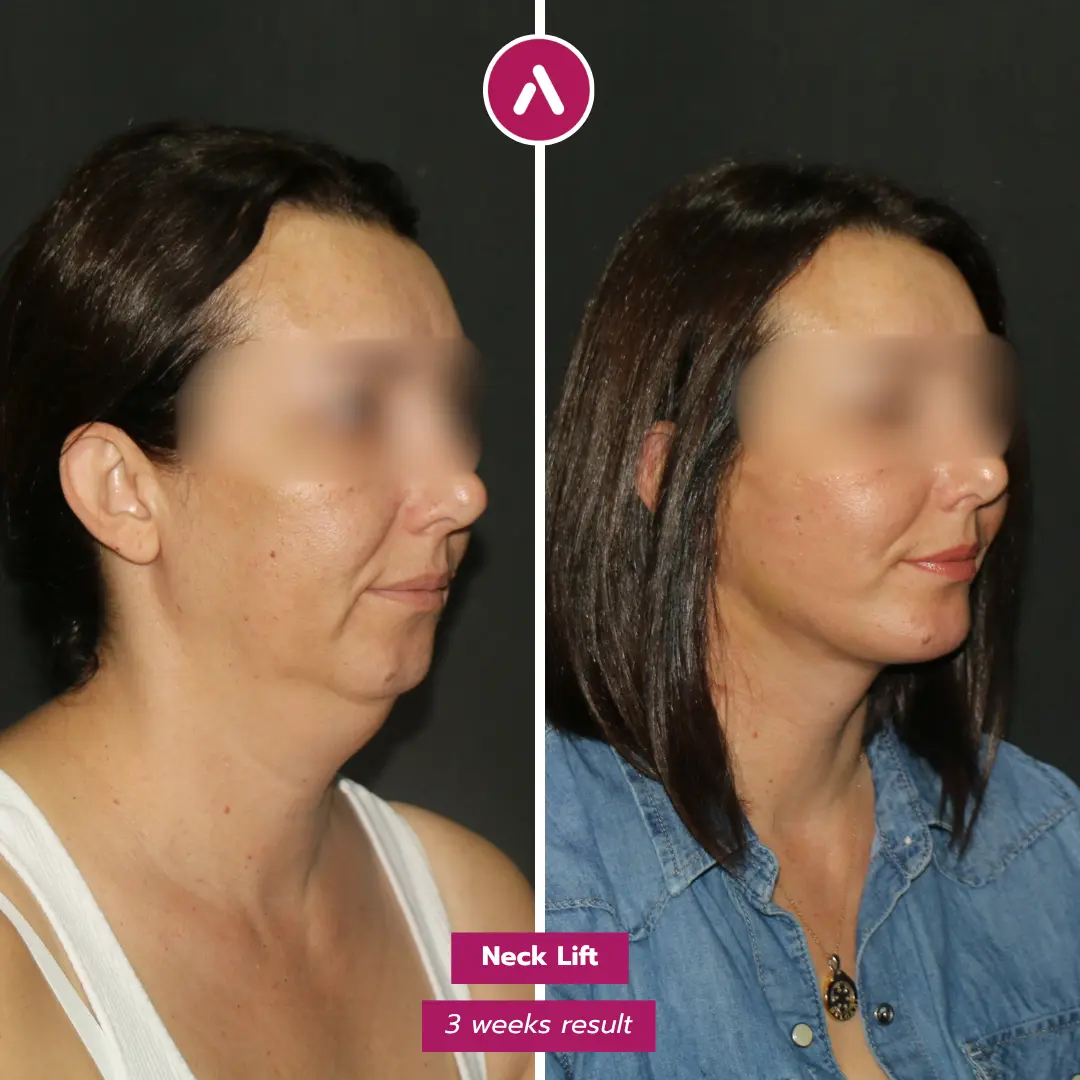
For Canadian patients travelling from Istanbul to Toronto, Vancouver, Montréal, Calgary, or Ottawa, the return flight can involve 10 or more hours in the air, airport walking, luggage handling, cabin pressure changes, and long periods of sitting. That combination matters after surgery.
At AKM Clinic, return travel is planned through the AKM patient journey, which includes clinical monitoring before departure. Your surgeon must confirm that you are stable, mobile, and ready to travel before you fly.
Table of Contents
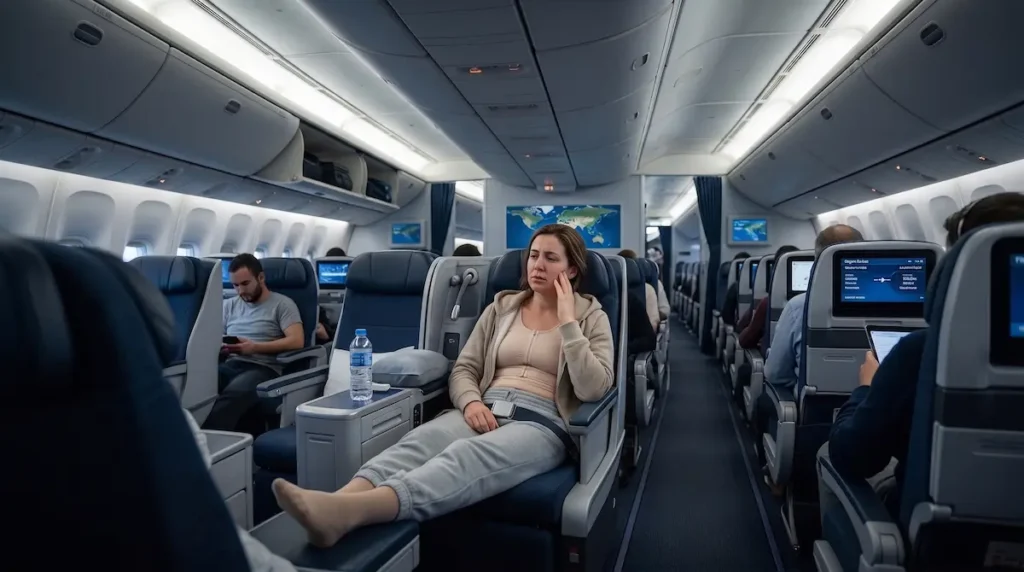
Why Flying After Surgery Carries Risk?
Air travel after surgery creates three main concerns: swelling, blood clot risk, and limited access to medical care while in transit. These risks do not mean you cannot fly. They mean timing and preparation matter.
Cabin pressure and swelling
Commercial aircraft cabins are pressurized, but they are not the same as sea-level conditions. After surgery, tissues are already inflamed and holding fluid. Cabin conditions may make swelling feel tighter, especially in the face, breasts, abdomen, or liposuction areas.
This is why flying too early can feel uncomfortable even if the procedure itself went smoothly. A patient who is still in the peak swelling phase may find a long flight harder than expected.
Facial procedures may feel pressure around the cheeks, eyelids, jawline, or neck. Body procedures can feel tighter under compression garments, especially during long sitting periods.
DVT risk on long-haul flights
Deep vein thrombosis, or DVT, is a blood clot that forms in a deep vein, usually in the leg. Surgery and long periods of sitting both increase the risk.
The Government of Canada travel health guidance notes that air travel may cause blood clots known as deep vein thrombosis, and that recent surgery can increase this risk.
This is especially relevant for Canadian patients returning from Istanbul. A flight to YYZ, YVR, or YUL is not a short trip across a border. It is a long-haul recovery event.
Why the Istanbul-to-Canada distance matters
A short flight after a minor procedure is different from a transatlantic return after a tummy tuck, BBL, mommy makeover, or combined surgery. The longer you sit, the more important circulation becomes.
Canadian patients also need to consider the full travel day. Your return journey may include hotel checkout, a transfer to Istanbul Airport, check-in, security screening, boarding, flight time, customs in Canada, and the trip home from the airport.
That is why fit-to-fly planning should include the entire door-to-door journey, not just the number of hours in the air.
Canadian travel note: If you are returning to a smaller city such as Ottawa, Edmonton, Winnipeg, or Halifax, a connecting flight may add fatigue. Ask your coordinator whether a longer Istanbul stay or an overnight connection would be safer for your procedure.
Fit-to-Fly Clearance by Procedure Type
There is no universal safe day to fly after surgery. The right timing depends on the procedure, anesthesia, swelling, drains, mobility, pain control, and your personal risk factors.
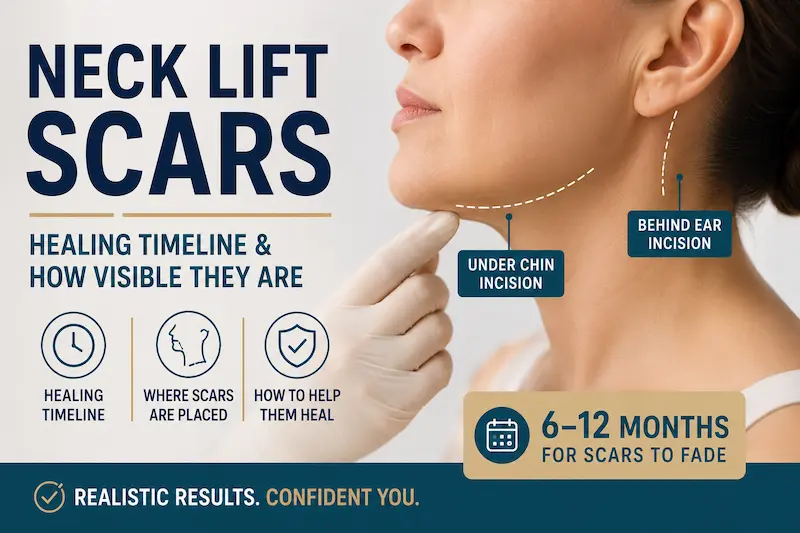
Facial procedures
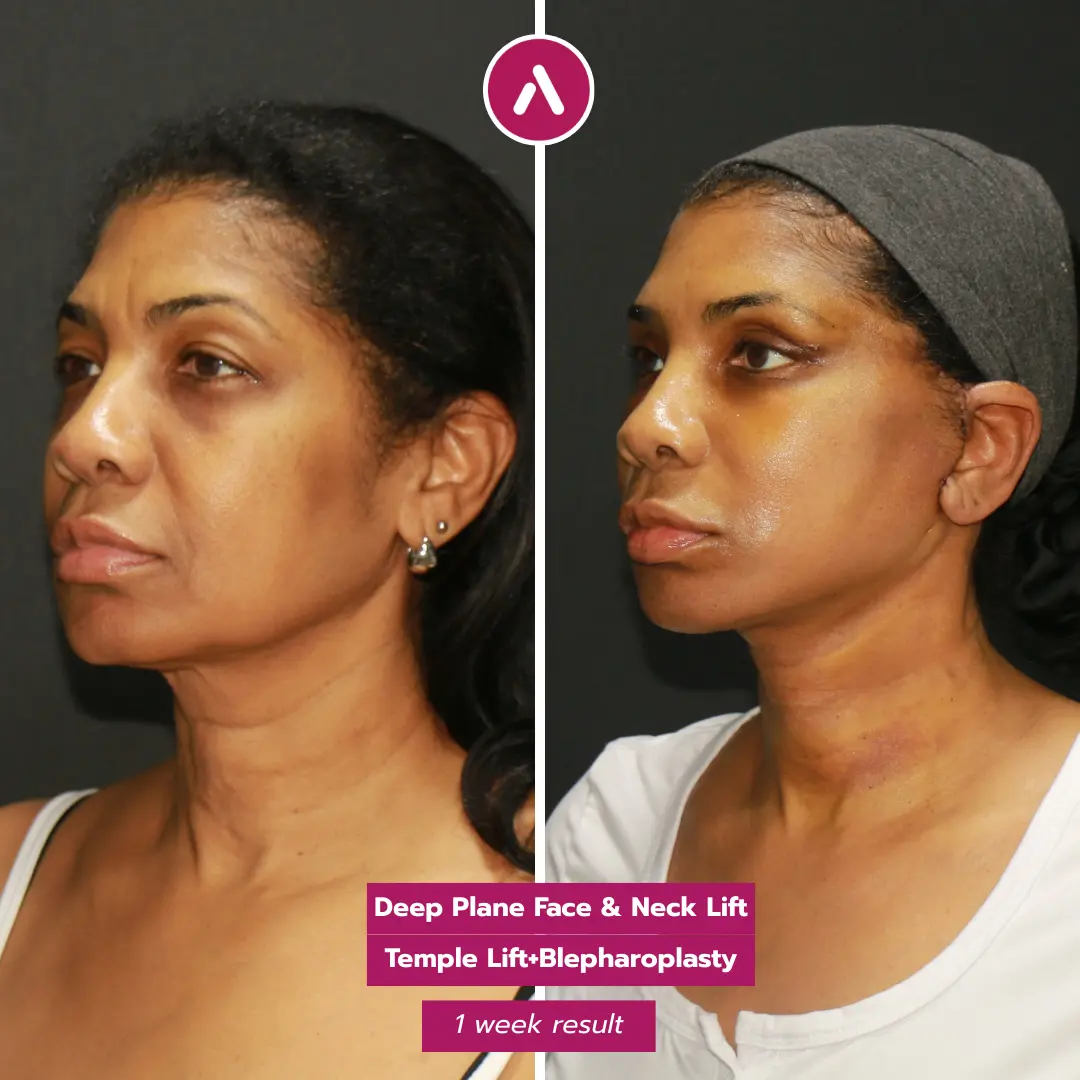
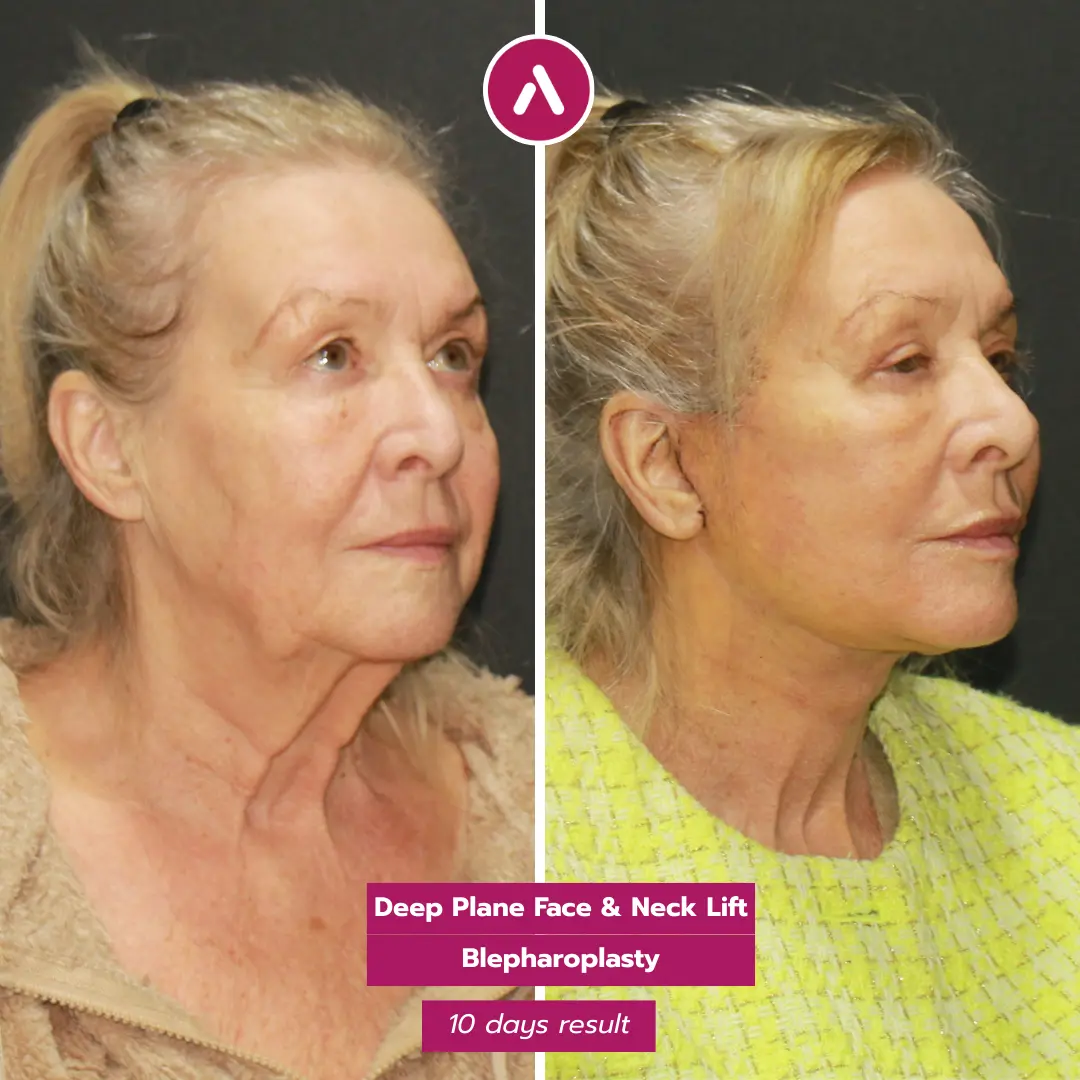
Facial procedures often allow earlier travel than major body surgery because walking is usually easier. However, swelling and bruising still need monitoring.
Many facial surgery patients are assessed around the first week after surgery. This does not mean every patient should fly on the same day. Your surgeon must confirm that your incisions, swelling, blood pressure, and comfort level are stable.
For facelift-specific timing, see our separate guide to facelift-specific fit-to-fly timing. That article owns the facelift-only details, while this guide covers the broader flight safety framework.
Breast and body procedures
Breast surgery, liposuction, arm lift, thigh lift, and similar procedures usually require more caution than minor facial work. Compression garments, swelling, and restricted movement can make a long flight harder.
Patients must be able to walk comfortably, manage bathroom trips, sit without excessive pressure, and recognize warning signs. If pain medication causes dizziness or nausea, flying may need to wait.
For liposuction or body contouring, the ability to move safely matters as much as incision healing. Circulation is part of your clearance.
Major or combined procedures
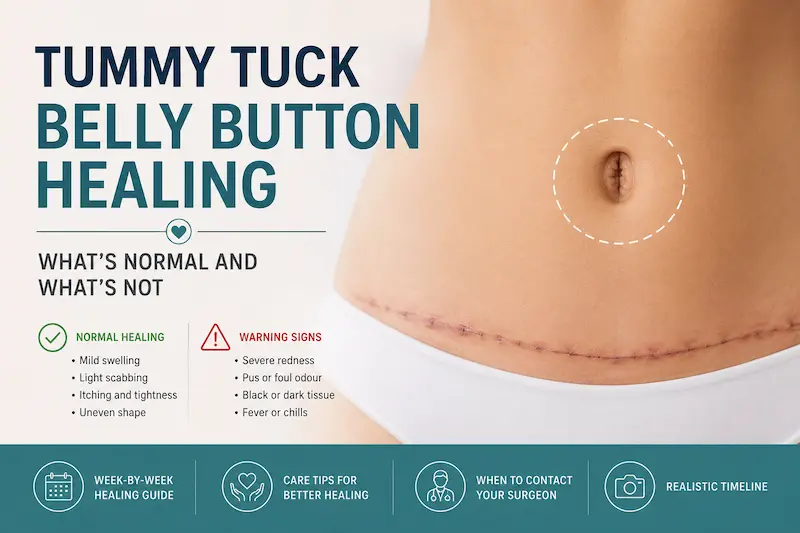
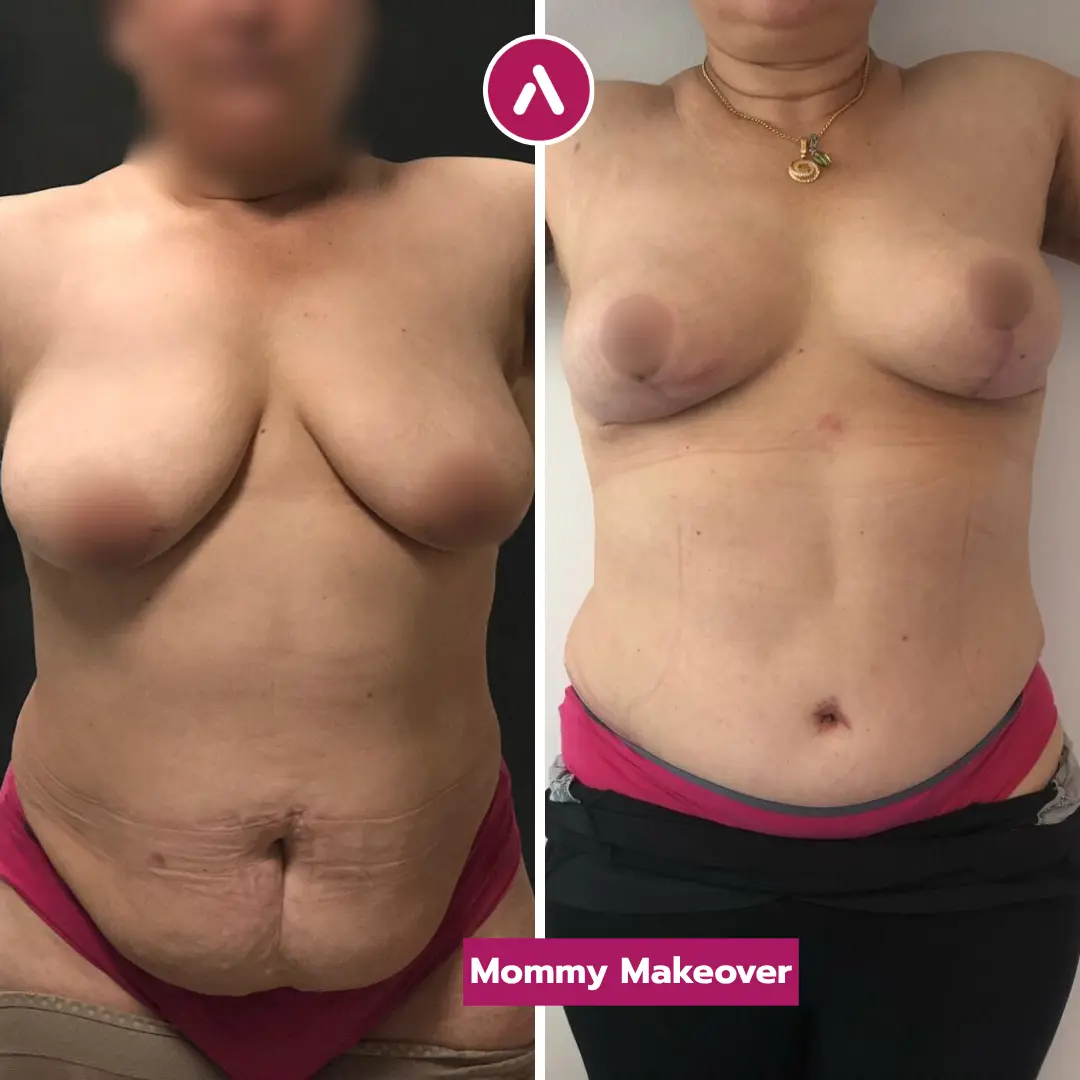
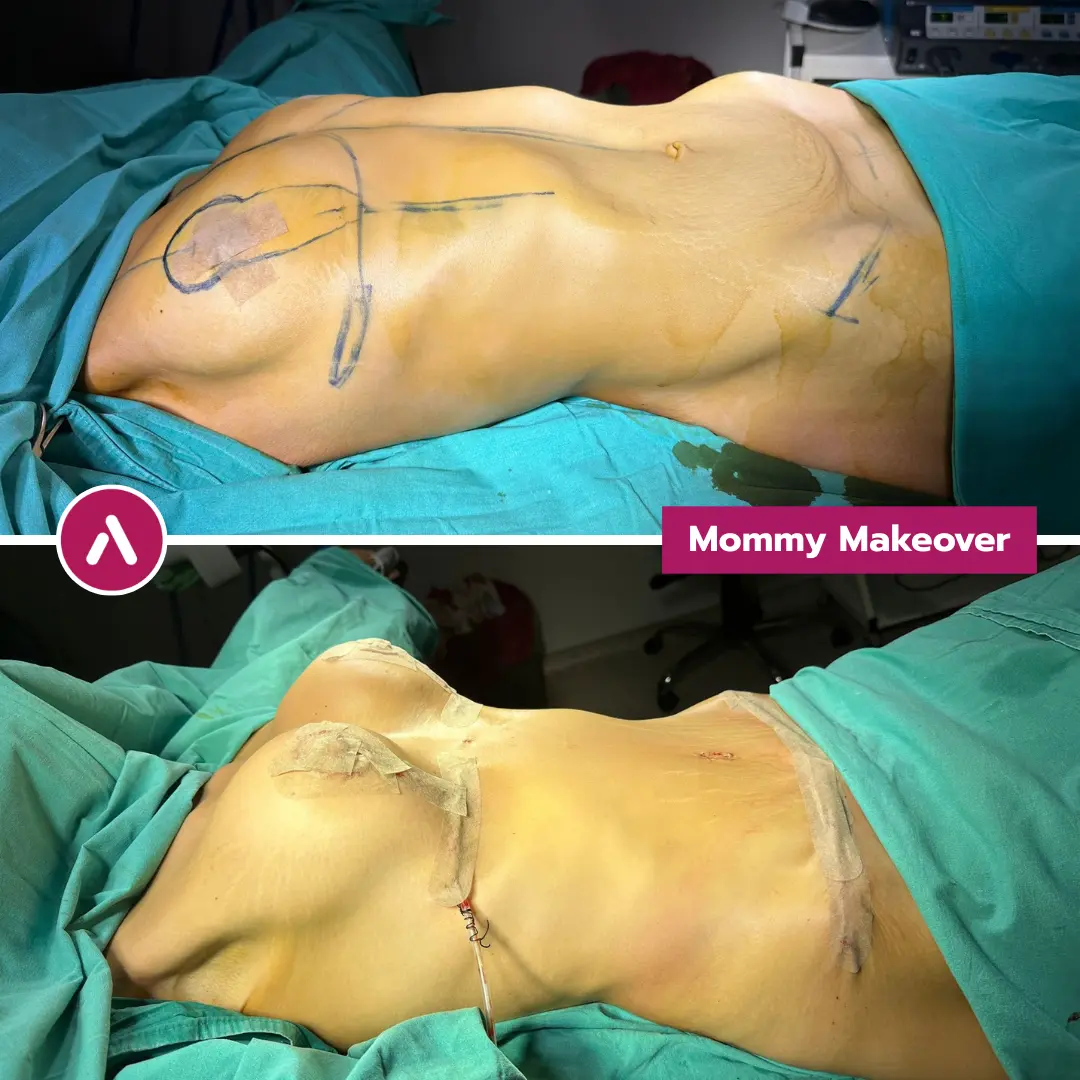
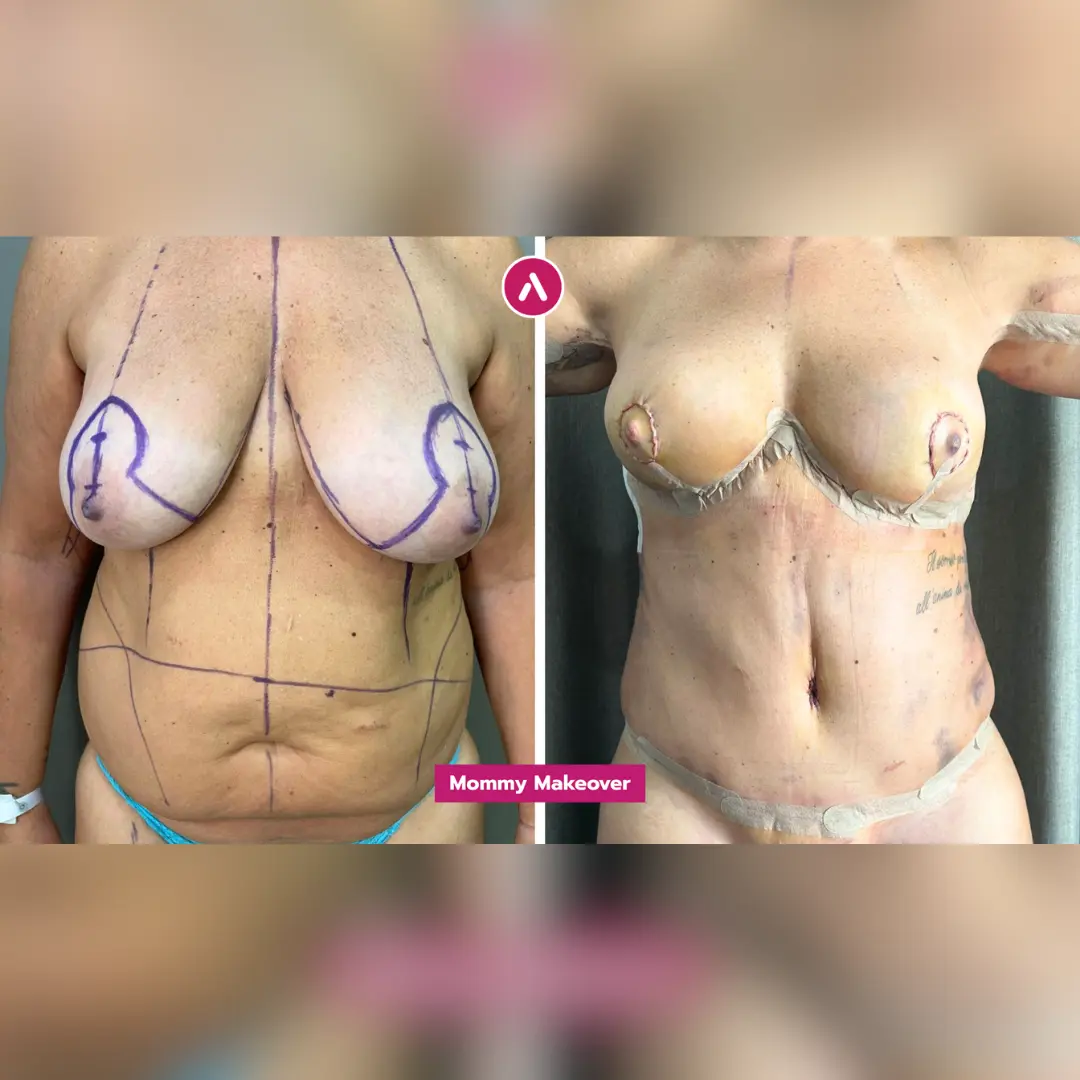
Major procedures such as tummy tuck, BBL, mommy makeover, 360 body lift, or multi-area combinations need the most conservative travel planning. These surgeries often involve larger healing surfaces, more swelling, and greater mobility limits.
BBL patients also need a special seating plan because direct pressure on the grafted area can affect comfort and recovery. Tummy tuck patients need to avoid strain, heavy lifting, and prolonged immobility.
Combined procedures can be efficient for Canadian patients, but the flight home must be planned around the most restrictive procedure in the combination.
| Procedure type | Typical minimum fit-to-fly window | DVT risk level | Return-flight recommendation |
|---|---|---|---|
| Minor facial or eyelid procedures | Several days, after surgeon clearance | Lower | Direct flight preferred; avoid rushing the swelling phase |
| Facelift or neck lift | Often around 7 days, individualized | Low to moderate | Use facelift-specific clearance guidance |
| Breast surgery | Usually about 7 days or more | Moderate | Choose aisle access and avoid lifting luggage |
| Liposuction | Often 5–7 days, depending on extent | Moderate | Walk regularly and wear approved compression |
| Tummy tuck or mommy makeover | Often 10–14 days or more | Higher | Build in buffer days and avoid tight connections |
| BBL | Often 10–14 days or more | Higher | Plan special seating and pressure avoidance |
“Fit-to-fly clearance is never a calendar-only decision. We look at swelling, mobility, wound stability, clotting risk, pain control, and the patient’s full route home before approving travel.”
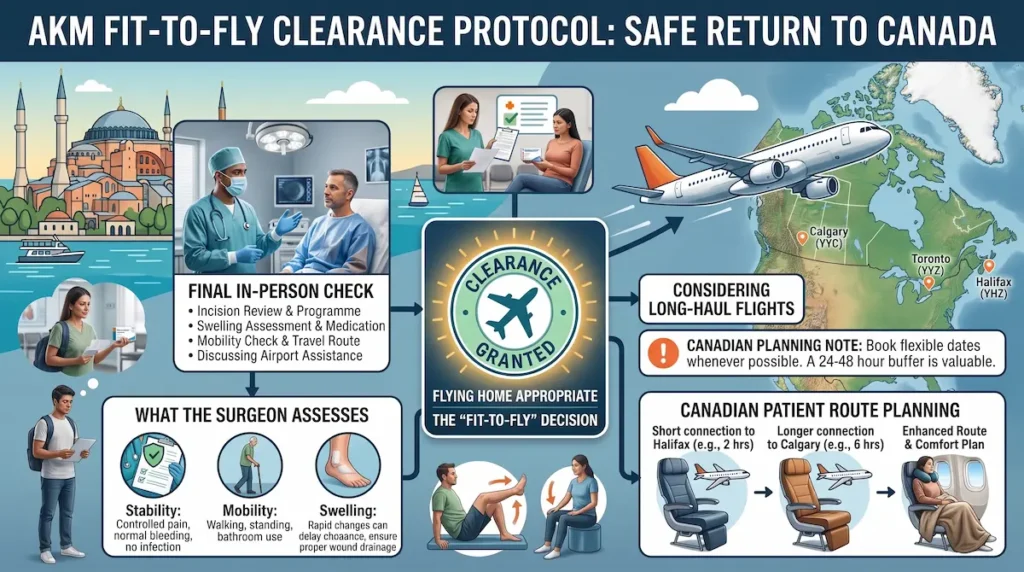
The AKM Fit-to-Fly Clearance Protocol
Safe return travel starts before you reach the airport. At AKM Clinic, the final departure decision is based on a clinical check, not only your ticket date.
Final in-person check before departure
Before you leave Istanbul, your surgical team assesses whether you are healing as expected. This final visit is the point where your surgeon confirms whether flying home is appropriate.
The appointment may include incision review, swelling assessment, medication review, and discussion of your return route. It also gives you time to ask practical questions about airport movement, seating, compression, and warning signs.
For Canadian patients, this step is especially important because the return journey is long. A patient flying to Toronto Pearson may have a different comfort plan than someone connecting onward to Calgary or Halifax.
What the surgeon assesses
Your surgeon is looking for stability. That includes stable vital signs, controlled pain, no concerning bleeding, no signs of infection, and enough mobility to complete a travel day safely.
Mobility matters. You should be able to stand, walk short distances, use the bathroom independently or with minimal assistance, and adjust your position during the flight.
Swelling is also reviewed. Some swelling is normal. Rapidly worsening swelling, one-sided leg pain, fever, shortness of breath, or unusual wound drainage can delay clearance.
When clearance may be delayed
Clearance may be delayed if you are not ready. That is frustrating, but it is safer than boarding a long-haul flight too early.
Common reasons include uncontrolled pain, dizziness, suspected infection, significant swelling, wound concerns, poor mobility, or a need for additional observation. A delayed flight is inconvenient. A complication in transit is much harder to manage.
AKM’s approach is to protect the full recovery arc. You can review the broader return process in the full patient journey including return, and you can also read more about AKM’s fit-to-fly clearance protocol.
Canadian planning note: Book your return flight with some flexibility whenever possible. A 24–48 hour buffer can be valuable if your surgeon wants one more check before you leave Istanbul.
DVT Prevention on the Flight Home
DVT prevention after surgery is one of the most important parts of post-surgery air travel. The goal is simple: keep blood moving, reduce avoidable pressure, and follow your surgeon’s instructions.
Compression stockings
Compression stockings may be recommended for some patients during the return flight. They help support circulation in the lower legs during long periods of sitting.
Do not buy random tight socks and assume they are medical compression. The wrong fit can be uncomfortable or ineffective. Ask your AKM team what type, size, and wear time apply to your procedure.
Pack them in your carry-on. For a complete travel-preparation list, see our guide to compression stockings and the flight packing list.
Hydration and movement
Movement is protective. Thrombosis Canada’s air travel-related thrombosis guidance supports prevention planning for long-distance travel, especially for higher-risk patients. On the flight, you may be advised to stand and walk the aisle regularly, perform ankle circles, flex your calves, and avoid crossing your legs for long periods.
Hydration also matters. Drink water steadily, and avoid relying on alcohol to sleep. Alcohol can worsen dehydration and may interact with medications.
Choose an aisle seat when possible. It makes walking easier and reduces the awkwardness of asking other passengers to move while you are recovering.
Medication considerations
Some patients may receive specific medication instructions for clot prevention, pain control, antibiotics, or nausea. Follow your discharge plan exactly.
Do not add aspirin, supplements, or blood-thinning products unless your surgeon approves them. Some products increase bleeding risk after surgery.
Keep medications in your carry-on in their original packaging. Canadian border officers may ask about prescription medication, so keep your documentation accessible.
| Flight safety action | Why it helps | Canadian patient tip |
|---|---|---|
| Wear approved compression stockings | Supports lower-leg circulation | Pack them in your carry-on, not checked luggage |
| Walk the aisle regularly | Reduces prolonged immobility | Choose an aisle seat before check-in |
| Stay hydrated | Helps circulation and surgery travel recovery comfort | Bring a refillable bottle for the airport |
| Avoid lifting heavy luggage | Protects incisions and reduces strain | Request airport assistance at IST and your Canadian arrival airport |
| Follow medication instructions | Reduces avoidable complications | Keep prescriptions and discharge notes together |
After you land, recovery continues. The first week back in Canada should follow a clear plan for wound care, rest, warning signs, and virtual follow-up. For that next stage, read our guide to post-op care once you land in Canada.

Booking Your Return Flight Strategically
Your return flight should support your recovery, not test it. The best itinerary is usually the one that reduces rushing, lifting, sitting discomfort, and missed medical checks.
Build in buffer days
Do not plan your return around the earliest possible flight. Plan around the safest likely clearance window, then add a small buffer.
Buffer days are especially helpful after tummy tuck, BBL, mommy makeover, body lift, or combined surgery. They give your surgeon time to monitor swelling and give you time to feel more mobile before a long airport day.
A flexible return ticket can also reduce stress. If your surgeon recommends one extra day in Istanbul, changing a flexible booking is easier than trying to solve the problem at the airport.
Canadian route note: Patients returning to Toronto or Montréal may have more direct options than those returning to Vancouver, Calgary, Ottawa, Edmonton, Winnipeg, or Halifax. If your home city requires a connection, build that extra travel strain into your plan.
Direct vs connecting flights to Canada
A direct flight is usually simpler after surgery. It means fewer security checks, less walking, fewer boarding processes, and less chance of missed connections.
That said, not every Canadian patient can fly directly home. Vancouver, Calgary, and smaller-city patients may need a connection through Europe, Toronto, Montréal, or another hub.
If you must connect, avoid tight layovers. Give yourself enough time to walk slowly, use elevators instead of stairs, and request assistance if you need it.
Seat selection and recovery comfort
Seat choice matters more after surgery than it does on an ordinary holiday. An aisle seat makes walking and bathroom access easier.
Patients recovering from BBL may need a special cushion or seating strategy approved by their surgical team. Tummy tuck patients may prefer a position that avoids excessive abdominal strain.
Do not lift heavy carry-on bags into the overhead bin. Ask airport staff, cabin crew, or your companion for help. If you are travelling solo, arrange assistance before your departure date.
| Return-flight decision | Best choice after surgery | Why it matters |
|---|---|---|
| Ticket type | Flexible or changeable fare | Allows delay if clearance is postponed |
| Route | Direct flight when available | Reduces walking, transfers, and fatigue |
| Layover | Longer, low-stress connection | Prevents rushing through airports |
| Seat | Aisle seat | Makes movement and bathroom access easier |
| Luggage | Checked bag plus light carry-on | Reduces lifting after surgery |
The safest flight plan is individualized. Share your exact airport route, connection times, and home-city arrival plan with your coordinator before booking.
CTA: Plan your safe return flight timing with our coordinator before you confirm your ticket.
Frequently Asked Questions: Flight Safety After Surgery
These answers give general guidance for Canadian patients planning post-surgery travel from Istanbul. Your own clearance must come from your surgeon after an in-person review.
How soon can I fly after surgery?
It depends on the procedure. Minor facial procedures may clear within several days, while tummy tuck, BBL, mommy makeover, or combined body surgery often requires a longer stay.
Your surgeon decides based on swelling, wound stability, pain control, mobility, and DVT risk.
Does flight time depend on my procedure?
Yes. A short flight after a small procedure is different from a long-haul return to Canada after major surgery.
For Canadian patients, the route from Istanbul to Toronto, Vancouver, Montréal, or Calgary must be treated as part of recovery planning.
How do I prevent blood clots on the flight?
Follow your surgeon’s instructions. Common strategies include approved compression stockings, regular walking, ankle movement, hydration, and avoiding long periods without changing position.
Do not take blood thinners or aspirin unless your surgeon specifically recommends them.
Should I book a flexible return ticket?
Yes, whenever possible. A flexible ticket gives you room to adjust if your surgeon delays clearance by a day or two.
This is especially useful after body contouring, BBL, tummy tuck, or multi-procedure surgery.
Can the airline deny boarding after surgery?
Airlines may request medical clearance if you look visibly unwell, need special assistance, or recently had a major procedure. Policies vary.
Ask your coordinator whether you should carry a fit-to-fly note, discharge summary, or medication documentation.
Is a direct flight to Canada better?
Usually, yes. A direct flight reduces transfers, walking, rushed connections, and luggage handling.
If a connection is unavoidable, choose a longer layover and request airport assistance if your mobility is limited.
What if my clearance is delayed?
Do not fly without clearance. A delay may feel inconvenient, but it protects your recovery.
Your AKM coordinator can help adjust your logistics while your surgeon reassesses swelling, mobility, wound healing, or other concerns.
Medical Disclaimer: This page is provided for general educational purposes only and does not replace an in-person medical consultation, diagnosis, or personalized treatment plan. All surgery carries risks, and outcomes vary between individuals. Suitability for a plastic surgery, procedure selection, and anesthesia choice can only be determined after a full clinical assessment by a qualified surgeon. Always follow your clinician’s instructions and seek urgent medical attention if you develop concerning symptoms during recovery.