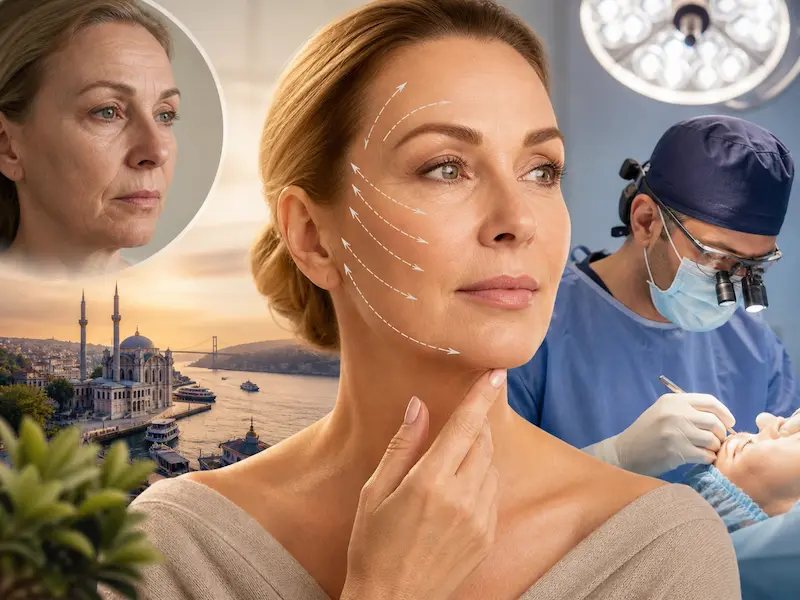

Deep plane facelift natural results depend on more than the surgical technique itself. They come from a restrained aesthetic philosophy, careful vector planning, and a surgeon’s ability to lift deeper facial structures without changing the person’s identity.
For many Canadian patients, the ideal result is not dramatic. It is quiet. Friends may notice that you look rested, healthier, or less tired, but they should not immediately think “facelift.” That distinction matters.
At AKM Clinic in Istanbul, the guiding principle is Rejuvenation over alteration. The goal is to restore facial support, soften visible ageing, and preserve the features that make your face recognizably yours. For readers comparing options, this guide explains what natural really means in the context of a deep plane facelift technique overview.
Quick Summary: A deep plane facelift can produce two very different outcomes depending on surgical philosophy: a pulled, tension-based look that can age poorly, or a structural repositioning that preserves facial identity. AKM Clinic’s Natural-First approach helps Canadian patients look refreshed rather than visibly altered.
Table of Contents
Defining “Natural” in Surgical Aesthetics
Natural is not the same as minimal. A result can be meaningful, visible, and long-lasting while still looking authentic. The difference lies in where the lift comes from.
A natural facelift restores support beneath the skin instead of stretching the skin surface. It respects the face’s existing proportions. It also avoids the telltale signs that make surgery obvious in conversation, photographs, and facial expression.
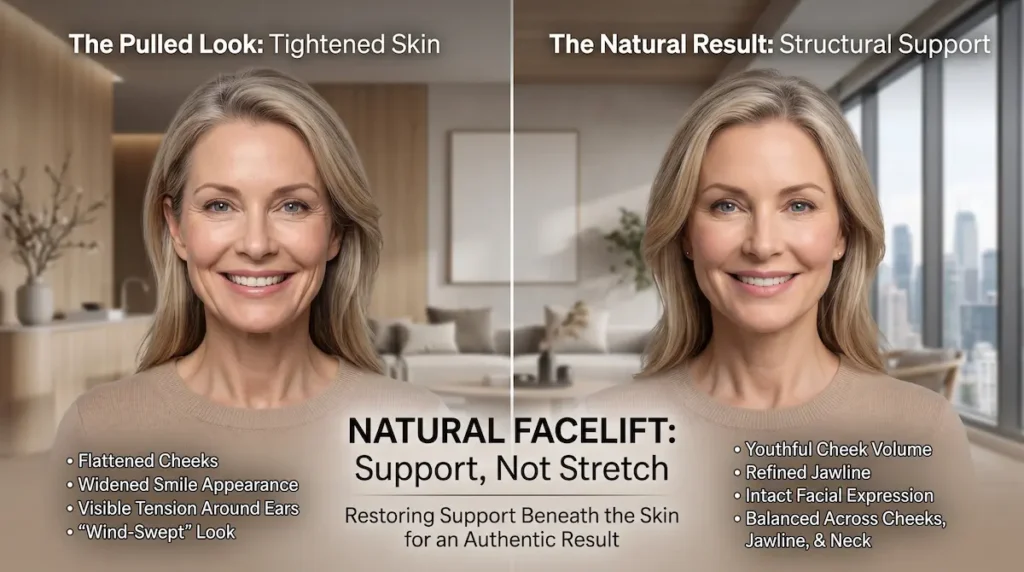
What pulled looks like and why it ages poorly
A pulled facelift often looks tight rather than younger. The skin may appear overly smooth, but the deeper facial structure has not been restored in a balanced way. This creates tension.
Common signs of a pulled result include:
- Flattened cheeks with an overly tight lower face
- A stretched mouth corner or widened smile appearance
- Visible tension around the ears
- A “wind-swept” look when viewed from the front
- Skin that looks tight while the neck or mid-face still appears aged
These outcomes can become more noticeable over time. Skin continues to age. If the lift depends mainly on skin tension, that tension may relax unevenly or leave visible markers around the incision lines.
What natural looks like and why it ages well
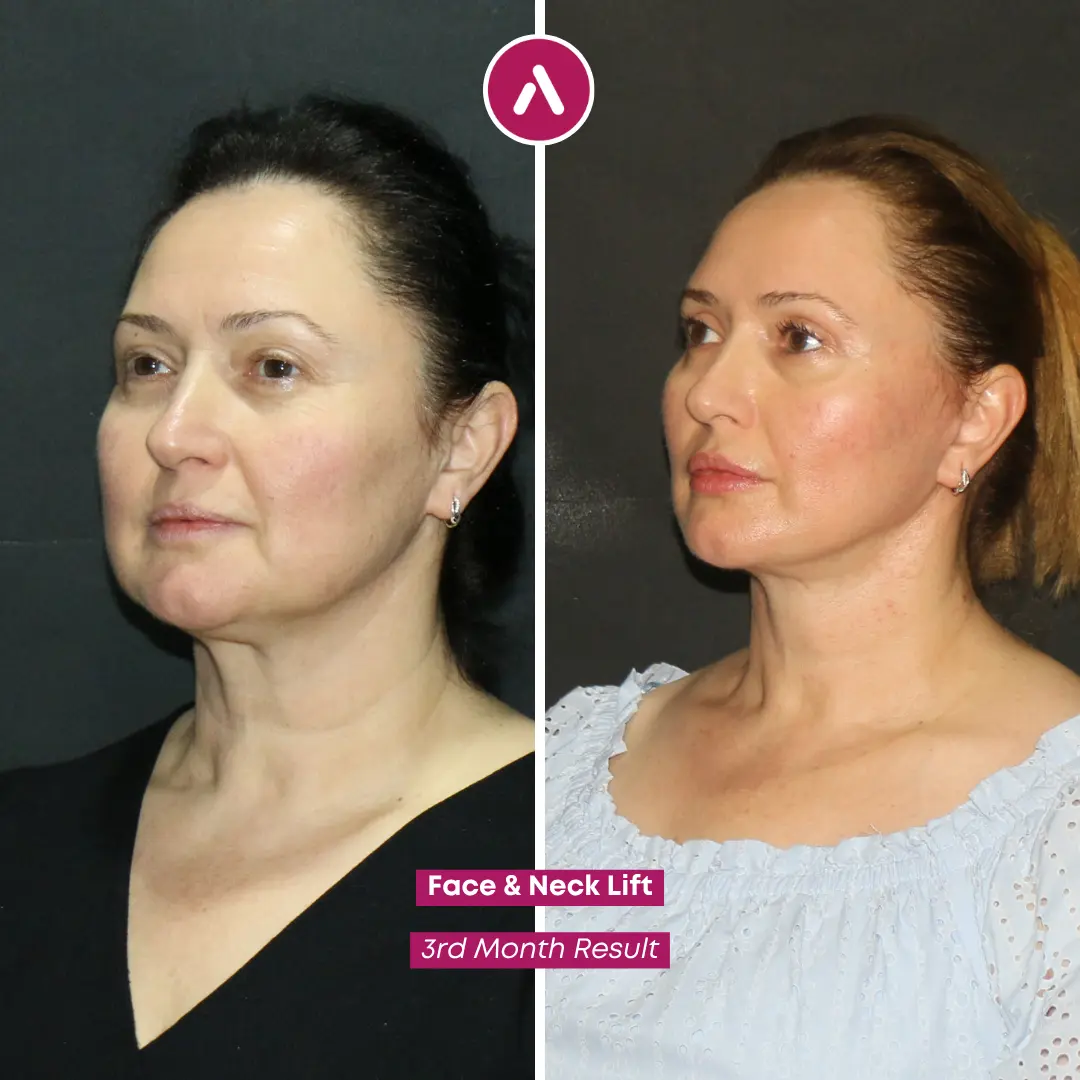
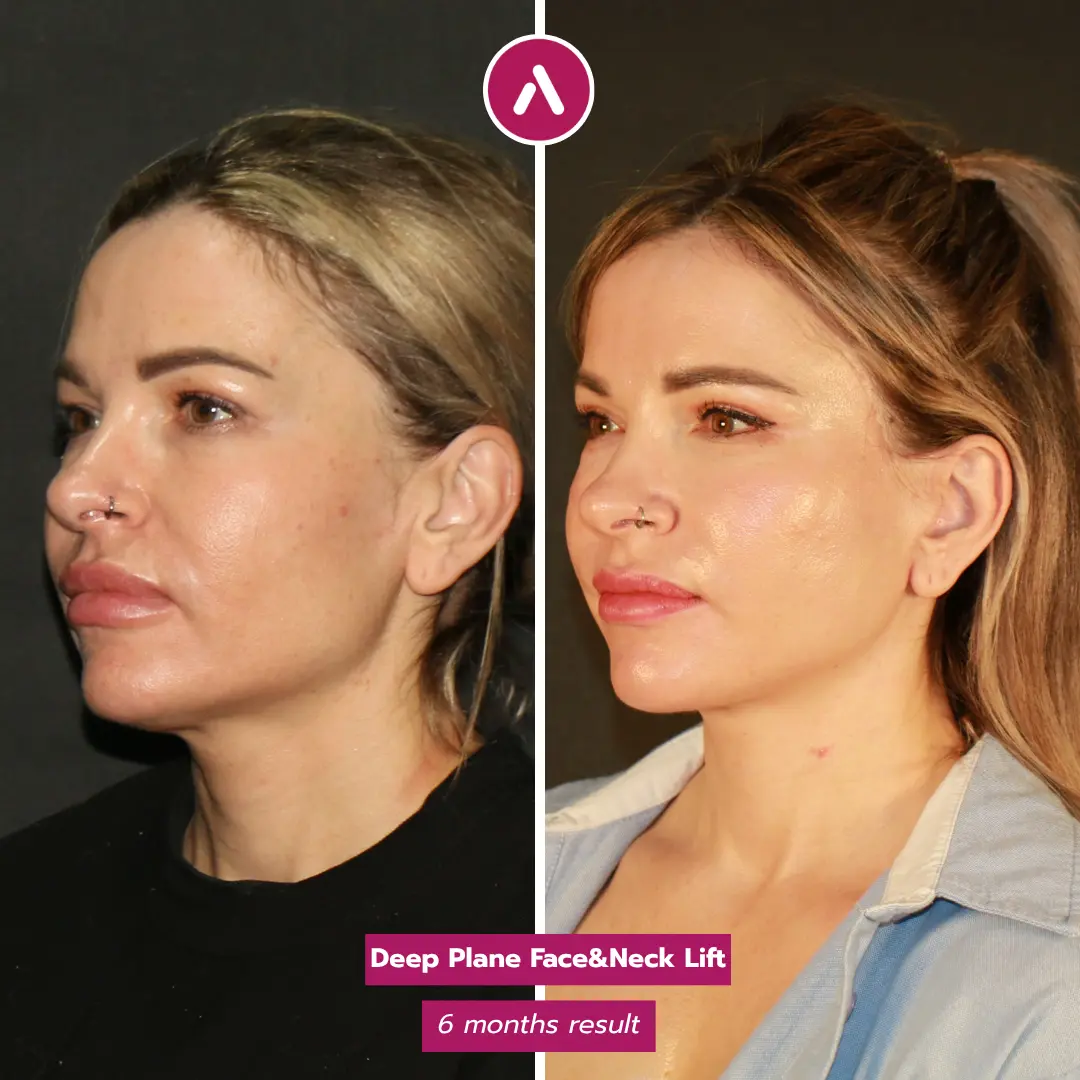
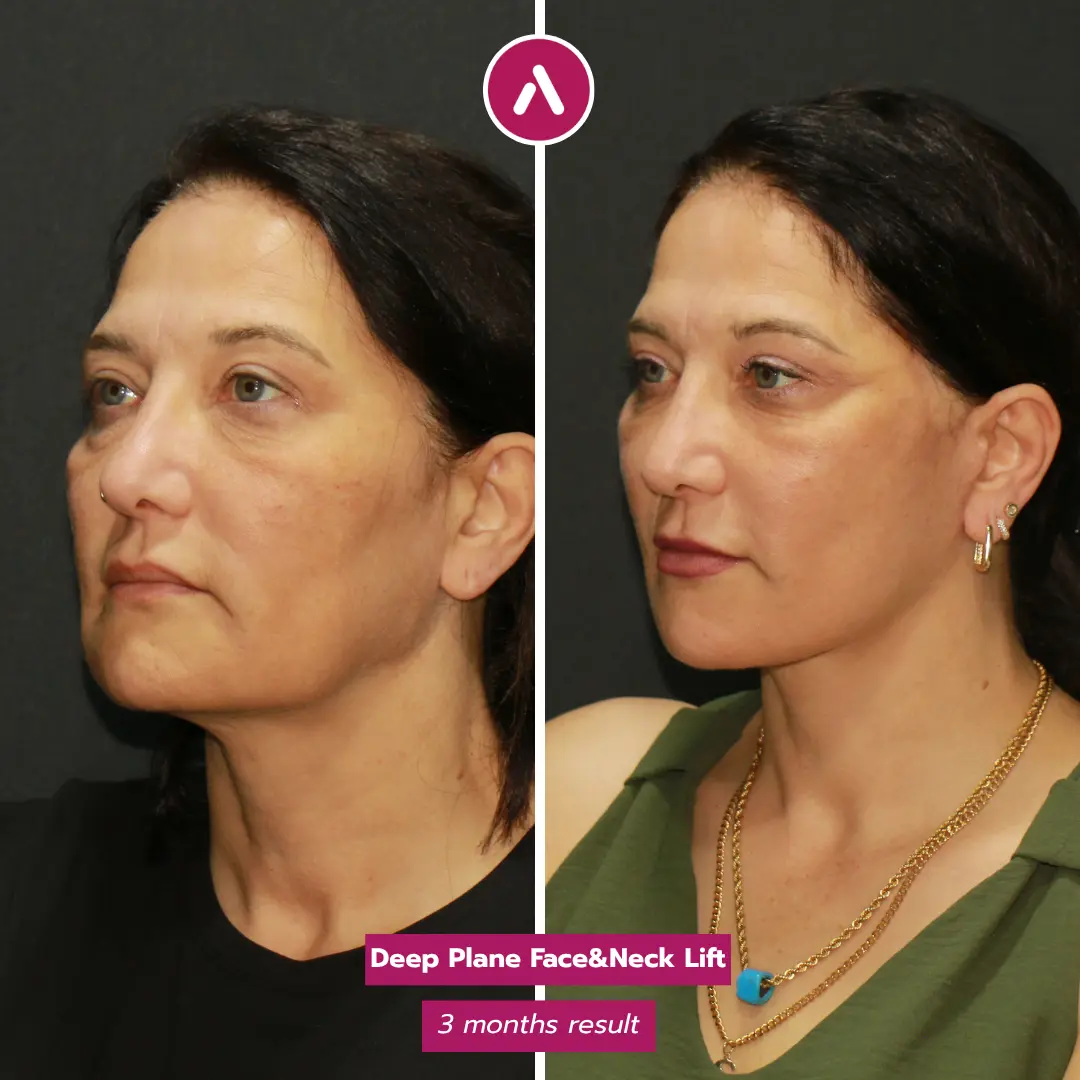
A natural result looks supported, not stretched. The cheeks return to a more youthful position. The jawline becomes clearer. The neck looks cleaner without appearing artificially sharp.
The best natural results keep facial expression intact. You should still look like yourself when you smile, speak, and turn your head. That is often where poor facelift work becomes obvious.
In a natural deep plane result, the face usually appears:
- Better rested without looking frozen
- More defined without looking harsh
- Younger without looking like a different person
- Balanced across the cheeks, jawline, and neck
- Appropriate for the patient’s age, anatomy, and lifestyle
This matters for Canadian patients returning to professional environments in Toronto, Vancouver, Montreal, Calgary, or Ottawa. The desired social response is often understated: “You look well,” not “What did you have done?”
Why the Canadian quiet-luxury aesthetic favours natural
Canadian patients often describe their goal in restrained language. They want to look less tired, more defined, or closer to how they looked several years ago. They rarely ask to look dramatically transformed.
Canadian Context: The Quiet-Luxury Preference
Many Canadian patients prefer subtle aesthetic work because their social and professional circles tend to value understatement. A visible “operated-on” look can feel uncomfortable in workplaces where privacy, discretion, and natural ageing are valued.
This is why natural results require discipline. A surgeon must know when to stop. More lift does not always mean a better result.
The strongest outcome is often the one that does not announce itself. It restores confidence without requiring explanation.
How Surgical Technique Drives Natural Outcomes?
Natural results are not created by intention alone. They depend on anatomy. The surgeon’s choice of tissue plane, release pattern, and lifting direction changes how the face looks both immediately and years later.
This is where the deep plane approach becomes important. Rather than relying on surface-level tightening, it repositions deeper facial layers that have descended with age.
SMAS-only manipulation versus deep plane release
The SMAS, or superficial musculoaponeurotic system, is a supportive layer beneath the skin. Many facelift techniques work by tightening, folding, or repositioning this layer. SMAS techniques can be appropriate for selected patients.
A deep plane facelift goes further. It releases specific retaining ligaments beneath the SMAS so that the mid-face, cheek, and lower face can be repositioned more freely. This reduces the need for skin tension.
For patients researching the technical distinction, see for the SMAS versus deep plane technique comparison. That comparison belongs in its own guide because candidacy, anatomy, and longevity differ between the two approaches.
In natural-result planning, the key advantage of deep plane surgery is movement. When the deeper tissues move as a unit, the face can look lifted without appearing stretched.
Vector control and tension distribution
A facelift vector is the direction of lift. Poor vector control can create an unnatural result even when the surgeon uses an advanced technique. Direction matters.
A natural lift usually follows a more vertical and anatomical direction. This helps restore cheek position, soften jowls, and improve jawline definition. A purely backward pull can flatten the face and distort the mouth.
| Feature | Pulled Outcome | Natural Outcome |
|---|---|---|
| Skin tension | High surface tension, often visible near the ears | Low surface tension because deeper tissue carries the lift |
| Cheek position | May look flattened or swept sideways | Restored upward support with natural fullness |
| Jawline | Tight but sometimes artificial | Cleaner definition without harsh edges |
| Mouth area | Risk of widened or stretched appearance | Expression remains recognizable and balanced |
| Long-term ageing | Can loosen unevenly as skin tension relaxes | Ages more naturally because structure was repositioned |
The goal is not to erase every line. Some softness belongs on a human face. Removing too much character can make a result less believable.
The AKM natural-first technical philosophy
AKM Clinic describes its facial surgery philosophy as Natural-First. In practice, that means the surgical plan is designed around the patient’s existing identity, not a standardized template.
The clinic’s approach emphasizes deep structural repositioning, conservative skin redraping, and avoidance of the “pulled” or “wind-swept” aesthetic. This is especially relevant for patients who want deep plane facelift natural results that remain private in their daily life.
“Natural-First is not a slogan. It is a surgical decision-making process. The lift should come from restored structure, not from tension on the skin. When the patient still looks like themselves, the operation has respected the anatomy.”
That philosophy also affects consultation. A good plan should identify which features need support and which features should be left alone. Restraint is part of the result.
Reading Before-and-After Photos Critically
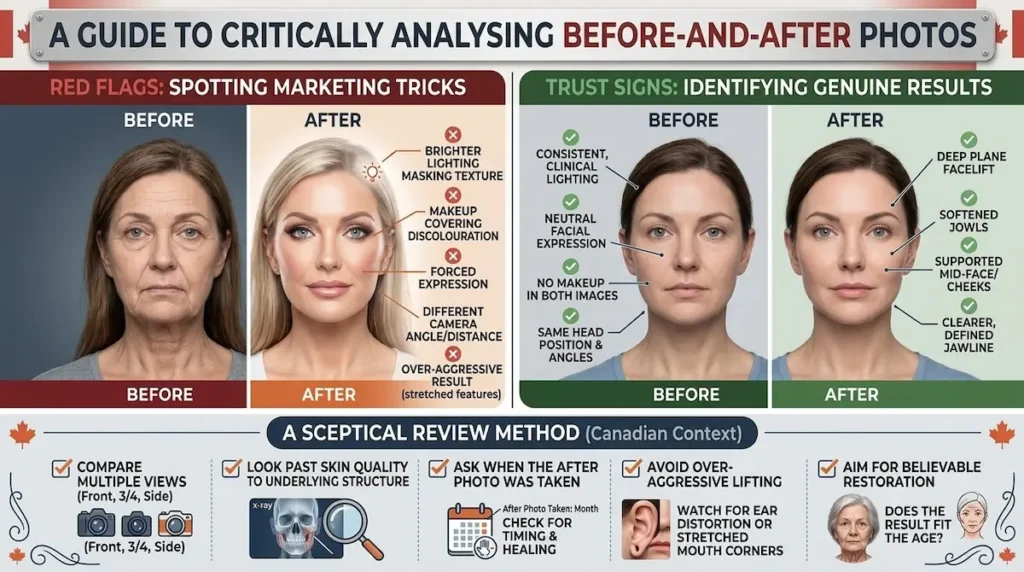
Before-and-after photos are useful, but they are not neutral. Lighting, camera distance, facial expression, makeup, and timing can all change how a result appears. A careful reader should look past the first impression.
For Canadian patients comparing clinics from home, photo analysis is often the first major trust filter. It should be done slowly. A polished gallery does not automatically prove natural work.
Lighting and angle manipulation in marketing photos
Lighting can make swelling look softer, scars less visible, and skin texture more even. A brighter “after” photo can create the impression of rejuvenation even when the surgical change is modest. This is why consistency matters.
Look for these photo standards:
- Similar head position in both images
- Comparable lighting and background
- No heavy makeup in the after image unless clearly disclosed
- Neutral facial expression in both photos
- Frontal, three-quarter, and side views when possible
A strong before-and-after set should allow you to judge structure, not just skin quality. Pay close attention to the jawline, neck angle, cheek position, and mouth corners.
You can review AKM’s verified deep plane facelift gallery with this framework in mind. Do not look only for the most dramatic case. Look for consistency across different ages, face shapes, and starting points.
Identifying genuine deep plane outcomes
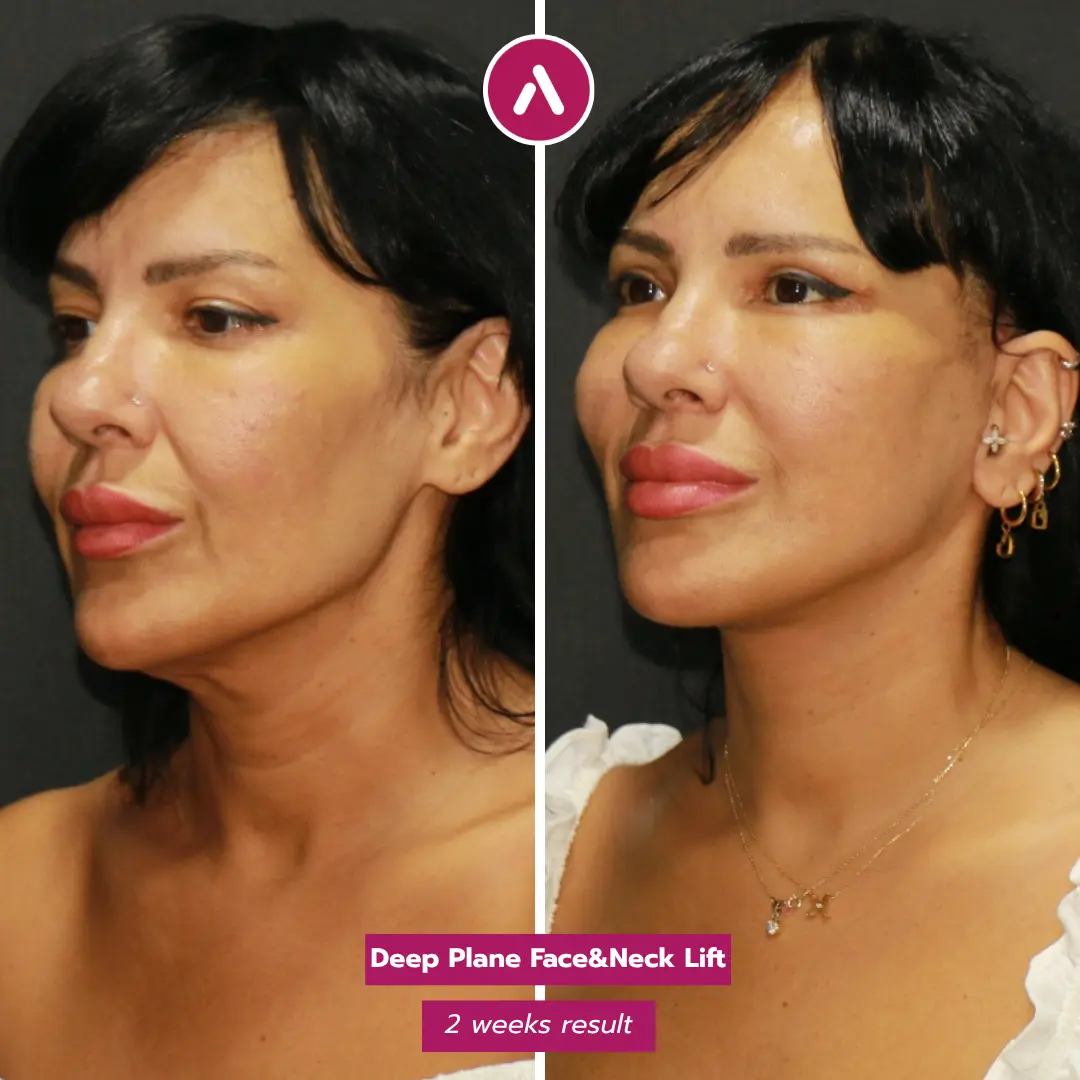
Genuine deep plane outcomes usually show improvement in areas that skin tightening alone cannot fully correct. The mid-face looks better supported. The jowls soften. The jawline becomes clearer without the cheeks being pulled sideways.
A deep plane result should also look natural in profile. The lower face and neck should connect cleanly, but the neck should not look artificially tight. The result should fit the patient’s age.
For broader professional context on global aesthetic surgery standards, the International Society of Aesthetic Plastic Surgery is a useful external reference. Canadian readers may still prefer to compare those standards with their own expectations around transparency and clinical conservatism.
Deep plane facelift natural results are not defined by perfection. They are defined by believable restoration. A 58-year-old should not be made to look like an entirely different 35-year-old.
Red flags in over-aggressive results
Some results look impressive in a single still image but fail the naturalness test. This often happens when the lift is too aggressive, the vector is wrong, or the skin has been placed under too much tension.
Watch for these warning signs:
- Ear shape distortion or stretched earlobes
- Mouth corners pulled outward
- Cheeks that appear flat instead of lifted
- Jawlines that look sharp but disconnected from the rest of the face
- Necks that look overly tight compared with the patient’s facial age
- After photos taken only from the most flattering angle
Canadian Context: A Sceptical Photo Review Method
Many Canadian patients are cautious because they have seen heavily edited cosmetic surgery content online. A practical approach is to compare at least three views, check whether lighting is consistent, and ask the clinic what month the after photo was taken.
Do not be distracted by flawless skin in the after photo. Laser resurfacing, makeup, lighting, and skincare can improve surface appearance. The facelift itself should be judged mainly by structural change.
The Identity Preservation Principle
A natural facelift should not erase identity. It should restore the face’s support while keeping the features that family, friends, and colleagues associate with the patient. That balance is delicate.
Identity preservation is especially relevant for patients who want privacy. The goal is not secrecy through denial. The goal is a result that does not demand explanation.
Why facial features should remain recognizable
Every face has signature features. These may include eye shape, smile pattern, cheek contour, chin balance, or the way the lower face moves during speech. A natural facelift protects those markers.
The surgeon should not chase a generic ideal. A face that looks harmonious before surgery should still feel familiar after surgery. The improvements should make sense for that person’s anatomy.
AKM Clinic’s Natural-First planning prioritizes this principle. The consultation should identify the features that need support and the features that should remain untouched. That is how subtle work stays believable.
Avoiding the “different person” effect
The “different person” effect usually happens when too many facial cues change at once. Over-lifting the cheeks, tightening the mouth area, changing the brow position, and removing too much skin can combine into an unfamiliar face.
This effect can be emotionally difficult. Patients may look younger, but they may not feel like themselves. That is not a successful natural result.
For a focused single-patient narrative, see for a single Canadian patient case study, see our detailed natural-result narrative. This current guide stays broader, focusing on how to judge naturalness across many patient patterns.
Family and friends recognition patterns
The best natural results often create indirect comments. Someone may say you look rested, healthier, or less stressed. They may ask if you changed your hair, skincare, or vacation schedule.
That reaction pattern is a useful clue. People sense improvement, but they cannot immediately identify surgery.
Canadian patient stories often reflect this preference for discretion. For broader social context, see Canadian patient experience stories from those comparing Turkey with domestic options.
The Canadian Society for Aesthetic Plastic Surgery also gives Canadian readers a familiar professional reference point when evaluating aesthetic surgery standards, even when the procedure is performed abroad.
Natural results are not only about what the mirror shows. They are also about how comfortably the result fits back into the patient’s life in Canada.
How Natural Results Age Over 10-15 Years?
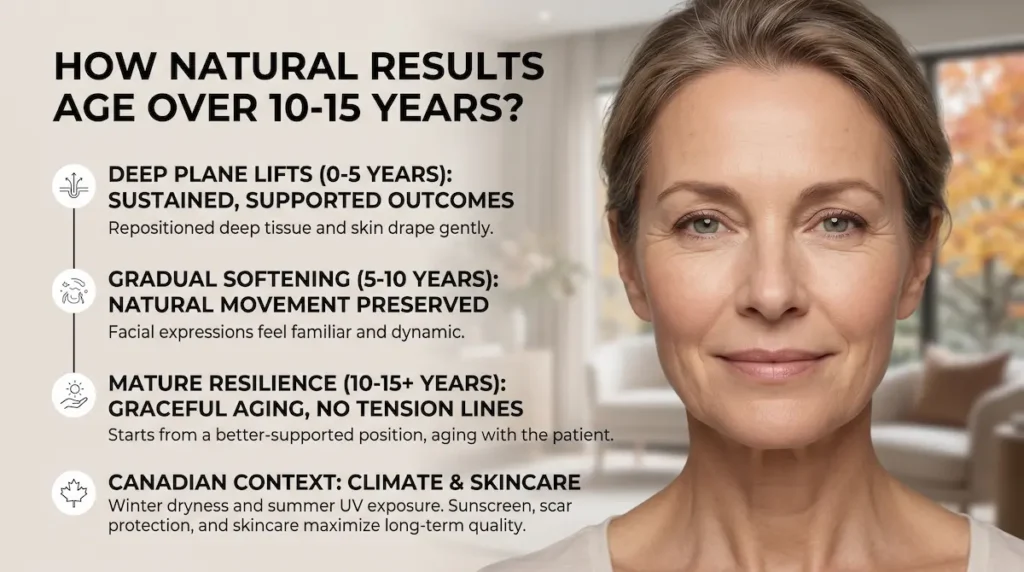
A facelift result should be judged not only at three months or six months. The real test is how it ages. A natural deep plane result should soften gradually with the patient’s face, not collapse into visible tension lines or distorted features.
Deep plane facelift natural results often last 10-15 years because the operation supports the deeper facial structures rather than relying mainly on skin tightening. The patient continues to age, but the face starts from a better-supported position.
Why structural lifting ages gracefully
Ageing affects skin, fat pads, ligaments, muscle tone, and bone support. Skin-only tightening cannot address all of these layers. That is why results based mainly on skin tension may look good at first but lose balance with time.
A structural lift works differently. By repositioning deeper tissue, the result is carried by the face’s support system rather than the skin envelope alone. The skin is redraped with less tension.
This approach helps preserve natural movement. Smiling, speaking, and facial expression should still feel familiar. That is a major part of long-term believability.
For patients comparing result duration, the longevity data behind natural-ageing results explains the 10-15 year expectation in more detail. This article stays focused on the visual quality of natural ageing.
Why pulled results deteriorate poorly
Pulled results can age in a more obvious way. When the skin has been tightened under high tension, the face may eventually show stress around the ears, mouth, or lower cheek. These signs can become more visible as elasticity changes.
The problem is not only technical. It is aesthetic. A face that looked overly tight at month three may look increasingly artificial as the surrounding tissues continue to age.
Some patients describe this as a mismatch. The skin appears tight, but the expression looks strained. The jawline may remain sharp, but the mid-face may not look naturally supported.
That mismatch is what Natural-First planning tries to avoid. The goal is a result that ages with the patient, not against them.
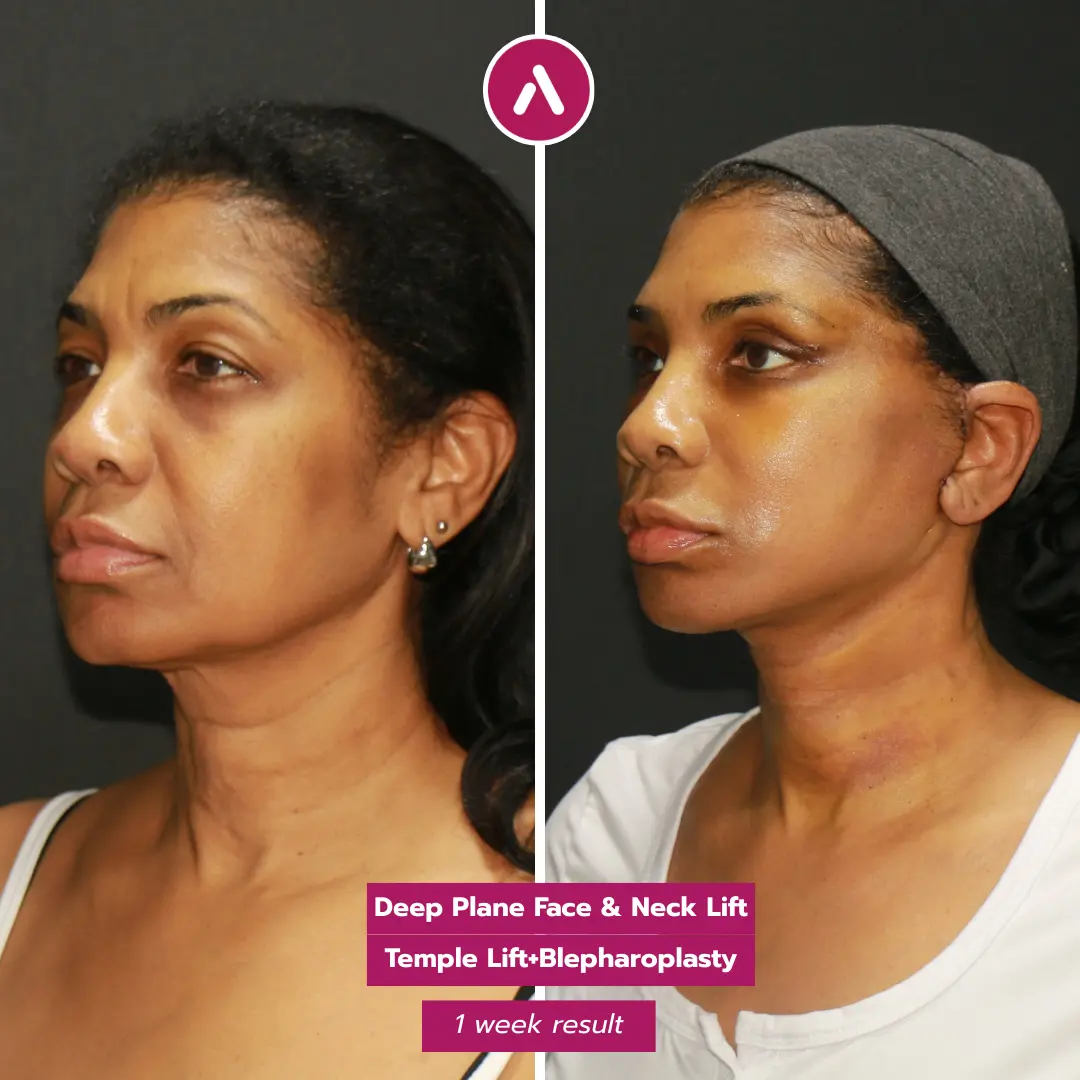
AKM’s longitudinal patient cohort observations
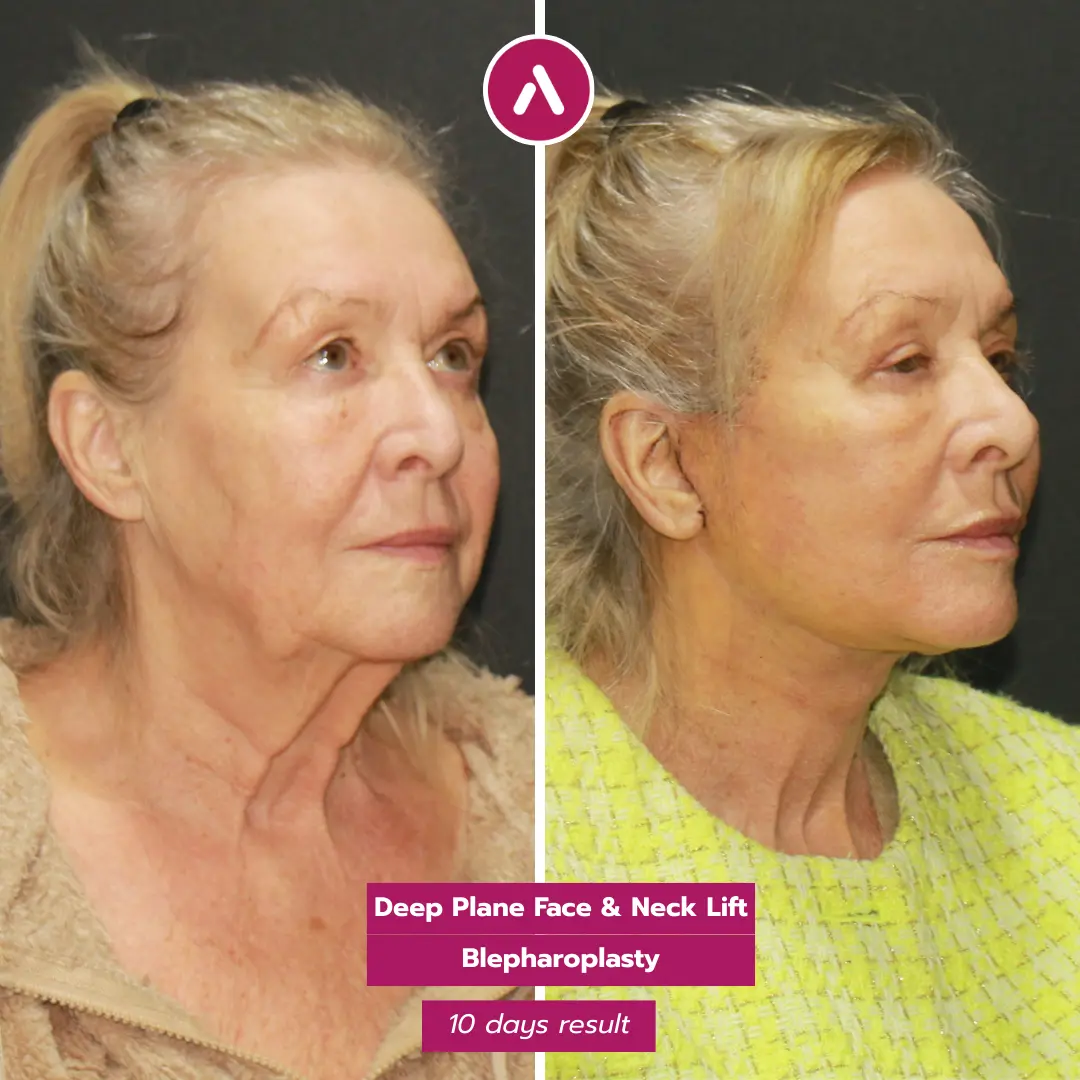
AKM Clinic’s facial surgery experience includes over 2,000 successful facial surgeries since 2013. That volume gives the team a long-term view of how different facial rejuvenation strategies behave over time.
The clinic’s philosophy, described in more detail through AKM’s natural-first surgical philosophy, is built around restraint, anatomical support, and identity preservation. The result should still make sense years later.
Long-term follow-up also matters because patients evaluate their results differently once swelling has resolved. Early excitement is useful, but settled outcomes are more informative.
For one North American long-term example, see Barbara’s verified 7-month case. Her review belongs in its own article because it focuses on a single patient experience rather than the broader philosophy of natural outcomes.
Canadian Context: Natural Ageing After Returning Home
Canadian patients often return to climates with sharp seasonal shifts. Winter dryness and summer UV exposure can both affect skin quality. After a facelift, daily sunscreen, scar protection, and steady skincare habits help the result age more naturally.
Natural ageing does not mean the face stops changing. It means the result remains believable as the years pass. A good deep plane facelift should look like a refreshed version of the patient, not a frozen version of one moment in time.
The next section answers the most common patient questions about natural deep plane facelift results.
Frequently Asked Questions: Deep Plane Facelift Natural Results
Natural facelift results raise practical questions. Patients want to know how much change is possible, what others will notice, and how to judge whether a result is truly balanced. These answers focus on realistic expectations.
Will I look like a different person?
You should not look like a different person. A well-planned deep plane facelift should make you look more rested, supported, and defined while preserving your recognizable facial identity.
If the surgical plan changes too many facial cues at once, the result may feel unfamiliar. AKM Clinic’s Natural-First approach is designed to avoid that outcome.
What is the difference between pulled and natural?
A pulled result relies heavily on skin tension. It may look tight, shiny, or stretched, especially around the ears, mouth, and jawline.
A natural result comes from deeper support. The cheeks, lower face, and neck are repositioned in a way that looks balanced with the rest of the face.
How can I tell if a surgeon prioritizes natural results?
Look at the surgeon’s before-and-after photos across several patients, not just one dramatic case. Consistency matters. The best natural-result portfolios show improvement without obvious distortion.
During consultation, listen for the surgeon’s language. A natural-focused surgeon should discuss anatomy, restraint, vector planning, and identity preservation. They should not promise a completely new face.
Will my family recognize me?
Yes, that should be the goal. Family and close friends may notice that your face looks fresher or more relaxed, but your core features should remain familiar.
A natural facelift should not change your smile pattern, eye expression, or overall facial character. It should restore support, not replace identity.
Do natural results age better?
Natural results often age better because they are based on structural repositioning rather than surface tension alone. The skin is not forced to carry the entire lift.
As the face continues to age, a balanced deep plane result usually softens more gracefully. That is one reason many patients choose this approach when longevity and discretion matter.
Can I see Canadian patient natural-result photos?
During a virtual consultation, you can ask to review examples that match your age range, face shape, and concerns. This is more useful than looking only at the most dramatic transformation.
Ask for cases with similar jowling, neck laxity, cheek descent, or skin quality. The closer the starting point, the more realistic the comparison.
What if I want a more dramatic change?
A more visible change may still be possible, but it should not come at the expense of balance. The question is not whether the result is subtle or dramatic. The question is whether it still looks anatomically believable.
Some patients need a stronger neck correction, deeper jowl release, or combined procedures. The consultation should clarify how far the result can go while still preserving a natural appearance.
How should I prepare for a virtual consultation about natural results?
Bring clear photos, but also bring language. Explain what you want to improve and what you do not want changed. That second part is often just as important.
Useful phrases include “I want to look rested,” “I want my jawline back,” or “I do not want to look pulled.” Specific goals help the surgeon understand your aesthetic boundaries.
Is a natural result always less noticeable?
Not necessarily. A natural result can still be significant. The difference is that the improvement looks believable on your face.
Someone may notice that you look better, but they may not know why. That is often the ideal balance for Canadian patients who want privacy after surgery.
What should I ask AKM Clinic during consultation?
Ask how your deep plane facelift would be planned for your specific anatomy. Ask where the lift would be strongest, what areas would be treated conservatively, and how the team protects against a pulled look.
You can also ask to compare natural-result examples in a virtual consultation. The most useful discussion is not about becoming someone else. It is about becoming a more rested version of yourself.
Medical Disclaimer: This page is provided for general educational purposes only and does not replace an in-person medical consultation, diagnosis, or personalized treatment plan. All surgery carries risks, and outcomes vary between individuals. Suitability for deep plane facelift surgery, procedure selection, and anesthesia choice can only be determined after a full clinical assessment by a qualified surgeon. Always follow your clinician’s instructions and seek urgent medical attention if you develop concerning symptoms during recovery.