
Quick summary: An online plastic surgery consultation helps Canadian patients understand candidacy, likely procedure options, recovery planning, and travel logistics before committing to surgery abroad. A virtual consultation can be highly accurate when clear photos, medical history, and a live video discussion are used together, but the final operative plan is always confirmed in person before surgery.
For many Canadian patients, the online plastic surgery consultation is the first serious step in deciding whether treatment in Istanbul makes sense. It replaces guesswork with structured medical review, allowing you to understand your options before booking flights from Toronto, Vancouver, Montreal, Calgary, or another Canadian city.
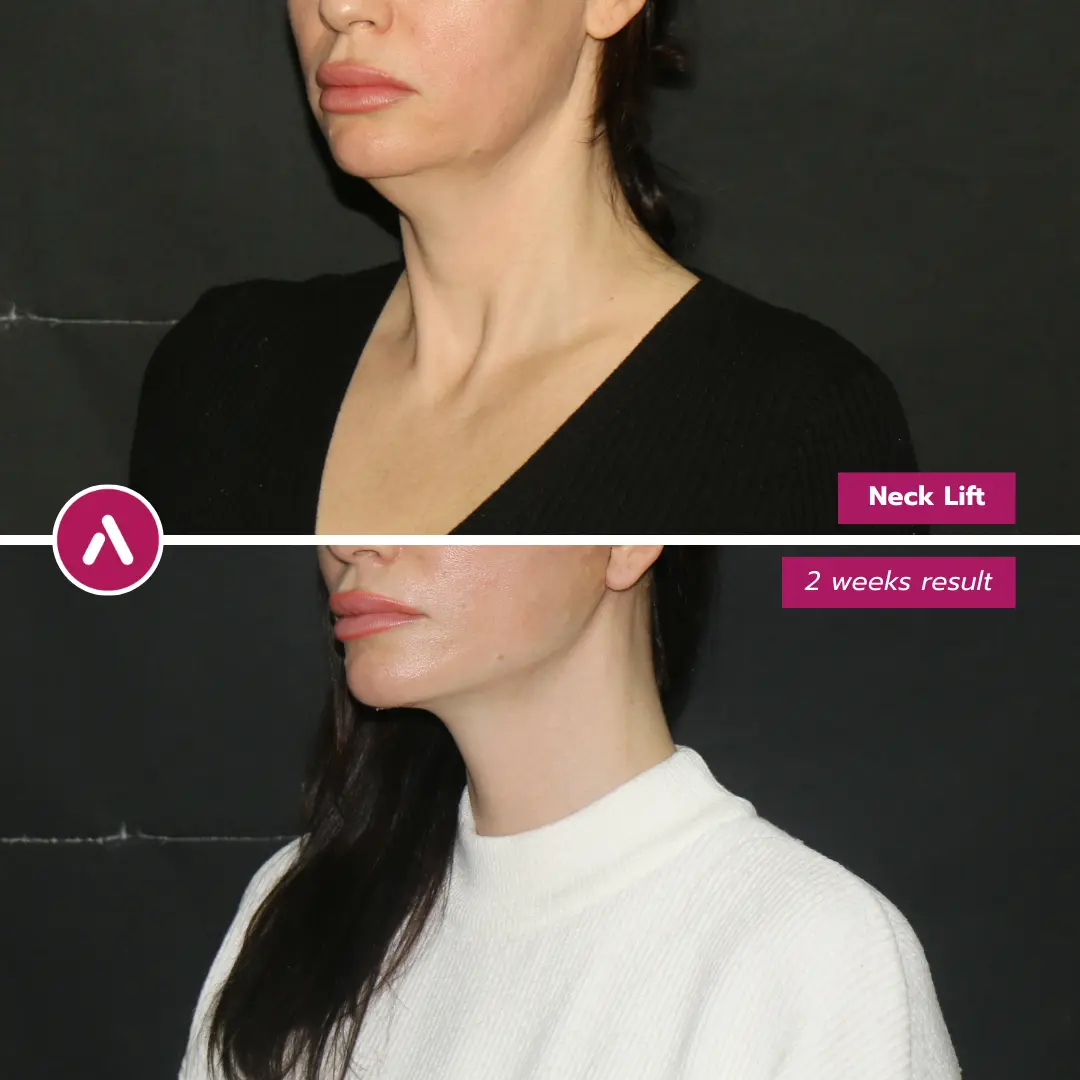
At AKM Clinic, the virtual process is designed to support the full patient journey for Canadians travelling to Istanbul. The goal is not to pressure you into a decision. It is to clarify what can be planned remotely, what must wait for the in-person examination, and how realistic your expectations are.
A good virtual consultation should feel organized, direct, and medically specific. You should know who is reviewing your case, what photos are required, what the surgeon can assess, and what will still be confirmed once you arrive.
Table of Contents
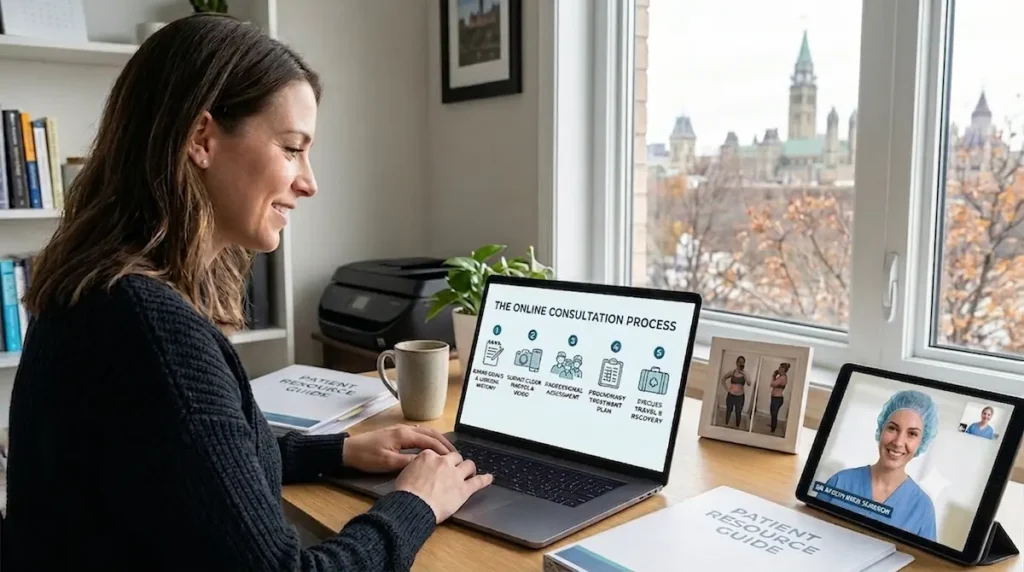
How Online Consultations Work?
An online consultation follows a structured sequence. It usually begins with your goals, medical history, and photographs, then moves into professional assessment and discussion. This structure helps the surgical team identify whether your request is realistic and whether travel for surgery is appropriate.
The typical virtual consultation process
The process often starts with a coordinator collecting basic information: your age, medical history, previous surgeries, current medications, and the procedure you are considering. After that, your photos are reviewed by the surgical team.
For Canadian patients, this early stage is useful because it prevents unnecessary travel. A patient from Ottawa or Halifax should not have to fly across the Atlantic only to discover that a different procedure is needed.
A typical process includes:
- Submitting photos from the requested angles
- Sharing your medical history and surgical goals
- Discussing candidacy with the clinic team
- Receiving a preliminary treatment recommendation
- Reviewing travel timing, recovery needs, and next steps
Photo and video submission requirements
Photos are the foundation of an accurate remote assessment. Blurry, angled, filtered, or poorly lit images can lead to incomplete planning. Clear photos reduce uncertainty.
For facial surgery, the team usually needs front, side, three-quarter, and close-up views. For body procedures, standing photos from the front, back, and both sides are usually required. Clothing should show the treatment area clearly while still respecting privacy.
Video can add helpful context. It shows facial movement, posture, symmetry, and skin behaviour in a way still photos cannot always capture.
Speaking with the surgeon vs coordinator
Coordinators play an important role in scheduling, travel planning, and document collection. Still, surgical questions should be answered by the surgical team. This distinction matters.
For informed consent, you need clear medical explanations. You also need confidence that your goals have been understood by the person responsible for planning your procedure. For the language-specific side of this issue, see our guide to verifying direct communication with your surgeon.
What Can Be Assessed Remotely?
A well-run virtual consultation can answer many of the questions Canadian patients have before travelling. It can often identify suitable procedures, likely combinations, general recovery timing, and whether the patient’s goals match what surgery can reasonably achieve.
Professional organizations such as the International Society of Aesthetic Plastic Surgery (ISAPS) recognize telemedicine and virtual consultation as valuable tools for patient education, preliminary assessment, and surgical planning when combined with appropriate in-person evaluation.
Procedure candidacy evaluation
Candidacy is often the first question. The surgeon evaluates whether your anatomy, health profile, and goals align with the procedure you are requesting.
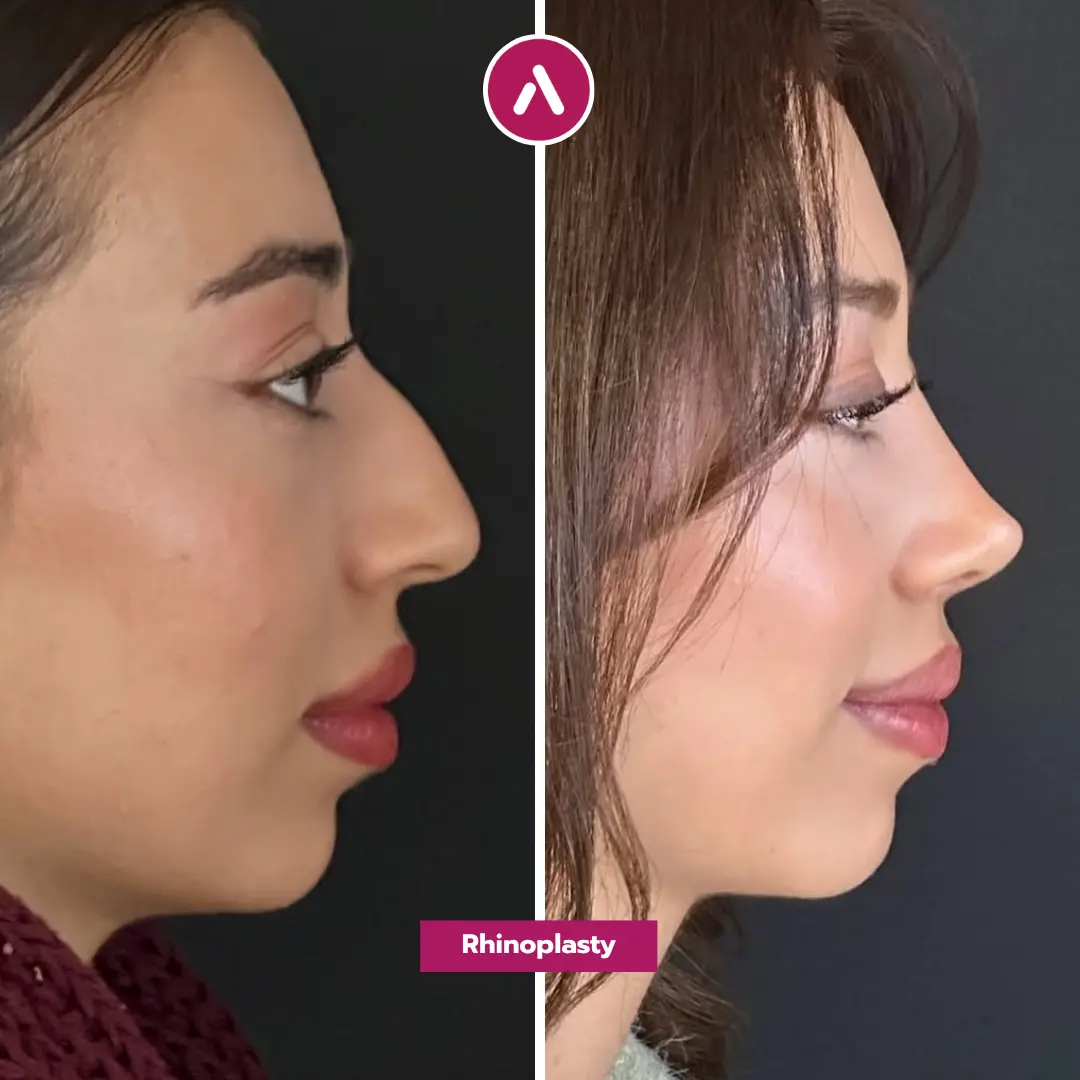
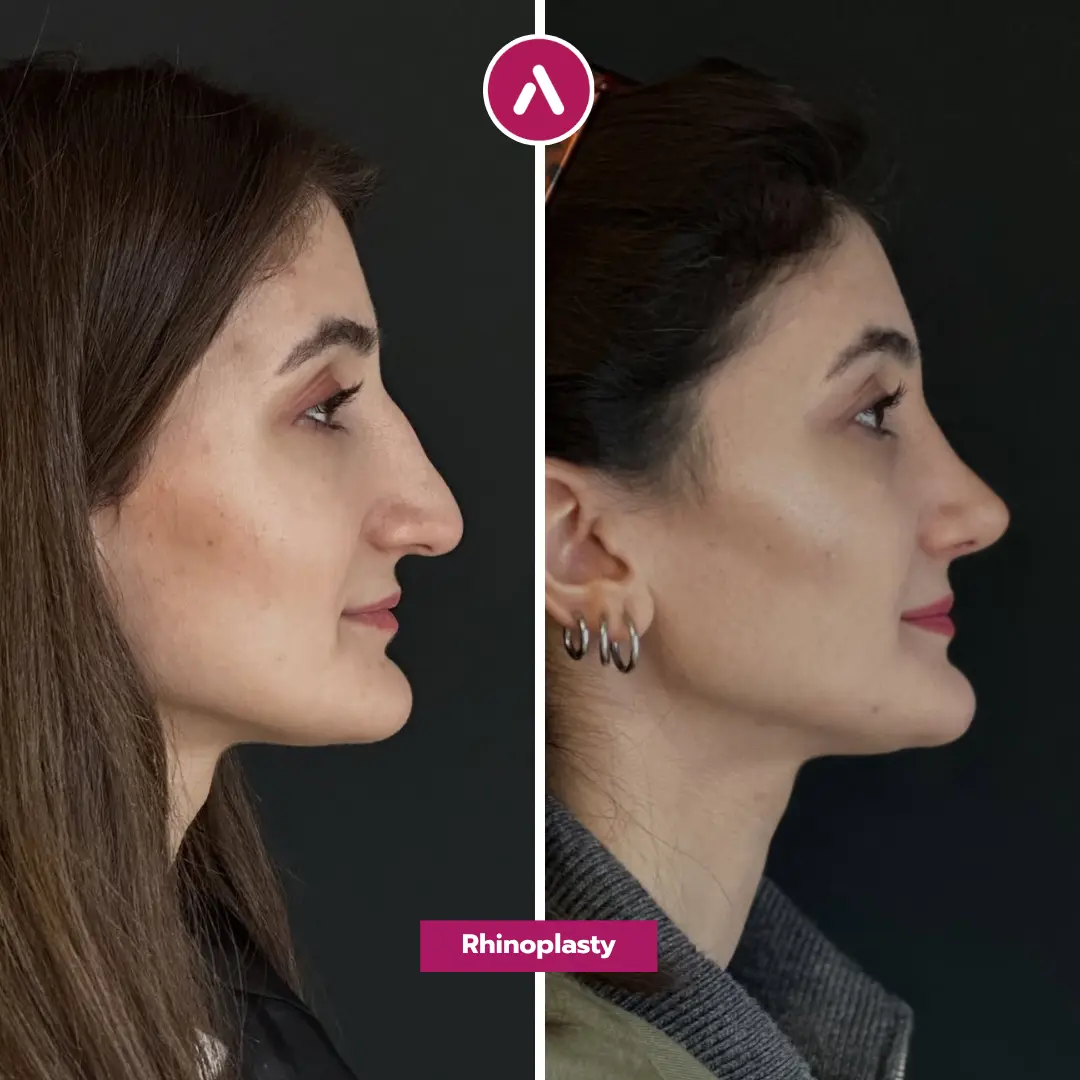
For example, a patient asking about a facelift may actually need a neck lift component. A patient considering liposuction may need a skin-tightening procedure instead. These distinctions can often be identified remotely when photos are clear.
Preliminary surgical planning
Virtual planning can define the broad strategy. It may identify whether a single procedure is enough or whether a combined approach would be more appropriate.
This is preliminary planning, not final marking. Surgical markings, incision placement, and fine adjustments are made after in-person assessment. The online plan creates the roadmap.
Realistic outcome discussions
One of the most valuable parts of an online consultation is expectation-setting. A surgeon can explain what surgery can improve, what it cannot change, and what recovery will realistically involve.
This matters for Canadian patients who may be comparing private clinics at home with international options. The strongest consultation is not the one that promises the most. It is the one that gives the clearest answer.
“Virtual consultations are remarkably useful when patients provide clear photographs and complete medical information. The in-person examination refines the plan; it should not be the first time the surgical team understands the case.”
What Requires In-Person Confirmation?
Although modern virtual consultations are highly effective, they are not a complete replacement for an in-person examination. Certain details can only be assessed accurately when the surgeon can evaluate tissue characteristics directly.
This does not mean the online consultation lacks value. In most cases, the virtual consultation establishes the treatment direction, while the in-person visit confirms and refines the final surgical plan.
Tissue palpation and skin-quality assessment
One limitation of remote assessment is that photographs cannot reveal how tissues feel. Skin thickness, elasticity, underlying structural support, and tissue quality often require direct examination.
For example, two patients may appear similar in photographs but have completely different skin elasticity. One patient may achieve excellent results with a mini facelift, while another may require a more comprehensive approach.
This is especially important in procedures involving facial ageing, body contouring, breast surgery, and revision procedures.
Final surgical plan refinement
The final surgical plan is normally confirmed after a comprehensive examination in Istanbul. This appointment takes place before surgery and allows the surgeon to review every detail with the patient.
Measurements are verified, anatomical landmarks are assessed, and the proposed treatment strategy is reviewed again. In most cases, adjustments are minor. The purpose is precision.
Patients often find this stage reassuring because it confirms that the plan discussed during the online consultation remains appropriate after direct examination.
Why the pre-operative examination still matters
Even the most experienced surgeon should not rely solely on photographs when making final operative decisions. Surgery is a medical procedure, and proper evaluation requires direct observation.
The pre-operative examination helps identify factors that may not be obvious remotely, including subtle asymmetries, skin quality variations, and tissue characteristics.
This combination of virtual planning and in-person confirmation provides the strongest balance between convenience and safety.
| Assessment Area | Online Consultation | In-Person Consultation |
|---|---|---|
| Procedure candidacy | ✓ | ✓ |
| Facial proportions | ✓ | ✓ |
| Body contour assessment | ✓ | ✓ |
| Skin elasticity | Partial | ✓ |
| Tissue quality | Partial | ✓ |
| Surgical markings | ✗ | ✓ |
| Final operative plan | Preliminary | ✓ |
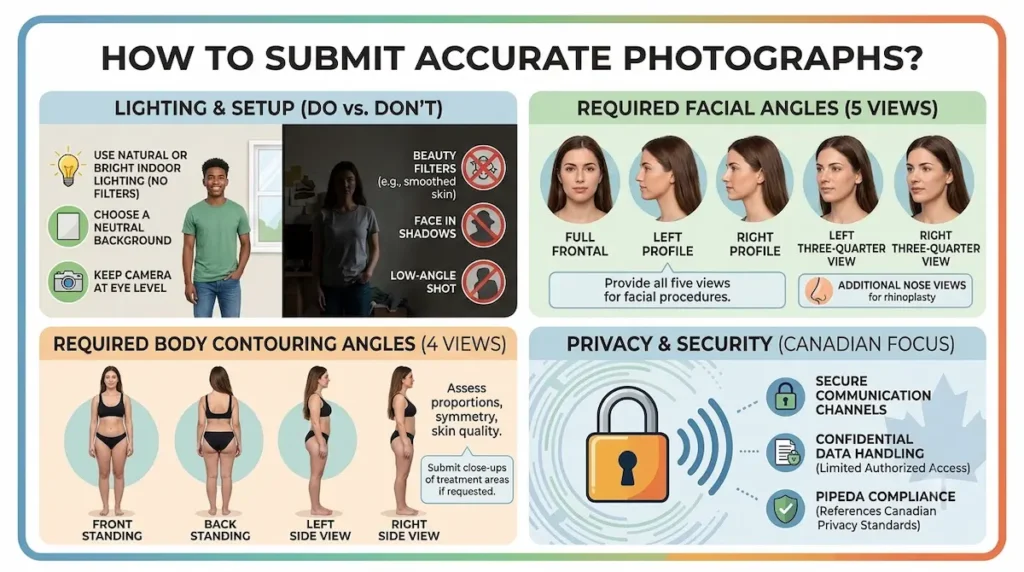
How to Submit Accurate Photos?
The quality of your consultation is directly linked to the quality of the photographs you provide. Accurate photos allow the surgeon to evaluate anatomy properly and minimize surprises later in the process.
Many assessment errors are not caused by the surgeon. They are caused by poor lighting, incorrect angles, filters, or clothing that hides important anatomical details.
Lighting, background, and positioning
Natural daylight is usually the best option. Stand in front of a plain background with the light source facing you rather than behind you.
Avoid shadows across the face or body. Remove beauty filters, portrait-mode effects, and image enhancements. The surgeon needs to see reality, not a modified image.
Photos should be taken at eye level and from a consistent distance.
- Use natural or bright indoor lighting
- Choose a neutral background
- Keep the camera level
- Avoid filters and editing
- Use recent photographs
Required angles for facial procedures
Patients considering facial surgery should expect to provide multiple views. A single front-facing photograph rarely provides enough information.
Most facial assessments require:
- Full frontal view
- Left profile
- Right profile
- Left three-quarter view
- Right three-quarter view
- Close-up photographs when appropriate
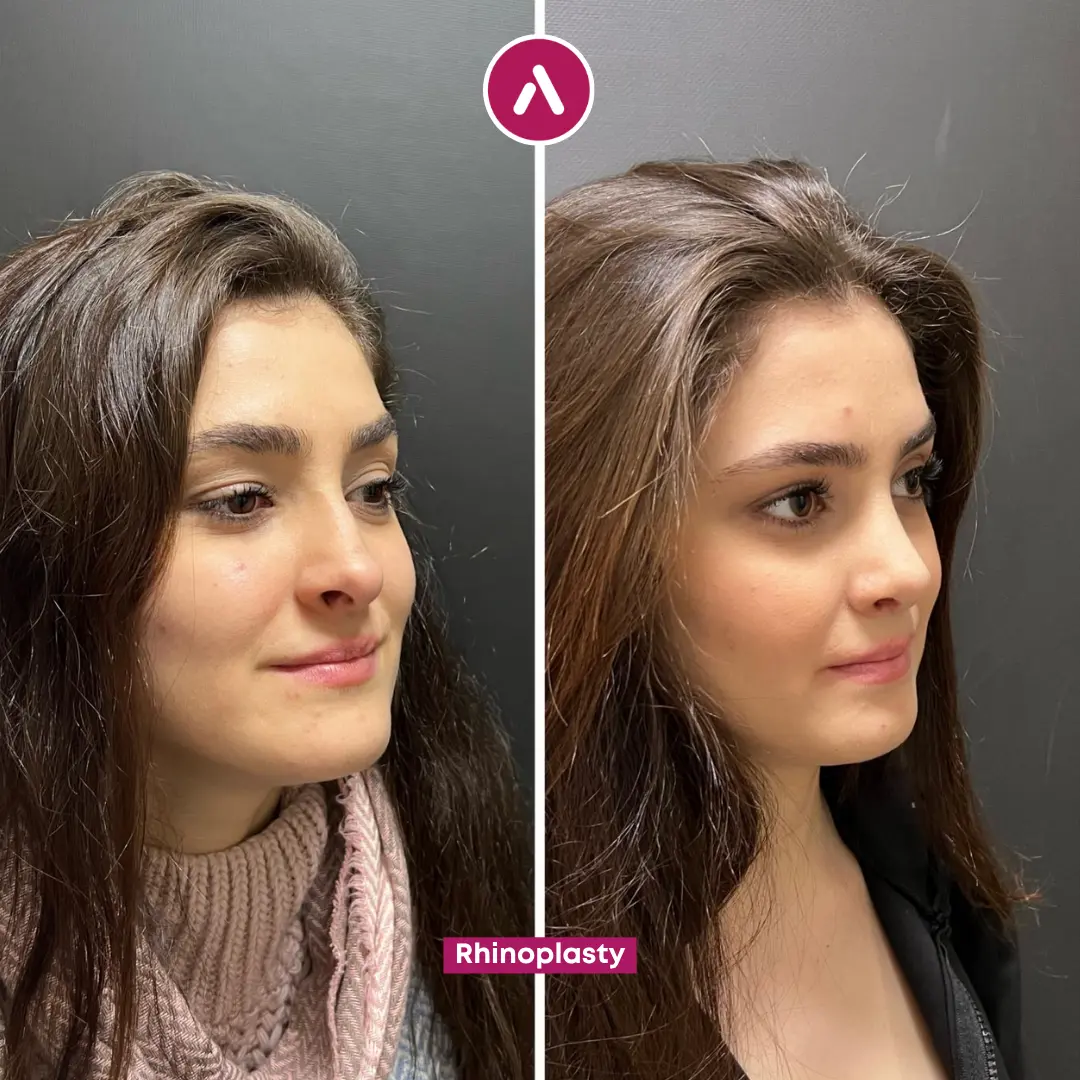
For rhinoplasty consultations, additional images focusing on the nasal base and tip may also be required.
Required angles for body procedures
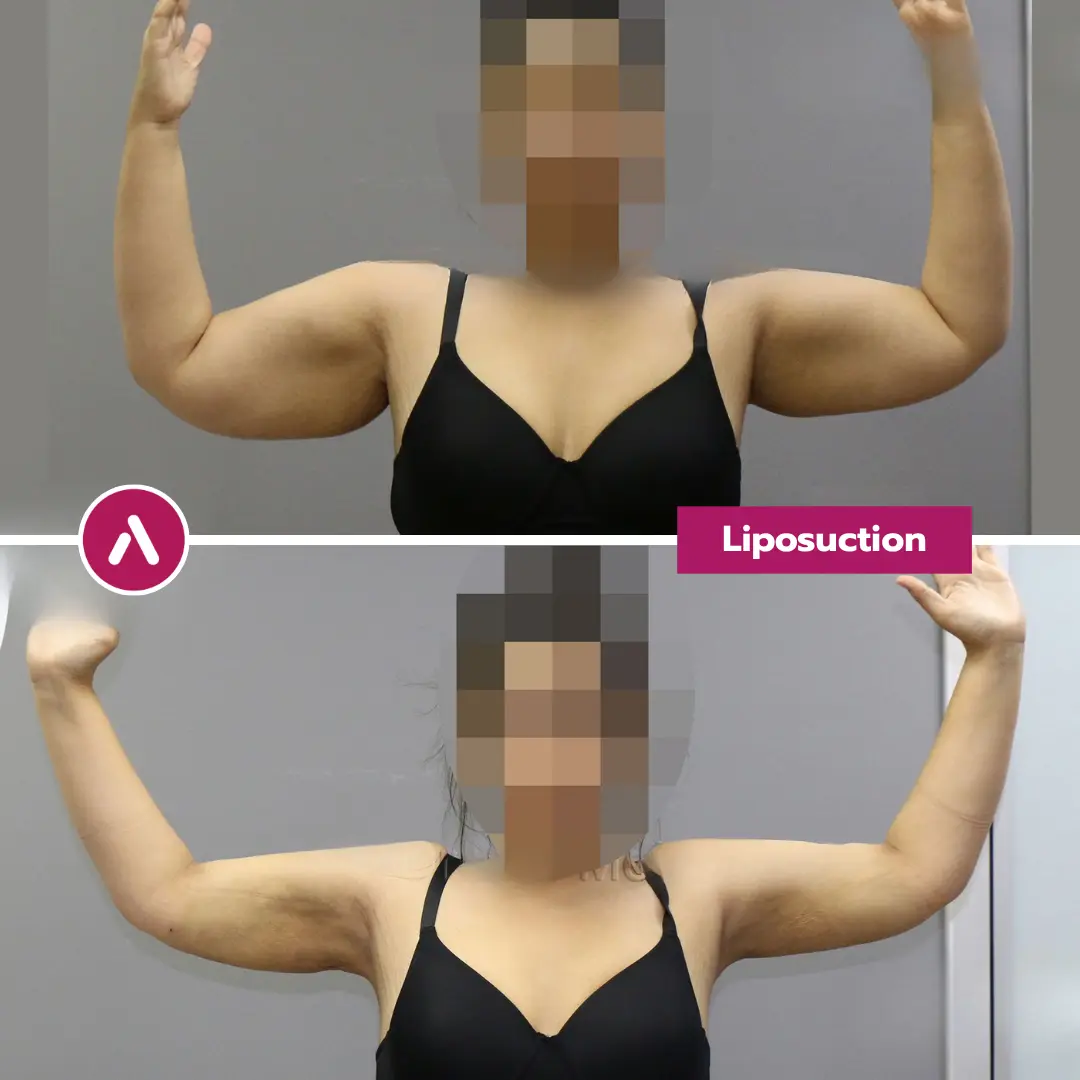
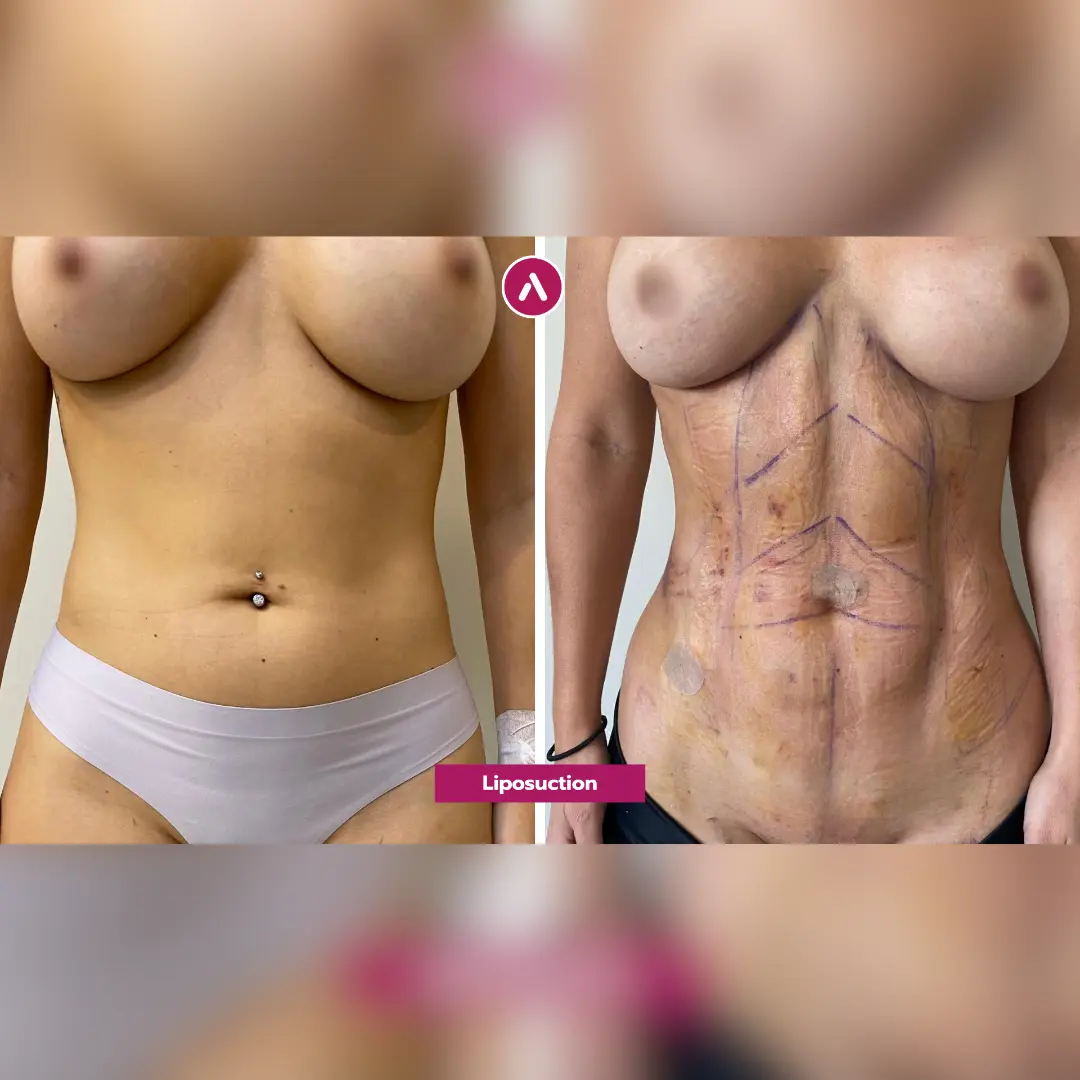
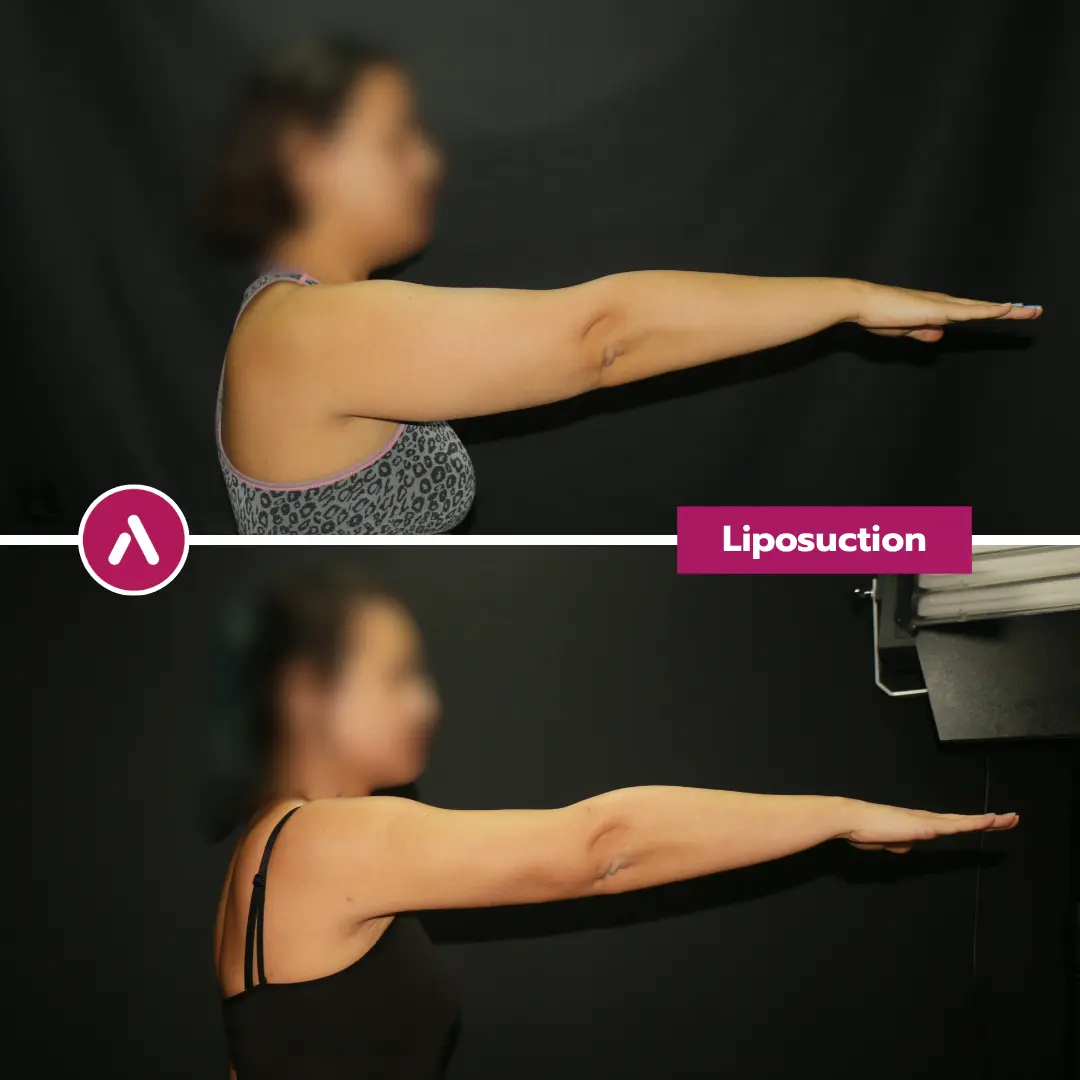
Body contouring procedures require a broader photographic assessment. The surgeon must evaluate proportions, fat distribution, skin quality, and symmetry.
Typical requirements include:
- Front standing view
- Back standing view
- Left side view
- Right side view
- Additional close-ups of treatment areas when requested
Clothing should allow accurate assessment while maintaining comfort and privacy.
Privacy and data protection considerations
Canadian patients are understandably cautious about sharing personal medical photographs online. Privacy concerns should be addressed before any images are submitted.
Images should be transmitted through secure communication channels and reviewed only by authorized members of the clinical team. Patients should also ask how long photographs are stored and who can access them.
Canada’s Office of the Privacy Commissioner provides guidance on personal information protection and privacy practices that many patients use as a benchmark when evaluating healthcare providers.
Canadian Perspective: Many Canadians are familiar with privacy expectations under federal legislation such as PIPEDA. When selecting a clinic abroad, ask specific questions about image storage, access controls, and secure communication methods before sharing sensitive photographs.
Clear communication about privacy often increases patient confidence and improves the overall consultation experience.
Preparing for a Productive Consultation
A strong consultation begins before the video call. The more organized your information is, the more specific the surgical feedback can be. This is especially important for Canadian patients planning surgery across time zones and long-haul travel.
You do not need medical expertise to prepare well. You need honest goals, clear photos, and a complete health history.
Medical information to prepare beforehand
Your medical history helps the surgical team assess safety. Be transparent. A withheld condition, medication, or previous complication can affect anesthesia planning, recovery, and procedure suitability.
Prepare the following before your call:
- Current medications and supplements
- Previous surgeries and dates
- Known allergies
- Smoking or nicotine use
- Chronic health conditions
- History of blood clots, bleeding issues, or poor wound healing
- Recent weight changes, pregnancy history, or major health changes
If you have prior operative reports, implant records, or imaging, mention them early. They may be needed for a more accurate recommendation.
Questions worth asking during the consultation
A consultation is also your chance to evaluate the clinic. You should feel comfortable asking direct questions about safety, surgeon involvement, recovery, and communication.
Before the call, prepare a short list of priorities. For a structured version, review our guide to questions to prepare before your consultation.
Useful questions include:
- Am I a good candidate for the procedure I am requesting?
- Would another procedure better match my anatomy?
- What can be planned online, and what must be confirmed in person?
- Who will perform my surgery?
- How long should I stay in Istanbul before flying home?
- What follow-up support is available after I return to Canada?
Setting realistic expectations
Plastic surgery planning is not only technical. It is also emotional. Many patients arrive with reference photos, personal insecurities, and a strong hope for change.
A responsible consultation should translate those hopes into realistic goals. The surgeon may confirm that your expectations are achievable, modify the plan, or explain why a request would not look natural.
If anxiety is affecting your decision-making, our article on managing anxiety before cosmetic surgery explains how to separate normal nerves from a sign that you may need more time.
Canadian Perspective: Patients from Vancouver or Calgary may need evening consultation slots because Istanbul is many hours ahead. Patients in Toronto or Montreal often have more flexible overlap. Ask the coordinator for time options that fit your workday.
AKM Clinic’s Virtual Consultation Process
AKM Clinic uses the online consultation to build a practical plan before patients travel. The process combines photo review, medical screening, procedure discussion, and logistical planning so Canadian patients can make an informed decision before booking their trip.
The virtual consultation is not treated as a casual sales call. It is the beginning of surgical planning.
Free video consultation for Canadian patients
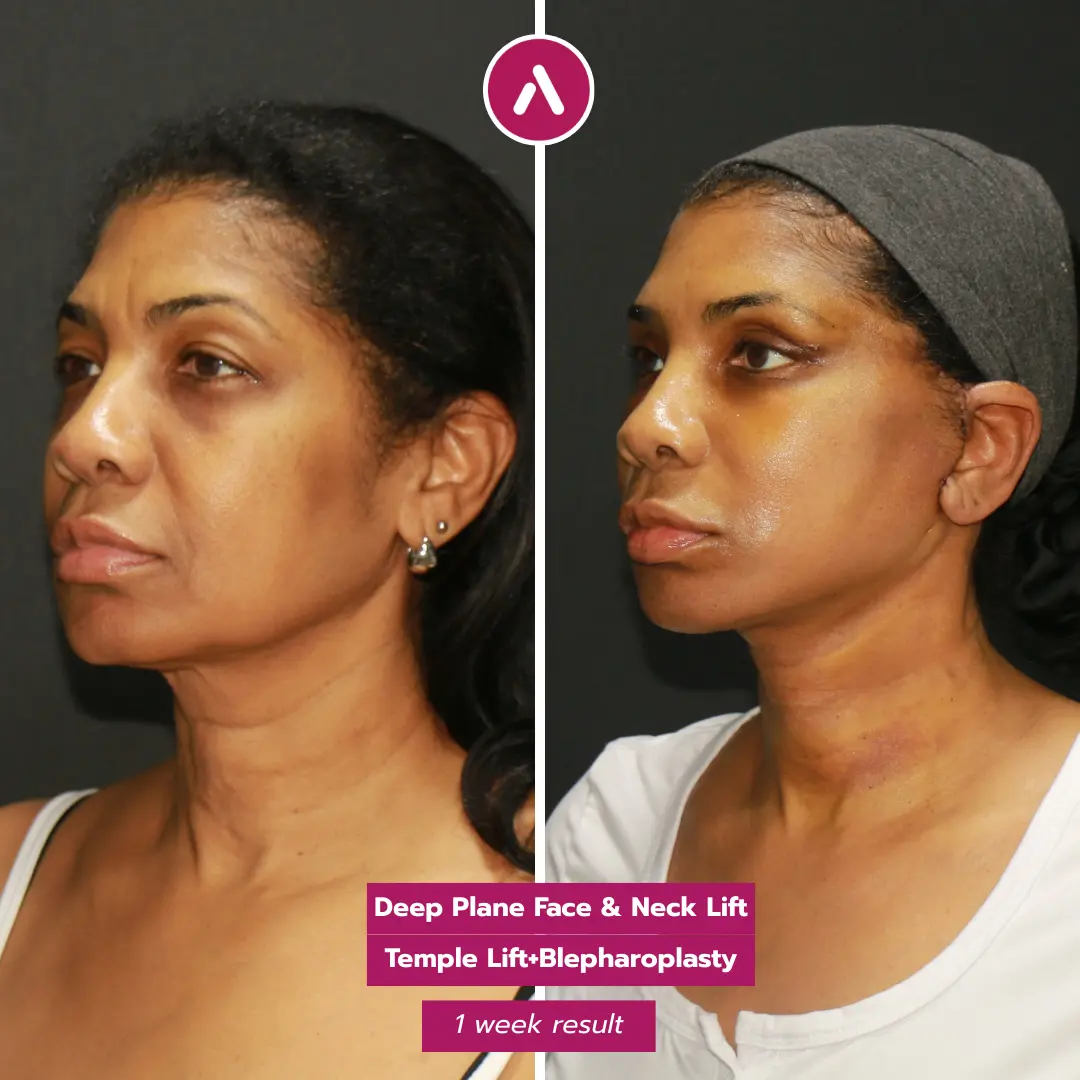
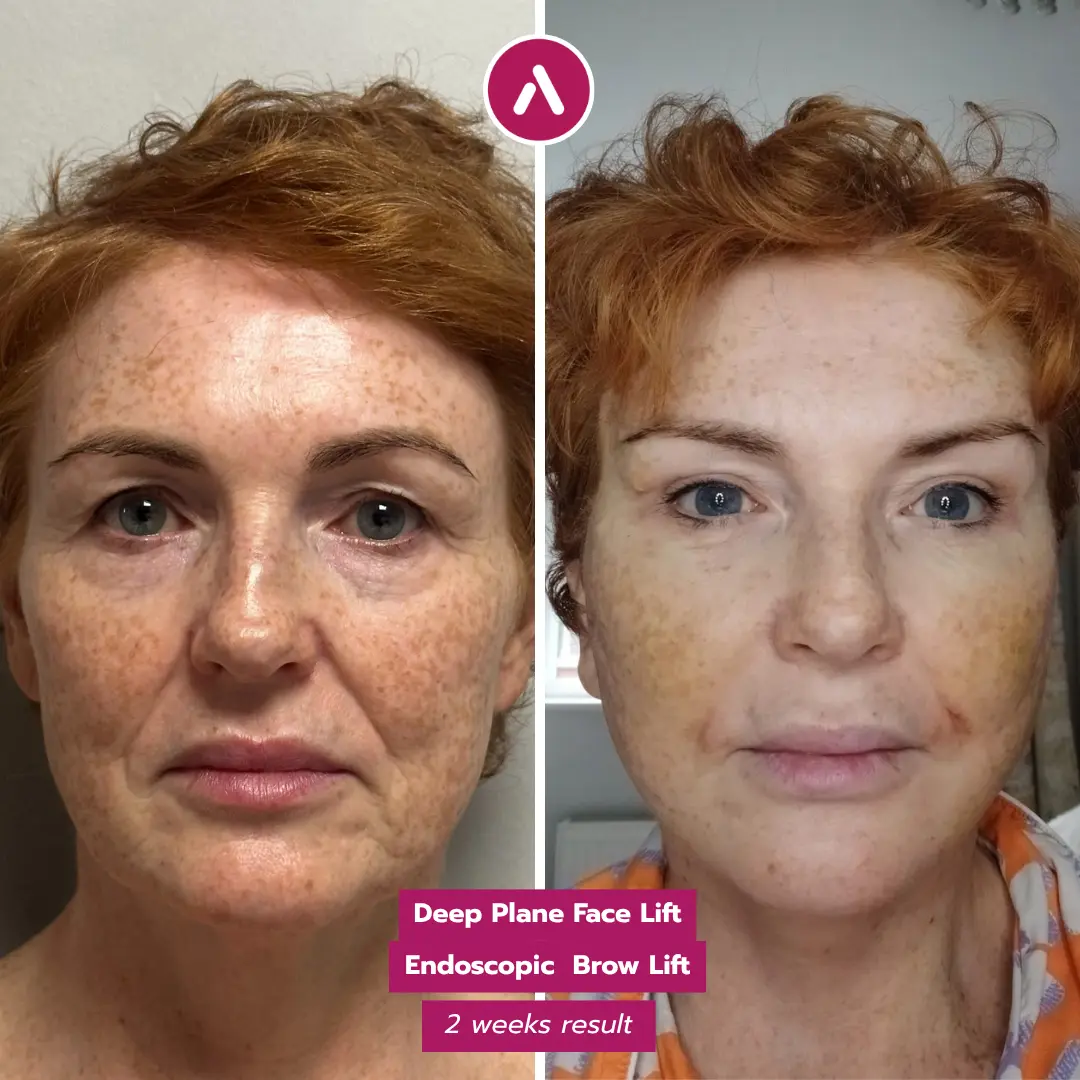
The process begins with a complimentary video consultation. During this stage, patients share their goals, submit photographs, and discuss whether their desired procedure is suitable.
This early step is useful for patients travelling from Canada because it helps prevent avoidable uncertainty. You can clarify procedure options, recovery length, and travel feasibility before making financial or logistical commitments.
Direct surgeon involvement
AKM Clinic’s consultation process includes surgical review rather than relying only on coordinator-level communication. This matters because procedure planning requires medical judgement.
You can also review AKM Clinic’s consultation and surgical team before booking so you understand who is involved in assessment, planning, and follow-up.
From virtual assessment to travel planning
Once candidacy is reviewed, the team can begin discussing travel timing, hotel stay, airport transfers, and procedure sequencing. For many patients, this is where the consultation shifts from possibility to planning.
Patients travelling alone may need extra logistical guidance. Our guide to planning a solo medical trip to Istanbul explains how support is organized before, during, and after the procedure.
It is also wise to prepare documents, clothing, and recovery essentials early. For that step, use our checklist on what to prepare before travelling for surgery.
Transitioning from online assessment to in-person confirmation
After arrival in Istanbul, the in-person consultation confirms the plan. The surgeon examines tissue quality, reviews expectations, performs final markings, and answers remaining questions.
This stage should not feel disconnected from the online consultation. It should feel like the next step in the same plan.
Follow-up also continues after the return flight. AKM Clinic supports remote monitoring through progress photos and scheduled check-ins. For the recovery phase, see our guide to virtual follow-up after returning to Canada.
Accuracy of Online Plastic Surgery Consultations
One of the most common concerns Canadian patients have is whether an online consultation can truly provide an accurate assessment. The short answer is yes—provided the process is done correctly.
Modern virtual consultations combine high-resolution photographs, live video discussions, medical history review, and surgeon evaluation. Together, these elements provide enough information to make highly reliable preliminary recommendations.
Why modern virtual consultations are highly accurate
Plastic surgeons have been assessing anatomy visually for decades. High-quality photographs often reveal the same structural issues that guide treatment planning during an in-person consultation.
Facial proportions, skin redundancy, asymmetry, body contour concerns, breast position, and many signs of ageing can be assessed accurately through standardized photography.
This is one reason why international medical tourism has become increasingly practical for Canadian patients. Significant portions of the evaluation process can occur before travel begins.
Factors that improve diagnostic accuracy
Accuracy depends on preparation. Better information leads to better recommendations.
The following factors consistently improve consultation quality:
- High-resolution photographs
- Correct lighting and camera angles
- Complete medical history disclosure
- Recent photographs rather than older images
- Live video discussion with the clinical team
- Clear communication of goals and expectations
Patients who provide detailed information generally receive more precise recommendations and a smoother transition into the in-person planning stage.
Common causes of inaccurate virtual assessments
Most inaccuracies originate from incomplete information rather than limitations in the consultation itself.
Common issues include heavily edited photos, poor lighting, missing medical details, significant recent weight changes, or unrealistic expectations that were not fully discussed during the consultation.
For this reason, honesty remains one of the most important factors in successful planning.
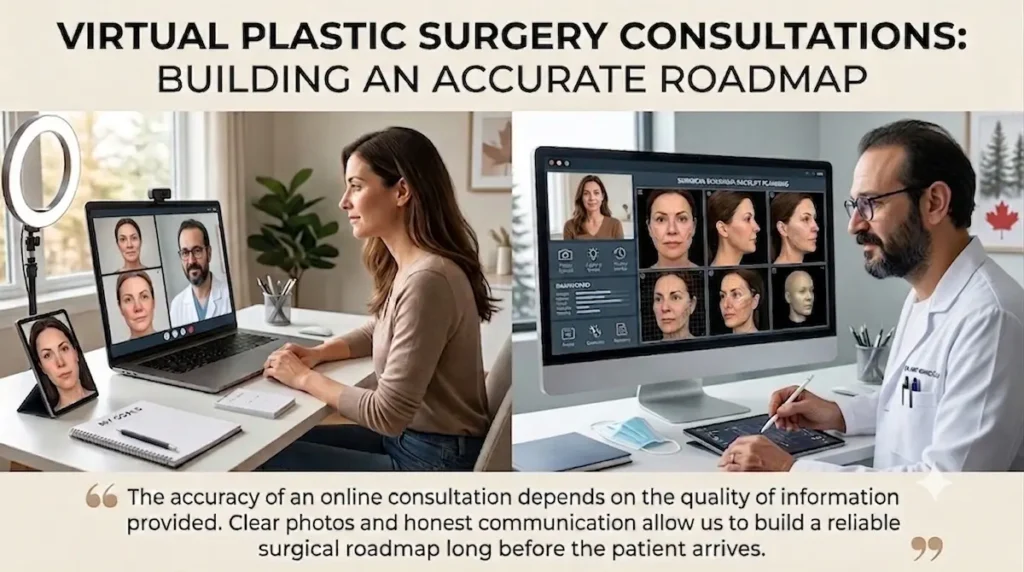
“The accuracy of an online consultation depends on the quality of information provided. Clear photos and honest communication allow us to build a reliable surgical roadmap long before the patient arrives.”
Frequently Asked Questions: Online Plastic Surgery Consultation
Canadian patients often ask similar questions before booking a virtual consultation. The answers below address the concerns we hear most frequently.
How accurate is an online plastic surgery consultation?
When supported by clear photographs, medical history, and a live discussion, online consultations are highly accurate for assessing candidacy and developing preliminary treatment plans.
What photos do I need to submit?
The required photographs depend on the procedure. Facial surgery typically requires front, profile, and three-quarter views. Body procedures generally require front, back, and side views.
Will I speak directly with the surgeon?
Patients should always understand who is reviewing their case. Surgical planning should involve direct surgeon assessment rather than relying solely on administrative staff.
Can I receive a treatment plan online?
Yes. Most patients receive a preliminary treatment recommendation during or shortly after the consultation. The final plan is confirmed in person before surgery.
What cannot be assessed remotely?
Skin elasticity, tissue quality, surgical markings, and certain anatomical details require direct examination and are confirmed during the pre-operative consultation.
Is my personal information secure?
Patients should ask how photographs and medical information are stored, who has access to them, and how long they are retained. Reputable clinics should provide clear answers.
Can I receive a CAD quote after a virtual consultation?
Yes. Once candidacy and procedure recommendations are established, patients can generally receive a detailed quotation and package information.
How long does an online consultation take?
Most consultations last between 30 and 60 minutes, depending on the complexity of the procedure and the number of questions discussed.
Do Canadian patients need an additional in-person consultation?
Yes. The in-person consultation remains essential for final confirmation, examination, surgical markings, and completion of pre-operative assessments.
What should I prepare before my video call?
Prepare recent photographs, a list of medications, your medical history, previous surgical records if available, and a list of questions you want answered.
For Canadian patients researching surgery abroad, an online plastic surgery consultation offers an efficient way to evaluate options before committing to international travel. When conducted properly, it provides meaningful clarity about candidacy, expectations, recovery, and logistics while preserving the safety benefits of final in-person assessment.
Medical Disclaimer: This page is provided for general educational purposes only and does not replace an in-person medical consultation, diagnosis, or personalized treatment plan. All surgery carries risks, and outcomes vary between individuals. Suitability for a plastic surgery, procedure selection, and anesthesia choice can only be determined after a full clinical assessment by a qualified surgeon. Always follow your clinician’s instructions and seek urgent medical attention if you develop concerning symptoms during recovery.