
Emotional preparation plastic surgery is the part of the journey many patients underestimate. You may research the surgeon, compare procedures, check safety standards, and plan your flight from Canada to Istanbul, yet still feel anxious when the surgery date becomes real.
That anxiety does not mean you are making the wrong decision. It often means you understand the weight of the decision.
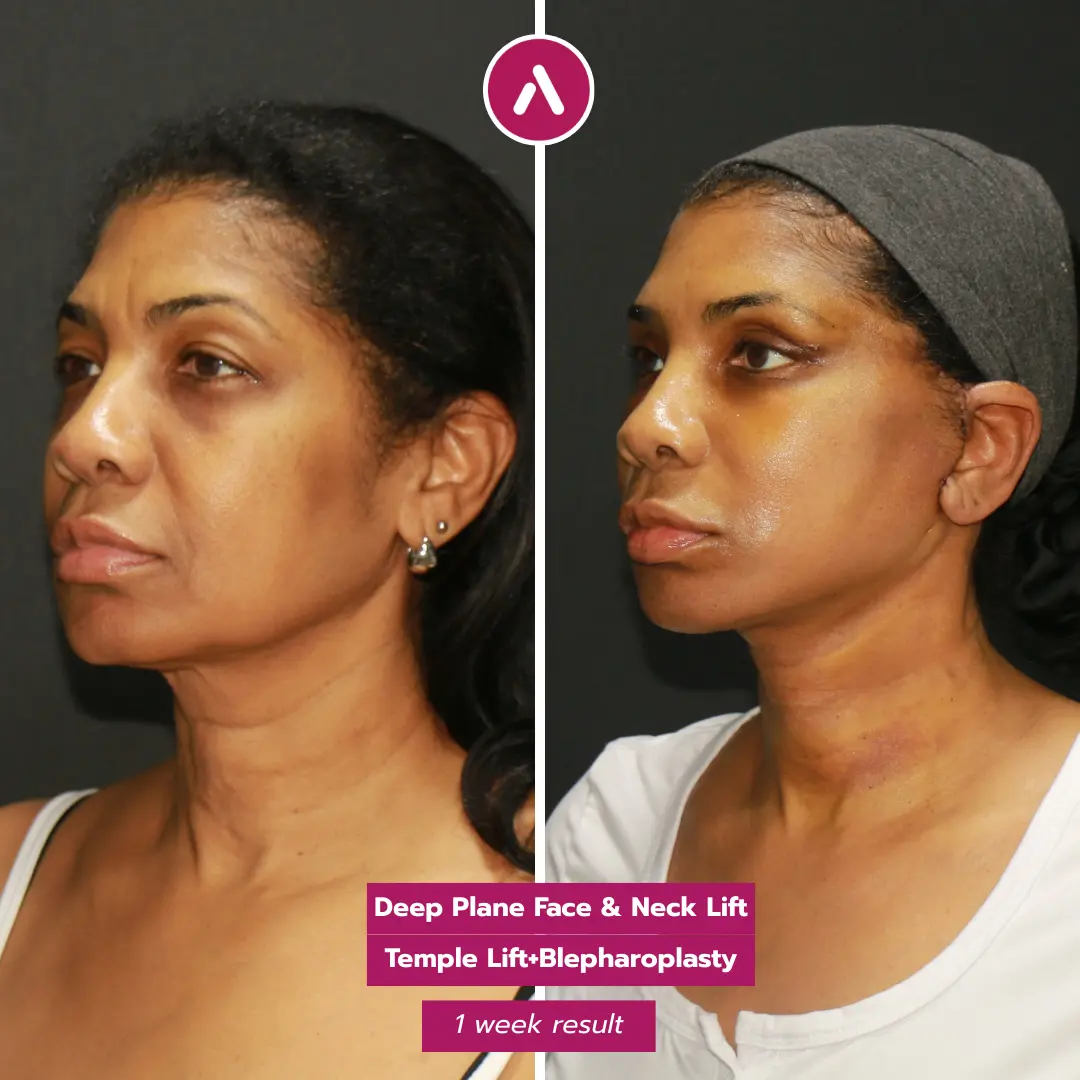
For Canadian patients considering plastic surgery options at AKM Clinic, emotional readiness should be treated as part of the pre-operative plan. A healthy mindset helps you ask better questions, set realistic expectations, and move through recovery without panicking over temporary swelling, bruising, or mood changes.
Quick Summary: Plastic surgery is both physical and emotional. Many patients feel pre-surgery anxiety, uncertainty during early recovery, and a temporary emotional dip while waiting for swelling to settle. Preparing mentally, building trust, and setting realistic expectations can make the experience calmer and healthier.
Table of Contents

Why Emotional Preparation Matters?
Plastic surgery changes the body, but the experience also touches identity, confidence, trust, and control. This is especially true for Canadians travelling internationally, where the decision involves both medical and logistical distance.
Emotional preparation helps you move from fear-based thinking to informed decision-making. It does not remove every worry. It gives those worries structure.
The often-overlooked psychological side of surgery
Most patients prepare for surgery by reading about technique, recovery time, and possible complications. That research matters. Still, it does not fully prepare you for how it feels to wait for surgery, wake up swollen, or look in the mirror during early healing.
This emotional side can surprise even highly informed patients. A person may feel confident for months, then become nervous the night before surgery.
That shift is normal. The brain is trying to protect you from uncertainty.
How mindset influences the recovery experience
Mindset does not replace medical care. It does, however, affect how you interpret normal recovery changes.
A patient who expects swelling may feel reassured when it appears. A patient who expected to look “finished” within days may panic over the same swelling.
This is why emotional preparation is practical, not abstract. It helps you separate normal healing from genuine warning signs.
Understanding that emotional ups and downs are normal
Recovery is rarely emotionally linear. You may feel relieved after surgery, then frustrated three days later. You may feel excited about your result, then impatient because bruising is still visible.
None of this means the procedure failed. It means you are healing.
For many patients, the most difficult period is not the surgery itself. It is the waiting period between early swelling and visible refinement.
“A well-prepared patient understands that recovery has emotional stages. We want patients to know what is normal before they experience it, because that knowledge reduces fear.”
Managing Pre-Surgery Anxiety
Pre-surgery anxiety is common before any elective procedure. It can feel stronger when you are travelling from Toronto, Vancouver, Montreal, Calgary, or another Canadian city to receive care abroad.
The goal is not to pretend you feel calm. The goal is to understand your anxiety and respond to it in a healthy way.
The most common sources of pre-operative anxiety
Patients often worry about safety, anesthesia, pain, results, travel, and whether they will still look like themselves. These are reasonable concerns.
For Canadian patients, the anxiety may also include being outside the familiar provincial healthcare environment. Someone used to OHIP, MSP, RAMQ, or AHCIP may find private international care unfamiliar at first.
Common anxiety triggers include:
- Fear of complications or an unexpected result
- Concern about trusting a clinic outside Canada
- Worry about pain, anesthesia, or the first night after surgery
- Fear of looking “overdone” or unlike yourself
- Stress about travelling home during recovery
- Concern about family or workplace judgement
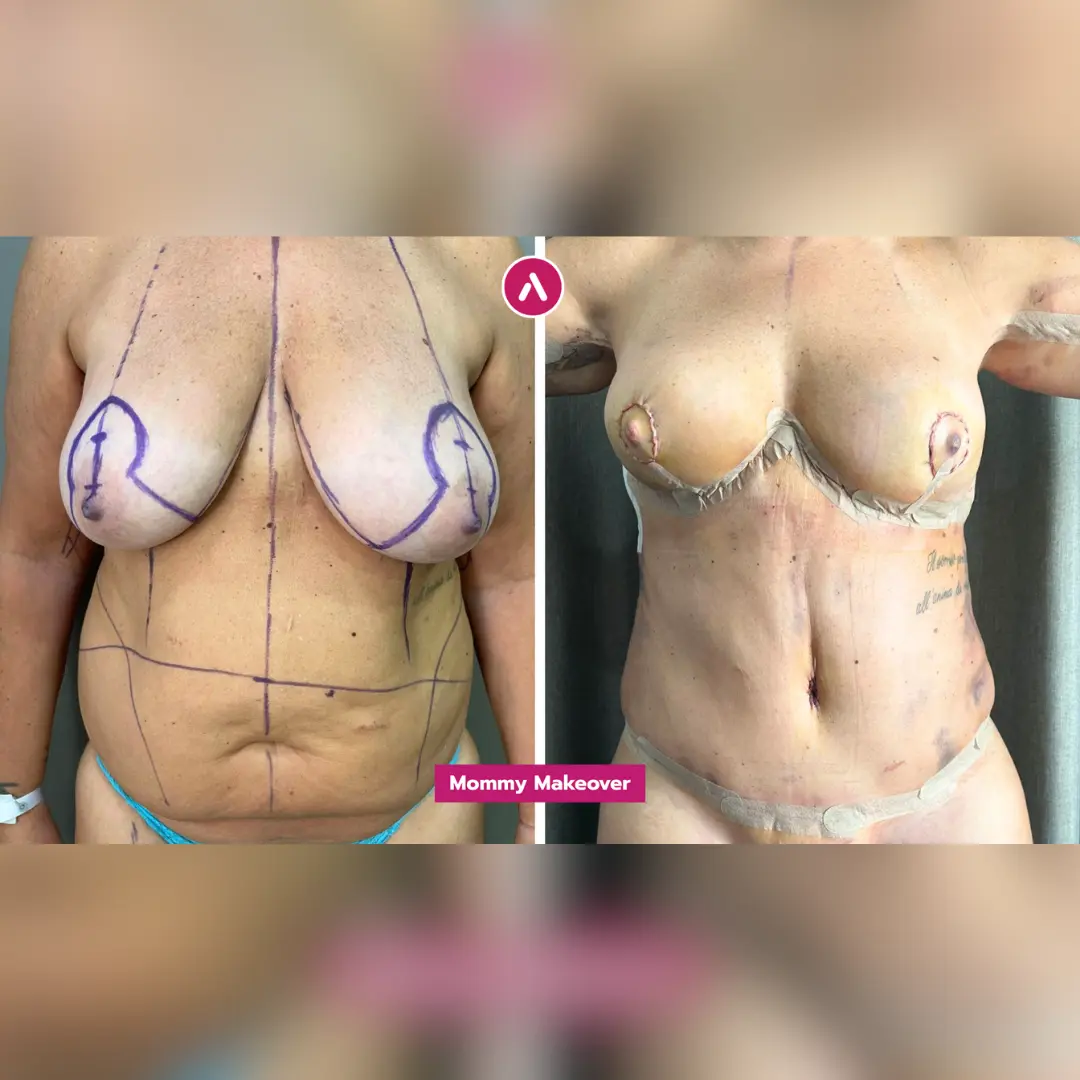

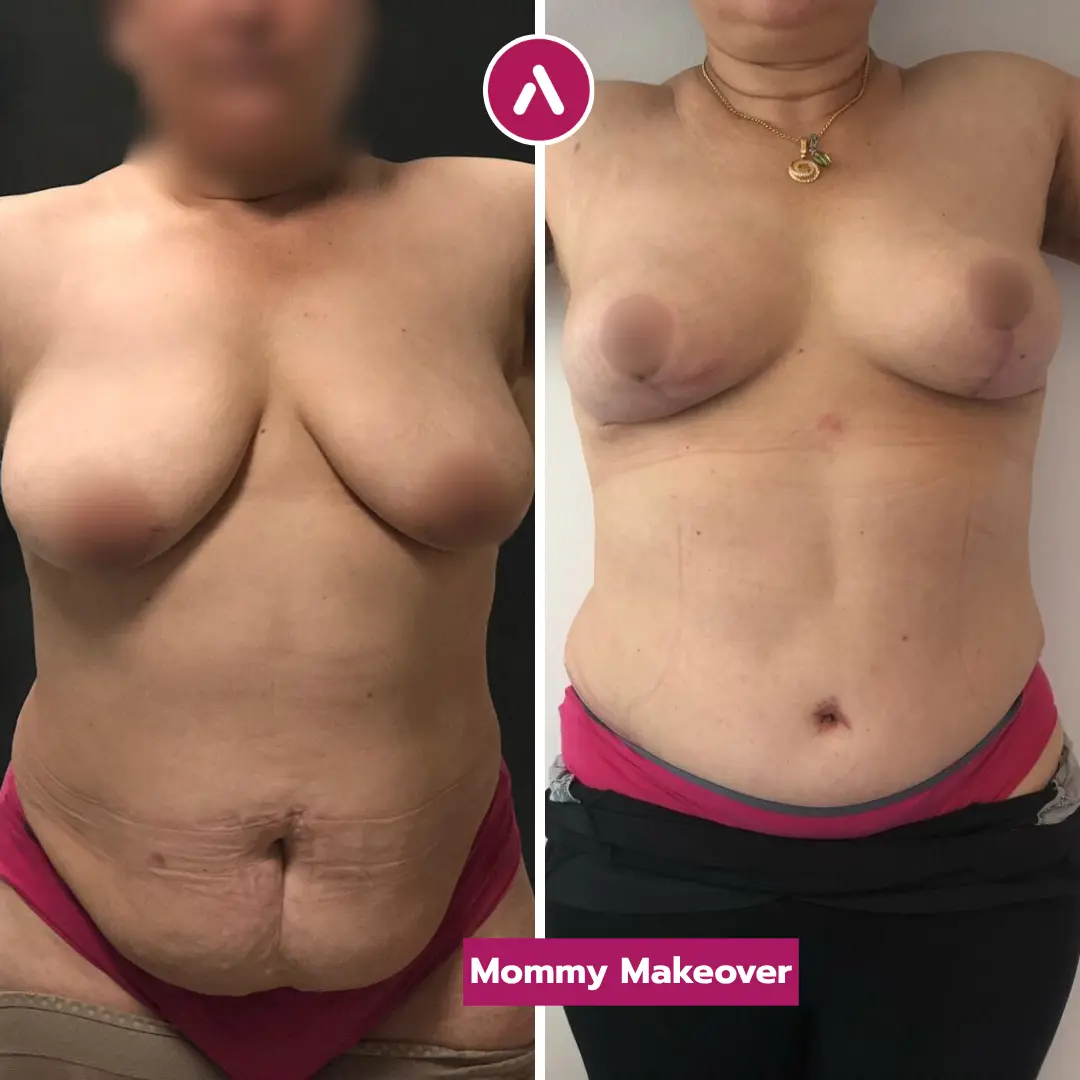
Practical strategies to reduce anxiety before surgery
Anxiety often grows when questions remain vague. The most effective first step is to turn general fear into specific questions.
Instead of thinking, “What if something goes wrong?”, ask, “What is the complication protocol, and who do I contact after I return to Canada?” That question can be answered.
Helpful strategies include:
- Write down every concern before your consultation.
- Ask for the recovery timeline in plain language.
- Review before-and-after examples with realistic expectations.
- Confirm who performs your surgery and who supports your recovery.
- Plan your first week at home in Canada before you travel.
- Use breathing, walking, or guided relaxation if anxiety spikes.
Canadian patients who need mental health support can also contact the Canadian Mental Health Association, which provides community-based mental health resources across Canada. The CMHA notes that anxiety support is available through local community organizations. CMHA anxiety resources can be a useful starting point.
When anxiety may be a signal to pause and reassess
Some anxiety is normal. Severe anxiety deserves attention.
If you feel pressured, rushed, unable to sleep for many nights, or unable to make decisions clearly, it may be healthier to pause. Surgery should not feel like something you must do to be acceptable.
Consider speaking with a mental health professional if anxiety is persistent, severe, or tied to body-image distress that does not improve with information. Pausing is not failure. It is responsible decision-making.
| Emotional stage | What is normal | Helpful coping strategy |
|---|---|---|
| Research phase | Feeling overwhelmed by options | Compare clinics using written criteria |
| Consultation phase | Feeling nervous about asking questions | Bring a written checklist |
| Pre-surgery week | Second-guessing and heightened worry | Review your plan and confirm support contacts |
| Early recovery | Feeling emotional, swollen, or impatient | Follow the timeline and avoid mirror-checking constantly |
| Adjustment phase | Learning to recognize your refined appearance | Give your body and self-image time to settle |
Building Trust in Your Decision
Trust is not blind reassurance. For a sceptical Canadian patient, trust should come from verification, clear communication, and a clinic that answers difficult questions without defensiveness.
The more specific your information becomes, the less room anxiety has to invent worst-case scenarios.
How research and verification reduce fear
Many patients feel anxious because they are trying to trust a decision that still feels incomplete. Research closes that gap.
Before booking, review building confidence through a virtual consultation, then prepare important questions that strengthen trust. Ask about surgeon credentials, anesthesia, hospital safety, aftercare, and what happens if you have concerns after returning to Canada.
You can also reduce fear by reading common fears and misconceptions about surgery in Turkey. Not every fear is irrational, but not every fear is evidence-based either.
Trusting your surgeon, clinic, and decision-making process
Trust should be built in layers. First, verify the surgeon. Then assess the clinic. Then evaluate whether the communication style makes you feel heard.
AKM Clinic’s philosophy is “Rejuvenation over alteration,” with a Natural-First approach designed to avoid the pulled or operated-on appearance. For many Canadian patients, that matters emotionally because they want refinement without losing identity.
To understand the clinic’s approach, review AKM Clinic’s safety and patient-care philosophy and compare it with an evidence-based analysis of surgical safety.
Why uncertainty decreases when information increases
Uncertainty grows in silence. It shrinks when your questions are answered clearly.
A good consultation should leave you with a realistic picture of what surgery can achieve, what it cannot achieve, what recovery feels like, and what support exists after you leave Istanbul. That clarity is emotionally protective.
If a clinic avoids direct answers, that is not a communication style issue. It is a decision-making signal.

Setting Realistic Expectations
Realistic expectations protect both your emotional wellbeing and your satisfaction with results. Surgery can create meaningful improvement, but it cannot deliver perfection, erase normal ageing, or solve every insecurity.
This is where emotional preparation becomes most important. You are preparing for a process, not a single reveal moment.
The difference between improvement and perfection
Healthy expectations start with language. “Improvement” is a realistic goal. “Perfection” is not.
Plastic surgery works with your anatomy, skin quality, healing pattern, age, and procedure choice. Two patients can have the same operation and heal differently.
That does not make results unpredictable. It means your plan should be personal, not copied from another person’s photo.
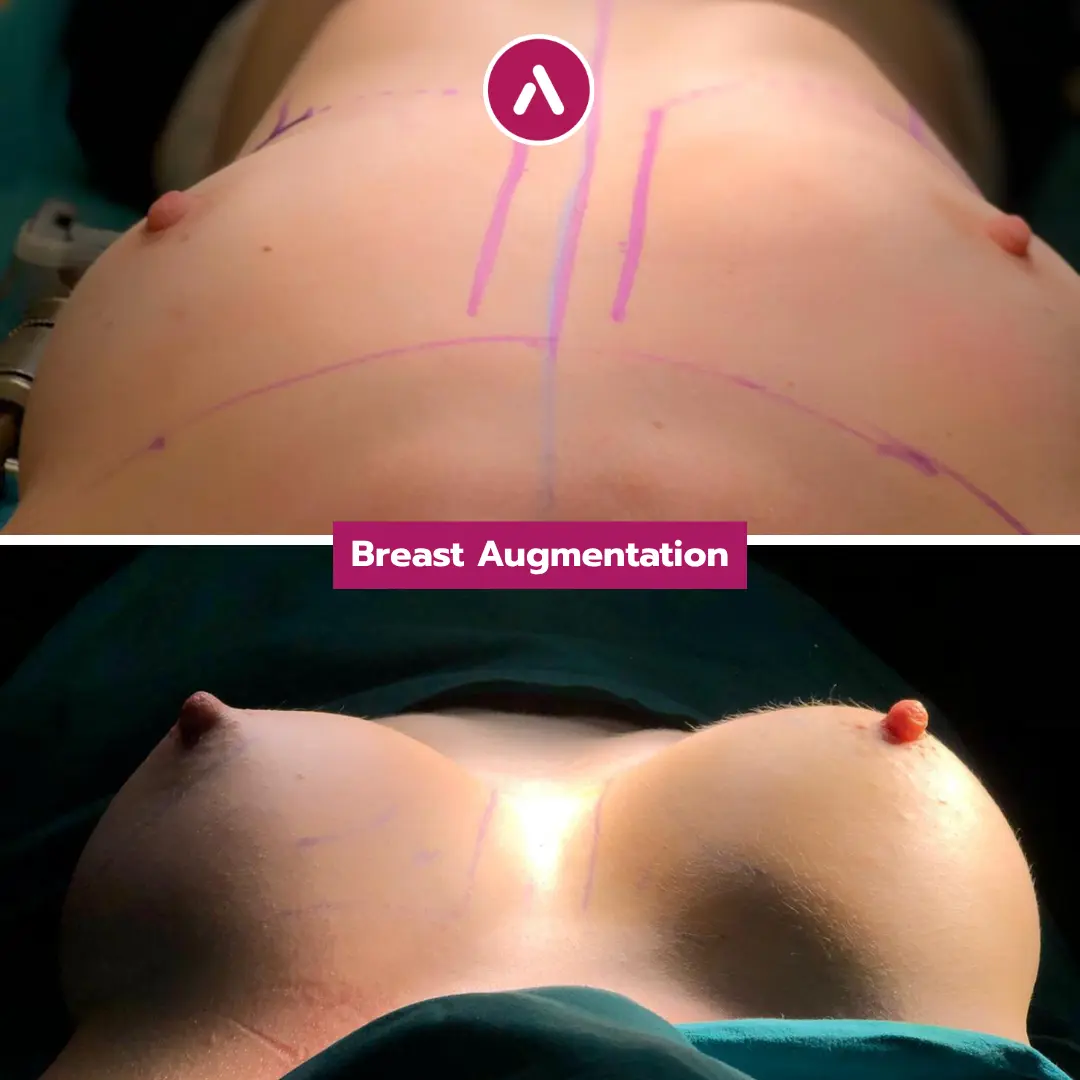
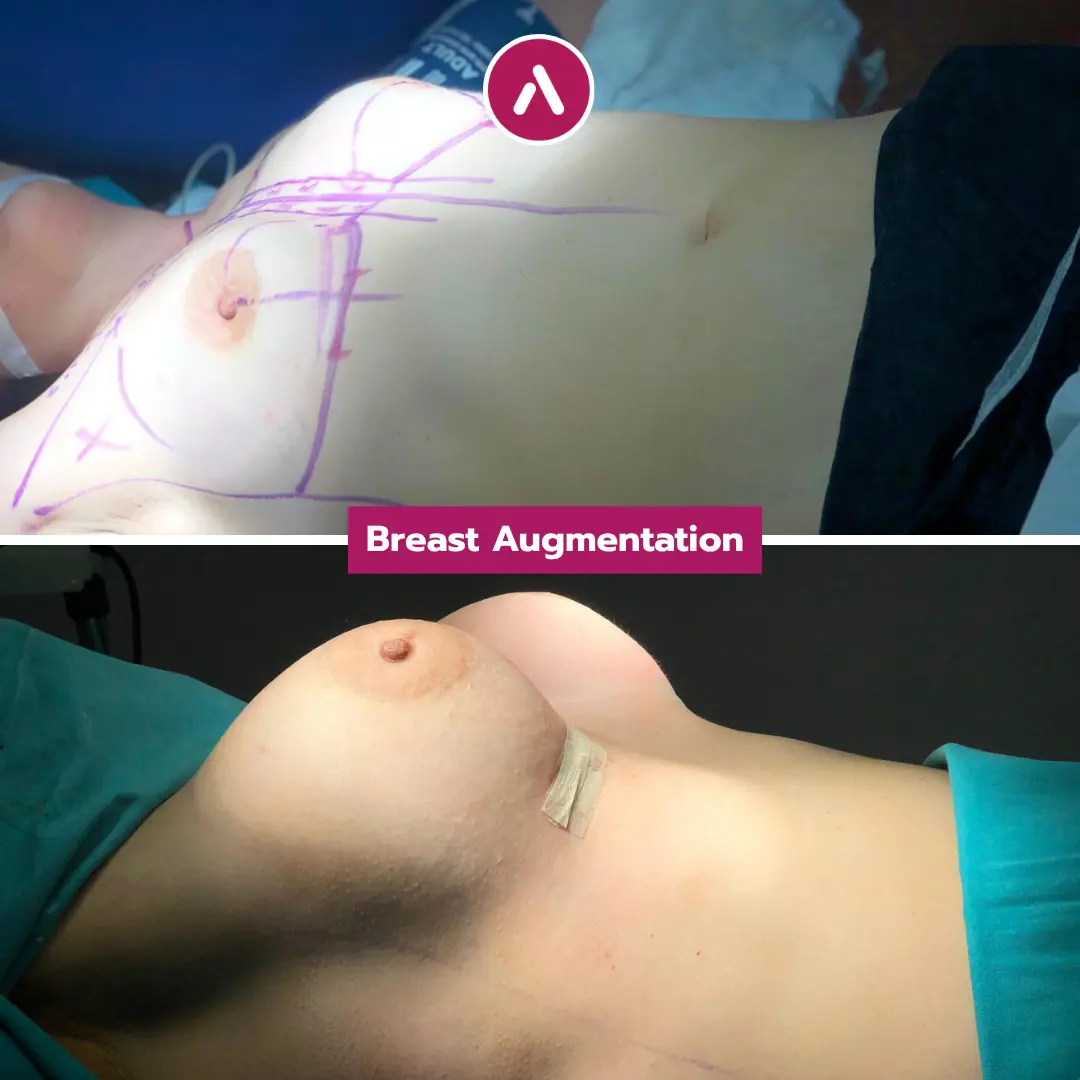
The “refined version of yourself” mindset
Many Canadian patients prefer understated results. They do not want friends in Toronto or Vancouver to immediately know they had surgery. They want to look rested, balanced, and natural.
This is the mindset behind a refined outcome. You are not trying to become someone else.
At AKM Clinic, that aligns with the Natural-First philosophy. The aim is to support your existing features rather than replace your identity.
Avoiding social media comparison traps
Social media can distort expectations. It shows ideal lighting, filters, selected angles, and often only the most flattering stage of recovery.
It rarely shows day three swelling or the emotional impatience of week two.
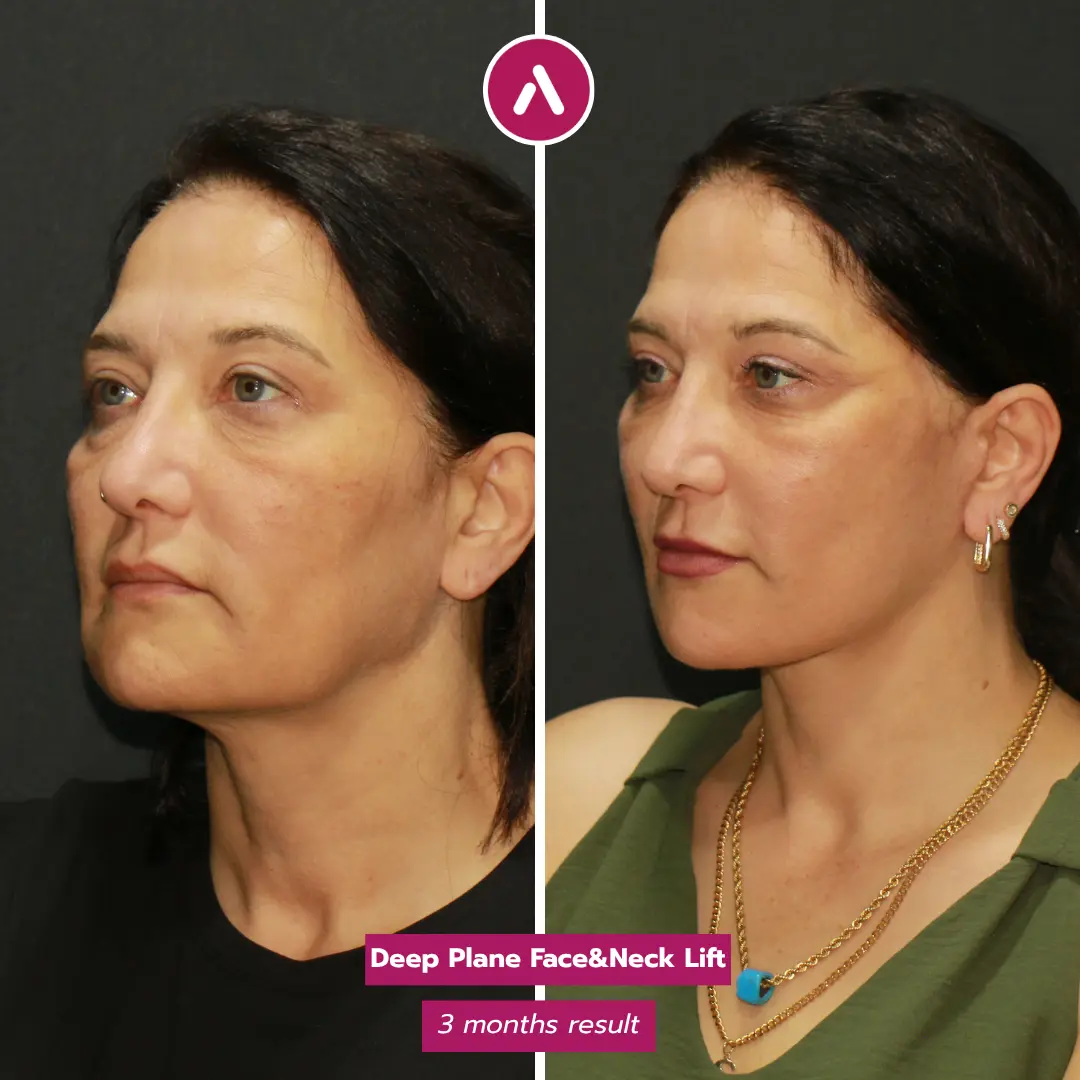
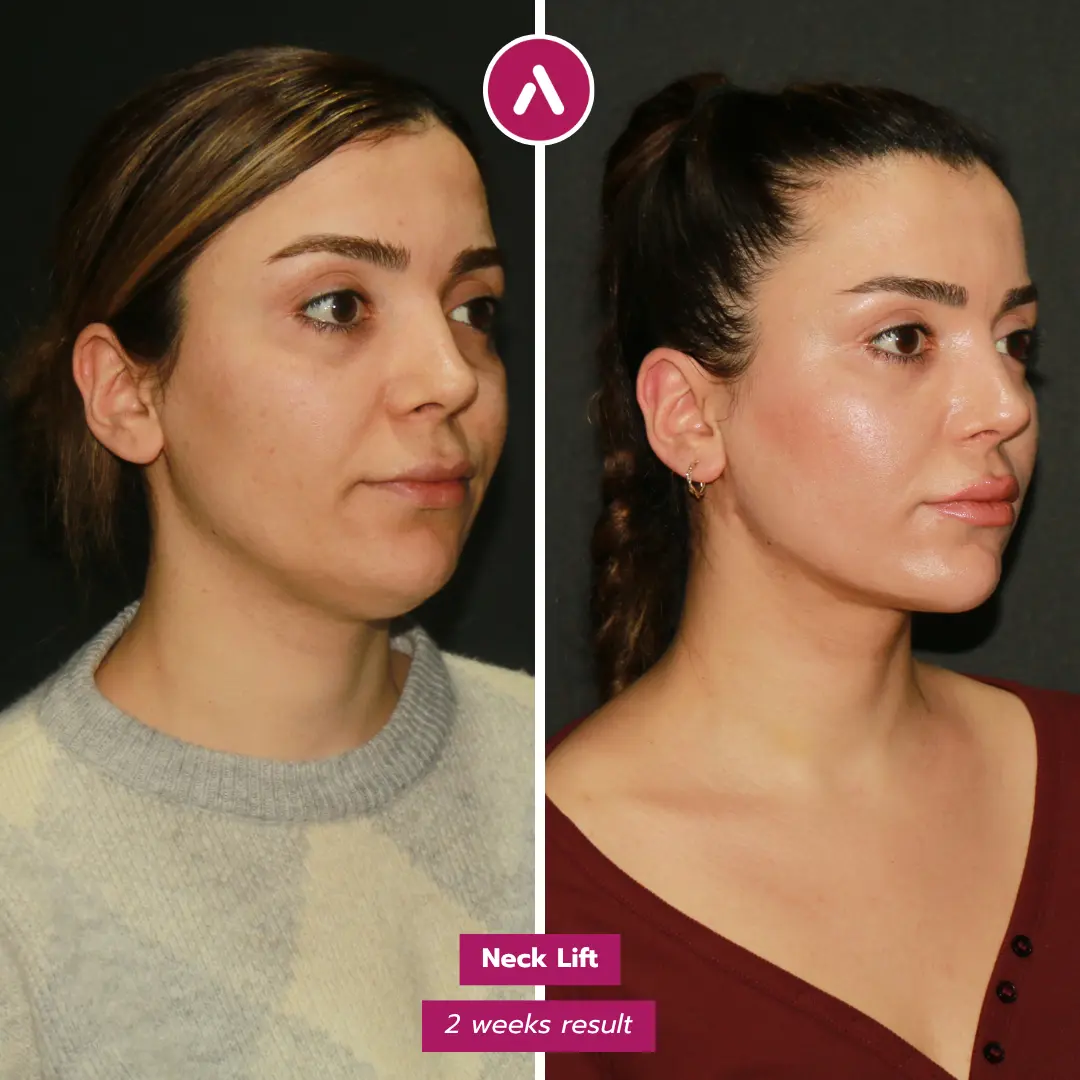
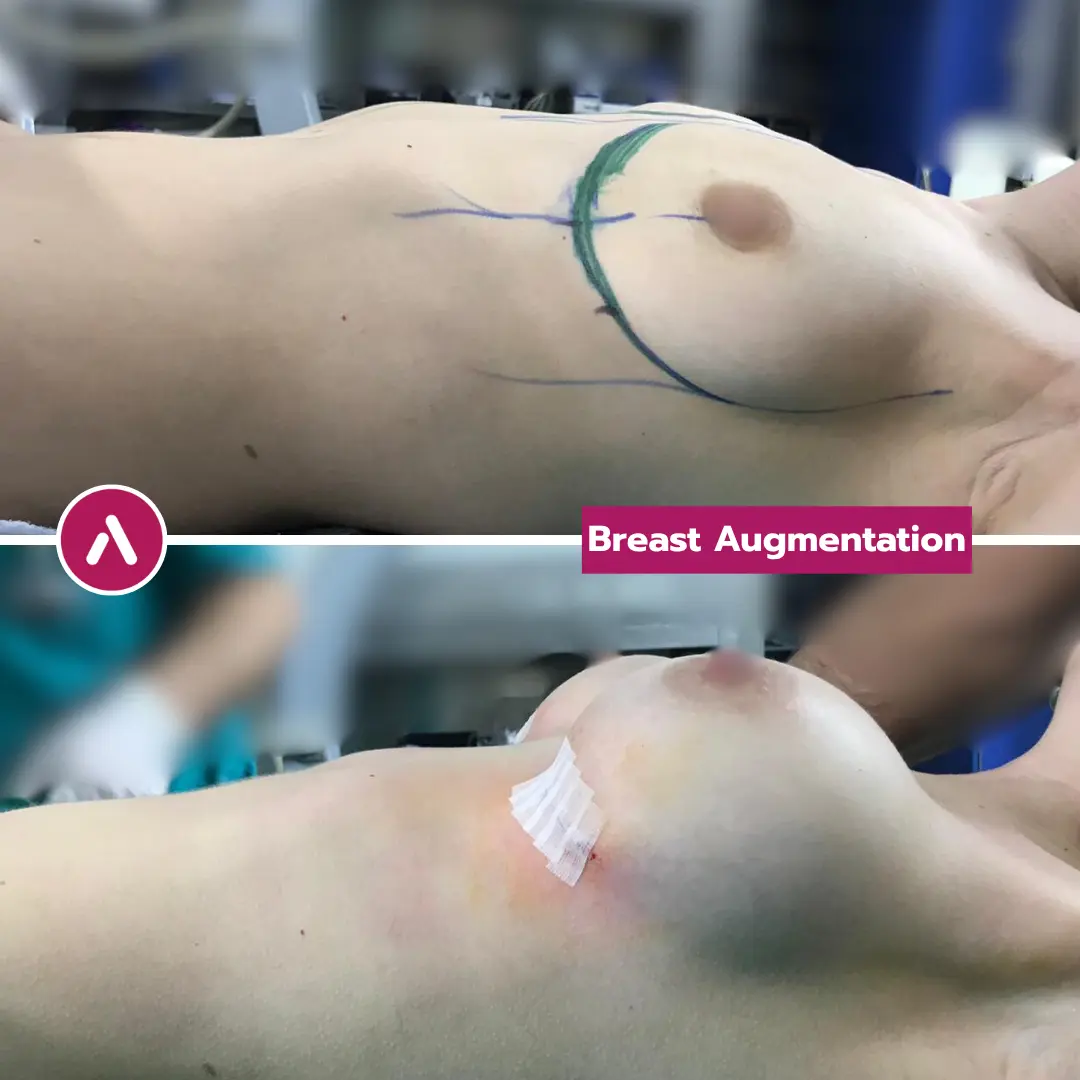
Use before-and-after images as educational tools, not as promises. The International Society of Aesthetic Plastic Surgery also emphasizes that patient expectations and psychological readiness are part of safe aesthetic care. ISAPS patient education resources can help patients frame surgery as an informed medical decision rather than an impulsive visual goal.
The Post-Op Emotional Dip
The early recovery period can feel emotionally strange. Even when surgery goes well, many patients experience a temporary low mood while swelling, bruising, sleep disruption, and limited activity overlap.
This does not mean you made the wrong choice. It usually means your body and mind are processing a major event.
Why many patients feel emotionally low during days 3–10
Days 3 to 10 can be difficult because the initial relief has passed, but the final result is still far away. Swelling may peak. Energy may drop.
You may also feel more dependent than usual. For independent Canadian patients used to managing work, family, and travel, that temporary loss of control can be frustrating.
Recognize this phase before it happens. Naming it makes it less frightening.
Swelling, bruising, and temporary appearance changes
Early swelling can distort your appearance. Bruising may move downward with gravity. Incisions may look more visible before they begin to soften.
These changes are part of healing. They are not the final outcome.
During this stage, avoid checking the mirror every hour. It usually increases anxiety rather than reassurance.
When confidence usually begins to return
Confidence often returns gradually. Patients commonly feel better once swelling begins to decrease, sleep improves, and they can move more comfortably.
For some procedures, the visible turning point may come within weeks. For others, refinement continues for months.
Give yourself permission to recover before judging the result.
Body Image and the Transformation Mindset
Plastic surgery can change how you see yourself, but emotional adjustment takes time. A healthy transformation mindset respects both the physical result and the psychological process of adapting to it.
The goal is confidence, not constant self-monitoring.
Healthy motivations versus external pressure
Healthy motivation usually sounds calm and personal: “I want this for myself, and I understand the process.” External pressure often sounds urgent, fearful, or approval-seeking.
Pause if the decision is mainly driven by a partner, social media, workplace pressure, or the belief that surgery will fix every part of life.
Surgery can support confidence. It should not be the only foundation for it.
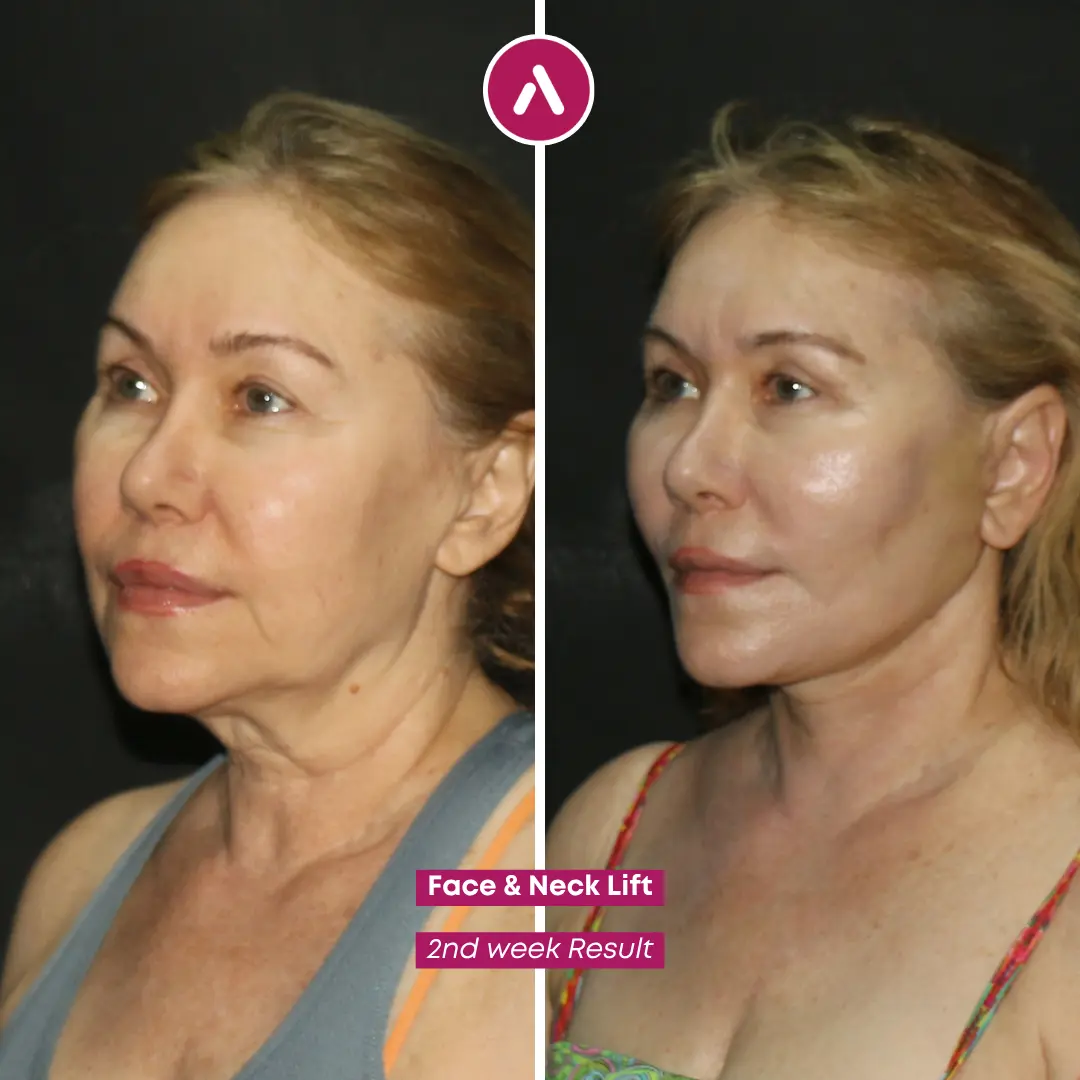
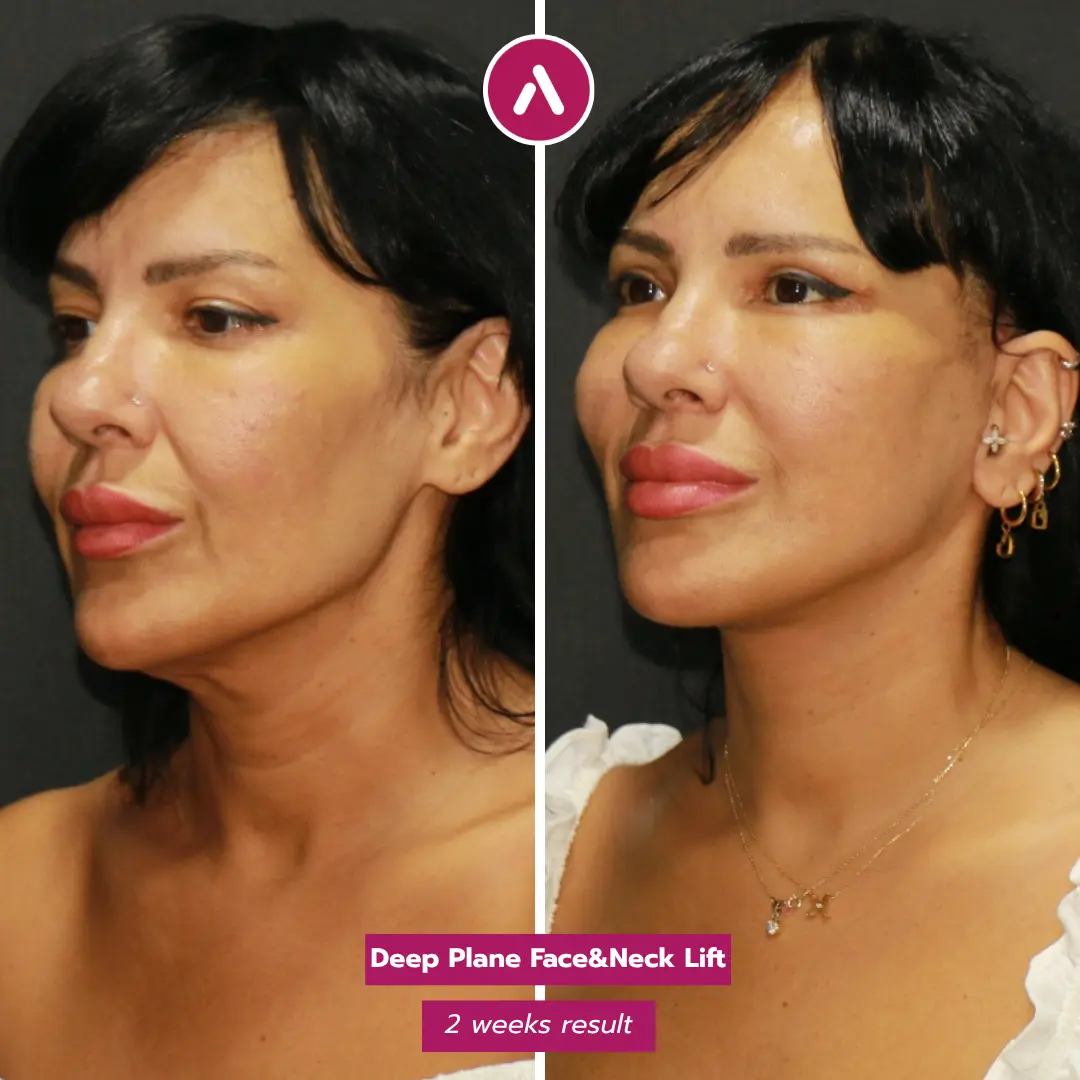
Integrating physical changes into self-image
After surgery, some patients need time to recognize themselves. Even positive change can feel unfamiliar at first.
This is especially true after facial surgery, breast surgery, body contouring, or post-weight-loss procedures. Your reflection may look more aligned with how you feel, but your brain still needs time to update its self-image.
Be patient with that adjustment.
Long-term emotional adjustment after surgery
Long-term satisfaction often depends on whether the patient entered surgery with realistic goals. People who expect refinement tend to adapt more comfortably than those expecting perfection.
Support also matters. Share your recovery timeline with one or two trusted people in Canada before you travel.
You do not need everyone’s opinion. You need reliable support.
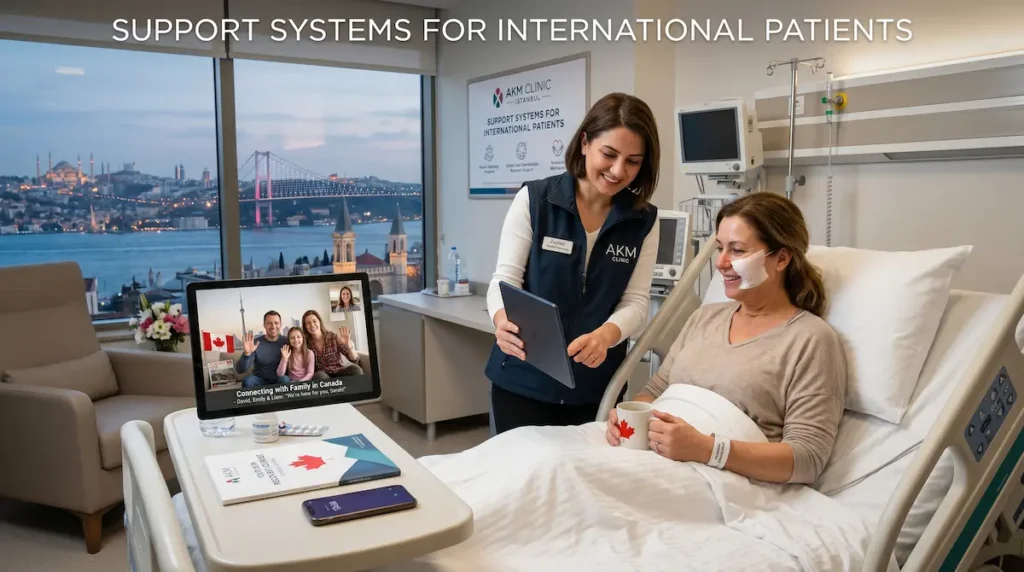
Support Systems for International Patients
Emotional preparation is easier when support is planned before surgery. For Canadian patients travelling to Istanbul, that support should include the clinic team, trusted people at home, and professional help when needed.
You should not have to feel alone during recovery.
The role of AKM Clinic’s patient advocates
AKM Clinic’s patient advocates help reduce the emotional uncertainty of international care. They support communication, scheduling, practical needs, and recovery questions throughout the process.
This support is part of the AKM patient journey. It helps patients feel guided rather than left to interpret recovery alone.
For many Canadians, knowing who to contact after surgery is emotionally grounding.
Staying connected to family and friends in Canada
Before travelling, choose one or two people who understand your plan and can support you without adding panic. Share your recovery timeline with them.
Video calls can help, but boundaries matter. You may not want to show your face or body during early swelling.
That is fine. Support should reduce pressure, not create it.
When professional psychological support may be beneficial
Some patients benefit from speaking with a therapist before surgery, especially if anxiety, perfectionism, or body-image distress feels intense. This is a healthy step.
If you are travelling alone, read about preparing emotionally for solo surgical travel. If you prefer in-person support, consider bringing a companion for additional support.
The best choice is the one that helps you feel calm, informed, and safe.
Frequently Asked Questions: Emotional Preparation Plastic Surgery
These questions address the most common emotional concerns Canadian patients raise before travelling for surgery. They are not a substitute for medical or mental health advice, but they can help you decide what to discuss in your consultation.
Is it normal to feel anxious before plastic surgery?
Yes. Mild to moderate anxiety is common before elective surgery. It often reflects uncertainty, not regret.
If anxiety becomes severe, persistent, or overwhelming, consider pausing and speaking with a qualified mental health professional.
Why do some patients feel depressed after surgery?
Some patients experience a temporary emotional dip during early recovery. Swelling, bruising, poor sleep, discomfort, and limited activity can all affect mood.
This usually improves as healing progresses. Persistent low mood should be discussed with a healthcare professional.
How can I tell if my expectations are realistic?
Realistic expectations focus on improvement, proportion, and refinement. Unrealistic expectations often involve perfection, complete life change, or looking exactly like someone else.
Your surgeon should explain what is achievable for your anatomy.
What if I start doubting my decision before surgery?
Pause and identify the source of doubt. Is it fear, missing information, pressure from someone else, or a genuine change in your goals?
Bring those concerns to your consultation. A responsible clinic will not pressure you to proceed if you are unsure.
Can anxiety affect recovery?
Anxiety can affect sleep, appetite, focus, and how you interpret normal healing changes. It does not mean your recovery will fail.
Clear instructions, support contacts, and realistic timelines can reduce anxiety during recovery.
How do I build trust in a clinic overseas?
Verify credentials, ask direct questions, review safety standards, and assess how clearly the clinic communicates. Trust should be evidence-based.
If answers feel vague or rushed, keep researching before committing.
What is the emotional recovery timeline after surgery?
Many patients feel relief immediately after surgery, then experience a low point during the first 1 to 2 weeks. Confidence often returns gradually as swelling improves.
Long-term emotional adjustment may continue for several months, especially after visible facial or body changes.
When should I speak with a mental health professional?
Consider professional support if anxiety feels unmanageable, if you feel unable to make decisions clearly, or if body-image concerns dominate daily life.
It is also wise to seek help if low mood continues after the normal early recovery period.
Does AKM Clinic provide emotional support during the journey?
AKM Clinic provides patient advocacy, communication support, and structured follow-up. This helps reduce uncertainty for international patients.
For clinical mental health care, patients should work with a licensed mental health professional in Canada or their local province.
Soft CTA: If you are considering surgery but feel anxious, discuss your concerns openly during a virtual consultation. A thoughtful decision should feel informed, not rushed.
Medical Disclaimer: This page is provided for general educational purposes only and does not replace an in-person medical consultation, diagnosis, or personalized treatment plan. All surgery carries risks, and outcomes vary between individuals. Suitability for a plastic surgery, procedure selection, and anesthesia choice can only be determined after a full clinical assessment by a qualified surgeon. Always follow your clinician’s instructions and seek urgent medical attention if you develop concerning symptoms during recovery.