
Quick Summary: Post op care after flying home is the recovery plan you follow once you land back in Canada after surgery in Istanbul. Your focus should be rest, wound care, medication continuity, virtual follow-up with AKM Clinic, and knowing when to involve a Canadian healthcare provider.
Flying home is a reassuring milestone, but it is not the end of recovery. For Canadian patients, post op care after flying home is the bridge between the supervised recovery period in Istanbul and the longer healing phase at home.
Most patients return to familiar routines too quickly. That is understandable. You are back in Toronto, Vancouver, Montreal, Calgary, or another Canadian city, and home feels like permission to be “normal” again.
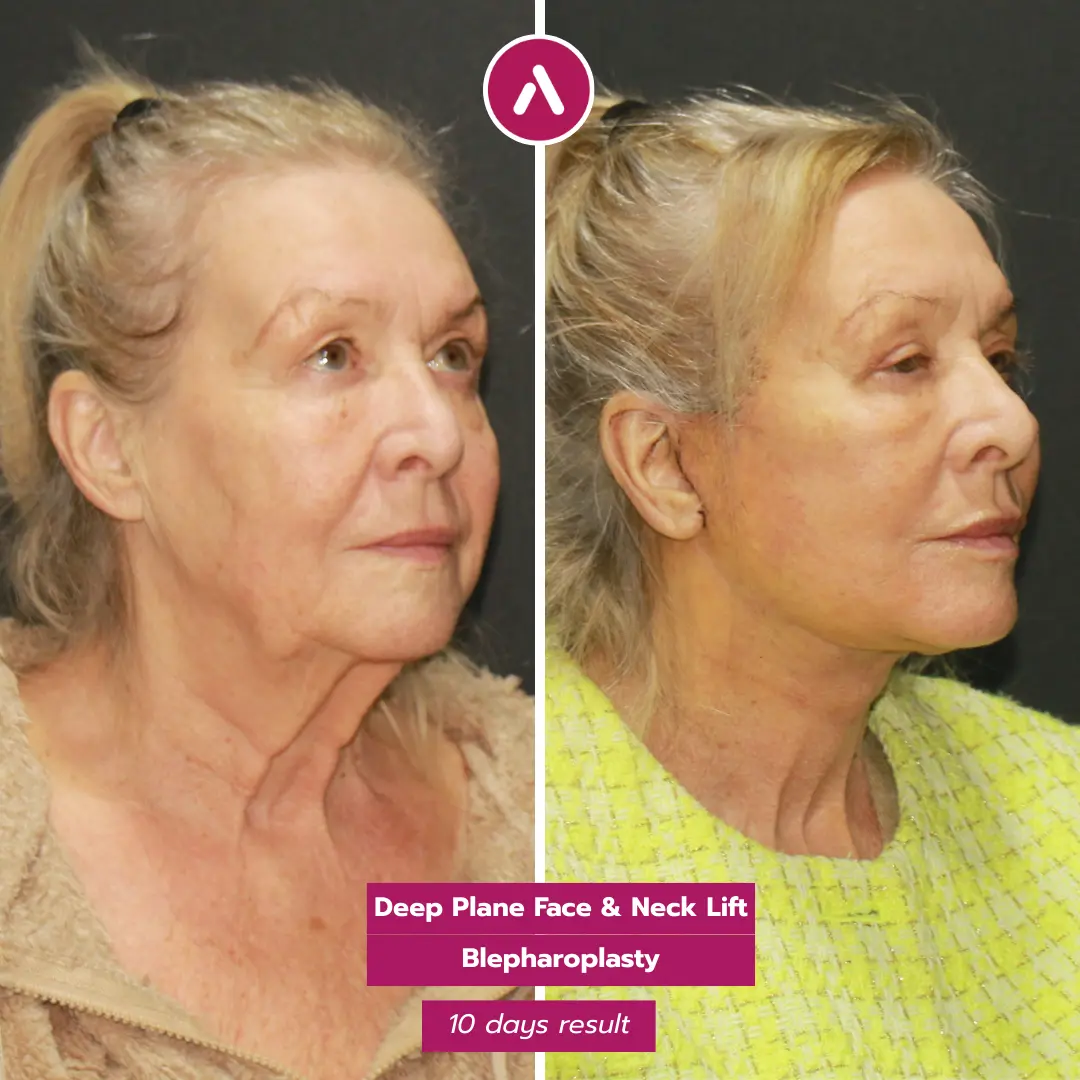
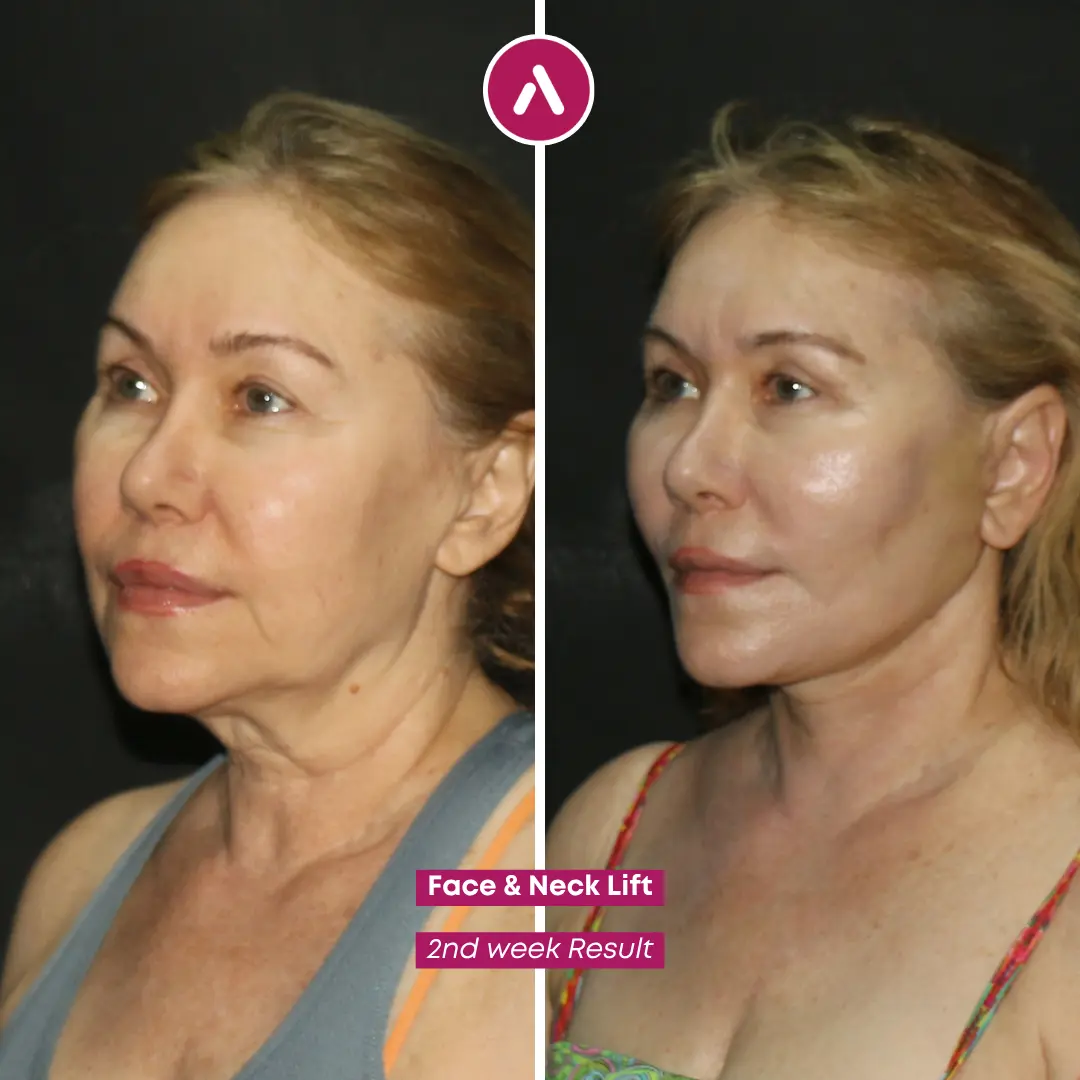
Your body still needs structure. A safe recovery plan should include wound care, hydration, medication timing, progress photos, and clear communication with your surgical team.
AKM Clinic supports this stage through long-term virtual follow-up and patient advocacy after you return to Canada. This guide explains what to do, what to monitor, and when to seek local care.
Table of Contents
The First 48 Hours Back in Canada
The first two days after landing should be quiet and predictable. Long-haul travel can increase fatigue, swelling, and stiffness, even when your surgery was healing well before departure.
Your goal is simple: reduce strain and follow the plan you were given. Do not treat arrival day as a normal travel day.
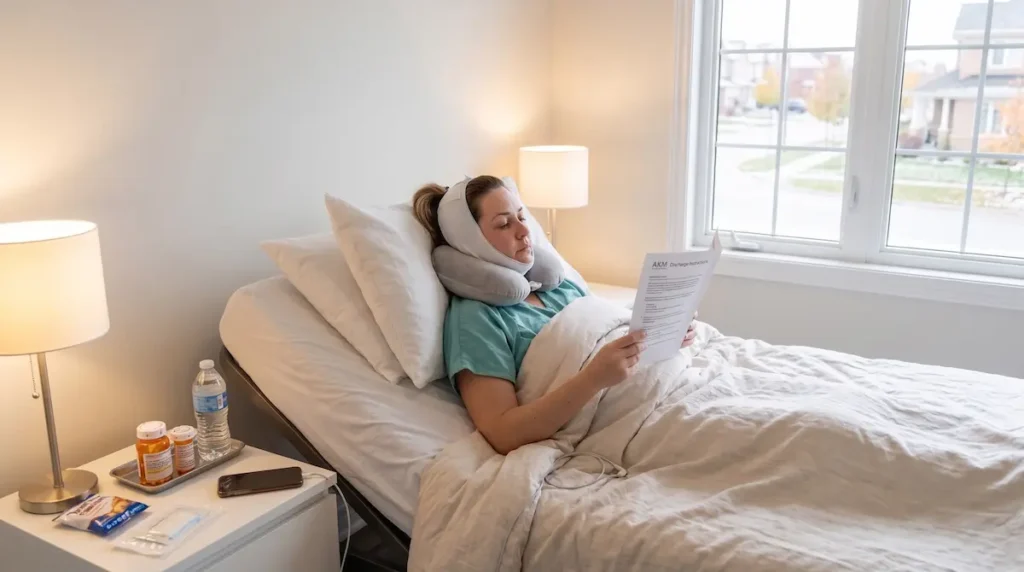
Setting Up Your Recovery Space at Home
Before you travel, prepare your home recovery area. Place medications, water, snacks, clean dressings, and chargers within easy reach.
Choose a resting area that supports your surgical position. Facial procedures often require head elevation, while body procedures may need pillows that reduce tension on the abdomen or hips.
Keep your first 48 hours free of errands, visitors, and household chores. Recovery improves when your environment is calm.
Reviewing Your AKM Discharge Instructions
Read your discharge instructions again after you arrive home. Fatigue can make it easy to forget details discussed in Istanbul.
Pay close attention to medication timing, incision care, showering rules, garment use, and activity limits. If something is unclear, contact your AKM patient advocate before improvising.
For timing before travel, review safe flight timing after surgery. For facial surgery patients, facelift-specific travel recommendations explain procedure-specific fit-to-fly considerations.
Medication Continuity and Hydration
Take medications exactly as directed. Do not stop antibiotics, pain medication, or prescribed support treatments without medical guidance.
Hydration matters after a long flight. Cabin air, reduced movement, and travel fatigue can leave you dehydrated, which may worsen headaches, constipation, and swelling.
Keep meals simple during the first day home. Choose protein-rich, low-salt foods that support healing without increasing fluid retention.
Continuing Wound and Incision Care
Wound care remains one of the most important parts of recovery after returning to Canada. Incisions may look stable, but the tissue is still rebuilding beneath the surface.
Consistency matters more than intensity. Gentle, correct care is safer than over-cleaning or trying to speed up healing.
Following the AKM Wound Care Protocol
Follow the wound care protocol provided by your AKM surgical team. This may include cleaning instructions, dressing guidance, and restrictions on creams or ointments.
Do not add new products without approval. Even products labelled as “natural” can irritate healing skin.
If you had liposuction or body contouring, your plan may include swelling management and movement guidance. For related care, see continuing lymphatic drainage therapy at home.
Dressing Changes and Daily Hygiene
Wash your hands before touching any incision or dressing. This small step reduces infection risk.
Use clean towels and avoid soaking incisions until cleared. Showers may be allowed before baths, pools, hot tubs, or saunas.
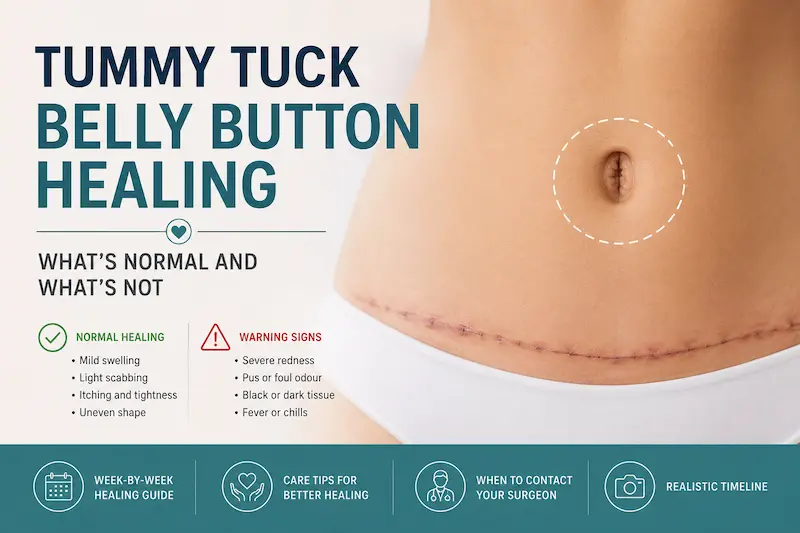
Check your incisions in good lighting once daily. Look for changes in redness, drainage, odour, swelling, or pain.
When to Begin Scar Care
Scar care usually begins only after incisions are fully closed and your surgeon has cleared you. Starting too early can irritate the wound.
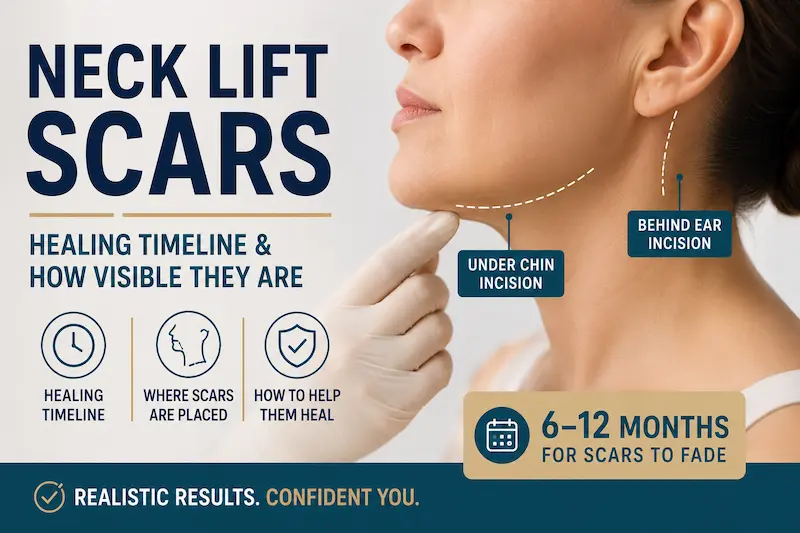
Common scar care may include silicone, sun protection, gentle massage, or laser-based support later in healing. Your exact timeline depends on your procedure and skin response.
Canadian winters can dry the skin, while summer UV exposure can darken scars. Protect healing skin from sun exposure year-round.
Staying Connected to AKM’s Virtual Follow-Up Programme
Distance should not create uncertainty. AKM Clinic’s follow-up structure is designed for international patients who continue healing after returning home.
Your virtual follow-up programme allows the surgical team to monitor progress, answer questions, and guide your next steps without requiring you to return to Istanbul.
Understanding the 1, 3, 6, and 12-Month Follow-Ups
AKM Clinic’s follow-up model includes scheduled virtual check-ins during the first year. These touchpoints help track swelling, scar maturation, tissue settling, and final results.
The first month usually focuses on early healing. Later follow-ups assess refinement, symmetry, scar behaviour, and long-term outcome development.
You can read more about AKM’s long-term follow-up programme and how it supports international patients after they return home.
How to Take and Submit Progress Photos
Progress photos should be clear, consistent, and honest. Use natural lighting, the same angles, and no filters.
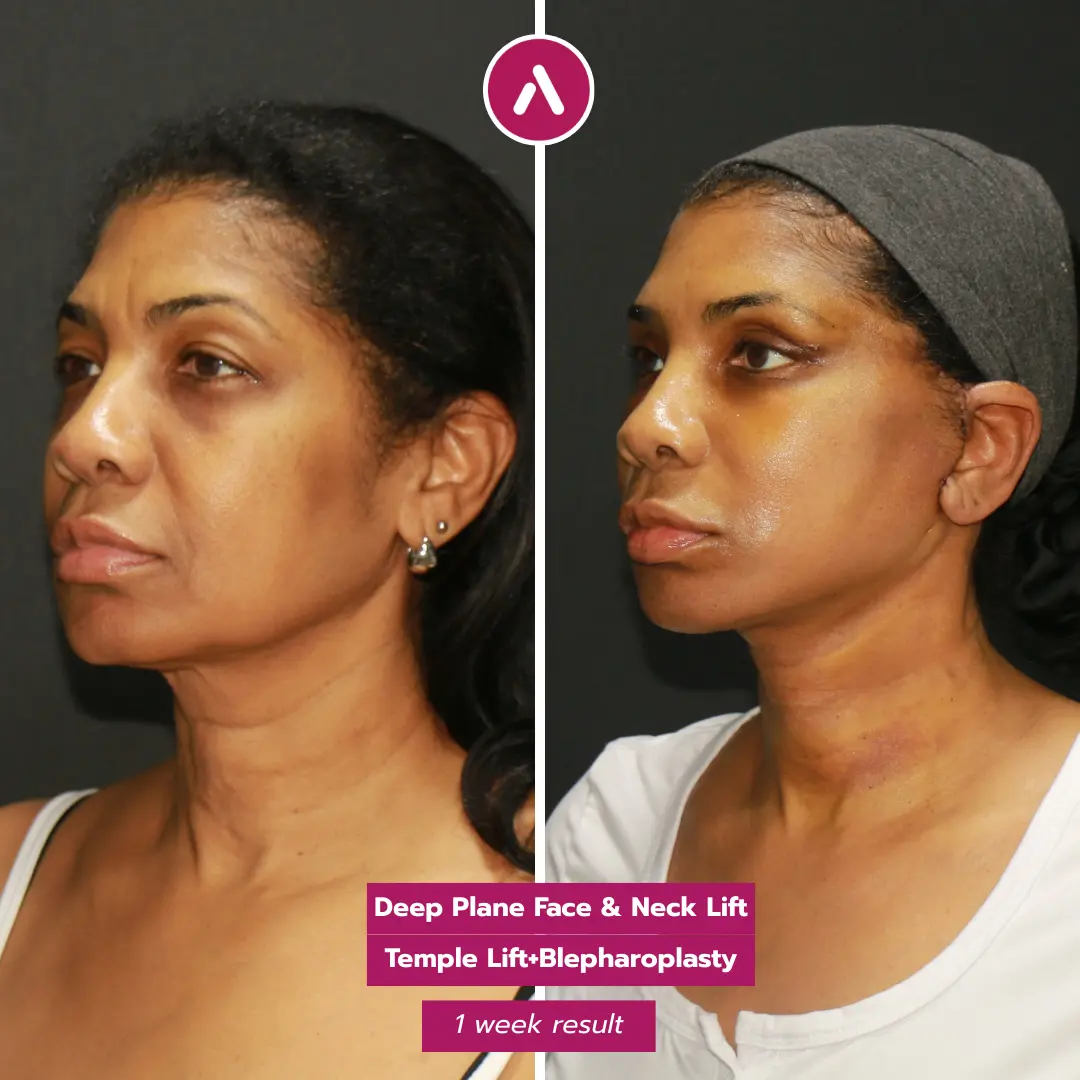
For facial procedures, include front, side, and three-quarter views. For body procedures, follow the exact angles your coordinator requests.
Photo updates are more useful when paired with symptoms. Note swelling, pain changes, drainage, tightness, numbness, or any concern you want reviewed.
Reaching Your Patient Advocate from Canada
Your patient advocate remains your communication bridge after you leave Turkey. AKM’s patient hosts, including Hande, Emine, and Khadija, support international patients throughout the recovery process.
Use your established contact channel for non-emergency questions. Share photos when needed and describe symptoms clearly.
For patients comparing remote care before surgery, virtual follow-up consultations explain how online assessment supports planning and recovery.
Coordinating with Your Canadian Family Physician
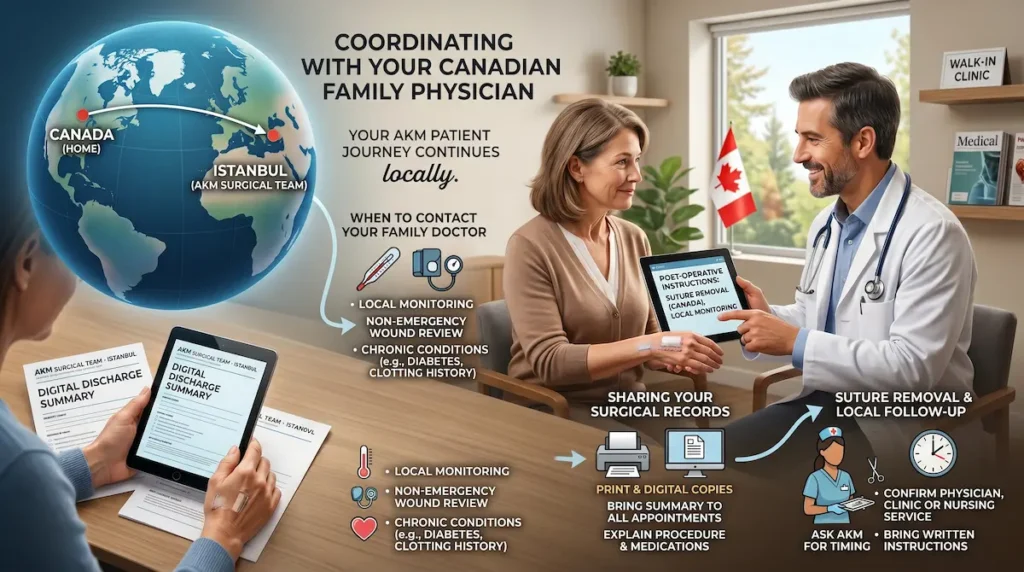
Your AKM surgical team remains your primary source for procedure-specific guidance. Still, involving a Canadian family physician can be useful when local assessment is needed.
This is especially important if you live far from a major metro centre. Patients in smaller communities may need to plan ahead for walk-in clinic access, nursing support, or suture removal.
When to Contact Your Family Doctor
Contact your family physician if your AKM team recommends local monitoring, if you need non-emergency wound review, or if you have health conditions that require Canadian continuity of care.
Patients with diabetes, clotting history, autoimmune disease, or complex medication needs should be especially proactive. Your family doctor can help monitor general health while AKM guides surgical recovery.
Canadian patient note: If you do not have a family physician, identify a nearby walk-in clinic before surgery. Do this before travelling, not during a stressful recovery moment.
Sharing Your Surgical Records and Discharge Summary
Keep a digital and printed copy of your discharge summary. Bring it to any Canadian appointment related to your recovery.
Your summary should help local providers understand what procedure was performed, what medications were prescribed, and what post-operative instructions were given.
This is part of the broader your AKM patient journey, which is designed to continue beyond your time in Istanbul.
Suture Removal and Local Follow-Up Care
Some patients have sutures removed before leaving Turkey. Others may require removal in Canada depending on procedure type and timing.
Do not remove sutures yourself. If removal is needed locally, ask AKM for timing guidance and confirm whether your family physician, walk-in clinic, or a nursing service can assist.
Bring written instructions. Clear information reduces confusion for the Canadian provider helping you.
Warning Signs — When to Seek Medical Attention
Most post-operative symptoms are expected: swelling, bruising, tightness, numbness, and mild asymmetry can all be normal. The key is knowing which changes are not normal.
Use AKM for guidance, but do not delay urgent local care if symptoms suggest infection, circulation problems, or a blood clot.
Signs of Infection
Watch for worsening redness, spreading warmth, increasing pain, pus-like drainage, fever, chills, or a foul odour from an incision.
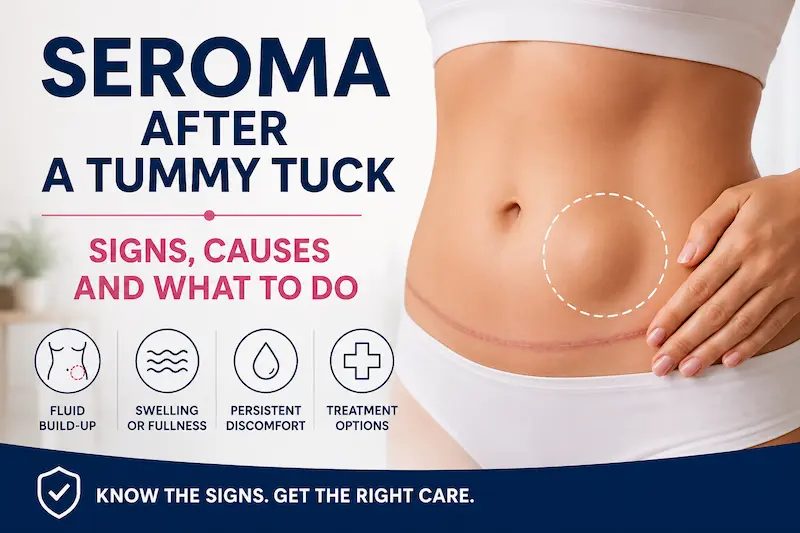
A small amount of clear or pink drainage can be normal early in recovery. Thick, yellow, green, or bad-smelling drainage should be reviewed quickly.
For general post-surgical warning sign education, Canadian patients can refer to HealthLink BC’s post-operative problems guidance and then contact their care team for procedure-specific advice.
DVT and Circulation Concerns After Long-Haul Travel
Long-haul flights can increase the risk of deep vein thrombosis, often called DVT. This is one reason movement, hydration, and compression guidance matter on the flight home.
Seek urgent care if you develop one-sided calf swelling, calf pain, sudden shortness of breath, chest pain, or coughing blood. These symptoms need immediate medical assessment.
For Canadian clinical guidance on travel-related clot prevention, review Thrombosis Canada’s air travel-related thrombosis guidance, but your surgical team’s instructions should guide your personal risk plan.
When to Visit a Walk-In Clinic or Emergency Department
Use a walk-in clinic for non-emergency concerns that still need in-person review, such as mild wound changes or medication questions. Use the emergency department for severe symptoms.
Do not wait for a virtual reply if symptoms are urgent. Contact local emergency services if you have breathing difficulty, heavy bleeding, fainting, chest pain, or severe one-sided leg swelling.
Before you need it: Save the address of your nearest emergency department and walk-in clinic. This is especially useful if you live outside Toronto, Vancouver, Montreal, Calgary, or Ottawa.
| Post-Return Timeline | Care Actions | Follow-Up Touchpoints | Warning Signs to Monitor |
|---|---|---|---|
| Day 1 after landing | Rest, hydrate, review medication schedule, avoid errands | Message AKM if travel increased swelling or discomfort | Heavy bleeding, fainting, shortness of breath |
| Week 1 | Continue wound care, garment use, and gentle walking | Send photos if requested by your patient advocate | Fever, spreading redness, pus-like drainage |
| Weeks 2-4 | Begin cleared scar care, increase light activity gradually | Virtual review if healing questions arise | Increasing pain, new asymmetry, delayed wound closure |
| Months 1-3 | Return to more normal routines as cleared | Scheduled 1- and 3-month virtual follow-ups | Persistent swelling, unusual scar thickening |
| Months 6-12 | Continue scar protection and long-term result monitoring | 6- and 12-month virtual assessments | New pain, hard lumps, concerning scar changes |
Maintaining Healthy Recovery Habits
Recovery is not passive. Your daily habits shape swelling, comfort, energy, and scar maturation.
Small choices matter. Consistent nutrition, movement, sleep, and stress control create better conditions for healing.
Nutrition, Hydration, and Protein Intake
Prioritize protein at each meal. Eggs, fish, poultry, Greek yogurt, tofu, lentils, and beans can all support tissue repair.
Limit salty foods, especially in the first weeks after flying home. Excess sodium can worsen swelling.
Drink water regularly. If nausea or low appetite persists, contact your care team rather than forcing large meals.
Gradual Return to Activity
Walking is usually encouraged early, but strenuous exercise must wait until you are cleared. Too much activity can increase swelling or strain healing tissue.
Follow procedure-specific limits carefully. A tummy tuck, facelift, hair transplant, breast surgery, and liposuction all have different restrictions.
For abdominal procedures, review extended tummy tuck recovery guidance so you do not apply general advice to a more restricted recovery.
Sleep, Stress Management, and Healing
Sleep is a recovery tool. Maintain the recommended sleep position and avoid late-night scrolling that disrupts rest.
Stress can make normal swelling and discomfort feel more alarming. Keep a simple daily log of symptoms, photos, medications, and questions for your next check-in.
If you feel emotionally low during early recovery, remember that this can happen after surgery. Swelling, fatigue, and temporary dependence can affect mood.
“The surgery may happen in Istanbul, but successful recovery continues at home. Consistent follow-up and communication are just as important as the procedure itself.”

Long-Term Recovery and Confidence Building
Healing continues for months after you return to Canada. Early swelling may improve quickly, but tissue settling and scar maturation take longer.
This stage requires patience. Fast recovery is not always better recovery.
Understanding the Timeline of Final Results
Most procedures have an early recovery phase and a longer refinement phase. Bruising may fade within weeks, while swelling and scar colour can continue changing for months.
Facial surgery, tummy tuck surgery, breast surgery, liposuction, and hair restoration all mature differently. Your AKM follow-up schedule helps separate normal healing from concerns that need review.
Managing Expectations During Recovery
Do not judge your result too early. Swelling can distort shape, scars can look darker before they fade, and numbness can take time to improve.
Progress photos are useful because daily mirror checks can feel misleading. Compare weekly, not hourly.
Why Consistency Matters More Than Speed
The best recovery plan is usually the one you can follow steadily. Take medications as directed, attend virtual reviews, protect scars, and ask questions early.
Your care does not end when you leave Istanbul. It continues through structured follow-up, clear communication, and sensible local support in Canada.
To prepare before surgery, review your pre-travel preparation checklist. It helps you organize documents, medications, recovery clothing, and carry-on essentials before departure.
CTA: Learn how AKM Clinic’s 12-month virtual follow-up programme supports Canadian patients long after they return home.
Frequently Asked Questions: Post Op Care After Flying Home
How do I contact AKM Clinic after returning to Canada?
Use the contact channel provided by your patient advocate. Include clear photos, your procedure date, current symptoms, and any medication questions.
Do I need to see my family physician after surgery?
Not every patient needs routine Canadian follow-up, but it can be helpful for wound checks, medication continuity, or existing health conditions.
What warning signs should I watch for?
Watch for fever, spreading redness, worsening pain, pus-like drainage, heavy bleeding, shortness of breath, chest pain, or one-sided calf swelling.
Can my Canadian doctor remove sutures?
Yes, if AKM confirms timing and your local provider is comfortable doing it. Bring your discharge summary and written suture instructions.
How long does virtual follow-up continue?
AKM’s long-term virtual follow-up typically includes check-ins at 1, 3, 6, and 12 months after surgery.
What should I do if I experience swelling after flying home?
Mild swelling after long-haul travel can happen. Rest, hydrate, follow elevation or garment instructions, and contact AKM if swelling worsens or feels unusual.
When can I resume exercise?
Exercise timing depends on your procedure. Walking may begin early, but strenuous activity should wait until your surgeon clears you.
How soon can I return to work?
Return-to-work timing depends on surgery type, swelling, bruising, and your job demands. Desk work usually resumes earlier than physical work.
What if I have concerns between follow-up appointments?
Contact your AKM patient advocate rather than waiting. For urgent symptoms, seek local Canadian medical care immediately.
Medical Disclaimer: This page is provided for general educational purposes only and does not replace an in-person medical consultation, diagnosis, or personalized treatment plan. All surgery carries risks, and outcomes vary between individuals. Suitability for a plastic surgery, procedure selection, and anesthesia choice can only be determined after a full clinical assessment by a qualified surgeon. Always follow your clinician’s instructions and seek urgent medical attention if you develop concerning symptoms during recovery.