
Quick Summary: Piezo Rhinoplasty uses ultrasonic vibrations to reshape nasal bone with sub-millimetre precision, reducing soft tissue trauma compared with traditional rasps and osteotomes. For Canadian patients considering piezo rhinoplasty Turkey, the main appeal is not that the surgery becomes “easy,” but that the bone work can be performed with greater control and less surrounding tissue disruption.
Piezo rhinoplasty Turkey is most relevant for patients whose nose reshaping requires careful bony work: dorsal hump reduction, controlled narrowing of the nasal bones, or refinement of asymmetry caused by previous trauma. At AKM Clinic, Piezo is discussed as one tool within the broader set of rhinoplasty options at AKM Clinic, not as a stand-alone promise of a perfect result.
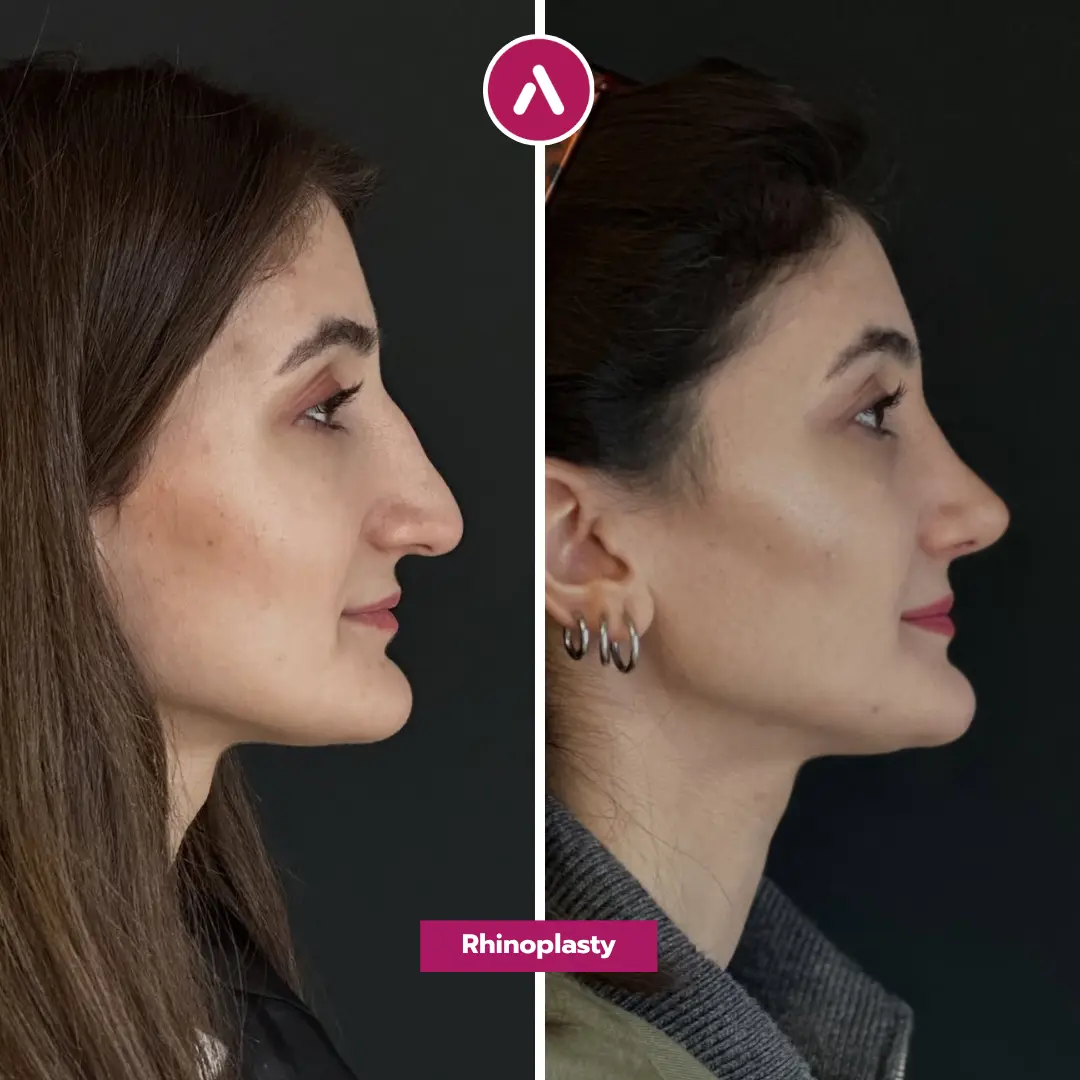
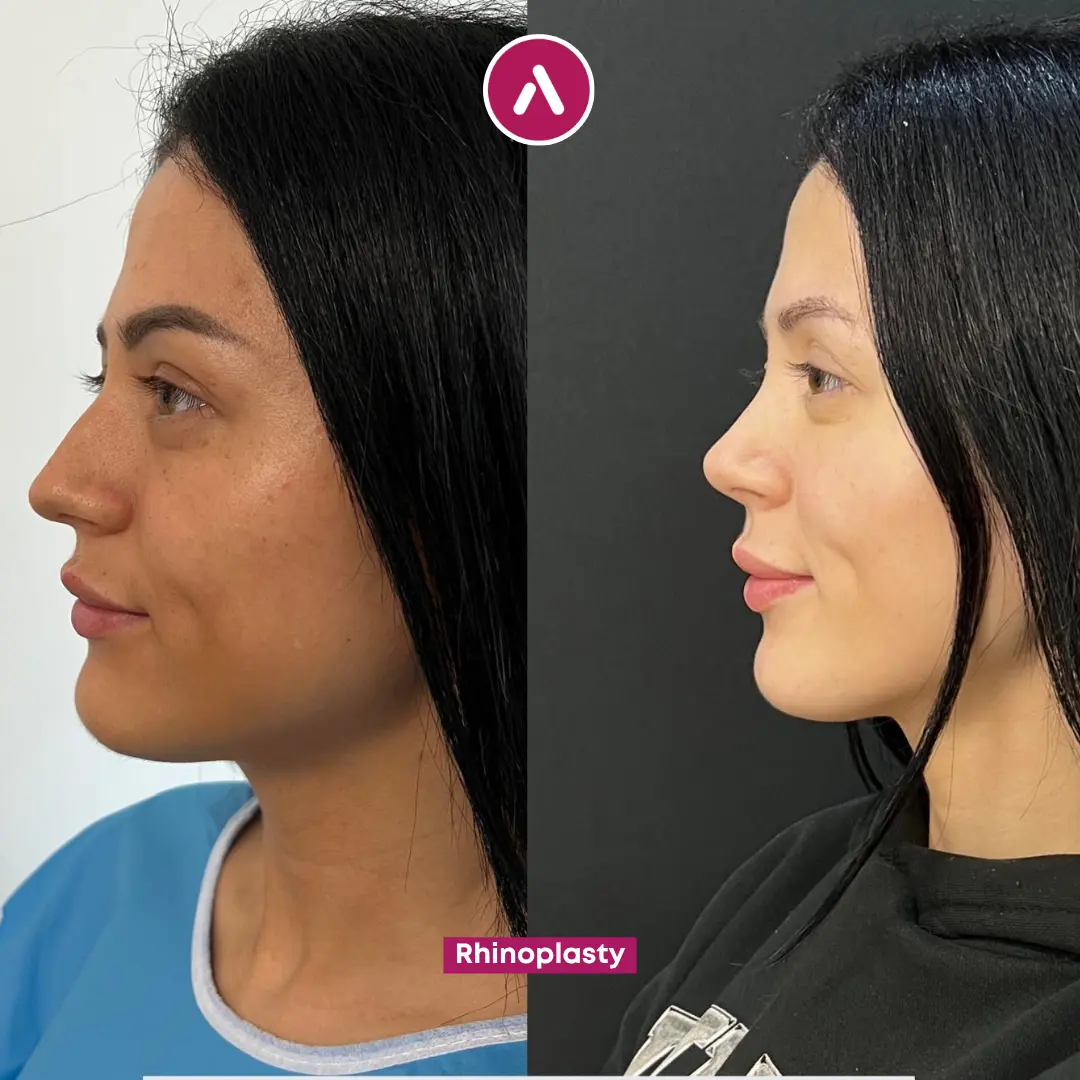
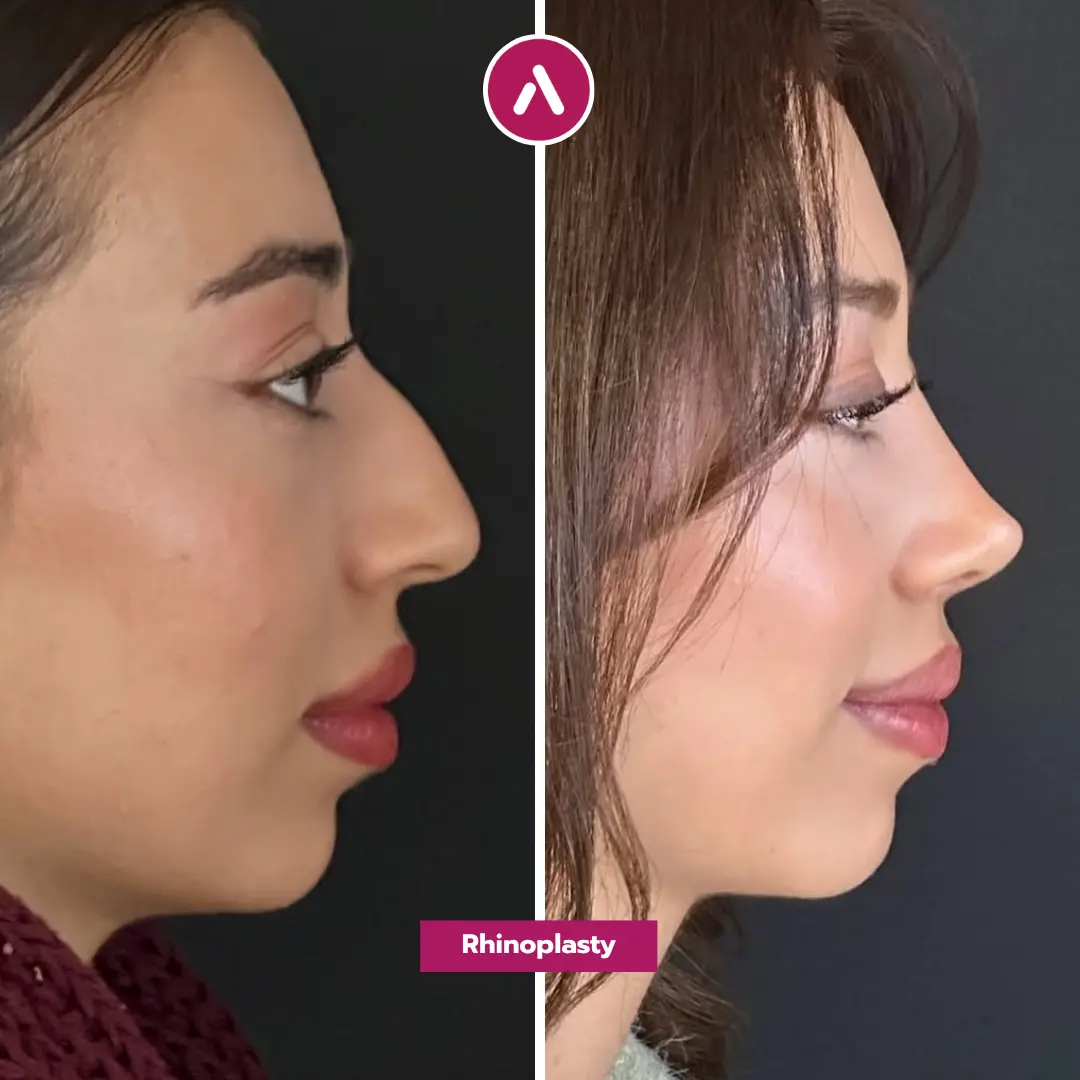
The distinction matters. A skilled rhinoplasty result still depends on anatomy, planning, surgeon experience, cartilage support, breathing function, and recovery discipline. Piezo technology simply changes how the bony portion of the procedure is performed.
For Canadian patients flying from Toronto, Vancouver, Montreal, Calgary, or Ottawa, reduced bruising and a more controlled swelling pattern can be meaningful. You still need proper recovery time before travelling home. You simply may feel less concerned about looking visibly bruised during the early return window.
Table of Contents
What Piezo Rhinoplasty Is?
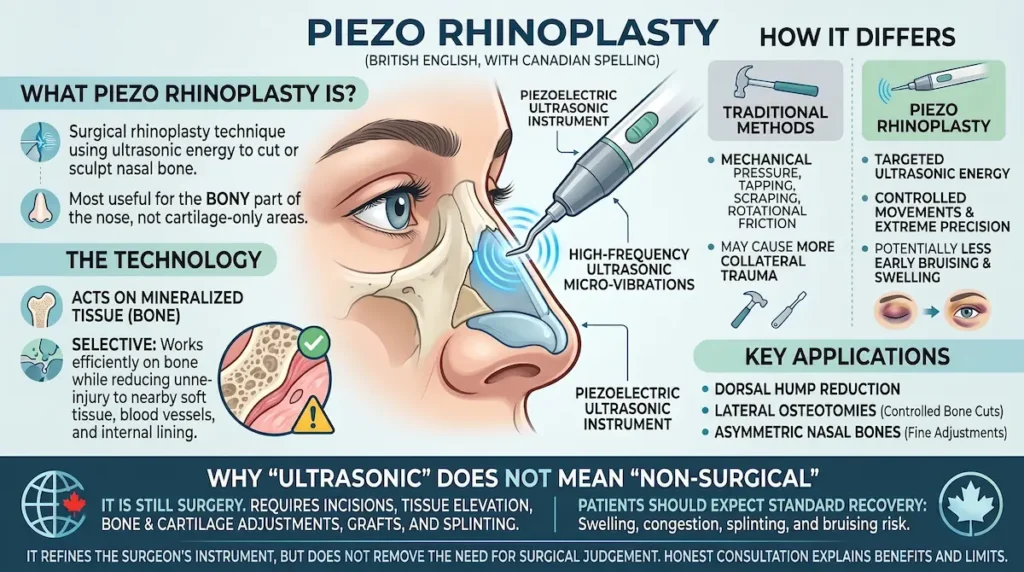
Piezo Rhinoplasty is a surgical rhinoplasty technique that uses ultrasonic energy to cut or sculpt nasal bone. It is most useful in the bony part of the nose, not in the cartilage-only areas of the tip. This section explains the technology clearly before comparing it with traditional bone-shaping instruments.
Piezoelectric ultrasonic technology basics
Piezoelectric surgery uses high-frequency ultrasonic micro-vibrations to act on mineralized tissue such as bone. In rhinoplasty, the surgeon uses a specialized tip to shape nasal bone with very controlled movements. The goal is precision.
The important point is selectivity. Piezo instruments are designed to work efficiently on bone while reducing unnecessary injury to nearby soft tissue. That includes the thin tissue envelope, small blood vessels, and internal lining around the nasal framework.
This does not remove the need for surgical judgement. It gives the surgeon a more refined instrument. The plan still has to be anatomically sound.
For readers comparing technical standards, the International Society of Aesthetic Plastic Surgery is a useful starting point for understanding the importance of surgeon training and procedural safety in aesthetic surgery.
How it differs from rasps, osteotomes, and burrs
Traditional rhinoplasty often uses manual rasps, osteotomes, or powered burrs to reduce a dorsal hump or narrow the nasal bones. These tools can be very effective in experienced hands. They are not outdated by default.
The difference is the way force is delivered. Traditional instruments may rely more on mechanical pressure, tapping, scraping, or rotational friction. Piezo delivers ultrasonic energy in a more targeted fashion.
That can matter in three situations:
- Dorsal hump reduction: Piezo can smooth the bony bridge in very small increments.
- Lateral osteotomies: Bone cuts can be placed with more controlled direction.
- Asymmetric nasal bones: Fine adjustments can be made without aggressive force.
The practical benefit is not only cosmetic. Less collateral trauma may mean less early bruising. Canadian patients often care about that because their post-op recovery includes hotel healing, airport movement, and a long-haul return flight.
Why “ultrasonic” does not mean “non-surgical”
The word “ultrasonic” can sound gentle. That can be misleading. Piezo Rhinoplasty is still surgery.
The surgeon may still make incisions, elevate tissue, adjust bone, refine cartilage, place grafts, close incisions, and apply a splint. The difference is the instrument used during the bony reshaping step. It does not turn rhinoplasty into a laser treatment or a non-invasive procedure.
This distinction is important for consent. Patients should expect standard rhinoplasty recovery: swelling, congestion, splinting, bruising risk, and months of gradual refinement. Piezo may reduce certain forms of tissue trauma, but it does not bypass biology.
For Canadian patients used to conservative medical language from OHIP, MSP, RAMQ, or AHCIP-covered care, this honesty matters. A credible consultation should explain both the technical advantage and the limits of the technology.
The Soft Tissue Advantage
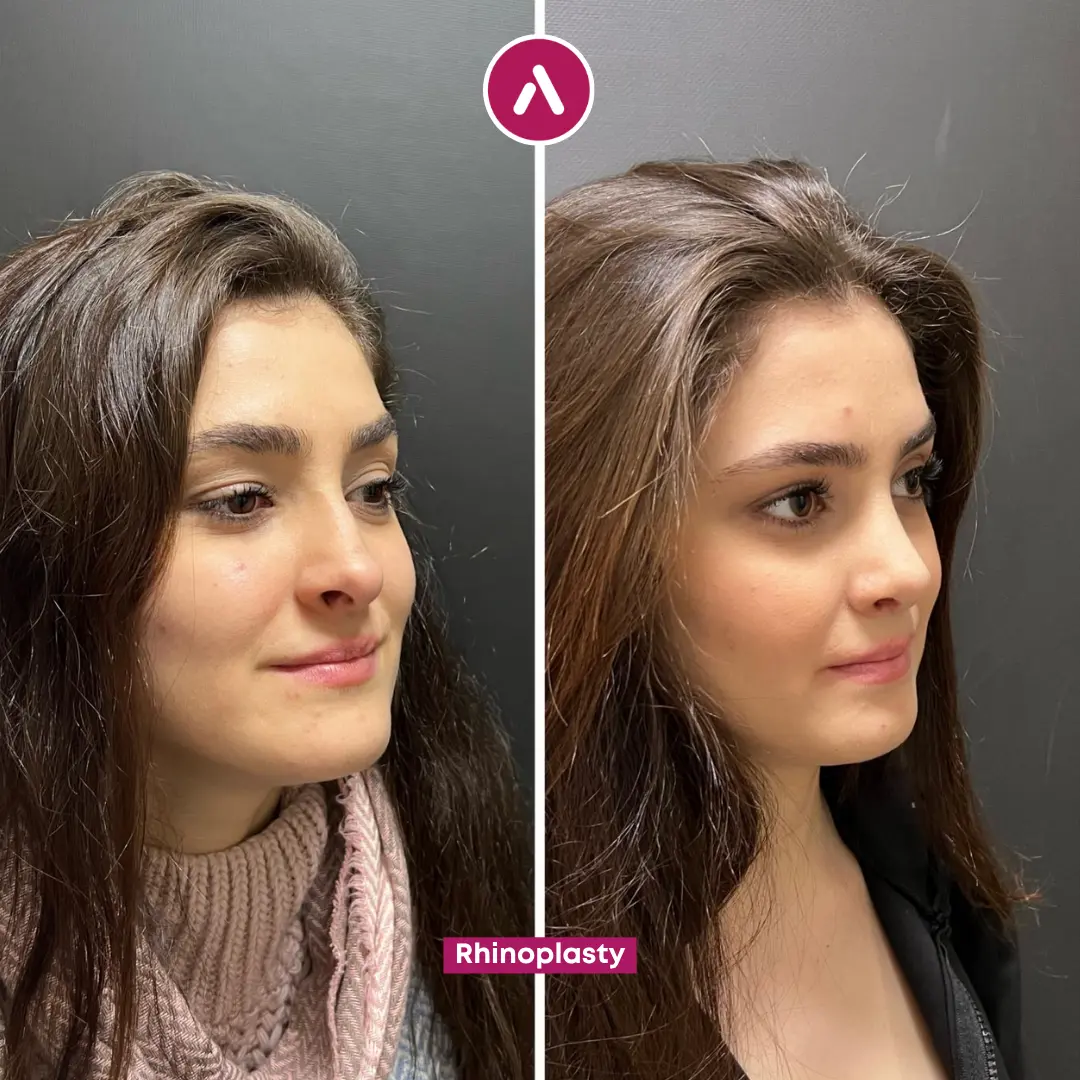
The main reason patients ask about Piezo is soft tissue preservation. Nasal surgery is performed in a compact anatomical space where small differences in trauma can show as bruising, swelling, or under-eye discolouration. Piezo is designed to make the bony step cleaner and more controlled.
Reduced bruising mechanism
Bruising after rhinoplasty often comes from small blood vessels disrupted during bone work. Traditional osteotomies can still be safe and precise, but they may create more surrounding tissue disturbance depending on the case and instrument technique.
Piezo may reduce that disturbance by concentrating energy at the bone. The instrument can cut or sculpt without the same level of broad mechanical force. That is why many patients associate Piezo with less visible bruising.
Still, bruising is not eliminated. Skin thickness, nasal anatomy, previous trauma, blood pressure, medication use, and individual healing all matter. Two patients can have the same technique and heal differently.
Less soft tissue trauma
Soft tissue in rhinoplasty includes skin, muscle, lining, vessels, and connective tissue. It is the envelope that must settle over the new framework. If that envelope is irritated, swelling can last longer.
Piezo can help protect that envelope during bony reshaping. This is particularly relevant when the surgical plan involves dorsal hump reduction or controlled narrowing of the nasal bones. The surgeon can work more delicately around the bridge and side walls.
Less trauma can support a calmer early recovery. It may also make swelling patterns easier to interpret during follow-up appointments. That helps both the patient and surgical team.
Why Canadian long-haul patients benefit most
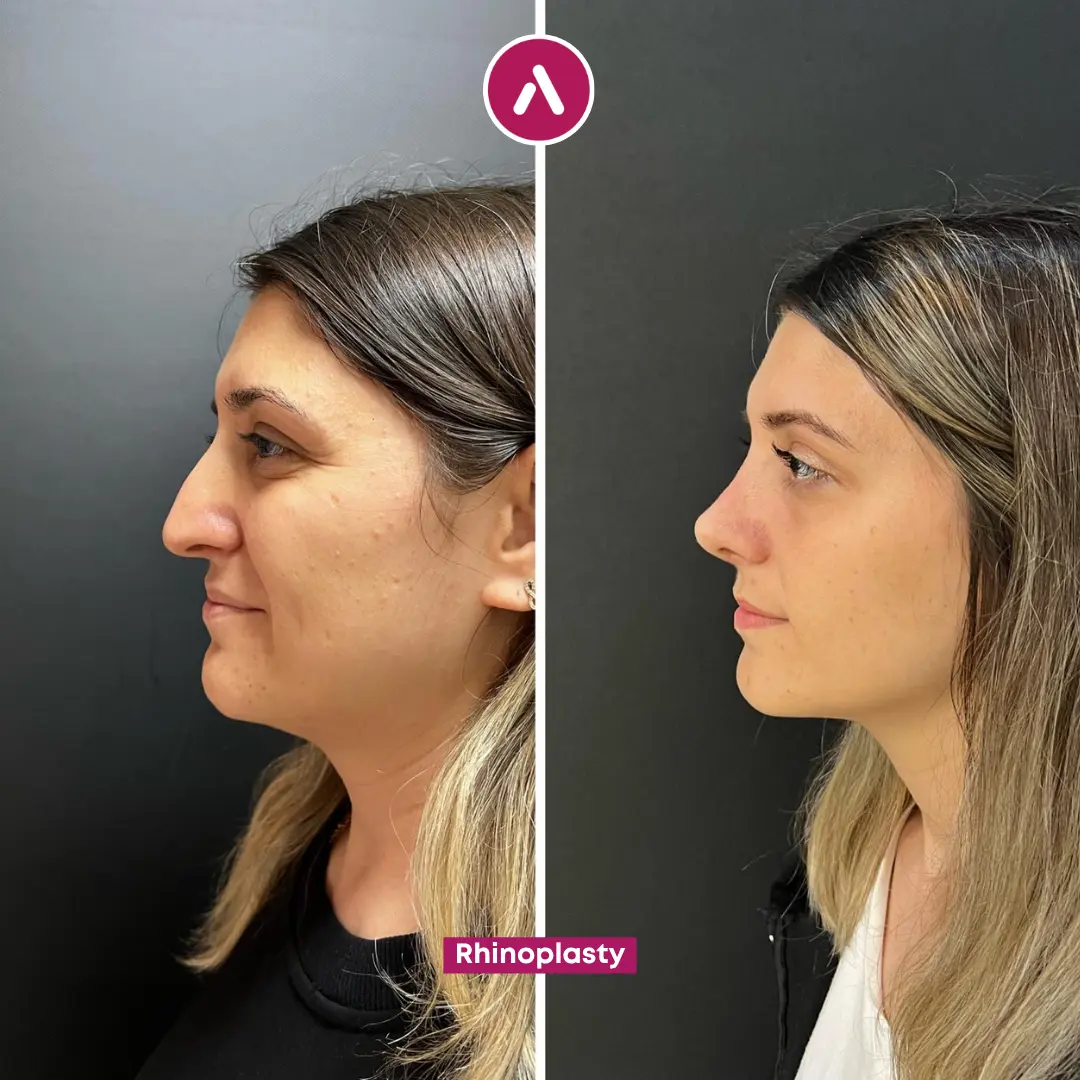
Canadian patients have a practical reason to care about bruising: they are not driving home after surgery. Many are returning through Istanbul Airport, then flying to Toronto Pearson, Montréal-Trudeau, Vancouver International, Calgary, or a smaller Canadian city through a connection.
A calmer early recovery can make that travel period easier. Swelling still needs monitoring. The surgeon still decides when you are fit to fly.
Canadian patient note: A direct Istanbul-to-Toronto or Istanbul-to-Montreal flight is still a long recovery environment. Patients travelling onward to Vancouver, Calgary, Edmonton, Ottawa, Winnipeg, or Halifax may face extra airport time, which makes early swelling control more important.
Reduced bruising also matters socially. Some patients return to remote work before they return to an office. Others want to avoid obvious under-eye discolouration when clearing customs or seeing family after arrival.
That said, Piezo should not be chosen only for bruising. It should fit the anatomy. The best candidate is someone whose surgical plan genuinely benefits from precise bony reshaping.
Surgical Precision Differences
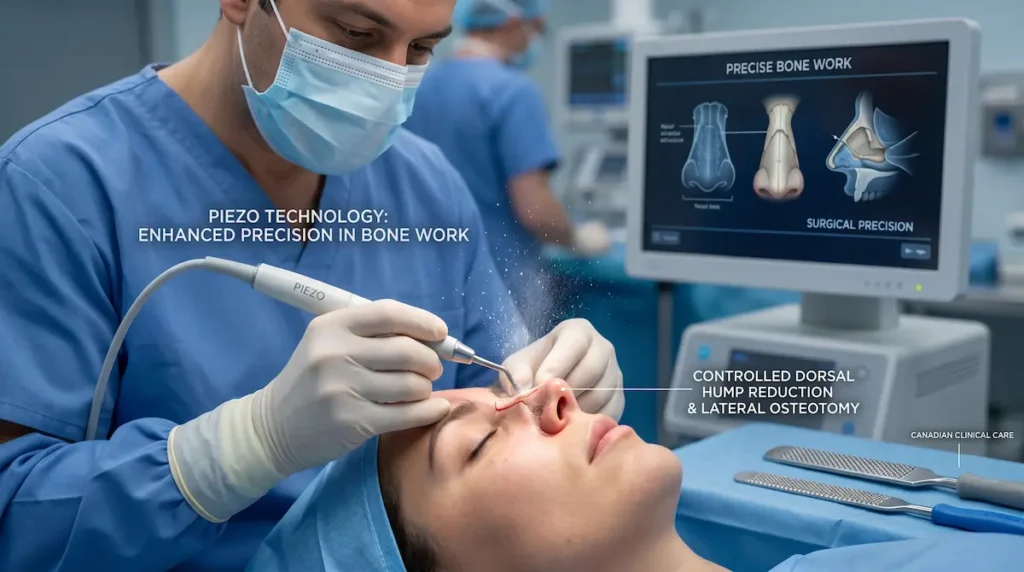
Piezo technology is most valuable when the surgical plan requires controlled bone work. The nose is small, visible, and unforgiving. A millimetre can change the bridge line, profile, and symmetry in ways patients notice every day.
Sub-millimetre dorsal hump reduction
A dorsal hump is the raised contour along the nasal bridge. It may be mostly bone, mostly cartilage, or a combination of both. Piezo is most relevant when the bony portion needs precise reduction.
Traditional rasping can reduce a hump well. The limitation is that manual rasping may remove bone in broader strokes. Piezo allows the surgeon to refine the bridge in smaller, more controlled passes.
This is especially useful for patients who want a smoother profile without an overly scooped bridge. Many Canadian patients ask for refinement rather than a dramatic change. That fits AKM Clinic’s Natural-First philosophy: improve the contour without erasing the face’s character.
For patients with a more prominent bridge, Piezo may also be part of a broader plan for Piezo for dorsal hump reshaping. That related article owns the aquiline nose angle; this article stays focused on the ultrasonic instrument itself.
Lateral osteotomy precision
Lateral osteotomies are controlled bone cuts used to narrow or reposition the nasal bones. They are common in rhinoplasty when the bridge must be narrowed after hump reduction or when the nasal bones are asymmetric.
Precision matters here. If the bone cuts are too aggressive, the nose can look pinched, unstable, or unnatural. If they are too conservative, the bridge may remain too wide for the refined profile.
Piezo can help by allowing the surgeon to create cleaner, more deliberate bone cuts. This does not mean every patient needs Piezo. It means the instrument can be helpful when the surgical goal depends on exact bony movement.
Canadian patient note: Patients who have broken their nose during hockey, skiing, cycling, or childhood sports may have asymmetric nasal bones. In those cases, controlled osteotomy planning matters as much as cosmetic preference.
Where Piezo helps versus where traditional is equal
Piezo is not automatically superior in every step of rhinoplasty. It is strongest in bone sculpting and controlled osteotomies. It is less relevant for cartilage-only refinement, nostril width adjustment, or nasal tip reshaping.
The tip of the nose is shaped mainly by cartilage, sutures, grafts, and support. Piezo may support the overall plan if the bridge also needs work, but it does not replace tip plasty technique.
A balanced consultation should separate the nose into zones:
- Bony bridge: Piezo can offer meaningful precision.
- Cartilaginous middle vault: spreader grafts or preservation techniques may matter more.
- Nasal tip: cartilage shaping, suturing, and graft support are the main tools.
- Airway: septal correction and internal valve support determine breathing outcomes.
The Canadian Society of Plastic Surgeons offers useful context on choosing qualified surgical care in Canada and understanding the importance of specialist evaluation. Patients can review general professional standards through the Canadian Society of Plastic Surgeons before comparing international options.
“Piezo is best understood as an instrument enhancement. It can make bone work more controlled, but it does not replace rhinoplasty planning, cartilage support, or surgeon judgement.”
Recovery Timeline With Piezo
Recovery after Piezo Rhinoplasty follows the same biological stages as traditional rhinoplasty. The difference is that some patients experience less early bruising and a more controlled swelling pattern. This section explains what that can realistically mean during the first week, the first month, and the travel-home window.
Day 0-7 bruising pattern
The first week is the most visible stage of rhinoplasty recovery. Patients usually wear an external splint, feel congested, and notice swelling around the bridge and under-eye area. Mild bruising can still occur.
With Piezo, bruising may be lighter because the bone work creates less broad mechanical disruption. This is not guaranteed. Individual healing still matters.
A typical first-week pattern may look like this:
| Recovery Point | Typical Appearance | Piezo-Specific Consideration |
|---|---|---|
| Day 0 | Splint in place, swelling begins | Bone work is complete, but bruising may not appear yet |
| Day 2-3 | Peak swelling and possible under-eye colour change | Bruising may be milder than traditional osteotomy cases |
| Day 5-7 | Swelling starts to settle, splint removal may be planned | Bridge shape may look calmer, but final definition is not visible yet |
| Week 2 | Most social bruising improves | Residual swelling continues, especially around the tip |
Patients should avoid judging the result too early. The nose seen at splint removal is still swollen. It is only the beginning of the settling process.
Swelling resolution speed
Swelling after rhinoplasty has layers. Bridge swelling may improve earlier, while tip swelling can linger for months. Skin thickness plays a major role.
Piezo may help the bony bridge look less inflamed in the early phase. It does not make thick skin settle instantly, and it does not replace taping, follow-up care, or patience. This is why surgeon guidance after splint removal is important.
For many patients, the bridge begins looking more socially acceptable within two to three weeks. The nasal tip may continue refining for 6 to 12 months. In thick-skinned patients, definition may take longer.
That timeline can feel frustrating. It is normal. Rhinoplasty is judged in months, not days.
Fit-to-fly clearance differences
Canadian patients often plan surgery around a defined travel window. That makes fit-to-fly timing a serious part of the rhinoplasty plan. It should never be guessed.
Piezo may reduce early bruising and swelling, but the surgeon still needs to assess healing before travel. Clearance depends on bleeding risk, swelling, breathing comfort, blood pressure stability, pain control, and the patient’s general health.
Canadian travel note: A patient flying from Istanbul to Toronto or Montreal has a long direct flight. A patient returning to Vancouver, Calgary, Edmonton, Ottawa, Winnipeg, or Halifax may also need a connection. That extra airport time can make conservative clearance planning worthwhile.
Most patients should plan to remain in Istanbul long enough for splint management and an in-person check before departure. A shorter trip may look efficient on paper, but it can add stress during the most important healing window.
Cabin pressure, dry cabin air, and fatigue can temporarily worsen swelling. Patients should hydrate, avoid rushing through airports, and follow medication instructions exactly. A comfortable return flight is part of the surgical plan, not an afterthought.
When Piezo Is the Right Choice?
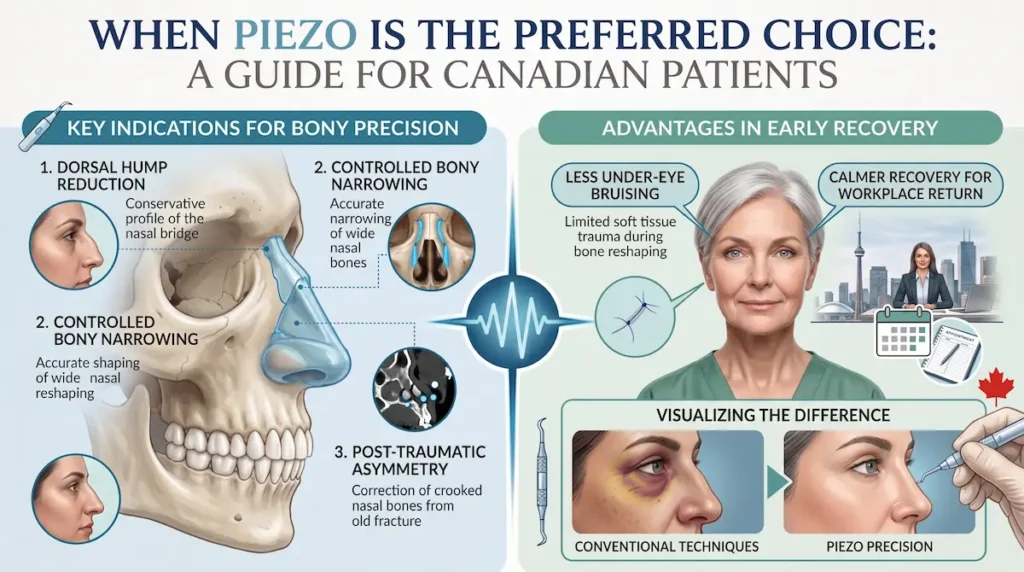
Piezo Rhinoplasty is not required for every nose. It is most useful when the surgical plan depends on careful bone reshaping, controlled narrowing, or reducing visible bruising during early recovery. The right decision comes from anatomy, not from the appeal of the word “ultrasonic.”
Bony reshaping-heavy cases
Patients with a prominent bony bridge, dorsal hump, or asymmetric nasal bones often benefit most from Piezo. These are the cases where the surgeon needs to work directly on the nasal bones rather than only on cartilage or soft tissue.
Piezo can be especially useful when the goal is refinement rather than aggressive reduction. A conservative bridge change may still require very accurate bone sculpting. In that setting, the instrument’s precision becomes clinically meaningful.
Common bony indications include:
- Dorsal hump reduction where the bridge needs smoothing without over-resection.
- Wide nasal bones that require controlled narrowing.
- Post-traumatic asymmetry after a previous fracture or injury.
- Revision-adjacent planning where tissue preservation is especially important.
If the concern is mostly the nasal tip, Piezo may play a smaller role. For that narrower scope, patients should review Piezo combined with tip plasty to understand when tip refinement can be treated without full bony restructuring.
Patients prioritizing bruising reduction
Some patients are medically and socially sensitive to bruising. A Canadian patient returning to a visible workplace in Toronto, Vancouver, Montreal, Ottawa, or Calgary may value a calmer early recovery. That does not make bruising avoidance the only goal, but it can influence the planning discussion.
Piezo may reduce under-eye bruising by limiting unnecessary trauma during osteotomy. This is most relevant when the case involves bone work near the upper bridge. It is less relevant when the plan is mainly cartilage reshaping.
Patients should still prepare for visible swelling. Even with Piezo, the nose can look puffy, the tip can feel firm, and breathing may feel congested during the early weeks. Bruising is only one part of recovery.
Canadian workplace note: Patients who work in healthcare, education, government, finance, or client-facing roles often plan rhinoplasty around vacation time. Reduced bruising can help with confidence, but it does not replace a realistic return-to-work plan.
When traditional techniques are equally good
Traditional rhinoplasty instruments remain effective in experienced hands. Piezo is not a quality guarantee by itself. A poorly planned Piezo rhinoplasty can still produce an unnatural bridge, breathing issues, or asymmetry.
In some cases, traditional instruments may be equally suitable. If bone work is minimal, if the major concern is the tip, or if the surgeon has a better tactile plan with conventional tools, Piezo may not add much.
This is where candidacy matters. Patients with thicker nasal skin should also understand that skin thickness affects definition regardless of bone technique. For that specific overlap, see thick skin rhinoplasty considerations.
Patients whose goals involve preserving cultural identity or refining ethnic nasal anatomy should also evaluate how Piezo fits into a broader identity-preserving plan. For that distinct topic, see ethnic rhinoplasty Piezo applications.
If breathing correction is part of the concern, Piezo may be combined with septal work, but the functional component is a separate surgical priority. For the breathing-plus-cosmetic angle, see septorhinoplasty with Piezo dorsal work.
AKM Clinic’s Piezo Protocol
At AKM Clinic, Piezo is used as part of a surgeon-led rhinoplasty plan rather than as a marketing label. The protocol considers nasal anatomy, skin thickness, breathing function, previous trauma, recovery logistics, and the patient’s preference for natural-looking refinement.
Equipment used and surgeon training
Piezo Rhinoplasty requires more than owning an ultrasonic device. The surgeon must understand how much energy to apply, where to place bone cuts, and how to avoid over-reducing the bridge. Instrument familiarity matters.
AKM Clinic’s rhinoplasty planning is supported by its dual-specialty facial team.
Dr. Akif Mehmetoğlu’s Natural-First surgical philosophy also influences the planning. The goal is not to produce an identical nose for every patient. The goal is refinement that fits the face.
Patients reviewing clinical standards can also read about AKM’s rhinoplasty specialist team before booking a consultation.
Integration with Preservation Rhinoplasty
Preservation Rhinoplasty aims to maintain more of the nose’s original structural support while refining shape. Piezo can support that philosophy when the bridge requires precise bony adjustment without aggressive disruption.
These two ideas are related but not identical. Preservation Rhinoplasty is a surgical philosophy and technique family. Piezo is an instrument used during selected bony steps.
In suitable patients, the combination can be valuable. The surgeon may preserve the natural bridge lines while using ultrasonic energy to refine areas that need controlled reshaping. This is particularly relevant for patients who want a cleaner profile without a visibly “operated-on” nose.
Canadian patients often describe this preference as wanting to look like themselves, only more balanced. That understated goal fits well with conservative dorsal refinement.
Cost differential vs traditional
AKM Clinic lists Ultrasonic Piezo Rhinoplasty at CAD $4,800 in its treatment technique pricing. Open Rhinoplasty is listed at CAD $4,100. These figures should be read as technique-level pricing, not all-inclusive package totals.
For the most current procedure-specific details, patients should review Piezo rhinoplasty pricing in CAD. CAD is the only currency that should matter for Canadian planning.
| Technique | Best Use | Soft Tissue Impact | Precision Profile | AKM CAD Pricing |
|---|---|---|---|---|
| Piezo Rhinoplasty | Bony bridge refinement, dorsal hump reduction, controlled osteotomy | Designed to reduce surrounding soft tissue trauma | High precision for bone work | CAD $4,800 |
| Open Rhinoplasty | Full visibility for complex cartilage and bone reshaping | Depends on surgical plan and tissue handling | High visibility; precision depends on instruments used | CAD $4,100 |
| Traditional Osteotome / Rasp Technique | Effective bone reduction in experienced hands | May involve more mechanical force | Strong, but less instrument-selective than Piezo | Case-dependent within rhinoplasty pricing |
Pricing should not decide the technique alone. If Piezo genuinely improves the surgical plan, the difference may be justified. If the anatomy does not need ultrasonic bone work, the surgeon may recommend another approach.
Patients evaluating the clinic’s broader infrastructure can also review AKM’s surgical technology standards. Technology is valuable only when it is matched with the correct patient and used by a trained surgical team.
Canadian private-clinic comparison: Piezo availability in Canada may vary by city and surgeon. Patients comparing Toronto, Vancouver, Montreal, or Calgary clinics should ask whether ultrasonic bone work is actually used in their case, not simply whether the clinic owns the device.
The strongest consultation question is simple: “What part of my anatomy makes Piezo useful?” A credible answer should identify the bridge, nasal bones, osteotomy plan, or asymmetry. If the answer is vague, ask for clarification.
Frequently Asked Questions: Piezo Rhinoplasty Turkey
Piezo Rhinoplasty often raises practical questions because patients hear the word “ultrasonic” and assume it changes every part of the operation. The answers below clarify what Piezo can do, what it cannot do, and how Canadian patients should evaluate candidacy before travelling to Istanbul.
Is Piezo Rhinoplasty better than traditional?
Piezo Rhinoplasty can be better for selected bony reshaping cases, especially when dorsal hump reduction or controlled osteotomy is central to the plan. It allows very precise work on nasal bone while reducing unnecessary soft tissue disruption.
It is not automatically better for every patient. Traditional rhinoplasty instruments can still produce excellent results when used by an experienced surgeon. The better technique is the one that fits your anatomy.
Does Piezo cost more at AKM?
AKM Clinic lists Ultrasonic Piezo Rhinoplasty at CAD $4,800. Open Rhinoplasty is listed at CAD $4,100. These are technique-level prices from AKM Clinic’s treatment pricing reference.
The difference reflects the instrument and case planning, not a universal upgrade fee. During consultation, the surgical team should explain whether Piezo offers a meaningful benefit for your nose.
Will I have less bruising?
You may have less bruising compared with traditional bone work, especially if the main surgical step involves the nasal bones. Piezo reduces broad mechanical force, which can reduce vessel disruption around the bridge.
Bruising is still possible. Skin thickness, previous injury, blood pressure, medication use, and individual healing all influence the final pattern. A careful recovery plan remains necessary.
How long until I can fly back?
Fit-to-fly timing depends on your healing, splint schedule, swelling, bleeding risk, breathing comfort, and surgeon assessment. Piezo may support a calmer early recovery, but it does not remove the need for an in-person clearance check before travelling.
Canadian patients should plan conservatively. A direct flight to Toronto or Montreal is still long, and patients returning to Vancouver, Calgary, Ottawa, Edmonton, Winnipeg, or Halifax may need extra connection time.
Can Piezo be combined with tip plasty?
Yes, Piezo can be combined with tip refinement if the surgical plan includes both bony bridge work and cartilage reshaping. The ultrasonic tool would address the bone, while tip plasty techniques would address cartilage shape, projection, and definition.
If your concern is only the nasal tip, full Piezo Rhinoplasty may not be necessary. A consultation should identify whether the bridge, bones, tip, or airway are driving the recommendation.
Is it more painful?
Piezo Rhinoplasty is not usually considered more painful than traditional rhinoplasty. Many patients describe pressure, congestion, tightness, and swelling rather than sharp pain.
The early discomfort is usually managed with structured medication, rest, head elevation, and follow-up care. Pain experience varies, but the instrument itself is not the main driver of post-op discomfort.
Why don’t all surgeons use Piezo?
Piezo requires specific equipment, training, and case selection. Some surgeons prefer traditional instruments because they are highly experienced with them. Others use Piezo only in cases where it clearly improves the bony portion of the plan.
Patients should avoid choosing a clinic based only on device availability. The better question is whether the surgeon can explain exactly how Piezo improves your specific surgical plan.
Discuss whether Piezo fits your case. If you are comparing rhinoplasty options from Canada, a virtual consultation can help clarify whether your anatomy benefits from ultrasonic bone work, preservation planning, tip refinement, septal correction, or a different approach entirely.
Medical Disclaimer: This page is provided for general educational purposes only and does not replace an in-person medical consultation, diagnosis, or personalized treatment plan. All surgery carries risks, and outcomes vary between individuals. Suitability for rhinoplasty (nose job) surgery, procedure selection, and anesthesia choice can only be determined after a full clinical assessment by a qualified surgeon. Always follow your clinician’s instructions and seek urgent medical attention if you develop concerning symptoms during recovery.