
Quick Summary: Many Turkey plastic surgery myths come from isolated negative stories, vague online warnings, or confusion between unsafe providers and properly accredited clinics. Canadian patients should not dismiss the risks, but they should evaluate them with evidence: surgeon credentials, hospital standards, written aftercare, transparent pricing, and clear communication.
This guide debunks 10 common misconceptions so you can separate fear from fact before considering Istanbul for aesthetic surgery.
Table of Contents

Why These Myths Persist?
Canadian patients are usually cautious by nature. That is a good thing. A patient flying from Toronto, Vancouver, Montréal, or Calgary for elective surgery should ask harder questions than someone booking a local consultation.
The problem begins when caution turns into a blanket assumption. Some stories about poor outcomes abroad are real, but they do not describe every Turkish clinic, every surgeon, or every hospital. A safer approach is to evaluate the provider, not the country.
For a broader view of why Canadian patients are researching Istanbul despite these concerns, read our guide on why Canadians are increasingly choosing Istanbul. For the deeper risk analysis, see the honest safety risk analysis.
Sensational media coverage
Media stories tend to focus on dramatic failures because those stories attract attention. A safe, well-planned surgical trip rarely becomes a headline. A bad outcome does.
This creates a distorted picture. The reader sees the worst cases repeatedly and starts to assume they represent the entire medical tourism sector.
The Government of Canada travel advice for Turkey takes a balanced position: medical tourism is common in Turkey, but Canadians should research health and financial risks, verify healthcare providers, and discuss travel plans with a Canadian healthcare provider before leaving. That advice supports careful evaluation, not panic.
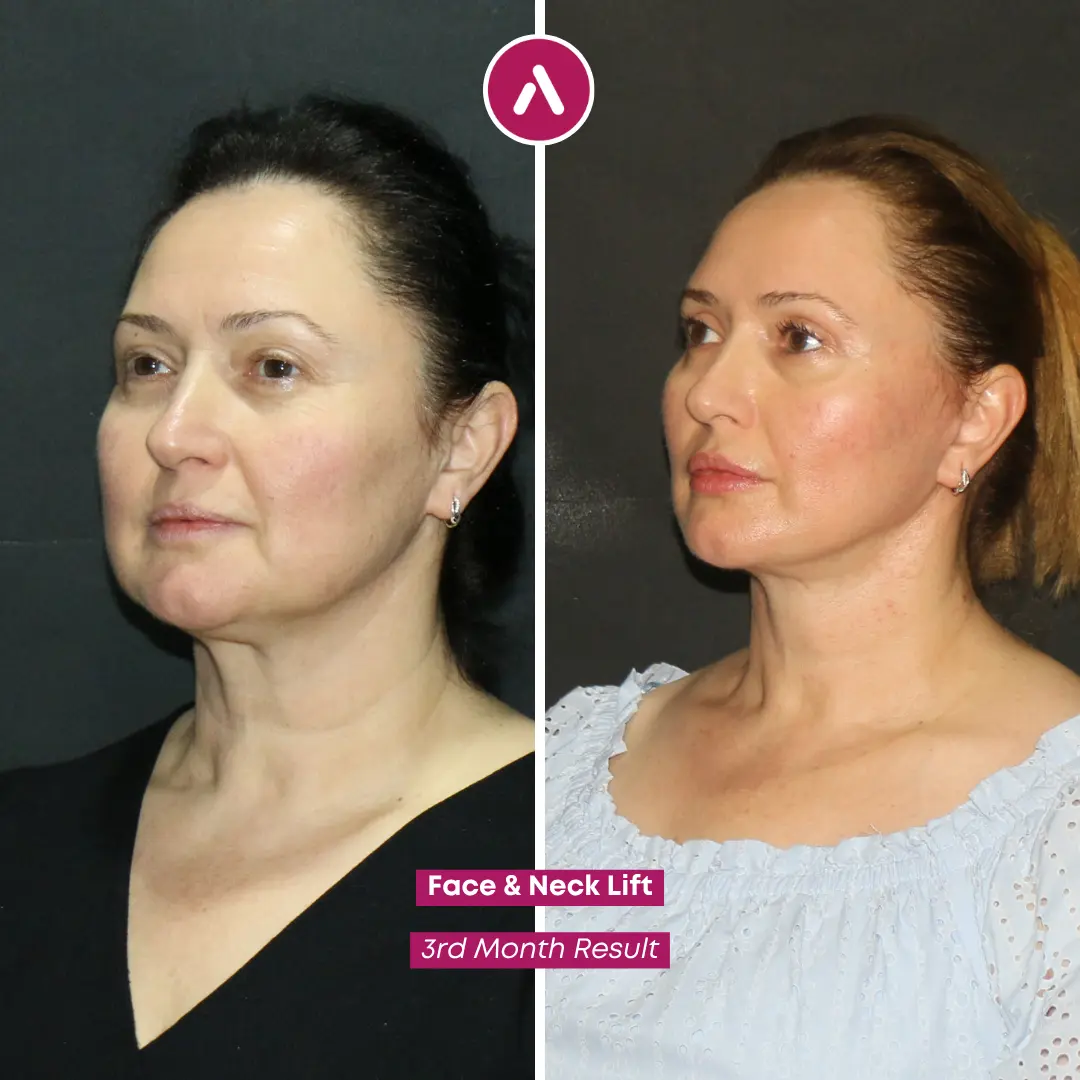
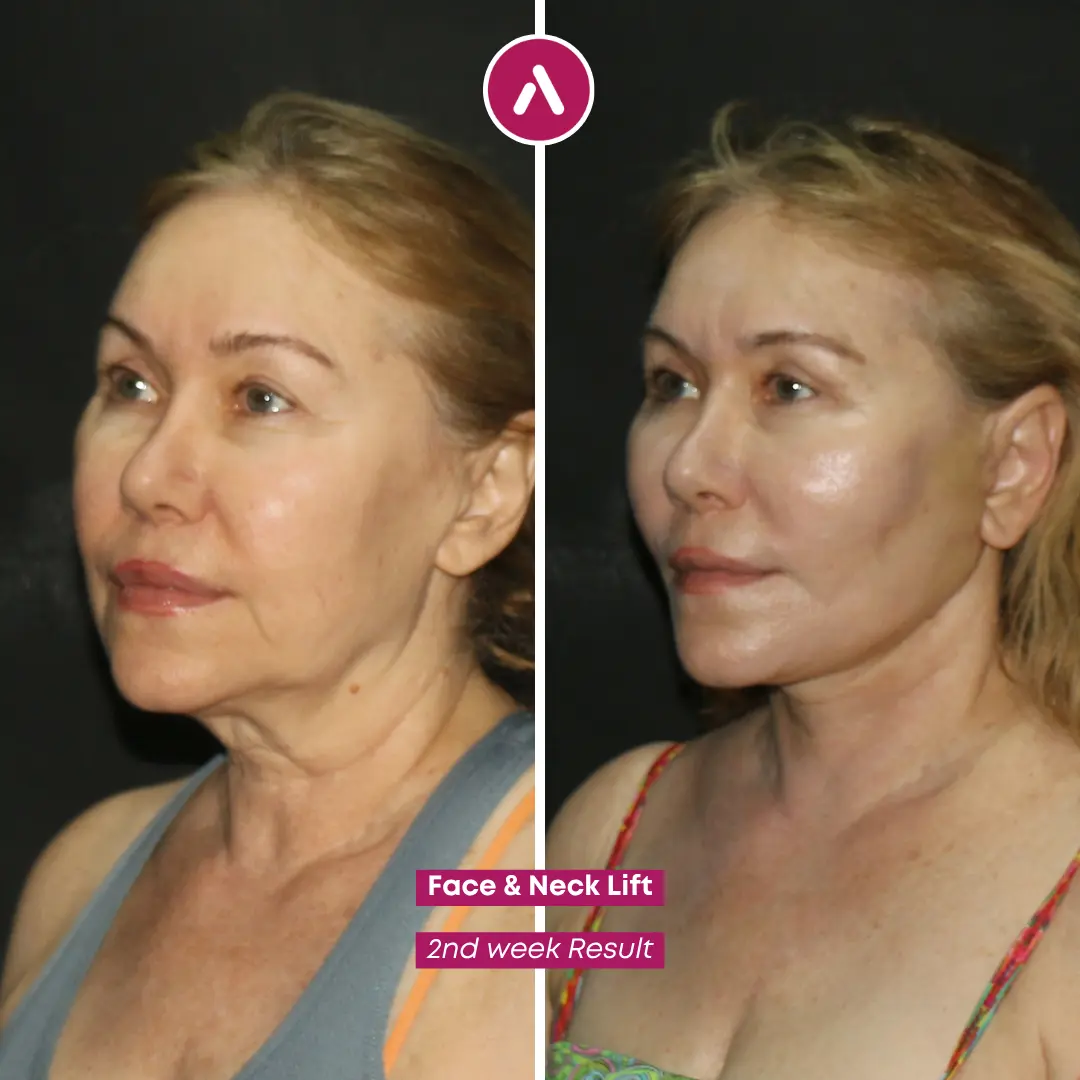
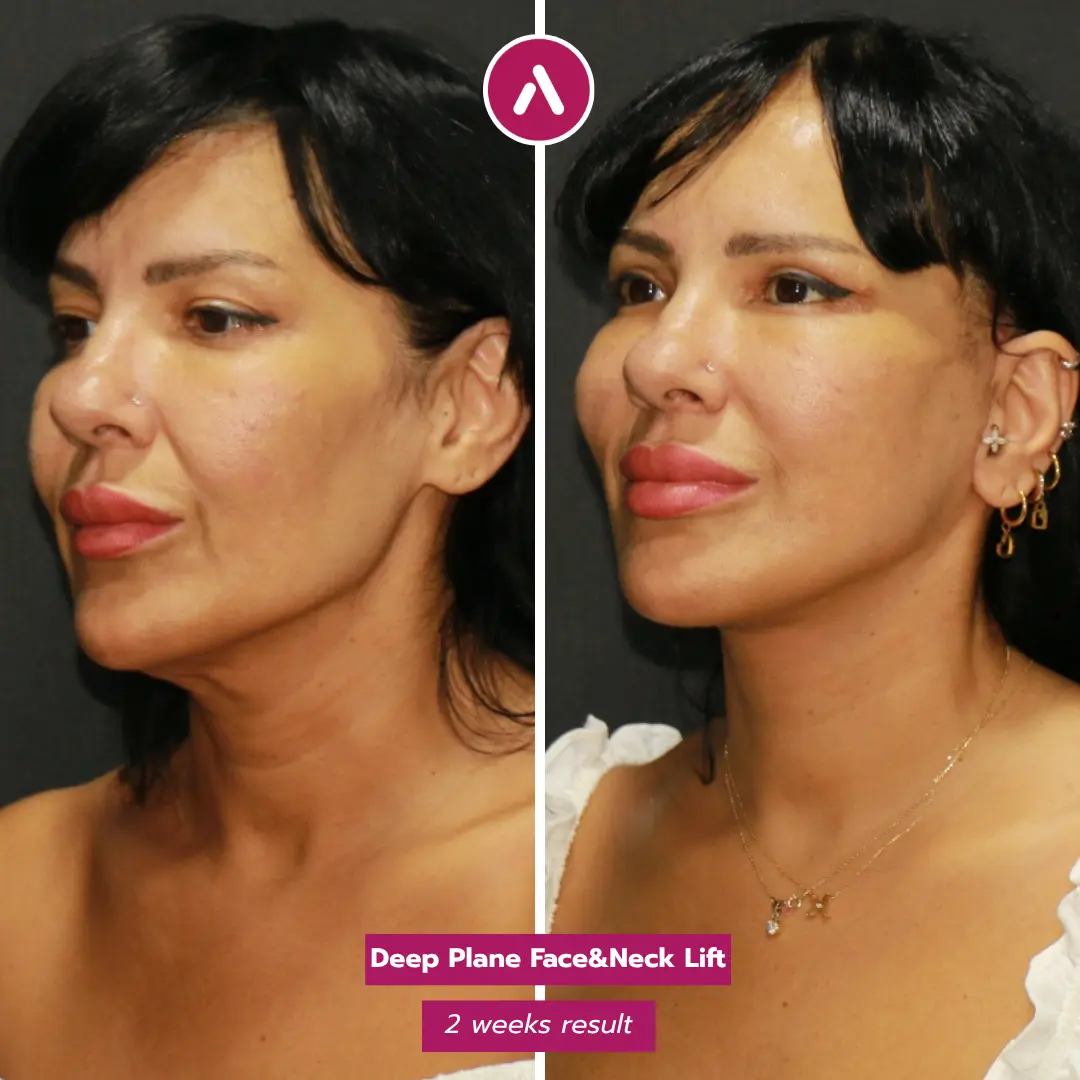
Canadian Context: Outlier Cases Are Not the Whole Market
Canadian media coverage often groups all international cosmetic surgery under one anxiety category. A low-standard clinic, an unlicensed provider, and a surgeon-led clinic using accredited hospital facilities are not the same thing. Your job is to verify which one you are dealing with.
Conflating bad clinics with all clinics
Every medical tourism destination has a range of providers. Turkey is no different. Some clinics operate with high standards, structured aftercare, and surgeon-led planning. Others rely heavily on marketing, volume, and vague promises.
The myth forms when patients treat those two categories as identical. They are not. A weak clinic should make you reject that clinic, not automatically reject every surgeon in Turkey.
Why fact-based evaluation matters
A fact-based approach protects you better than optimism or fear. It asks practical questions: Who performs the surgery? Where is it performed? Is the facility accredited? What happens if a complication occurs after you return to Canada?
This is especially relevant for Canadians used to provincial healthcare oversight through systems like OHIP, MSP, RAMQ, and AHCIP. Cosmetic surgery in Canada is usually private, but Canadians still expect accountability and documentation. You should expect the same when travelling.
Myth 1–3 — Cost and Quality
Cost is the first source of suspicion for many Canadian patients. If a procedure in Istanbul costs less than a private clinic quote in Toronto or Vancouver, the immediate fear is simple: “What is being compromised?”
That question is reasonable. The answer is not always “safety.” Cost differences can come from overhead, staffing structures, hospital economics, accommodation partnerships, and package design.
The danger is assuming that lower cost automatically means lower standards. It can, in the wrong setting. It does not have to.
Myth 1: “Low cost means low quality”
Lower cost is not proof of quality. It is also not proof of poor quality. It is a signal that needs investigation.
In Canada, private cosmetic surgery often involves separate billing for surgeon fees, anesthesia, facility costs, garments, and follow-up. In Istanbul, many reputable clinics package these elements together. That can make the total price easier to understand before travel.
The real question is not “Is it cheaper?” The better question is: “What exactly is included, who provides the care, and where will the surgery happen?”
Myth 2: “You get what you pay for”
This phrase sounds practical, but it can mislead patients. A high price does not guarantee excellent surgery. A lower price does not automatically mean unsafe care.
In aesthetic surgery, value depends on surgeon experience, patient selection, hospital standards, anesthesia planning, aftercare, and honest expectation-setting. Price is only one variable.
A value-conscious Canadian patient should avoid both extremes: choosing the cheapest provider and assuming the most expensive quote is always the safest.
Myth 3: “Cheap surgery is dangerous surgery”
Surgery becomes dangerous when risk is hidden, rushed, or poorly managed. A vague quote, no named surgeon, no medical screening, and no aftercare plan are red flags.
A transparent clinic should be able to explain what your quote covers, what it excludes, who performs the procedure, and how complications are handled. That is the standard to look for.
AKM Clinic’s Canadian content avoids discount framing because the clinic’s positioning is not “cheap surgery.” It is transparent medical travel built around a Natural-First philosophy, structured support, and surgeon-led planning through the AKM patient journey.
Myth 4–6 — Who and How
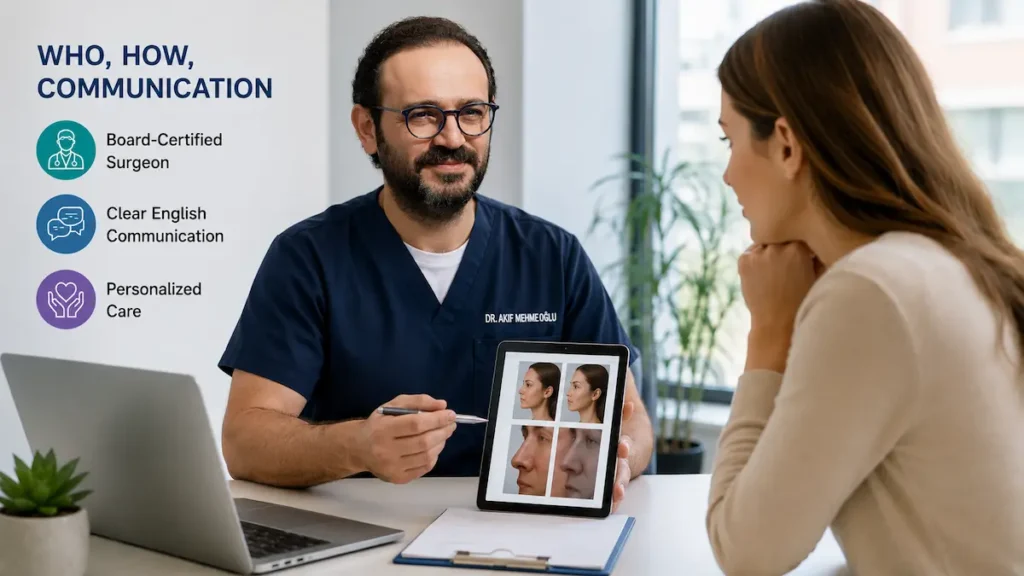
The next group of myths centres on control. Canadian patients want to know who actually performs the procedure, how many patients are being treated at once, and whether communication will be clear.
These concerns are valid. You should never assume surgeon involvement based on marketing language alone. You should confirm it before booking.
This section does not replace a full credential-verification process. It gives you the starting framework for recognizing what to ask.
Myth 4: “Technicians, not surgeons, do the work”
This myth is partly based on real concerns in the broader medical tourism market. In some settings, patients may not clearly understand who performs which part of a procedure.
The solution is not guessing. Ask directly: “Will the surgeon personally perform the critical surgical steps?” “Who will assist?” “What is delegated?” “Who is present during anesthesia?”
The Canadian Society of Plastic Surgeons advises patients to verify credentials and ask how often a surgeon performs the procedure they want. The same principle applies when evaluating any international provider.
Myth 5: “It’s an assembly line”
Some clinics do use high-volume models. That is exactly why patients should ask about consultation depth, surgical planning, daily case load, and post-operative monitoring.
A clinic focused on natural outcomes should not treat every patient with the same surgical template. Facial structure, skin quality, age, medical history, and recovery logistics all affect the plan.
At AKM Clinic, the brand position is “Rejuvenation over alteration.” That matters because a natural result requires individualized planning, not a one-size-fits-all approach.
Myth 6: “You can’t communicate in English”
Language barriers can cause misunderstandings in medical care. The Government of Canada specifically lists language barriers as a risk factor for medical tourism. This risk should be taken seriously.
The right question is not whether everyone in Turkey speaks English. The right question is whether your clinic has a dedicated English-speaking patient support system, written instructions, and clear access to your coordinator.
For Canadian patients, this also includes bilingual sensitivity. A patient from Montréal may need to translate records into English or French for follow-up at home.
“The safest patients are not the ones who trust blindly. They are the ones who ask for evidence, verify credentials, and understand exactly who is responsible for their care.”
Myth 7–8 — Safety and Standards
Safety is not a slogan. It is a system. It includes the hospital environment, sterilization protocols, anesthesia oversight, emergency planning, surgeon credentials, and aftercare.
This is where many Turkey plastic surgery myths become too broad. “Turkey is unsafe” is not a useful medical statement. “This provider cannot prove accreditation, surgeon credentials, or follow-up” is useful.
Canadian patients should approach safety the same way they would at home: verify, document, and avoid pressure.
Myth 7: “Turkish facilities aren’t accredited”
Some facilities are not appropriate for surgery. Others operate within internationally accredited hospital settings. You need to know which setting applies to your case.
Joint Commission International’s accredited organizations directory helps patients verify international healthcare organizations. JCI accreditation is not a decorative badge; it is a signal that a healthcare organization has been evaluated against international standards and continues to work under performance-improvement expectations.
AKM Clinic’s knowledge base identifies its hospital partner as a JCI-accredited facility and positions this as a trust signal for Canadian patients. You can review AKM Clinic’s accreditation and standards for the clinic’s institutional framework.
Myth 8: “There’s no aftercare”
Aftercare is one of the most important differences between a risky trip and a structured medical journey. The Government of Canada advises patients to plan for aftercare before travelling and to understand follow-up needs before leaving Canada.
A proper aftercare plan should include discharge instructions, medication guidance, wound-care instructions, warning signs, photo follow-up, and a way to reach the clinic after returning home.
AKM Clinic’s model includes patient advocates, 24/7 support, final in-person assessment before departure, and long-term virtual follow-up at 1, 3, 6, and 12 months. That structure directly addresses the common fear of post-operative abandonment.
Canadian Context: Standards Should Be Verified, Not Assumed
Canadians are used to a regulated healthcare culture. When travelling for surgery, ask for the hospital name, accreditation status, surgeon credentials, written aftercare instructions, and emergency protocol. If a clinic avoids these questions, that is a decision-making signal.
Myth 9–10 — Follow-Up and Recourse
The last two myths are the most emotional. Patients worry that once they leave Istanbul, they will be alone. They also worry that if something goes wrong, there will be no clear pathway for support.
Those fears deserve honest answers. Distance does make follow-up more complex. That is why your clinic’s follow-up structure must be confirmed before surgery, not after.
Myth 9: “You’re abandoned after surgery”
A poor clinic may offer little post-operative support. A structured clinic should not. This is one of the clearest ways to separate serious providers from risky ones.
AKM Clinic’s patient support model includes named patient hosts, including Hande, Emine, and Khadija, along with virtual follow-up once patients return home. Canadian patient stories also emphasize coordinator support as part of the experience.
For social proof, patients can review verified patient reviews and real AKM Clinic patient reviews before booking.
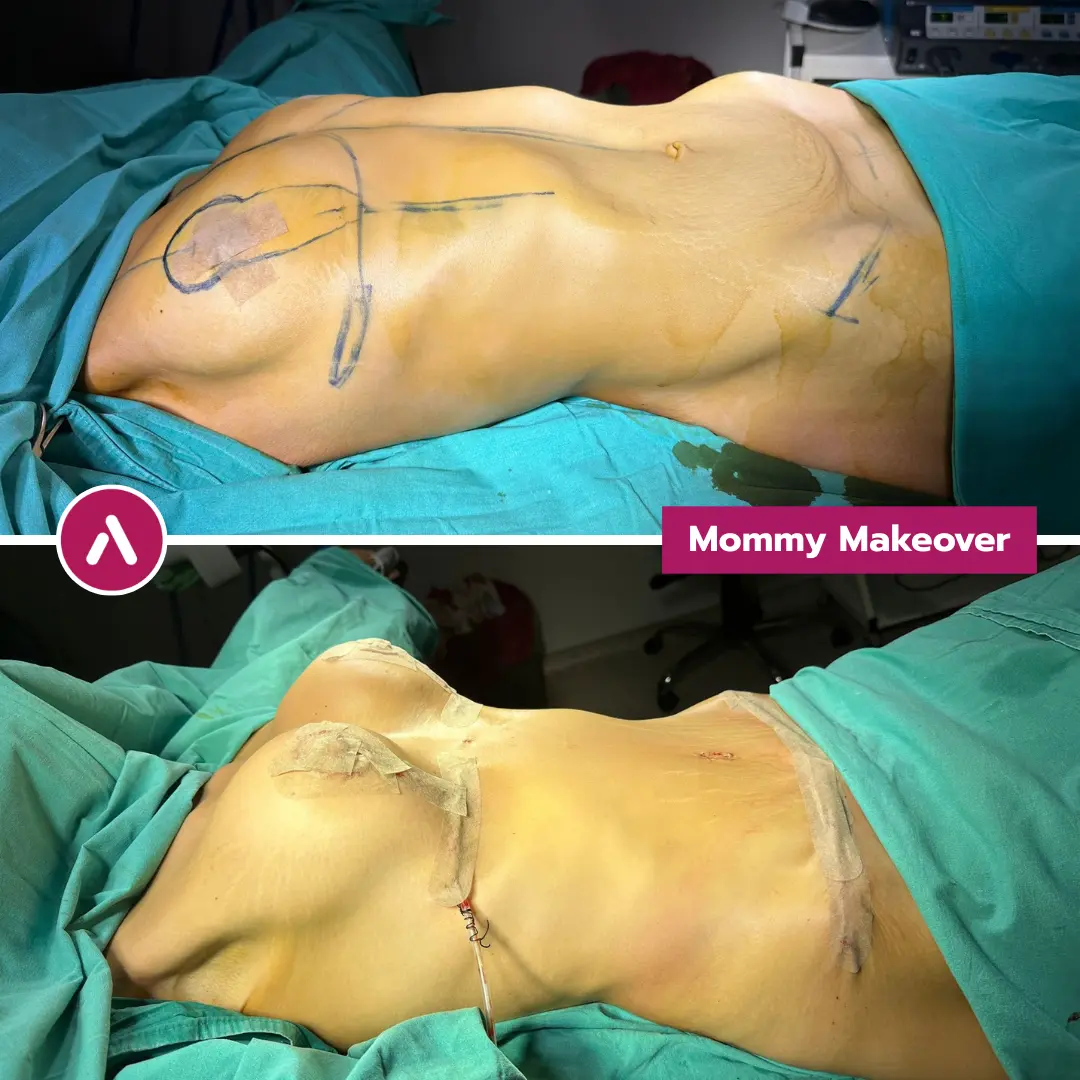
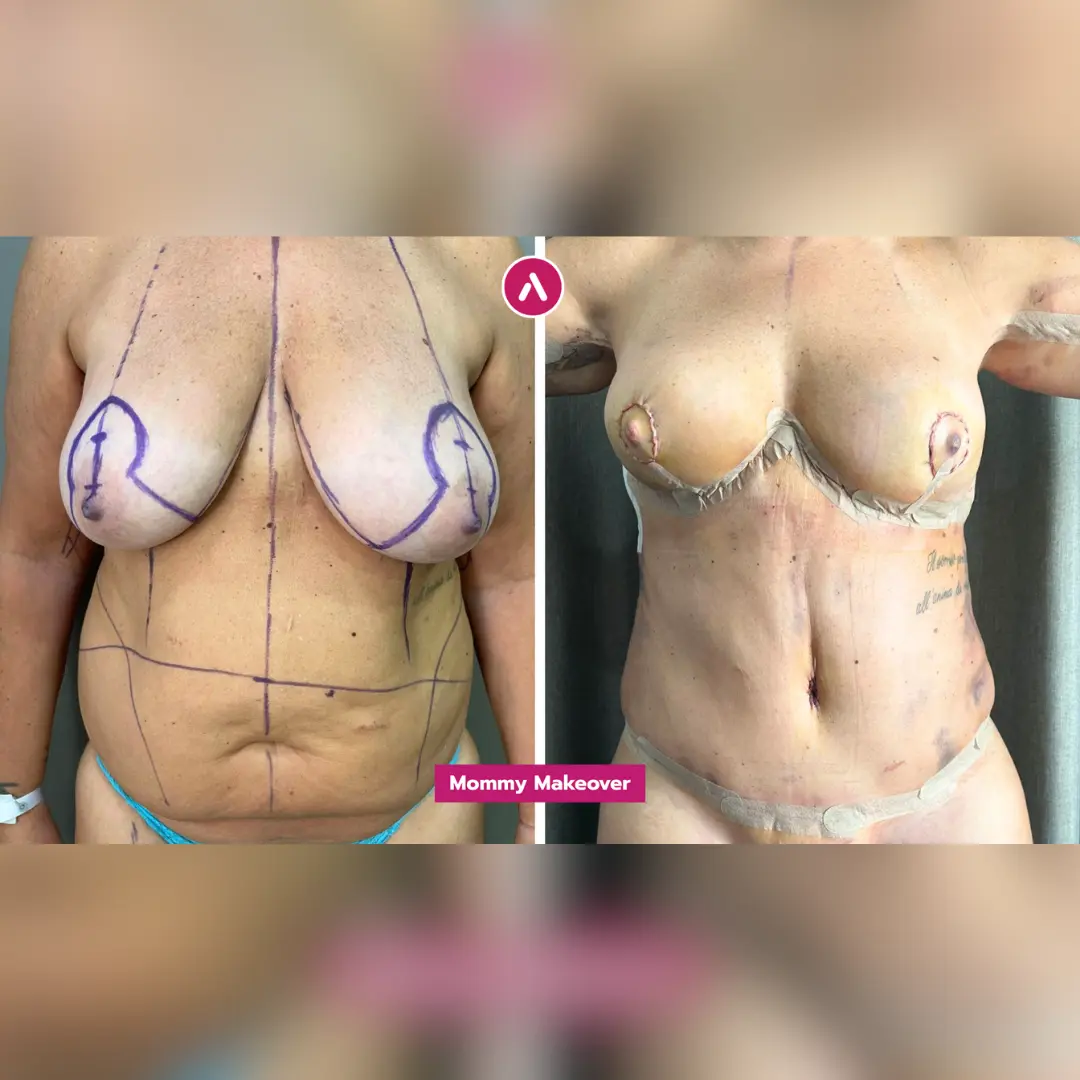
Myth 10: “You have no recourse if something goes wrong”
Recourse is more complicated across borders. This is one reason Canadian patients must get written agreements, medical records, and clear post-op instructions.
The Government of Canada advises medical travellers to obtain written agreements detailing fees and treatment, bring copies of medical records, and get copies of procedure-related records before departure. That advice is practical and worth following.
You should also tell any Canadian healthcare provider you consult after returning that you received treatment outside Canada. Keep your discharge summary, medication list, operative details, and clinic contact information accessible for at least 12 months.
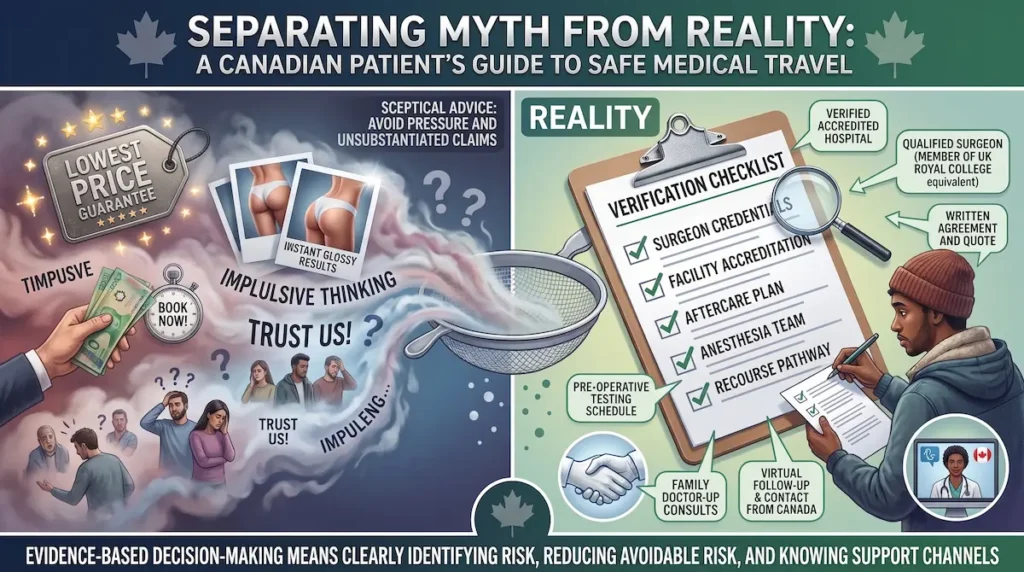
How to Separate Myth from Reality?
The safest decision is rarely based on one claim. It comes from a pattern of verification. A serious clinic should be able to answer practical questions without pressure or evasive language.
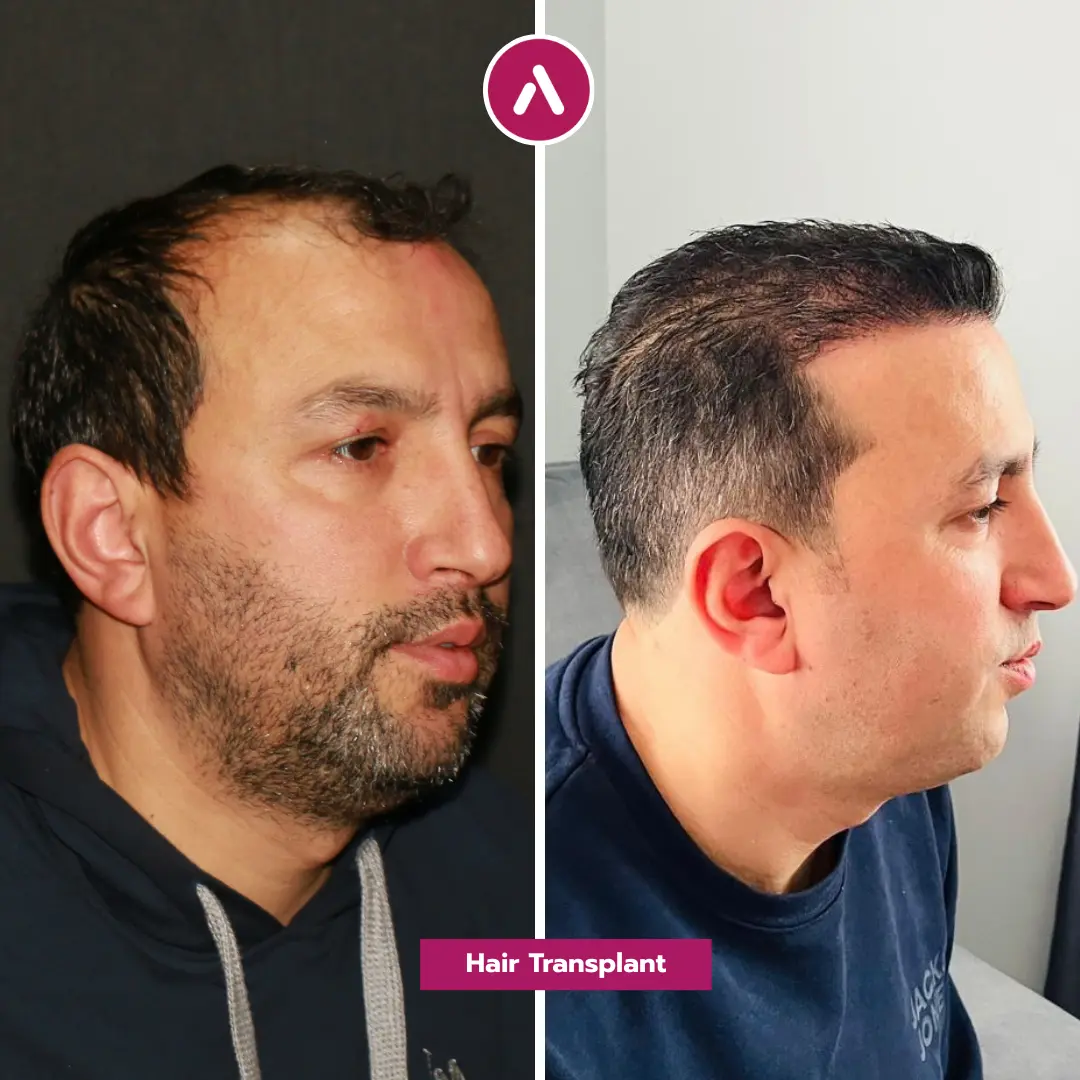
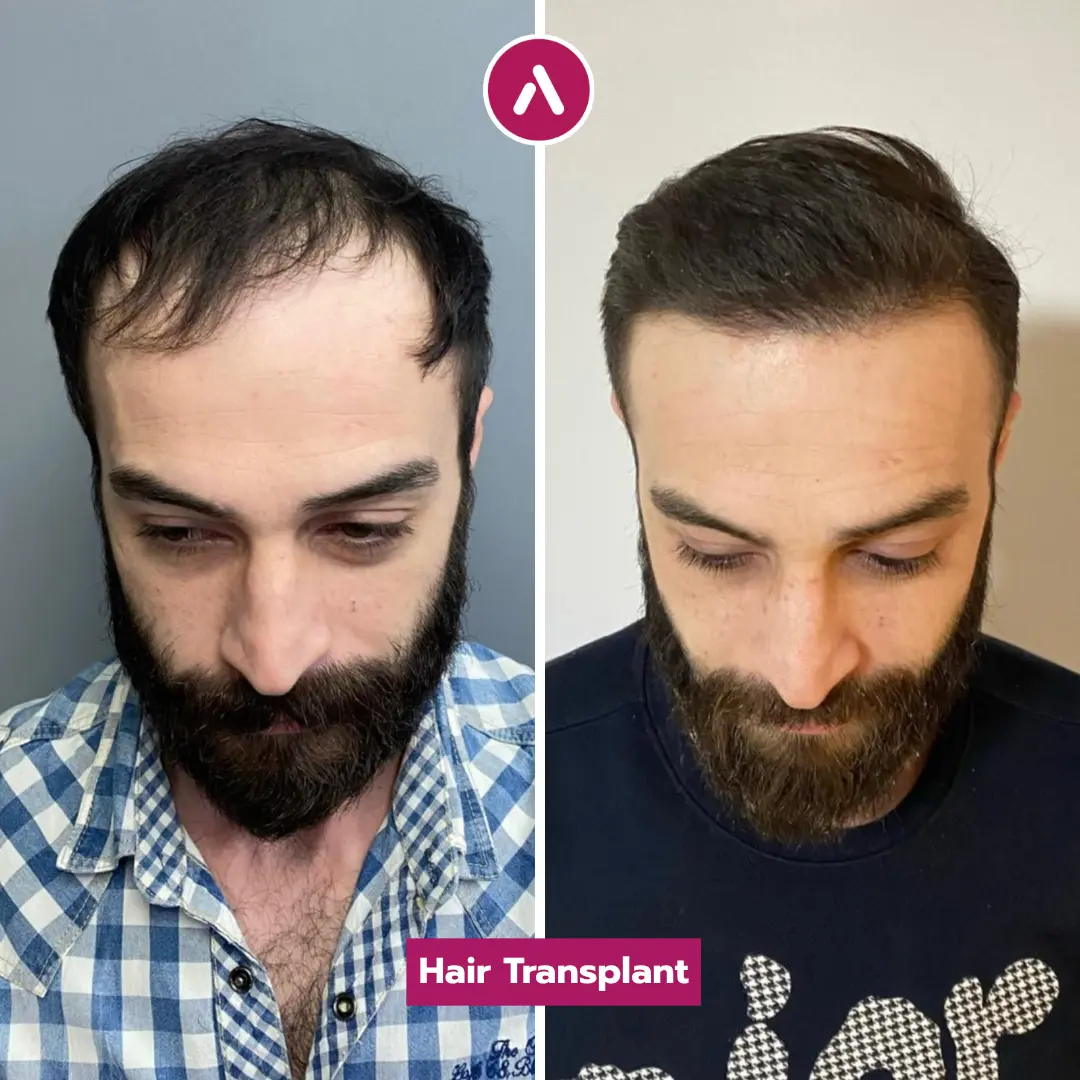
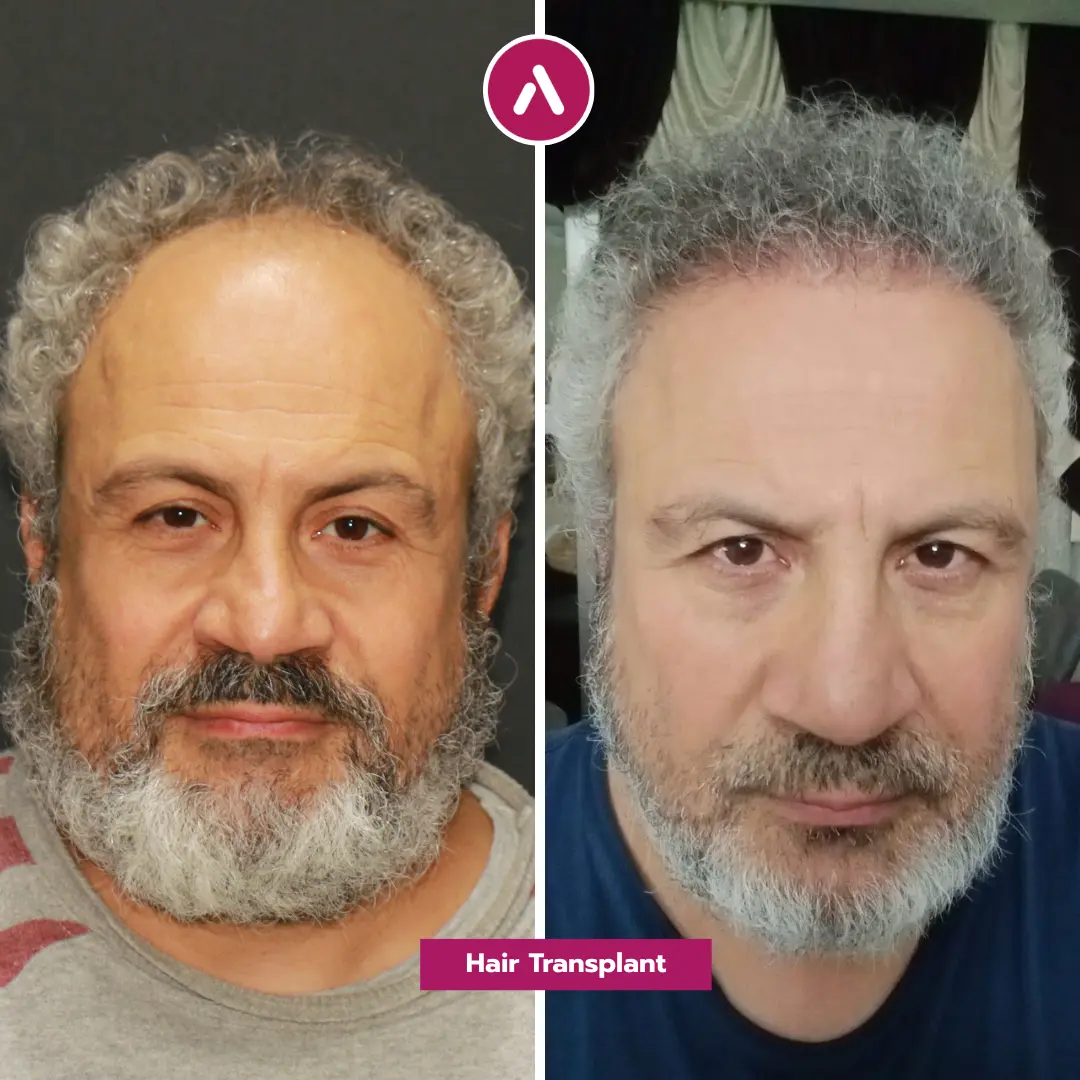
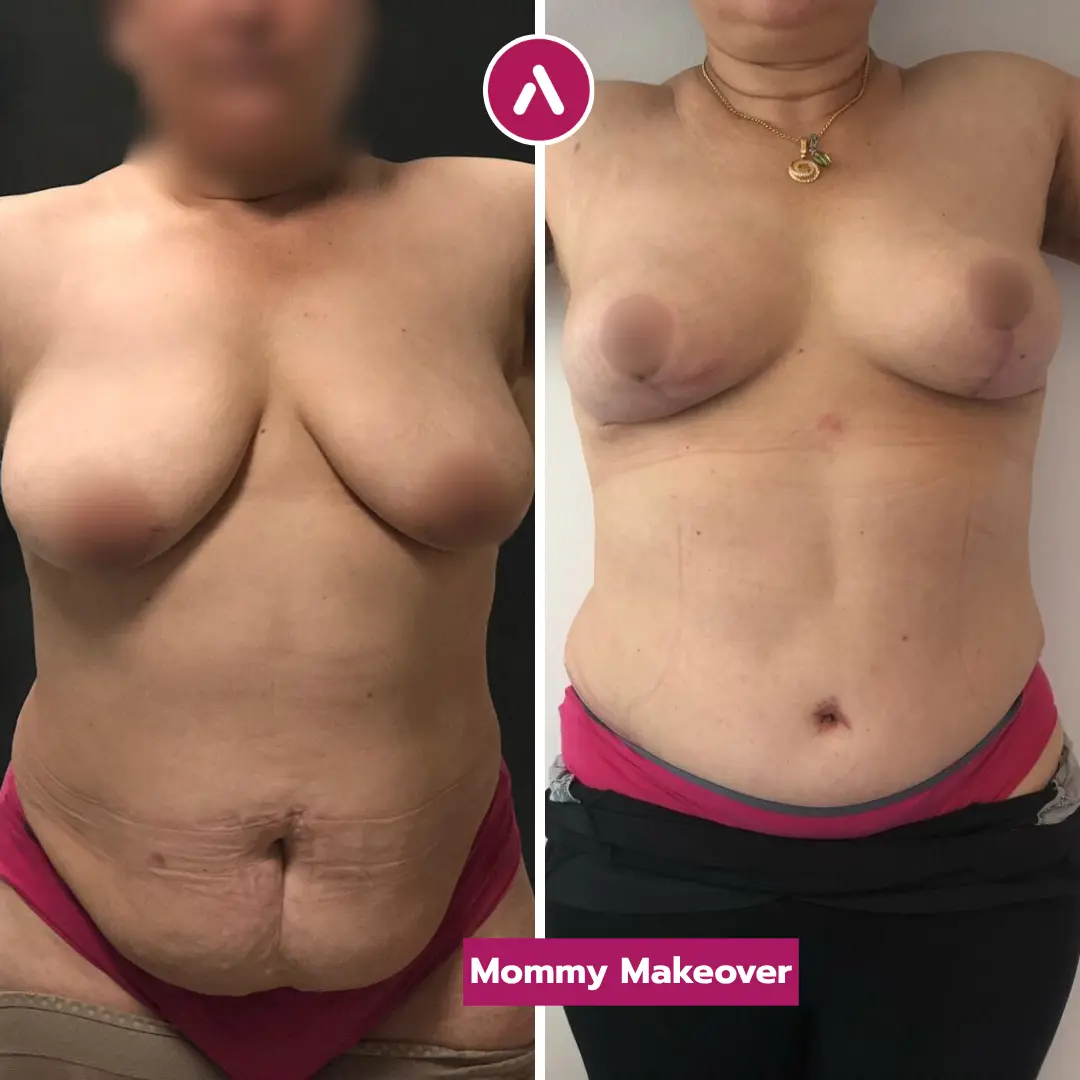
This is where a sceptical Canadian patient has an advantage. If you are already inclined to verify details, you are less likely to be swayed by glossy before-and-after galleries alone.
For a fuller decision framework, use our guide on how to evaluate clinics systematically.
The verification checklist
Before booking, confirm the basics in writing. Do not rely only on a social media conversation or a verbal promise.
- Who is the surgeon, and what are their credentials?
- Who performs the critical surgical steps?
- Where is the surgery performed?
- Is the facility accredited or officially authorized?
- What does the quote include and exclude?
- What pre-operative testing is required?
- What happens if surgery is not medically appropriate after assessment?
- Who manages anesthesia?
- What aftercare is provided before and after flying home?
- How can you contact the clinic from Canada?
Distinguishing good clinics from cautionary tales
Bad clinics usually have patterns. They pressure patients to book quickly, avoid naming the surgeon, minimize risk, promise unrealistic recovery, or advertise prices without explaining inclusions.
Better clinics are more measured. They ask for medical history, request photos, explain limitations, provide written plans, and tell some patients they are not candidates.
That last point matters. A clinic willing to say “no” is often safer than one willing to sell every patient a procedure.
Evidence-based decision-making
Evidence-based medical travel does not mean eliminating all risk. No surgical procedure can do that. It means identifying risk clearly, reducing avoidable risk, and knowing what support exists if recovery is not straightforward.
For Canadian patients, this also means speaking with a family doctor or travel health provider before leaving. You should discuss medical fitness for travel, routine medications, air travel risk, and your recovery plan once home.
| Myth | Why Canadians Worry | Evidence-Based Reality | What to Verify Before Booking |
|---|---|---|---|
| Low cost means low quality | Private surgery in Canada is expensive, so lower prices feel suspicious. | Cost differences can reflect overhead and package structure, but quality must still be verified. | Surgeon credentials, hospital setting, quote inclusions, aftercare. |
| You get what you pay for | Patients fear value means compromise. | High price is not a guarantee. Low price is not proof of danger. | Procedure plan, complication protocol, anesthesia team. |
| Cheap surgery is dangerous surgery | Some online stories involve poor screening and unsafe providers. | Surgery is dangerous when risks are hidden or standards are weak. | Medical screening, facility accreditation, written consent. |
| Technicians do the surgery | Patients worry the named surgeon is only marketing. | This can be a real risk in some settings, so delegation must be clarified. | Who performs each surgical step and who supervises the case. |
| It is an assembly line | High-volume clinics can make care feel impersonal. | Some clinics are high-volume; others use individualized planning. | Daily case volume, consultation depth, surgeon access. |
| You cannot communicate in English | Language barriers can affect consent and aftercare. | Communication quality varies by clinic and support team. | English-speaking coordinator, written instructions, emergency contact pathway. |
| Facilities are not accredited | Patients are unsure how foreign hospitals are regulated. | Some facilities are accredited; others are not appropriate for surgery. | Hospital name, JCI or other accreditation, official authorization. |
| There is no aftercare | Flying home creates distance from the surgical team. | Aftercare depends on the clinic’s structure, not the country alone. | Discharge plan, virtual follow-up, photo review schedule, warning-sign guidance. |
| You are abandoned after surgery | Patients fear being alone once complications appear. | Structured clinics provide coordinators and follow-up channels. | Named patient advocate, 24/7 contact method, Canadian follow-up guidance. |
| You have no recourse | Cross-border care complicates complaints and legal options. | Recourse is more complex, so written documentation matters. | Written agreement, medical records, revision policy, local physician coordination. |
Frequently Asked Questions: Turkey Plastic Surgery Myths
These questions summarize the concerns Canadian patients most often raise during early research. They are not a substitute for a medical consultation, but they can help you prepare better questions before speaking with a clinic.
Is plastic surgery in Turkey actually safe?
It can be safe when the clinic, surgeon, hospital setting, anesthesia plan, and aftercare structure are properly verified. It can also be unsafe when patients choose providers based only on price, social media content, or rushed sales pressure.
The more precise question is: “Is this specific clinic safe for my procedure and health profile?”
Do real surgeons perform the operations?
In properly structured surgical clinics, surgeons perform the critical surgical steps. In weaker settings, patients may not receive enough clarity about delegation.
Ask who performs each part of the procedure. Get the answer in writing before paying a deposit.
Why is Turkish surgery cheaper?
Lower pricing can reflect differences in operating costs, hospital economics, package structures, and local market conditions. It should not be interpreted automatically as lower quality.
Still, very low pricing with vague inclusions is a red flag. Transparency matters more than the headline number.
Is there follow-up care?
Good clinics provide follow-up care. Poor clinics may not. Before booking, ask exactly how many post-operative checks are included, who reviews your recovery photos, and how you reach the clinic from Canada.
AKM Clinic’s model includes a long-term virtual follow-up structure at 1, 3, 6, and 12 months.
Can I communicate in English?
Many Turkish medical tourism clinics serve English-speaking patients, but communication standards vary. Do not assume. Test the communication quality during consultation.
Ask for written pre-op and post-op instructions in English. If you live in Quebec and prefer French medical documentation for your local provider, plan translation needs early.
What recourse do I have if something goes wrong?
Cross-border recourse can be more complicated than local care. That is why documentation matters before, during, and after surgery.
Keep your written treatment agreement, discharge summary, medication list, procedure notes, and clinic contact information. Share them with your Canadian healthcare provider if concerns arise.
Are Turkish facilities accredited?
Some are. Some are not. This must be verified for the exact hospital or surgical facility where your procedure will take place.
Ask for the facility name and accreditation status before booking. Avoid any provider that refuses to identify the surgical setting clearly.
Learn the Facts Before You Decide
Turkey plastic surgery myths should not push you into fear or false confidence. The better path is verification: credentials, facility standards, written planning, patient support, and realistic expectations.
If you are comparing Istanbul with private surgery in Canada, start with a structured consultation. AKM Clinic can help you review your candidacy, understand the patient journey, and decide whether travelling for surgery makes sense for your anatomy, timing, and recovery needs.
Medical Disclaimer: This page is provided for general educational purposes only and does not replace an in-person medical consultation, diagnosis, or personalized treatment plan. All surgery carries risks, and outcomes vary between individuals. Suitability for a plastic surgery, procedure selection, and anesthesia choice can only be determined after a full clinical assessment by a qualified surgeon. Always follow your clinician’s instructions and seek urgent medical attention if you develop concerning symptoms during recovery.