
Quick Summary: Historical BBL safety concerns are mainly linked to fat embolism, a rare but serious complication associated with fat entering deep muscle layers or large gluteal veins. AKM Clinic uses ultrasound-guided fat transfer to help confirm subcutaneous-only placement during the procedure, reducing one of the most important avoidable risks in modern BBL surgery.
Many Canadian patients start their research with one direct question: is BBL safe enough to consider abroad? The honest answer is that a Brazilian Butt Lift is not a low-risk cosmetic shortcut. It is a major body-contouring procedure that requires careful patient selection, strict surgical technique, and a properly equipped medical facility.
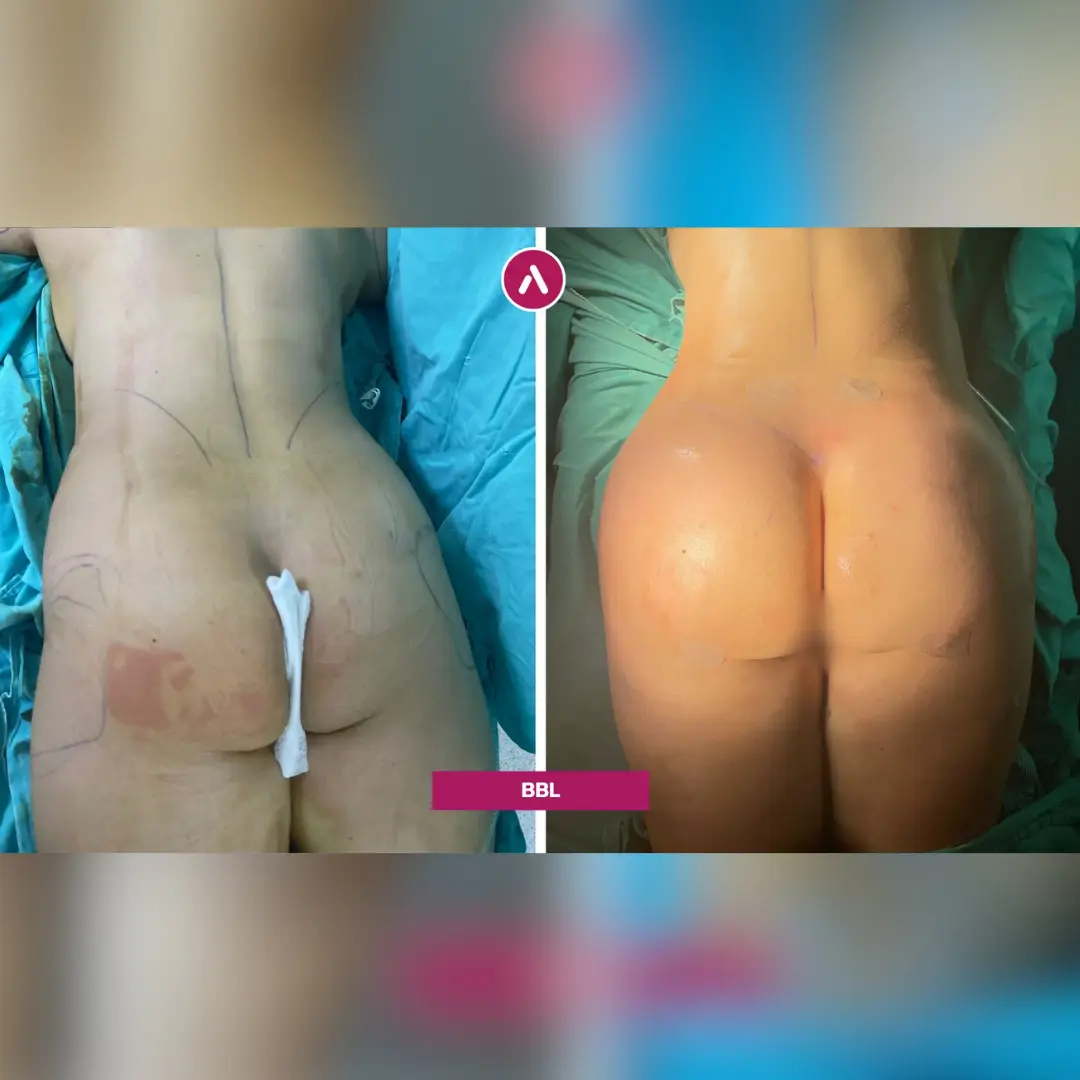
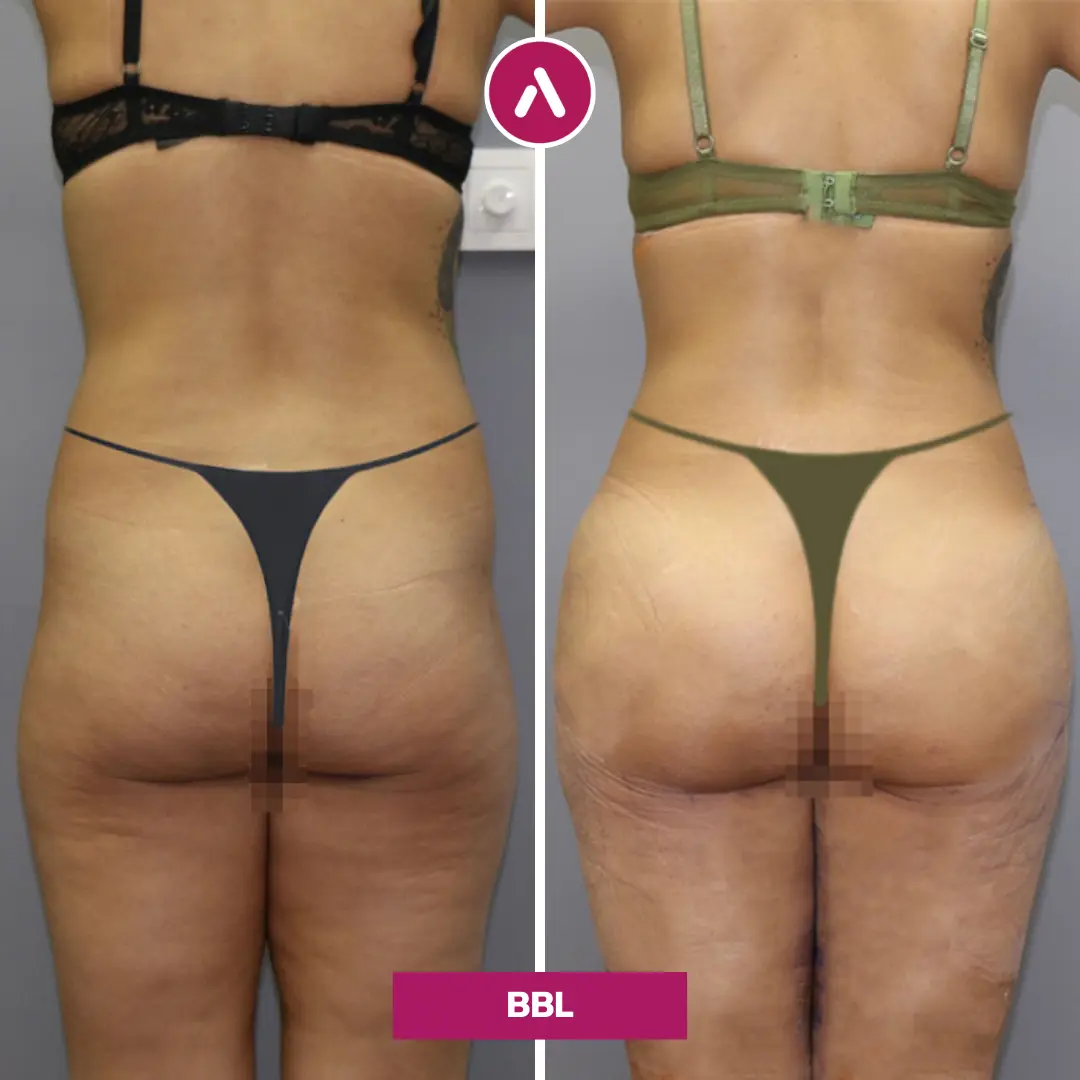
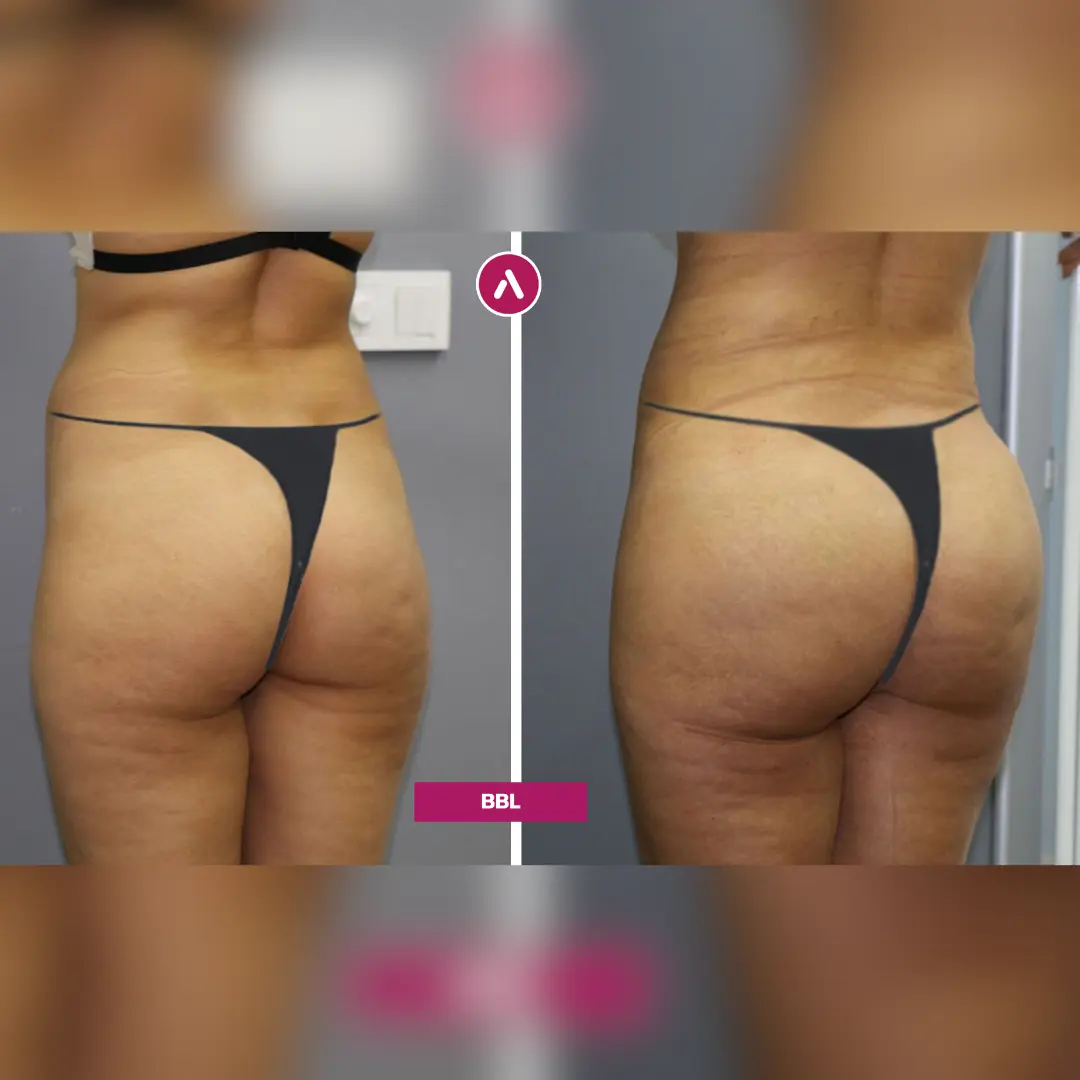
The safety conversation has changed in recent years. Older BBL mortality concerns were tied to blind fat injection into dangerous anatomical planes. Modern safety protocols now focus on keeping fat in the subcutaneous layer, above the gluteal muscle, with real-time ultrasound used to verify where the cannula is moving.
For Canadian patients comparing Istanbul with Toronto, Vancouver, Montreal, or Calgary private clinics, the right question is not only “Is BBL safe?” A better question is: “What exact protocol does this clinic use to make BBL safer?” This article explains the risk, the technology, and the verification steps you should complete before booking. For a broader procedural overview, start with the BBL procedure overview at AKM Clinic.
Table of Contents
The Historical BBL Safety Concern
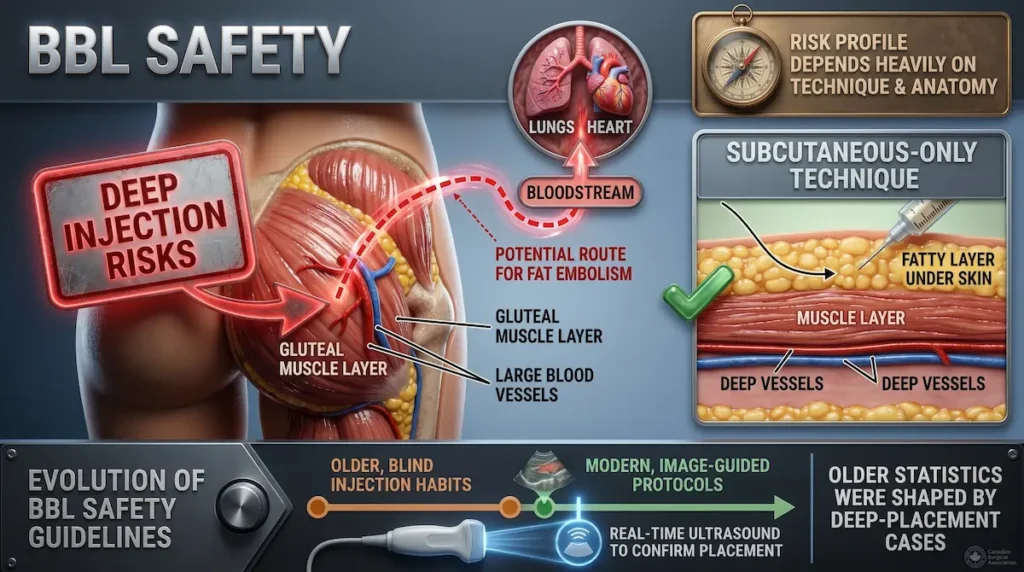
BBL became controversial because its most serious complication was not just infection, scarring, or asymmetry. The concern was fat embolism, which can happen when injected fat enters the bloodstream and travels to the lungs or heart. This is why BBL safety cannot be discussed honestly without talking about injection depth.
Where the BBL mortality statistics originated
Older mortality statistics were shaped by cases in which fat was placed too deeply into or beneath the gluteal muscle. The American Society of Plastic Surgeons and other plastic surgery societies warned that gluteal fat grafting had a higher risk profile than many other elective aesthetic procedures, especially when surgeons injected near deep gluteal vessels.
Those early warnings mattered. They forced the specialty to examine technique, training, facility standards, and patient volume. They also helped separate clinics using older blind-injection habits from clinics adopting safer, image-guided protocols.
For Canadian readers, this distinction is important. A headline about “BBL danger” often describes a technique problem, not a universal outcome for every patient in every clinic. The procedure’s risk profile depends heavily on how and where fat is injected.
The deep-injection problem
The gluteal region contains large blood vessels in and beneath the muscle. If fat is injected into those deeper zones, there is a potential route for fat to enter damaged veins. That is the mechanism behind the most feared BBL complication.
Subcutaneous-only fat transfer is designed to avoid that danger zone. In plain language, the surgeon places fat into the fatty layer under the skin, not into the muscle. This does not make the procedure risk-free, but it directly addresses the specific anatomical problem that drove older mortality statistics.
This is also why patients should be cautious about volume promises. If a requested buttock size requires more fat than the subcutaneous layer can safely accept, a responsible surgeon should reduce the plan, stage the procedure, or recommend another approach. For patients deciding between fat transfer and implants, see for the implants vs fat decision tree.
Why the procedure was redesigned globally
The modern BBL safety movement is built around one principle: keep the cannula superficial and confirm fat placement. Surgical societies have increasingly supported real-time imaging because touch alone can be unreliable in deeper tissue. The cannula can angle downward without the surgeon intending it.
Ultrasound adds a visual check. It allows the team to see the anatomical plane during injection instead of relying only on external feel and experience. That is a major shift from older methods.
Patients should still remember the basics. BBL is a surgical procedure involving liposuction, fat processing, anesthesia, post-operative swelling, and recovery restrictions. Safer technique reduces avoidable risk. It does not remove the need for conservative screening and careful aftercare.
How Ultrasound-Guided Injection Eliminates Deep Risk?
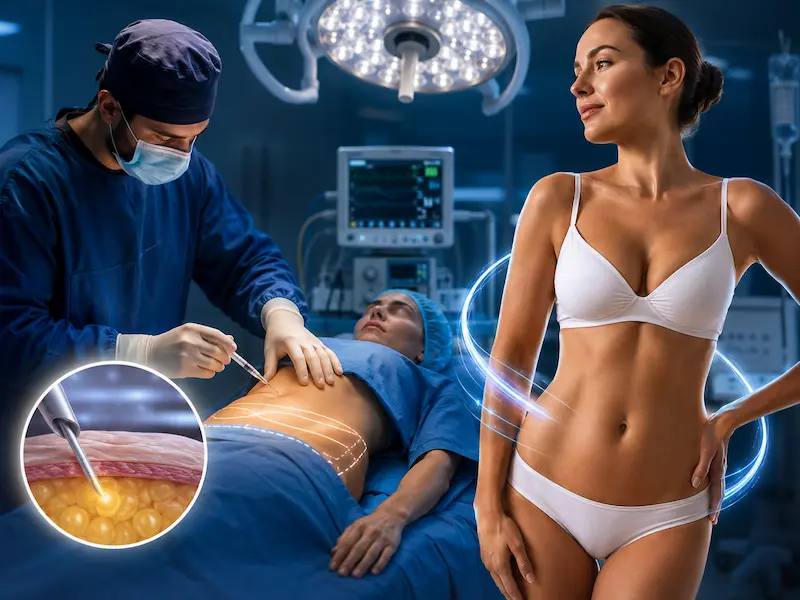
Ultrasound-guided BBL changes the operation from a blind fat-transfer procedure into a monitored one. The key safety advantage is real-time visualization: the surgeon can confirm where the cannula tip is and whether fat is being placed above the gluteal fascia, rather than entering the muscle layer.
Real-time visualization of fat placement
During ultrasound-guided fat transfer, imaging is used to identify tissue layers in the buttock. The surgeon can distinguish the subcutaneous fat layer from the gluteal fascia and deeper muscle. This matters because the visual boundary guides safer injection.
At AKM Clinic, ultrasound is not treated as a marketing label. It is part of the surgical safety architecture used to support controlled placement. The goal is not dramatic overfilling; it is controlled contouring inside the correct anatomical plane.
Canadian patients should ask a very specific question during consultation: “Will real-time ultrasound be used during the fat injection phase?” A vague answer such as “we use modern technology” is not enough. You need the clinic to explain how imaging is used, who operates it, and whether it is applied during injection itself. You can review the clinic’s broader safety technology through AKM’s ultrasound surgical technology.
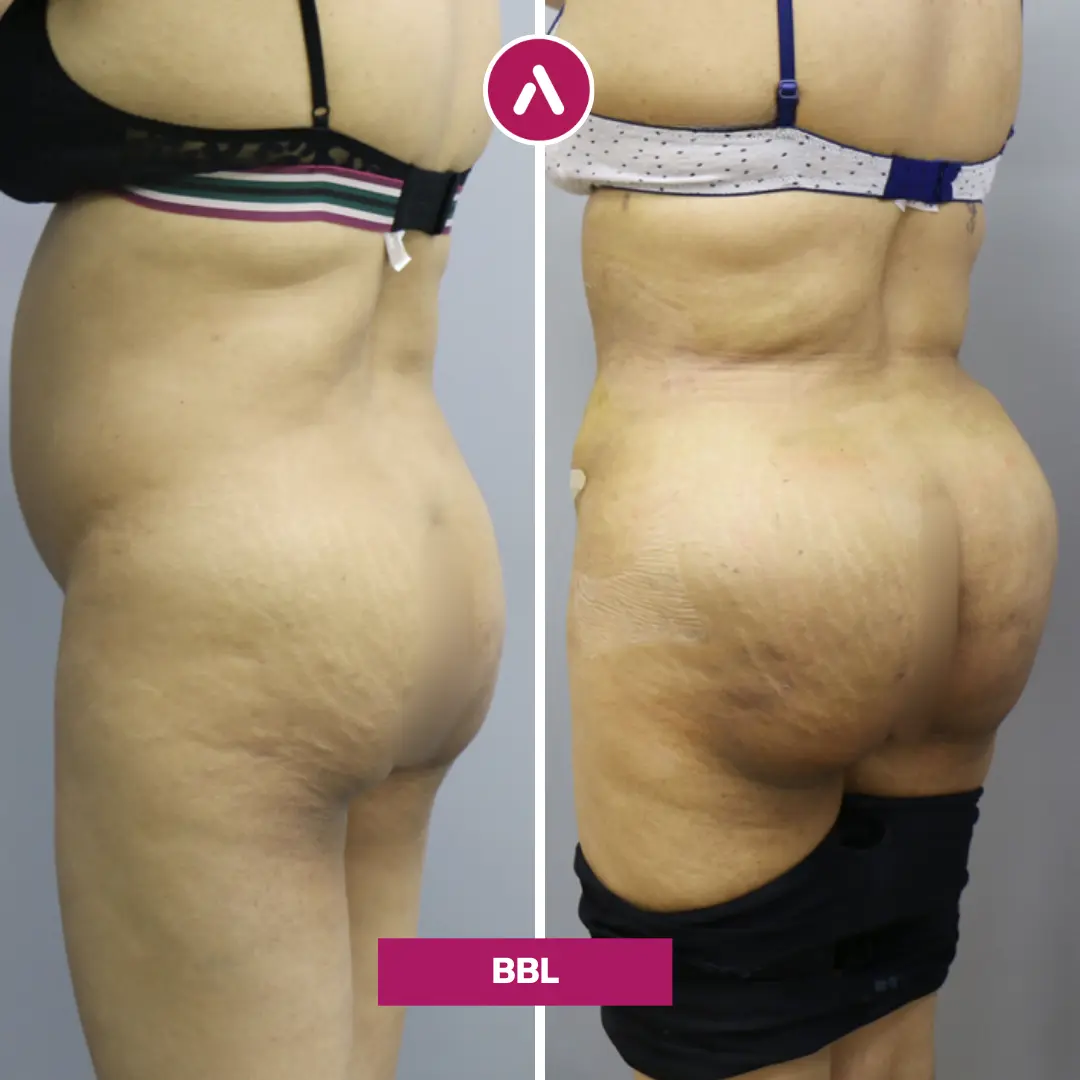
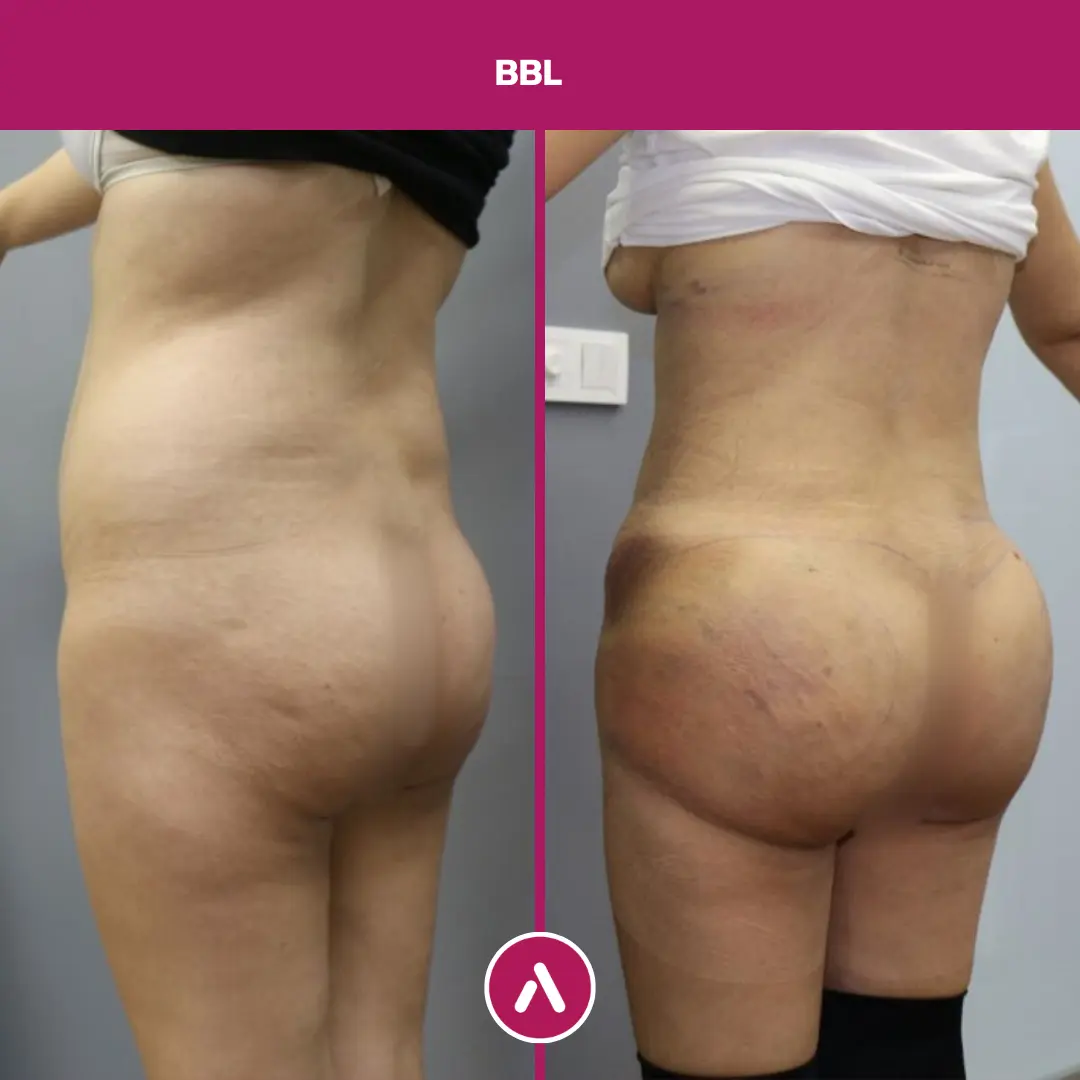
Subcutaneous-only confirmation during injection
Subcutaneous-only placement means fat is injected into the layer under the skin and above the muscle. This is the anatomical plane associated with the modern safe BBL approach. The deeper muscle layer is avoided because it contains the vascular structures linked to fatal embolism cases.
Ultrasound supports this by confirming the cannula position while fat is being transferred. Without imaging, a surgeon may believe the cannula is superficial when it has drifted downward. That is the gap ultrasound was designed to close.
“The most important BBL safety upgrade is not a larger cannula or a more aggressive contour. It is knowing exactly where the fat is going. Ultrasound gives the surgeon visual confirmation, which is why it has become central to safer gluteal fat transfer.”
This is where safety and aesthetics overlap. Over-aggressive volume can pressure the surgeon to place fat where it should not go. A natural-first plan respects the limits of the subcutaneous space and prioritizes shape over size.
Cannula trajectory monitoring
The cannula is the instrument used to place purified fat into the buttock. Its trajectory matters because even a small change in angle can shift the tip toward deeper tissue. Ultrasound helps monitor that trajectory while the surgeon works.
Safe technique also depends on access point selection, hand position, patient anatomy, and conservative injection volume. Technology improves safety only when the surgeon is trained to use it correctly. The tool does not replace judgement.
For Canadian patients, this is the practical takeaway: do not ask only whether a clinic offers BBL. Ask how the surgeon prevents deep injection. A credible answer should include subcutaneous-only placement, real-time ultrasound, conservative volume planning, and clear post-operative monitoring.
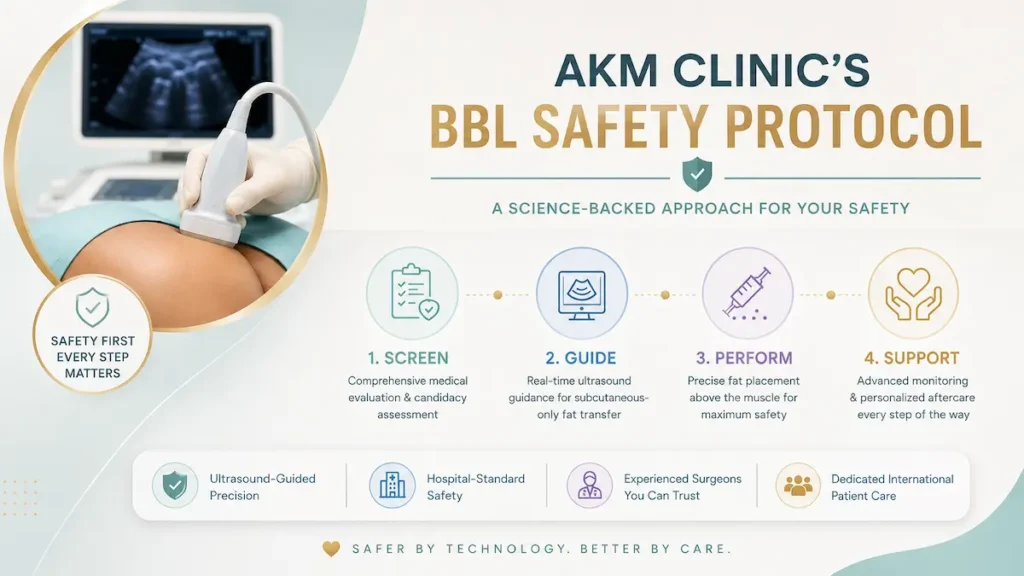
AKM Clinic’s BBL Safety Protocol
BBL safety begins before the patient enters the operating theatre. A responsible clinic should screen the patient’s anatomy, cardiovascular status, BMI, skin quality, donor-fat availability, and aesthetic goals before deciding whether BBL is appropriate. At AKM Clinic, the goal is not simply to perform fat transfer. The goal is to decide whether fat transfer can be performed safely, conservatively, and with a natural-looking contour.
Pre-operative screening: cardiovascular health, BMI, anatomy
Pre-operative screening is the first filter. A patient who is not medically suitable for prolonged liposuction and fat transfer should not be pushed toward surgery because they are motivated or have already booked a flight. This matters for Canadians travelling from Toronto, Vancouver, Montreal, Calgary, or Ottawa, because international surgery adds logistical and physiological demands.
For BBL, the screening conversation should include:
- BMI and body composition: enough donor fat is needed, but very high BMI can increase surgical and anesthesia risk.
- Cardiovascular health: blood pressure, clotting history, heart health, and smoking status must be reviewed.
- Gluteal anatomy: the surgeon must assess how much subcutaneous space can safely accept fat.
- Skin elasticity: poor elasticity may limit how much projection can be achieved naturally.
- Recovery logistics: the patient must understand sitting restrictions, compression, walking, and the return-flight timeline.
A major red flag is any clinic that promises a specific volume before examining the patient. Safe BBL planning is anatomical. It should never be based only on a photo of the desired result.
Canadian Patient Note: Patients flying from Canada should discuss long-haul travel risk during consultation. The return journey is not a minor detail. It affects DVT prevention, sitting restrictions, medication planning, and whether extra recovery nights in Istanbul are advisable before flying home.
Intra-operative ultrasound use
The injection phase is where ultrasound becomes clinically important. During ultrasound-guided BBL, the surgical team uses imaging to support subcutaneous-only fat placement. The purpose is to prevent unintended deep cannula movement toward the gluteal muscle.
This is the key difference between older blind-injection methods and a modern safety-focused protocol. The surgeon is not relying only on tactile feedback. Ultrasound provides a visual reference point during fat placement, helping the team confirm the anatomical plane throughout the procedure.
At AKM Clinic, ultrasound-guided BBL is positioned as a safety protocol, not a luxury upgrade. It aligns with the clinic’s broader “Natural-First” philosophy: a safer result is usually a more conservative result. Excessive projection should not override anatomical limits.
For patients who also want to understand the aesthetic outcome side, see for the BBL outcome side specifically, see our awake BBL results guide. This safety article stays focused on risk reduction and surgical technique.
Post-operative monitoring standards
Post-operative safety is not limited to the operating theatre. BBL recovery includes swelling control, pain monitoring, compression garment use, walking schedules, and early detection of warning signs. The first 48 to 72 hours matter most.
Canadian patients should ask how the clinic monitors patients immediately after surgery. They should also ask who is available after business hours. A WhatsApp number is helpful, but it is not the same as a structured post-operative protocol.
AKM Clinic’s support model includes patient coordination, post-operative follow-up, and guidance before the patient returns home. For an international patient, this structure matters. It reduces the risk of feeling abandoned in a hotel room after a major procedure.
| BBL Risk Factor | Why It Matters | AKM Clinic Mitigation Approach |
|---|---|---|
| Deep fat injection | Fat entering deep vascular structures is the major historical safety concern in BBL. | Ultrasound-guided fat placement with subcutaneous-only planning. |
| High BMI or unstable health profile | Higher surgical burden can increase anesthesia, wound-healing, and clotting risks. | Pre-operative screening for BMI, cardiovascular health, smoking status, and medical history. |
| Over-aggressive volume goals | Excessive projection can pressure unsafe placement or overfilling. | Natural-first contour planning based on available subcutaneous space. |
| Anesthesia depth | Longer procedures and deeper anesthesia require stronger monitoring standards. | Procedure-specific anesthesia planning and monitored surgical environment. |
| Poor post-op compliance | Sitting too early, under-walking, or skipping compression can affect healing and safety. | Patient education, post-op monitoring, and structured recovery guidance before flying home. |
JCI Accreditation and the Institutional Layer
Technique matters, but BBL safety also depends on the institution around the surgeon. The operating room, sterilization process, anesthesia monitoring, emergency protocols, and post-operative support system all influence risk. This is where accreditation becomes more than a logo on a website.
Why JCI accreditation matters for BBL
Joint Commission International accreditation is relevant because it evaluates hospital quality and patient safety systems. For Canadian patients used to provincial oversight through bodies such as the CPSO in Ontario, the CPSBC in British Columbia, or the CMQ in Quebec, independent external standards can help reduce uncertainty abroad.
BBL is not a procedure that should be performed in a casual, poorly equipped setting. It requires sterile technique, anesthesia readiness, emergency escalation, and proper recovery monitoring. This is especially important for patients travelling alone.
AKM Clinic’s surgical pathway uses JCI-accredited hospital infrastructure for procedures requiring that level of institutional support. For a deeper explanation of the accreditation topic, read JCI accreditation explained for Canadian patients.
Canadian Patient Note: Ask whether your BBL will be performed in a hospital environment or an office-style clinic. Canadian private surgery centres are regulated provincially; abroad, you must verify the facility standard yourself before paying a deposit.
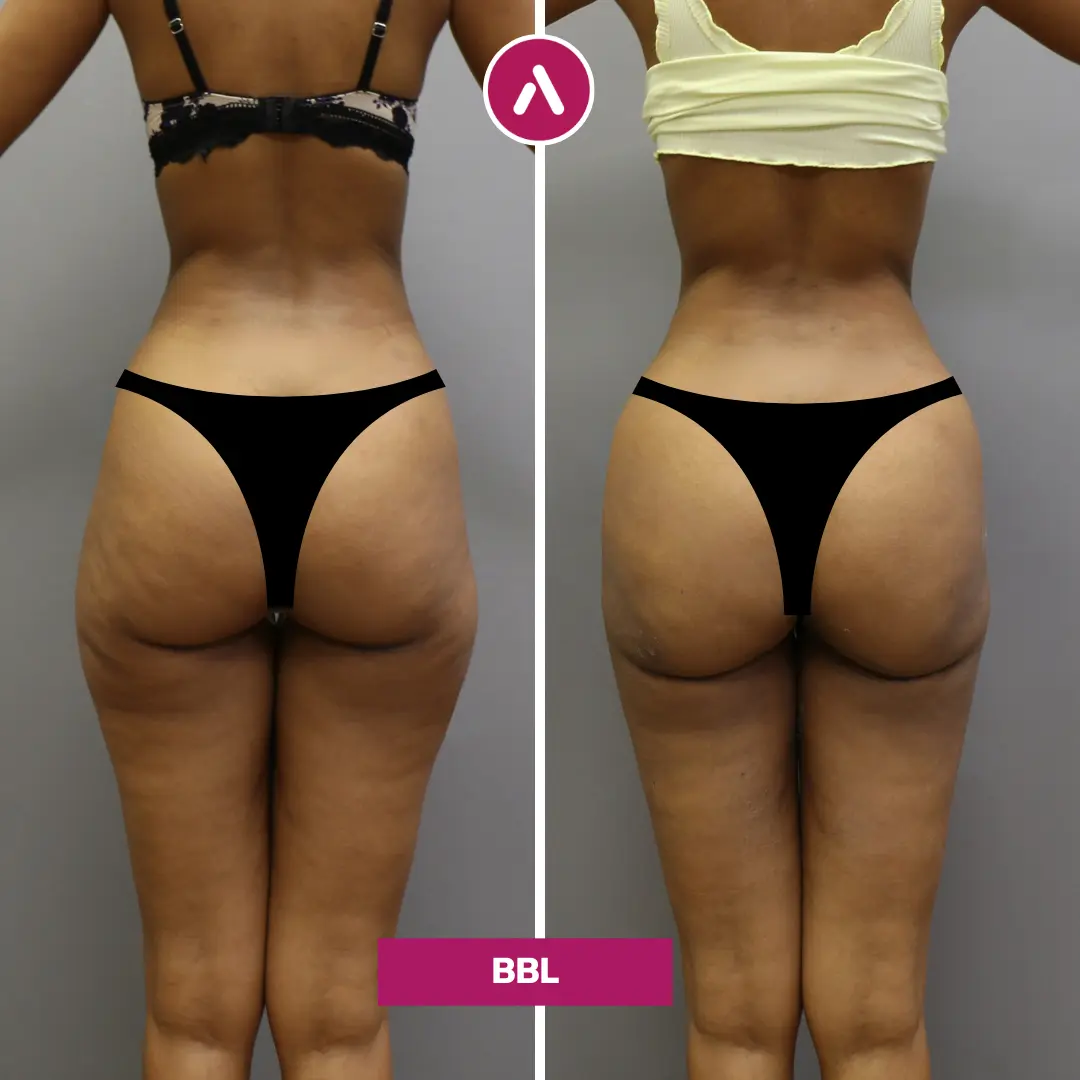
OR equipment standards
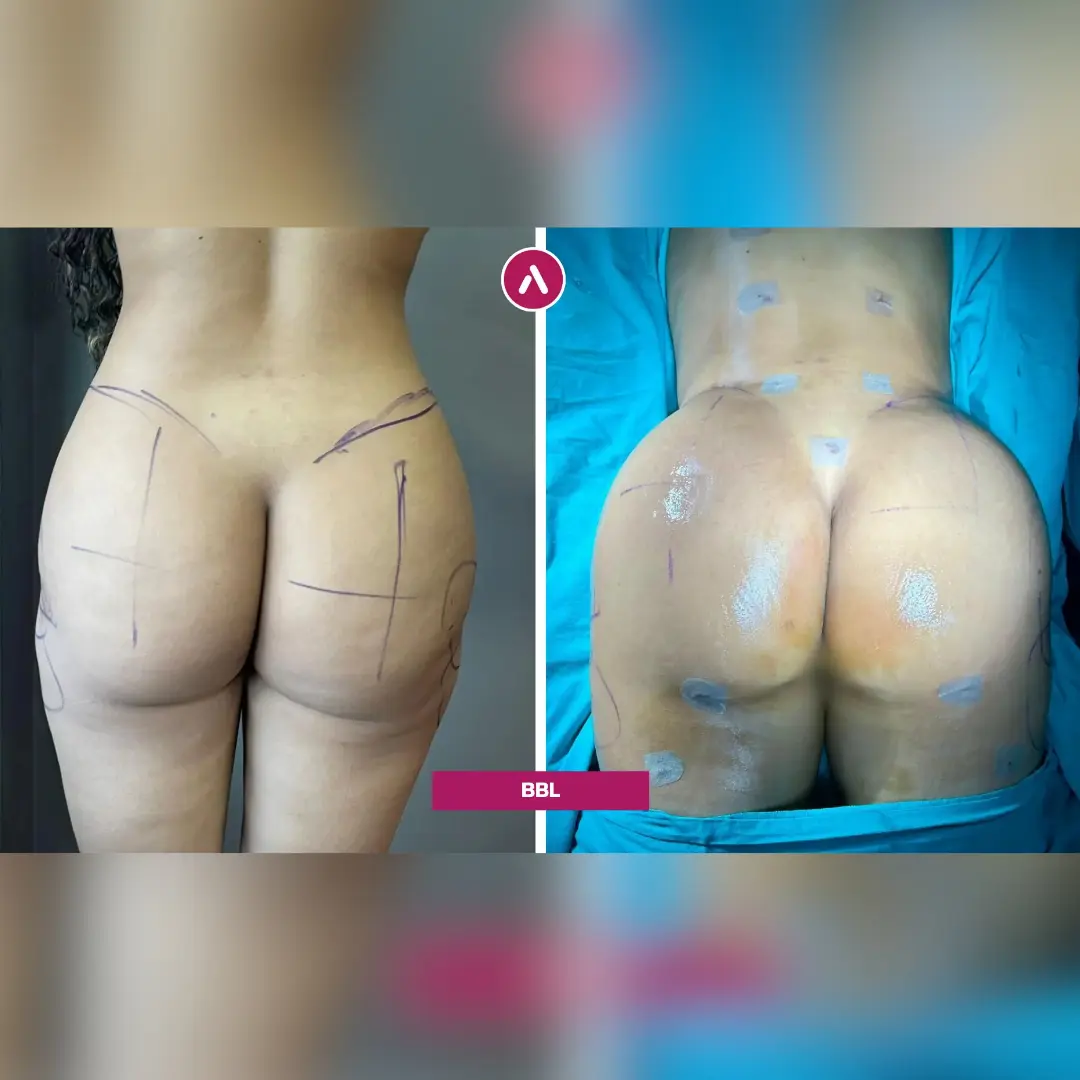
Operating-room safety is practical. It depends on whether the surgical team has the right instruments, sterile processing systems, anesthesia monitoring, emergency medications, and imaging equipment available at the correct moment. For ultrasound-guided BBL, the ultrasound unit must be part of the actual injection process, not simply available somewhere in the building.
Patients should ask direct questions:
- Is real-time ultrasound used during fat injection?
- Who operates or monitors the ultrasound during the procedure?
- Is the fat placed only above the muscle?
- What happens if the surgeon decides the desired volume is not safe?
- Is the procedure performed in a hospital or accredited surgical facility?
These questions do not make you difficult. They make you informed. A clinic that is serious about safety should welcome them.
Emergency escalation protocols
No surgical centre can promise zero risk. A credible clinic should instead explain how it reduces risk and how it responds if a complication occurs. This is the difference between reassurance and preparedness.
Emergency escalation protocols should include anesthesia support, access to hospital-level monitoring, clear decision-making authority, and a post-operative pathway for urgent assessment. For Canadians, there should also be a plan for continuity once the patient returns home.
Before booking, ask who provides guidance if symptoms appear after you land in Canada. A proper answer should include remote follow-up, documentation for your Canadian physician if needed, and clear instructions about when to seek urgent local care.
Why Health Canada Has Not Banned BBL?
Canadian patients sometimes interpret government warnings about medical tourism as a procedure ban. That is not how Canadian regulation works. Health Canada regulates drugs, devices, biologics, and certain health products within Canada, while travel advice for Canadians abroad is usually issued through the Government of Canada’s travel advisory framework.
The Canadian regulatory framework
There is no blanket Canadian ban that prevents an adult patient from choosing BBL surgery abroad. Instead, Canadian authorities warn patients to research the medical facility, the provider’s credentials, language barriers, travel insurance, and the financial risks of receiving care outside Canada.
This distinction matters. A lack of a ban does not mean the procedure is automatically safe. It means the responsibility shifts to the patient to verify the clinic, surgeon, hospital environment, and aftercare system before travelling.
For BBL, Canadian patients should verify four points before booking:
- The surgeon uses subcutaneous-only fat placement.
- Real-time ultrasound is used during the injection phase.
- The procedure is performed in an appropriately equipped medical facility.
- The clinic provides written post-operative instructions and remote follow-up after the patient returns to Canada.
The Government of Canada’s Turkey travel advice page, for example, includes medical tourism guidance advising Canadians to research health and financial risks, the medical facility, language barriers, and insurance coverage before medical travel. That framework applies broadly. It does not mean every clinic in a given country is unsafe.
Provincial college guidance
Within Canada, physicians are regulated provincially. Ontario patients may be familiar with the College of Physicians and Surgeons of Ontario. British Columbia patients may think of the CPSBC, while Quebec patients may recognize the Collège des médecins du Québec.
Those bodies regulate Canadian physicians. They do not regulate a surgeon operating in Istanbul. That means you must use a parallel verification process: surgeon credentials, hospital accreditation, facility standards, before-and-after documentation, written consent, and clear emergency planning.
This is why clinic choice matters so much in medical tourism. The procedure may be the same on paper, but the risk profile changes depending on who performs it, where it is performed, and whether modern safety protocols are used.
Canadian Patient Note: Before leaving Canada, speak with your family physician if you have a clotting history, cardiovascular concerns, diabetes, smoking history, or previous surgical complications. Your Canadian doctor may not endorse cosmetic surgery abroad, but they can help identify medical risk factors you should disclose before booking.
How safe-technique clinics differ from sanctioned ones
Unsafe BBL environments tend to share patterns: aggressive volume promises, weak credential transparency, limited facility information, unclear anesthesia support, and no structured aftercare. These are not small administrative issues. They are clinical risk signals.
A safety-focused BBL clinic should sound different during consultation. The surgeon should be willing to discuss limits. They should explain why a patient may not be a candidate. They should also be clear that subcutaneous capacity, not social media goals, determines safe volume.
AKM Clinic’s broader safety approach is based on surgeon-led planning, international patient support, advanced recovery systems, and clinical transparency. For the wider context beyond BBL, see our broader Turkish cosmetic surgery safety perspective.
Comparing International BBL Safety Data
International BBL safety data can be confusing because it mixes different countries, time periods, surgical techniques, and provider types. A clinic using ultrasound-guided, subcutaneous-only fat transfer should not be compared directly with older cases involving blind deep-muscle injection. The details change the risk profile.
The Brazil concern: Health Canada travel advisory context
Brazil is often part of the BBL conversation because the procedure’s popular name and early global growth are associated with Brazilian body-contouring trends. Canadian travel guidance for Brazil includes a medical tourism section that advises patients to research health and financial risks, facility standards, language barriers, and travel insurance before seeking care abroad.
That guidance is useful for any Canadian considering surgery outside the country. It does not create a BBL-specific ban. It does, however, reinforce a practical rule: never travel for elective surgery without verifying the facility and your complication plan in writing.
Patients should also avoid assuming that a country’s reputation predicts an individual clinic’s safety. A strong clinic in one country can be safer than a weak clinic in a closer destination. The reverse can also be true.
Why Turkey is not in the same regulatory bracket
Turkey is a major medical tourism destination, but that does not make every Turkish clinic equivalent. Istanbul has high-quality hospitals and internationally trained surgeons, along with lower-quality providers that rely on volume and advertising. The patient’s task is to separate those categories before booking.
For BBL, the key differentiator is not the country name. It is the protocol. A responsible clinic should be able to explain ultrasound use, subcutaneous-only placement, anesthesia monitoring, infection control, and post-operative communication.
This is why AKM Clinic positions BBL safety around measurable process rather than reassurance. The safest answer is not “trust us.” The safest answer is a clear explanation of how deep injection is avoided and how the patient is monitored before flying home.
How to verify any clinic’s safety protocols
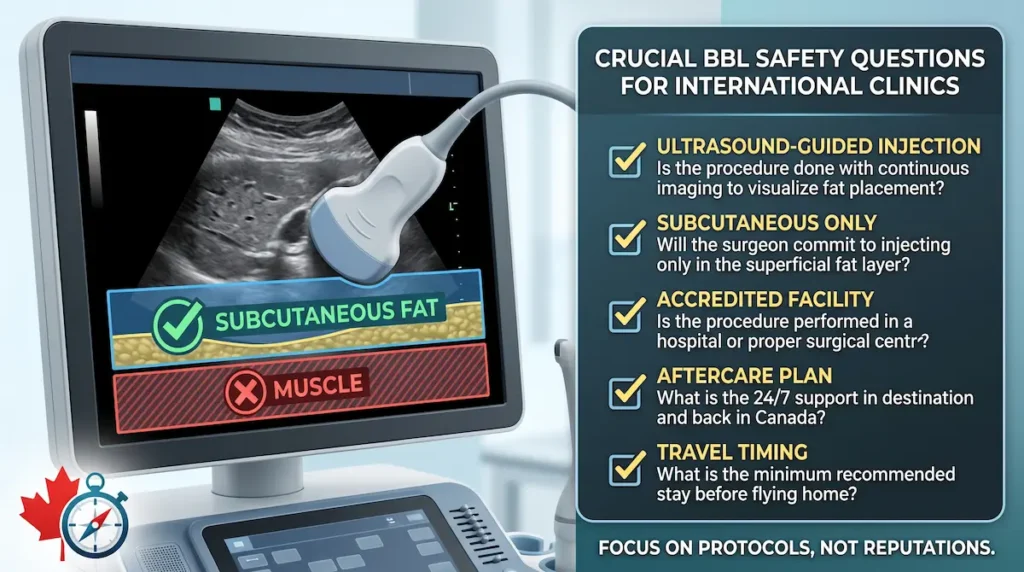
Canadian patients should verify safety before paying a deposit. Ask for details in writing where possible. A clinic that avoids specific answers may not have a specific protocol.
Use this verification checklist:
- Ask about ultrasound: Is it used during fat injection or only mentioned generally?
- Ask about injection plane: Does the surgeon commit to subcutaneous-only placement?
- Ask about facility type: Is the procedure performed in an accredited hospital or properly equipped surgical facility?
- Ask about volume limits: What happens if your requested projection exceeds safe anatomical capacity?
- Ask about aftercare: Who answers urgent questions after hours in Istanbul and after you return to Canada?
- Ask about travel timing: How many days are recommended before flying home?
The multi-society patient safety statement on gluteal fat grafting emphasizes that gluteal fat grafting carries significant risk compared with many other elective aesthetic procedures. That is exactly why the verification process must be detailed.
Canadian Patient Note: Do not rely only on Instagram before-and-after photos. Ask for the safety protocol behind the result. For BBL, the most important proof is not the curve in the photo. It is the clinic’s ability to show how it avoids deep fat injection.
Frequently Asked Questions: Is BBL Safe?
BBL safety questions deserve direct answers. Canadian patients should be cautious of clinics that respond with vague reassurance. A safer consultation should explain the anatomy, the ultrasound protocol, the facility standard, and the recovery plan in practical terms.
Is BBL safe in 2026?
BBL can be safer in 2026 than it was in earlier eras when performed with modern safeguards: subcutaneous-only fat placement, real-time ultrasound guidance, conservative volume planning, medical screening, and hospital-level monitoring. It is still a major surgical procedure. It should not be treated as a casual cosmetic enhancement.
The safest approach is not based on country or price alone. It depends on the surgeon’s technique, the facility, anesthesia planning, and the clinic’s willingness to refuse unsafe volume requests.
Has anyone died from BBL at AKM Clinic?
AKM Clinic’s patient-facing safety materials reviewed for this article do not report a BBL fatality at the clinic. That said, any patient considering BBL should ask for the clinic’s current complication disclosure, safety protocol, and surgeon-specific experience during consultation.
This question is appropriate. A credible clinic should not be offended by it. Canadian patients should feel comfortable asking about mortality, fat embolism prevention, infection control, anesthesia safety, and emergency escalation before booking.
Does Health Canada warn against BBL in Turkey?
Health Canada does not publish a blanket ban on BBL in Turkey. Canadian travel advice generally encourages patients seeking medical care abroad to research the health and financial risks, the medical facility, language barriers, and insurance coverage before travelling.
The practical message for Canadians is clear: do not assume medical tourism is safe because a clinic looks polished online. Verify the procedure, provider, facility, and follow-up plan before committing.
What does “subcutaneous-only” actually mean?
“Subcutaneous-only” means the fat is placed in the fatty layer under the skin and above the gluteal muscle. This is the safe anatomical target because the deeper muscle zone contains blood vessels associated with the most serious historical BBL complications.
For BBL safety, this term is not optional language. It is central to the procedure. A clinic should be able to explain how it confirms subcutaneous placement during surgery, ideally with real-time ultrasound.
Can I verify ultrasound use during my procedure?
Yes. You should ask before booking whether ultrasound is used during the fat-injection phase itself. You can also ask whether the surgeon or a trained team member monitors the cannula tip and whether ultrasound is used for every BBL or only selected cases.
Useful questions include:
“Is ultrasound used in real time during fat injection?”
“Do you inject fat only above the muscle?”
“How do you confirm the cannula has not entered the muscle?”
“What is the maximum safe volume for my anatomy?”
“Can this be documented in my surgical plan?”
For patients comparing budget and safety together, review BBL pricing in CAD alongside the technique details. Price should never be evaluated separately from the safety protocol.
What is my personal mortality risk?
No ethical surgeon can give a universal mortality number that applies to every patient. Your personal risk depends on your medical history, BMI, clotting risk, smoking status, cardiovascular health, anatomy, procedure length, anesthesia plan, and surgical technique.
Older BBL mortality statistics were heavily influenced by deep injection practices. Ultrasound-guided, subcutaneous-only technique is designed to reduce the specific risk pathway associated with fat embolism. It does not remove every surgical risk.
The best next step is a full candidacy assessment. If your anatomy or health profile makes the procedure unsafe, the correct recommendation may be to delay surgery, choose a different contouring plan, or avoid BBL altogether.
How do I find a safe BBL surgeon?
Look for specificity. A safe BBL surgeon should be able to describe the injection plane, ultrasound protocol, volume limits, anesthesia plan, facility standard, and post-operative monitoring process. General claims such as “board-certified” or “experienced” are not enough on their own.
Your checklist should include:
Documented experience in gluteal fat grafting.
Real-time ultrasound use during fat injection.
Subcutaneous-only fat placement.
A conservative approach to volume.
Hospital or accredited surgical-facility access.
Transparent complication discussion.
Structured follow-up after returning to Canada.
A good surgeon will also tell you when not to have BBL. That may be the clearest safety signal of all.
BBL can be performed with a safer modern protocol, but only when the clinic treats safety as a surgical system rather than a marketing promise. Ultrasound guidance, subcutaneous-only placement, conservative planning, medical screening, and proper facility standards must work together.
For Canadian patients, the decision should be evidence-led. Ask direct questions. Request written details. Compare the clinic’s safety protocol as carefully as you compare before-and-after photos.
To review your anatomy, candidacy, ultrasound-guided BBL plan, and travel timeline, schedule a virtual consultation with AKM Clinic’s team before making any booking decision.
Medical Disclaimer: This page is provided for general educational purposes only and does not replace a face-to-face medical consultation, diagnosis, or personalised treatment plan. All surgery carries risks and outcomes vary between individuals. Suitability for a Brazilian Butt Lift (BBL), procedure selection, and anaesthesia choice can only be determined after a full clinical assessment by a qualified surgeon. Always follow your clinician’s instructions and seek urgent medical attention if you develop concerning symptoms during recovery.