
Quick summary: Hyperbaric Oxygen Therapy benefits include improved tissue oxygenation, reduced inflammation, and stronger support for surgical healing. For Canadian patients travelling home after surgery in Istanbul, HBOT can be part of a structured recovery plan that helps the body manage swelling, bruising, and tissue repair more efficiently.
Hyperbaric Oxygen Therapy, often shortened to HBOT, is a recovery technology used to increase the amount of oxygen available to healing tissues. During treatment, the patient breathes 100% oxygen inside a pressurized chamber. This allows oxygen to dissolve more deeply into the blood plasma, reaching tissues that may be temporarily stressed after surgery.
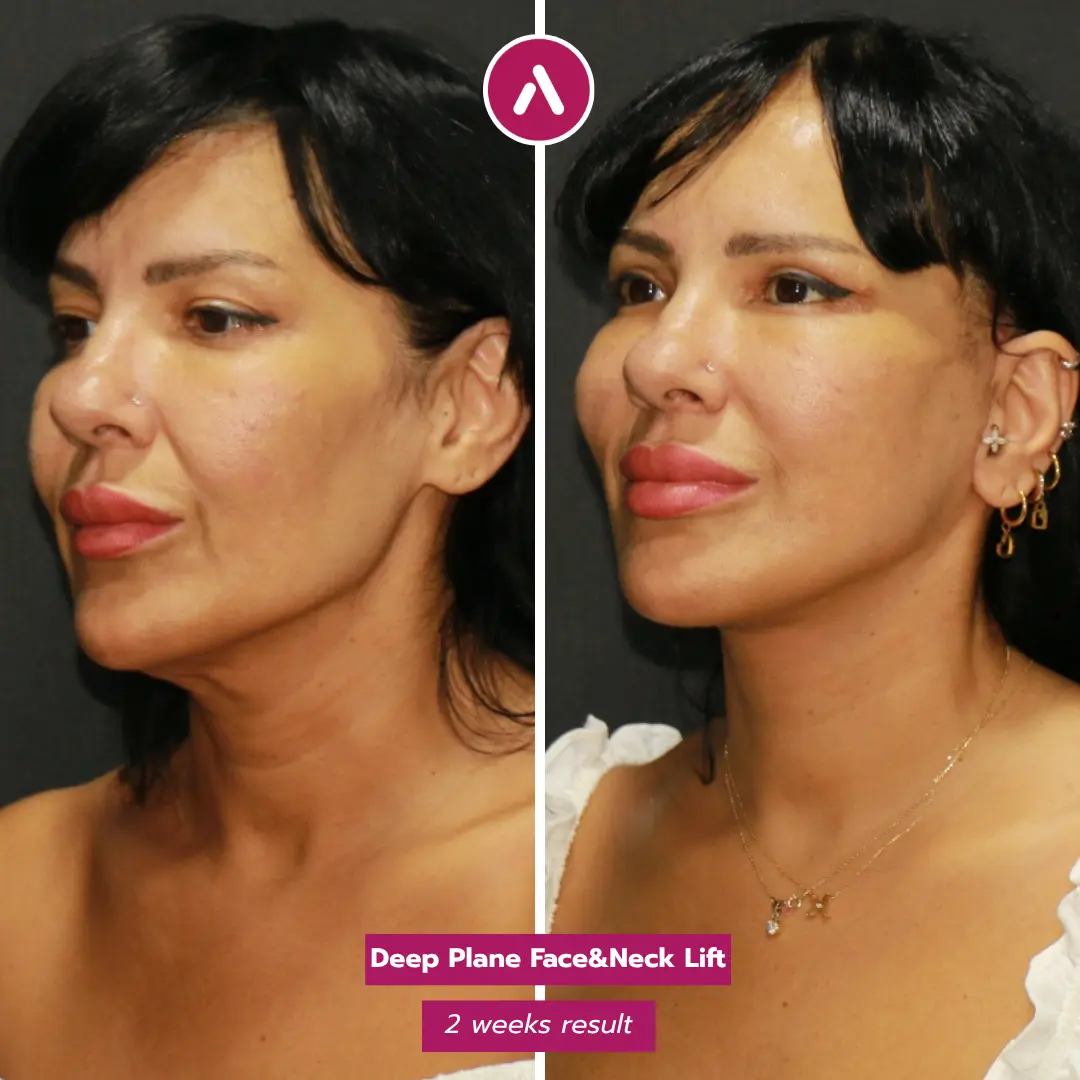
For Canadians considering surgery abroad, recovery is not only about the procedure itself. It is also about preparing for a long-haul return from Istanbul to Toronto, Vancouver, Montreal, Calgary, or another Canadian city. AKM Clinic integrates HBOT into its wider recovery approach through AKM’s recovery technology standards, with the goal of supporting tissue repair before patients return home.
“HBOT is not a shortcut around proper surgical technique or aftercare. It is a recovery accelerator that helps oxygen reach healing tissues when the body needs it most.”
Table of Contents
What HBOT Is?
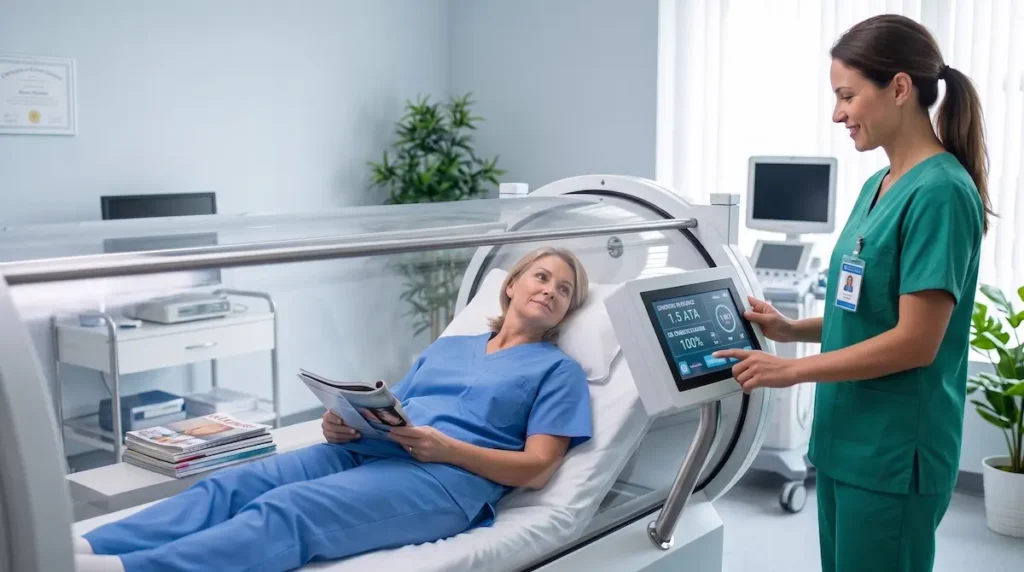
HBOT is a medical oxygen therapy delivered in a controlled pressurized environment. The purpose is simple: increase oxygen delivery beyond what normal breathing can achieve. This matters after surgery because oxygen is central to wound repair, collagen formation, immune function, and tissue survival. The Undersea and Hyperbaric Medical Society (UHMS) is one of the leading organizations defining clinical standards and evidence-based applications for hyperbaric medicine.
Pressurized 100% oxygen explained
In normal air, oxygen makes up only part of what you breathe. In HBOT, the patient breathes 100% oxygen while the chamber pressure is raised above normal atmospheric pressure. This pressure shift helps oxygen dissolve into the liquid portion of the blood, not only the red blood cells.
That distinction is important. After surgery, some areas may have swelling, bruising, or temporary changes in circulation. HBOT helps deliver oxygen to tissues that may be harder to reach through standard blood flow alone.
Plasma oxygen super-saturation
Plasma is the fluid component of blood. Under HBOT conditions, plasma can carry a higher concentration of oxygen than it normally would. This is sometimes described as oxygen super-saturation.
For surgical recovery, the benefit is practical. Oxygen-rich plasma can support areas affected by edema, inflammation, or delicate tissue handling. This is one reason HBOT is especially relevant after facial surgery, body contouring, grafting, and procedures involving skin flaps.
The chamber experience
Most patients describe HBOT as calm and uneventful. You rest inside the chamber while breathing oxygen, and the main sensation is often similar to pressure changes during a flight. The ears may need gentle equalizing, as they do during takeoff or landing.
For Canadian patients, the chamber experience is usually scheduled as part of the recovery period in Istanbul. It supports the broader aftercare plan before the final fit-to-fly assessment and return travel.
The Core Healing Mechanisms
HBOT works through several overlapping mechanisms. It is not a single-effect treatment. Its value comes from how oxygen influences inflammation, microcirculation, collagen activity, immune defence, and new vessel formation during the early healing period.
Enhanced tissue oxygenation
Healing tissues need oxygen. After surgery, oxygen demand rises because the body must repair incisions, manage inflammation, rebuild collagen, and protect against infection. HBOT increases the oxygen available to support these tasks.
This is particularly useful when swelling temporarily slows microcirculation. Oxygen can still reach vulnerable areas through plasma, helping the body maintain repair activity during the first stages of recovery.
Angiogenesis
Angiogenesis means the formation of new blood vessels. This process is important after surgery because new microvascular networks help nourish healing tissue. Better oxygen availability can support this rebuilding process.
For patients undergoing procedures such as facelift, tummy tuck, fat grafting, or revision surgery, vascular support matters. Tissue quality, flap survival, and incision healing all depend on adequate oxygen supply.
Anti-inflammatory effects
Inflammation is normal after surgery. Too much inflammation, however, can increase swelling, tightness, bruising, and discomfort. HBOT may help regulate this response by improving oxygen availability and supporting cellular repair.
This does not mean swelling disappears overnight. Recovery still follows a biological timeline. The goal is to help the body resolve inflammation in a more organized way, especially before a long flight back to Canada.
Benefit 1 — Reduced Swelling and Bruising
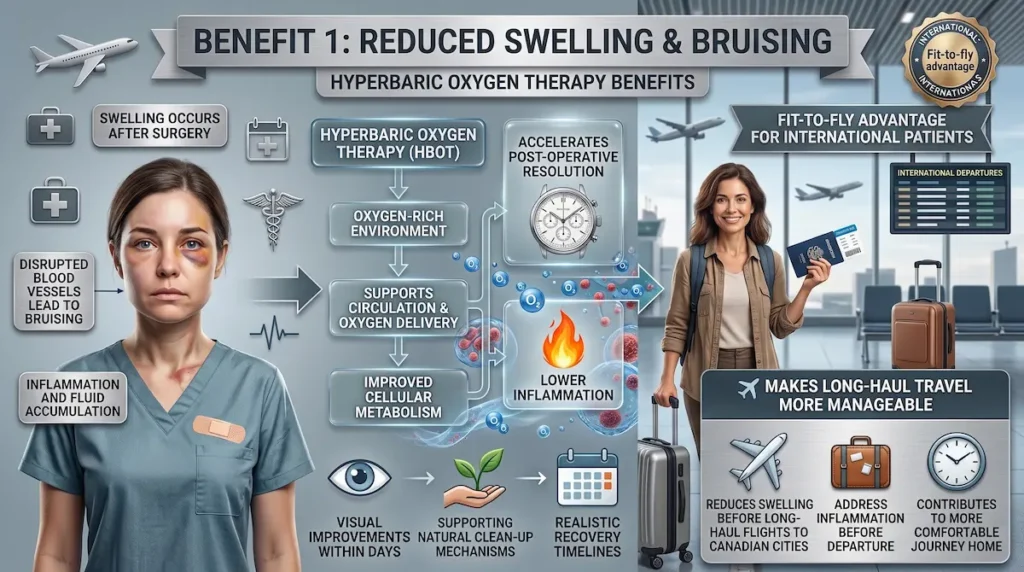
One of the most discussed Hyperbaric Oxygen Therapy benefits is its potential role in reducing post-operative swelling and bruising. While HBOT does not eliminate these normal healing responses, it may help the body resolve them more efficiently by supporting circulation, oxygen delivery, and cellular repair.
For international patients, this benefit extends beyond comfort. Reduced swelling can make travel, social interaction, and the transition back to professional life more manageable.
How HBOT accelerates resolution
Swelling occurs because surgery triggers inflammation and fluid accumulation in surrounding tissues. Bruising develops when small blood vessels are disrupted during the procedure. Both processes are expected and temporary.
HBOT helps create an oxygen-rich environment that supports the body’s natural clean-up mechanisms. Enhanced oxygen delivery can improve cellular metabolism, helping tissues process inflammation and recover from surgical trauma more effectively.
This is one reason HBOT has become increasingly popular as a recovery support tool following facial rejuvenation, body contouring, and reconstructive procedures.
The fit-to-fly advantage for international patients
Canadian patients face a unique recovery challenge. Returning home often involves a flight lasting between 9 and 12 hours, depending on whether the destination is Toronto, Montreal, Calgary, or Vancouver.
Long-haul flights can temporarily worsen swelling because of prolonged sitting, cabin pressure changes, and reduced movement. By helping patients address inflammation before travel, HBOT may contribute to a more comfortable return journey.
Canadian Travel Consideration: Patients returning to Toronto Pearson (YYZ), Montréal–Trudeau (YUL), or Vancouver International (YVR) often face significantly longer flight durations than European patients. Recovery strategies that reduce swelling before departure can be especially valuable.
Observable timelines
Recovery timelines vary according to the procedure, the patient’s health status, and individual healing biology. Some patients report visible improvements in swelling and bruising within days, while others notice a more gradual change.
The key point is that HBOT supports the healing process rather than replacing it. Expectations should remain realistic. Surgical recovery still follows biological timelines that cannot be completely bypassed.
Benefit 2 — Tissue and Flap Survival
Tissue survival is one of the most clinically important applications of HBOT. Surgical tissues require oxygen to remain healthy during the healing process. When oxygen delivery is optimized, the body’s ability to maintain tissue vitality improves.
This becomes particularly relevant in procedures involving significant tissue repositioning, grafting, or skin flap creation.
Why oxygen drives flap survival
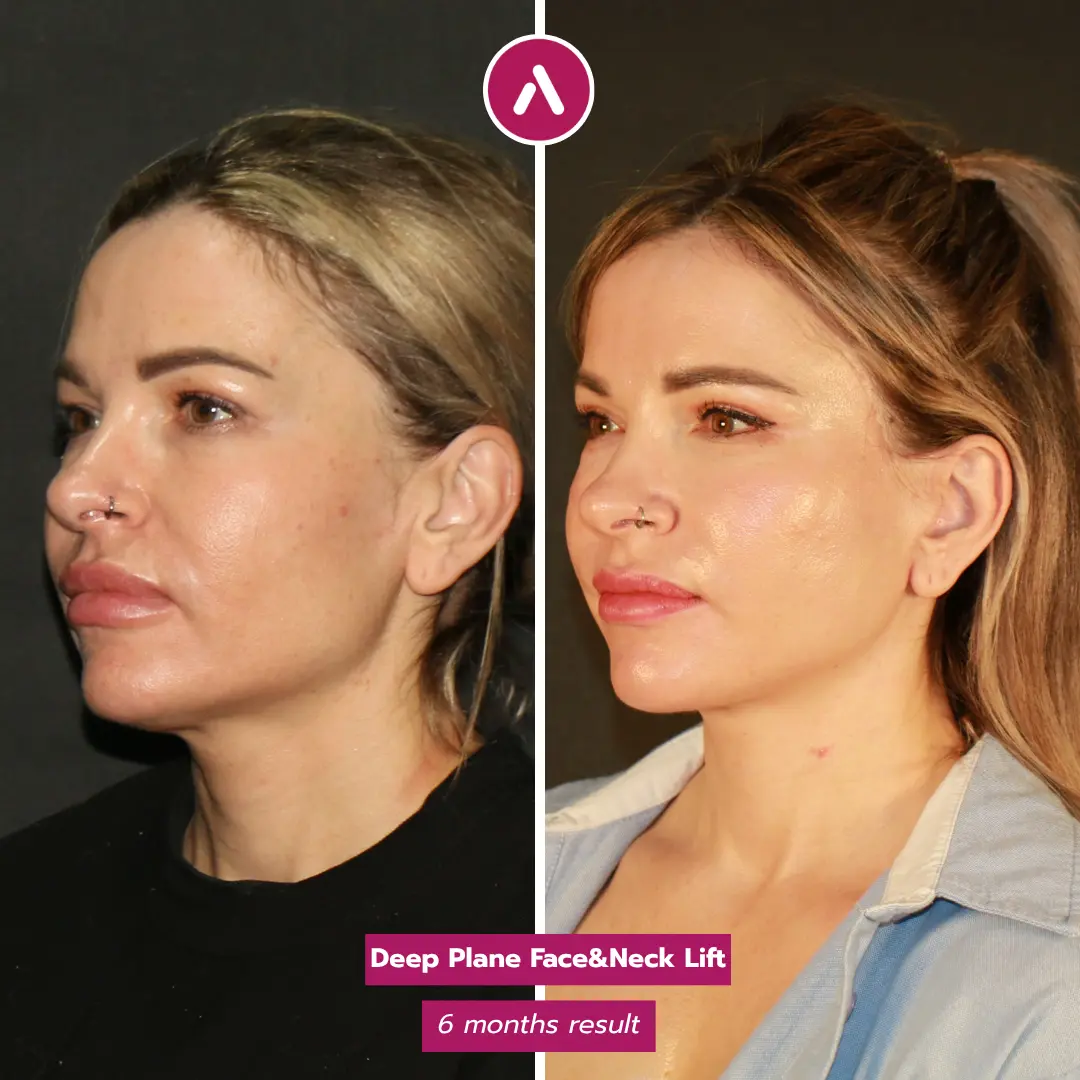
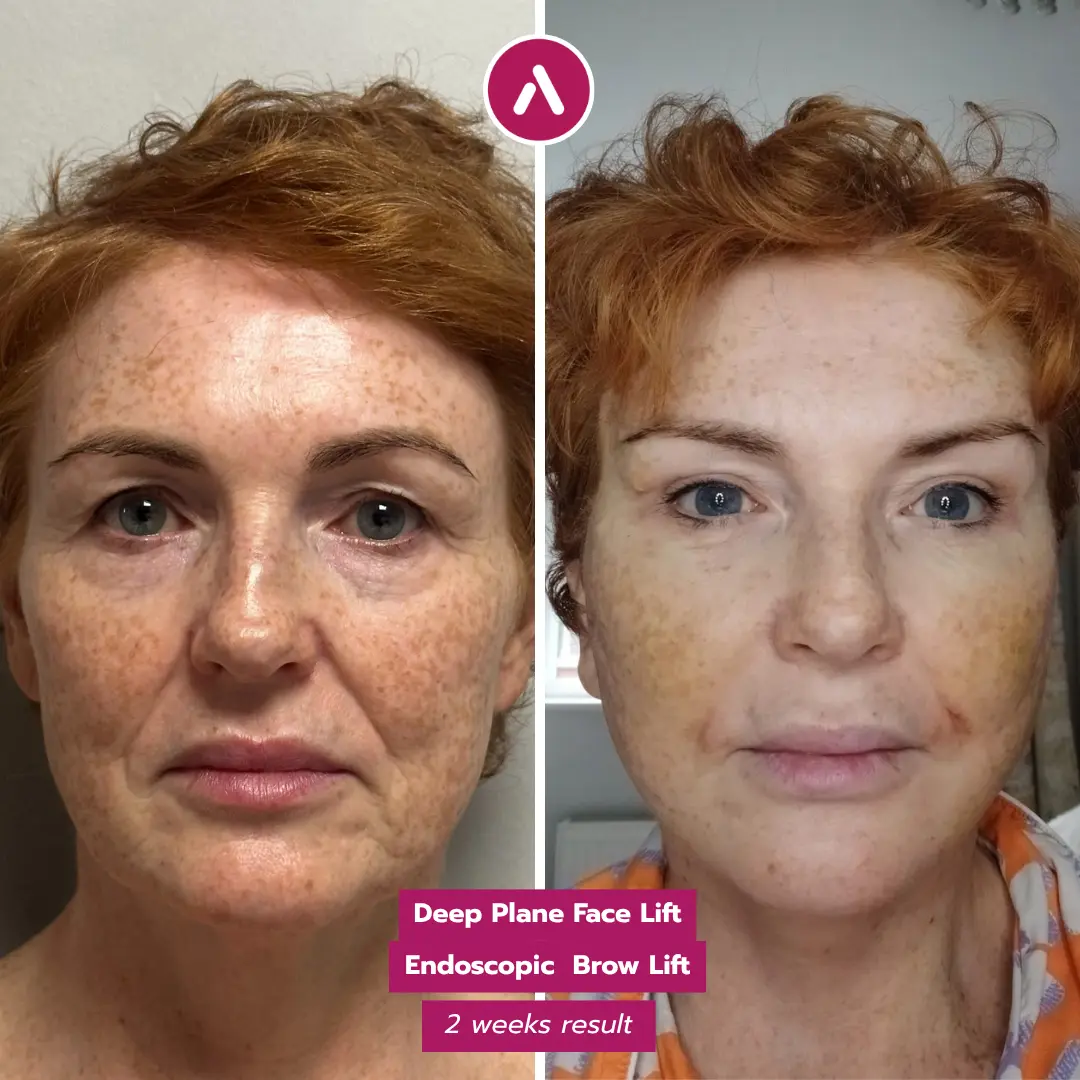
Many aesthetic procedures rely on carefully preserving blood supply to repositioned tissues. Deep plane facelifts, tummy tucks, breast surgery, and reconstructive procedures all involve tissues that must establish stable circulation after surgery.
Oxygen is essential during this transition period. Cells use oxygen to produce energy, synthesize collagen, and support wound closure. Without adequate oxygen availability, tissue recovery becomes more challenging.
HBOT increases oxygen delivery to vulnerable areas, supporting the environment required for successful healing.
Relevance for facelift, tummy tuck, and grafting
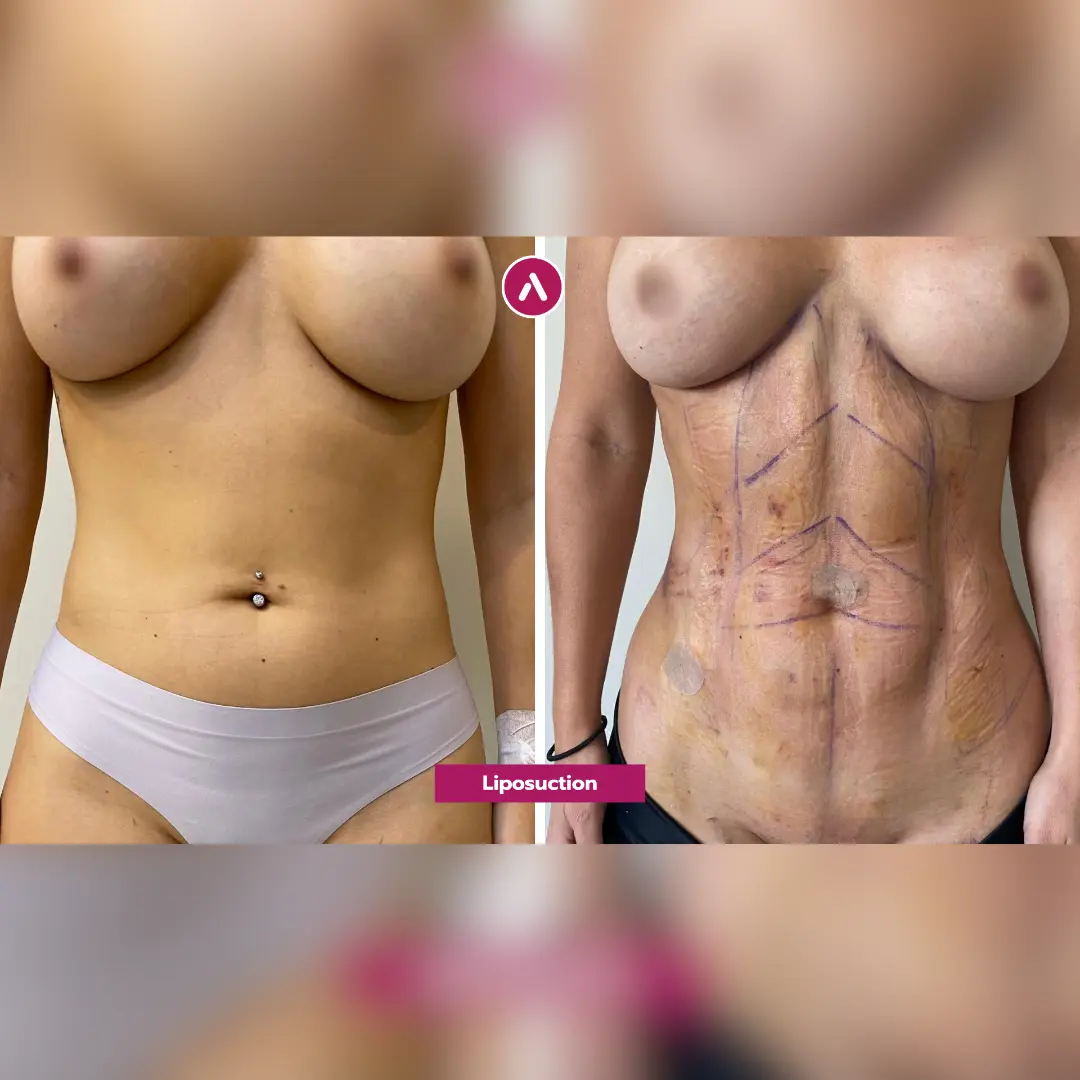
Facelift surgery involves repositioning deeper facial tissues and skin. Body contouring procedures such as tummy tuck surgery require healing across larger tissue surfaces. Fat grafting procedures depend on newly transferred cells establishing a healthy blood supply.
These situations all benefit from optimal tissue oxygenation. Patients interested in procedure-specific applications can also review HBOT applied specifically to facelift recovery and the combined HBOT and LLLT deep plane protocol.
Compromised tissue rescue
In broader medical practice, HBOT has been used in situations involving compromised tissue healing and reduced oxygen delivery. The principle remains the same: oxygen is a critical resource for recovery.
While aesthetic patients are typically healthy individuals, additional oxygen support may still help create favourable conditions during the most active stages of tissue repair.
| HBOT Benefit | Primary Mechanism | Procedures That Benefit | Potential Patient Outcome |
|---|---|---|---|
| Reduced swelling | Improved oxygen delivery | Facelift, neck lift, rhinoplasty | More comfortable recovery |
| Bruising resolution | Enhanced cellular repair | Facial and body surgery | Earlier visible improvement |
| Tissue support | Oxygen-rich plasma | Facelift, tummy tuck | Stronger healing environment |
| Graft support | Improved oxygenation | Fat grafting procedures | Enhanced recovery conditions |
Benefit 3 — Infection Control
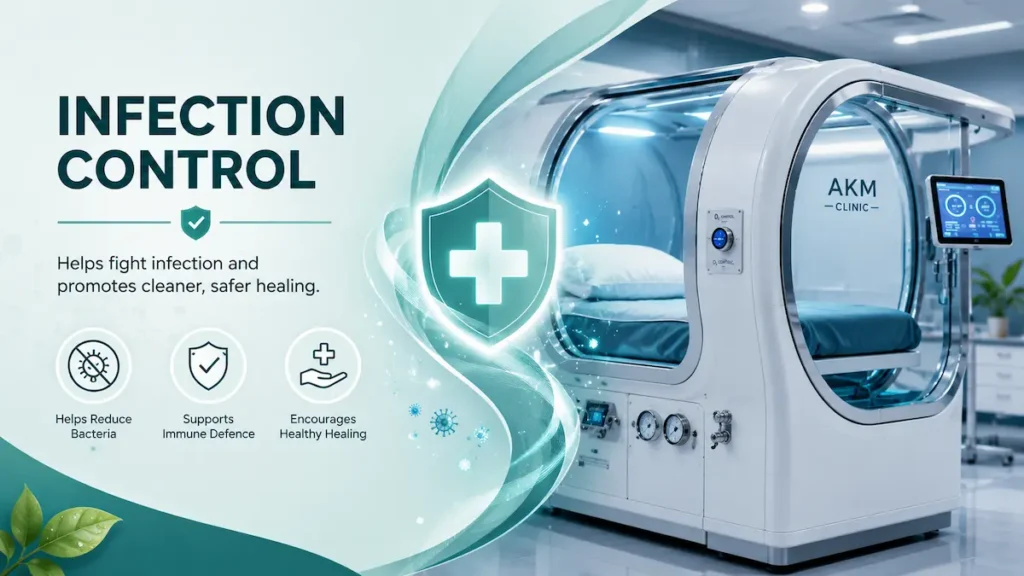
Infection prevention begins with proper surgical technique, sterile operating environments, and disciplined aftercare. HBOT is not a replacement for these foundations. Instead, it can serve as an additional supportive tool that promotes an environment less favourable to bacterial growth.
For international patients, reducing recovery complications is particularly important because they must eventually travel home and continue healing at a distance.
Oxygen’s bactericidal effect
Many harmful bacteria thrive in low-oxygen environments. Increasing tissue oxygenation can support the body’s natural immune response and help create conditions that are less welcoming to certain bacterial organisms.
Immune cells also require oxygen to function efficiently. When oxygen availability improves, the body’s defence mechanisms can operate more effectively during the healing process.
Reduced post-op infection risk
Research into HBOT has demonstrated its role in supporting wound healing and tissue health. Better oxygenation supports collagen formation, immune function, and circulation — all of which contribute to healthy wound recovery. The Public Health Agency of Canada identifies proper wound healing and infection prevention as important components of post-operative recovery.
At AKM Clinic, recovery technologies operate alongside strict sterilization standards, advanced operating environments, and comprehensive post-operative monitoring. HBOT is one component of a larger safety-focused recovery strategy.
Why this matters for international travel
Canadian patients recovering in Istanbul have a limited window before returning home. Any complication that delays healing can affect travel plans, comfort, and confidence.
Supporting recovery before departure is therefore a practical goal. Technologies such as HBOT and LLLT as the complementary light-based modality are often discussed together because they target different aspects of the healing process.
HBOT focuses on oxygen delivery and tissue support. LLLT focuses on photobiomodulation and cellular stimulation. Together, they form part of AKM Clinic’s recovery-focused approach.
Benefit 4 — Faster Overall Recovery
Faster recovery does not mean rushing the body. It means creating better healing conditions so tissues can move through the normal repair process with fewer avoidable obstacles. HBOT supports that goal by improving oxygen availability during the phase when inflammation, swelling, and cellular repair are most active.
For Canadian patients, this can make the early recovery window feel more manageable. The practical goal is not just to look better sooner, but to feel stable, mobile, and ready for the next stage of aftercare.
Compounded healing acceleration
Healing is not one process. It is a chain of coordinated events involving inflammation control, immune defence, collagen production, blood vessel support, and tissue remodelling.
HBOT may support several of these steps at once. This is why the benefit can feel broader than a single symptom improvement. Reduced swelling, better tissue oxygenation, and stronger wound support can all compound over time.
Earlier return to normal life
Most Canadian patients want a realistic return-to-life plan. That may mean working remotely from home in Toronto, returning to a clinic job in Calgary, or easing back into public-facing work in Montreal.
HBOT can support that transition by helping the early recovery phase become more predictable. It does not erase downtime, but it may reduce some visible and physical barriers that make patients feel less ready.
The Canadian return-to-work advantage
Canadian patients often plan surgery around limited vacation days, school breaks, or winter travel windows. A structured recovery protocol can help reduce uncertainty when return-to-work timing matters.
Canadian Work Planning Note: Patients returning to office-based roles in Toronto, Vancouver, Ottawa, or Calgary should still plan recovery time conservatively. HBOT may support healing, but surgeon clearance and procedure-specific recovery timelines remain the priority.
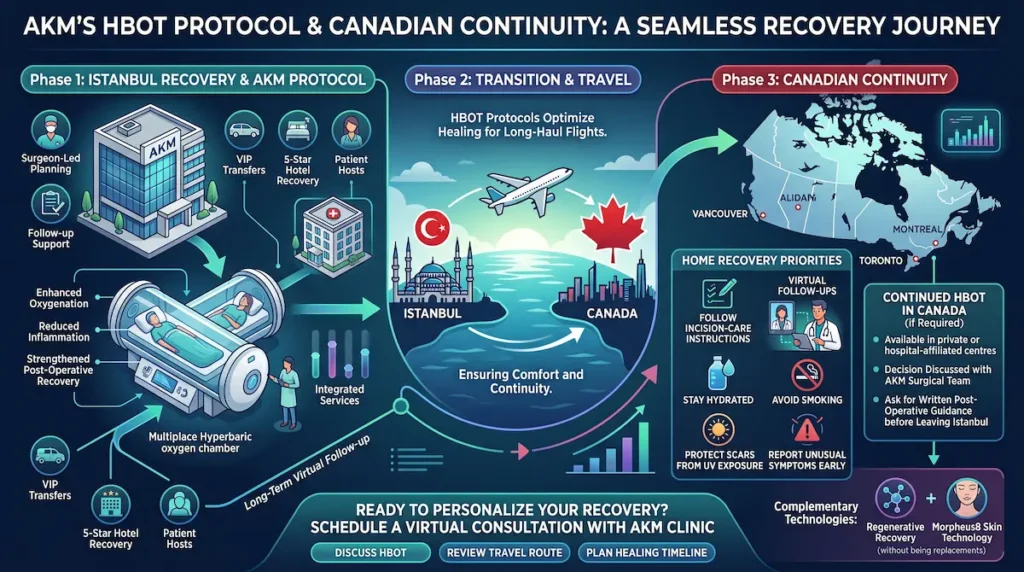
AKM’s HBOT Protocol and Canadian Continuity
At AKM Clinic, HBOT is part of a wider recovery framework rather than a stand-alone marketing add-on. The clinic pairs advanced recovery technologies with surgeon-led planning, 24/7 patient advocacy, and follow-up support for patients returning to Canada.
This matters because recovery does not end when the patient leaves Istanbul. A good protocol must support the first days after surgery, the flight home, and the longer healing phase in Canada.
How AKM integrates HBOT as standard
AKM Clinic uses HBOT to support oxygenation, reduce inflammation, and strengthen post-operative recovery. The protocol is especially relevant for patients preparing for long-haul travel back to Canada.
The clinic’s broader infrastructure includes VIP transfers, 5-star hotel recovery, patient hosts, and long-term virtual follow-up. You can read more about AKM’s recovery infrastructure and how aftercare is organized around international patients.
HBOT availability in Canadian metros
Some patients may ask whether HBOT can continue after returning home. Availability varies, but Canadian metro areas such as Toronto, Vancouver, and Montreal generally have private or hospital-affiliated hyperbaric medicine providers.
Continuation should not be self-directed. If a patient wants HBOT after returning to Canada, the decision should be discussed with the AKM surgical team and a qualified Canadian provider.
Continuity in Canada: If you plan continued HBOT in Toronto, Vancouver, or Montreal, ask for written post-operative guidance before leaving Istanbul. Your Canadian provider should understand your procedure, incision sites, and recovery timeline.
When to seek continued HBOT at home
Most aesthetic patients do not require ongoing HBOT after returning home. It may be considered when healing is slower than expected, tissue oxygenation is a concern, or the surgeon recommends additional support.
For most patients, the more important home priorities are simple: follow incision-care instructions, attend virtual follow-ups, stay hydrated, avoid smoking, protect scars from UV exposure, and report unusual symptoms early.
Patients comparing broader recovery technologies may also want to review regenerative recovery technology pricing and Morpheus8 as a complementary skin technology. These topics sit beside HBOT, but they do not replace procedure-specific surgical aftercare.
CTA: To understand whether HBOT fits your recovery plan, schedule a virtual consultation with AKM Clinic and discuss your procedure, travel route, and expected healing timeline.
Frequently Asked Questions: Hyperbaric Oxygen Therapy Benefits
These questions address the most common concerns Canadian patients have about HBOT during surgical recovery. Individual recommendations always depend on your procedure, health history, and surgeon’s assessment.
What does HBOT do for surgery recovery?
HBOT increases oxygen availability in the blood plasma. This may support wound healing, reduce inflammation, assist tissue repair, and help the body manage swelling and bruising after surgery.
Is HBOT safe?
HBOT is generally well tolerated when delivered under medical supervision. Some patients feel ear pressure during treatment, similar to a flight. Your surgical team will assess whether it is appropriate for you.
Is HBOT included in AKM packages?
HBOT is integrated into AKM Clinic’s recovery approach for appropriate surgical patients. It is not listed as a separate standalone CAD price in the current pricing documents, so no separate cost should be assumed.
Can I continue HBOT in Canada?
Some Canadian cities have HBOT providers, including Toronto, Vancouver, and Montreal. Continued treatment should be coordinated with AKM Clinic and a qualified Canadian medical provider.
How many sessions do I need?
The number of sessions depends on the procedure, swelling level, tissue condition, and recovery goals. AKM Clinic determines this individually rather than using one fixed number for every patient.
Does HBOT really reduce bruising?
HBOT may support faster bruising resolution by improving oxygen delivery and cellular repair. It does not prevent all bruising, and results vary by procedure and patient biology.
What does a session feel like?
Most patients rest during treatment. The main sensation is pressure in the ears, which can usually be managed by swallowing or gentle equalizing.
Medical Disclaimer: This page is provided for general educational purposes only and does not replace an in-person medical consultation, diagnosis, or personalized treatment plan. All surgery carries risks, and outcomes vary between individuals. Suitability for a plastic surgery, procedure selection, and anesthesia choice can only be determined after a full clinical assessment by a qualified surgeon. Always follow your clinician’s instructions and seek urgent medical attention if you develop concerning symptoms during recovery.