
Quick Summary: A consultation is your opportunity to verify a surgeon before committing, but only if you ask the right questions. This guide gives Canadian patients a practical checklist covering credentials, technique, risks, recovery, aftercare, and international patient support.
Print it, save it, or keep it open during your virtual consultation. Do not book surgery until every answer is specific, calm, and clear.
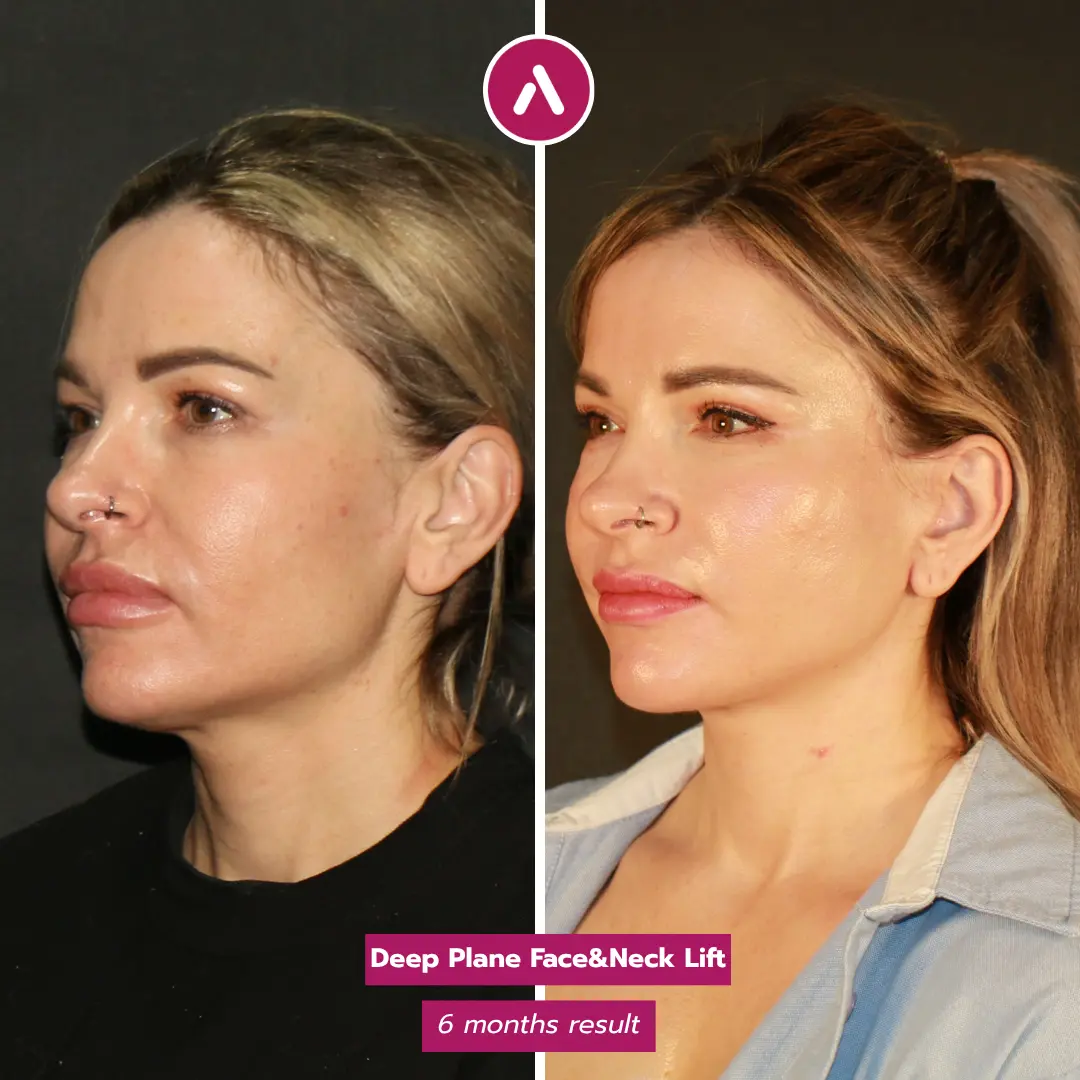
The best questions to ask plastic surgeon candidates are not designed to challenge the doctor. They are designed to protect you. For Canadian patients considering surgery in Istanbul, a consultation should feel like a structured medical discussion, not a sales call.
That matters because Canadian patients often come from a public healthcare culture where specialist access, credentials, documentation, and continuity of care are taken seriously. Cosmetic surgery is usually private and elective, so the responsibility to verify the provider sits heavily with the patient. The AKM patient FAQs can help you understand the broader process, but the surgeon consultation is where your personal decision becomes real.
This checklist is written for the sceptical patient. That is a good thing. A careful patient is safer than a rushed one.
Table of Contents

Why Your Questions Protect You?
Every H2 in this guide begins with a short explanation because a checklist without context is easy to misuse. Questions only protect you when you understand why you are asking them, what a strong answer sounds like, and what kind of response should make you pause.
Plastic surgery is not a consumer purchase in the ordinary sense. It is a medical decision with aesthetic, physical, financial, and emotional consequences. A good consultation should help you understand all four.
The consultation as a verification tool
A consultation is not just a chance for the surgeon to evaluate your face, body, skin, or hairline. It is also your chance to evaluate the surgeon. That balance matters.
During a proper pre-op discussion, you should be able to confirm:
- who will perform the procedure;
- which technique is being recommended;
- why that technique fits your anatomy;
- what the main risks are;
- what happens if your recovery does not follow the expected pattern;
- how follow-up works after you return to Canada.
The International Society of Aesthetic Plastic Surgery publishes patient consultation guidance that encourages patients to bring questions to their consultation and record the answers carefully. You can review its patient guidance through ISAPS consultation questions for plastic surgery patients.
For a Canadian travelling from Toronto, Vancouver, Montreal, Calgary, or Ottawa, this verification step matters even more. You are not choosing only a surgeon. You are choosing a cross-border care system.
Why vague answers are red flags
Vague answers create risk because they hide the details that determine safety. A confident surgeon should be able to explain the recommendation in plain language.
For example, “You are a good candidate” is not enough. A stronger answer sounds more like this: “Your skin quality, tissue laxity, medical history, and recovery window make this procedure reasonable, but I would avoid a more aggressive approach because of your anatomy.”
Specificity is the difference. Listen for it.
Red flag answers include:
- “Do not worry, we do this all the time.”
- “There are no real risks.”
- “Everyone heals quickly.”
- “You can decide when you arrive.”
- “The coordinator will explain the medical details.”
A coordinator can help with logistics, scheduling, hotel details, and paperwork. Medical judgement should come from the surgeon or qualified clinical team. For the emotional side of decision-making, use a separate preparation resource such as emotionally preparing for your decision, but keep the clinical consultation focused on evidence.
How to evaluate the quality of responses
Good answers have a pattern. They are specific, individualized, medically grounded, and willing to discuss trade-offs.
When you ask about technique, the surgeon should explain why one option suits you better than another. When you ask about risk, the surgeon should name the complications that matter for your procedure. When you ask about recovery, the answer should include both the expected timeline and the signs that would require medical attention.
Use this simple response test:
- Specific: Does the answer refer to your anatomy, not just the procedure name?
- Transparent: Does the answer include limitations and risks?
- Consistent: Does the answer match the written plan you receive later?
- Documented: Can the clinic provide the same answer in writing?
If a consultation leaves you feeling rushed, confused, or pressured, slow down. A reputable surgical team should welcome informed questions.
“A well-prepared patient is easier to care for. Careful questions show that the patient understands surgery is a medical decision, not a quick beauty appointment.”
Questions About Credentials
Credentials are the first layer of trust. They do not guarantee a perfect result, but they help you identify whether the surgeon has formal training, relevant experience, and appropriate professional accountability.
For Canadian patients, this section should feel familiar. In Canada, specialist training and certification are structured and verifiable. You should bring that same verification mindset to international surgery.
Board certification and fellowship questions
Start with the basics. Ask directly and calmly.
- What is your medical specialty?
- Are you board-certified in that specialty?
- Which board or professional body granted your certification?
- Do you have fellowship training related to this procedure?
- Are you a member of any recognized international surgical societies?
- Can I verify these credentials independently?
For Canadian context, the Royal College maintains a public directory where patients can search for Fellows of the Royal College of Physicians and Surgeons of Canada. Reviewing that standard can help you understand what formal specialist verification looks like in Canada before comparing international credentials. See the Royal College specialist directory for a Canadian benchmark.
At AKM Clinic, patients reviewing AKM surgeon credentials should confirm the specific surgeon attached to their case, the surgeon’s specialty, and the procedure fit. Do not rely on clinic-level reputation alone.
Credential questions should also lead to independent research. For a step-by-step process, use the separate guide on independently verifying surgeon credentials. That topic is broader than this checklist, so this article stays focused on what to ask during the consultation itself.
Surgical volume questions
Credentials tell you the surgeon is trained. Volume tells you whether the surgeon regularly performs the procedure you want.
Ask:
- How often do you perform this exact procedure?
- How many cases like mine have you treated in the last year?
- Do you treat Canadian or North American patients with similar expectations?
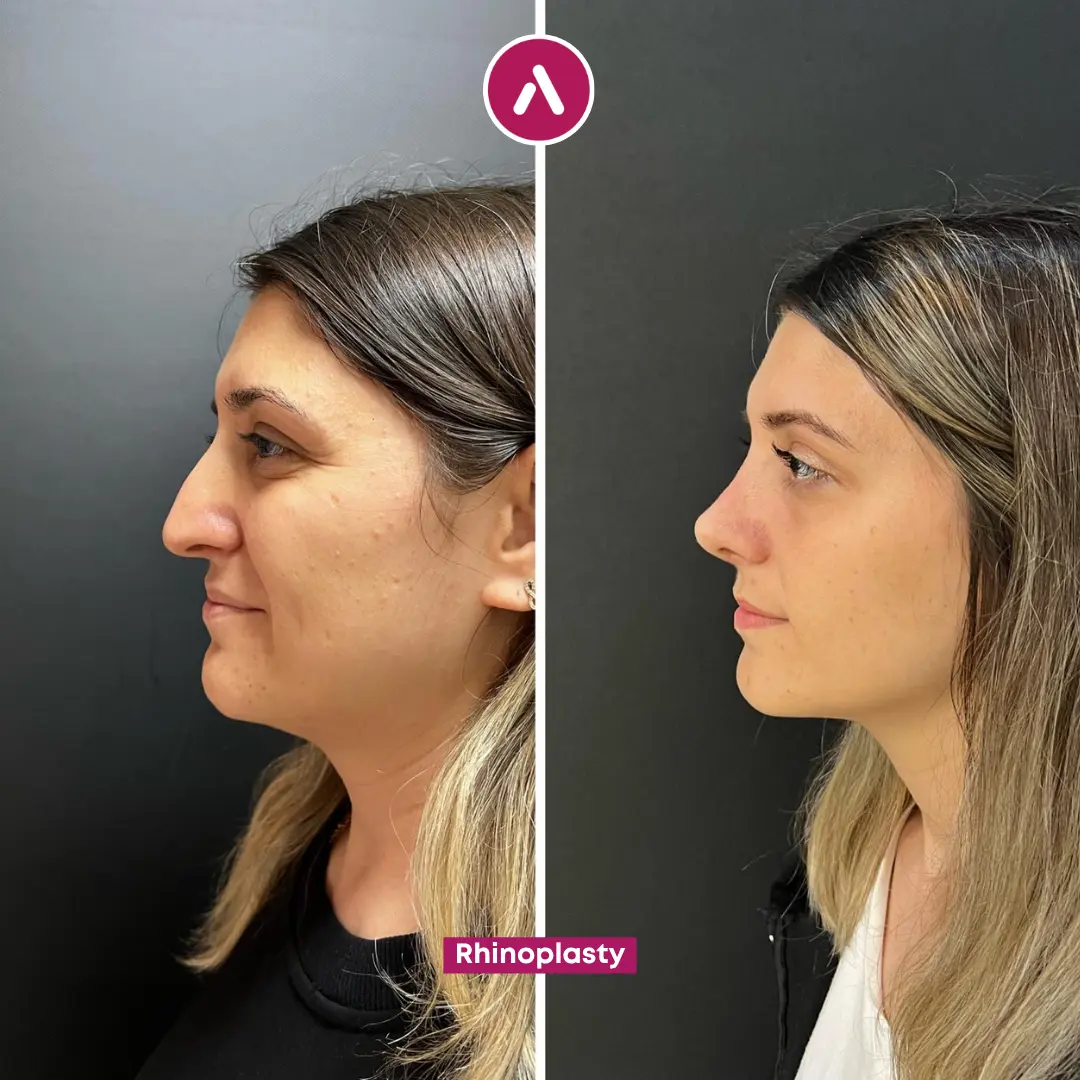
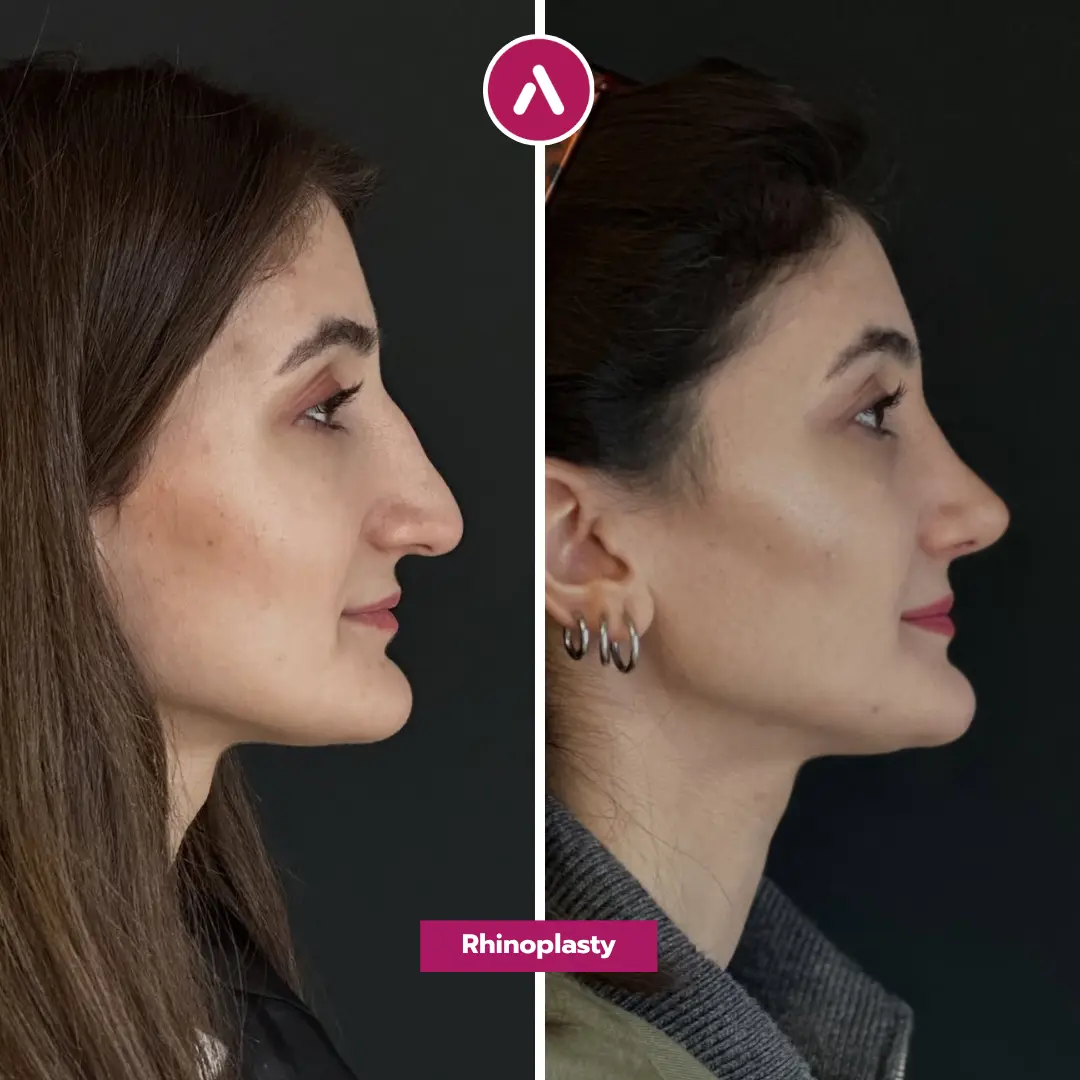
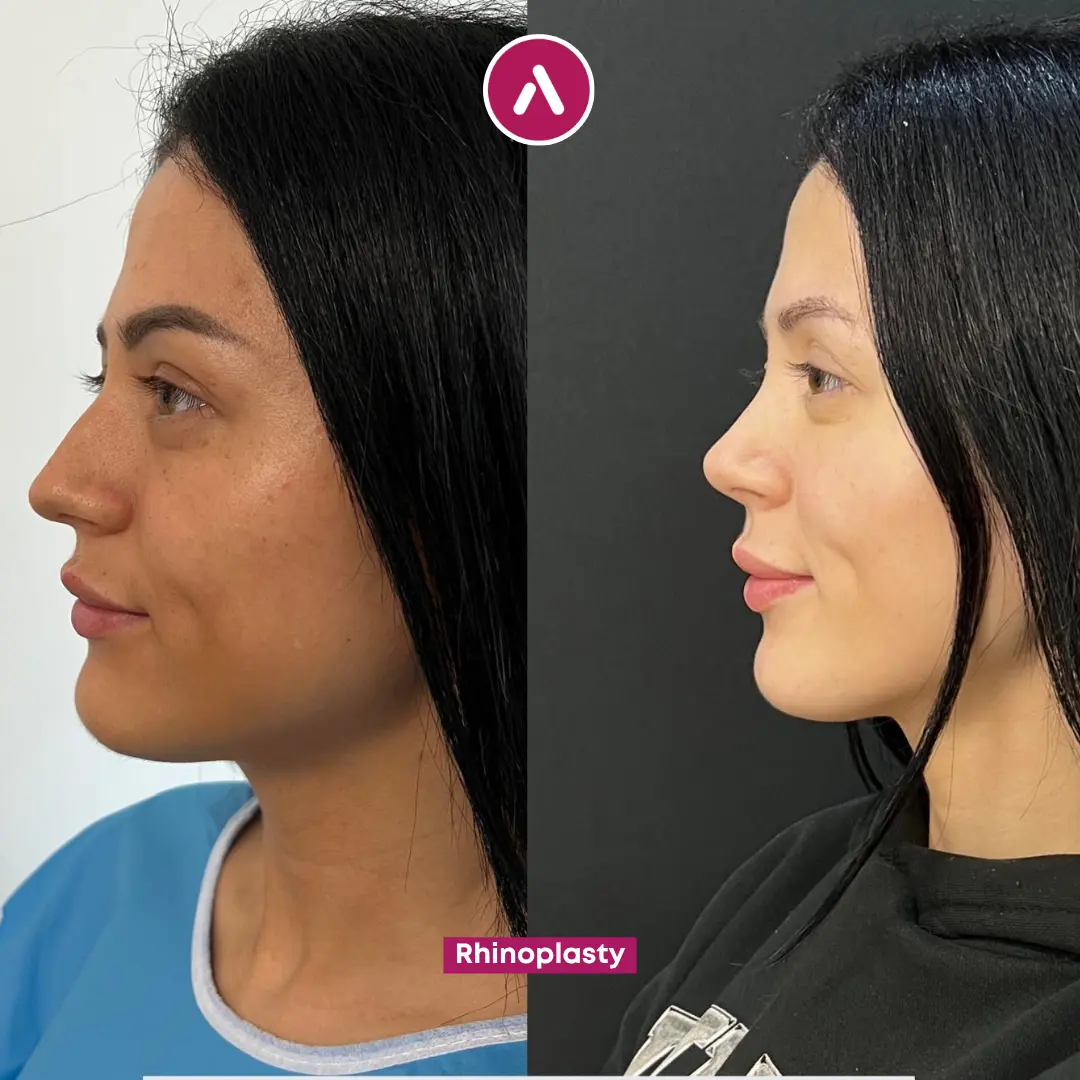
- Can I see before-and-after examples that match my anatomy?
- What makes my case straightforward or complex?
The key phrase is “this exact procedure.” A surgeon may be highly experienced in rhinoplasty but less experienced in deep plane facelift. Another may perform body contouring frequently but rarely manage revision cases.
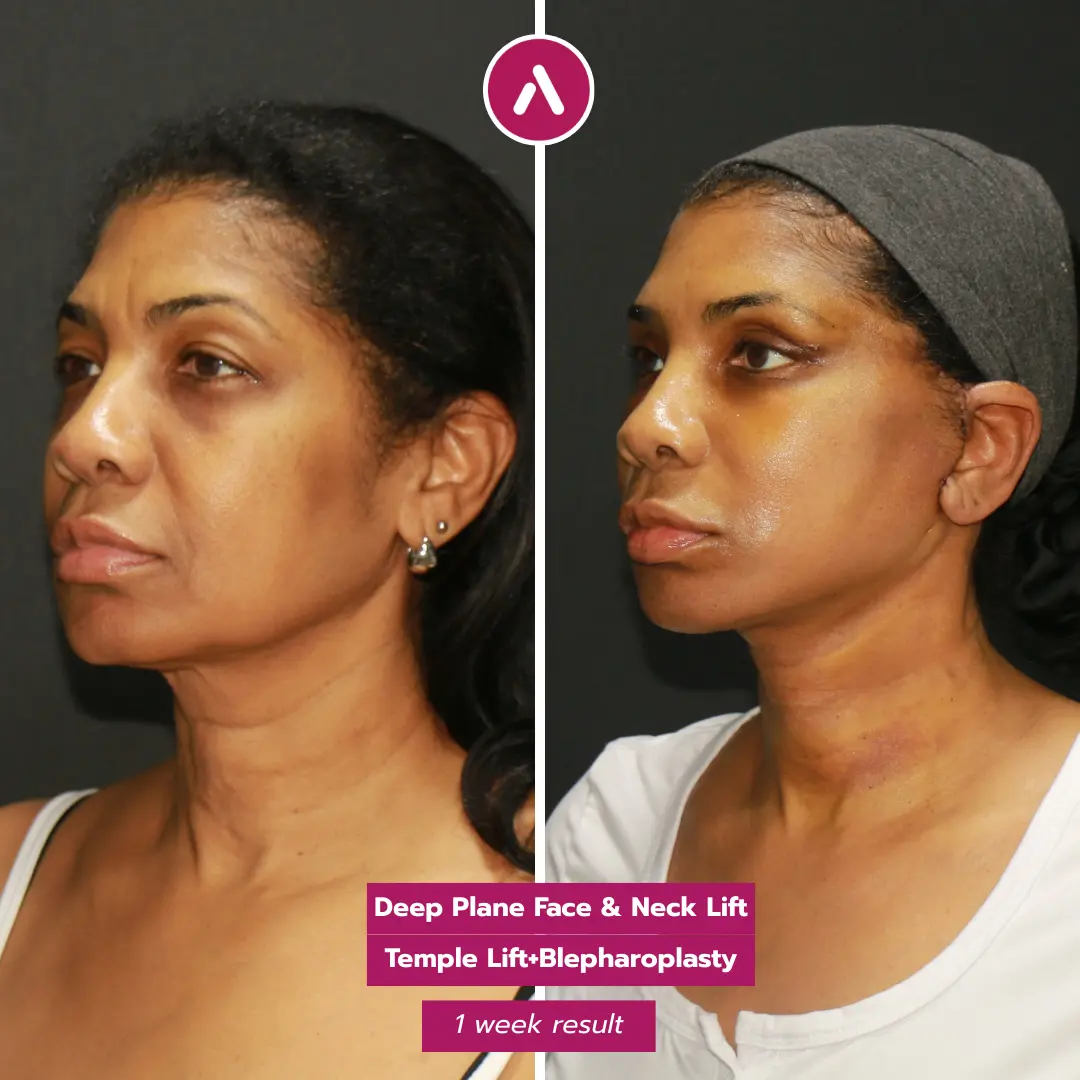
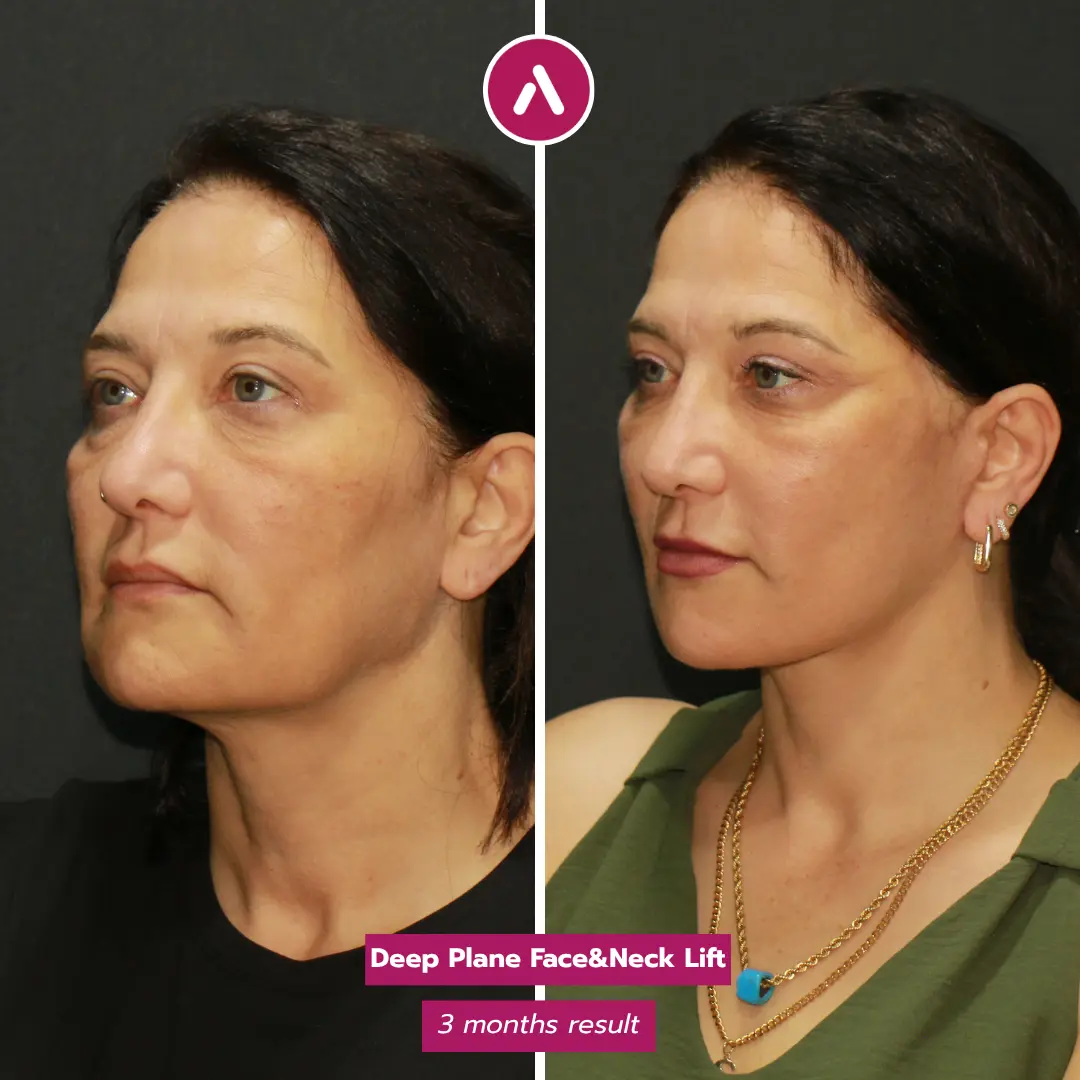
Ask about experience in the specific technique, not just the body area. For example, “How many facelifts have you performed?” is useful. “How many deep plane facelifts have you performed on patients with my degree of neck laxity?” is better.
If the answer sounds inflated or too polished, ask a follow-up: “How do you track your outcomes?” A credible team should be able to discuss follow-up patterns, revision policies, and patient documentation without defensiveness.
“Will you personally perform my surgery?”
This is one of the most important questions in the entire consultation. Ask it clearly.
The exact wording matters:
- Will you personally perform the full surgery?
- Which parts, if any, are performed by assistants?
- Who closes the incisions?
- Who administers or monitors anesthesia?
- Who is present in the operating room from start to finish?
Do not accept a vague answer such as “our team handles it.” Surgery is team-based, but responsibility must be clear. You should know who is making the incisions, who is performing the technical steps, and who is accountable for your result.
This is especially relevant for medical tourism because some clinics market a lead surgeon while delegating substantial parts of care to others. That does not mean every delegated task is unsafe. It means the patient deserves transparency.
For a broader explanation of credential categories and how they compare across countries, read our guide to understanding board certification.
Questions About the Procedure
Procedure questions turn the consultation from a general conversation into a medical plan. This section helps you understand why a specific technique is being recommended, what other options were considered, and what outcome is realistic for your anatomy.
A strong surgical plan should be individualized. If two patients ask for the same result, they may still need different techniques because their skin quality, bone structure, fat distribution, healing history, and recovery timeline are different.
Technique rationale questions
Start by asking the surgeon to explain the chosen technique in plain language. You do not need to know every surgical detail, but you should understand the logic behind the recommendation.
Ask:
- Which technique are you recommending for me?
- Why is this technique better suited to my anatomy than another option?
- What problem does this technique solve most effectively?
- What are its limitations?
- How will this technique affect scars, swelling, recovery, and longevity?
- Is this the same technique you would recommend if I were having surgery in Canada?
The best answer should connect the technique to your specific anatomy. For example, a facelift consultation should not stop at “you need a facelift.” The surgeon should explain whether the concern is skin laxity, deeper tissue descent, neck banding, volume loss, or a combination.
For rhinoplasty, the answer should clarify whether the plan involves the bridge, tip, septum, nostrils, or breathing function. For body contouring, the surgeon should explain whether the issue is loose skin, fat, muscle separation, or tissue quality.
Listen for cause-and-effect language. The surgeon should be able to say, “Because your concern is X, I recommend Y.”
Alternative approaches questions
A good surgeon should be comfortable discussing alternatives. That does not mean every option is equally suitable. It means you deserve to know why certain options are being accepted or rejected.
Ask:
- What are my non-surgical options?
- What would happen if I chose a less invasive procedure?
- What would happen if I delayed surgery for one or two years?
- Is there a smaller procedure that could address part of my concern?
- Would combining procedures be safer or less safe in my case?
- Which option would you advise against, and why?
This is where many patients learn that their preferred procedure may not match the underlying problem. Someone may request liposuction when the real issue is skin laxity. Another patient may want fillers when the concern is structural sagging.
That moment can be frustrating. It is also useful.
A trustworthy consultation does not simply confirm what you hoped to hear. It tests whether your preferred treatment actually fits the diagnosis.
| Procedure question | Why it matters | Strong answer should include |
|---|---|---|
| “Why this technique for me?” | Prevents one-size-fits-all planning | Anatomy, skin quality, goals, and limits |
| “What are my alternatives?” | Shows whether the surgeon considered other options | Non-surgical, smaller surgical, and combined approaches |
| “What will this not fix?” | Protects against unrealistic expectations | Clear limitations and possible staged treatment needs |
| “Can I see similar cases?” | Helps you judge result patterns | Before-and-after examples with similar anatomy |
Realistic outcome questions
Outcome questions are where careful patients protect themselves from over-promising. The goal is not to demand perfection. The goal is to understand the likely range of results.
Ask:
- What result is realistic for my anatomy?
- What result is unrealistic, even with excellent surgery?
- How much asymmetry may remain?
- What will swelling hide during early recovery?
- When will I see the final result?
- How will ageing affect this result over time?
For Canadian patients, this is especially relevant because many will return to professional or family life shortly after travelling home. If you work in a public-facing role in Toronto, Montreal, or Vancouver, your “socially presentable” timeline may matter as much as your medical recovery timeline.
Ask the surgeon to separate three timelines:
- medical recovery: when the body is healing safely;
- social recovery: when visible signs are acceptable in daily life;
- final result: when swelling, scars, and tissue settling are mature.
These are not the same. A patient may be medically safe to fly before they feel comfortable being seen at work.
AKM Clinic’s “Natural-First” approach is based on rejuvenation over alteration, but “natural” still needs to be defined during consultation. Ask what natural means for your face, your body, and your lifestyle.

Questions About Risk and Complications
Risk questions are not negative. They are responsible. A surgeon who discusses complications openly is usually safer than one who tries to reassure you with broad promises.
Every procedure has risk. The purpose of this section is to identify whether the clinic understands those risks, screens patients properly, and has a clear plan if recovery does not follow the expected path.
Complication rate questions
Ask about complications in a calm, direct way. You are not asking the surgeon to predict your future. You are asking whether the team tracks outcomes and understands the risk profile of the procedure.
Ask:
- What are the most common complications for this procedure?
- Which complications are minor, and which are serious?
- What is your personal experience managing these complications?
- How do you reduce infection risk?
- How do you screen patients before approving surgery?
- What health conditions would make you decline my case?
A good answer should include the complications that genuinely matter for your procedure. For facial surgery, that may include hematoma, nerve irritation, asymmetry, scar quality, skin healing issues, or prolonged swelling. For body surgery, it may include fluid accumulation, delayed wound healing, contour irregularity, infection, or clot risk.
If the surgeon says there are no risks, that is a serious warning sign.
Better wording sounds like this: “The main risks are uncommon, but they include X, Y, and Z. We reduce them through screening, surgical technique, sterile protocols, post-op monitoring, and clear follow-up.”
“What happens if something goes wrong?”
This question matters more for international patients because distance changes the aftercare plan. A Canadian patient returning to Ontario, British Columbia, Quebec, or Alberta needs to know exactly how the clinic handles concerns once the patient is no longer in Istanbul.
Ask:
- Who do I contact if I have a concern after surgery?
- Is support available after business hours?
- Will I receive written discharge instructions?
- Can I send photos or videos for review?
- What symptoms require urgent local care in Canada?
- Will you communicate with my Canadian family physician if needed?
This is where the difference between surgery and aftercare becomes clear. A clinic may perform a good operation but still fail the patient if follow-up is disorganized.
Canadian patients should also ask how warning signs are handled. For example, fever, increasing redness, calf pain, sudden shortness of breath, unusual bleeding, or rapidly worsening swelling should never be brushed aside. The clinic should explain which symptoms are expected and which symptoms need urgent assessment.
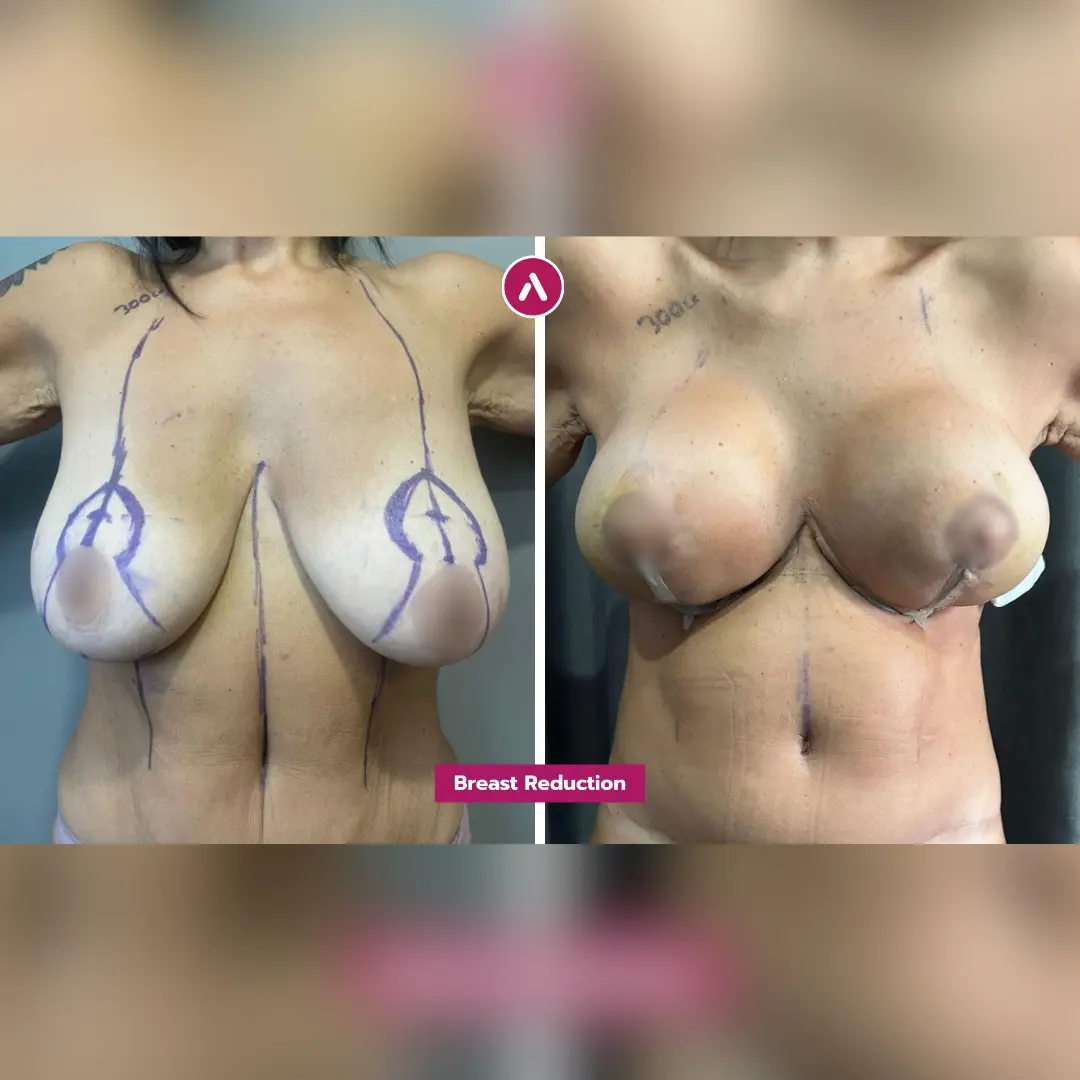
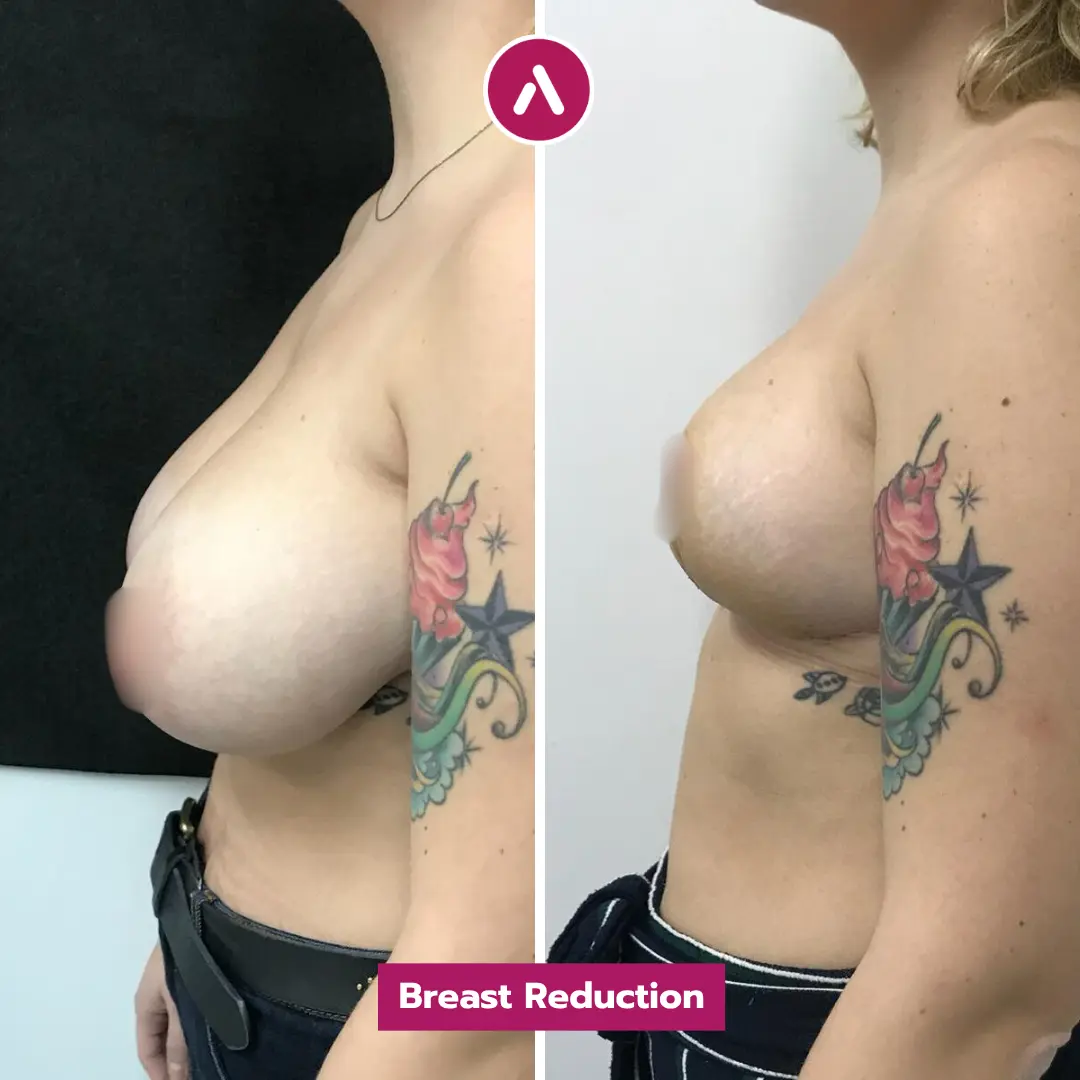
Canadian Patient Callout: Continuity with Your Family Physician
Before travelling, ask whether you should notify your family physician that you are having surgery abroad. After surgery, request a discharge summary that can be shared with your Canadian doctor if follow-up is needed.
This does not mean your family physician becomes responsible for the surgery. It means your local medical record is complete, and you know where to seek help if a general health concern arises after you return.
Emergency and revision protocols
Emergency planning is uncomfortable to discuss. Ask anyway.
You should understand where the surgery is performed, what hospital standards apply, and what happens if a complication requires urgent attention. For international patients, the plan should cover both Istanbul and Canada.
Ask:
- Where will my surgery be performed?
- Is the surgical facility accredited?
- What emergency equipment and protocols are available?
- Will I stay overnight after surgery?
- Who decides whether I am cleared to fly?
- If revision is needed, how is that assessed?
- What costs may apply if a revision is required?
Revision questions do not mean you expect a poor result. They show that you understand surgery can have unpredictable healing variables. Scar tissue, asymmetry, swelling, tissue response, and patient biology can all affect outcomes.
Ask how the surgeon distinguishes normal healing from a true complication. That answer should be measured. Many early concerns settle with time. Some need active treatment. The surgeon should be able to explain the difference.
For AKM patients, this topic connects with the broader international care pathway. Later in this guide, the section on international patient questions will link to the AKM patient journey for international patients, where travel, check-ins, and return-home support are explained in more detail.
Questions About Recovery and Aftercare
Recovery questions help you understand what daily life will look like after surgery. They also reveal whether the clinic has a real aftercare system or simply sends patients home with generic instructions.
For Canadian patients, aftercare has two parts. First, you need support while you are still in Istanbul. Second, you need a clear plan for the weeks and months after you return to Canada.
Recovery timeline questions
Ask the surgeon to explain recovery in practical stages. “Two weeks” is rarely enough detail.
Ask:
- What will I feel like during the first 24 hours?
- Which day is usually the most uncomfortable?
- When does swelling usually peak?
- When can I shower?
- When can I walk outside safely?
- When can I return to desk work?
- When can I exercise again?
- When will I look socially presentable?
- When will I see the final result?
Ask for the answer by phase rather than one single date. A facelift, rhinoplasty, tummy tuck, breast procedure, liposuction, or hair transplant each has a different recovery curve.
For example, a patient may feel well enough for light walking before they are ready for a video meeting. Another patient may be cleared for travel while still visibly swollen. That distinction matters if you are returning to work in Toronto, Vancouver, Montreal, Calgary, or Ottawa.
Ask the surgeon to separate the timeline into:
- medical safety: when healing is stable;
- daily function: when you can manage basic activities;
- social readiness: when swelling and bruising are less obvious;
- final settling: when scars, tissue, and shape have matured.
The answer should be procedure-specific. If it sounds identical for every patient, ask for more detail.
Aftercare and follow-up questions
Aftercare should not be improvised. It should be built into the plan before surgery.
Ask:
- How many post-op checks will I have before leaving Istanbul?
- Who performs those checks?
- Will I see the surgeon again before I fly home?
- Will I receive written aftercare instructions?
- Will medications and support garments be provided?
- How long does virtual follow-up continue after I return to Canada?
- Can I send healing photos for review?
At AKM Clinic, the all-inclusive model includes 24/7 patient advocacy and long-term virtual follow-up at structured milestones. During your consultation, ask exactly how those touchpoints work for your procedure.
Good aftercare answers should be concrete. You should know who checks you, when they check you, how to contact them, and what to do if your recovery does not match the expected timeline.
Use this structure during the consultation:
| Recovery topic | Question to ask | Why it matters |
|---|---|---|
| Medication | “What medications will I take, and for how long?” | Prevents confusion after discharge |
| Wound care | “Who teaches me incision or graft care before I leave?” | Reduces avoidable healing mistakes |
| Follow-up | “What are my scheduled check-ins after I return to Canada?” | Confirms continuity of care |
| Warning signs | “Which symptoms should send me to local medical care?” | Clarifies urgent versus normal recovery changes |
“How do I reach you after I return to Canada?”
This question should be asked exactly. International surgery depends on communication after travel.
Ask:
- Who is my main contact once I return home?
- Will I communicate with a coordinator, nurse, surgeon, or all three?
- How quickly are messages usually answered?
- Can I send photos or videos through a secure channel?
- What happens if I message outside Istanbul business hours?
- Will you advise me when to see a Canadian physician?
For Canadian patients, the time-zone difference matters. A patient in Vancouver has a different communication window than a patient in Toronto or Montreal. Ask how the clinic handles that.
The answer should not be, “Just message us.” It should explain the pathway: who receives the message, who reviews medical concerns, and when the surgeon becomes involved.
Also ask whether the clinic provides a discharge summary. This document can be useful if your Canadian family physician, walk-in clinic, dermatologist, or emergency department needs basic surgical information.
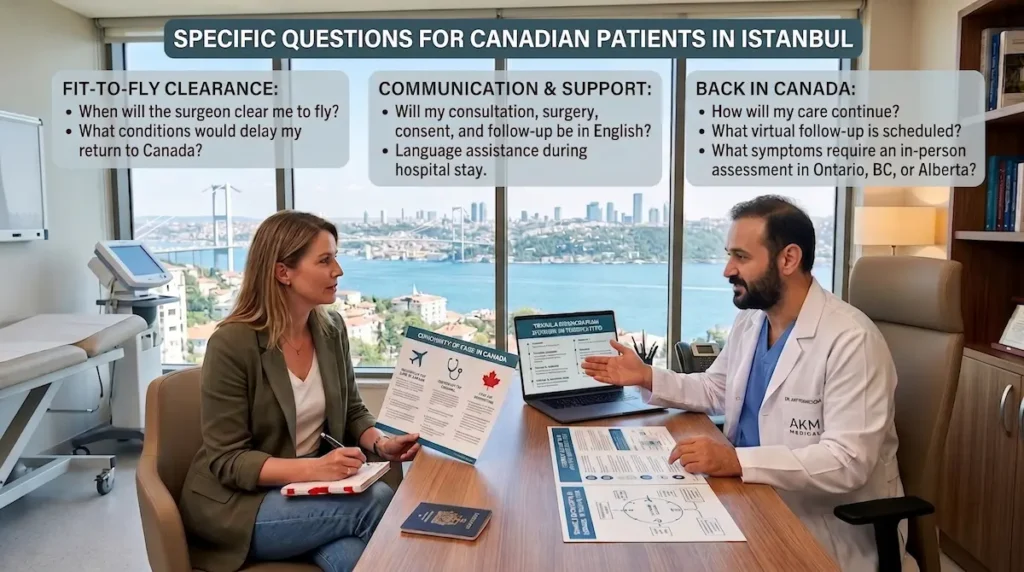
Questions Specific to International Patients
International patients need all the usual surgical questions plus a second layer of travel-related questions. Your consultation should cover flights, hotel recovery, language support, fit-to-fly clearance, and continuity of care after you land back in Canada.
This is where a medical tourism clinic should show its systems clearly. A strong clinic does not leave the travel details vague.
Fit-to-fly clearance questions
Flying home too early can increase avoidable risk. Waiting longer than needed can also create unnecessary stress and cost. The right timing depends on your procedure, health, and recovery progress.
Ask:
- How many nights should I plan to stay in Istanbul?
- When do you usually clear patients to fly after this procedure?
- What signs would delay my clearance?
- Will the surgeon examine me before I fly?
- Do I need compression stockings for the flight?
- Should I choose a direct flight or avoid long connections?
- What should I do during the flight to reduce swelling and clot risk?
Canadian flights are long. A direct Istanbul-to-Toronto route is different from a connecting itinerary to Vancouver, Calgary, Winnipeg, or Halifax. Ask about your actual route, not a generic travel window.
If your return ticket is inflexible, discuss that before booking. Some patients benefit from buffer days, especially after larger combined procedures.
Communication and language questions
Clear communication is a safety issue. It is not a luxury.
Ask:
- Will my consultation be in English?
- Will the surgeon speak directly with me?
- Will I have English-language support at the hospital?
- Will my consent forms and aftercare instructions be explained clearly?
- Who translates medical details if needed?
- Can I ask follow-up questions before signing consent?
Canadian patients should feel comfortable asking for repetition. Medical language can be stressful even in your first language. If the answer is unclear, ask again.
For a deeper review of language safety, use our guide to English-language communication verification. That article owns the language-fluency topic in more detail; here, the key point is simple: do not consent to surgery until you understand the plan.
Canadian Patient Callout: Virtual Consultation Across Time Zones
If you are booking from Canada, ask how virtual consultations are scheduled across Eastern, Pacific, Mountain, and Atlantic time zones. Toronto and Montreal patients may find early morning or midday options easier, while Vancouver patients may need a different window.
Before the call, prepare photos, medication history, prior surgery records, and this checklist. For the step-by-step structure, review the virtual consultation process.
Continuity-of-care-in-Canada questions
Good international care does not end at the airport. Ask how your care continues after you return to Canada.
Ask:
- Will I receive a discharge summary before flying home?
- Can I share that summary with my Canadian family physician?
- Will you provide guidance if my Canadian doctor has questions?
- What follow-up photos should I send, and when?
- What symptoms should be handled locally rather than remotely?
- How long do you monitor my healing?
For many patients, the ideal plan is shared awareness rather than shared responsibility. AKM monitors the surgical recovery virtually. A Canadian doctor can support general medical needs or urgent in-person assessment if required.
This matters because a family physician in Ontario, British Columbia, Quebec, or Alberta may not be familiar with your specific surgical technique. Clear documentation helps them understand what was done, when it was done, and what normal healing should look like.
Ask the clinic to define the line between routine virtual follow-up and urgent local care. That line should be clear before you travel.
Frequently Asked Questions: Questions to Ask Plastic Surgeon
This final section answers the questions Canadian patients usually raise after reviewing the checklist. Use these answers as a quick reference before your consultation, then ask your surgeon to personalize each answer to your anatomy, health history, and travel plan.
No FAQ can replace a proper consultation. It can, however, help you notice whether the answers you receive are specific enough to trust.
What’s the most important question to ask?
The most important question is: “Will you personally perform my surgery, and why are you recommending this exact technique for me?”
This question combines accountability and clinical reasoning. You should know who is operating, what they plan to do, and why that plan fits your anatomy.
How do I know if an answer is a red flag?
An answer becomes a red flag when it avoids specifics. Be cautious if the surgeon or clinic refuses to discuss risks, cannot explain technique choice, avoids naming who performs the surgery, or pressures you to book before your questions are answered.
Good answers are clear, calm, and documented. They should make you feel informed, not rushed.
Should I ask who performs the surgery?
Yes. Ask directly.
Plastic surgery is team-based, but the surgeon’s role must be transparent. You should know who performs the key surgical steps, who assists, who monitors anesthesia, and who is responsible for your outcome.
What if the surgeon avoids my questions?
Do not ignore that feeling. A surgeon who avoids reasonable questions before surgery may be difficult to reach after surgery.
You can ask once more in a simpler way. If the answer is still vague, pause the booking process and request written clarification.
Can I ask these in a virtual consultation?
Yes. Canadian patients should ask these questions during a virtual consultation before travelling.
A virtual consultation should still include medical history review, photo assessment, technique discussion, risk explanation, travel planning, and aftercare expectations. It should not feel like a short sales call.
How many questions is too many?
A well-prepared checklist is not too much. The key is organization.
Group your questions by category: credentials, procedure, risks, recovery, and international logistics. This helps the surgeon answer efficiently and helps you compare responses later.
What questions does AKM expect from Canadian patients?
AKM expects Canadian patients to ask detailed questions about surgeon credentials, technique choice, recovery, fit-to-fly timing, hotel support, patient advocacy, and follow-up after returning home.
That is appropriate. Canadian patients often come from a healthcare culture that values verification, documentation, and continuity of care. A serious consultation should respect that mindset.
Bring This Checklist to Your Consultation
A safe decision is rarely made from one impressive before-and-after photo. It comes from clear answers, verified credentials, realistic expectations, and a support system that continues after surgery.
Before booking, use this checklist to confirm five things:
- the surgeon is qualified for your exact procedure;
- the recommended technique matches your anatomy;
- the clinic explains risks without minimizing them;
- your recovery and aftercare plan is documented;
- you know how support works after you return to Canada.
If you are considering AKM Clinic, bring these questions to your virtual consultation. The goal is not pressure. The goal is clarity.
Review the AKM patient journey for international patients and prepare your consultation checklist before speaking with the team.
Medical Disclaimer: This page is provided for general educational purposes only and does not replace an in-person medical consultation, diagnosis, or personalized treatment plan. All surgery carries risks, and outcomes vary between individuals. Suitability for a plastic surgery, procedure selection, and anesthesia choice can only be determined after a full clinical assessment by a qualified surgeon. Always follow your clinician’s instructions and seek urgent medical attention if you develop concerning symptoms during recovery.