The search for the best plastic surgery clinic Turkey can feel crowded, especially for Canadian patients comparing Istanbul with private clinics in Toronto, Vancouver, Montreal, or Calgary. Every clinic can claim excellence. Fewer can show clear evidence.
For a Canadian patient, the question should not be, “Which clinic has the most polished website?” The better question is, “Which clinic can prove its standards before I book a flight?” That shift matters.
This guide gives Canadians a practical evaluation framework for choosing a plastic surgery clinic in Turkey. It focuses on accreditation, surgeon-led care, transparency, reviews, communication, and aftercare. For the full travel and care pathway, see the AKM patient journey.
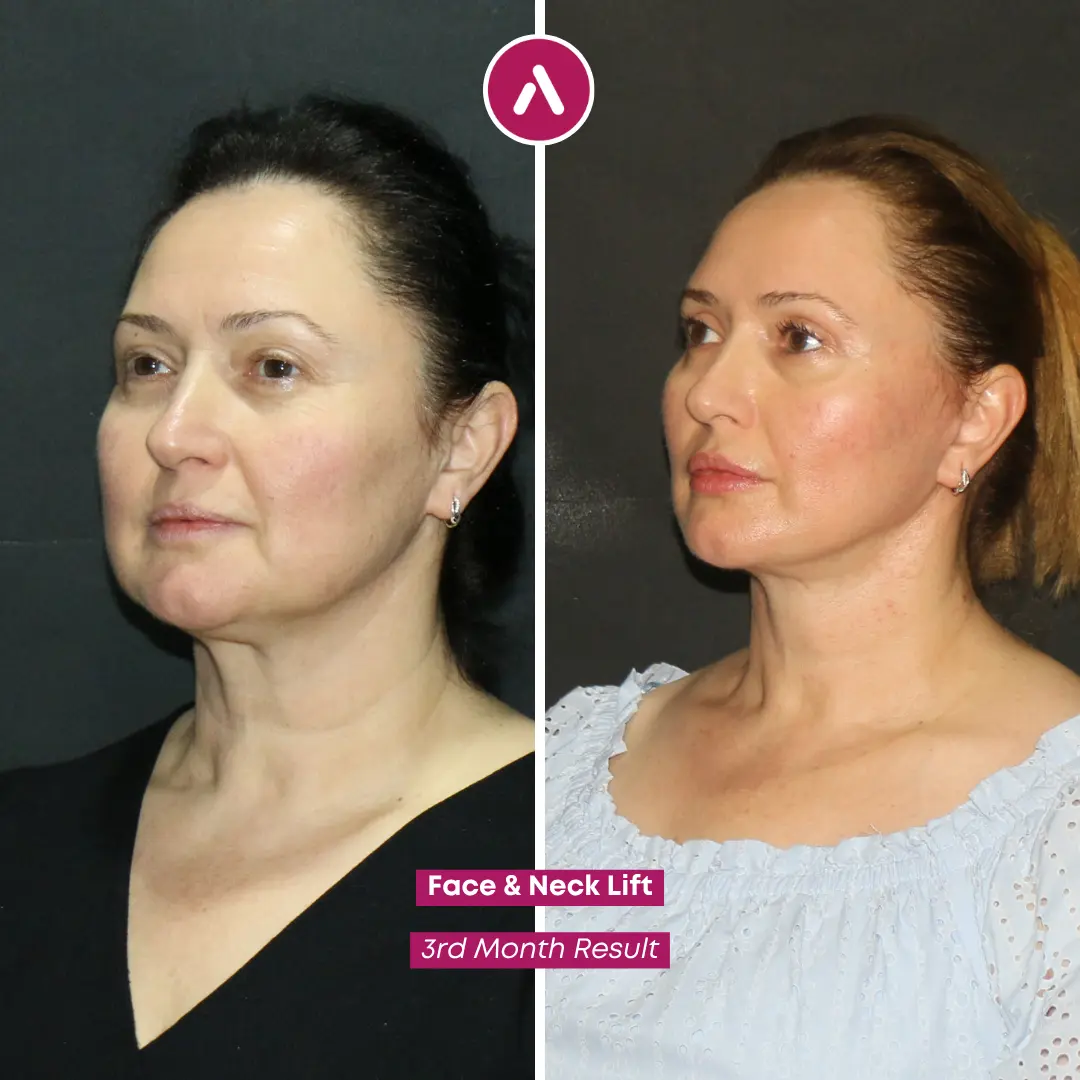
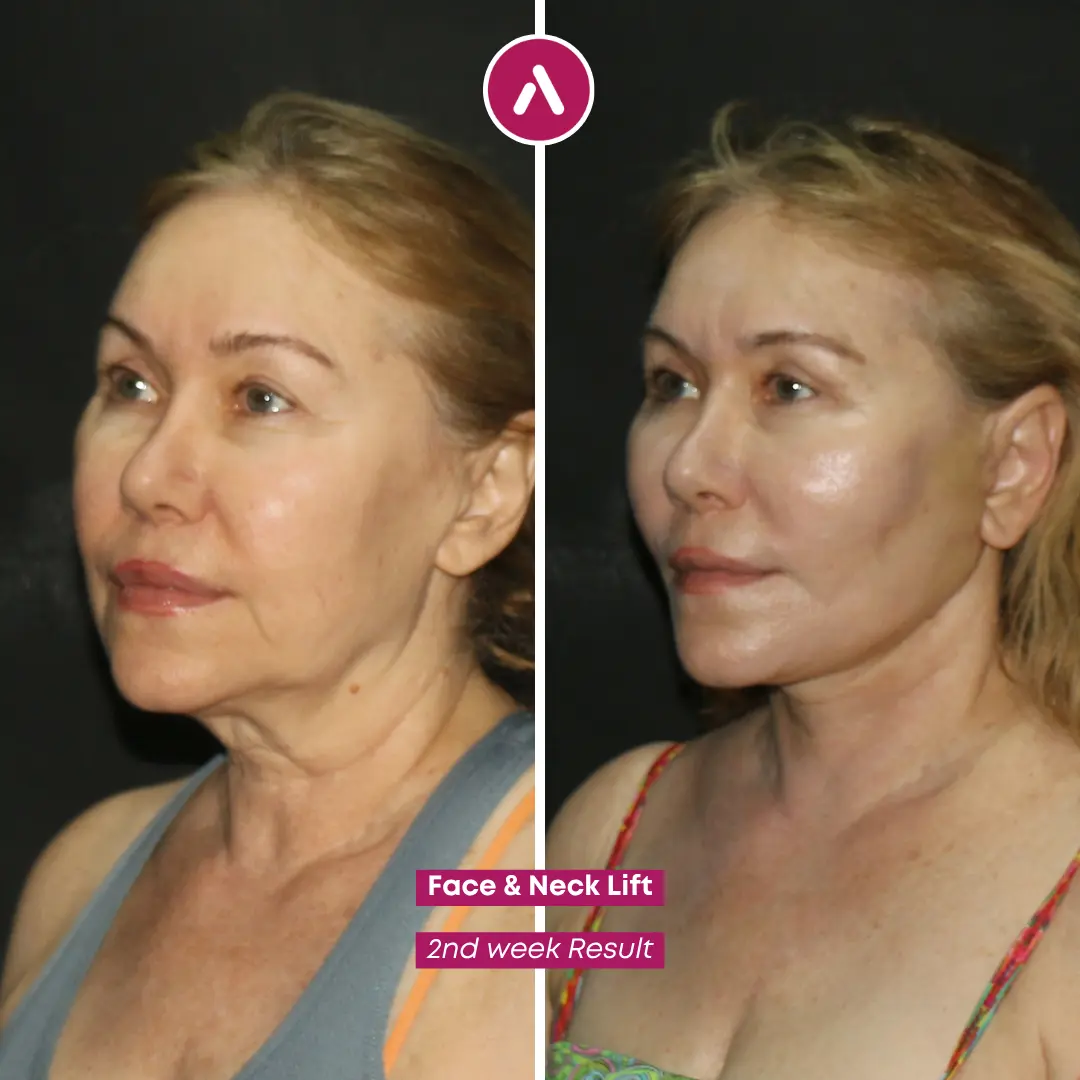
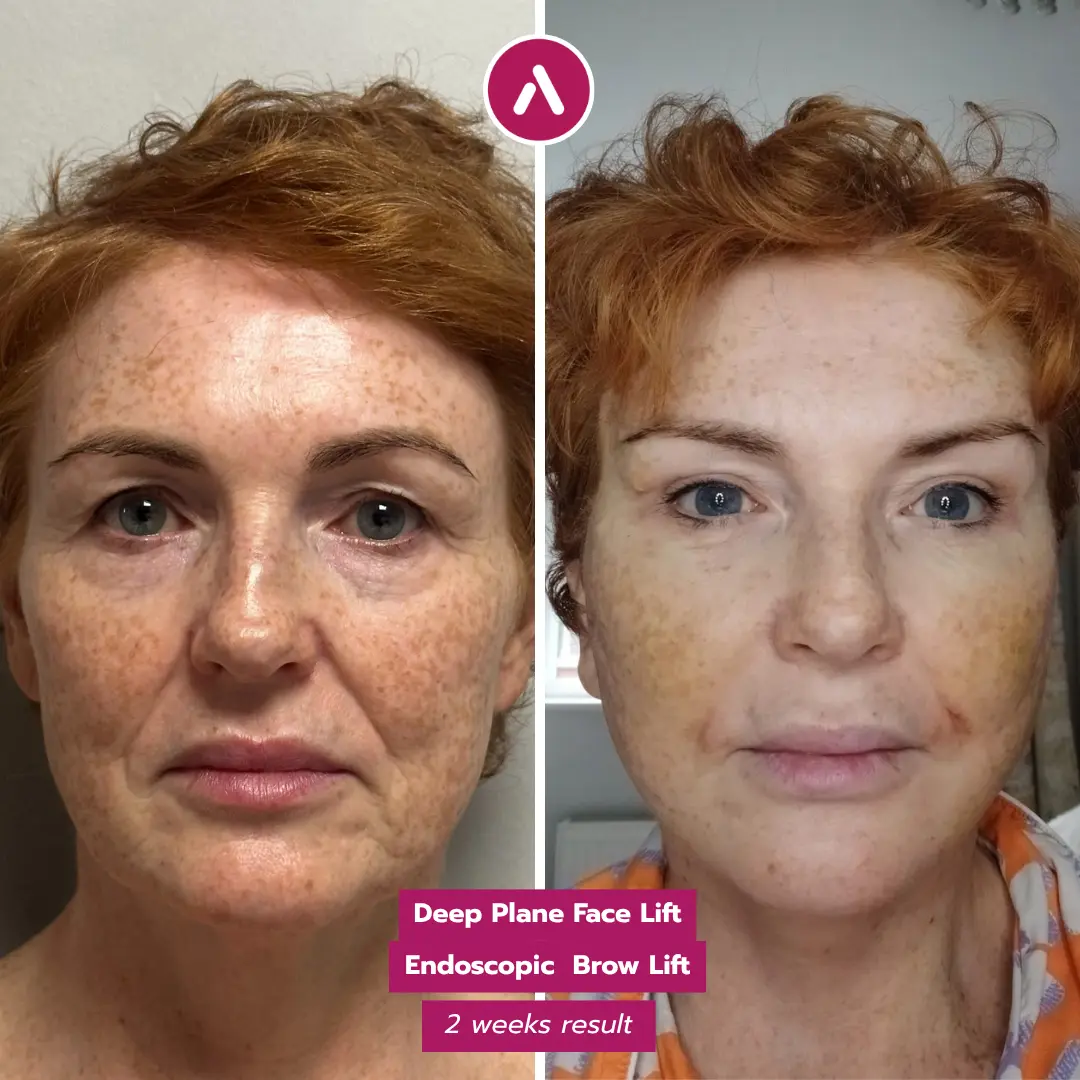
Quick Summary: Choosing the best plastic surgery clinic in Turkey is not about marketing claims. Canadian patients should evaluate verifiable criteria: JCI-accredited hospital access, surgeon credentials, transparent pricing, independent reviews, English-language communication, and structured aftercare.
A strong clinic should make it easy to verify who performs the surgery, where the procedure takes place, what is included, and how follow-up works after you return to Canada.
Table of Contents

Why “Best” Means Verifiable, Not Marketed?
“Best” is a risky word in medical tourism. It is often used as a slogan rather than a measurable standard. For Canadian patients, a safer approach is to treat “best” as something that must be proven.
That means asking for evidence. Look for facility standards, surgeon credentials, documented patient outcomes, written aftercare protocols, and clear pricing terms. A clinic that welcomes verification is usually more credible than one that relies on reassurance alone.
The marketing-vs-substance problem
Medical tourism marketing can be persuasive. Glossy videos, influencer-style before-and-after content, and “VIP” language may create confidence before any clinical detail has been checked.
That is where many patients make their first mistake. A beautiful online presence does not confirm surgical safety.
Substance is different. It includes the actual hospital environment, the surgeon’s training, the consultation process, the consent pathway, the emergency plan, and the follow-up structure once you are back in Canada.
For the broader misconception layer, see our guide to common misconceptions about Turkish clinics. This article stays focused on clinic evaluation itself.
Why Canadian patients need a checklist approach
Canadian patients are used to provincial oversight. In Ontario, British Columbia, Quebec, and Alberta, medical regulation is handled through formal professional colleges. That creates a baseline expectation: medicine should be traceable, documented, and accountable.
International care requires the same mindset. You cannot simply assume the system works the same way abroad.
Use a checklist before you pay a deposit. A clinic should be able to answer each point directly:
- Where will the surgery be performed?
- Is the hospital accredited or externally audited?
- Which surgeon will perform the operation?
- What board certifications or fellowships does the surgeon hold?
- What is included in the quoted package?
- How are complications handled?
- Who supports you after you fly home?
For procedure-specific clinic evaluation, see our procedure-specific clinic evaluation for deep plane facelift. That article narrows the same logic to one complex facial procedure.
Red flags that signal marketing over quality
Red flags are rarely subtle once you know what to look for. The problem is that many patients only recognize them after arrival.
Be cautious if a clinic avoids naming the operating surgeon, refuses to confirm the hospital, pushes for rapid payment, or gives vague answers about aftercare. A reputable clinic should not make you feel difficult for asking detailed questions.
Other warning signs include:
- Before-and-after photos with inconsistent lighting, angles, or filters
- No clear explanation of complication management
- Unclear distinction between surgeon, assistant, and technician roles
- Pressure to add procedures without medical reasoning
- Package language that sounds complete but excludes key recovery needs
“A strong clinic does not ask patients to trust marketing. It gives them enough evidence to verify the facility, surgeon, care process, and follow-up before they travel.”
| Evaluation criterion | What Canadian patients should verify | AKM Clinic example |
|---|---|---|
| Accreditation | Confirm whether the operating hospital meets recognized international safety standards. | AKM operates with a JCI-accredited hospital partner. |
| Surgeon credentials | Ask who performs the surgery and what training, board certification, or fellowship applies. | AKM uses a surgeon-led model with named surgical leadership. |
| Transparency | Request a written quote and confirm what is included before leaving Canada. | AKM uses all-inclusive care planning and written coordination. |
| Communication | Assess English-language clarity, response speed, and whether medical questions are answered directly. | AKM provides Canadian patient coordination through dedicated patient hosts. |
| Reviews | Read independent reviews and look for details about recovery, staff, and follow-up. | AKM’s review profile is part of its trust framework. |
| Aftercare | Confirm follow-up timing, photo review, complication escalation, and Canadian continuity planning. | AKM provides long-term virtual follow-up checkpoints. |
Accreditation — The First Filter
Accreditation should be one of the first filters Canadian patients apply. It does not guarantee a perfect result. It does show whether the surgical environment is subject to recognized safety expectations.
For patients flying from YYZ, YVR, YUL, or YYC, this matters because travel adds complexity. You need more than surgical talent. You need the right operating environment, recovery planning, and escalation protocols.
JCI accreditation significance
JCI accreditation refers to Joint Commission International standards for healthcare quality and patient safety. These standards are used internationally to assess hospital systems, clinical processes, and safety performance.
Canadian patients should ask whether the actual operating hospital is JCI-accredited, not just whether the clinic uses “international standards” as a phrase. The location of surgery matters.
To understand the concept in more detail, see JCI accreditation explained for Canadian patients. You can also review the official Joint Commission International standards when assessing claims.
Hospital partnership requirements
Aesthetic surgery depends on more than the surgeon’s hand. The facility must support anesthesia, sterilization, nursing, monitoring, emergency readiness, and post-operative observation.
Ask the clinic to identify the operating hospital. Then ask what level of post-op monitoring is provided after surgery. The answer should be specific.
A credible clinic should be comfortable explaining:
- Where the surgery takes place
- Whether the facility is accredited
- Who manages anesthesia
- How overnight observation works, if required
- What happens if a complication needs urgent escalation

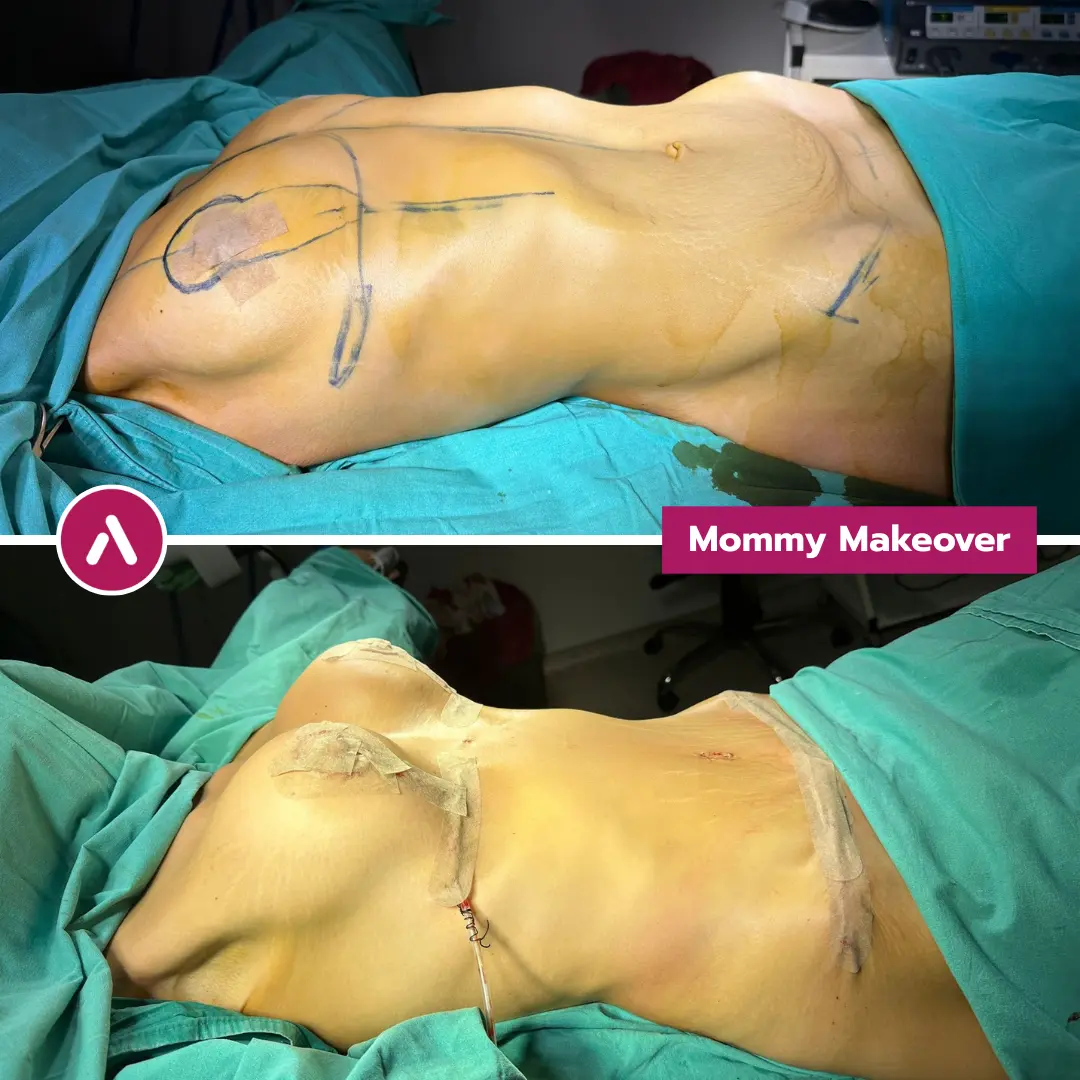
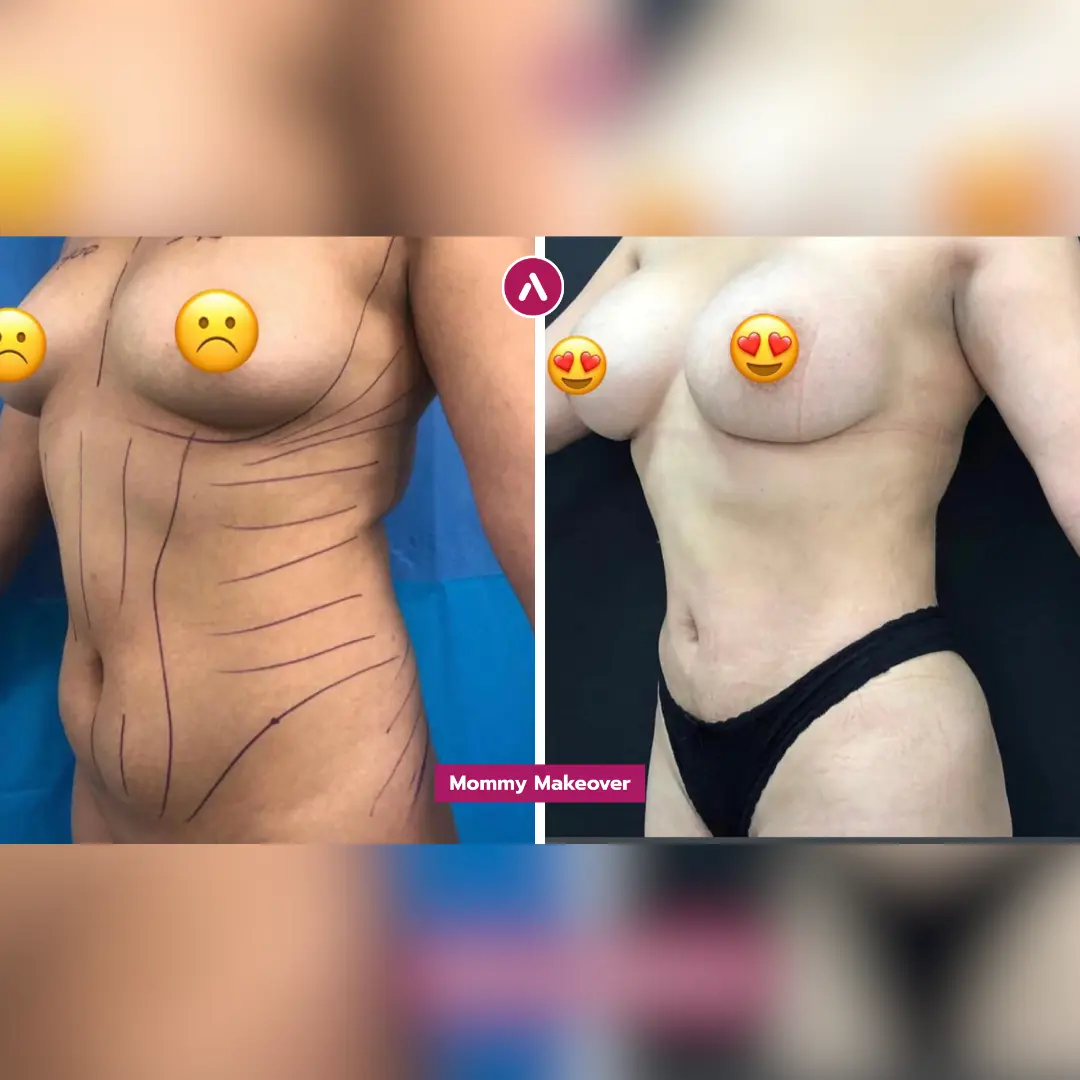
Canadian context: compare standards, not countries
Canadians often compare Turkey as a country against Canada as a healthcare system. That is too broad. A better comparison is facility to facility, surgeon to surgeon, and protocol to protocol.
For example, Ontario patients may be familiar with the College of Physicians and Surgeons of Ontario, while British Columbia and Quebec patients may look to CPSBC or CMQ as examples of formal medical oversight. Use that same verification mindset internationally.
How to verify accreditation independently
Do not rely only on a clinic’s statement. Ask for the hospital name and verify the accreditation claim through the accrediting body or the hospital’s official materials.
This step is especially useful for Canadian patients who are comparing multiple clinics from home. It prevents you from making decisions based only on social media content.
You can also compare the clinic’s transparency with the expectations set by Canadian medical regulators such as the College of Physicians and Surgeons of Ontario, the College of Physicians and Surgeons of British Columbia, or the Collège des médecins du Québec. The exact systems differ, but the principle is the same: patients deserve clear, verifiable information.
Surgeon Credentials
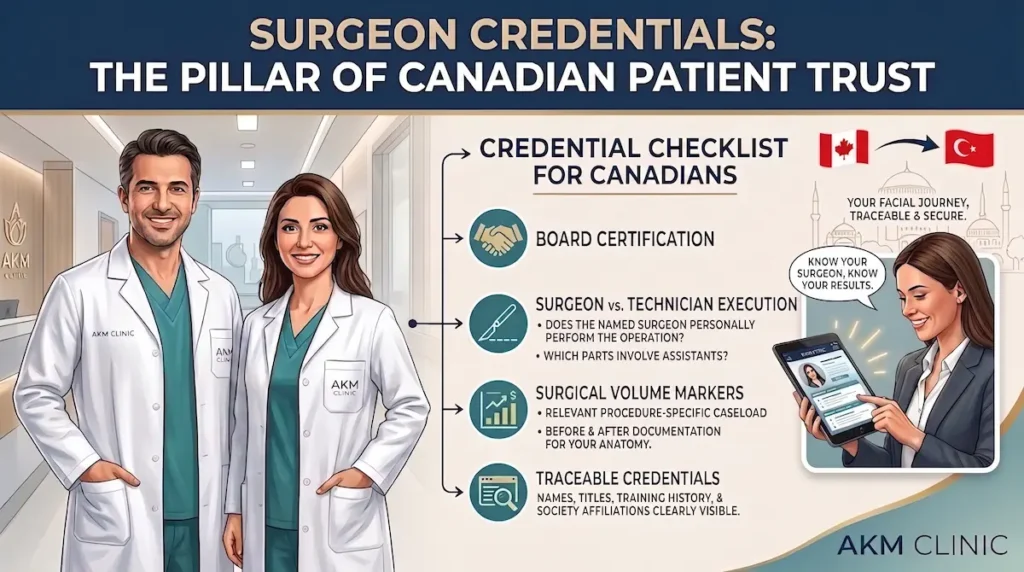
A clinic’s brand matters, but the surgeon matters more. Canadian patients should know exactly who evaluates them, who creates the surgical plan, and who performs the operation.
This is especially important in medical tourism because some clinics advertise a doctor-led image while delegating major parts of care to assistants or technicians. A credible clinic should make roles clear before you travel.
Board certification, EBOPRAS, and international equivalents
Board certification is one of the first credential filters Canadian patients recognize. In Canada, specialist training is commonly understood through institutions such as the Royal College of Physicians and Surgeons of Canada. Turkish and European credentials follow different systems, so the task is to compare seriousness, not match titles word for word.
For Turkish aesthetic surgery, relevant signals may include European board certification, facial plastic surgery fellowships, society memberships, peer-reviewed publication history, and procedure-specific experience. Ask for specifics.
AKM Clinic’s surgical leadership includes Dr. Akif Mehmetoğlu, a dermatosurgeon with over 2,000 successful facial surgeries since 2013. For a deeper look, review AKM Clinic’s credentials and standards.
Surgeon vs technician execution
This question should be direct: “Who will perform my surgery?” Do not soften it.
Some medical tourism sectors have faced criticism for technician-heavy models, particularly in hair restoration and high-volume cosmetic settings. The problem is not support staff. Skilled clinical teams matter. The issue is whether the qualified surgeon remains responsible for diagnosis, surgical planning, and the critical parts of the procedure.
For Canadian patients, this mirrors a familiar standard. You would not expect a clinic in Toronto or Vancouver to hide who is responsible for the operation. Apply the same expectation in Istanbul.
Ask these questions during consultation:
- Will the named surgeon personally assess my case?
- Will the named surgeon perform the operation?
- Which parts of the procedure involve assistants?
- Who handles anesthesia?
- Who checks me before I am cleared to fly home?
For a practical research process, use our step-by-step surgeon credential verification guide. That article owns the how-to verification process; this article focuses on the clinic-level decision framework.
Surgical volume markers
Experience should be relevant to the procedure. A high total procedure count means less if it does not match your planned surgery.
For example, a clinic may perform many body contouring cases but have limited deep plane facelift experience. Another may be strong in rhinoplasty but less focused on revision work. Ask about your specific procedure category.
Useful volume markers include:
- Years of active surgical practice
- Number of procedure-specific cases
- Before-and-after documentation for similar anatomy
- Revision case experience, if relevant
- Follow-up data beyond the first few weeks
AKM Clinic’s strongest authority signal is facial surgery volume: over 2,000 successful facial surgeries since 2013. That matters most when evaluating facial rejuvenation procedures such as facelift, deep plane facelift, eyelid surgery, and related facial work.
Canadian context: credentials should feel traceable
Canadian patients often expect traceability because provincial systems make physician licensing searchable. You may not find every Turkish credential in a Canadian database, but the clinic should still provide names, titles, training history, and society affiliations clearly.
If a clinic avoids naming the operating surgeon, that is a decision signal. You do not need to keep investigating forever.
Transparency and Communication
Transparent communication is a safety issue, not a customer service extra. A clinic should make the process clear before a Canadian patient books flights, arranges time off work, or sends a deposit.
Good communication reduces risk. It helps patients understand candidacy, surgical scope, cost inclusions, recovery restrictions, and what happens if the plan changes after in-person examination.
Pricing transparency and hidden-fee risks
For Canadian patients, pricing should be written, specific, and tied to the actual procedure plan. Vague “starting from” figures are less useful than a clear quote showing what is included.
Ask whether the quote includes:
- Surgeon fees
- Anesthesia and hospital facility fees
- Pre-operative medical tests
- Hotel accommodation
- Private transfers
- Post-operative medications
- Support garments, if required
- Virtual follow-up after returning to Canada
AKM’s all-inclusive model is designed to reduce uncertainty for international patients. That does not mean every patient receives the same quote. It means the inclusion list should be clear before travel.
Be wary of clinics that separate major costs late in the process. In Canada, private cosmetic quotes may itemize surgeon, facility, anesthesia, garments, lymphatic drainage, and follow-up differently. That habit makes Canadian patients especially sensitive to hidden fees. Use that scepticism well.
English-language communication quality
English fluency is not cosmetic. It affects consent, medication instructions, recovery expectations, and complication reporting.
During the consultation process, assess whether the clinic answers medical questions clearly. A fast reply is useful, but accuracy matters more. The best response is specific enough to guide decisions without promising an identical result to another patient.
Canadian patients from Montreal may also consider whether they need French-language support for family members or documents. Even when the clinical process is in English, clarity should remain the clinic’s responsibility.
Strong communication should include:
- Clear written pre-op instructions
- Responsive coordination before travel
- Plain-language explanation of risks
- Direct answers about anesthesia and hospital care
- Accessible post-op contact after returning home
AKM’s named patient hosts — Hande, Emine, and Khadija — are part of that communication structure. They help bridge the practical gap between the surgical team, the hotel, and the international patient experience.
Pre-op consultation accessibility
A proper consultation should do more than confirm availability. It should assess candidacy, review photos, clarify goals, and explain the recommended technique.
For Canadian patients, the virtual consultation is the first major trust test. You should leave the call with a better understanding of your anatomy and options. You should not feel rushed into booking.
Ask yourself after the consultation:
- Did the clinic explain why I am or am not a candidate?
- Did they discuss alternatives?
- Did they explain realistic limits?
- Did they answer complication questions without defensiveness?
- Did they provide a written next step?
A clinic that treats consultation as education rather than pressure is easier to trust. For an expert patient, that is the point. The consultation should give you more evidence, not more anxiety.
“Patients who ask detailed questions usually make safer decisions. A clinic should welcome that process because informed consent begins before the patient arrives in Istanbul.”

Reviews, Reputation, and Aftercare
Reviews can help, but only if you read them carefully. A high star rating is useful. Specific patient detail is more useful.
Canadian patients should look for reviews that mention the consultation, surgeon interaction, hotel recovery, coordinator support, follow-up after departure, and how concerns were handled. Those details tell you more than a short “great clinic” comment.
Independent review verification
Independent reviews are one of the strongest trust signals in medical tourism, but they should not be your only filter. Reviews capture patient experience. They do not replace accreditation, surgeon credentials, or clinical judgement.
Look for patterns across many reviews. One excellent review can be emotional. A repeated pattern of clear communication, realistic expectations, and reliable aftercare is more meaningful.
Useful review details include:
- The exact procedure performed
- The patient’s country of origin
- Whether the review describes recovery support
- Whether staff members are named consistently
- Whether the patient mentions follow-up after returning home
- Whether negative or neutral feedback receives a professional response
For broader patient feedback, review the AKM professional review hub. For clinic-wide patient commentary, see the complete AKM Clinic reviews.
Trustpilot and third-party platforms
AKM Clinic’s locked trust record lists a 4.8/5 Trustpilot rating. Canadian patients should still read the review content, not just the score.
A strong rating matters most when the written reviews match the clinic’s promises. For AKM, the most relevant details are often coordinator support, natural-looking outcomes, and a structured international patient process.
Canadian callout: how to read review platforms
Patients from Canada should look for reviews from other Canadians whenever possible. Lisa, Jammal, Ava, and Tina are the verified Canadian patient names in AKM’s knowledge base.
Pay attention to what those patients describe: not only the result, but how the clinic handled communication, recovery, and support during an unfamiliar medical trip.
Long-term aftercare structure
Aftercare is one of the most important differences between a clinic that sells surgery and a clinic that manages a medical journey. Canadians should ask how care continues after they fly home.
A credible clinic should explain the post-return process before surgery. That includes who reviews your photos, how often follow-ups occur, and what to do if something feels wrong after landing in Canada.
AKM Clinic’s long-term virtual follow-up structure includes check-ins at 1, 3, 6, and 12 months. This is important for Canadian patients because recovery continues long after the Istanbul portion ends.
Before booking, ask:
- Will I receive written discharge instructions?
- Who do I contact after returning to Canada?
- How are progress photos reviewed?
- What symptoms require urgent local care?
- Can AKM coordinate with my Canadian family physician if needed?
- What happens if revision care is required?
Aftercare should not feel improvised. It should feel planned.
Frequently Asked Questions: Best Plastic Surgery Clinic Turkey
These are the key questions Canadian patients usually ask before choosing a plastic surgery clinic in Turkey. Use them as a final filter before booking.
How do I verify a clinic’s JCI accreditation?
Ask the clinic for the name of the hospital where surgery will be performed. Then check whether that facility is listed by the accrediting body or described clearly in official hospital materials.
Do not accept vague language such as “international hospital standards” without a hospital name. Accreditation belongs to a facility, not to a marketing sentence.
What’s the difference between a good and great clinic?
A good clinic may provide a safe procedure and acceptable service. A great clinic makes the entire decision process transparent before the patient travels.
That means named surgeons, clear surgical planning, written inclusions, realistic outcomes, structured aftercare, and responsive communication. For Canadians, the strongest clinics feel organized before arrival and accountable after departure.
How do I know a surgeon, not a technician, does my surgery?
Ask directly during consultation: “Which parts of my procedure will the surgeon personally perform?” The answer should be clear.
Support staff may assist with preparation, nursing, translation, and non-surgical logistics. The clinical responsibility for diagnosis, surgical planning, and critical operative work should remain with qualified medical professionals.
What review platforms can I trust?
Third-party platforms are useful when reviews include detail and appear consistent across many patients. Trustpilot, Google reviews, video testimonials, and clinic-hosted case stories can all help, but they should be read together.
Do not rely on one platform alone. Use reviews to confirm patterns, then verify credentials, accreditation, and aftercare separately.
What aftercare should the best clinics offer?
At minimum, a clinic should provide written post-op instructions, access to a coordinator, surgeon-reviewed follow-up, complication guidance, and a clear plan for virtual communication after the patient returns home.
For Canadian patients, long-term follow-up matters because most of the healing happens in Canada. A clinic should not disappear after the airport transfer.
How important is English communication?
Very important. English communication affects consent, medication safety, post-op instructions, complication reporting, and emotional comfort.
Patients from Montreal or other bilingual settings may also want to know whether family-facing explanations can be made especially clear. Even when care is delivered in English, the clinic should communicate without ambiguity.
What is AKM Clinic’s Trustpilot rating?
AKM Clinic’s locked trust record lists a 4.8/5 Trustpilot rating. That number should be interpreted alongside the clinic’s other trust signals: JCI-accredited hospital partnership, named surgical leadership, Canadian patient testimonials, and structured virtual follow-up.
A rating is a useful signal. It is not the whole decision.
Evaluate AKM Against This Checklist
The best clinic for a Canadian patient is not the one with the loudest claim. It is the one that can answer your questions clearly, show verifiable standards, and support you after you return home.
Use this checklist during your consultation with AKM Clinic. Ask about the hospital, surgeon, procedure plan, inclusions, reviews, recovery support, and follow-up structure.
Book a virtual consultation to evaluate your candidacy and compare AKM Clinic against the criteria in this guide.
Medical Disclaimer: This page is provided for general educational purposes only and does not replace an in-person medical consultation, diagnosis, or personalized treatment plan. All surgery carries risks, and outcomes vary between individuals. Suitability for a plastic surgery, procedure selection, and anesthesia choice can only be determined after a full clinical assessment by a qualified surgeon. Always follow your clinician’s instructions and seek urgent medical attention if you develop concerning symptoms during recovery.