Quick Summary: Ethnic rhinoplasty refines nasal features while preserving the patient’s cultural and identity markers. The goal is not to create a standardized “Western” nose, but to improve proportion, breathing support, bridge shape, tip definition, and nostril balance in a way that still feels like you.
For Canadian patients researching ethnic rhinoplasty Turkey, the most important question is not “Can my nose be changed?” It is “Can my nose be refined without erasing the features that connect me to my family, heritage, and face?”
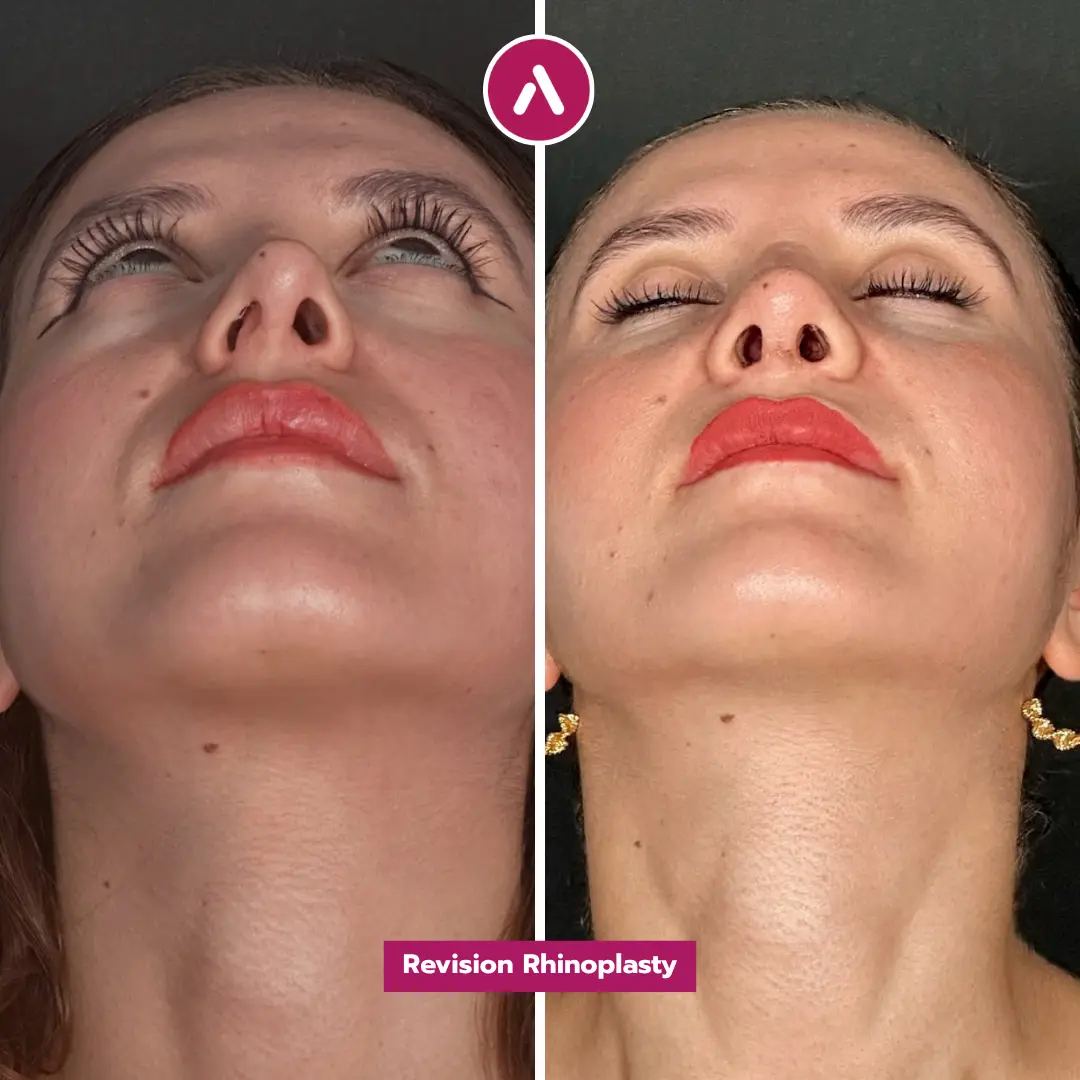
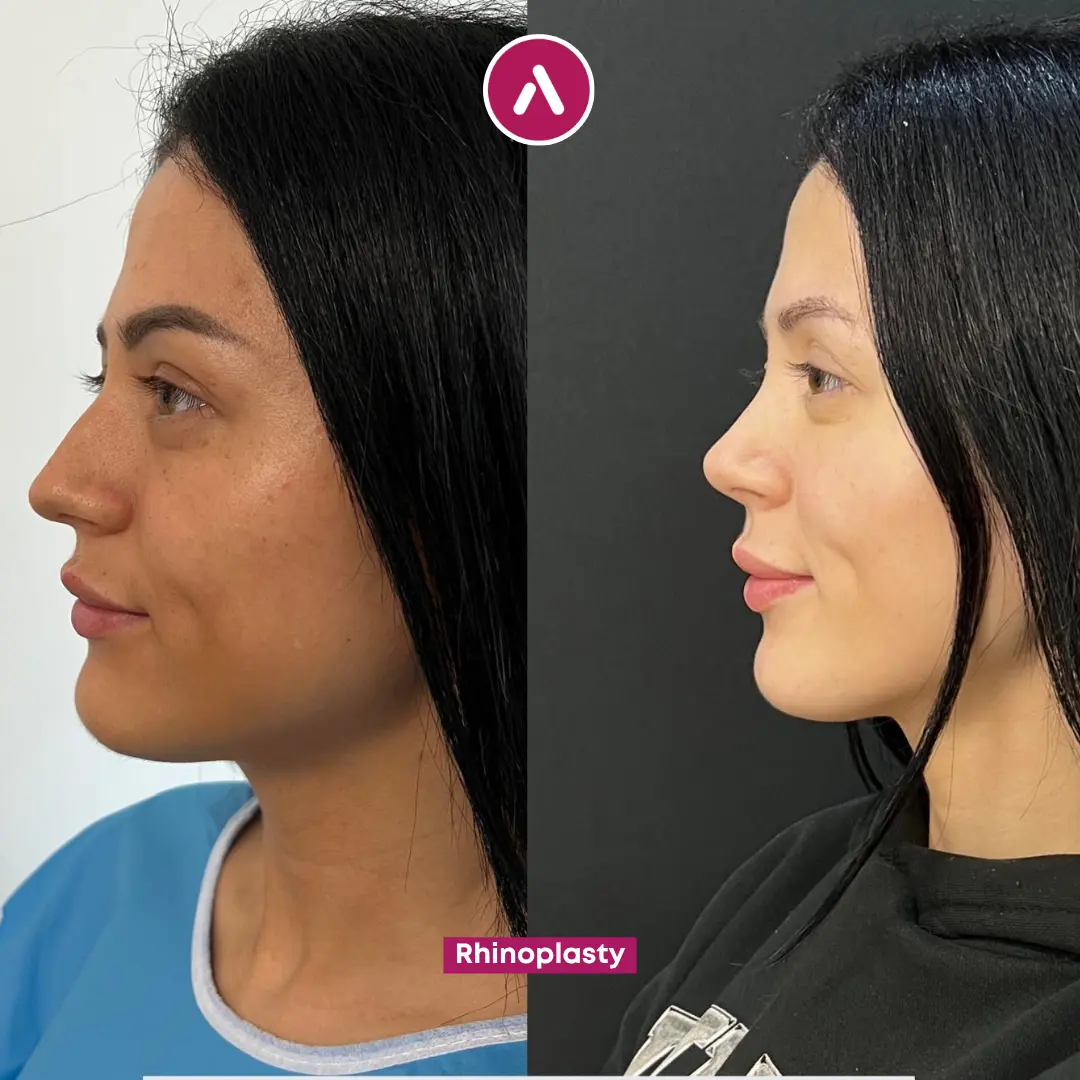
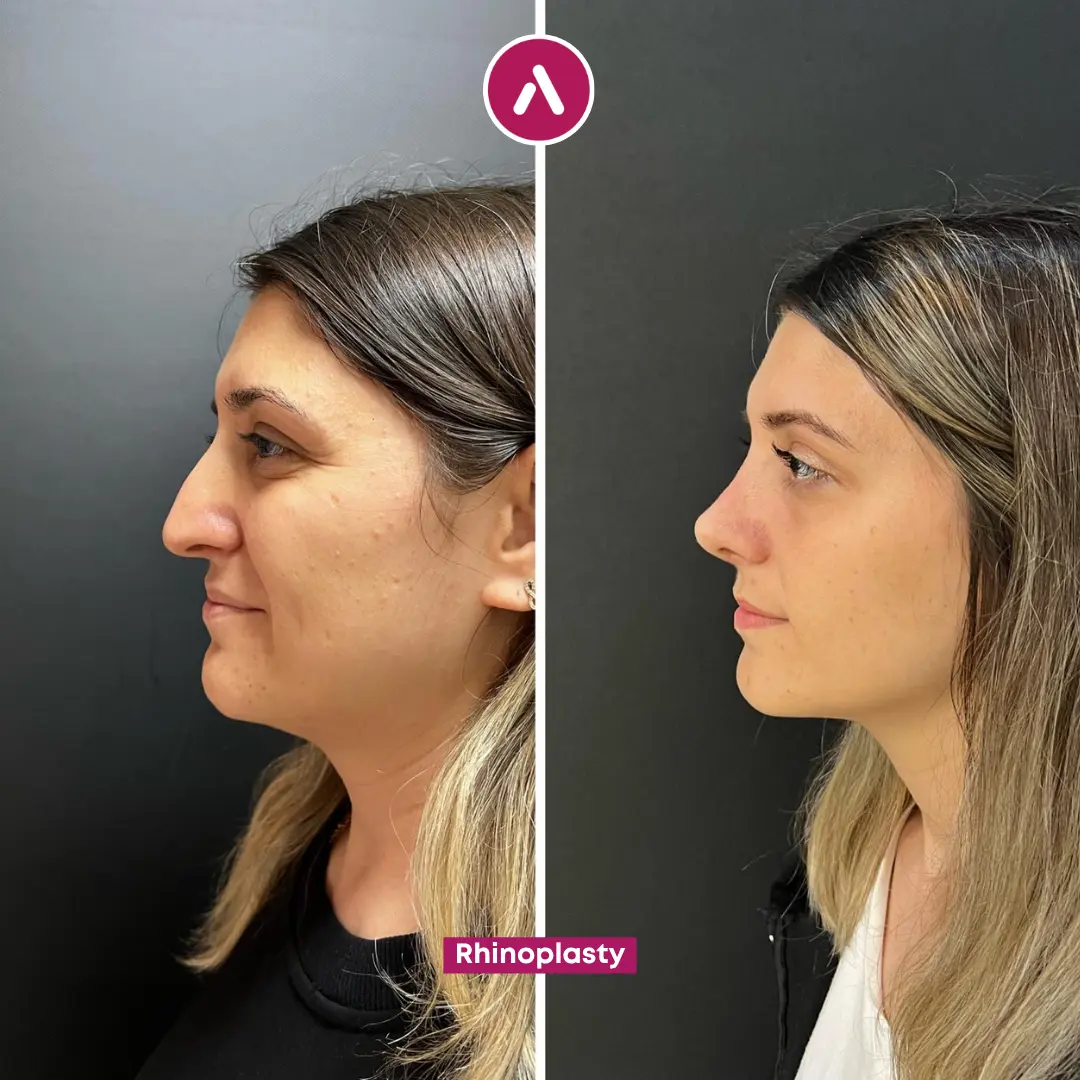
Canada’s multicultural patient population has changed what rhinoplasty consultation should look like. A patient from Toronto with South Asian heritage, a Vancouver patient with East Asian anatomy, a Montreal patient from a Middle Eastern family, and a Calgary patient with Afro-Caribbean features may all want nasal refinement, but they should not receive the same surgical plan.
That is why ethnic rhinoplasty requires more than standard nose reshaping. It requires an understanding of skin thickness, cartilage strength, bridge height, nostril width, facial proportions, and cultural identity. At AKM Clinic, the discussion begins with rhinoplasty options at AKM Clinic, then narrows into a personalized plan based on anatomy rather than a one-size template.
The right result is usually understated. Your nose should look more balanced, not borrowed from another face.
Table of Contents
What Ethnic Rhinoplasty Is — And Is Not?
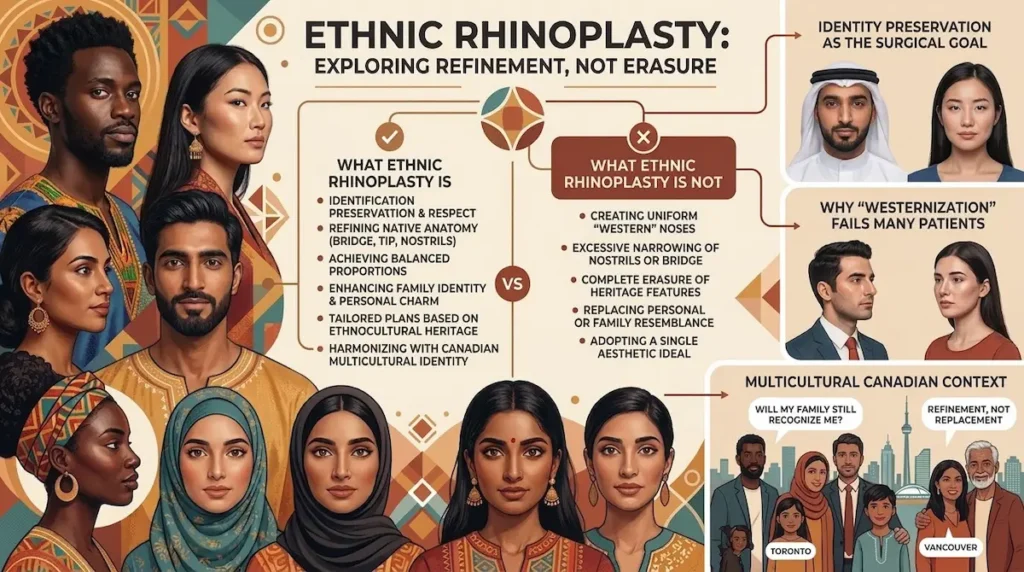
Ethnic rhinoplasty is a rhinoplasty approach designed for patients whose nasal anatomy reflects African, Asian, South Asian, Middle Eastern, Mediterranean, Latino, Mestizo, or other non-Northern-European heritage patterns. This section matters because the term is often misunderstood. It does not mean making every ethnic nose smaller, narrower, or more “Western.”
For Canadian patients, especially those from multicultural families, the word “ethnic” can feel both useful and uncomfortable. It is useful because anatomy matters. It is uncomfortable when clinics use it as a marketing label without respecting identity.
Identity preservation as the surgical goal
Identity preservation means the surgeon studies what belongs on your face before deciding what should change. The bridge, tip, nostril base, radix, and profile must all be considered in relation to your eyes, cheeks, lips, forehead, and chin.
The goal is proportion. Not erasure.
For example, a Middle Eastern patient may want the dorsal hump softened, but not completely removed if that feature gives strength to the profile. A South Asian patient may want better tip support without losing the natural warmth of the face. An Afro-Caribbean patient may want nostril refinement without excessive narrowing that looks culturally mismatched.
These decisions are not cosmetic details alone. They affect whether the final result feels authentic.
“In ethnic rhinoplasty, the question is never how much we can change. The question is how precisely we can refine while keeping the patient recognizable to themselves and their family.”— Composite AKM Clinic surgeon perspective
Why “westernization” is a failed framework
Older rhinoplasty models often treated a narrow bridge, high projection, small nostrils, and rotated tip as universal ideals. That framework fails many patients. It ignores facial context.
A nose that looks balanced on one face may look artificial on another. This is especially true when the bridge is raised too aggressively, the nostrils are narrowed beyond the natural alar base, or the tip is over-rotated. The result may look technically “done,” but not personally right.
Westernization can also create social discomfort. Many Canadian patients do not want colleagues, relatives, or friends to see a different person. They want the same face with better balance.
That is the central distinction. Ethnic rhinoplasty is refinement, not replacement.
Multicultural Canadian patient context
In Canada, ethnic rhinoplasty often happens at the intersection of anatomy, family identity, and professional discretion. Patients from Toronto, Vancouver, Montreal, Calgary, Ottawa, Edmonton, Winnipeg, and Halifax may be comparing local consultations with Istanbul options, but their concerns are often similar.
They ask practical questions:
- Will my family still recognize me?
- Can my bridge be refined without looking artificial?
- Can nostril width be improved without over-narrowing?
- Will my skin thickness limit definition?
- Can the result suit both my ethnic background and my Canadian professional life?
These are reasonable questions. They should be answered before the surgical plan is finalized.
Canadian Context: Multicultural Rhinoplasty Demand
Canadian patients often come from highly diverse family and community settings. This matters because Canada’s ethnocultural diversity, documented through Statistics Canada ethnocultural diversity data, changes how rhinoplasty should be discussed: anatomy, identity, and family resemblance all matter.
A natural-looking result must work in both contexts: close family recognition and everyday professional discretion. That is why ethnic rhinoplasty planning should include identity, not just measurements.
Anatomical Considerations Across Ethnic Groups
Ethnic rhinoplasty planning starts with anatomy. This section does not reduce patients to categories, because every face is individual. Still, certain anatomical patterns appear more commonly across heritage groups, and those patterns affect surgical technique.
The safest approach is to treat these patterns as starting points, not rules. A good consultation confirms what is true for your nose through examination, photography, and surgical judgement.
| Heritage pattern | Common anatomical considerations | Typical technique adjustments |
|---|---|---|
| African and Afro-Caribbean | Wider alar base, lower bridge, thicker skin, softer cartilage support | Conservative alar base refinement, dorsal support, strong tip grafting, careful narrowing |
| East Asian and Southeast Asian | Lower radix, flatter dorsum, less tip projection, variable skin thickness | Dorsal augmentation, tip support grafts, projection building without over-heightening |
| South Asian | Thicker skin, bulbous or under-supported tip, dorsal irregularity, occasional deviation | Structural cartilage support, tip definition, conservative dorsal reshaping, longer swelling planning |
| Middle Eastern and Mediterranean | Prominent dorsal hump, stronger bridge, thicker skin, downward tip tendency | Dorsal hump softening, preservation or Piezo planning, tip support, profile balance |
| Latino and Mestizo | Variable bridge height, thicker skin, wider alar base, mixed cartilage strength | Balanced bridge refinement, alar base control, tip support, identity-preserving projection |
African and Afro-Caribbean noses
African and Afro-Caribbean rhinoplasty often involves the bridge, nostril base, and tip support. Many patients do not want a narrow or high-bridged nose. They want better definition while keeping facial harmony.
The alar base must be handled carefully. Over-narrowing can distort expression and create an unnatural look, especially when the cheeks, lips, and jaw structure carry strong facial proportions. Subtlety matters here.
Bridge augmentation may be considered when the dorsum is low or lacks definition. The surgeon may use cartilage support to improve shape without creating an exaggerated profile. Tip work often requires stronger internal structure because soft cartilage can limit definition.
East Asian and Southeast Asian noses
East Asian and Southeast Asian noses often involve a lower bridge, softer tip projection, and less defined radix. The surgical plan may focus on building structure rather than reducing it.
That does not mean every patient needs a high bridge. A bridge that is too tall can look disconnected from the face. The better goal is usually gentle height, clean dorsal lines, and improved tip support.
For some patients, augmentation is more important than reduction. This can involve autologous cartilage grafting, careful implant discussion when appropriate, and precise planning of bridge-to-tip continuity.
South Asian noses
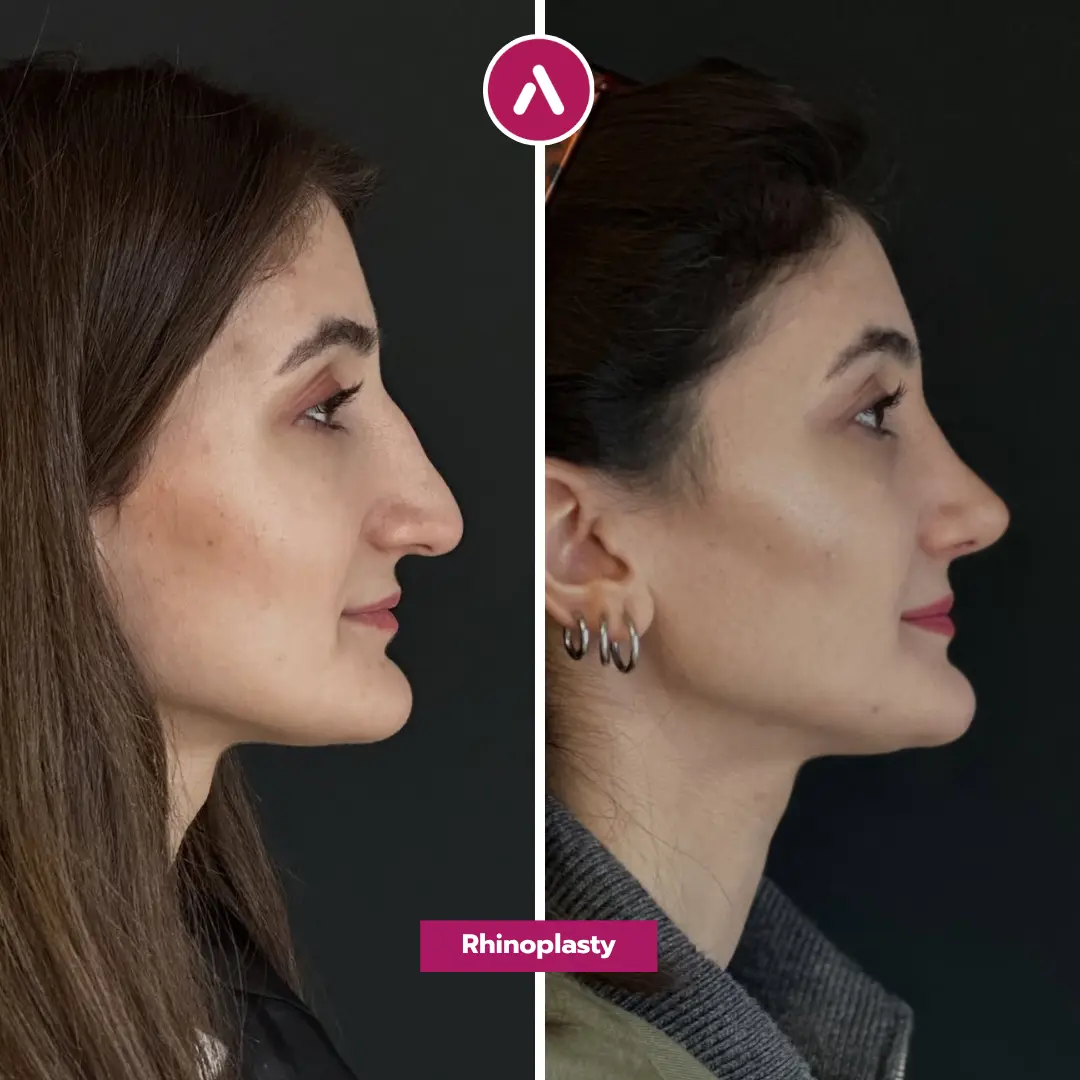
South Asian rhinoplasty often involves thicker skin, variable bridge height, a rounded tip, and sometimes a drooping tip or deviation. The nose may need structural work underneath the skin rather than superficial reshaping.
Tip definition can be challenging when the skin envelope is thick. The cartilage framework must be strong enough to show through over time. This is why expectation setting is important from the beginning.
For the skin-thickness-specific surgical strategy, see our detailed guide to thick skin rhinoplasty planning. That article owns the swelling and skin behaviour discussion in greater depth.
Middle Eastern and Mediterranean noses
Middle Eastern and Mediterranean patients often present with a prominent dorsal hump, strong nasal bones, thicker skin, and a tip that may project downward. The profile is frequently the main concern.
That does not mean the hump must be erased completely. Many patients want the bridge softened while keeping a strong family profile. The distinction between softening and flattening should be made clearly before surgery.
For dorsal hump and profile-specific planning, see our guide to aquiline noses common to Middle Eastern and Mediterranean patients. This article keeps the broader ethnic-anatomy discussion here, while that guide focuses on the dorsal hump itself.
Latino and Mestizo noses
Latino and Mestizo rhinoplasty can involve a wide range of anatomy because of mixed heritage patterns. Some patients have thicker skin and wider nostrils. Others have a strong bridge, under-projected tip, or asymmetry from previous trauma.
The surgical plan should not assume one template. It should identify whether the main issue is bridge shape, alar base width, tip support, or facial proportion.
A balanced approach often combines modest bridge refinement, careful nostril control, and tip support. The result should feel consistent with the patient’s cheeks, lips, and overall facial expression.
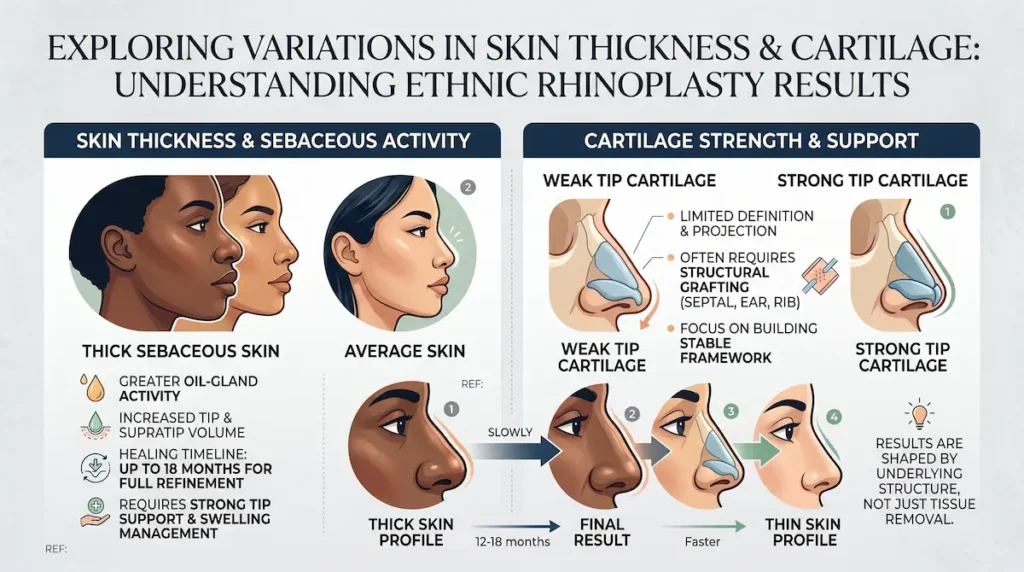
Skin Thickness and Cartilage Variations
Skin and cartilage determine how much refinement the final result can show. This is especially important in ethnic rhinoplasty because many patients have thicker skin, stronger sebaceous activity, or softer cartilage than the narrow reference noses often shown in generic rhinoplasty galleries.
The surgeon cannot simply “shrink” skin. Instead, the internal framework must be designed well enough for the skin to settle over it gradually. This is why ethnic rhinoplasty is often structural surgery, not surface-level reshaping.
Sebaceous skin variability
Sebaceous skin is skin with higher oil-gland activity. In rhinoplasty, it often appears thicker across the tip and supratip region. It may blur fine definition during the early healing phase.
This does not make refinement impossible. It changes the timeline.
Patients with thicker skin often need stronger tip support, more patient swelling management, and a longer view of results. A thin-skinned patient may see bridge and tip changes earlier. A thick-skinned patient may still be settling at 12 to 18 months.
That timeline should be discussed before surgery. It helps prevent unnecessary anxiety when the nose still looks swollen at month three.
Weaker cartilage and grafting needs
Cartilage strength varies widely between patients. Some ethnic rhinoplasty patients have softer lower lateral cartilages, which can limit tip definition and projection. Others have strong nasal bones with a heavy bridge, but weaker tip support below.
In these cases, the surgeon may need to build support rather than only remove tissue. That can involve septal cartilage, ear cartilage, or rib cartilage in more complex cases. The goal is to create a stable framework that holds shape as swelling resolves.
This is where an experienced rhinoplasty surgeon makes a significant difference. Removing too much cartilage can weaken the nose. Adding structure thoughtfully can improve both shape and long-term support.
For patients who only need tip refinement, isolated tip plasty for select ethnic cases may be enough. When the bridge, septum, nostril base, and tip all need adjustment, a full ethnic rhinoplasty plan is usually more appropriate.
Why thick-skin protocols often apply
Many ethnic rhinoplasty plans borrow principles from thick-skin rhinoplasty. The overlap is real, but it is not identical. Thick skin is a tissue characteristic. Ethnic rhinoplasty is a broader anatomical and identity-based planning category.
The distinction matters.
A patient of Middle Eastern heritage may have thick skin and a dorsal hump. A patient of East Asian heritage may have medium skin and a low bridge. A South Asian patient may have thick tip skin and weak cartilage. Each case needs different planning.
Common thick-skin supportive strategies may include:
- Stronger cartilage grafting for tip definition
- Conservative dorsal reduction to avoid imbalance
- Careful taping and swelling monitoring
- Longer expectation setting for final definition
- Skin-care guidance for oil control during healing
The practical message is simple. If your skin is thick, the surgical plan must respect that limitation rather than promise a tiny, sharply sculpted tip that your skin cannot reveal.
Canadian Context: Why Case Volume Matters
Canadian patients often seek ethnic rhinoplasty abroad because they want a surgeon who has seen many nasal anatomy patterns, not only the dominant local aesthetic standard. Multicultural case volume matters when the goal is refinement across different skin, cartilage, bridge, and nostril patterns.
Technique Adjustments
Ethnic rhinoplasty uses many of the same surgical tools as other rhinoplasty procedures, but the decisions are different. The surgeon must decide what to reduce, what to support, what to preserve, and what should remain unchanged.
This section explains the technique adjustments most commonly used in identity-preserving rhinoplasty. These are not automatic steps. They are selected according to anatomy and patient goals.
Alar base refinement without over-narrowing
The alar base is the width of the nostril base where the nose meets the cheeks. In some patients, refinement of this area can improve frontal balance. In others, narrowing it too much can make the nose look pinched or disconnected from the face.
Alar base surgery must be conservative. A few millimetres can change expression.
This is especially important for African, Afro-Caribbean, Latino, Mestizo, Southeast Asian, and some South Asian patients. Nostril width may be part of natural facial harmony. Removing too much can reduce identity and create an operated-on appearance.
Good planning asks three questions:
- Is the alar base truly wide compared with the rest of the face?
- Does the patient want nostril refinement, or mainly tip and bridge balance?
- Will narrowing improve harmony, or make the result look artificial?
When alar base refinement is appropriate, incision placement and symmetry control matter. The goal is a softer nostril footprint, not an obviously narrowed nose.
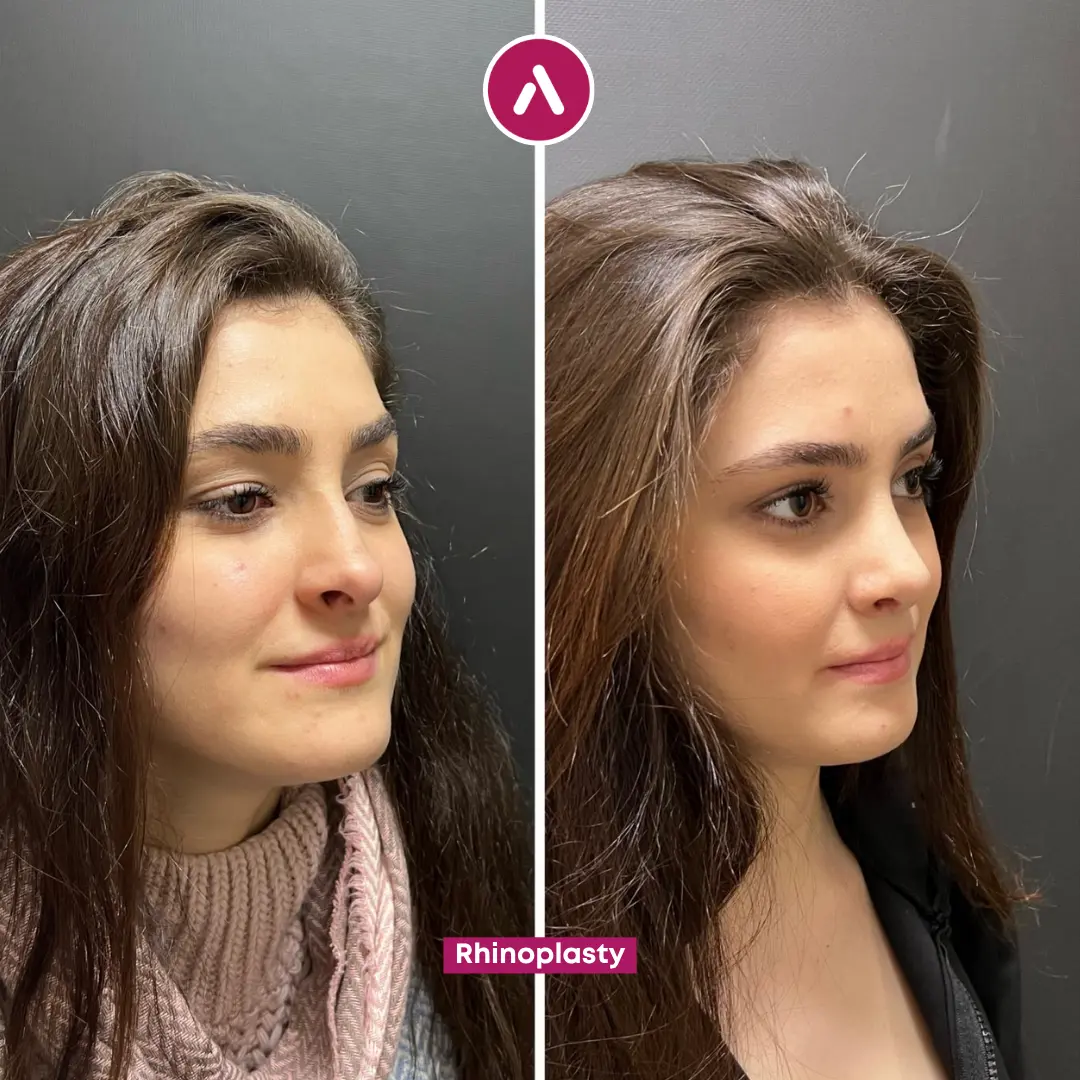
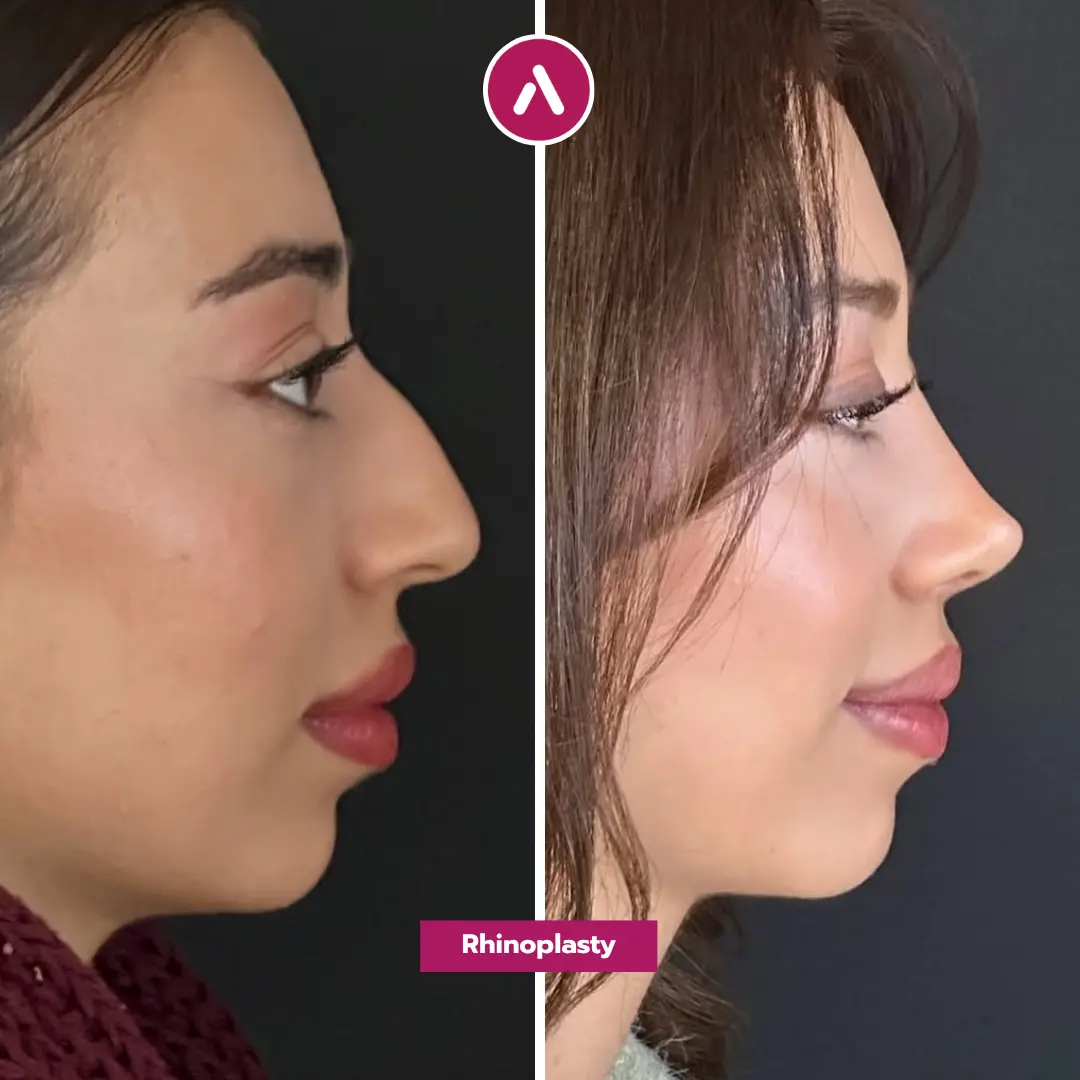
Dorsal augmentation with autologous cartilage
Some ethnic rhinoplasty patients need the bridge reduced. Others need it built. This is one reason ethnic rhinoplasty cannot follow a single template.
Dorsal augmentation raises or defines the bridge. It is common in some East Asian, Southeast Asian, African, Afro-Caribbean, and Latino cases where the bridge is low or lacks definition. The surgeon may use the patient’s own cartilage to create support and contour.
Autologous cartilage has an important advantage: it comes from the patient’s own body. Septal cartilage is often preferred when available. Ear cartilage may support smaller refinements. Rib cartilage may be used when more structure is needed.
The goal is not height alone. The bridge must connect naturally to the forehead, eyes, tip, and lips.
For patients who need bony refinement rather than augmentation, ultrasonic bone refinement in ethnic rhinoplasty planning may be part of the surgical discussion. Piezo technology can help with controlled bone work, but it does not replace anatomical judgement.
Tip definition with strong support grafts
The nasal tip is one of the most complex parts of ethnic rhinoplasty. A rounded or under-projected tip may be caused by thick skin, weak cartilage, poor support, or a combination of all three.
Strong support grafting can help the tip hold better shape. This may include columellar struts, septal extension grafts, shield grafts, or other structural techniques. The exact choice depends on anatomy.
The surgeon must avoid two common mistakes. The first is over-rotating the tip. The second is trying to force a small tip shape beneath skin that cannot show that degree of definition.
Balanced ethnic tip refinement should improve shape while keeping the nose compatible with the rest of the face. In many cases, the best result is not a dramatic tip. It is a cleaner, better-supported tip that still looks natural in conversation, photographs, and family settings.
Technique Note: Reduction Versus Support
Many patients assume rhinoplasty is mostly about removing tissue. In ethnic rhinoplasty, the opposite is often true. The safest, most natural result may require preserving or adding support so the nose looks refined without looking weakened.
AKM Clinic’s Approach to Ethnic Rhinoplasty
Ethnic rhinoplasty at AKM Clinic begins with a simple principle: the surgical plan must fit the patient’s face, not a trend. This is especially important for Canadian patients who want refinement but do not want to look disconnected from their heritage or family features.
The clinic’s Natural-First philosophy supports that goal. The result should look balanced, proportionate, and recognizable. It should not announce itself as surgery.
Pre-op consultation emphasizing identity goals
The consultation is where the identity-preservation plan begins. Patients should be ready to explain what they want changed, what they want protected, and what they are afraid of losing.
For ethnic rhinoplasty, “I want a smaller nose” is rarely specific enough. A more useful conversation sounds like this:
- “I want the bridge softened, but not flattened.”
- “I want the tip refined, but not over-rotated.”
- “I want my nostrils less wide, but still natural for my face.”
- “I want my profile balanced, but I still want to look like myself.”
- “I want my family to notice I look refreshed, not changed.”
These details help the surgeon separate anatomy from identity. A dorsal hump may be reduced. A bridge may be supported. A nostril base may be refined. But the patient’s face must still read as their own.
AKM’s rhinoplasty planning is supported by a surgeon-led model. Dr. Göknil Gültekin’s background as a European Board Certified Otolaryngologist and facial plastic surgeon is especially relevant for nasal surgery because ethnic rhinoplasty may involve both appearance and structural breathing considerations. Dr. Akif Mehmetoğlu’s Natural-First aesthetic philosophy also informs the clinic’s broader approach to facial balance.
Patients who want to understand the clinic’s wider clinical structure can review AKM’s surgeon team experience before booking a consultation.
3D imaging adapted for ethnic anatomy
Imaging is useful when it helps a patient understand direction. It becomes risky when it creates a false promise.
In ethnic rhinoplasty, digital planning should be conservative. A simulation may show possible bridge refinement, tip support, or nostril balance. It should not be treated as a guaranteed final result, because skin thickness, swelling, cartilage strength, and healing behaviour all influence the outcome.
The most helpful imaging conversations focus on proportion:
- How the bridge relates to the forehead and lips
- How the tip projection fits the chin and lower face
- How nostril width relates to cheek and mouth width
- How the profile changes without losing ethnic character
- How much refinement the skin can realistically reveal
For Canadian patients comparing consultations, this is a useful filter. A clinic that shows only dramatic “after” simulations may not be respecting your anatomy. A clinic that explains limits clearly is usually giving you better information.
Natural-first philosophy in action
Natural-first rhinoplasty does not mean minimal surgery. It means disciplined surgery. Sometimes the most natural result requires detailed structural work underneath the skin.
For example, an East Asian patient may need bridge support and tip definition, not reduction. A Middle Eastern patient may need dorsal hump softening without flattening the profile. A South Asian patient may need stronger tip grafting because thick skin can hide delicate cartilage changes. An Afro-Caribbean patient may benefit from alar base refinement only if the nostril change remains proportionate to the face.
That planning requires restraint. It also requires enough experience to know when not to operate aggressively.
AKM Clinic’s broader safety and planning environment is described through AKM’s clinical planning and safety standards, including recovery technologies and institutional protocols for international patients.
Canadian Context: The “Quiet” Result Many Patients Want
Many Canadian patients do not want a dramatic reveal. They want a result that works at family dinners, in professional settings, and in everyday photographs. For ethnic rhinoplasty, that usually means preserving recognizable heritage markers while improving balance.

Realistic Expectations for Canadian Multicultural Patients
Realistic expectations protect the patient and the result. Ethnic rhinoplasty can create meaningful improvement, but it cannot override skin biology, cartilage strength, or the natural proportions of the face.
This section is important because over-promising is one of the biggest risks in rhinoplasty marketing. A thoughtful surgeon should explain what can improve, what should remain, and what may take longer to settle.
Refinement, not transformation
The strongest ethnic rhinoplasty results often look subtle to others but meaningful to the patient. The bridge may look smoother. The tip may look cleaner. The nostril base may appear better balanced. The face may photograph more harmoniously.
That does not mean the nose should look unrelated to the patient’s background.
For many patients, the best compliment is not “You had your nose done.” It is “You look balanced,” “Your face looks softer,” or “Something looks refreshed.” That is the difference between refinement and transformation.
Patients should also understand the limits of their anatomy. Thick skin may not reveal ultra-sharp tip definition. A low bridge can be supported, but should not be raised beyond facial harmony. Wide nostrils can be refined, but excessive narrowing can look unnatural.
A good result respects these boundaries.
Family and community recognition patterns
Ethnic rhinoplasty has a social dimension. Patients may feel comfortable changing their nose, but still want family and community recognition preserved.
This matters for Canadian patients living within close cultural communities. A patient in Brampton, Scarborough, Richmond, Surrey, Laval, or Mississauga may care deeply about how relatives interpret the result. The goal may be improvement without triggering the feeling that a family feature has been removed.
That concern is valid.
During consultation, patients can bring reference photos, but they should choose them carefully. Celebrity noses from different ethnic backgrounds often create unrealistic expectations. Family photos can sometimes be more useful because they help define what should be preserved.
Helpful reference material may include:
- Front and side photos of your current nose
- Older photos before trauma or age-related changes
- Family-feature examples you want to preserve
- Examples of overdone results you want to avoid
- Balanced outcomes from patients with similar anatomy
For patients interested in multicultural outcomes beyond rhinoplasty, the broader AKM multicultural patient outcome pattern offers another example of procedure planning that respects skin tone, scarring tendencies, and patient identity.
Long-term satisfaction across ethnic cohorts
Long-term satisfaction usually depends on three factors: realistic planning, technical support, and identity alignment. If one of these is missing, the patient may feel disappointed even if the surgery is technically competent.
Realistic planning means the surgeon explains what your skin and cartilage can show. Technical support means the nose has enough structure to hold shape over time. Identity alignment means the final result still feels emotionally familiar.
Healing also requires patience. Thick-skinned ethnic rhinoplasty patients may need more time before the final tip definition appears. Swelling can linger in the supratip region. The bridge may settle earlier than the tip.
Canadian patients should plan their social calendar with that timeline in mind. You may be work-ready within a shorter period, but photo-ready refinement can continue for many months.
Expectation Check
Ethnic rhinoplasty should improve facial balance without forcing your nose into an unrelated aesthetic category. If a proposed result makes you look less like yourself, the plan should be revised before surgery.
Frequently Asked Questions: Ethnic Rhinoplasty Turkey
This FAQ section answers the practical questions Canadian patients most often ask before choosing ethnic rhinoplasty in Turkey. It focuses on pricing, identity preservation, recovery expectations, surgeon experience, and how to evaluate whether a clinic understands your specific anatomy.
Is ethnic rhinoplasty more expensive at AKM?
Ethnic rhinoplasty at AKM Clinic is listed at CAD $6,150. This reflects the additional planning and structural work often required for ethnic anatomy, including cartilage support, bridge refinement, alar base control, and tip definition when appropriate.
Not every patient requires the same surgical scope. Some cases are closer to primary rhinoplasty. Others require more complex grafting or revision-style planning. For a detailed breakdown, patients can review ethnic rhinoplasty pricing in CAD before requesting a personalized quote.
All pricing should be confirmed during consultation because the final plan depends on anatomy, breathing needs, previous surgery, and the degree of structural support required.
Will my family recognize me?
That should be one of the main goals. Ethnic rhinoplasty should refine your nose without removing the features that connect your face to your heritage and family identity.
A well-planned result may soften a hump, improve tip support, narrow the nostril base slightly, or create better bridge definition. It should not make you look like a different person.
If family recognition matters to you, say that clearly during the consultation. It is not a minor preference. It is part of the surgical brief.
Can my features be refined without losing identity?
Yes, if the plan is anatomy-specific and conservative where it needs to be. Refinement can include better symmetry, stronger tip support, smoother bridge lines, improved profile balance, or more proportionate nostril width.
The key is choosing what to improve and what to preserve. Many ethnic rhinoplasty patients do not need extreme reduction. They need structure, proportion, and restraint.
Identity-preserving rhinoplasty works best when the surgeon understands both the technical anatomy and the emotional importance of recognizability.
How long is the recovery for thick-skinned noses?
Thick-skinned noses usually take longer to show final definition. Most patients are socially presentable much earlier, but tip refinement can continue to improve for 12 to 18 months.
The bridge may settle sooner than the tip. Swelling in the supratip area can linger, especially when the skin is sebaceous or the tip required significant support grafting.
Canadian patients should plan for two timelines: the practical recovery timeline for travel and work, and the aesthetic refinement timeline for final shape. They are not the same.
Does AKM perform rhinoplasty for African or Asian patients?
Yes. Ethnic rhinoplasty includes African, Afro-Caribbean, East Asian, Southeast Asian, South Asian, Middle Eastern, Mediterranean, Latino, and mixed-heritage anatomy patterns.
The technique changes depending on the patient. African and Afro-Caribbean cases may involve alar base refinement and bridge support. East Asian cases may involve dorsal augmentation and tip projection. South Asian cases may need thick-skin planning and stronger tip grafting.
The important question is not whether a clinic performs ethnic rhinoplasty in general. It is whether the surgeon can explain how your specific anatomy changes the plan.
How do I know my surgeon understands my anatomy?
Listen to the consultation. A surgeon who understands ethnic rhinoplasty should discuss skin thickness, cartilage strength, bridge height, nostril width, tip support, facial proportions, and your identity goals.
They should not immediately recommend a generic small nose. They should also be able to explain what should not be changed. Patients comparing clinics can also review ISAPS guidance on choosing your surgeon as a basic credential-checking resource before committing to surgery.
Useful signs include:
They ask what heritage-linked features you want to preserve.
They explain how your skin thickness affects final definition.
They discuss support grafts when cartilage is weak.
They avoid promising an ultra-sharp tip if your skin cannot show it.
They show comfort with multicultural anatomy patterns.
If the consultation feels like a template, keep asking questions.
Can I see before-and-after photos of my ethnic group?
You should ask. Before-and-after photos are especially useful when they show patients with similar skin thickness, bridge height, tip structure, and nostril base anatomy.
Do not rely only on dramatic angles or heavily styled photos. Look for consistent lighting, similar facial expressions, front and profile views, and long-term results where swelling has settled.
Photos from your exact ethnic background can help, but anatomy matters more than labels. A patient from the same heritage group may still have different cartilage, skin, and facial proportions.
Ethnic rhinoplasty works best when the surgical plan begins with your anatomy and your identity goals. If you are researching from Canada, prepare clear front, side, and three-quarter photos, then explain what you want refined and what you want preserved.
Submit your case to a rhinoplasty specialist familiar with multicultural anatomy and ask for a plan that protects recognizability, facial balance, and long-term nasal support.
Medical Disclaimer: This page is provided for general educational purposes only and does not replace an in-person medical consultation, diagnosis, or personalized treatment plan. All surgery carries risks, and outcomes vary between individuals. Suitability for rhinoplasty (nose job) surgery, procedure selection, and anesthesia choice can only be determined after a full clinical assessment by a qualified surgeon. Always follow your clinician’s instructions and seek urgent medical attention if you develop concerning symptoms during recovery.