
Quick Summary: Nanofat grafting Turkey is a refined fat-injection approach that uses a patient’s own adipose tissue to support skin quality rather than simply add volume. The fat is harvested, processed into a very fine emulsion, and placed closer to the dermal level to improve texture, fine lines, mild scarring, and overall skin vitality.
For Canadian patients comparing regenerative skin treatments, nanofat is best understood as a skin-quality procedure. It does not replace a facelift, but it can complement fat transfer to face procedures when the goal is a more rested, natural-looking surface rather than a visibly filled appearance.
Patients researching nanofat grafting Turkey often arrive with one clear question: can your own fat refresh the skin without making the face look overfilled? The answer depends on how the fat is processed, where it is injected, and whether the patient’s concern is texture, volume, laxity, or scarring.
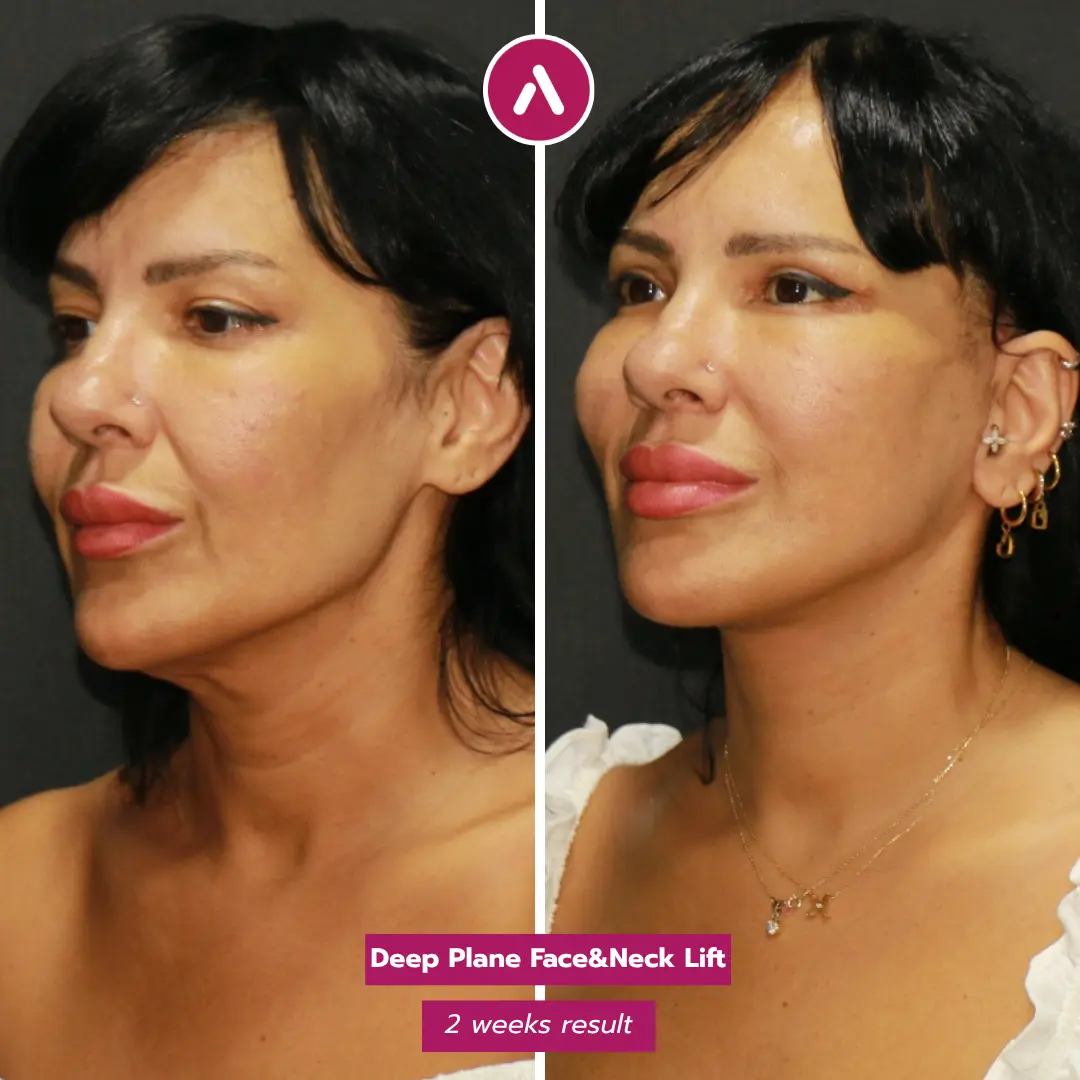
Nanofat is not the same as standard facial fat transfer. It is a more refined preparation. In traditional fat grafting, the surgeon uses larger fat parcels to restore lost facial volume. In nanofat grafting, the fat is mechanically processed into a thinner, fluid-like material that can be placed more superficially. That is why it is often discussed in regenerative skin rejuvenation.
This distinction matters for Canadians. Many patients from Toronto, Vancouver, Montreal, Calgary, and Ottawa are not looking for a dramatic change. They want skin that looks healthier, smoother, and less tired while still looking like themselves. That aligns closely with AKM Clinic’s Natural-First philosophy: rejuvenation over alteration.
This guide explains what nanofat is, how it differs from microfat and macrofat, why the biology is different from filler, and when a trip to Istanbul makes practical sense for Canadian patients.
Table of Contents
What Is Nanofat? Definition and Distinctions
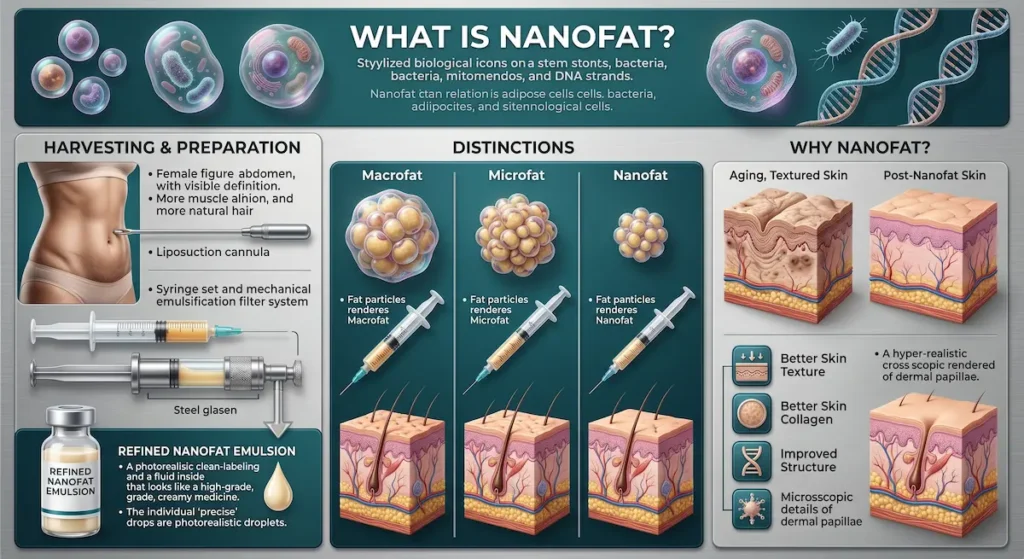
Nanofat grafting is a specialized form of autologous fat processing. “Autologous” means the tissue comes from your own body. The surgeon harvests a small amount of fat, usually from an area such as the abdomen or flank, then processes it until the fat becomes fine enough for delicate skin-level injection.
The central point is simple. Nanofat is not mainly a volume tool. It is used to support skin quality, fine lines, surface texture, mild hollowing, and scar softness. This makes it different from the larger fat grafting techniques used to rebuild cheek volume or restore deeper facial contours.
Nanofat vs microfat vs macrofat: particle size matters
The terms macrofat, microfat, and nanofat describe how refined the fat is before injection. The smaller and more processed the fat becomes, the less it behaves like a traditional filler. That shift changes both the injection plane and the clinical purpose.
| Technique | Main purpose | Typical injection plane | Best suited for |
|---|---|---|---|
| Macrofat | Restoring deeper structural volume | Deep fat compartments or structural planes | Cheeks, temples, deeper facial volume loss |
| Microfat | Precise contour refinement | Intermediate soft-tissue planes | Tear troughs, lips, fine contour gaps |
| Nanofat | Skin-quality improvement | Superficial subdermal or dermal-adjacent planes | Fine lines, texture, acne scars, dark circles, surgical scar softening |
Macrofat is closer to structural grafting. Microfat sits between volume and precision. Nanofat is the most refined of the three and is usually chosen when the skin itself is the concern.
For fat transfer beyond facial rejuvenation, see our guide to fat transfer applications beyond the face. That article covers a different goal: using fat to create subtle breast volume rather than improving dermal quality.
How nanofat is prepared from harvested fat
The procedure begins with a small fat harvest. The amount is usually modest because nanofat treatment does not require the large volumes used for body contouring or breast fat transfer. The harvested fat is then filtered and mechanically emulsified until it becomes a fine grafting material.
Processing removes larger structural fat parcels that would be too bulky for superficial placement. The goal is not to create a thick filler. The goal is to create a biologically active emulsion that can be delivered into delicate skin areas with controlled precision.
At AKM Clinic, this processing step is planned around the patient’s anatomy and skin concern. Under-eye skin, acne-scarred cheeks, and post-surgical scar tissue do not behave the same way. Each region needs a different injection depth, distribution pattern, and volume strategy.
Why nanofat sits closer to “regenerative” than “volumizing”
Nanofat is often described as regenerative because its clinical target is skin quality. It is used to encourage healthier-looking tissue rather than to build a visibly fuller face. That is why patients with fine lines, crepey texture, mild acne scarring, or dark under-eye tone often ask about it.
The difference becomes clear in consultation. If a patient has flattened cheeks, hollow temples, or significant age-related facial deflation, macrofat or microfat may be more appropriate. If the patient has thin, tired skin with texture irregularity, nanofat may fit better.
“The key distinction is purpose. Larger fat grafts restore shape; nanofat supports the skin environment. We do not use nanofat to overfill the face. We use it when the skin needs better texture, softness, and biological support.”
For patients comparing regenerative language across facelift options, see the comparison axis with stem cell facelift. That article focuses on a separate question: how regenerative augmentation compares with traditional surgical lifting.
The Biology: Why Nanofat Works at the Skin Level?
Nanofat works differently from synthetic filler because it comes from living adipose tissue. The clinical interest is not only the fat itself. It is the cellular environment contained within processed adipose tissue, including stromal vascular fraction and signalling cells associated with tissue repair.
This does not mean nanofat should be marketed as a miracle treatment. The evidence base is still developing, and responsible clinics should describe it carefully. A research-minded Canadian patient should hear both sides: nanofat has promising regenerative potential, but outcomes vary by technique, indication, and patient biology.
Stromal vascular fraction content
Stromal vascular fraction, often shortened to SVF, refers to the mixed cellular population found in adipose tissue after processing. It includes endothelial cells, pericytes, immune-related cells, and mesenchymal stromal cells. These cells are involved in tissue signalling, vascular support, and repair processes.
In nanofat grafting, SVF is one reason the treatment is discussed in the context of skin quality. The goal is not only to place a substance under a wrinkle. The goal is to support the local tissue environment in a way that may improve softness, texture, and visible skin vitality over time.
The International Federation for Adipose Therapeutics and Science provides scientific context for adipose biology and related technologies through its work as a non-profit scientific society. Canadian patients who want a deeper research starting point can review IFATS and its adipose therapeutics focus.
Mesenchymal stem cell concentration
Adipose tissue is studied because it contains cells with regenerative signalling capacity, including mesenchymal stromal cells. These cells are not used in nanofat as a stand-alone laboratory-expanded therapy. They are part of the patient’s own processed fat tissue.
This wording matters. “Stem cell” language is often overused in aesthetic marketing. Nanofat should be described as an autologous fat-derived regenerative technique, not as a guaranteed stem cell cure. AKM Clinic’s approach is to use precise terminology and avoid claims that outrun the evidence.
For the broader mechanism explanation, including how adipose-derived cells are discussed in facelift surgery, see for the broader stem cell mechanism explanation. That sibling article owns the broader stem cell-assisted facelift topic.
How dermal injection triggers regenerative cascades
After nanofat is placed near the dermal level, the local tissue response begins gradually. Patients should not expect an immediate filler-like result. The early appearance may include mild swelling, followed by a slower improvement in texture and skin quality over weeks to months.
The proposed regenerative effect is linked to cellular signalling, microvascular support, and tissue remodelling. In practical terms, this is why nanofat is often used for under-eye skin, fine lines around the mouth, acne scars, thin surgical scars, and crepey skin zones.
For Canadian patients, the most useful expectation is modest and natural improvement. Nanofat can help skin look healthier, but it cannot lift sagging tissue, remove excess skin, or replace a structural procedure such as a facelift.
Common Indications: What Nanofat Treats Well?
Nanofat grafting is most useful when the concern is skin quality rather than major facial sagging. It can support smoother texture, softer scars, and a more refreshed look in delicate areas where synthetic filler may look heavy or irregular.
The best candidates usually have mild to moderate surface concerns. They may notice tired-looking under-eyes, fine lines, acne scars, thin surgical scars, or skin that looks dull despite good skincare. Nanofat is subtle by design.
Skin quality, fine lines, and texture
Fine lines often develop before deeper folds appear. They are common around the eyes, mouth, cheeks, and lower face. Nanofat may help when the skin looks thin, crepey, or depleted rather than simply loose.
The goal is not to erase every line. That would look unnatural. The goal is to improve the quality of the skin so light reflects more evenly and the face looks less fatigued.
Canadian patients often describe this as wanting to look “well-rested” rather than “treated.” That expectation fits AKM Clinic’s Natural-First approach, especially for patients returning to professional settings in Toronto, Vancouver, Montreal, or Ottawa.
Dark circles and tear trough hollowing
The under-eye area is one of the most requested zones for nanofat. It is also one of the most delicate. Thin skin, visible vessels, pigmentation, and hollowing can all contribute to dark circles, so the cause must be diagnosed before treatment.
Nanofat can be useful when the under-eye concern is linked to thin skin quality. Microfat may be more appropriate when there is true volume loss. In many patients, the safest plan uses careful layering rather than aggressive filling.
This matters because overfilled tear troughs are difficult to hide. In a Canadian workplace, an obvious under-eye change can be more noticeable than the original hollowing. Conservative placement usually gives a more natural result.
Acne scars and surgical scar softening
Nanofat is often considered for scars because scar tissue is not only a surface issue. It can be stiff, tethered, thin, or poorly vascularized. A skin-level regenerative approach may help soften scar texture and improve how the scar blends with nearby tissue.
Acne scars are especially variable. Rolling scars, shallow atrophic scars, and texture irregularity may respond better than deep ice-pick scars. Some patients need a combined plan with subcision, laser, microneedling, or surgical scar revision.
For dedicated scar correction planning, the more specific guide is scar revision combined with nanofat. That article covers scar-specific surgical and laser options in more detail.
Stretch marks and skin laxity
Stretch marks and mild skin laxity are more difficult indications. Nanofat may improve texture and skin quality, but it cannot remove excess skin. It also cannot tighten tissue the way a surgical lift or skin excision procedure can.
For stretch marks, results depend on colour, age, depth, and skin thickness. Newer red or purple stretch marks behave differently from mature white marks. A consultation should separate realistic improvement from unrealistic expectations.
Nanofat can be part of a broader regenerative plan for selected patients. It should not be presented as a stand-alone solution for significant laxity after pregnancy, weight loss, or ageing.
The Procedure: Step by Step
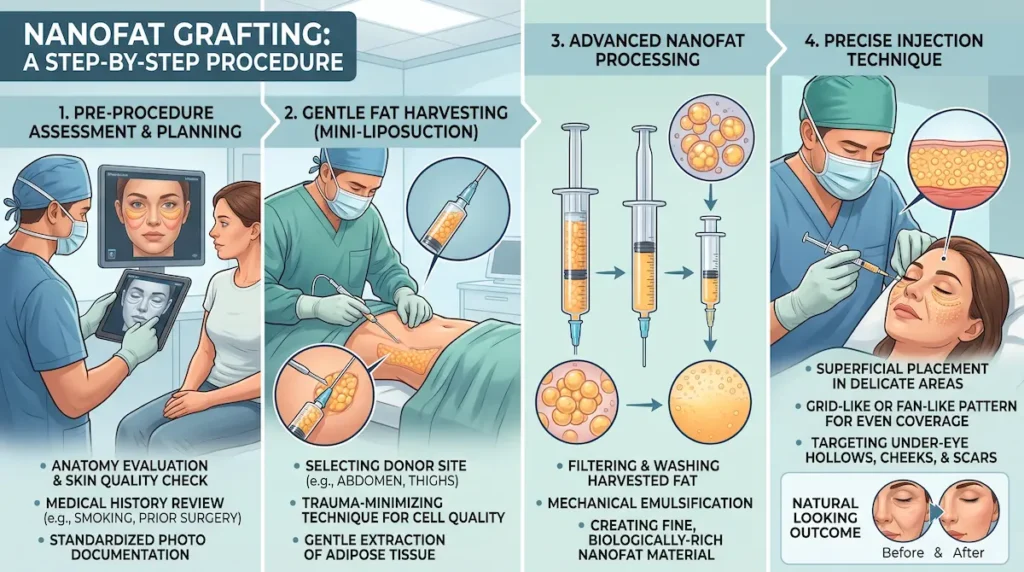
Nanofat grafting is a planned medical procedure, not a simple injection appointment. It involves donor-site assessment, fat harvesting, processing, and careful placement into the target skin areas. Each step affects safety and outcome quality.
For Canadian patients travelling to Istanbul, the process is usually mapped before arrival through a virtual consultation. The in-person assessment then confirms skin quality, donor fat availability, medical history, and whether nanofat alone is enough.
Pre-procedure assessment
The assessment begins with anatomy. The surgeon evaluates whether the patient needs surface rejuvenation, structural volume, surgical lifting, or a combined approach. This is where many patients learn that “fat transfer” is not one single technique.
Photos are important. Standardized front, oblique, and side views help identify under-eye hollows, cheek flattening, acne scars, asymmetry, and skin texture. Good lighting matters because shadows can exaggerate or hide real concerns.
The medical review also matters. Patients should disclose smoking, diabetes, autoimmune conditions, previous fillers, prior surgery, and any history of poor scarring. These factors can influence graft behaviour and healing.
Fat harvesting through mini-liposuction at the donor site
Nanofat starts with a small fat harvest. Common donor sites include the abdomen, flanks, or thighs, depending on body type and available fat. The harvest is typically much smaller than the amount needed for body contouring.
The surgeon uses gentle technique because the quality of the harvested tissue matters. Excessive trauma can damage cells and reduce the biological usefulness of the graft. Precision is more important than speed.
Most patients experience mild donor-site tenderness and bruising. The area may feel similar to a small liposuction recovery zone. Compression, rest, and basic aftercare are usually enough for uncomplicated healing.
Mechanical or enzymatic processing
After harvesting, the fat must be refined. Mechanical processing commonly involves filtration, washing, and repeated transfer between syringes to emulsify the fat. The goal is to create a smooth, fine material suitable for superficial injection.
Some scientific protocols discuss enzymatic processing, especially in laboratory contexts. In aesthetic practice, the exact method depends on local regulations, clinical setting, and the surgeon’s protocol. Patients should ask how the graft is prepared and why that method is used.
Responsible wording is important here. Nanofat processing is not the same as manufacturing a drug or expanding cells in a laboratory. It is a clinical technique using the patient’s own adipose tissue.
Injection technique and distribution
Nanofat is placed in small, controlled amounts. The surgeon uses fine cannulas or needles depending on the target area, skin thickness, and treatment goal. Superficial placement requires restraint because the skin envelope is delicate.
Distribution matters more than volume. Over-concentrating the graft can create irregularity, swelling, or uneven texture. A smooth fan-like or grid-like pattern is often used to support even tissue coverage.
The treatment can be performed around the under-eyes, cheeks, mouth, scars, or other selected areas. The plan should be conservative enough to look natural but precise enough to address the actual skin concern.
For patients with eyebrow or upper-face imbalance, nanofat may be one part of a broader plan. For that specific indication, see asymmetry correction with nanofat.
Standalone vs Combined Use
Nanofat can be performed as a standalone skin-quality treatment, but many Canadian patients receive the most value when it is combined with another facial procedure. The right choice depends on whether the main concern is surface texture, deeper volume loss, structural sagging, or scar quality.
This is where careful diagnosis matters. A patient with mild acne scarring and tired under-eye skin may be a good standalone candidate. A patient with jowls, neck laxity, and thin skin may need a surgical lift plus nanofat support.
Nanofat as a standalone outpatient procedure
Standalone nanofat is most appropriate when the skin concern is localized and the face does not need structural lifting. Common examples include early fine lines, mild under-eye skin thinning, shallow acne scars, or small areas of post-surgical scar texture.
The appeal is restraint. The patient is not trying to change facial shape. They want better skin quality using their own tissue, with a result that develops gradually rather than appearing suddenly overfilled.
For Canadians who are already visiting Istanbul for another reason, standalone nanofat may fit into a compact treatment plan. For those travelling only for nanofat, the decision should be weighed against flight time, hotel stay, and recovery planning.
Combined with deep plane facelift for skin quality support
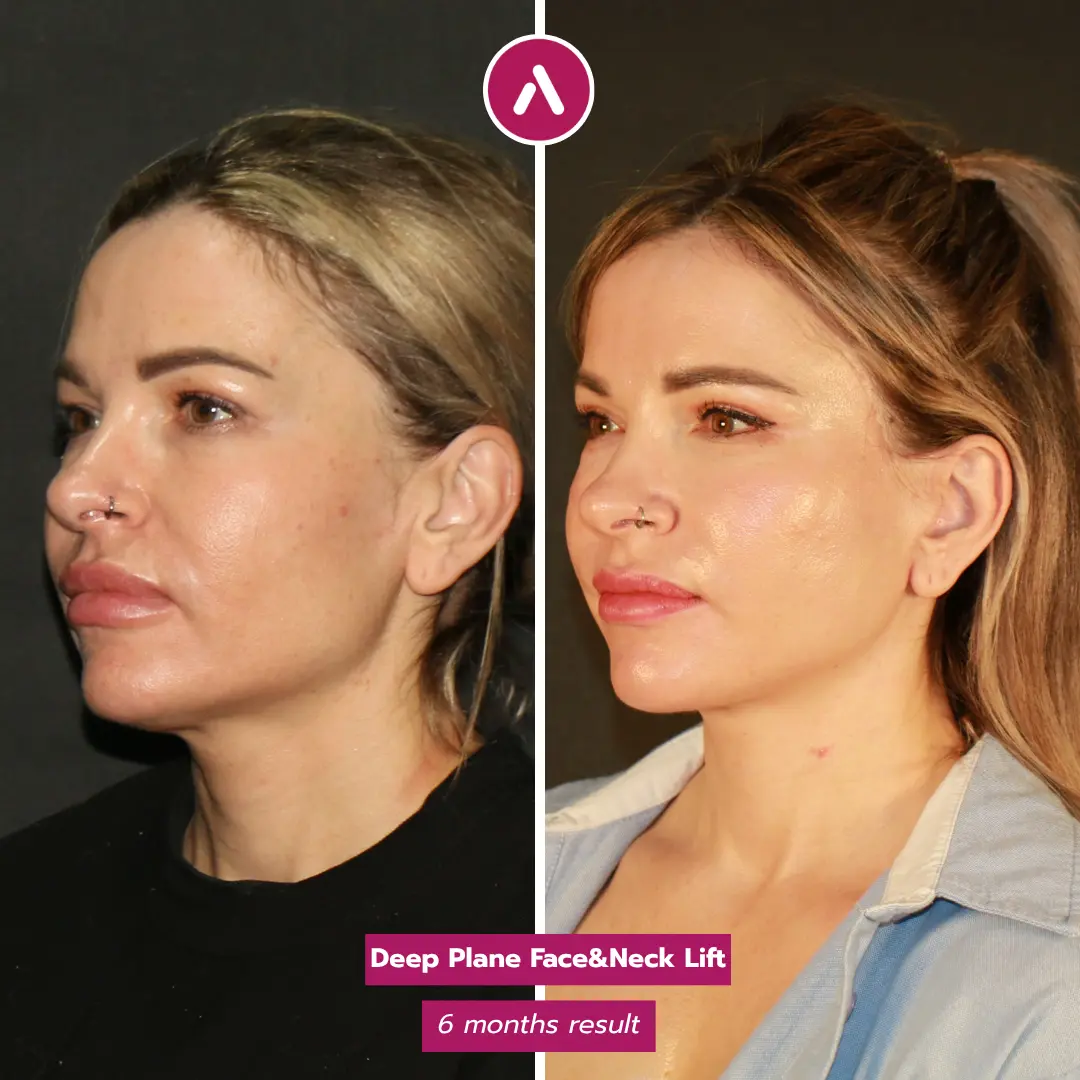
A deep plane facelift and nanofat address different layers. The facelift repositions deeper facial structures. Nanofat supports the skin surface and dermal quality. For selected patients, combining the two can make the result look more complete.
This distinction is important. A facelift can improve jowls, cheek descent, and neck laxity, but it does not automatically correct fine skin texture. Nanofat can support that surface-level improvement without adding a synthetic filler look.
For patients with both structural aging and skin-quality concerns, AKM may discuss nanofat alongside the deep plane facelift technique baseline. The goal is still Natural-First: a refreshed face, not a face that looks inflated.
Combined with scar revision surgery
Scar revision may involve excision, laser treatment, microneedling, subcision, or regenerative support. Nanofat can be considered when the scar is thin, stiff, depressed, or poorly blended with the surrounding skin.
The logic is layered. Surgical scar revision can improve the line or shape of a scar. Nanofat may help the surrounding tissue become softer and healthier-looking. Together, they can address both structure and texture.
This is not instant. Scar tissue remodels slowly. Patients should expect gradual improvement over months, especially when treating mature acne scars or older surgical scars.
When nanofat is added to other regenerative treatments
Nanofat may also be combined with treatments such as platelet-rich plasma, low-level laser therapy, fractional resurfacing, or other skin-quality modalities. The sequence matters. Not every combination should happen on the same day.
At AKM Clinic, combination planning is based on tissue tolerance. A patient with thin under-eye skin may need a gentler plan than a patient treating cheek texture. A patient with a history of pigmentation issues may need extra caution with resurfacing.
Canadian patients should ask one practical question: what problem is each treatment solving? If two treatments target the same issue in the same way, the plan may be excessive. If each treatment addresses a different layer, the combination may be more logical.
Recovery Timeline
Nanofat recovery is usually lighter than recovery from a facelift or major fat transfer procedure, but it still involves swelling, bruising, and temporary unevenness. Patients should plan for a healing arc rather than judging results in the first few days.
The most common mistake is expecting immediate clarity. Early swelling can make the treated area look fuller than the final result. Skin-quality changes develop more slowly as tissue settles and remodelling begins.
Donor site recovery
The donor site is usually the easiest part to underestimate. Even a small fat harvest can create bruising, tenderness, and firmness. The abdomen, flank, or thigh may feel sore for several days.
Most patients can walk comfortably soon after the procedure. Strenuous exercise should wait until the clinic confirms healing is progressing normally. This is especially relevant for Canadian patients planning a long flight back through YYZ, YUL, YVR, or a connecting airport.
Compression may be recommended depending on the harvest site and the amount of fat removed. Patients should follow the clinic’s instructions rather than using generic liposuction advice from online forums.
Recipient site swelling and resolution
The recipient area can look swollen or slightly uneven at first. This is normal. Under-eye areas and thin facial skin are especially prone to temporary puffiness because the tissue is delicate.
Bruising varies. Some patients have little visible bruising, while others show yellow, purple, or green discoloration for several days. Skin tone, vascularity, medications, and injection depth all influence the pattern.
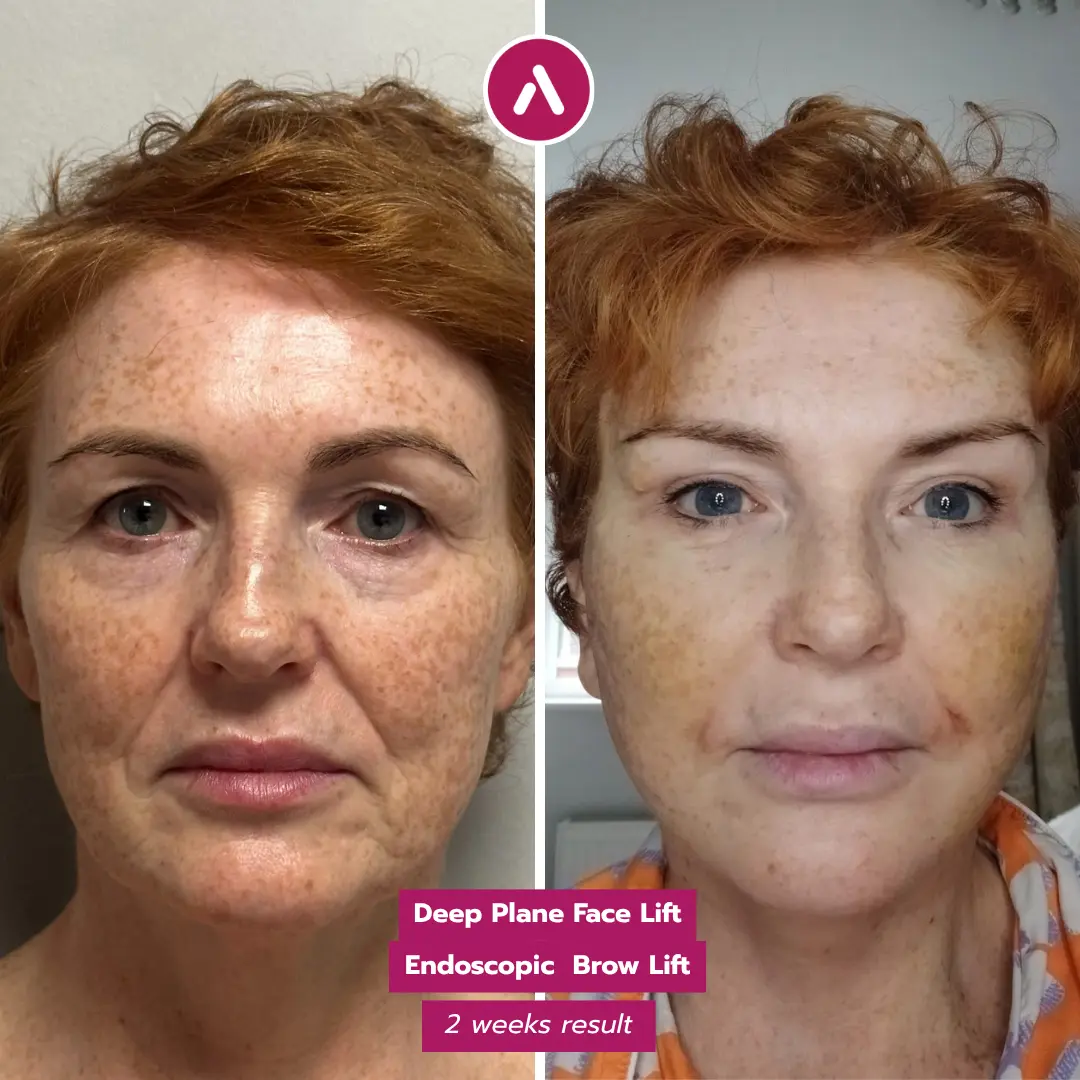
Most social swelling improves over the first one to two weeks. Residual firmness or subtle irregularity can take longer to settle. A conservative injection strategy helps reduce visible disruption during the early recovery window.
When results become visible
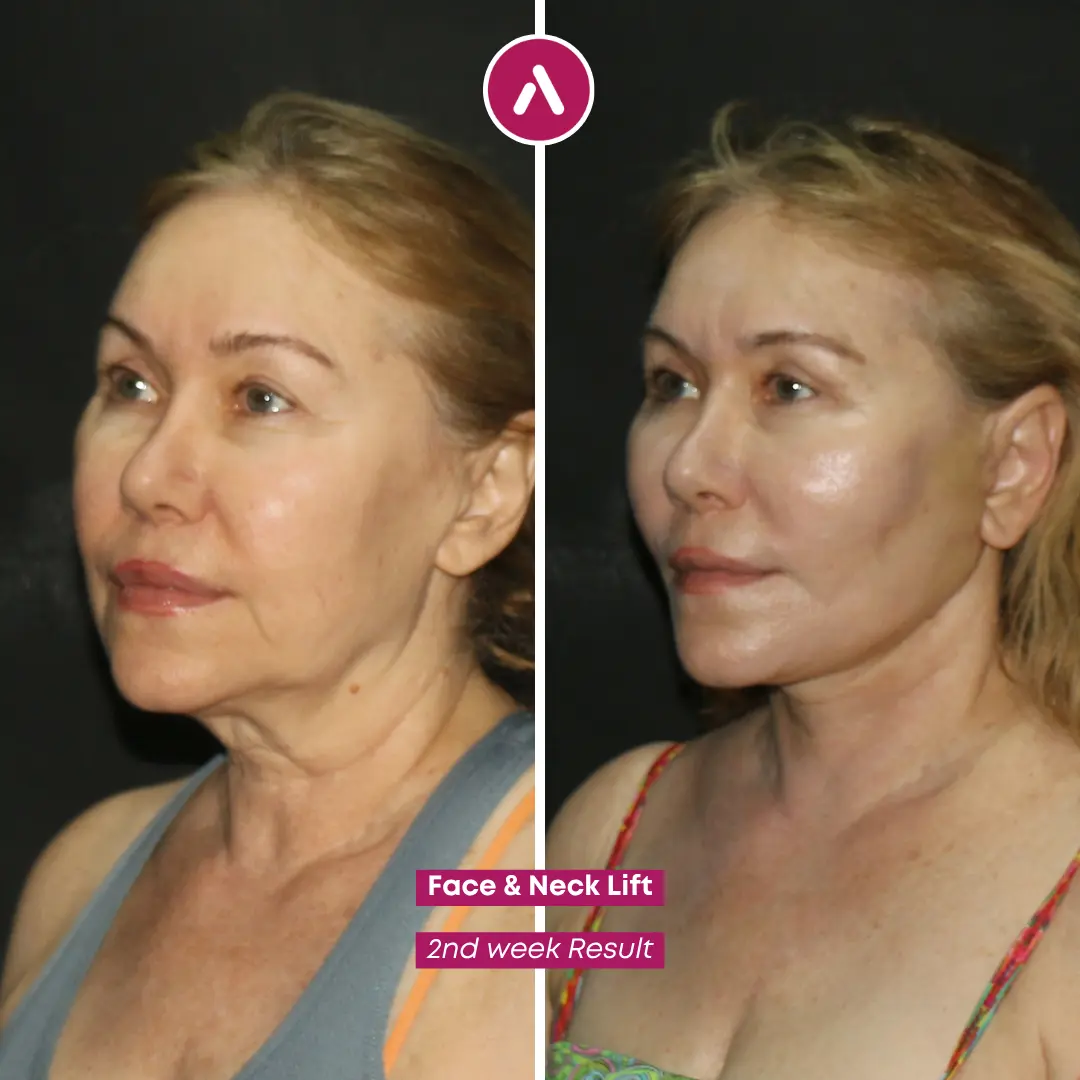
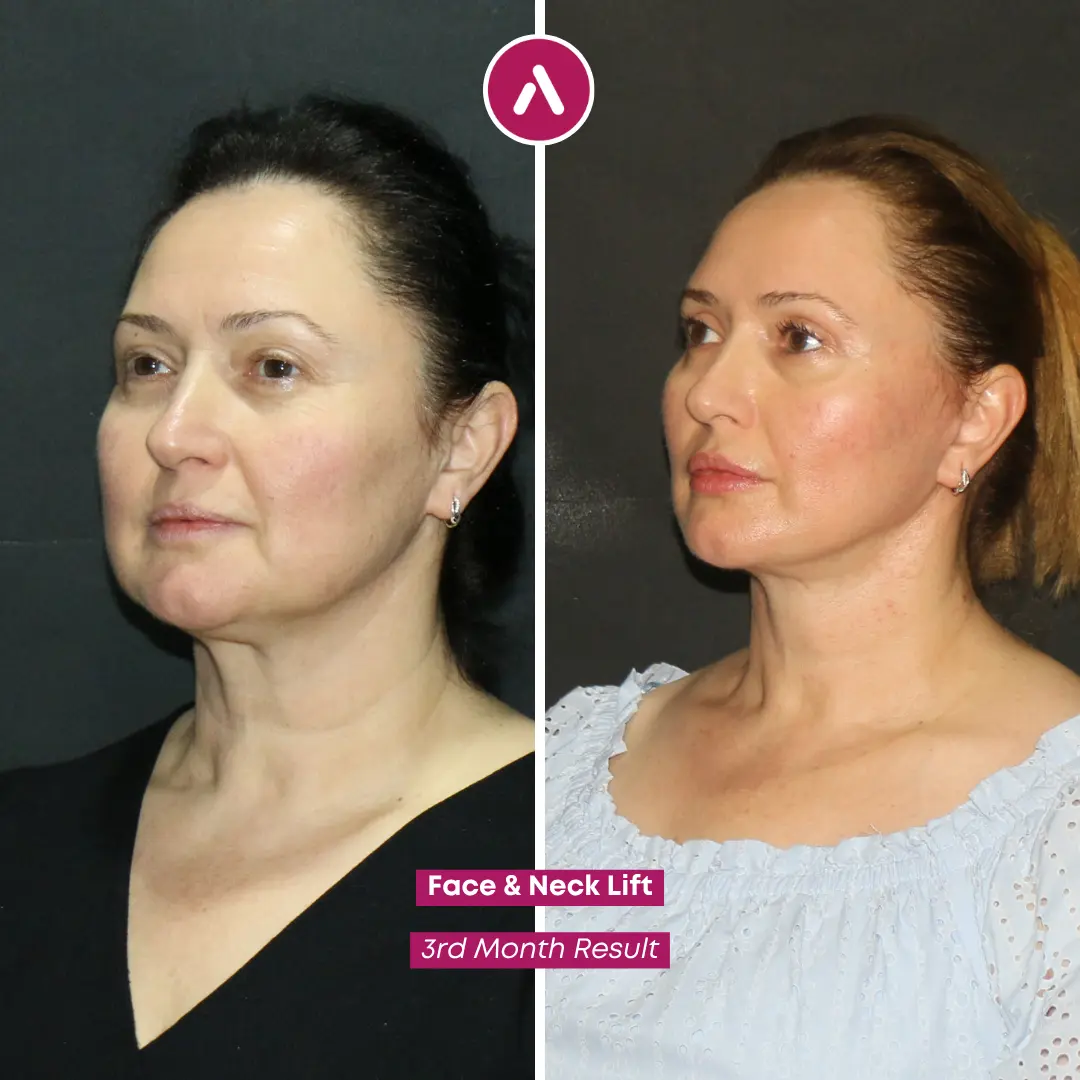
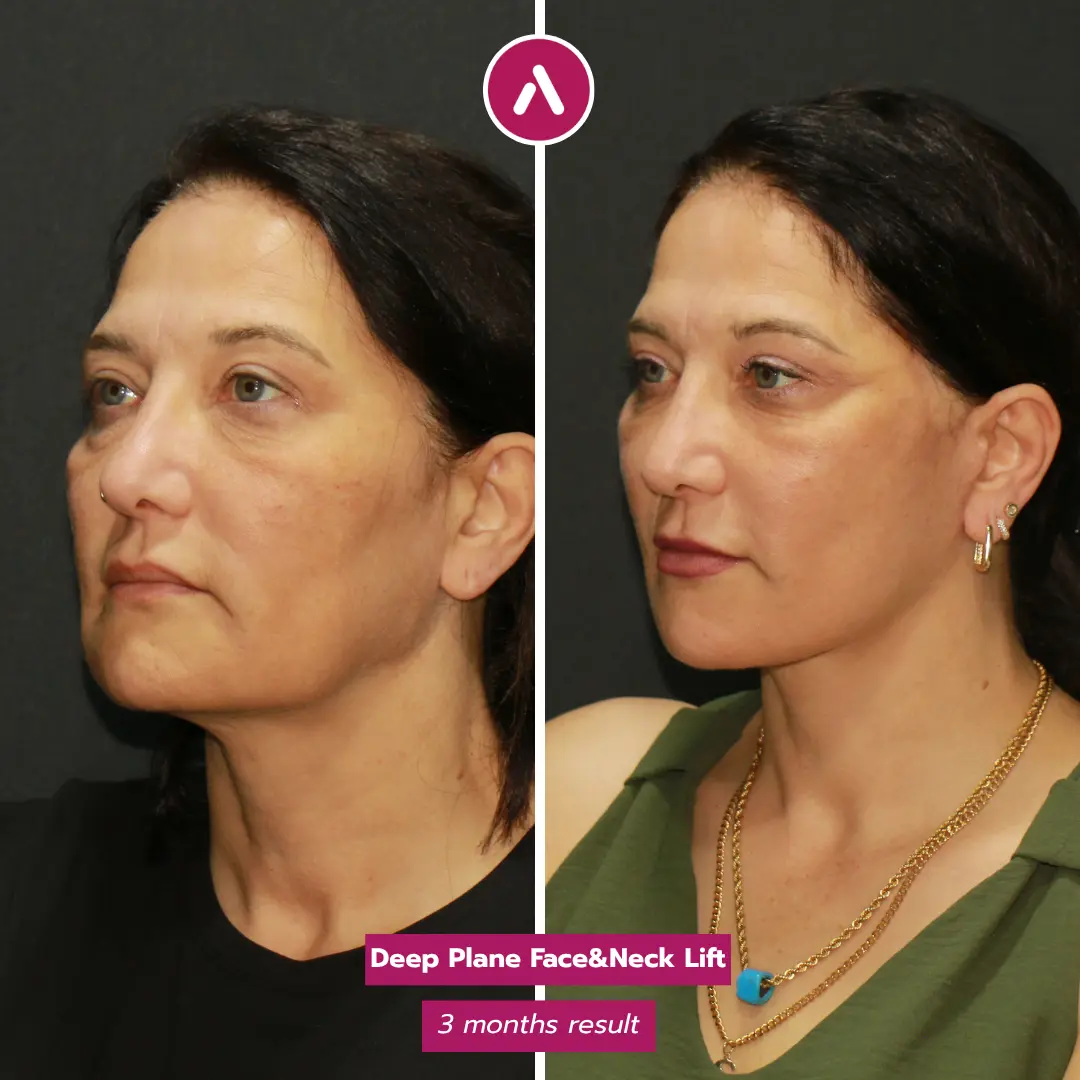
Nanofat results do not appear like dermal filler results. There may be early fullness from swelling, but the real skin-quality change emerges gradually. Many patients begin noticing improvement after several weeks.
Texture, brightness, and scar softness may continue changing for months. This is why progress photos are useful. A patient may not notice daily improvement, but side-by-side images often show clearer changes.
For Canadian patients returning to work, this gradual timeline can be an advantage. The result develops quietly. Colleagues may notice that the face looks fresher without identifying a specific treatment.
How long results last
Nanofat results vary because the procedure depends on biology, skin quality, lifestyle, and the original indication. Under-eye texture, acne scars, and fine lines may not behave the same way. A personalized estimate is more useful than a generic promise.
Some changes may be long-lasting because the treatment uses the patient’s own tissue. However, the skin continues to age. Sun exposure, smoking, weight fluctuation, and inconsistent skincare can shorten the visible benefit.
Canadian seasons also matter. Summer UV exposure can worsen pigmentation and scar visibility, while winter dryness can make fine lines appear more pronounced. Daily sunscreen and barrier-supporting skincare remain important after nanofat.
Safety and Considerations
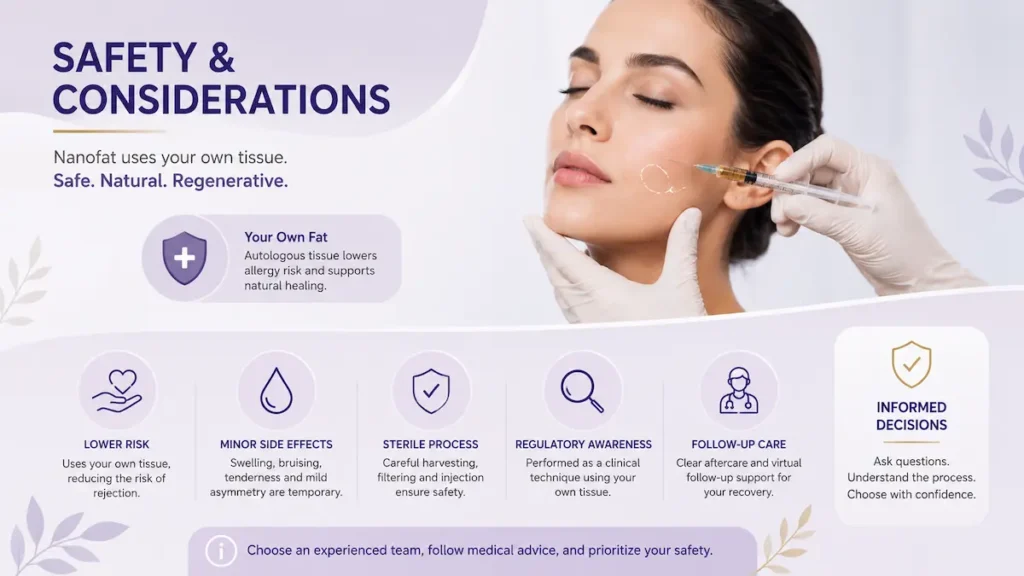
Nanofat grafting is generally considered lower-risk than many synthetic or donor-based interventions because it uses the patient’s own tissue. That does not make it risk-free. Safety depends on patient selection, sterile technique, processing discipline, injection depth, and follow-up planning.
Canadian patients should evaluate nanofat the same way they would evaluate any elective aesthetic procedure abroad: by asking what is being done, who is doing it, where it is performed, and how complications are managed after they return home.
Why nanofat is autologous and lower-risk
Autologous nanofat means the graft comes from your own adipose tissue. This reduces concerns linked to donor tissue compatibility. It also makes nanofat different from synthetic filler, which uses manufactured injectable material.
Because nanofat is harvested from the patient, allergy risk is generally lower than with some externally sourced products. The body is receiving its own tissue. That is one reason many patients prefer fat-derived approaches for delicate facial zones.
Still, autologous does not mean automatic safety. The donor site must be handled carefully. The fat must be processed under sterile conditions. The injection must respect facial anatomy, especially around the eyes and areas with important blood vessels.
Common minor side effects
Most expected side effects are temporary. These include swelling, bruising, tenderness, mild asymmetry, firmness, or small areas of irregular texture during early healing. The treated area may look slightly fuller before it settles.
The donor site can also bruise or feel sore. Patients sometimes focus so much on the face that they forget the harvest site is part of the procedure. A small harvest is still a surgical step.
Less common risks include infection, prolonged swelling, contour irregularity, fat cysts, under-correction, over-correction, or dissatisfaction with the degree of improvement. A conservative plan reduces risk, but it cannot remove it completely.
Canadian patient safety note
If you live in Canada, plan your follow-up before travelling. Ask AKM Clinic what symptoms should trigger a WhatsApp message, what symptoms require urgent local care, and how your Canadian family physician can receive procedure details if needed.
Health Canada regulatory context for autologous use
Canadian patients are used to a regulated healthcare environment, so regenerative language can raise fair questions. Health Canada distinguishes between different types of cell, tissue, and biologic products, and patients should be cautious when clinics make broad “stem cell” claims without explaining the method.
Nanofat grafting should be discussed as a clinical fat-processing technique using the patient’s own adipose tissue. It should not be described as a guaranteed stem cell therapy. That distinction protects patient trust.
Patients can review Health Canada’s guidance on cell therapy policy and biologic regulation for broader context: Health Canada cell therapy policy.
At AKM Clinic, safety also depends on the broader clinical environment. For facility-level details, Canadian patients can review AKM’s regenerative technology standards, including recovery technologies, sterilization standards, and patient support systems.
Cost and Practical Considerations for Canadian Patients
Cost matters, but nanofat should not be evaluated as a bargain procedure. It should be evaluated as a value decision: is the indication appropriate, is the technique suitable, and does the travel plan make sense for the amount of improvement expected?
AKM Clinic pricing should also be read correctly. Technique pricing and package pricing are different. A single technique fee is not the same as an all-inclusive travel package, and patients should confirm exactly what is included before booking flights from Canada.
AKM pricing in CAD
For Canadian content, AKM Clinic pricing is displayed in Canadian dollars only. The figures below come from the AKM Clinic Treatment Techniques Cost Schedule and the AKM Clinic Packages List.
| Procedure or package | CAD price | Source document | Notes |
|---|---|---|---|
| Nanofat Grafting | CAD $3,400 | AKM Clinic Treatment Techniques Cost Schedule | Technique-level pricing for skin-quality improvement |
| Microfat Grafting | CAD $3,400 | AKM Clinic Treatment Techniques Cost Schedule | Used for precise volume and contour refinement |
| Macrofat Grafting | CAD $3,400 | AKM Clinic Treatment Techniques Cost Schedule | Used for deeper structural volume restoration |
| Fat Transfer To Face All Inclusive Package | CAD $3,400 | AKM Clinic Packages List | Includes 2 hotel nights |
| Upper Blepharoplasty + Lower Blepharoplasty + Fat Transfer to Face | CAD $5,850 | AKM Clinic Packages List | Includes 3 hotel nights |
For a dedicated breakdown of fat-transfer costs, including related techniques, see fat transfer pricing in CAD.
Comparison with Canadian private clinic pricing
Canadian private clinic pricing often works differently from all-inclusive medical travel pricing. A domestic quote may separate the consultation, procedure, facility fee, anesthesia, post-treatment care, compression garments, and follow-up visits. This can make comparison difficult.
In Toronto, Vancouver, Montreal, and Calgary, fat grafting or regenerative skin treatments are usually quoted after an in-person consultation. The final number can vary depending on whether the patient needs nanofat alone, under-eye correction, laser resurfacing, blepharoplasty, or surgical scar work.
That is why the better comparison is not “Canada versus Turkey” in the abstract. The better comparison is scope versus scope. Ask what each plan includes, how many treatment areas are covered, who performs the harvesting and injection, and what happens if follow-up support is needed.
Canadian cost comparison checklist
- Does the quote include the surgeon’s fee?
- Are facility and anesthesia costs included?
- Is fat harvesting included or priced separately?
- Are medications, garments, and follow-up visits included?
- Does the quote include hotel accommodation and private transfers?
- Is virtual follow-up available after returning to Canada?
When the Istanbul trip is worth it for nanofat alone vs combined procedures
Nanofat alone can be worthwhile for patients who have a clear skin-quality indication and want care in a specialized aesthetic setting. It is most practical when the patient is already comfortable with international medical travel or is combining the visit with another procedure.
For nanofat alone, the decision should include travel time, hotel nights, recovery visibility, and the patient’s comfort with flying after treatment. A patient travelling from Toronto or Montreal may have a simpler route than someone connecting from Winnipeg, Halifax, Edmonton, or Vancouver.
Combined procedures often make the value clearer. For example, a patient having blepharoplasty, facial fat transfer, scar revision, or a deep plane facelift may add nanofat to improve surface quality during the same overall treatment plan. This reduces the need for multiple separate recovery windows.
The key is not to add procedures for the sake of adding procedures. For Canadian patients who value understated results, the plan should be specific, restrained, and anatomy-led.
To understand whether nanofat should stand alone or support a broader facial rejuvenation plan, schedule a virtual consultation with AKM Clinic and ask the team to identify which layer of ageing is driving your concern: skin, volume, structure, or scar quality.
Frequently Asked Questions: Nanofat Grafting Turkey
Canadian patients often ask about nanofat because the terminology can be confusing. It sits between fat transfer, regenerative medicine, and skin rejuvenation, so clear definitions matter before making a treatment decision.
Is nanofat the same as a stem cell injection?
No. Nanofat is not the same as a laboratory-expanded stem cell injection. It is a refined form of the patient’s own fat tissue, processed into a fine emulsion that contains adipose-derived cellular components, including stromal vascular fraction.
Clinics should avoid overstating this. Nanofat may have regenerative potential, but it should not be sold as a guaranteed “stem cell cure.” For the broader stem cell-assisted facelift topic, use the dedicated stem cell mechanism guide rather than treating nanofat as the same procedure.
How long do nanofat results last?
Results vary by treatment area, skin quality, lifestyle, and the original concern being treated. Texture improvement, scar softening, and under-eye skin support may develop gradually over months.
Nanofat does not stop ageing. Sun exposure, smoking, major weight change, and poor skincare can reduce the visible benefit. Canadian patients should be especially strict with UV protection during summer and barrier repair during dry winter months.
Can nanofat replace a facelift?
No. Nanofat can improve skin quality, but it cannot lift sagging tissue, remove loose skin, or correct jowls and neck laxity. A facelift works at a structural level. Nanofat works closer to the skin surface.
For patients with facial descent, nanofat may be a supportive addition rather than the main procedure. The consultation should identify whether the primary problem is skin texture, volume loss, or structural sagging.
Is nanofat covered by Canadian provincial insurance?
In most cases, no. Elective cosmetic nanofat grafting is not covered by provincial plans such as OHIP, MSP, RAMQ, or AHCIP. Cosmetic skin rejuvenation is usually considered private-pay treatment.
There may be rare exceptions when treatment is part of medically necessary reconstruction, but that requires assessment within the Canadian healthcare system. Patients should not assume coverage for aesthetic nanofat treatment abroad.
What is the recovery time?
Most patients should expect several days of swelling, bruising, and tenderness. The donor site may feel sore, while the treated facial area may look temporarily fuller or slightly uneven.
Social recovery often takes one to two weeks, depending on the treatment area and bruising pattern. Under-eye treatment may remain puffy longer because the skin is thin. Final texture improvement takes longer than the visible swelling phase.
Can I have nanofat without other surgery?
Yes, selected patients can have nanofat as a standalone procedure. This works best when the concern is localized skin quality, mild scarring, thin under-eye skin, or fine lines without major sagging.
However, many Canadian patients find the trip to Istanbul more practical when nanofat is combined with another procedure. Combining treatments may reduce the need for multiple travel and recovery periods.
Is nanofat safer than filler?
Nanofat and filler have different risk profiles. Nanofat uses your own tissue, while dermal filler uses a manufactured injectable product. Some patients prefer autologous tissue for delicate areas such as the under-eyes.
That said, nanofat is a surgical procedure because it requires fat harvesting. Filler does not. The safer choice depends on anatomy, treatment area, previous filler history, skin thickness, and the injector’s experience.
What is the cost in CAD at AKM?
According to the AKM Clinic Treatment Techniques Cost Schedule, Nanofat Grafting is listed at CAD $3,400. The Fat Transfer To Face All Inclusive Package is also listed at CAD $3,400 and includes 2 hotel nights.
Patients considering combined procedures should request a personalized CAD quote. Pricing can differ when nanofat is combined with blepharoplasty, facelift, scar revision, or other facial rejuvenation procedures.
Can nanofat treat acne scars from years ago?
Nanofat may help selected older acne scars, especially shallow atrophic scars or rolling texture irregularities. It is less predictable for deep ice-pick scars or sharply tethered scars unless combined with other scar treatments.
A good consultation separates scar type before recommending treatment. Some acne scars need subcision, laser resurfacing, microneedling, surgical revision, or a staged plan rather than nanofat alone.
How is nanofat different from PRP?
PRP uses platelet-rich plasma from your blood. Nanofat uses processed adipose tissue from your fat. Both are autologous, but they are biologically different materials with different preparation methods.
PRP is often used for signalling and healing support. Nanofat may provide a richer adipose-derived tissue environment and is commonly considered when skin quality, fine lines, scars, or under-eye thinning are the main concerns.
If your goal is subtle skin refreshment rather than dramatic facial change, nanofat may be worth discussing. The safest next step is a virtual consultation that separates skin quality, volume, structure, and scarring before any procedure is recommended.
Medical Disclaimer: This page is provided for general educational purposes only and does not replace an in-person medical consultation, diagnosis, or personalized treatment plan. All surgery carries risks, and outcomes vary between individuals. Suitability for facelift surgery, procedure selection, and anesthesia choice can only be determined after a full clinical assessment by a qualified surgeon. Always follow your clinician’s instructions and seek urgent medical attention if you develop concerning symptoms during recovery.