
Quick Summary: Awake facelift is designed to feel like pressure, movement, and occasional tugging rather than sharp pain. With local anesthesia and carefully titrated IV sedation, most patients do not describe the procedure as severely painful.
For Canadian patients, the more realistic question is not only “is an awake facelift painful”, but also how anxiety, sedation depth, local nerve blockade, and the first 48 hours of recovery are managed.
Is an awake facelift painful? For many Canadian patients researching surgery abroad, this is the question that decides whether the procedure feels reasonable or frightening. The word “awake” can sound too literal, as if the patient is lying fully alert through every surgical step. That is not how a properly planned awake deep plane facelift overview should feel.
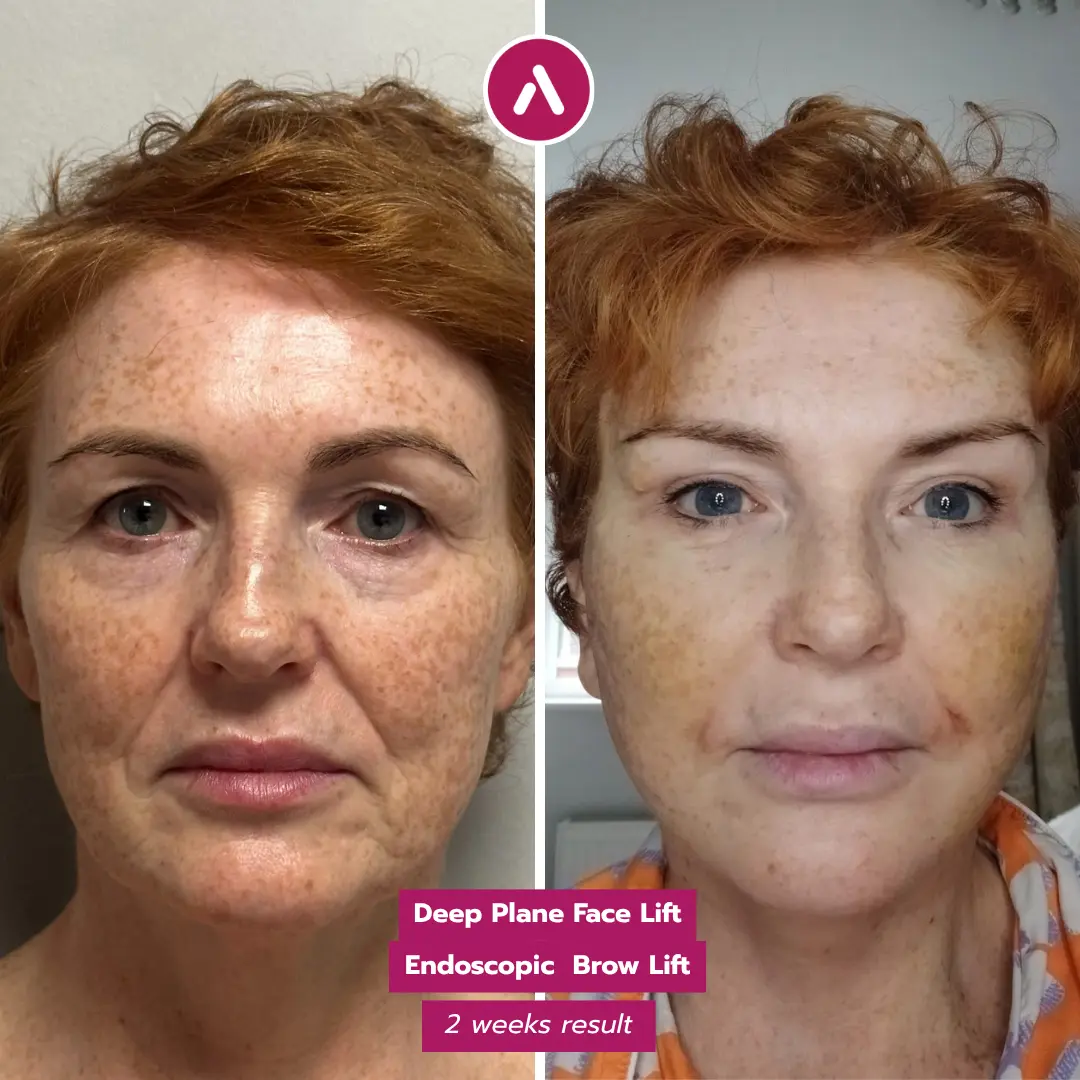
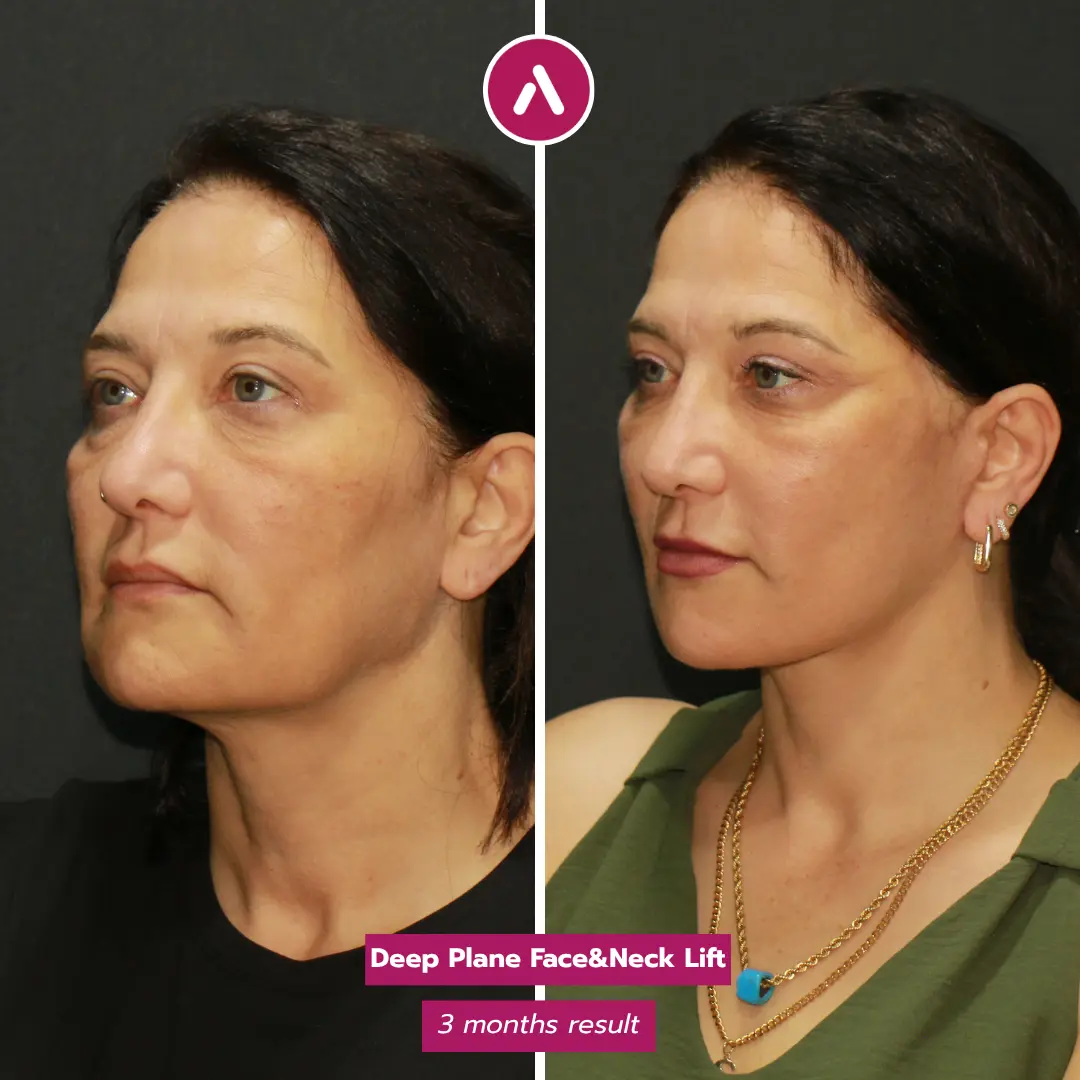

At AKM Clinic, awake facial rejuvenation is built around two layers of comfort control: local anesthesia to block pain at the surgical site, and IV sedation to reduce anxiety, time awareness, and physical tension. You may sense pressure, touch, or movement. You should not feel sharp surgical pain.
This distinction matters for an expert patient. A cautious Canadian patient does not need vague reassurance. They need to understand what the experience feels like, what the team monitors, and what happens if discomfort appears during the procedure.
This article focuses only on awake facelift pain management. It does not replace a personalized medical consultation, and it does not cover general facelift pain protocols or a full local-versus-general anesthesia comparison. Those are separate questions.
Table of Contents
What Patients Actually Feel During Awake Facelift?
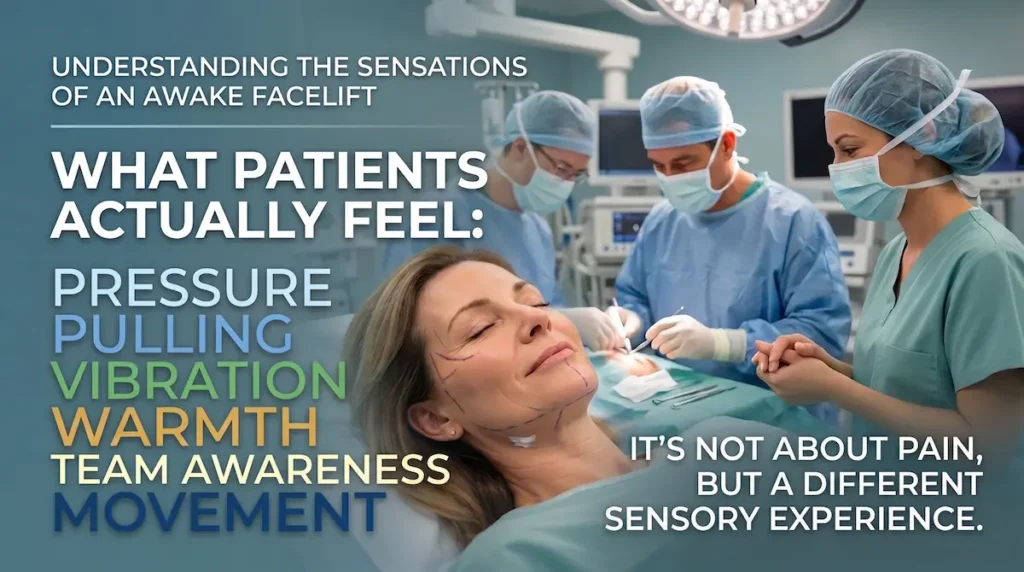
An awake facelift is not the same as having surgery with no protection from pain. The patient remains physiologically independent, but the surgical area is numbed and the nervous system is calmed. Most patients describe the experience in sensory terms: pressure, vibration, pulling, warmth, or awareness of the team working nearby.
That may sound unusual at first. It becomes less intimidating once the difference between sensation and pain is clear. Awake surgery is designed to preserve comfort while avoiding the heavier recovery burden some patients associate with full general anesthesia.
The Sensation of Pressure Versus Pain
Pressure is the most common sensation patients report during awake facelift surgery. It can feel like firm touch, gentle traction, or movement under the skin. Pressure is not the same as pain because the local anesthetic blocks the pain-transmitting nerves in the operative field.
Sharp, burning, or cutting pain should not be expected during a properly anesthetized stage. If a patient feels anything concerning, the team can pause, reassess, and add more local anesthetic or adjust sedation depth. Awake surgery depends on communication.
Some patients also notice vibration from instruments, especially during tissue release or cautery-related steps. Others remember very little because IV sedation creates a relaxed, dream-like state. The exact experience varies by sedation depth, anxiety level, and individual drug response.
Why Nerve Blockade Is So Effective in This Anatomy
The face has predictable sensory nerve pathways. A skilled team can use local anesthetic infiltration to numb the areas involved in incision placement, tissue elevation, and deeper structural work. This is why awake facial surgery is possible in selected patients.
Local anesthesia does more than numb the skin. In awake facelift protocols, the solution is placed through the surgical field so that deeper tissue manipulation can be tolerated. The patient may still feel movement, but the painful signal is reduced or blocked.
This is also why surgical planning matters. A limited awake mini facelift and an awake deep plane facelift are not identical experiences. The broader the release, the more carefully the anesthetic plan must be mapped before the first incision.
Hearing and Proprioception During the Procedure
Awake does not always mean fully alert. Many patients are lightly or moderately sedated, so they may drift in and out of awareness. Some hear voices, monitors, or short instructions. Others recall almost nothing afterwards.
Proprioception means the body’s awareness of position and movement. During an awake facelift, this may show up as a sense that the cheek, jawline, or neck is being moved, even when pain is absent. This can feel strange rather than painful.
For Canadian patients travelling from Toronto, Vancouver, Montreal, or Calgary, this expectation setting is important. A long-haul trip adds emotional weight to the decision. Knowing that “awake” still includes sedation helps reduce the fear of being trapped in a fully conscious surgical experience.
Canadian patient note: If you are anxious about hearing operating-room sounds, mention this during your virtual consultation. Patients flying from Canada often have several weeks between booking and surgery, which gives the team time to discuss sedation preferences, medical history, and comfort expectations before arrival in Istanbul.
International aesthetic surgery should still follow a patient-safety mindset. ISAPS describes cosmetic surgery as real surgery with risks and emphasizes the importance of the procedure, patient, surgeon, and surgical setting all being appropriate before proceeding.
The Anesthesia Stack — Local + IV Sedation
The comfort of awake facelift surgery comes from combining two different tools. Local anesthesia works at the tissue level. IV sedation works at the brain and nervous-system level. Together, they reduce both pain signalling and emotional distress.
This section explains the anesthesia stack without turning the article into a full comparison between local and general anesthesia. For that specific question, see the local vs general anesthesia comparison.
Tumescent Local Infiltration Mathematics
In awake facelift surgery, local anesthesia is not a tiny injection at one point. The surgeon uses a planned infiltration pattern across the treatment zone. The goal is even numbness across the incisions, dissection plane, and areas of tissue movement.
The term tumescent local anesthesia refers to the controlled placement of diluted anesthetic solution into the surgical field. The solution helps numb tissue, reduce bleeding, and create a safer working plane. The exact formula and maximum safe dose are calculated according to the patient’s weight, health profile, and procedure scope.
This calculation is one reason awake surgery should not be treated as a casual office procedure. It requires medical judgment. Dose limits, timing, monitoring, and patient selection all matter.
IV Sedation Depth and Titration
IV sedation is not one fixed state. It can be adjusted along a spectrum, from light relaxation to deeper sedation where the patient has little memory of the procedure. The purpose is to keep the patient calm, cooperative, and comfortable while maintaining appropriate safety monitoring.
Canadian anesthesia guidance emphasizes structured patient assessment, monitoring, documentation, and support personnel for anesthesia or sedation. AKM’s approach should be discussed through that same safety lens, especially for patients who are used to Canadian clinical standards.
During the virtual and in-person consultation, the team reviews factors such as anxiety history, medication use, allergies, cardiovascular risk, and previous reactions to anesthesia. This helps decide whether awake surgery is suitable or whether another anesthesia model would be safer.
Patients who want to understand the clinic’s broader medical structure can review AKM’s anesthesia team and surgical leadership before committing to travel.
Why This Combination Outperforms General for Many Patients
For selected patients, local anesthesia plus IV sedation can feel easier than general anesthesia recovery. The patient avoids intubation, often wakes with less grogginess, and may experience less nausea. This can be valuable for international patients who need to walk, eat, hydrate, and recover in a hotel environment shortly after surgery.
The benefit is not universal. Some patients are better candidates for general anesthesia because of anxiety, procedure length, medical risk, or the extent of tissue work required. A safe awake protocol includes knowing when not to use it.
The key advantage is control. Local anesthesia blocks the surgical pain pathway, while IV sedation manages fear and time awareness. The patient is not expected to “tough it out.” Comfort is actively managed.
Canadian safety context: Canadian patients often compare international care against the standards they expect at home. That is reasonable. Awake facelift candidacy should include medical screening, sedation planning, intra-procedure monitoring, and a clear escalation plan if discomfort or anxiety becomes difficult to control.
Post-Op Pain Profile
The first recovery concern is usually simple: what happens after the numbing wears off? Awake facelift patients often expect the post-op phase to be worse because they were not under full general anesthesia. In practice, many describe the opposite.
Local anesthesia can continue providing comfort after the procedure ends. That early buffer helps patients get through the first evening with less shock to the nervous system. Pain is still possible, but it is usually managed as tightness, soreness, pressure, or tenderness rather than severe acute pain.
Why Awake Patients Often Report Less Post-Op Pain
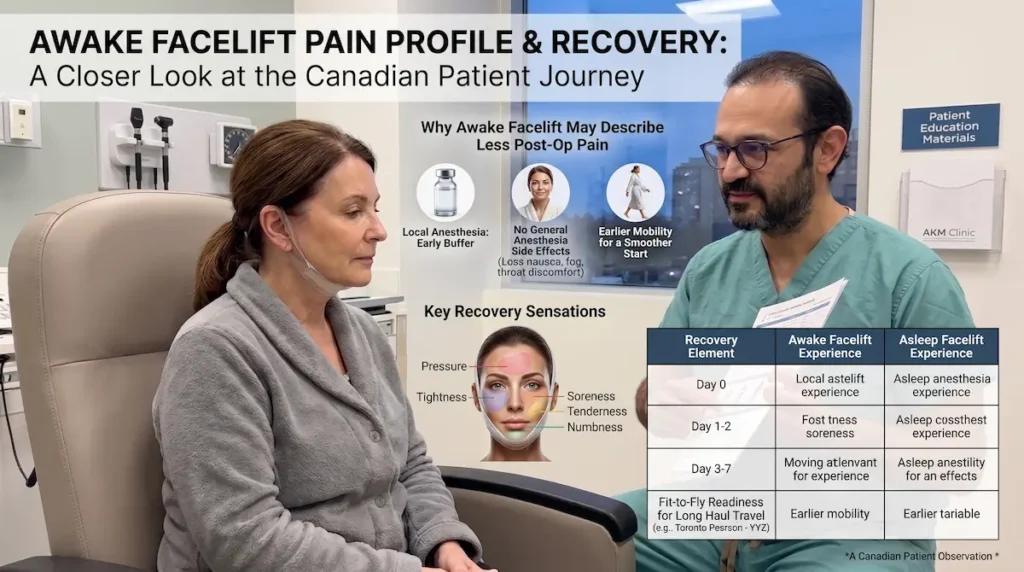
Awake facelift patients may report less post-op pain for three practical reasons. First, local anesthetic is already active in the surgical field before the procedure begins. Second, patients often avoid the nausea, throat discomfort, and heavy fog that may follow general anesthesia. Third, earlier mobility can make recovery feel less disorienting.
This does not mean awake facelift is painless for everyone. Swelling, bruising, skin tightness, and incision tenderness are still normal. The difference is that the pain curve may feel flatter, especially during the first 24 to 48 hours.
For broader medication planning after facelift surgery, see for general facelift pain management protocol, see our pain guide. That article covers standard post-op pain control across facelift types. This section stays focused on awake procedures.
Long-Acting Local Anesthetic Effect on Day 1-2
Day 1 is often less painful than patients expect because local anesthesia can still be influencing the area. Patients may feel numbness, heaviness, or a firm band-like sensation around the lower face and neck. That can be uncomfortable, but it is not the same as sharp pain.
By Day 2, sensation may begin returning unevenly. Some areas remain numb while others feel tender. This patchy recovery is normal because small sensory nerves wake up at different speeds.
The most common descriptions are tightness when turning the head, tenderness near the ears, and pressure along the jawline. Sleeping with the head elevated, taking medication as instructed, and avoiding unnecessary neck movement usually help.
International Patient Observation: Short Painkiller Use Windows
AKM Clinic’s testimonial archive includes international patients who describe short painkiller use after facial surgery. Sarah, a UK deep plane facelift patient, is referenced in the clinic’s video testimonial material as using painkillers for only one day. That should not be treated as a guarantee. It is a patient experience example.
“Some awake and deep plane patients are surprised that the dominant feeling is tightness rather than pain. The goal is not to prove that surgery has no discomfort. The goal is to keep discomfort predictable, monitored, and controlled.”Composite surgeon perspective based on AKM Clinic patient education materials
Canadian patients should interpret this type of testimonial carefully. A short painkiller window is encouraging, but your own experience will depend on procedure scope, pain sensitivity, anxiety level, sleep quality, and whether neck work is included. Honest planning is more useful than an idealized recovery story.
| Recovery moment | Awake facelift pain profile | Asleep facelift pain profile |
|---|---|---|
| During surgery | Pressure, movement, vibration, and touch awareness may occur; sharp pain should be blocked by local anesthesia. | No awareness during the procedure because the patient is under general anesthesia. |
| Day 0 | Often less groggy; numbness and tightness are common as local anesthesia continues working. | May include grogginess, nausea, throat irritation, and surgical tightness after waking. |
| Day 1-2 | Tightness, pressure, and tenderness usually become more noticeable as sensation returns. | Soreness and swelling are common; fatigue from general anesthesia may still be present. |
| Day 3-7 | Discomfort usually shifts from pain to stiffness, swelling, bruising, and incision sensitivity. | Similar surgical discomfort pattern, with recovery influenced by procedure scope and anesthesia response. |
Canadian patient note: If you are returning to Canada after surgery, do not judge your fit-to-fly readiness by pain alone. Swelling, fatigue, hydration, blood pressure, and the surgeon’s final assessment all matter before a long-haul flight to YYZ, YUL, YVR, or YYC.
The Patient Experience Sequence
Knowing the sequence helps reduce fear. Awake facelift anxiety often comes from imagining one long, undefined surgical event. In reality, the day has stages: arrival, preparation, numbing, sedation, surgery, recovery-room monitoring, and transfer back to the hotel when medically appropriate.
Each stage has its own comfort strategy. The patient is not expected to manage the experience alone. Communication, monitoring, and sedation adjustment remain part of the protocol throughout the day.
Walking Into the OR Consciously
Walking into the operating room while conscious can feel emotionally strange. Many patients have only experienced surgery through the idea of being “put under.” Awake surgery changes that expectation.
The team usually reviews the plan again before the procedure begins. Monitoring is placed, IV access is prepared, and the patient is positioned carefully. Sedation may begin before local anesthetic infiltration, depending on the plan.
For some patients, this stage is the most anxiety-provoking part. Once sedation begins and the face becomes numb, the experience often feels less intense than expected. Anticipation is frequently worse than the procedure itself.
What You Feel and Hear During Surgery
During the procedure, patients may hear staff voices, instrument sounds, or short instructions. Many remember only fragments. Some describe the experience as being half-asleep, with moments of awareness that pass quickly.
Touch and pressure can still register. A patient might sense the surgeon working near the ear, cheek, jawline, or neck. That awareness should not be painful when the nerve blockade is adequate.
If discomfort appears, the team can respond. Extra local anesthetic can be placed. IV sedation can be adjusted. The patient’s ability to communicate is one of the safety advantages of awake surgery for selected candidates.
Walking Out and the Immediate Post-Op State
After an awake facelift, many patients are alert sooner than they expected. They may feel tired, swollen, and emotionally relieved. They usually do not have the same heavy emergence experience associated with full general anesthesia.
The first mirror moment should be handled with realistic expectations. Bandages, swelling, bruising, and asymmetry from early edema can make the face look unfamiliar. This is not the result.
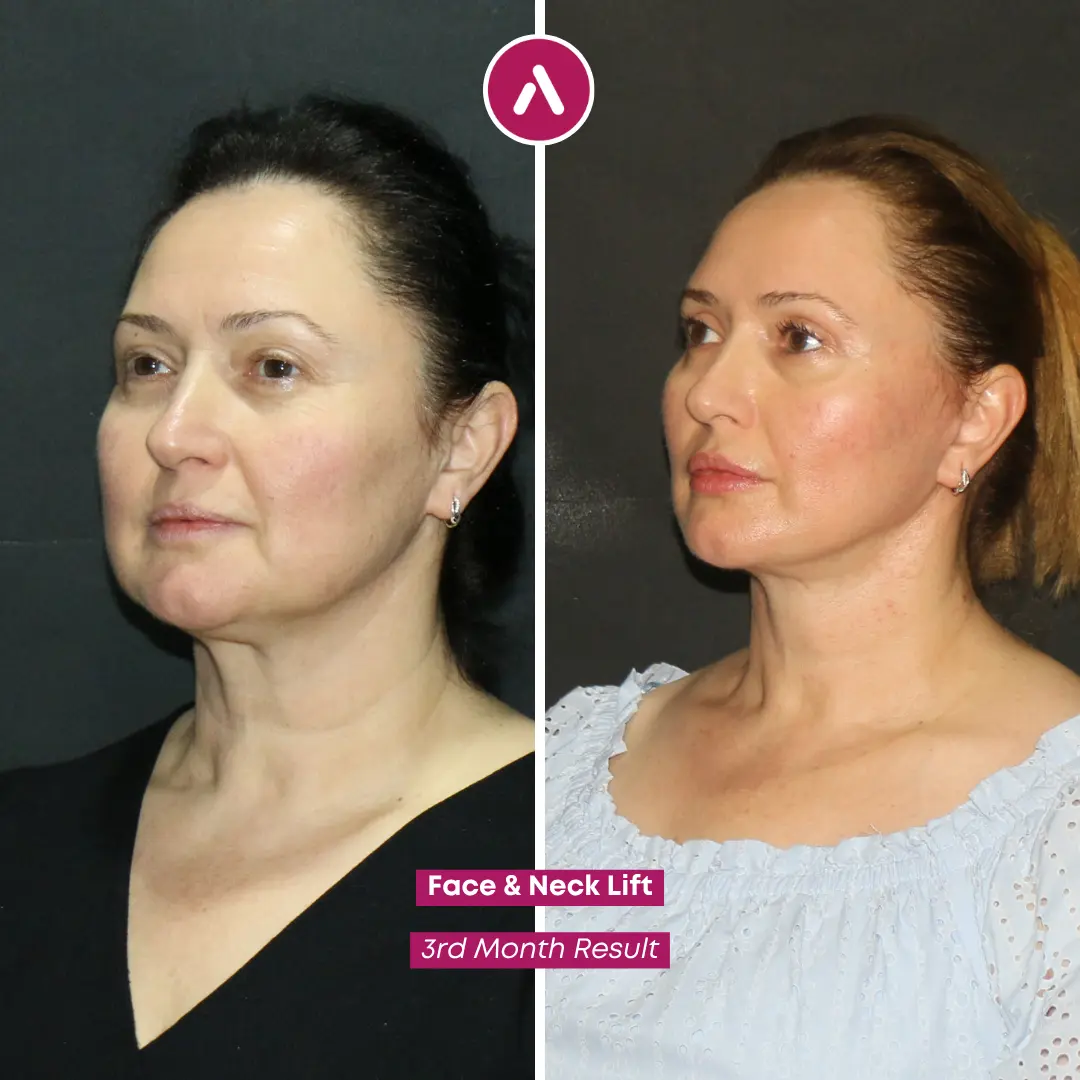
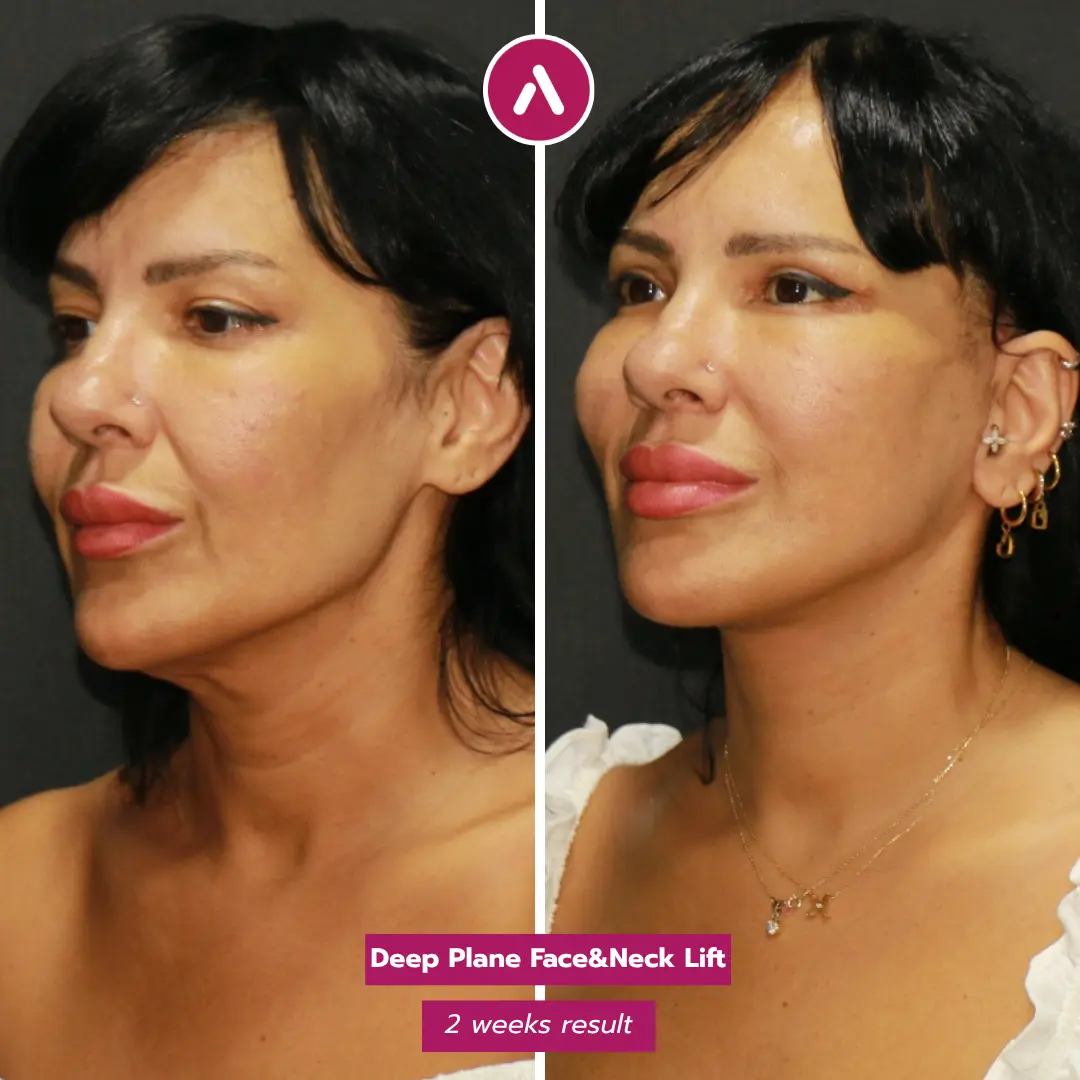
Patients evaluating outcomes should wait for proper healing milestones and standardized photography. For that visual side of the decision, see real awake facelift patient results. Pain experience and visual outcome are related, but they are not the same topic.
For Canadian travellers: The immediate post-op goal is not sightseeing or productivity. It is hydration, supervised rest, controlled movement, and clear communication with your patient host. This matters even more after a long trip from Canada, especially for patients connecting through Toronto, Montreal, or European hubs.
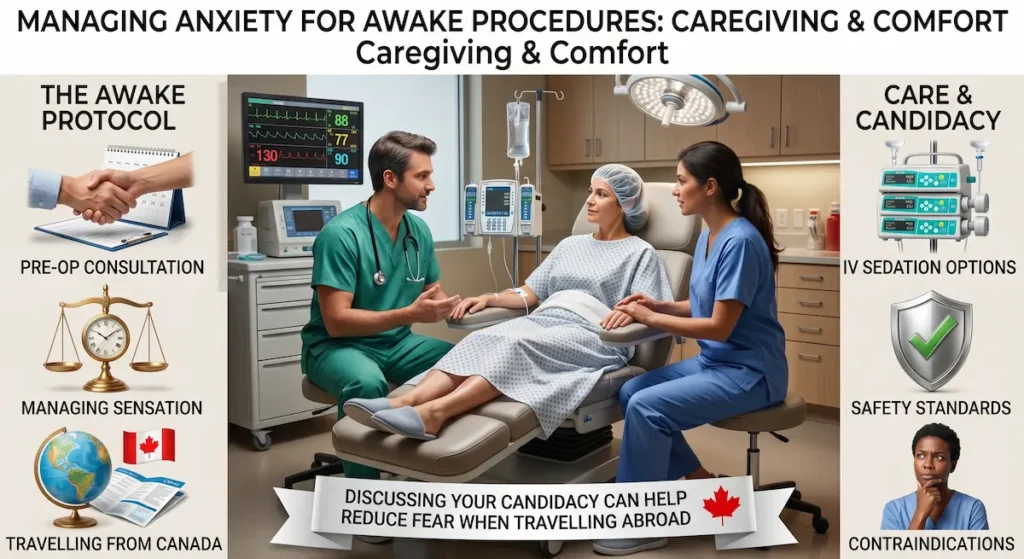
Anxiety Management for Awake Procedures
Pain is not the only issue in awake facelift surgery. Anxiety can make normal pressure feel threatening, and it can make time feel longer. A good awake protocol treats anxiety as a clinical factor, not a personality flaw.
This is especially relevant for Canadian patients travelling for surgery. You may spend months researching, comparing clinics, arranging flights, and explaining time away from work. By the time you arrive in Istanbul, your nervous system may already be highly alert.
Pre-Op Consultation and Expectation Setting
The first layer of anxiety control happens before surgery day. Patients should know what awake surgery involves, what sensations are normal, and what warning signs should be communicated immediately. Uncertainty makes discomfort worse.
During consultation, the team should review medical history, previous anesthesia experiences, panic symptoms, claustrophobia, medication use, and expectations about awareness. A patient who says, “I do not want to hear anything,” needs a different sedation discussion than a patient who is comfortable with light awareness.
AKM Clinic’s broader care model includes surgeon-led planning, 24/7 patient advocacy, and long-term virtual follow-up. For Canadian patients, this continuity helps reduce the fear of being left alone after travelling abroad.
Canadian travel-anxiety note: If you are flying from YVR, YYC, or a smaller Canadian airport with connections, travel fatigue can increase emotional sensitivity before surgery. Plan arrival with enough recovery time before the operation, not just enough time to check into the hotel.
IV Sedation Depth Options
IV sedation can be adjusted to match the patient’s needs and the procedure’s requirements. Some patients prefer lighter sedation because they want faster clarity afterwards. Others need deeper relaxation to prevent distress during the procedure.
Canadian patients may want to compare any international sedation plan with Canadian expectations for monitoring and anesthesia safety. The Canadian Anesthesiologists’ Society guidelines provide a useful reference point for the kind of structured thinking patients expect around anesthesia care.
The goal is not to copy a Canadian hospital system in another country. The goal is to ask informed questions: Who monitors me? What medications are used? What happens if I become uncomfortable? When would the team stop or change the plan?
International aesthetic surgery bodies also emphasize patient safety, surgeon qualification, and appropriate clinical settings. The International Society of Aesthetic Plastic Surgery frames aesthetic education around patient safety, which is a useful benchmark when evaluating any clinic abroad.
When Awake Is Contraindicated for Anxiety Reasons
Awake facelift is not right for every patient. Severe panic disorder, inability to tolerate operating-room awareness, uncontrolled anxiety, certain medication interactions, and complex medical history may make another anesthesia plan safer.
This is not a failure. A patient who is psychologically unsuited to awake surgery may have a better experience under a different model. The safest plan is the one that fits the patient, the procedure, and the monitoring environment.
Patients should also be honest about alcohol use, cannabis use, sleep medications, antidepressants, benzodiazepines, stimulants, and previous sedation reactions. These details can affect sedation response. Withholding them increases risk.
The same awake principles appear in other aesthetic procedures, but the candidacy rules are still procedure-specific. For example, patients can read about awake methodology applied to body procedures, but an awake lipo candidate is not automatically an awake facelift candidate.
- Good awake candidates usually tolerate dental or minor medical procedures well, communicate clearly, and can remain calm with sedation support.
- Borderline candidates may need a deeper sedation plan, additional counselling, or more time between arrival and surgery.
- Poor awake candidates may have severe procedural panic, inability to lie still, or medical factors that make another anesthesia model safer.
For many patients, the most reassuring part of awake facelift planning is the ability to ask direct questions before travelling. A virtual consultation should not pressure you into the awake option. It should determine whether awake surgery is appropriate for your anatomy, health profile, and emotional tolerance.
CTA: Discuss your awake candidacy in a consultation before booking flights, especially if you have anxiety, previous anesthesia concerns, or a long return route through Toronto, Montreal, Vancouver, or Calgary.
Frequently Asked Questions: Is an Awake Facelift Painful?
Awake facelift pain questions are usually practical. Patients want to know what they may feel, how much control they have, and whether awake surgery is suitable for their personality and medical history. These answers are general educational guidance, not a substitute for a surgeon-led consultation.
Will I feel anything during awake facelift?
Yes, you may feel pressure, movement, vibration, or a sense that tissue is being repositioned. You should not feel sharp surgical pain when the local anesthesia is working properly. If discomfort appears, the team can pause and adjust the numbing or sedation plan.
Is awake more painful than asleep recovery?
Not usually. Many awake patients find recovery more comfortable than expected because local anesthesia continues working after surgery. The early recovery may involve less grogginess and nausea than some patients experience after general anesthesia.
That does not mean awake recovery is effortless. Tightness, swelling, bruising, and incision tenderness are still expected. The main difference is that the discomfort is often described as controlled and predictable.
Can I be sedated more deeply if anxious?
Often, yes. IV sedation can be titrated according to the patient’s anxiety level, medical profile, and procedure needs. This is one reason pre-op honesty matters.
Tell the team if you have panic attacks, claustrophobia, previous anesthesia distress, cannabis use, sleep medication use, or strong fear of operating-room awareness. These details affect the safest sedation plan.
What if I panic during the procedure?
A well-run awake protocol anticipates this possibility. The team can pause, speak with you, deepen sedation when appropriate, add local anesthesia if discomfort is contributing, or change the plan if awake surgery is no longer safe or tolerable.
The best way to reduce this risk is to identify anxiety before surgery day. Patients should not agree to awake surgery just because it sounds faster or more convenient. Suitability matters more than preference.
How long does the local anesthesia last after surgery?
The duration varies by medication choice, dose, individual metabolism, and procedure scope. Many patients feel numbness or reduced sensation through the first evening and into the early recovery phase. Sensation usually returns gradually rather than all at once.
As feeling returns, discomfort may shift from numb pressure to tenderness or tightness. This is when the prescribed medication schedule becomes important.
Do I need pain medication for days afterward?
Some patients need medication for several days. Others use it briefly. AKM Clinic’s international testimonial materials include patients who reported very short painkiller use windows, but that should be understood as individual experience rather than a universal promise.
Your medication plan depends on procedure extent, pain tolerance, neck involvement, sleep quality, and inflammation. Follow the clinic’s instructions rather than comparing your recovery to another patient’s timeline.
Is awake facelift right for first-time surgical patients?
It can be, but not always. A first-time surgical patient who is calm, well-prepared, and comfortable with medical settings may do well. A first-time patient with severe anxiety may be better suited to a different anesthesia plan.
The correct question is not “Which anesthesia sounds easiest?” It is “Which approach is safest for my anatomy, medical history, and anxiety profile?” That decision should be made with the surgical team before flights are booked.
What does awake deep plane facelift cost in CAD?
According to AKM Clinic’s Treatment Techniques cost schedule, Awake Deep Plane Facelift is listed at CAD $7,100, and Awake Mini Facelift is listed at CAD $6,150. These are technique-level figures, not a substitute for a personalized quote.
For the most specific cost context, review awake deep plane pricing in CAD and confirm your recommended plan during consultation.
How should Canadian patients prepare emotionally?
Start with a direct conversation about what you do and do not want to experience. Some patients are comfortable with light awareness. Others prefer deeper sedation and minimal memory.
Write down your concerns before the virtual consultation. Ask how anxiety is managed, who monitors sedation, what happens if you become uncomfortable, and when the team would recommend against awake surgery. Clear answers matter.
For Canadian patients flying home after surgery, emotional preparation should also include the return route. A direct YYZ or YUL flight feels different from a multi-leg YVR or YYC itinerary. Your recovery plan should match the travel burden.
Medical Disclaimer: This page is provided for general educational purposes only and does not replace an in-person medical consultation, diagnosis, or personalized treatment plan. All surgery carries risks, and outcomes vary between individuals. Suitability for awake facelift surgery, procedure selection, and anesthesia choice can only be determined after a full clinical assessment by a qualified surgeon. Always follow your clinician’s instructions and seek urgent medical attention if you develop concerning symptoms during recovery.