
For Canadian patients researching Istanbul surgery, deep plane facelift recovery hbot lllt is not just a technical phrase. It describes a structured recovery strategy that combines surgical planning, tissue oxygenation, cellular repair support, and long-haul travel readiness.
At AKM Clinic, the recovery plan begins with the deep plane facelift technique itself. The operation repositions deeper facial tissues rather than relying on skin tension alone, so the recovery protocol must support the same deeper tissue planes. HBOT and LLLT are used to help those tissues recover with less biological stress.
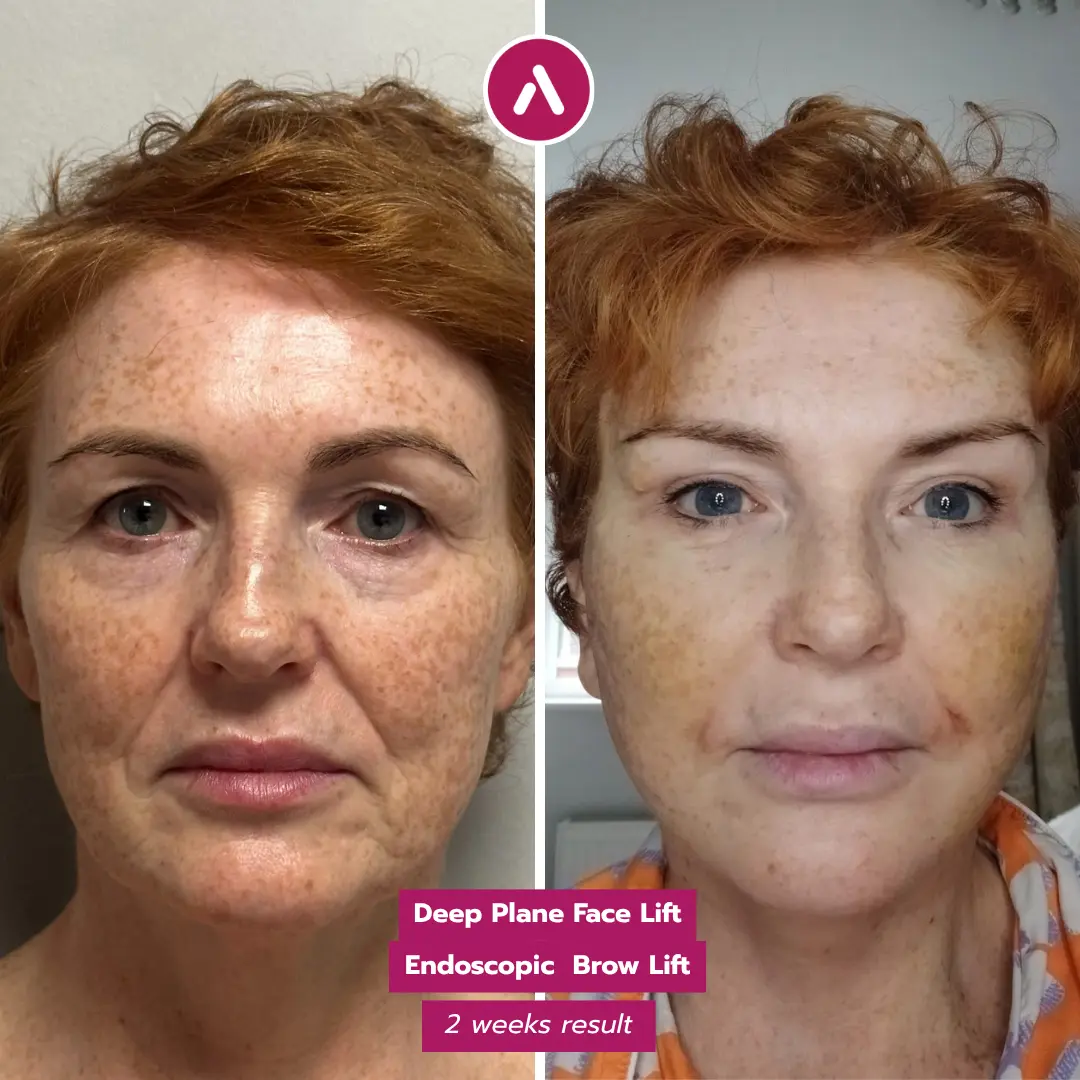
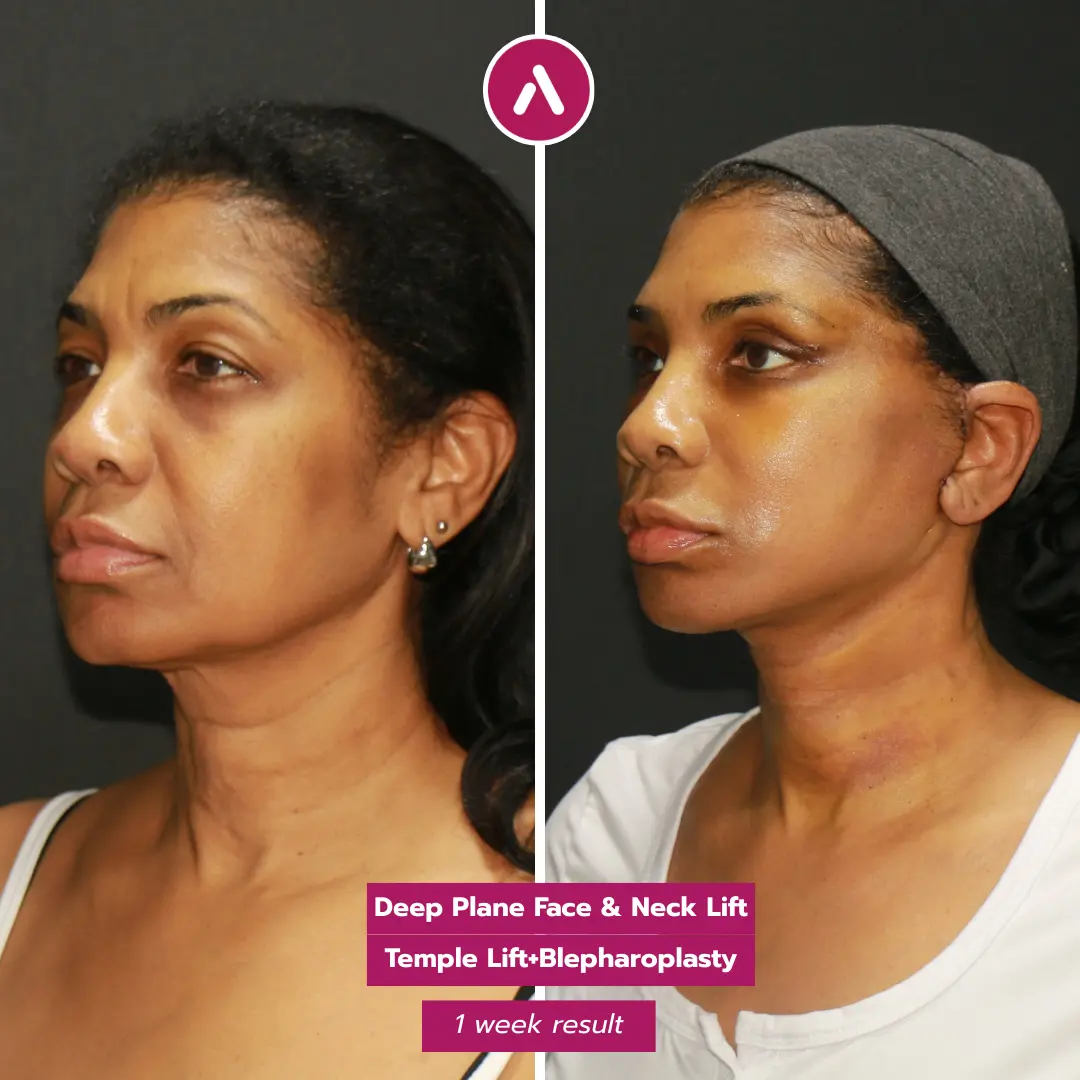
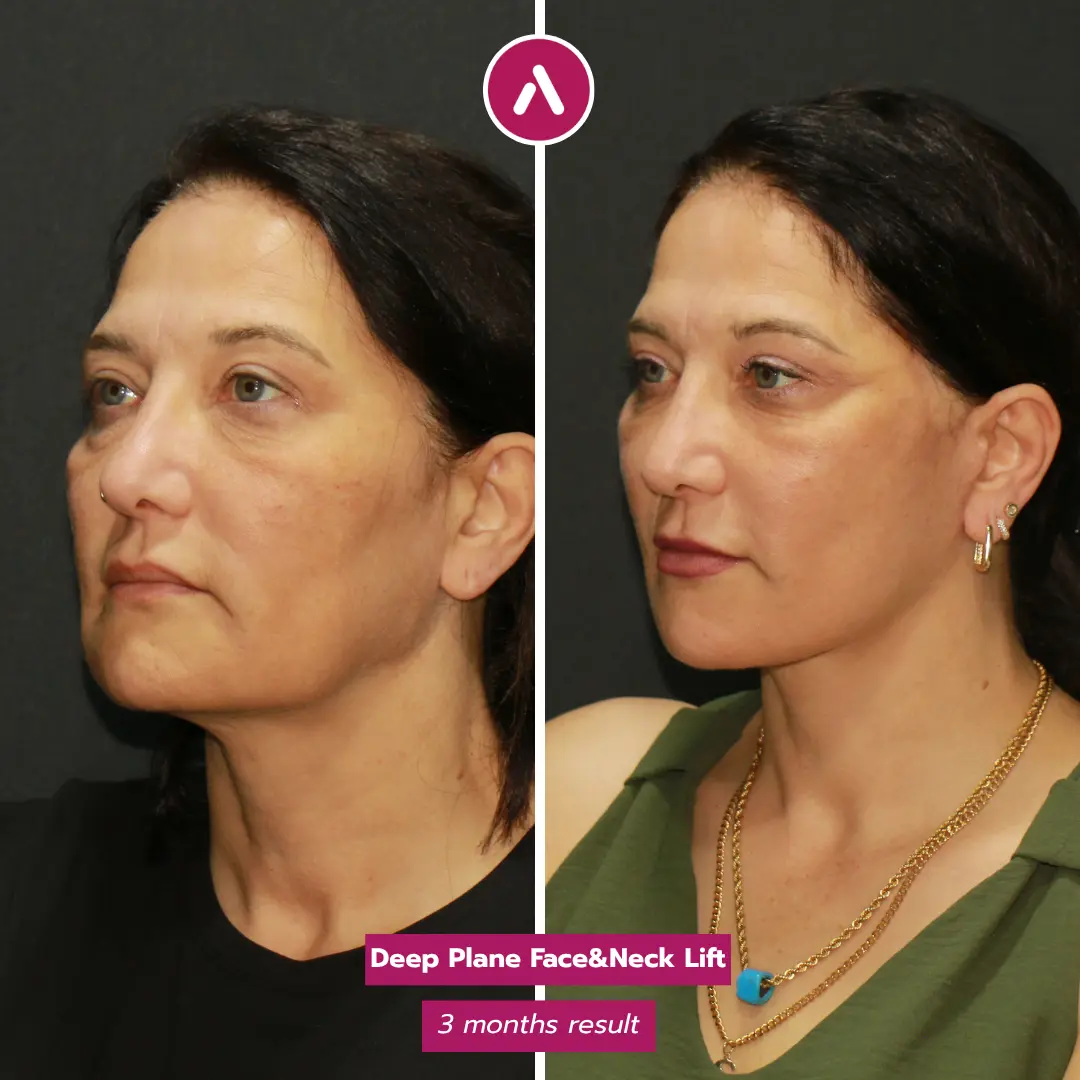
Quick Summary: AKM Clinic combines Hyperbaric Oxygen Therapy (HBOT) with Low-Level Laser Therapy (LLLT) in a structured deep plane facelift recovery protocol. HBOT supports oxygen delivery to healing tissue, while LLLT uses 650nm photobiomodulation to stimulate cellular energy production. Together, they help Canadian patients move through the early recovery window more comfortably before returning home.
This article focuses only on AKM’s technology protocol. For the visual recovery arc, bruising photos, and “what will I look like on Day 7?” concerns, see the separate day-by-day recovery photo guide later in the link plan. Here, the focus is mechanism, session timing, and why AKM uses both technologies together.
Table of Contents
The Two Technologies: Biological Mechanisms
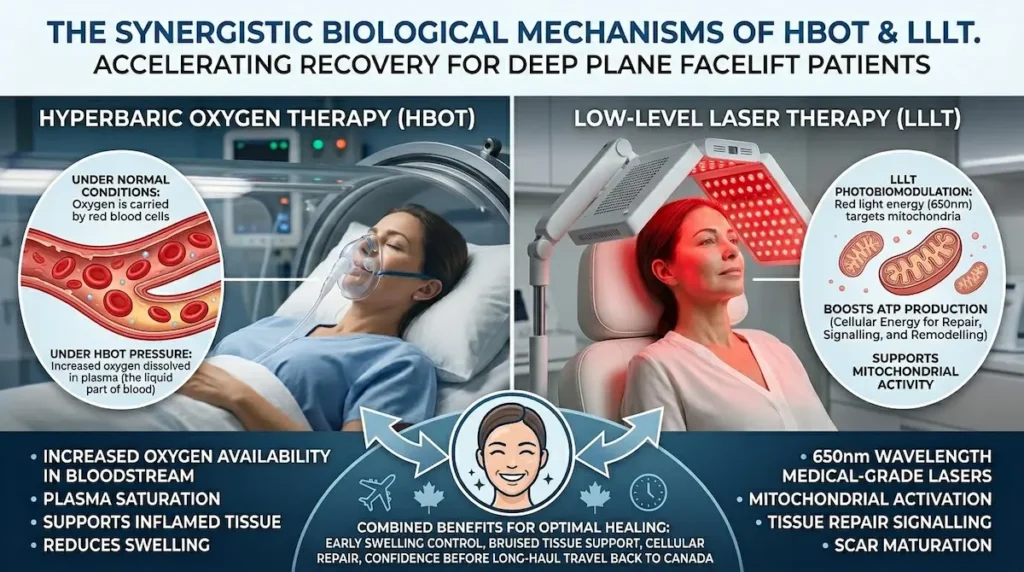
HBOT and LLLT are often grouped together as “recovery technologies,” but they do not work the same way. HBOT changes oxygen availability in the bloodstream. LLLT changes how cells use light energy at the mitochondrial level. That distinction matters for deep plane facelift recovery.
AKM’s approach is built around complementary biological targets. One therapy supports oxygen delivery. The other supports cellular energy production and tissue repair signalling. For Canadian patients planning a return flight to Toronto, Vancouver, Montreal, Calgary, or Ottawa, the goal is not an artificial shortcut. The goal is a more supported early healing environment.
HBOT: Pressurized 100% Oxygen and Plasma Saturation
Hyperbaric Oxygen Therapy places the patient in a pressurized chamber while they breathe concentrated oxygen. Health Canada describes hyperbaric treatment as a therapy delivered inside a closed chamber where atmospheric pressure is increased and the patient receives 100% oxygen for a prescribed period. You can review Health Canada’s patient-facing overview of hyperbaric oxygen therapy.
Under normal conditions, oxygen is carried mainly by red blood cells. Under hyperbaric pressure, more oxygen can dissolve into plasma, the liquid component of blood. This matters after a deep plane facelift because surgical tissues are temporarily inflamed, swollen, and metabolically active.
Deep plane surgery involves careful release and repositioning of facial retaining ligaments. The skin is not simply pulled tighter. Because the deeper tissues are mobilized, AKM uses HBOT to support oxygen delivery during the vulnerable early recovery window.
For a broader explanation outside the deep plane facelift setting, see our guide to broader HBOT applications beyond facelift recovery. For a facelift-only overview of oxygen therapy, our separate article on general facelift HBOT science explains the wider background.
LLLT: 650nm Photobiomodulation and Mitochondrial ATP
Low-Level Laser Therapy, or LLLT, works through photobiomodulation. Instead of using heat to damage or resurface tissue, low-level laser energy is used at carefully selected wavelengths to stimulate cellular activity. AKM’s system uses 424 medical-grade semiconductor laser diodes at 650nm.
The target is cellular energy. More specifically, LLLT supports mitochondrial activity and ATP production, which cells need for repair, signalling, and collagen-related remodelling. It is not the same as an aggressive resurfacing laser. It is a recovery-support modality.
That difference is important for Canadian patients comparing clinic protocols. A consumer red light mask is not the same as a medical-grade LLLT system used inside a clinical recovery program. Health Canada advises patients to seek trained professionals for laser procedures and to ensure devices are licensed for their intended medical purpose. Our broader standards are outlined in AKM’s HBOT and LLLT technology infrastructure.
Why Combining Them Is More Effective Than Either Alone
HBOT and LLLT are not interchangeable. HBOT supports tissue oxygenation. LLLT supports cellular repair activity. Combining them allows AKM to target two different parts of the recovery equation without relying on a single pathway.
In practical terms, the combination is designed to support:
- early swelling control through improved oxygen availability;
- better support for bruised or inflamed tissue planes;
- cellular repair at the incision and dermal level;
- scar maturation support during the early remodelling phase;
- more confidence before long-haul travel back to Canada.
The Undersea and Hyperbaric Medical Society describes clinical hyperbaric oxygen as a physician-prescribed medical procedure requiring appropriate chamber standards, pressure, and medical-grade oxygen. That distinction is critical. AKM’s use of HBOT belongs in a medical recovery protocol, not a wellness-spa setting.
AKM’s Combined Session Schedule for Deep Plane
Deep plane facelift recovery has a rhythm. The first 72 hours are usually dominated by swelling, pressure, and early bruising. Days 4 to 7 are about reducing visible inflammation, protecting incision quality, and preparing the patient for final review. AKM’s HBOT and LLLT schedule is organized around that biological sequence.
The exact schedule is personalized. Age, procedure scope, neck involvement, bruising tendency, smoking history, medical background, and flight timing can all influence the plan. A patient flying home to Toronto Pearson may have a different logistics profile than someone connecting back to Vancouver through Europe.
“For international patients, recovery technology should not be treated as a premium upgrade. The surgery is only one part of the outcome. Oxygen support, cellular repair support, and careful pre-flight assessment help protect the work we have done in the operating room.”Composite AKM surgeon perspective
Day 1: First HBOT Session and Immediate Effects
The first HBOT session is usually placed early in the recovery window, once the surgical team confirms the patient is stable and suitable for the chamber. The purpose is not cosmetic speed alone. It is tissue support.
On Day 1, the face and neck are still adjusting to surgical repositioning. Swelling is expected. Bruising may be developing. HBOT is used to support oxygen delivery to tissues that are actively healing after deep plane dissection.
Patients often describe the session as calm rather than dramatic. The chamber experience can include mild ear pressure, similar to pressure changes during a flight. Patients with sinus issues, ear problems, claustrophobia, or certain medical conditions require individual review before HBOT.
Days 2-7: HBOT and LLLT Alternation Pattern
After the first session, AKM alternates HBOT and LLLT according to healing stage. HBOT remains focused on oxygenation and inflammation control. LLLT supports the cellular repair work that becomes increasingly relevant as bruising and swelling begin to settle.
The rhythm may look like this in a typical deep plane facelift recovery week:
| Recovery Window | HBOT Focus | LLLT Focus | Target Effect | Expected Patient Experience |
|---|---|---|---|---|
| Day 1 | Initial oxygenation support | Usually introduced after clinical review | Support early tissue recovery | Calm chamber session, close monitoring, mild pressure sensation possible |
| Days 2-3 | Anti-inflammatory support | Early cellular stimulation | Help manage swelling and bruising progression | Face may still look swollen, but recovery feels more organized |
| Days 4-6 | Ongoing tissue oxygen support if indicated | Dermal repair and incision support | Support scar quality and soft-tissue settling | Bruising begins to shift colour and swelling becomes less tense |
| Day 7 or pre-flight review | Targeted anti-edema support | Final recovery-support session if indicated | Prepare for fit-to-fly assessment | Patient is assessed for travel readiness, comfort, and wound stability |
This schedule is illustrative, not a universal prescription. The surgeon and clinical team make the final call. The Deep Plane Facelift and Neck Lift with HBOT package is listed at CAD $7,500 with 4 nights hotel accommodation in AKM’s package reference.
Pre-Flight Day: Targeted Anti-Edema Session
The return flight matters. Canadian patients often face 10 or more hours of flight time, and Vancouver or Calgary patients may also manage connections. Cabin pressure, fatigue, sleep disruption, and prolonged sitting can make swelling feel more noticeable.
AKM’s pre-flight recovery review is designed to reduce uncertainty. The team evaluates swelling, bruising, incision status, blood pressure, medication tolerance, and general comfort before travel. HBOT may be used as part of the pre-flight preparation if the surgeon finds it appropriate.
This is not a substitute for medical clearance. It supports the clearance process. Patients still need the final in-person review before returning to Canada.
What HBOT Does for Deep Plane Surgery Specifically?
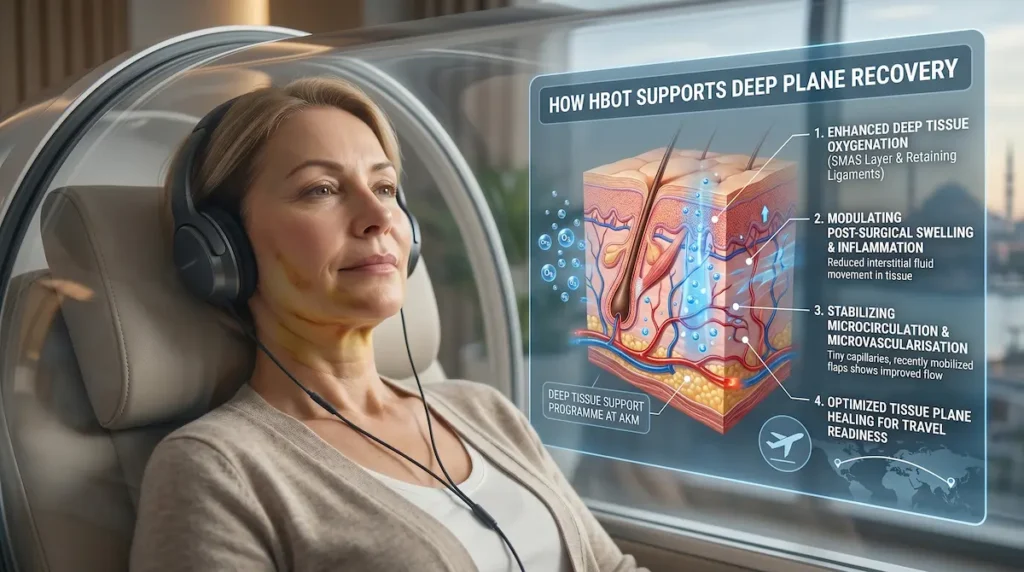
Deep plane facelift recovery is not identical to recovery after a smaller skin-only lift. The surgeon works in deeper anatomical layers, releases retaining ligaments, and repositions facial tissue in a more structural way. That is why oxygen delivery matters.
HBOT is used at AKM to support the biological demands of that deeper recovery process. It does not replace careful surgery, sterile technique, medication planning, or follow-up. It supports the tissue environment during the early phase, when swelling, inflammation, and bruising are most active.
Tissue Flap Survival and Microvascularisation
During a deep plane facelift, tissue planes are carefully lifted and repositioned. Although the technique is designed to preserve blood supply, the early recovery phase still places demand on small vessels and healing tissue. Oxygen availability becomes clinically relevant.
HBOT increases oxygen delivery beyond what normal breathing can achieve. Health Canada states that hyperbaric oxygen therapy promotes healing by delivering a high concentration of oxygen quickly and deeply into affected areas of the body. That mechanism is one reason AKM uses HBOT after facial surgery, especially for patients travelling internationally.
In deep plane recovery, oxygen support may help the following tissue processes:
- microcirculation in recently mobilized facial tissue;
- cellular repair during the first week after surgery;
- support for bruised tissue planes under the skin;
- more stable healing around incisions and undermined areas;
- recovery confidence before a long-haul return flight.
The word “support” is deliberate. HBOT is not a guarantee of faster recovery in every patient. Age, smoking history, medication use, diabetes risk, blood pressure control, nutrition, and surgical scope all influence healing.
Anti-Inflammatory Cascade in Deep Tissue Planes
Swelling is not a complication by itself. It is part of normal surgical recovery. After a deep plane facelift, swelling reflects tissue manipulation, lymphatic adjustment, and the body’s inflammatory response.
HBOT may help modulate that inflammatory environment by improving oxygen availability while supporting fluid movement through recovering tissues. Patients often describe swelling as feeling less tense as the first week progresses. This is especially important for Canadians who are preparing for the return journey to Toronto, Montreal, Vancouver, Calgary, or Ottawa.
Canadian patients should still expect visible swelling. A well-supported recovery is not an invisible recovery. The goal is a smoother early phase, not a promise that bruising or edema disappears overnight.
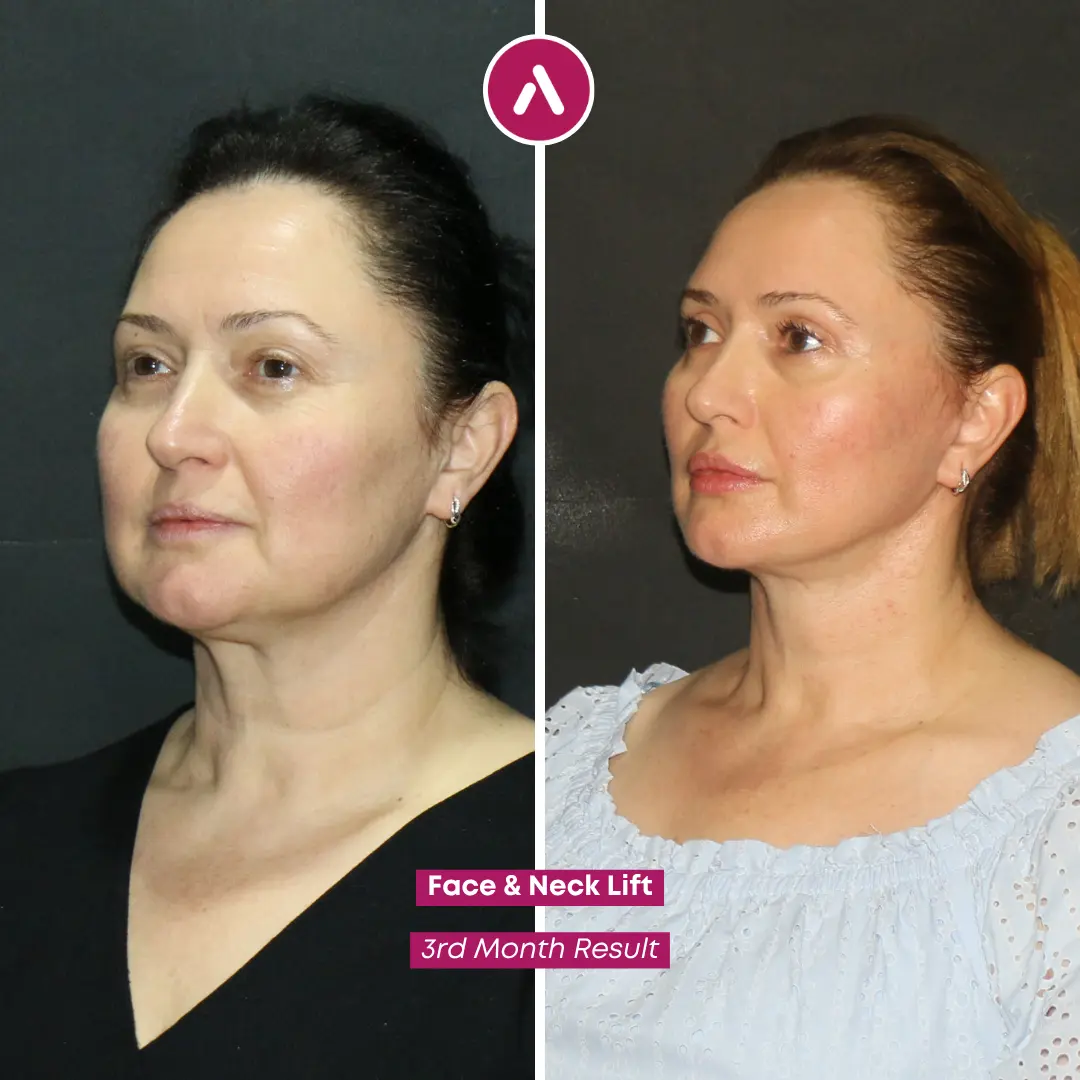
Canadian Patient Note: Why This Matters Before the Flight Home
The IST-to-Canada journey is long. Toronto and Montreal patients may fly directly, while Vancouver or Calgary patients often face connections. AKM’s pre-flight review looks at swelling, comfort, incision stability, medication tolerance, and general recovery status before travel clearance is discussed.
Bruising and Swelling Resolution Timelines
Bruising after a deep plane facelift usually follows a predictable pattern. Colour may intensify before it improves. Swelling often feels more noticeable in the morning and after poor sleep. HBOT is used to support tissue oxygenation while the body clears bruising and inflammatory fluid.
The Undersea and Hyperbaric Medical Society notes that scientifically supported hyperbaric treatments are usually delivered at pressures between 1.9 and 3.0 ATA, and that HBOT is a standard of care for several medical conditions involving oxygen-sensitive tissue problems. AKM’s protocol uses this medical framework carefully, rather than treating oxygen therapy as a spa add-on. See the UHMS overview of hyperbaric oxygen indications for broader context.
For deep plane facelift patients, the visible pattern is usually described in stages:
- Days 1-3: swelling and bruising are present and may still be increasing;
- Days 4-7: swelling begins to feel less tense, and bruising may shift colour;
- Days 8-14: many patients look more socially presentable, although not fully healed;
- Weeks 3-6: residual swelling continues to settle, especially around the jawline and neck.
This article does not show the visual day-by-day progression. For that angle, see our separate guide: for the visual day-by-day recovery documentation, see our photo journal.
What LLLT Adds to the Recovery Equation?
HBOT supports oxygen delivery. LLLT supports cellular repair. That is the simplest way to separate the two technologies.
At AKM, LLLT is used as part of a broader recovery system because deep plane facelift healing is not only about swelling reduction. Incision quality, dermal repair, scar maturation, texture, and tone all matter. LLLT targets those concerns without using heat-based tissue injury.
Cellular Repair Acceleration at the Dermal Level
LLLT uses light energy to stimulate biological activity in cells. AKM’s system uses 424 medical-grade semiconductor laser diodes at a 650nm wavelength. This “soft laser” approach does not cut, burn, or resurface the skin.
The target is the cell’s energy system. Mitochondria produce ATP, which cells use for repair and signalling. By supporting ATP production, LLLT may help tissue cells perform the work required during early healing.
Deep plane facelift recovery involves multiple tissue layers, but the skin still needs to recover. Bruising clears under the skin. Incisions mature through the skin. Redness, tightness, and early scar visibility are partly dermal events. LLLT is aimed at this layer of the recovery process.
Scar Maturation and Incision Quality
Every facelift creates incisions. The difference between a discreet scar and a visible scar depends on surgical placement, closure technique, genetics, sun protection, inflammation control, and follow-up care. LLLT is used to support the biological side of scar maturation.
Health Canada explains that cosmetic laser systems sold in Canada are regulated under federal legislation and should be used for licensed purposes by trained professionals. That point is relevant because medical-grade laser therapy is different from consumer light devices marketed online.
LLLT may support scar quality through:
- cellular activity in the healing skin edges;
- early collagen remodelling support;
- reduced prolonged redness in selected patients;
- improved incision maturation when paired with proper wound care;
- better recovery discipline through supervised sessions.
For a dedicated explanation of the scar-focused side of this technology, see LLLT for scar minimization specifically.
Skin Texture and Tone Improvements
Deep plane facelift surgery corrects structural sagging. It does not automatically erase every surface-level skin concern. Skin texture, fine lines, colour irregularity, and mild redness may need their own support strategy.
LLLT contributes to this part of recovery by encouraging cellular repair without adding thermal trauma. That matters after surgery. The goal is to support healing tissue, not irritate it.
Canadian Patient Note: LLLT Is Not the Same as a Home Red Light Mask
Many Canadian patients own consumer red light devices. These may be marketed for wellness or skin appearance, but they are not the same as AKM’s medical-grade LLLT system. Device strength, diode count, wavelength accuracy, clinical supervision, and treatment timing all change the expected effect.
LLLT also fits the Canadian “natural-first” expectation. The goal is not an over-treated, shiny, resurfaced appearance. The goal is calmer healing, cleaner incisions, and skin that looks like it belongs to the same face after structural rejuvenation.
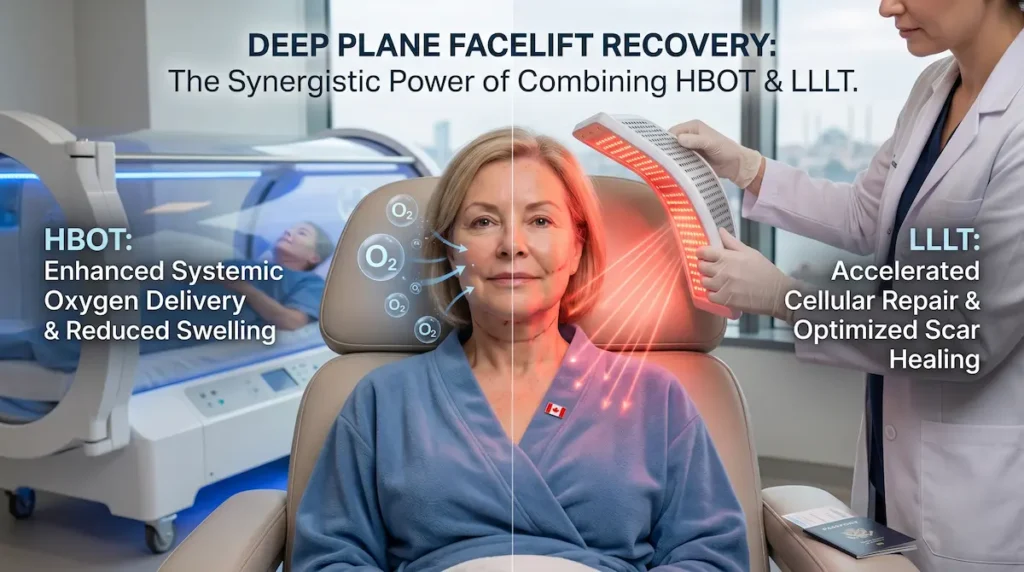
Synergy: Why Both Together Outperforms Either Alone
The reason AKM combines HBOT and LLLT is simple: deep plane facelift recovery involves more than one biological problem. Oxygen delivery, swelling control, bruising clearance, incision repair, collagen remodelling, and tissue comfort all occur at once. One technology cannot address every layer equally.
HBOT and LLLT work best when they are understood as complementary tools. HBOT supports the oxygen environment around healing tissues. LLLT supports cellular activity inside the healing tissues. For a Canadian patient managing surgery abroad, that combination creates a more complete recovery framework.
Different Cellular Targets, Complementary Effects
HBOT works at the level of oxygen physics and blood plasma. LLLT works at the level of light absorption and mitochondrial activity. These are different targets, so their effects do not duplicate each other.
That separation helps explain why AKM does not treat LLLT as a lighter version of HBOT, or HBOT as a stronger version of LLLT. They are different tools. The recovery protocol uses each one where it fits best.
- HBOT target: oxygen delivery, tissue perfusion support, inflammation control, and swelling management.
- LLLT target: cellular energy support, incision repair, dermal recovery, and scar maturation.
- Combined target: a better-supported early healing window before travel home.
This distinction matters for patients comparing medical tourism clinics. A recovery plan that lists “laser” or “oxygen” without explaining the mechanism should raise questions. Any detail-driven Canadian patient, should ask what device is used, when sessions occur, and how the protocol is adjusted after the surgeon’s review.
Patient Observable Results with the Combined Protocol
Patients do not usually notice “ATP production” or “plasma oxygen saturation” directly. They notice pressure, swelling, bruising, skin sensitivity, incision redness, and how confident they feel before their final check-up. That is where the combined protocol becomes practical.
With HBOT and LLLT, the expected patient-facing benefits may include:
- a less tense swelling phase during the first week;
- more organized bruising resolution as colours shift and fade;
- improved comfort around incision lines;
- better support for scar maturation in the early weeks;
- more confidence during the fit-to-fly assessment.
These changes are still individual. A patient from Ottawa with low bruising tendency may look different on Day 7 than a patient from Vancouver who had a deeper neck component and a longer flight plan. Recovery is biology, not a fixed calendar.
For visible milestones, photo expectations, and the difference between Day 7 and Day 14 appearance, for the visual day-by-day recovery documentation, see our photo journal.
Why AKM Made This Stack a Standard, Not an Upgrade
AKM’s position is that recovery support should match the demands of international surgery. A Canadian patient is not recovering five kilometres from home. They are recovering in Istanbul, preparing for a long-haul return, and continuing follow-up virtually after arrival in Canada.
That is why HBOT and LLLT are integrated into the recovery model rather than presented as luxury add-ons. This reflects AKM’s wider “Rejuvenation over alteration” philosophy. The operation should look natural, and the recovery should be supported with the same level of planning.
The combined stack can also sit alongside other regenerative strategies in selected patients. For that separate recovery angle, see stem cell augmentation as a complementary recovery modality. This article remains focused on the HBOT and LLLT protocol.
Patients should still be careful with expectations. No recovery technology eliminates the need for rest, medication discipline, nutrition, wound care, head elevation, or follow-up. HBOT and LLLT support healing. They do not replace responsible aftercare.
Continuity Once Back in Canada
The AKM recovery protocol does not end at Istanbul Airport. Canadian patients continue healing for weeks and months after the flight home. Swelling settles gradually, scars mature slowly, and sensation continues to normalize over time.
This stage requires a different mindset. In Istanbul, the focus is direct clinical support. Back in Canada, the focus becomes monitoring, communication, and protecting the surgical result during ordinary life.
HBOT Availability in Canadian Metros
HBOT is available in some Canadian hospital and private-clinic settings, but access varies by province and indication. Health Canada notes that hyperbaric chambers are medical devices requiring licensing, and it has cautioned Canadians about unlicensed soft-shelled chambers. That distinction matters after surgery.
If a patient wants to continue HBOT after returning to Toronto, Vancouver, Montreal, Calgary, or Ottawa, they should discuss it with AKM first. The team can advise whether continued treatment is appropriate or unnecessary based on the surgical recovery status.
Canadian Patient Note: Do Not Self-Prescribe HBOT After Surgery
HBOT should be reviewed medically, especially after facial surgery. Canadian availability does not mean every clinic, chamber, or protocol is appropriate for post-operative recovery. Ask AKM before booking additional sessions at home.
Patients should also be realistic about timing. By the time most Canadians return home, the most intensive early recovery phase has already passed. Continued HBOT may be useful in selected cases, but it is not automatically required for every patient.
LLLT-Equivalent Home-Use Options
Many patients ask whether a red light mask, LED panel, or home laser device can replace AKM’s LLLT sessions. The answer is no. Consumer devices vary widely in wavelength, energy delivery, treatment distance, and regulatory status.
Health Canada states that devices used in cosmetic procedures may be regulated as medical devices, drugs, natural health products, or cosmetics depending on intended use. It also regulates cosmetic laser systems under federal legislation when they are sold in Canada for medical purposes. Those details help explain why “light therapy” is not one uniform category.
Home devices may still have a role later in skin maintenance if the surgeon approves them. They should not be placed directly over fresh incisions without guidance. Early enthusiasm can create irritation.
Safe questions to ask AKM before using a home device include:
- Is my incision line ready for light exposure?
- What wavelength is acceptable for my stage of recovery?
- How far should the device sit from my skin?
- How many minutes per session are safe?
- Should I avoid use if I still have redness, crusting, or sensitivity?
Coordinating with AKM’s Virtual Follow-Up Programme
AKM’s long-term virtual follow-up programme is designed for international patients who continue healing at home. Patients are typically monitored at key recovery intervals, including 1, 3, 6, and 12 months. This gives Canadians a structured pathway after they leave Istanbul.
The first few weeks back in Canada are especially important. Patients should send clear photos in consistent lighting, report unusual swelling, mention any medication changes, and avoid making independent treatment decisions without guidance.
This continuity is part of what separates a surgical trip from a disconnected procedure. Recovery technology works best when paired with follow-up, patient education, and clear communication. For broader post-return planning, patients can also review AKM’s guidance on post-op care once you’re back in Canada.
The same principle applies to work and social life. A Toronto patient returning to a hybrid office schedule may need a different plan than a Halifax patient with public-facing work. AKM’s coordinators help tailor the recovery guidance to the patient’s real life, not an abstract timeline.
Frequently Asked Questions: Deep Plane Facelift Recovery HBOT LLLT
Canadian patients usually ask about three things before choosing a deep plane facelift recovery protocol: what is included, what the sessions feel like, and what happens after they return home. These answers summarize the practical side of AKM’s HBOT and LLLT approach without replacing a medical consultation.
Are HBOT and LLLT included in my package?
HBOT and LLLT are part of AKM’s recovery technology approach for appropriate facial surgery patients. The exact session plan is confirmed by the clinical team after reviewing the patient’s procedure scope, medical history, and early recovery status.
For package context, the Deep Plane Facelift + Neck Lift with HBOT package is listed at CAD $7,500 with 4 nights of hotel accommodation in AKM’s package reference. Patients comparing inclusions can also review what is included in deep plane all-inclusive pricing.
How many sessions of each will I receive?
There is no one-size-fits-all answer. The number of HBOT and LLLT sessions depends on the procedure, tissue response, bruising pattern, travel date, and the surgeon’s assessment.
A typical recovery week may include early HBOT for oxygenation support and LLLT for incision and dermal repair support. The schedule is adjusted as healing evolves. AKM’s team will explain the timing before each session.
Can I have HBOT in Canada?
Some Canadian cities have HBOT access through hospitals or private clinics. Availability varies in Toronto, Vancouver, Montreal, Calgary, Ottawa, and smaller centres. Access also depends on the indication and the type of chamber used.
Do not book additional HBOT in Canada without discussing it with AKM first. Post-operative facial surgery requires careful judgment. A chamber may be available, but that does not automatically mean it is appropriate for your stage of healing.
Is LLLT the same as red light therapy at home?
No. LLLT at AKM uses a medical-grade system with 424 semiconductor laser diodes at 650nm. Home red light devices vary widely in wavelength, energy output, diode quality, treatment distance, and intended use.
A consumer device may be useful for later skin maintenance if the surgeon approves it. It should not be used over fresh incisions, irritated skin, or areas with active sensitivity unless AKM has cleared it. More technology is not always better during early healing.
Why doesn't every clinic offer this?
HBOT and medical-grade LLLT require equipment, clinical oversight, scheduling capacity, and trained staff. Some clinics focus only on the surgical procedure and leave recovery support to basic medication and hotel rest.
AKM’s model is different because it treats recovery as part of the outcome. This is especially relevant for Canadian patients who must heal enough to manage a long-haul return flight and then continue follow-up from home.
Are there side effects?
HBOT can cause temporary ear pressure, similar to pressure changes during air travel. Some patients may not be candidates because of sinus issues, ear problems, lung conditions, claustrophobia, or other medical factors. The clinical team screens for these concerns.
LLLT is usually comfortable because it is not heat-based resurfacing. Still, timing matters. It should be used under supervision after surgery, especially around incision lines and sensitive areas.
How does the combined protocol affect total recovery time?
The combined protocol is designed to support a more organized early recovery. It may help reduce the intensity of swelling, support bruising resolution, and improve incision maturation. It does not make recovery instant.
Most patients still need weeks for swelling to settle and months for final refinement. The value of HBOT and LLLT is strongest in the early recovery window, when tissue oxygenation, inflammation control, and cellular repair support matter most.
For Canadian patients, the practical benefit is confidence. AKM’s protocol helps the surgical team assess whether recovery is progressing appropriately before the patient returns to Canada and continues follow-up virtually.
Next step: Ask about the recovery technology stack during your virtual consultation. The most useful plan is the one matched to your anatomy, procedure scope, healing profile, and return-flight timeline.
Medical Disclaimer: This page is provided for general educational purposes only and does not replace an in-person medical consultation, diagnosis, or personalized treatment plan. All surgery carries risks, and outcomes vary between individuals. Suitability for facelift surgery, procedure selection, and anesthesia choice can only be determined after a full clinical assessment by a qualified surgeon. Always follow your clinician’s instructions and seek urgent medical attention if you develop concerning symptoms during recovery.