
Quick Summary: Canadian facelift candidates usually have two anesthesia options: local anesthesia with IV sedation, often called the awake model, or full general anesthesia. Local anesthesia may reduce grogginess, nausea, and respiratory burden in carefully selected patients, while general anesthesia remains appropriate for longer or more complex facelift cases.
The safer option is the one that matches your procedure scope, health profile, and anxiety threshold. It should be chosen through a surgeon-led and anesthesiologist-supported assessment, not by marketing preference.
For Canadian patients comparing facelift options abroad, the local vs general anesthesia facelift decision often feels as significant as the surgical technique itself. Many patients are not afraid of the facelift. They are afraid of being “put under,” losing control, or waking up groggy far from home.
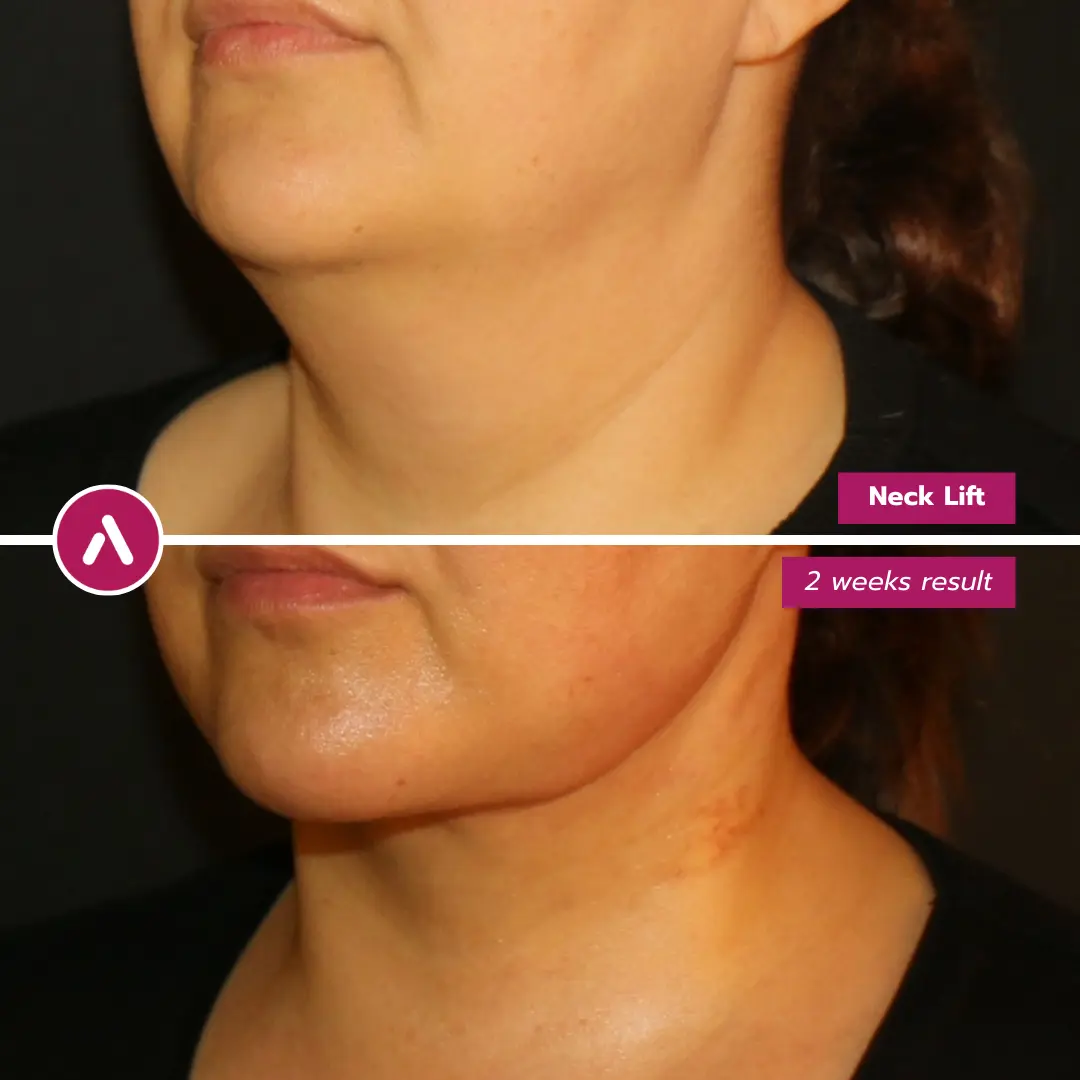
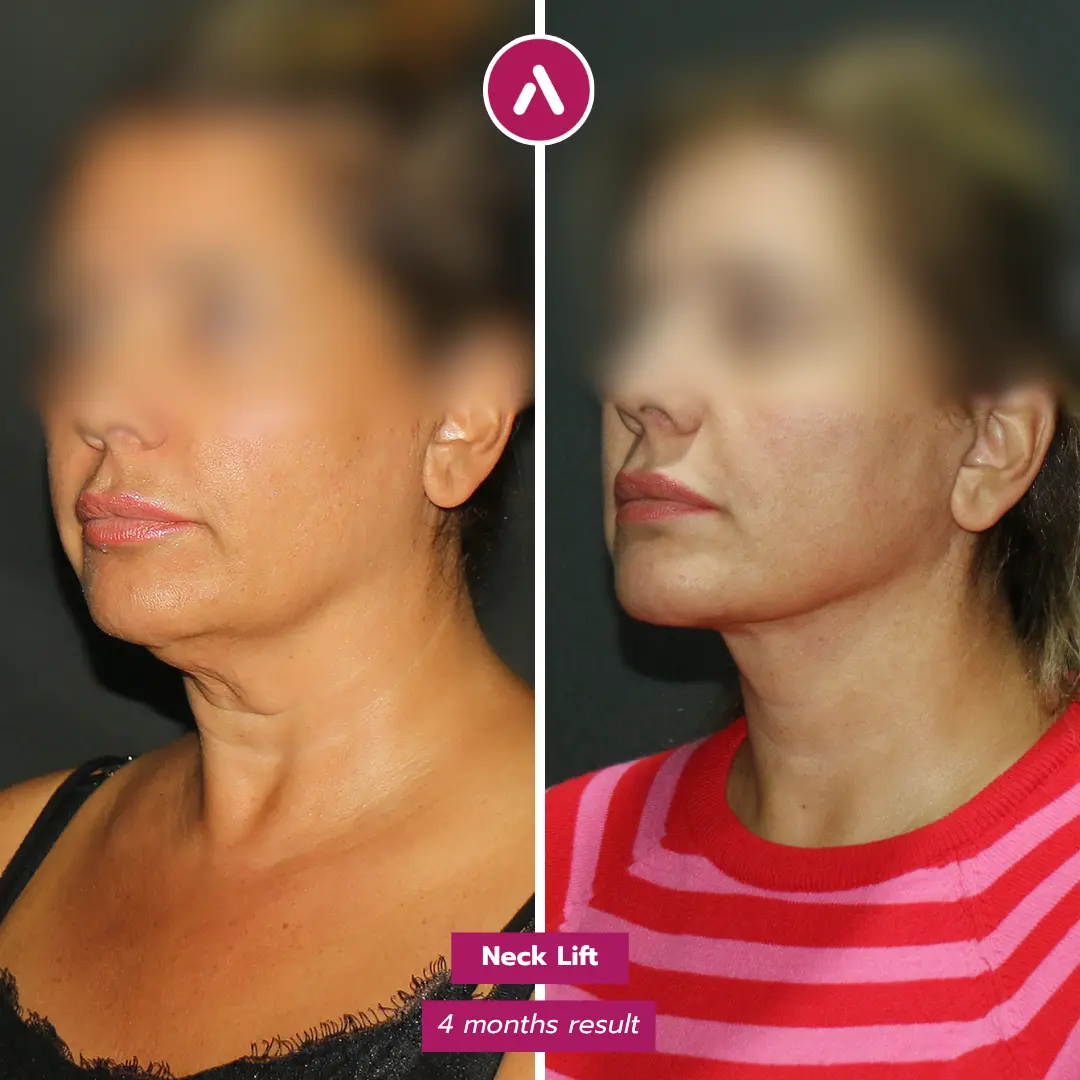
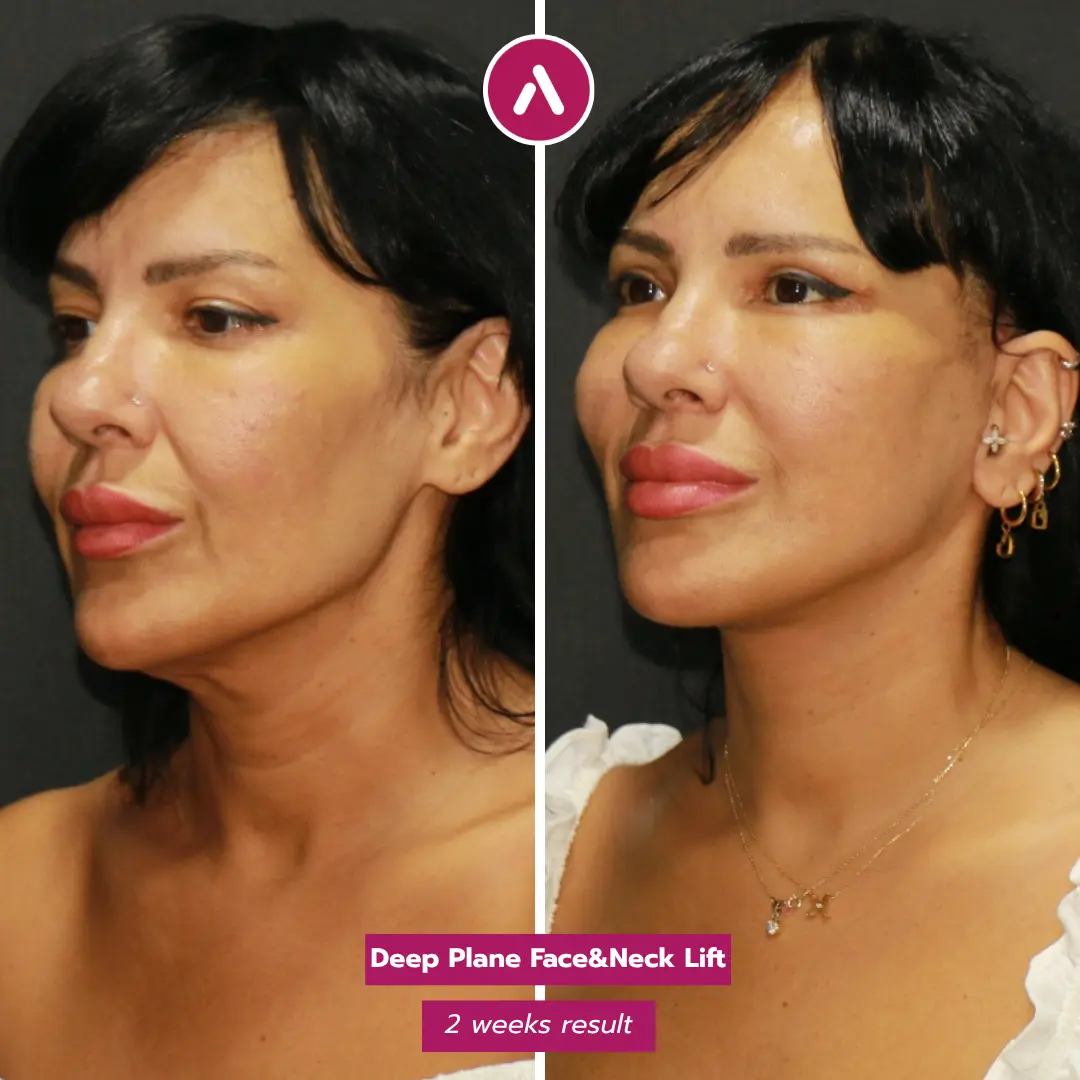
The safest anesthesia choice is not universal. It depends on your medical history, the scope of your facelift, your anxiety level, your airway profile, and how much deep tissue work your surgeon expects to perform. A shorter mini facelift under local anesthesia with IV sedation is a different clinical situation than an extended deep plane face and neck lift that may require full airway control.
At AKM Clinic, anesthesia planning is part of the surgical decision rather than an afterthought. During your virtual consultation for the facelift procedure at AKM Clinic, the team evaluates anatomy, medical history, travel logistics, and recovery goals together.
Table of Contents
The Two Anesthesia Models in Modern Facelift Surgery
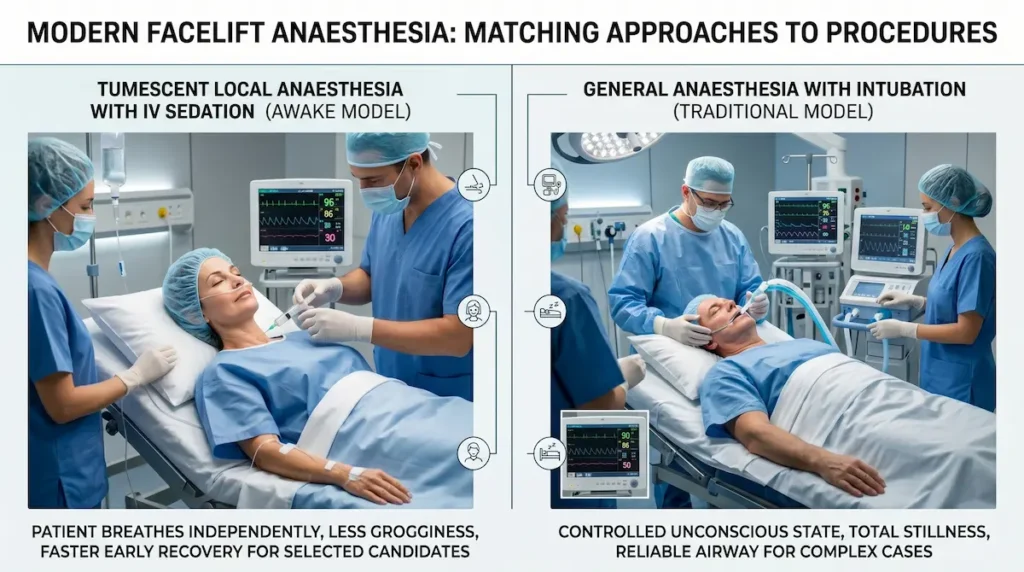
Modern facelift surgery no longer fits one anesthesia model. Some patients need full general anesthesia for extensive deep tissue work, while others can safely undergo surgery with local anesthesia and IV sedation. The goal is not to prove that one model is always better. The goal is to match the anesthesia depth to the surgical plan.
Tumescent Local Anesthesia with IV Sedation: The Awake Model
Tumescent local anesthesia means the surgeon injects a diluted anesthetic solution into the surgical area. This numbs the tissue, reduces bleeding, and allows the face to remain comfortable during controlled dissection. IV sedation is then used to calm the nervous system and reduce awareness.
This approach is often described as “awake,” although many patients are deeply relaxed and remember very little. The patient breathes independently, and an anesthetic breathing tube is usually not required. For the right patient, that can mean faster early recovery.
AKM Clinic offers the awake deep plane facelift technique for selected candidates. It is not chosen simply because it sounds lighter. It is chosen when the patient’s anatomy, medical profile, and procedure scope make local anesthesia with IV sedation clinically reasonable.
General Anesthesia with Endotracheal Intubation: The Traditional Model
General anesthesia places the patient into a controlled unconscious state. An endotracheal tube or other airway device may be used so the anesthesia team can manage breathing, oxygenation, and anesthesia depth throughout the procedure.
This model gives the surgical team complete stillness and reliable airway control. That matters during longer operations, combined procedures, or more extensive lower face and neck work. It can also be the safer option for patients whose anxiety would make an awake procedure stressful rather than protective.
General anesthesia does not automatically mean higher danger. In a properly monitored environment, it can be very safe for healthy patients. The risk comes from poor selection, weak monitoring, inadequate facilities, or rushed recovery protocols.
Why the Conversation Has Changed in the Last Decade
Facelift anesthesia has shifted because surgical planning has become more individualized. Patients now ask sharper questions. They want to know how anesthesia affects nausea, cognition, return-to-hotel logistics, and long-haul travel after surgery.
Canadian patients are especially practical about this. Someone travelling from Toronto Pearson, Vancouver International, or Montréal-Trudeau must think beyond the operating room. They need to feel clear enough to recover safely in Istanbul before flying back to Canada.
Local anesthesia with IV sedation has become more visible because it can reduce early grogginess for the right candidates. General anesthesia remains essential for many complex cases. A responsible clinic offers both and explains why one fits your case better.
Safety Profile: Local + IV Sedation
Local anesthesia with IV sedation can be an excellent safety strategy for carefully screened facelift patients. It reduces certain anesthesia burdens while preserving comfort. It also has limits, which should be discussed plainly before a patient commits to an awake procedure.
Reduced Cardiovascular and Respiratory Burden
Because patients usually breathe on their own during local anesthesia with IV sedation, there may be less respiratory intervention than with full general anesthesia. This can appeal to Canadian patients who worry about intubation, sore throat, or prolonged post-anesthesia fog.
The cardiovascular load may also be lower in selected patients. Sedation can be titrated gradually, and the local anesthetic does much of the pain-control work at the tissue level. That does not mean it is risk-free.
Patients still require monitoring. Blood pressure, oxygen saturation, heart rhythm, and sedation depth must be tracked throughout the procedure. “Awake” should never mean casual.
Lower Incidence of Post-Op Nausea and Grogginess
Many patients choose local anesthesia because they want a smoother first day. General anesthesia can be associated with nausea, grogginess, delayed oral intake, and a slower mental reset. Local anesthesia with IV sedation may reduce these issues in suitable candidates.
This matters for medical travellers. A Canadian patient recovering in a 5-star hotel still needs to walk carefully, hydrate, communicate with the coordinator, and understand post-op instructions. Day 1 clarity can make those steps easier.
For awake-specific comfort details, see our guide for awake-specific pain experience. That article focuses on what patients feel during and after local anesthesia procedures, while this article stays focused on safety comparison.
Limitations: Procedure Scope and Patient Anxiety Threshold
Local anesthesia is not suitable for every facelift. If the operation is long, technically demanding, or combined with multiple additional procedures, general anesthesia may provide a safer and more controlled environment. Procedure scope matters.
Anxiety matters too. Some patients like the idea of avoiding general anesthesia until they imagine hearing surgical sounds or sensing pressure. For them, an awake procedure can create stress rather than reduce it.
A good candidate for local anesthesia with IV sedation is medically appropriate and psychologically comfortable with the model. The decision should never be based on bravery. It should be based on fit.
Safety Profile: General Anesthesia
General anesthesia is still the right choice for many facelift patients. It provides airway control, patient immobility, and predictable anesthesia depth during longer or more technically demanding procedures. For a healthy Canadian patient, the risk is usually low when the anesthesia team, facility, and monitoring standards are strong.
When Extended Deep Plane Work Demands Airway Control
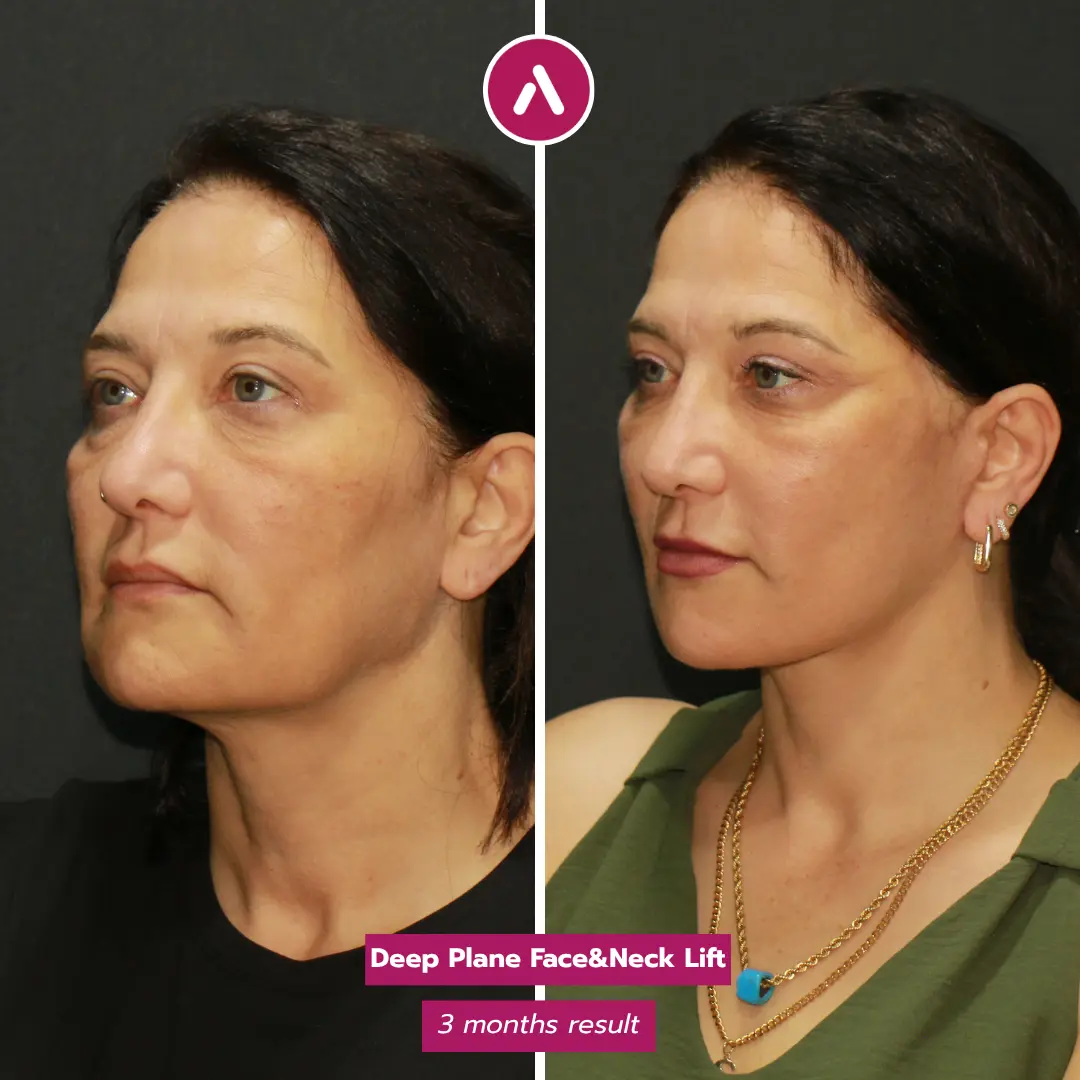
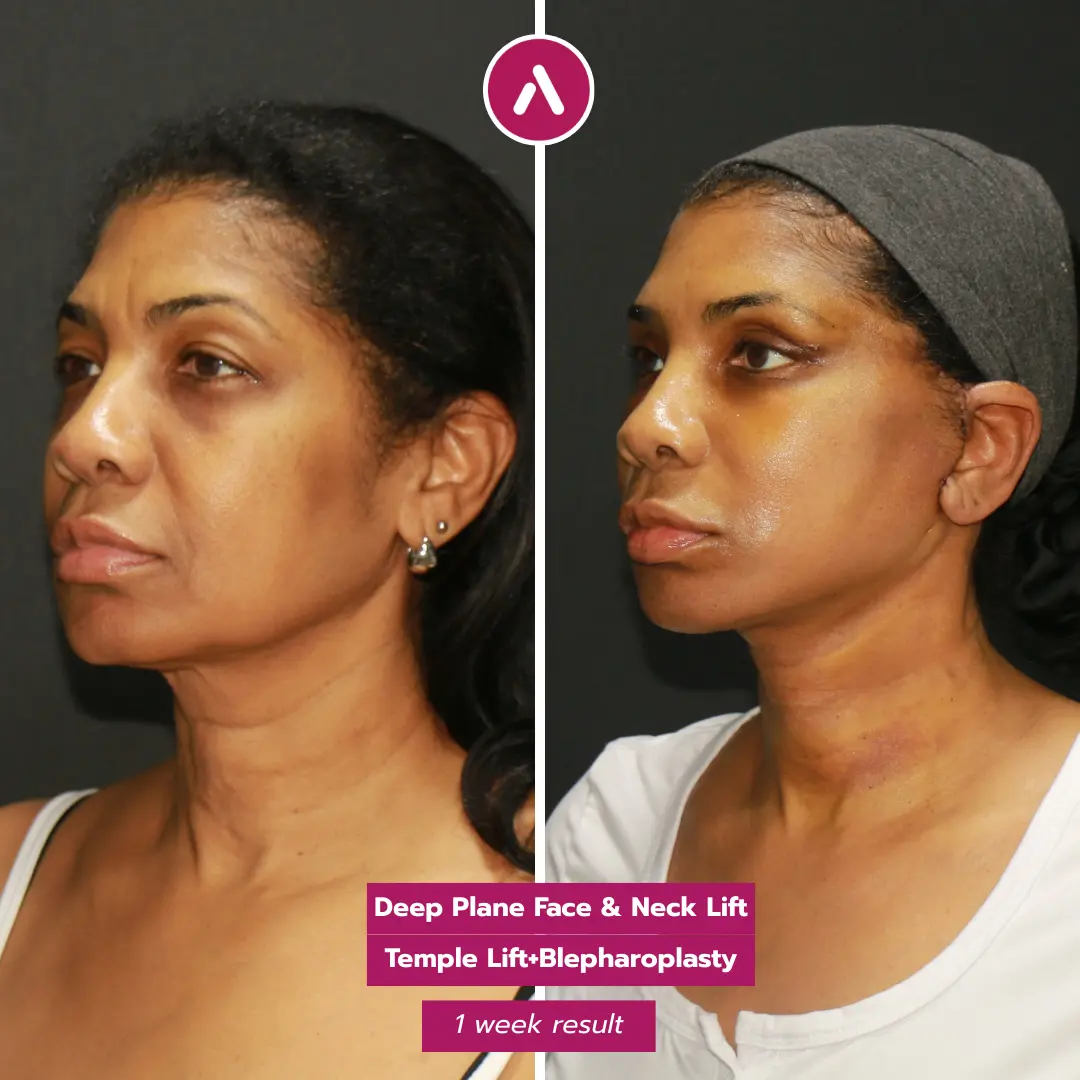
An extended deep plane facelift can involve more than skin tightening. The surgeon may release retaining ligaments, reposition deeper facial tissues, address the neck, and combine the lift with blepharoplasty or fat transfer. In these cases, surgical time and tissue manipulation increase.
For this level of work, general anesthesia may offer a safer surgical field. The patient remains fully still, the airway is managed, and the anesthesia team can maintain consistent physiologic control throughout the operation. This is not excessive sedation. It is controlled medical planning.
Patients considering more extensive lifting should review the extended deep plane facelift approach before deciding that local anesthesia is automatically preferable. The technique and anesthesia plan should support each other.
Anesthesiologist-Led Monitoring Standards in JCI-Accredited Facilities
Safety under general anesthesia depends heavily on monitoring. A qualified anesthesia team tracks heart rhythm, oxygen saturation, ventilation, blood pressure, temperature, medication response, and recovery readiness. These details are not optional.
The Canadian Anesthesiologists’ Society’s public guidance on anesthesia safety and risks explains that modern anesthesia is very safe in Canada because of advances in medical training, medications, and monitoring technology. Canadian patients should expect the same seriousness when evaluating surgery abroad.
At AKM Clinic, surgeries are performed in a JCI-accredited facility, and anesthesia is planned within that controlled hospital setting. That matters for patients from Ontario, British Columbia, Quebec, and Alberta who are accustomed to formal provincial oversight.
“For Canadian facelift patients, the anesthesia decision starts with screening. We look at cardiovascular history, airway safety, blood pressure control, anxiety level, and the true surgical scope before recommending local sedation or general anesthesia.”
Canadian context: pre-op screening should feel familiar
Patients from Toronto, Vancouver, Montreal, Calgary, and Ottawa are used to structured medical intake. A facelift consultation should include medication history, previous anesthesia reactions, heart and lung history, blood pressure review, and a realistic discussion of travel timing. If that screening feels rushed, ask more questions.
Risk Profile for Healthy Canadian Patients Aged 45-65
Most facelift candidates fall between their mid-40s and mid-60s. Many are healthy, active, and working full-time. For this group, general anesthesia can be low risk when performed by a trained anesthesia team in a hospital environment.
Risk increases when patients have untreated hypertension, sleep apnea, significant heart disease, smoking history, obesity, poorly controlled diabetes, or previous anesthesia complications. These factors do not always rule out surgery. They change the plan.
For a patient from Vancouver or Halifax travelling a long distance, the question is practical: which anesthesia model gives the safest operation and the smoothest first week? Sometimes that answer is local anesthesia with IV sedation. Sometimes it is general anesthesia.
Candidacy: Who Should Choose Which?
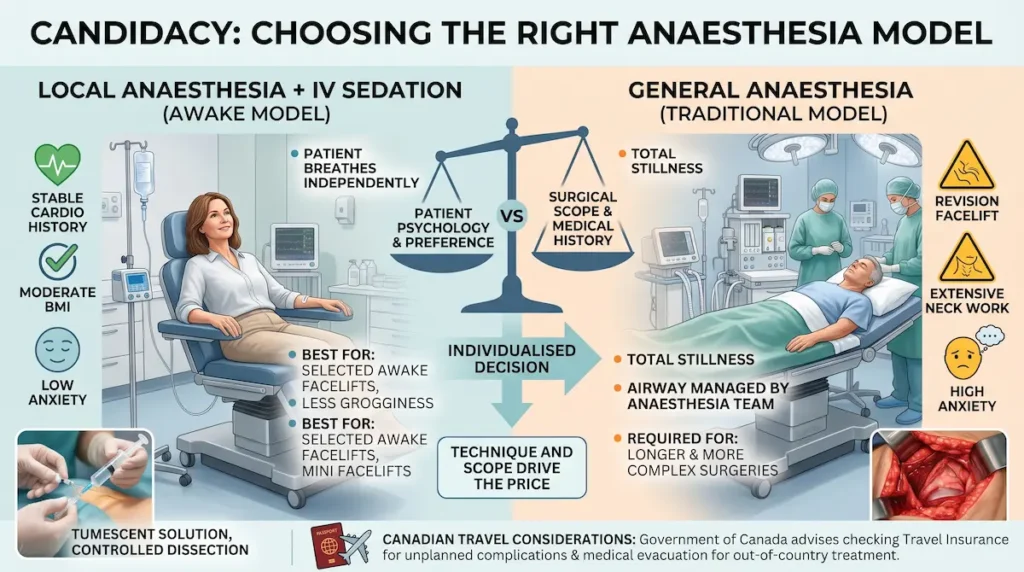
The best anesthesia model is selected through candidacy, not preference alone. A patient may like the idea of being awake but still need general anesthesia because of surgical scope. Another patient may fear general anesthesia and be an excellent candidate for local anesthesia with IV sedation. The decision should be individualized.
BMI, Cardiovascular History, and Anesthesia Tolerance Markers
Body mass index, blood pressure, heart rhythm history, medication use, airway anatomy, and previous anesthesia tolerance all influence planning. These markers help the surgical and anesthesia team predict how the body may respond during and after surgery.
For example, a patient with stable blood pressure, healthy lungs, no major airway concerns, and a moderate lower-face procedure may be a strong local anesthesia candidate. A patient with severe neck laxity, a long combined surgical plan, or a complex revision history may need general anesthesia.
Pricing should also be interpreted carefully. The AKM Clinic Treatment Techniques Cost Schedule lists Awake Deep Plane Facelift at CAD $7,100 and Standard Deep Plane Facelift at CAD $6,800. This difference is technique-related and case-specific, not a simple anesthesia surcharge. Patients comparing costs can review Canadian dollar pricing for deep plane facelift.
Anxiety and the Awake Patient Psychology
Awake facelift surgery requires more than medical suitability. It requires psychological suitability. Some patients feel reassured knowing they will not need full general anesthesia. Others feel more anxious because they may be aware of pressure, movement, or operating room sounds.
Neither reaction is wrong. A patient with high procedural anxiety may be safer and calmer under general anesthesia, even if their anatomy could technically allow local anesthesia. Anxiety affects blood pressure, movement, and recovery experience.
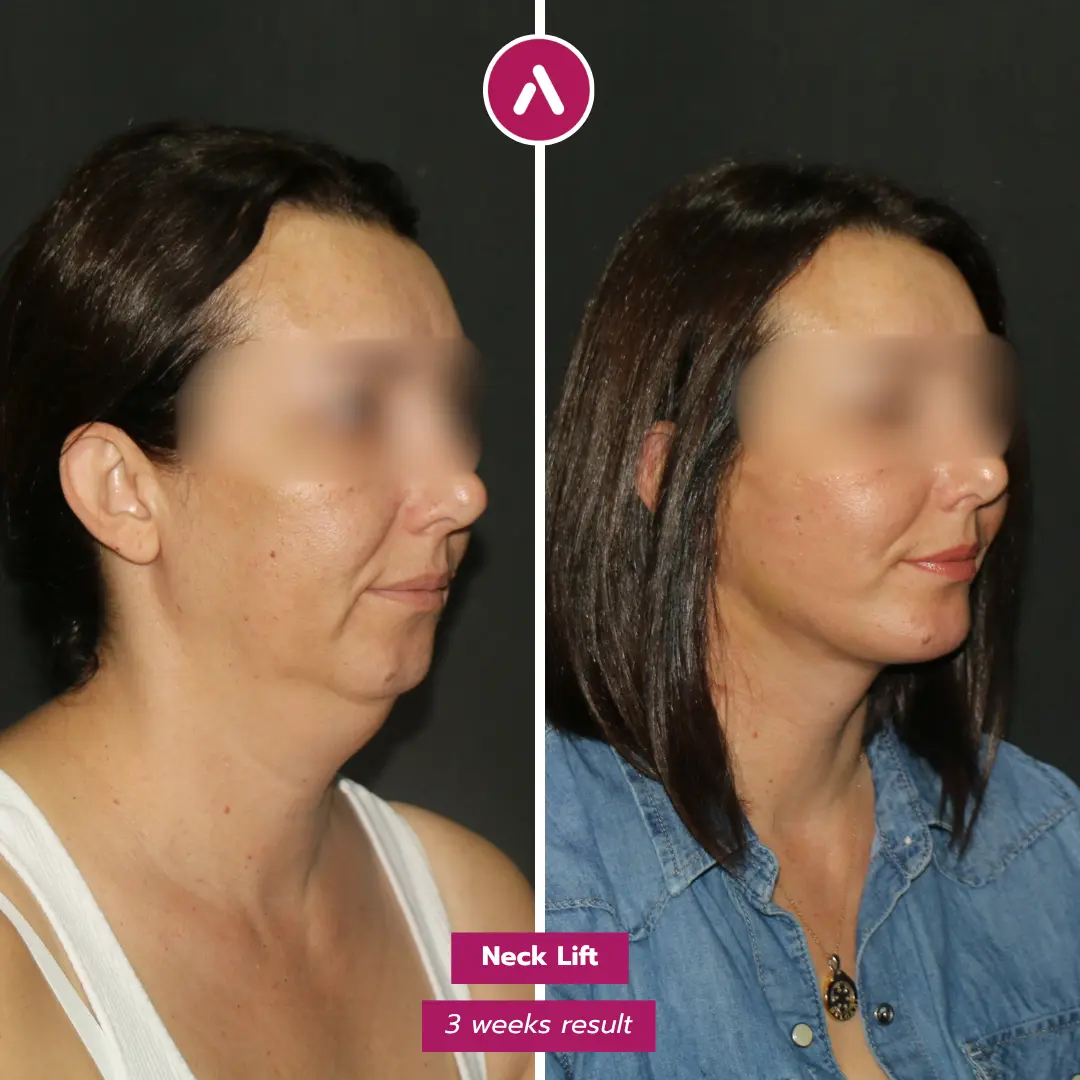
For patients still comparing the visual outcome side, real awake facelift patient results can help separate anesthesia concerns from result concerns. Local anesthesia should not be chosen because of photos alone. It should be chosen because the entire case fits.
Procedure Scope: When Local Is Insufficient
Local anesthesia may be insufficient when the procedure is too long, too complex, or too emotionally demanding for the patient. Examples include extended deep plane work, combined facial procedures, revision facelift, or cases requiring extensive neck correction.
This does not make local anesthesia inferior. It means it has a proper boundary. Pushing local anesthesia beyond that boundary can reduce comfort and make the operation less controlled.
| Comparison point | Local anesthesia + IV sedation | General anesthesia |
|---|---|---|
| Typical candidate | Healthy patient, moderate scope, comfortable with awake model | Healthy or higher-complexity patient needing longer controlled surgery |
| Airway management | Usually independent breathing with monitored sedation | Airway actively managed by the anesthesia team |
| Early recovery | Often clearer on Day 0 and Day 1 | May involve more grogginess or nausea in some patients |
| Best suited for | Selected awake or mini facelift cases | Extended deep plane, combined, or longer procedures |
| Limitations | Not ideal for severe anxiety or extensive surgical scope | Requires more post-anesthesia observation and recovery planning |
| Cost impact at AKM | Technique and scope drive the CAD price | Technique and scope drive the CAD price |
Canadian context: travel insurance should be checked before anesthesia is chosen
The Government of Canada’s guidance on travelling outside Canada to receive medical care advises patients to discuss medical tourism plans with a travel health clinic or Canadian healthcare provider before departure. Ask specifically whether your policy excludes planned cosmetic surgery, anesthesia-related complications, or post-op medical evacuation.
The safer choice is the one that keeps the procedure controlled. For some patients, that means lighter anesthesia. For others, it means the full structure of general anesthesia.
Recovery Differences Canadian Patients Notice
For many Canadian patients, the practical difference between local and general anesthesia is felt after surgery. The early recovery hours affect hydration, walking, communication, appetite, and comfort at the hotel. These details matter when you are recovering in Istanbul instead of at home in Toronto, Vancouver, Montreal, or Calgary.
Time to First Oral Intake and Ambulation
Patients who have local anesthesia with IV sedation may be able to drink, eat lightly, and walk sooner after surgery. The local anesthetic continues to work in the tissues, while the lighter sedation wears off gradually. That can make the first recovery evening feel more manageable.
General anesthesia patients may need longer observation before eating or walking comfortably. Some experience nausea, dizziness, or temporary grogginess. These effects are usually short-lived, but they can make the first night feel slower.
Neither pattern is abnormal. The question is whether your early recovery needs match your anesthesia plan. A patient travelling alone may value early clarity, while a patient having extensive surgery may benefit more from full anesthesia control during the operation.
Day 1 Cognitive Clarity for Travel-Back-to-Hotel Logistics
Day 1 after facelift surgery is not a sightseeing day. It is a controlled recovery day. Patients need to understand medication timing, wound-care instructions, sleeping position, fluid intake, and warning signs that should be reported to the clinic.
Local anesthesia with IV sedation often supports clearer early communication. Patients may feel more mentally present when they return to the hotel with their patient host. This can be useful for Canadians who are managing recovery away from familiar provincial healthcare systems.
General anesthesia may create more temporary fog, but that does not mean recovery is unsafe. It means the support system must be stronger. AKM Clinic’s patient hosts, private transfers, and 24/7 advocacy are designed to reduce that burden.
For broader recovery comfort details, for general post-op pain management, see our pain protocol guide. That article covers medication timing and comfort expectations, while this section focuses on anesthesia-related recovery differences.
Effect on the Fit-to-Fly Clearance Timeline
Anesthesia type can affect how quickly patients feel alert, but surgical healing still determines fit-to-fly clearance. A patient is not cleared to fly only because they feel awake. The surgeon must assess swelling, bruising, wound stability, blood pressure, mobility, and overall readiness.
For Canadian patients, long-haul travel adds another layer. A direct Istanbul-to-Toronto or Istanbul-to-Montreal flight is different from a longer Vancouver route with a connection. Fatigue, cabin pressure, hydration, and walking during the flight all matter.
AKM Clinic may use Hyperbaric Oxygen Therapy to support swelling reduction and tissue recovery before departure. For that specific recovery science, see HBOT’s effect on post-anesthesia recovery.
Canadian context: medical travel should be planned with your home provider
The Government of Canada advises patients considering medical care abroad to discuss plans with a travel health clinic or Canadian healthcare provider before leaving. For facelift patients, this is especially relevant if you take blood pressure medication, anticoagulants, diabetes medication, or sleep apnea therapy.

AKM Clinic’s Anesthesia Decision Framework
AKM Clinic does not treat anesthesia as a menu item. The decision is made through a structured review of medical history, facial anatomy, procedure scope, and patient comfort. This is the safest way to approach the local versus general anesthesia question.
Pre-Op Assessment: How the Choice Is Made Jointly with the Surgeon
The process begins before you arrive in Istanbul. During the virtual consultation, patients submit medical history, photos, previous surgery details, medications, and aesthetic goals. The surgeon then estimates the likely scope of the facelift.
If the expected procedure is moderate and the patient is calm, local anesthesia with IV sedation may be considered. If the operation is more extensive, general anesthesia may be recommended. This is not a downgrade. It is a clinical safety decision.
Canadian patients should also disclose common medications without minimizing them. Blood pressure drugs, antidepressants, blood thinners, diabetes medications, and weight-management injections can affect anesthesia planning. Honest disclosure protects the patient.
Anesthesiologist Consultation in the 6-Step Patient Journey
After arrival in Istanbul, patients complete in-person consultation and pre-operative testing. This includes laboratory review and anesthesia assessment. The plan can be refined if new information appears.
The anesthesiologist evaluates airway, fasting status, medication interactions, allergy history, prior anesthesia reactions, and cardiovascular risk. This step should feel familiar to Canadian patients who expect organized medical intake.
AKM Clinic’s broader patient journey also includes VIP transfers, hotel recovery, 24/7 patient advocacy, and scheduled follow-up. That structure matters because anesthesia safety does not end when the operation ends.
The Role of HBOT in Either Model
Hyperbaric Oxygen Therapy is not an anesthesia substitute. It supports recovery after the surgical and anesthesia plan is complete. It may help reduce inflammation, support tissue oxygenation, and improve readiness for the return flight.
This matters for both anesthesia models. Local anesthesia patients may feel clearer early, but they still experience swelling and bruising. General anesthesia patients may need more early observation, but their tissue-healing needs are similar.
AKM Clinic integrates recovery technology into the larger safety plan rather than treating it as an optional luxury. The clinic’s technology standards describe HBOT and Low-Level Laser Therapy as part of a recovery infrastructure built for international patients.
If you are weighing local versus general anesthesia, the best next step is not to choose alone. Discuss your anesthesia options in a virtual consultation with the AKM team, review your medical history honestly, and ask which model fits your anatomy and travel plan.
Frequently Asked Questions: Local vs General Anesthesia Facelift
Most patients asking about local versus general anesthesia are really asking a deeper question: “Which option lets me get a safe result and recover with confidence?” The answers below are designed for Canadian patients comparing facelift surgery in Istanbul with the standards they expect at home.
Is awake facelift safer than asleep facelift?
Awake facelift can be safer for some patients, but not for everyone. Local anesthesia with IV sedation may reduce grogginess, nausea, and airway intervention in carefully selected candidates. That can make early recovery easier.
General anesthesia may be safer for longer or more complex procedures because it provides full airway control and patient stillness. The safest choice is the one that fits your medical history, anxiety level, and surgical scope.
Will I feel anything during local anesthesia surgery?
You should not feel sharp pain during a properly performed local anesthesia facelift. Patients may feel pressure, movement, or gentle pulling sensations. IV sedation helps reduce anxiety and awareness.
The local anesthetic blocks pain in the surgical area, while sedation supports comfort. If a patient is very anxious about awareness, general anesthesia may be the better option.
Is general anesthesia risky for older patients?
Age alone does not determine anesthesia risk. A healthy 62-year-old may be a better candidate for general anesthesia than a younger patient with untreated sleep apnea, uncontrolled blood pressure, or significant heart disease.
The real risk factors include cardiovascular history, lung health, airway anatomy, medication use, smoking, diabetes control, and previous anesthesia reactions. That is why pre-operative screening matters.
Can I switch from local to general mid-procedure if needed?
In a properly planned case, the anesthesia model should be chosen before surgery. Switching from local anesthesia with IV sedation to general anesthesia is not a casual decision. It requires the right facility, anesthesia team, fasting status, and airway preparation.
This is one reason patient selection is so important. If there is a serious chance that local anesthesia will be insufficient, the safer plan may be general anesthesia from the beginning.
Does the choice affect the surgical result?
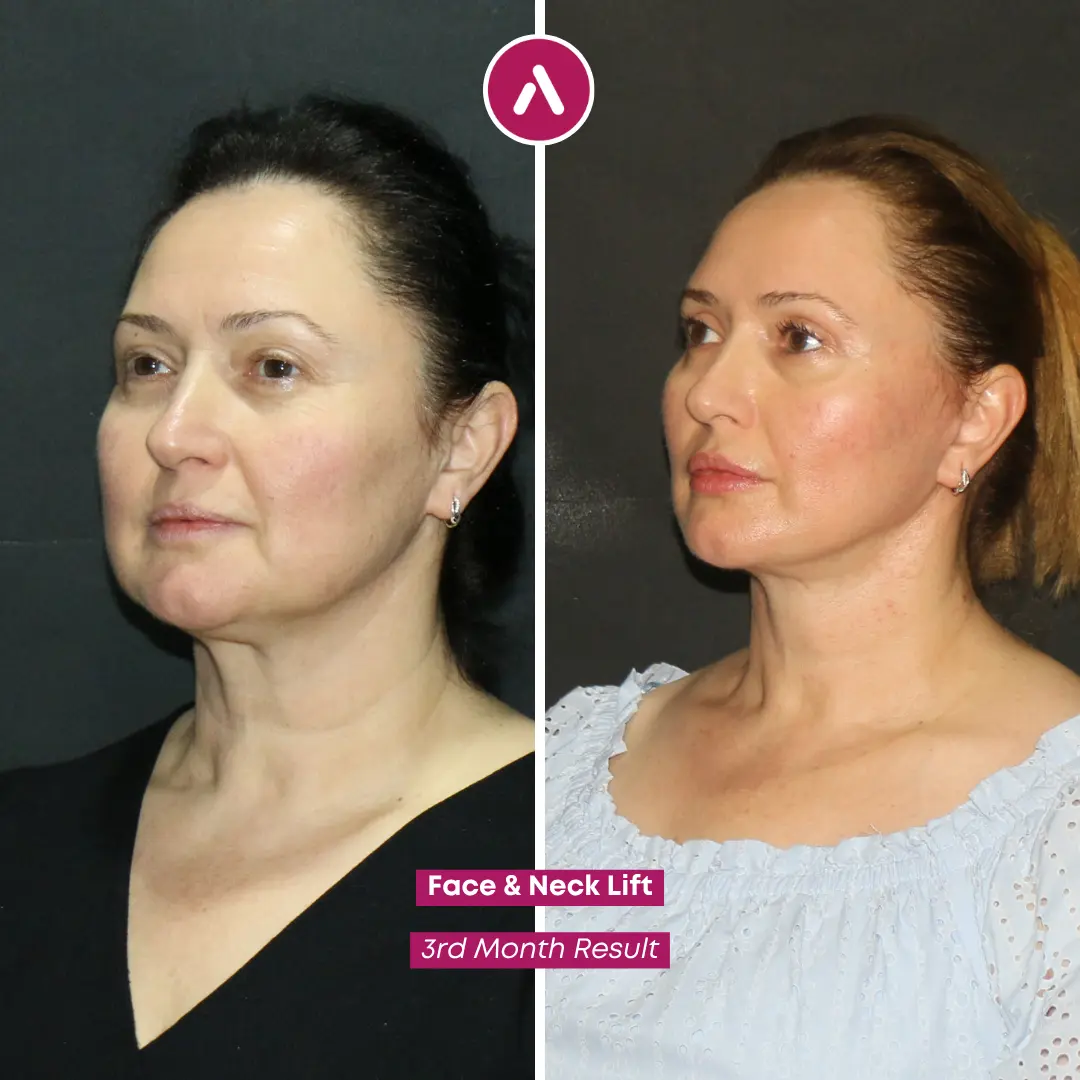
Anesthesia does not create the facelift result. Surgical technique does. A well-performed deep plane facelift can produce natural structural improvement under either anesthesia model when the case is properly selected.
However, anesthesia can affect the surgical environment. If the patient is uncomfortable, anxious, or moving, local anesthesia becomes a poor fit. The result depends on matching the anesthesia model to the procedure.
Which option does AKM Clinic recommend for Canadian patients?
AKM Clinic does not recommend one anesthesia model for every Canadian patient. The team evaluates anatomy, surgical scope, medical history, anxiety level, and travel timeline before making a recommendation.
Some patients are strong candidates for local anesthesia with IV sedation. Others are safer under general anesthesia. The recommendation should feel specific to your case, not generic.
How long does it take to recover from each anesthesia type?
Local anesthesia with IV sedation often allows clearer early recovery during the first 24 hours. Patients may eat, walk, and communicate sooner. That can help hotel recovery feel smoother.
General anesthesia may involve more grogginess or nausea at first, but this usually improves quickly. Long-term facelift recovery is driven more by surgical swelling, bruising, tissue healing, and aftercare than by anesthesia alone.
If you are comparing the local vs general anesthesia facelift decision for your own case, the next step is a structured medical review. A virtual consultation can clarify whether your anatomy, procedure scope, and Canadian travel plan fit local anesthesia with IV sedation or general anesthesia better.
Medical Disclaimer: This page is provided for general educational purposes only and does not replace an in-person medical consultation, diagnosis, or personalized treatment plan. All surgery carries risks, and outcomes vary between individuals. Suitability for local or general anesthesia, procedure selection, and anesthesia choice can only be determined after a full clinical assessment by a qualified surgeon. Always follow your clinician’s instructions and seek urgent medical attention if you develop concerning symptoms during recovery.