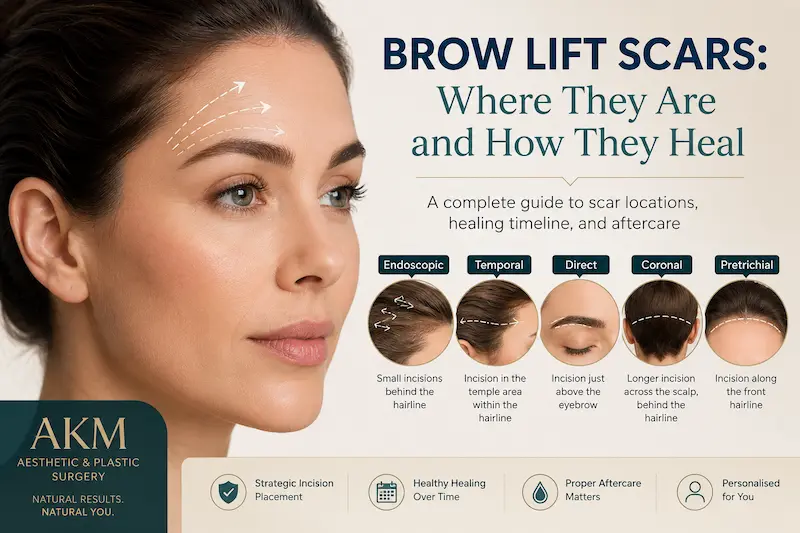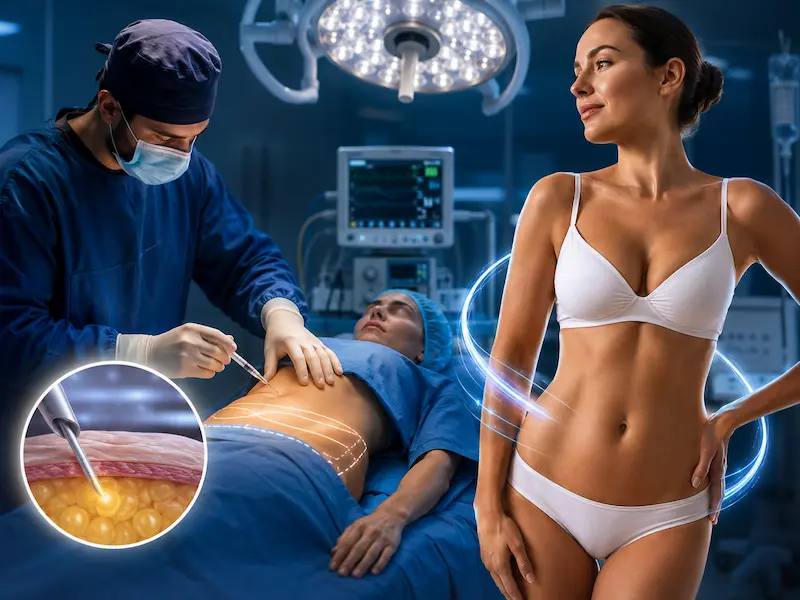

Minimize scars LLLT laser recovery is based on a simple clinical idea: light can influence how injured tissue repairs itself. After cosmetic surgery, the goal is not to make an incision disappear overnight. The goal is to help the body move through inflammation, collagen remodelling, and scar maturation in a healthier, more predictable way.
At AKM Clinic, Low-Level Laser Therapy is part of a broader recovery approach built around advanced recovery technology standards. For Canadian patients travelling from Toronto, Vancouver, Montreal, Calgary, or Ottawa, this matters. A smoother early recovery can make the return home feel less stressful.
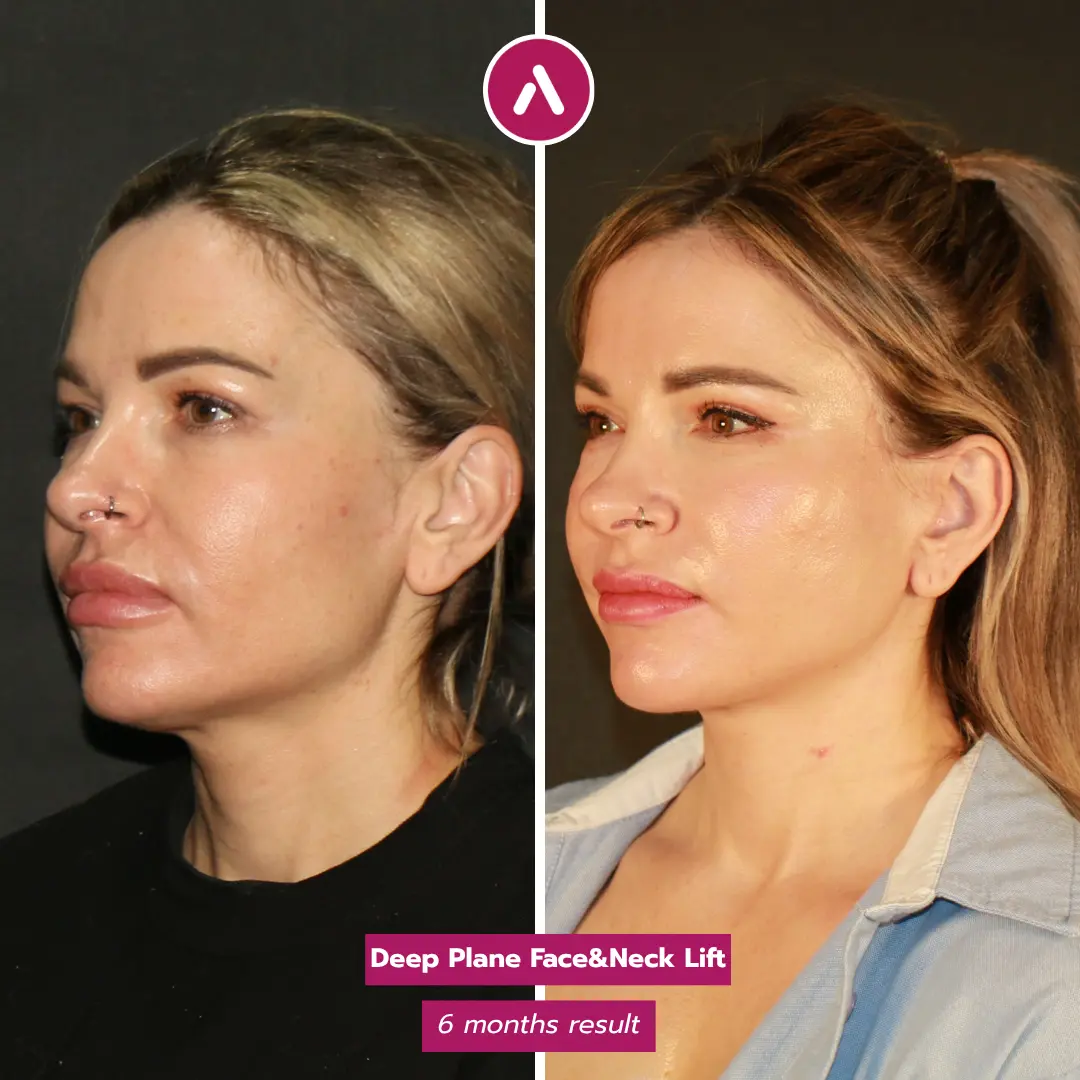
Quick summary: Low-Level Laser Therapy (LLLT) uses specific wavelengths of light to support cellular repair, reduce inflammation, and encourage healthier collagen organization during scar healing. Unlike ablative laser treatments, LLLT does not burn or resurface the skin.
For surgical patients, LLLT may help scars mature more evenly after facelift, tummy tuck, arm lift, breast surgery, and other procedures. It works best as part of a full scar-care plan that includes surgeon guidance, silicone therapy, sun protection, and consistent follow-up.
Table of Contents
What Is Low-Level Laser Therapy (LLLT)?
Low-Level Laser Therapy is a non-thermal light treatment used to support tissue healing. It is also known as photobiomodulation. The term sounds technical, but the principle is straightforward: certain wavelengths of light interact with cells and influence their repair activity.
This section explains what LLLT is, how it differs from stronger laser treatments, and why surgical scars may respond to this form of light-based recovery support.
Understanding photobiomodulation
Photobiomodulation refers to the biological effect of light on living tissue. In LLLT, light energy is absorbed by cellular structures involved in repair. The treatment does not cut, heat, or remove skin.
Instead, the light acts as a signal. It encourages cells to produce energy more efficiently, calm excessive inflammation, and support the natural repair process. That is why LLLT is often used in recovery-focused settings rather than resurfacing-focused treatments.
How LLLT differs from traditional laser treatments
Many patients hear the word “laser” and think of aggressive resurfacing. That is not what LLLT does. Ablative lasers remove controlled layers of skin to improve texture, wrinkles, or old scars. They can be useful, but they require downtime and are usually delayed until the tissue is fully healed.
LLLT is different. It is gentle, non-ablative, and designed for biological stimulation rather than skin removal. This makes it more suitable during the early recovery phase, when the priority is protecting the incision and supporting scar maturation.
Why scar healing responds to light therapy
Scar healing is a cellular process. Fibroblasts create collagen, blood vessels deliver oxygen and nutrients, and inflammatory cells clear damaged tissue. When this process is balanced, scars tend to mature flatter, softer, and lighter over time.
LLLT may help by supporting the cells involved in repair. It does not replace good surgical technique. It also does not replace scar-care basics. But it can create a more favourable healing environment for the body to do its work.
The Science Behind Scar Healing with LLLT
Scars form because the body prioritizes closure and strength after an incision. Early scar tissue is often red, firm, and raised because collagen is still being reorganized. Over months, the scar gradually softens and fades.
This section looks at the main mechanisms behind LLLT scar support: cellular energy production, collagen remodelling, inflammation control, and microcirculation.
Cellular ATP production and tissue repair
Cells need energy to repair tissue. That energy is produced as adenosine triphosphate (ATP). LLLT is believed to stimulate mitochondrial activity, helping cells produce ATP more efficiently. Research published through PubMed’s photobiomodulation literature database has explored how low-level light therapy may influence cellular energy production and tissue repair mechanisms.
For surgical recovery, this matters because energy demand is high. Incisions need new tissue, organized collagen, and stable blood supply. Better cellular energy support may help tissue move through repair stages more efficiently.
This is why LLLT is often discussed alongside regenerative approaches to tissue rejuvenation. Both focus on improving the local biological environment rather than simply masking the surface appearance.
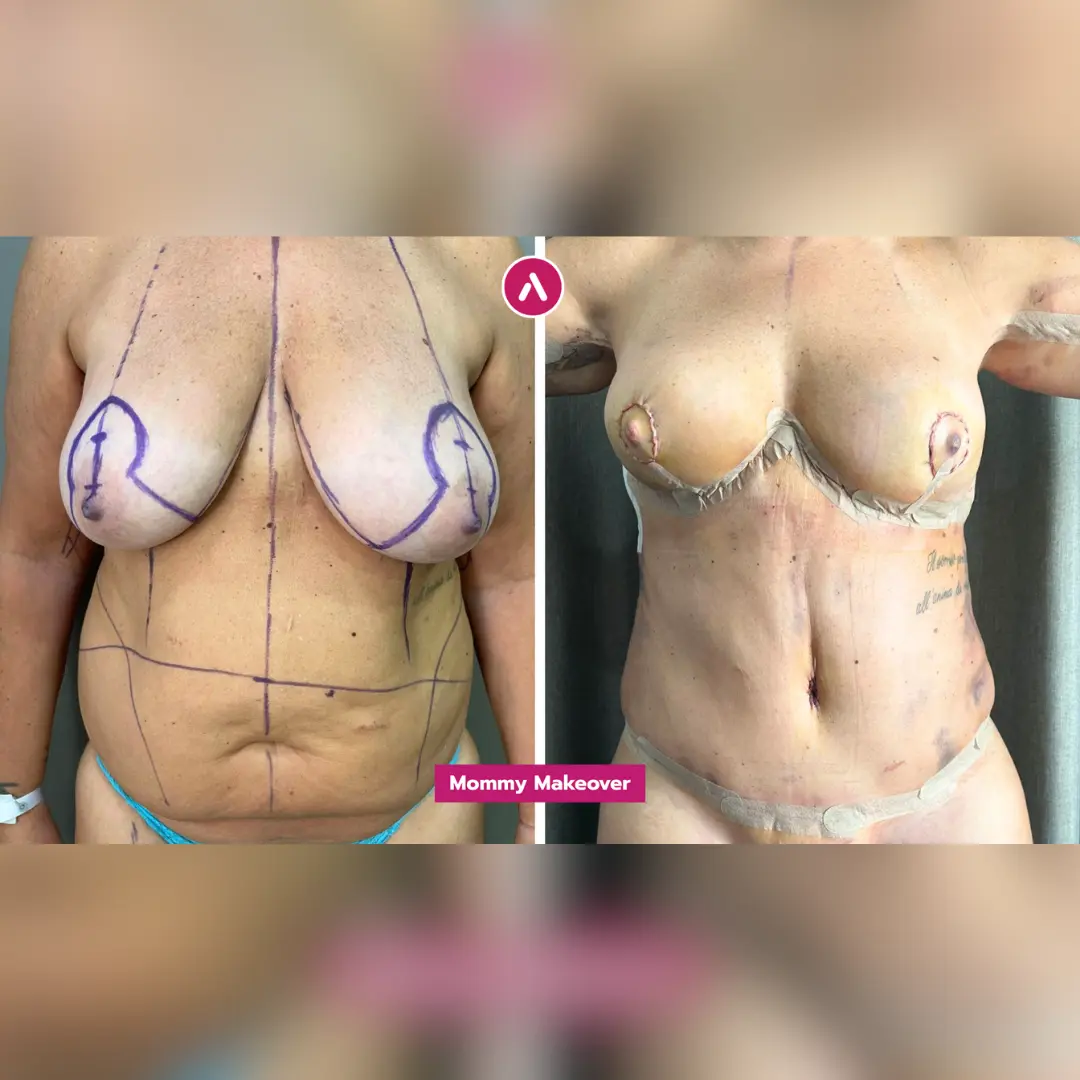
Collagen organization and scar maturation
Collagen gives scar tissue strength. Early collagen is often disorganized. That is why new scars can feel thick or rope-like.
Over time, the body remodels collagen into a flatter, more flexible structure. LLLT may support this remodelling process by influencing fibroblast activity and reducing excessive inflammatory signalling. The result is not instant scar removal. It is better scar maturation.
Reducing inflammation and microvascular stress
Inflammation is necessary after surgery. Too much inflammation, however, can contribute to redness, swelling, discomfort, and raised scars. LLLT may help moderate this response.
It may also support microcirculation, which refers to blood flow through very small vessels. Healthy microcirculation helps deliver oxygen and nutrients to healing tissue. For patients returning to Canada after surgery, supporting this early healing phase can be especially valuable before a long-haul flight.
“The goal is not to erase a scar overnight. The goal is to create the biological conditions that allow the body to heal more efficiently. LLLT helps support that process at the cellular level.”
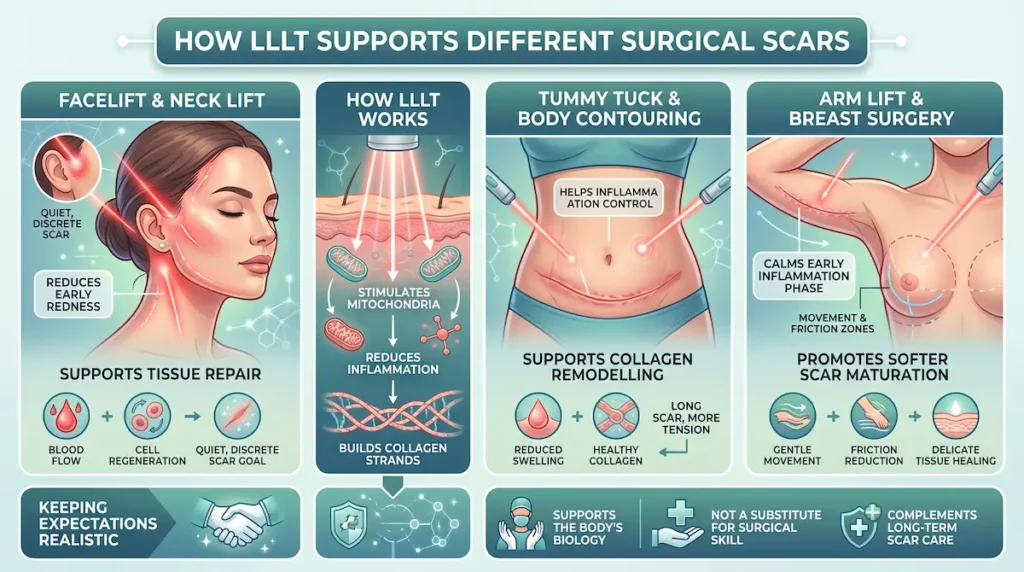
How LLLT Supports Different Types of Surgical Scars?
Different procedures create different scar patterns. A facelift incision does not heal like a tummy tuck incision. An arm lift scar has different tension forces than a breast surgery scar.
This section explains how LLLT may support scar healing across common cosmetic procedures, while keeping expectations realistic. The treatment supports healing biology. It does not replace precise incision placement, tension control, or long-term scar care.
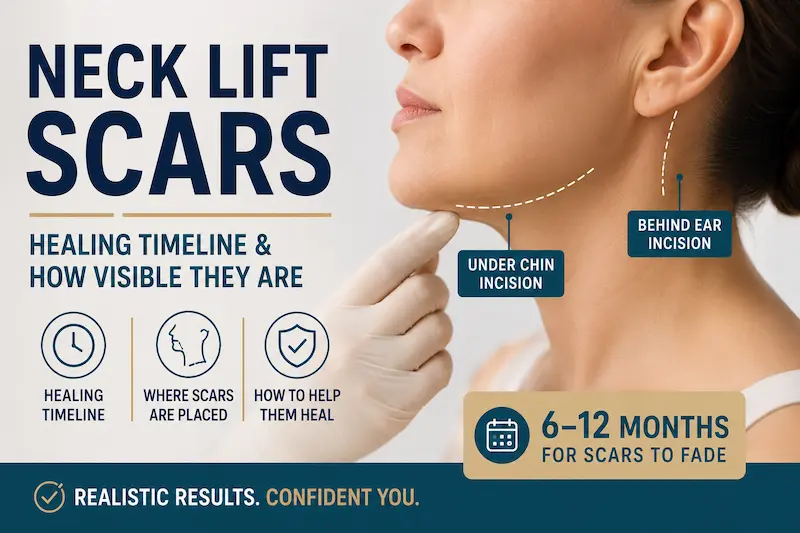
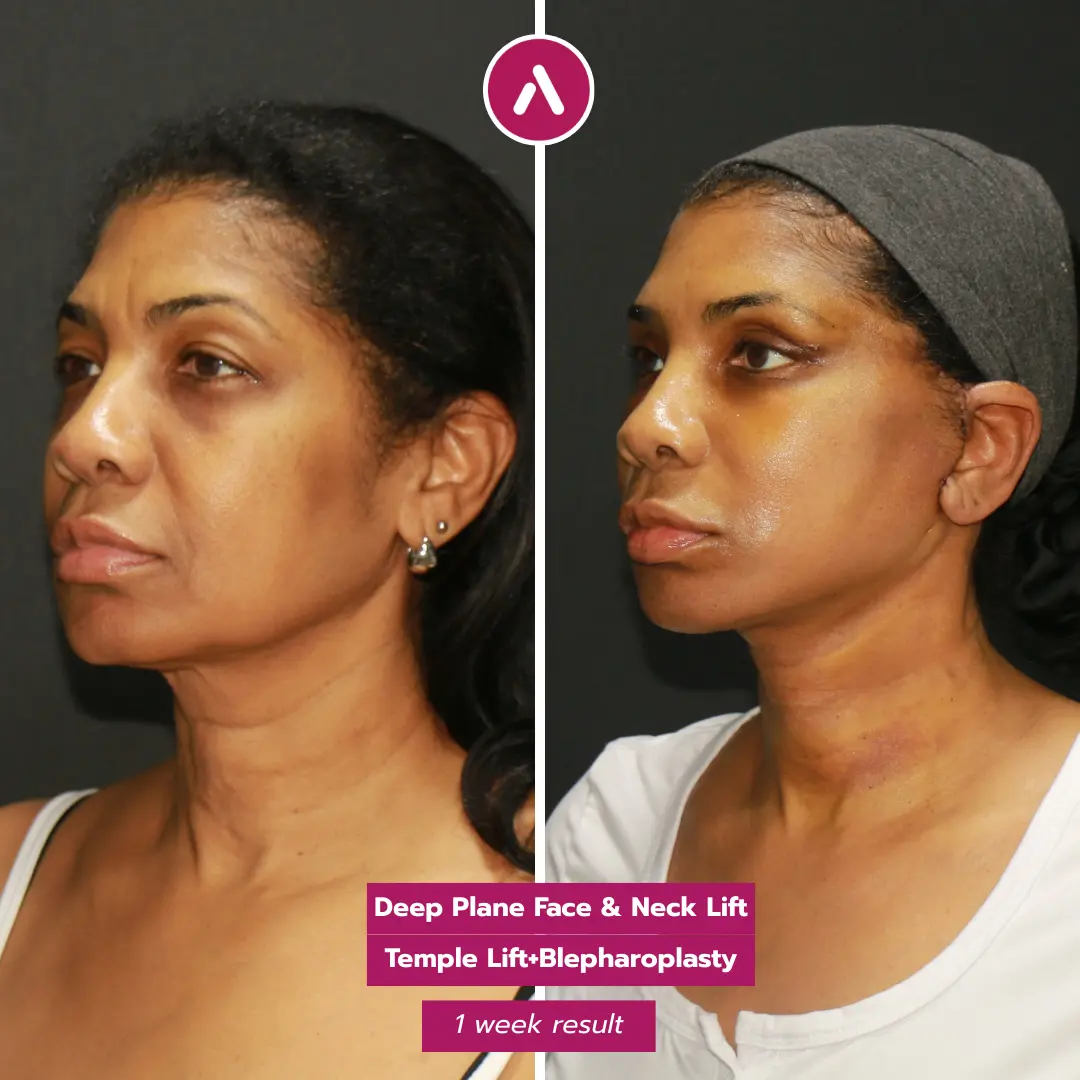
Facelift and neck lift incisions
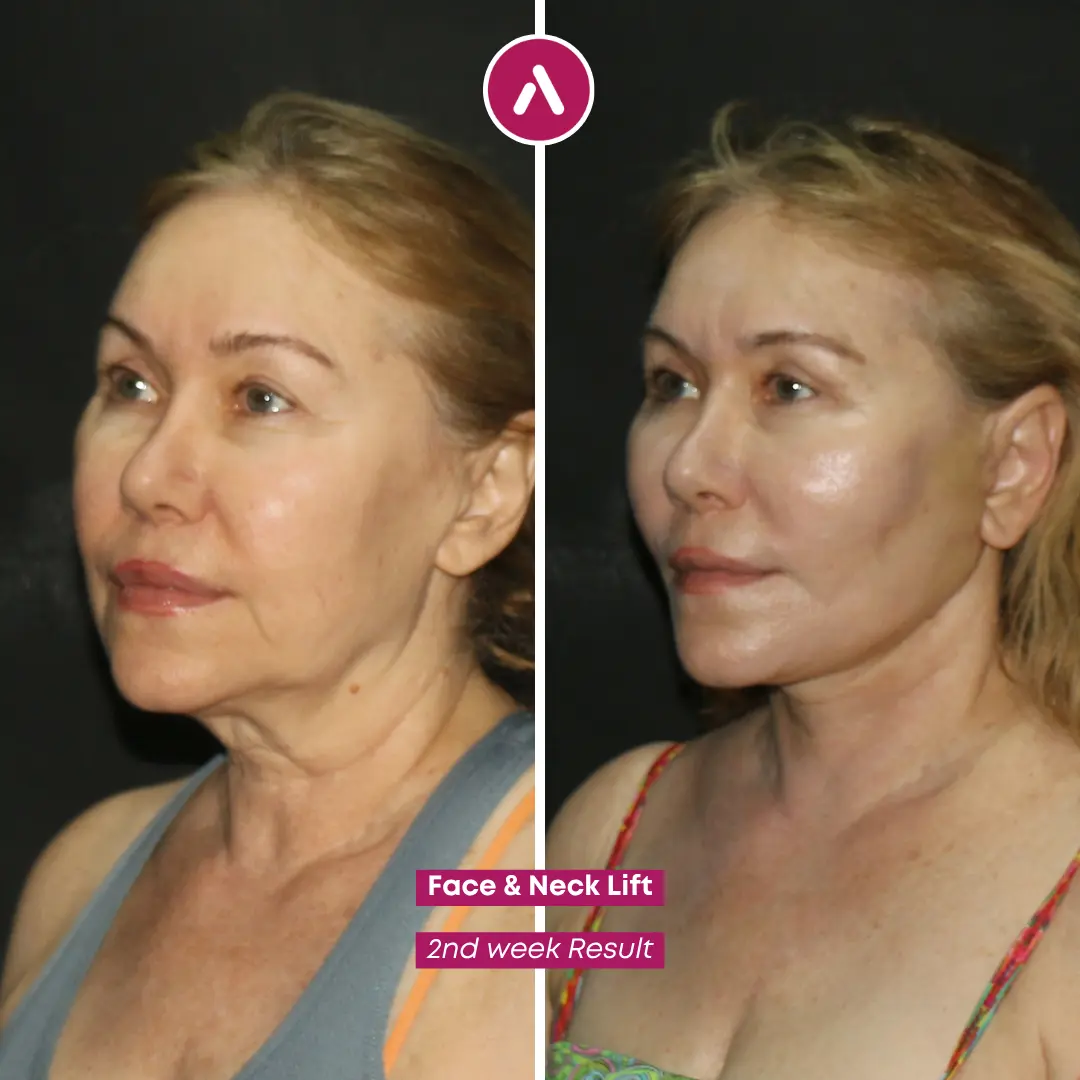
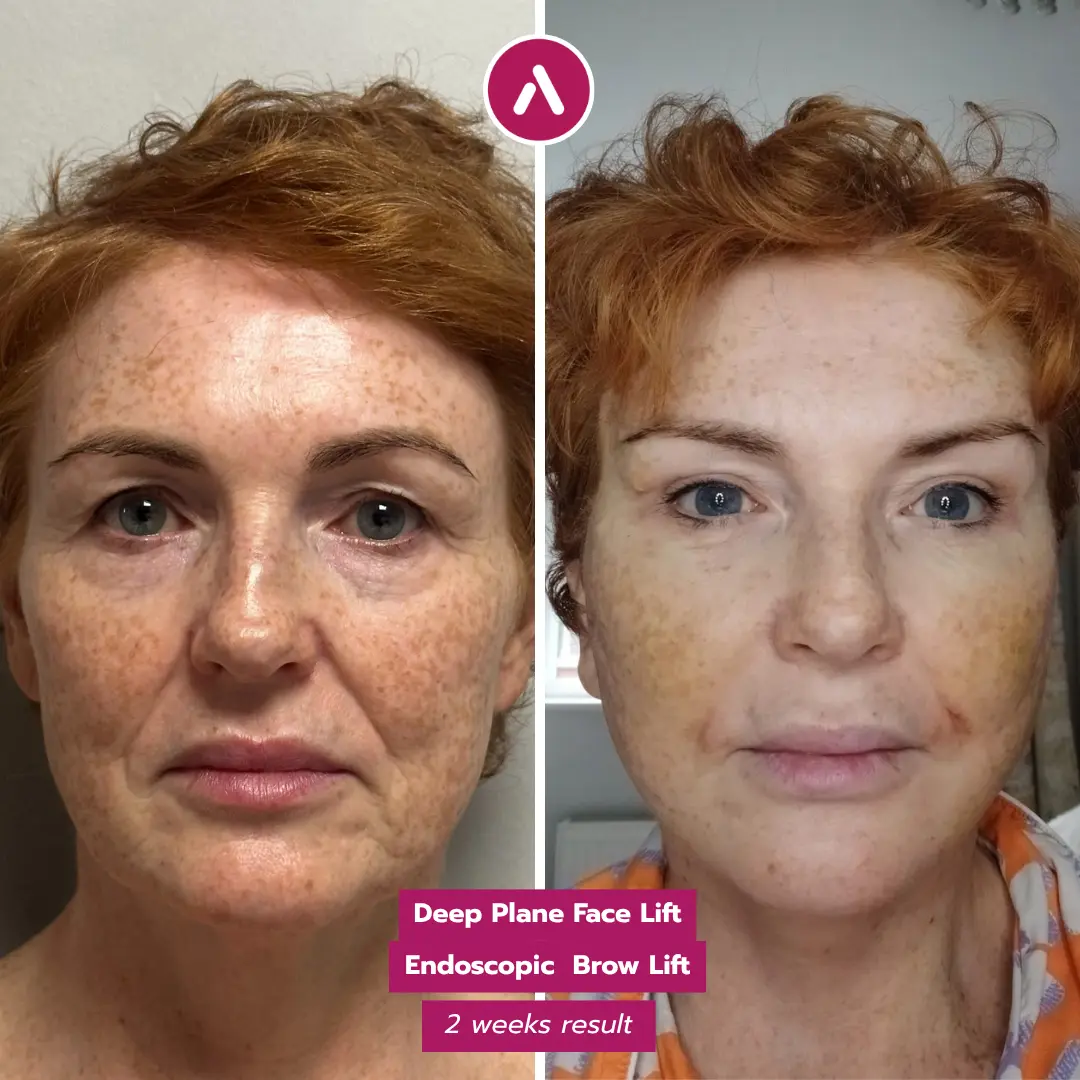
Facelift and neck lift scars are usually placed around the ear, hairline, and sometimes under the chin. These areas need careful healing because the skin is visible and relatively delicate.
LLLT may help reduce early redness and support tissue repair around these fine incisions. For facial surgery patients, the goal is a scar that becomes quiet, flat, and difficult to notice in normal conversation.
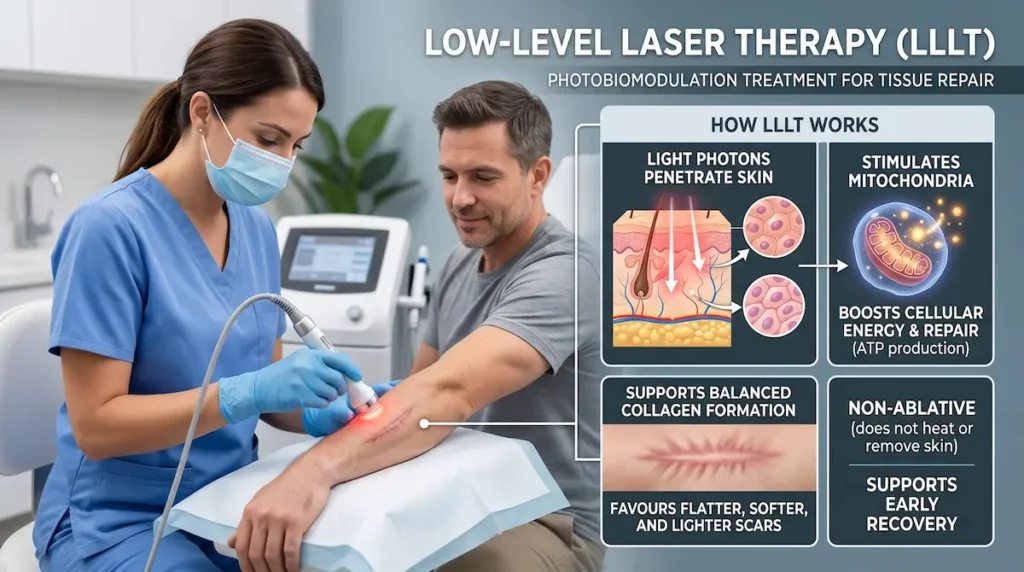
For procedure-specific recovery technology, Canadian patients can also read about AKM’s combined HBOT and LLLT recovery protocol.
Tummy tuck and body contouring scars
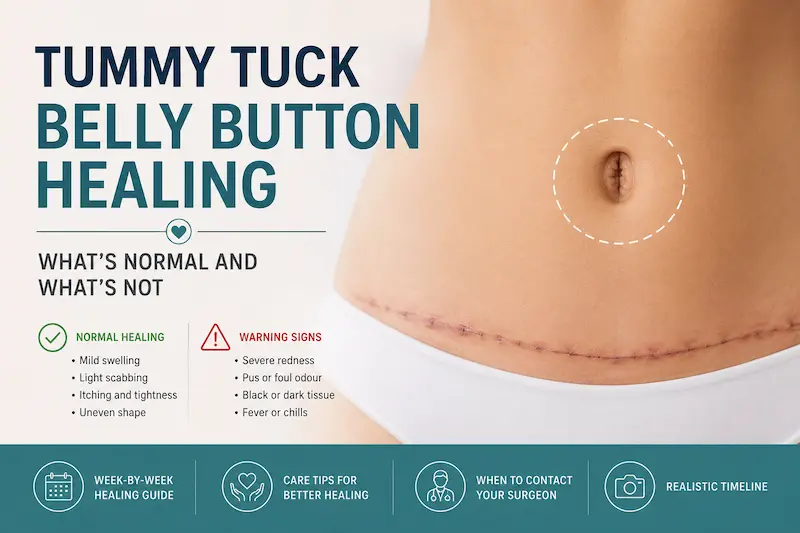
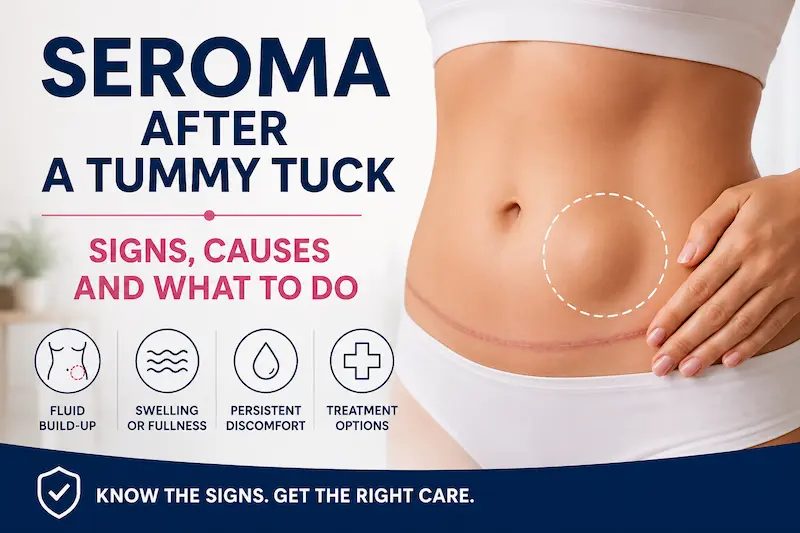
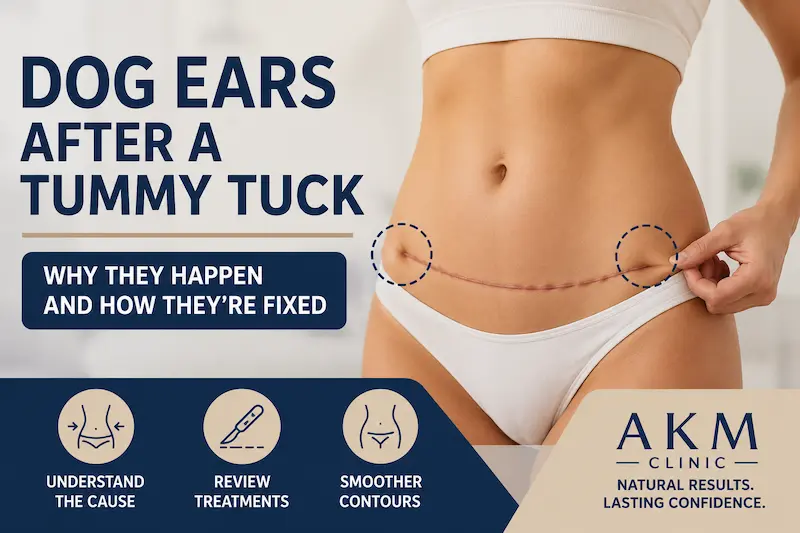
Tummy tuck scars are longer and experience more tension. They also sit in an area affected by movement, clothing pressure, and swelling.
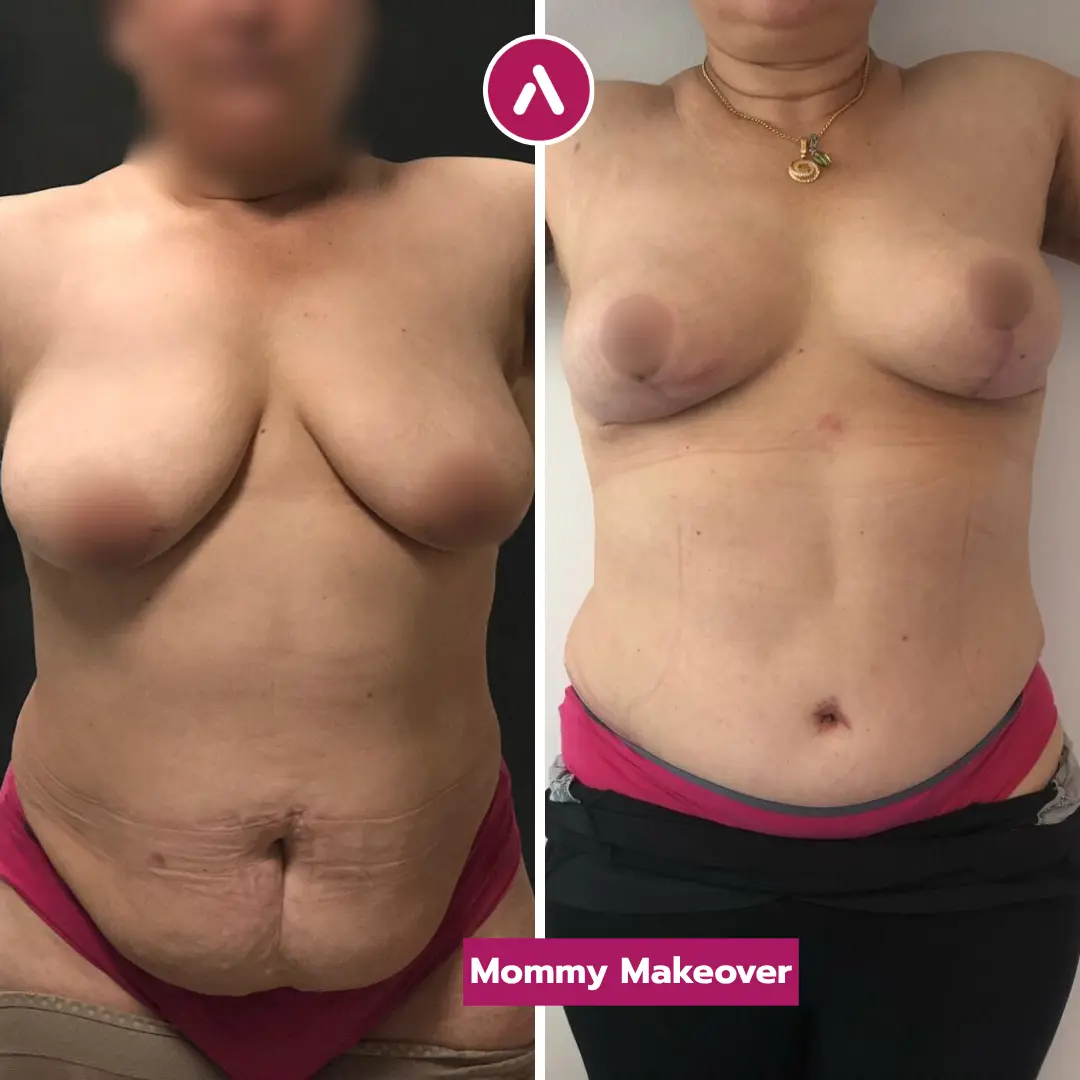
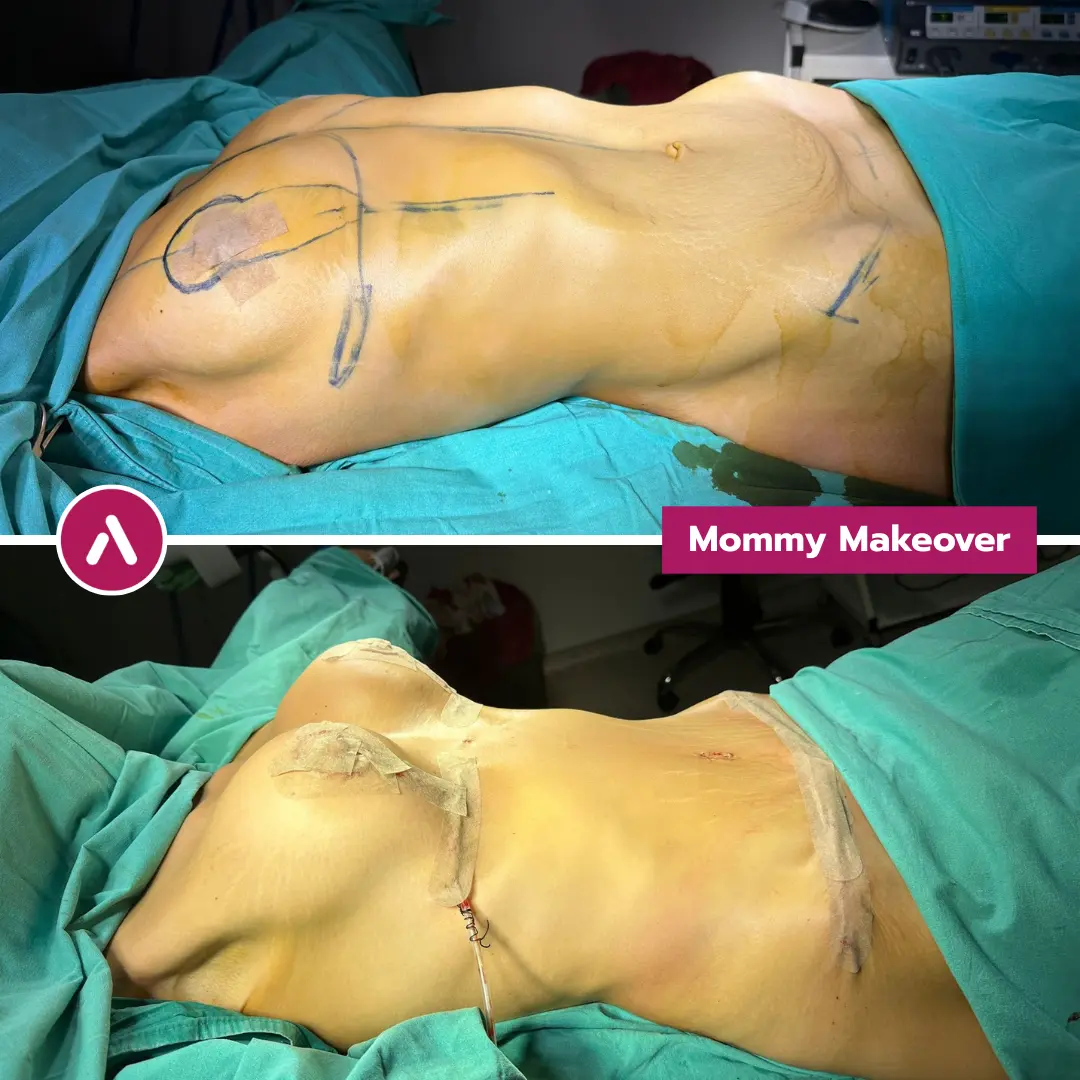
LLLT can be useful as one layer of support, especially in the early recovery phase. Still, scar quality depends on multiple factors: surgical closure, skin type, nutrition, smoking status, sun exposure, and consistent aftercare.
For a focused guide on abdominoplasty scar planning, see these tummy tuck scar care strategies.
Arm lift, breast surgery, and combined procedures
Arm lift and breast surgery scars require careful monitoring because they can sit in areas of movement or friction. Bra straps, compression garments, and arm motion may all affect comfort during healing.
LLLT may help calm the early inflammatory phase and support collagen remodelling. It is especially relevant for patients having combined procedures, where the body is managing several healing zones at once.
For brachioplasty-specific scar expectations, review the arm lift scar healing timeline.
| Procedure Type | Common Scar Concern | How LLLT May Help | Scar-Care Priority |
|---|---|---|---|
| Facelift / Neck Lift | Visible redness around the ear or hairline | Supports early cellular repair and redness reduction | Gentle cleansing and sun protection |
| Tummy Tuck | Long scar under tension | Supports inflammation control and collagen remodelling | Silicone therapy and garment compliance |
| Arm Lift | Long inner-arm scar with movement stress | May support softer scar maturation | Avoiding friction and excess stretching |
| Breast Surgery | Scars around areola, vertical line, or breast crease | Helps support tissue repair across delicate incision lines | Supportive garment use and scar monitoring |
AKM Clinic’s LLLT Recovery Protocol
Recovery technology is one of the ways AKM Clinic supports international patients after surgery. LLLT is not presented as a miracle treatment. It is used as part of a broader protocol designed to reduce inflammation, support tissue repair, and help scars mature more predictably.
This section explains AKM’s LLLT system, how it works with Hyperbaric Oxygen Therapy, and why this matters for Canadians travelling home after surgery.
The 650nm, 424-diode LLLT system
AKM Clinic uses a sophisticated LLLT system with 424 medical-grade semiconductor laser diodes at a 650nm wavelength. This soft-laser energy is designed to penetrate tissue without generating damaging heat.
The purpose is cellular stimulation. By supporting ATP production and microcirculation, LLLT helps create conditions that favour smoother tissue repair. For scar healing, that means supporting the body’s own maturation process.
This approach fits AKM Clinic’s broader recovery-focused philosophy: natural-looking results should be supported by careful healing, not surgery alone.
Combining LLLT with HBOT for enhanced recovery
LLLT and Hyperbaric Oxygen Therapy work through different mechanisms. LLLT supports cellular activity through light-based stimulation. HBOT increases oxygen availability in healing tissues.
Together, they may support recovery from two directions: energy and oxygen. This is relevant for incision healing, swelling reduction, bruising resolution, and early tissue stability.
For a deeper explanation of oxygen-based recovery, see AKM’s guide to hyperbaric oxygen therapy for healing support.
Why recovery technology matters for Canadian medical travellers
Canadian patients often face a long return route from Istanbul. A patient flying to Toronto Pearson may have a direct flight, while someone returning to Vancouver, Calgary, or Halifax may need a connection. Recovery planning must account for that distance.
LLLT does not make travel risk disappear. It also does not replace fit-to-fly clearance. But by supporting early healing before departure, it can be one useful part of a safer, more comfortable medical travel plan.
Canadian Patient Note
If you are flying back to Canada after surgery, ask your coordinator how scar care, swelling control, and incision monitoring should continue during the first week home. The needs of a patient returning to Toronto may differ from someone taking a longer connecting route to Vancouver or Winnipeg.
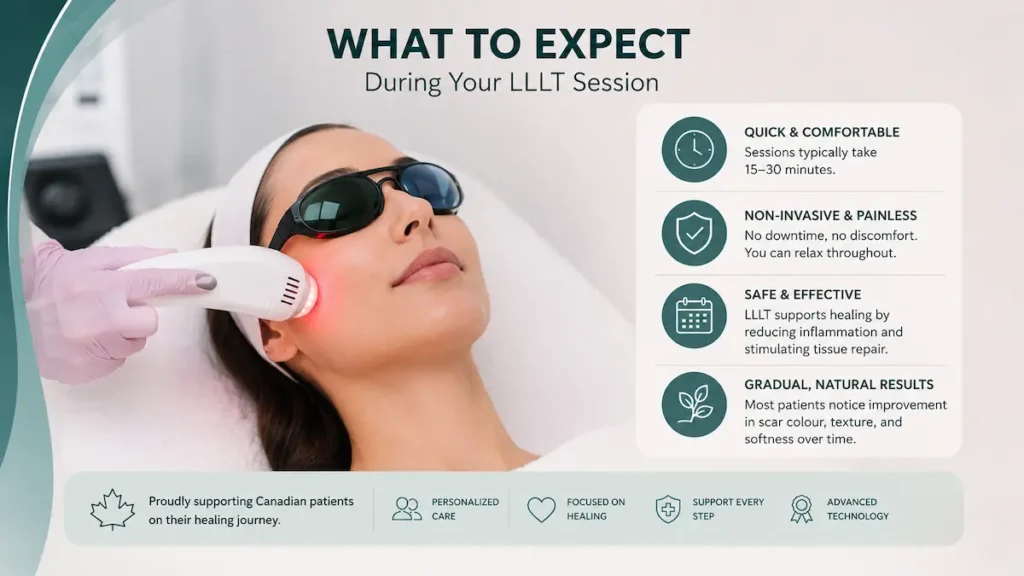
What Canadian Patients Can Expect During Treatment?
Many patients are surprised by how simple LLLT feels. The treatment is non-invasive, quiet, and usually comfortable. There are no incisions, injections, or resurfacing steps.
This section explains what a session feels like, when LLLT may begin after surgery, and how long scar improvement usually takes.
What a typical LLLT session feels like
During an LLLT session, the treatment area is exposed to low-level laser light for a set period. Patients may feel mild warmth or nothing at all. The treatment should not feel like a burn.
Because LLLT is non-ablative, there is no peeling or raw skin afterward. Most patients can return to their normal post-operative routine immediately after the session, following their surgeon’s restrictions.
When treatment begins after surgery
The timing depends on the procedure, incision location, swelling, and surgeon preference. In many recovery protocols, LLLT is introduced early because it does not disrupt the skin surface.
That said, timing should always be surgeon-led. A fresh incision needs protection first. LLLT is most useful when it is integrated into a controlled recovery plan rather than used casually or too aggressively.
Realistic timelines for scar improvement
Scar improvement takes time. Most surgical scars continue to mature for 12 to 18 months. LLLT may support that process, but it does not compress it into a few days.
Early benefits may include calmer redness and improved comfort. Longer-term changes relate to collagen remodelling, softness, and scar flattening. Patience matters.
Continuing Scar Care After Returning to Canada
Scar care does not end when a patient leaves Istanbul. In fact, much of the visible scar maturation happens after returning home to Canada. The first few months are especially important.
This section explains how Canadian patients can continue scar care through local providers, carefully chosen home devices, silicone therapy, and sun protection.
LLLT availability in major Canadian cities
Some dermatology, physiotherapy, and aesthetic medicine clinics in Toronto, Vancouver, Montreal, Calgary, and Ottawa offer light-based recovery or scar-support treatments. The exact technology varies.
Patients should not assume every red-light or laser service is equivalent to medical-grade LLLT. Device wavelength, power output, treatment distance, and treatment time all matter. Ask for the technical details.
Home-use red-light devices: what to know
Home-use red-light devices are widely available in Canada, but they are not all medical-grade. A consumer panel is not the same as a clinical LLLT system with controlled parameters.
Before using any home device over a surgical site, ask your surgical team. Patients should also review Health Canada medical device guidance when evaluating safety claims, manufacturer certifications, and marketing statements related to light-based therapy systems.
Canadian Patient Note
If you plan to continue light-based scar care in Canada, ask AKM Clinic for your treatment summary before leaving Istanbul. This can help your local provider understand what was done and what should be avoided during early healing.
Combining LLLT with silicone therapy and sun protection
LLLT works best when combined with the basics. Silicone gel or sheets, once cleared by the surgeon, can help flatten and soften scars. Sun protection helps prevent pigmentation changes.
This is especially important during Canadian summer months, when UV exposure can darken immature scars. Even in winter, reflected light from snow can affect exposed facial incisions. Scar protection should be consistent.
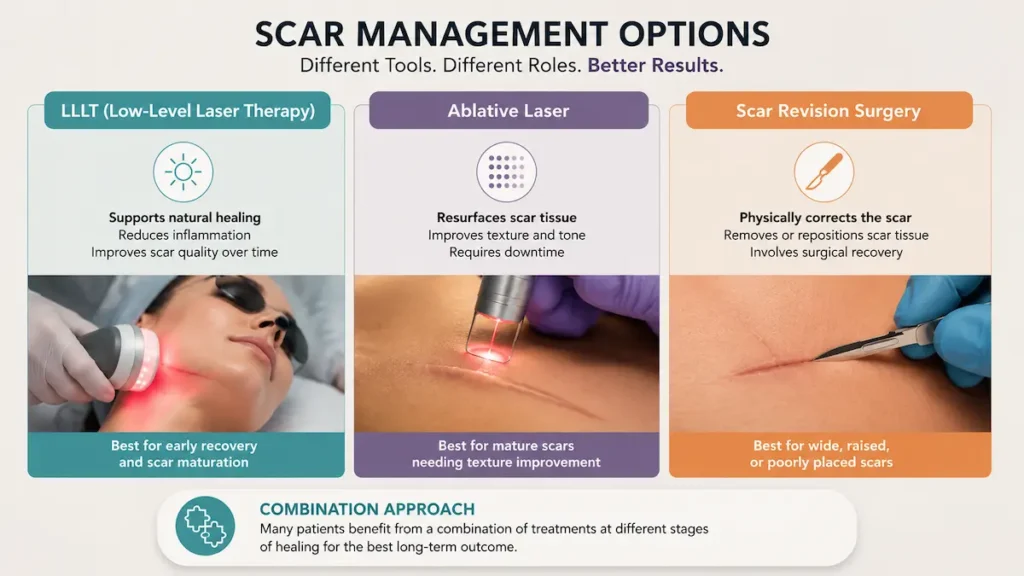
LLLT vs Other Scar Management Options
LLLT is one tool. It is not the only scar treatment, and it is not always the strongest option for every scar. The right choice depends on scar age, scar type, skin tone, tension, and whether the scar is still healing or already mature.
This section compares LLLT with ablative lasers and scar revision surgery, then explains when combination treatment may be appropriate.
LLLT vs ablative laser resurfacing
Ablative lasers resurface skin by creating controlled injury. They can improve texture and older scars, but they usually require downtime and are not used directly over fresh surgical incisions.
LLLT is gentler. It is more appropriate as a recovery support tool because it does not remove skin. Its role is scar maturation support, not aggressive surface correction.
| Feature | LLLT | Ablative Laser |
|---|---|---|
| Main mechanism | Photobiomodulation and cellular stimulation | Controlled skin resurfacing |
| Thermal injury | No significant heat injury | Yes, controlled thermal injury |
| Best timing | Early recovery when surgeon-approved | Later, once tissue is fully healed |
| Downtime | Minimal | Moderate, depending on depth |
| Best use | Supporting scar maturation | Improving texture of mature scars |
| Comfort level | Usually very comfortable | May require numbing or recovery care |
LLLT vs scar revision surgery
Scar revision surgery is different. It physically removes or repositions scar tissue. It may be appropriate for wide, raised, tethered, or poorly placed scars.
LLLT cannot replace revision when the scar shape or placement is the core problem. For mature scars that need correction, see AKM’s guide to surgical options for established scars.
When combination therapy delivers the best outcome
Many scar plans combine several methods. A patient may use LLLT early, silicone therapy during maturation, and later fractional laser or revision if needed. This layered approach is common because scars change over time.
Patients with a history of hypertrophic or keloid scars may need even closer planning. For demographic-specific scar considerations, including higher-risk scar patterns, see this guide to scar considerations for melanin-rich skin.
Why Scar Management Matters for Canadian Patients?
Most patients focus on the surgery itself. That is understandable. Yet long-term satisfaction is often influenced by the quality of healing that follows.
A well-planned recovery programme helps protect the result, supports confidence during healing, and may improve how scars mature over time. For Canadians investing significant time and travel into surgery abroad, that extra attention can be worthwhile.
Returning to work and social life sooner
Many Canadian patients have limited vacation time and professional responsibilities waiting at home. Teachers, healthcare professionals, government employees, and business owners often want to return looking refreshed rather than obviously post-operative.
Scar management technologies such as LLLT may help support a smoother recovery period. While healing still takes time, reducing unnecessary inflammation and supporting tissue repair can improve the overall recovery experience.
Long-term cosmetic benefits
A scar continues changing long after stitches are removed. The first few weeks are only the beginning. Over the following months, collagen fibres reorganize and the scar gradually softens.
Supporting this maturation phase may improve the final appearance. The objective is not perfection. The objective is helping the scar become as inconspicuous as reasonably possible.
Protecting your surgical investment
Plastic surgery involves more than the operation itself. It includes planning, recovery, follow-up care, and long-term maintenance. Patients who invest in comprehensive healing often achieve better overall satisfaction.
Those interested in understanding the broader role of recovery technologies can also review regenerative recovery technologies and costs as part of a complete treatment plan.
Canadian Patient Perspective
Whether you return to Toronto, Vancouver, Montreal, Calgary, Edmonton, Ottawa, Halifax, or Winnipeg, the majority of scar maturation will happen at home. Consistency matters more than intensity. Following your surgeon’s instructions for months—not days—often has the greatest impact on the final result.
Frequently Asked Questions: Minimize Scars LLLT Laser
Does LLLT really reduce scarring?
LLLT may support healthier scar maturation by influencing cellular repair, inflammation control, and collagen remodelling. It helps optimize healing conditions but does not guarantee scar elimination.
Is LLLT painful?
No. Most patients report little to no discomfort during treatment. The therapy is non-invasive and does not typically generate significant heat.
Is LLLT the same as laser scar removal?
No. Laser scar removal usually refers to ablative or resurfacing lasers. LLLT works through photobiomodulation and cellular stimulation rather than tissue removal.
How soon after surgery should treatment begin?
The timing varies by procedure and surgeon preference. Always follow the protocol recommended by your surgical team.
Can I continue LLLT once I return to Canada?
In many cases, yes. Some Canadian clinics offer light-based recovery treatments, and certain patients may be candidates for home-use devices after medical approval.
Are home red-light devices effective?
Some can be useful, but consumer devices vary significantly in quality and output. They should not automatically be considered equivalent to medical-grade LLLT systems.
Is LLLT included in AKM Clinic recovery protocols?
AKM Clinic incorporates advanced recovery technologies, including LLLT, as part of selected recovery pathways designed to support healing and scar management.
Can LLLT help older scars?
Older scars may still benefit from photobiomodulation, although results are generally more modest than when treatment is introduced during active scar maturation.
Is LLLT safe for darker skin tones?
Because LLLT is non-ablative and non-resurfacing, it is generally considered suitable for a wide range of skin types. Individual assessment remains important.
How many sessions are usually recommended?
The number depends on the procedure, scar characteristics, healing progress, and overall recovery plan. Recommendations should be individualized.
“Scar management is a process, not a single treatment. Technologies such as LLLT work best when integrated into a structured recovery plan that supports healing from the first weeks through long-term scar maturation.”
Medical Disclaimer: This page is provided for general educational purposes only and does not replace an in-person medical consultation, diagnosis, or personalized treatment plan. All surgery carries risks, and outcomes vary between individuals. Suitability for a plastic surgery, procedure selection, and anesthesia choice can only be determined after a full clinical assessment by a qualified surgeon. Always follow your clinician’s instructions and seek urgent medical attention if you develop concerning symptoms during recovery.