
The tummy tuck vs liposuction decision is not about which procedure is “better.” It is about which anatomical problem is actually present. A tummy tuck treats loose skin and abdominal muscle separation. Liposuction treats removable fat under the skin.
For Canadian patients comparing body contouring options in Istanbul, this distinction matters. Choosing liposuction when the real issue is skin laxity can leave the abdomen looser. Choosing tummy tuck when the real issue is localized fat may mean accepting a larger operation than your anatomy needs.
At AKM Clinic, the goal is not to push one procedure over another. The goal is to diagnose the correct layer: skin, fat, muscle, or a combination. That is why this article uses a decision-tree framework rather than a simple pros-and-cons list.
Quick Summary: Tummy tuck and liposuction solve different anatomical problems. A tummy tuck addresses loose abdominal skin and separated muscles, while liposuction removes excess fat when skin quality is strong.
Canadian patients who have both loose skin and excess fat may need a combined procedure called lipoabdominoplasty. The right decision depends on skin laxity, fat distribution, and muscle separation.
Table of Contents
The Anatomical Difference
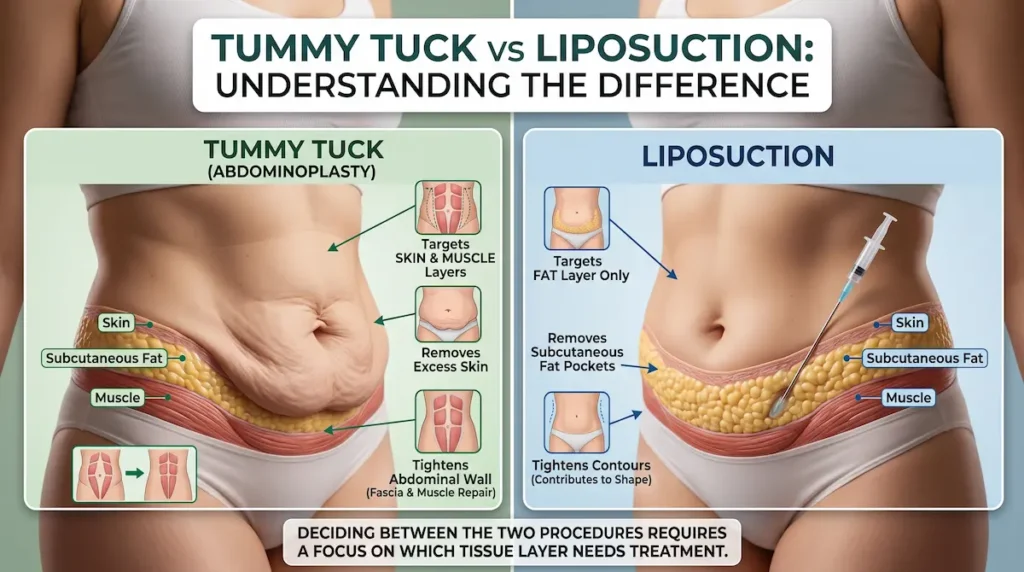
Before comparing recovery, cost, or travel logistics, the anatomical difference must be clear. A tummy tuck procedure at AKM Clinic changes the skin and muscle layer. Liposuction changes the fat layer only.
This is the central decision point. If your concern sits in the wrong tissue layer, the wrong procedure will not solve it. The result may be incomplete contouring, ongoing bulging, or loose skin that becomes more visible after fat removal.
Tummy tuck addresses skin and muscle
A tummy tuck, also called abdominoplasty, removes excess abdominal skin and tightens the abdominal wall when muscle separation is present. It is often appropriate after pregnancy, major weight loss, or years of skin stretching that cannot retract naturally.
The skin component matters most when the lower abdomen folds, hangs, wrinkles, or creases when you sit. Fat removal alone cannot tighten that tissue. Liposuction may reduce volume, but it cannot remove a skin apron.
The muscle component matters when the abdomen protrudes despite relatively low body fat. This can happen with diastasis recti, where the rectus muscles separate along the midline. For that specific muscle-repair decision, see our guide to diastasis recti as a deciding factor.
Liposuction addresses fat only
Liposuction removes subcutaneous fat deposits. These are the fat pockets that sit between the skin and muscle. Common treatment areas include the lower abdomen, flanks, upper abdomen, back rolls, and waistline.
Liposuction works best when the skin has enough elasticity to retract after fat is removed. Younger patients, patients with stable weight, and patients without stretch-marked or crepey skin often have better skin recoil. That is not universal. Assessment is still needed.
Technology can influence precision. For patients focused on waist definition or abdominal contouring, VASER liposuction technique detail explains how ultrasound-assisted fat emulsification can support more controlled sculpting in selected candidates.
Why the two procedures cannot substitute for each other
The most common mistake is treating tummy tuck and liposuction as interchangeable. They are not. They work in different layers and produce different types of correction.
If the issue is fat with firm skin, liposuction may be enough. If the issue is loose skin or muscle separation, liposuction cannot replace tummy tuck. If all three are present, a combined approach may be the most logical option.
Mini tummy tuck is a separate decision inside the tummy tuck category. For that narrower comparison, see for mini vs full tummy tuck specifically. This article stays focused on the broader body-contouring choice: tummy tuck, liposuction, or both.
Skin Laxity Assessment
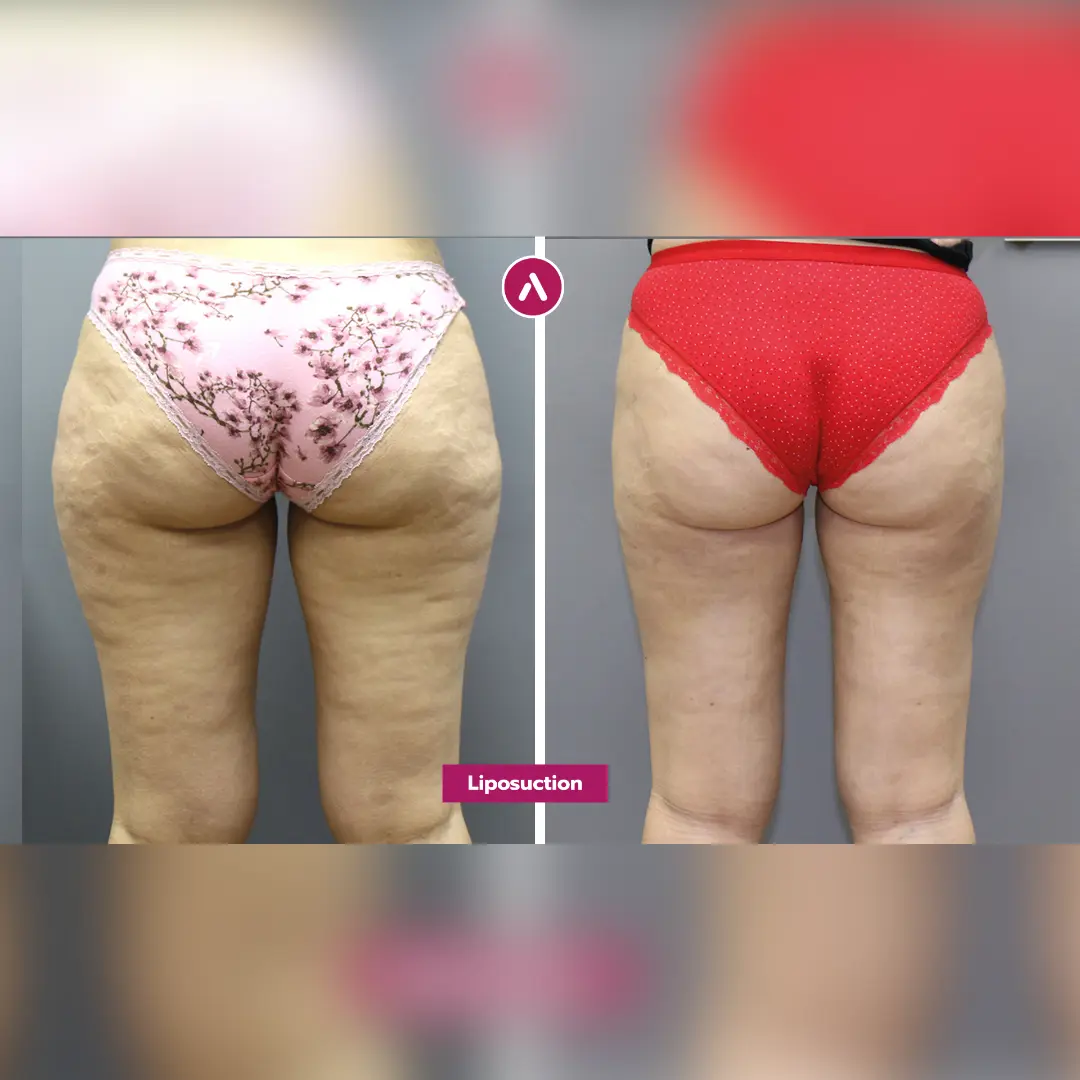
Skin laxity is the first branch in the decision tree. If the skin cannot contract after fat removal, liposuction alone may create a smaller but looser abdomen. That is rarely the result patients want.
Canadian patients often describe this concern after pregnancy, C-section healing, or significant weight loss. The abdomen may look acceptable while standing but fold or wrinkle when seated. That positional change matters during assessment.
The pinch test
The pinch test is a simple starting point, not a diagnosis. Gently pinch the lower abdominal tissue between your fingers. If the tissue feels thick and firm, fat may be the main concern. If it feels thin, loose, and wrinkled, skin laxity may be more important.
Now add movement. Sit down, bend slightly forward, and look at how the lower abdomen behaves. A fold of loose skin suggests that removing fat alone may not create a smooth contour.
Patients should not rely on the pinch test alone. Lighting, hydration, recent weight changes, and scar tissue can mislead self-assessment. A surgeon still needs to evaluate the skin, fat thickness, and muscle wall together.
Post-pregnancy skin changes
Pregnancy stretches the abdominal skin and the deeper fascial support system. Some patients recover well. Others develop stretch marks, lower-abdominal looseness, or a persistent roundness that does not match their weight.
Stretch marks are a useful clue. They often signal reduced skin elasticity. If stretch marks sit below the belly button, a tummy tuck may remove some of that skin. If they extend above the belly button, the plan may need to be more comprehensive.
Post-pregnancy patients may also have muscle separation. That is why the decision is not only “fat or skin.” It may be skin, fat, and muscle together. For many Canadian mothers, especially those who have completed family planning, this becomes a combined surgical conversation.
Post-weight-loss skin assessment
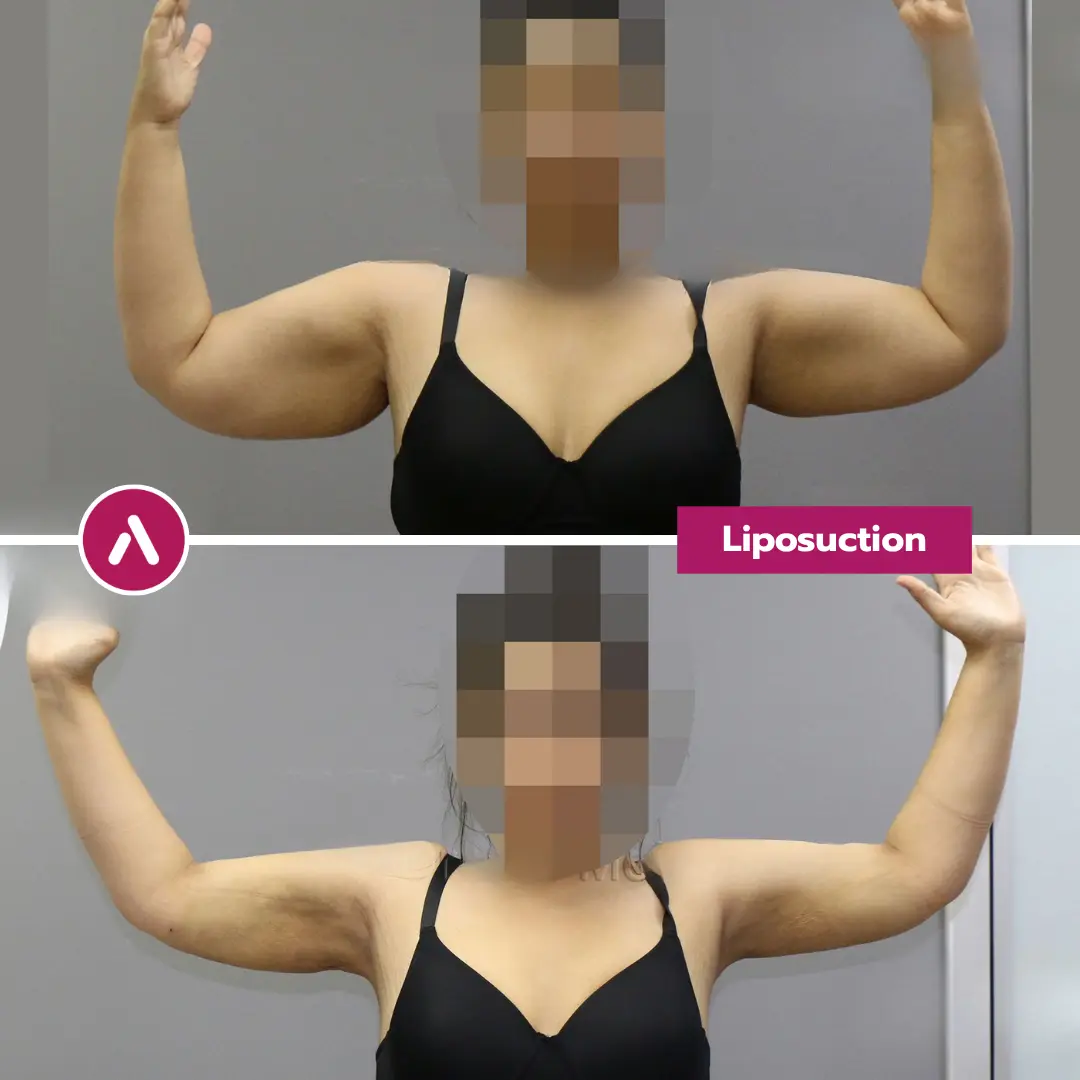
Weight loss changes body volume faster than skin can always follow. After major loss, the abdomen may have less fat but more visible looseness. Liposuction is usually limited in that setting unless there are defined residual fat pockets.
The key question is not how much weight was lost. It is how the skin behaves now. If the lower abdomen hangs, folds, or collapses over clothing, skin removal is usually part of the correction.
Patients from Toronto, Vancouver, Montreal, and Calgary often plan body contouring after reaching a stable weight. Stability matters. A tummy tuck or liposuction result is more predictable when weight has been steady for several months and future major weight changes are unlikely.
Canadian Context: Winter Recovery Can Influence Procedure Timing
Canadian winter can make compression garments easier to conceal, which some patients prefer after either tummy tuck or liposuction. The trade-off is reduced outdoor walking during icy months, especially in cities such as Toronto, Ottawa, Calgary, and Montreal.
For liposuction patients, gentle walking is usually easier to resume earlier. For tummy tuck patients, posture, core restriction, and lifting limits require more planning before returning to snow shovelling, winter commuting, or childcare routines.
Fat Assessment Independent of Skin
Fat assessment is the second branch of the decision tree. Some patients have firm skin but stubborn fat pockets. Others have loose skin with very little removable fat. These are different surgical problems.
Liposuction is most effective when the fat layer is clearly subcutaneous and the overlying skin can contract smoothly. If the abdomen appears full because of deeper internal fat or muscle separation, liposuction will not flatten it in the way patients often expect.
Subcutaneous vs visceral fat
Subcutaneous fat sits directly under the skin. This is the layer liposuction can treat. It is pinchable, movable, and often concentrated around the lower abdomen, waist, flanks, upper back, or bra-line area.
Visceral fat sits deeper, around the abdominal organs. It cannot be removed with liposuction. If the abdomen feels firm, rounded, and resistant to pinching, visceral fat may be contributing to the shape.
This distinction matters for patient safety and result planning. Removing subcutaneous fat can improve contour, but it cannot change the deeper abdominal cavity. A responsible surgeon will identify that limit before recommending surgery.
Diet-resistant fat pockets
Many Canadian patients considering liposuction are already active. They may have stable weight, regular exercise habits, and a healthy diet, but still carry fat at the flanks, lower abdomen, or waistline. These are typical liposuction indications.
Diet-resistant fat does not mean diet has failed. It often reflects genetics, hormonal changes, pregnancy, or age-related fat distribution. In those cases, liposuction can refine shape once lifestyle measures have reached their limit.
Men may show a different pattern, especially around the abdomen, chest, and flanks. For that anatomy-specific topic, see our guide to male body contouring liposuction. This article stays focused on the general tummy tuck versus liposuction decision.
When liposuction is the right answer alone
Liposuction alone may be appropriate when skin tone is strong, muscle separation is absent, and the concern is localized subcutaneous fat. In that situation, a tummy tuck may be more surgery than the patient needs.
The best liposuction-only candidates usually have several features in common:
- Stable body weight for several months
- Good skin elasticity without major wrinkling or hanging
- Pinchable fat in defined areas
- No significant diastasis recti or abdominal wall weakness
- Realistic expectations about contour improvement rather than weight loss
Some patients may also be candidates for local anesthesia body contouring. For that separate anesthesia-driven approach, see the awake liposuction option. The key point remains the same: liposuction works on fat, not skin or muscle.
When the Answer Is Both — Lipoabdominoplasty
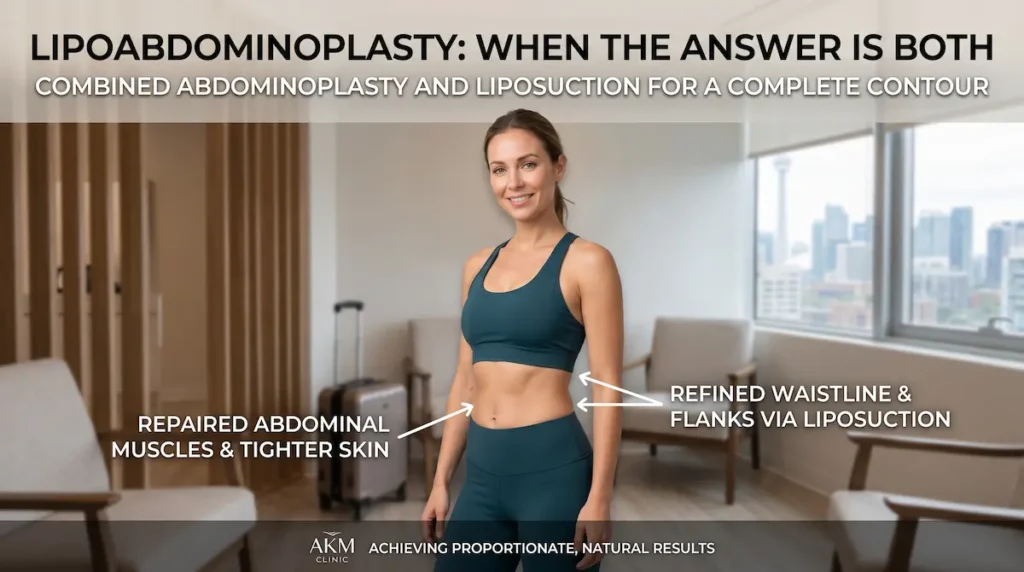
Some patients do not fit neatly into one category. They have loose abdominal skin, separated muscles, and fat around the waist or flanks. In that scenario, the most complete answer may be lipoabdominoplasty.
Lipoabdominoplasty combines abdominoplasty with targeted liposuction. It is not simply “more surgery.” It is a planned correction of multiple tissue layers in one operative strategy.
Combined surgical procedure
In a combined procedure, the tummy tuck component removes loose skin and repairs the abdominal wall. The liposuction component refines adjacent fat deposits, especially around the waist, flanks, and upper abdomen when appropriate.
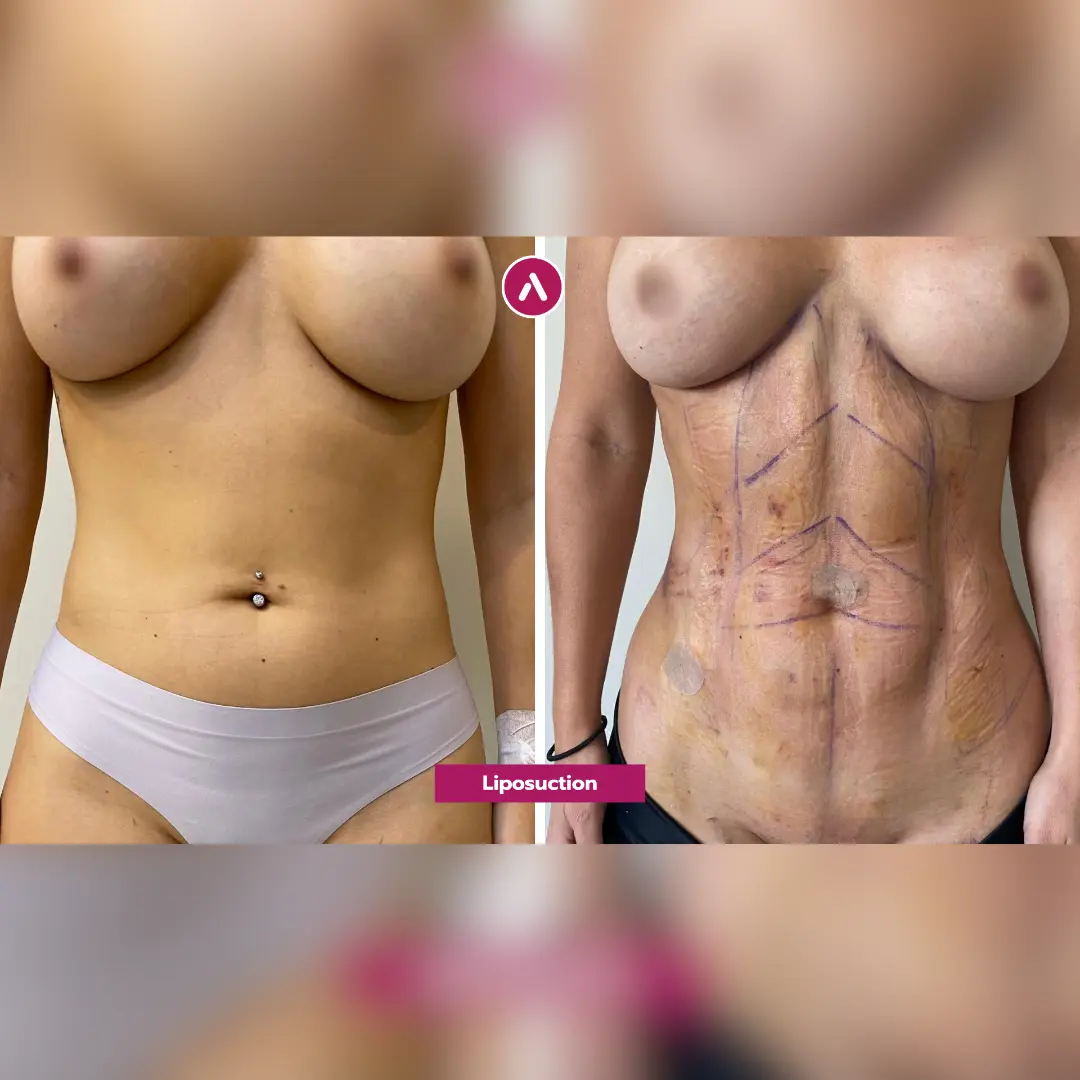
This matters because tummy tuck alone may flatten the front of the abdomen but leave fullness at the sides. Liposuction alone may reduce fat but leave loose skin behind. A combined procedure can address both problems during one recovery window.
The surgical plan must protect blood supply to the abdominal flap. That is why lipoabdominoplasty should be performed by a surgeon who understands the safe balance between tissue removal, fat reduction, and vascular preservation. International technique standards are regularly discussed by professional organizations such as ISAPS.
When both procedures are integrated
The decision to combine procedures depends on anatomy. A patient with skin laxity below the belly button and flank fullness may benefit from tummy tuck plus waist liposuction. A patient with good skin but no muscle separation may not.
Common indications for lipoabdominoplasty include:
- Loose lower abdominal skin with waist or flank fat
- Post-pregnancy abdominal wall separation with stubborn side fullness
- Post-weight-loss contour irregularity with residual fat pockets
- A desire for a smoother transition between abdomen and waist
For Canadian patients travelling from cities such as Toronto, Vancouver, Montreal, Calgary, or Ottawa, a combined plan can also reduce total disruption. One trip, one anesthesia event, and one recovery period may be more practical than staging two separate procedures months apart.
Canadian Context: Cost-per-Trip Value Matters
International flights are not included in AKM Clinic packages. Many Canadian patients therefore evaluate the total trip, not only the surgical fee.
If your anatomy genuinely requires both tummy tuck and liposuction, combining them may reduce duplicated travel costs, time away from work, and repeated recovery logistics. The medical decision still comes first. The travel math comes second.
AKM Clinic’s combined procedure protocol
AKM Clinic evaluates body contouring candidates by tissue layer. During consultation, the surgeon reviews skin elasticity, fat thickness, abdominal wall strength, scar position, and overall body proportions. Photos help, but they do not replace surgical assessment.
The clinic’s “Natural-First” philosophy also applies to body contouring. The goal is a proportionate abdomen and waistline, not an over-tightened or over-sculpted look. Subtle contouring often ages better and looks more natural in daily clothing.
“The honest diagnosis is the most important part of body contouring. If the patient needs skin removal, liposuction alone will disappoint them. If the patient has firm skin and localized fat, a tummy tuck is unnecessary. The correct procedure is the one that treats the correct anatomical layer.”
| Decision Factor | Liposuction | Tummy Tuck | Combined Lipoabdominoplasty |
|---|---|---|---|
| Main problem addressed | Subcutaneous fat | Loose skin and muscle separation | Loose skin, fat, and abdominal wall weakness |
| Best candidate | Firm skin with localized fat pockets | Loose or hanging abdominal skin, often after pregnancy or weight loss | Skin laxity plus waist, flank, or abdominal fat |
| Muscle repair | No | Yes, when diastasis recti is present | Yes, when needed |
| Scarring | Small cannula entry points | Lower abdominal incision, plus belly button incision when full tummy tuck is performed | Lower abdominal incision plus liposuction entry points |
| Typical recovery profile | Shorter recovery, earlier mobility | Longer core restriction and lifting limits | More involved than liposuction alone, usually similar to tummy tuck recovery |
| AKM CAD pricing reference | Lipo 360: CAD $6,400 | Full Tummy Tuck: CAD $6,550 | Lipoabdominoplasty: CAD $7,250 |
Recovery Differences
Recovery is often where the tummy tuck vs liposuction decision becomes practical. Liposuction recovery is usually lighter because it does not involve skin removal or muscle repair. Tummy tuck recovery requires more planning because the abdominal wall has been tightened and the incision needs protection.
Combined lipoabdominoplasty usually follows the tummy tuck recovery pattern, with added swelling from liposuction. That does not automatically mean recovery is “worse.” It means the patient needs a more structured plan before returning to work, childcare, travel, or exercise in Canada.
Liposuction-only recovery
Liposuction patients usually walk the same day and gradually increase light activity over the first week. Swelling, bruising, and fluid retention are expected. Compression garments are a major part of the recovery plan.
Most patients can manage basic daily activities earlier than tummy tuck patients. Desk-based work may be possible relatively soon, depending on the extent of treatment and the patient’s comfort. Heavy exercise still needs to wait.
Manual lymphatic drainage, hydration, and consistent garment use can make a visible difference after liposuction. Skipping recovery care may lead to prolonged swelling or uneven firmness. Patients flying back to Canada should plan for comfort, walking breaks, and enough time before returning to a full work schedule.
Tummy tuck-only recovery
Tummy tuck recovery is more restrictive because the procedure involves skin removal and may include muscle repair. Patients usually walk slightly bent forward in the early phase to avoid tension on the incision. This is normal.
The first two weeks require careful movement. Lifting, twisting, and sudden core engagement are restricted. Parents should arrange childcare support before travelling, especially if they have young children at home.
Canadian patients returning to colder cities should also consider winter logistics. Carrying groceries, clearing snow, walking on icy pavement, or commuting with heavy bags can place unexpected strain on the abdomen. Recovery planning should include these everyday details.
Combined procedure recovery
Lipoabdominoplasty recovery is usually closer to tummy tuck recovery than liposuction recovery. The tummy tuck component sets the main restrictions because the incision and abdominal wall need protection.
The liposuction component adds swelling and garment needs around the treated zones. Patients may feel tightness in the abdomen and tenderness around the waist or flanks. This is expected, but it should be monitored.
The advantage is efficiency. If both procedures are anatomically needed, combining them can avoid two separate recovery periods. That is especially relevant for Canadians who would otherwise need two international trips, two periods away from work, and two rounds of post-op planning.
Canadian Context: Return-to-Work Planning
A liposuction-only patient with desk-based work may return sooner than a tummy tuck patient, but this depends on treatment extent and healing. Tummy tuck patients should plan more conservatively because core movement affects nearly every daily task.
For teachers, healthcare workers, tradespeople, parents, and public-sector employees with structured leave windows, the recovery timeline should be discussed before booking flights. A procedure that fits the anatomy still needs to fit the calendar.
Cost Comparison in CAD
Cost should never be the first decision point, but it is still part of responsible planning. The correct procedure is determined by anatomy first. Pricing helps patients compare realistic options once the surgical indication is clear.
All prices below are shown in Canadian dollars only, using AKM Clinic’s Treatment Techniques cost reference. Package inclusions, hotel nights, and combined-procedure planning should be confirmed during consultation because anatomy can change the final recommendation.
Liposuction pricing tiers
Liposuction pricing varies by technique and treatment scope. A small targeted area is not the same as 360-degree torso contouring. Technology also matters, especially when VASER or high-definition sculpting is used.
AKM Clinic’s liposuction-related CAD pricing includes:
- Power-Assisted Liposuction: CAD $4,900
- SmartLipo: CAD $5,200
- VASER Lipo: CAD $5,450
- High-Definition Lipo: CAD $5,450
- Lipo 360: CAD $6,400
Patients comparing technique options can review liposuction pricing in CAD for more detail. Pricing should be interpreted alongside candidacy, skin quality, and the number of areas treated.
Tummy tuck pricing tiers
Tummy tuck pricing depends on scope. A mini tummy tuck is not a smaller version of every full tummy tuck. It is appropriate only when laxity is limited to the lower abdomen and the belly button does not need repositioning.
AKM Clinic’s tummy tuck CAD pricing includes:
- Mini Tummy Tuck: CAD $4,800
- Full Tummy Tuck: CAD $6,550
Patients who need abdominal wall repair, skin removal above and below the belly button, or belly button repositioning are usually outside the mini category. For procedure-specific figures, see tummy tuck pricing in CAD.
Combined procedure pricing
For patients who need both skin removal and fat contouring, combined pricing may be more efficient than staging the procedures. AKM Clinic lists Lipoabdominoplasty at CAD $7,250.
This figure should not be read as a universal recommendation. Some patients need tummy tuck alone. Others need liposuction alone. A combined procedure only makes sense when the anatomy supports it.
| Procedure Option | Best For | AKM CAD Price |
|---|---|---|
| Mini Tummy Tuck | Limited lower-abdominal skin laxity | CAD $4,800 |
| Full Tummy Tuck | Loose abdominal skin and possible muscle repair | CAD $6,550 |
| VASER Lipo | Localized fat with good skin elasticity | CAD $5,450 |
| Lipo 360 | Circumferential torso fat contouring | CAD $6,400 |
| Lipoabdominoplasty | Loose skin plus fat requiring combined correction | CAD $7,250 |
For Canadian patients, cost-per-trip may also matter. Flights, time away from work, and recovery support are separate from the surgical price. If two procedures are truly needed, one combined plan may be more practical than returning to Istanbul twice.
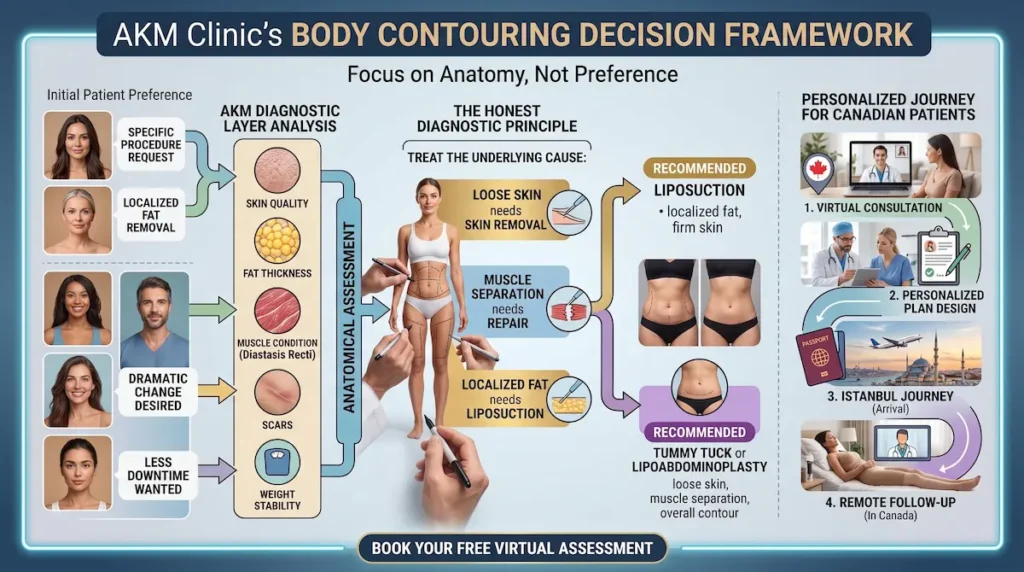
AKM Clinic’s Decision Framework
The best body contouring plan begins with diagnosis, not preference. Many patients arrive with a procedure in mind because they have watched videos, read forums, or compared before-and-after photos. That research is useful, but anatomy still decides the plan.
AKM Clinic uses a layered assessment: skin, fat, muscle, scar history, weight stability, and recovery capacity. This prevents a common problem in cosmetic surgery: performing the requested procedure instead of the correct one.
How the surgeon evaluates anatomy at consultation
The evaluation begins with photographs and a medical history during the virtual consultation. Patients are usually asked to provide front, side, and angled views in natural standing posture. Seated or bent-position photos may also help reveal skin laxity.
The surgeon looks for several factors:
- Skin quality, including stretch marks, wrinkling, and overhang
- Fat thickness in the abdomen, waist, and flanks
- Possible diastasis recti or abdominal wall weakness
- Previous scars, including C-section or abdominal surgery scars
- Weight stability and future pregnancy plans
- Recovery limitations, including work, childcare, and travel schedule
Canadian patients are often highly prepared for this conversation. They may already know the difference between fat removal and skin removal. The consultation turns that research into a personalized surgical recommendation.
Why some patients want lipo when they need tummy tuck, and vice versa
Some patients prefer liposuction because it sounds smaller, has shorter downtime, and avoids a long incision. That preference is understandable. It does not change the fact that liposuction cannot remove loose skin.
Other patients ask for a tummy tuck because they want a dramatic abdominal reset, but their skin is firm and the issue is mostly localized fat. In that situation, liposuction may be the more proportionate option.
A good consultation should explain why a procedure is being recommended. It should also explain why another procedure is not appropriate. The Canadian Society of Plastic Surgeons provides general patient education about plastic surgery expectations and surgeon selection through CSPS, which can help patients frame safer questions before consultation.
The honest diagnostic principle
The honest diagnostic principle is simple: treat the layer causing the problem. Loose skin needs skin removal. Muscle separation needs repair. Localized fat needs liposuction. Combined anatomy needs a combined plan.
This principle protects patients from both under-treatment and over-treatment. Under-treatment leaves the original problem partly unchanged. Over-treatment creates unnecessary scars, recovery, or cost.
For Canadian patients travelling to Istanbul, this clarity is especially important. You are not only choosing a procedure. You are planning flights, leave from work, recovery support, compression garments, and post-operative follow-up after returning home.
Determine Your Correct Procedure in a Virtual Consultation
If you are unsure whether your abdomen needs liposuction, tummy tuck, or lipoabdominoplasty, the next step is anatomical assessment. AKM Clinic’s team can review your photos, skin quality, fat distribution, and muscle concerns before you make a travel decision.
Request a virtual consultation to receive a procedure recommendation based on your anatomy, recovery timeline, and Canadian travel logistics.
Frequently Asked Questions: Tummy Tuck vs Liposuction
The questions below address the most common points Canadian patients raise when comparing tummy tuck vs liposuction. They are general answers. Your own recommendation should be based on surgical assessment.
Can liposuction replace a tummy tuck?
No. Liposuction cannot replace a tummy tuck when the main problem is loose skin or abdominal muscle separation. It can remove fat, but it cannot remove hanging skin or repair diastasis recti.
If your skin is firm and the issue is localized fat, liposuction may be enough. If the abdomen folds, wrinkles, or protrudes from muscle separation, tummy tuck or lipoabdominoplasty may be more appropriate.
What if I have both skin laxity and fat?
If both are present, a combined procedure may be recommended. This is often called lipoabdominoplasty. It removes loose skin, repairs the abdominal wall when needed, and uses liposuction to refine fat around the waist or flanks.
Not every patient with both concerns needs a full combined approach. The extent of fat removal must be balanced with safe blood supply and incision healing.
Is combined surgery safer than separate procedures?
Combined surgery is not automatically safer or riskier. It depends on patient health, procedure extent, anesthesia planning, and surgical technique. The advantage is that the patient has one operative event and one recovery period.
Separate procedures may be better for patients who need a shorter first surgery, have higher medical risk, or require staged contouring. This is why consultation matters.
How much does each cost at AKM in CAD?
AKM Clinic lists Mini Tummy Tuck at CAD $4,800, Full Tummy Tuck at CAD $6,550, VASER Lipo at CAD $5,450, Lipo 360 at CAD $6,400, and Lipoabdominoplasty at CAD $7,250.
These figures should be matched to anatomy. The lowest price is not necessarily the best value if it does not correct the actual problem.
How long is the recovery for each?
Liposuction recovery is usually shorter, with earlier mobility and fewer core restrictions. Swelling can still last for weeks, especially after larger areas such as Lipo 360.
Tummy tuck recovery is more restrictive because the abdominal incision and muscle repair need protection. Lipoabdominoplasty usually follows the tummy tuck recovery pattern, with added swelling from liposuction.
Will skin laxity worsen after liposuction alone?
It can become more visible. Liposuction removes volume under the skin. If the skin cannot retract, it may look looser once the fat layer is reduced.
This is why skin elasticity assessment is essential before liposuction. Patients with significant loose skin should be cautious about choosing liposuction alone.
Can I have liposuction now and tummy tuck later?
Yes, staging is possible in some cases. A patient may have liposuction first and tummy tuck later if the anatomy and goals support that plan.
However, staging can mean two recovery periods, two surgical plans, and possibly two international trips. If both procedures are clearly needed from the beginning, combining them may be more efficient.
Medical Disclaimer: This page is provided for general educational purposes only and does not replace an in-person medical consultation, diagnosis, or personalized treatment plan. All surgery carries risks, and outcomes vary between individuals. Suitability for a tummy tuck surgery or liposuction, procedure selection, and anesthesia choice can only be determined after a full clinical assessment by a qualified surgeon. Always follow your clinician’s instructions and seek urgent medical attention if you develop concerning symptoms during recovery.