
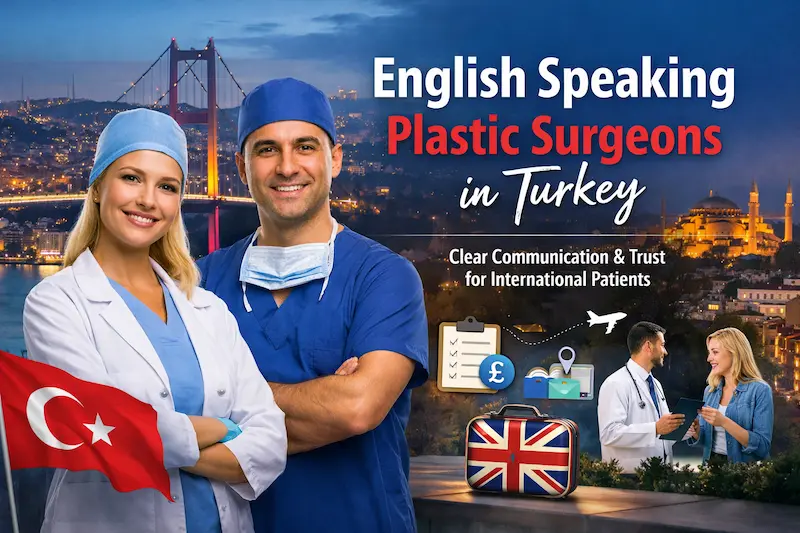
English Speaking Plastic Surgeons in Turkey: Communication
AI Summary
- English speaking plastic surgeons in Turkey help UK patients make safer, fully informed decisions without language-based confusion.
- Clear surgeon-led communication improves consent, explains risks honestly, and supports realistic expectations before surgery in Istanbul.
- Written treatment plans and GBP quotes build trust, reduce uncertainty, and clarify packages, recovery, and aftercare.
- Structured follow-up after returning to the UK reassures patients through recovery, including accessible support and practical guidance.
AI-generated summary, fact-checked by our medical experts.
English speaking plastic surgeons in Turkey is not just a search phrase used by British patients. It reflects a deeper concern about safety, clarity, trust, and whether a patient will truly understand what is being proposed before travelling abroad for surgery. For many people in the UK, the fear is not Turkey itself. The fear is making an important medical decision without being fully understood, or without fully understanding the answers they receive.
That is why communication should never be treated as a soft extra in aesthetic surgery. It is part of the clinical standard. A good consultation is not simply friendly conversation in English. It is the ability to discuss risks, realistic outcomes, anaesthesia, recovery, scarring, medications, and aftercare in a way that supports proper consent and respects medical science. Patients searching for English-speaking plastic surgeons in Turkey are usually not looking for charm. They are looking for clear, responsible medical guidance.
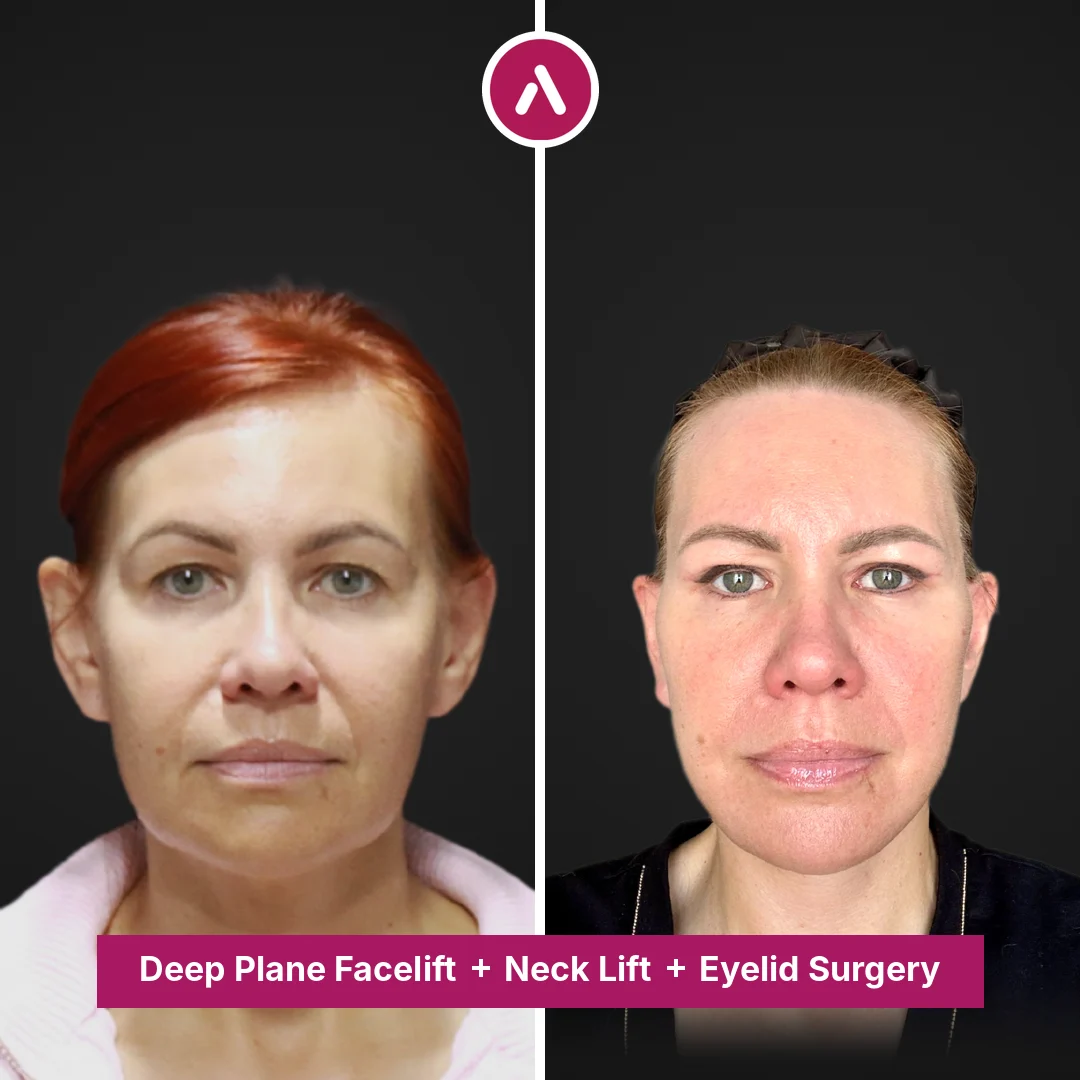
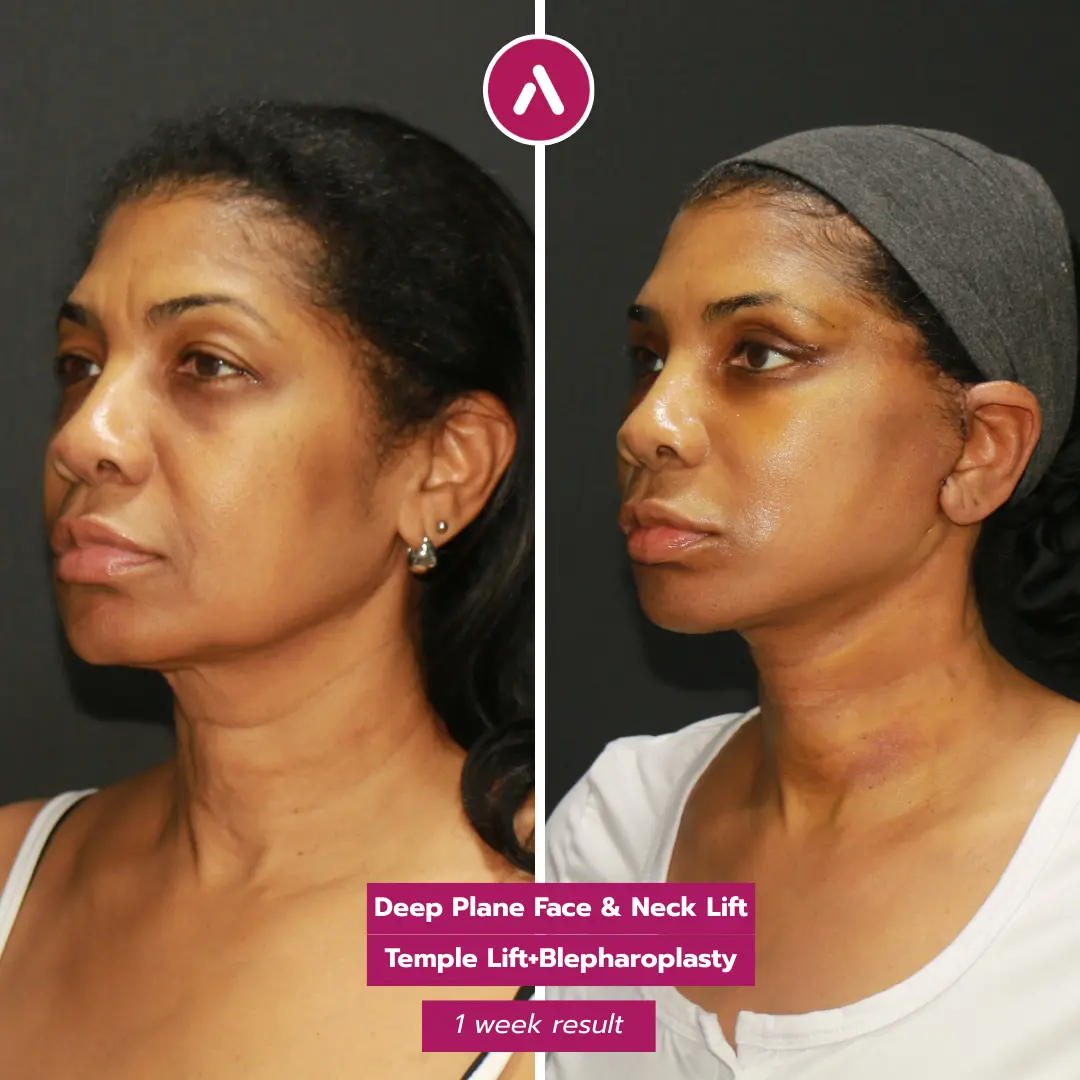
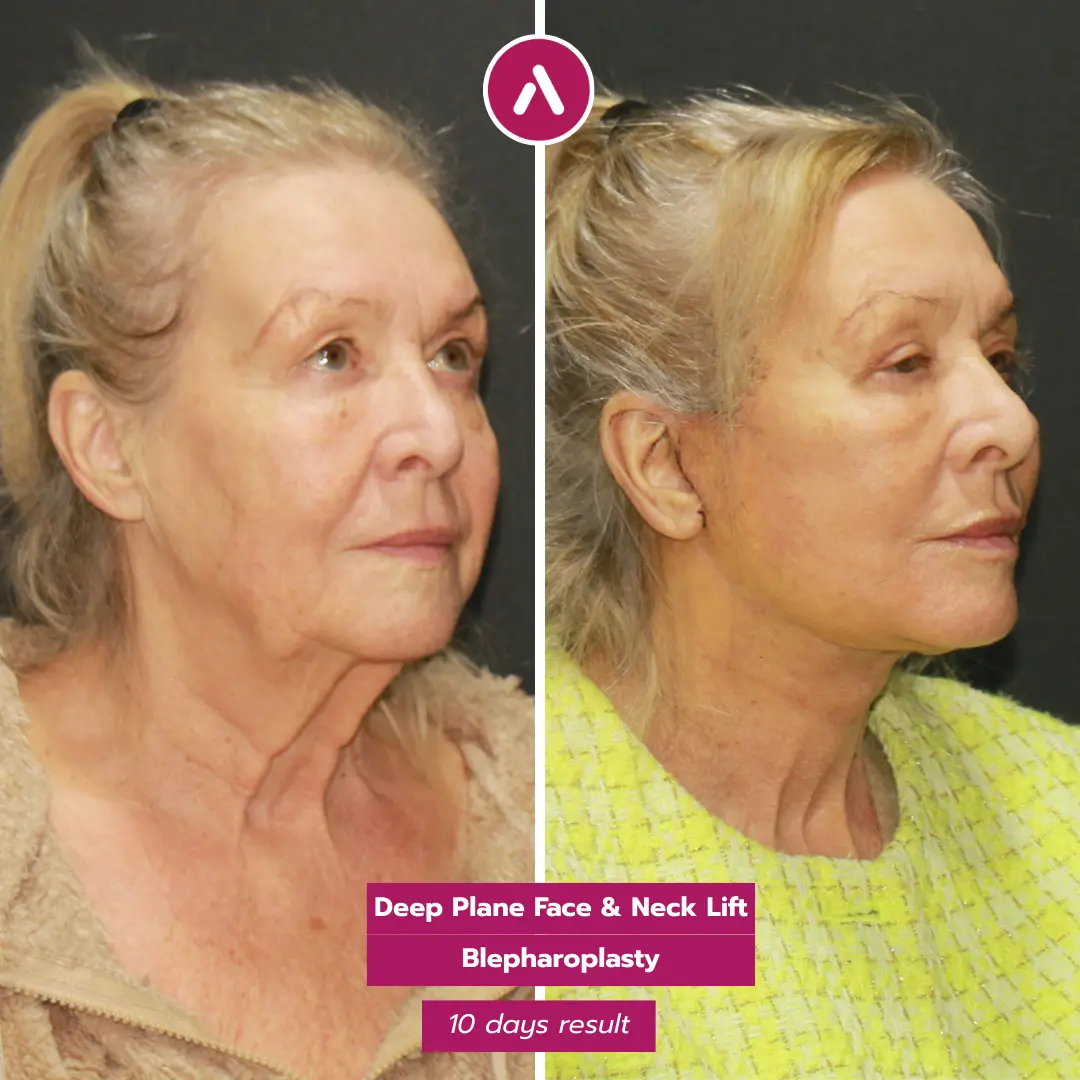
For British patients in particular, communication quality also shapes confidence in the entire journey. It influences how comfortable they feel sharing photographs, how well they understand their treatment plan, and how secure they feel after returning home. In other words, communication is not separate from safety. It is one of the reasons safety feels real.
| What UK patients often ask for | What they actually need | Why it matters |
|---|---|---|
| “Do you speak English?” | Clear clinical explanations in English | Prevents confusion around risks, recovery, and realistic outcomes |
| Fast replies on WhatsApp | Structured, documented answers | Builds trust and supports informed decision-making |
| A friendly coordinator | Access to the operating surgeon when needed | Ensures important medical questions are answered properly |
| A simple price quote | A treatment plan explained in plain English | Helps the patient compare value, not just cost |
Table of Contents
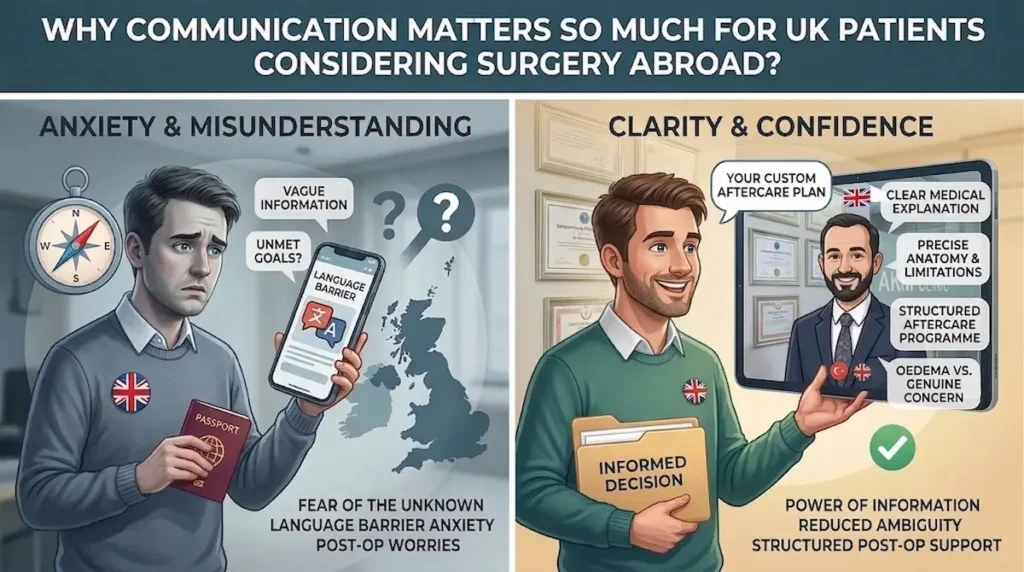
Why Communication Matters So Much for UK Patients Considering Surgery Abroad
British patients are often highly research-driven. They compare qualifications, read reviews carefully, assess recovery logistics, and want to know exactly who will be responsible for their care. In this context, communication is not a cosmetic detail. It is one of the clearest signs of whether a clinic operates with genuine professionalism. When communication is careful, consistent, and clinically precise, patients feel safer. When it is vague or rushed, trust collapses quickly.
Why British Patients Fear Misunderstandings More Than They Admit
Many UK patients worry less about the operation itself than about a critical misunderstanding somewhere along the journey. They may wonder whether the clinic has correctly understood their goals, whether the surgeon has interpreted their facial features or body proportions accurately, or whether they themselves have missed an important detail about recovery. This is particularly true for cautious, sceptical patients who have seen negative media stories about cosmetic surgery abroad.
Worry about a language barrier during plastic surgery in Turkey often sits at the heart of that hidden anxiety. A patient may be comfortable booking flights and hotels abroad, yet still feel uneasy about discussing consent forms, medications, compression garments, or possible complications. In cosmetic surgery, even a small misunderstanding can feel significant because the decision is highly personal and the result is so visible.
For that reason, genuine communication quality should reduce ambiguity at every stage. Patients should never be left guessing what a procedure can realistically achieve, how much swelling to expect, when they may be fit to fly, or who to contact if they are worried after returning to the UK.
The Difference Between Speaking English and Explaining Medicine Clearly
There is an important distinction between conversational English and proper clinical communication. A clinic may advertise English-speaking medical staff, yet that alone does not tell you whether the team can explain surgical limits, discuss anatomy, or describe the difference between a minor concern and a genuine post-operative issue. In medicine, accuracy matters as much as fluency.
Patients searching for English speaking plastic surgeons in Istanbul are usually not looking for casual conversation. They want to know whether their surgeon can discuss shape, proportion, tissue quality, scarring, asymmetry, healing, and expected refinement in language that is precise but still understandable. This is especially important during an English-language plastic surgery consultation, which often forms the foundation for a major travel and treatment decision.
Good medical communication should do three things at once: it should be medically correct, easy to understand, and honest about limitations. That balance is what separates persuasive marketing from responsible patient care.
How Good Communication Supports Safer, More Confident Decisions
High-quality communication improves decision-making long before surgery day. It helps the patient compare clinics more intelligently, ask better questions, and identify whether a proposed plan actually suits their anatomy and goals. It also makes the consent process more meaningful, because the patient is not simply signing paperwork; they are making a genuinely informed decision.
From a practical point of view, strong communication also supports smoother recovery. A patient who understands aftercare instructions in advance is more likely to follow them correctly. A patient who knows what normal oedema looks like is less likely to panic unnecessarily. A patient who has a clear line of contact is more likely to seek timely help if something does not feel right.
For many British patients, reassurance comes not from sales language, but from knowing they can ask a serious question in English and receive a clear, medically sensible answer without delay.
That is one reason structured aftercare communication matters so much. UK patients often value the peace of mind that comes from continued contact after they return home, especially when there is a recognised support route rather than silence once payment has been made.
What “English Speaking” Should Actually Mean in Cosmetic Surgery
In aesthetic medicine, “English speaking” should mean far more than basic fluency. It should mean that the surgeon and wider team can explain the procedure, answer complex questions, document the plan clearly, and communicate consistently from the first enquiry to the last follow-up. For British patients, that standard should include both spoken and written clarity. If the treatment plan only makes sense during a chat but becomes vague on paper, communication is not yet good enough.
Clear Explanations of Risks, Benefits, and Limitations in Plain English
A professional consultation should explain not only the potential benefits of surgery, but also the trade-offs. That includes healing time, uncertainty, possible asymmetry, scar maturation, revision risk, and the difference between improvement and perfection. If a clinic only speaks about ideal results and avoids discussing limitations, the issue is not simply communication style. It may point to a wider quality concern.
Patients should be able to leave the consultation understanding what the surgery can improve, what it cannot improve, and which part of the plan is most important for a natural-looking result. This is where medical communication in English becomes highly relevant. The goal is not to overwhelm the patient with jargon. The goal is to make complex information easier to absorb without oversimplifying it.
Clear explanations are especially important for patients who value subtle outcomes. Many British patients do not want to look dramatically altered. They want to look fresher, more rested, or more balanced. A surgeon must therefore be able to translate aesthetic goals into realistic medical language, not vague promises.
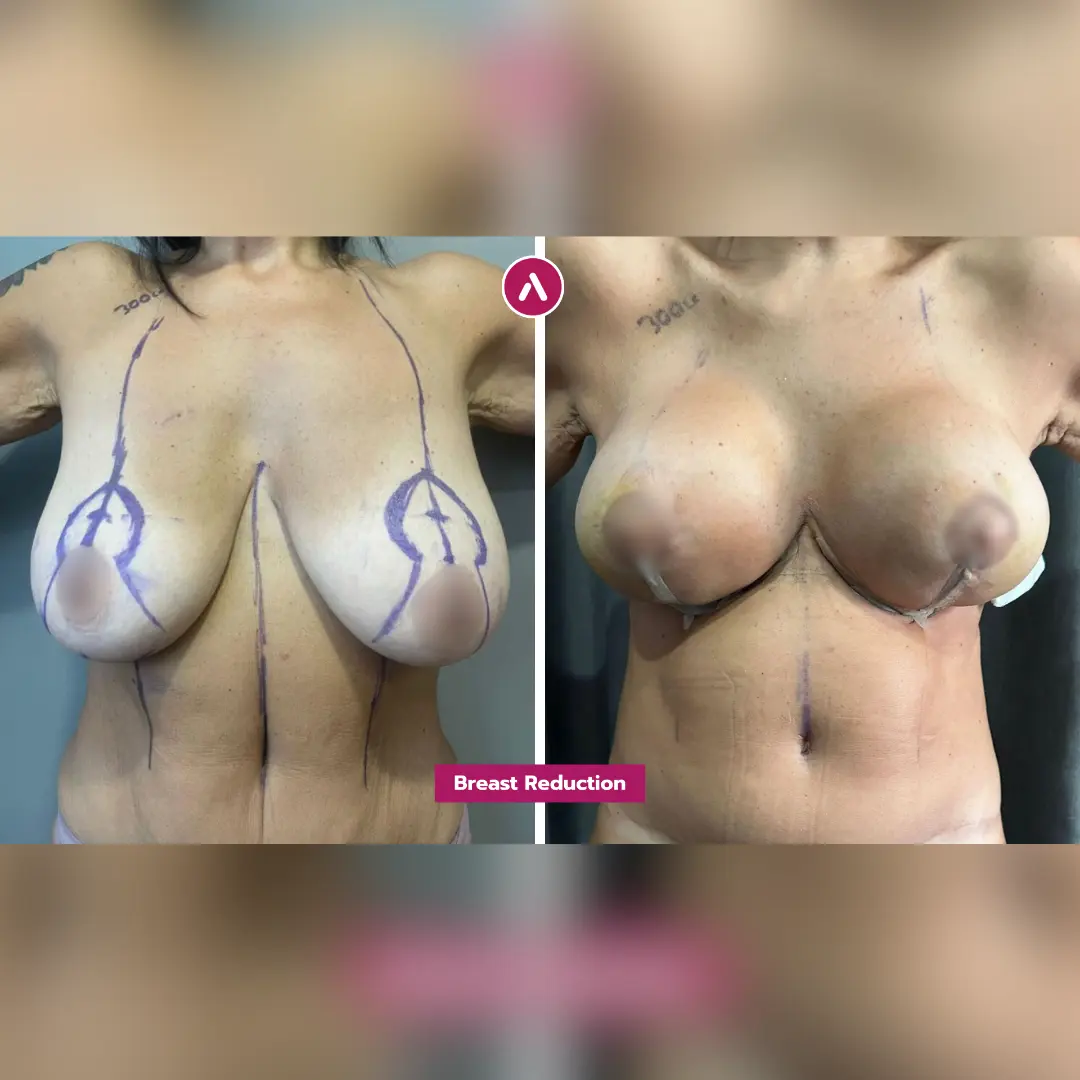
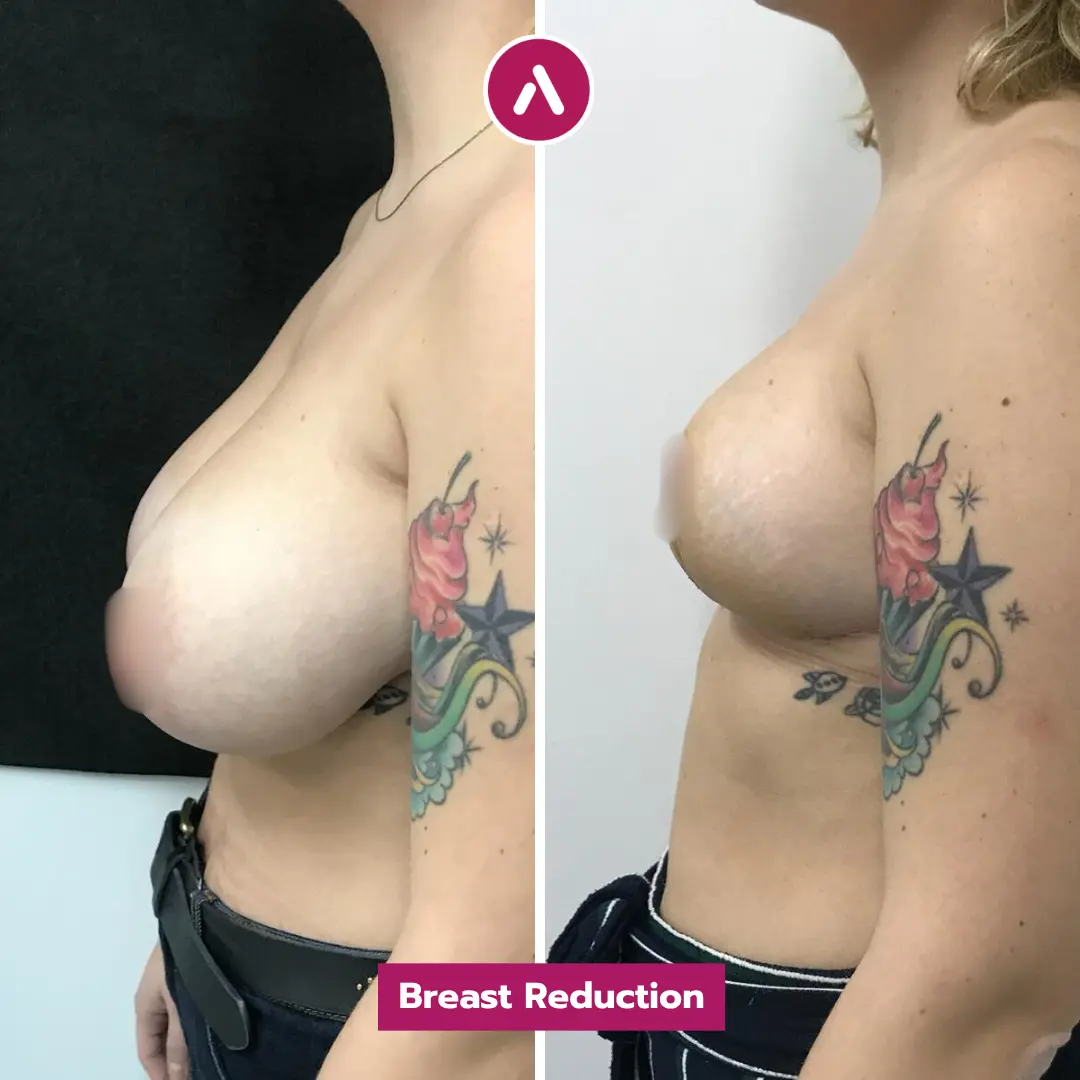
Understanding Terms Like Anaesthesia, Oedema, Scarring, and Aftercare
Medical vocabulary can easily become a source of confusion if it is not explained properly. Terms such as local anaesthesia, twilight sedation, oedema, fibrosis, scar maturation, or lymphatic drainage may sound familiar, but many patients are not confident about what they mean in real life. A good clinic does not assume understanding. It checks it.
This matters because recovery instructions are only useful when patients fully understand them. For example, being told that oedema is expected is not enough. The patient should know what kind of swelling is normal, how long it may last, what practical measures may help, and what warning signs would justify contacting the clinic. That is the difference between general reassurance and proper education.
Good clinics also understand that the language of care should remain accessible. A patient should not need a medical dictionary to understand their own recovery plan. In the best cases, scientific concepts are translated into plain English without losing accuracy, which reflects respect for both the patient and the principles of scientific research that inform modern aftercare.
Why Written Communication Matters as Much as the Consultation Itself
Patients often remember only part of what they hear during a consultation, especially when they are excited or nervous. That is why written communication matters so much. A clear written plan helps the patient review the procedure calmly, discuss it with family, compare clinics fairly, and return with better follow-up questions.
Anyone who wants to understand their treatment plan in English should expect more than a short message with a price. A proper written outline should explain the recommended procedure, the likely recovery process, any major exclusions, and the next steps. This does not need to be overly technical, but it should be structured and unambiguous.
Strong written communication also supports continuity across the team. If the surgeon, coordinator, and recovery staff are all working from a clearly documented plan, the patient experiences less confusion and more consistency. This is particularly reassuring for those looking for fluent English-speaking plastic surgeons in Istanbul and a dedicated patient host, because it shows that communication is embedded in the patient journey rather than dependent on one particularly confident staff member.
Ultimately, the standard should be simple: the patient should feel just as informed reading the plan later as they did during the consultation itself. If that standard is missing, the clinic may be easy to talk to, but not yet easy to trust.
The Patient Journey: From First Enquiry to Online Consultation
For British patients, the consultation process begins long before they arrive in Istanbul. In many cases, confidence is built or lost during the very first exchange. A clinic may have excellent technical ability, but if the patient journey feels confusing, rushed, or poorly organised, trust can disappear early. That is why a proper English-language consultation pathway should be structured, documented, and medically responsible from the first message onwards.
What a UK Patient Should Expect From the First WhatsApp or Email Reply
The first reply should do more than confirm that the clinic speaks English. It should show that the team understands how international patients think and what they need in order to make a safe decision. That means answering clearly, asking sensible preliminary questions, and avoiding the sort of generic copy-and-paste response that makes every patient feel the same.
A high-quality first contact should usually cover the patient’s goals, the area of concern, previous procedures, smoking status, relevant medical history, medications, allergies, and approximate timing. It should also explain the next step, whether that is a photo assessment, a video consultation, or a request for further medical information. Patients contacting English-speaking plastic surgeons in Turkey are often testing not only language ability, but also professionalism.
Equally important, the tone should remain calm and informative rather than pushy. Good clinics do not rush British patients into booking deposits before basic questions have been answered properly. Instead, they create a process that feels transparent and respectful.
| Early communication standard | Professional approach | Warning sign |
|---|---|---|
| Initial reply | Clear, personalised, medically aware | Generic sales message sent to everyone |
| Questions asked | Includes history, goals, timing, and concerns | Focuses only on selling a package |
| Next steps | Explains consultation process in order | No structure, unclear who will respond |
| Language quality | Plain, accurate, reassuring English | Fluent but vague or evasive wording |
How Photo Assessments and Video Consultations Should Be Handled
A remote consultation can be extremely useful, but only when its limits are respected. Good medical communication in English means explaining what can be assessed accurately from photographs and what still requires an in-person examination. For example, photographs can help the surgeon evaluate visible asymmetry, skin redundancy, contour, and certain anatomical features. However, they cannot replace tactile examination, skin quality assessment in motion, or every part of a full medical review.
Patients considering English speaking plastic surgeons in Istanbul should expect clear guidance on how to send photographs correctly. This usually means neutral lighting, front and side views, no filters, hair tied back when relevant, and a relaxed facial expression. If a clinic gives a detailed photography guide, that is often a positive sign. It suggests the consultation is being treated seriously rather than casually.
Video consultations should also have a clear purpose. They are valuable for discussing goals, showing the patient’s natural expressions, clarifying priorities, and identifying whether expectations are realistic. However, they should never be used to make overconfident promises. A surgeon who communicates responsibly in English will usually explain where certainty ends and professional judgement begins.
This is especially important for patients focused on understanding their treatment plan in English. They should leave the consultation with greater clarity, not greater confusion. If the proposed plan feels less understandable after the call than before it, the communication process has failed.
Why Transparent, Written Treatment Plans and GBP Quotes Build Trust
Once the initial assessment has been completed, the patient should receive a written summary that reflects the discussion accurately. This is where trust becomes practical. A written plan helps the patient compare options, revisit important details, and involve family members in the decision. It is also one of the simplest ways to reduce the fear of a language barrier during treatment abroad.
For UK patients, pricing transparency matters as much as clinical clarity. A responsible quotation should explain what is included, what is excluded, and whether anything may change if the surgical plan changes following in-person examination. When fees are discussed in GBP, patients can compare value far more easily and avoid the discomfort of unclear conversions.
A proper written quotation should ideally clarify whether the package includes consultation, surgeon’s fee, hospital or day-case facility fee, anaesthesia, routine pre-operative testing, medication, compression garments where applicable, hotel accommodation, transfers, and aftercare. Patients do not expect every case to be identical. They do expect the financial outline to be understandable.
The safest quote is not the shortest one. It is the one a patient can read the next day and still understand without having to guess what has been included.
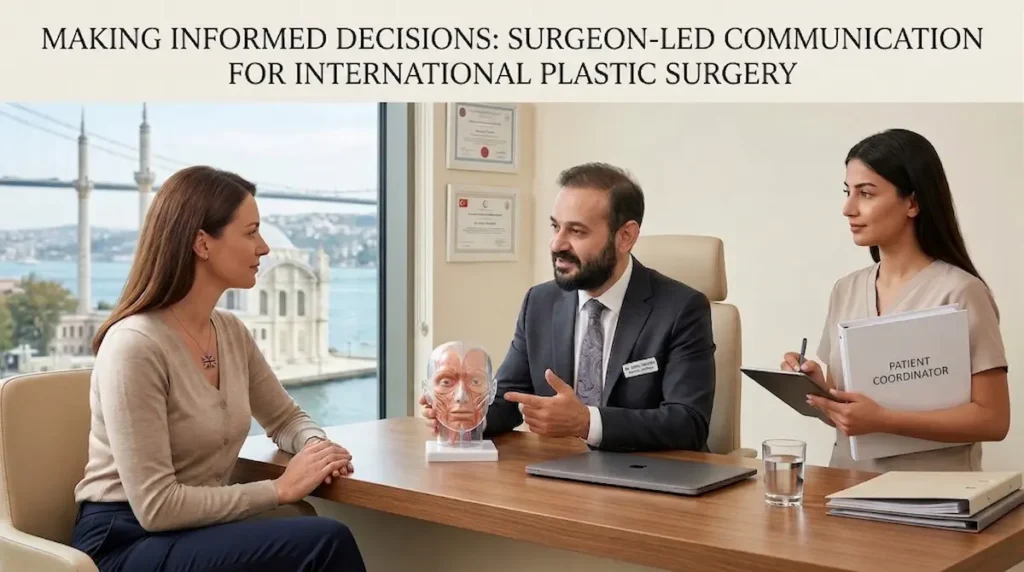
Surgeon-Led Communication vs Coordinator-Only Communication
Many international clinics rely on coordinators, and there is nothing inherently wrong with that. In fact, a strong coordinator can make the process smoother and more comfortable for the patient. Problems arise only when the coordinator becomes a substitute for the surgeon rather than a support to the surgeon. In aesthetic medicine, some questions are logistical, while others are unquestionably clinical. British patients should be able to tell the difference.
Why Some Questions Must Be Answered by the Operating Surgeon
Questions about suitability, realistic outcomes, anatomical limitations, scarring, revision risk, and the choice of technique should be answered by the surgeon who is expected to perform the procedure. These are not administrative matters. They are clinical matters. A coordinator may explain the process well, but a coordinator should not be the final voice on surgical judgement.
This becomes especially important when patients are comparing fluent English-speaking plastic surgeons in Istanbul rather than simply looking for an English-speaking sales contact. A surgeon-led discussion allows the patient to understand not just what is possible, but why a particular approach is being recommended. It also makes it easier to assess whether the surgeon values subtlety, safety, and proportion in a way that matches the patient’s goals.
In practical terms, the surgeon should be the person explaining why one technique is more suitable than another, why a combined procedure may or may not be wise, and what trade-offs may be involved. These are the conversations that support valid consent and reduce unrealistic expectations.
The Proper Role of a Patient Coordinator in an International Journey
A good coordinator remains extremely valuable. For most British patients, the coordinator is the person who helps organise photographs, arrange appointments, guide documentation, explain travel planning, and keep the patient informed about timings. A capable dedicated patient host in Istanbul can greatly reduce stress, especially for someone travelling abroad for the first time.
However, the coordinator’s role should be complementary rather than clinical. The strongest teams are those where the patient feels supported administratively without losing access to direct medical guidance. In other words, a coordinator should make the journey easier, not replace the conversation that ought to happen with the operating surgeon.
Patients who look for English-speaking medical staff in Turkey are often hoping for exactly this balance: approachable support, but also medically accurate information delivered by the right person at the right time. When that balance is achieved, the entire pathway feels calmer and more trustworthy.
How Consultant-Led Communication Reduces Anxiety for Sceptical Patients
Sceptical patients are rarely reassured by friendly language alone. They want structure, accountability, and a clear understanding of who is responsible for what. Consultant-led communication helps because it reduces the feeling that the patient is being passed through a commercial funnel. Instead, it creates the sense that decisions are being made within a proper clinical framework.
This is one reason UK patients often feel more at ease when they know the named surgeon has reviewed their case, the treatment rationale has been explained in English, and the post-operative plan has been described in a way that continues after they return home. A strong system should not disappear after surgery. It should remain present through follow-up messages, recovery checks, and responses to sensible concerns.
From the patient’s perspective, this is where true confidence begins. The clinic does not simply say, “We speak English.” It demonstrates that English is used effectively at every important stage of care: decision-making, consent, treatment planning, surgery-day guidance, and aftercare communication. That is the standard most British patients are really looking for.
Communication on Surgery Day and During Recovery
Even patients who feel comfortable during the consultation stage may become far more anxious on the actual day of surgery. This is completely understandable. The procedure is now real, the clinical setting feels more immediate, and the patient needs absolute clarity rather than general reassurance. At this point, medical communication in English should be calm, structured, and repeated where necessary. Good communication on surgery day is not dramatic. It is consistent, practical, and easy to follow.
Pre-Operative Instructions, Consent, and Medication Guidance in English
Before any procedure begins, the patient should receive clear instructions in English about fasting where relevant, medication adjustments, smoking restrictions, arrival time, and what to bring on the day. This may sound obvious, but it is precisely where misunderstandings can create avoidable stress. Patients should not be left interpreting vague messages the night before surgery.
Consent is another major communication checkpoint. Proper consent is not achieved simply because a form has been signed. The patient should understand what procedure is planned, what alternatives exist, what the likely benefits are, and what limitations or risks still remain. A good English-speaking team will not rush this discussion. Instead, they will create space for the patient to ask sensible questions, revisit earlier concerns, and confirm that the written plan still reflects what has been agreed.
Medication guidance must also be communicated in straightforward British English. Patients should know what has been prescribed, what each item is for, how often it should be taken, and what common side effects may occur. If pain relief is discussed, medicines should be named in the terms UK patients know, such as paracetamol. This may seem like a small detail, but precise language supports confidence.
What Patients Should Understand Before Entering the Operating Theatre
Many patients say that their final moments before surgery are when communication matters most. By that stage, they do not want more marketing language. They want practical certainty. Who will see them first? When will the surgeon speak to them? Will markings be reviewed again? How is anaesthesia being administered? What happens immediately after the procedure? These are the questions that deserve clear answers before the patient enters the operating theatre.
Patients considering English speaking plastic surgeons in Istanbul should expect the surgeon to confirm the core plan personally, especially when discussing symmetry, incision placement, scar expectations, or the extent of correction being attempted. This final discussion helps the patient feel that the plan is both individual and clinically supervised.
Communication at this stage should also help patients distinguish between what is expected and what is exceptional. For example, if a procedure is performed under local anaesthesia or twilight sedation (conscious sedation), the patient should understand what sensations are normal, how comfort is maintained, and what the immediate recovery setting will be like. The best teams translate clinical process into plain English without becoming simplistic, which is exactly where science and patient-centred care meet.
| Stage | What should be explained clearly in English | Why it matters |
|---|---|---|
| Before arrival | Fasting, medication rules, timings, paperwork | Reduces last-minute confusion and avoidable anxiety |
| Pre-operative review | Final surgical plan, markings, limitations, consent | Confirms the patient has understood and agreed properly |
| Entering theatre | Anaesthesia plan, expected sensations, immediate aftercare | Makes the experience feel controlled rather than uncertain |
| Discharge guidance | Medication, dressings, activity, warning signs, contact method | Supports safer recovery and better decision-making at home |
Post-Operative Updates, Recovery Advice, and Flight-Home Communication
Recovery communication is just as important as the consultation itself. In fact, it may be even more important for patients worried about a language barrier in Turkey. After surgery, patients are often tired, swollen, and trying to absorb a lot of information quickly. That is why aftercare instructions should be repeated in simple written English rather than delivered once and forgotten.
A patient should understand what level of swelling, bruising, tightness, or temporary asymmetry is considered normal, and which symptoms would justify contacting the clinic. Terms such as oedema, scar care, dressing changes, and activity restrictions should be explained in everyday language. Where temperature thresholds are discussed, it can also be helpful to present them in a UK-friendly format such as 38°C (100.4°F), so there is no ambiguity.
For international patients, one of the most reassuring parts of recovery is knowing that support continues after discharge. This includes follow-up messages, photo checks, and practical communication about the flight home. Patients want to know not only whether they are healing, but whether they are healing as expected. In a well-run pathway, understanding your treatment plan in English naturally extends into understanding your recovery in English as well.
This is also where supportive technologies can be explained properly. Treatments such as Hyperbaric Oxygen Therapy and LLLT should not be presented as buzzwords. Patients should be told, in plain terms, that the aim is to support recovery, reduce visible downtime, and improve comfort and scar quality. When explained honestly and without exaggeration, such details strengthen trust rather than sounding promotional.
The most reassuring aftercare message is often the simplest one: what you are experiencing is expected, here is what to do next, and here is how to reach us if anything changes.
UK Trust Signals That Reassure Patients Before They Travel
For many British patients, strong communication alone is not quite enough. They also want structural signs that the clinic understands the expectations of a UK audience. That is why trust signals matter. These signals do not replace surgical skill, but they do help patients judge whether the clinic has built a system around accountability, accessibility, and international continuity of care. In other words, trust becomes easier when communication is supported by visible infrastructure.
The Value of a UK Support Line and a Direct WhatsApp UK Number
One of the most practical trust signals for British patients is the existence of an accessible UK communication route. This may include a UK support line or a direct WhatsApp UK number. The value is not merely convenience. It is psychological reassurance. Patients often feel calmer when they know they can reach someone through a familiar communication channel without worrying about international barriers or delayed replies.
This is especially important after surgery, when patients may have a minor concern, wish to send an update photograph, or simply need confirmation that their recovery is progressing normally. A clinic that understands the needs of UK patients will recognise that timely communication reduces anxiety and improves the overall experience.
Patients who want English-speaking medical staff in Turkey are often looking for this exact combination: fluent communication, reliable response routes, and a sense that help remains available after they have left Istanbul. A dedicated patient host in Istanbul can also play an important role here by helping the patient navigate appointments, updates, and logistics without replacing direct clinical communication when it is needed.
Why a London Correspondence Address and UK Contact Point Matter
A London correspondence address or wider UK-based patient contact point may seem like a small operational detail, yet for cautious patients it can be highly reassuring. It suggests that the clinic has thought seriously about the patient journey beyond the operating day. For some people, that matters as much as the treatment itself. They do not simply want to know where the surgery will take place. They want to know where accountability sits once they return home.
This kind of local presence can reduce the emotional distance that sometimes worries first-time medical travellers. It gives the patient a stronger sense that communication does not end at the airport. It also supports trust for those who prefer sharing documents, asking follow-up questions, or speaking with a UK-facing contact point before committing to treatment.
When you are choosing English-speaking plastic surgeons in Turkey, these details matter because they move the conversation beyond language alone. The question is no longer just, “Can we speak in English?” It becomes, “Is there a proper support structure for British patients before, during, and after treatment?” That is a far more meaningful standard.
GMC-Equivalent Standards, European Board Credentials, and Clear Documentation
Finally, many British patients want communication to be reinforced by recognisable professional standards. They may not expect a Turkish clinic to function under the exact same UK regulatory framework, but they do expect the clinic to explain credentials in terms that are understandable and relevant. This is where GMC-equivalent standards, European Board credentials, and clearly documented qualifications become important.
When a clinic explains who the operating surgeons are, what their training background includes, and how those standards compare with what a UK patient might look for at home, trust becomes more evidence-based. The patient is no longer relying on tone alone. They are assessing structure, documentation, and professional credibility.
For patients comparing fluent English-speaking plastic surgeons in Istanbul, this is often the turning point. Friendly communication creates comfort, but documented standards create confidence. The strongest clinics combine both. They explain credentials without arrogance, describe recovery protocols without hype, and present their care pathway in a way that feels medically grounded rather than commercially polished.
That is ultimately what most British patients want from an English-language plastic surgery consultation in Turkey: not perfect certainty, because no honest surgeon can offer that, but a clear enough system that the patient can make a thoughtful decision with confidence.
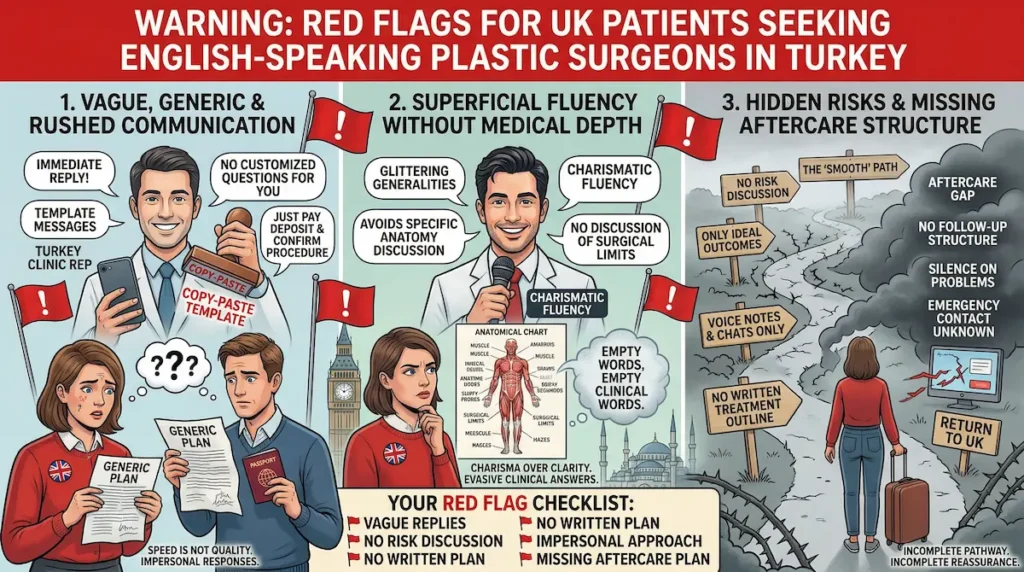
Red Flags When Assessing English Speaking Plastic Surgeons in Turkey
Not every clinic that markets itself well in English communicates well in a medical setting. This distinction matters enormously. British patients should be cautious of smooth wording that creates comfort without delivering clarity. In aesthetic surgery, a polished tone is never a substitute for structured, clinically responsible communication. The safest path is to look for evidence that the team can explain, document, and follow through properly rather than simply persuade.
Vague Replies, Rushed Answers, and Copy-Paste Messages
One of the clearest warning signs is communication that feels fast but empty. A clinic may respond quickly on WhatsApp, but if the answers are vague, generic, or obviously copied from a template, the patient is learning very little about their own case. Speed alone is not a mark of quality. In many situations, the better sign is a reply that is thoughtful, personalised, and willing to ask follow-up questions before offering conclusions.
Patients comparing English-speaking plastic surgeons in Turkey should pay attention to whether the team seems genuinely interested in their anatomy, concerns, and priorities. Are they asking about previous surgery, smoking, medications, healing history, or asymmetry? Or are they simply pushing a procedure and a deposit? Good communication feels specific. Poor communication often feels efficient but strangely impersonal.
This is especially relevant for anyone worried about a language barrier. The barrier is not always obvious broken English. Sometimes the real barrier is superficial communication that sounds fluent but does not answer the question being asked.
No Clear Risk Discussion, No Aftercare Plan, and No Written Follow-Up
Another major concern is the absence of proper risk discussion. If a clinic speaks only about ideal outcomes and avoids the less comfortable parts of the conversation, that should raise concern. Every legitimate surgical plan involves limits, trade-offs, and recovery variables. A patient should understand what can go right, what can go wrong, and what support exists if healing is slower than expected.
Written follow-up is equally important. If the patient receives only voice notes, brief chat messages, or vague promises without a clear written treatment outline, it becomes much harder to compare providers fairly or revisit important details later. Patients focused on understanding their treatment plan in English should expect documentation that makes the proposed plan easier to review, not harder.
The same principle applies to aftercare. If there is no clear explanation of post-operative checks, remote follow-up, emergency contact method, or support after the patient returns to the UK, the communication pathway is incomplete. In cosmetic surgery abroad, incomplete communication often means incomplete reassurance.
| Red flag | Why it matters | What better communication looks like |
|---|---|---|
| Generic answers | The patient cannot judge whether the advice is case-specific | Personalised replies based on photos, history, and priorities |
| No discussion of limits | Creates unrealistic expectations | Balanced explanation of benefits, limits, and healing variables |
| No written plan | Hard to review details calmly later | Clear written outline in plain English |
| Unclear aftercare access | Raises anxiety once the patient returns home | Defined support route, follow-up structure, and response method |
When “Fluent English” Still Fails to Deliver Safe Clinical Communication
Fluency can sometimes be misleading. A team member may sound confident, polished, and reassuring, yet still fail to communicate the information that actually matters for safe decision-making. In medicine, strong communication is not measured by accent or charisma. It is measured by accuracy, completeness, honesty, and consistency.
For example, a fluent speaker who cannot explain why one technique is preferable to another, or who becomes evasive when asked about complications, is not providing high-quality clinical communication. Likewise, a consultation that feels pleasant but leaves the patient unsure about the actual recovery timeline has not done its job properly.
Patients looking for fluent English-speaking plastic surgeons in Istanbul should therefore assess more than language fluency. They should look for whether the answers are medically grounded, whether the surgeon’s rationale is understandable, and whether the communication remains clear when the subject becomes difficult. That is the point at which trust becomes meaningful rather than emotional.
How AKM Clinic Approaches Communication for British Patients
For British patients, good communication is not just about being welcomed warmly. It is about feeling informed, respected, and medically guided at each step of the journey. AKM Clinic’s approach is built around that principle. The aim is not to overwhelm patients with technical language, nor to soften important details into vague reassurance. The aim is to create a pathway where clinical information is explained clearly in English and supported by a structured follow-up process.
A Surgeon-Led Philosophy Focused on Clarity and Subtle Results
At AKM Clinic, communication is closely linked to surgical philosophy. British patients often want subtle, refined results rather than an overdone appearance, and that preference should shape the consultation itself. A surgeon-led discussion makes it easier to explain what subtle improvement actually means in practice, where the limits lie, and how technique influences the final look.
This matters because a natural result is not achieved through vague promises. It depends on careful planning, realistic assessment, and a clear understanding between surgeon and patient. When the patient’s goals are discussed properly in English, expectations become more realistic and outcomes are more likely to feel aligned with the patient’s original motivation.
Clear communication is one of the foundations of subtle results. Patients who understand the plan properly are far more likely to choose a treatment that suits their anatomy rather than chasing an unrealistic ideal.
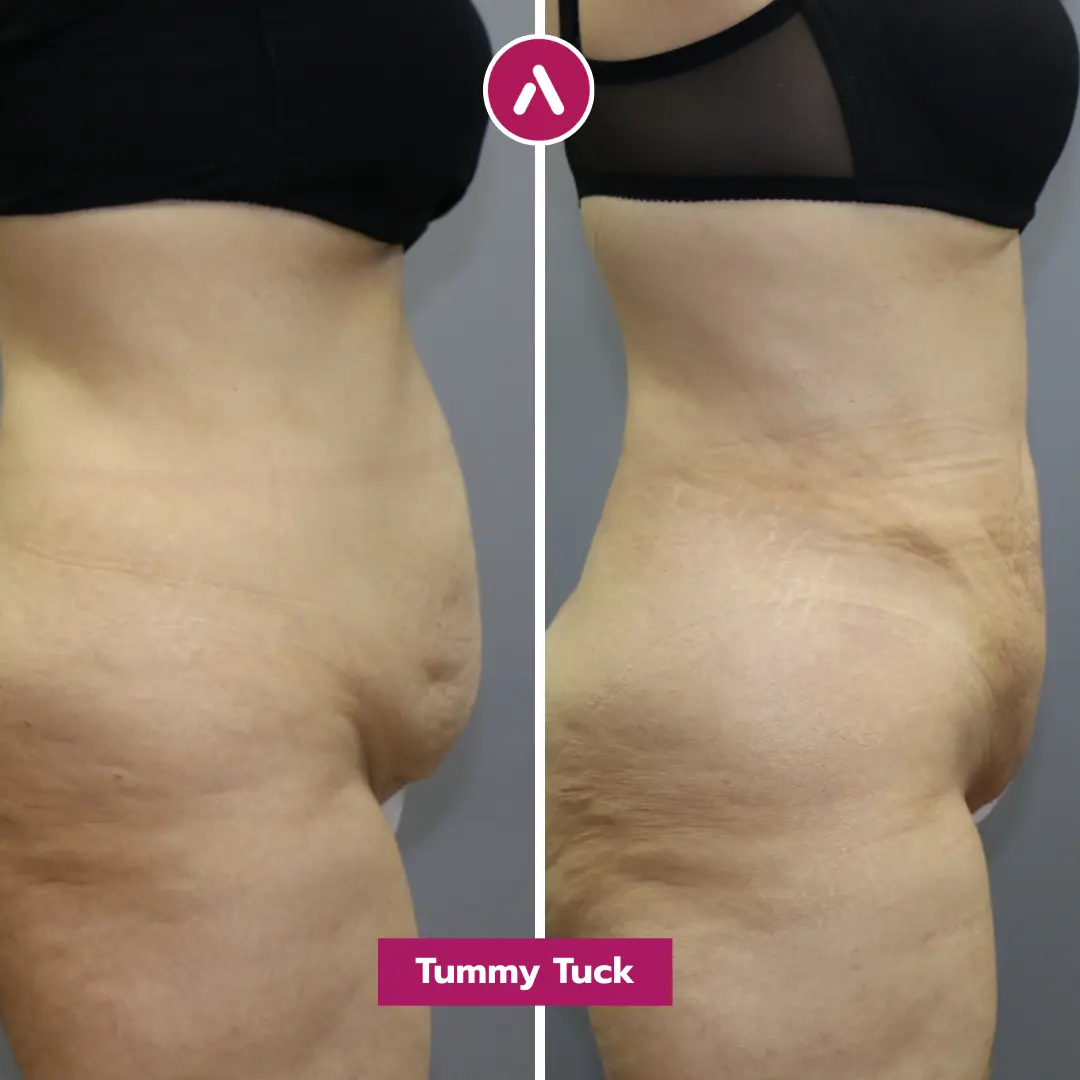
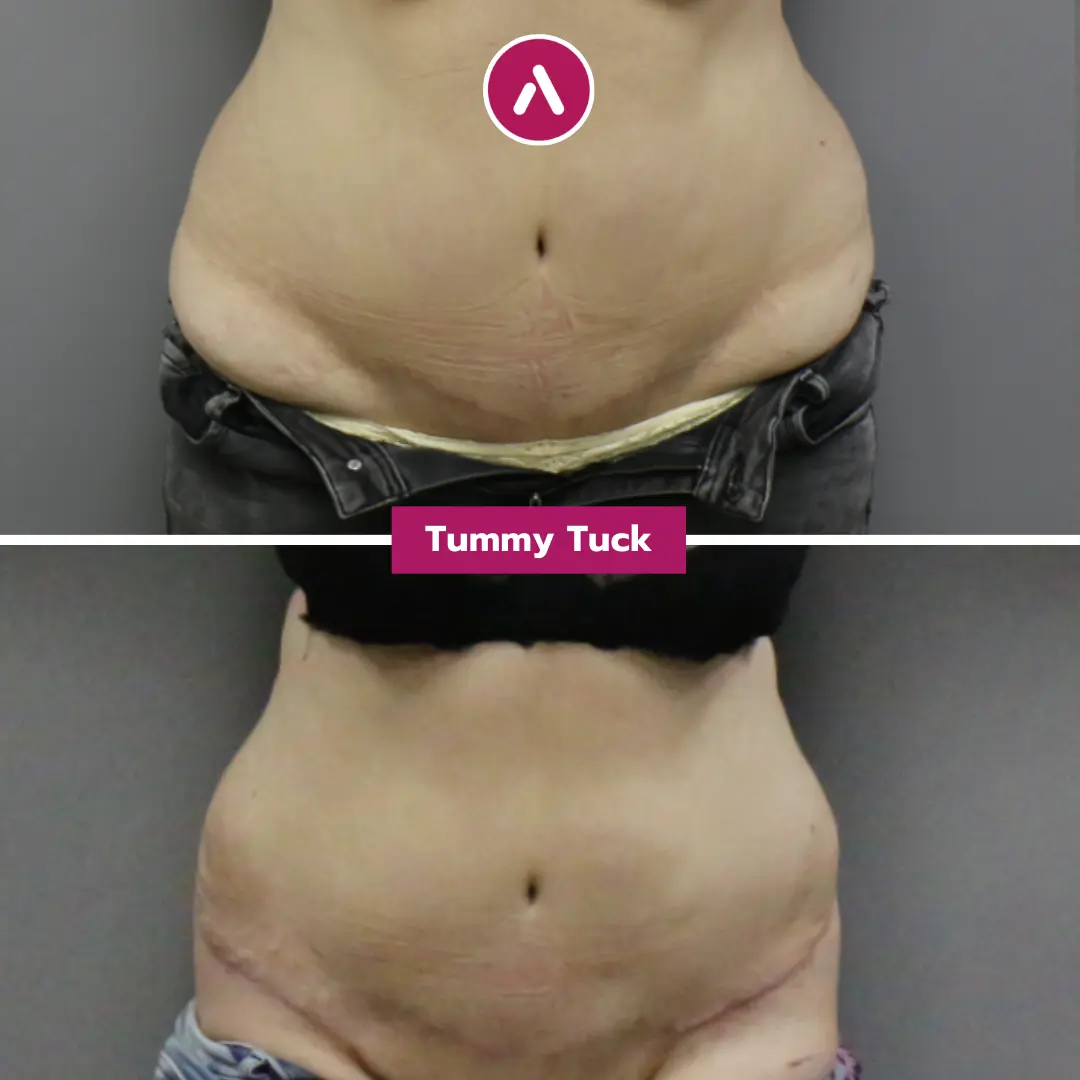
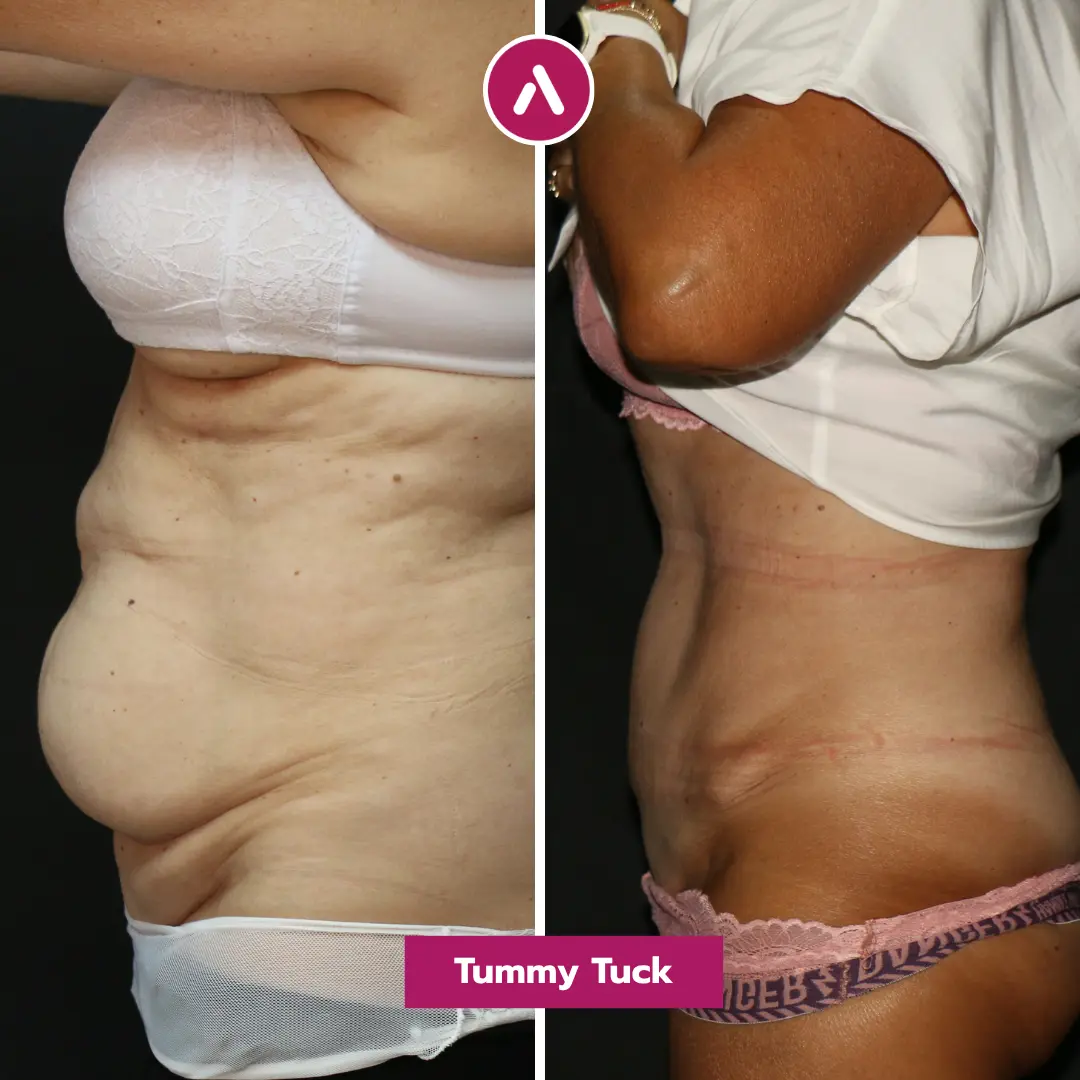
Explaining Recovery Support, Including HBOT and LLLT, in Understandable Terms
Advanced recovery support should also be explained in plain English. Patients are often told about technologies such as HBOT or LLLT, but these terms only build confidence when they are translated into understandable benefits. At AKM Clinic, the purpose of these treatments is not presented as a fashionable add-on. It is explained in practical terms.
Hyperbaric Oxygen Therapy is used to support healing, help manage post-operative oedema, and reduce social downtime. LLLT is used to support scar quality and tissue recovery. For a British patient, the key question is not whether these therapies sound impressive. The key question is what they mean for comfort, visible recovery, and readiness to return home more confidently.
This is where the language of medical science must remain accessible. Patients should not need specialist knowledge to understand why a recovery protocol has been recommended. They should simply be able to see how the plan fits together: surgery, recovery support, monitoring, and follow-up.
Staying Connected After You Return to the UK Through Structured Follow-Up
Perhaps the most important aspect of communication for international patients is what happens after they return home. Many clinics sound attentive before surgery but become much harder to reach afterwards. For British patients, that drop in communication can be deeply unsettling, even when recovery is progressing normally.
AKM Clinic’s model places strong emphasis on continued contact after the patient returns to the UK. This includes structured follow-up, practical recovery guidance, and accessible communication routes such as a UK-facing support pathway. For patients who worry about distance, that continuity matters enormously.
This approach is reflected in patient experience as well. UK patients have highlighted the reassurance of transparent communication, written planning, and reliable follow-up once home. For some, the comfort of being able to stay in touch through a familiar communication route is almost as important as the procedure itself. In an international setting, trust is maintained not by promises, but by staying available when reassurance is needed most.
Frequently Asked Questions (FAQ): English Speaking Plastic Surgeons in Turkey
Below are some of the most common questions British patients ask when researching English speaking plastic surgeons in Turkey. The answers should help clarify what strong communication really looks like in practice.
Can I really discuss my surgery directly in English with the surgeon?
Is a translator enough, or should I insist on direct surgeon communication?
How do I know whether I have fully understood the risks before booking?
Will I receive my treatment plan and quotation in writing?
What happens if I have questions after I return to the UK?
How can I tell whether a clinic’s communication is professional or just persuasive?
What questions should I ask in the first consultation to test communication quality?
If you would like to explore the topic further, you can also learn more about Specialist Plastic Surgeon Turkey, Questions to Ask Plastic Surgeon, Ghost Surgery in Turkey, and Online Plastic Surgery Consultation. These related guides can help you understand surgeon qualifications, safer decision-making, remote consultation accuracy, and the key warning signs to look for before booking treatment abroad.
Medical Disclaimer: This page is provided for general educational purposes only and does not replace a face-to-face medical consultation, diagnosis, or personalised treatment plan. All surgery carries risks and outcomes vary between individuals. Suitability for plastic surgery, procedure selection, and anaesthesia choice can only be determined after a full clinical assessment by a qualified surgeon. Always follow your clinician’s instructions and seek urgent medical attention if you develop concerning symptoms during recovery.
Related Treatments


Ready to Begin Your Own Transformation Journey?
Join the 2,000+ patients who have trusted Dr Akif Mehmetoğlu and the AKM Clinic team. Your journey to a more confident, naturally restored you begins with a simple, no-obligation conversation. Contact us today from the UK for your free virtual consultation.
#1: Get Your Free Personalised Quote
Start with a free, no-obligation online consultation. Share your photos, and our surgical team will provide a fully personalised treatment plan and a transparent, all-inclusive price package. There are no hidden fees.
#2: Secure Your Date & VIP Booking
Once you are ready, our dedicated patient coordinators will help you secure your procedure date. We will handle all your bookings, including your 5-star hotel accommodation and private VIP airport transfers.
#3: Arrive in Istanbul & Meet Your Surgeon
Arrive at Istanbul Airport (IST) and be greeted by your private driver. Settle into your hotel and prepare for your in-person consultation, where you will meet your specialist surgeon to finalise the details for your "natural, subtle, and restored" new look.