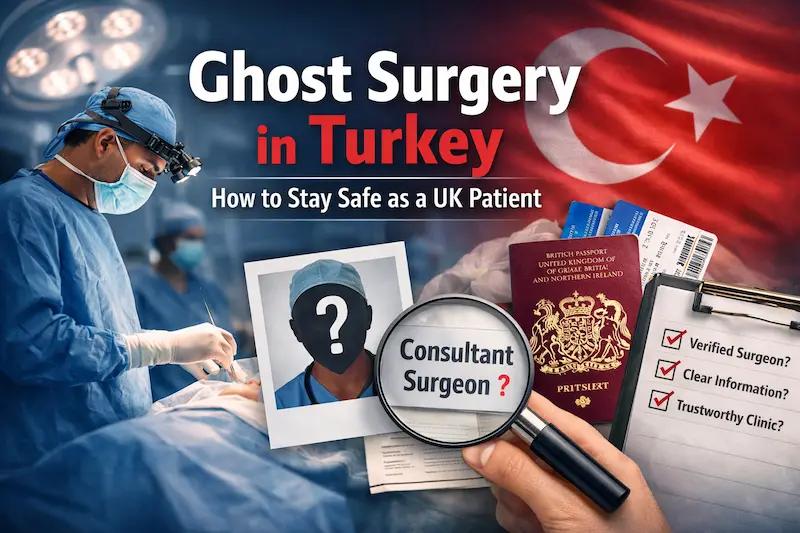
Ghost surgery in Turkey is one of the biggest fears for British patients considering cosmetic surgery abroad, and understandably so. The phrase sounds dramatic, but the concern behind it is entirely valid: you believe you are booking one surgeon, yet on the day of the operation, another doctor or a less experienced assistant may perform part or all of the procedure. For a UK patient comparing Harley Street standards with Istanbul options, that is not a minor detail. It is the difference between informed consent and a serious breach of trust.
Many patients begin their research with alarming search terms such as Turkey ghost surgery, ghost surgery Turkey, Turkish ghost surgery, ghost plastic surgery Turkey, or even ghost doctor plastic surgery Turkey. While the wording may vary, the central question remains the same: who will perform my surgery in Turkey? That is the question every sensible patient should ask before paying a deposit, booking flights, or signing consent forms.
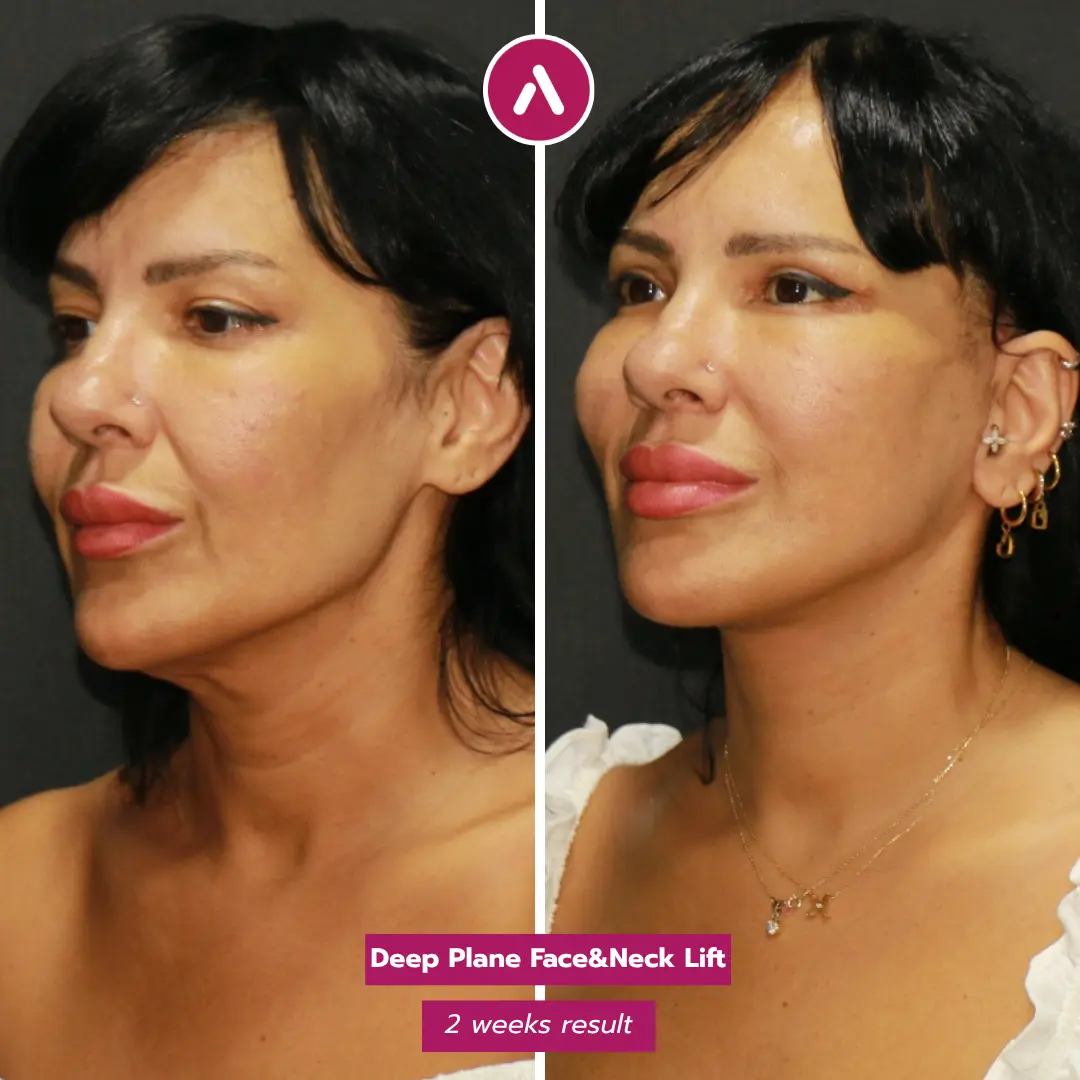
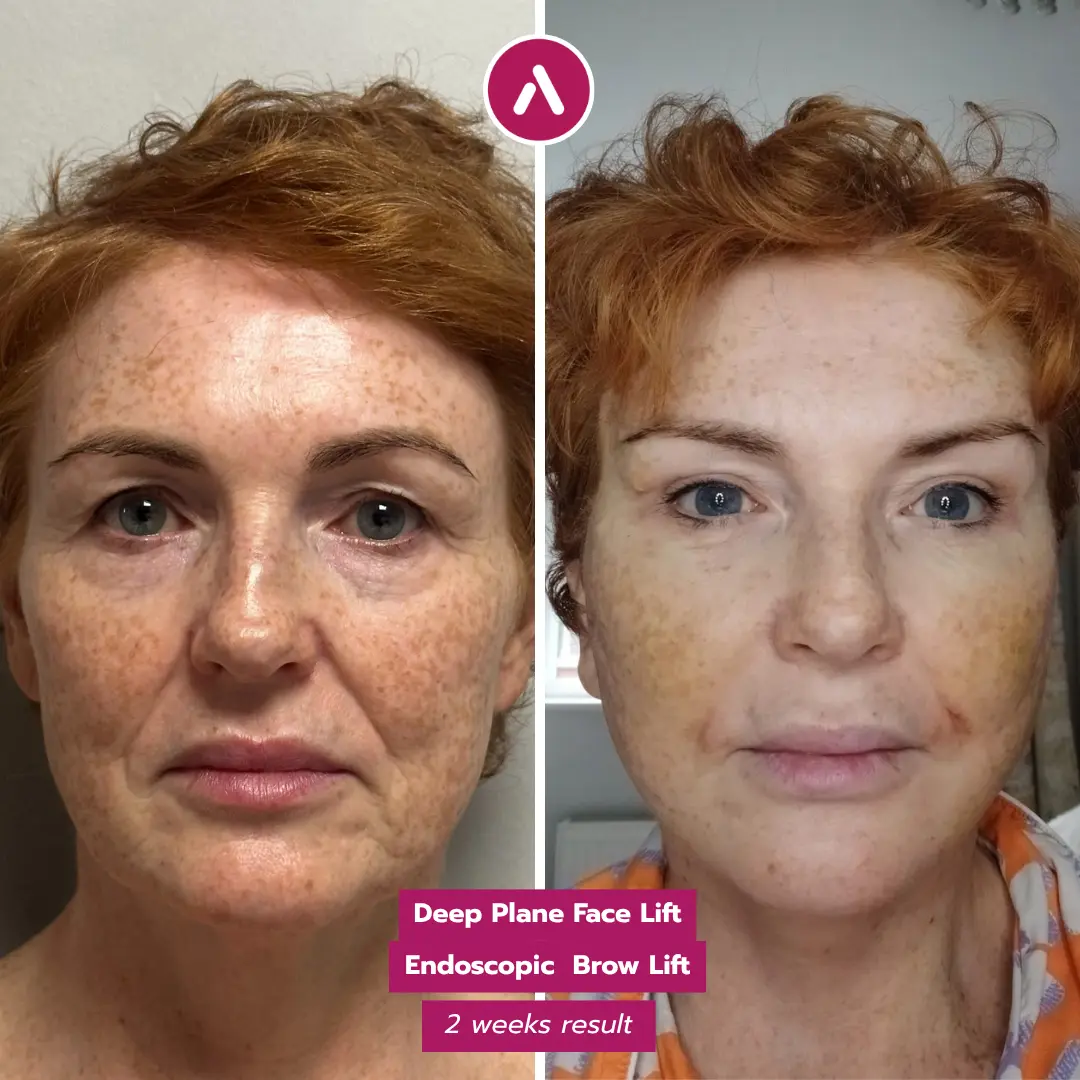
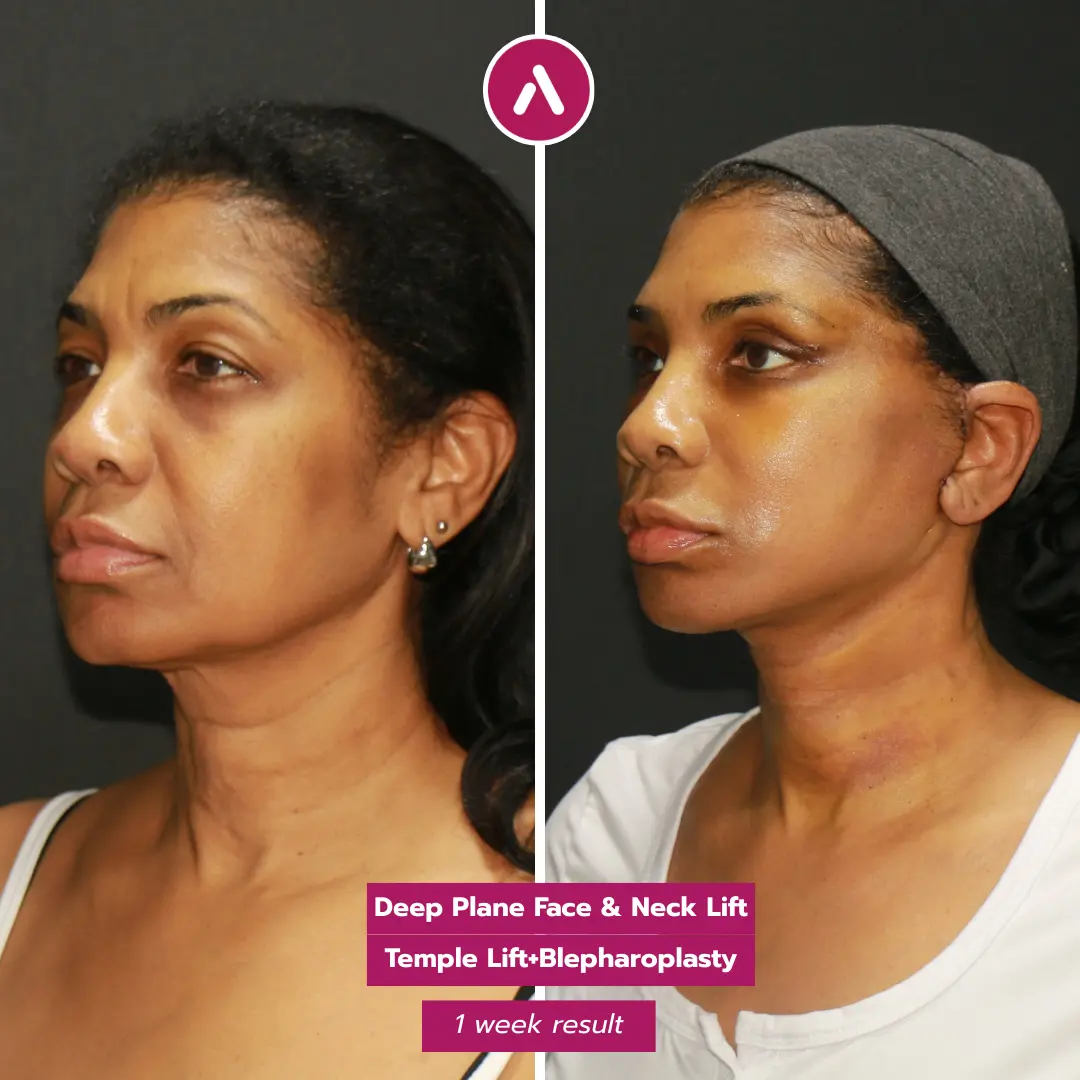
From a patient-safety, ethics, and medical science perspective, the issue is straightforward. Informed consent only has meaning when the named consultant surgeon is genuinely the clinician responsible for the procedure. Clear communication, written accountability, and a transparent theatre plan are not luxuries. They are the foundation of safe practice.
This guide explains how to avoid ghost surgery in Turkey, what warning signs to watch for, and how to distinguish a reputable, consultant-led clinic from a risky booking model driven by vague promises and aggressive sales tactics.
Table of Contents
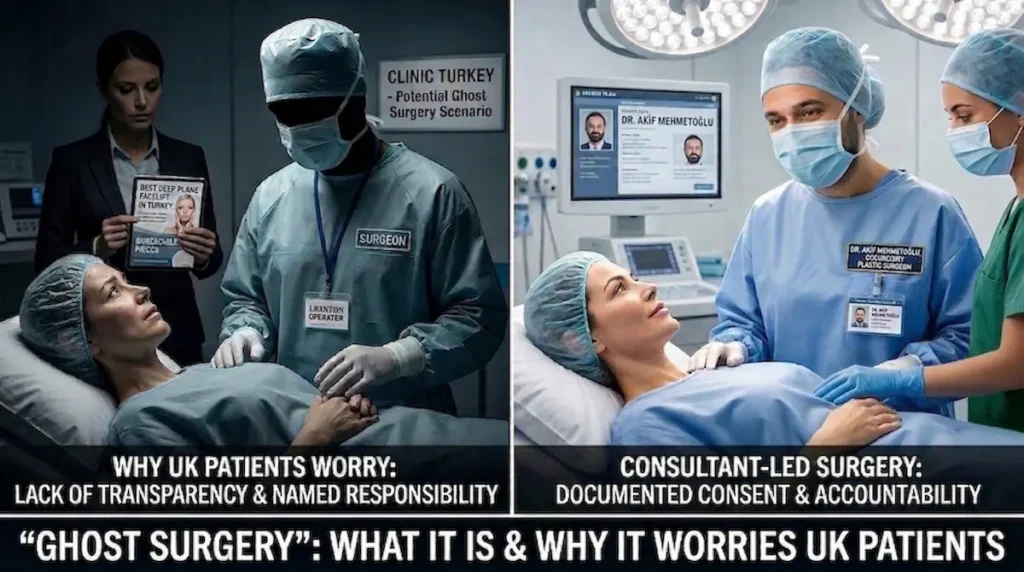
What Is “Ghost Surgery” and Why Does It Worry UK Patients?
Before discussing prevention, it is important to define the term properly. “Ghost surgery” does not mean a surgical team is present in theatre. A legitimate operation often involves anaesthetists, scrub nurses, and surgical assistants. The real problem begins when the person who sells the procedure is not the person who actually performs it, or when a clinic is deliberately unclear about who will be operating. For British patients used to expecting named clinical responsibility, that lack of transparency feels deeply unsafe.
This concern becomes even more important when patients are researching specialist procedures and trying to identify the best deep plane facelift surgeon in Turkey. In such cases, knowing the exact name, role, and responsibility of the operating consultant is essential. A clinic may market expertise convincingly, but if the patient cannot verify who will actually perform the procedure, trust is weakened before treatment has even begun.
The Difference Between Consultant-Led Surgery and Assistant-Led Surgery
A proper surgical team is collaborative, but accountability must be clear. In consultant-led care, the named consultant surgeon assesses the patient, decides on the treatment plan, takes responsibility for consent, and performs the critical parts of the operation. Assistants may support with exposure, instruments, dressings, or other delegated tasks, but they do not replace the lead surgeon without the patient’s full knowledge and agreement.
This is why the distinction between assistant surgeon vs consultant surgeon matters so much. An assistant surgeon may be competent within a defined supporting role, but that is not the same as the consultant taking ownership of the operation. When a clinic cannot explain this difference plainly, the patient should slow down immediately.
| Consultant-Led Surgery | Potential Ghost Surgery Scenario |
|---|---|
| The named consultant conducts the consultation | A coordinator handles everything and the surgeon remains unseen |
| The treatment plan is discussed directly with the operating surgeon | The plan is sold before the patient has spoken to the actual surgeon |
| Consent forms clearly identify the lead surgeon | Paperwork is vague or changes close to surgery day |
| The consultant surgeon performs the key stages of the procedure | A junior doctor or unknown operator takes over without clarity |
| The patient knows who will be in theatre and why | The theatre team is described only as “our medical team” |
In short, ethical surgery is team-based but never anonymous. A trustworthy clinic can explain, in writing, exactly how responsibilities are divided and confirm that the consultant surgeon performs the entire procedure in the sense that the decisive operative work is led and carried out by the named consultant, not quietly delegated to somebody else.
Why “Botched Abroad” Headlines Have Made British Patients More Cautious
British patients do not usually fear Turkey because they dislike international care. They worry because media coverage has repeatedly highlighted bad outcomes, poor follow-up, and clinics that appear to prioritise volume over accountability. That creates a climate in which even honest clinics are examined more critically, and frankly, that caution is reasonable.
For a UK audience, the concern is rarely just “Is Turkey safe?” The more intelligent question is: Is this clinic transparent, regulated in practice, and consultant-led? A well-informed patient is not being cynical by asking difficult questions. They are behaving exactly as they should.
That is also why terms such as bait and switch surgery Turkey and unregulated cosmetic clinics Turkey appear in patient research. These phrases reflect a fear of being promised one standard and receiving another. The issue is not whether a clinic has polished marketing, a luxury hotel package, or a low headline price. The issue is whether the patient can identify the responsible surgeon, verify credentials, and receive consistent answers before travelling.
The Real Risk Is Poor Transparency, Not the Country Alone
It is tempting to reduce the conversation to nationality, but that oversimplifies the problem. There are excellent surgeons in Turkey and poor operators elsewhere. The safer distinction is not UK versus Turkey; it is transparent consultant-led care versus opaque, sales-led medicine.
A reputable clinic should be able to give you the surgeon’s full name, qualifications, areas of specialist focus, and a clear explanation of who will be present in the operating theatre. It should also be willing to arrange direct communication with the operating surgeon rather than hiding behind a sales coordinator.
“The safest cosmetic patient is the one who knows exactly who is operating, what has been agreed, and what will happen on the day. Transparency is not an extra feature; it is part of patient safety.”
That principle matters especially for British patients, who often compare overseas options against the expectations they would have from a consultant-led private pathway at home. Whether you are considering facial surgery, body contouring, or revision work, the standard should remain the same: named responsibility, documented consent, and no ambiguity about the operating surgeon.
Why Some Patients Are More Vulnerable to Ghost Surgery Abroad
Most patients who end up in a poor situation are not careless. In fact, many are diligent, hardworking people who simply trusted the wrong signals. Vulnerability often begins when the booking journey is structured around convenience, urgency, and price rather than clinical clarity. Understanding these patterns is one of the most practical ways to protect yourself.
Booking Through a Sales Agent Instead of Speaking to the Surgeon
One of the clearest risk factors is building an entire surgical plan through a coordinator without ever meeting the operating surgeon properly. A patient may send photographs, receive a price, choose dates, and even pay a deposit before they have had a meaningful conversation with the clinician who is supposed to carry out the procedure.
That model is not automatically unsafe, but it becomes risky when the coordinator cannot answer basic clinical questions and the surgeon remains oddly distant. If you ask, “Who will perform my surgery in Turkey?”, the response should not be vague, delayed, or dressed up in marketing language. You should receive a direct answer with a real name, a role, and an explanation of responsibility.
For UK patients, this is where consultant-led care Turkey becomes more than a keyword. It is a practical standard. The named consultant should not appear only after the deposit has been paid. They should be part of the decision-making process before you commit.
Choosing on Price Alone Without Verifying Qualifications
Cost matters, especially for British patients comparing Istanbul fees with London or Harley Street quotes. However, a low price should never be allowed to answer a clinical question. If a clinic looks dramatically cheaper than the rest of the market, the patient must ask why. Sometimes the answer is efficiency or lower overheads. In other cases, the answer may be reduced continuity of care, less experienced operators, or a production-line approach to surgery.
This is where a more disciplined approach helps. Instead of asking only, “How much is it?”, ask:
- Who is the named consultant surgeon?
- What are their qualifications and specialist focus?
- Will I speak to that surgeon before booking?
- Will the same name appear on my consultation notes and consent documents?
British patients tend to look for signals comparable to what they understand at home: specialist credentials, a clear surgical lead, robust hygiene protocols, and straightforward communication. Price can be part of the decision, but it should never replace due diligence.
Confusing “Our Medical Team” With a Named Consultant Surgeon
Another common problem is language that sounds reassuring but says very little. Phrases such as “our expert medical team”, “our senior surgical staff”, or “our specialists will take care of you” may sound professional, yet they do not tell you who will actually be operating.
A safe booking pathway identifies a named consultant surgeon, not a blur of job titles. The patient should know who performed the assessment, who approved the operative plan, who will administer anaesthesia, and who will be responsible for post-operative decisions. Anything less leaves too much room for confusion on the day.
In practical terms, if a clinic keeps repeating “team” when you keep asking for a name, treat that as a warning sign. Reputable clinics understand why British patients are cautious and do not become defensive when asked for specifics. They answer clearly, because clear answers protect both the patient and the surgeon.
The same principle applies to paperwork. Your consultation summary, quotation, consent process, and theatre documentation should all point to the same clinical lead. If different names begin appearing at different stages, pause the process and investigate before proceeding.
How to Verify Your Consultant Surgeon Before You Book
If you are serious about avoiding ghost surgery Turkey scenarios, verification must happen before any deposit is paid. A trustworthy clinic should make it easy for you to identify the responsible consultant, understand their role, and confirm that the same surgeon will remain accountable from consultation to operating theatre. This is where many patients either protect themselves properly or rely too heavily on reassurance that sounds polished but proves very little.
This is especially relevant for patients comparing surgeons for advanced facial procedures, where choosing the best deep plane facelift surgeon in Turkey requires more than impressive marketing or social media presence. True verification means confirming the consultant’s identity, specialist focus, and exact role in your operation, so you know the surgeon you researched is the one who will actually be responsible for your result.
Ask for the Surgeon’s Full Name, Title, and Exact Surgical Role
The first and most important step is remarkably simple: ask for the surgeon’s full name and ask exactly what they will do. Do not settle for “our team will look after you” or “one of our senior doctors will perform the operation”. Those phrases may sound respectable, but they do not answer the question that matters most: who will perform my surgery in Turkey?
You should receive a named consultant surgeon, not a generic department label. That surgeon should be the same clinician connected to your treatment plan, your consultation, your consent, and your operating day. If the clinic avoids giving a clear name until after payment, that is a serious warning sign. If the name changes repeatedly, that is another.
A sensible British patient can ask this directly:
- Who is my named consultant surgeon?
- Will that consultant surgeon perform the operation from start to finish?
- Will any assistant surgeon carry out any independent part of the procedure?
- If so, which part, and why?
This is the practical difference between safe transparency and risky ambiguity. The phrase consultant surgeon performs the entire procedure should not be treated as a slogan. It should be something the clinic is willing to explain carefully, in plain English, with written confirmation to support it.
Check UK-Relevant Equivalents Such as European Board Credentials and Specialist Focus
Once you have the surgeon’s name, the next step is to verify whether their background reflects the level of expertise a UK patient would reasonably expect. Many British patients naturally look for familiar signals such as specialist-level training, board recognition, a focused practice, and evidence that the surgeon is not simply a generalist taking on a wide range of cases for volume.
This is where credentials matter, but so does context. A qualification means more when it sits alongside a clear specialisation, a coherent body of work, and a consistent clinical philosophy. A surgeon who focuses heavily on facial rejuvenation, for example, is more reassuring for facelift patients than somebody advertising everything from teeth to hair to body surgery under one commercial umbrella.
In a consultant-led care Turkey model, the question is not just “Is this person a doctor?” It is “Is this the right consultant for this exact operation?” British patients should feel entitled to ask about specialist focus, years of experience, and whether the surgeon’s results consistently match the outcome style they want.
| Verification Point | Why It Matters | What a Safe Answer Looks Like |
|---|---|---|
| Named consultant surgeon | Prevents anonymity and role confusion | A full name is given before payment |
| Relevant credentials | Shows formal training and recognised standards | The clinic explains qualifications clearly and consistently |
| Specialist focus | Improves confidence in judgement and technique | The surgeon has a clear area of regular practice |
| Direct consultation access | Reduces sales-led miscommunication | You can speak with the operating consultant before booking |
| Consistent documentation | Protects informed consent | The same surgeon appears across all stages of the process |
From a scientific research and patient-safety perspective, consistency matters because safe care is systematic. Good surgery is not just about skill in the theatre; it is also about reliable documentation, clear responsibility, and repeatable standards. When a clinic becomes vague at the verification stage, that weakness often appears elsewhere too.
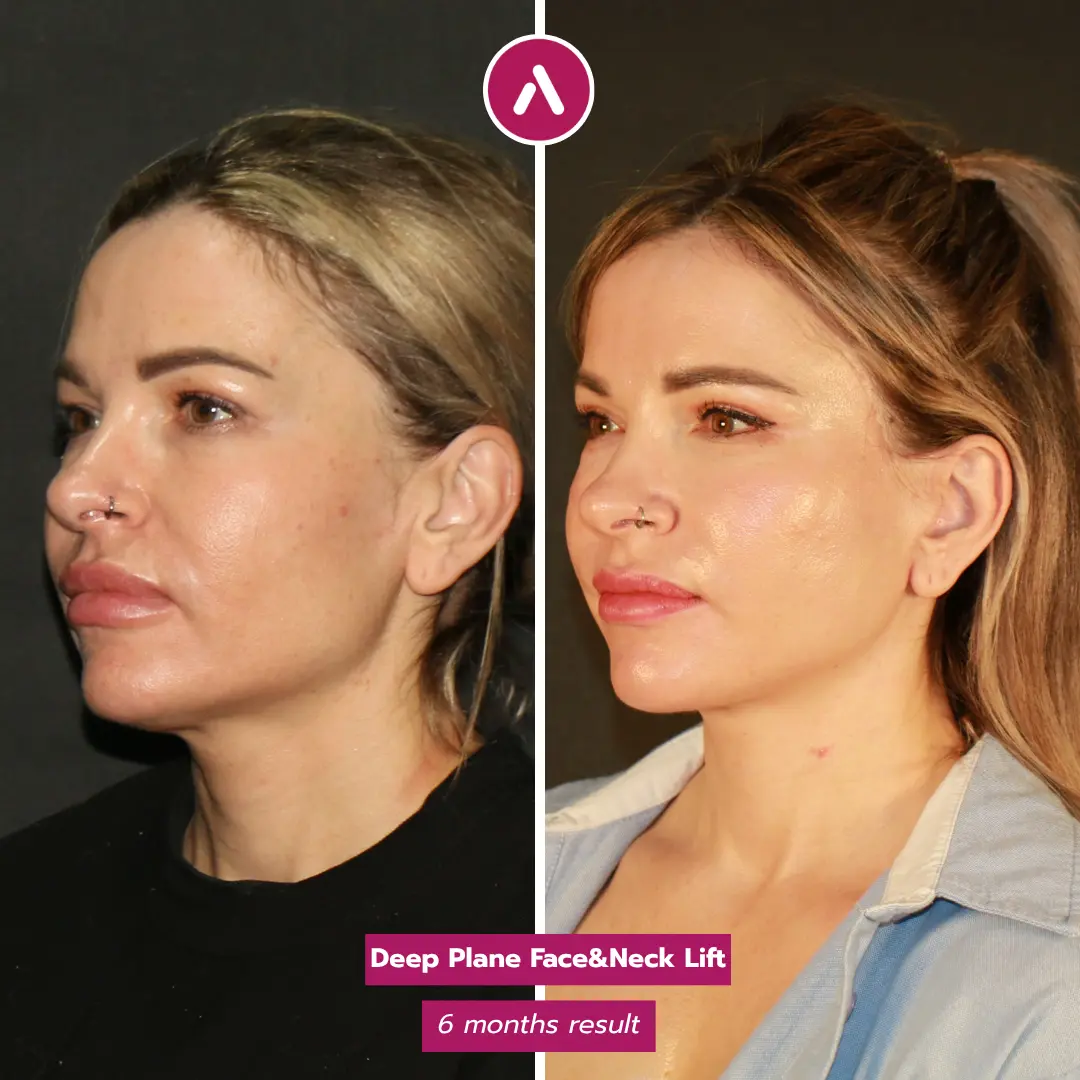
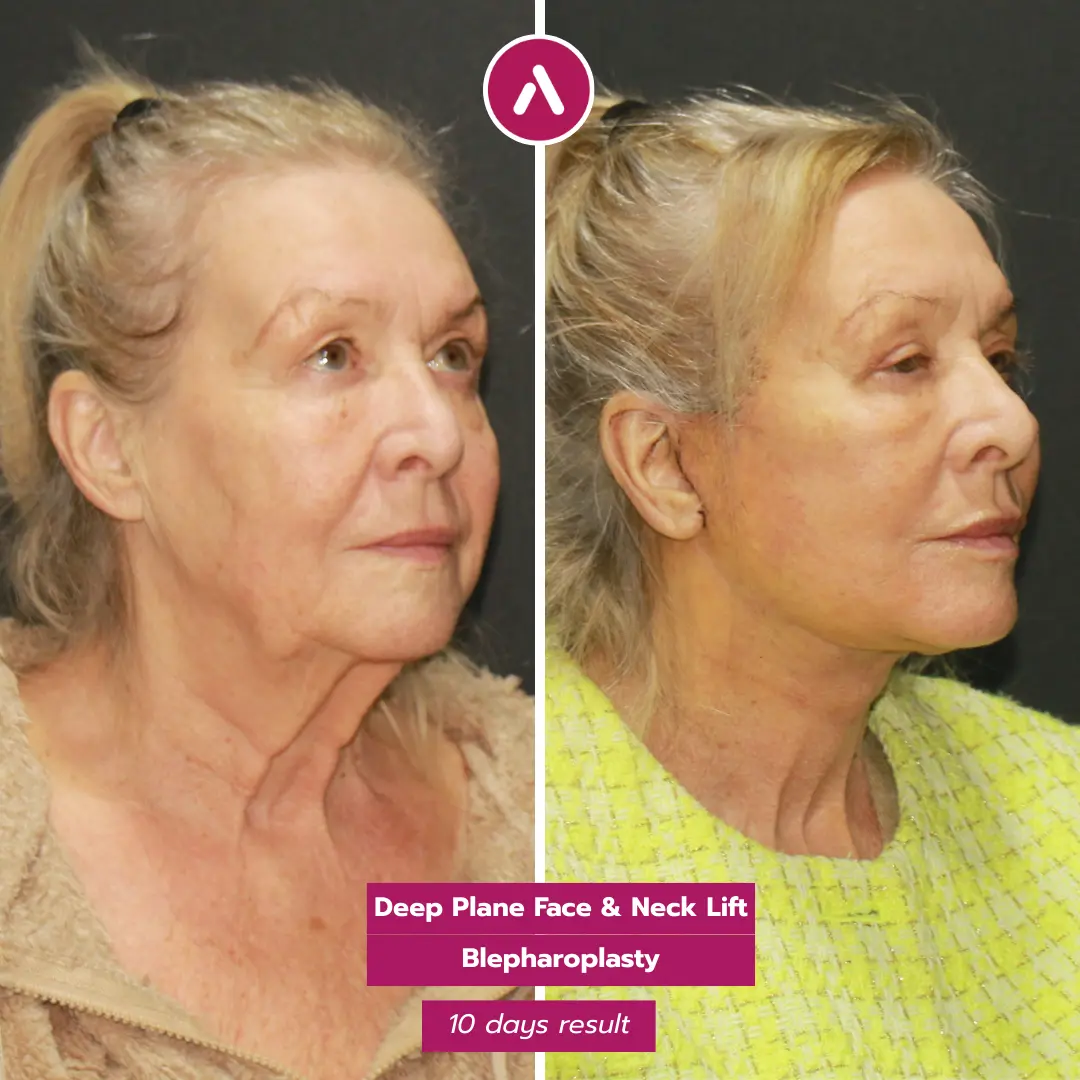
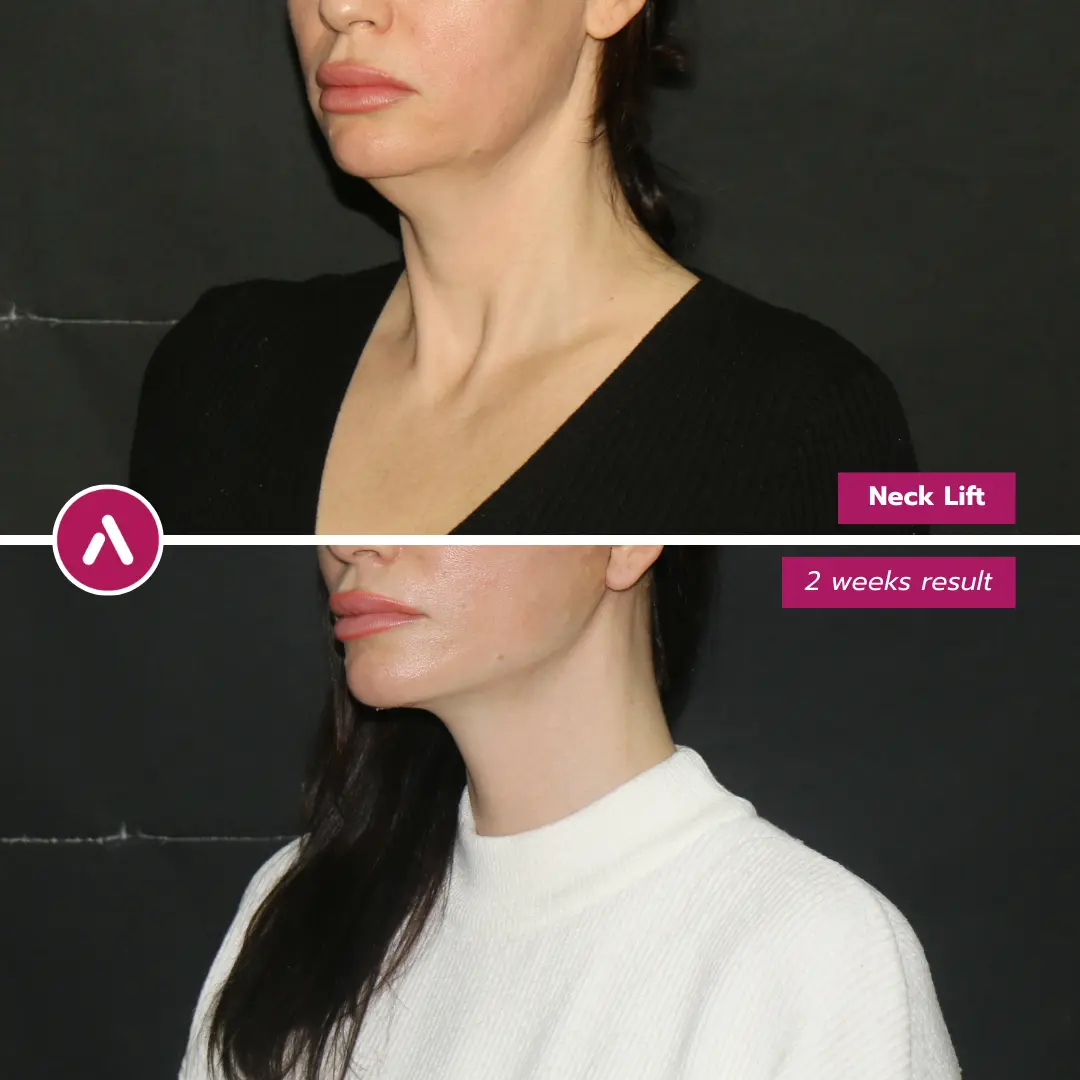
Make Sure the Same Surgeon Appears in the Consultation, Consent Forms, and Theatre Plan
One of the most effective ways to prevent bait and switch surgery Turkey problems is to compare names across the entire patient journey. The surgeon you meet in a video consultation should be the surgeon named in your paperwork. The surgeon named in your paperwork should be the surgeon scheduled for your operating theatre. Any unexplained difference should be treated as unacceptable until it is fully clarified.
This is especially important because many patients feel social pressure not to “cause a fuss” once travel is booked and accommodation is arranged. But surgery is not a restaurant reservation. If the named surgeon changes late in the process, or if a clinic suddenly reframes the plan around “our available team”, you are entitled to stop and ask why.
Useful documents to request before travel include:
- A written quotation linked to the named procedure
- A consultation summary or treatment plan
- A consent draft or pre-operative confirmation naming the lead surgeon
- A clear explanation of who else will be present in the operating theatre
If the clinic’s marketing promises one consultant but the paperwork points vaguely to a team, believe the paperwork problem, not the sales message.
This is also why a proper video consultation matters. Seeing the surgeon, hearing how they communicate, and asking direct questions in real time creates accountability. It is much harder for an unregulated cosmetic clinics Turkey style model to stay vague when the patient insists on documented, consultant-level clarity.
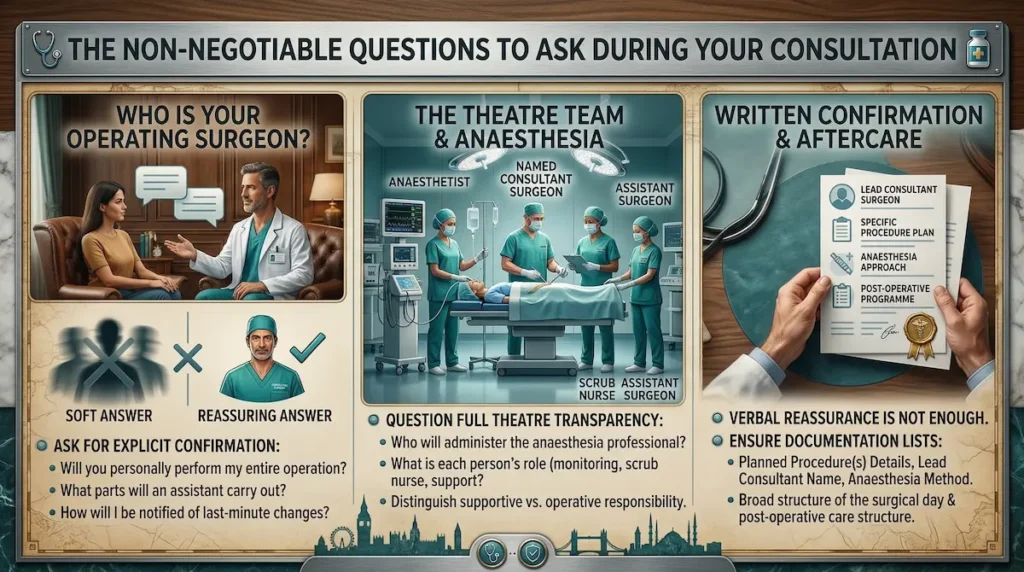
The Non-Negotiable Questions to Ask During Your Consultation
A good consultation should do more than reassure you emotionally. It should give you specific, checkable answers. If you leave the consultation still unsure who is operating, who is responsible for anaesthesia, or what paperwork you will receive, then the consultation has not done its job properly. For UK patients worried about how to avoid ghost surgery in Turkey, these questions are not awkward. They are essential.
Who Will Perform the Entire Procedure From Start to Finish?
This question must be asked clearly and answered clearly. Avoid soft wording such as “Will you be involved?” or “Will you be there on the day?” Those questions leave too much room for evasive answers. Instead, ask whether the named consultant surgeon will perform the key operative steps and remain the responsible surgeon throughout the procedure.
A reliable answer should explain the division of labour honestly. Surgical assistants can have legitimate roles, but those roles should be described precisely. If the clinic becomes defensive, irritated, or oddly vague, that reaction itself is informative.
Here are strong versions of the question to use during the consultation:
- Will you personally perform my surgery?
- Which parts of the procedure will you carry out yourself?
- Will any assistant surgeon perform any independent stage of the operation?
- If plans change on the day, how will I be informed and asked to consent?
This is the heart of the issue for any patient searching terms such as ghost plastic surgery Turkey or ghost doctor plastic surgery Turkey. The risk is not merely that other staff are present. The risk is that the actual operating responsibility becomes blurred after the patient has already committed financially and emotionally.
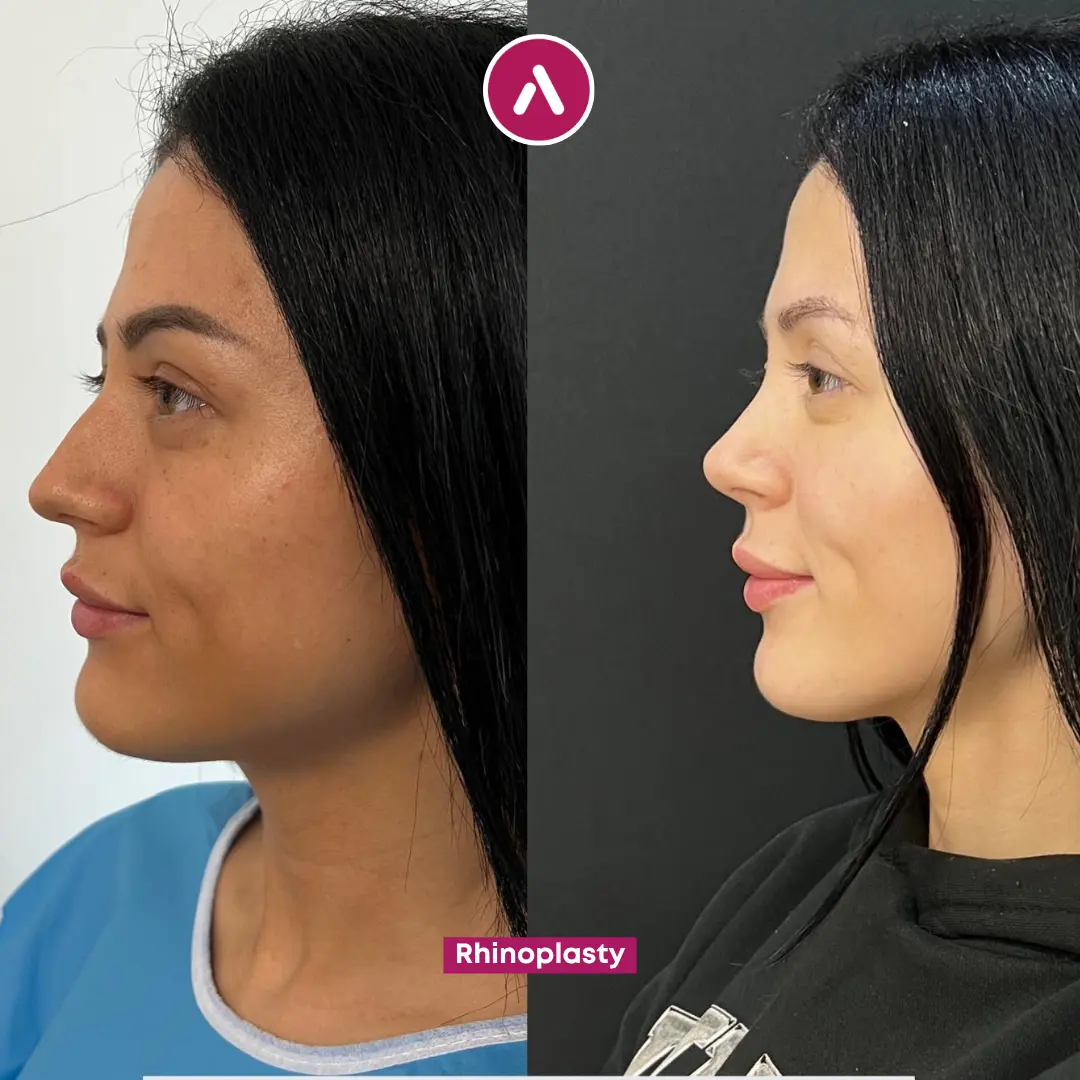
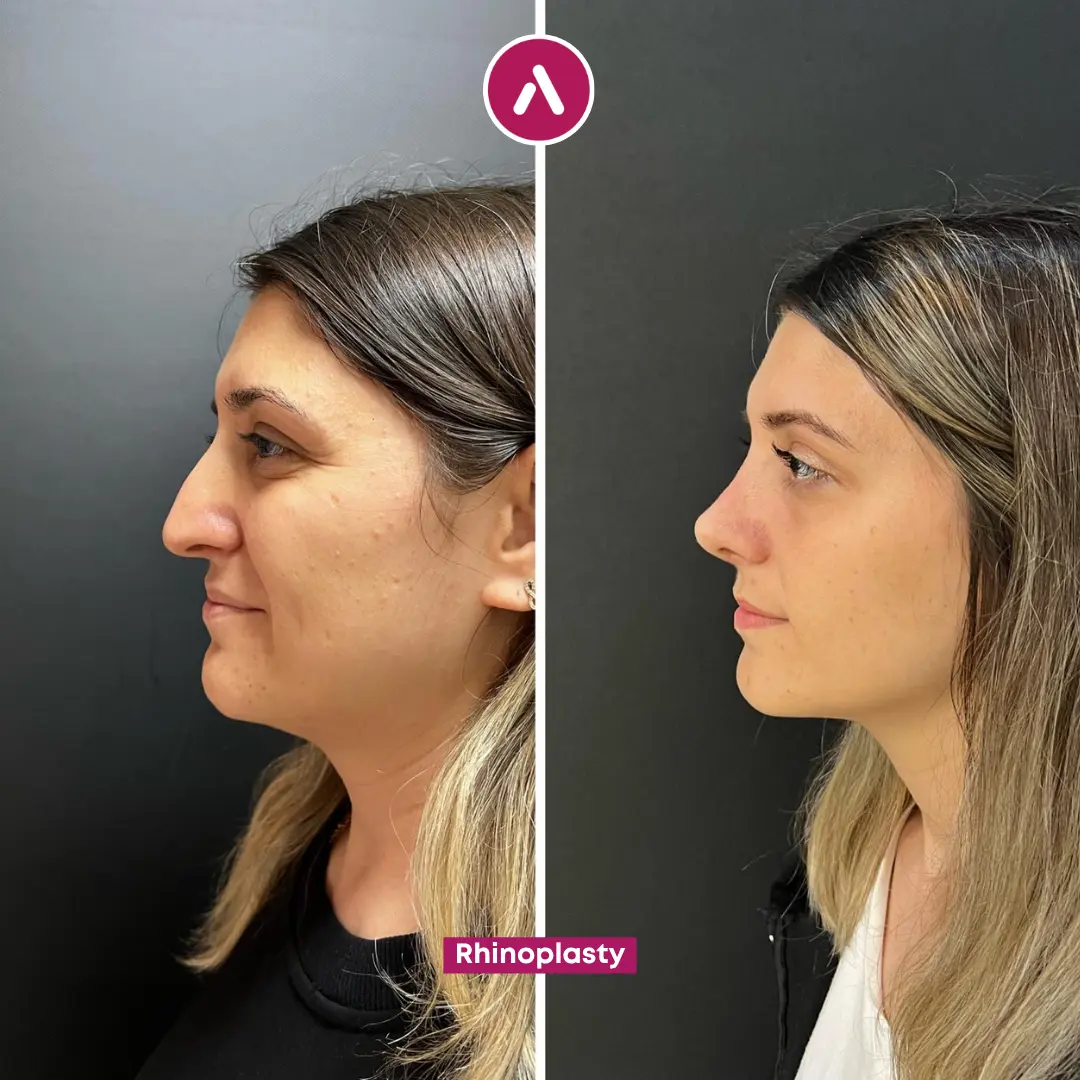
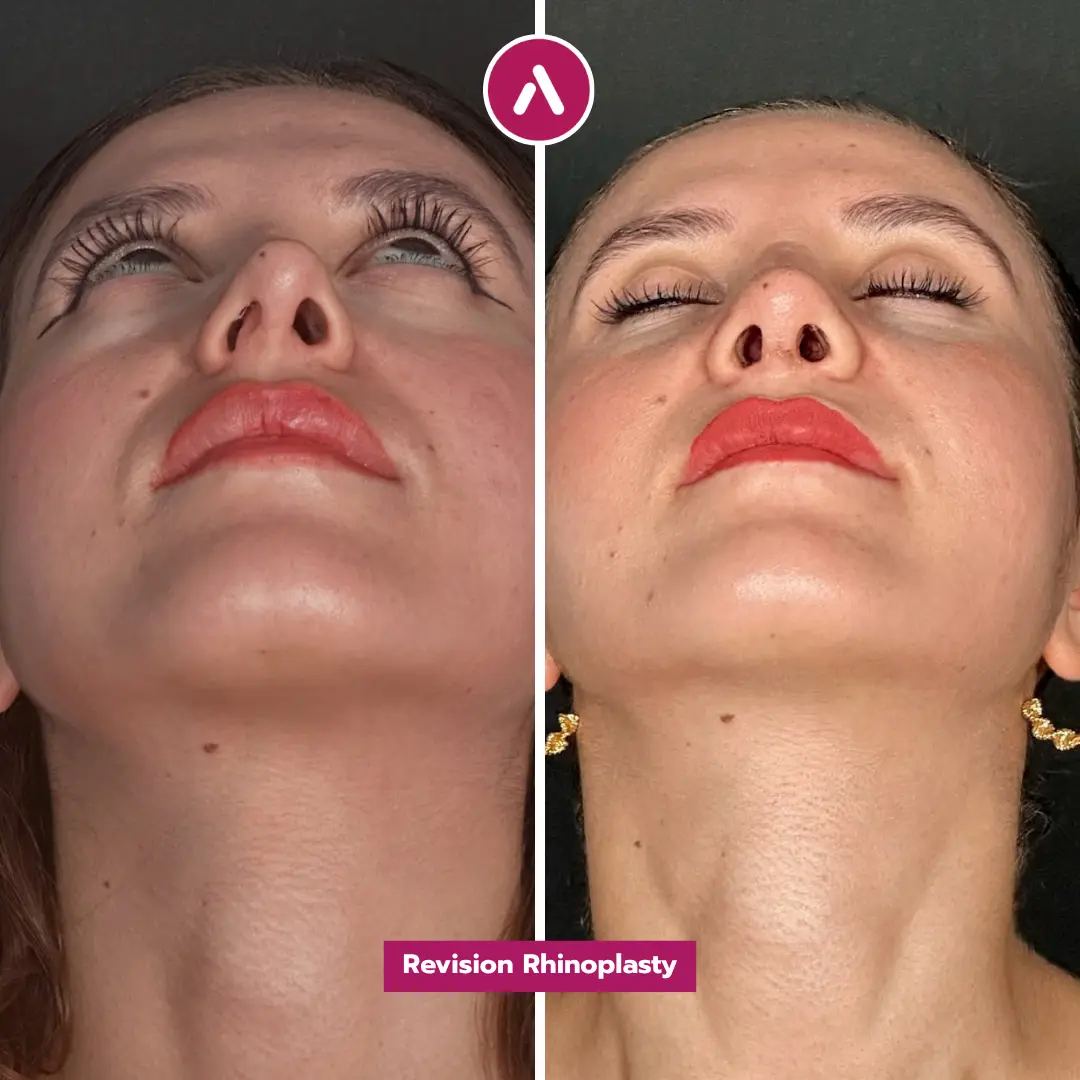
Who Will Administer Anaesthesia and Who Else Will Be in the Operating Theatre?
A safe clinic should be completely comfortable discussing the full theatre team. That includes who will administer anaesthesia, whether the procedure is under local anaesthesia, twilight anaesthesia, or general anaesthesia, and what role each person in theatre will play. Patients often focus only on the surgeon, but the theatre environment matters too.
Ask for straightforward information, not technical overload. You do not need a lecture, but you do need clarity. A clinic should be able to explain:
- Who will administer your anaesthesia
- Who will monitor you during the procedure
- Whether an assistant surgeon will attend
- Whether there are scrub nurses or other support staff in theatre
- Which of those roles are supportive and which carry operative responsibility
For UK readers, this question is especially important because communication standards matter almost as much as credentials. A patient who misunderstands who is in theatre may later feel deceived, even if some roles were clinically normal. A transparent clinic prevents that by explaining everything beforehand in plain, confident language.
When the answer is vague, patients may accidentally accept an assistant surgeon vs consultant surgeon substitution they never intended to allow. That is why theatre transparency is part of informed consent, not an optional extra for anxious patients.
What Written Confirmation Will I Receive Before Surgery Day?
Verbal reassurance is helpful, but written confirmation is safer. If a clinic tells you on a call that the consultant will operate, ask where that will appear in your documentation. Good paperwork protects both patient and clinic because it reduces the space for misunderstanding, memory gaps, and last-minute surprises.
Before travelling from the UK, you should ideally have written confirmation covering the following points:
- The exact procedure or procedures planned
- The name of the lead consultant surgeon
- The expected anaesthesia approach
- The broad structure of the surgical day
- Post-operative contact arrangements and aftercare channels
For a British patient, practical trust also includes accessibility after the operation. Knowing there is a clear route back to the clinic, a responsive support system, and documented continuity of care reduces the sense of isolation many patients fear when travelling abroad.
| Question to Ask | Weak Answer | Reassuring Answer |
|---|---|---|
| Who will perform my surgery? | “Our surgical team will handle it.” | “Your named consultant surgeon will perform the operation.” |
| Will an assistant operate? | “Assistants are always around.” | “Assistants support, but they do not replace the consultant without your knowledge.” |
| Who gives anaesthesia? | “Do not worry, it is all arranged.” | “This is who will administer it, and this is how you will be monitored.” |
| Will I receive written confirmation? | “We can discuss that later.” | “Yes, your documents will identify the procedure and the lead consultant.” |
If a clinic is transparent, these questions will not damage the relationship. In fact, a high-quality clinic usually welcomes them because serious questions tend to come from serious patients. That is the standard UK patients should expect, whether they are comparing London, Harley Street, or Istanbul options.
Red Flags That Suggest a Clinic May Be Hiding Something
Most cases of Turkey ghost surgery do not begin with an obvious confession. They begin with small inconsistencies that patients are encouraged to ignore: unclear names, shifting answers, oddly urgent discounts, or paperwork that becomes less specific the closer you get to surgery day. For British patients, learning to spot these warning signs early is one of the most effective ways to avoid a poor outcome.
These warning signs matter even more when patients are searching for the best deep plane facelift surgeon in Turkey, where precision, experience, and surgeon-led planning are essential. A clinic may present itself as premium, but if it avoids clear answers about who will operate, who is responsible, and what is confirmed in writing, that premium image quickly becomes far less convincing from a patient-safety perspective.
Vague Answers About Who “Usually” Performs the Operation
A reputable clinic should be able to tell you exactly who your named consultant surgeon is and what their role will be. If you ask directly and receive phrases such as “one of our senior doctors”, “our surgical team”, or “the consultant will be involved”, that is not a proper answer. It may sound polished, but it leaves far too much room for substitution.
This is where many patients researching ghost surgery Turkey or who will perform my surgery in Turkey get caught out. The clinic may never say anything blatantly false. Instead, it uses language that sounds reassuring while avoiding precise responsibility. That is why vague wording must be treated as a red flag in its own right.
Pay close attention to phrases like these:
- “Our team will decide on the day.”
- “The surgeon may change depending on scheduling.”
- “All our doctors are equally experienced.”
- “Do not worry, you are in safe hands.”
None of those statements answers the central question. A safe clinic gives you a name, a role, and written consistency. A risky clinic gives you comfort without clarity.
Pressure Tactics, Flash Discounts, and Urgent Deposit Demands
Another common warning sign is commercial pressure that overwhelms clinical judgement. If the conversation moves too quickly from “send your photos” to “pay today to lock in the deal”, take a step back. Surgery should never feel like booking a last-minute holiday package.
Patients searching terms such as bait and switch surgery Turkey are often responding to exactly this kind of experience. A clinic may advertise one surgeon, one package, or one standard of care, then quietly alter the reality once the patient has paid a deposit or booked flights. Urgency is used to reduce scrutiny.
Examples of concerning behaviour include:
- Large discounts that expire within hours
- Repeated messages pushing for immediate payment
- Refusal to arrange a proper video consultation before deposit
- Promises that details about the surgeon can be sorted later
For a British patient, the safest mindset is simple: if a clinic is rushing you past verification, it is not respecting informed consent. Good clinics understand that careful patients need time to compare, reflect, and ask difficult questions.
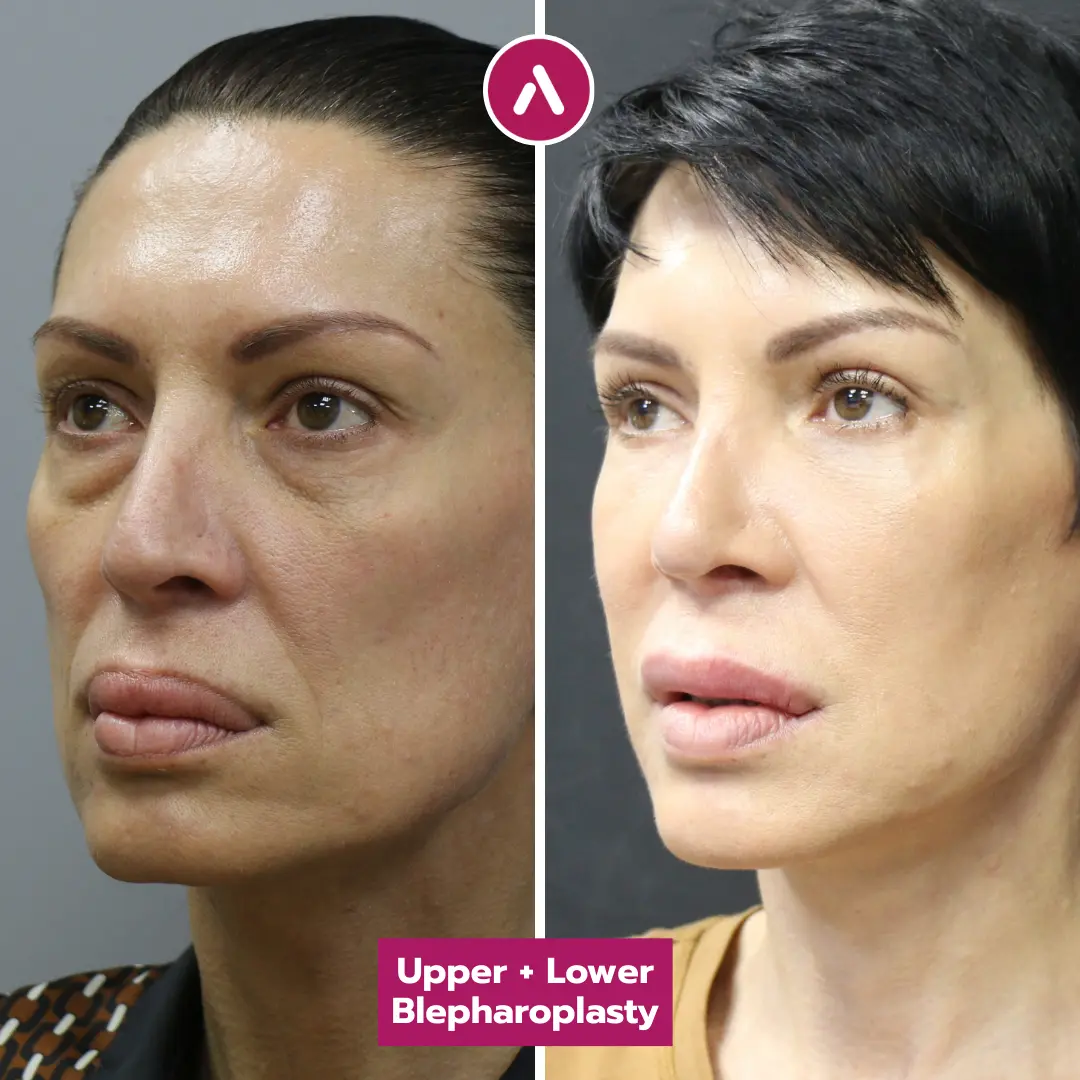
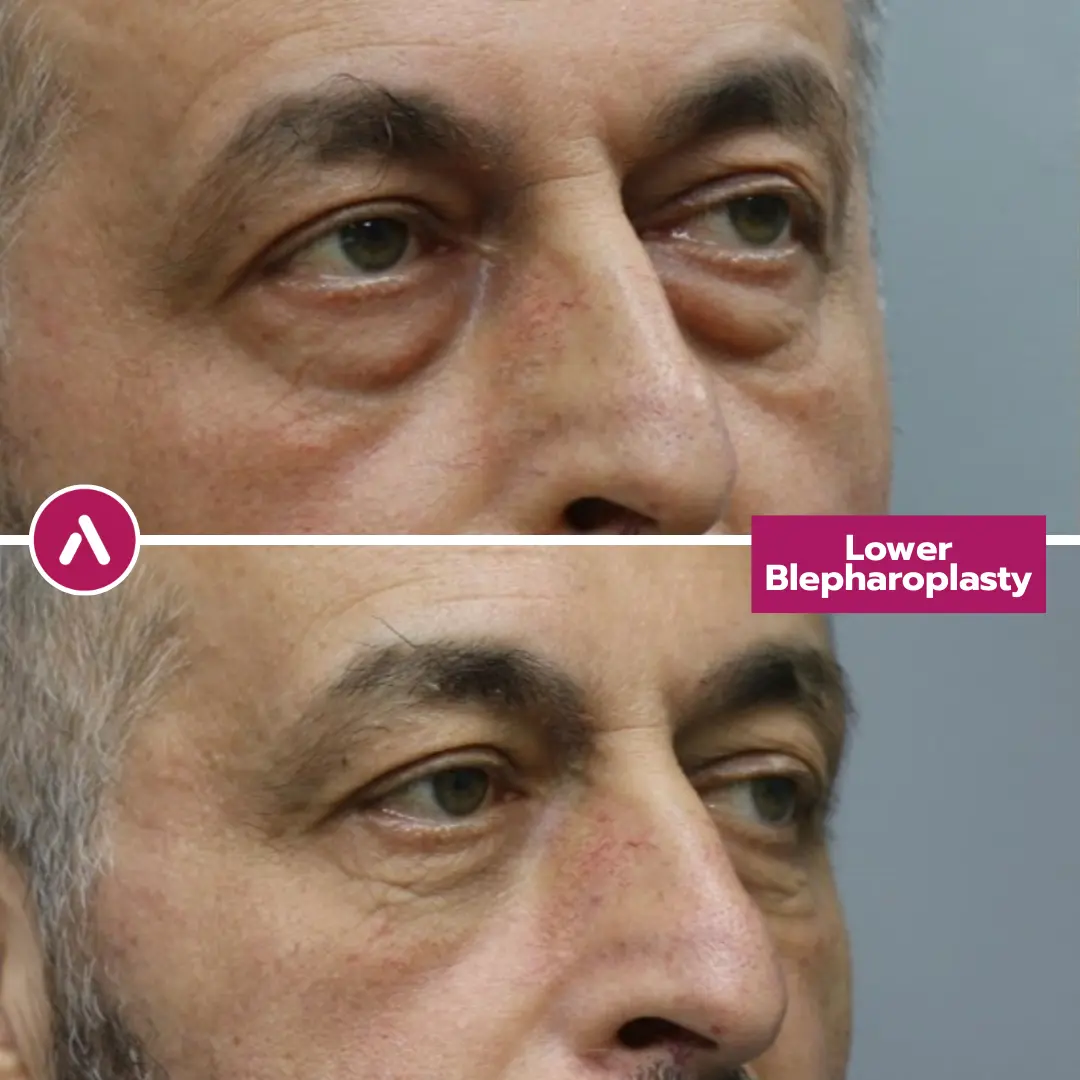
Generic Before-and-After Photos, Weak Documentation, and Inconsistent Communication
Presentation matters, but presentation is not proof. A glossy website, luxury transfer service, or large social media following does not guarantee that a consultant-led model is in place. When patients look into Turkish ghost surgery concerns, they often discover that the real problem was not the marketing itself, but the lack of documentation behind it.
Warning signs in this area include generic before-and-after photographs with little clinical context, repeated delays in sending paperwork, inconsistent answers from different coordinators, and reluctance to identify the lead surgeon in writing. These details may seem administrative, but they often reveal the clinic’s true operating culture.
| Red Flag | Why It Matters | What a Safer Alternative Looks Like |
|---|---|---|
| No clear surgeon named before deposit | Creates anonymity and weakens accountability | The named consultant is confirmed before booking |
| Different staff give different answers | Suggests poor internal communication or deliberate vagueness | Consistent answers across consultation, quotation, and consent |
| Generic photographs without context | Makes it hard to assess authentic surgeon-led work | Clear case examples aligned with the surgeon’s specialist focus |
| Paperwork arrives late or lacks names | Undermines informed consent | Documents are shared clearly before travel |
| Communication becomes evasive when asked for specifics | Often indicates a sales-led rather than consultant-led process | Direct, confident, plain-English answers |
If several of these red flags appear together, do not talk yourself out of your instincts. Patients are sometimes embarrassed to withdraw because they have already invested time, hope, and money. However, cancelling a risky plan is far better than proceeding into uncertainty.
Why Clear Communication Is a Patient Safety Issue, Not a Luxury
Some clinics treat communication as a customer service extra. In reality, it is a clinical safeguard. Good communication reduces misunderstandings, strengthens informed consent, and helps patients make decisions with confidence rather than pressure. For British patients concerned about ghost plastic surgery Turkey, clarity is not simply reassuring. It is protective.
Why Strong English Communication Matters Before Consent
Many complications in patient experience begin long before the operation itself. They begin when the patient believes one thing and the clinic means another. Strong English communication matters because cosmetic surgery involves nuance: who is operating, what result is realistic, what recovery will involve, and what risks are genuinely relevant to your case.
If a patient cannot discuss these details comfortably in English with the clinic and, ideally, with the operating consultant, the risk of misunderstanding rises significantly. That does not mean every member of staff must be British or UK-trained. It means the clinic must be able to communicate complex clinical points clearly enough for valid consent to exist.
For UK patients, the language standard should cover:
- A clear explanation of the proposed procedure
- A realistic discussion of limitations and risks
- A direct answer on who will perform the surgery
- Written follow-up information that is easy to understand
This is especially important for anyone worried about ghost doctor plastic surgery Turkey. If the answer to a basic question becomes muddled through poor communication, it becomes much harder to tell whether the problem is language alone or a lack of transparency.
The Risks of Relying Only on Coordinators or Translators
Coordinators can be helpful, and translators can be necessary in some settings, but neither should replace direct clinical responsibility. If every important answer is filtered through a non-clinical intermediary, details may be softened, simplified, or misunderstood. That is risky in any medical setting and especially concerning in cosmetic surgery, where expectations and consent must be highly specific.
This does not mean coordinators are the problem. The problem arises when the coordinator becomes the entire relationship and the consultant surgeon is kept at a distance. In that model, a patient may feel well looked after socially while remaining poorly informed clinically.
A safer structure is one in which the coordinator supports logistics, but the surgeon addresses the medical substance. That is how consultant-led care Turkey should work in practice. Logistics can be delegated. Accountability cannot.
Warm communication is helpful. Clear clinical communication is essential. The safest clinics provide both.
How Video Consultations Create Accountability and Reduce Misunderstandings
A proper video consultation is one of the strongest tools a UK patient can use when learning how to avoid ghost surgery in Turkey. It allows you to see the surgeon, hear how they explain your case, ask direct questions, and judge whether the answers remain consistent with the clinic’s written material.
Video consultations do not guarantee quality on their own, but they create accountability in several ways. First, they confirm that the named surgeon is a real, accessible part of your pathway. Secondly, they make it harder for a clinic to hide behind generic sales language. Thirdly, they allow the patient to revisit what was said and compare it with later documents and messages.
During a video consultation, it is worth asking for straightforward confirmation of the following:
- Your exact procedure plan
- The named consultant surgeon responsible for your case
- Whether any assistant surgeon will have any operative role
- The broad structure of your recovery and aftercare
From a patient-safety and science-based perspective, safer systems tend to be transparent, repeatable, and documented. Video consultations support all three. They reduce ambiguity, encourage consistency, and give the patient a stronger basis for informed decision-making.

What a Transparent, Consultant-Led Journey Should Look Like
Once you understand the risks, the next question is practical: what should a safe pathway actually look like? For British patients, the answer is not complicated. A trustworthy clinic should feel clinically organised, consistent, and transparent at every stage. In other words, genuine consultant-led care Turkey should be easy to recognise because the named surgeon, the treatment plan, the paperwork, and the aftercare all align.
This principle is particularly important for patients researching the best deep plane facelift surgeon in Turkey, where trust depends not only on technical skill but also on clear accountability. A truly transparent clinic makes it easy to understand who is leading the procedure, who is supporting in theatre, and how each stage of care is documented, explained, and followed through from consultation to aftercare.
A Surgeon-Led Assessment Instead of a Sales-Led Booking Process
A safe journey begins with clinical judgement, not a sales script. That means your photographs, goals, medical history, and suitability should be reviewed by the operating consultant surgeon, not only by a coordinator whose main role is to close the booking. A coordinator can help with travel, scheduling, and practical communication, but the treatment recommendation itself should come from the surgeon who is taking responsibility for your case.
This matters because the best protection against ghost surgery in Turkey is continuity. The surgeon you speak to should be the surgeon who designs the operative plan. The surgeon who designs the plan should be the one named in your consent. The surgeon named in your consent should be the one leading your procedure in the operating theatre.
In practical terms, a transparent assessment pathway should include:
- A direct or video consultation with the named consultant surgeon
- A realistic discussion of whether you are a suitable candidate
- A balanced explanation of limitations, risks, and alternatives
- A clear answer to who will perform my surgery in Turkey
That is the opposite of the bait and switch surgery Turkey pattern. Instead of being sold a package first and told the details later, the patient understands the clinical plan first and books only once they are confident in it.
Clear Written Pricing, Named Inclusions, and No Hidden Theatre Surprises
A transparent clinic should be as clear about administration as it is about surgery. British patients are rightly suspicious of arrangements where the quoted price is attractive but the documentation is vague. If the package, surgeon identity, aftercare structure, or theatre details are unclear, the patient has no reliable way to compare one clinic with another.
Good documentation should not feel evasive or incomplete. You should know what is included, what is not included, and who is responsible for each stage of your care. That protects you from being distracted by headline pricing while important clinical details remain blurred.
| Transparent Consultant-Led Journey | Opaque High-Risk Journey |
|---|---|
| Named consultant surgeon identified early | No surgeon named until late in the process |
| Written treatment plan and clear inclusions | Package described vaguely with missing details |
| Direct answers about assistant roles in theatre | “Our team” language used to avoid specifics |
| Consistent communication across all documents | Different names or explanations appear at different stages |
| Structured aftercare and reachable support | Little clarity once the patient returns to the UK |
For a cautious UK reader, this is often the most revealing test of all. Ethical clinics make clarity easy. Risky clinics make clarity feel strangely difficult.
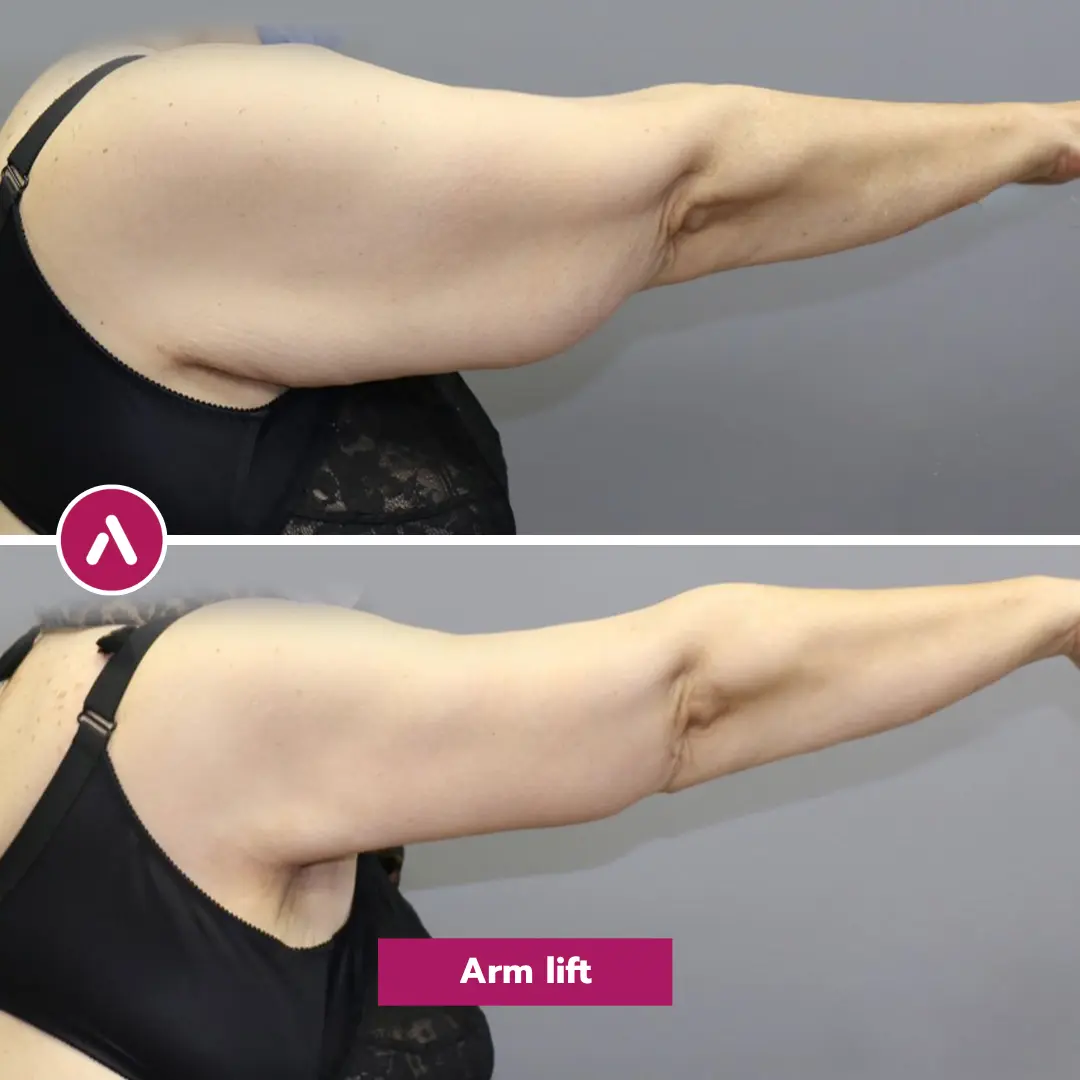
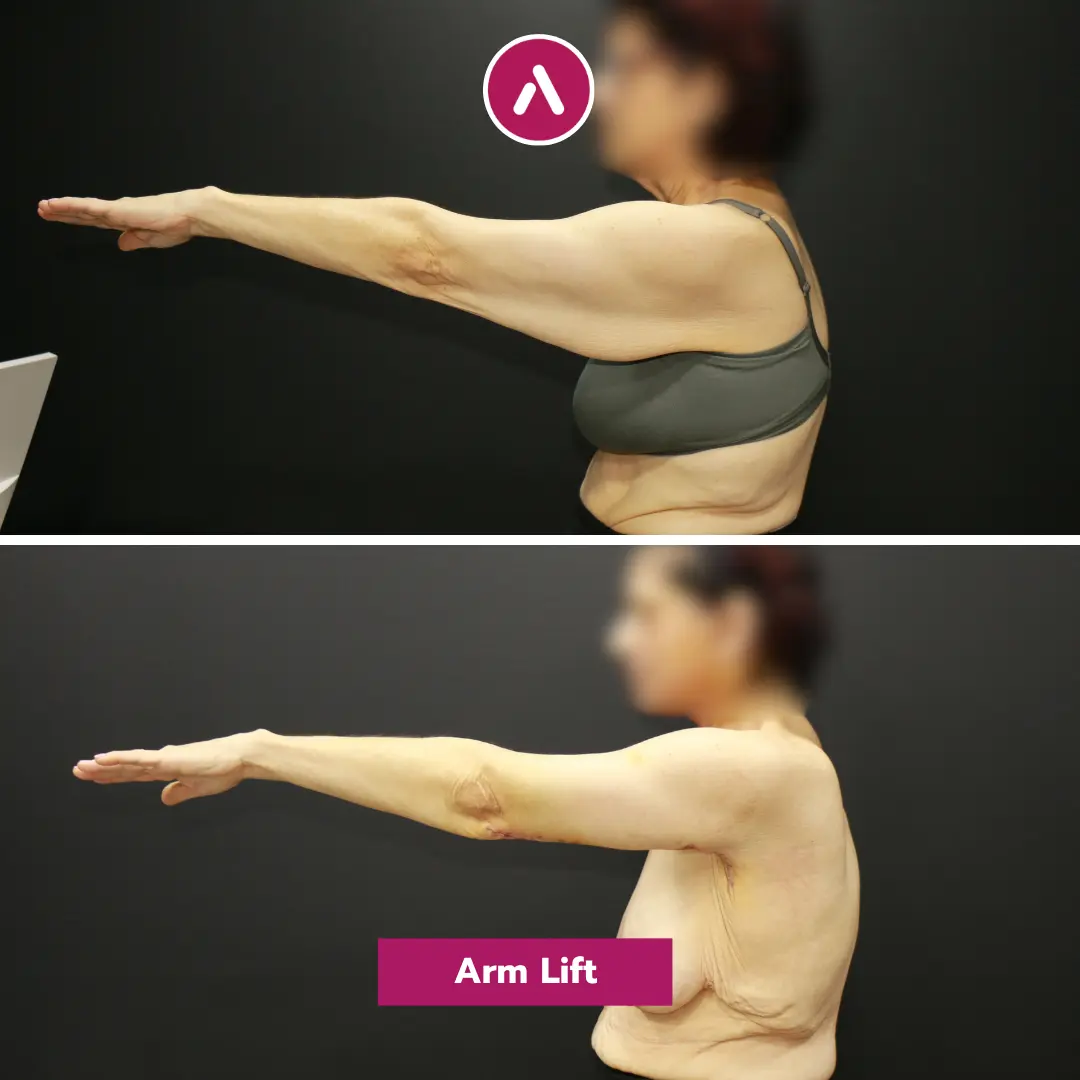
UK Trust Signals: London Correspondence Address, UK Support Line, and Ongoing Aftercare
For British patients, trust does not stop when the operation ends. One of the biggest reasons people worry about Turkey ghost surgery and other overseas risks is the fear of being left alone after returning home. That is why a properly structured international pathway should include practical UK-facing support, not just pre-operative enthusiasm.
Useful trust signals include a London correspondence address, a UK support line, responsive WhatsApp communication, and a clear aftercare plan that continues after you return to Britain. These details do not replace good surgery, but they do show that the clinic understands what matters to UK patients: accountability, accessibility, and reassurance beyond the operating day.
The safest overseas cosmetic journey does not end at discharge. It includes clear responsibility before surgery, transparency during surgery, and reliable support after the patient flies home.
Ultimately, the standard is simple. You should never have to guess who your surgeon is, what their role will be, or how you will be supported afterwards. A clinic that welcomes these questions and answers them plainly is far more likely to be a clinic that takes patient safety seriously.
Frequently Asked Questions (FAQ): Ghost Surgery in Turkey
Below are the most common questions British patients ask when researching how to avoid ghost surgery in Turkey. The answers are intentionally concise and written in clear English.
What is ghost surgery in cosmetic surgery?
Ghost surgery refers to a situation where the patient expects one named surgeon to operate, but another doctor or less experienced operator performs part or all of the procedure without proper clarity or consent.
How can I confirm my consultant surgeon will perform my operation?
Ask for the surgeon’s full name in writing, request a video consultation, and make sure the same name appears in your treatment plan, consent process, and surgical documentation.
Is it normal for assistants to help during surgery?
Yes. Surgical assistants can have legitimate support roles. The problem is not assistance itself, but lack of transparency about who is leading and performing the operation.
Should I avoid a clinic that refuses to name the surgeon before payment?
Yes. A clinic that will not identify the named consultant surgeon before deposit is creating unnecessary risk and weakening informed consent.
Can a video consultation reduce the risk of being scammed?
Yes. A video consultation helps confirm that the named surgeon is genuinely involved, allows you to ask direct questions, and makes it easier to compare verbal answers with written documents later.
What paperwork should I receive before cosmetic surgery in Turkey?
You should receive a written quotation, a treatment summary, confirmation of the named consultant surgeon, and clear pre-operative information covering the procedure, anaesthesia, and aftercare.
What should UK patients do if a clinic gives inconsistent answers?
Pause the process immediately. Ask for written clarification, compare all names and documents carefully, and do not proceed until every inconsistency has been resolved properly.
If you would like to explore related topics alongside this guide, you can also learn more about Best Deep Plane Facelift Clinic in Turkey, Specialist Plastic Surgeon Turkey, Questions to Ask Plastic Surgeon, English Speaking Plastic Surgeons in Turkey, Online Plastic Surgery Consultation, Plastic Surgery Packages Turkey, and How to Prepare for Cosmetic Surgery, helping you compare clinics, understand qualifications, review consultation standards, and plan your treatment journey with greater clarity and confidence.
Medical Disclaimer: This page is provided for general educational purposes only and does not replace a face-to-face medical consultation, diagnosis, or personalised treatment plan. All surgery carries risks and outcomes vary between individuals. Suitability for a plastic surgery, procedure selection, and anaesthesia choice can only be determined after a full clinical assessment by a qualified surgeon. Always follow your clinician’s instructions and seek urgent medical attention if you develop concerning symptoms during recovery.