




Considering a Sapphire Hair Transplant? This guide explains how sapphire blades support precise recipient channels for natural-looking hairlines, plus step-by-step what to expect on procedure day and during recovery.
We also break down UK versus Turkey transparent pricing, what an all-inclusive package should include, and how to choose a surgeon safely. If you’re the kind of patient who researches everything, start here—then follow the comparisons and FAQs to plan with confidence.
Table of Contents
What is Sapphire Hair Transplant?
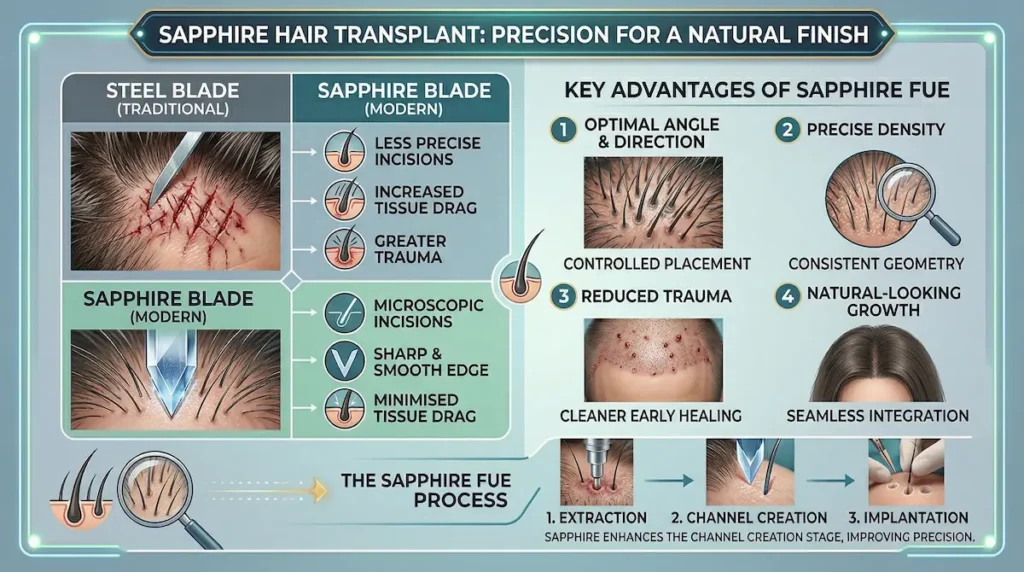
Sapphire Hair Transplant is a form of FUE that uses a sapphire blade to create the recipient channels for graft placement. Its sharp, smooth edge supports precise micro-incisions. This helps us control angle, direction, and density with less tissue drag. It is still surgery, so candidacy and aftercare matter.
Sapphire FUE: where it fits in the modern FUE process
In practical terms, “sapphire” refers to the channel-opening stage of a FUE procedure. Follicular units are still harvested from the donor area using a micro-punch, then carefully prepared for implantation. The difference comes when we create the tiny recipient sites in the thinning areas of the scalp.
We often describe this as Sapphire FUE because the blade material changes the mechanics of the incision. It does not change the core principle: we are relocating living follicles, not creating new hair. That is why planning, graft handling, and surgical consistency stay central.
- Extraction: follicular units are harvested from the donor zone (typically the back and sides of the scalp).
- Recipient site creation: we open channels that match the natural direction and angle of your native hair.
- Implantation: grafts are placed into those channels, with attention to spacing and future growth patterns.
What makes a sapphire blade different from steel?
The sapphire blade is a crystal-based material shaped into a fine cutting edge. In hair restoration, this matters because channel creation is performed hundreds or thousands of times in a limited surface area. Small differences in cut quality and control can influence early healing and how neatly grafts sit in the scalp.
When patients search for “sapphire blade hair transplant”, they are usually trying to understand two things: precision and recovery expectations. A sharper edge can reduce tissue drag during channel creation. A smoother incision can also support more consistent channel geometry.
- Precision: channel size and orientation can be controlled more consistently in experienced hands.
- Reduced tissue trauma: less tearing of surrounding tissue may support cleaner early healing.
- Channel uniformity: consistent sites help us place grafts at planned angles and spacing.
Grafts, recipient channels, and the basics of healing
Every graft is a small living unit containing hair follicles and supporting tissue. Once placed, it relies on oxygen diffusion and gradual revascularisation from the surrounding scalp. That early period is why gentle handling and stable placement matter so much.
Recipient channels are, by design, controlled micro-wounds. Your body responds with clotting, mild inflammation, and then repair. In the first days, small scabs form around each graft. Over the next 1–2 weeks, the scalp settles and the visible signs reduce for most patients.
- Early phase (days): mild swelling, scabbing, and tenderness can occur.
- Settling phase (weeks): scabs shed and redness gradually fades, depending on skin type.
- Growth phase (months): transplanted follicles move through shedding and regrowth cycles before maturing.
What Are The Benefits of Sapphire Hair Transplant?
Most UK patients are not choosing sapphire because it sounds “new”. They choose it because it offers a practical advantage: finer control over recipient site creation. That control is relevant to what people actually care about—natural direction, a believable hairline, and a recovery that feels manageable. The aim is not an aggressive transformation. It is a measured, natural restoration.
Controlled density and a more natural visual pattern
Natural-looking density is rarely about placing the maximum possible number of grafts into a small area. It is about distribution. We design density in a way that respects blood supply, spacing, and how hair naturally groups on the scalp.
With sapphire channel creation, the goal is accurate, repeatable site placement. That can help when we are aiming for a softer transition at the front and a more structured approach behind it.
- Front hairline: irregularity and direction changes are planned to avoid a “drawn-on” line.
- Mid-scalp: density is built in a way that supports coverage and styling options.
- Crown: whorl patterns require careful angulation, not just graft numbers.
Surgeon’s insight: We plan hair restoration to look like you on your best day. That means respecting your original hairline, using realistic density, and avoiding harsh, overdone patterns. Our guiding principle stays the same: rejuvenation, not alteration.
Recovery expectations: what “faster healing” usually means
Online discussions about sapphire often focus on recovery time. A more precise incision can support a cleaner early healing phase, but it does not remove the body’s normal repair cycle. Swelling, redness, and scabbing can still happen. The difference is often in how tidy the recipient area looks in the first couple of weeks.
Realistic planning matters. If you have a public-facing role, we help you time your procedure so the visible phase fits your diary. If you work from home, you may feel comfortable sooner.
- Short-term: expect scabbing and mild redness in the recipient area.
- Medium-term: shedding can occur before regrowth starts.
- Long-term: final maturation takes months, not weeks.
Hairline design: subtlety is a feature, not a limitation
A natural hairline is a design problem as much as it is a surgical one. We consider facial proportions, age-appropriate placement, and future hair loss patterns. Overly low or dense hairlines can look unnatural later, even if they look “impressive” at first.
Our approach is conservative where it should be. We aim for results that blend with your features and stay believable over time.
- Angle and direction: grafts must sit in the same flow as native hair.
- Graduated density: softer density at the front, stronger behind, mimics nature.
- Long-term thinking: a good plan accounts for future thinning and donor limits.
If you are also comparing methods, you may want to review our FUE Hair Transplant and DHI Hair Transplant pages before moving into the technique comparison section.
Am I a Suitable Candidate?
Suitability is not a box-ticking exercise. It is a balance between what you want, what your donor area can safely provide, and what your scalp can support. We look at hair loss pattern, donor density, hair calibre, and the quality of existing native hair in the recipient area. The goal is a plan that still looks convincing years from now.
Who tends to benefit most from Sapphire FUE?
In most cases, good candidates have a stable pattern of hair loss and a donor area that can supply enough grafts without over-harvesting. Strong calibre hair and good contrast (hair-to-scalp colour) can also improve perceived coverage. If you are researching Sapphire FUE, you are usually aiming for precise recipient-site planning and a controlled, natural-looking hairline.
- Stable hair loss pattern: predictable recession or thinning that we can plan around.
- Healthy donor zone: adequate density and safe extraction capacity.
- Realistic objectives: prioritising naturalness over “maximum grafts”.
- Commitment to aftercare: gentle washing, activity limits, and follow-up.
Donor area assessment: the part most people underestimate
Your donor area is finite. Once grafts are taken, they cannot be replaced. We assess donor density, miniaturisation, hair shaft thickness, and scalp laxity to estimate a safe graft range that protects long-term appearance.
We also factor in the possibility of future hair loss. A conservative plan today often prevents an unnatural look later.
- Density and calibre: thicker hairs generally provide better visual coverage per graft.
- Safe extraction zones: we avoid creating patchiness by staying within proven donor boundaries.
- Scalp health: dermatitis, inflammation, or scarring can change the plan and the timeline.
Who should delay or avoid a hair transplant?
Some patients are better served by treating underlying issues first, or by postponing surgery until the pattern is clearer. If you have a medical condition, take prescription medication, or have a history of poor wound healing, we will ask for a clinician-led review. Your GP may also be part of the conversation.
- Unstable hair loss: aggressive shedding without a clear pattern can make results harder to predict.
- Active scalp disease: ongoing inflammation increases risk and can affect graft survival.
- Uncontrolled health conditions: issues that raise surgical risk or slow healing.
- Unrealistic expectations: expecting full teenage density across large areas in one session.
Surgeon’s insight: The best results start with restraint. We protect the donor area, design an age-appropriate hairline, and build density where it will matter most in real life—under normal lighting, not just in close-up photos.
If you want a fast, evidence-led answer, we can assess your candidacy from clear photos and a short medical questionnaire. It is a practical first step, especially for UK patients planning travel.
Surgical Techniques Explained: Sapphire FUE vs Classic FUE vs DHI
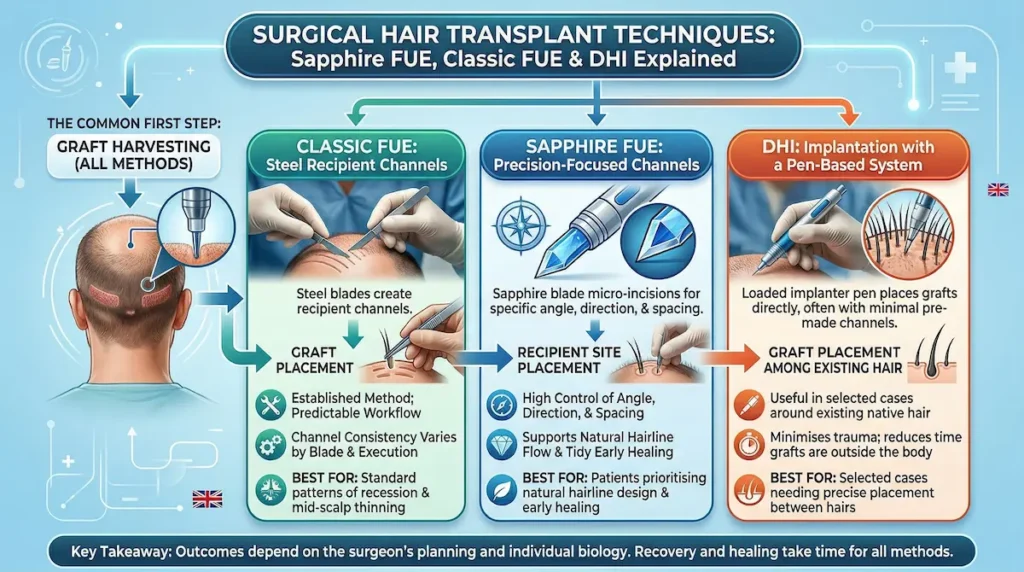
Most confusion comes from mixing up two separate steps: how grafts are harvested, and how they are implanted. In all three approaches, graft harvesting is typically performed with a micro-punch FUE technique. The main difference is how we create the recipient sites and how grafts are placed. Understanding that difference makes comparisons like Sapphire hair transplant vs DHI much clearer.
Classic FUE: steel recipient site creation
Classic FUE usually refers to FUE extraction paired with recipient channels created using steel blades. It remains a valid, widely used approach when performed carefully. The outcome still depends heavily on planning, graft handling, and the surgeon’s control of angle and direction.
- Strength: established technique with predictable workflow.
- Trade-off: recipient site quality can vary depending on blade type and handling.
- Best for: many standard patterns of recession and mid-scalp thinning.
Sapphire FUE: precision-focused recipient channels
With sapphire, the focus is the geometry of the recipient sites. We use a sapphire blade to create micro-incisions with consistent orientation and spacing. That control supports natural flow, particularly in hairline work and transitions where small design errors are obvious.
- Strength: precise channel control for direction, angle, and spacing.
- Trade-off: still requires meticulous planning; “sapphire” is not a shortcut.
- Best for: patients prioritising natural hairline design and tidy early healing.
DHI: implantation with a pen-based system
DHI generally refers to placing grafts using an implanter pen, which can reduce the time grafts spend outside the body and may support placement in certain scenarios. It can be useful when working around existing native hair. The trade-off is that it is not automatically “better”; it is a tool that suits specific indications.
- Strength: can be helpful in areas with existing hair where minimising trauma matters.
- Trade-off: not ideal for every pattern; density planning still has physiological limits.
- Best for: selected cases where precise placement between native hairs is a priority.
| Technique | Recipient site creation | Graft placement | Strengths | Trade-offs | Often best suited for |
|---|---|---|---|---|---|
| Classic FUE | Steel blades create recipient channels | Grafts placed into pre-made channels | Established method; predictable workflow | Channel consistency varies by blade and execution | Standard recession / mid-scalp thinning |
| Sapphire FUE | Sapphire blade micro-incisions for recipient channels | Grafts placed into precisely planned channels | High control of angle, direction, and spacing | Requires detailed planning; not “automatic” superiority | Natural hairline design; tidy early healing expectations |
| DHI | Often minimal pre-made channels (varies by protocol) | Implanter pen places grafts directly | Useful in selected cases around existing native hair | Not ideal for every pattern; slower workflow in some cases | Cases prioritising placement between existing hairs |
When patients ask about sapphire hair transplant recovery time, the honest answer is that recovery is influenced by technique, graft count, scalp biology, and aftercare. Sapphire recipient sites can support a tidy early healing phase, but your body still needs time. The same is true for topics like sapphire hair transplant side effects and sapphire hair transplant success rate: outcomes are individual, and we plan conservatively to reduce risk.
Combined Treatments (Synergy): Maximising Your Result
A hair transplant rarely exists in isolation. Many patients have more than one priority area, and the best plan is usually the one that protects your donor supply while still delivering a noticeable change. We look at the full picture: hairline, mid-scalp, crown, and—when relevant—facial hair or brows. Sometimes we treat everything in one visit. Sometimes we stage it. The aim is the same either way: a natural result that still looks right years from now.
Scalp + Beard & Moustache: when combining makes sense
For some patients, scalp recession and patchy facial hair sit together as one confidence issue. In selected cases, we can combine a scalp transplant with a Beard & Mustache Transplant in a single surgical journey. The key constraint is simple. The donor area is finite.
- Best suited for: patients with strong donor density and a clear priority list (scalp first, facial hair second—or vice versa).
- Planning focus: graft distribution and realistic density targets across two areas.
- Common approach: prioritise the scalp hairline and mid-scalp for the greatest day-to-day impact, then refine facial hair.
If facial hair is a major goal for you, you may want to review our Beard & Moustache Transplant page alongside this guide.
Scalp + Eyebrow: precision matters more than graft numbers
An Eyebrow Transplant is a different design challenge. Eyebrows rely on extremely fine angulation and direction changes over a small surface area. That precision requirement can make it sensible to stage treatment, especially if you are also doing a large scalp session.
- Best suited for: patients with a stable eyebrow pattern and realistic density expectations.
- Key technical point: angle and direction control is critical for a believable eyebrow result.
- Staging benefit: it allows focused planning and recovery for each area.
You can explore details on our Eyebrow Transplant page if brows are part of your plan.
Planning beyond hair: combining your trip with other procedures
If you are travelling for treatment, some patients ask whether they can combine their hair transplant journey with other procedures such as facelift, liposuction, or rhinoplasty. While it can be convenient to align consultations and recovery time, combining surgeries is not always clinically appropriate. The decision depends on procedure duration, anaesthesia planning, overall health, and how recovery demands might overlap. We take a safety-first approach
Our recovery-focused synergy: the Rapid Recovery & Safety Protocol
Synergy is not only about combining transplant areas. It is also about how we support healing. We utilise a structured post-operative pathway we refer to as our Rapid Recovery & Safety Protocol, combining Hyperbaric Oxygen Therapy (HBOT) and Low-Level Laser Therapy (LLLT) when clinically appropriate.
- HBOT: supports tissue oxygenation and helps reduce inflammation in fragile post-procedure tissues.
- LLLT: supports cellular activity and scalp microcirculation, helping the recipient area settle and grafts stabilise.
- Practical benefit: a smoother early recovery phase and a more confident return to normal routines.
Surgeon’s insight: Combining treatments is never about doing “more”. It is about doing what is sensible, protecting the donor area, and building a result that stays believable. Our philosophy remains the same: rejuvenation, not alteration.
Anaesthesia: Why We Prefer Awake / Twilight Sedation
Most hair transplant procedures are performed under local anaesthesia. It is effective. It is familiar to experienced surgical teams. It also allows you to stay responsive, eat lightly, and recover without the after-effects associated with a full general anaesthetic. For patients who feel anxious, or who simply want a calmer experience during a long session, we can also discuss twilight sedation as an option. Safety comes first, always.
Local anaesthesia: what it feels like and what “awake” really means
Local anaesthesia numbs the donor area and the recipient area. You remain awake. You can speak with us. You can ask for breaks. Most discomfort is limited to the initial numbing phase, and we take a steady, careful approach to keep that as manageable as possible.
- During numbing: brief stinging or pressure can occur.
- During the procedure: you should feel pressure and movement, not sharp pain.
- Afterwards: we guide you on simple pain control options such as paracetamol, if suitable for you.
Twilight sedation: who it is for (and who it is not)
Twilight sedation is designed for comfort, not for “switching off” the entire experience. You remain able to breathe on your own. You are typically relaxed and less aware of time passing. It can be helpful if you have significant procedure anxiety, a strong gag response, or difficulty staying comfortable for long periods.
- Often helpful for: anxious patients, long sessions, and those who struggle with needles or surgical environments.
- Not suitable for everyone: we confirm eligibility through pre-operative screening and medical history.
- Practical planning: you may need support with travel logistics and post-procedure rest, depending on your individual plan.
Safety in the operating theatre: screening, monitoring, and clear communication
Our approach is structured and risk-aware. We carry out strict pre-operative health screening. We monitor vital signs throughout the procedure. We also keep the plan clear, so you know what is normal and what is not once you are back at your hotel.
- Pre-op screening: health history, medications, and any conditions that can affect healing.
- Intra-op monitoring: ongoing observation of vital signs and comfort.
- Post-op guidance: clear instructions, including what would warrant urgent care (for UK patients, we explain when to seek help via your GP or A&E).
If you are deciding between local anaesthesia alone and twilight sedation, tell us about your anxiety level, past experiences with anaesthesia, and any medical conditions. It helps us recommend the safest, most comfortable route for you.
Sapphire Hair Transplant Step-by-Step: What Happens in Theatre?
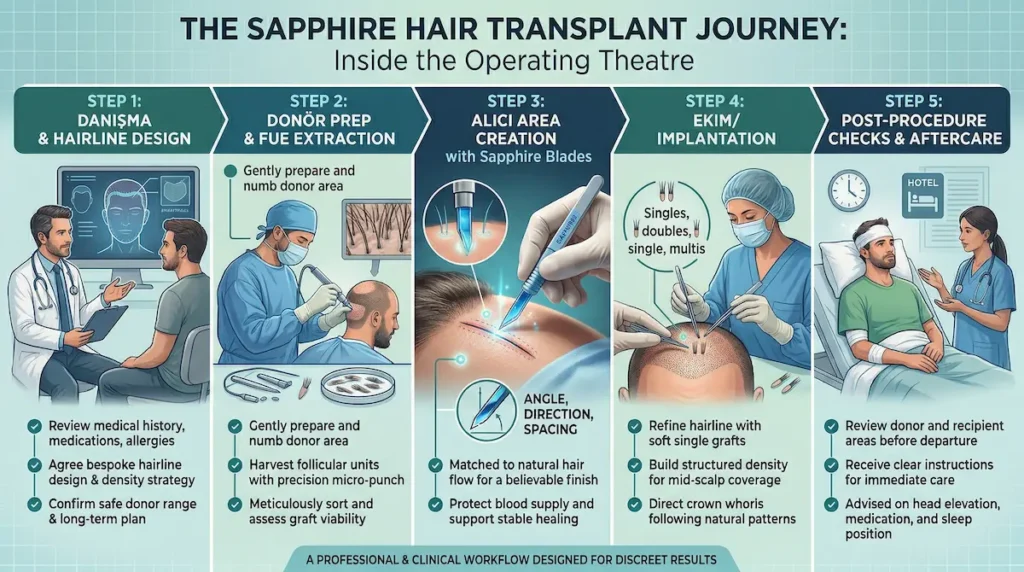
Understanding the day-of process helps you plan properly—especially if you are travelling from the UK. A Sapphire Hair Transplant is still a surgical procedure, and while it is typically performed as a day case, it follows a structured clinical workflow. The details may vary depending on graft numbers, scalp condition, and whether you choose local anaesthesia alone or twilight sedation.
1) Consultation, hairline design, and final surgical plan
Before anything begins, we confirm the plan in person. This includes reviewing your medical history, medications, allergies, and your donor assessment. We then agree the hairline design and distribution strategy: how many grafts go to the hairline, mid-scalp, and crown (if relevant). This stage is not cosmetic “guesswork”—it is a long-term plan that should remain believable as you age.
- Hairline mapping: we design an age-appropriate position and a natural irregularity pattern.
- Density strategy: we plan graduated density (so the front looks soft, not harsh).
- Donor protection: we confirm a safe extraction range to avoid over-harvesting.
2) Donor preparation and FUE extraction
The donor area is prepared, and local anaesthetic is applied. Follicular units are harvested using a micro-punch technique. Grafts are then carefully sorted and kept in conditions designed to protect their viability. Extraction quality matters because every graft is a living unit, and careful handling is part of risk reduction.
- Comfort: most discomfort is during the initial numbing phase, then it usually becomes pressure-only.
- Quality control: grafts are assessed and organised to match the design plan.
- Time factors: total duration depends mainly on graft count and case complexity.
3) Recipient site creation with sapphire blades
This is the defining step for Sapphire FUE. We create recipient channels using sapphire blades to support clean, precise micro-incisions. The focus is control: angle, direction, and spacing. That control is critical at the hairline and in transitions where “unnatural” is easy to spot.
- Angle and direction: matched to natural hair flow for a believable finish.
- Spacing: planned to protect blood supply and support stable healing.
- Patterning: especially important for crown whorls and frontal transitions.
4) Implantation (graft placement)
Grafts are placed into the channels according to the plan—often with singles at the leading edge of the hairline, and multi-hair grafts behind for structured density. The goal is not a uniform “plug-like” distribution; it is a natural pattern that behaves like real hair when it grows.
- Hairline refinement: softer singles in front, stronger density behind.
- Mid-scalp coverage: designed for how you will style your hair day-to-day.
- Crown logic: prioritises whorl direction and visual coverage, not just numbers.
Surgeon’s insight: The best-looking results are rarely the “loudest”. Precision in angle, direction, and distribution is what makes a transplant disappear into your existing features—so it looks like your hair, not a procedure.
5) Same-day checks and leaving the clinic
After the procedure, we review the recipient and donor areas, confirm immediate aftercare steps, and provide clear guidance for the first night. If you are staying in a hotel, we will explain sleep positioning and what is normal to see in the first 24–48 hours.
- Head elevation: helps reduce swelling around the forehead and eyes.
- Gentle movement: light walking is fine; strenuous activity is avoided early on.
- Medication guidance: you will be advised on what to take and what to avoid.
Sapphire Hair Transplant Recovery & Aftercare
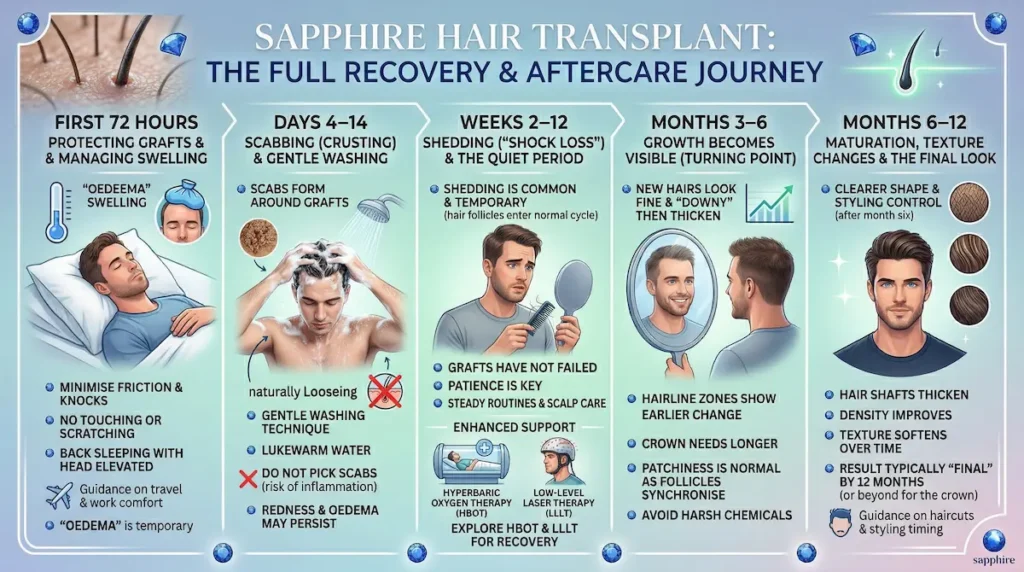
When people search for sapphire hair transplant recovery time or healing time, they often want a simple number. In reality, recovery happens in phases: early healing (days), visible settling (weeks), and growth maturation (months). Sapphire recipient sites may support a tidy early healing phase, but your body still follows a normal repair cycle. The most important variable you can control is aftercare.
The first 72 hours: protecting grafts and managing swelling
Your priority in the first three days is to protect the grafts from friction, pressure, and accidental knocks. Mild swelling and tightness can occur. Some patients experience forehead swelling; this is usually temporary and improves as inflammation settles.
- Sleep position: back sleeping with head elevated is commonly recommended.
- Hands off: avoid touching, scratching, or rubbing the recipient area.
- Work and travel: we guide UK patients on practical timing, including comfort for flights.
Days 4–14: scabbing (crusting), washing, and “what’s normal”
Small scabs form around grafts as part of normal healing. Over the first two weeks, these typically loosen and shed with appropriate washing. It is important not to pick scabs—premature removal can irritate the skin and increase the risk of inflammation.
- Washing: gentle technique, lukewarm water, and the products we recommend.
- Redness: can persist longer in some skin types; this is often normal.
- Oedema: swelling usually reduces steadily; we advise when it needs review.
Weeks 2–12: shedding (shock loss) and the “quiet” period
Shedding is one of the most misunderstood phases. Many transplanted hairs fall out after the first few weeks as follicles move through a normal cycle. This does not mean the grafts have failed. The follicles typically remain in place and begin producing new hair later. We explain this in advance so you do not interpret normal shedding as a problem.
- Shedding: common and usually temporary.
- Patience: visible growth is gradual; early progress can be uneven.
- Scalp care: follow the recommended routine and avoid aggressive treatments.
If you are considering enhanced recovery support, you can also explore our pages on Hyperbaric Oxygen Therapy (HBOT) and Low-Level Laser Therapy (LLLT), which may be used in selected cases as part of a structured post-operative pathway.
Months 3–6: when growth becomes visible
This is usually the turning point. Early regrowth often looks finer and lighter at first. Then it thickens. Some areas move faster than others, so the pattern can feel uneven.
Hairline zones tend to show change earlier than the crown. That is normal. The crown has its own growth cycle, and it often needs longer.
- What you may notice: new hairs that look soft and “downy” before they mature.
- What is normal: patchiness while different follicles enter active growth at different times.
- What helps: steady routines, gentle scalp care, and avoiding harsh chemical treatments early on.
Months 6–12: maturation, texture changes, and the final look
From month six onwards, most patients see a clearer shape and better styling control. The hair shafts often thicken. The texture can shift as the follicles settle into a stable cycle.
By 12 months, the result is typically close to “final”. Some patients continue to see subtle refinement beyond that, especially in slower zones like the crown.
- Density: improves as more follicles synchronise into active growth.
- Texture: can feel wiry or curly early on, then soften with time.
- Haircuts and styling: we guide you on timing so the recipient area is not irritated.
Our aftercare structure: support in Istanbul, then follow-up back in the UK
Distance should not mean silence. We build your plan around predictable checkpoints so you always know what comes next. We also keep communication simple and responsive when you are back home.
In our post-operative pathway, we can integrate our Rapid Recovery & Safety Protocol. This combines Hyperbaric Oxygen Therapy (HBOT) to support tissue oxygenation and Low-Level Laser Therapy (LLLT) to support cellular activity and scalp microcirculation. It is not “magic”. It is structured support.
- LLLT for hair restoration: used to support microcirculation and help grafts settle as part of post-transplant care.
- HBOT support: used to promote recovery conditions by enhancing oxygen availability in healing tissues.
- Virtual follow-up: we schedule regular remote reviews (commonly at 1, 3, 6, and 12 months) to track progress and answer questions.
Safety & Risks: Is Sapphire Hair Transplant Dangerous?
No responsible clinic frames surgery as “risk-free”. A sapphire hair transplant is generally a well-tolerated procedure when you are properly selected and the surgical workflow is disciplined. Even then, side effects can happen. Most are temporary and manageable. A small number require medical review.
Our approach is simple. We screen properly, operate in controlled sterile theatres, monitor you carefully, and stay available afterwards. If something is not progressing normally, we prefer early review rather than waiting.
Common side effects (and what they usually mean)
Most side effects relate to the scalp’s normal healing response. Redness, tightness, mild swelling, and scabbing are expected early on. Some patients also experience temporary numbness or itching as nerves and skin recover.
- Swelling: often forehead swelling that settles over days.
- Redness: can persist longer in some skin types.
- Itching: common during healing; scratching is not advised.
- Folliculitis: small inflamed bumps can occur and are usually treatable.
- Shock loss: temporary shedding of native hair can happen in some cases.
Less common risks (and why honest planning matters)
Less common risks include infection, prolonged inflammation, poor scab management leading to irritation, or donor-area over-harvesting if the plan is aggressive. These are exactly the issues that an “expert patient” wants addressed clearly. We agree.
- Infection: uncommon, but needs prompt treatment if it occurs.
- Excessive donor thinning: prevented by staying within safe extraction zones.
- Unnatural growth direction: usually a planning and angulation issue, not a “Turkey vs UK” issue.
- Suboptimal growth: can happen due to individual biology, scalp factors, and aftercare adherence.
Surgeon’s insight: Safety and natural aesthetics are linked. We avoid aggressive density that risks blood supply. We protect the donor area. We build a result that looks believable in normal life, not just on day one photographs.
Our risk-reduction protocol: screening, sterile workflow, and clear escalation
Risk reduction starts before the day of surgery. We use strict pre-operative health screening to confirm candidacy. During the procedure, we monitor vital signs and keep the workflow controlled. After the procedure, we give you clear guidance on what is normal and what is not.
- Pre-op screening: medical history, medications, and scalp assessment to reduce preventable issues.
- Sterile standards: multi-stage sterilisation discipline and controlled theatre workflow.
- Monitoring: vital sign monitoring and comfort checks throughout the procedure.
- If you are in the UK: we explain when to contact us, when to speak to your GP, and when to attend A&E.
If your main concern is “sapphire hair transplant side effects”, the most useful step is a personalised candidacy review. When we understand your scalp, donor area, and medical background, we can discuss risk in a way that is specific to you.
Is Sapphire FUE Safe in Turkey for UK Patients?
UK patients usually ask the same question in different ways. Is the standard equivalent? Will I be supported if something feels “off” once I’m back home? And how do I separate marketing from genuine safety protocols? Our approach is simple: we operate in controlled sterile theatres, we screen properly, and we stay available after you fly home.
Safety standards: what “good” looks like in practice
Safety is not a slogan. It is a workflow. We start with pre-operative checks, confirm your medical history, and plan around real-world risk factors like scalp inflammation, smoking, and medication use. In theatre, we keep the environment controlled and the steps consistent.
- Sterile theatre discipline: structured prep, controlled instruments, and a repeatable clinical routine.
- Pre-operative testing: we complete the checks needed for safe anaesthesia planning and recovery.
- Materials and handling: graft viability depends on how calmly and consistently the team works.
Surgeon authority: what you should verify (and what we do)
The safest way to evaluate any clinic is to focus on credentials and accountability, not claims. We keep your consultation surgeon-led and evidence-based. Our specialists follow international standards and are registered with recognised medical boards. That matters because it sets clear expectations for training, ethics, and oversight.
- Credentials: look for verifiable board certification and an established surgical track record.
- Role clarity: ask who designs the hairline, who creates recipient sites, and who supervises implantation.
- Honest suitability: a safe clinic will turn down the wrong candidate, even if you are ready to book.
Continuity of care: support does not stop when you leave Istanbul
One of the biggest UK concerns is “What happens once I’m home?” We build aftercare around predictable checkpoints, so you always know what is next. You will also have a direct point of contact for practical questions, not a generic inbox. If you need urgent advice in the UK, we explain when to speak to your GP and when to attend A&E.
- 24/7 coordination: a dedicated Patient Host remains reachable via WhatsApp for immediate guidance.
- Structured follow-up: virtual check-ins are commonly scheduled at 1, 3, 6, and 12 months.
- Flight-ready guidance: we give clear timing advice based on your graft count, swelling pattern, and comfort.
If you are comparing the UK and Turkey, focus on systems: screening, sterile workflow, credential transparency, and follow-up. Those are the safety levers that matter most.
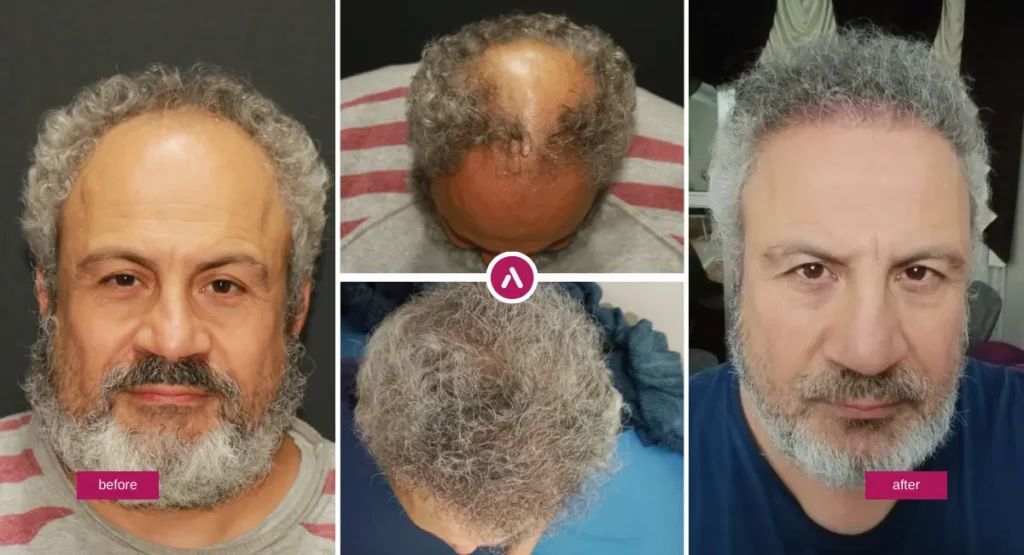
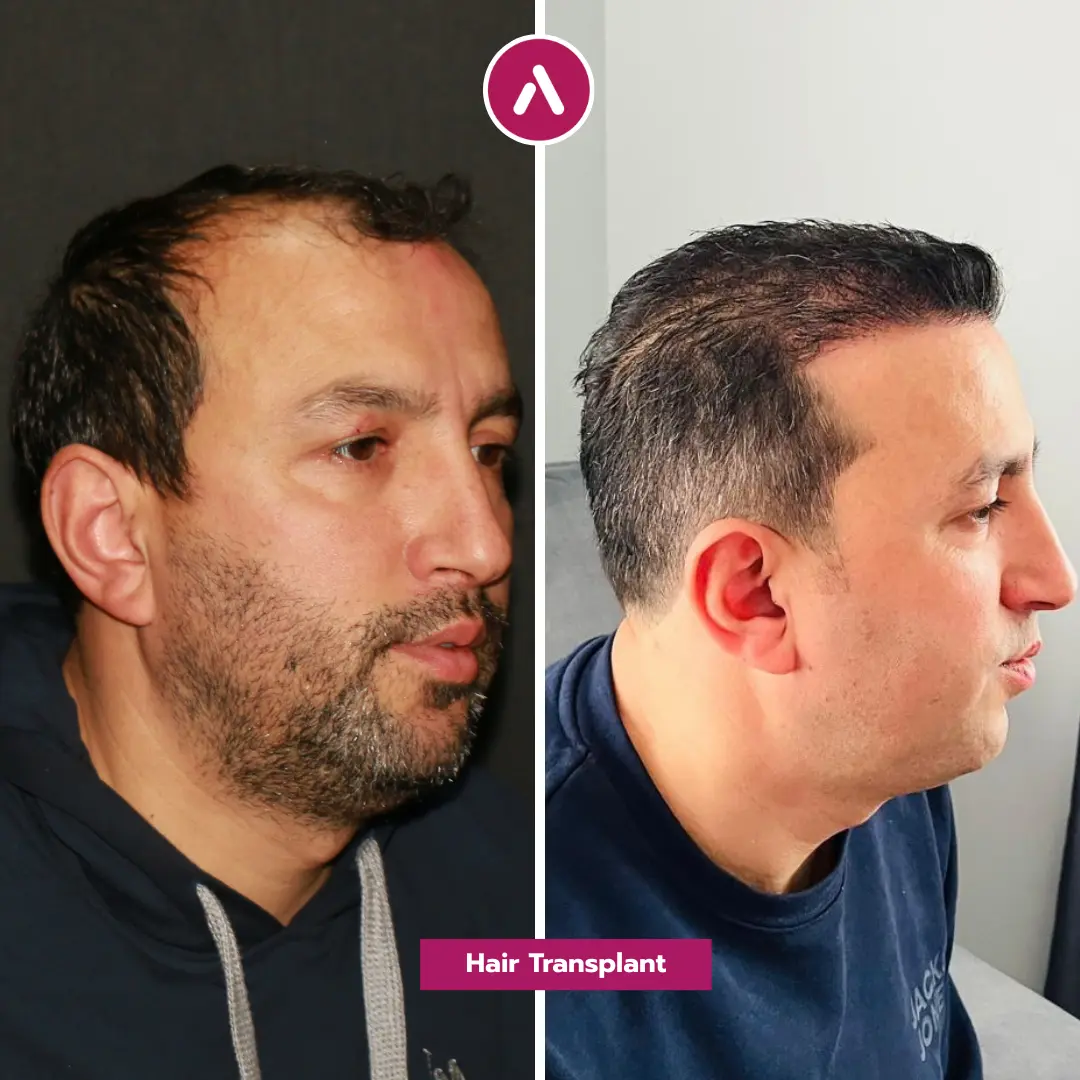
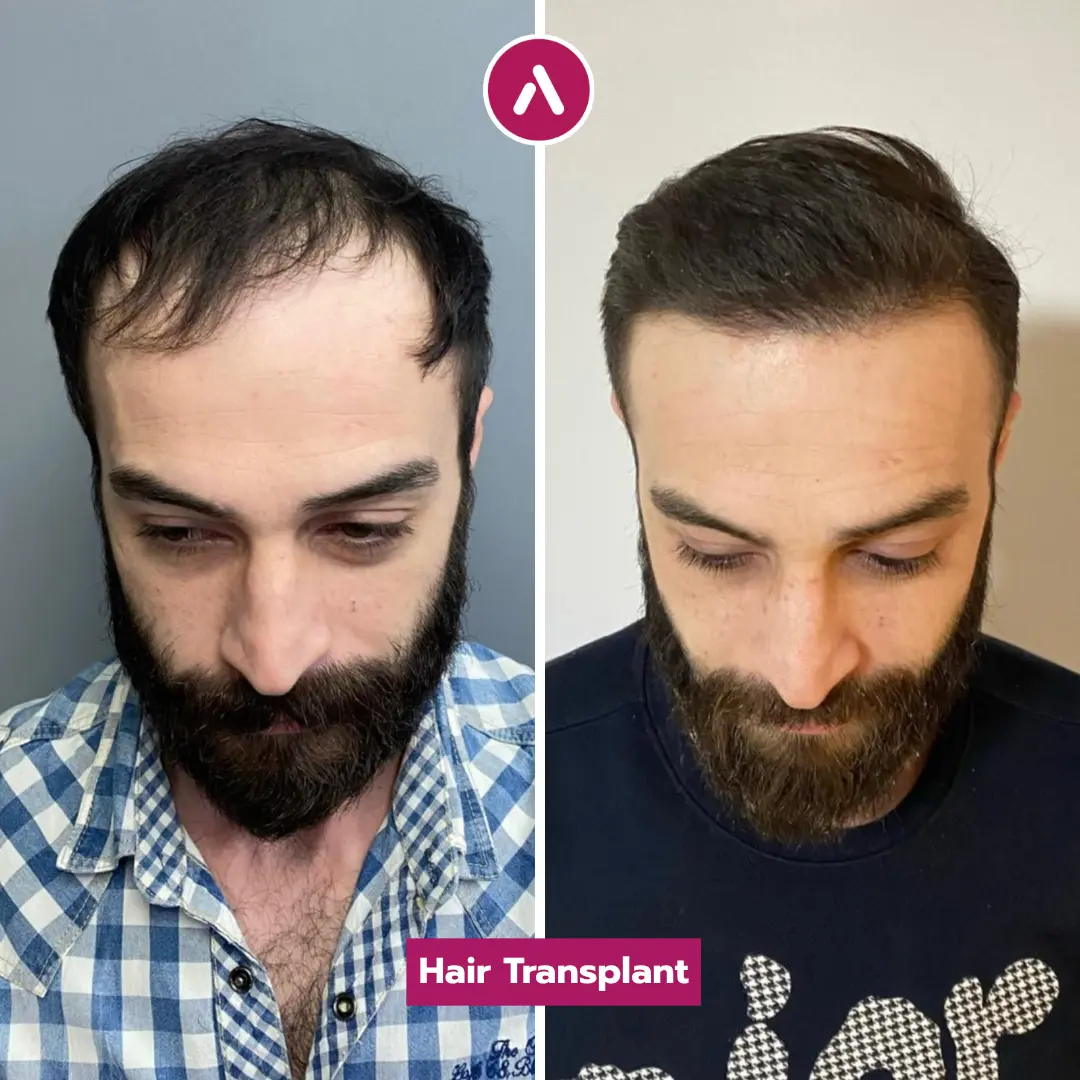
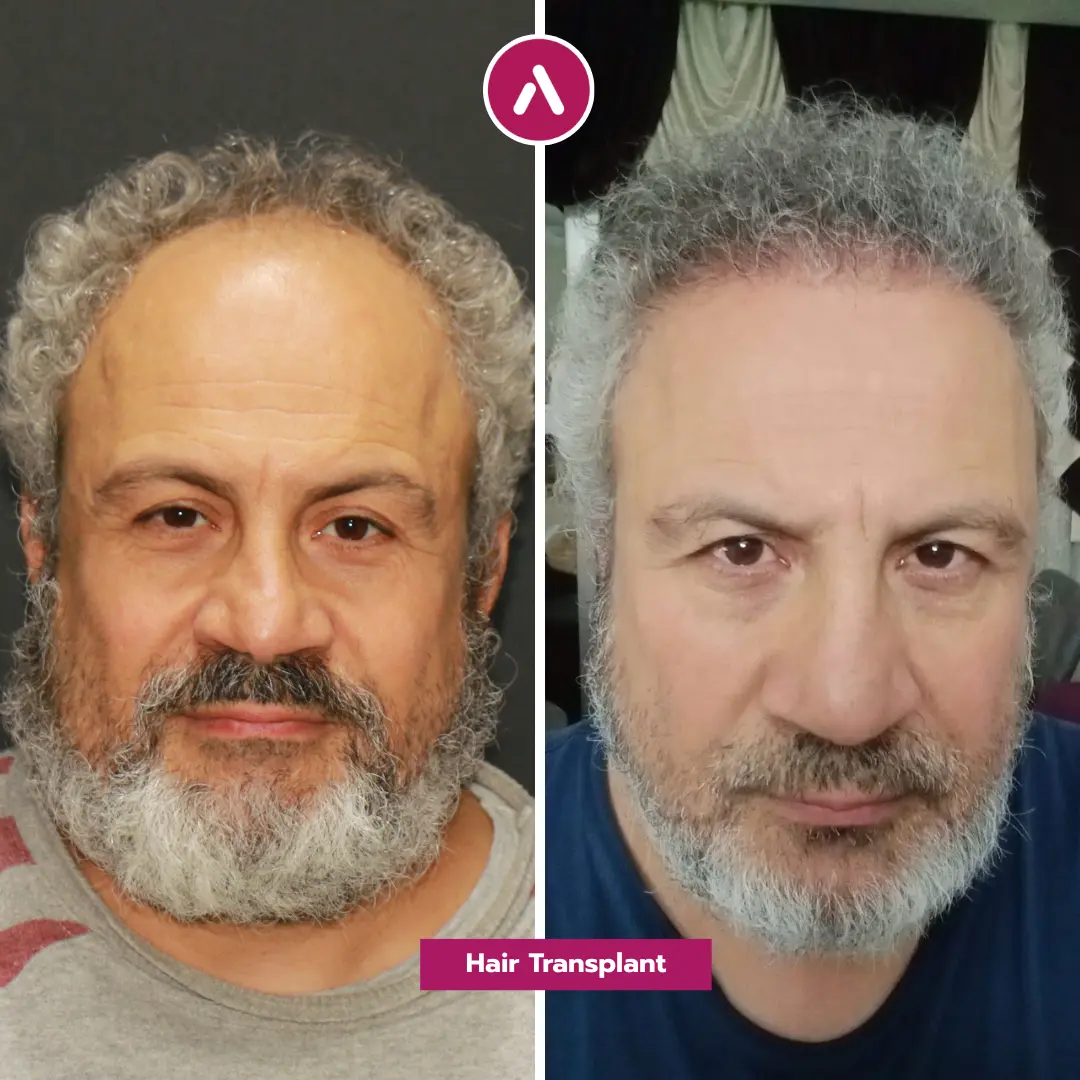
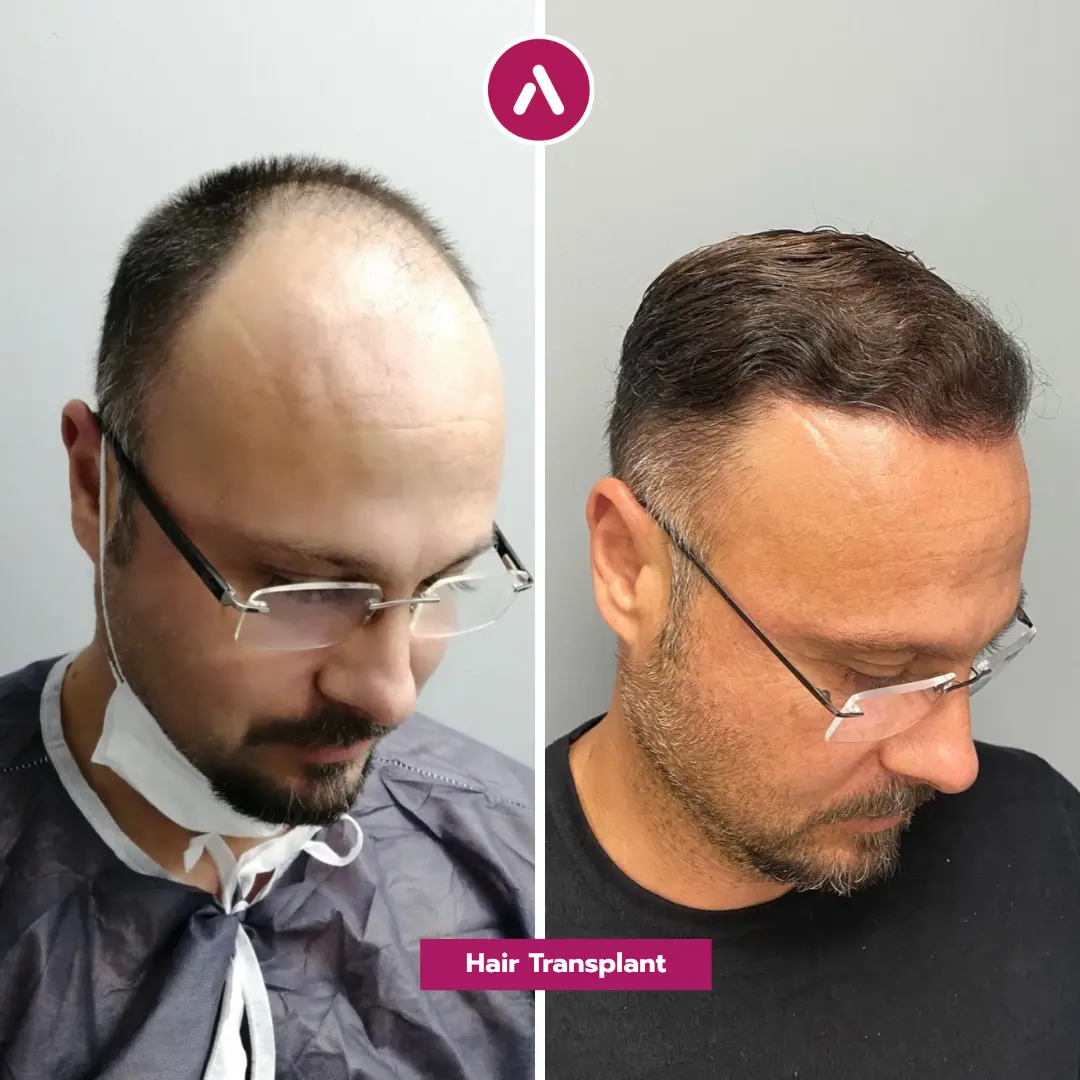
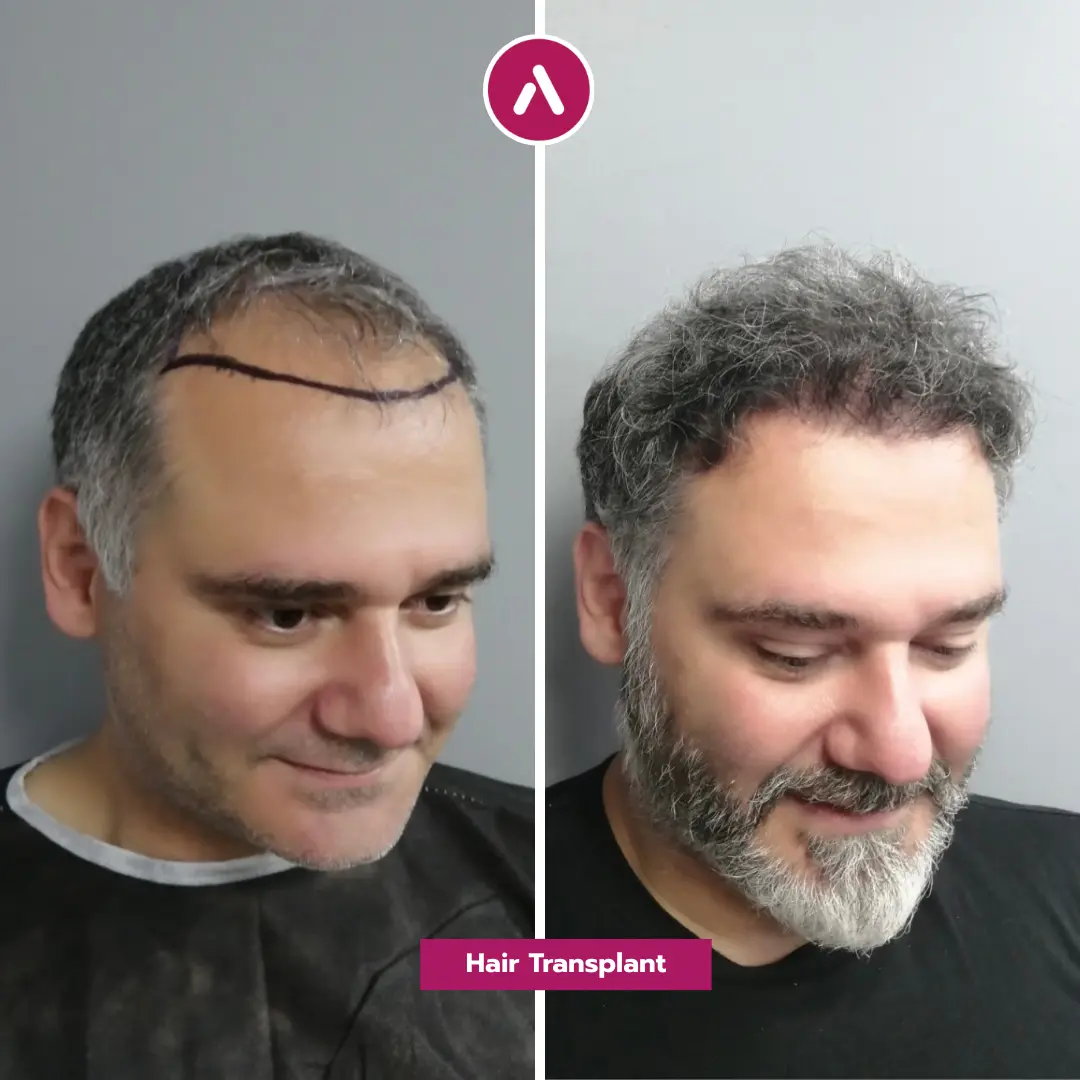
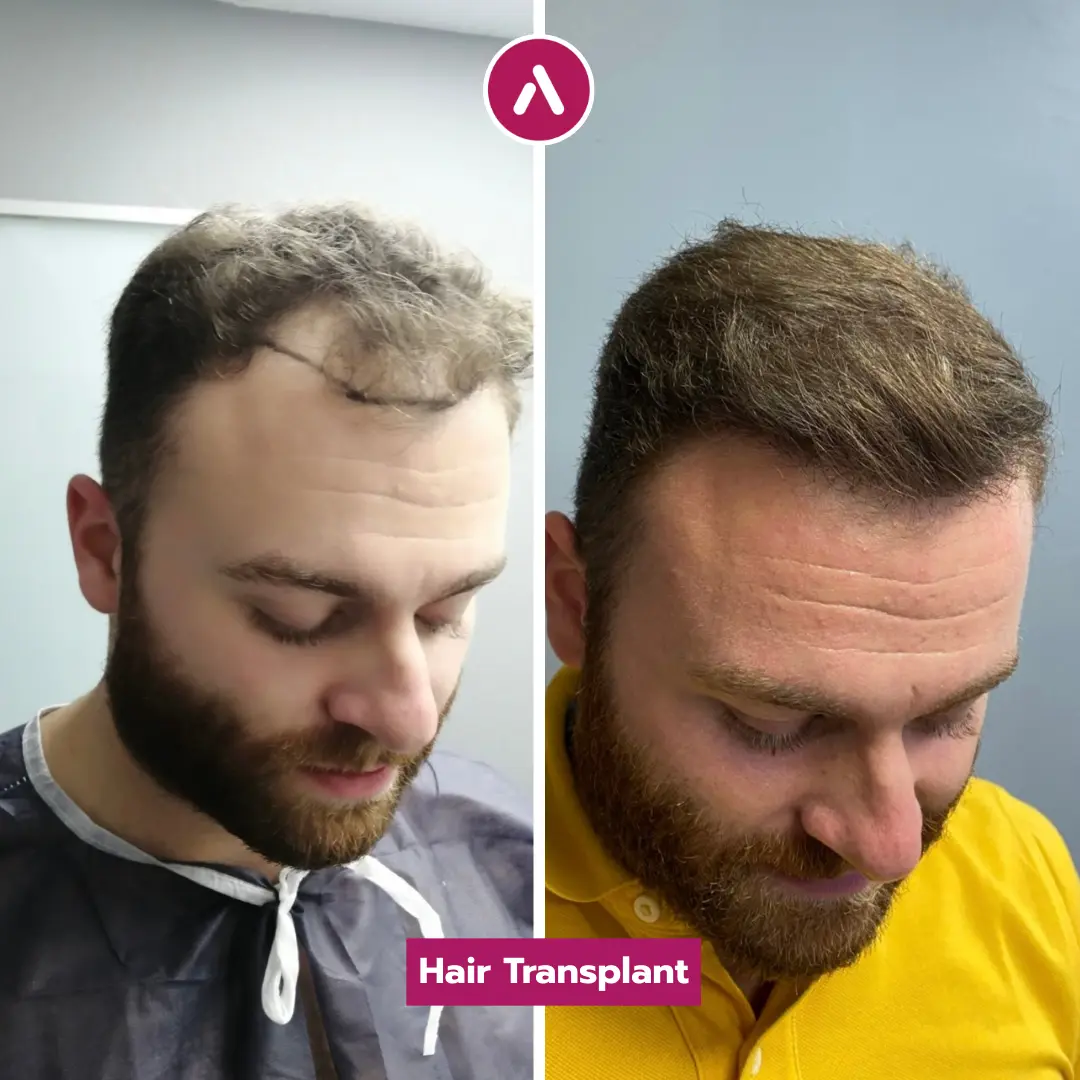
Sapphire Hair Transplant Before and After: What “natural” looks like
Most patients do not want a dramatic, obvious change. They want to look like themselves, just less “thinned out”. That is the core of our natural-first philosophy. We plan for a believable hairline, controlled density, and a result that still makes sense as you age. And we are direct about what is possible in one session.
Natural hairline design: the details that stop it looking “done”
A natural hairline is rarely a straight line. It has subtle irregularity, micro-variations, and direction changes that mimic real growth. We also design it to be age-appropriate, which protects your long-term look. Density at the front is built gradually rather than forced.
- Irregularity by design: small breaks and softness prevent a “drawn-on” edge.
- Angle and direction: planned to match your native flow and styling habits.
- Graduated density: softer at the front, stronger behind, which reads as natural in normal lighting.
Timeline expectations: why patience is part of the plan
Hair growth is a cycle, not an instant outcome. Early healing is measured in days and weeks. Visible growth is measured in months. Many transplanted hairs shed before they regrow, which is unsettling if you were not warned.
- Weeks 2–12: shedding can happen before meaningful regrowth starts.
- Months 3–6: visible growth usually becomes easier to notice and style.
- Months 6–12: thickening and maturation shape the final look.
What “success rate” really depends on
Online discussions often look for a single percentage. Real outcomes are more nuanced. Growth can be influenced by candidacy, scalp health, graft handling, smoking, aftercare, and the size of the area being covered. We reduce risk by keeping the plan physiologically sensible rather than aggressively dense.
- Scalp factors: inflammation, dermatitis, and poor healing history matter.
- Donor limits: your donor supply sets the ceiling for safe density.
- Aftercare adherence: protecting grafts in the first two weeks is not optional.
How we talk to the “expert patient” (and why it helps)
Many UK patients arrive with detailed questions. Graft counts. Technique comparisons. Long-term planning. We welcome that. Our job is to convert that research into a practical, safe plan that suits your face, your hair characteristics, and your future loss pattern.
Surgeon’s insight: Our goal is not to create a new identity. It is to restore what belongs to you, with measured density and a hairline that stays believable. The best result is the one people cannot “spot”.
If you want a clear, personalised expectation, we can review photos and discuss a staged plan where needed. It keeps the result natural and protects your donor area.
Cost Analysis: Sapphire Hair Transplant Cost 2026 (Turkey vs UK)
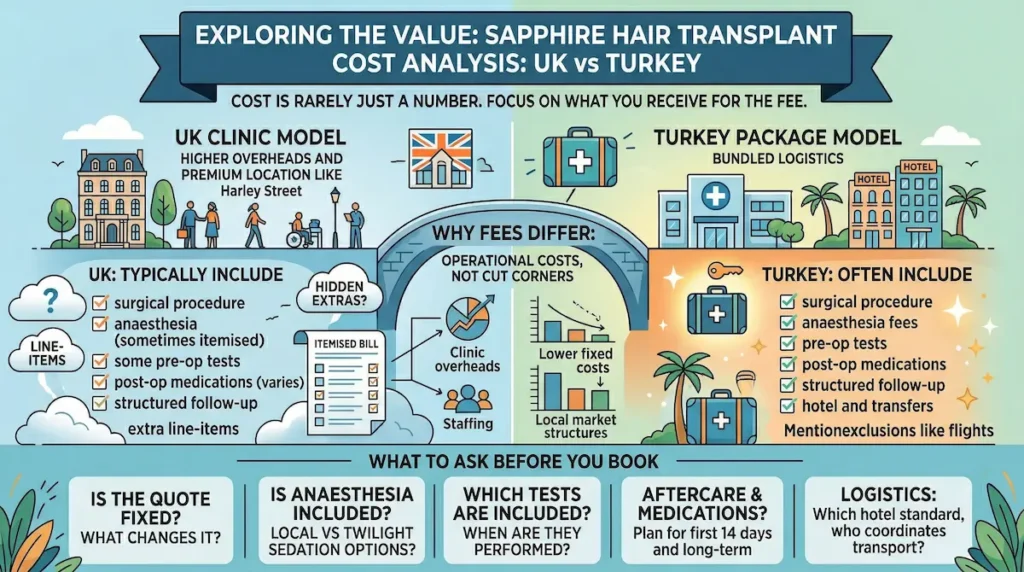
Cost is rarely just a number. It is a mix of clinical time, theatre standards, staffing, and what is (and is not) included in the quote. In the UK, many clinics price by graft count or session structure, and add line-items along the way. In Turkey, the model is often a fixed-price package, which can feel simpler—if it is genuinely transparent.
If you are comparing the sapphire hair transplant cost UK vs Turkey, focus on what you receive for the fee, not the headline figure alone. A safe plan should also protect your donor area and avoid unrealistic density promises.
Why fees differ: operational costs, not “cut corners”
When patients see a large gap between UK and Turkey fees, the natural question is whether quality is being compromised. In reality, fee differences are often driven by macroeconomics and operating costs—such as clinic overheads, staffing costs, and local market pricing structures. That is why a rational comparison looks at workflow, safety systems, and aftercare, not just the receipt.
- UK clinics: higher fixed overheads, local staffing costs, and premium-location pricing (including Harley Street).
- Turkey clinics: different cost base and the ability to bundle logistics into a single plan.
- Clinical reality: graft survival and natural design still depend on planning and execution, not geography.
What “all-inclusive” should actually include (and what it should not)
UK patients often worry about hidden extras. Fair concern. If you are offered an all-inclusive package in GBP (£), it should be itemised clearly so you can see what is included and what is optional. If a clinic cannot explain that in writing, treat it as a risk signal.
- Typically included: your surgical procedure, anaesthesia fees, pre-op tests, post-op medications, and a structured follow-up plan.
- Often included in Turkey packages: hotel and transfers, which reduce planning stress for international patients.
- Common exclusions: flights, travel insurance, personal expenses, and extra hotel nights if you extend your stay.
| Cost Area | Turkey (Package Model) | UK (Clinic Model) | What to ask before you book |
|---|---|---|---|
| Core procedure fee | Often fixed-price package | Often per graft / per session | Is the quote fixed, and what changes it? |
| Theatre & anaesthesia | Frequently bundled | Sometimes itemised | Is anaesthesia included? Local vs twilight sedation options? |
| Pre-operative tests | Often included | May be separate or done via GP/private | Which tests are included, and when are they performed? |
| Aftercare & medications | Often included | Varies by clinic | What is included for the first 14 days and for long-term follow-up? |
| Logistics (hotel/transfers) | Often included | Not applicable | Which hotel standard, and who coordinates transport? |
If you want a quote that is easy to compare, we can provide a written plan in GBP (£) with line-by-line inclusions. No pressure. Just clarity.
Finding the Best Hair Transplant Surgeon: what matters for UK patients
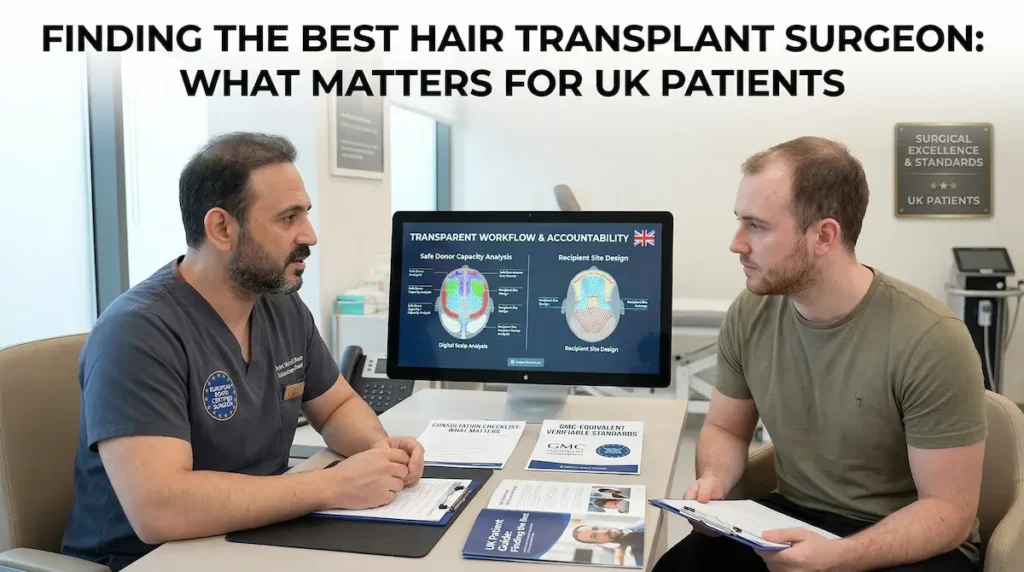
Technique names are easy to copy. Standards are not. The safest way to choose a clinic is to evaluate the surgeon’s credentials, their role in your case, and the discipline of the clinical workflow. UK patients often search for a “GMC equivalent” signal. The closest practical answer is verifiable international board registration and transparent accountability.
Credentials and accountability (beyond marketing claims)
We advise UK patients to look for European Board Certified Surgeons or specialists registered with international medical boards. Credentials matter because they indicate structured training, ongoing professional standards, and external oversight. It is also reasonable to ask how often the surgeon performs the specific technique you are booking, and how they approach conservative donor planning.
- Look for: verifiable board certification and an established surgical track record.
- Ask for clarity: who designs the hairline and who creates recipient sites.
- Watch for red flags: guaranteed results, aggressive graft promises, vague aftercare.
Who does what on the day: design, channels, placement
For an “expert patient”, role clarity is not optional. It affects outcome. Hairline design, recipient site creation, and implantation each require skill and consistency. A safe clinic explains the workflow clearly and confirms who is responsible for each stage.
- Hairline design: should be surgeon-led and age-appropriate.
- Recipient sites: precision here shapes direction, angle, and a natural finish.
- Implantation: careful handling protects graft viability and spacing.
Consultation checklist: questions that protect you
Most mistakes are preventable if the plan is honest and the communication is specific. Bring your questions. We welcome them.
- What is my safe donor capacity, and how do you avoid over-harvesting?
- How will you design a natural hairline for my age and facial proportions?
- What is your aftercare plan once I return to the UK, and how do you handle concerns remotely?
- What are the realistic trade-offs between density, scalp blood supply, and healing?
Surgeon’s insight: A premium result is built on restraint. We protect the donor area, design a believable hairline, and prioritise a result that looks natural under normal lighting—not just in clinic photos.
Your Medical Journey (UK → Istanbul): What to expect
For UK patients, the medical plan and the travel plan have to work together. We keep it structured, predictable, and calm. You know who is coordinating you, where you are staying, and what happens on each day. You handle the flight booking. We organise the rest.
1) Free virtual consultation (before you travel)
Your journey starts with a no-obligation video call. We review your photos, talk through your goals, and confirm whether a hair transplant is clinically sensible for your donor area and pattern of loss. You receive a personalised plan and a transparent, all-inclusive quote. No vague “from” figures.
- What we review: hairline recession, mid-scalp density, crown pattern, donor strength.
- What you receive: a realistic graft strategy and a clear outline of the process.
- What we do not do: promise a “guaranteed” outcome or push an unsuitable case.
2) Secure your date & VIP planning
Once you decide to proceed, your dedicated Patient Host takes over logistics. We secure your procedure date, book your 5-star hotel accommodation from our curated partners, and schedule your VIP transfers. Your only task is booking your international flight ticket.
- Hotel: 5-star partner accommodation arranged by your host.
- Transfers: airport and clinic transfers scheduled in advance.
- Pre-op prep: we provide clear guidance on medication, alcohol, smoking, and travel timing.
3) Arrival in Istanbul (IST or SAW): what happens at the airport
On arrival, you are greeted at the arrivals gate by a private driver holding a sign with your name. You are escorted to a private vehicle (such as a Mercedes-Benz Vito) and taken directly to your hotel. Simple. No confusion. No taxi negotiations.
- Airport options: Istanbul Airport (IST) or Sabiha Gökçen (SAW).
- Support: your host remains reachable if you need anything during arrival.
- Goal: you rest and arrive at surgery day calm, not depleted.
4) Consultation & procedure day
On the day of your procedure, your host arranges your transfer to the clinic. You have a final, in-person consultation with your surgeon to confirm the plan and hairline design. After pre-operative tests, we perform the procedure in our accredited facility with full monitoring and sterile theatre discipline.
- Final plan check: hairline shape, graft distribution, and donor protection.
- Pre-op tests: completed before surgery for safety.
- Comfort: local anaesthesia is standard, and we can discuss twilight sedation where appropriate.
5) Recovery in Istanbul & clearance to fly
Immediately after surgery, our medical team monitors you closely. Your Patient Host remains available 24/7 via WhatsApp for practical questions. Before you depart, you return for a final in-person check-up to confirm healing is on track and you are cleared to fly home.
- First days: we focus on graft protection, swelling control, and safe washing.
- Before departure: a final review to confirm the recipient and donor areas are settling normally.
- Back to the UK: we give clear guidance on when to contact us, your GP, or A&E.
6) Long-term follow-up (back in the UK)
Continuity matters. Support should not stop when you leave Istanbul. We schedule regular virtual follow-ups with your surgeon at 1, 3, 6, and 12 months to track progress, answer questions, and manage the “normal” phases like shedding and delayed crown growth.
- Checkpoints: 1, 3, 6, and 12 months.
- What we track: healing quality, growth timeline, and any concerns that need review.
- What you get: structure and reassurance, not silence.
Sapphire Hair Transplant Frequently Asked Questions (FAQ):
These are the questions UK patients ask most often when researching technique, recovery, and safety. The answers are honest and practical. If your question is more specific—medications, medical conditions, or a complex scalp history—our surgeons will address it directly in consultation.
What is a sapphire hair transplant?
Is Sapphire FUE better than classic FUE?
Sapphire hair transplant vs DHI: which should I choose?
How long is Sapphire FUE recovery time?
What are the side effects?
When can I fly back to the UK?
Is it safe to have a hair transplant in Turkey?
Do you offer all-inclusive packages?
Medical Disclaimer: This page is provided for general information only and does not constitute medical advice. A hair transplant is a medical procedure and suitability varies between individuals. A personalised assessment by a qualified clinician is required before any treatment decision. If you have urgent symptoms or concerns, seek immediate medical attention via local emergency services or A&E, and inform your GP.