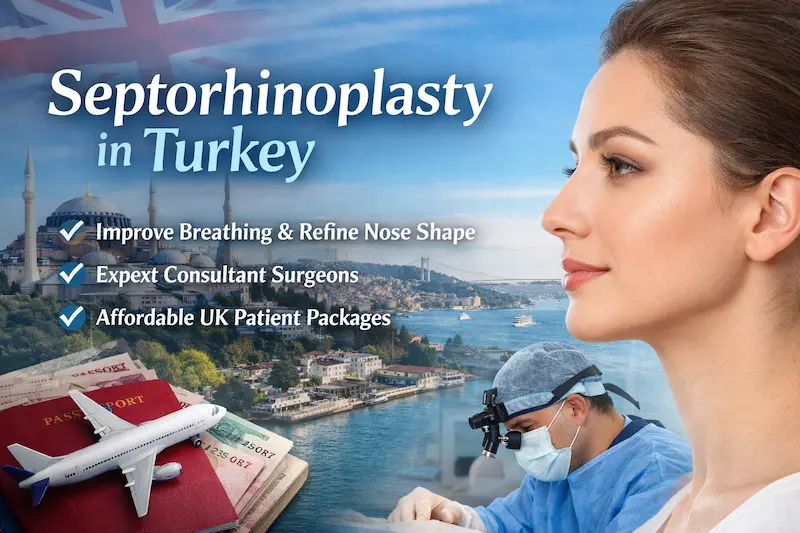
If you are researching septorhinoplasty Turkey, you are probably not looking for a purely cosmetic nose job. In most cases, you want two things at once: easier breathing and a nose shape that feels more balanced, natural, and in harmony with the rest of your face. That is exactly where septorhinoplasty sits. It combines functional correction with aesthetic refinement, making it one of the most thoughtful forms of nose surgery for patients who do not want to choose between health and appearance.
For many UK patients, the appeal of septorhinoplasty in Turkey is not simply price. It is the possibility of accessing consultant-led treatment without long delays, while still prioritising safety, structure, and subtle results. In medical science, a well-planned nose operation is not about making every nose smaller. It is about preserving support, improving airflow, and refining shape in a way that still looks believable on your own face. That is why the best outcomes are usually based on anatomy, function, and careful planning rather than trends.
If you are still deciding whether your case is functional, cosmetic or both, our main rhinoplasty in Turkey guide sets out every nasal procedure we perform side by side, and the full rhinoplasty before and after gallery shows how conservative the profile changes usually are in practice.
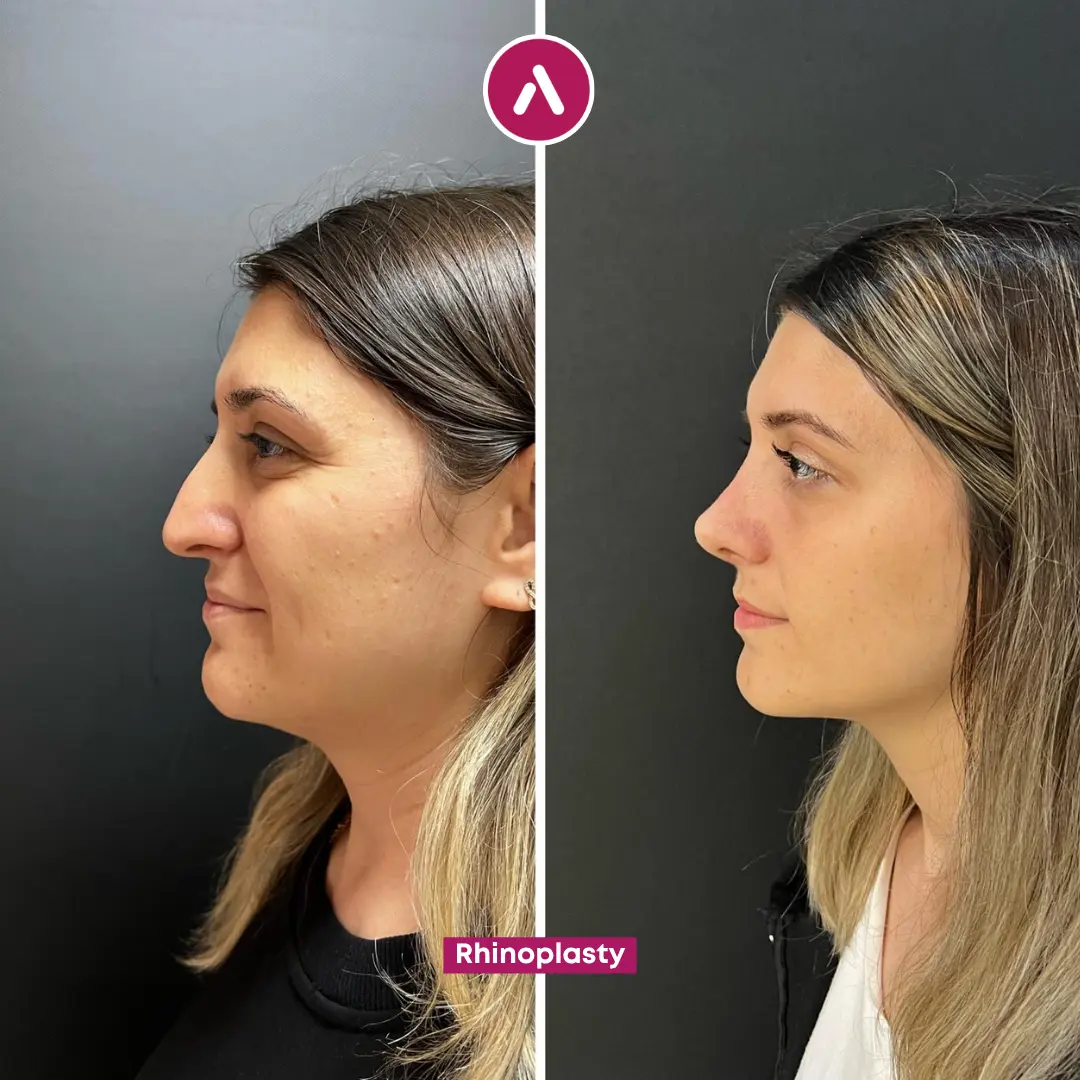
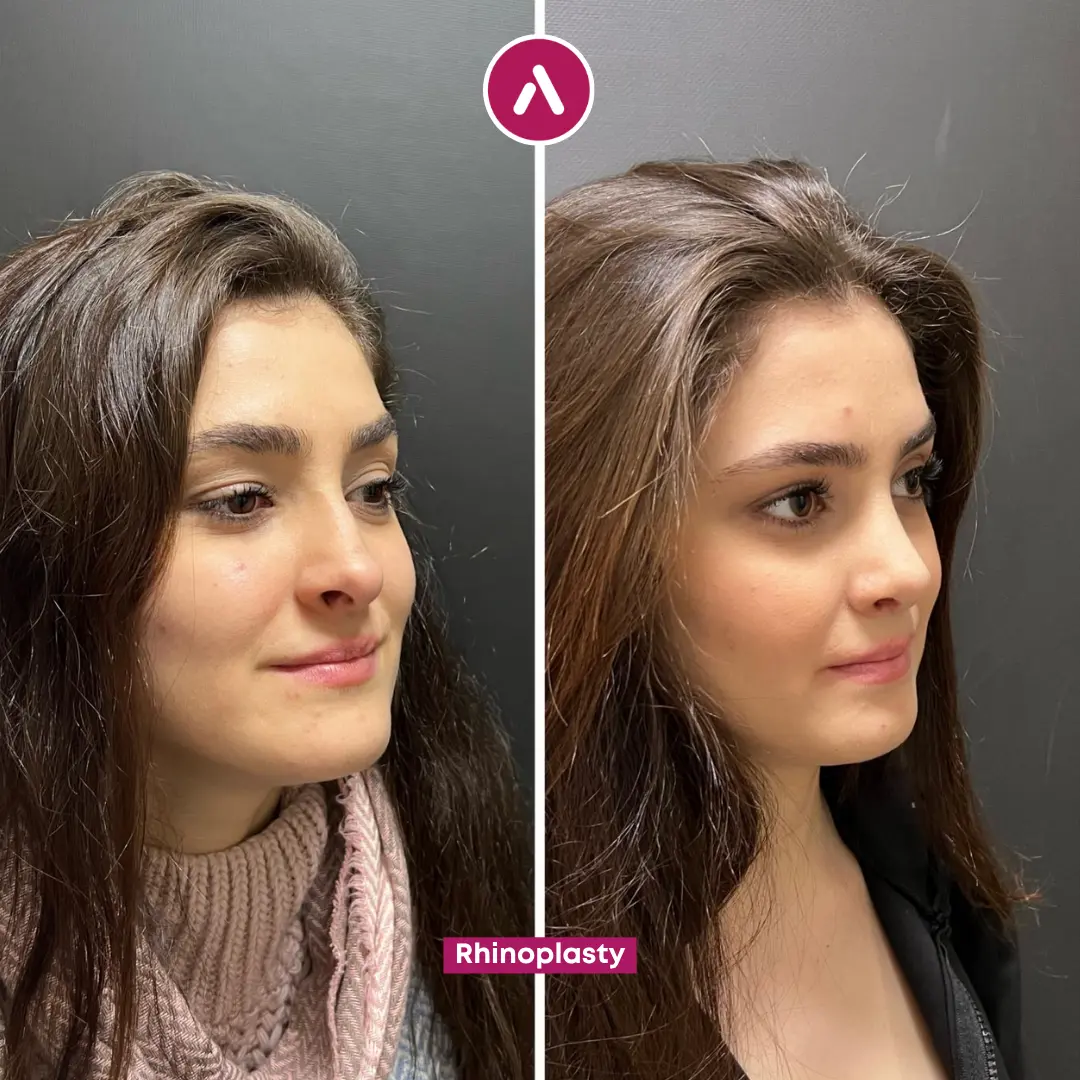
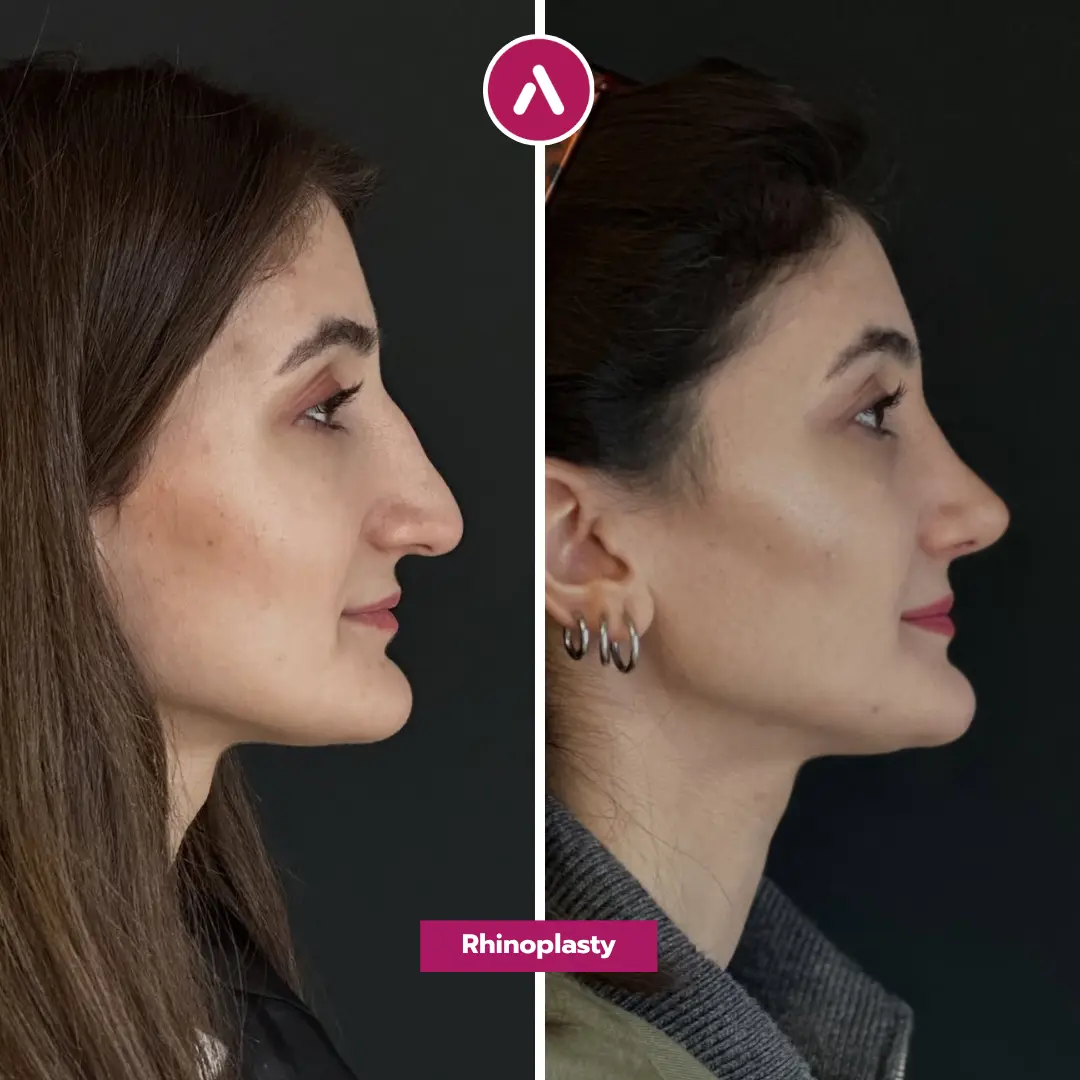
Patients often search online using phrases such as Turkey septorhinoplasty, deviated septum rhinoplasty Turkey, fix blocked nose and shape Turkey, functional and aesthetic rhinoplasty Turkey, or even breathing and shape nose surgery. Although the wording varies, the underlying question is usually the same: can one operation help me breathe better and also improve how my nose looks? In many cases, the answer is yes. Later in this guide, we will also cover septorhinoplasty recovery, septorhinoplasty oedema, and septorhinoplasty cost Turkey in more detail.
Table of Contents
What Is Septorhinoplasty?
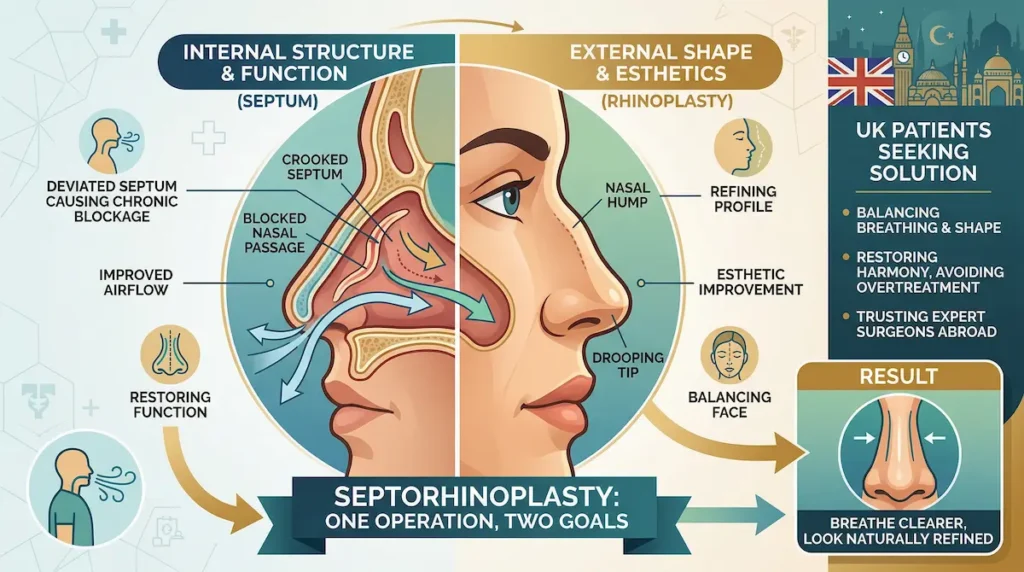
In short: septorhinoplasty is one operation that straightens the nasal septum to improve airflow and reshapes the outside of the nose at the same time. It is chosen when a blocked nose and a visible concern such as a hump, crooked bridge or drooping tip share the same underlying structure. In Istanbul it is performed under general anaesthesia, usually with an overnight stay and a splint for about seven days.
Septorhinoplasty is a combined operation designed to improve both the inside and the outside of the nose. The “septo” part refers to the nasal septum, which is the internal wall dividing the two nasal passages. When it is crooked or displaced, it can contribute to blockage, noisy breathing, poor airflow, and an ongoing feeling that one side of the nose never seems fully clear. The “rhinoplasty” part refers to reshaping the visible nose, such as the bridge, tip, width, or profile.
For some patients, surgical planning must also take facial identity, skin thickness, and inherited nasal characteristics into account. This is where the principles of ethnic rhinoplasty may become relevant, helping the surgeon refine the nose while respecting natural anatomy, cultural identity, and overall facial harmony. In septorhinoplasty, that balance is especially important when improving breathing without creating an artificial or over-operated result.
For the right patient, combining both goals in one procedure can be more logical than treating them separately. Instead of correcting the airway first and returning later for cosmetic work, the surgeon can evaluate the whole nose as a single functional and aesthetic unit. This is particularly relevant for patients who want to combine septoplasty and cosmetic rhinoplasty in one carefully planned procedure.
The Difference Between Septoplasty, Rhinoplasty, and Septorhinoplasty
These terms are often used interchangeably online, but they are not the same. Understanding the difference helps you ask better questions during your consultation and avoid booking the wrong operation.
| Procedure | Main Purpose | Focus Area | Typical Patient Goal |
|---|---|---|---|
| Septoplasty | Improve airflow | Internal septum | Breathe more easily through the nose |
| Rhinoplasty | Improve appearance | External shape of the nose | Refine profile, bridge, tip, or symmetry |
| Septorhinoplasty | Improve function and appearance together | Internal structure and external shape | Breathe better while also improving shape |
A patient with a crooked septum but no concern about appearance may only require septoplasty. A patient with cosmetic concerns but excellent airflow may only need rhinoplasty. However, many real-world cases fall in the middle. A crooked bridge may reflect a deviated internal framework. A drooping tip may narrow the airway. A hump reduction without structural support may even worsen breathing if it is not planned properly. That is why the combined approach is often the most anatomically sensible option.
Septoplasty vs Rhinoplasty Recovery Time: What Changes When They Are Combined
Recovery is the second question most patients ask after cost, and it is where septoplasty and rhinoplasty differ most. Septoplasty works only inside the nose, so there is usually no external splint and no bruising around the eyes; the main complaint is internal congestion for roughly one to two weeks. Rhinoplasty changes the bones and cartilage you can see, which is why a splint, bruising and visible swelling are part of the first week. Septorhinoplasty follows the rhinoplasty timeline on the outside and the septoplasty timeline on the inside, so the two do not add up to double downtime.
| Procedure | Splint / dressing | Visible bruising | Desk work | Breathing feels clearer |
|---|---|---|---|---|
| Septoplasty | Internal support only in most cases | Usually none | Around 1 week | Often once internal swelling settles, typically 2–4 weeks |
| Rhinoplasty | External splint, usually about 7 days | Common, fading over 10–14 days | 1–2 weeks | Not the aim; airflow should at least be preserved |
| Septorhinoplasty | External splint, usually about 7 days | Common, fading over 10–14 days | 1–2 weeks | Gradual, with clearer nights usually reported after the first month |
The practical point for anyone comparing septoplasty vs rhinoplasty in Turkey: if your septum needs straightening anyway, doing it in the same anaesthetic avoids a second flight, a second splint period and a second block of time off work.
Why Breathing Function and Nasal Shape Often Need to Be Treated Together
The nose is not just a feature in the centre of the face. It is a three-dimensional breathing organ supported by bone, cartilage, lining, and soft tissue. Changing one part can affect another. A patient may arrive thinking only about appearance, but examination reveals a significant septal deviation. Another may present with a blocked nose, only to discover that a twisted bridge or weak tip support is part of the same structural problem.
This is one reason why scientific research and modern functional facial surgery emphasise structure, not just surface appearance. If surgery focuses only on making the nose smaller, narrower, or straighter from the outside, it may ignore the airflow dynamics inside. Conversely, correcting only the inside without considering the outer framework may miss an opportunity to restore harmony to the whole nose.
Good septorhinoplasty therefore aims to protect or improve:
- nasal airflow at rest and during exercise,
- septal alignment,
- support of the nasal tip and bridge,
- the angle and balance of the profile,
- long-term structural stability.
Common Reasons UK Patients Research Septorhinoplasty in Turkey
British patients usually do not search for this procedure casually. Most have lived with a practical problem for years. They may dislike photographs of their profile, struggle with one-sided blockage at night, breathe through the mouth during sleep, or feel self-conscious after an old sports injury. In many cases, they are also wary of overtreatment. They want improvement, but they do not want an “operated” look.
Common reasons include:
- a deviated septum causing chronic blockage,
- a nose that looks crooked after trauma,
- a hump or drooping tip combined with breathing difficulty,
- possible nasal valve collapse surgery Turkey searches after discovering valve weakness may be part of the issue,
- an interest in deviated septum rhinoplasty Turkey because both function and shape need attention.
For UK readers, another layer is confidence. Patients often want a surgeon who understands that the goal is not to erase character, but to create a nose that looks natural in the context of the whole face while also functioning properly every day.
What Problems Can Septorhinoplasty Correct?
Septorhinoplasty can address a wide range of concerns, but it is most effective when the problem is properly diagnosed before surgery. Not every blocked nose is caused by the same issue, and not every cosmetic concern needs a major structural change. The consultation process should therefore assess the septum, the external nasal shape, the strength of the cartilage, the quality of the skin, and the way air moves through the nose.
When planned well, the procedure can correct both the visible imbalance and the hidden internal cause behind it. This is why patients looking for functional and aesthetic rhinoplasty Turkey are often better served by a specialist who understands both airway physiology and facial proportion.
A Deviated Septum and Ongoing Nasal Blockage
A deviated septum is one of the most common functional reasons for septorhinoplasty. The septum may lean to one side from birth, become displaced after injury, or gradually contribute to chronic obstruction over time. Patients often describe one nostril feeling permanently tighter than the other, particularly when lying down, exercising, or dealing with seasonal swelling.
When the deviation is significant, a purely cosmetic rhinoplasty will not solve the real problem. The internal framework must be straightened or supported to create better airflow. In some cases, the patient has spent years treating the symptoms with sprays or tablets, when the real issue is mechanical rather than inflammatory.
This is often where searches such as fix blocked nose and shape Turkey begin. The patient may notice both a functional problem and an external asymmetry, and the two are frequently linked.
Dorsal Humps, Drooping Tips, and Nasal Asymmetry
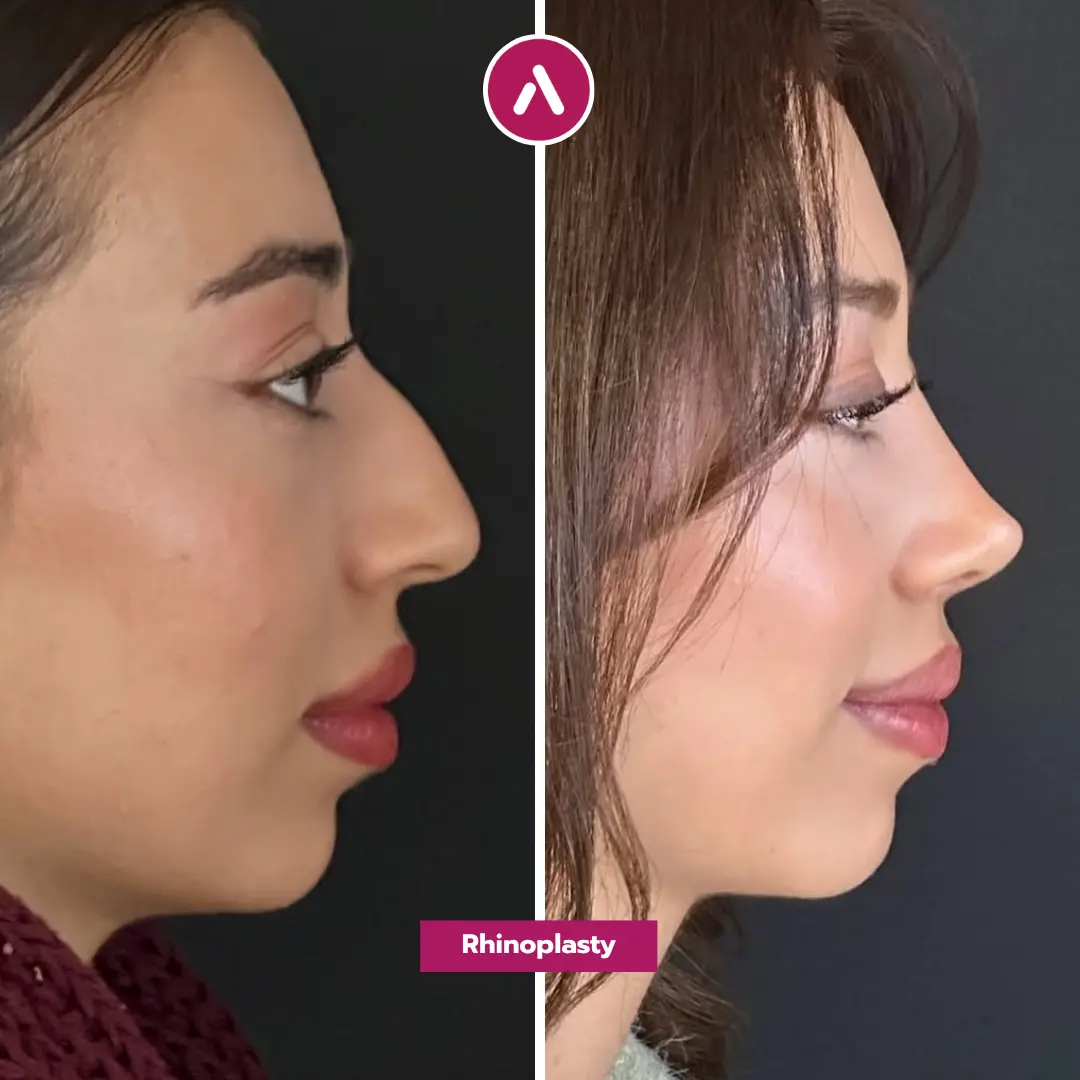
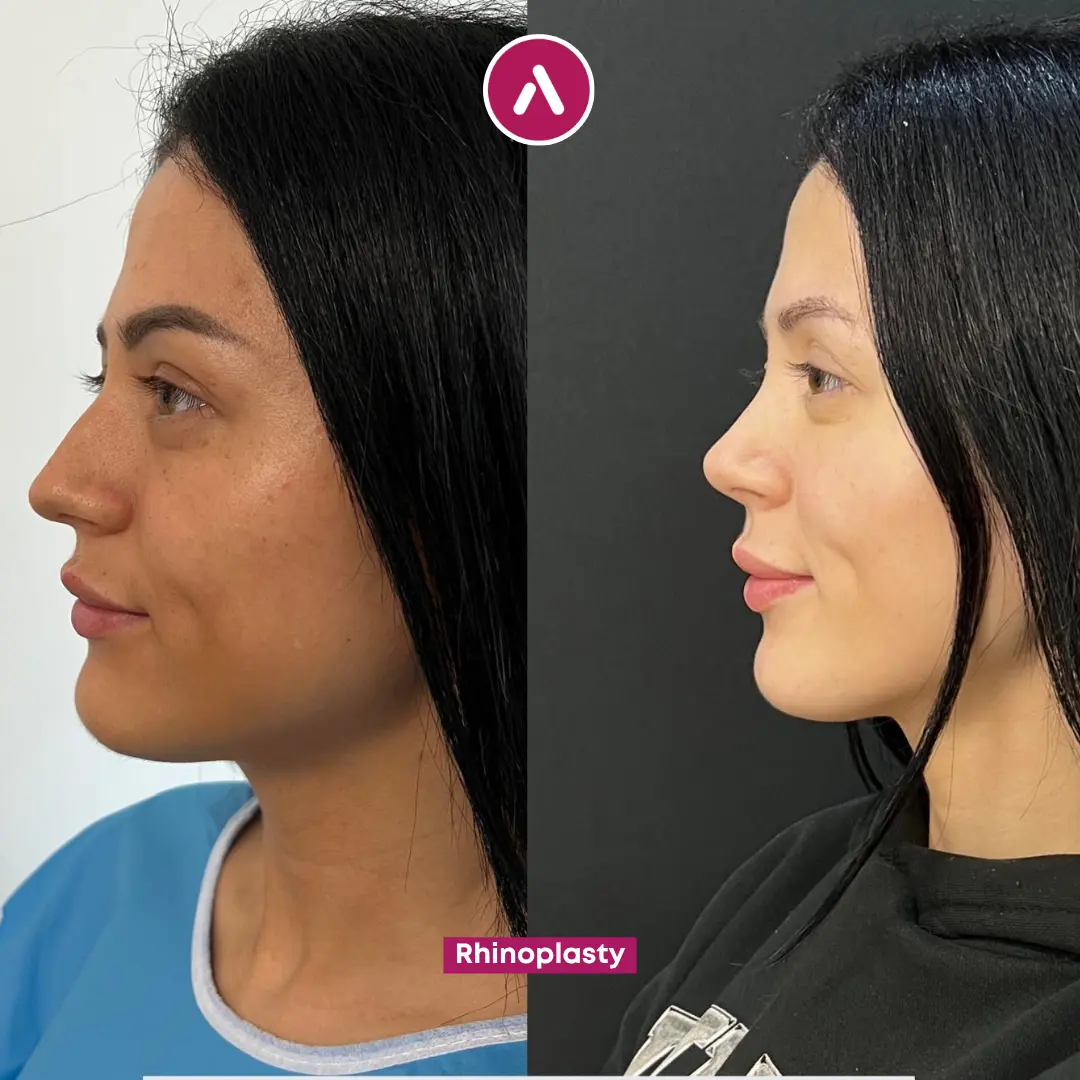
Not all septorhinoplasty patients are focused on dramatic cosmetic change. In fact, many are looking for subtle refinement: softening a hump, lifting a heavy tip slightly, or improving a crooked appearance without making the nose look “done”. This is especially common among UK patients, who often prefer a result that looks fresher and more proportionate rather than obviously altered.
Typical aesthetic concerns include:
- a dorsal hump visible from the side profile,
- a broad or drooping tip,
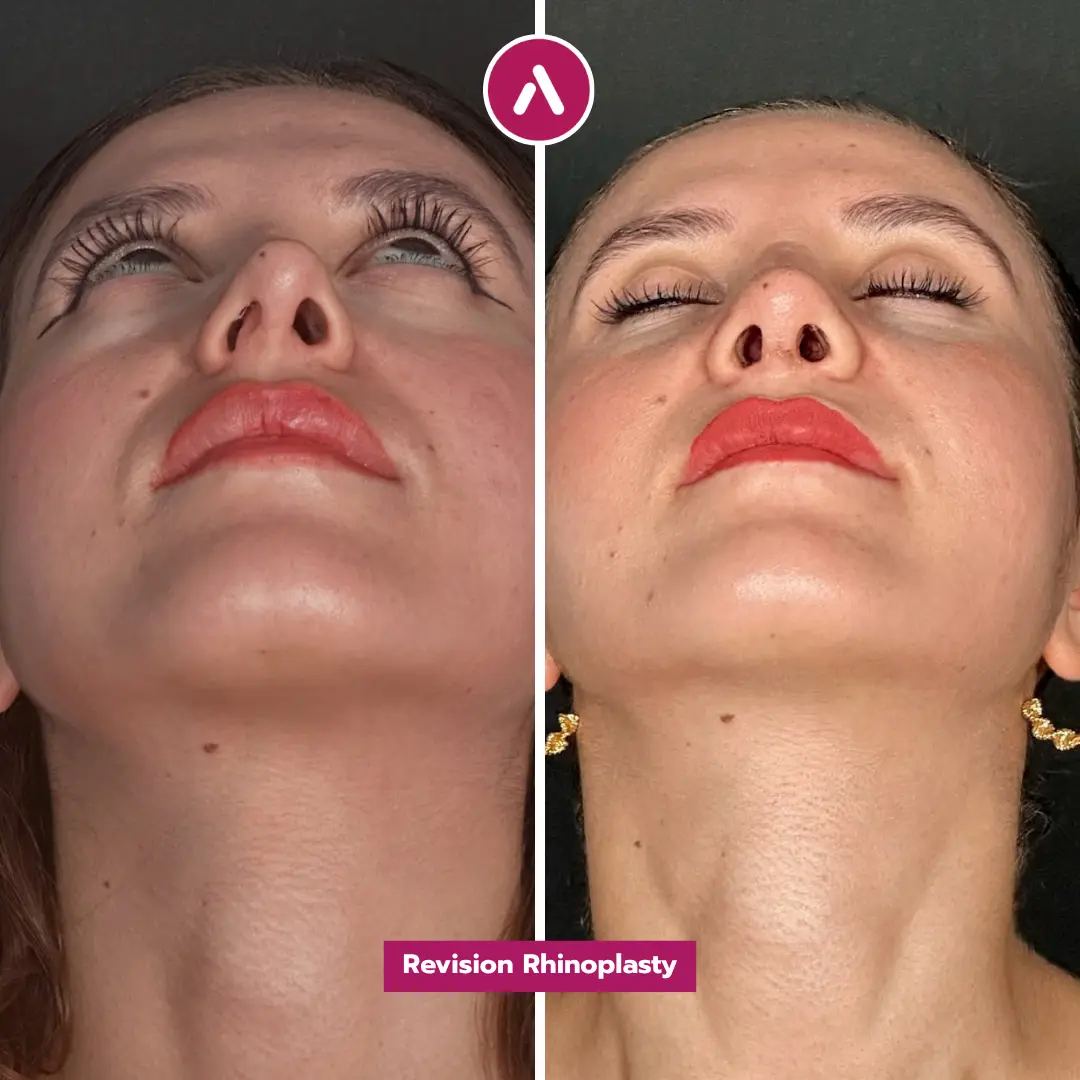
- an asymmetrical bridge when viewed from the front,
- a nose that appears too dominant for the rest of the face,
- a twisted appearance following injury.
These visible changes must be planned in a way that respects support. Removing too much structure can weaken the nose and, in some patients, worsen breathing. For that reason, modern septorhinoplasty is usually less about aggressive reduction and more about balanced reshaping with long-term stability in mind.
Functional Issues After Injury, Genetics, or Previous Surgery
Some noses are difficult because the problem is not just cosmetic or just functional. A patient may have been born with a narrow middle vault, weak cartilage, or asymmetry that affects both appearance and airflow. Others have had an old football injury, a childhood fracture, or a previous operation elsewhere that left them unhappy with the result.
In these situations, the consultation should assess whether the patient may have:
- internal septal deviation,
- narrowed internal airflow passages,
- collapsed or weakened sidewall support,
- tip asymmetry linked to structural imbalance,
- features that suggest nasal valve weakness.
This matters because some patients searching for nasal valve collapse surgery Turkey do not realise that valve weakness can coexist with septal deviation and external shape problems. Likewise, some patients who think they need a standard rhinoplasty actually require a more functional operation that restores support before appearance can be refined safely.
Why UK Patients Consider Turkey for Septorhinoplasty
The decision to travel abroad for nasal surgery is rarely based on one factor alone. For British patients, the interest in Turkey usually comes from a mix of practical pressures and quality expectations: long waiting times, high private fees in London, and a desire for a consultant-led approach that does not compromise on safety or natural-looking outcomes. This is why septorhinoplasty in Turkey has become a serious research topic for informed patients rather than a purely budget-driven search.
For some British patients, another factor in choosing a destination is access to surgeons who can tailor the procedure to individual anatomy rather than applying a one-size-fits-all aesthetic. This becomes especially relevant in cases where ethnic rhinoplasty principles may guide treatment, helping preserve natural facial character and cultural identity while still improving breathing function and overall nasal balance.
At the same time, discerning patients do not want vague promises. They want to know who will perform the procedure, what credentials matter, how aftercare works once they return home, and whether the result will look appropriate for their face. Those are the questions that should shape your decision far more than a headline price alone.
Avoiding Long NHS and Private Waiting Times
One reason many British patients start researching treatment abroad is timing. Functional nasal issues can affect sleep, exercise, concentration, and everyday comfort, yet the path to treatment in the UK may feel slow or fragmented. Some patients are told to manage symptoms conservatively first. Others find that combining functional correction with cosmetic refinement is not straightforward within the system they are navigating.
This is where Turkey can become part of the conversation. Rather than waiting through separate stages, many patients begin to explore whether one carefully planned operation could address both the internal airway and the visible shape at the same time. For readers typing “breathing and shape nose surgery” into a search engine, that is often the real motivation behind the query.
Accessing Consultant-Led Care with UK-Equivalent Standards
For a procedure that affects both breathing and appearance, surgeon credentials matter enormously. A functional nose operation requires more than a good cosmetic eye. It requires an understanding of airway anatomy, structural support, and the consequences of changing one part of the nose on the rest of the framework. This is why consultant-led care matters.
UK patients also tend to look for trust signals beyond the operating theatre itself. These include British-standard communication, transparent planning, and confidence that support continues after the flight home. For many patients, knowing there is a UK support line, a UK-based contact point, and London correspondence reassurance makes cross-border treatment feel much more accountable and structured.
Balancing Natural Results with Better Value Than Harley Street Prices
Patients from the UK are often balancing two equally strong priorities: they want quality, but they do not want to overpay simply because they are shopping in one of the world’s most expensive private healthcare markets. That does not mean they are looking for “cheap” surgery. It usually means they are comparing value, surgeon expertise, and the overall standard of care.
| UK Patient Priority | What They Usually Want | Why Turkey Enters the Conversation |
|---|---|---|
| Natural appearance | A refined nose that still suits their face | Strong demand for subtle, non-overdone results |
| Functional improvement | Better breathing as well as cosmetic change | Combined structural and aesthetic planning |
| Financial value | Harley Street quality without London-level fees | More accessible private treatment costs |
| Trust and aftercare | Clear communication before and after surgery | UK support pathways and organised follow-up |
A UK patient at AKM Clinic described Istanbul as the stronger overall choice after comparing private treatment quality and value with London, while another highlighted how reassuring it was to have ongoing UK-based support after returning home.
That perspective matters because it reflects how British patients usually think. They are not just comparing destinations. They are comparing whether the full experience feels clinically sound, personally reassuring, and financially proportionate. That is a very different mindset from chasing the lowest figure on the page.
How the Procedure Is Planned for Both Breathing and Appearance
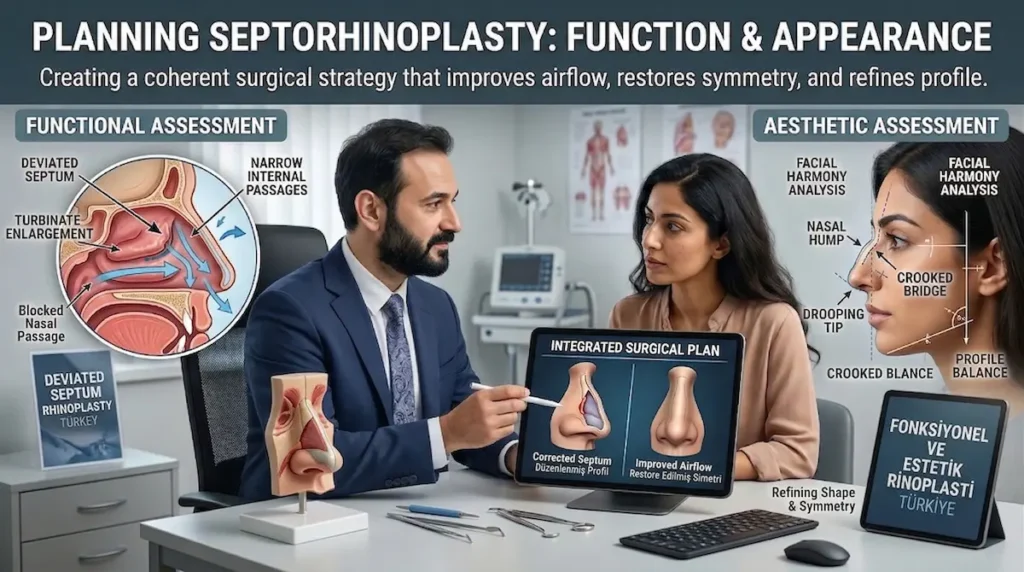
A successful septorhinoplasty does not begin in the operating theatre. It begins with diagnosis. For UK patients considering Turkey septorhinoplasty, the most important question is not simply “what do I want my nose to look like?” but also “what is actually causing my breathing problem?” A blocked nose can result from septal deviation, turbinate enlargement, old trauma, narrow internal passages, or sidewall weakness. At the same time, cosmetic concerns such as a hump, drooping tip, or crooked bridge may be linked to the same underlying framework.
This is why careful planning matters. In modern facial surgery, the nose must be assessed as a functional and aesthetic structure together. The aim is not to create a generic “perfect” nose. It is to improve airflow, preserve support, and refine shape in a way that still looks authentic to your face. For patients searching functional and aesthetic rhinoplasty Turkey, this combined planning stage is what separates thoughtful treatment from a one-dimensional cosmetic approach.
Your Functional Assessment: Airway, Septum, and Internal Structure
The functional assessment focuses on how well the nose works. This includes examining the septum, the internal valves, the overall width of the airway, and whether there is any visible collapse when you breathe in. Some patients have a markedly deviated septum. Others have a more subtle issue, such as weakness in the nasal sidewalls or narrowing in the middle third of the nose that becomes obvious during exercise or sleep.
A proper assessment may help explain symptoms such as:
- constant blockage on one side,
- difficulty breathing through the nose at night,
- mouth breathing during sleep,
- a feeling of resistance during exercise,
- ongoing symptoms after a previous injury or earlier surgery.
This is particularly relevant for patients searching deviated septum rhinoplasty Turkey or nasal valve collapse surgery Turkey. In some cases, the internal problem is the main issue. In others, airflow is compromised because the outer framework is weak, twisted, or over-narrowed. Treating the right cause matters more than simply treating the symptom.
Your Aesthetic Assessment: Profile Balance, Tip Shape, and Facial Harmony
Once function has been assessed, the surgeon also evaluates the visible nose in relation to the rest of the face. This includes the bridge, tip projection, tip rotation, width, asymmetry, skin thickness, and how the nose sits in profile. Good planning avoids chasing trends. Instead, it focuses on proportion, support, and realistic refinement.
UK patients often prefer natural-looking outcomes rather than dramatic transformation. That usually means reducing a hump without making the bridge look flat, refining a drooping tip without creating an artificial lift, and improving asymmetry without stripping the nose of character. This subtle approach is especially important in patients who already feel self-conscious and want to look improved rather than altered.
At this stage, a surgeon will usually consider:
- whether the nose suits the chin, lips, and forehead in profile,
- how skin thickness may affect final definition,
- whether tip support is strong enough for long-term stability,
- how much change is realistic without compromising breathing,
- whether asymmetry is structural, soft tissue related, or both.
Creating a Surgical Plan That Protects Function While Refining Shape
The final surgical plan should combine the internal and external findings into one clear strategy. This is where combine septoplasty and cosmetic rhinoplasty becomes more than a search phrase. It becomes a practical decision about the safest and most coherent way to treat the whole nose at once.
In some patients, the plan may involve straightening the septum, restoring support to the middle vault, and refining the bridge. In others, it may focus on tip reshaping and correction of a mild deviation while preserving strong airflow. The best approach depends on anatomy, skin quality, breathing history, and the degree of change the patient wants.
| Planning Goal | Functional Priority | Aesthetic Priority |
|---|---|---|
| Straighter nose | Improve internal alignment and airflow | Reduce visible deviation from the front |
| Hump reduction | Preserve support and avoid airway narrowing | Softer, more balanced side profile |
| Tip refinement | Maintain structural stability and valve support | Reduce heaviness or droop without over-rotation |
| Post-trauma correction | Address blockage linked to displaced structures | Restore symmetry and facial harmony |
A nose that looks better but breathes worse is not a success, and a nose that breathes well but stays visibly twisted rarely satisfies the patient. The plan has to solve both, which is why the decision about how much bone and cartilage to remove is made after the airway has been examined, not before.
Choosing the Right Surgeon for Septorhinoplasty in Turkey
For UK patients, choosing the right surgeon is often the single biggest anxiety when considering treatment abroad. That concern is understandable. Septorhinoplasty is more demanding than a purely cosmetic procedure because it affects both nasal function and facial appearance. You are not simply choosing someone to reshape a feature. You are choosing someone to work on a breathing structure that also sits in the middle of the face.
This is particularly important for patients whose nasal structure, skin quality, or facial proportions require a more individualised approach. In such cases, experience with ethnic rhinoplasty can be valuable, as it reflects a surgeon’s ability to respect natural features and cultural identity while still improving airflow, balance, and refinement. For UK patients, this can be an important sign that the surgeon prioritises tailored, anatomically sensitive results over standardised cosmetic trends.
This is why surgeon selection should never be based on social media alone. The right clinician should demonstrate anatomical understanding, structural judgement, and a track record of natural results. For patients researching septorhinoplasty in Turkey, it is sensible to look for a consultant-led approach, internationally relevant credentials, and clear communication before and after surgery.
Why ENT and Facial Plastic Expertise Matters in Functional Nose Surgery
Septorhinoplasty is not simply “rhinoplasty plus a breathing fix”. It requires an understanding of the internal airway, septal structure, cartilage support, and how aesthetic changes may affect function over time. That is why ENT and facial plastic expertise can be especially valuable in this field.
When a surgeon understands both physiology and appearance, the treatment plan becomes more balanced. They are less likely to treat the nose as a purely cosmetic object and more likely to preserve or improve the mechanics of breathing while refining shape. This is particularly important in cases involving trauma, asymmetry, previous surgery, or suspected valve weakness.
For UK patients who worry about subtle outcomes, that background can also help support a more conservative and anatomically respectful result. In practice, this often means better decision-making about how much to reduce, where to support, and when to prioritise stability over dramatic change.
Understanding European Board Credentials and UK Trust Signals
Patients in the UK often search for a “GMC equivalent” or want reassurance that a surgeon’s qualifications reflect high standards of training and accountability. That instinct is sensible. When evaluating a clinic abroad, you should look beyond marketing language and focus on credentials that actually reflect specialist training and recognised professional standards.
Other trust markers matter too. British patients usually value:
- consultant-led treatment rather than vague team-based promises,
- clear explanations of who performs the procedure,
- transparent planning and realistic expectations,
- ongoing aftercare once they return home,
- UK-facing communication channels that reduce uncertainty.
These details are not cosmetic extras. They shape the patient’s sense of safety before they even travel.
Questions UK Patients Should Ask Before Booking Surgery Abroad
Good patients ask detailed questions, and septorhinoplasty is exactly the sort of procedure that deserves them. If you are comparing options, the quality of the answers often tells you as much as the answer itself. A serious surgeon or clinic should be comfortable discussing breathing function, structural support, healing, and limitations as well as cosmetic goals.
Useful questions include:
- Do I need septoplasty, rhinoplasty, or a true septorhinoplasty?
- What is causing my blocked nose, and how will you assess it?
- Could I have nasal valve weakness as well as a deviated septum?
- How will my desired shape change affect breathing support?
- Who will perform the full procedure?
- What sort of result is realistic for my skin type and anatomy?
- How does aftercare work once I am back in the UK?
The most reassuring consultation is rarely the one that promises perfection. It is the one that explains anatomy clearly, sets realistic expectations, and shows that function and aesthetics are being planned together.
For the thoughtful British patient, that kind of clarity often matters more than sales language. It is also far more consistent with the way evidence-based, consultant-led care should feel.
Recovery Timeline for British Patients Returning Home
Septorhinoplasty recovery is one of the first topics UK patients research, and rightly so. Even when the operation is planned beautifully, recovery still involves swelling, congestion, visible healing, and a temporary period where the nose looks more “in progress” than “final”. The key is understanding what is normal, what takes longer, and how to plan your return to daily life realistically.
Patients also want to know when they can fly, when the nose begins to look socially presentable, and how long septorhinoplasty oedema lasts. The honest answer is that recovery happens in stages. Some changes settle quickly, while finer definition continues to improve over time. A careful clinic will support that process with clear guidance, sensible follow-up, and a recovery plan designed around international travel.
The First 7 Days: Splints, Swelling, and Early Breathing Changes
The first week is mainly about protection and patience. It is normal to experience swelling, nasal stuffiness, bruising around the eyes, and a sense that breathing is not yet “better” even though the internal correction has been completed. This early congestion often comes from soft tissue swelling rather than failure of the surgery.
During this stage, patients commonly notice:
- a splint or external support on the nose,
- pressure and tightness rather than sharp pain,
- temporary mouth breathing due to internal swelling,
- bruising or colour change around the eyes,
- the need to rest with the head elevated.
Many patients are reassured to learn that discomfort is often more manageable than expected. The bigger challenge in the first few days is usually congestion and visible swelling rather than severe pain. It is also worth remembering that the nose may look wider or less refined at first because oedema temporarily hides the final contours.
Weeks 2 to 6: Flying Home, Social Downtime, and Visible Healing
Once the earliest swelling settles, most patients begin to feel more comfortable socially, but the nose is still healing. Subtle asymmetries, stiffness in the tip, or puffiness in the bridge can all be part of a normal course. This is particularly true in thicker skin, where definition can take longer to emerge.
For UK patients travelling back from Istanbul, this period is also about practical planning. You need to know when it is sensible to travel, how to manage your first days back home, and what level of visibility is realistic for work or social events. Some people feel ready to be seen relatively quickly. Others prefer a little more privacy while bruising and swelling continue to settle.
| Recovery Stage | What You May Notice | What It Usually Means |
|---|---|---|
| Days 1–7 | Splint, congestion, bruising, swelling | Early healing and tissue response |
| Weeks 2–3 | Less bruising, but persistent puffiness | Normal ongoing oedema |
| Weeks 4–6 | More socially presentable nose shape | Visible improvement, not final definition |
| Months ahead | Gradual refinement, especially in the tip | Longer-term tissue settling |
This is why recovery should be judged in phases rather than in one dramatic “before and after” moment. From a scientific research standpoint, soft tissue recovery is gradual, and the visible result continues to improve after the early postoperative period.
Aftercare, Follow-Up, and Flight-Ready Recovery Planning for the UK
Aftercare is one of the biggest deciding factors for British patients considering surgery abroad. Understandably, many worry less about the operation itself than about what happens once they are back in the UK. A strong aftercare system should therefore feel structured, accessible, and reassuring.
At AKM Clinic, this recovery philosophy is supported by advanced postoperative technologies and UK-facing communication pathways. HBOT (Hyperbaric Oxygen Therapy) is used as part of the recovery strategy to reduce postoperative oedema and support faster settling, while LLLT is used to support healing and minimise visible scar concerns where relevant. These technologies are important for the detail-oriented patient who wants recovery to be managed actively rather than left to chance.
Equally important is communication after the flight home. UK patients value being able to reach a real support pathway, whether through a direct WhatsApp line, a UK support contact, or the psychological reassurance of a London correspondence address. That feeling of continued access can make a significant difference during the healing phase.
One UK patient highlighted how reassuring it was to stay in contact with the medical team after returning home, while another described her recovery as easier than expected, with only minimal need for paracetamol.
For many British patients, that combination of structured aftercare, recovery technology, and localised communication support is what turns overseas surgery from a risk into a manageable, well-supported medical journey.
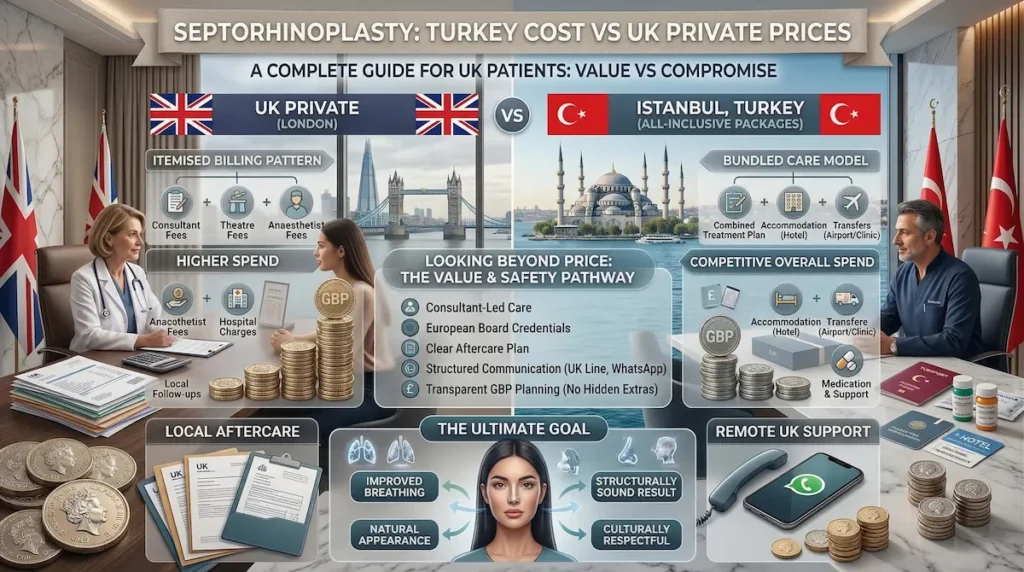
Septorhinoplasty Turkey Cost vs UK Private Prices
For most British patients, septorhinoplasty cost Turkey is part of the research process, but it is rarely the only deciding factor. A combined functional and aesthetic nose procedure requires careful planning, surgical precision, consultant-led judgement, and organised aftercare. That means the real comparison should not be “cheap versus expensive”. It should be value versus compromise.
Cost can also vary when a case requires a more individualised surgical plan rather than a standard cosmetic approach. This is particularly relevant where ethnic rhinoplasty principles may apply, as the procedure must balance functional improvement with preservation of natural facial identity. In these cases, the value of surgery lies not only in price, but in the surgeon’s ability to deliver a personalised, structurally sound, and culturally respectful result.
In the UK, private septorhinoplasty can become costly because you are paying for consultant fees, theatre fees, anaesthetist fees, hospital charges, follow-up appointments, and the general overheads associated with London private healthcare. In Istanbul, the overall cost structure is often lower, which is one reason many UK patients begin researching septorhinoplasty in Turkey. However, the right question is whether the package includes the things that actually matter: surgeon expertise, safe operating theatre standards, recovery support, and transparent communication.
What Usually Affects the Price of Septorhinoplasty
This page explains what drives the price of a combined functional and aesthetic nose operation rather than quoting figures. Current GBP pricing, what a quotation includes, and how revision cases are costed are kept on two dedicated pages: rhinoplasty and nose job cost in Turkey and the all-inclusive rhinoplasty package, which lists hotel nights, transfers and follow-up.
Not every nose requires the same level of correction. A patient with a mild hump and moderate septal deviation may need a simpler operation than someone with post-traumatic asymmetry, internal valve weakness, or revision concerns. This is why a proper quote should follow diagnosis, not come before it.
The final cost is usually influenced by:
- whether the case is primary or revision surgery,
- the degree of septal deviation or airway compromise,
- whether grafting or added structural support is required,
- the complexity of tip reshaping,
- what is included in the package, such as accommodation, transfers, medication, and aftercare.
For British patients, this matters because a headline number can be misleading if it excludes key parts of the journey. Transparent GBP planning is far more useful than a low starting figure that becomes less attractive once hidden extras appear.
Turkey vs London: Why the Price Difference Can Be Significant
Many patients comparing Harley Street or wider London private fees with Istanbul are surprised by the gap. The difference is not automatically a sign of lower quality. In many cases, it reflects different overhead structures, bundled care models, and the fact that Turkey has become a major destination for consultant-led aesthetic and functional surgery.
| Cost Consideration | Typical UK Private Pattern | Typical Istanbul Pattern |
|---|---|---|
| Consultant and theatre fees | Usually billed at premium private market rates | Often more competitive overall |
| Package structure | May be itemised separately | More often bundled into one treatment plan |
| Accommodation and transfers | Normally arranged independently | Often included or coordinated |
| Aftercare coordination | Usually local and clinic-based | May include remote UK-facing support |
| Overall patient spend | Higher, especially in London | Often lower for the full journey |
This is why some patients who initially search only for price later shift towards questions of value, safety, and planning. They are not simply looking for the lowest quote. They are looking for a sensible investment that improves breathing and appearance without the financial pressure of top-end UK private fees.
Looking Beyond Price: Value, Safety, and Transparent GBP Planning
The smartest comparison is never fee alone. It is whether the whole pathway feels clinically sound. That includes who performs the surgery, how the airway will be assessed, what recovery support is available, and how realistic your expected result is.
For many UK patients, the strongest value signals include:
- consultant-led care rather than vague “team” language,
- European Board and facial plastic credentials relevant to nasal function,
- clear aftercare once you return home,
- structured communication through a UK support line or WhatsApp contact,
- pricing explained clearly in GBP terms.
That broader view is especially important in procedures such as functional and aesthetic rhinoplasty Turkey, where the true success of surgery is measured not only in profile photos but in breathing quality, long-term support, and how natural the result looks in everyday life.
Who Is a Good Candidate for Septorhinoplasty?
Not everyone who dislikes their nose needs septorhinoplasty, and not every blocked nose requires combined surgery. The best candidates are usually patients whose functional and aesthetic concerns genuinely overlap. In other words, there is both a reason to improve breathing and a reason to refine shape, and the two can be addressed safely in one coherent operation.
This is especially true for patients whose nasal concerns are shaped by both function and inherited facial features. In such cases, the principles of ethnic rhinoplasty may be relevant, as the goal is not to erase identity but to improve breathing and refine shape in a way that remains balanced, natural, and respectful of the patient’s overall facial character.
This is one reason a detailed consultation matters so much. The aim is to understand what is anatomically possible, what is medically appropriate, and what kind of change will still look natural. For the right patient, breathing and shape nose surgery can be a highly satisfying option because it solves two long-standing concerns at the same time.
Signs You May Benefit Functionally and Aesthetically
You may be a good candidate if you have ongoing breathing issues together with visible nasal concerns that affect confidence or facial balance. Common examples include a deviated septum with a crooked bridge, a drooping tip with poor airflow, or post-traumatic asymmetry that affects both function and appearance.
Typical candidate signs include:
- regular nasal blockage, especially on one side,
- mouth breathing at night,
- a visibly crooked or twisted nose,
- a hump or tip shape you would like refined,
- a wish to combine septoplasty and cosmetic rhinoplasty in one procedure.
Patients who have been told they may have internal narrowing or valve weakness may also benefit from a more functional assessment rather than a purely cosmetic approach.
When Realistic Expectations Matter Most
The best candidates are not those asking for a trendy nose. They are those who understand that nasal surgery is about balance, anatomy, and proportion. A strong result should fit your face, improve daily function, and still look believable. It should not make you look like somebody else.
Realistic expectations are especially important if:
- your nose is naturally asymmetrical,
- your skin is thicker and definition may take longer to appear,
- you want a very subtle result,
- you have both cosmetic wishes and functional symptoms that need to be prioritised sensibly.
From a scientific research and medical science perspective, patient satisfaction is often highest when the surgical plan matches anatomy and healing reality, rather than an over-edited digital ideal.
When Revision Surgery or a More Specialist Approach May Be Needed
Some patients need a more advanced assessment because the case is not straightforward. This may apply if you have had previous nasal surgery, suffered significant trauma, or suspect collapse in the sidewalls of the nose. In these situations, structural support and breathing preservation become even more important.
You may need a more specialist approach if:
- you have had previous rhinoplasty and are still blocked,
- your nose looks pinched, over-reduced, or unstable,
- you have visible collapse when breathing in,
- you have both cosmetic dissatisfaction and persistent airway symptoms.
These patients should be especially cautious about choosing a surgeon based on social media aesthetics alone. A revision or structurally complex nose requires deeper planning and stronger functional judgement than a simple cosmetic reshaping case.
Risks, Limitations and When a Second Operation May Be Needed
Every nasal operation carries risk, and a combined functional and aesthetic procedure carries the risks of both. A clinic that only lists benefits is not giving you enough to decide with.
- Persistent or returning blockage: swelling, scar tissue inside the nose, or turbinate enlargement that was not addressed can leave one side feeling tight months later.
- Residual asymmetry: cartilage has memory. A previously twisted septum can pull slightly back towards its old position during healing.
- Over-reduction: taking too much from the bridge or tip can narrow the internal valve and make breathing worse than before surgery.
- Prolonged tip swelling: thicker skin holds oedema longer, and final definition can take well over a year to appear.
- Bleeding, infection and anaesthetic risk: uncommon, but real, and the reason pre-operative bloods and honest disclosure of medication and smoking matter.
- Revision: a proportion of nasal surgery patients need a small secondary procedure. Ask before you book how revision is handled and what it would involve for someone travelling from the UK.
Discussing these points at consultation is not pessimism. It is the fastest way to work out whether the surgeon is planning around your anatomy or around a template.
Frequently Asked Questions (FAQ): Septorhinoplasty Turkey
Below are the most common questions UK patients ask when researching septorhinoplasty Turkey. The answers are intentionally concise and written in clear British English for easy use on-page.
Is septorhinoplasty mainly for breathing problems or cosmetic concerns?
It can be for both. Septorhinoplasty is specifically designed to improve nasal function and appearance in the same operation when both issues are relevant.
Can septorhinoplasty improve a deviated septum and the shape of the nose at the same time?
Yes. This is one of the main reasons patients choose the procedure. It can correct internal deviation while also refining the outer nose.
How long does swelling last after septorhinoplasty?
Early swelling improves over the first few weeks, but finer definition can continue to develop for months. Tip swelling often settles more slowly than bridge swelling.
When can I fly back to the UK after septorhinoplasty?
This depends on your healing progress and your surgeon’s advice. International patients should follow a structured recovery plan before travelling home.
Will septorhinoplasty leave visible scars?
Many techniques leave little or no obvious visible scarring once healed. This depends on the surgical approach and how your tissues recover.
Is septorhinoplasty in Turkey cheaper than private surgery in the UK?
In many cases, yes. Istanbul treatment is often more affordable overall than private care in London, especially when accommodation and transfers are organised as part of the plan.
How do I know whether I need septoplasty, rhinoplasty, or septorhinoplasty?
You need an assessment of both breathing function and external shape. If both are contributing to the problem, septorhinoplasty may be the most suitable option.
Can I have septoplasty alone in Turkey, without any cosmetic change?
Yes. If your examination shows a deviated septum but you are happy with the outside of your nose, a functional septoplasty on its own is the appropriate operation. The surgeon should say this openly rather than steer you towards a bigger procedure.
How is septoplasty recovery different from septorhinoplasty recovery?
Septoplasty alone usually means no external splint and no bruising around the eyes, with desk work realistic after about a week. Septorhinoplasty adds the external healing phase: a splint for roughly seven days and visible swelling that keeps improving for several weeks.
Do I need a CT scan before septorhinoplasty?
Not always. Many cases are assessed with endoscopic examination and clinical testing of the airway. A scan is more likely to be requested after significant trauma, in revision cases, or when sinus disease is suspected alongside the septal deviation.
What does septorhinoplasty cost in Turkey compared with the UK?
Pricing depends on whether the case is primary or revision, how much structural grafting is needed, and what the package covers. Current figures for UK patients are set out on our rhinoplasty cost in Turkey page.
Can turbinate reduction be done at the same time?
Often yes. Enlarged turbinates are a frequent second cause of one-sided blockage, and reducing them during the same operation is common when the examination supports it.
If you would like to explore related topics beyond septorhinoplasty, you can also learn more about Thick Skin Rhinoplasty, Piezo Rhinoplasty Turkey, Tip Plasty Turkey, Rhinoplasty Cost Turkey, Revision Rhinoplasty Cost, Specialist Plastic Surgeon Turkey, Questions to Ask Plastic Surgeon, Ghost Surgery in Turkey, and Online Plastic Surgery Consultation to better understand your options, compare approaches, evaluate surgeon credentials, plan your budget, and prepare for a safe, well-informed treatment journey.
Medical Disclaimer: This page is provided for general educational purposes only and does not replace a face-to-face medical consultation, diagnosis, or personalised treatment plan. All surgery carries risks and outcomes vary between individuals. Suitability for a rhinoplasty (nose job) surgery, procedure selection, and anaesthesia choice can only be determined after a full clinical assessment by a qualified surgeon. Always follow your clinician’s instructions and seek urgent medical attention if you develop concerning symptoms during recovery.