
If you are researching tip plasty Turkey, you are probably not looking for a full nose transformation. In many cases, the concern is much more specific: a rounded tip, a droopy tip, poor definition, or a nose tip that feels slightly too wide for the rest of the face. For British patients who want a subtle change rather than a dramatic new profile, tip plasty in Turkey can be a focused and sensible option.
Also known as nose tip surgery Turkey, this procedure concentrates on the lower third of the nose rather than reshaping the entire bridge and nasal bones. That is why many people describe it as a form of nose tip refinement Turkey or even a mini nose job Turkey. The goal is not to create an artificial or “done” look. It is to refine shape, improve support, and create better balance between your nose and your other facial features.
For UK patients, the appeal is often twofold. First, a Turkey tip plasty procedure may offer a more accessible route to consultant-led care than many London private clinics. Secondly, when the concern is limited to the tip, a focused operation may mean less structural work than a full rhinoplasty. That can influence not only the surgical plan, but also the overall tip plasty Turkey price, social downtime, and recovery expectations.
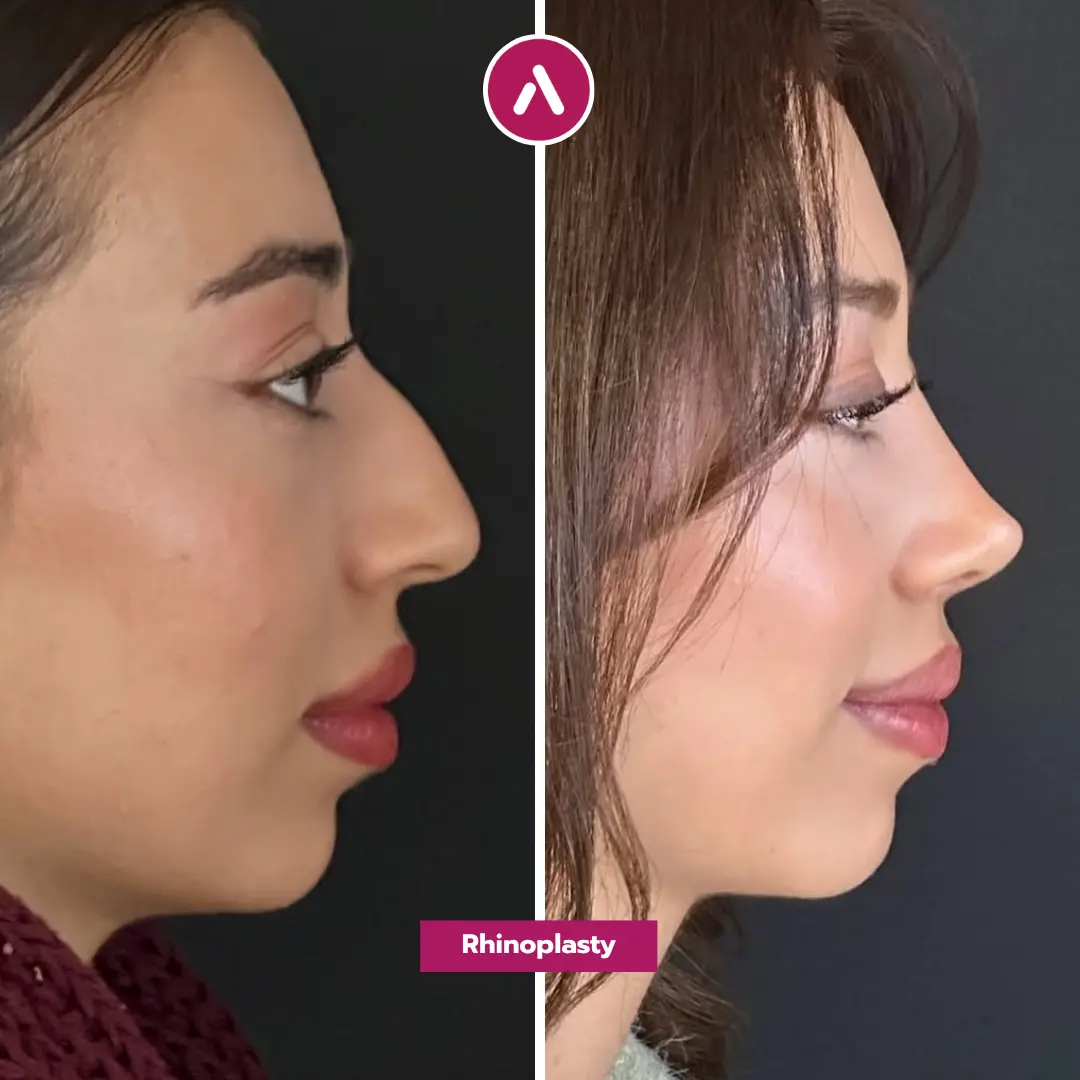
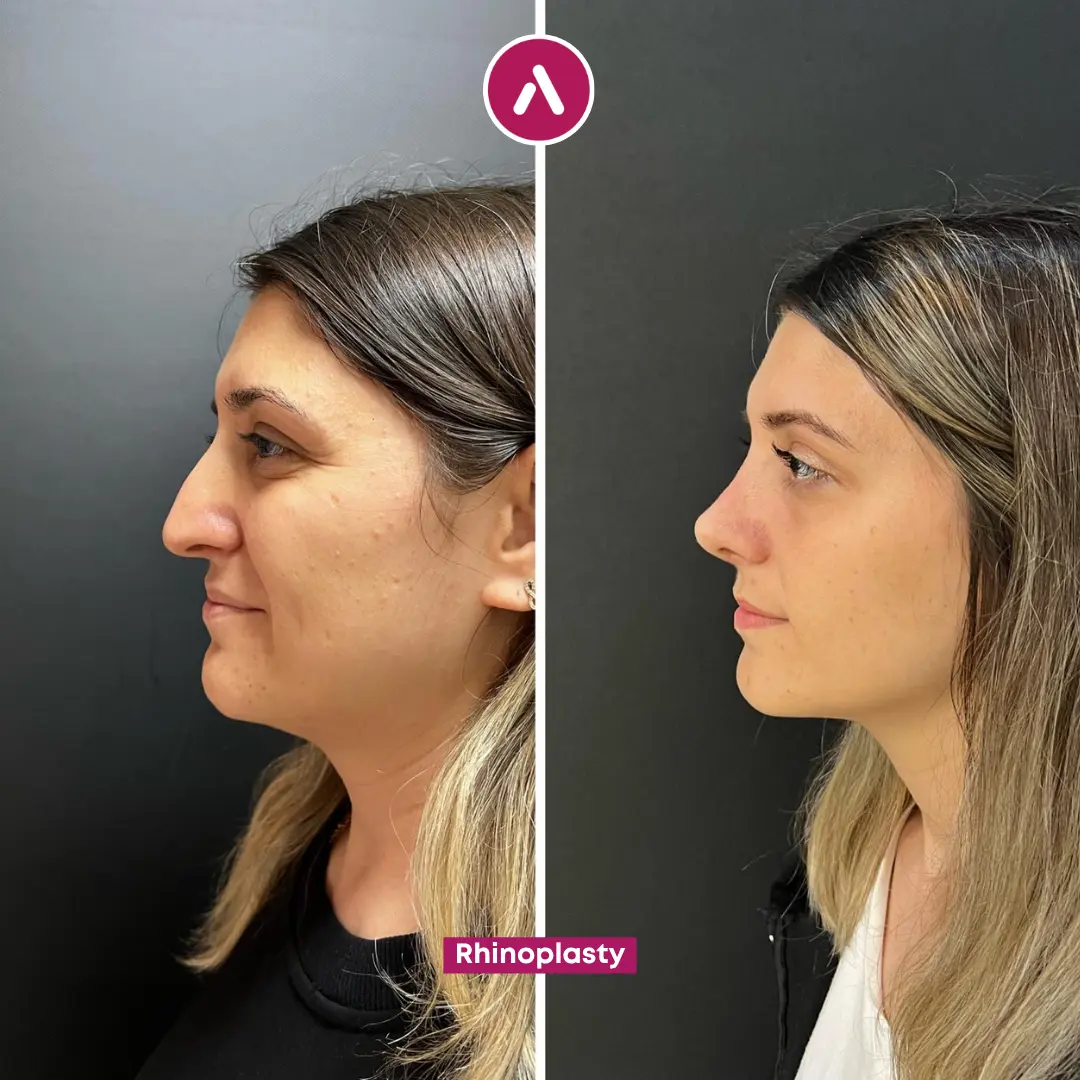
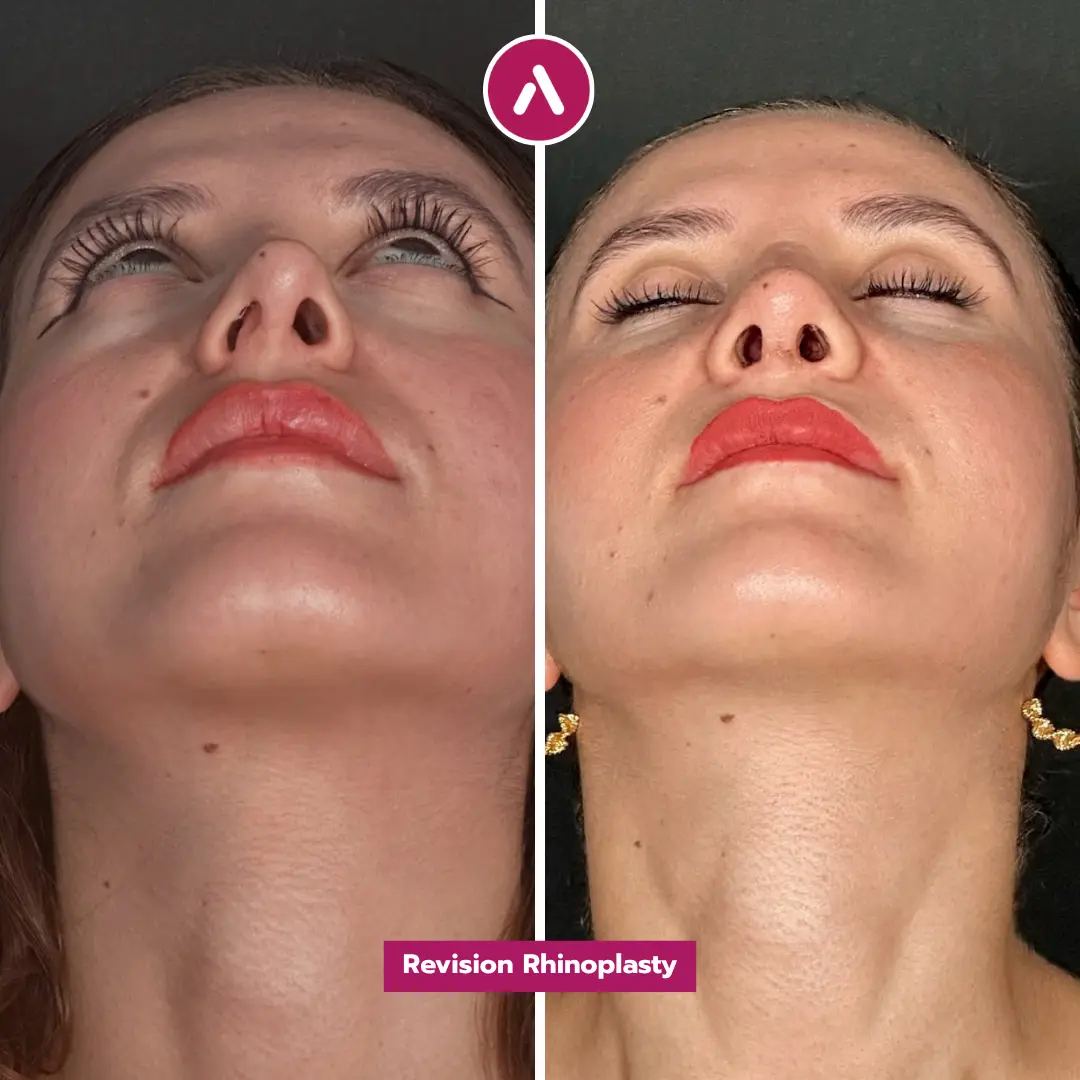
Good outcomes depend on much more than price, however. The best results come from careful facial analysis, strong cartilage strategy, realistic planning, and a surgeon who understands that British patients usually want refinement, not exaggeration. In facial plastic surgery, good medical science begins with choosing the correct operation for the correct anatomy. A patient with a true tip issue may do very well with targeted nasal tip refinement Turkey. A patient with bridge deviation, breathing problems, or major asymmetry may need a broader rhinoplasty plan instead.
In this guide, we will explain what tip plasty can and cannot do, who tends to be a good candidate, and what happens during surgery. We will also look at the questions UK patients ask most often, including whether bulbous tip rhinoplasty Turkey or droopy nose tip surgery Turkey is the right direction, how cartilage reshaping nose tip techniques work, and what kind of result looks natural in real life rather than only in edited before-and-after images.
Table of Contents
What Is Tip Plasty and How Is It Different from Full Rhinoplasty?
Before choosing surgery, it is important to understand what tip plasty actually changes. This is where many patients become confused. A focused nose tip procedure can produce a meaningful improvement, but it is not designed to solve every nasal concern. Understanding that distinction helps you avoid over-treatment on one side and disappointment on the other.
What “nose tip refinement” actually changes
Nose tip refinement Turkey usually refers to surgical changes made to the lower cartilages of the nose, especially where the tip appears too bulbous, droopy, boxy, weak, or poorly defined. In straightforward cases, the bridge may not need alteration at all. Instead, the operation focuses on improving the shape, projection, rotation, and symmetry of the tip.
This means tip plasty can be suitable when the upper part of the nose already looks acceptable from the front and side, but the lower third feels heavy or lacks definition. Patients commonly seek this procedure for concerns such as:
- a rounded or bulbous tip rhinoplasty Turkey concern
- a tip that falls downward when smiling
- a broad or poorly supported tip
- mild asymmetry of the nostril-tip area
- a desire for a more elegant contour without changing overall identity
In practical terms, a surgeon may adjust the cartilage framework, refine soft tissue balance, and improve support so the tip looks neater and more proportionate. That is why many patients use terms such as nasal tip refinement Turkey and mini nose job Turkey when searching online. They do not necessarily want a new nose; they want a better version of the one they already have.
Tip plasty vs full rhinoplasty: scope, complexity, and cost
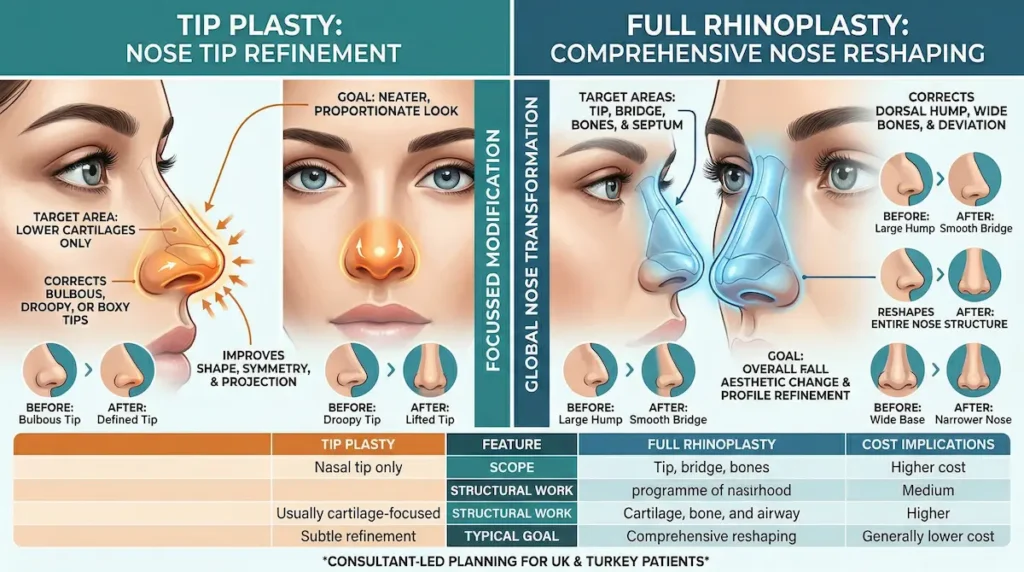
The main difference between tip plasty and full rhinoplasty is scope. Full rhinoplasty may involve the bridge, nasal bones, septum, breathing function, and the tip. Tip plasty, by contrast, is usually more focused on the lower cartilage structure. Because of that, it is often seen as a smaller procedure, though it still requires precision and experience.
| Feature | Tip Plasty | Full Rhinoplasty |
|---|---|---|
| Main treatment area | Nasal tip only | Tip, bridge, bones, and sometimes septum |
| Best for | Bulbous, droopy, wide, or weak tip concerns | Broader shape change or functional correction |
| Structural work | Usually cartilage-focused | May include cartilage, bone, and airway work |
| Typical patient goal | Subtle refinement | More comprehensive reshaping |
| Cost implications | Often lower than full rhinoplasty | Usually higher due to broader surgical scope |
That said, “smaller” does not mean “simple”. The tip is one of the most delicate and visible parts of the nose. A few millimetres can make a major aesthetic difference. Over-reduction, poor support, or aggressive cartilage removal can create long-term problems. This is why consultant-led planning matters so much, especially for UK patients who are trying to compare tip plasty cost Turkey vs UK without sacrificing quality or safety.
When comparing tip plasty Turkey price options, it is wise to think beyond the headline number. A lower quote means very little if the assessment is rushed, the plan is generic, or revision risk is increased. The better question is whether the procedure is appropriate for your anatomy and whether the surgeon has a clear plan for support, symmetry, and a natural-looking finish.
When a tip-only procedure is enough — and when it is not
A tip-only operation can be enough when the bridge is already harmonious and the patient’s dissatisfaction is genuinely limited to the lower part of the nose. This is often true for patients whose profile is largely acceptable, but whose tip looks heavy, lacks definition, or drops slightly.
However, tip plasty is not ideal for everyone. If you also have a large dorsal hump, major deviation, nasal obstruction, severe asymmetry, or a wide bony vault, a full rhinoplasty or septorhinoplasty may be the more honest recommendation. A good surgeon should tell you this clearly rather than forcing every patient into a “smaller procedure” because it sounds easier or cheaper.
In other words, the best candidates for nose tip surgery Turkey are not simply the patients who want less surgery. They are the patients whose anatomy truly supports a tip-focused approach. This is one reason online consultation and photographic planning are so important before booking treatment abroad. Subtle surgery works best when the diagnosis itself is precise.
Who Is a Good Candidate for Tip Plasty?
Not every patient who dislikes their nose tip is automatically a good candidate for isolated tip surgery. Suitability depends on cartilage strength, skin thickness, baseline symmetry, facial proportions, and whether there are any functional issues in the nose. For that reason, proper candidacy assessment matters just as much as the operation itself.
This is particularly important for patients from diverse ethnic backgrounds, as nasal anatomy, skin behaviour, and aesthetic goals can vary significantly from one person to another. In this context, a personalised assessment is essential, because the principles behind ethnic rhinoplasty often highlight the need to preserve identity while improving balance, definition, and support in a way that still looks natural and harmonious.
Common concerns: a bulbous, droopy, wide, or asymmetrical tip
The most common reasons for seeking tip plasty in Turkey are very specific aesthetic complaints. Some patients feel the tip is too round or lacks definition in photographs. Others notice that the tip points downwards, especially when smiling. Some feel the nose looks wider at the bottom than it does at the bridge, while others are bothered by mild asymmetry that draws attention from the front view.
A good candidate may recognise one or more of the following concerns:
- a soft, rounded, or poorly defined tip
- a droopy nose tip surgery Turkey concern, particularly in side profile
- mild nostril asymmetry linked to tip support
- a broad lower third despite a relatively balanced bridge
- a wish for a cleaner, more refined front view without changing ethnic or personal identity
For these patients, a tip-focused operation can often deliver the “small but meaningful” improvement they want. This is particularly relevant to British patients who prefer results that look elegant and natural rather than obviously surgical. In many cases, the right procedure is not the biggest procedure. It is the most accurate one.
Why skin thickness and cartilage strength matter
Two patients can have the same complaint and still need very different surgical strategies. That is because skin thickness and cartilage quality influence how much visible refinement is realistically possible. Thicker skin can soften the final definition seen through the skin envelope, while weaker cartilage may require more structural support rather than simple reduction.
This is where the language of science matters more than marketing. Successful cartilage reshaping nose tip surgery is not about carving away tissue until the tip looks smaller on the operating table. It is about understanding support, projection, healing behaviour, and long-term stability. In patients with thick skin, for example, the surgeon may need to focus on stronger framework definition rather than expecting skin to shrink dramatically on its own.
Similarly, if the cartilage is weak and the tip already lacks support, removing too much can worsen collapse or produce a pinched look. A well-planned procedure respects anatomy. It balances refinement with preservation so the result still looks stable, soft, and believable once swelling settles.
This is one reason detailed consultation is essential. Patients often describe their concern in simple terms such as “my tip is too big” or “I want a mini nose job Turkey”. The surgeon’s job is to translate that wish into an anatomically sound plan. Sometimes that confirms tip plasty. Sometimes it reveals that broader reshaping would be more appropriate.
Cases where septorhinoplasty or full nose reshaping may be more appropriate
It is important to be realistic: isolated tip surgery will not correct every nasal issue. If you have breathing difficulty, a significantly crooked nose, a prominent hump, trauma-related distortion, or major imbalance between the bridge and tip, a wider operation may provide a better result both aesthetically and functionally.
For example, some patients search for nose tip surgery Turkey because the tip feels heavy, but the real issue is that the bridge projects too strongly above it. In such cases, refining the tip alone may not create true harmony. Likewise, where the septum contributes to deviation or airflow problems, septorhinoplasty may be the more responsible recommendation.
The best clinics do not try to fit every patient into the easiest package. They explain where a tip-only plan works, where it does not, and why. That honesty matters especially to UK patients comparing procedures abroad. Choosing the right operation first time is often the difference between a satisfying outcome and later revision surgery.
What Happens During a Tip Plasty Procedure?
One reason Turkey tip plasty is appealing to many patients is that it sounds simpler than a full rhinoplasty. In some ways, it is more focused. But technically, tip surgery is still highly nuanced. The visible result depends on millimetre-level adjustments, stable support, and a plan tailored to the existing cartilage framework rather than a one-size-fits-all formula.
Open vs closed tip plasty: which approach is used and why
Tip plasty may be performed through an open or closed approach, depending on the anatomy and the changes required. In a closed approach, incisions are placed inside the nostrils. In an open approach, there is usually a small incision across the columella, allowing wider access and visibility of the cartilage framework.
Neither method is automatically “better” in every case. A closed approach may be suitable when the required refinement is limited and the anatomy is straightforward. An open approach may be preferred when the surgeon needs clearer visualisation, more precise suturing, structural grafting, or stronger correction of asymmetry and droop.
What matters most is not whether a patient likes the sound of “scarless” surgery. It is whether the chosen approach gives the surgeon the control needed to achieve safe, stable, natural-looking definition. In consultant-led facial surgery, the method should follow the anatomy, not the marketing.
Cartilage reshaping, suturing techniques, and tip support
The core of nasal tip refinement Turkey usually lies in how the lower lateral cartilages are reshaped, supported, and balanced. This can involve conservative trimming, specialised suturing, support grafts, or a combination of these techniques. The aim is not simply to make the tip smaller. It is to make it better structured.
This is why cartilage reshaping nose tip is such an important concept. Good tip surgery often relies on controlled suturing methods that narrow, rotate, or define the tip while preserving strength. In some patients, support grafts may be used to maintain projection or prevent postoperative droop. In others, the emphasis may be on improving symmetry and refining the angle between the tip and upper lip.
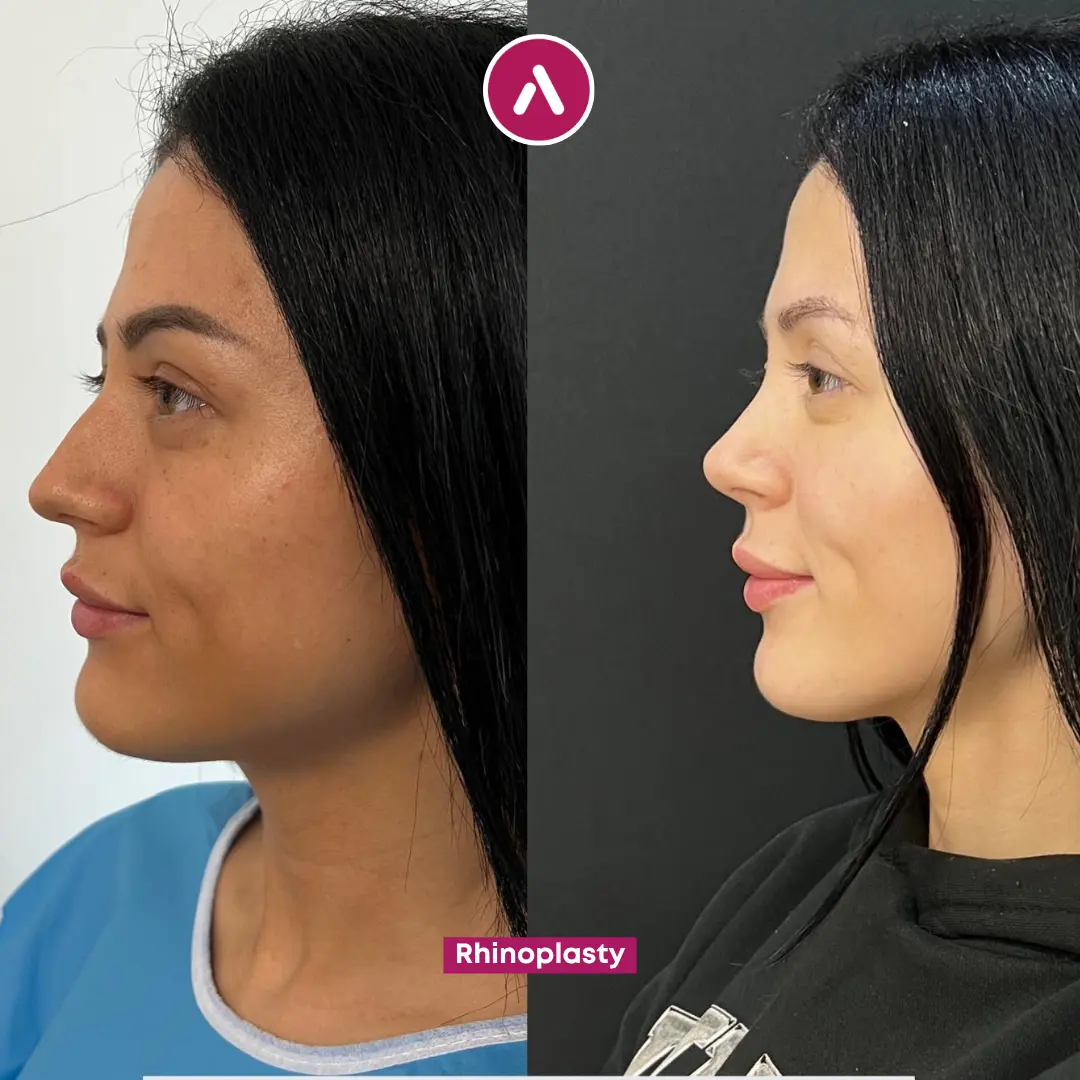
For patients seeking bulbous tip rhinoplasty Turkey treatment, this usually means a more refined contour rather than an aggressively sharpened nose. For patients seeking droopy nose tip surgery Turkey, it often means improving support so the nose looks fresher and better balanced, especially in profile. The objective is harmony, not a trendy template.
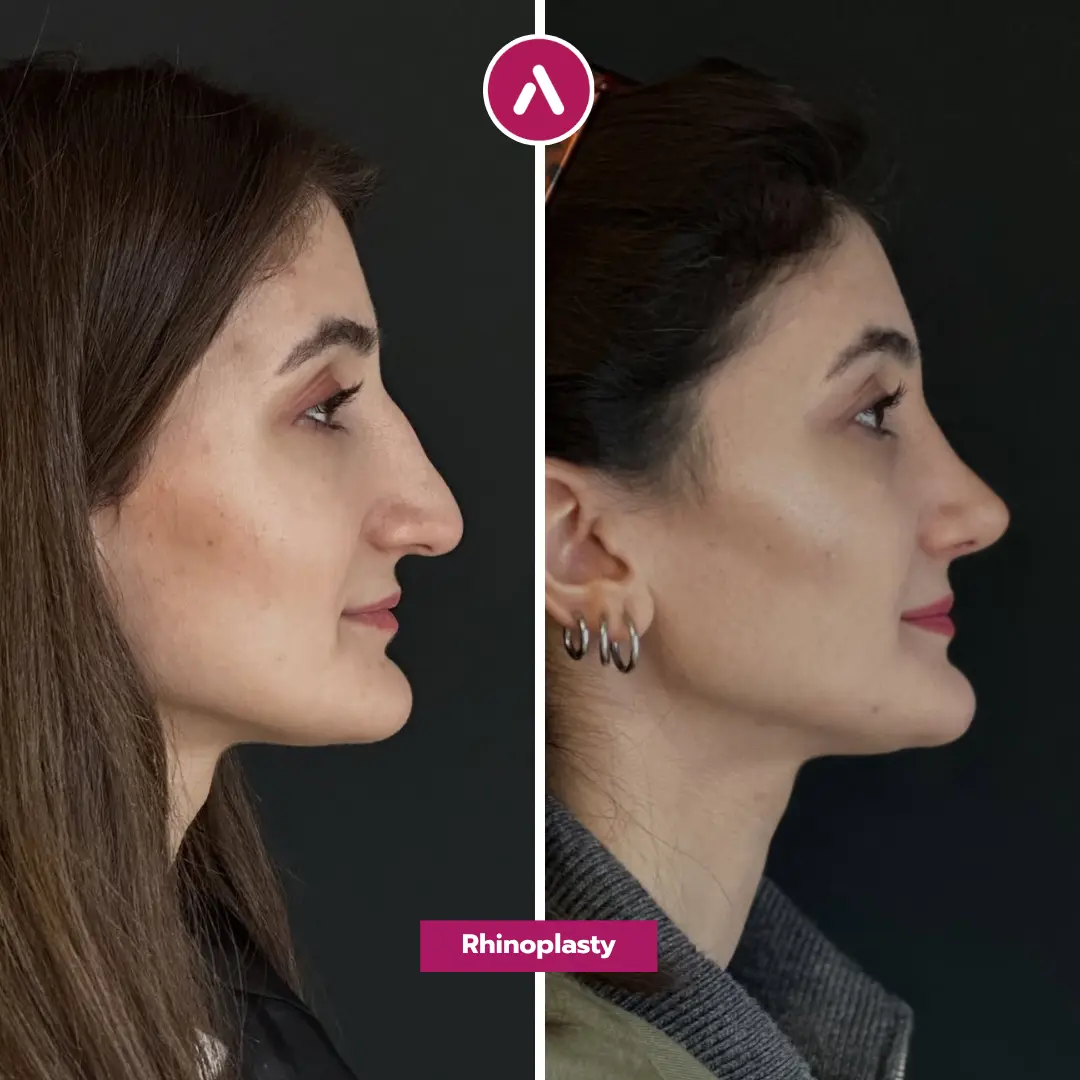
How a consultant-led plan protects natural facial balance
Because tip surgery is visually subtle but structurally sensitive, surgeon judgment matters enormously. A consultant-led plan begins with facial proportions, skin characteristics, movement, and long-term support rather than just the patient’s most disliked feature. This protects the result from looking disconnected from the rest of the face.
This becomes even more important when treating patients with varied anatomical backgrounds, as the ideal surgical plan must respect both structure and identity. In discussions around ethnic rhinoplasty, this principle is especially relevant, because the aim is not to impose a standardised nose shape, but to refine the tip in a way that preserves cultural features while improving harmony, projection, and long-term stability.
For UK patients, this point is especially important. Most are not asking for a dramatically reduced or overly sculpted nose. They want their nose to sit more comfortably within the face, photograph more cleanly, and feel less distracting in daily life. That requires restraint as much as technical ability.
In AKM Clinic’s broader UK-facing clinical positioning, natural-looking outcomes, British-standard communication, and consultant-level expertise are central to patient trust. For rhinoplasty-related assessment, that means building a surgical plan around balance, not just reduction. It also means being honest when a patient asking for a mini nose job Turkey would actually benefit from a wider rhinoplasty strategy instead.
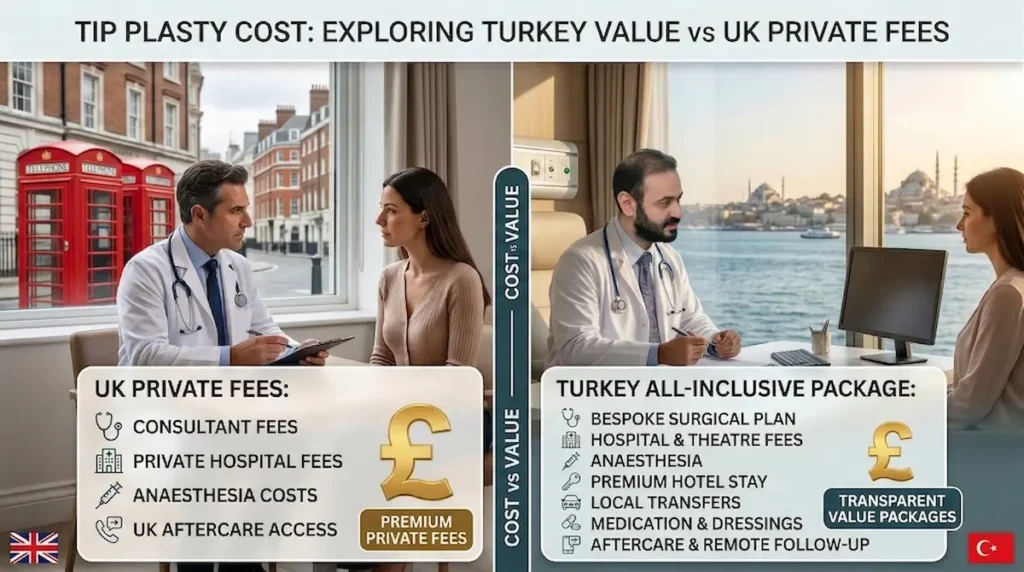
Tip Plasty Turkey Cost: What UK Patients Can Expect to Pay
For many British patients, cost is one of the main reasons for researching tip plasty Turkey. That does not mean they want the cheapest possible surgery. More often, they want a fair, transparent quote for a focused procedure that feels proportionate to the problem being treated. This is especially true for patients who feel frustrated by high private clinic fees in London and want a more sensible route to consultant-led care.
Why tip plasty usually costs less than full rhinoplasty
In general, tip plasty in Turkey is often less expensive than full rhinoplasty because the operation is narrower in scope. A full rhinoplasty may involve the nasal bridge, bony vault, septum, and breathing function as well as the tip. By contrast, a tip-only procedure usually focuses on the lower cartilages and their support.
That said, “smaller” does not always mean “quick and simple”. Tip work is delicate. If the cartilage is weak, the skin is thick, or the tip needs structural support rather than minor trimming, the operation can still be technically demanding. This is why a trustworthy tip plasty Turkey price should reflect anatomy, surgical strategy, anaesthesia, operating theatre standards, and aftercare rather than a one-line promotional number.
Patients looking for mini nose job Turkey options should also remember that honest clinics do not force everyone into a limited procedure. If your bridge, airflow, or overall nasal balance also needs correction, the more accurate recommendation may be full rhinoplasty or septorhinoplasty. The best value is not the smallest invoice. It is the right operation, done properly, the first time.
What should be included in an all-inclusive GBP quote
When comparing nose tip surgery Turkey packages, always look beyond the surgery fee itself. UK patients often find that what appears cheap at first becomes less attractive once accommodation, transfers, medication, dressings, and follow-up are added separately. A transparent quote should make it clear what is and is not included.
| Cost Element | Questions to Ask | Why It Matters for UK Patients |
|---|---|---|
| Consultation and assessment | Is the surgical plan consultant-led and bespoke? | You need to know whether you truly need tip plasty or a wider rhinoplasty plan. |
| Hospital and operating theatre fees | Are theatre, nursing, and routine tests already included? | This prevents hidden add-ons after you have already booked flights. |
| Anaesthesia | Is the anaesthesia fee listed separately or bundled? | Transparent costing makes UK comparisons easier and more realistic. |
| Hotel and local transport | Are airport, hotel, and hospital transfers organised? | This is often where Turkey packages offer better overall convenience. |
| Medication and dressings | Are post-operative medications and supplies included? | It helps you budget accurately in GBP before travelling. |
| Aftercare and remote follow-up | Is there WhatsApp support after you return to the UK? | Aftercare is one of the biggest concerns for British patients choosing treatment abroad. |
A strong Turkey tip plasty package should feel clear, not vague. If you need to chase basic answers about who performs the operation, where it takes place, what happens after discharge, or how revisions are handled, that is not a reassuring sign. Cost matters, but clarity matters more.
Harley Street vs Istanbul: value comparison for British patients
For the right patient, the real comparison is not simply “UK versus Turkey”. It is Harley Street-style private pricing versus Istanbul value. British patients often compare a narrowly focused nose tip procedure in London with an all-inclusive overseas pathway and realise that the difference is not just the headline fee, but the total journey cost.
That comparison usually includes:
- consultant fees
- hospital and theatre charges
- anaesthesia costs
- hotel and transfers
- follow-up access after returning home
This is why searches such as tip plasty cost Turkey vs UK are so commercially important. The better question is not “Where is the absolute lowest number?” but “Where can I get consultant-led, natural-looking nose tip refinement with transparent GBP planning and proper aftercare?” For many UK patients, that is where Istanbul becomes a serious option rather than a compromise.
For value-focused British patients, the most persuasive package is rarely the cheapest. It is the one that combines clear planning, natural results, and support before and after the flight home.
Recovery After Tip Plasty: Swelling, Healing, and Flying Home
For most patients, the recovery side of the decision feels just as important as the surgery itself. This is particularly true for UK travellers who want to know how long they need to stay in Istanbul, when they can return to work, and whether the tip will look obviously swollen for weeks. The good news is that recovery after isolated tip surgery is often more manageable than recovery after a broader rhinoplasty, although healing still requires patience.
Recovery expectations should also be tailored to the individual, as healing patterns can vary depending on skin thickness, cartilage structure, and the extent of refinement performed. This is one reason discussions around ethnic rhinoplasty are relevant even in tip-focused procedures, because preserving identity while respecting different anatomical features may also influence how swelling settles and how quickly the final definition becomes visible.
The first 48 hours: swelling, dressings, and comfort
The earliest stage of the tip plasty recovery timeline is usually centred on swelling, mild congestion, and general tenderness rather than severe pain. Many patients describe the first two days as uncomfortable rather than truly painful. You may feel pressure at the tip, some tightness around the upper lip area, and a blocked-nose sensation depending on the technique used.
If an open approach has been used, there may be a tiny external incision at the columella. If a closed approach has been used, all incisions remain internal. Either way, the immediate priorities are rest, head elevation, hydration, and following your medication instructions carefully. Most patients are advised to avoid bending, heavy lifting, and sleeping flat.
Where available, supportive recovery measures may also help. At AKM Clinic, advanced recovery technologies such as HBOT are used within the clinic’s broader patient-care model to help reduce post-operative oedema and support a smoother return to normal activity. Where an open approach is used, LLLT may also be relevant within scar-support protocols designed to encourage cleaner healing.
The first 7–14 days: bruising, work, and social downtime
By the end of the first week, most patients feel much more comfortable physically, even though the tip still looks swollen. Bruising varies. Some people have only a little discolouration, while others show more visible changes for 7 to 10 days. The exact pattern depends on your tissue response, the technique used, and how much structural work was needed.
This stage is important because it shapes how people think about tip plasty healing time. The truth is that there are two different timelines: the point at which you feel well enough to resume ordinary life, and the point at which the tip looks truly refined. Those are not the same thing. You may be socially presentable quite early, but the final contour continues settling for much longer.
| Recovery Period | What You May Notice | What Most Patients Can Usually Do |
|---|---|---|
| Days 1–2 | Swelling, tightness, mild discomfort, congestion | Rest, walk gently indoors, keep head elevated |
| Days 3–7 | Peak swelling often begins to ease, bruising may change colour | Light daily movement, short outings, basic self-care |
| Days 7–14 | More comfortable overall, tip still looks puffy | Many patients return to desk-based work and social activity |
| Weeks 3–6 | Visible swelling continues to improve | Routine life feels more normal, though contact risk should still be avoided |
| Months 3–12 | Tip definition gradually refines | Long-term shape becomes clearer with time |
For British professionals and parents, this is often the most practical way to think about recovery: you may look presentable well before the nose is fully healed, but you should not judge the final result too early.
When you can safely fly back to the UK and see final tip definition
One of the most common concerns after nose tip surgery Turkey is how soon it is sensible to travel home. The answer depends on your surgical details, your general health, and your surgeon’s protocol, but many international patients plan roughly one week in Istanbul so that early checks can take place before flying back.
This is where structured aftercare makes a real difference. UK patients understandably worry that once they board the plane, they will be left to manage alone. A better patient pathway includes clear written guidance, digital follow-up, and an easy way to contact the clinic if swelling, anxiety, or practical questions arise. For British patients, that reassurance is often just as important as the operation itself.
As for final appearance, the bridge may look fairly settled early if it was untouched, but the tip is slower. Tip tissues heal in stages, and subtle definition can continue improving for many months. This is especially true in patients with thicker skin or where more structural support was needed. So while the early result may already look neater, your final refined contour is not judged in week one. It is judged later, once the tissues have softened and matured.
What Results Can You Realistically Expect?
The best tip plasty result usually does not look dramatic on paper. It looks right on your face. This is why expectation-setting matters so much. Patients researching nose tip refinement Turkey often want a visible improvement, but they also want to avoid the stiff, over-rotated, or obviously operated look. Realistic planning is what protects that balance.
The goal of subtle refinement, not an “overdone” nose
For most British patients, success means the tip looks cleaner, more balanced, and less distracting without making the whole face look different. In practical terms, that may mean reducing a rounder appearance, lifting a droopy tip slightly, improving front-view definition, or creating better projection support.
What it should not mean is stripping the nose of character. Good nasal tip refinement Turkey respects ethnicity, facial proportions, and personal identity. The result should feel fresher and more harmonious, not generic. This is particularly important for patients who fear the “everyone ends up with the same nose” effect sometimes seen in heavily marketed rhinoplasty content online.
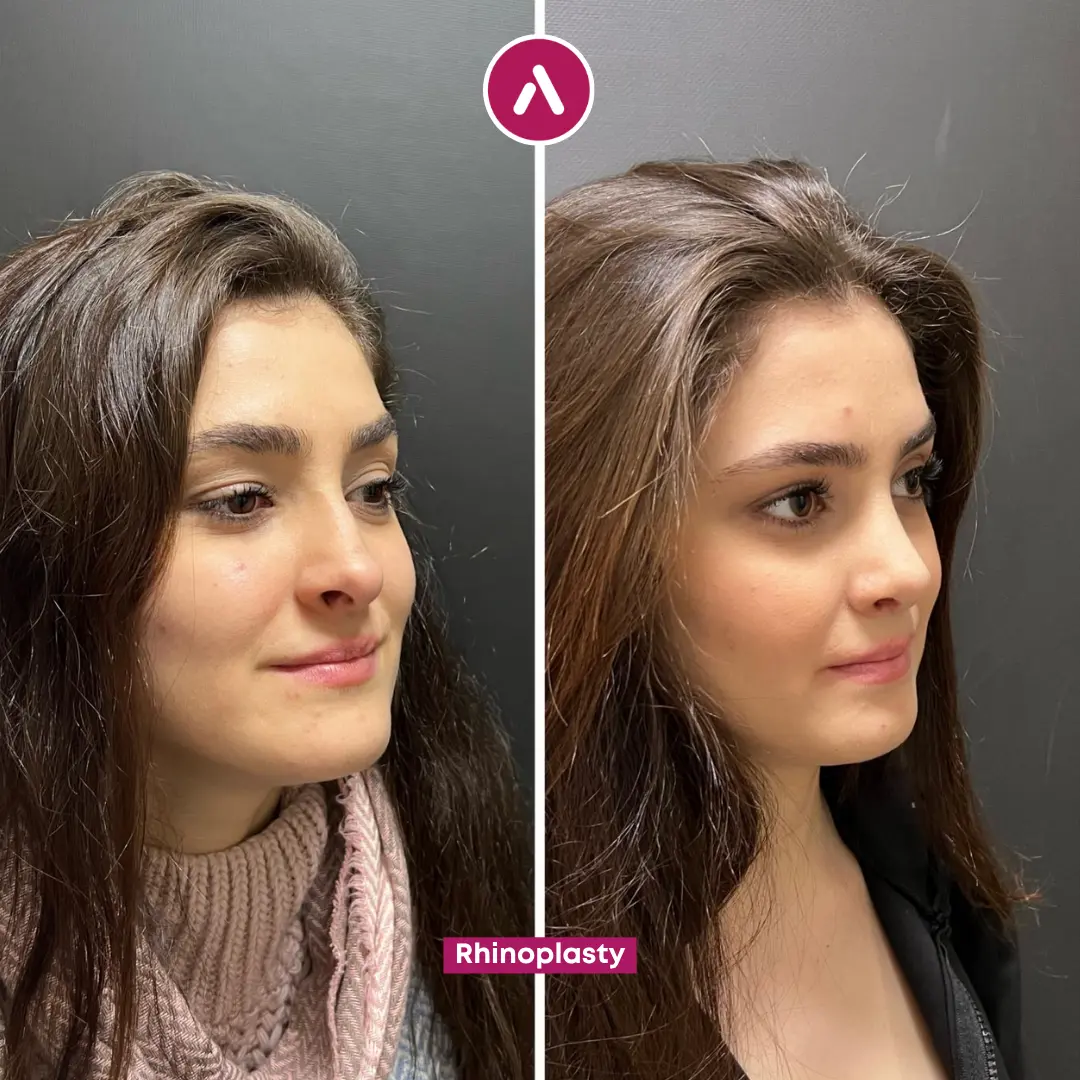
How natural-looking tip definition is created
Natural results come from structure, not from aggressive reduction. In surgical science, a stable and believable tip usually depends on preserving or rebuilding support while refining shape. That is why good surgeons use cartilage strategy, sutures, and controlled reshaping rather than simply removing tissue and hoping the tip settles attractively on its own.
This approach is especially important in patients whose anatomy requires a more individualised strategy, as natural-looking refinement must respect both facial balance and personal identity. In the context of ethnic rhinoplasty, that means shaping the tip with care rather than applying a generic standard, so the final result feels elegant, proportionate, and authentic to the patient’s original features.
This is especially relevant in bulbous tip rhinoplasty Turkey cases. A bulbous tip does not always need a “smaller” nose in the simplistic sense. It often needs a better-defined framework beneath the skin. Likewise, in droopy nose tip surgery Turkey, improvement often comes from better support and rotation rather than an exaggerated upward turn.
When done well, tip surgery can create a neater silhouette in profile and a more refined lower third in the front view while still looking like you. That is why consultant judgment matters: the most successful result is usually the one that friends notice as “you look better” rather than “you have had your nose done”.
Why patience matters with swelling and final contour settling
Many patients underestimate how long tip tissues take to settle. This is one reason online reviews can be confusing: someone may be delighted at six weeks, worried at three months, and thrilled again at one year. None of those experiences is necessarily abnormal.
The tip is often the last part of the nose to refine fully. Early puffiness, temporary firmness, and asymmetrical swelling can all happen during normal healing. That does not mean something has gone wrong. It usually means the tissues are still reorganising and settling into their final position.
So the right mindset is not to chase perfection in the mirror every morning. It is to watch for steady improvement, follow your aftercare instructions carefully, and judge the result at the right stage. Subtle surgery rewards patience.
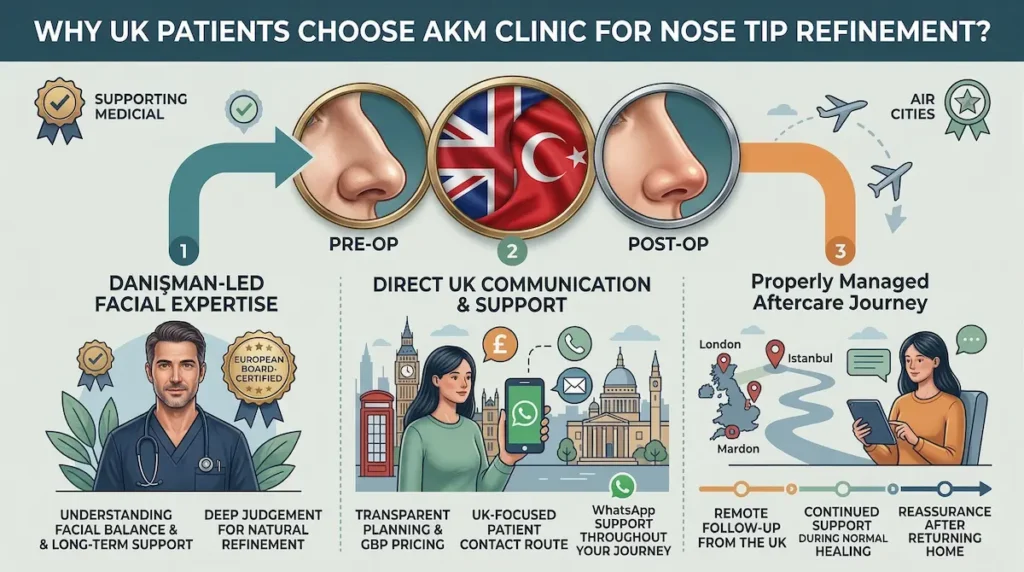
Why UK Patients Choose AKM Clinic for Nose Tip Refinement?
Once a patient decides that tip plasty is the correct procedure, the next question becomes where to have it done. For UK patients, that decision is rarely based on price alone. Trust, surgeon credentials, communication, and aftercare all matter. This is where AKM Clinic’s UK-focused patient model becomes relevant.
European board-certified facial expertise and consultant-led care
For nose surgery, consultant-level facial expertise matters because the tip is both structurally sensitive and visually unforgiving. AKM Clinic’s surgical positioning for UK patients is built around consultant-led care rather than volume-based package selling.
For the patient, that matters in simple terms: your case should be assessed by someone who understands facial balance, airway considerations, long-term support, and natural-looking refinement. In a focused procedure like tip plasty in Turkey, that depth of judgement is often more important than a flashy before-and-after gallery.
Transparent communication, UK-focused support, and clear planning
British patients often worry about communication gaps when booking surgery abroad. AKM Clinic’s UK-facing materials address this directly through transparent planning, all-inclusive GBP positioning, and patient support designed around British expectations. That includes emphasis on clarity before travel, realistic recovery explanations, and accessible communication once the patient returns home.
For many people, this is what transforms medical travel from feeling risky to feeling organised. A London correspondence point, a direct UK-facing contact route, and WhatsApp-based communication all reduce the emotional distance between home and clinic. That kind of support is not a cosmetic extra. It is part of trust.
One UK patient story highlighted in AKM Clinic’s testimonial materials compares the experience directly with expensive Harley Street care, noting that the recovery felt comfortable and that the overall value in Istanbul was stronger than she had expected.
Aftercare, remote follow-up, and reassurance after returning home
Aftercare is often the deciding factor for UK patients choosing surgery overseas. A technically good operation is only part of the experience. Patients also want to know who will answer questions after they are back in Manchester, Birmingham, Bristol, or London and the swelling still changes from week to week.
AKM Clinic’s UK-adapted patient journey materials place clear emphasis on remote follow-up and continued support after returning home. For a procedure such as nose tip surgery Turkey, that matters because many of the most common concerns after surgery are not emergencies. They are questions about normal healing: asymmetrical swelling, firmness in the tip, when to wear glasses again, or whether a little redness is expected. Easy access to the clinic helps patients stay calm and informed rather than searching forums for reassurance.
For British patients, good aftercare often feels like the difference between “I had surgery abroad” and “I had a properly managed medical journey”.
Frequently Asked Questions (FAQ): Tip Plasty Turkey
Below are the questions UK patients ask most often when considering tip plasty Turkey. The answers should always be personalised during consultation, but these points provide a practical starting framework.
Is tip plasty cheaper than full rhinoplasty in Turkey?
Often, yes. Because it is usually a more focused operation, tip plasty may cost less than full rhinoplasty. However, the exact quote depends on your anatomy, whether support grafts are needed, the surgical approach, and what is included in the package.
Can tip plasty fix a droopy nasal tip?
Very often, yes. Droopy nose tip surgery Turkey usually focuses on improving support and rotation so the tip sits in a more balanced position. The right technique depends on cartilage strength and your overall facial proportions.
Will tip plasty change the bridge of my nose?
Usually not. A true tip-only procedure targets the lower third of the nose. If the bridge also needs reshaping, a wider rhinoplasty plan may be more appropriate.
How long does swelling last after tip plasty?
The early swelling improves within the first few weeks, but the tip can continue refining for months. Patients with thicker skin may need longer before the final definition becomes clear.
When can I fly back to the UK after tip plasty?
Many international patients stay around a week before flying, but your own surgeon should confirm the safest timing based on your recovery, review appointments, and overall health.
Will I have a scar after tip plasty?
If a closed approach is used, scars are internal. If an open approach is used, there is usually a very small scar on the columella. In most well-healed cases, this becomes discreet over time.
How do I know if I need tip plasty or full rhinoplasty?
If your concern is limited to the shape, support, or definition of the tip, tip plasty may be enough. If you also have bridge concerns, deviation, breathing problems, or major asymmetry, full rhinoplasty or septorhinoplasty may be the more accurate recommendation.
Alongside the topic discussed above, you may also explore related information on Rhinoplasty Cost Turkey, Revision Rhinoplasty Cost, Plastic Surgery Packages Turkey, Thick Skin Rhinoplasty, Piezo Rhinoplasty Turkey, Septorhinoplasty Turkey, Specialist Plastic Surgeon Turkey, Online Plastic Surgery Consultation, How to Prepare for Cosmetic Surgery, and Surgery Companion Turkey to compare treatment options, understand recovery and pricing more clearly, and plan your medical journey from the UK with greater confidence.
Medical Disclaimer: This page is provided for general educational purposes only and does not replace a face-to-face medical consultation, diagnosis, or personalised treatment plan. All surgery carries risks and outcomes vary between individuals. Suitability for a rhinoplasty (nose job) surgery, procedure selection, and anaesthesia choice can only be determined after a full clinical assessment by a qualified surgeon. Always follow your clinician’s instructions and seek urgent medical attention if you develop concerning symptoms during recovery.