
Morpheus8 Turkey: Skin Tightening After Surgery
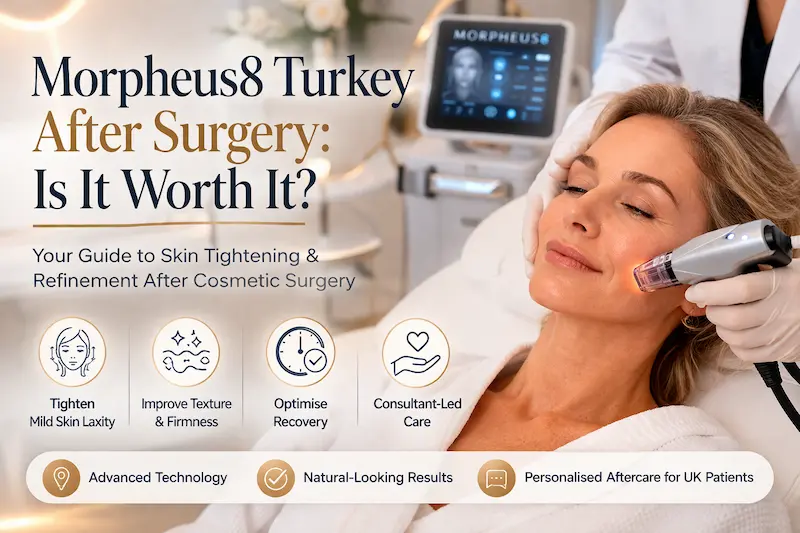
AI Summary
- Morpheus8 Turkey supports post-surgical skin tightening, smoother texture, and refined skin quality without another major operation.
- Best for mild skin laxity after facelift or liposuction, not severe sagging needing further surgery.
- Consultant-led timing and aftercare improve safety, healing, and realistic results for British patients.
- Turkey offers better value by combining recovery support, advanced technology, and structured follow-up in one pathway.
AI-generated summary, fact-checked by our medical experts.
If you are researching Morpheus8 Turkey after a facelift, liposuction, or another cosmetic procedure, the real question is not whether the treatment sounds fashionable, but whether it genuinely improves the quality of healing skin. For many British patients, that means looking for a treatment that supports refinement without making them appear over-treated, overfilled, or obviously “done”.
Morpheus8 treatment in Turkey is often discussed as a form of radiofrequency microneedling that patients use to improve skin texture, firmness, and tone once deeper healing is already under way. In simple terms, it is designed to stimulate collagen and support tissue remodelling. That is why it is increasingly considered as part of a broader skin tightening Turkey plan, especially for patients who want a more polished result after surgery rather than a second major operation.
From the perspective of medical science, it is important to understand what Morpheus8 can and cannot do. It is not a replacement for well-performed surgery when there is major skin redundancy or structural descent. Instead, it is better understood as a collagen stimulation treatment that patients may consider when they want to improve skin quality, address mild residual laxity, and soften that thin, crepey look that sometimes becomes more visible once swelling settles.
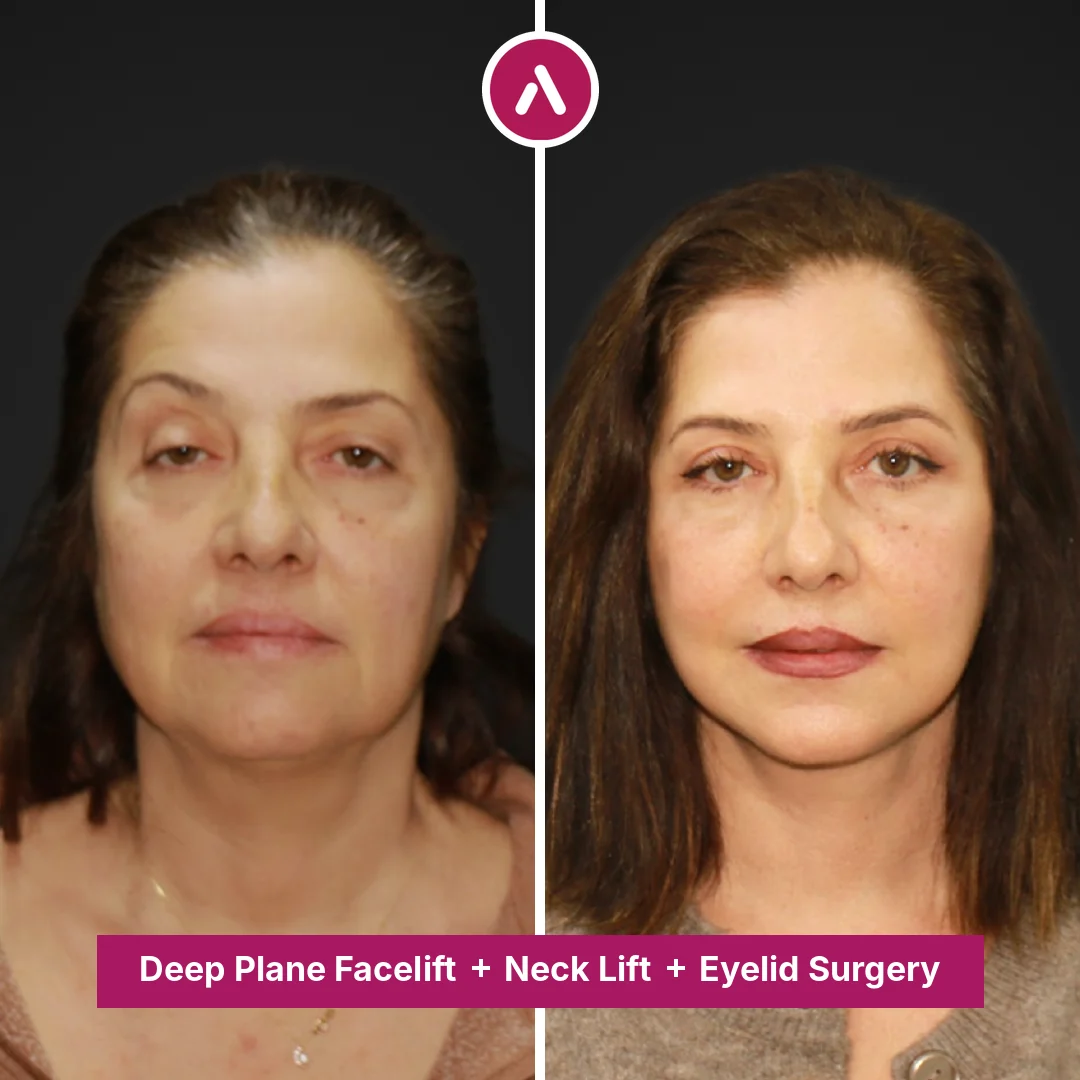
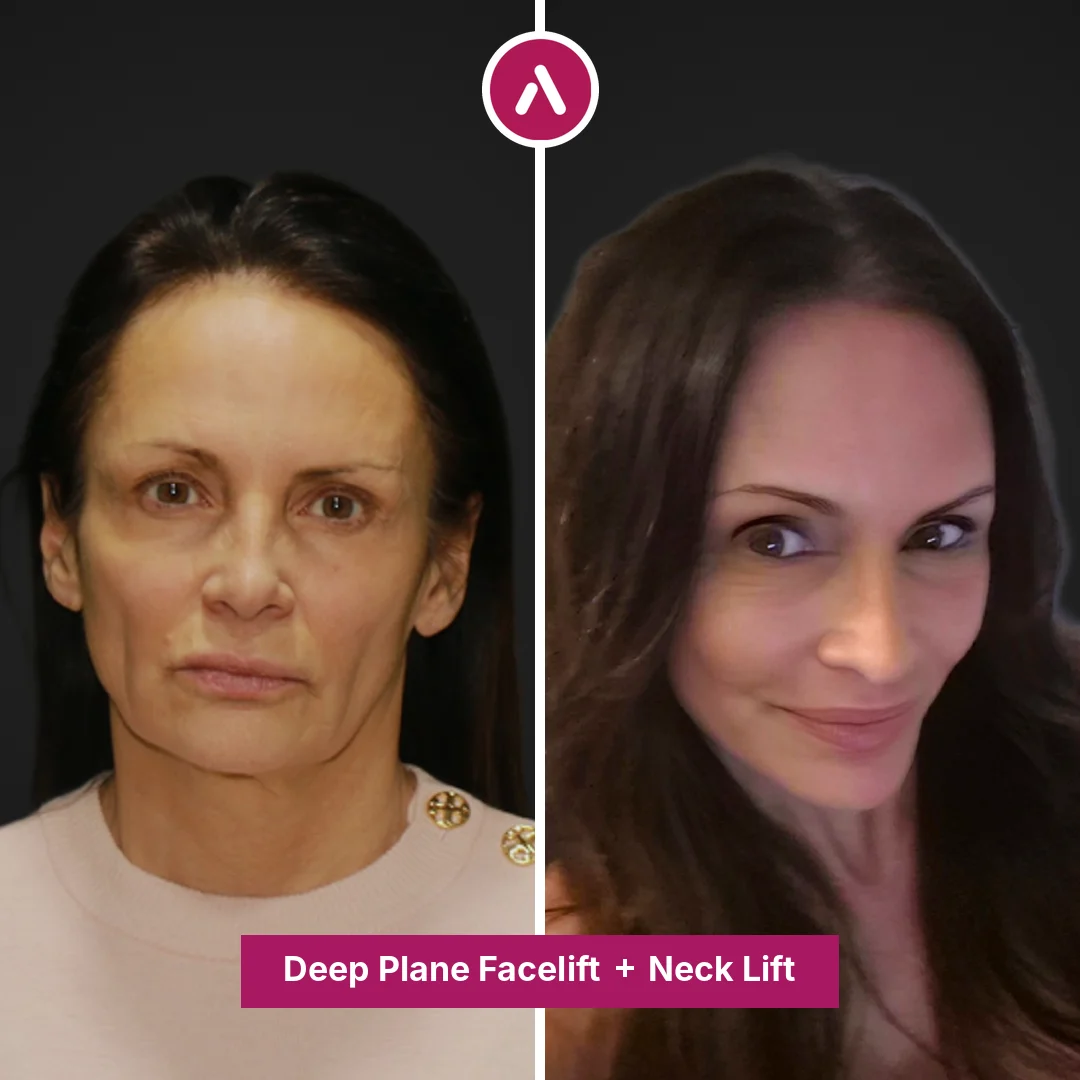
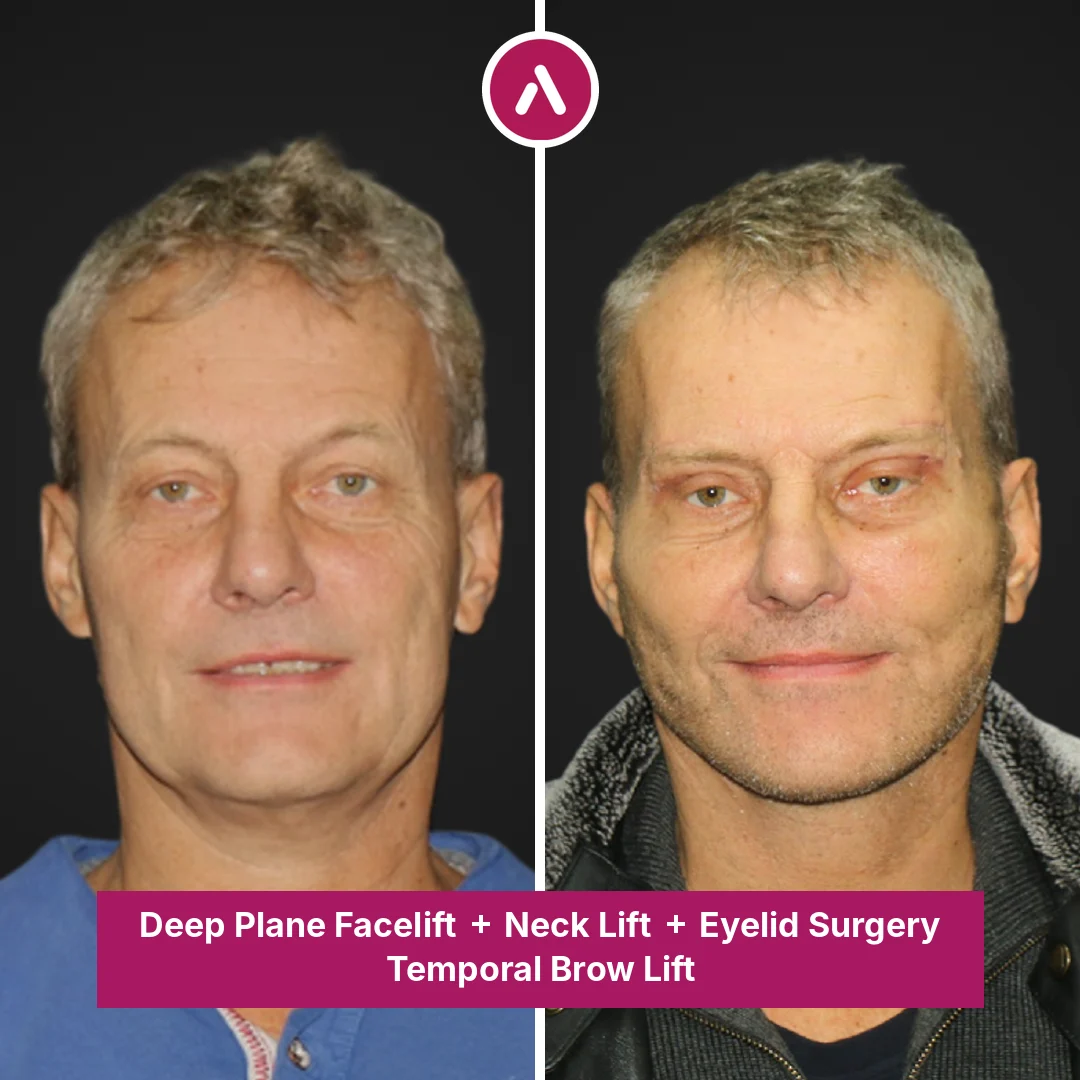
For British patients comparing Istanbul with expensive private clinics in London, the attraction is not simply cost. It is the possibility of combining consultant-led planning, modern technology, and close aftercare with a result that still looks subtle. At AKM Clinic, that philosophy matters because UK patients tend to prefer natural refinement over dramatic change, especially after facial surgery or body contouring.
One UK patient described choosing Istanbul over higher Harley Street fees because the goal was not a drastic transformation, but fresher, natural-looking rejuvenation with reassuring follow-up and a smoother recovery journey.
That is exactly where a treatment such as Morpheus8 may fit in. Used appropriately, it can support post-surgery skin laxity treatment, improve surface texture, and complement a well-executed operation. Used in the wrong patient, however, it may create unrealistic expectations. The key is to view it as one component within a personalised surgical and non-surgical plan.
Table of Contents
What Is Morpheus8 and Why Is It Used After Surgery?
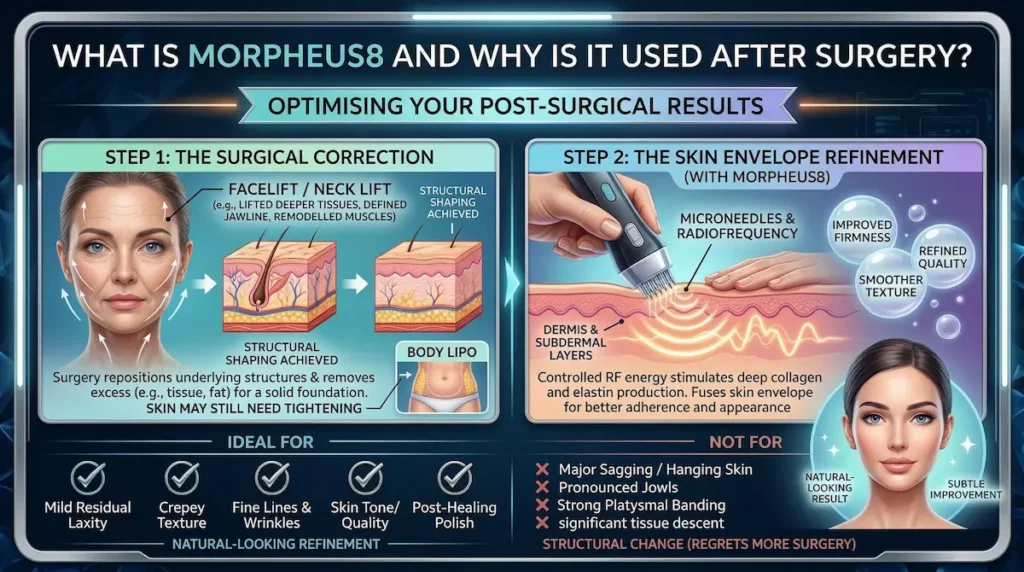
Morpheus8 is a radiofrequency microneedling platform designed to deliver controlled energy into the skin and the tissue beneath it. After surgery, this can be useful for patients who are healing well overall but still want better firmness, smoother texture, and more refined skin quality. In other words, it is not about repeating the operation; it is about improving the skin envelope that sits over the surgical result.
Unlike a liquid facelift, which mainly relies on injectables to restore volume or soften lines, Morpheus8 focuses on improving skin quality through controlled collagen stimulation beneath the surface. This makes it particularly relevant after surgery, when the underlying structure may already be improved but the skin still needs time and support to look firmer, smoother, and more refined.
How radiofrequency microneedling supports post-surgical skin tightening
After a facelift, neck procedure, or liposuction, the deeper structures may already be in a better position, but the skin itself may still need time and support to contract, settle, and recover its best quality. This is where non-surgical skin tightening Turkey searches often begin. Morpheus8 uses tiny needles together with radiofrequency energy to encourage collagen remodelling in the treated area, which may help the skin appear firmer and more refined over time.
For the right candidate, this can be especially appealing when the issue is not “more surgery needed” but rather a softer concern such as mild looseness, uneven texture, or a slightly crepey finish. Patients who search for skin laxity treatment Turkey are often in this category: they do not necessarily need tissue repositioning, but they do want the skin to look tighter, healthier, and more coherent with the surgical result beneath it.
It can also be helpful in areas where the skin has become thin-looking after swelling resolves. In those situations, the treatment may support a gradual improvement in texture and firmness rather than an instant, dramatic lift. That distinction matters because honest expectations usually lead to higher satisfaction.
The difference between treating skin quality and changing surgical structure
This is the most important distinction for patients considering Morpheus8 after surgery. Surgery changes structure. A facelift repositions descended tissues. Liposuction reduces localised fat. A neck lift addresses banding and skin excess. Morpheus8 does not do those jobs. Instead, it works at the level of skin quality and superficial tissue remodelling.
That means a patient with true structural sagging should not be told that radiofrequency microneedling will “replace” a facelift. Equally, someone with meaningful post-liposuction skin excess should not expect a single energy-based session to create the sort of tightening achieved by surgical excision. In aesthetic practice, the best results come when the right tool is matched to the right problem.
Where Morpheus8 can be valuable is in the patient who is already pleased with the main surgical correction but wants the final result to look more polished. The skin may feel looser than expected in certain lighting, pores may appear more visible, or the surface may look older than the deeper repositioned tissues would suggest. In that setting, Morpheus8 may serve as a refinement tool rather than a replacement procedure.
Why UK patients often look for “subtle” refinement rather than an overdone result
British patients often arrive with a very clear brief: they want to look fresher, not different. That preference shapes the appeal of treatments such as Morpheus8. Rather than adding more volume or repeating surgery too quickly, they are often searching for a less dramatic option that supports natural-looking improvement.
This is particularly relevant after facial surgery. A patient may be happy with the lift achieved by surgery but still want to improve surface texture, fine creasing, or mild skin laxity. In that scenario, Morpheus8 after facelift discussions tend to focus on refinement, not reinvention. The goal is to help the skin match the quality of the deeper surgical work.
It also matters after body procedures. Following liposuction, some patients notice a degree of mild looseness, particularly if the skin was already thin, sun-damaged, or affected by pregnancy and weight fluctuation. In carefully selected cases, a treatment aimed at skin tightening after liposuction may help the area look more toned and cohesive without taking the patient straight back to theatre.
- Best for: mild residual laxity, crepey texture, pore visibility, and skin quality concerns after healing is established.
- Not ideal for: major hanging skin, strong platysmal banding, pronounced jowls, or significant tissue descent that requires surgery.
- Main benefit: refinement of the skin envelope so the result looks smoother, firmer, and more naturally finished.
Everything You Need to Know About Morpheus8
From surgical stages to aftercare, discover how AKM Clinic delivers world-class Morpheus8 in Istanbul.
Which Surgical Procedures Pair Best with Morpheus8?
Not every operation pairs with Morpheus8 in the same way. The best use of the treatment depends on what the original surgery corrected, what remains after healing, and whether the issue is texture, laxity, contour, or scar quality. In a consultant-led setting, this matters because combining surgery with energy-based treatment should never be based on trend alone. It should be based on anatomy, healing stage, and realistic goals.
Morpheus8 after liposuction for loose or mildly crepey skin
One of the common reasons patients enquire about Morpheus8 is concern about the skin not “snapping back” fully after liposuction. This does not always mean the surgery has failed. Sometimes the fat reduction is successful, but the skin quality simply reveals itself more clearly once volume has been removed. In these patients, a carefully planned approach to skin tightening after liposuction may be appropriate.
The best candidates are usually those with mild residual laxity rather than substantial overhanging skin. They may describe the area as slightly wrinkled, papery, or less springy than expected. Others use phrases such as crepey skin treatment when searching online, especially for the lower face, neck, inner thighs, upper arms, or abdomen.
In clinical discussions, you may also hear the term subdermal adipose remodelling. In practical language, this refers to the effect of delivering energy below the surface in order to encourage the tissues to contract and remodel more effectively. It does not mean “melting” large amounts of fat after surgery. Rather, it is about refinement at the junction between skin and superficial fatty tissue, helping certain areas look more even and better supported.
Supporting skin quality after facial rejuvenation procedures
Facial surgery and facial skin quality are closely related, but they are not identical. A beautifully performed facelift can restore position and contour, yet the overlying skin may still show textural ageing, fine creasing, enlarged pores, or a degree of laxity. That is why some patients consider Morpheus8 after facelift as a secondary step once the main recovery phase has passed.
For these patients, the aim is not to recreate the lift. It is to improve the quality of the skin drape over the newly repositioned tissues. Done appropriately, this may help the result look more coherent and more refined in daylight, on video calls, and at conversational distance — which matters greatly to UK patients who favour discreet improvement.
It may also be discussed after lower face or neck contouring, particularly where the patient wants additional tightening without a further surgical commitment. Again, careful assessment matters. If the deeper issue is unresolved neck banding or substantial laxity, surgery may still be the more logical answer. If the issue is mild skin quality deficit, Morpheus8 may be a sensible adjunct.
When Morpheus8 may complement neck, jawline, or lower face surgery
The jawline and neck are among the most common areas where patients want a crisp result but do not want to look over-operated on. After surgery, these areas can continue to change as oedema settles and tissues mature. In selected cases, Morpheus8 may be introduced later to support firmness and help the final contour look cleaner and more defined.
This is particularly relevant for patients whose skin quality was compromised before surgery by age, sun exposure, smoking history, or significant weight fluctuation. The operation may create the correct framework, but the skin still needs to catch up. In those patients, radiofrequency microneedling can be considered part of a broader post-surgery skin laxity treatment strategy.
At AKM Clinic, this type of decision should sit within a wider recovery plan, especially where advanced technologies such as HBOT and LLLT are already being used to support healing, reduce oedema, and improve scar quality. Morpheus8 is then considered as a complement to the journey, not a shortcut or a marketing add-on.
| Procedure | How Morpheus8 may help | What it does not replace |
|---|---|---|
| Liposuction | May support mild skin contraction, smoother texture, and refinement in areas with slight looseness | Surgical skin excision for significant excess skin |
| Facelift | May improve skin texture, pore appearance, and subtle firmness once healing is established | The lifting effect of a properly performed facelift |
| Neck or jawline surgery | May help refine the skin envelope and support a cleaner-looking contour | Correction of major platysmal banding or substantial tissue descent |
| Body contouring after weight change | May assist with mild crepey change and improve overall skin quality | Formal lift procedures where laxity is more advanced |
For that reason, the best question is not “Does Morpheus8 go with surgery?” but “Which problem is still present after surgery, and is this the right tool for that problem?” Once that is answered honestly, the treatment can become genuinely useful rather than merely fashionable.
Discover If a Morpheus8 Is Right for You
Share your photos and medical history to receive a personalised assessment from our European Board-certified facial surgery team.
When Can You Have Morpheus8 After Cosmetic Surgery?
Timing is one of the most important parts of planning Morpheus8 after surgery. Even an excellent treatment can be poorly timed if the tissues are still inflamed, bruised, or not yet stable enough. British patients often look online for a fixed timeline, but in practice the safest answer is more individual: the correct moment depends on the type of surgery, the condition of the skin, the presence of lingering oedema, and the judgement of the surgeon supervising recovery.
Why timing matters during the healing phase
After surgery, the body moves through predictable stages of healing, but the pace is not identical for every patient. During the earliest period, the tissues are still busy managing inflammation, sealing the incision lines, and re-establishing circulation in the treated area. At that stage, adding extra energy too soon may not be sensible, even if the patient is eager to speed things up.
This is why post-surgery skin laxity treatment should never be viewed as something to book automatically at the same time as the operation. The question is not simply whether Morpheus8 can tighten skin, but whether the skin is ready to respond well. A thoughtful, consultant-led review is far more valuable than a generic social media timeline.
From the perspective of science and wound healing, tissue remodelling is gradual. Skin does not complete its recovery in a matter of days. It changes over weeks and months, which is why many aesthetic improvements become clearer only after the early swelling phase has settled.
Early recovery vs later skin refinement stages
It can be helpful to think of recovery in two broad phases. The first phase is protective: bruising, swelling, tenderness, and settling. The second phase is refinement: the point at which the operation has done its main job and attention turns to the quality of the skin surface and the final polish of the result.
Morpheus8 tends to belong to the second category. It is usually considered when the patient is healing satisfactorily but still has concerns such as mild crepiness, textural dullness, or modest residual laxity. That is particularly relevant for people exploring skin laxity treatment Turkey or collagen stimulation treatment Turkey because they want the skin to look stronger and more responsive rather than simply less swollen.
In facial cases, this may mean waiting until the tissues feel softer and less reactive. After body contouring, it may mean allowing enough time for the skin to begin contracting naturally before deciding how much additional support is truly needed. Patience is often part of the treatment plan, not a delay in care.
Why your surgeon’s assessment is more important than generic timelines
Online advice can be useful for understanding the general idea, but it cannot assess whether your own skin is truly ready. A facelift patient with delicate skin, a liposuction patient after major weight loss, and a patient with a history of slower healing may all need different timing, even if they had superficially similar procedures.
This is one reason British patients often prefer a clinic with strong follow-up systems. When there is a structured aftercare pathway, the decision about Morpheus8 after facelift or skin tightening after liposuction is made on the basis of healing progress rather than sales pressure. That distinction matters.
| Healing stage | What is happening | How Morpheus8 fits in |
|---|---|---|
| Immediate recovery | Bruising, oedema, tenderness, incision healing, tissue settling | Usually too early; priority is uncomplicated recovery |
| Early maturation | Swelling reduces, contours become clearer, skin begins to adapt | Assessment stage; suitability depends on progress |
| Refinement phase | Residual texture or laxity becomes easier to judge accurately | Most logical point to consider treatment if still needed |
That is why the best answer is personalised rather than rigid. Good timing protects results. Poor timing can create confusion, unrealistic expectations, or unnecessary irritation in tissues that still need quiet healing time.
What Results Can UK Patients Realistically Expect?
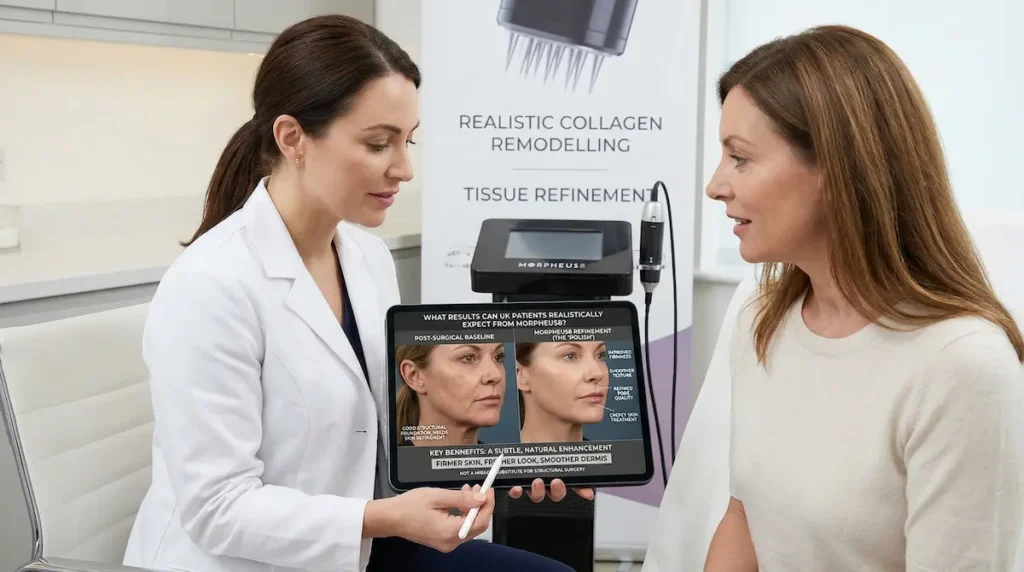
One of the biggest reasons patients are disappointed by aesthetic treatments is not the treatment itself, but the mismatch between expectation and biology. Morpheus8 can be a valuable option for patients considering non-surgical skin tightening after surgery, but it works best when its role is understood properly. It is a refinement treatment, not a miracle substitute for structural surgery.
Improvement in skin texture, firmness, and visible pore quality
The most realistic improvements tend to involve the look and feel of the skin rather than a dramatic lift. Patients may notice that the area appears firmer, smoother, and more even in texture over time. In some cases, the skin looks less thin and less crêpey, particularly once collagen remodelling has had time to develop.
This is where the treatment often appeals to those searching for crepey skin treatment or skin tightening Turkey. They are not necessarily trying to correct severe anatomical descent. Instead, they want the skin to appear stronger, fresher, and better matched to the improved contour underneath.
For body areas, that may mean a modest but worthwhile improvement in tautness. For facial areas, it may mean better skin quality, finer texture, and less obvious ageing in close-up or side lighting. These details can make the overall surgical result look more complete.
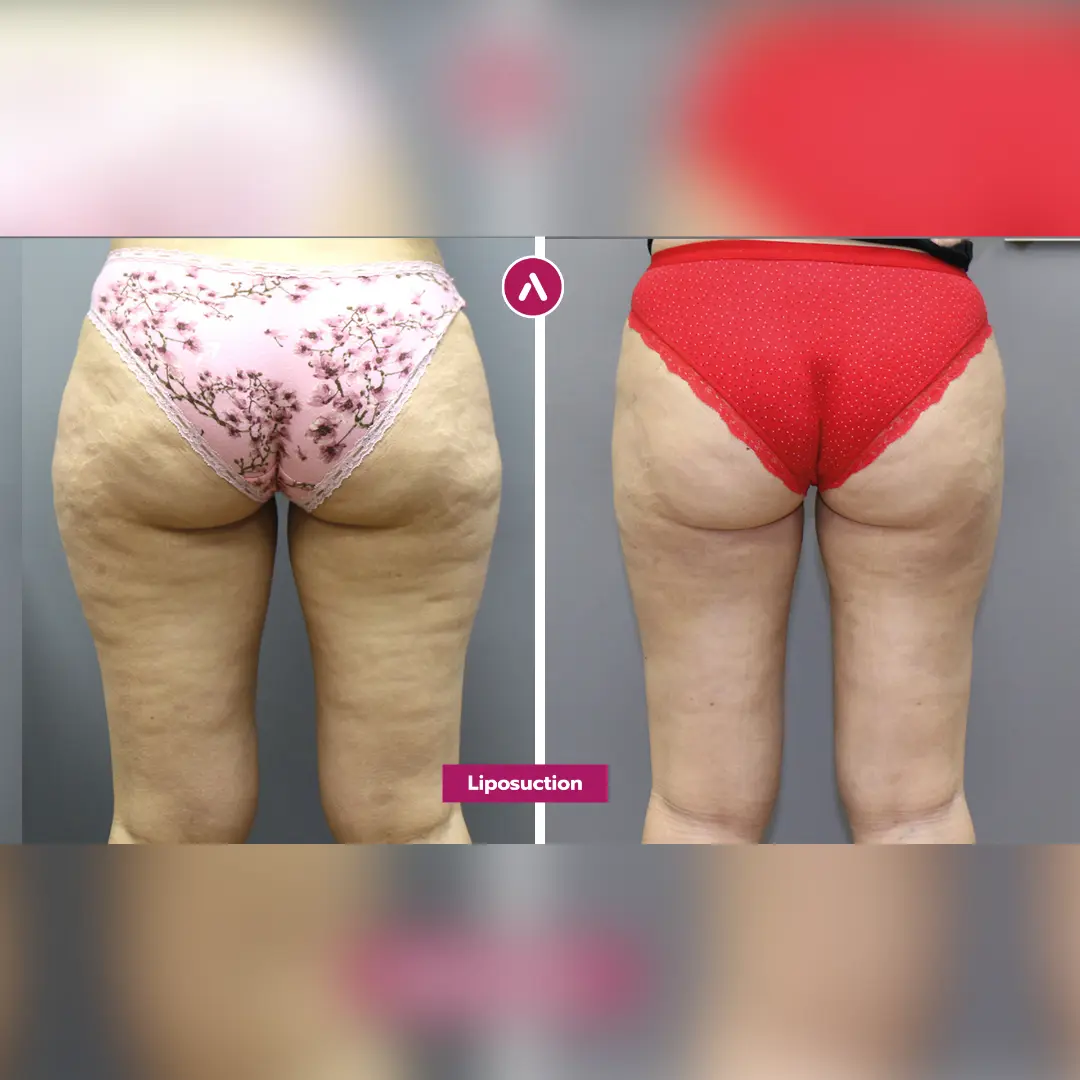
What Morpheus8 can and cannot do after surgery
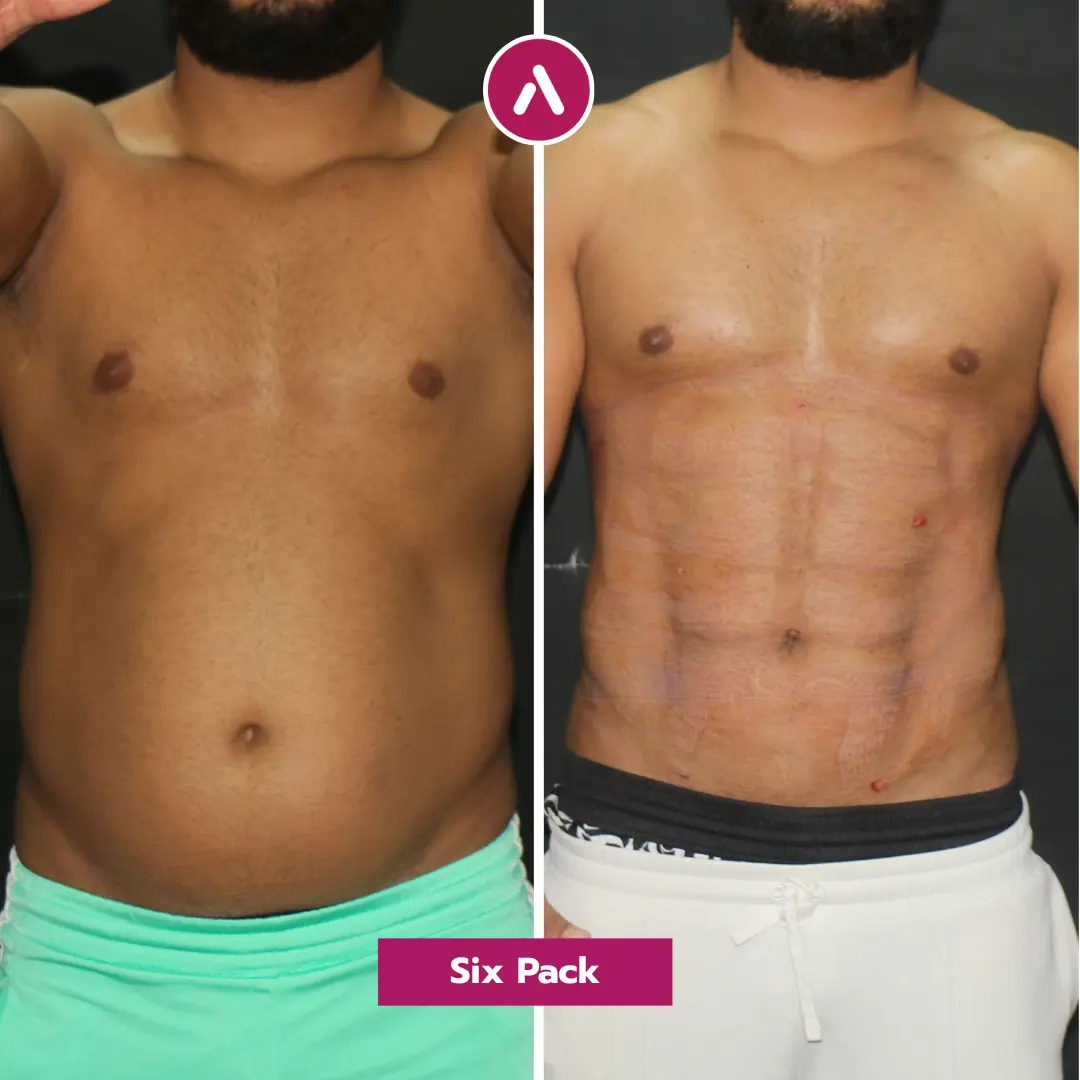
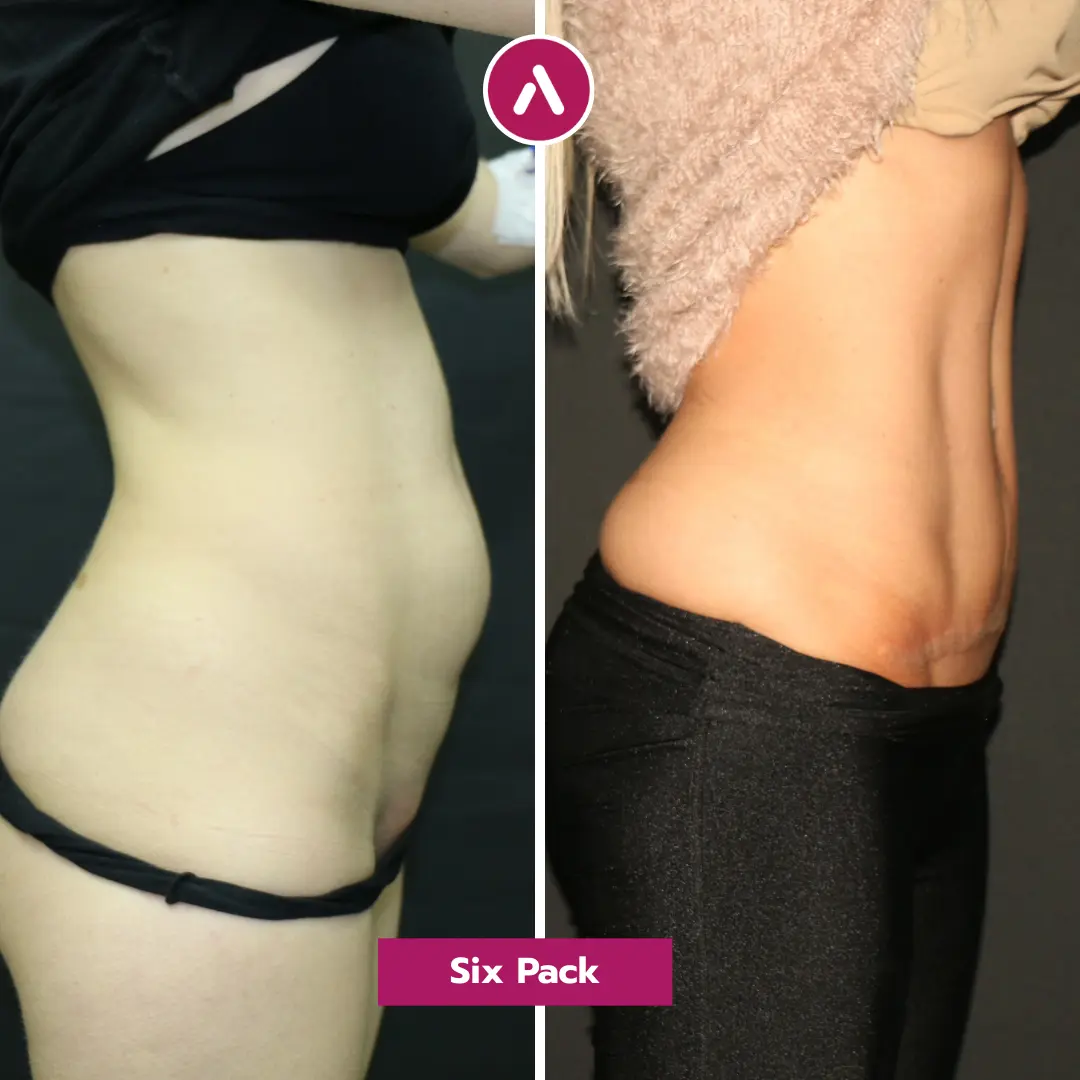
The treatment can support collagen renewal and soft tissue remodelling, but it cannot remove large folds of excess skin or reproduce the lifting mechanics of a facelift, neck lift, or body lift. That is why clear communication matters when discussing Morpheus8 treatment Turkey with a clinic.
It can help the right patient who has mild residual laxity, textural ageing, or an unsatisfactory skin finish after recovery. It cannot deliver the same result as excisional surgery in someone with heavy tissue descent, marked banding, or substantial hanging skin. In other words, it is a powerful adjunct, but not a universal solution.
Patients are often happiest when they use Morpheus8 to improve an already good result. When it is asked to rescue a result that really requires more structural correction, frustration is more likely.
Why realistic expectations matter more than aggressive marketing claims
British patients are often especially wary of exaggerated promises, and with good reason. In private aesthetics, “tightening” can be used too loosely as a marketing word. The more useful question is: How much tightening, in what tissue, and compared with what alternative?
That is why honest clinics discuss Morpheus8 as part of a larger treatment logic. If the skin quality is the limiting factor, it may be helpful. If the deeper support structures remain the main problem, surgery may still be the better route. This is not negative; it is simply accurate.
The strongest results usually come when Morpheus8 is used to polish a good surgical foundation rather than to compensate for a problem that really needs another type of intervention.
Seen this way, the treatment becomes easier to evaluate. Rather than asking whether it is “worth it” in the abstract, patients can ask whether it is likely to improve the specific feature they still dislike after healing.
Have Safety Concerns Regarding Surgery Abroad?
Speak directly with our Patient Safety Coordinator regarding anaesthesia options, risk management, and travel safety following Morpheus8. Your peace of mind is our priority.
Morpheus8 Turkey vs UK Clinics: Is It Worth Travelling?
For many British patients, the decision is not just about technology. Morpheus8 can be found in the UK as well, so the real comparison is broader: overall treatment planning, consultant oversight, aftercare structure, and whether the clinic understands how to support an international patient before and after surgery. That is why the Turkey vs UK question is really a value and pathway question, not simply a device question.
Harley Street pricing expectations vs Istanbul value
Patients from London and the South East often compare any aesthetic treatment with the cost culture of Harley Street. The attraction of Istanbul is not that treatment is “cheap”, but that it may offer stronger overall value when part of a wider surgical and aftercare pathway. This is especially relevant for patients already travelling for a procedure and then considering whether adjunctive skin refinement should also be organised within the same care ecosystem.
For that reason, Morpheus8 treatment Turkey can be appealing when patients want a premium-feeling pathway without the price inflation they associate with central London clinics. The important point, however, is that value should include communication, planning, and follow-up — not just the invoice.
Combining advanced treatment with a consultant-led surgical journey
One genuine advantage of having Morpheus8 considered within a surgical clinic is continuity. The same team that understands your operation, your tissue quality, and your recovery pattern is better placed to decide whether additional treatment will add real value. That is very different from attending a separate medi-spa that did not perform the surgery and only sees the skin at one moment in time.
At AKM Clinic, care for UK patients centres on surgeon-led planning and natural-looking outcomes. That makes a difference because treatments such as radiofrequency microneedling Turkey should not be sold as isolated beauty appointments when they are actually being used to complement a medical recovery journey.
For British patients who prioritise subtle improvement, that consultant-led logic often feels safer and more coherent than shopping for disconnected treatments separately.
Why aftercare access matters more than headline price alone
Aftercare becomes even more important when the patient lives in another country. A low price means very little if the patient feels abandoned once they return home. UK patients consistently place value on knowing there is a support structure beyond the procedure itself.
That is why practical support matters: direct WhatsApp contact, a patient coordinator you can reach after you fly home, and structured remote follow-up with the Istanbul team all reduce anxiety for patients who are trying to compare Istanbul with private care back home. In this context, good communication is part of treatment quality, not an administrative extra.
- Best reason to travel: coordinated surgical planning, skin quality treatment, and aftercare within one pathway.
- Main mistake to avoid: choosing on headline cost alone without checking who supervises healing and follow-up.
- Most UK-relevant question: not “Is the machine available?” but “Who is responsible for my result once I fly home?”
For many patients, that is the point on which the decision turns. When viewed through that lens, Turkey may be worth travelling for not simply because Morpheus8 exists there, but because it can be integrated into a more complete and more reassuring treatment journey.
Accelerate Your Morpheus8 Recovery
We utilise advanced Hyperbaric Oxygen Therapy (HBOT) to minimise downtime and enhance your healing process. Safety is our primary commitment.
Safety, Recovery, and Aftercare for British Patients
For British patients, the appeal of Morpheus8 is not only the possibility of better skin quality, but also the fact that it can usually be added without the burden of another major operation. Even so, it is still a medical treatment, and the quality of aftercare matters. A good experience depends on sensible timing, careful patient selection, and clear communication about what you may look and feel like afterwards.
What the treatment feels like and how discomfort is usually managed
Most patients describe Morpheus8 as tolerable rather than pleasant. The exact sensation varies depending on the area treated, the treatment depth, and individual sensitivity, but it is commonly experienced as a combination of pressure, heat, and fine needling. In post-surgical patients, the treated area may feel more sensitive than untreated skin, which is why planning should remain conservative and personalised.
For that reason, radiofrequency microneedling Turkey should not be approached like a routine beauty facial. It should be treated as a clinician-guided procedure, especially when performed after a facelift, neck contouring procedure, or liposuction. The benefit of a consultant-led pathway is that comfort measures and treatment intensity can be adjusted according to the stage of healing and the quality of the tissue.
In practice, most patients are able to cope well when the treatment is performed at the correct stage and with appropriate preparation. The main point is not whether it is entirely sensation-free, but whether it is being used judiciously in the right patient.
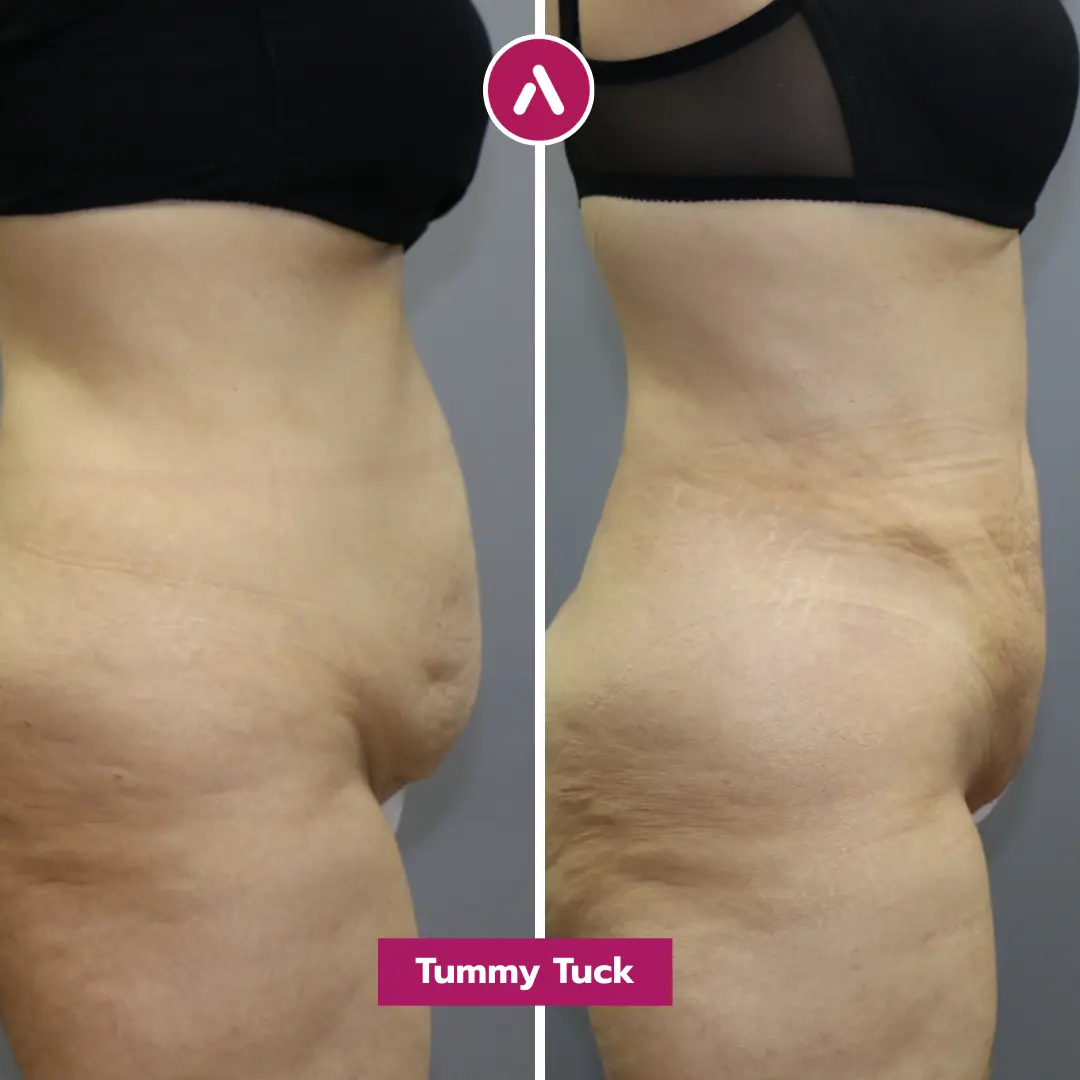
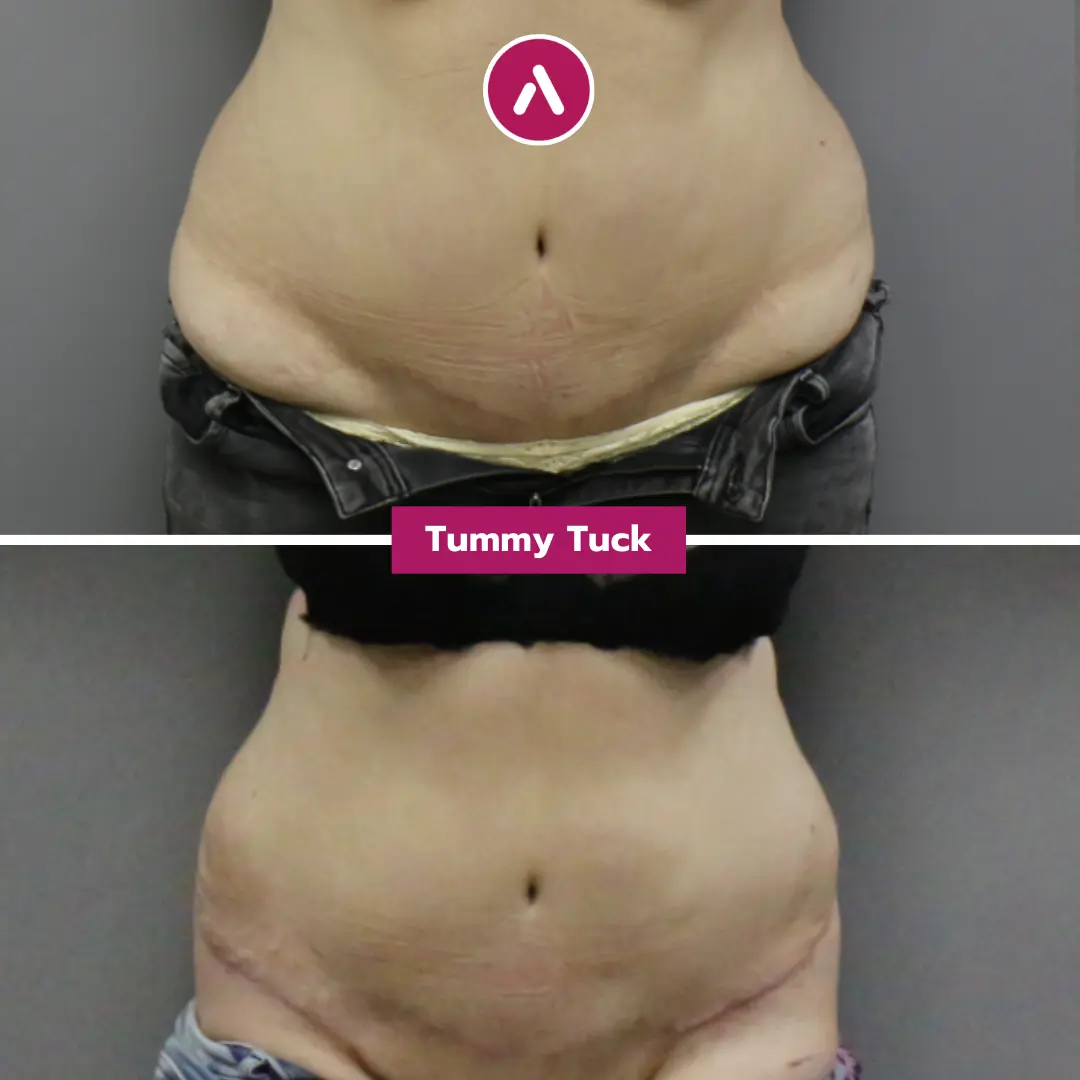
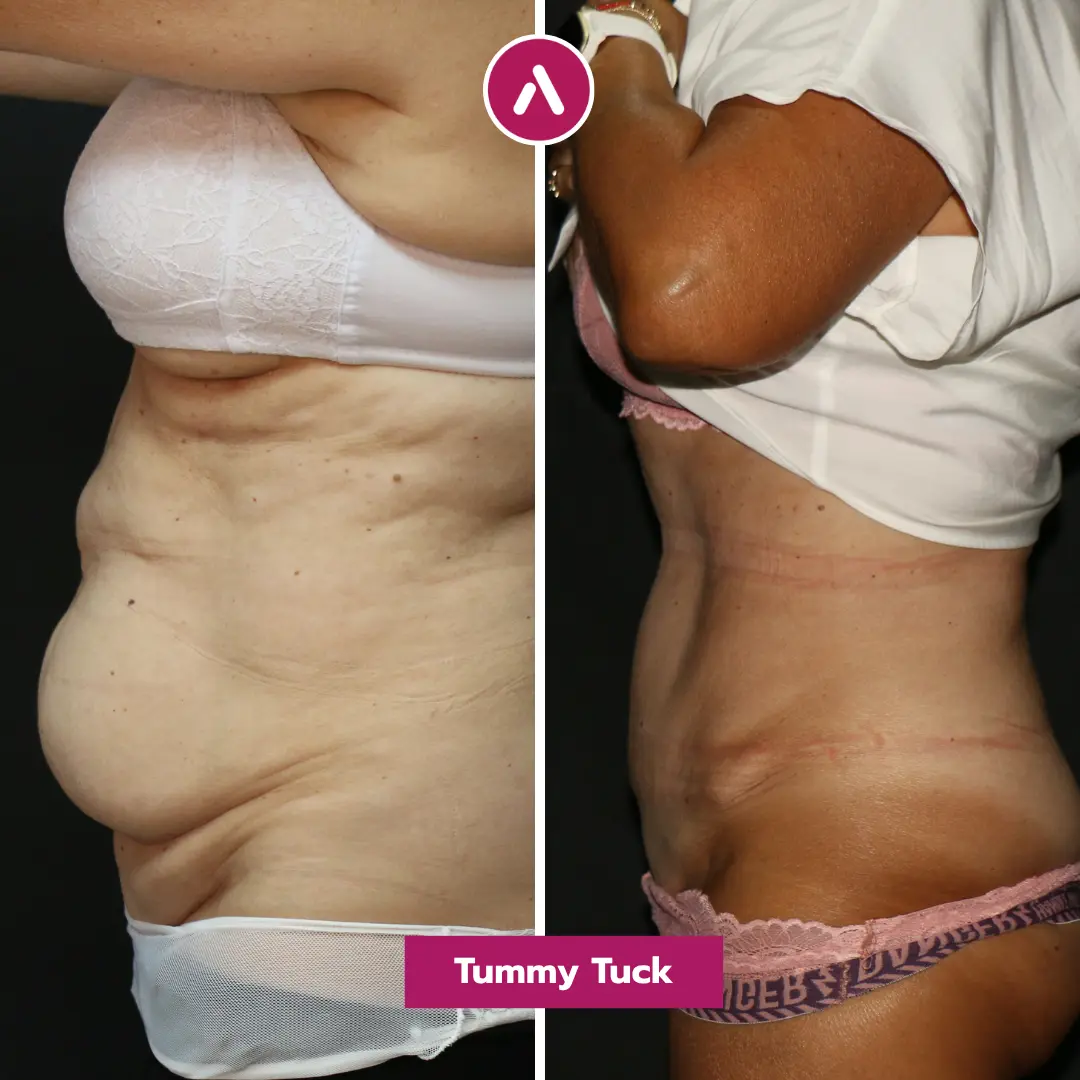
Typical downtime, redness, and return-to-routine expectations
One reason patients consider non-surgical skin tightening is that the recovery is generally lighter than surgery. Even so, there is still some downtime to expect. Treated skin may look pink or red, feel warm, and appear slightly rough or tight for a short period afterwards. In some patients, particularly those with reactive skin, there may also be temporary dryness or a faint grid-like texture while the skin settles.
This is another reason expectations should remain realistic. Morpheus8 is often chosen because it offers a way to treat mild skin laxity without returning to theatre, but “minimal downtime” does not mean “no visible recovery at all”. It simply means the disruption is usually more manageable than a formal surgical revision.
For British patients planning travel, social commitments, or a return to work, it helps to think in terms of a short visible recovery followed by a slower internal remodelling period. The skin may calm fairly quickly, but the full collagen response takes longer to become obvious.
How WhatsApp contact and remote follow-up improve confidence
Aftercare is one of the biggest decision points for UK patients comparing Turkey with private clinics at home. The treatment itself may be straightforward, but confidence often comes from knowing there is still someone to contact once you are back in the UK.
That is why support systems matter. A direct WhatsApp channel and structured remote follow-up with the Istanbul team can make a meaningful difference for patients who want reassurance about redness, healing progress, or when to resume normal skincare. This was also reflected in UK patient feedback, where the ability to remain in close contact with the clinic after returning home was described as a major source of psychological comfort.
In other words, aftercare is not a bonus feature. It is part of the treatment itself. For British patients, especially those already worried about being “left alone abroad”, a reliable communication pathway often matters just as much as the device being used.
Why Technology and Surgeon Oversight Matter at AKM Clinic
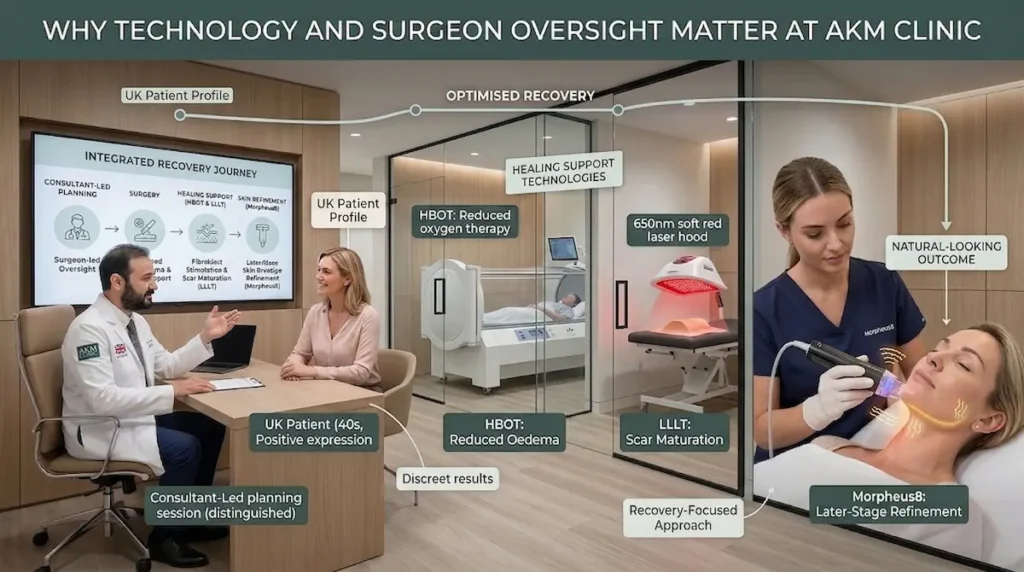
Morpheus8 should not be judged in isolation from the clinical environment around it. The best outcomes usually come when skin quality treatments are integrated into a broader recovery philosophy rather than offered as standalone upsells. At AKM Clinic, that wider framework includes consultant-led planning, British-standard patient communication, and additional healing technologies designed to support recovery in a practical way.
The value of consultant-led planning for post-surgical skin quality
When a patient is considering Morpheus8 after facelift or a similar adjunctive treatment, the most important question is not whether the treatment is popular, but whether it is actually indicated. That decision is strongest when made by the team that understands the original operation, the tissue response, and the patient’s long-term goals.
For UK patients, AKM Clinic’s approach is built around surgeon-led care. In practical terms, that matters because post-surgical skin quality should not be assessed by template. It should be assessed in the context of anatomy, scar maturation, remaining laxity, and the difference between skin refinement and structural correction.
That level of judgement is especially important for patients who are tempted to treat every concern with a device. Sometimes Morpheus8 is the right next step. Sometimes patience is the right next step. Sometimes another surgical option is more logical. Good oversight means knowing the difference.
How HBOT and LLLT fit into a broader recovery-focused approach
Recovery support is one of AKM Clinic’s clearest differentiators for British patients. Rather than focusing only on the operation itself, the clinic also highlights technologies intended to reduce social downtime and improve healing quality. This is particularly relevant to patients who want to return to the UK looking well recovered rather than visibly bruised or swollen.
HBOT, or Hyperbaric Oxygen Therapy, is used within the clinic’s broader recovery pathway to help reduce post-operative oedema and support lymphatic drainage. LLLT, using a 650nm soft laser, is employed to stimulate fibroblast activity and support smoother, stronger healing with less visible scar maturation over time. Within that ecosystem, Morpheus8 may be considered a later-stage refinement tool rather than the first and only answer.
That sequencing matters. A patient recovering well, with swelling controlled and scars maturing properly, is often in a stronger position to benefit from a collagen stimulation treatment Turkey plan than a patient whose tissues are still unsettled. The treatment works best when it is part of a structured journey rather than a rushed intervention.
Why natural-looking outcomes matter for the British patient profile
UK patients rarely ask for aggressive change. More often, they want to look rested, fresher, and subtly improved. That preference shapes the role of Morpheus8. The treatment is most attractive when it is used to refine skin quality and support a result that already looks natural, not to create an obvious “worked on” appearance.
This philosophy is also reflected in UK patient feedback. Sarah, for example, compared higher-cost UK treatment with her experience in Istanbul and valued the natural-looking outcome rather than a dramatic or artificial result. That matters because British patients often define success not by how many procedures they have had, but by whether other people simply think they look well.
Seen through that lens, Morpheus8 has a sensible place. It is not about chasing perfection. It is about helping the skin catch up with the surgical result so the final appearance looks coherent, discreet, and appropriately polished.
Am I a Suitable Candidate for a Morpheus8?
Answer a few brief questions about your concerns, health, and goals to discover which treatment options may suit you best.
Who Is a Good Candidate for Morpheus8 After Surgery?
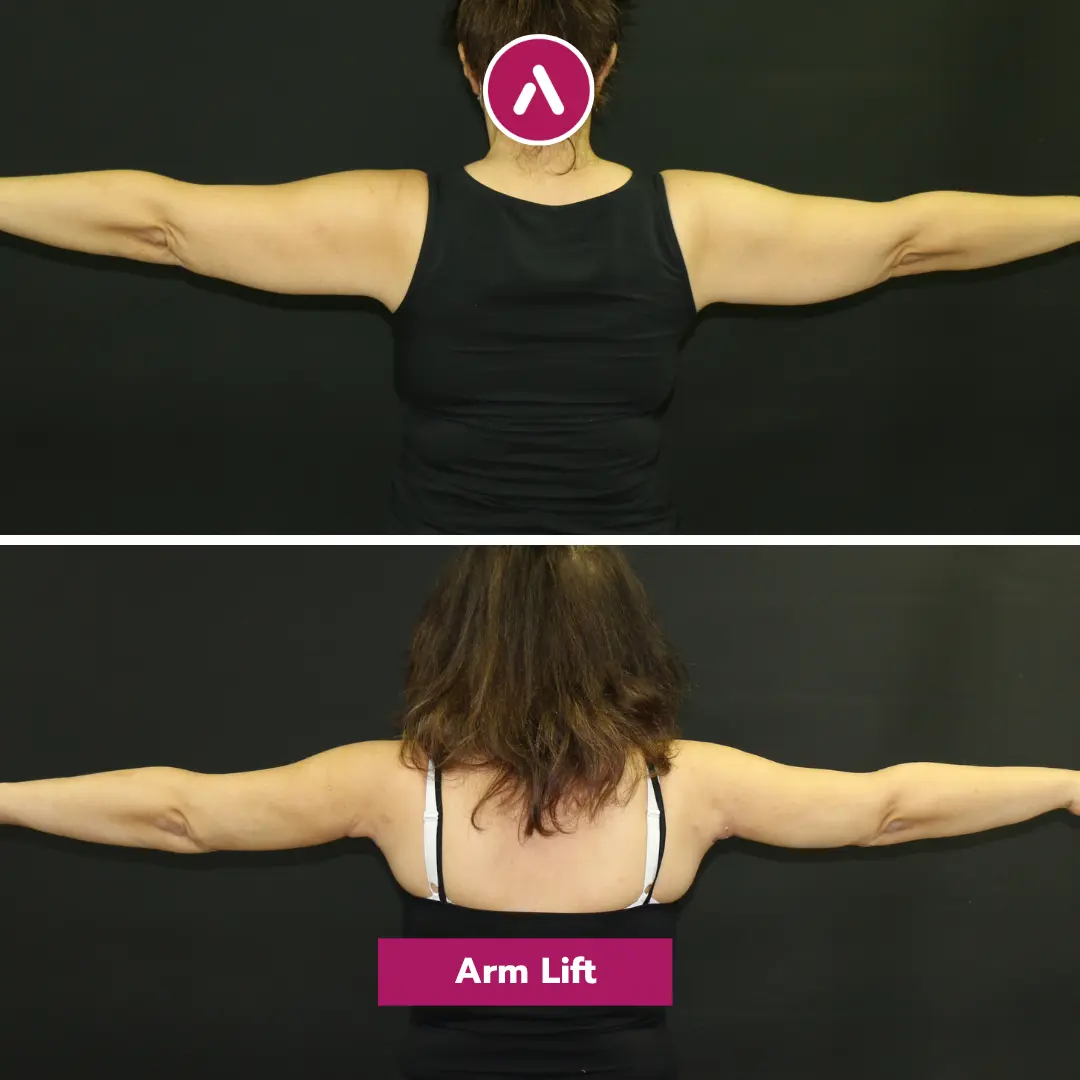
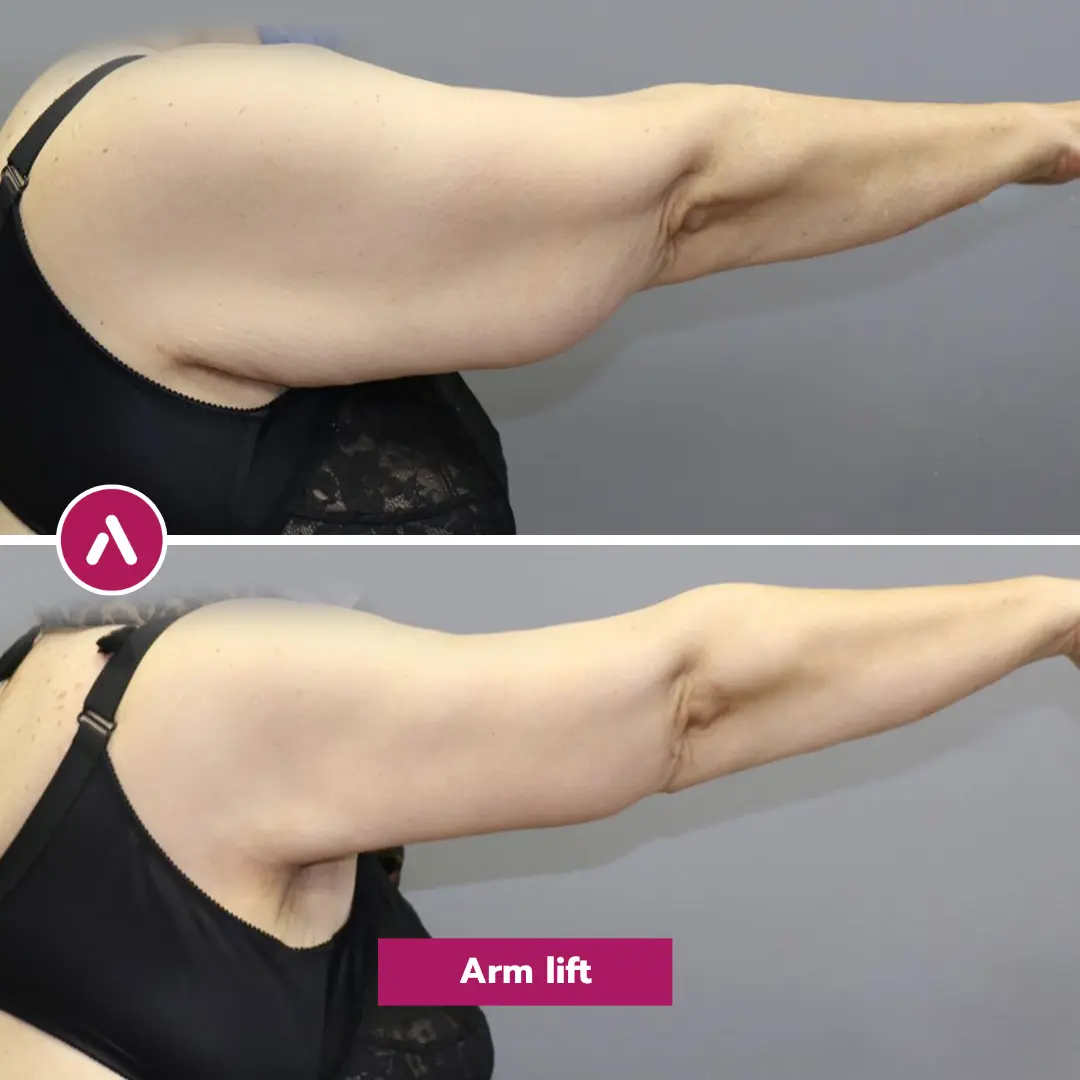
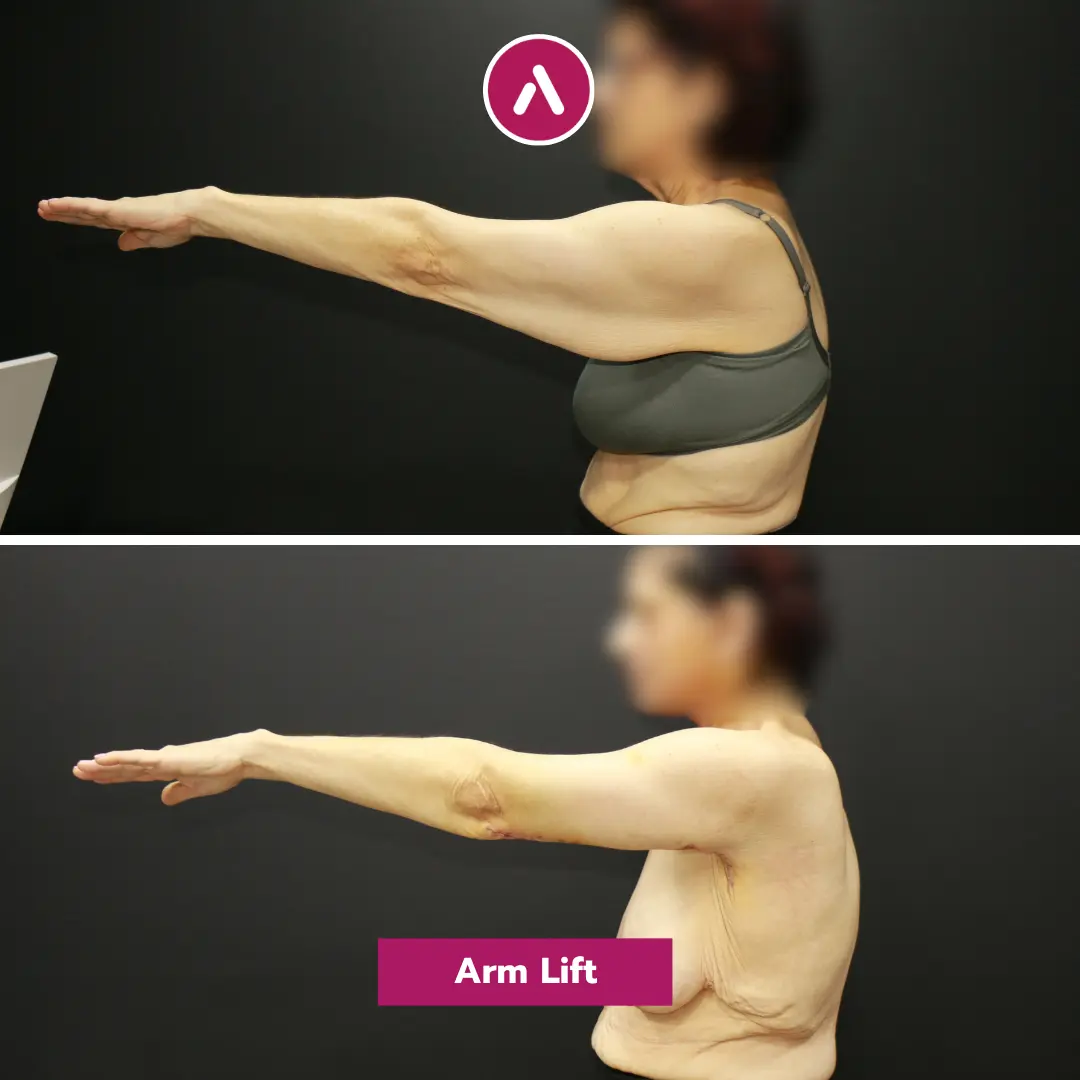
Morpheus8 is not for every post-surgical patient, and it is most helpful when the indication is narrow and clear. Good candidates are usually those whose main surgical issue has already been corrected, but who still want improvement in skin quality, mild residual looseness, or a crepey finish that makes the area look less refined than expected.
Patients with mild residual laxity rather than major structural sagging
The best candidate usually has mild skin looseness, not substantial hanging skin. They may feel that the treated area looks a little papery, slightly under-contracted, or less smooth than they hoped after recovery. These are the patients most likely to enquire about post-surgery skin laxity treatment or crepey skin treatment.
Where the deeper framework is already good, improving the quality of the skin envelope may make a visible difference. Where the deeper support is still poor, however, no energy-based treatment will truly substitute for structural correction.
That is why candidacy depends more on tissue behaviour than on age alone. A younger patient with poor elasticity may be less suitable than an older patient with a good surgical foundation and only mild residual laxity.
People who want refinement without another major operation
Morpheus8 can also appeal to patients who are fundamentally happy with their surgery but want a little more polish without committing to another major procedure. This is often the patient who says, “I do not want more surgery, but I would like the skin to look tighter and smoother if possible.”
For this group, the treatment may fit well within a skin tightening Turkey strategy focused on refinement rather than rescue. It can be particularly attractive after body contouring, lower face work, or modest post-weight-loss changes where the issue is not large excess skin but a lack of crispness in the final skin finish.
It may also suit patients who are realistic, patient, and comfortable with gradual improvement. Morpheus8 is usually more satisfying for those who appreciate cumulative change than for those who want an instant transformation.
When another surgical solution may be more appropriate than energy-based treatment
There are times when Morpheus8 is simply not the best answer. If the patient has significant skin redundancy, marked jowls, pronounced neck banding, or major post-liposuction looseness, another surgical option may offer a far better result. This is not a criticism of the treatment. It is a matter of using the correct tool for the problem in front of you.
The same applies if the patient is still healing too actively, has not yet given the tissues enough time to settle, or is hoping that subdermal adipose remodelling will correct an issue that is mainly structural. In those situations, treatment may be postponed or redirected altogether.
In well-run practice, being told “not yet” or “not this treatment” is often a sign of clinical honesty, not a missed opportunity. For British patients, that honesty is usually a major trust builder.
Frequently Asked Questions (FAQ): Morpheus8 Turkey
These are the questions British patients most often ask when considering Morpheus8 as part of a post-surgical recovery and refinement plan in Turkey.
Is Morpheus8 painful after surgery?
How long should I wait before having Morpheus8 after an operation?
Can Morpheus8 replace a facelift or neck lift?
Is Morpheus8 suitable after liposuction?
How many sessions do most patients need?
Can I fly back to the UK after Morpheus8 treatment?
Why choose Turkey instead of a UK clinic for Morpheus8 after surgery?
If you would like to explore related options beyond the topic covered in this article, you can also learn more about Thread Lift Turkey, Neck Liposuction, Lip Lift Surgery, Facelift Recovery with Stem Cells, Lymphatic Drainage Massage After Lipo, and how to choose a Specialist Plastic Surgeon in Turkey that patients can trust for safe planning, natural-looking results, and well-structured aftercare.
Have Specific Questions About Morpheus8?
Speak directly with our dedicated patient coordinators regarding Morpheus8. Receive instant guidance and personalised support.
Medical Disclaimer: This page is provided for general educational purposes only and does not replace a face-to-face medical consultation, diagnosis, or personalised treatment plan. All surgery carries risks and outcomes vary between individuals. Suitability for Morpheus8 treatment, procedure selection, and anaesthesia choice can only be determined after a full clinical assessment by a qualified surgeon. Always follow your clinician’s instructions and seek urgent medical attention if you develop concerning symptoms during recovery.
Related Treatments
Awake High-Definition Liposuction
Awake high-definition liposuction in Istanbul for UK patients: 4D Vaser sculpting with tumescent local anaesthesia + conscious sedation, HBOT/LLLT recovery and GBP fees.
Awake Neck Lift in Turkey
Awake neck lift in Turkey under local anaesthesia with twilight sedation: deep structural technique, scars, recovery, HBOT/LLLT support. UK patient guide.
Facelift in Turkey
Explore facelift techniques (deep plane, SMAS), scars, recovery timelines and sedation options. UK-focused safety pathway and aftercare at AKM Clinic, Istanbul.
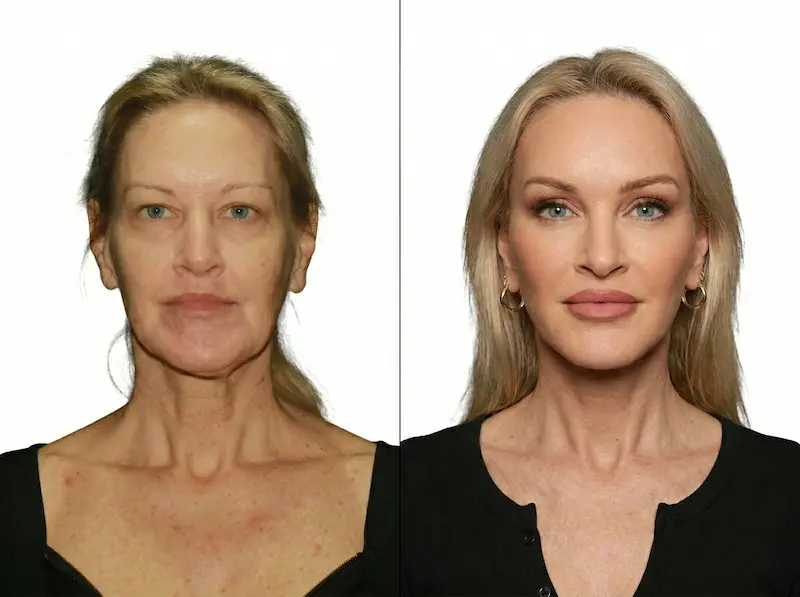
Mid Face Lift in Turkey
Mid Face Lift in Istanbul with an anatomy-led, natural approach. Endoscopic/temporal/subciliary options, plus HBOT & LLLT recovery support. Best Prices!
Ready to Begin Your Own Transformation Journey?
Join the 2,000+ patients who have trusted Dr Akif Mehmetoğlu and the AKM Clinic team. Your journey to a more confident, naturally restored you begins with a simple, no-obligation conversation. Contact us today from the UK for your free virtual consultation.
#1: Get Your Free Personalised Quote
Start with a free, no-obligation online consultation. Share your photos, and our surgical team will provide a fully personalised treatment plan and a transparent, all-inclusive price package. There are no hidden fees.
#2: Secure Your Date & VIP Booking
Once you are ready, our dedicated patient coordinators will help you secure your procedure date. We will handle all your bookings, including your 5-star hotel accommodation and private VIP airport transfers.
#3: Arrive in Istanbul & Meet Your Surgeon
Arrive at Istanbul Airport (IST) and be greeted by your private driver. Settle into your hotel and prepare for your in-person consultation, where you will meet your specialist surgeon to finalise the details for your "natural, subtle, and restored" new look.