
Hooded Eyelid Surgery: Treating Heavy, Hooded Upper Lids
AI Summary
- Hooded eyelid surgery works best when excess skin, brow descent and ptosis are correctly diagnosed.
- Natural-looking results depend on conservative planning that protects eyelid function and facial expression.
- Safety-focused assessment checks brow position, dry eye, eyelid closure and true ptosis before surgery.
- UK patients should clarify functional versus cosmetic goals, aftercare and cost separately before travelling.
AI-generated summary, fact-checked by our medical experts.
Hooded eyelid surgery can improve heavy upper lids when the cause is excess eyelid skin, bulging fat, or a combination of eyelid and brow descent. The key is diagnosis: some patients need upper blepharoplasty, some need a brow lift, and some need ptosis assessment before any cosmetic plan is made.
Heavy upper lids are not always the same problem. One person may have loose skin folding over the natural crease. Another may have a low brow pushing skin downwards. A third may have true ptosis, where the lid-opening muscle is weak and the eyelid margin itself sits too low.
That is why a natural result starts with matching the procedure to the cause. At AKM Clinic, the upper eyelid surgery approach is planned around anatomy, brow position, eyelid function, and the patient’s facial balance rather than simply removing as much skin as possible.
For UK patients comparing options, the most useful question is not only “Can surgery remove my hooded eyelids?” It is “What is actually making my upper lids look heavy?” This guide breaks that down in a practical, surgeon-led way.
Table of Contents
What Makes Upper Eyelids Look Hooded?
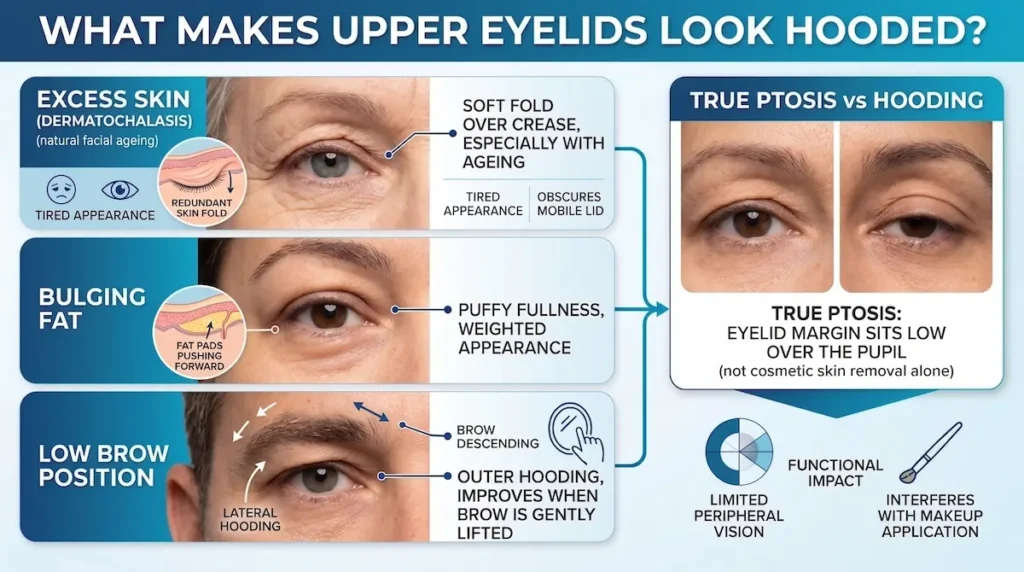
Hooded upper eyelids usually develop when the skin above the eyelid crease starts to fold over the mobile lid. This can make the eyes look tired, smaller, or less open, even when you feel rested. In more advanced cases, the extra fold can sit close to the lash line and interfere with make-up application or, in functional cases, peripheral vision.
The medical term often used for excess upper eyelid skin is dermatochalasis. But hooding is not caused by skin alone. Fat, brow position, eyelid muscle function, and natural facial ageing can all contribute. A good assessment looks at the whole upper-eye area, not just the eyelid crease.
Excess skin: dermatochalasis
Dermatochalasis means there is redundant or loose eyelid skin. It often appears as a soft fold that hangs over the natural eyelid crease. In many patients, this is the classic reason for considering upper blepharoplasty.
When excess skin is the main issue, carefully planned upper eyelid surgery can remove the overhanging skin while preserving enough tissue for the eye to close comfortably. The aim is not a wide-eyed or hollow look. It is a cleaner, lighter upper lid that still looks like you.
Bulging fat in the upper lid
Some heavy lids are caused partly by fat that has pushed forward with age or genetics. This can create fullness in the inner upper eyelid or a puffy, weighted appearance above the eye.
Fat should be handled conservatively. Taking too much can make the upper lid look hollow or older. In many modern eyelid surgery plans, the surgeon removes only what is necessary and preserves soft, natural contour.
A descended brow
A low brow can mimic hooded eyelids. When the outer brow drops, it pushes skin down over the upper lid, especially at the outer corner. This is why some patients notice “lateral hooding” more than heaviness across the whole eyelid.
In those cases, removing eyelid skin alone may not fully solve the problem. It may even make the brow look lower by comparison. If the brow is the driver, a brow procedure may be more appropriate than isolated upper blepharoplasty.
A simple mirror check — useful, but not a diagnosis
At home, you can gently lift the brow with a fingertip while looking straight into a mirror. If much of the hooding improves when the brow is lifted, brow descent may be part of the problem. If the heaviness remains mainly as loose lid skin, upper eyelid skin may be the stronger factor.
This check is only a clue. It cannot assess eyelid muscle strength, eye closure, tear film, or whether the eyelid margin itself is too low. Those details matter before surgery.
| Cause of hooding | Telltale sign | Typical surgical direction |
|---|---|---|
| Excess upper eyelid skin | Soft fold sits over the lid crease, especially with ageing | Upper blepharoplasty may be enough |
| Bulging upper eyelid fat | Puffy fullness, often more visible near the inner upper lid | Conservative fat adjustment with upper blepharoplasty |
| Low or descended brow | Outer hooding improves when the brow is gently lifted | Brow lift assessment; sometimes combined with eyelid surgery |
| True ptosis | The eyelid margin itself sits low over the pupil | Ptosis evaluation, not cosmetic skin removal alone |
Hooding vs True Ptosis
Hooded eyes and ptosis are often confused, but they are not the same. Hooding usually refers to excess skin or brow-related heaviness sitting over the upper lid. Ptosis means the eyelid margin itself droops because the lifting mechanism of the eyelid is weak, stretched, or not functioning normally.
This distinction changes the surgical plan. Upper blepharoplasty removes extra skin and may refine excess fat. Ptosis repair addresses the muscle or tendon that opens the eyelid. Treating ptosis as if it were only loose skin can leave the eye still looking low after surgery.
Skin problem versus muscle problem
With hooding, the fold of skin may cover the upper lid, but the eyelid edge can still sit at a normal height. With ptosis, the lid edge drops lower than it should, sometimes covering part of the pupil.
That is why patients with heavy lids should not assume that blepharoplasty alone is the answer. A focused examination can identify whether the issue is skin, fat, brow descent, true ptosis, or a combination. For a deeper comparison, see the difference between ptosis and blepharoplasty.
Why the distinction changes surgery
If excess skin is the main problem, the surgical design focuses on skin removal, crease placement, and safe closure. If ptosis is present, the plan may involve eyelid muscle repair or referral to an oculoplastic-style assessment, depending on severity and function.
The risk of getting this wrong is a result that looks incomplete. The patient may still feel one eye looks sleepier, smaller, or more asymmetrical. In some cases, removing too much skin without recognising ptosis can also make the eyelid harder to close comfortably.
What an examination should check
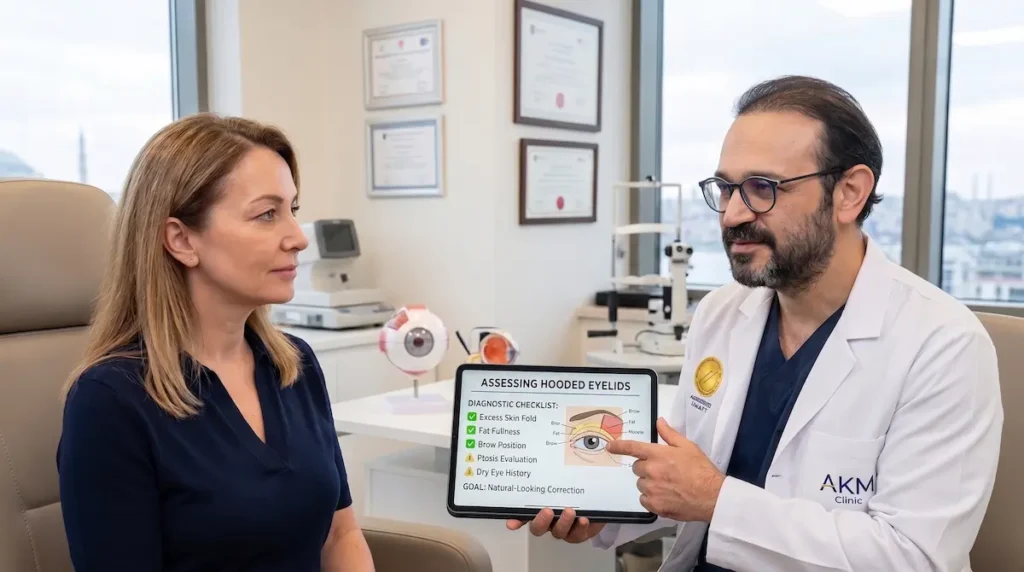
A proper upper-lid assessment should look beyond the amount of skin. It should assess brow position, eyelid height, crease symmetry, levator function, eye closure, dry-eye symptoms, and whether the hooding is the same on both sides.
UK patients are also used to a clear functional-versus-cosmetic distinction. The NHS generally frames eyelid surgery differently when excess skin affects vision compared with when the concern is purely cosmetic. That does not mean every heavy-lid concern is medical, but it does mean the visual function question should be asked honestly.
Natural-looking upper eyelid surgery is not about removing the maximum amount of skin. It is about identifying why the lid looks heavy, then choosing the smallest effective correction for that anatomy.
Blepharoplasty or Brow Lift?
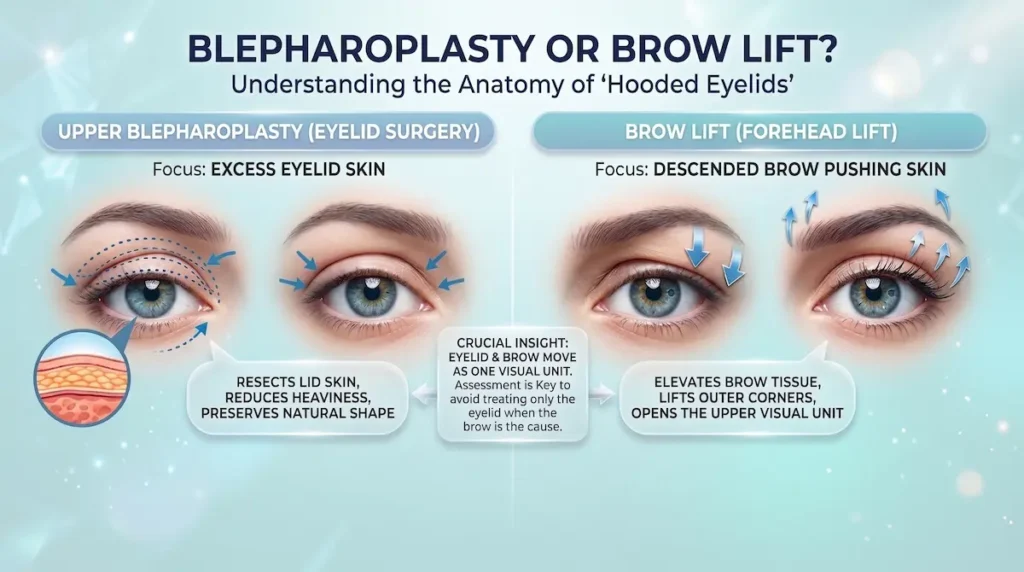
The decision between upper blepharoplasty and brow lift depends on where the heaviness begins. If the extra fold is mainly eyelid skin, upper blepharoplasty can often refine the lid. If the brow has descended and is pushing skin downwards, lifting the brow may be the more anatomical solution.
This is the part many patients miss. The eyelid and the brow move as one visual unit. Treating only the eyelid when the brow is the main cause can create a result that still looks heavy, especially at the outer corners.
When upper blepharoplasty may be enough
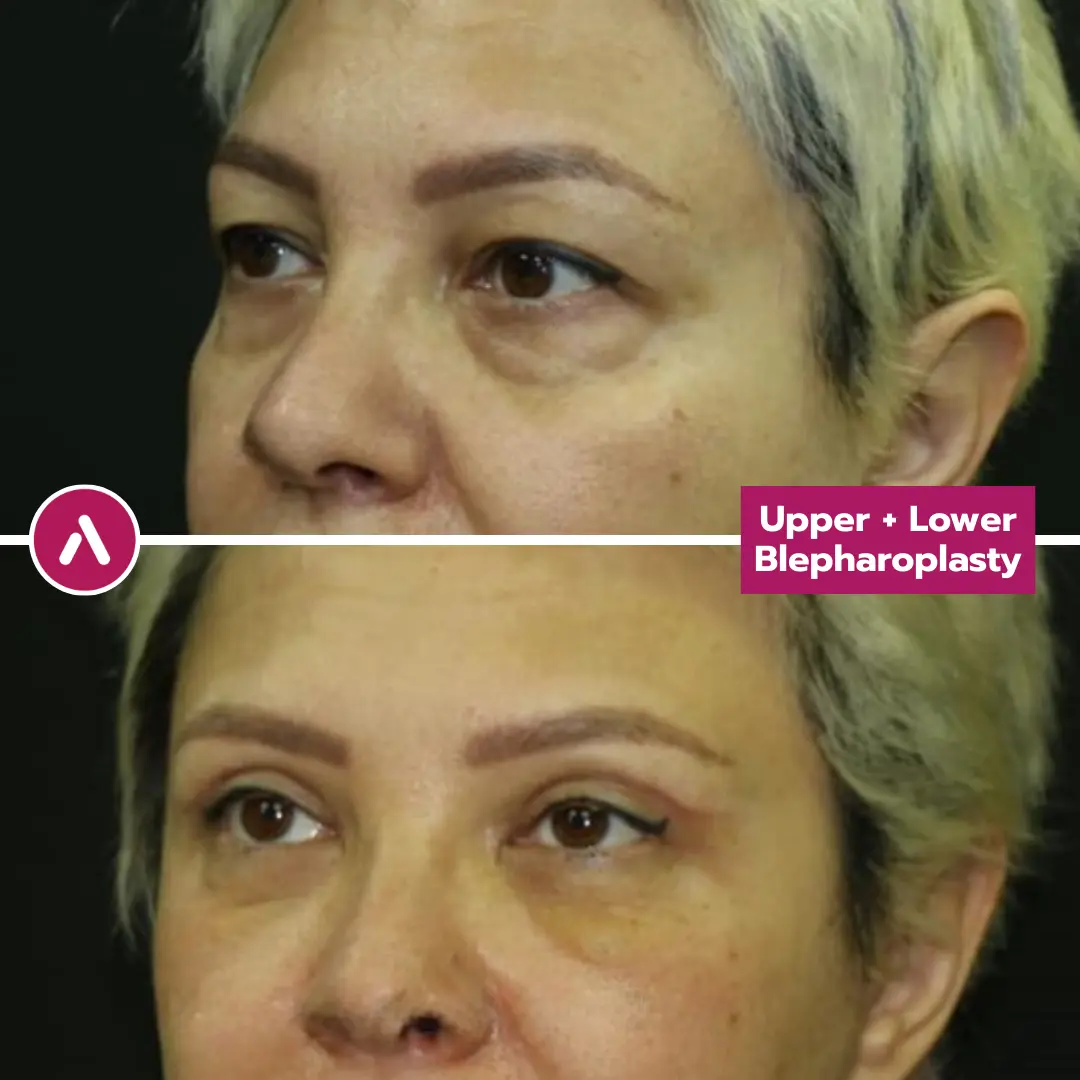
Upper blepharoplasty is usually considered when there is clear excess upper eyelid skin, with the brow sitting in a reasonable position. The surgeon marks the natural crease, plans how much skin can be safely removed, and protects the ability of the eye to close fully after surgery.
For many patients with dermatochalasis, this is the most direct correction. The lid looks cleaner. The fold feels lighter. Make-up may sit more easily on the upper lid. The result should still preserve your natural eye shape rather than creating a stretched or startled appearance.
When the brow is the real cause
If the outer brow has dropped, the skin beneath it can crowd the upper eyelid. This often creates heaviness at the outer third of the eye rather than across the whole lid. Patients may notice they unconsciously raise their eyebrows in photos or while reading to “open” the eyes.
In that situation, removing eyelid skin alone may not solve the root cause. A brow assessment becomes important. For patients whose heaviness is strongest at the outer brow and temple, a lateral brow lift may be the better fix than eyelid surgery alone.
When both procedures may be combined
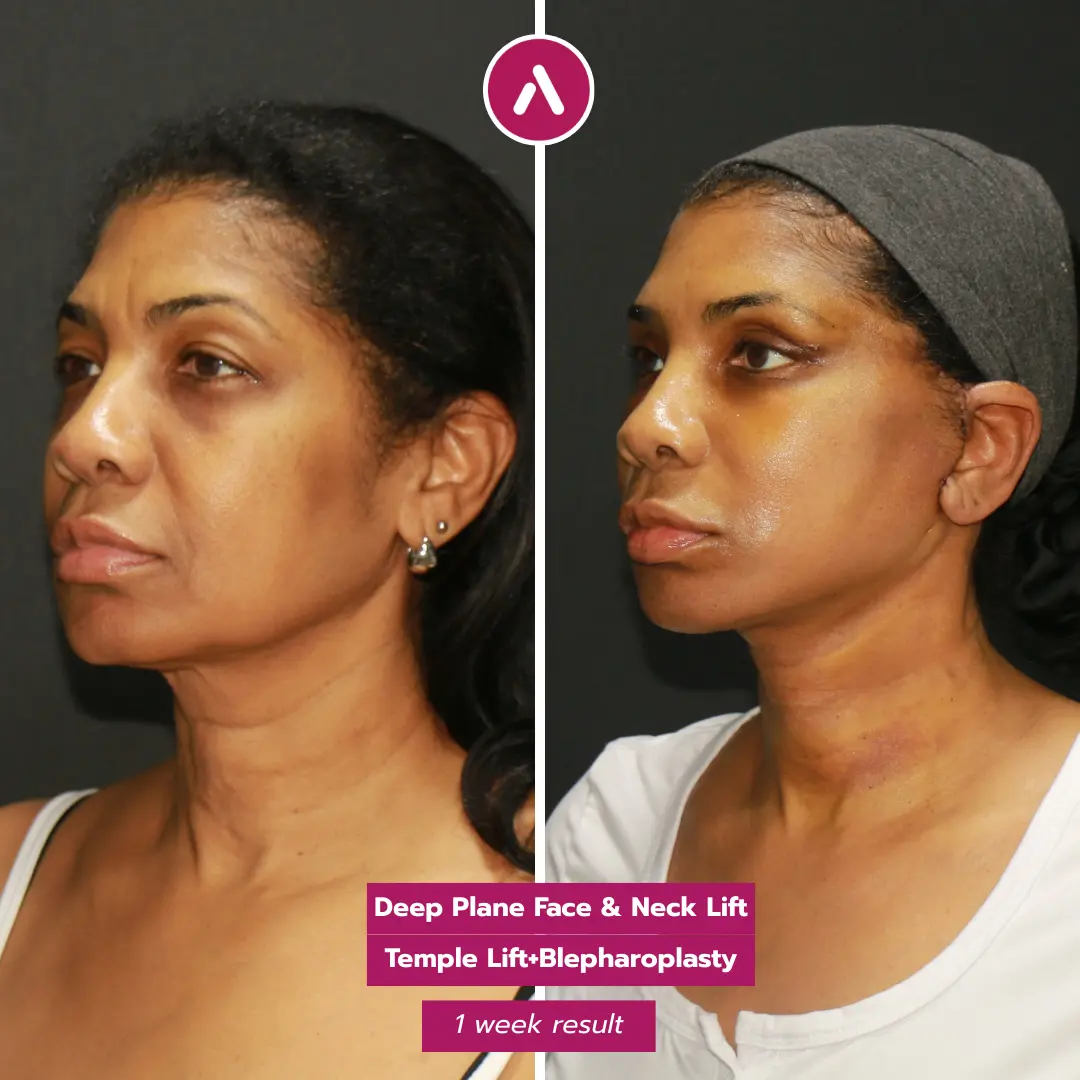
Some patients have both excess lid skin and brow descent. In those cases, the most balanced plan may involve a conservative upper blepharoplasty with a brow-lifting component. The word “conservative” matters here.
If the brow is lifted but too much eyelid skin is also removed, the result can look tight. If too little is done, the heaviness remains. A combined plan should be built around millimetres, eye closure, brow position, and facial proportion — not a generic before-and-after template.
Why UK patients should ask about functional versus cosmetic goals
In the UK, many patients first think about hooded eyelids because they feel tired-looking. Others are worried because the upper fold is beginning to affect their field of vision. These are different starting points.
NHS pathways usually distinguish functional concerns from purely cosmetic concerns. If vision is affected, formal documentation such as visual field testing may be relevant in the UK system. If the goal is aesthetic refinement, the discussion is different: anatomy, expectation, safety, and aftercare become the focus.
For UK patients: Before travelling for hooded eyelid surgery, ask whether your heaviness is mainly eyelid skin, brow descent, true ptosis, or a combination. Also ask how your brow position will be assessed. A GMC-registered or GMC-equivalent surgeon should be able to explain why one procedure is recommended over another.
Realistic Results & Risks
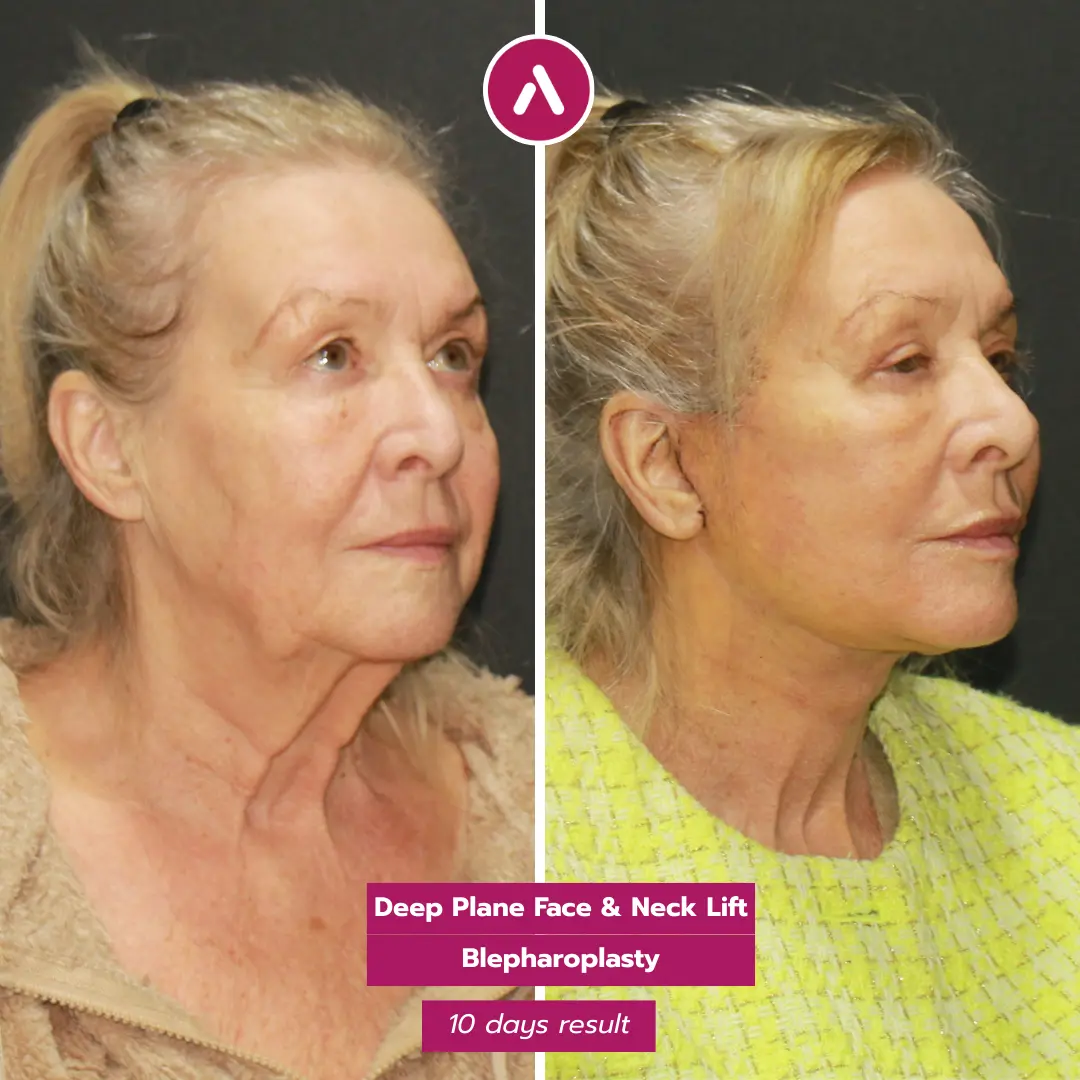
Good hooded eyelid surgery should make the upper lids look lighter without erasing your natural expression. The goal is not to make every patient look wide-eyed. It is to reduce the heaviness that is genuinely caused by excess skin, fat, or brow-related crowding while keeping the eyes comfortable and balanced.
Results vary because eyelids are delicate structures. Skin quality, brow position, facial asymmetry, dry-eye tendency, scarring behaviour, and healing all affect the final appearance. A precise plan lowers risk, but no surgical result can be guaranteed.
What hooded-lid surgery can improve
When the plan is well matched to the cause, surgery can reduce overhanging upper-lid skin, improve lid definition, soften a tired appearance, and make the upper eye area look less crowded. Some patients also feel less forehead strain because they no longer need to raise their brows as often.
If vision is partly blocked by excess skin, functional improvement may also be possible, but that needs to be assessed properly. Cosmetic improvement and visual-field improvement should not be blurred together. They are related, but they are not identical.
What it cannot do
Upper blepharoplasty will not lift a low brow by itself. It will not repair true ptosis unless ptosis repair is specifically planned. It will not remove crow’s feet, change eye colour, or create a different eye identity.
It also cannot stop future ageing. The result can last for years, but skin, brow position, and facial soft tissue continue to change. A realistic patient understands that surgery resets the heaviness; it does not freeze the upper face in time.
Over-resection and the hollow look
The most common aesthetic concern with upper lid surgery is doing too much. Removing too much skin can make the lid look tight. Removing too much fat can create a hollow upper eyelid, especially in patients who already have a deep-set eye or thin soft tissue.
This is why modern planning is usually more restrained than older “take away the bagginess” approaches. The upper lid needs some fullness to look healthy. A completely emptied lid may look operated-on rather than refreshed.
Complications to know before deciding
Most patients recover without serious issues, but eyelid surgery is still surgery. Possible risks include bruising, swelling, asymmetry, visible scarring, dry-eye symptoms, irritation, difficulty closing the eyes, infection, bleeding, or dissatisfaction with the aesthetic result.
More serious problems are uncommon, but they must be discussed honestly. Patients considering any eyelid procedure should understand warning signs, aftercare, and what support is available after returning home. If risk is one of your main concerns, read more about what can go wrong with eyelid surgery before making a decision.
A clinical overview of upper eyelid blepharoplasty also highlights why assessment of brow position, dermatochalasis, fat, and eyelid function matters before surgery. You can review the medical background in this clinical overview of upper eyelid blepharoplasty.
The most natural eyelid results usually come from restraint: remove enough to reduce heaviness, preserve enough to protect expression, and never ignore the brow or eyelid muscle.
Is It Right for You?
Hooded eyelid surgery may be suitable if your upper lids feel heavy because of excess skin, carefully assessed fat fullness, or a combination of eyelid and brow changes. It is less suitable if the main issue is true ptosis, untreated dry eye, unrealistic expectations, or a brow problem being mistaken for an eyelid problem.
This section brings the decision back to you. Not every hooded lid needs surgery. Not every patient needs the same operation. The safest plan is the one that explains what will change, what will not change, and what must be checked before treatment.
Good candidates for hooded eyelid surgery
A good candidate usually has a clear fold of excess upper eyelid skin, stable general health, realistic expectations, and no unmanaged eye-surface problem. They may feel their eyes look tired even when rested, or they may find that the upper lid fold has started to sit closer to the lash line.
Good candidates also understand that “more open” does not mean “more skin removed”. The best result often comes from small, controlled changes. This is especially true around the eyes, where a few millimetres can change the entire expression.
When you may need a different assessment first
If one eyelid sits visibly lower than the other, if the lid margin covers part of the pupil, or if you have to raise your eyebrows to see clearly, a ptosis or functional eyelid assessment may be needed before cosmetic planning. If your brow is low, a brow-lift discussion may be more relevant than eyelid skin removal alone.
Dry-eye symptoms also matter. Patients who already have gritty, burning, watery, or irritated eyes should mention this early. Removing upper lid skin without considering eye closure and tear film can make comfort worse in the wrong patient.
What to ask in consultation
Bring clear questions. Ask whether your hooding is caused by skin, fat, brow descent, ptosis, or a mix. Ask how much skin can be removed safely. Ask whether the brow has been assessed. Ask how your surgeon protects eye closure and avoids a hollow upper lid.
UK patients travelling for surgery should also ask about aftercare, follow-up, and what happens if a concern appears after returning home. At AKM Clinic, the patient journey includes virtual consultation, in-person assessment in Istanbul, and long-term virtual follow-up at 1, 3, 6, and 12 months.
Recovery in brief
This article is not a recovery deep-dive, but most patients should expect bruising, swelling, tightness, and temporary asymmetry in the early healing phase. The upper lids often look more “done” in the first days than they will after swelling settles.
Sleeping position, cold compress use, eye comfort, and surgeon-specific wound care can all influence early healing. If you are comparing nearby upper-eye procedures, you may also want to read about a related upper-eye aesthetic procedure, but the decision should still start with anatomy rather than trend.
Cost and value without opening a price discussion
Cost is a valid question, but it should not lead the medical decision. Hooded upper lids can be caused by different problems, and the right plan depends on whether you need upper blepharoplasty, brow assessment, ptosis evaluation, or a combined approach.
For UK patients who want the fee structure separately, the appropriate place to review it is the blepharoplasty cost page. This guide stays focused on diagnosis, suitability, and natural-looking correction.
AKM consultation focus: The consultation should answer one central question: is your hooding an eyelid problem, a brow problem, a muscle problem, or a combination? Once that is clear, the surgical plan becomes safer and more precise.
Frequently Asked Questions: Hooded Eyelid Surgery
These questions cover the points UK patients most often need clarified before considering treatment for heavy upper lids. They are general educational answers, not a diagnosis.
What causes hooded eyes?
Is hooding the same as ptosis?
Do I need a brow lift instead of upper blepharoplasty?
Can NHS cover hooded eyelid surgery?
How long do results last?
Can hooded eyelid surgery look natural?
Conclusion: Hooded upper lids are not a single diagnosis. They can come from excess skin, fat fullness, brow descent, true ptosis, or a combination of these factors. That is why the best surgical plan starts with careful assessment, not a one-size-fits-all blepharoplasty.
For UK patients considering surgery abroad, the safest approach is to ask direct questions: What is causing my hooding? Is my brow involved? Is there any ptosis? How will eye closure be protected? What follow-up is available after I return home?
AKM Clinic’s Natural-First philosophy is built around rejuvenation rather than alteration. For hooded eyelids, that means a lighter upper lid, a balanced brow-lid relationship, and a result that still looks like your own expression.
Medical disclaimer: This article is for educational purposes only and does not replace personalised medical advice. Eyelid anatomy, surgical suitability, recovery, and results vary from patient to patient. Always consult a qualified medical professional before making treatment decisions.
Related Treatments


Ready to Begin Your Own Transformation Journey?
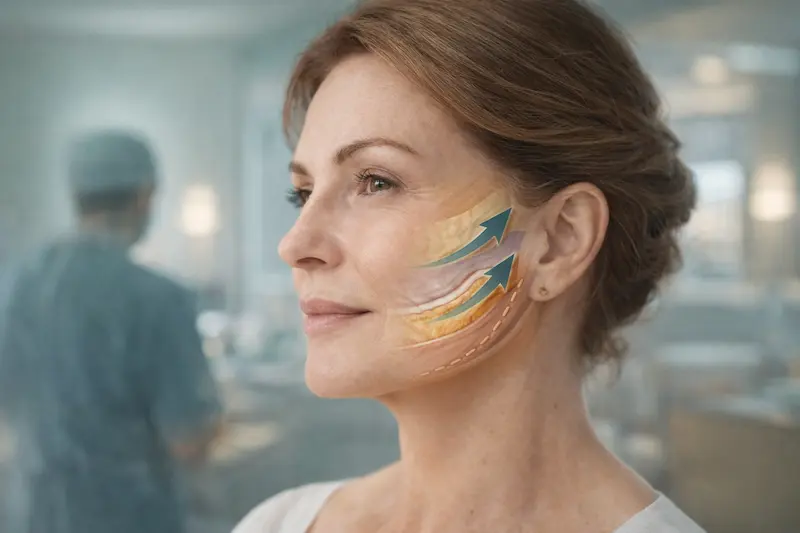
Join the 2,000+ patients who have trusted Dr Akif Mehmetoğlu and the AKM Clinic team. Your journey to a more confident, naturally restored you begins with a simple, no-obligation conversation. Contact us today from the UK for your free virtual consultation.
#1: Get Your Free Personalised Quote
Start with a free, no-obligation online consultation. Share your photos, and our surgical team will provide a fully personalised treatment plan and a transparent, all-inclusive price package. There are no hidden fees.
#2: Secure Your Date & VIP Booking
Once you are ready, our dedicated patient coordinators will help you secure your procedure date. We will handle all your bookings, including your 5-star hotel accommodation and private VIP airport transfers.
#3: Arrive in Istanbul & Meet Your Surgeon
Arrive at Istanbul Airport (IST) and be greeted by your private driver. Settle into your hotel and prepare for your in-person consultation, where you will meet your specialist surgeon to finalise the details for your "natural, subtle, and restored" new look.