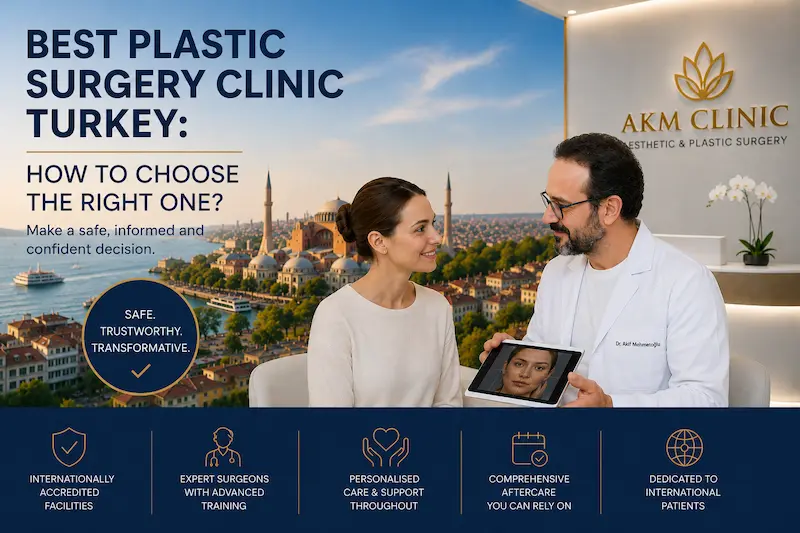
If you are searching for the best plastic surgery clinic Turkey has to offer, the most important step is changing the question. Rather than asking which clinic looks the most glamorous online, ask which team can demonstrate real surgical standards, transparent aftercare, and results that still look like you. For British patients, that distinction matters enormously.
Many people begin with search terms such as best plastic surgery clinic in Turkey, Turkey best plastic surgery clinic, best Turkish plastic surgery clinic, or best plastic surgery clinic in Istanbul. Behind all of those searches lies the same concern: how do you separate a reputable medical provider from clever marketing? In a market crowded with package deals and polished social media accounts, the right clinic is not simply the one with the loudest advertising. It is the one that can clearly explain who your surgeon is, where your procedure will take place, how your recovery will be supported, and what happens if you need help after you return to the UK.
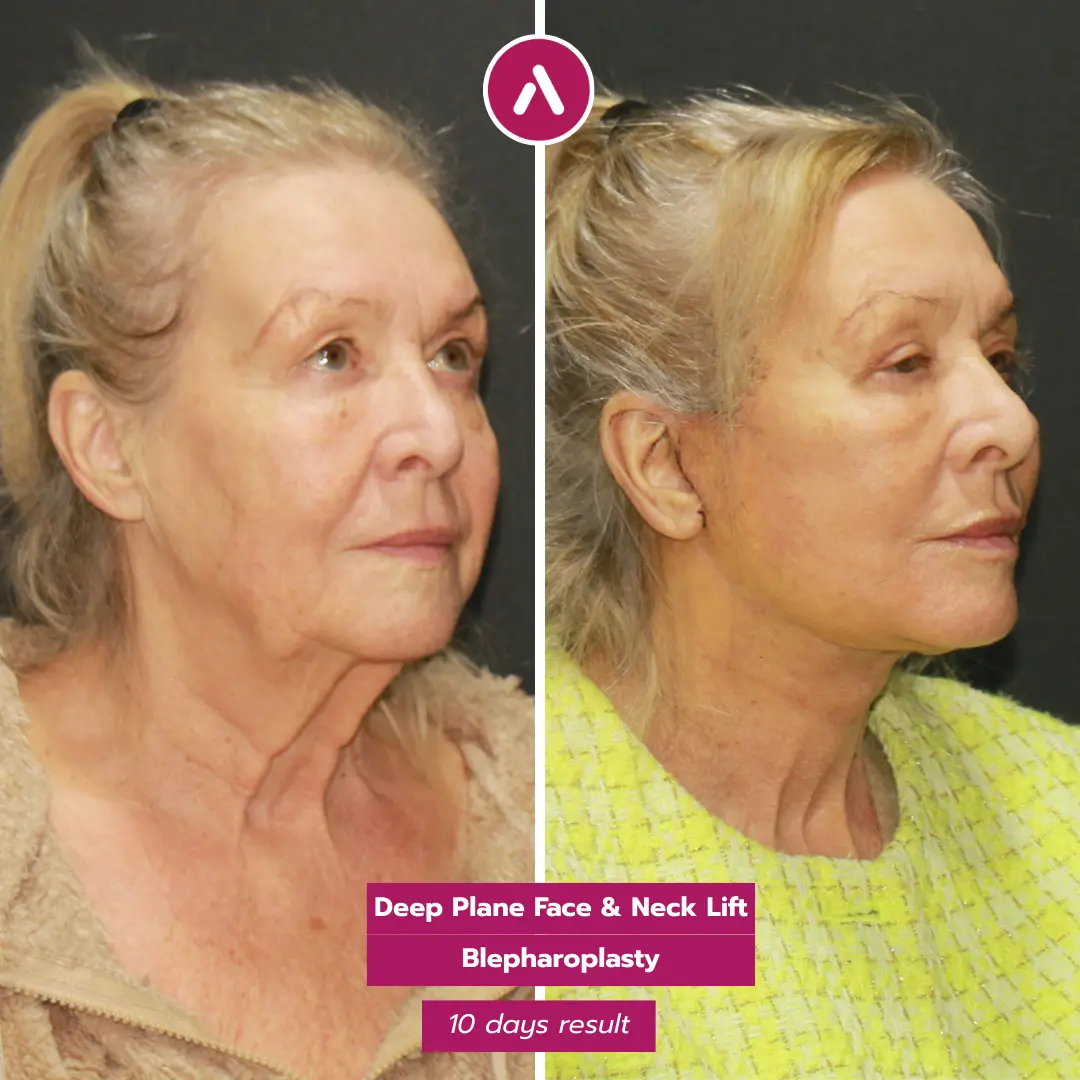
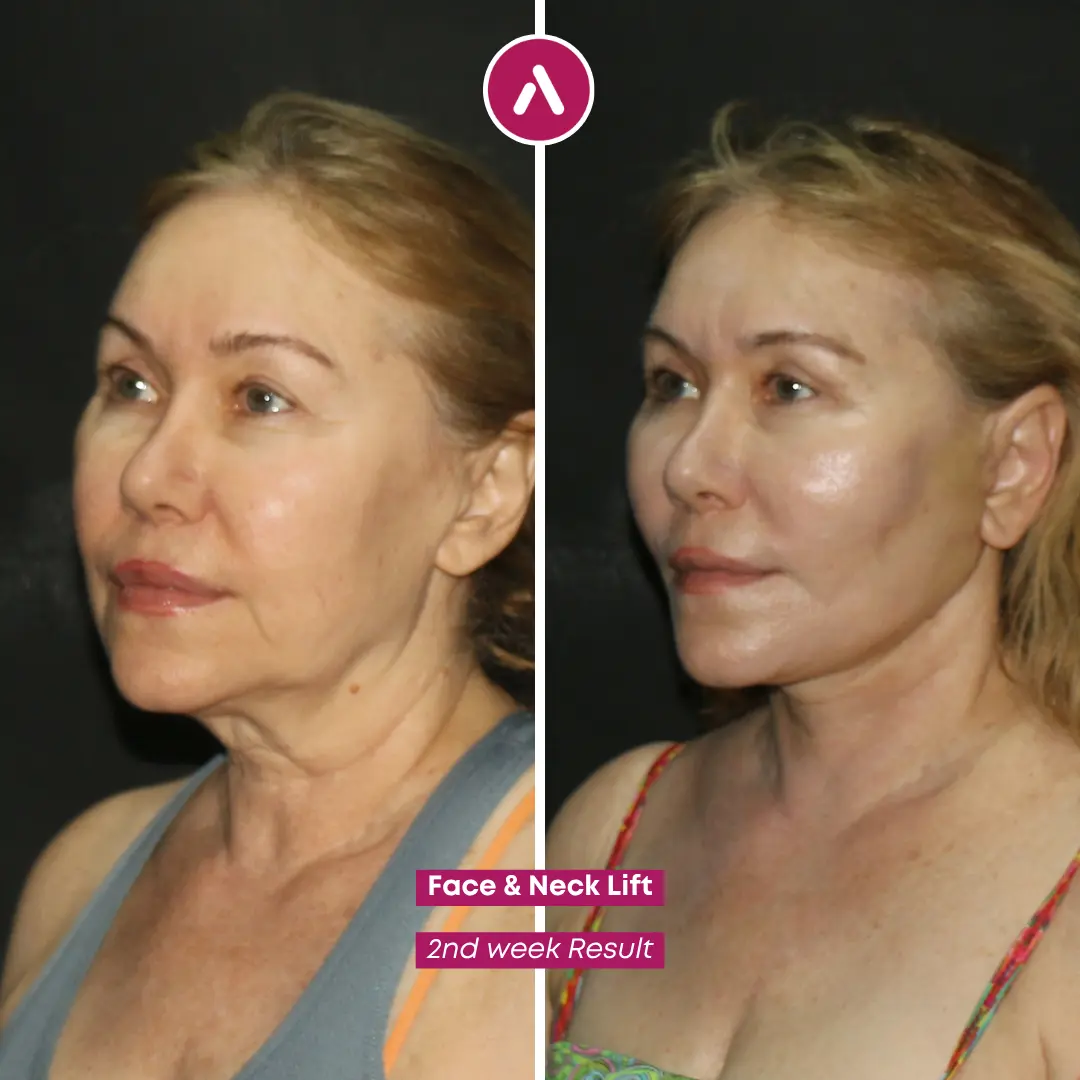
This is especially important for British patients who are understandably cautious about overseas cosmetic surgery. Media coverage of poor outcomes abroad has made many people wary, while long NHS waiting lists and high private fees in London have pushed others to look elsewhere. The answer is not to choose the cheapest option, nor to assume every overseas clinic is the same. The answer is to use a proper due diligence process. A truly trustworthy provider should feel like a private cosmetic clinic in Istanbul with British standards: organised, transparent, medically rigorous, and focused on natural-looking outcomes rather than dramatic sales promises.
In this guide, we will walk through the practical criteria that matter most when choosing a clinic in Turkey. We will also explain why terms such as JCI accredited plastic surgery clinic Turkey, ISO certified cosmetic clinic Turkey, internationally accredited aesthetic clinic Turkey, safe plastic surgery in Turkey for British patients, and GMC registered surgeon alternative Turkey have become so important in the research process. Used correctly, these are not just keywords. They are signs that a patient is asking the right questions before making a serious medical decision.
| What many patients look at first | What you should actually verify |
|---|---|
| Instagram followers and before-and-after reels | Named surgeons, credentials, operating environment, and aftercare protocols |
| The lowest advertised package price | What is included, what is excluded, and who is clinically responsible for your care |
| Luxury hotel photos | Safety standards, patient screening, hygiene policy, and recovery planning |
| Generic review scores | Authentic British patient experiences and consistent natural-looking outcomes |
Table of Contents
Why Choosing the “Best” Clinic in Turkey Is About Safety, Not Hype
Before comparing clinics, it helps to define what “best” should mean. For a British patient, the best clinic is not necessarily the most famous or the most expensive. It is the clinic that can combine specialist surgery, clear clinical systems, honest communication, and dependable aftercare. In other words, the best clinic is the one that reduces uncertainty rather than increasing it.
Why UK patients are right to be cautious about cosmetic surgery abroad
British patients are not being pessimistic when they scrutinise overseas clinics. They are being sensible. Cosmetic surgery is still surgery, which means the key questions are clinical, not cosmetic: Who is operating? Where will the procedure be performed? What standards govern the operating theatre? How will risk be assessed before surgery? What support is available once you leave Turkey?
Many UK patients also have a specific fear that goes beyond safety alone: they do not want to look overdone. The typical British preference is for subtle improvement, not an obvious surgical look. That is why a clinic should be evaluated not only on complication management, but also on aesthetic judgement. The right provider understands that many patients want to look fresher, not fundamentally altered.
Another reason for caution is continuity of care. A poor-quality clinic may disappear once payment is made or provide minimal guidance after discharge. A reputable clinic plans for recovery from the start, including medication guidance, follow-up contact, swelling management, scar care, and practical advice for your journey back to the UK. For anyone researching safe plastic surgery in Turkey for British patients, that aftercare question is often more important than the procedure itself.
Why the cheapest quote is rarely the safest choice
Price matters, but context matters more. Turkey can offer excellent value compared with Harley Street or other UK private providers, yet a lower price should come from lower operational costs and currency differences, not from shortcuts in medical care. When a clinic competes almost entirely on price, you should ask whether corners are being cut on surgical time, staffing, patient screening, or aftercare.
A very low headline fee can also hide missing essentials. Airport transfers, post-operative garments, medication, blood tests, overnight observation, follow-up appointments, and revision policy should all be clearly explained in writing. If the quote looks simple but the clinical pathway feels vague, that is a warning sign.
British patients often compare Istanbul with London because the financial difference can be substantial. However, the most useful comparison is not “cheap versus expensive”. It is “transparent value versus unknown risk”. A trustworthy clinic should be able to explain exactly what you are paying for and why each element contributes to safety, comfort, or outcome quality.
Why “best clinic” should mean systems, standards and surgeon-led care
The phrase best plastic surgery clinic in Turkey is often used as if it were a popularity contest. In reality, good decision-making depends on systems. Does the clinic work through documented protocols? Are patients screened properly before being accepted? Is the treatment plan based on a surgeon consultation rather than a sales script? Are hygiene measures and recovery processes treated as seriously as the operation itself?
A clinic that deserves serious consideration should feel medically structured at every stage. Enquiries should be answered clearly. Your suitability should be assessed honestly. Risks should be discussed in plain language. You should never feel rushed into paying a deposit before understanding the clinical plan. If a provider behaves more like a travel agency than a surgical service, step back.
This is also why accreditation-related searches matter. Patients who type phrases such as JCI accredited plastic surgery clinic Turkey, ISO certified cosmetic clinic Turkey, or internationally accredited aesthetic clinic Turkey are not being overly technical. They are looking for objective signals that the clinic is accountable to recognised standards rather than its own marketing claims. Even where different facilities hold different certifications, the principle remains the same: verify the environment, not just the advertisement.
The safest decision is usually the clinic that makes you feel informed, not impressed.
Start with the Surgeons, Not the Instagram Page
If you want to identify the right clinic, begin with the operating surgeon. Social media can introduce a clinic, but it cannot replace proper medical due diligence. Before you become interested in package details, accommodation, or influencer-style content, you need to understand who will actually perform your operation and what standards guide their work.
What UK patients should check in a surgeon’s credentials and specialist training
Start with basics that should never be hidden: the surgeon’s full name, their medical background, specialist field, years of experience, and whether they are genuinely involved in consultation and treatment planning. A strong clinic will not keep the surgeon in the background while a coordinator handles every important question. Instead, the clinic will make it clear that the medical decision-making is surgeon-led.
British patients are often used to checking whether a doctor appears within a recognised professional framework. When researching a surgeon abroad, the goal is not to find an identical UK system in another country. It is to identify a credible equivalent. That means looking for advanced specialist training, board-level recognition, procedure-specific expertise, and a track record of operating on international patients with realistic aesthetic goals.
You should also look at whether the surgeon’s expertise matches the procedure you want. Facial surgery, body contouring, rhinoplasty, and revision work all require different strengths. A clinic may market itself broadly, but your decision should be based on whether the named surgeon has the right depth of experience for your exact concern.
How specialist registration and European Board standards build trust
For British patients, professional equivalence matters because it reduces the psychological gap between the UK system and overseas care. This is why phrases such as GMC registered surgeon alternative Turkey appear so often in research journeys. Patients are trying to understand whether the surgeon they are considering meets a standard that feels credible, rigorous, and internationally recognisable.
That is where recognised specialist credentials, such as European Board qualifications, become important. They help signal that the surgeon has not simply entered aesthetic practice through marketing success, but through structured medical training and recognised professional standards. This distinction can be reassuring for patients who are wary of the “anyone can call themselves an expert” problem that exists in cosmetic medicine worldwide.
When reviewing a clinic, ask how the surgeon’s qualifications are explained. Are they described in vague promotional language, or with precise credentials that a patient can understand and verify? The more specific the information, the more confidence it tends to inspire.
Why a surgeon’s aesthetic philosophy matters for subtle, natural-looking results
Credentials tell you whether a surgeon is qualified. Aesthetic philosophy tells you whether they are right for you. This is particularly important for British patients, who often want refinement rather than transformation. The best clinic for one patient may not be the best clinic for another if the surgeon’s visual style does not match the result they hope to achieve.
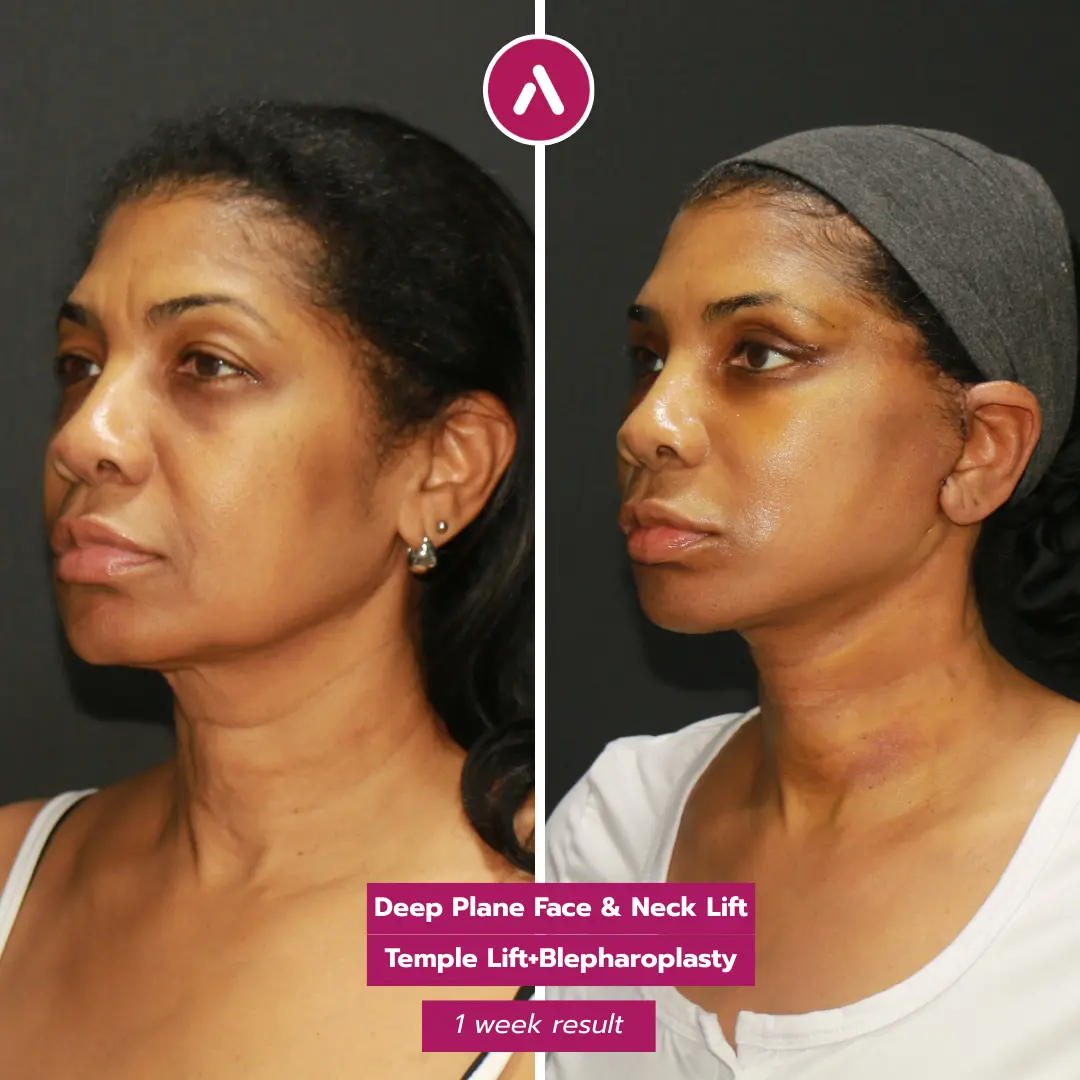
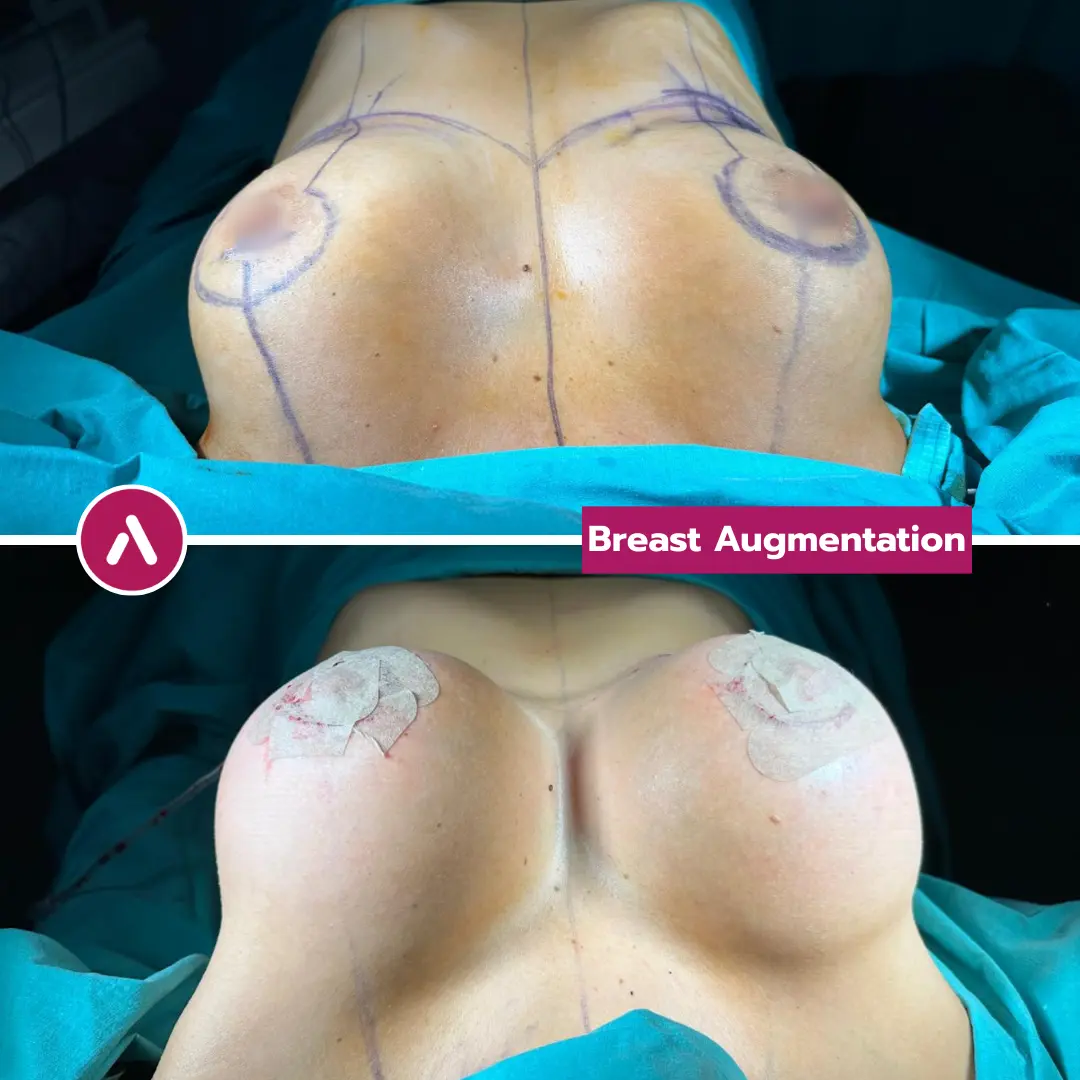
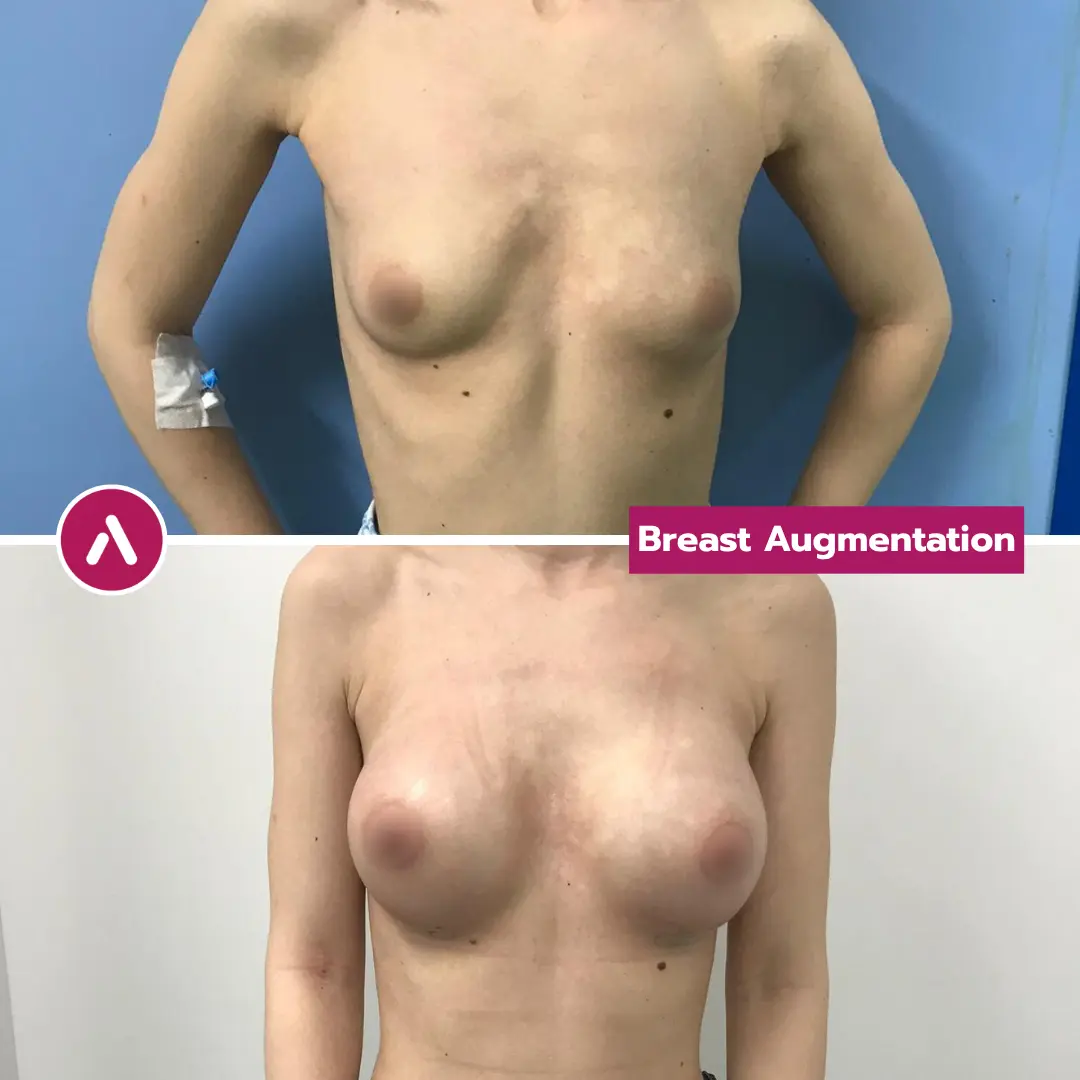
Look carefully at before-and-after examples and ask yourself a simple question: do these patients still look like themselves? A strong result should show harmony, balance, and freshness rather than a dramatic or fashionable template. This matters in facial procedures especially, where the most successful outcome is often the one other people notice without immediately identifying as surgery.
A surgeon-led clinic with a conservative, natural aesthetic approach is often a better fit for UK patients than a highly promotional provider focused on exaggerated transformations. One of the strongest signs of quality is a philosophy centred on refinement rather than reinvention.
Patient perspective: One UK patient described choosing Istanbul over previous UK treatment because she wanted subtle rejuvenation, transparent planning, and a smoother recovery experience rather than an overdone result.
That combination of specialist credentials, natural-looking outcomes, and structured support is what gives a clinic genuine credibility. It is also why the search for the best Turkish plastic surgery clinic should always begin with medical leadership, not marketing polish.
Assess the Clinic’s Medical Environment and Safety Standards
Once you are satisfied with the surgeon, the next step is to examine the system around them. A strong surgeon cannot compensate for a weak clinical environment. If you are trying to identify the best plastic surgery clinic in Istanbul, you should look beyond presentation and ask how the clinic manages hygiene, patient screening, anaesthesia planning, and escalation protocols. For British patients, this is where a clinic begins to feel like a private cosmetic clinic in Istanbul with British standards rather than a travel-led package provider.
What to ask about operating theatres, hygiene protocols and sterile practice
The operating theatre is where marketing language stops mattering. What matters instead is whether the clinic follows rigorous hygiene standards, maintains a sterile field, and applies consistent protocols to every case. A reputable provider should be able to explain how infection prevention is handled, how theatre preparation is managed, and what systems are in place to protect patients from avoidable complications.
When patients search for a JCI accredited plastic surgery clinic Turkey or an internationally accredited aesthetic clinic Turkey, they are usually trying to find proof that the clinic’s standards are not improvised. They want evidence of structure. Even if your treatment pathway involves multiple facilities, the clinic should explain clearly where surgery takes place, what hygiene rules apply, and how those standards are monitored in practice.
It is also reasonable to ask whether the clinic aligns itself with internationally recognised hygiene principles and whether the surgical team treats sterility as non-negotiable. A trustworthy provider should welcome these questions. If the answers remain vague, defensive, or overly promotional, keep looking.
| Question to ask | Why it matters |
|---|---|
| Where exactly will my operation be performed? | Confirms whether the procedure takes place in a suitable medical environment rather than an unclear or mixed-use setting |
| What hygiene and sterile theatre protocols do you follow? | Shows whether infection prevention is treated as a formal system |
| Who is responsible for my care on the day of surgery? | Clarifies whether the pathway is surgeon-led and medically accountable |
| What happens if my case is not suitable to proceed? | Reveals whether patient selection is responsible and safety-led |
How to evaluate hospital partnerships, patient screening and emergency planning
The best clinics do not accept every patient who enquires. They assess whether the person is medically suitable, whether expectations are realistic, and whether the procedure can be performed safely in the planned setting. That is a sign of professionalism, not inconvenience.
Ask what pre-operative tests are required, whether your medical history is reviewed in detail, and whether the clinic screens for factors such as smoking status, existing medical conditions, medication use, or previous surgical complications. A reputable clinic does not rush through this stage. It knows that good outcomes begin with good selection.
Emergency planning is another point many patients overlook. You may never need it, but responsible providers still plan for it. The clinic should be able to explain what happens if a patient needs a higher level of observation, what support network exists around the surgical pathway, and who remains clinically accountable throughout the process. In practical terms, this is one of the biggest differences between a serious medical provider and a sales-driven operator.
Why anaesthesia planning and case selection are key signs of a responsible clinic
British patients often focus on the visible part of surgery, but anaesthesia planning is just as important as the operation itself. A reliable clinic should explain why a particular anaesthesia approach is appropriate for your procedure, how it supports safety, and what recovery implications it has. This conversation should feel medical and personalised, not generic.
Case selection matters in exactly the same way. Not every procedure suits every patient, and not every patient is an appropriate candidate for the same treatment plan. Clinics that promise too much, too quickly, are often the ones least interested in patient safety. By contrast, reputable teams assess what can be achieved safely and may advise against combining too many procedures at once.
This is especially important for patients trying to decide between a glossy provider and the best Turkish plastic surgery clinic for their individual needs. The strongest clinics are not the ones that say yes to everything. They are the ones that use clinical judgement, explain their reasoning, and place patient welfare ahead of easy conversion.
A good sign: the clinic spends time deciding whether you are suitable, not just whether you are ready to pay.

Investigate Aftercare Before You Pay a Deposit
Many patients focus heavily on the day of surgery and not enough on the days and weeks afterwards. In reality, aftercare is often the clearest indicator of whether a clinic is built around patient welfare or simple transaction volume. If you are looking for the best plastic surgery clinic in Turkey, study the recovery pathway just as closely as the operation itself.
Why aftercare is the real test of a trustworthy plastic surgery clinic
The operation may last only a few hours, but recovery is where patients most need reassurance, structure, and access to advice. Swelling, bruising, dressings, sleep disruption, scar concerns, and anxiety about whether healing is “normal” are all common. A serious clinic anticipates those concerns before they happen and gives patients a clear roadmap for what comes next.
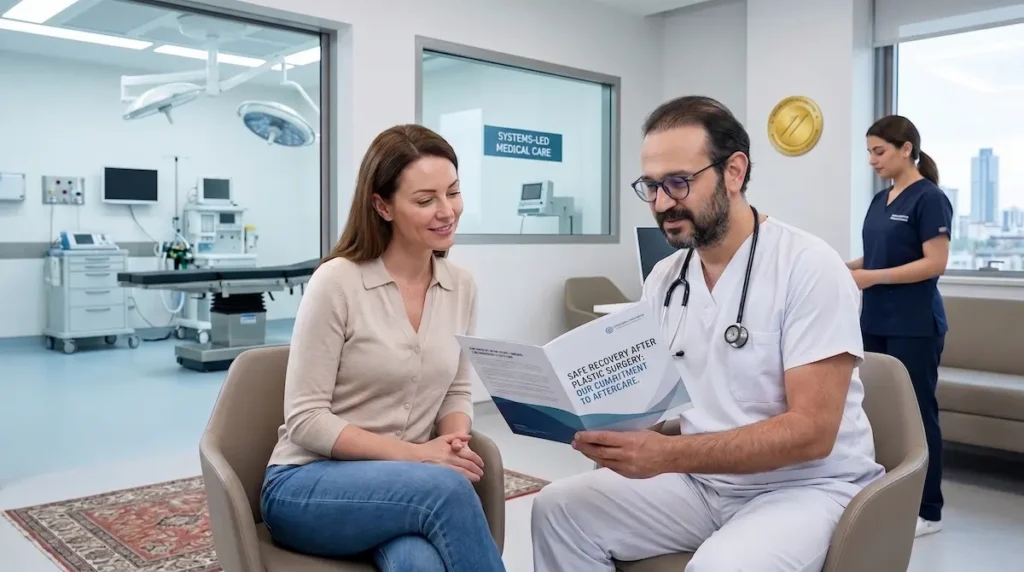
This matters even more for British patients travelling home after surgery. The quality of aftercare is not defined by a single discharge conversation. It is defined by whether the clinic remains available, responsive, and clinically useful once you are back in the UK. Patients searching for safe plastic surgery in Turkey for British patients are often really asking a simpler question: who will be there for me after I leave?
A good clinic should explain its follow-up structure in advance. You should know how check-ins are handled, what symptoms require urgent contact, how scar and swelling care are managed, and what support is available if something feels wrong after you return home.
What recovery support should look like for UK patients returning home
For UK patients, accessible communication is a major trust factor. Recovery feels more manageable when patients know they can reach the clinic easily, share photos when needed, and receive practical guidance without chasing for replies. This is why localised trust signals matter. A clinic that offers a UK-based line of communication or a clearly structured support route feels much more credible than one that disappears once the transfer back to the airport is complete.
When comparing providers, ask whether they offer ongoing contact through WhatsApp, how quickly clinical questions are answered, and whether there is a UK-facing patient contact point to reduce stress after travel. These details may sound administrative, but psychologically they are extremely important. For many patients, reassurance is not just about safety; it is about knowing they are not alone once they are home.
Real patient feedback often confirms this point. British patients consistently value clinics that make aftercare feel continuous rather than remote. That sense of continuity can be the deciding factor between a clinic that feels risky and one that feels genuinely dependable.
Patient perspective: One patient highlighted that having direct WhatsApp contact and a UK support route after returning home made the entire experience feel safer and far less isolating.
How HBOT, LLLT and structured follow-up can support healing and reduce anxiety
Advanced recovery support can also be a meaningful differentiator. When evaluating an ISO certified cosmetic clinic Turkey or an internationally accredited aesthetic clinic Turkey, do not look only at the operation. Ask what the clinic does to support healing afterwards. Recovery technologies and structured follow-up are often signs that the clinic takes the full patient journey seriously.
Two examples often discussed in modern recovery pathways are HBOT and LLLT. Hyperbaric Oxygen Therapy is used to help reduce post-operative oedema and support healing, which can be especially valuable for patients who want a smoother, more confidence-building early recovery period. Low-Level Laser Therapy is used to support scar healing and tissue recovery, helping patients feel that visible healing is being managed proactively rather than left to chance.
For British patients, this matters for both emotional and practical reasons. A better-supported recovery can reduce social downtime, make progress feel more predictable, and support the goal of becoming comfortably travel-ready. It also reinforces the impression of a clinic that thinks beyond surgery day and plans the full experience from consultation to return home.
| Aftercare feature | Why British patients value it |
|---|---|
| WhatsApp follow-up and responsive communication | Provides reassurance once the patient is back in the UK |
| Clear recovery milestones and warning signs | Reduces uncertainty and unnecessary panic |
| HBOT-supported recovery planning | Helps manage oedema and supports a smoother early healing phase |
| LLLT-based scar support | Shows that scar quality and long-term aesthetics are taken seriously |
If a clinic cannot explain its recovery philosophy with the same confidence it uses to describe the procedure, that is a concern. The best plastic surgery clinic Turkey candidates are the ones that see aftercare as part of treatment, not an optional extra.
Look for UK-Specific Trust Signals and Real Patient Proof
Once you have assessed the surgeon and the clinical environment, the next step is to look for trust signals that matter specifically to British patients. A clinic may look polished online, but real reassurance often comes from smaller details: the way credentials are explained, the clarity of communication, the availability of UK-facing support, and whether previous British patients describe the experience as safe, calm, and professionally managed. For many people researching the best plastic surgery clinic in Turkey, these signals are what turn vague interest into real confidence.
How to verify authentic reviews from British patients
Patient reviews are useful, but only when you read them critically. The goal is not to find endless praise. The goal is to identify whether the experience described feels real, specific, and medically coherent. Authentic reviews tend to mention details such as communication quality, recovery support, pain management, natural-looking results, and whether the clinic stayed responsive after the patient returned home.
British patients often trust peer experience because it answers practical questions that a brochure cannot. For example, one UK patient described choosing Istanbul after comparing the experience with treatment in the UK, noting that the recovery felt smoother and the result more naturally aligned with what she wanted. Another valued the reassurance of speaking to a previous UK patient before proceeding. These are not just emotional details; they are powerful trust markers because they reduce the fear of the unknown.
When reviewing testimonials, look for consistency. Do several British patients mention the same strengths, such as subtle results, clear planning, all-inclusive pricing in GBP, or dependable post-operative contact? If the same themes appear repeatedly, that is often more meaningful than a single dramatic review.
British patient insight: A recurring reason UK patients choose Istanbul is not simply lower cost, but the combination of natural-looking results, clearer planning, and more attentive aftercare than they expected.
Why UK support lines, WhatsApp access and a London correspondence address matter
For British patients, communication is part of safety. A clinic can have excellent surgeons and still feel difficult to trust if patients do not know how they will reach the team once they are back in the UK. This is why UK-facing support routes matter so much. A responsive WhatsApp channel, a dedicated UK line of communication, or a London correspondence address can significantly reduce the sense of distance that often makes overseas surgery feel risky.
These details are especially relevant to people searching for a private cosmetic clinic in Istanbul with British standards or a GMC registered surgeon alternative Turkey. What they usually want is not a literal copy of the UK system, but a clinic that understands how British patients think: they want accountability, easy access, and the psychological reassurance of knowing there is a clear route back to the medical team if questions arise.
In practical terms, good communication support can make recovery feel much safer. Patients are more likely to follow instructions properly, report symptoms promptly, and stay calm during normal healing if they know they will receive timely replies. That is one reason accessible aftercare is such an important trust signal.
What before-and-after results should reveal about consistency and natural outcomes
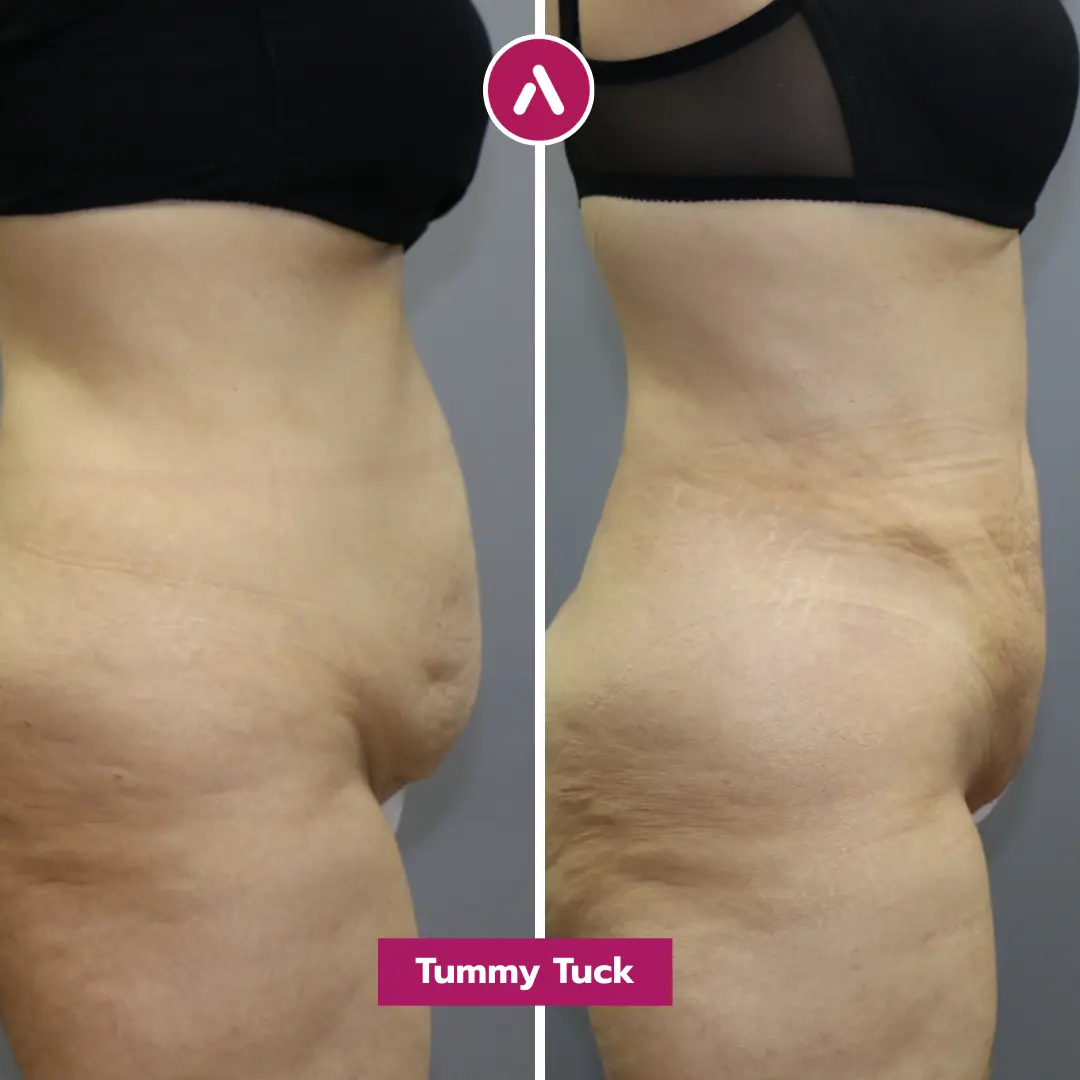
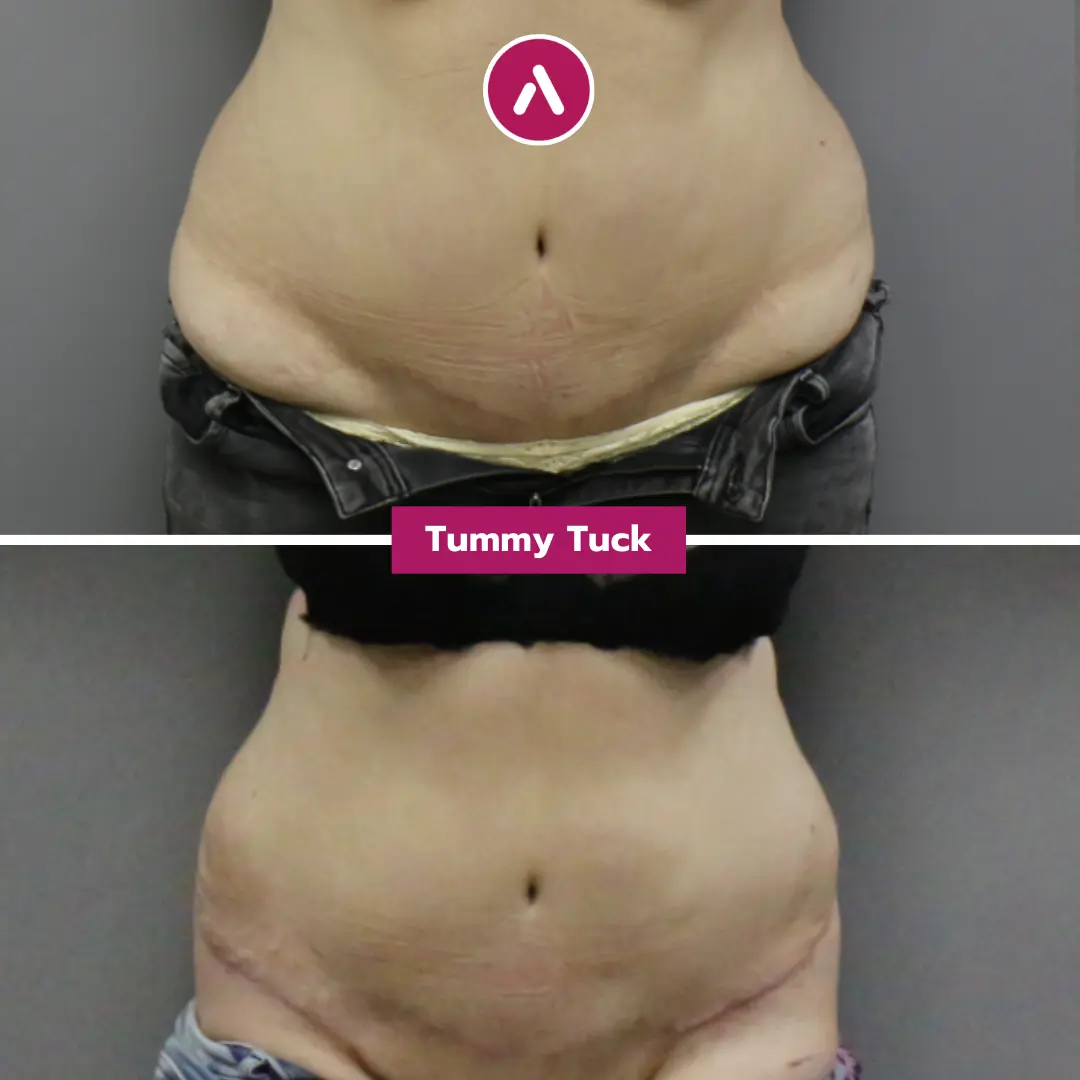
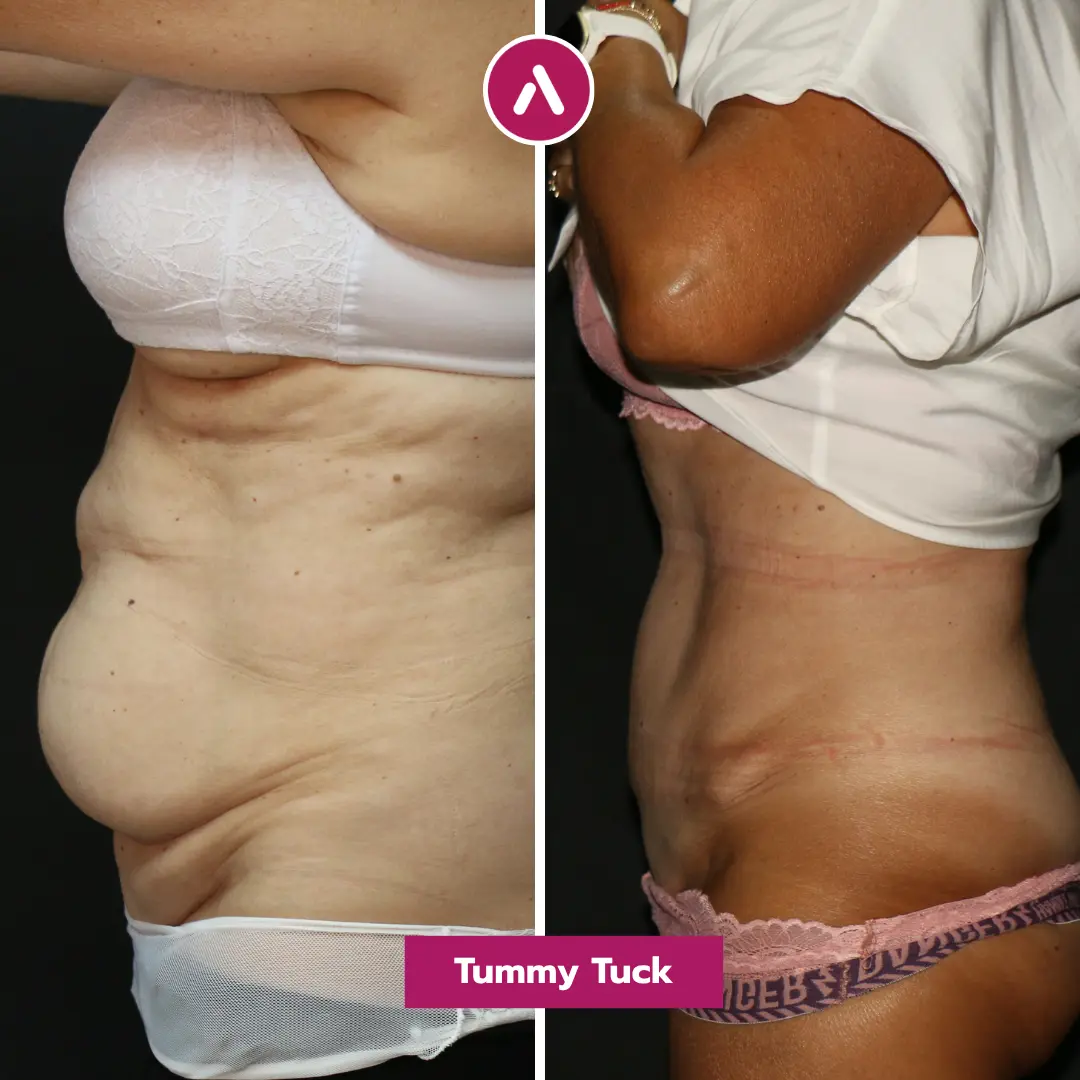
Before-and-after galleries should never be used as entertainment. They should be studied as evidence. Rather than asking which result looks most dramatic, ask whether the outcomes look balanced, proportionate, and consistently natural across multiple patients. The strongest clinics do not rely on one standout case. They show a pattern of careful surgical judgement.
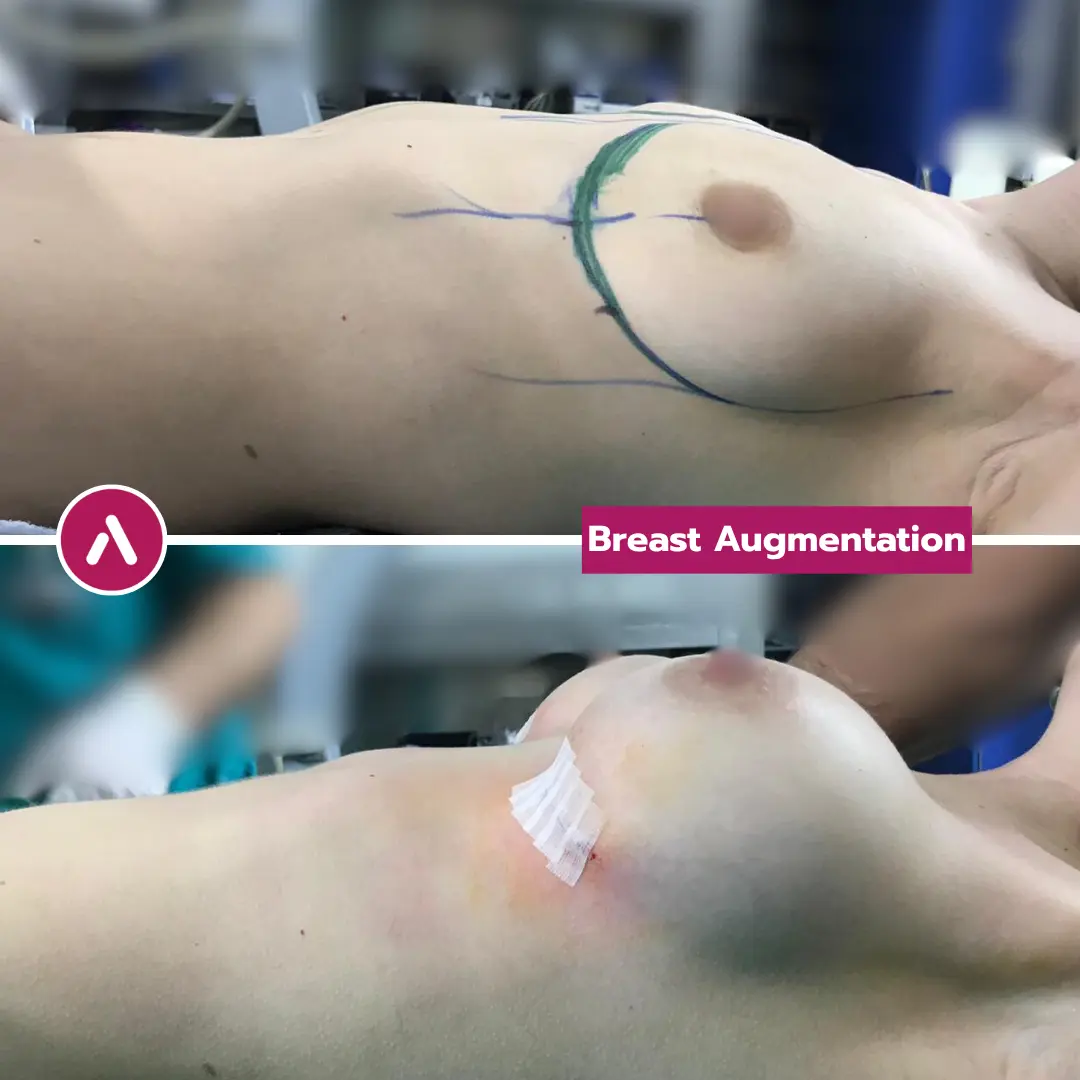
This matters particularly for British patients, who often prefer refinement to obvious transformation. A strong result should preserve identity while improving harmony. In facial work, that may mean looking fresher rather than tighter. In body procedures, it may mean a more proportionate silhouette rather than an exaggerated shape. When a clinic repeatedly demonstrates that kind of restraint, it suggests a thoughtful aesthetic philosophy rather than a trend-driven one.
If the gallery feels inconsistent, overly filtered, or focused only on extreme transformations, proceed with caution. The best Turkish plastic surgery clinic for a British patient is usually one that demonstrates reliable, tasteful results rather than maximum visual drama.
Compare the Full Patient Journey, Not Just the Price
It is entirely reasonable to compare costs between the UK and Turkey. However, price should never be assessed in isolation. A quote only becomes meaningful when you understand exactly what it includes, who is responsible for your care, and how the clinic supports you from consultation through recovery. If you are trying to identify the Turkey best plastic surgery clinic for your needs, compare the complete pathway, not just the headline figure.
What should be included in an all-inclusive quote in GBP
A well-structured quote should reduce uncertainty, not create it. British patients often appreciate all-inclusive pricing because it makes budgeting simpler and avoids the anxiety of hidden add-ons. That said, “all-inclusive” should always be defined clearly. You should know whether the quote covers consultations, blood tests, hospital or theatre fees, anaesthesia, surgeon fees, medication, garments, transfers, hotel stay, follow-up appointments, and any planned recovery support.
This is why pricing transparency in GBP matters. It allows UK patients to compare options more confidently and understand the true value of the package without constantly converting currencies. A clinic that is clear about what is included usually feels more trustworthy than one that advertises a low entry price and explains the real total later.
| Quoted element | What you should confirm |
|---|---|
| Surgeon and anaesthesia fees | Whether both are included in full and who is clinically responsible |
| Hospital or theatre use | Where the procedure takes place and what level of care is provided |
| Medication and garments | Whether post-operative essentials are covered or charged separately |
| Transfers and hotel | How many nights are included and whether the logistics are organised for you |
| Follow-up and aftercare | What happens after discharge and once you return to the UK |
How travel logistics, accommodation and transfers affect safety and comfort
Travel logistics may sound secondary compared with surgery, but they have a direct impact on stress, recovery, and overall patient experience. Smooth airport transfers, suitable accommodation, realistic scheduling, and practical guidance for the days before and after surgery all help reduce the strain of medical travel. For British patients, convenience is not a luxury add-on; it is part of feeling safe and well looked after.
A carefully organised pathway should make it easy to move from airport to hotel, hotel to clinic, and clinic to recovery setting without confusion. It should also allow enough time for assessment, surgery, post-operative observation, and appropriate advice before flying home. Clinics that take these logistics seriously often feel more medically mature because they understand that the experience surrounding surgery influences patient wellbeing just as much as the procedure itself.
This is one reason many patients searching for the best plastic surgery clinic in Istanbul end up paying close attention to how the clinic organises the full stay. A smooth, structured patient journey suggests the clinic has experience caring for international patients rather than simply selling procedures to them.
Which red flags suggest a clinic is acting like an agency rather than a medical provider
One of the most important distinctions in medical tourism is the difference between a clinic and an intermediary. Agencies may be helpful in some travel contexts, but cosmetic surgery decisions should never feel detached from medical accountability. If your main contact seems unable to answer clinical questions, avoids naming the surgeon early, or pushes for payment before proper assessment, those are serious warning signs.
Other red flags include identical treatment recommendations for every patient, pressure to combine too many procedures, unusually aggressive time-limited offers, and vague explanations about where surgery will occur. If the provider talks far more about luxury, influencers, or discounts than about the operating theatre, recovery plan, and surgeon credentials, that imbalance should concern you.
The best plastic surgery clinic Turkey candidates generally behave in the opposite way. They are transparent about the medical team, clear about the treatment setting, realistic about recovery, and calm rather than pushy in their communication.
Simple rule: if the sales process is clearer than the clinical process, you are probably not dealing with the right provider.

A Practical Checklist for Choosing the Right Clinic in Turkey
At this point, the research process becomes simpler. Once you know what to look for, the idea of the best plastic surgery clinic in Turkey becomes less about reputation and more about evidence. Use the checklist below as a practical filter when comparing clinics. It will not replace clinical consultation, but it will help you identify whether a provider deserves to move to the next stage of your consideration.
The 10-point checklist to use before booking a consultation
- Confirm the full name and credentials of the surgeon who would perform your procedure.
- Ask where the operation will take place and what standards govern the operating theatre.
- Request a clear explanation of the recommended procedure and why it suits your case.
- Check whether the clinic discusses risks honestly rather than dismissing them.
- Review before-and-after outcomes for consistency and natural-looking results.
- Read authentic British patient testimonials for themes around support and recovery.
- Ask for a written breakdown of the quote in GBP, including what is and is not covered.
- Clarify what aftercare looks like in Turkey and after you return to the UK.
- Find out how quickly you can reach the team through WhatsApp or another support route.
- Notice whether the clinic feels surgeon-led, medically organised, and never pressurised.
The most important questions to ask on your first call
Your first conversation with a clinic should not feel like a sales pitch. It should help you understand whether the provider is clinically appropriate, transparent, and experienced with British patients. Good questions include: Who is the surgeon for my case? What makes me a suitable candidate? Where will surgery happen? What is included in the quote? What does the recovery plan involve? What support will I have once I am back in the UK?
It is also worth asking how often the clinic treats British patients and what common concerns they hear from them. A provider experienced with the UK market will usually understand questions around natural-looking outcomes, aftercare accessibility, flight timing, and the need for reassurance after returning home.
When to walk away and continue researching
You should step back from any clinic that makes you feel rushed, confused, or unable to verify basic information. Walking away is sensible if the surgeon remains unclear, if the quote is vague, if the recovery pathway seems improvised, or if the answers feel overly polished but medically thin. Uncertainty is not something to ignore in cosmetic surgery; it is often a signal that more due diligence is needed.
By contrast, the right clinic tends to create calm. You understand who will treat you, where your procedure will happen, how recovery is managed, and how the team will support you afterwards. That is the difference between a clinic that is merely visible online and one that genuinely deserves to be considered the best plastic surgery clinic Turkey option for a British patient.
Frequently Asked Questions (FAQ): Best Plastic Surgery Clinic Turkey
Below are some of the most common questions British patients ask when trying to choose the right clinic in Turkey. The answers are intentionally concise, but each one reflects the same principle: the safest choice is the clinic that can provide evidence, structure, and dependable support rather than vague reassurance.
How do I know if a plastic surgery clinic in Turkey is genuinely safe?
What qualifications should I look for in a Turkish plastic surgeon?
Is it safer to choose a clinic that works in a hospital setting?
Are all-inclusive packages a good idea for UK patients?
What kind of aftercare should I expect once I return to the UK?
How can I compare Harley Street and Istanbul clinics fairly?
What are the biggest red flags when choosing a plastic surgery clinic in Turkey?
Medical Disclaimer: This page is provided for general educational purposes only and does not replace a face-to-face medical consultation, diagnosis, or personalised treatment plan. All surgery carries risks and outcomes vary between individuals. Suitability for plastic surgery, procedure selection, and anaesthesia choice can only be determined after a full clinical assessment by a qualified surgeon. Always follow your clinician’s instructions and seek urgent medical attention if you develop concerning symptoms during recovery.