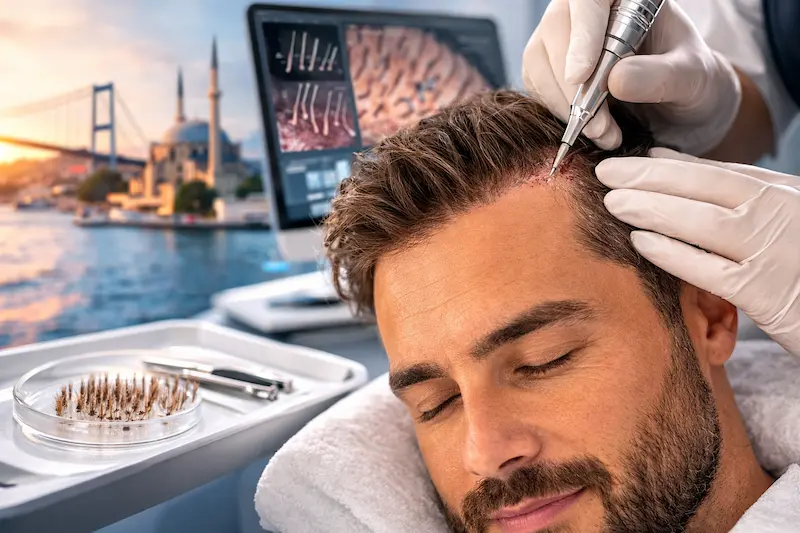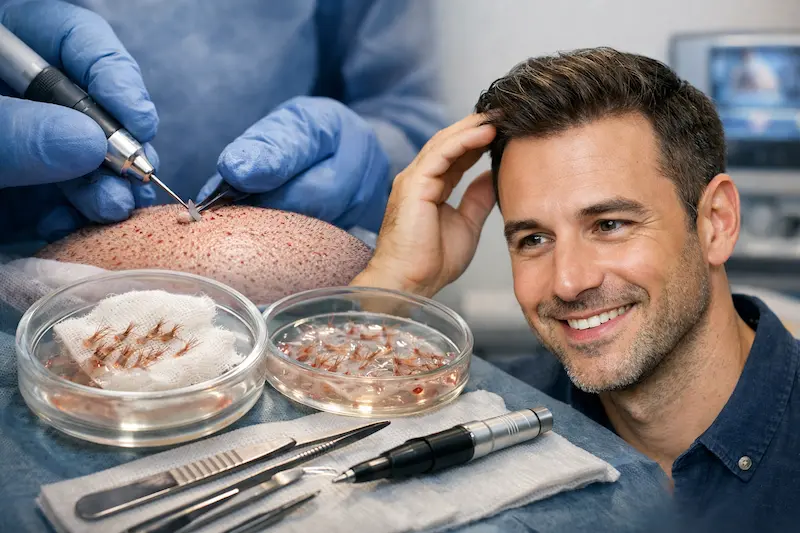
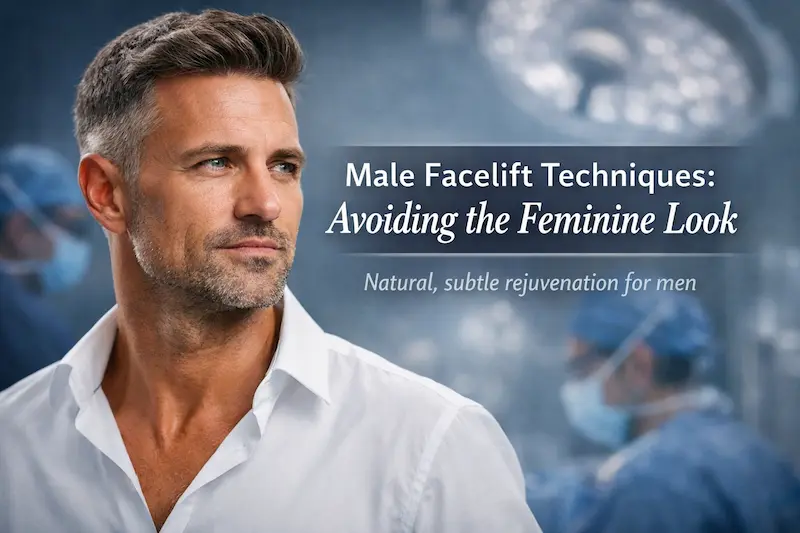
For many men researching male facelift techniques, the real concern is not simply looking younger. It is looking younger without looking altered. British male patients often want to appear fresher, less tired, and better defined, while still keeping the facial traits that read as masculine: a firm jawline, a natural neck angle, stable sideburn position, and a face that does not look over-tightened. In other words, the goal is not transformation. The goal is subtle facial rejuvenation for men.
That is why discussions around the latest male facelift techniques and the best male facelift techniques must go beyond marketing language. The important question is not which technique sounds the most advanced on paper, but which approach respects male anatomy, ageing patterns, and skin characteristics. Modern facial surgery increasingly reflects this principle, combining clinical judgement, precise tissue handling, and a more evidence-led understanding of how men age. In both aesthetic practice and medical science, the direction of travel is clear: the most convincing result is one that looks natural in motion, not merely tight in a photograph.
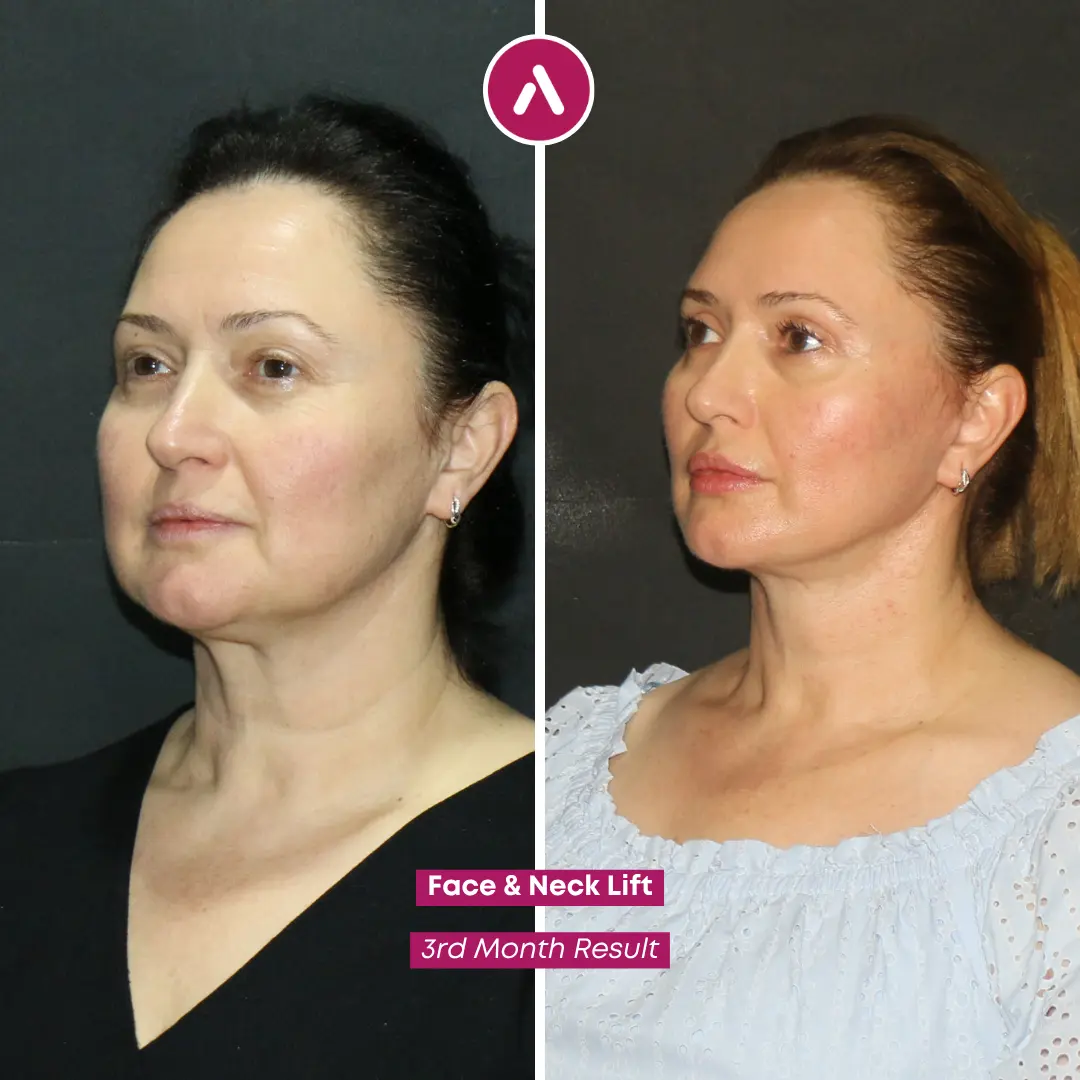
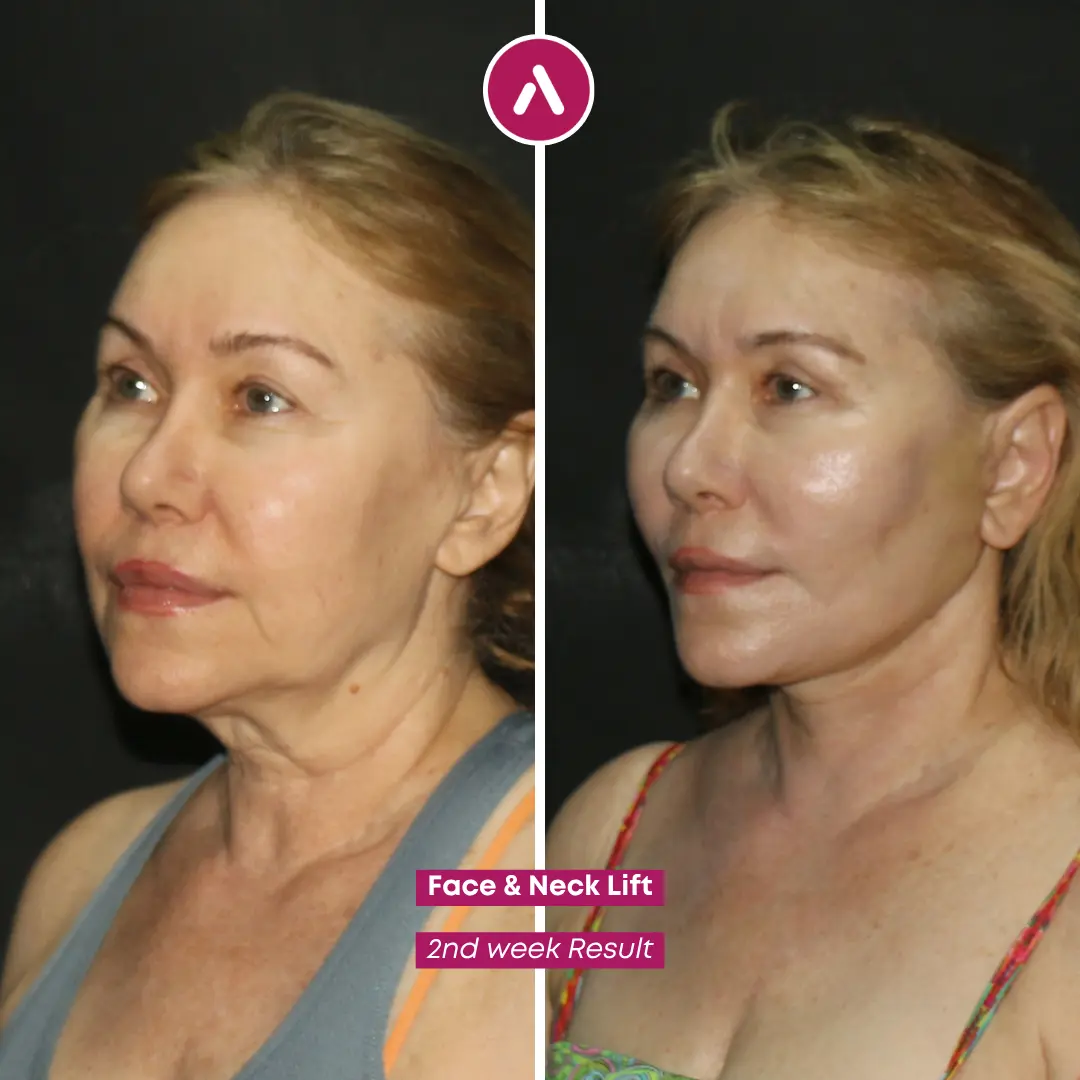
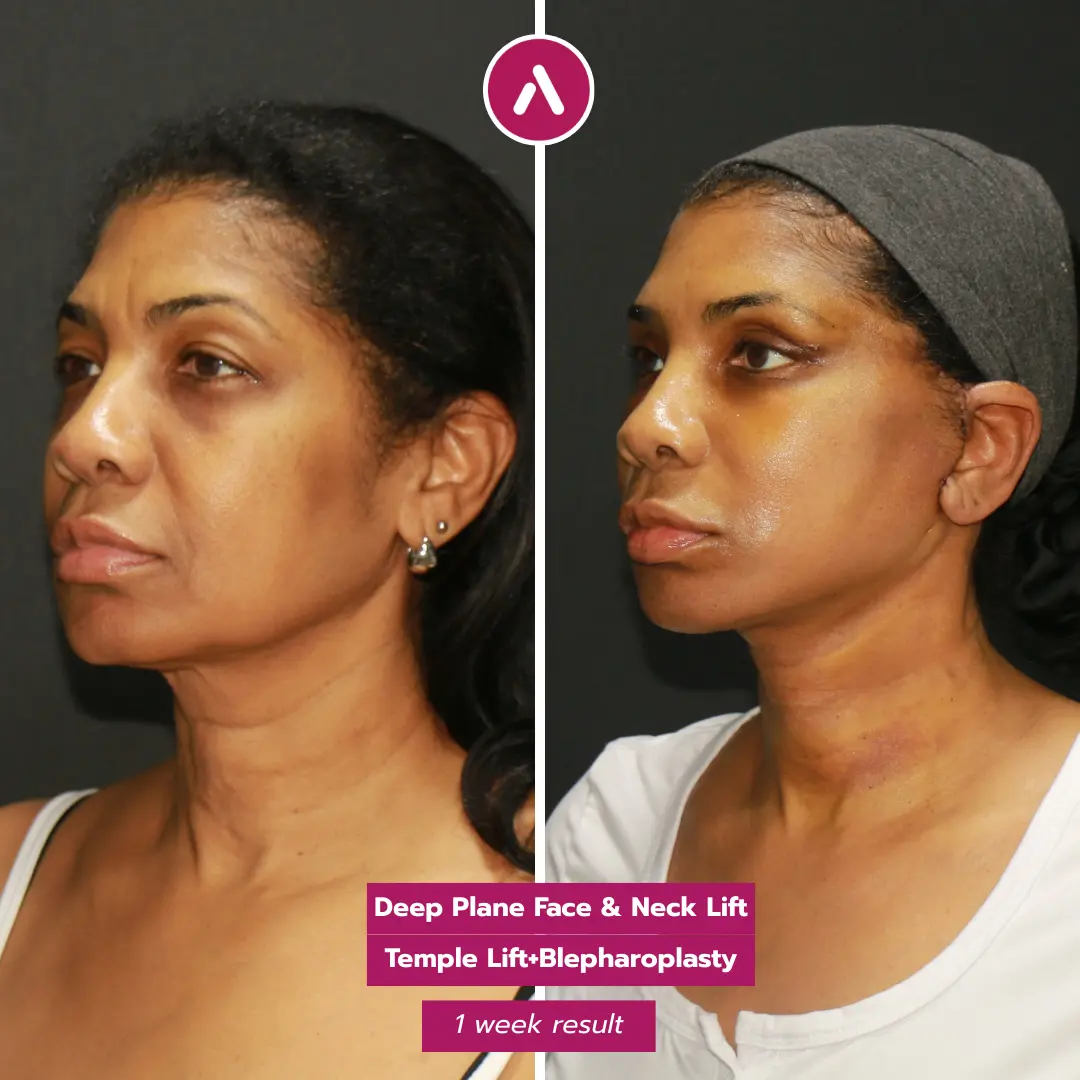
For UK patients in particular, there is a strong preference for results that look understated rather than obvious. Many do not want the “done” appearance sometimes associated with older facelift methods. They are looking for modern male facelift techniques that restore structure, improve definition, and reduce jowling, while preserving masculine facial features. This is also why avoiding feminisation in male facelifts has become such a central topic in consultation rooms.
In this guide, we will look at the male-specific principles behind successful facelift planning, why some operations produce an unintentionally softer or more feminine look, and which male facelift surgical techniques are better suited to maintaining a strong, believable male result.
Consultant-led philosophy: the most successful male facelift is not about making a man look different. It is about making him look more rested, more defined, and more like himself.
Table of Contents
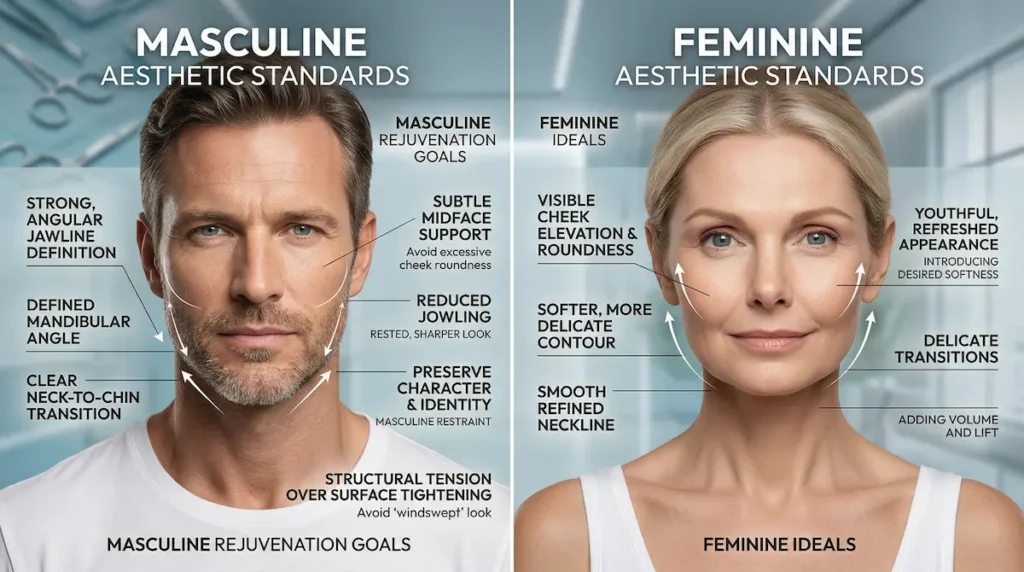
Masculine vs. Feminine Aesthetic Standards
Any serious discussion of male facelift techniques must begin with one basic truth: male and female facial rejuvenation are not planned in exactly the same way. Although both men and women may want smoother contours and reduced sagging, the aesthetic target is different. In women, a softer contour, more visible cheek elevation, and delicate transitions can be desirable. In men, the opposite is often true. A successful result usually depends on maintaining angularity, restraint, and facial balance rather than introducing softness or excessive lift.
Men researching facial rejuvenation as part of a broader daddy makeover Turkey journey often discover that facial surgery follows a different set of priorities from body contouring or hair restoration. In the face, even small changes can alter identity quickly, which is why male facelift planning must be especially disciplined. The aim is not simply to look younger, but to look sharper, more rested, and unmistakably masculine.
This is where many poor outcomes begin. When a male facelift is planned using generic principles rather than male-specific ones, the face can start to lose its original character. The cheeks may appear too elevated, the jaw may look less defined, or the skin may seem too taut. Good surgery respects the fact that men often want rejuvenation without any obvious change in identity. That is the foundation of preserving masculine facial features.
Preserving a Strong, Angular Jawline Rather Than Creating Soft Contours
One of the clearest markers of a masculine face is the lower third: the jawline, the mandibular angle, and the neck-to-chin transition. In male facelift planning, these structures usually matter more than creating prominent cheek roundness or a visibly lifted midface. A strong result should sharpen what age has blurred, not replace it with a softer contour that feels aesthetically out of place on a male face.
This is why preserving masculine jawline surgery is such an important concept. In practical terms, this means addressing jowling and neck laxity in a way that restores edge definition. It also means being careful not to overemphasise the upper cheek. Too much lift in the wrong vector can create an imbalanced look where the midface appears overly elevated while the jaw loses authority.
Surgeons who understand male facial aesthetics generally assess:
- how much jawline definition has been lost through jowls and tissue descent,
- whether the neck has become blunted or heavy,
- how much correction is needed without making the face appear sculpted in a feminine way.
| Feature | Masculine Rejuvenation Goal | What to Avoid |
|---|---|---|
| Jawline | Sharper, cleaner definition | Rounded or softened lower-face contour |
| Cheek area | Subtle support, not visible over-lift | High, overly prominent cheek fullness |
| Neck angle | Clearer chin-to-neck transition | Tight but unnatural surface tension |
| Overall impression | Rested, stronger, more defined | “Pulled”, theatrical, or feminised appearance |
Why Male Facial Ageing Requires a Different Rejuvenation Strategy
Men do not simply age as “women with facial hair”. The pattern is different. Male skin is often thicker, the lower face may be heavier, and the neck can become a major concern earlier than many patients expect. In addition, men may tolerate less visible change before a result starts to feel inauthentic. A woman may welcome a more obvious cheek lift; many men will not.
From the perspective of scientific research and modern surgical planning, this is why male facelift design is increasingly treated as its own category rather than a variation of a standard facelift. The surgeon must consider not only what has descended, but what gives the face its masculine identity. This includes facial width, lower-face weight, sideburn position, beard-bearing skin, and the visual importance of a straight, confident jawline.
In other words, the best approach is rarely the one that lifts the most. It is the one that restores the right structures in the right direction and in the right amount. That is a defining principle behind the best male facelift techniques.
Avoiding the “Over-Pulled” or “Windswept” Look in Men
The “windswept” look is one of the results men fear most. It happens when skin tension is too visible, when lift direction is too lateral, or when deep support is inadequate and the surgeon relies too heavily on surface tightening. The face may technically look tighter, but it no longer looks normal. This can be especially problematic in men because even minor exaggeration tends to read as artificial very quickly.
A natural male facelift should not advertise itself. Friends or colleagues may notice that a man looks healthier, fitter, or less tired, but they should not immediately think “facelift”. That is why avoiding feminisation in male facelifts is not merely about avoiding a female aesthetic. It is also about avoiding any result that looks obviously surgical.
Well-executed male facelift surgical techniques aim to reduce laxity while preserving normal facial behaviour. The face should still look believable when speaking, smiling, or turning in profile. Tension should be structural rather than superficial, and the final appearance should feel calm rather than stretched.
Why Male Facelift Planning Must Be Different
Once the aesthetic target is understood, the next issue is planning. Male facelift surgery is not only different because men want a different result. It is also different because the anatomy creates different technical challenges. Incision placement, skin redraping, beard distribution, and neck management all require a male-specific strategy. This is where many of the latest male facelift techniques show their value: not by chasing trends, but by enabling more precise, anatomy-led correction.
For British patients comparing options, this detail matters. A clinic may advertise modern surgery, but unless the planning reflects male facial structure, the result can still miss the mark. The safest way to judge quality is to ask whether the technique supports natural movement, scar discretion, and a masculine final contour rather than a generic “tightened” look.
Beard-Bearing Skin, Sideburn Position, and Incision Design
One of the most overlooked issues in male facelift surgery is hair-bearing skin. Men usually have beard growth patterns and sideburn landmarks that must be respected. If incision planning is careless, the sideburn can shift unnaturally, beard-bearing skin can be displaced, or the scar can become more noticeable because it interrupts normal male grooming zones.
This is why incision design in men is not a minor detail. It is part of the aesthetic outcome. A natural result depends not only on tissue repositioning but also on preserving recognisable male landmarks. The sideburn should not suddenly look too high, too far back, or oddly shaped after surgery.
In experienced hands, incision strategy is tailored to:
- hide scars along natural transitions where possible,
- avoid obvious distortion of the sideburn,
- respect beard-bearing skin so shaving patterns remain natural.
These details may sound small, but they heavily influence whether the result looks refined or obviously surgical.
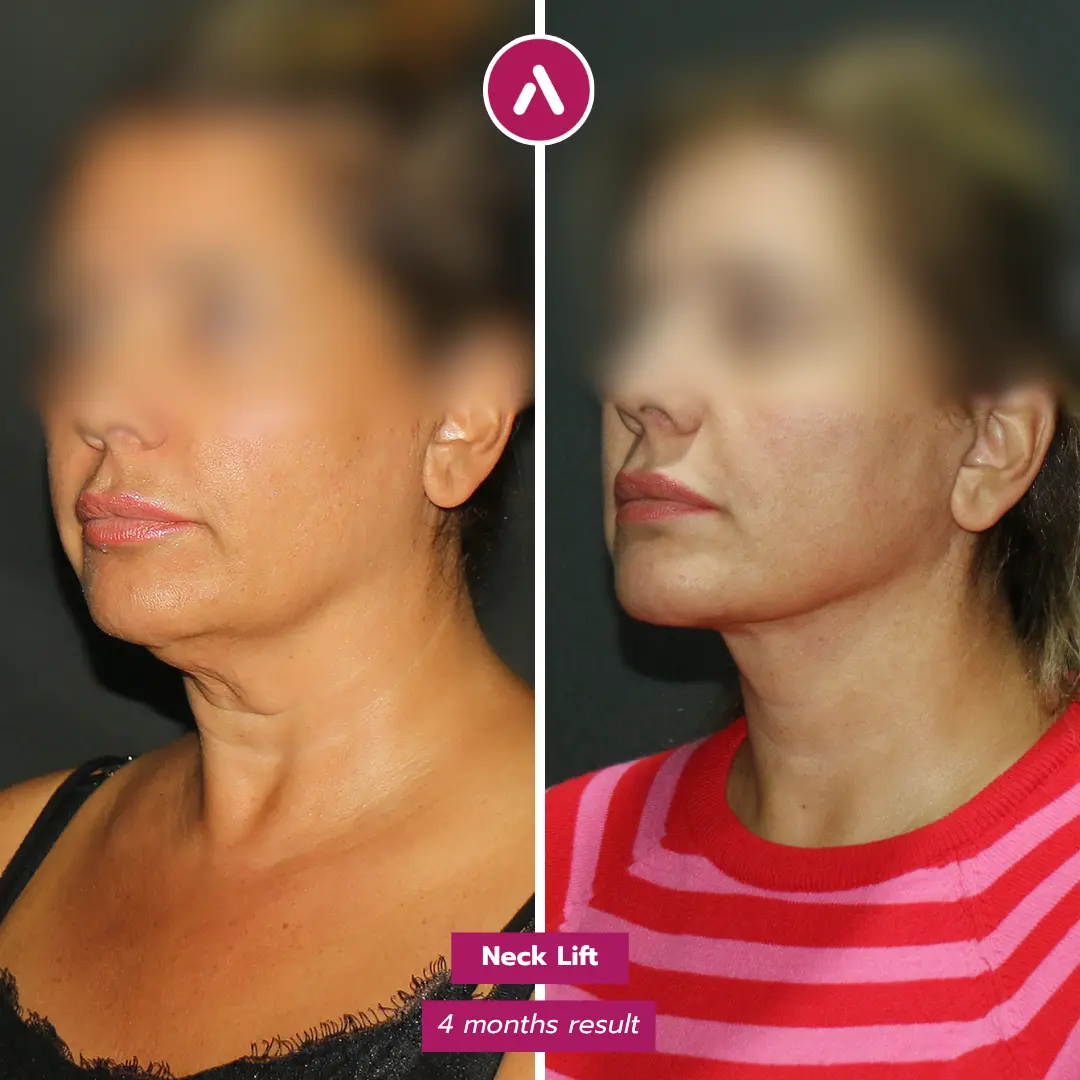
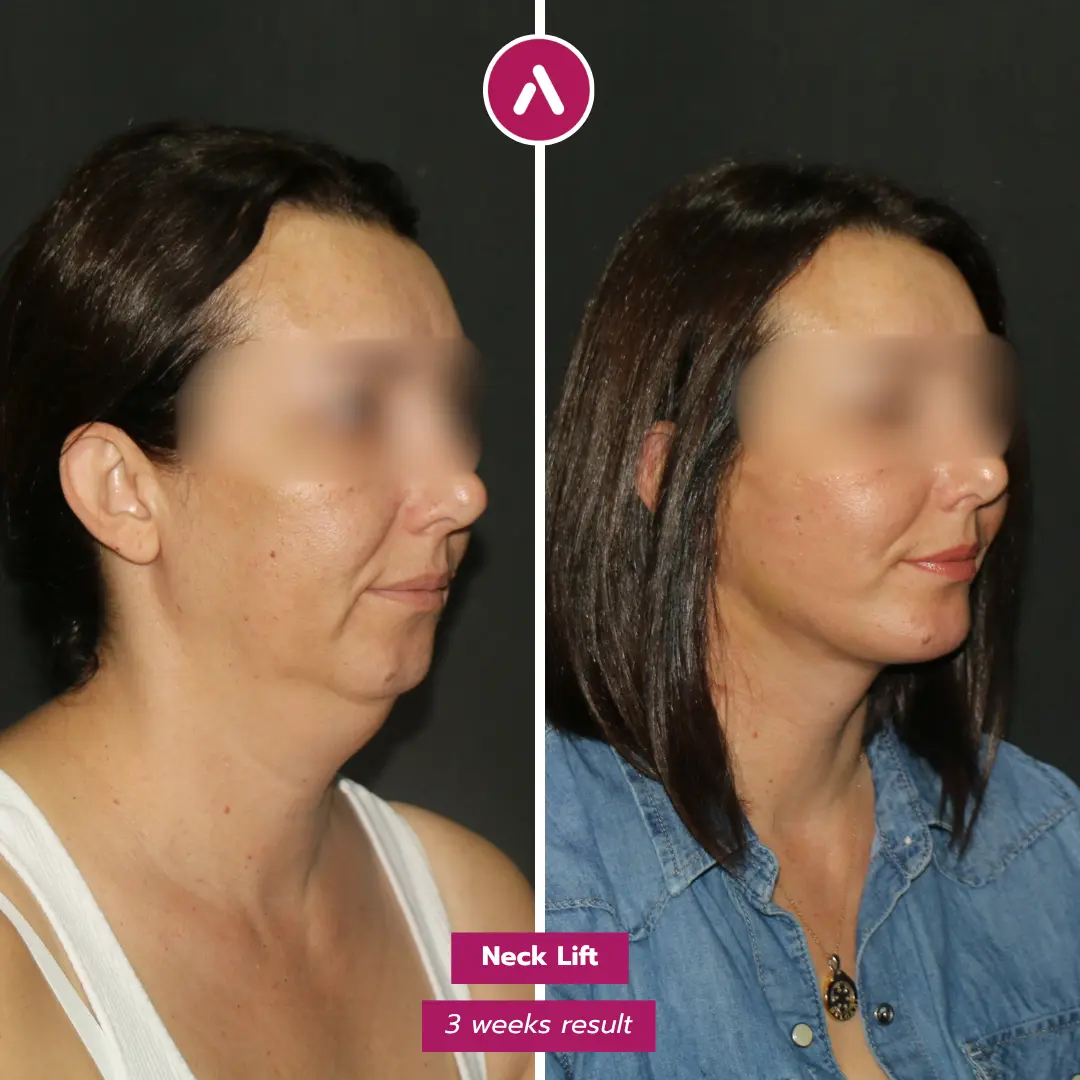
Heavier Lower-Face Tissues and the Importance of Neck Definition
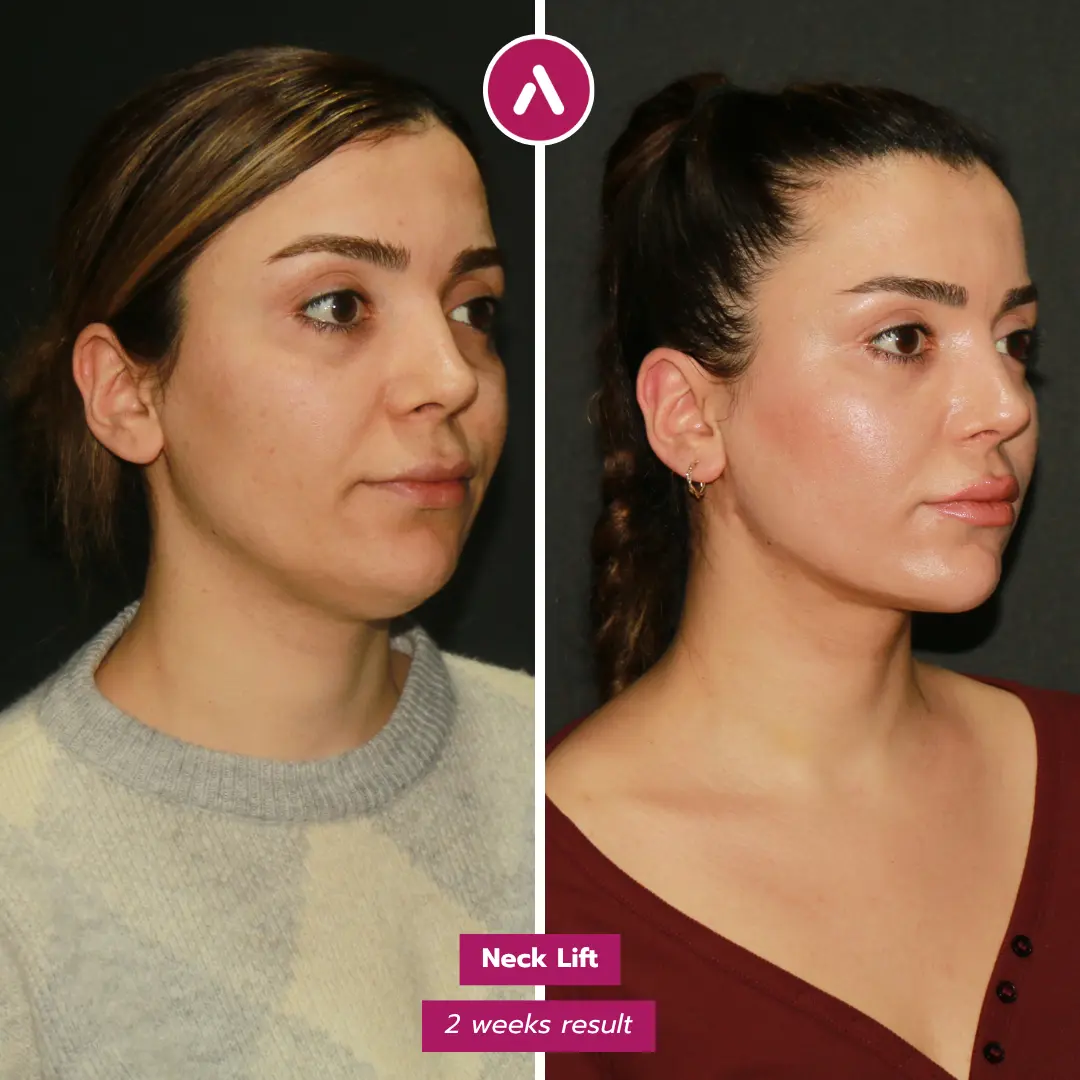
Many male patients are less concerned about the midface than they are about jowls, lower-face heaviness, and a thickened neck profile. This makes lower-face planning especially important. A man may still look tired or older than he feels, even if the cheeks are acceptable, simply because the jawline has lost its edge.
That is why strong male facelift planning pays close attention to neck definition. The aim is not to create a delicate or sharply sculpted neck in an artificial way. It is to restore a cleaner line from jaw to neck, reduce sagging that obscures the lower face, and improve profile balance. For many men, this produces a more convincing and masculine rejuvenation than focusing too heavily on the upper face.
Among the modern male facelift techniques used today, the best outcomes generally come from approaches that treat the lower face and neck as a structural unit rather than as separate cosmetic zones.
Respecting Male Facial Proportions for a Subtle, Natural Result
The male face tends to tolerate subtlety better than obvious change. That is why proportion matters so much. Good male facelift surgery does not chase dramatic transformation. It restores continuity between the cheek, jaw, and neck while keeping the original character of the face intact.
This principle also matters for men considering facial rejuvenation within a wider daddy makeover Turkey plan. While body and hair procedures may improve overall confidence, facial surgery remains the most identity-sensitive element. For that reason, preserving proportion is essential: the result should refine how the face has aged, not change the way a man’s features are recognised.
This is also where consultant-led judgement becomes essential. In facial aesthetics, technical skill must be matched by restraint. A surgeon who understands male proportions knows when to stop. The aim is not to erase every sign of age, because an overly corrected male face can look less credible than a mildly aged one. The aim is to make the patient look stronger, fresher, and more self-assured without changing how he reads socially.
For UK patients seeking subtle facial rejuvenation for men, this often aligns with a more conservative and sophisticated aesthetic preference. The best result is usually the one that makes people say, “You look well,” rather than, “What have you had done?”
Which Male Facelift Techniques Help Preserve Masculinity?
Once male anatomy and aesthetic priorities are clear, the next question is technical: which approaches are most helpful for maintaining a masculine result? There is no single operation that suits every patient, but there are clear principles. Techniques that work at a deeper structural level generally offer more control than those relying mainly on skin tension. For men, that control matters because the surgery must rejuvenate the face without flattening its character or softening its definition.
When people search for the best male facelift techniques, they are often really asking a more precise question: which method is least likely to make me look pulled, artificial, or feminised? The answer depends on the patient’s anatomy, skin quality, lower-face heaviness, and degree of neck ageing, but the surgical philosophy should always favour structure over surface.
Deep Plane vs SMAS: Which Technique Better Supports Natural Male Results?
Two of the most discussed approaches in facelift surgery are SMAS-based lifting and deep plane surgery. Both can be valid in the right hands and for the right candidate. However, the reason deep plane surgery is often highlighted in discussions about male facelift techniques is that it works at a deeper level of facial support rather than depending mainly on skin pull.
In simple terms, this may allow tissues to be repositioned in a way that looks more natural and less forced. For male patients, that can be particularly valuable. The less the result relies on visible skin tension, the lower the risk of an over-tight or windswept appearance. At the same time, deep plane surgery is technically demanding, which is why surgeon judgement and experience remain central.
The clinical question is never “Which technique is fashionable?” but “Which technique best fits this male face?” That is the standard a serious consultation should follow.
The Correct Vector of Lift for Men: Rejuvenation Without Feminisation
Vector matters. The direction in which facial tissues are repositioned has a major influence on whether the result looks masculine, natural, and balanced. In men, an excessively lateral or exaggerated lift can distort normal landmarks and create the impression that the face has been dragged sideways. This is one reason poor technique can lead to a feminised or theatrical outcome.
By contrast, well-planned male facelift surgical techniques use vectors that support the lower face and neck without creating visual strain. The objective is rejuvenation without obvious redesign. This is a subtle point, but it is one of the main differences between an average male facelift and a convincing one.
For patients specifically focused on avoiding feminisation in male facelifts, vector planning is one of the most important topics to discuss during consultation.
Why Skin-Only Tightening Often Creates an Unnatural Appearance
Older or less sophisticated facelift approaches may depend too heavily on tightening the skin alone. While this can create a temporary impression of firmness, it often fails to address the deeper structures that have descended with age. The result can appear flat, tight, or oddly artificial, particularly in men whose faces need stronger lower-face support rather than simple surface tension.
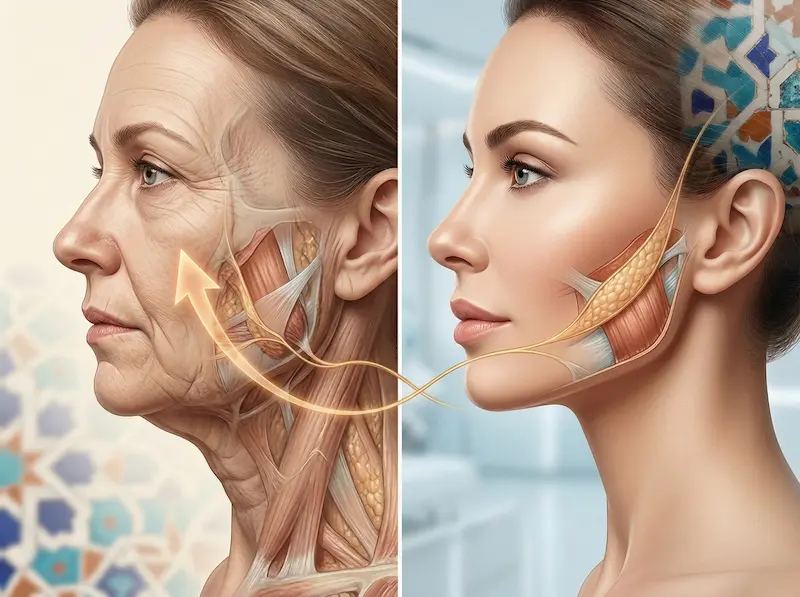
This is where the language of science becomes useful. The visible signs of ageing are not only skin-deep. Descent affects multiple layers. That is why more advanced, structure-conscious methods are generally better at delivering natural movement and more stable contour. A male face that has been restored from within tends to look more believable than one that has merely been stretched from outside.
For that reason, many of the latest male facelift techniques focus less on aggressive tightening and more on anatomical repositioning. In practical terms, this is one of the strongest safeguards for preserving masculine facial features.
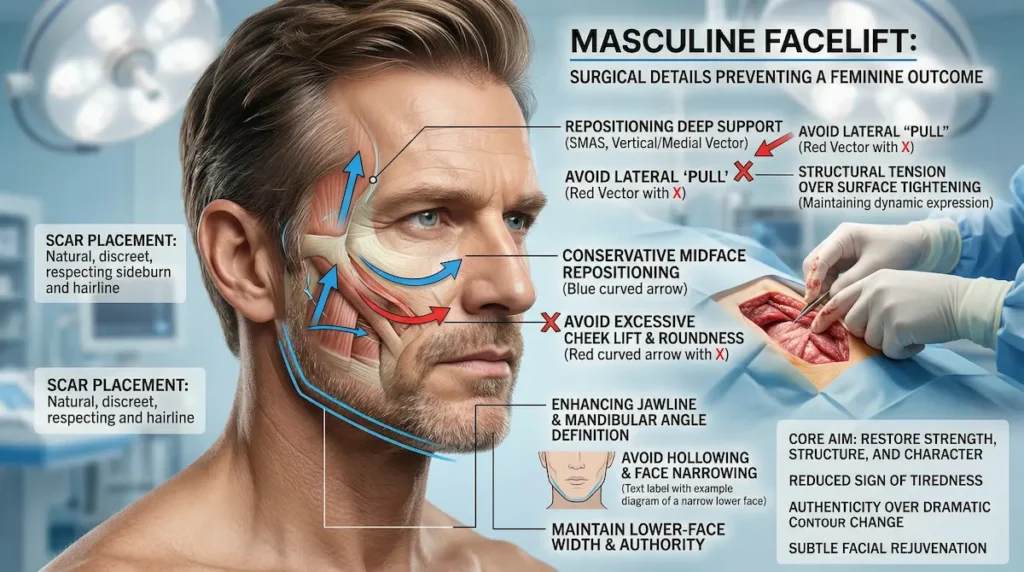
Surgical Details That Prevent a Feminine Outcome
Even when the right operation is chosen, the final result still depends on how that operation is executed. This is where the finer details of male facelift surgical techniques become decisive. A masculine result is not protected by the procedure name alone. It is protected by planning, tissue handling, vector control, scar placement, and an understanding of how small changes can alter the whole character of a male face. For men, the surgical aim is not to create delicacy. It is to restore strength, structure, and a more rested appearance without visible theatricality.
In practical terms, this means the surgeon must avoid the common technical errors that produce a feminised look: excessive cheek lift, over-tightened skin, loss of lower-face definition, or hollowing that makes the face seem narrower and less grounded. The most reliable modern male facelift techniques are careful, structured, and conservative in the best sense of the word.
Restoring Structure Instead of Over-Tightening the Surface
The face does not age in a single layer. Skin quality changes, yes, but support structures also descend. If the surgeon focuses mainly on the outer layer, the result can look visibly tightened yet strangely unconvincing. This is especially unhelpful in men, because the male face often looks best when rejuvenation is structural rather than superficial.
That is why the more sophisticated end of male facelift techniques prioritises repositioning deep support rather than simply pulling the skin tighter. A face restored at the correct level tends to retain normal expression, natural movement, and a believable contour. A face tightened only at the surface often looks flat or tense.
For the male patient, this distinction matters because authenticity matters. The goal is not to remove every trace of age. It is to reduce the signs that make the face look tired or heavy, while preserving the features that still look recognisably male.
Maintaining a Strong Neck-Jawline Transition in Male Patients
For many men, the most important visual change in ageing is not the cheek. It is the blurring of the jawline and the loss of a clear neck angle. Jowls, lower-face heaviness, and a thicker neck profile can make even fit, healthy men look older and more fatigued than they feel. This is why preserving masculine jawline surgery is not just about aesthetics. It is central to how the result is perceived.
A strong male facelift should therefore support the lower face and neck together. The chin-to-neck transition should look cleaner, but not artificially carved. The jaw should look firmer, but not narrowed. The neck should appear refreshed, but not so tight that it creates an operated look.
When this lower-face strategy is neglected, the operation may still appear “successful” in a general sense, yet fail to deliver a convincingly masculine result. In men, lower-face authority is often more important than upper-face lift.
Avoiding Hollowing, Over-Cheek Lift, and an Artificial Midface Shape
Another common reason some male facelifts look feminine is overcorrection in the midface. If the cheek is lifted too high, rounded too much, or made too prominent, the face can lose the flatter, stronger geometry many men wish to preserve. Equally, too much reduction in facial fullness can create hollowing, which may age the face in a different way and reduce its natural male balance.
Subtlety is the safeguard. The best outcomes in subtle facial rejuvenation for men come from restoring continuity rather than chasing dramatic contour change. The cheek should support the lower eyelid and midface naturally, not dominate the face. The lower face should look cleaner, not narrower. The neck should look stronger, not strained.
This balanced approach is one of the clearest differences between generic facelift planning and truly male-specific surgery.
The Consultant-Led Approach for UK Men Seeking Natural Results
For British men considering facial surgery abroad, technical details matter, but so does who is making the decisions. A consultant-led pathway is particularly important in male facelift surgery because the margin for aesthetic error is narrow. Men often want an understated result, and understated work is usually harder to execute well than more obvious change. It requires judgement, restraint, and a precise understanding of masculine facial aesthetics.
This becomes even more relevant for men exploring facial rejuvenation as part of a wider daddy makeover Turkey plan. While combined procedures can be appealing from a convenience and recovery perspective, the face should never be approached with a one-size-fits-all mindset. A consultant-led assessment helps ensure that masculine balance, surgical restraint, and natural-looking results remain the priority throughout the treatment plan.
This is why many UK patients look beyond glossy marketing and ask more serious questions: Who actually performs the operation? Who plans the vectors of lift? Who decides how much correction is enough? These are the right questions, because even the best male facelift techniques can look poor in the wrong hands.
Why Surgeon Experience Matters More in Male Facelift Surgery
Male facelift surgery is not a beginner’s procedure. The technical issues are more specific, the aesthetic target is less forgiving, and errors become visible quickly. A surgeon may be perfectly competent in general facial rejuvenation and still struggle to produce convincing male outcomes if he or she does not understand male proportions, beard-bearing skin, sideburn preservation, and lower-face balance.
For this reason, men should look for consistency rather than isolated impressive photographs. A surgeon with real experience in male facial rejuvenation should be able to show repeated examples of patients who look refreshed, stronger, and more defined without looking altered. This is one of the clearest signs that the clinic understands avoiding feminisation in male facelifts as a technical principle, not just a marketing phrase.
UK Board-Certified Equivalent Surgeons and What That Means for British Patients
For UK patients, trust is often built through familiarity with standards. Terms such as credentials, board equivalence, and specialist fellowship matter because they help patients compare international care more intelligently. When a clinic describes its surgeons as UK board-certified equivalent or highlights recognised European board-level qualifications, that is intended to answer a very specific British concern: how do I judge overseas expertise in terms I understand?
At AKM Clinic, this consultant-led model is part of the appeal for UK patients seeking natural-looking results rather than overt change. The emphasis is on experienced facial surgery, patient selection, and a measured surgical philosophy, rather than on volume-driven cosmetic sales language. For men concerned about looking too altered, that distinction is important.
Rejuvenation, Not Alteration: The Philosophy Behind Subtle Male Results
The strongest male facelift outcomes tend to come from a simple but disciplined philosophy: rejuvenation, not alteration. This means the operation should refresh the face you already have, not redesign it into a different aesthetic category. The most successful result is usually one that restores confidence quietly.
This philosophy also reflects the direction of medical science in facial aesthetics. Patients increasingly value natural movement, believable contour, and identity preservation over obvious “lifted” results. For men in particular, the operation should reduce tiredness, jowling, and heaviness while protecting the features that make the face look masculine and familiar.
UK patient perspective: many British patients are not looking for a dramatic reveal. They want colleagues and friends to notice that they look well, not to notice that they have had surgery.
Recovery Timeline for the UK City Professional
One of the most important practical questions for British male patients is not only how the result will look, but how recovery will fit into work, travel, and normal life. Executives, consultants, business owners, and city professionals often want to know when they may feel comfortable flying, returning to online meetings, going back into the office, or being seen socially. This is where recovery planning becomes just as important as surgical planning.
In many cases, the attraction of the latest male facelift techniques is not only aesthetic. It is also logistical. Men often favour procedures and recovery pathways that reduce disruption, minimise visible signs of surgery, and support a more predictable return to routine.
Twilight Anaesthesia and the Appeal of an “Awake” Facelift Approach
For some patients, one of the biggest attractions of a modern facial procedure is the possibility of having surgery under Twilight anaesthesia (conscious sedation) rather than full general anaesthesia. This “awake facelift” approach is designed to keep the patient deeply relaxed while avoiding some of the physiological burden associated with being fully asleep.
From the patient’s point of view, the appeal is obvious. Many men researching modern male facelift techniques are not only interested in the final look, but also in a smoother peri-operative experience. An awake or Twilight-based approach may feel more controlled, less daunting, and more compatible with a faster return to normal function.
Not every patient is suitable for the same anaesthetic pathway, of course, but for the right candidate it can form part of a lower-disruption experience overall.
Rapid Recovery with HBOT and LLLT for Reduced Oedema and Scar Support
Recovery technology can make a meaningful difference to how quickly a patient feels comfortable after surgery. In a consultant-led setting, this may include adjunctive protocols such as HBOT and LLLT. Hyperbaric Oxygen Therapy is used to support recovery by helping with post-operative oedema and encouraging a more efficient healing environment. Low-Level Laser Therapy may be used to support scar quality and skin recovery.
For male patients who want to return to a professional setting without an extended period of obvious downtime, these recovery tools can be highly relevant. They do not replace good surgery, but they may complement it. In the language of scientific research, recovery is influenced by more than the operation itself. Tissue response, inflammation control, and post-operative support all matter.
| Recovery Support | Purpose | Why It Matters for UK Patients |
|---|---|---|
| Twilight anaesthesia | Reduced reliance on full general anaesthesia in suitable patients | Appeals to men seeking a more controlled and lower-disruption experience |
| HBOT | Supports healing environment and helps manage oedema | Useful for patients aiming for a quicker social recovery window |
| LLLT | Supports scar recovery and tissue quality | Relevant for men who want discreet healing and less visible evidence of surgery |
When You May Be Ready to Fly Back to the UK, Return to Work, and Be Seen Socially
There is no universal recovery calendar that applies to every male facelift patient, because age, tissue quality, surgical extent, neck work, and individual healing all influence the timeline. That said, most men find it helpful to think in phases rather than in a single “back to normal” date.
| Recovery Phase | What You May Expect | Typical Practical Focus |
|---|---|---|
| Days 1-3 | Swelling, tightness, visible healing signs, fatigue | Rest, hydration, short walks, careful aftercare |
| Days 4-7 | Oedema and bruising may begin to settle gradually | Light routine, remote communication, follow-up review |
| Days 7-10 | Many patients feel more presentable, though still healing | Travel planning only when medically cleared |
| Weeks 2-3 | Improved social confidence and reduced visible signs | Return to selected work and social activity |
| Weeks 4-6+ | Features settle further and the result looks more natural | Progressive return to full routine |
For UK-based patients, the key point is this: do not plan your flight or office return around optimism alone. Plan it around your surgeon’s clearance, your healing pattern, and a realistic buffer. Men who recover best usually do not rush the visible stage of healing.
Male Facelift Cost: Harley Street vs Istanbul
Cost matters, but it must be analysed properly. A male facelift is not a commodity, and the cheapest quote is rarely the safest or most cost-effective one. British patients often compare Harley Street and Istanbul because the difference is not just geographic. It is also about how fees are structured, what is included, and how much consultant time and aftercare support are built into the pathway.
For some men, this comparison becomes even more relevant when facial rejuvenation is being considered within a broader daddy makeover Turkey plan. In that context, price should still be assessed in relation to surgical expertise, recovery support, and the quality of consultant-led care rather than package appeal alone. A lower overall figure may look attractive, but true value depends on whether the clinic can deliver safe treatment and natural, masculine results.
When researching the best male facelift techniques, many men eventually discover that technique alone is not the deciding factor. Value, transparency, and aftercare matter just as much. A lower quote that excludes essential recovery support may not represent better value at all.
Why UK Private Clinic Pricing Is Often Significantly Higher
Harley Street and other premium London settings carry the cost of high-overhead private practice, central London facilities, consultant-led fees, anaesthesia, theatre time, and post-operative care delivered in one of the most expensive healthcare markets in Europe. That does not automatically make the treatment better, but it does mean the price structure is often substantially higher.
For male patients, this can be frustrating. They may want refined, consultant-led care and natural-looking surgery, but not necessarily at a level of private UK pricing that feels disproportionate to the procedure. This is one reason international options remain attractive, especially when the clinic can present a clear quality rationale rather than simply a lower bill.
Understanding All-Inclusive Cosmetic Surgery GBP Quotes
One of the main differences in an Istanbul pathway is that the quote may be presented as an all-inclusive package in GBP (£). For UK patients, this can make comparison easier because major components are grouped together rather than fragmented into multiple invoices.
| Cost Element | Typical UK Private Pathway | Typical All-Inclusive Istanbul Pathway |
|---|---|---|
| Consultant surgeon fee | Usually billed as a major standalone cost | Usually integrated into a package quotation |
| Anaesthesia | Often itemised separately | Commonly included |
| Operating theatre / hospital fee | Usually separate | Often included |
| Accommodation | Usually self-arranged | Frequently part of the package |
| Transfers | Usually self-funded | Often included |
| Aftercare support | Varies by clinic | May include more structured remote follow-up |
| Overall quote style | Itemised and sometimes layered | More bundled and easier to compare in GBP |
This is why UK patients should never compare a headline number alone. They should compare what sits behind the number.
Value vs Cheapness: What British Patients Should Actually Compare
The right comparison is not “Harley Street expensive, Istanbul cheap”. The right comparison is value versus compromise. A well-run clinic should be able to explain who performs the surgery, what anaesthetic pathway is proposed, what recovery support is available, how aftercare works once you are back in the UK, and whether the result philosophy aligns with your preference for preserving masculine facial features.
Men should ask whether the quote includes proper planning, real consultant input, and structured aftercare. They should also ask what would happen if they needed extra review after flying home. The more serious the clinic, the more clearly it can answer these questions.
Value principle: the best male facelift is not the lowest-priced one. It is the one that delivers natural, masculine results with appropriate safety, transparency, and follow-up.
How to Choose the Right Male Facelift Clinic
Once a man understands the principles behind male facelift techniques, the final decision becomes practical: which clinic can actually deliver those principles consistently? This is where due diligence matters. British patients should not rely on branding alone. They should assess surgeon involvement, communication quality, before-and-after evidence, and the realism of the consultation process.
The clinic that is right for a female facelift patient is not automatically the right clinic for a man concerned about avoiding feminisation in male facelifts. Male-specific experience should be visible in both the surgical philosophy and the portfolio.
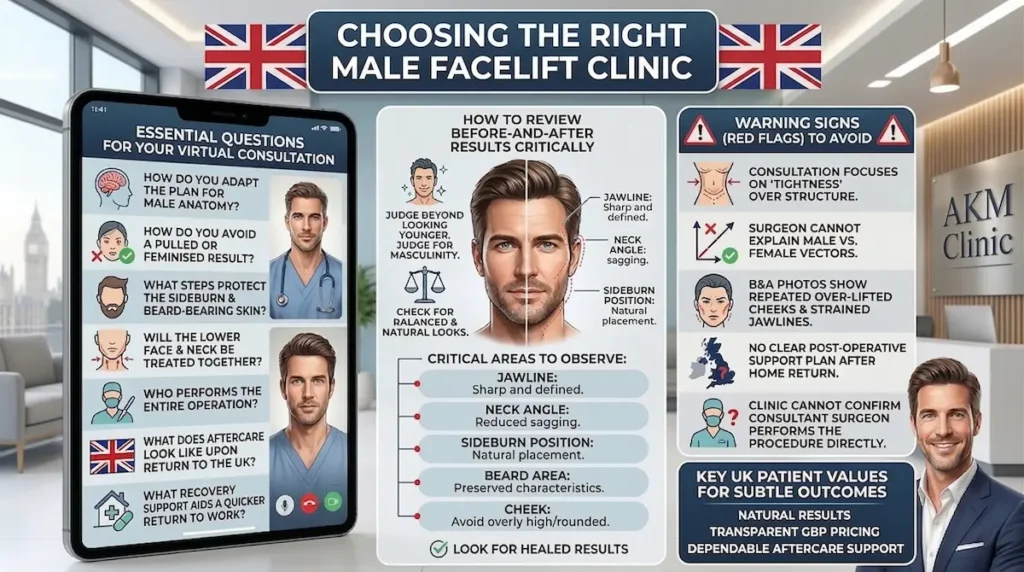
Questions to Ask During Your Virtual Consultation
A virtual consultation should help you understand not only whether you are a candidate, but also how the clinic thinks. Good questions reveal whether the surgeon truly understands male anatomy and your aesthetic goals.
- How do you adapt your facelift plan specifically for male facial anatomy?
- What steps do you take to avoid a pulled or feminised result?
- How do you protect the sideburn and beard-bearing skin?
- Will the lower face and neck be treated together?
- Who performs the operation from start to finish?
- What does aftercare look like once I return to the UK?
- What recovery support is available if I want a quicker return to work?
If the answers remain generic, vague, or overly sales-driven, that is useful information in itself.
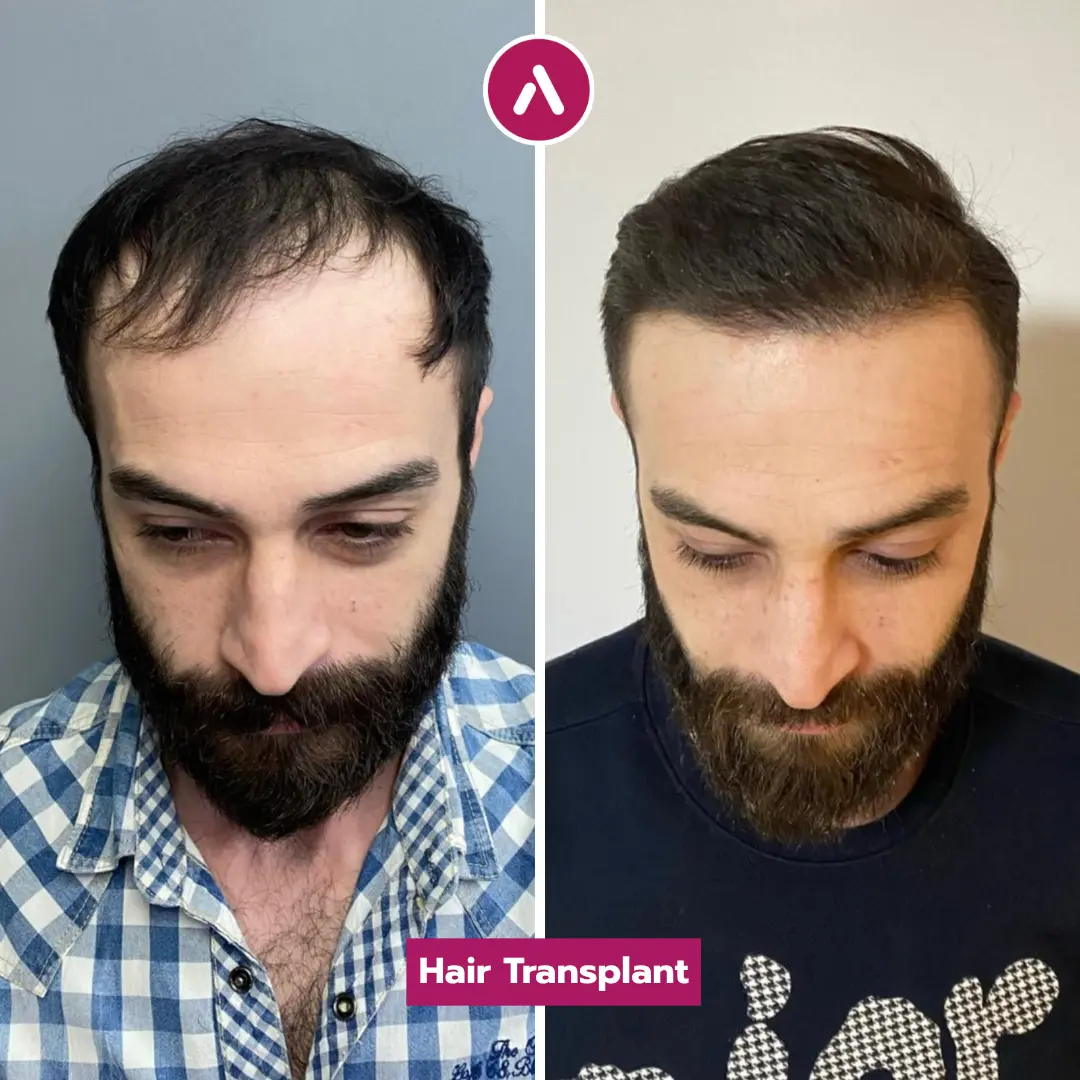
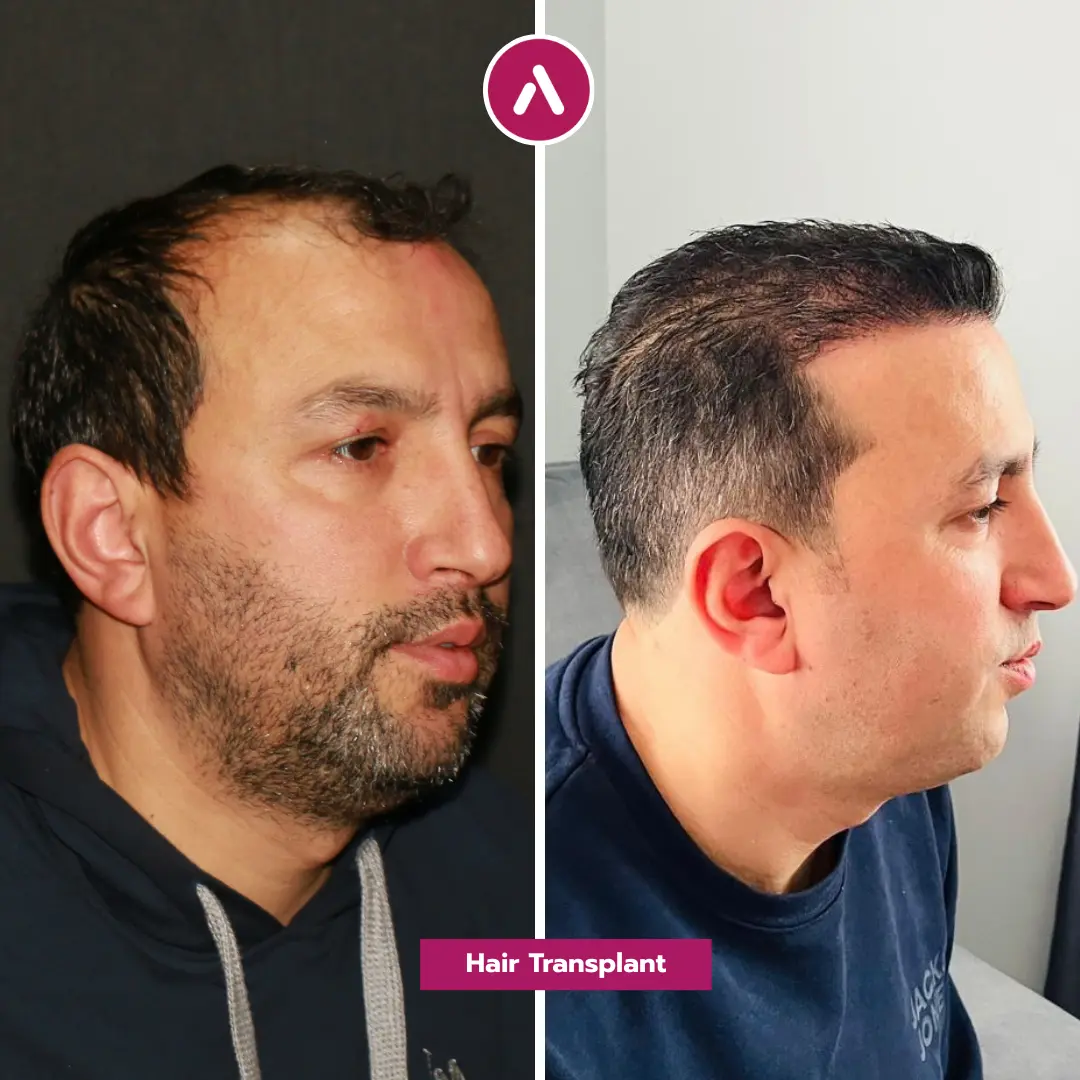
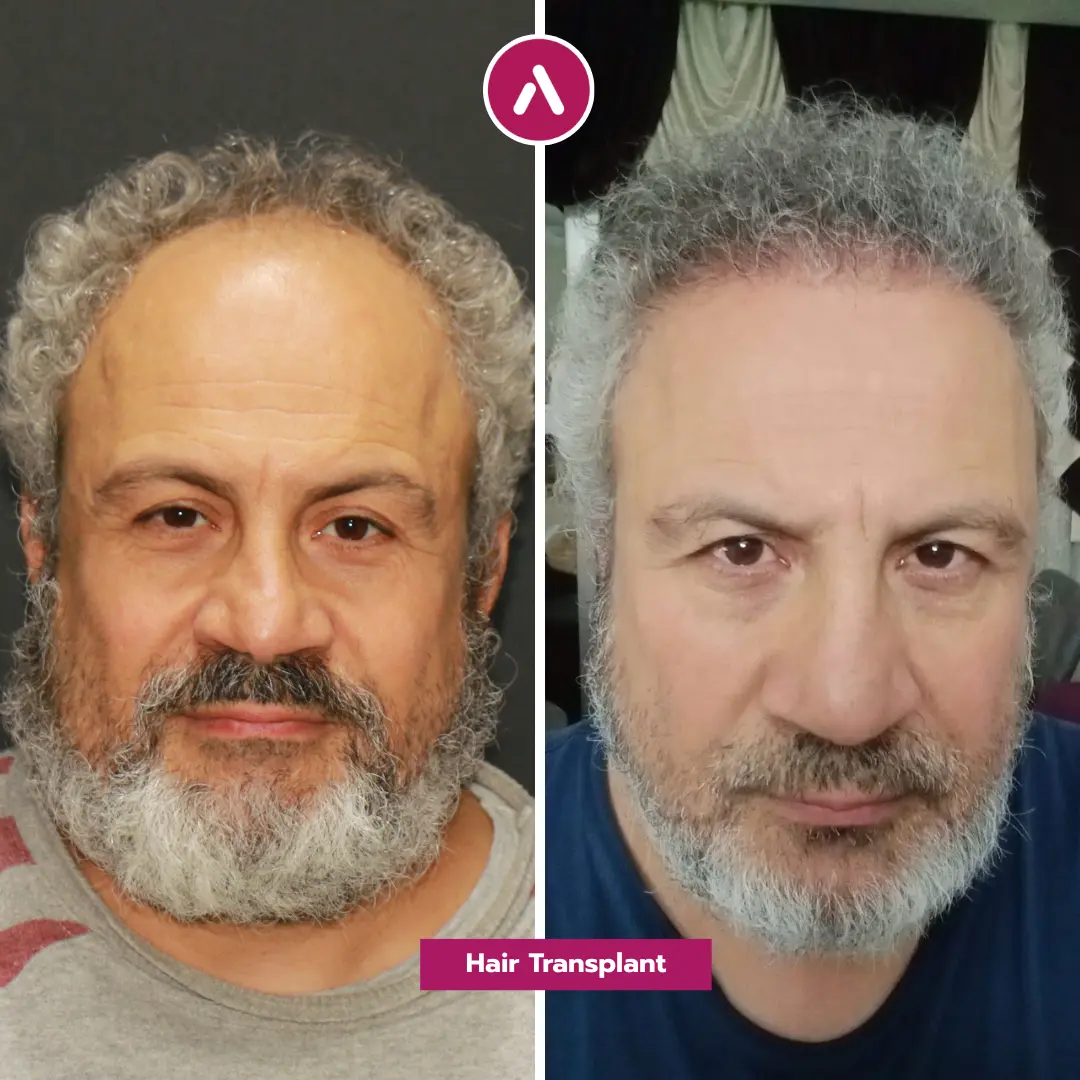
How to Review Before-and-After Results for Male Patients Properly
Before-and-after galleries should be read critically. Do not focus only on whether the patient looks younger. Focus on whether he still looks male, balanced, and natural. Pay particular attention to the jawline, the neck angle, the sideburn position, the beard area, and whether the cheek has been lifted too aggressively.
This is particularly relevant for men who may be reviewing facial surgery as one element of a wider daddy makeover Turkey journey. In those cases, before-and-after images should still be judged on facial integrity first. A strong result is one where the patient appears refreshed without losing the angular, familiar qualities that define a naturally masculine face.
It is also helpful to look for healed results rather than only immediate post-operative images. A result can appear impressive on the day of surgery and still settle poorly over time. The strongest male results usually look unremarkable in the best possible sense: the patient simply appears healthier, sharper, and less tired.
Red Flags That Increase the Risk of an Unnatural or Feminised Result
There are several warning signs UK patients should take seriously when selecting a clinic for male facial surgery:
- the consultation focuses on “tightness” more than facial structure,
- the surgeon cannot explain how male vectors differ from female facelift planning,
- before-and-after photographs show repeated over-lifted cheeks or strained jawlines,
- there is no clear explanation of post-operative support after returning home,
- the clinic is unable to confirm that the consultant surgeon performs the procedure directly.
Men rarely regret asking more questions. They are far more likely to regret choosing speed, low price, or convenience over proper assessment.
Patient story insight: UK patients who value subtle outcomes often prioritise natural results, transparent GBP pricing, and dependable aftercare support over dramatic advertising promises.
Frequently Asked Questions (FAQ): Male Facelift Techniques
Below are concise answers to the most common questions UK male patients ask when researching male facelift techniques and natural-looking facial rejuvenation.
Can a male facelift make me look feminine?
It can if the operation is planned poorly, especially if the cheeks are lifted too much, the skin is over-tightened, or the jawline loses its natural strength. Good male facelift planning is specifically designed to avoid that.
Which facelift technique is usually best for men?
There is no single best option for every man. In general, techniques that reposition deeper support structures rather than relying on skin tension alone tend to produce more natural and masculine results.
How do surgeons keep a male jawline looking strong?
By treating the lower face and neck strategically, reducing jowls, preserving facial proportions, and avoiding over-lift in the midface. The aim is sharper definition, not a softened contour.
Will the incisions affect my beard or sideburns?
They can if incision design is poor. In male facelift surgery, beard-bearing skin and sideburn position should be planned very carefully to avoid obvious distortion.
How long is male facelift recovery before flying back to the UK?
It varies by patient and procedure. Many men think in terms of phases rather than exact dates, and should only fly when medically cleared by their surgeon.
Is an awake facelift suitable for male patients?
For suitable candidates, yes. A facelift performed under local anaesthesia with Twilight sedation can appeal to men who want a lower-disruption surgical experience. Suitability must always be assessed individually.
Is a male facelift in Istanbul worth considering over Harley Street prices?
It can be, provided you are comparing genuine value rather than simply a lower fee. Surgeon experience, natural male results, recovery support, and aftercare are all more important than headline price alone.
If you would like to explore related topics beyond the treatment discussed above, you can also learn more about Beard Transplant Turkey, Hair Transplant and Facelift Combo, Male Liposuction Turkey, Best Deep Plane Facelift Clinic in Turkey, Specialist Plastic Surgeon Turkey, Questions to Ask Plastic Surgeon, and Ghost Surgery in Turkey. These guides can help you compare procedures, understand surgeon selection, and make more confident decisions about safe, natural-looking treatment in Turkey.
Medical Disclaimer: This page is provided for general educational purposes only and does not replace a face-to-face medical consultation, diagnosis, or personalised treatment plan. All surgery carries risks and outcomes vary between individuals. Suitability for a facelift surgery, procedure selection, and anaesthesia choice can only be determined after a full clinical assessment by a qualified surgeon. Always follow your clinician’s instructions and seek urgent medical attention if you develop concerning symptoms during recovery.