When British patients ask about stem cell facelift longevity, they are rarely asking a simple question about a date on the calendar. What they usually want to know is this: how long does a stem cell facelift last, will it still look natural in years to come, and is the result genuinely better than a conventional facelift alone? Those are sensible questions, especially for the UK patient who wants visible rejuvenation but does not want to look “done”.
In practice, stem cell facelift duration should be judged in two layers. The first is the structural lift created by surgery itself. The second is the skin-quality benefit that comes from regenerative support such as nanofat and stem cell-rich tissue. This distinction matters because regenerative facelift longevity is not only about how long the face stays elevated, but also about how gracefully the skin, contours and facial softness age over time.
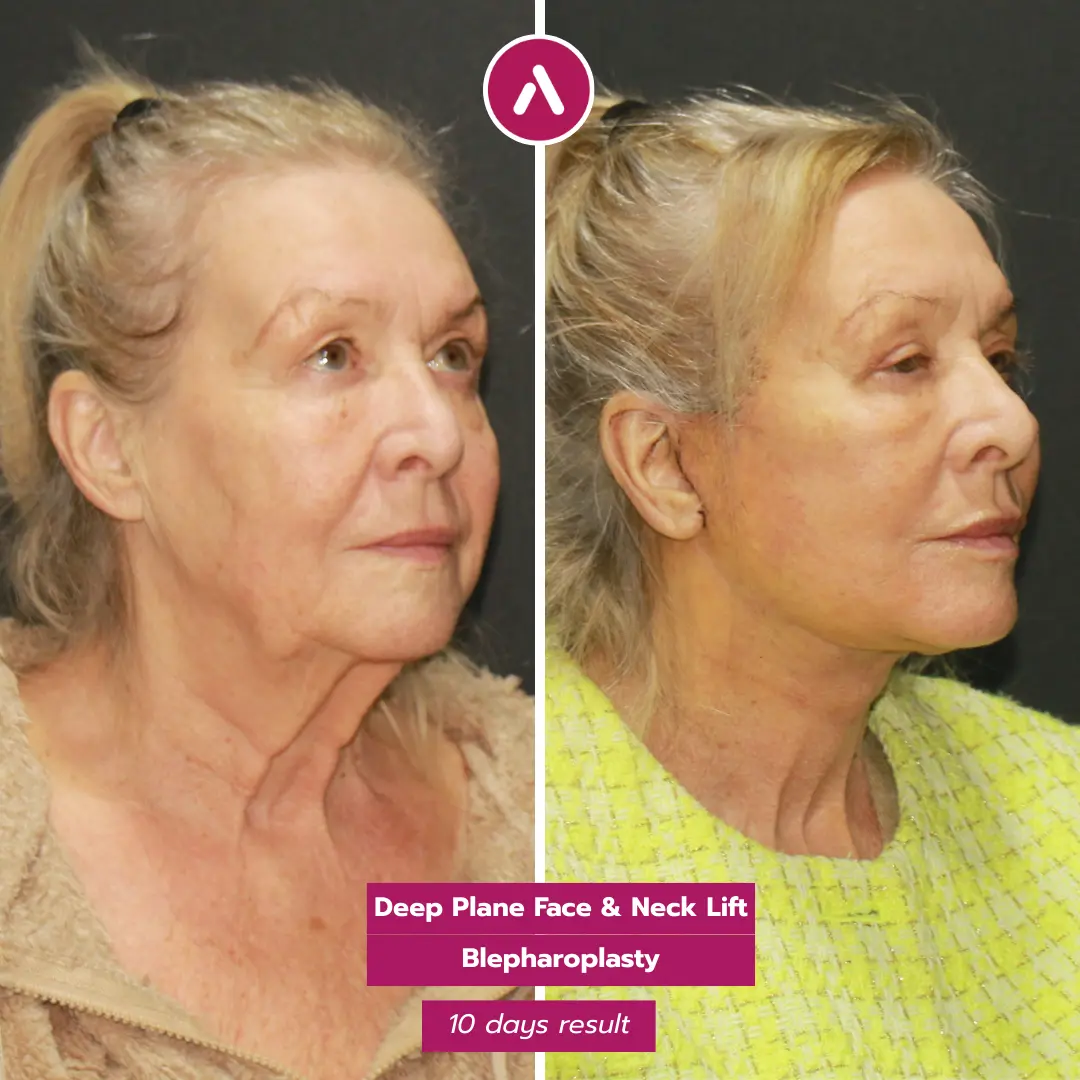
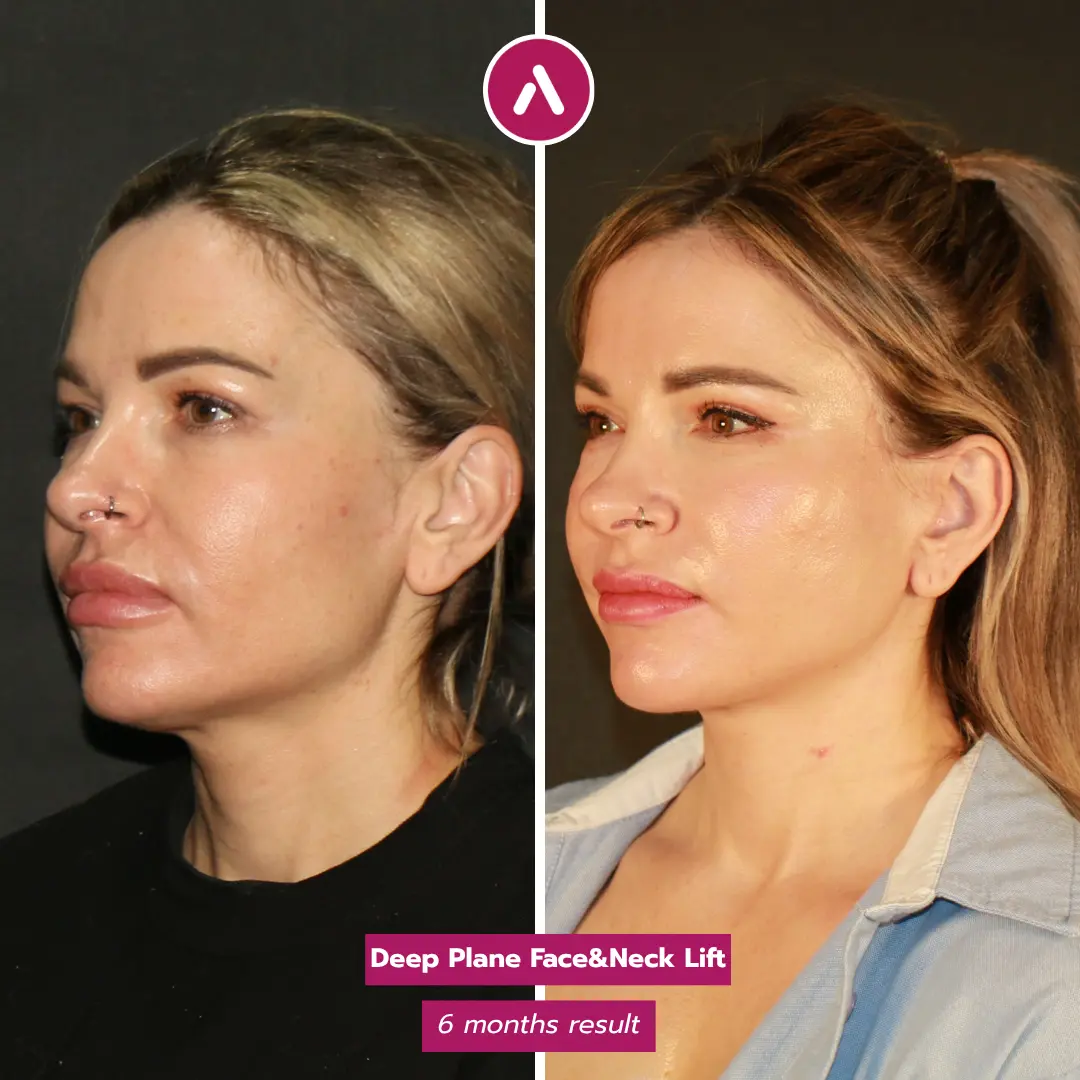
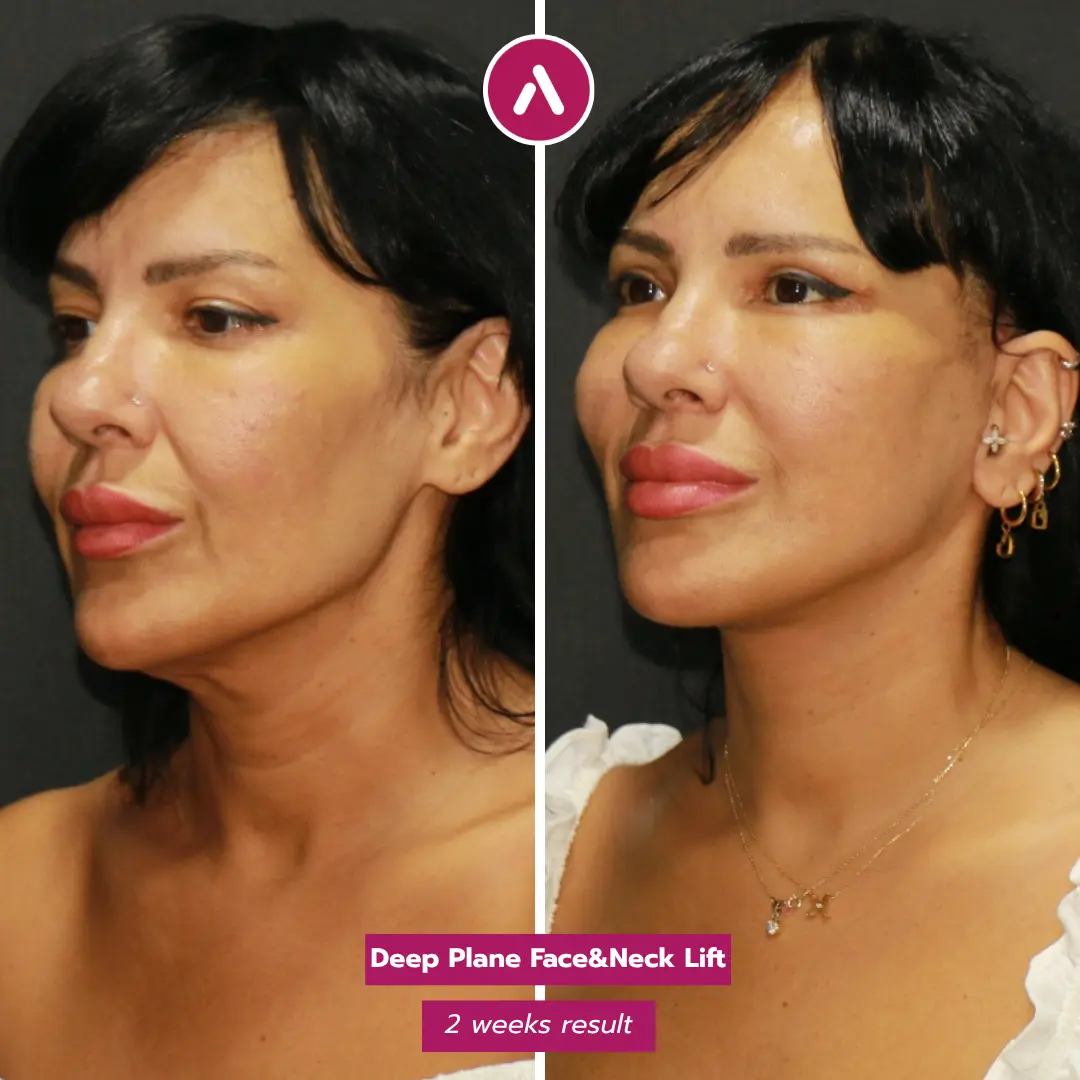
That is why a thoughtful article on facelift longevity with stem cells has to go beyond marketing language. It should look at medical science, healing quality, tissue behaviour and realistic expectations. In other words, the most useful question is not simply “Does it last?” but rather “What exactly lasts, and what continues to improve?”
At AKM Clinic, this subject is approached through a consultant-led, natural-results philosophy. For many UK patients, the goal is not transformation for its own sake, but long-lasting facial rejuvenation that still looks refined, elegant and unmistakably like them. That is especially important for patients comparing Harley Street expectations with treatment in Istanbul and trying to judge long-term value rather than short-term excitement.
Surgeon-led principle: the aim is rejuvenation, not alteration. When assessing stem cell facelift results longevity, the best outcome is not one that looks dramatically “operated on”, but one that continues to look balanced and believable over time.
Table of Contents
What Does “Longevity” Really Mean in a Stem Cell Facelift?
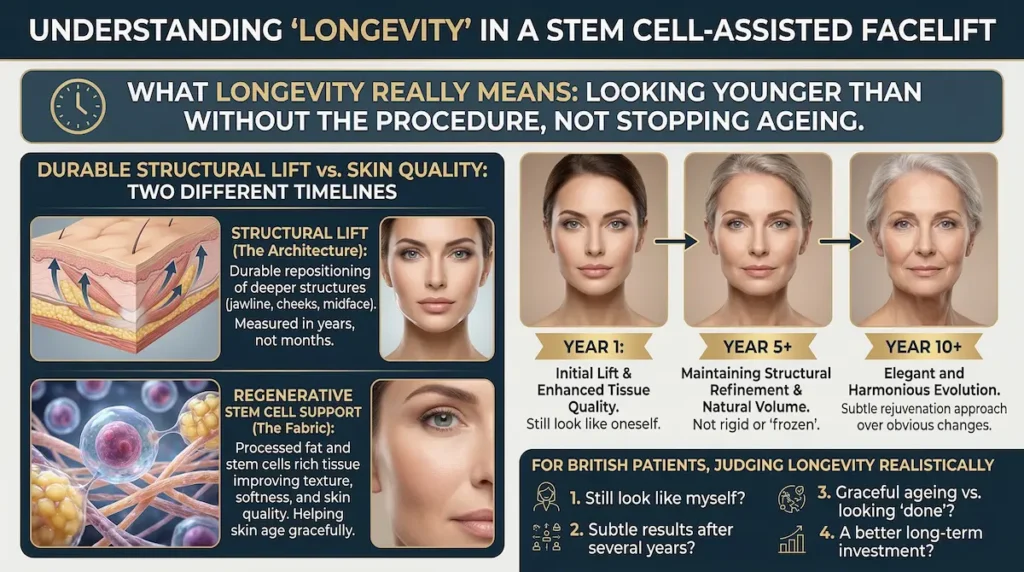
Before discussing numbers, it is important to define the term properly. In aesthetic surgery, longevity does not mean that nothing changes after the procedure. The face will continue to age, because gravity, skin quality, bone support, lifestyle and collagen change do not suddenly stop. Instead, longevity means that you continue to look younger than you would have done without the procedure, and that the result remains attractive and natural as time passes. This is the right way to understand facelift longevity in a stem cell assisted facelift surgery procedure.
Structural Lift vs Skin Quality: Two Different Timelines
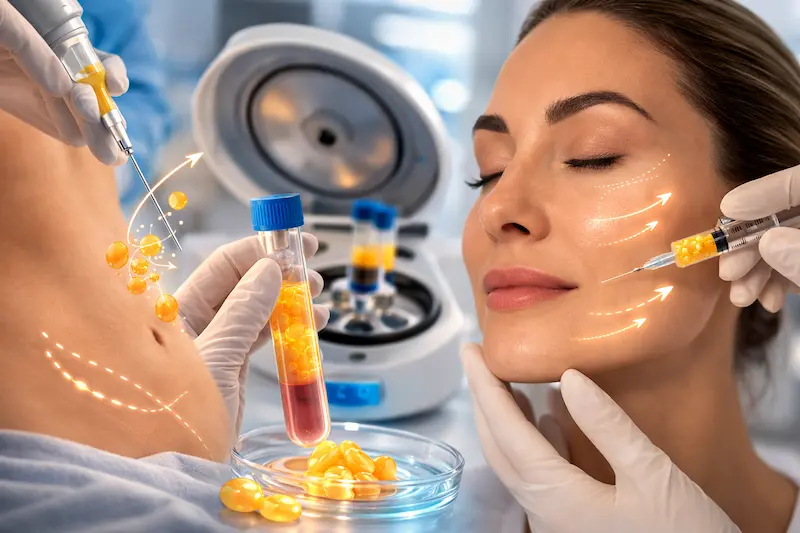
A stem cell-assisted facelift combines two related but distinct benefits. First, the facelift element repositions deeper facial structures to improve descent in the midface, jawline and neck. Second, the regenerative component is designed to support skin quality, texture and softness through processed fat and stem cell-rich tissue. This is why discussions around long-term stem cell facelift results should never treat the operation as if it were only a skin-tightening exercise.
The lifting component is what restores framework and contour. It is the reason the jawline looks cleaner, the cheeks sit higher and the lower face appears less heavy. By contrast, the regenerative component supports what many patients describe as a more rested, healthier and less deflated appearance. So when patients search for stem cell facelift long-term outcome, they are often responding to two separate observations: “my face still looks lifted” and “my skin still looks better than before”.
This matters because the two benefits do not behave in exactly the same way. The structural change from a well-performed facelift is intended to be durable and measured in years rather than months. The regenerative support may help the skin age more gracefully, but it does not freeze time. A useful, honest explanation is that the lift creates the architecture, while the stem cell-rich support improves the quality of the fabric covering it.
Why “Lasting Longer” Does Not Mean “Permanent Forever”
One of the most common misunderstandings in facial rejuvenation is the idea that a stronger procedure should produce a permanent result. That is not how ageing works. Even excellent surgery cannot stop the biological processes behind facial ageing, including collagen decline, volume redistribution and changes in skin elasticity. This is where medical science gives patients a more realistic framework: a procedure can be long-lasting without being permanent.
So, how long does a stem cell facelift last? The most accurate answer is that it is expected to remain meaningful for many years, but not in a static way. A patient may still look fresher, firmer and better supported long after the early recovery period has passed, yet the face will continue to evolve naturally. In fact, for many discerning UK patients, that natural evolution is a positive sign. A result that matures softly is generally preferable to one that looks rigid or over-pulled.
This is why experienced surgeons avoid simplistic promises. A believable answer respects both biology and aesthetics. Rather than offering an unrealistic “forever” claim, a responsible clinic should explain that a stem cell assisted facelift surgery aims to deliver a durable structural result together with skin-quality benefits that can make the ageing process appear gentler and more harmonious.
How British Patients Should Judge Longevity Realistically
For the British patient, longevity is rarely judged in isolation. It is usually assessed through four questions:
- Do I still look like myself?
- Will the result still look subtle after several years?
- Is this a better long-term investment than repeated non-surgical treatments?
- Will I age gracefully, or obviously look as though I had surgery?
Those questions are entirely valid, especially for patients who are wary of overdone results or media stories about poor surgery abroad. In that context, the best way to judge facelift longevity with stem cells is not by chasing the most dramatic before-and-after image, but by looking for harmony, tissue quality and consistency in healed outcomes.
UK patients also tend to prefer a subtle facial rejuvenation approach rather than an aggressive change in identity. That means the “best” long-term outcome is often one that friends notice without being able to identify exactly what changed. In practical terms, longevity should therefore be judged not only by how long the result remains visible, but by how long it remains elegant.
How Long Does a Stem Cell Facelift Typically Last Compared with a Traditional Facelift?
This is where a proper facelift longevity comparison becomes important. A traditional facelift and a stem cell-assisted facelift are not completely different operations competing on unrelated terms. In most cases, they share the same structural surgical foundation. The difference is that the regenerative version adds volume-restoring and skin-supportive elements designed to enhance healing quality and long-term refinement. That means the comparison should not be framed as “old vs magical new”, but as “strong surgical lift alone vs strong surgical lift plus regenerative support”.
The Longevity of Deep Plane Repositioning
The backbone of a durable facelift result is the surgical technique used to reposition deeper tissues. A more superficial lift may tighten, but it does not necessarily address the true descent of facial structures in the same comprehensive way. By contrast, deeper repositioning is intended to restore facial support rather than simply pulling the skin. This is one reason why long-term outcomes are often judged by the integrity of the underlying lift, not by temporary surface smoothness.
For patients asking about stem cell facelift results, it is important to understand that the stem cells do not replace the need for excellent surgery. They complement it. In simple terms, regenerative support can improve the quality of the result, but it cannot rescue poor structural work. The lift itself still needs to be sound, technically precise and aesthetically conservative.
That is also why consultant-level expertise matters so much in the UK decision-making process. A lasting result depends on how the deeper facial anatomy is handled, how tension is distributed, and whether the surgeon’s aesthetic judgement prioritises natural movement and proportion. When those factors are respected, the surgical part of the result is more likely to hold its elegance for the long term.
The Regenerative Effect of Nanofat and Stem Cell Support
Once the structural lift is in place, regenerative support can influence how the result is perceived over time. This is where scientific research and clinical observation become especially relevant. Nanofat and stem cell-rich fat transfer are not used simply to add bulk. They are used to improve tissue quality, soften deflation and support a healthier-looking surface. In the context of stem cell facelift results longevity, this may help the face look less surgically “maintained” and more naturally refreshed.
That benefit is especially relevant in the midface, temples and other areas where ageing is not only about sagging, but also about volume depletion and skin fatigue. A beautifully lifted face can still look tired if it remains hollow or lacks skin vitality. Regenerative support aims to address that problem by complementing lift with biologic refinement.
In practical terms, this means a traditional facelift may deliver the main lift, while a stem cell-assisted facelift may deliver a result that appears softer, healthier and more complete as it heals. That does not mean the regenerative component is a miracle. It means it may improve the quality of ageing after surgery, which is a more intelligent way to think about regenerative facelift longevity.
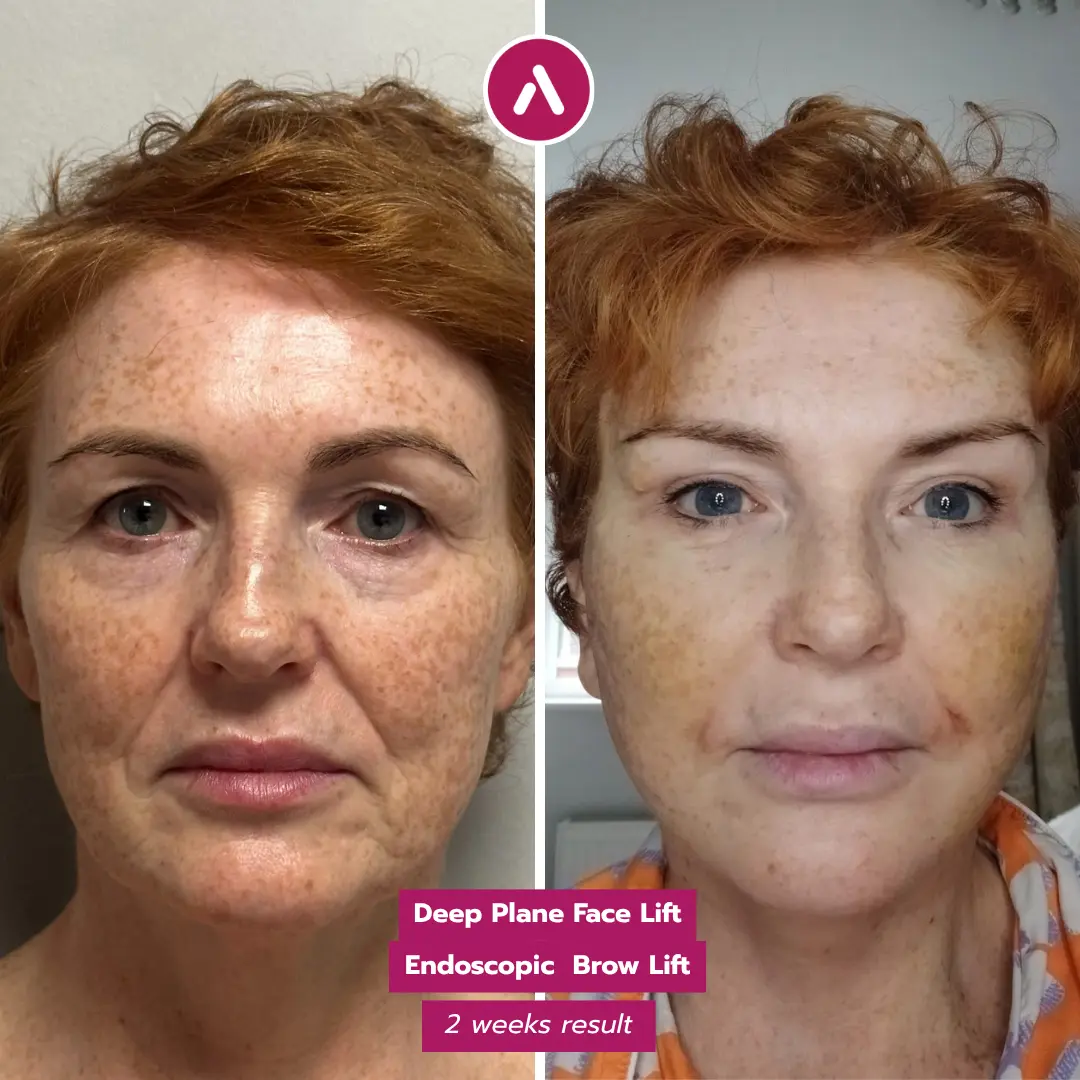
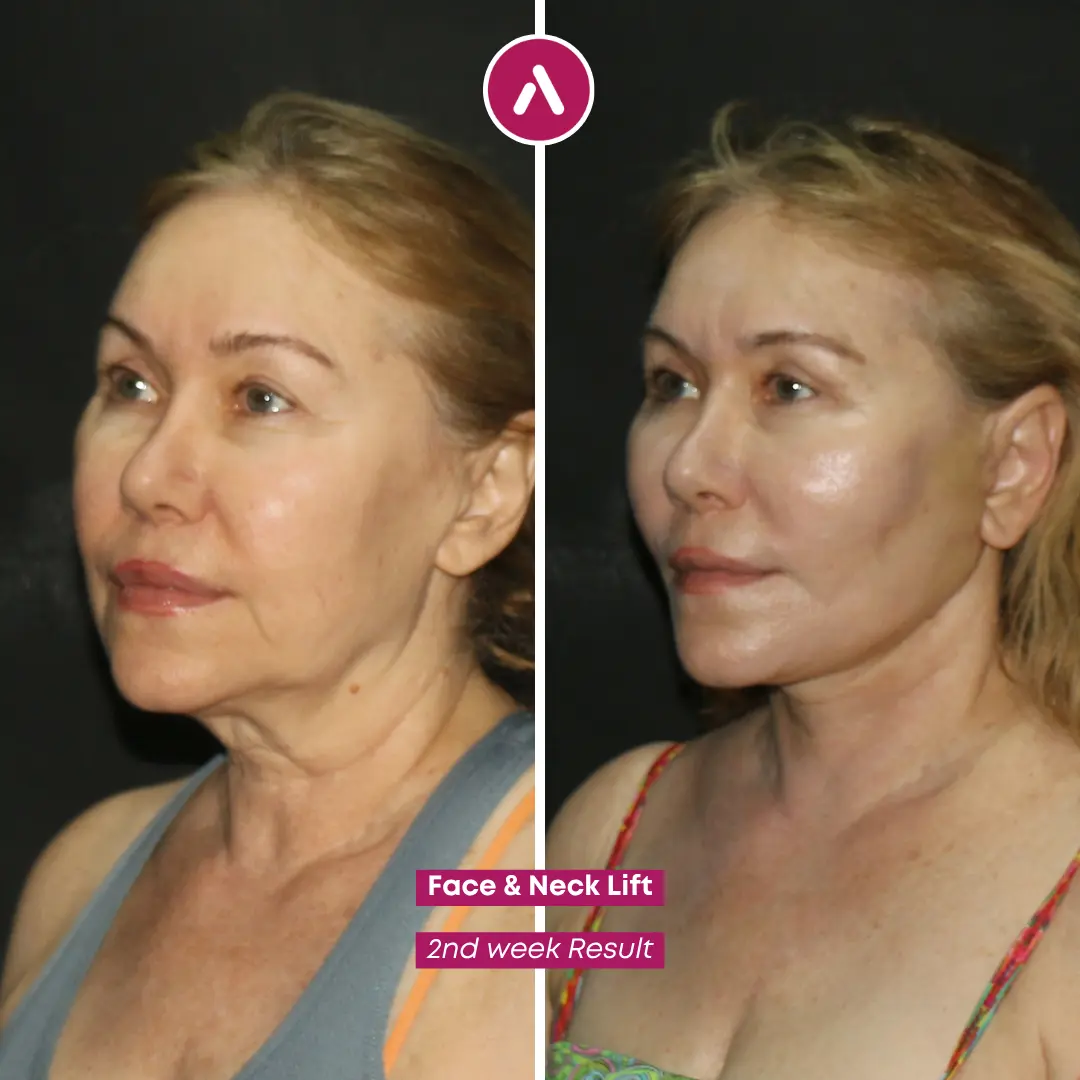
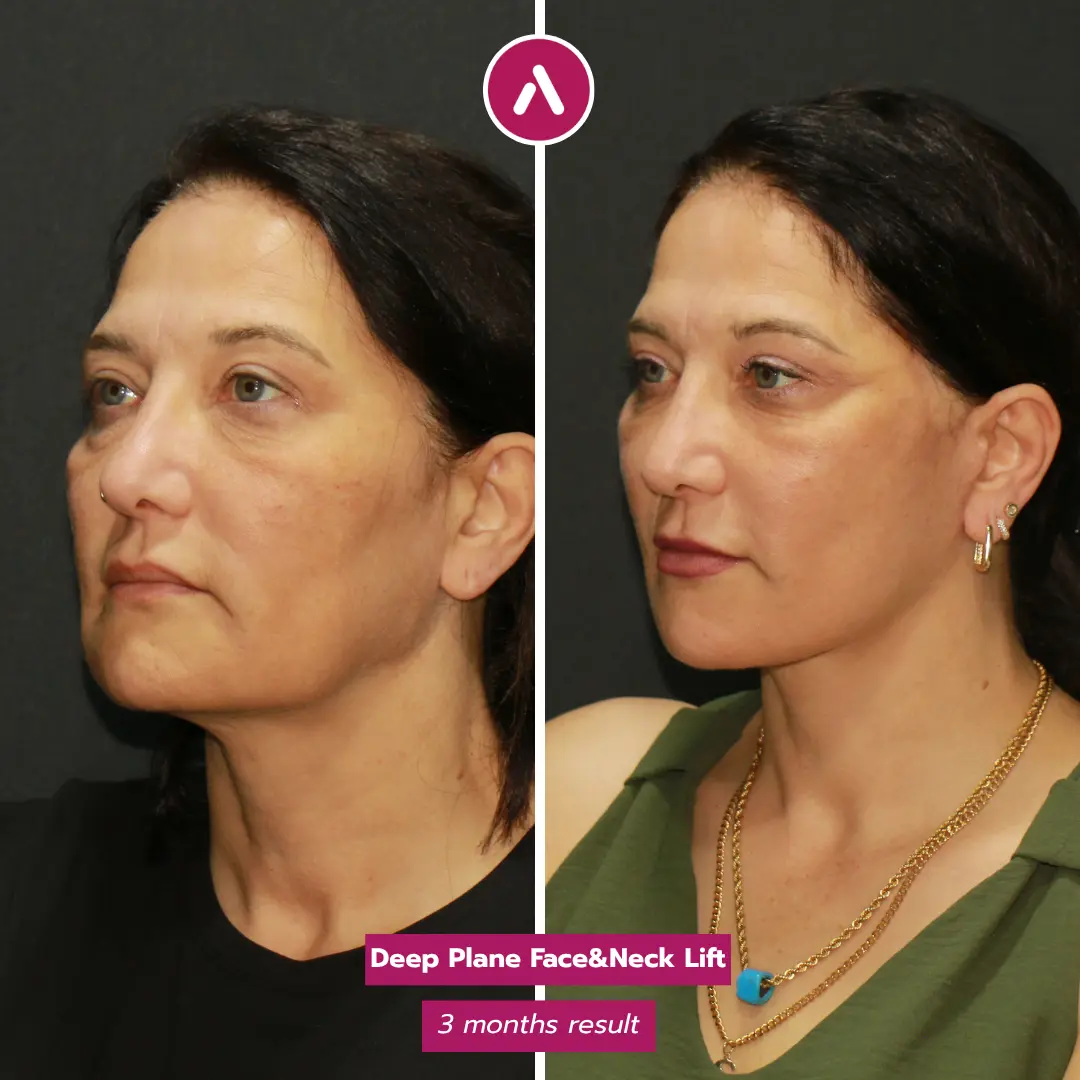
Why a Hybrid Approach May Age More Gracefully Over Time
For many patients, the most persuasive argument in favour of a stem cell assisted facelift surgery is not that it creates a more dramatic immediate result, but that it may create a better-behaving long-term result. A face that has been repositioned well and supported with regenerative tissue may continue to look fresher in a softer, less conspicuous way. That is often exactly what UK patients want.
When people compare stem cell facelift duration with a traditional operation, they often expect a single winner expressed in a number. In reality, the hybrid approach may “win” by ageing more gracefully rather than by simply lasting dramatically longer in a strict calendar sense. This distinction is important. If the result remains natural, avoids hollowness and preserves facial softness, many patients will regard it as the superior long-term investment.
| Comparison Point | Traditional Facelift | Stem Cell-Assisted Facelift |
|---|---|---|
| Main source of lift | Surgical tissue repositioning | Surgical tissue repositioning |
| Skin-quality support | Limited to surgery alone | Enhanced by regenerative fat and stem cell-rich support |
| Volume refinement | May require separate planning | Often integrated into the rejuvenation strategy |
| Long-term impression | Lift-focused result | Lift plus potentially softer, healthier ageing |
| Best suited to | Patients needing repositioning only | Patients needing repositioning and quality restoration |
Ultimately, the most accurate answer to how long does a stem cell facelift last is this: the structural result should be judged as a serious, years-based facelift result, while the regenerative element may improve how that result settles, heals and ages. That is why many patients are less interested in whether it lasts “one year longer” on paper, and more interested in whether it looks better for longer in real life.
What Factors Affect How Long Your Results Will Last?
Even the best procedure does not produce identical durability in every patient. Stem cell facelift longevity is influenced by biology, surgical planning, healing behaviour and daily habits after surgery. This is why two people of similar age can undergo a comparable operation and still experience different rates of visible ageing afterwards. For UK patients assessing long-term stem cell facelift results, the more useful question is not only “What is the average?” but also “What will influence my result most?”
Age, Skin Elasticity, and Degree of Facial Volume Loss
The face you start with matters. Patients with relatively good skin elasticity, moderate descent and manageable volume loss often maintain a fresher appearance for longer because the tissues respond more favourably to repositioning and regenerative support. By contrast, patients with more advanced skin laxity, heavy sun damage or pronounced hollowness may still enjoy excellent improvement, but their baseline ageing pattern can influence how long the result appears at its peak.
This is where stem cell facelift duration and stem cell facelift long-term outcome should be interpreted carefully. Longevity is not only about whether the lift “holds”; it is also about how the skin behaves afterwards. If the skin has strong healing potential and a healthier collagen response, the regenerative component may be more rewarding over time. In simple terms, a face with better biological reserve tends to showcase regenerative benefits more clearly.
It is also important to remember that volume loss and tissue descent do not always occur at the same pace. Some patients look tired because the cheeks have dropped. Others look older because the face has become hollow, flat or fragile in quality. A stem cell assisted facelift surgery can be especially valuable where both issues are present, because facelift longevity with stem cells is not only about lift, but about restoring the conditions for a more balanced facial appearance.
Surgical Technique and Consultant-Level Expertise
Technique remains one of the biggest determinants of facelift longevity. A procedure based only on superficial tension is less likely to age elegantly than one that respects deeper facial anatomy and redistributes tension in a measured way. The point is not merely to tighten, but to reposition. That principle is central to long-lasting facial rejuvenation.
For UK patients, this is where consultant-led care becomes especially important. A surgeon’s judgement affects vector, symmetry, tissue handling, scar placement and how well the result blends into the patient’s existing facial character. If those decisions are made conservatively and skilfully, the result is more likely to remain believable over time. If they are made aggressively, the patient may look “operated on” even before natural ageing becomes the issue.
This is also where the consultant dermatosurgeon advantage is worth understanding in facial aesthetics. In practical terms, dermatosurgical precision means paying close attention not only to lifting tissues, but to skin quality, contour transitions, scar behaviour and the finer surface details that influence whether a patient looks refreshed or simply tightened. For a British patient who wants subtle change rather than theatrical change, that level of refinement can make a significant difference to stem cell facelift results longevity.
Lifestyle Factors: Smoking, Weight Fluctuation, Sun Exposure, and Skincare
Even a beautifully performed operation can be undermined by lifestyle. Smoking compromises circulation and healing quality. Significant weight fluctuation can alter the fullness and contour of the face. Chronic unprotected sun exposure accelerates collagen breakdown. Poor skincare, persistent dehydration and inconsistent sleep can all influence how the skin ages after surgery.
From a medical science perspective, these factors matter because they affect inflammation, collagen quality and tissue resilience. In other words, regenerative facelift longevity is not only decided in the operating theatre. It is also shaped by what happens in the months and years afterwards. Patients who protect their skin, maintain stable weight and avoid smoking usually create a better environment for long-term preservation.
That is why good clinics do not discuss longevity as though it were a fixed number delivered by surgery alone. A more honest framework is this: the surgeon creates the opportunity for a durable, elegant result, and the patient’s habits help preserve it. When both sides do their part, how long does a stem cell facelift last becomes a much more encouraging question.
| Factor | How It Can Help | How It Can Shorten Results |
|---|---|---|
| Skin elasticity | Supports smoother redraping and refinement | Very lax skin may age faster after the peak result |
| Volume status | Balanced volume improves overall facial harmony | Severe hollowing can make ageing show sooner |
| Surgical technique | Deep, well-planned repositioning ages more naturally | Superficial tension may look less durable |
| Smoking | Stopping improves circulation and tissue health | Continued smoking can impair healing and skin quality |
| Weight stability | Preserves contour and volume balance | Major fluctuations can change facial shape |
| Sun protection | Helps maintain collagen and skin quality | Excess UV exposure accelerates visible ageing |
Does a Stem Cell Facelift Age Naturally or Can It Look Overdone Later?
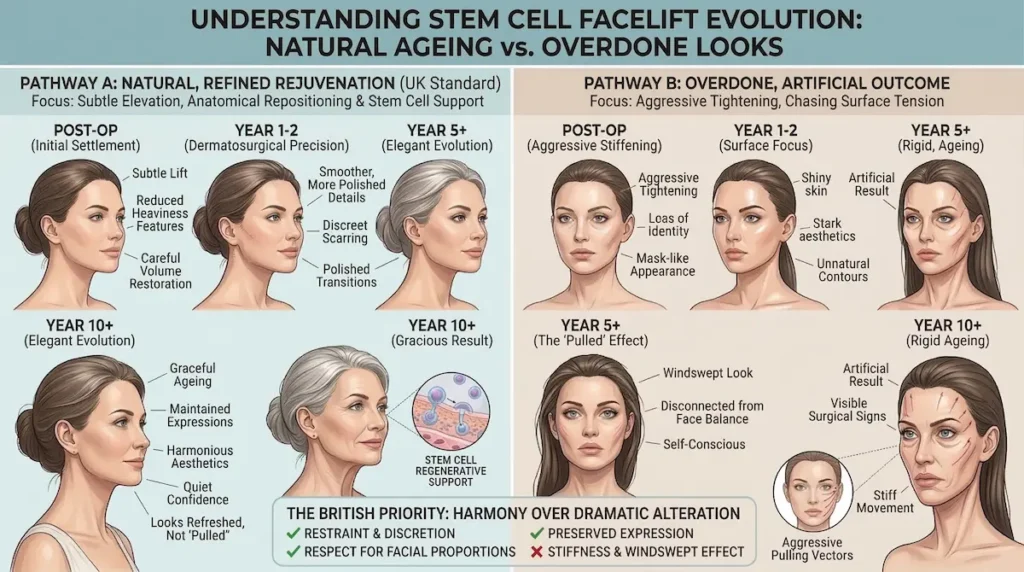
This is one of the most important concerns for British patients. Many do not fear ageing itself nearly as much as they fear looking obviously altered. They want to look more rested, less heavy and less tired, but they do not want to lose their identity. That is why any serious discussion of stem cell facelift results has to address not only duration, but aesthetic behaviour over time. A good result should not merely last. It should continue to look like it belongs to your face.
Why UK Patients Prioritise Subtle, Natural-Looking Rejuvenation
The UK patient often approaches facial surgery differently from the glamour-driven image seen in some other markets. The priority is usually refinement, discretion and credibility. People want colleagues to think they look well, not to assume they have had obvious cosmetic work. That preference shapes how stem cell facelift longevity should be judged in real life.
A result can be technically durable and still be aesthetically disappointing if it looks stiff, shiny, too tight or disconnected from the patient’s natural facial balance. By contrast, a result that settles softly and preserves expression will often be considered more successful, even if the patient knows future ageing will continue. This is one reason long-lasting facial rejuvenation is not the same thing as aggressive tightening.
For this reason, the best long-term outcomes tend to be those built on restraint. Subtle elevation, careful volume restoration and respect for facial proportions usually age better than dramatic alteration. For a UK audience, this is not a minor stylistic preference. It is often the difference between feeling quietly confident and feeling self-conscious for years.
Avoiding the “Pulled” or Artificial Look
The “pulled” look generally happens when surface tension is prioritised over anatomical repositioning, or when the surgeon chases tightness rather than harmony. A face may appear unnaturally flat, windswept or mask-like if tissues are not handled in a way that respects natural vectors and individual anatomy. That is why a patient asking about facelift longevity comparison should also ask how each approach is designed to avoid obvious surgical signs.
Stem cell support can help here, not because it hides poor surgery, but because it may complement a good lift by softening hollowness and improving the quality of the surface. In that sense, facelift longevity with stem cells may be attractive not only because the face stays fresher, but because it can look less stark and more alive as it heals. A naturally full, healthy-looking face generally reads as youthful more convincingly than a simply tightened one.
Another important point is that a natural result should continue to move naturally. Expression, animation and character matter. If the surgery preserves these qualities while reducing heaviness and fatigue, the patient is more likely to feel that the procedure has aged well. That is often the real meaning behind a successful stem cell facelift long-term outcome.
How Dermatosurgical Precision Supports Smoother, More Refined Healing
Healing quality is one of the quiet drivers of long-term aesthetics. A result may look acceptable at six weeks but truly excellent at six months if swelling resolves well, scars mature discreetly and the skin settles with good texture and tone. This is where a consultant dermatosurgeon mindset adds real value: not simply removing or lifting tissue, but thinking continuously about skin behaviour, scar visibility and the polished details that patients notice every time they look in the mirror.
In facial aesthetics, that precision is particularly important around the ears, hairline, jawline and transitions between treated and untreated areas. A result can look “done” not only because of over-lifting, but because fine details were not respected. Better skin handling and a more nuanced eye for surface aesthetics can therefore influence stem cell facelift results longevity in a way patients experience daily, even if they never use that exact phrase themselves.
“I wanted to look refreshed, not pulled.” That sentiment is especially common among UK patients comparing Harley Street expectations with treatment abroad, and it captures the real test of a natural long-term result.
When this level of precision is paired with regenerative support, the face can heal in a way that looks smoother, softer and less conspicuously surgical. This is why many patients evaluating how long does a stem cell facelift last are really asking something more sophisticated: Will I still look elegant later on?
Can Recovery Quality Influence Long-Term Results?
Yes, recovery quality can influence how a result looks in both the short and longer term. Healing is not merely a waiting period between surgery and photographs. It is the biological phase in which swelling resolves, scars mature, tissue settles and early inflammation either calms efficiently or lingers longer than it should. For patients researching regenerative facelift longevity, recovery is not a side issue. It is part of the outcome itself.
The Role of HBOT in Supporting Early Healing
Hyperbaric Oxygen Therapy, often shortened to HBOT, is valuable because it supports a cleaner recovery environment. For facelift patients, early post-operative oedema and bruising are not just cosmetic inconveniences; they can influence comfort, social downtime and the patient’s confidence during the first stage of healing. Better-managed swelling helps tissues settle more predictably and can make recovery feel less disruptive.
That matters to the UK patient who often has practical concerns about work, travel and public visibility. In the context of stem cell facelift duration, HBOT is not presented as a magic shortcut that makes the result last forever. Rather, it is part of a strategy to support a better-quality early healing phase, which may contribute to a more polished and stable long-term impression.
From the perspective of scientific research and clinical reasoning, anything that helps reduce avoidable post-operative stress can support a smoother patient journey. For a treatment focused on both rejuvenation and tissue quality, a calmer recovery process is not trivial. It aligns with the very logic of regenerative aesthetics.
LLLT Scar Support and Why It Matters for Visible Ageing Signs
Low-Level Laser Therapy, or LLLT, is especially relevant to patients who fear visible incision lines. In a facelift, scars are usually designed to be discreet, but scar quality still matters enormously to how “natural” the final result appears. If the scars heal smoothly and the surrounding skin settles well, the face is less likely to carry tell-tale signs of surgery.
This is one reason LLLT deserves a place in any serious discussion of long-term stem cell facelift results. Patients do not evaluate their outcome only by the position of the cheeks or jawline. They also notice whether the skin looks smooth, whether the hairline feels natural and whether the scar areas draw attention. Better scar support can therefore improve the lived experience of the result over time.
In broader medical science terms, improved fibroblast activity and better tissue support during scar maturation are highly relevant to aesthetic surgery. The most successful facelift is not only one that lifts well, but one that heals quietly.
Flight-Ready Recovery Protocols for Returning to the UK
For international patients, the practical question of travel cannot be separated from the medical question of healing. A British patient considering surgery in Istanbul naturally wants to know when returning home will feel manageable, how swelling will be monitored and what support exists afterwards. This is why stem cell facelift long-term outcome should always be discussed alongside aftercare planning.
A well-organised recovery pathway can reduce anxiety and encourage better compliance with post-operative instructions. That includes swelling management, scar care, hydration, follow-up communication and realistic timelines for social return. These details may sound mundane, but they help protect the result while the tissues are still stabilising.
For many patients, good aftercare also improves trust. Knowing there is structured communication, recovery guidance and support after they return to the UK makes the entire investment feel safer and more rational. In that sense, recovery protocols do not simply influence comfort; they influence the confidence with which patients protect their result in the months that follow.
One UK patient described her recovery as so manageable that she needed only minimal paracetamol, and felt reassured by the quality comparison between London expectations and her Istanbul experience.
Is the Investment Worth It for UK Patients?
For most British patients, this question is not really about finding the cheapest possible surgery. It is about judging value properly. When patients research stem cell facelift longevity, they are usually trying to decide whether a regenerative approach offers enough long-term benefit to justify the extra investment compared with a standard facelift or repeated non-surgical maintenance. That is a sensible way to think, because a facelift should be assessed not only by the initial fee, but by the quality, durability and naturalness of the result over time.
Harley Street vs Istanbul: Value Rather Than “Cheap Surgery”
It is important to frame this comparison correctly. Many UK patients are not choosing between “premium care” and “budget care”. They are comparing the high fees often associated with London and Harley Street against the possibility of receiving consultant-led treatment, advanced recovery support and a more comprehensive package in Istanbul. In that sense, the real comparison is about value, not bargain hunting.
When a patient is looking at facelift longevity comparison, the calculation becomes even more interesting. If a stem cell assisted facelift surgery offers a more complete rejuvenation strategy by combining structural lift with regenerative refinement, the result may feel more worthwhile over the long term than paying separately for surgery, fillers, skin treatments and multiple periods of downtime. That is especially true for the patient who wants a single coherent plan rather than years of patchwork treatment.
For the British audience, transparency also matters. A result may be more attractive if the patient understands the total package from the beginning, including the procedure, recovery pathway, accommodation, transfers and aftercare structure. A decision feels safer when there are fewer unknowns. This is one reason all-inclusive planning can be especially appealing to UK patients who want clarity rather than surprises.
Why Longevity Matters in a GBP Cost Comparison
The most intelligent way to think about price is to divide cost by usefulness over time. In other words, the question is not simply “What does it cost?” but “What does it deliver over the years that follow?” A result that remains elegant, subtle and socially believable may offer more emotional and practical value than a cheaper option that ages less gracefully or leaves the patient seeking corrective treatments sooner.
This is where stem cell facelift duration becomes commercially important. If the regenerative element helps the face maintain better skin quality and softer contour transitions, then the patient is not merely paying for a procedure on one day. They are paying for a better ageing trajectory afterwards. That is why stem cell facelift results longevity matters far beyond the recovery period.
| Cost Consideration | Why It Matters for UK Patients | Long-Term Value Question |
|---|---|---|
| Initial surgical fee | Must be weighed against surgeon expertise and planning quality | Are you paying for skill or just for a procedure slot? |
| Regenerative support | May improve tissue quality and completeness of rejuvenation | Does it help the result look better for longer? |
| Recovery technologies | Can reduce social downtime and improve patient confidence | Does faster, smoother healing add practical value? |
| Aftercare structure | Important for patients returning to the UK | Will you still feel supported once you fly home? |
| Future maintenance | Ongoing tweakments can become expensive over time | Could one stronger treatment reduce repeated spending later? |
Seen in that light, long-lasting facial rejuvenation is not just an aesthetic outcome. It is also a financial concept. If a patient invests in a result that remains pleasing, natural and confidence-giving for years, the overall value proposition becomes much stronger than a price-only comparison would suggest.
What BOFU Patients Need to Ask Before Booking
Patients at the decision stage should not focus only on the headline fee. They should ask what is included, who performs the surgery, how recovery is managed, what support exists after returning to Britain, and whether the regenerative component is being used strategically or simply added as a sales term. These questions matter because a premium-sounding procedure is only worthwhile if the planning behind it is equally strong.
- Who is performing the operation in full, and what is their facial specialisation?
- How is the stem cell-rich or nanofat component processed and placed?
- What recovery support is included, especially for oedema and scar care?
- What happens after I return to the UK?
- Is the goal rejuvenation, or am I being sold unnecessary add-ons?
These are the right questions for a BOFU article because they shift the discussion from hype to judgement. A discerning patient does not only ask whether a treatment sounds advanced. They ask whether it is being delivered in a way that genuinely improves the stem cell facelift long-term outcome.
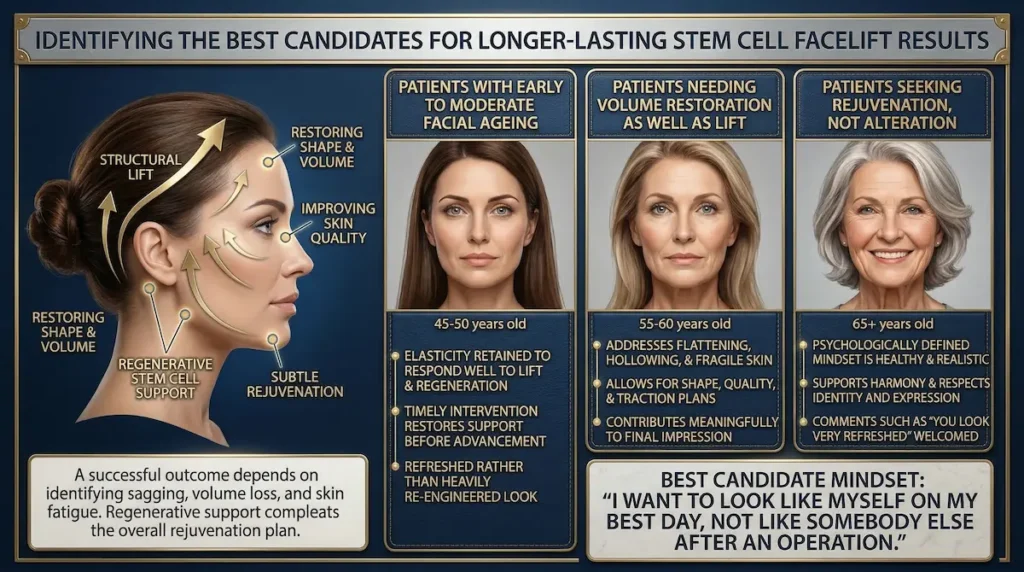
Who Is the Best Candidate for Longer-Lasting Stem Cell Facelift Results?
Not every patient needs the same operation, and not every patient benefits equally from regenerative support. A proper consultation should identify whether the main issue is sagging, volume loss, skin fatigue or a mixture of all three. The best candidates for stronger facelift longevity with stem cells are usually those whose ageing pattern includes both tissue descent and a loss of softness or facial vitality. In those patients, the regenerative element can make the overall rejuvenation plan feel more complete.
Patients with Early to Moderate Facial Ageing
Patients with early to moderate facial ageing are often excellent candidates because their tissues still have enough elasticity and biological reserve to respond well to both lift and regenerative support. They may not need a dramatic correction, but they may benefit significantly from a thoughtful intervention that restores support before ageing becomes more advanced. In this group, stem cell facelift results can look especially elegant because the face is being refreshed rather than heavily re-engineered.
These patients are often in the stage of life where they say, “I look tired, heavy or older than I feel,” rather than, “I want to become a different person.” That mindset usually aligns well with the philosophy of subtle facial rejuvenation. When the procedure is timed appropriately, the long-term effect may be that the patient simply continues to look unusually well for their age.
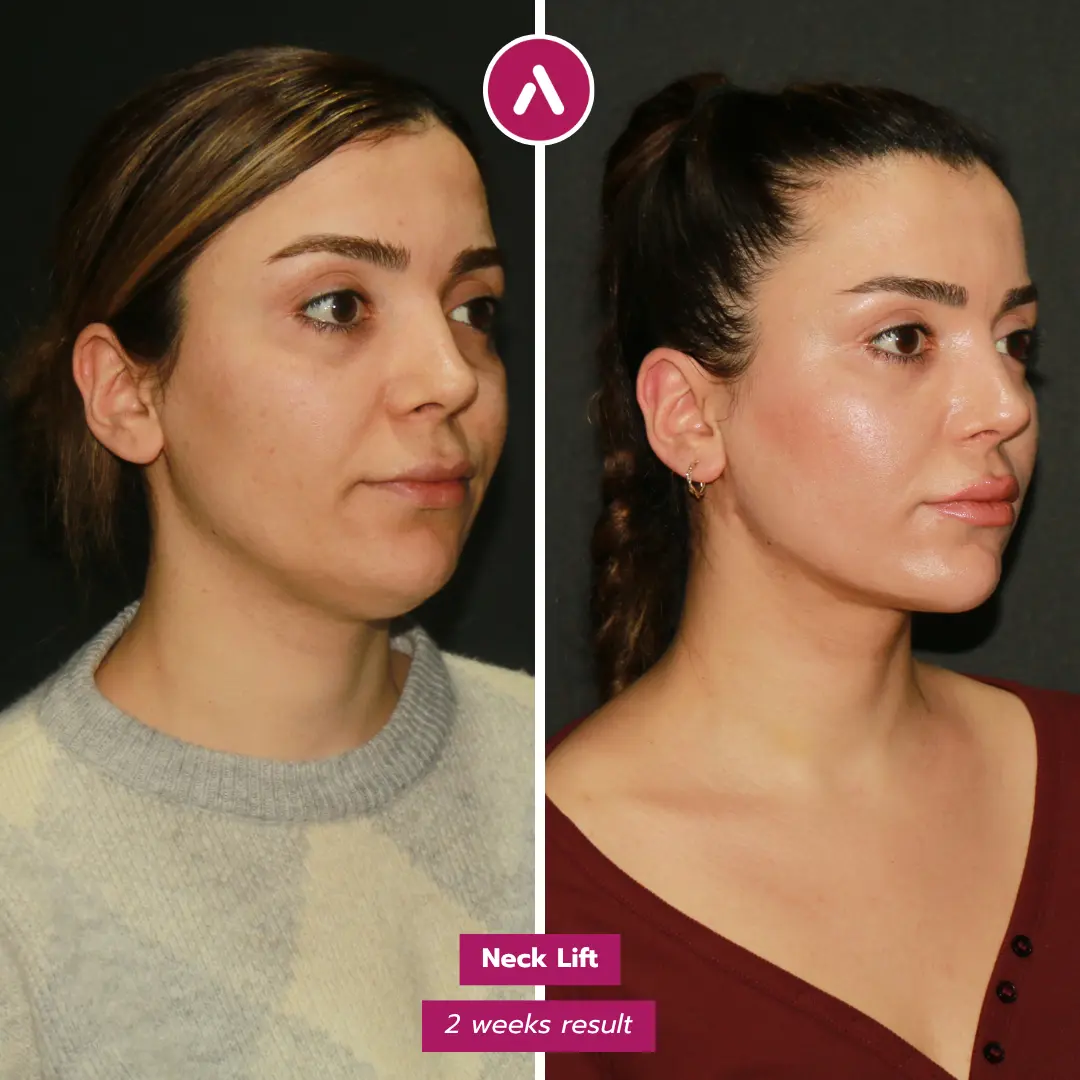
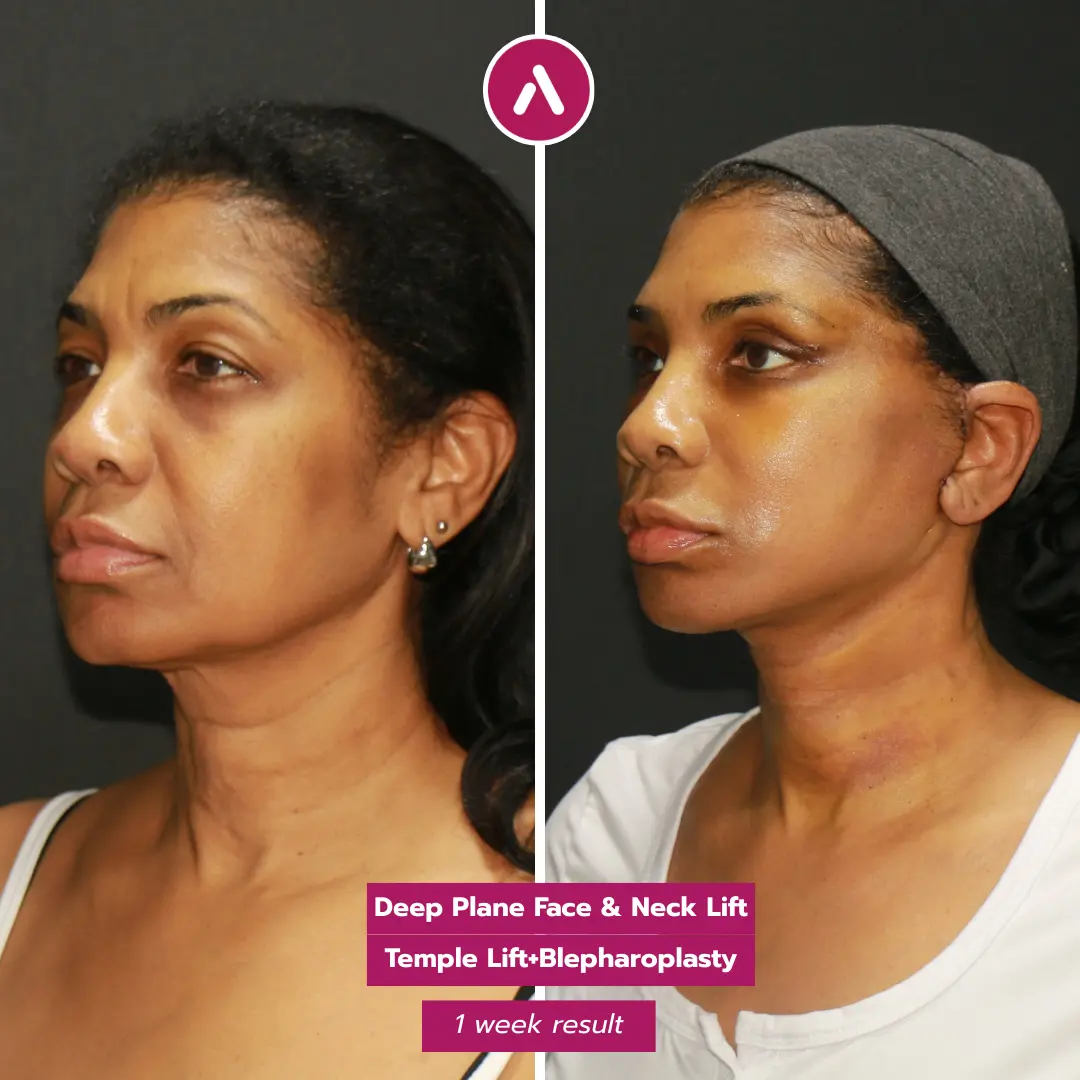
Patients Needing Volume Restoration as Well as Lift
Some faces do not age mainly by dropping. They age by flattening, hollowing and losing healthy transitions between one facial zone and another. In these patients, surgery alone may improve position, but not fully restore character. That is where regenerative support can be particularly useful. It allows the treatment plan to address shape and quality as well as lift.
This is one of the strongest reasons some patients prefer a hybrid operation when comparing how long does a stem cell facelift last with the effect of a traditional facelift. They are not only asking how long the jawline stays sharper. They are also asking whether the face will continue to look alive, rested and less drawn. When volume loss is part of the ageing pattern, the regenerative element can contribute meaningfully to the final impression.
In practical terms, patients with cheek deflation, temple hollowing or fragile-looking skin often appreciate a plan that does more than tighten. They usually want restoration rather than mere traction.
Patients Seeking Rejuvenation, Not Alteration
The ideal candidate is also defined psychologically, not just anatomically. Patients who want to look fresher, less tired and subtly younger usually do better than those who want an unrealistically dramatic transformation. A regenerative facelift is at its best when it supports harmony. It is not a licence to chase extremes.
This is particularly important for UK patients, many of whom want to remain recognisable and professional-looking. They may welcome comments such as “You look well” or “You seem very refreshed”, but they do not want to invite speculation about surgery. For that reason, people seeking long-term stem cell facelift results tend to be happiest when the surgical plan respects identity, expression and balance.
Good candidate mindset: “I want to look like myself on my best day, not like somebody else after an operation.”
That expectation is healthy, realistic and closely aligned with outcomes that age well. In many cases, it is this philosophy more than any single technical detail that determines long-term satisfaction.
Frequently Asked Questions (FAQ): Stem Cell Facelift Longevity
Below are the most common questions British patients ask when evaluating stem cell facelift longevity, regenerative facelift longevity and the likely durability of a consultant-led facial rejuvenation plan.
How many years does a stem cell facelift last?
A stem cell-assisted facelift is generally considered a years-based result rather than a months-based one. The lifting component provides the core durability, while the regenerative component may help the face age more gracefully by supporting tissue quality and softness.
Is a stem cell facelift more durable than a traditional facelift?
The structural lift may be similar if both procedures use strong surgical technique. The difference is that a stem cell-assisted facelift may offer better skin quality and volume refinement, which can make the overall result appear better for longer.
Does the stem cell element wear off before the facelift does?
The regenerative effect should not be understood as a simple add-on that suddenly “switches off”. Rather, it contributes to tissue quality and healing. The structural lift remains the backbone of the result, while the regenerative component influences how the face settles and ages afterwards.
Will I still look natural after several years?
If the surgery is well planned and conservative, you should continue to look like yourself. The best outcomes mature naturally and remain subtle, rather than looking rigid or over-pulled.
Can weight loss or smoking shorten my results?
Yes. Smoking can impair healing and skin quality, while major weight loss can reduce facial fullness and alter contour. Stable habits usually help preserve a better long-term outcome.
How soon can I fly back to the UK after surgery?
This depends on your surgeon’s guidance, your healing progress and the recovery protocol in place. In general, patients should follow a personalised plan rather than assuming one fixed timeline applies to everyone.
Is it worth paying more for regenerative support in a facelift?
For the right candidate, yes. If you need not only lift but also refinement in skin quality and volume, the regenerative component may make the result feel more complete and more satisfying over time.
For the discerning British patient, the best way to judge stem cell facelift results longevity is not to ask whether time stops. It is to ask whether the result remains believable, refined and worth the investment as the years move forward. When a facelift is based on excellent surgical structure, enhanced by regenerative support, and protected by sensible aftercare, the answer is often very encouraging.
If you would like to explore related topics in more detail, you can also learn about Stem Cell Facelift vs Traditional Facelift, Nanofat Grafting Turkey, Facelift Recovery with Stem Cells, Regenerative Medicine Cost in Turkey, Best Deep Plane Facelift Clinic in Turkey, Specialist Plastic Surgeon Turkey, and Questions to Ask Plastic Surgeon. These guides can help you compare treatment options, understand recovery, assess clinic standards, review likely costs, and make a more confident, well-informed decision before planning your facial rejuvenation journey.
Medical Disclaimer: This page is provided for general educational purposes only and does not replace a face-to-face medical consultation, diagnosis, or personalised treatment plan. All surgery carries risks and outcomes vary between individuals. Suitability for a facelift surgery, procedure selection, and anaesthesia choice can only be determined after a full clinical assessment by a qualified surgeon. Always follow your clinician’s instructions and seek urgent medical attention if you develop concerning symptoms during recovery.