




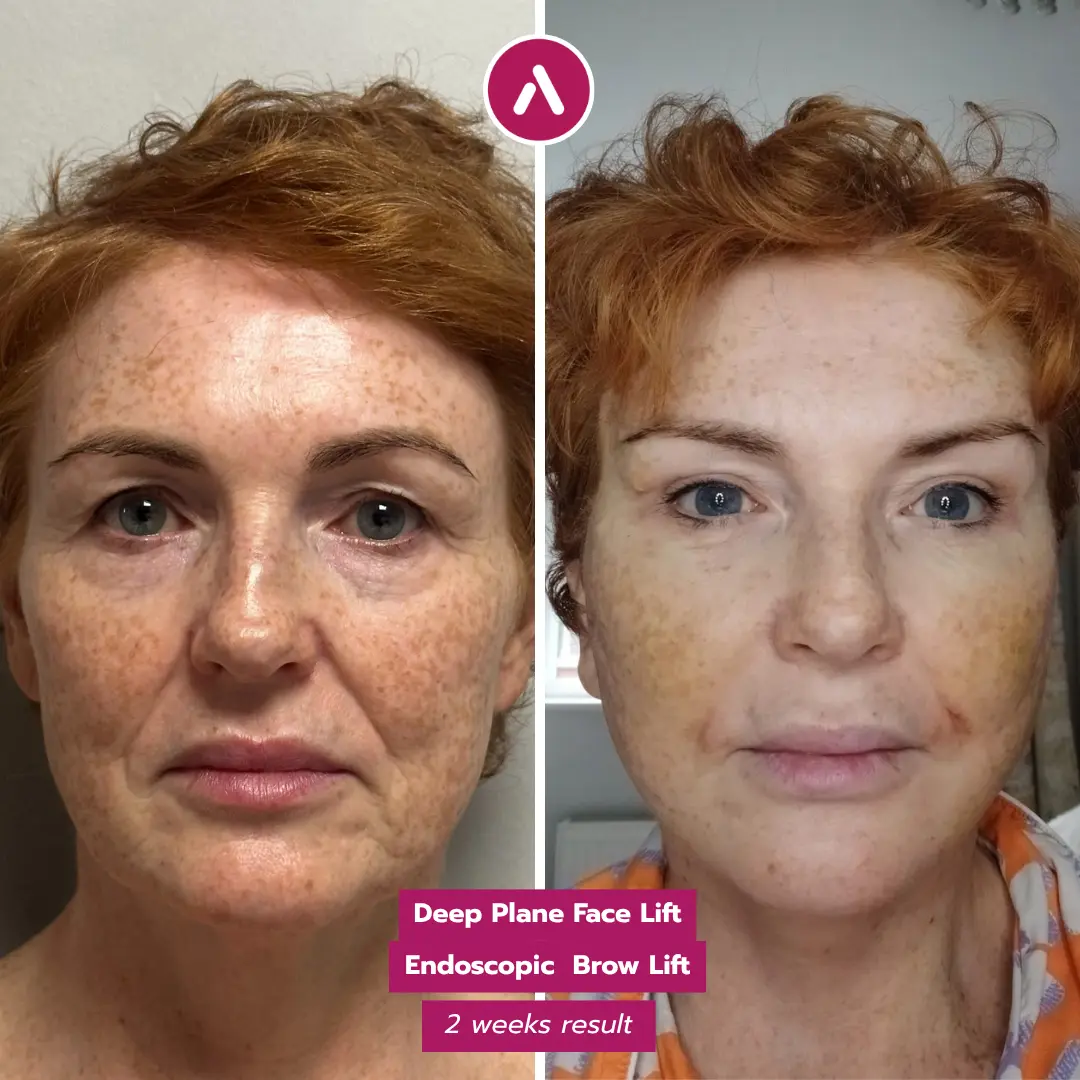
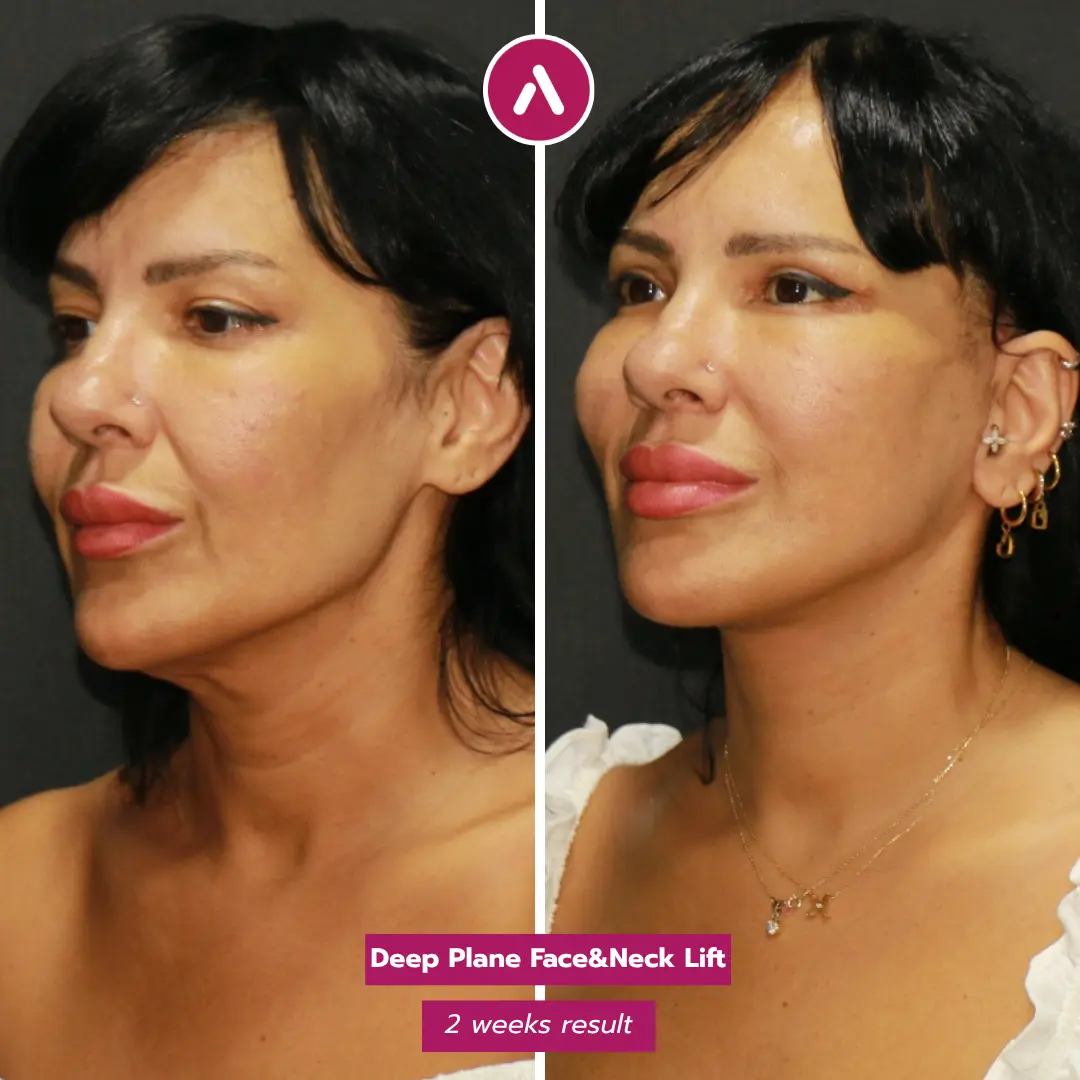
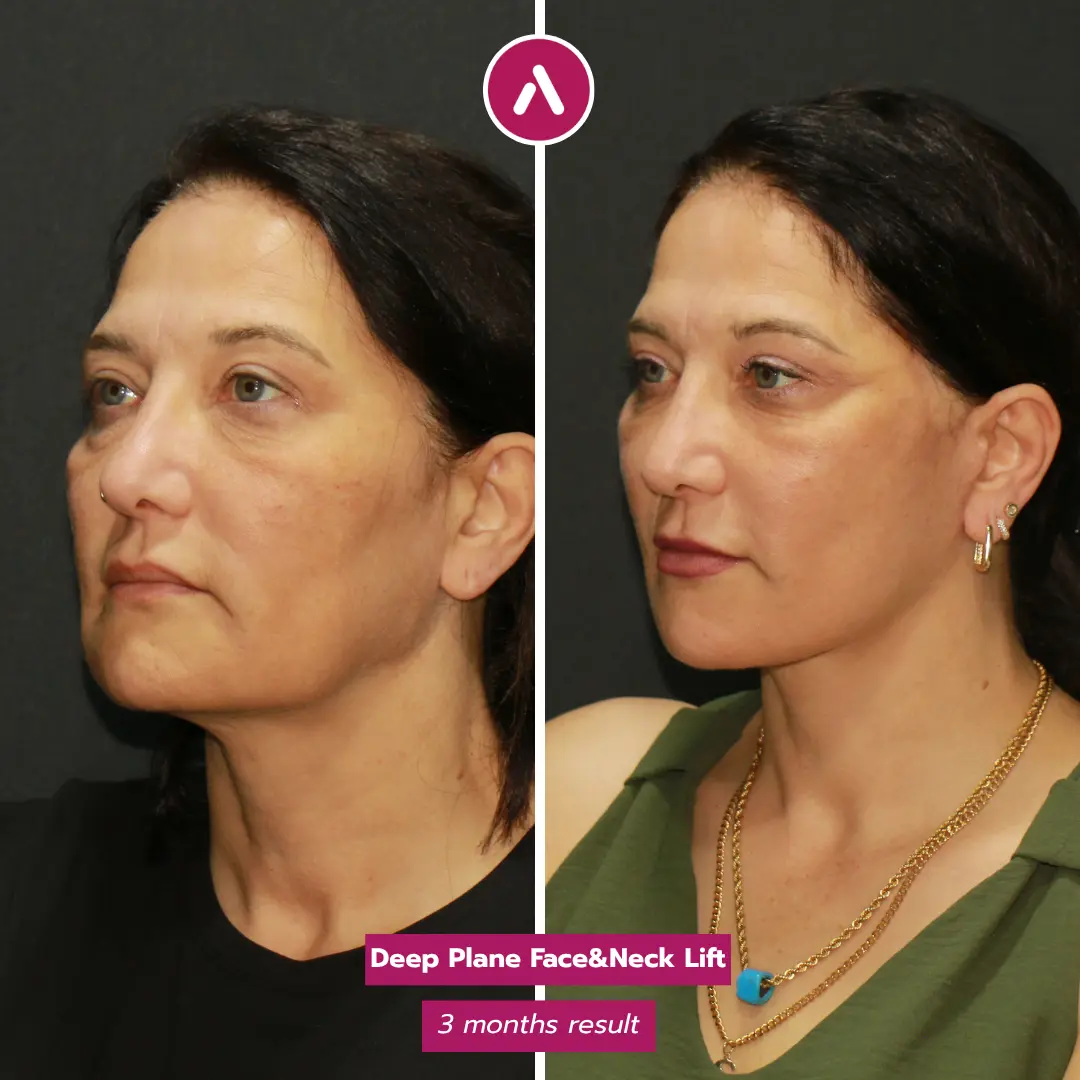
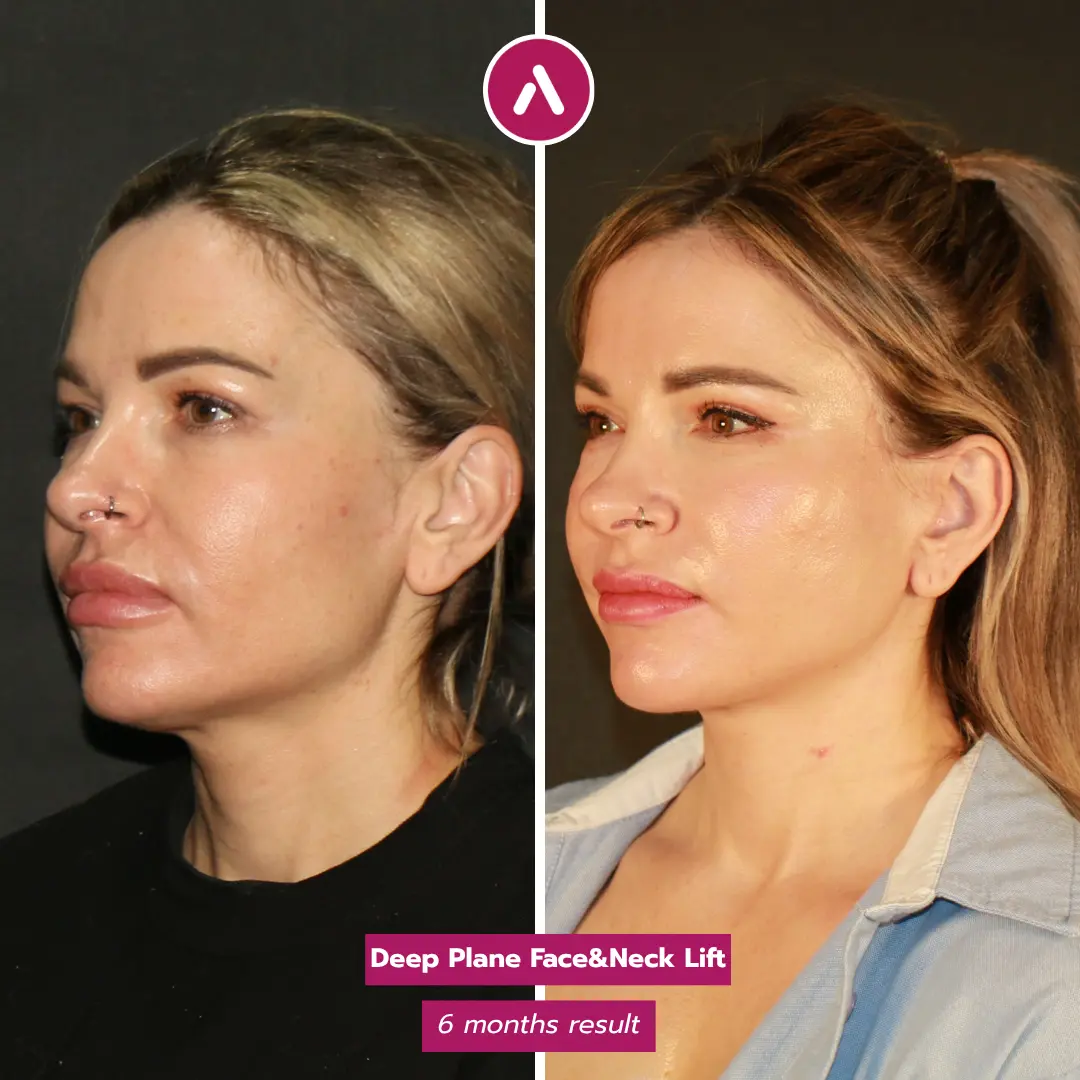
A Twilight Facelift in Turkey combines local anaesthesia with carefully controlled conscious sedation, allowing suitable patients to undergo structural facial rejuvenation without routine general anaesthesia. The procedure may address jowling, lower-face laxity and reduced jawline definition while preserving natural facial character.
At AKM Clinic in Istanbul, each treatment plan is based on facial anatomy, medical suitability and realistic recovery expectations. UK patients receive clear guidance on surgical techniques, twilight sedation, risks, aftercare, travel planning and the potential use of HBOT or LLLT during recovery.
Table of Contents
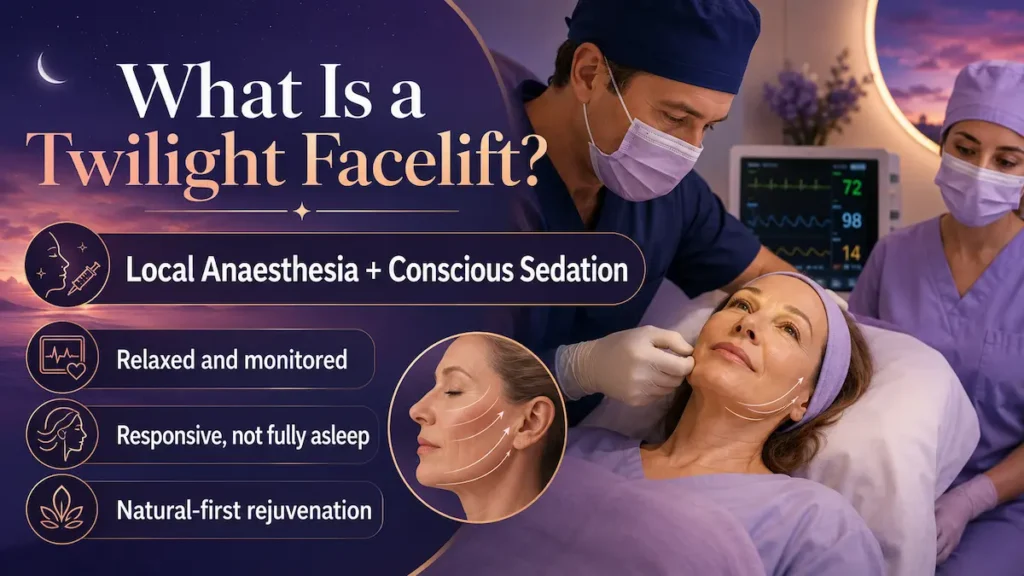
What Is a Twilight Facelift?
A Twilight Facelift is a facial rejuvenation procedure performed with local anaesthesia and carefully controlled conscious sedation, rather than routine general anaesthesia. The patient remains physiologically responsive but relaxed and comfortable, while the surgeon carries out the selected facelift technique according to the anatomy and treatment plan.
The word “twilight” describes the anaesthetic approach. It does not refer to a single facelift technique or determine how deeply the facial tissues are repositioned.
Depending on the patient’s anatomy and the extent of facial ageing, conscious sedation may be combined with a limited facelift, SMAS facelift, face and neck lift or, in selected cases, a deep plane approach.
What Does “Twilight” Mean in Facelift Surgery?
Twilight anaesthesia usually combines intravenous conscious sedation with local anaesthetic injections placed in the surgical area. The purpose is to reduce anxiety, maintain comfort and allow surgery to proceed without routinely placing the patient under general anaesthesia.
The depth of sedation is adjusted by the medical team. Some patients feel as though they have slept through most of the procedure, while others remain lightly aware of their surroundings but feel calm and detached.
Patients may respond to simple instructions, such as turning their head slightly or opening their eyes. Memory of the operation may be limited, although this varies according to the medicines used and individual response.
Twilight sedation should not be confused with undergoing surgery without anaesthetic support. Local anaesthesia is still used to numb the treatment area, and appropriate monitoring remains essential throughout the procedure.
Is a Twilight Facelift a Different Surgical Technique?
No. A twilight facelift is defined primarily by the anaesthetic method, not by the anatomical plane in which the surgery is performed.
The actual facelift may involve tightening or repositioning the SMAS, releasing deeper retaining ligaments, treating the neck muscles or removing carefully measured excess skin. These surgical decisions affect the result more directly than the name of the sedation method.
For an expert patient, this distinction matters. Choosing twilight sedation should not mean accepting a superficial or shortened operation when the anatomy requires a more comprehensive correction.
At AKM Clinic, we first assess the degree of jowling, mid-face descent, skin laxity and neck ageing. We then determine whether the required surgical plan can be performed comfortably and safely with conscious sedation and local anaesthesia.
Twilight Facelift, Awake Facelift and Local Anaesthesia
The terms “twilight facelift” and “awake facelift” are sometimes used interchangeably, but they do not always describe exactly the same experience.
An awake facelift may be performed mainly with local anaesthesia, with the patient fully conscious. A twilight facelift generally includes additional intravenous sedation, making the patient more relaxed, drowsy and less aware of the passage of time.
A facelift under local anaesthesia does not necessarily involve sedation. Equally, conscious sedation does not mean that local anaesthesia is unnecessary.
- Local anaesthesia: Numbs the tissues in and around the surgical area.
- Conscious sedation: Reduces anxiety and awareness while preserving spontaneous breathing.
- General anaesthesia: Produces complete unconsciousness and normally requires more extensive airway management.
The most appropriate option depends on the patient’s medical history, the expected duration of surgery, the procedures being combined and the judgement of the clinical team.
Our Natural-First Approach
“The goal is rejuvenation, not alteration.”
Our aim is not to change the patient’s identity. We plan facial surgery to restore definition, reposition descended tissues and create a more rested appearance without relying on excessive skin tension.
Twilight sedation can support a more comfortable treatment experience, but it does not create a natural result by itself. Natural-looking rejuvenation depends on anatomical assessment, appropriate surgical vectors, careful tissue handling and a tension-conscious closure.
This is why we do not recommend the same facelift method to every patient. The anaesthetic plan and the surgical plan must support one another.
What Are the Benefits of a Twilight Facelift?
The potential benefits of a twilight facelift relate mainly to the anaesthetic experience and early recovery. They should always be considered alongside the scope of surgery, the patient’s health and the need for effective monitoring.
Twilight sedation is not automatically safer or better than general anaesthesia for every patient. Its value lies in offering a suitable alternative when the planned operation and medical assessment support its use.
Reduced Reliance on General Anaesthesia
Some patients delay facial surgery because they are particularly anxious about general anaesthesia. For an appropriately selected patient, conscious sedation facelift surgery may provide a way to undergo meaningful structural rejuvenation without routine complete unconsciousness.
During twilight sedation, the patient usually continues to breathe independently. The medical team can adjust sedation gradually according to comfort, responsiveness and the progress of the operation.
This does not remove anaesthetic risk. Sedative medicines can still affect breathing, blood pressure, heart rate and oxygen levels, which is why continuous observation and appropriate emergency preparation remain necessary.
A More Controlled Early Recovery
Patients emerging from conscious sedation may experience less of the prolonged grogginess sometimes associated with general anaesthesia. Nausea and disorientation may also be reduced in selected patients, although individual responses vary.
Once the procedure is complete, the patient is observed while the effects of the sedative medicines wear off. Discharge is considered only after clinical checks confirm that recovery is progressing appropriately.
Many suitable patients may return to their hotel on the same day with a responsible companion and clear aftercare instructions. Same-day discharge is not promised in advance and should never override medical judgement.
Meaningful Surgery Without Compromising the Anatomical Plan
A common concern is whether avoiding general anaesthesia means accepting a less effective facelift. It should not.
In selected cases, a SMAS facelift under conscious sedation can still address the supportive layer beneath the skin. Suitable patients may also undergo neck contouring or more advanced tissue repositioning without changing the basic objective of surgery.
The limiting factor is not simply whether the patient is “awake”. The duration, complexity and extent of the planned operation must remain compatible with patient comfort, safe anaesthetic management and precise surgical work.
Where a more extensive operation is required, general anaesthesia may be the more appropriate option. A responsible recommendation is based on the procedure the patient needs, not on promoting one anaesthetic method in every case.
Potentially Less Disruption to the Immediate Patient Experience
International patients often consider not only the operation itself but also how quickly they can eat, walk, communicate and return to a comfortable recovery environment.
Twilight sedation may allow a smoother transition from the operating theatre to supervised recovery for some patients. Once clinically cleared, they may be able to drink fluids, have a light meal and move with assistance.
This can be particularly reassuring for patients travelling from the UK who want a clearly organised recovery plan. It does not mean the facelift itself has no downtime.
Swelling, bruising, tightness, temporary numbness and fatigue remain normal parts of healing. The biological recovery of the facial tissues continues for weeks and months, regardless of the anaesthetic method.
A Personalised Alternative for Patients with Anaesthesia Anxiety
Fear of general anaesthesia is a genuine concern for some patients. Clear information can help distinguish understandable anxiety from medical risk.
Before recommending twilight sedation, we review previous anaesthetic experiences, current medication, allergies, cardiovascular and respiratory health, and the patient’s ability to remain comfortable during a longer procedure.
Patients should feel able to ask direct questions:
- How deeply will I be sedated?
- Will I remember the operation?
- Who will monitor me during surgery?
- What happens if deeper anaesthesia becomes necessary?
- How will discomfort be controlled?
Transparent answers are part of informed consent. The objective is not to persuade every patient to choose twilight sedation, but to determine whether it is medically appropriate and psychologically reassuring for that individual.
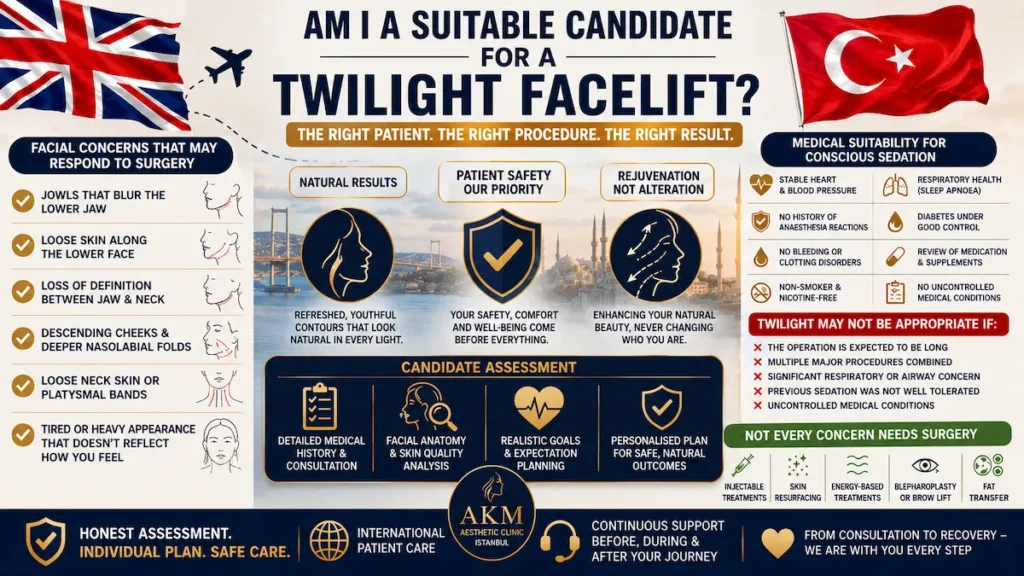
Am I a Suitable Candidate for a Twilight Facelift?
A twilight facelift may be suitable for adults who have visible facial ageing, realistic expectations and a medical profile compatible with conscious sedation. Candidacy depends on two separate questions: whether facelift surgery is appropriate, and whether the planned operation can be carried out safely under twilight anaesthesia.
Photos can help us understand a patient’s concerns, but they do not replace a full medical assessment. The final recommendation is made after reviewing facial anatomy, health history, medication and the expected extent of surgery.
Facial Concerns That May Respond to Surgery
Facelift surgery is designed to correct structural descent rather than isolated fine lines. It may be considered when non-surgical treatments can no longer provide sufficient support or definition.
Common concerns include:
- Jowls that blur the border of the lower jaw
- Loose skin along the lower face
- Loss of definition between the jaw and neck
- Descending cheek tissue and deeper nasolabial folds
- Marionette lines associated with lower-face descent
- Loose neck skin or visible platysmal bands
- A tired or heavy appearance that does not reflect how the patient feels
The presence of these changes does not automatically mean that every patient needs the same operation. Early jowling may respond to a limited approach, while more advanced mid-face and neck descent may require a broader structural correction.
Medical Suitability for Conscious Sedation
Patients considering a facelift under local anaesthesia and conscious sedation should be in sufficiently stable health for elective surgery. Relevant medical conditions must be identified before a treatment plan is confirmed.
The assessment may include:
- Blood pressure and cardiovascular history
- Respiratory conditions, including sleep apnoea
- Previous reactions to anaesthesia or sedation
- Diabetes and blood sugar control
- Bleeding or clotting disorders
- Current prescription medication and supplements
- Smoking, nicotine and alcohol use
- Allergies to medicines or dressings
Blood-thinning medication, herbal supplements and some anti-inflammatory medicines can affect bleeding risk. Patients should never stop prescribed medication without guidance from the prescribing doctor and surgical team.
Nicotine is particularly relevant because it restricts blood vessels and can impair wound healing. Patients who smoke or use nicotine products may be asked to stop well before surgery and remain nicotine-free during recovery.
Psychological Readiness and Realistic Expectations
A suitable patient understands that a facelift can improve facial contours but cannot stop future ageing. Surgery should be chosen to address personal concerns, not to satisfy pressure from another person.
Realistic expectations include accepting that:
- Perfect symmetry cannot be guaranteed
- Scars require time to mature
- Swelling may temporarily distort the result
- Numbness and tightness can persist for several weeks
- The final appearance develops gradually
- Results differ between patients
Patients should also feel comfortable with the idea of twilight sedation. Someone with severe procedural anxiety may find a lightly responsive state more stressful, even when pain is controlled.
In that situation, deeper sedation or general anaesthesia may be more appropriate. Emotional comfort is part of safe treatment planning.
When Twilight Sedation May Not Be Appropriate
Twilight sedation is not suitable for every facelift or every patient. The final decision depends on the complexity and duration of the planned procedure as well as the individual’s medical risk.
A different anaesthetic approach may be advised when:
- The operation is expected to be unusually long
- Several major procedures are being combined
- The patient cannot remain comfortably positioned
- There is a significant respiratory or airway concern
- Previous sedation has been ineffective or poorly tolerated
- The patient has uncontrolled medical conditions
- The anticipated surgical work requires a deeper level of anaesthesia
A responsible clinic should be prepared to recommend general anaesthesia when it provides the better margin of safety or comfort. The aim is not to fit every patient into the same protocol.
Who May Need a Different Treatment?
Not every ageing concern requires facelift surgery. Patients with good structural support but early skin-quality changes may be better suited to non-surgical or minimally invasive treatments.
Alternative or complementary options may include:
- Injectable treatments for carefully selected volume loss
- Skin resurfacing for texture or pigmentation concerns
- Energy-based treatments for mild skin laxity
- Upper or lower blepharoplasty for isolated eyelid ageing
- A brow or temporal lift for upper-face descent
- Fat transfer where volume loss is more significant than sagging
Non-surgical treatments cannot reproduce the structural repositioning achieved by facelift surgery. Equally, surgery should not be recommended where a less invasive option can reasonably meet the patient’s goals.
“The right procedure is the one that addresses the anatomical cause of ageing without adding unnecessary treatment.”
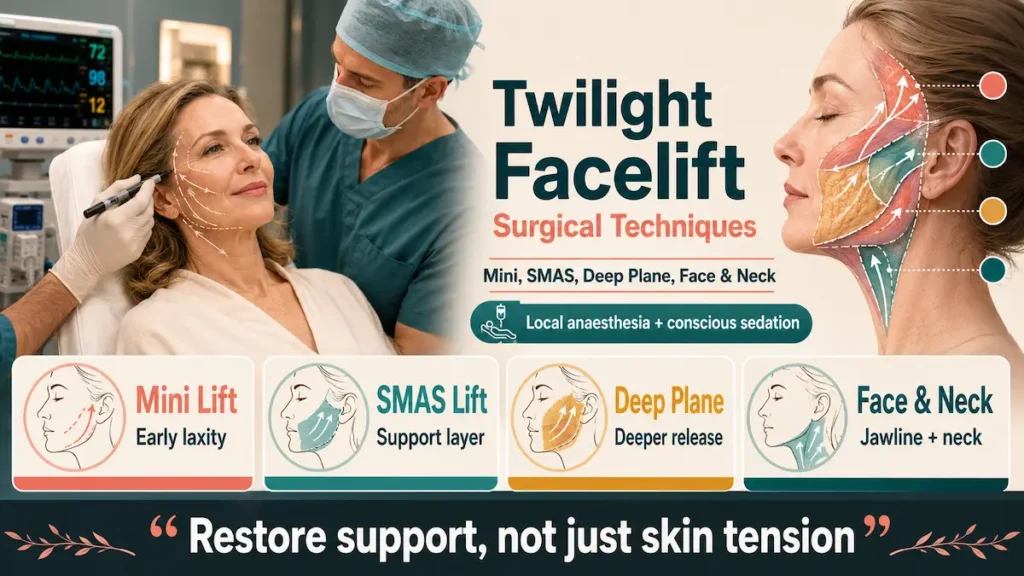
Twilight Facelift Surgical Techniques Explained
A twilight facelift is not a single standardised operation. The surgical technique is selected according to the depth and distribution of ageing, while twilight anaesthesia describes how comfort and awareness are managed during the procedure.
The distinction is essential. A patient should ask not only how the anaesthesia will be administered, but also which facial layer will be treated and why.
SMAS Facelift Under Conscious Sedation
The SMAS is the fibromuscular layer beneath the facial skin. It connects with the muscles of facial expression and provides structural support to the lower face.
During a SMAS facelift under conscious sedation, the surgeon works beneath the skin to tighten, reposition or support this layer. The precise manoeuvre may involve folding, suturing, trimming or elevating the SMAS according to the patient’s anatomy.
Treating the SMAS helps reduce reliance on skin tension. This is important because simply pulling the skin can create a tight appearance while providing limited correction of deeper facial descent.
A well-planned SMAS procedure may improve:
- Early to moderate jowling
- Loss of lower-face definition
- Some forms of cheek descent
- Loose tissue along the jawline
The term “SMAS facelift” covers several variations. Patients should therefore ask how the layer will be treated rather than relying on the label alone.
Twilight Deep Plane Facelift
A twilight deep plane facelift involves working below the SMAS in selected areas and releasing retaining ligaments that restrict the movement of descended facial tissue. This allows the skin, SMAS and attached fat compartments to be repositioned together as a composite unit.
The technique can be particularly useful when ageing affects the mid-face, jowls and lower face at the same time. By mobilising deeper tissues, the surgeon may restore cheek position and jawline definition without depending on excessive skin traction.
Deep plane surgery is technically demanding. Performing it with conscious sedation requires appropriate patient selection, efficient surgical planning and a team experienced in both the procedure and the anaesthetic method.
Not every deep plane facelift should be performed under twilight anaesthesia. The operation’s expected duration, the need for neck work and the patient’s tolerance must all be considered.
Mini and Limited-Incision Facelift Techniques
A mini facelift generally uses shorter incisions and more limited tissue dissection. It may suit patients with early lower-face laxity and relatively good neck definition.
Potential advantages include a smaller treatment area and a less extensive early recovery. However, “mini” does not automatically mean better, safer or more natural.
A limited operation may provide an incomplete result when the patient has:
- Marked jowling
- Significant neck laxity
- Visible platysmal banding
- Advanced mid-face descent
- Substantial excess skin
Choosing a smaller procedure solely to reduce downtime can lead to under-correction. The surgical plan should match the anatomy rather than a preferred label.
Face and Neck Lift Under Twilight Anaesthesia
Facial and neck ageing often progress together. Correcting the lower face without treating a loose neck can leave an abrupt difference between the two areas.
A combined face and neck lift may include:
- Repositioning the SMAS or deeper facial tissues
- Tightening the platysma muscle
- Removing or redistributing selected fat beneath the chin
- Redraping excess neck skin
- Restoring a clearer angle between the jaw and neck
Platysmaplasty may be used when the platysma muscles have separated or formed visible vertical bands. The method can involve central tightening beneath the chin, lateral support near the ear, or both.
Additional neck work increases the scope of surgery. The anaesthetic plan must therefore be reviewed carefully rather than assuming that twilight sedation will always remain the preferred option.
How the Main Facelift Techniques Compare
| Technique | Main Anatomical Focus | Commonly Considered For | Possible Anaesthetic Approach | Important Limitation |
|---|---|---|---|---|
| Mini facelift | Limited lower-face and superficial tissue support | Early jowling and mild lower-face laxity | Local anaesthesia, twilight sedation or general anaesthesia | May not adequately correct the neck or advanced descent |
| SMAS facelift | Supportive fibromuscular layer beneath the skin | Lower-face laxity, jowls and reduced jawline definition | Twilight sedation or general anaesthesia, depending on scope | Results vary according to the specific SMAS method and lifting vector |
| Deep plane facelift | Plane beneath the SMAS and facial retaining ligaments | Mid-face descent, jowls and more advanced structural ageing | Selected cases may be suitable for twilight sedation | Requires advanced technical experience and careful patient selection |
| Face and neck lift | Lower face, platysma and neck contour | Combined jowling, loose neck skin and platysmal banding | Determined by surgical extent and patient factors | A broader operation may require a longer recovery or deeper anaesthesia |
Which Technique Is Best?
There is no universally superior facelift technique. The best choice is the one that corrects the patient’s actual pattern of ageing while preserving facial character and maintaining an acceptable risk profile.
During assessment, we consider:
- The position and quality of the cheek tissues
- The degree of jowling
- Skin elasticity and thickness
- Neck anatomy and platysmal banding
- Previous surgery or scarring
- Hairline and incision placement
- The procedures being combined
- The patient’s medical and anaesthetic suitability
The final plan may use elements from more than one named technique. Surgical labels are useful for education, but they should not replace individual anatomical planning.
“Natural results are created by restoring support in the correct layer, not by pulling the skin more tightly.”

Procedures Commonly Combined with a Twilight Facelift
Facial ageing rarely affects one area in isolation. A facelift may improve the jawline and lower face, but it will not automatically correct heavy eyelids, a descended brow, isolated neck banding or facial volume loss.
Combined surgery can create a more balanced result when each procedure addresses a separate anatomical concern. The decision should be based on clinical need rather than the desire to include as many treatments as possible.
Neck Lift and Platysmaplasty
A neck lift is one of the procedures most frequently considered alongside a facelift. The lower face and neck form a continuous anatomical unit, so treating only one area can leave an incomplete transition.
Neck ageing may involve several components:
- Loose skin beneath the chin
- Vertical platysmal bands
- Loss of the natural cervicomental angle
- Localised fat beneath the chin
- Reduced definition along the lower jaw
Platysmaplasty addresses the underlying neck muscle when it has separated or developed visible bands. Depending on the anatomy, the muscle may be tightened centrally beneath the chin, supported laterally near the ear, or treated through a combined approach.
Where excess fat contributes to fullness, carefully planned liposuction or direct fat removal may be added. Removing too much can create irregularity or expose underlying structures, so the objective is definition rather than aggressive fat reduction.
A combined face and neck lift generally requires more operating time than an isolated lower facelift. This additional complexity must be considered when deciding whether twilight sedation remains the most appropriate anaesthetic method.
Upper or Lower Blepharoplasty
Blepharoplasty, or eyelid surgery, may be recommended when the eyes appear heavy or tired despite improvement in the lower face. A facelift does not directly remove excess eyelid skin or correct prominent lower-eyelid bags.
Upper blepharoplasty may address:
- Excess skin resting over the upper-eyelid crease
- A heavy appearance caused by skin redundancy
- Restricted visibility of the natural eyelid platform
Lower blepharoplasty may be considered for protruding fat pockets, lower-eyelid laxity or a persistent tired appearance. The treatment plan depends on whether the problem is caused by fat, skin, muscle, lid support or a combination of these factors.
Combining eyelid surgery with a facelift can produce a more coherent rejuvenation, but it also increases swelling around the central face. Patients should be prepared for temporary bruising and visual disturbance caused by swelling during the early recovery period.
Brow Lift or Temporal Lift
A low or descended brow can create upper-eyelid hooding and make the eyes appear smaller. Removing eyelid skin alone may not correct the underlying cause when brow descent is the primary issue.
An endoscopic brow lift or temporal lift may be used to reposition selected upper-face tissues through incisions hidden within the hairline. The purpose is not to create an elevated or surprised expression, but to restore the brow to a more natural position.
A temporal lift focuses mainly on the outer brow and temple. A broader brow lift may address a wider area of forehead descent.
Careful planning is important because excessive elevation can look artificial. The brow position should remain consistent with the patient’s facial proportions, forehead height and natural expression.
Facial Fat Transfer
Facelift surgery repositions descended tissue, but it does not always restore volume that has been lost with age. Fat transfer may be considered when facial hollowing remains after structural lifting.
Common treatment areas include:
- The temples
- The upper cheek
- The junction between the lower eyelid and cheek
- Selected areas around the mouth
- The chin or jawline in carefully chosen cases
Fat is collected from another part of the body, prepared and placed in small amounts. Some transferred fat may be reabsorbed, so the final retained volume can vary.
Overfilling should be avoided. Our Natural-First approach prioritises proportion and facial identity rather than creating an obviously volumised appearance.
Skin Resurfacing and Regenerative Support
A facelift can improve shape and tissue position, but it does not directly correct every skin-quality concern. Pigmentation, fine lines, sun damage and uneven texture may require a separate treatment strategy.
Skin resurfacing may be considered at the same time as surgery or after the tissues have healed, depending on the treatment and the patient’s skin type. Combining procedures can increase inflammation, so timing must be selected carefully.
Low-Level Laser Therapy may also be used as part of the recovery plan. LLLT is intended to support cellular activity and post-operative healing rather than replace surgery or skin resurfacing.
How We Decide Whether to Combine Procedures
Combination surgery should provide a clear anatomical benefit. It should not be recommended simply because the patient has travelled internationally or wants to complete every possible treatment in one visit.
We consider:
- The total expected operating time
- The patient’s medical and anaesthetic profile
- The amount of tissue trauma involved
- The likely effect on swelling and bruising
- The ability to recover safely in Istanbul
- The support available after discharge
- The patient’s planned return date to the UK
In some cases, separating procedures is the safer and more predictable option. A staged plan may also allow the surgeon to assess the first result before recommending further treatment.
“A balanced result does not come from doing more. It comes from treating the right structures in the right sequence.”
Anaesthesia: Why We May Recommend Awake or Twilight Sedation
Anaesthesia is part of the treatment plan, not an independent product. We may recommend awake or twilight sedation when it is compatible with the patient’s health, the expected length of surgery and the level of tissue work required.
General anaesthesia remains appropriate for many patients and procedures. The objective is to select the method that provides suitable comfort, monitoring and operating conditions for the individual case.
What Is Twilight Sedation?
Twilight sedation is a controlled state of reduced awareness produced with intravenous medication. The patient is usually calm and drowsy, continues to breathe independently and may still respond to simple verbal instructions.
Local anaesthesia is used separately to numb the facial tissues. Sedation reduces anxiety and awareness, while local anaesthesia provides pain control in the surgical area.
The term “twilight” does not describe one fixed depth. Sedation can be adjusted during the operation according to the patient’s response and the requirements of the procedure.
Twilight Sedation Versus General Anaesthesia
Twilight sedation vs general anaesthesia is not a simple comparison between a safe method and a dangerous one. Both approaches have recognised advantages, limitations and potential complications.
| Consideration | Twilight Sedation | General Anaesthesia |
|---|---|---|
| Level of awareness | Drowsy, with reduced awareness and possible response to instructions | Completely unconscious |
| Breathing | Usually spontaneous, with continuous monitoring | Airway support is normally required |
| Local anaesthesia | Used to numb the surgical area | May still be used for local pain control |
| Memory | May be limited or incomplete | No awareness of the procedure |
| Procedure suitability | Selected according to duration, complexity and patient tolerance | Often preferred for longer or more extensive surgery |
| Early recovery | Some patients experience less prolonged grogginess | Recovery varies according to the medicines and procedure |
Twilight sedation may appeal to patients who are anxious about complete unconsciousness. General anaesthesia may offer better control when the operation is extensive, unusually long or involves several major procedures.
The choice should be made after medical assessment. Patient preference matters, but it cannot override safety or the technical requirements of surgery.
What Medicines Are Used During Twilight Sedation?
Patients frequently ask about twilight sedation drugs. The exact protocol varies according to the individual, the duration of surgery and the judgement of the anaesthesia team.
A protocol may include several types of medication:
- A medicine to reduce anxiety and produce drowsiness
- A short-acting sedative to control the depth of awareness
- Pain-relieving medication where appropriate
- Local anaesthetic injected into the surgical tissues
- Medication to reduce nausea when clinically indicated
There is no single drug combination that is suitable for every patient. Age, body composition, existing health conditions, previous anaesthetic response and current medication can all influence the plan.
Patients should disclose all prescription medication, over-the-counter products and supplements. They should also report previous sedation difficulties, severe nausea or allergic reactions.
Are You Awake During Twilight Sedation?
Patients are not usually fully alert in the ordinary sense. Most feel sleepy, calm and less aware of their surroundings.
Some patients may hear voices, notice movement or respond briefly when spoken to. Others remember very little of the procedure.
Being responsive does not mean experiencing uncontrolled pain. Local anaesthesia is used to numb the operative area, while the level of sedation is adjusted to maintain comfort.
Awareness and memory are individual. A clinic should not promise that every patient will sleep continuously or remember nothing.
Do You Talk During Twilight Sedation?
Some patients can answer simple questions or follow short instructions. They may be asked to turn their head, open their eyes or indicate whether they feel uncomfortable.
Conversation is usually limited and may not be remembered afterwards. The patient is not expected to remain socially engaged throughout the operation.
The ability to communicate can be useful, but it is not the main reason for selecting twilight sedation. The primary aims are comfort, appropriate operating conditions and controlled recovery.
What Does Twilight Sedation Feel Like?
Many patients describe a sense of heaviness, relaxation and altered awareness of time. The operating environment may feel distant, and memories can be fragmented.
Patients may notice pressure, touch or movement even when pain is controlled. These sensations differ from sharp pain and should be explained before surgery.
If discomfort occurs, the patient can alert the team. Additional local anaesthetic or an adjustment to sedation may be considered according to the clinical situation.
How Are You Monitored?
Conscious sedation still requires formal monitoring. The patient’s response can change during a lengthy procedure, even when breathing remains spontaneous.
Monitoring commonly includes:
- Oxygen saturation
- Heart rate
- Blood pressure
- Respiratory rate
- Level of responsiveness
The team must also be prepared to support breathing or deepen the anaesthetic if clinically necessary. Equipment, trained personnel and an emergency plan remain essential.
Is Twilight Sedation Safe?
Twilight sedation can be an appropriate option for carefully selected patients, but it is not risk-free. Possible complications include changes in breathing, blood pressure, heart rate, oxygen level, nausea or an unexpected reaction to medication.
Risk reduction begins before surgery. A thorough health review, appropriate fasting instructions, medication management and continuous monitoring are all important.
The safest anaesthetic is not the one with the most reassuring name. It is the one selected for the correct patient, operation and clinical setting.
What Happens If Deeper Anaesthesia Becomes Necessary?
The clinical team should have a clear escalation plan. If the patient cannot remain comfortable, the sedation response is inadequate or the operation becomes more extensive than expected, the anaesthetic approach may need to change.
This possibility should be discussed during informed consent. Patients should understand who makes the decision, what additional monitoring may be required and how it could affect discharge or recovery.
Planning for an unlikely change is a mark of preparedness, not an indication that the procedure is expected to go wrong.
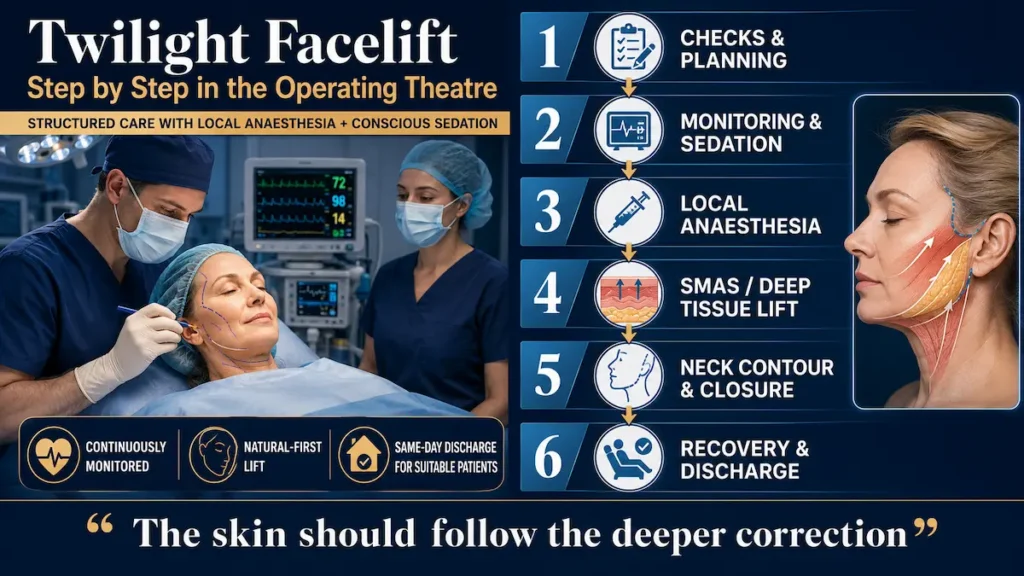
Twilight Facelift Surgery Step by Step: What Happens in the Operating Theatre?
A twilight facelift follows a structured surgical pathway. Although the patient is not routinely placed under general anaesthesia, the procedure still requires formal preparation, continuous monitoring and a properly equipped operating theatre.
The exact sequence varies according to the facelift technique, neck treatment and any procedures performed at the same time.
Pre-Operative Checks and Surgical Planning
Before entering the operating theatre, the medical team confirms the patient’s identity, planned procedures, allergies, medication history and fasting status. Pre-operative test results are reviewed again.
The surgeon then examines the face in an upright position. This is important because facial tissues can appear different when the patient is lying down.
Surgical markings may identify:
- The planned incision lines
- The areas of jowling and tissue descent
- The direction in which deeper tissues will be repositioned
- Areas of neck laxity or platysmal banding
- Any region requiring conservative fat removal
Photographs may also be taken as part of the clinical record. The treatment plan is reviewed with the patient before sedation begins.
Monitoring and the Start of Twilight Sedation
Once the patient is comfortably positioned, monitoring equipment is applied. Blood pressure, heart rate, oxygen saturation, breathing and responsiveness are observed throughout the operation.
An intravenous line is normally placed so that medication and fluids can be administered. Sedation begins gradually rather than as a single fixed dose.
The aim is to create a calm, drowsy state while maintaining suitable breathing and operating conditions. Oxygen may be given when clinically indicated.
The medical team continues to assess the patient as the operation progresses. Sedation may be adjusted in response to comfort, movement, breathing or changes in the surgical plan.
Local Anaesthesia and Tissue Numbing
Twilight sedation does not replace local anaesthesia. The surgeon carefully injects local anaesthetic into the planned incision areas and the tissues that will be treated.
The injections may briefly cause pressure, stinging or a sensation of fullness. Sedation is intended to make this stage easier to tolerate.
The team allows sufficient time for the anaesthetic to take effect before surgery begins. Additional local anaesthetic may be used during the procedure when appropriate.
Incisions and Access to the Facial Layers
Facelift incisions are usually positioned around the ear and, where necessary, within the hairline. Their exact location depends on the technique, hair pattern, previous scars and the amount of skin that requires redraping.
A small incision beneath the chin may be added when central neck work or platysmaplasty is required.
The surgeon then gains access to the planned anatomical layer. This may involve limited tissue support, SMAS treatment or deeper ligament release.
Careful handling is important. Excessive traction or unnecessary dissection can increase swelling, bruising and healing demands.
Repositioning the SMAS or Deep Facial Tissues
The structural part of the facelift is carried out beneath the skin. Depending on the technique, the surgeon may tighten the SMAS, reposition a composite tissue layer or release retaining ligaments that restrict movement.
The direction of lift is selected to restore natural facial support. It is not simply a matter of pulling tissue towards the ear.
Key objectives may include:
- Reducing jowls
- Restoring lower-face definition
- Supporting descended cheek tissue
- Softening folds caused by structural descent
- Creating a smoother transition between the face and neck
The tissues are secured in their new position. The skin is then redraped over the corrected foundation without using it as the main source of support.
Neck Contouring and Platysma Treatment
Where a neck lift is included, the surgeon may tighten separated platysma muscles, remove selected fat or improve the angle beneath the chin.
The aim is a clean contour rather than an unnaturally tight neck. Over-treatment may create visible irregularity or an appearance that does not match the face.
Face and neck surgery should therefore be planned as one continuous rejuvenation where both areas require correction.
Skin Redraping and Closure
After deeper tissues have been repositioned, excess skin is measured conservatively. Removing too much can increase tension and distort the hairline, earlobe or natural facial expression.
The incisions are closed in layers. Fine sutures or other closure methods may be used according to the treatment area.
Dressings are applied to protect the incisions and limit early swelling. A drain may be used in selected cases, although it is not necessary for every patient.
“The skin should follow the deeper correction. It should not be forced to create the lift.”
Immediate Observation and Discharge Assessment
After surgery, the patient is transferred to a supervised recovery area. The team checks alertness, breathing, blood pressure, wound condition and general comfort.
Patients may initially feel sleepy, cold, tight around the face or slightly unsteady. These effects are monitored while the sedation wears off.
Discharge is considered only when the patient:
- Has stable observations
- Can drink fluids when permitted
- Can stand and walk with appropriate assistance
- Has acceptable pain and nausea control
- Has no sign of concerning bleeding
- Has a responsible adult and a clear recovery plan
Same-day return to the hotel may be possible for suitable patients. An overnight stay or additional monitoring may be recommended if recovery is slower than expected or the procedure has been more extensive.
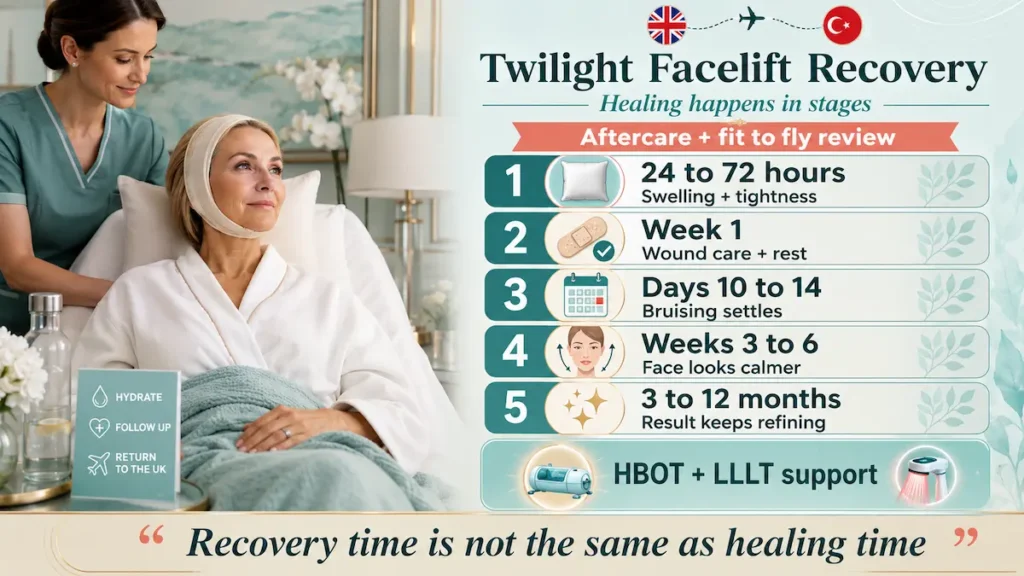
Twilight Facelift Recovery and Aftercare: How Long Does Healing Take?
Recovery after a twilight facelift takes place in stages. Sedation may wear off within hours, but the facial tissues continue to heal for several months.
Sedation recovery time should not be confused with surgical recovery time. Feeling mentally alert does not mean that swelling, bruising or tissue healing has finished.
The First 24 to 72 Hours
Swelling and tightness usually increase during the first two or three days. Bruising may also become more visible before it begins to fade.
Patients may experience:
- Facial pressure or tightness
- Temporary numbness
- Mild to moderate discomfort
- Uneven swelling
- Fatigue
- A small amount of staining on the dressing
The head is normally kept elevated, including during sleep. Short, gentle walks can support circulation, but bending, straining and unnecessary activity should be avoided.
Medication should be taken exactly as prescribed. Patients should not add aspirin, supplements or anti-inflammatory medication without approval.
The First Week
The first week focuses on wound care, swelling control and clinical review. Dressings or drains, where used, are managed according to the surgical plan.
Bruising may change colour as it resolves. Oedema can shift from one area of the face to another and may temporarily create asymmetry.
Patients should avoid:
- Smoking and all nicotine products
- Alcohol
- Heavy lifting
- Strenuous exercise
- Hot baths, steam rooms and saunas
- Pressure or massage over the operated tissues
Regular follow-up allows the team to identify whether healing is progressing normally. Patients should report sudden swelling, increasing pain or unexpected bleeding rather than waiting for the next scheduled review.
Days 10 to 14
By the second week, many patients notice a meaningful reduction in bruising and swelling. Sutures may be removed in stages depending on the incision and healing response.
Some patients feel comfortable being seen socially at this point. Others need longer, particularly after combined face, neck, eyelid or brow surgery.
A 14-day recovery should not be promised as a universal result. Age, skin type, surgical extent, blood pressure, smoking history and individual healing all affect visible downtime.
Weeks Three to Six
During this period, the face usually begins to look more settled. Residual swelling can remain around the jawline, ears, neck or central face.
Temporary firmness, numbness and small areas of lumpiness may occur as the tissues heal. These changes often improve gradually rather than disappearing on a specific day.
Patients may be allowed to increase activity in stages. Exercise, hair appointments and skin treatments should resume only after clinical approval.
Three to Twelve Months
The result continues to refine after the early swelling has resolved. Incisions soften and fade, while deeper tissues gradually become more flexible.
Minor asymmetries can change as healing progresses. A reliable assessment of the final contour should not be made during the first few weeks.
Scar maturation may continue for up to a year or longer. Sun protection and appropriate scar care can help support the healing process.
What to Expect After Twilight Anaesthesia
Patients searching for twilight anaesthesia what to expect often focus on whether they will feel normal immediately after surgery. Most patients still need supervision for the rest of the day.
Drowsiness, reduced concentration and impaired judgement can persist after the patient feels awake. Driving, alcohol, important decisions and unsupervised travel should be avoided until the medical team advises otherwise.
A responsible adult should remain available during the early recovery period. International patients should not plan to navigate Istanbul alone immediately after surgery.
HBOT as Part of Facelift Recovery
Hyperbaric Oxygen Therapy exposes the patient to a high concentration of oxygen in a pressurised environment. This increases the amount of oxygen carried in the blood plasma and is intended to support oxygen delivery to healing tissues.
For patients researching Turkey facelift recovery with HBOT, it is important to understand that HBOT is an adjunct. It does not replace careful surgery, wound care or medical monitoring.
Potential recovery objectives may include:
- Supporting tissue oxygenation
- Helping manage post-operative inflammation
- Supporting tissue repair
- Contributing to scar-healing protocols
HBOT is not automatically suitable for every patient. The need, timing and number of sessions should be decided after clinical assessment.
Low-Level Laser Therapy and Cellular Recovery
Low-Level Laser Therapy uses medical-grade light energy without producing the tissue damage associated with ablative lasers. It is used to support cellular activity during healing.
Patients investigating advanced LLLT recovery in Istanbul clinics should view the treatment as supportive rather than transformative on its own.
LLLT may be incorporated with the aims of:
- Supporting cellular energy production
- Assisting tissue-repair processes
- Helping manage redness and swelling
- Supporting collagen-related healing activity
The recovery protocol is personalised. Some patients may receive HBOT, LLLT, both treatments or neither, depending on the operation and medical assessment.
Preparing to Fly Back to the UK
International travel should be planned around clinical recovery rather than a fixed package schedule. The patient must be reviewed before being considered fit to fly.
Before departure, the team may assess:
- Incision healing
- Swelling and bruising
- Signs of bleeding or infection
- Mobility and hydration
- Pain control
- Whether any drains or dressings require further care
During travel, patients should follow individual advice regarding movement, hydration and medication. Compression garments or facial supports should be used only as directed.
Long-Term Follow-Up After Returning Home
Aftercare continues after the patient leaves Istanbul. Virtual reviews, progress photographs and direct communication help the team monitor healing over time.
Remote follow-up does not replace urgent local medical care. Patients should seek immediate assessment in the UK if they develop breathing difficulty, chest pain, rapidly increasing one-sided swelling, uncontrolled bleeding or other acute symptoms.
A clear handover plan should explain who to contact, what changes are expected and which symptoms require local examination.
“A smooth recovery is built on careful surgery, realistic timing and consistent aftercare. Technology can support that process, but it cannot replace it.”
Safety and Risks: Is a Twilight Facelift Dangerous?
A twilight facelift is still surgery. Conscious sedation may avoid routine general anaesthesia in selected patients, but it does not remove the risks associated with facial tissue dissection, bleeding, wound healing or sedative medication.
The most responsible approach is not to describe the procedure as “risk-free”. It is to explain which complications are possible, how they are reduced and when urgent medical assessment is needed.
Common Short-Term Effects
Temporary swelling, bruising and tightness are expected after most facelift procedures. These effects usually improve gradually, although they can be uneven during the early stages of healing.
Common short-term experiences may include:
- Facial and neck oedema
- Bruising around the jaw, neck or eyes
- Temporary numbness or altered sensation
- A feeling of pressure or stiffness
- Mild asymmetry caused by unequal swelling
- Fatigue and reduced concentration
- Temporary changes in skin sensitivity
These symptoms are not automatically signs of a complication. Their pattern, severity and progression matter.
Symptoms that are worsening rather than settling should be reported promptly.
Bleeding and Haematoma
A haematoma is a collection of blood beneath the skin. It is one of the complications that may require urgent assessment after facelift surgery.
Warning signs can include rapidly increasing one-sided swelling, significant pressure, increasing pain or visible distortion of the face or neck.
Risk may be influenced by:
- Uncontrolled blood pressure
- Blood-thinning medication
- Unapproved supplements
- Smoking or nicotine use
- Straining or excessive activity
- Coughing or vomiting after surgery
Medication review and blood-pressure control form an important part of prevention. Patients must also follow activity restrictions during early recovery.
Infection and Wound-Healing Problems
Infection after facelift surgery is uncommon, but it remains possible. Increasing redness, warmth, discharge, fever or worsening pain may require clinical review.
Wound-healing difficulties can also occur where blood supply is reduced. Smoking and nicotine exposure are particularly relevant because they constrict blood vessels.
Other factors that may affect healing include diabetes, previous surgery, excessive tension on the skin and poor aftercare.
Patients should keep incisions clean and dry according to their instructions. They should not apply unapproved creams, antiseptics or cosmetic products.
Nerve-Related Complications
Temporary numbness around the ears, cheeks or neck is common because small sensory nerves are affected during dissection. Sensation often returns gradually over several weeks or months.
Facial movement may also appear temporarily uneven because of swelling or local nerve irritation. Permanent motor nerve injury is less common but is a recognised risk.
The risk depends partly on the surgical plane, previous operations and individual anatomy. Detailed knowledge of facial nerve pathways is therefore essential.
Scarring, Hairline Changes and Ear Distortion
Facelift scars are usually positioned around the ear and within or near the hairline. They are visible during early healing and then tend to soften and fade.
Some patients develop widened, raised or darker scars. Scar behaviour varies according to genetics, skin type, tension, infection and aftercare.
Excessive skin tension may contribute to:
- Hairline distortion
- Visible pulling around the ear
- Earlobe elongation
- A “pixie ear” appearance
- Widened scars
A tension-conscious closure helps reduce these problems, but no surgeon can guarantee invisible scars.
Sedation-Related Risks
Patients asking “is twilight sedation safe?” should understand that conscious sedation has its own recognised risks. These are separate from the surgical risks of the facelift itself.
Possible sedation-related complications include:
- Reduced breathing rate
- Low oxygen saturation
- Changes in blood pressure
- Abnormal heart rate
- Nausea or vomiting
- Allergic or unexpected medication reactions
- Excessive or inadequate sedation
Continuous monitoring is necessary because the depth of sedation can change. The team must also be prepared to support the airway or alter the anaesthetic plan if required.
How We Reduce Risk
Risk reduction begins before the day of surgery. A careful consultation helps identify patients who need further tests, medication changes or a different anaesthetic approach.
Our safety planning includes:
- Reviewing medical history and current medication
- Assessing previous anaesthetic experiences
- Checking relevant pre-operative tests
- Confirming fasting and medication instructions
- Selecting an appropriate surgical and anaesthetic plan
- Using continuous intra-operative monitoring
- Providing clear post-operative warning signs
- Maintaining structured follow-up after discharge
“Good safety practice is not based on claiming that complications never happen. It is based on reducing avoidable risk and responding early when healing does not follow the expected pattern.”
When to Seek Urgent Medical Advice
Patients should seek urgent assessment if they develop:
- Rapidly increasing swelling on one side
- Uncontrolled bleeding
- Breathing difficulty
- Chest pain
- Sudden confusion or collapse
- Severe or escalating pain
- A temperature of 38°C (100.4°F) or above
- New facial weakness that is worsening
International patients should not rely only on photographs or messages when symptoms are acute. Local emergency assessment in the UK may be necessary.
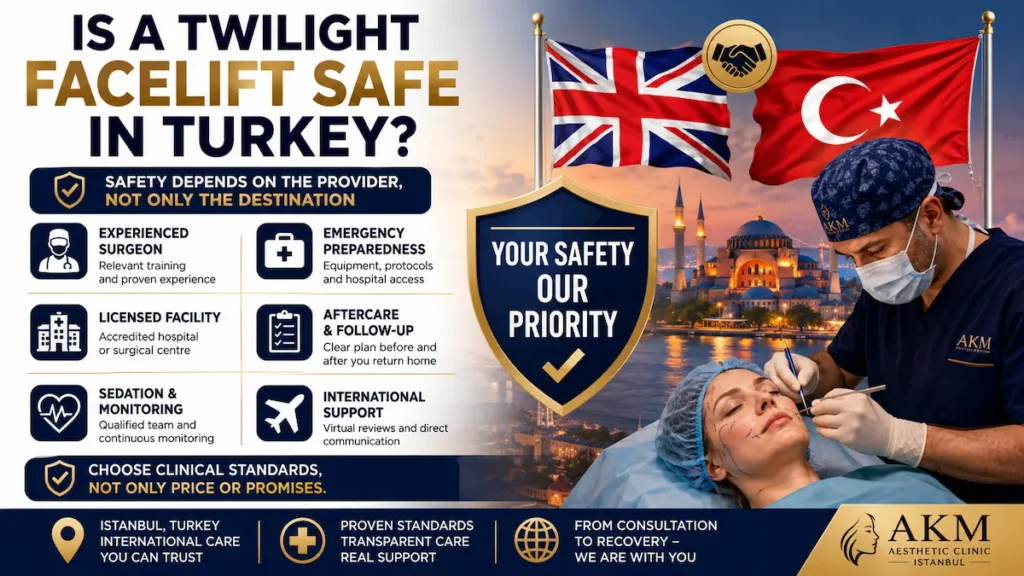
Is a Twilight Facelift Safe in Turkey?
The safety of a twilight facelift cannot be judged by country alone. Turkey has experienced surgical teams and regulated facilities, but standards vary between providers, just as they do in the UK and elsewhere.
Patients should assess the surgeon, operating environment, anaesthesia arrangements and aftercare system rather than relying on destination marketing.
Safety Depends on the Provider, Not Only the Destination
A safe treatment pathway requires more than an attractive clinic or an all-inclusive package. The medical infrastructure behind the service is what matters.
Patients should verify:
- Who will perform the surgery
- The surgeon’s relevant training and experience
- Where the operation will take place
- Whether the facility is appropriately licensed
- Who will administer and monitor sedation
- What emergency equipment is available
- How complications are managed
- What follow-up is provided after returning home
Transparent answers should be available before any deposit is paid.
London Versus Istanbul Facelift Safety Protocols
Searches for London vs Istanbul facelift safety protocols often assume that one city is automatically safer than the other. A more useful comparison examines the actual systems used by each provider.
| Safety Question | What the Patient Should Confirm |
|---|---|
| Pre-operative assessment | Medical history, medication review, relevant tests and anaesthetic suitability |
| Operating environment | Licensed facility, sterile theatre protocols and appropriate monitoring |
| Sedation management | Qualified personnel, documented monitoring and an escalation plan |
| Emergency preparedness | Resuscitation equipment, transfer pathway and access to hospital support |
| Post-operative observation | Clear discharge criteria and access to clinical review |
| Long-term aftercare | Named contacts, virtual reviews and guidance for UK-based medical assessment |
Price should not be used as a substitute for these checks. A higher fee does not automatically prove better care, and a lower fee does not automatically prove poor standards.
Questions UK Patients Should Ask Before Booking
Before choosing a clinic, UK patients should ask direct and specific questions:
- Will I speak with the surgeon before booking?
- Which facelift technique is being recommended?
- Why is twilight sedation suitable for me?
- Who is responsible for sedation and monitoring?
- What happens if general anaesthesia becomes necessary?
- Where will the procedure be performed?
- How long will I be observed after surgery?
- Who will review me before I fly home?
- What support is available after I return to the UK?
A clinic should be willing to explain limits as well as benefits. Pressure to book quickly is a warning sign.
Continuity of Care After Returning to the UK
Post-operative care does not end at the airport. A robust international pathway should include scheduled reviews, progress-photo assessments and direct communication with the clinical team.
At AKM Clinic, our international patient model includes long-term virtual follow-up after the patient returns home. This supports routine monitoring, but it does not replace UK-based examination when urgent or hands-on care is required.
Patients should receive written guidance covering:
- Expected swelling and bruising
- Medication and wound care
- Activity restrictions
- Scar management
- Warning signs
- How and when to contact the clinic
- When to seek local medical help
Red Flags When Comparing Clinics
Patients should be cautious when a provider:
- Promises risk-free surgery
- Guarantees a specific recovery date
- Cannot identify the operating surgeon
- Avoids discussing complications
- Recommends surgery without reviewing medical history
- Uses “board-certified” without naming the certifying body
- Provides no clear emergency or aftercare plan
- Applies pressure to pay before a proper consultation
Safe plastic surgery in Istanbul depends on verifiable systems, not slogans.
“International treatment should feel carefully organised, but convenience must never replace clinical scrutiny.”
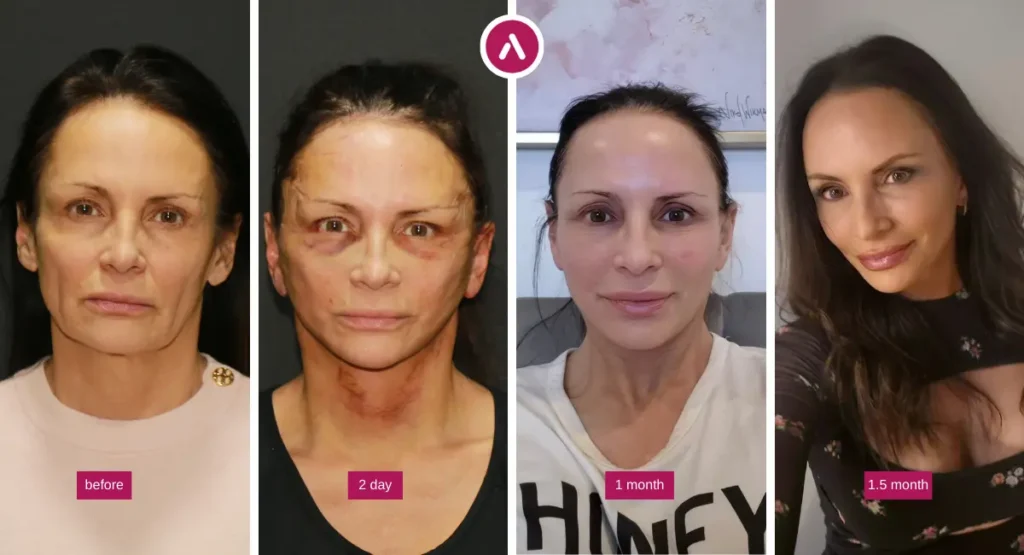
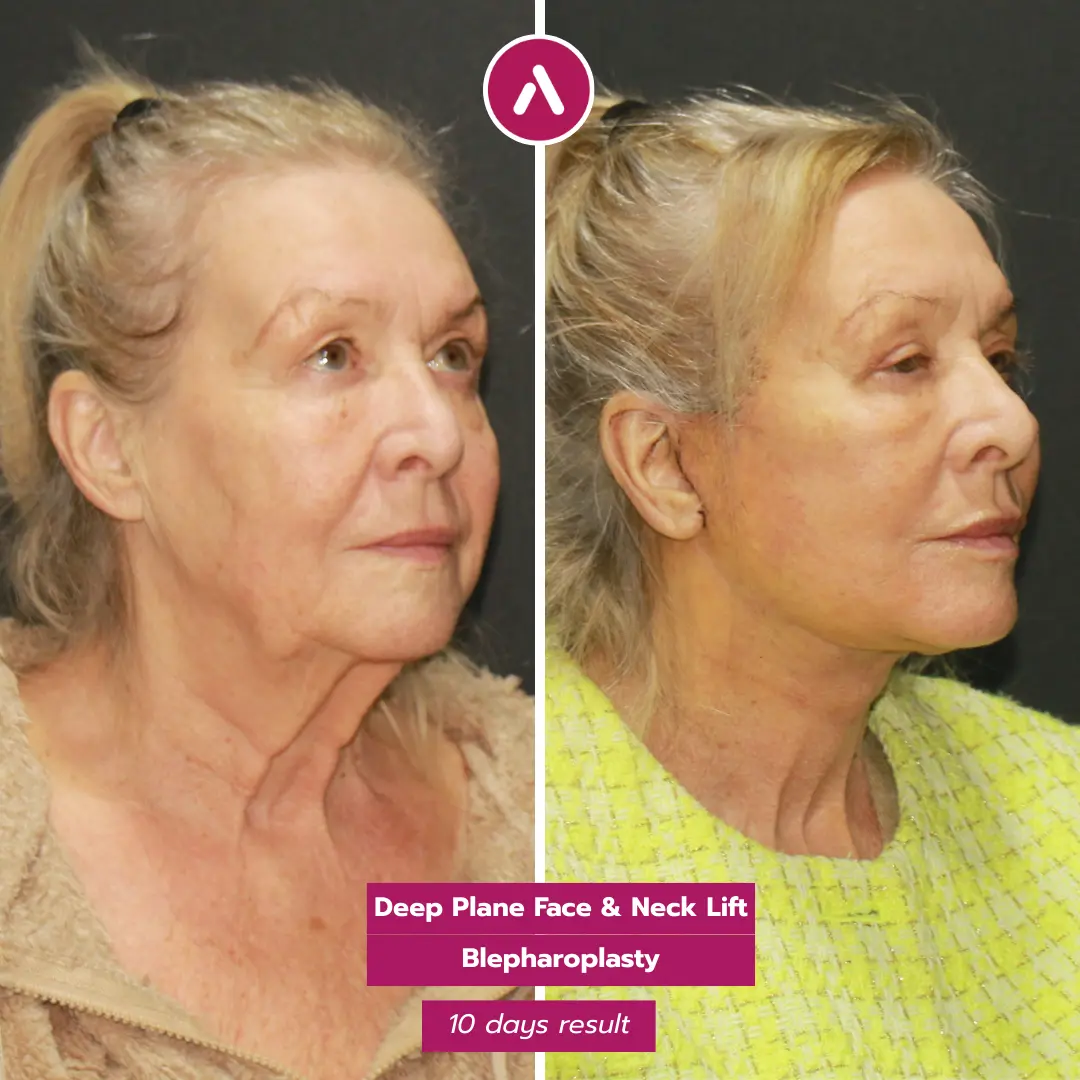
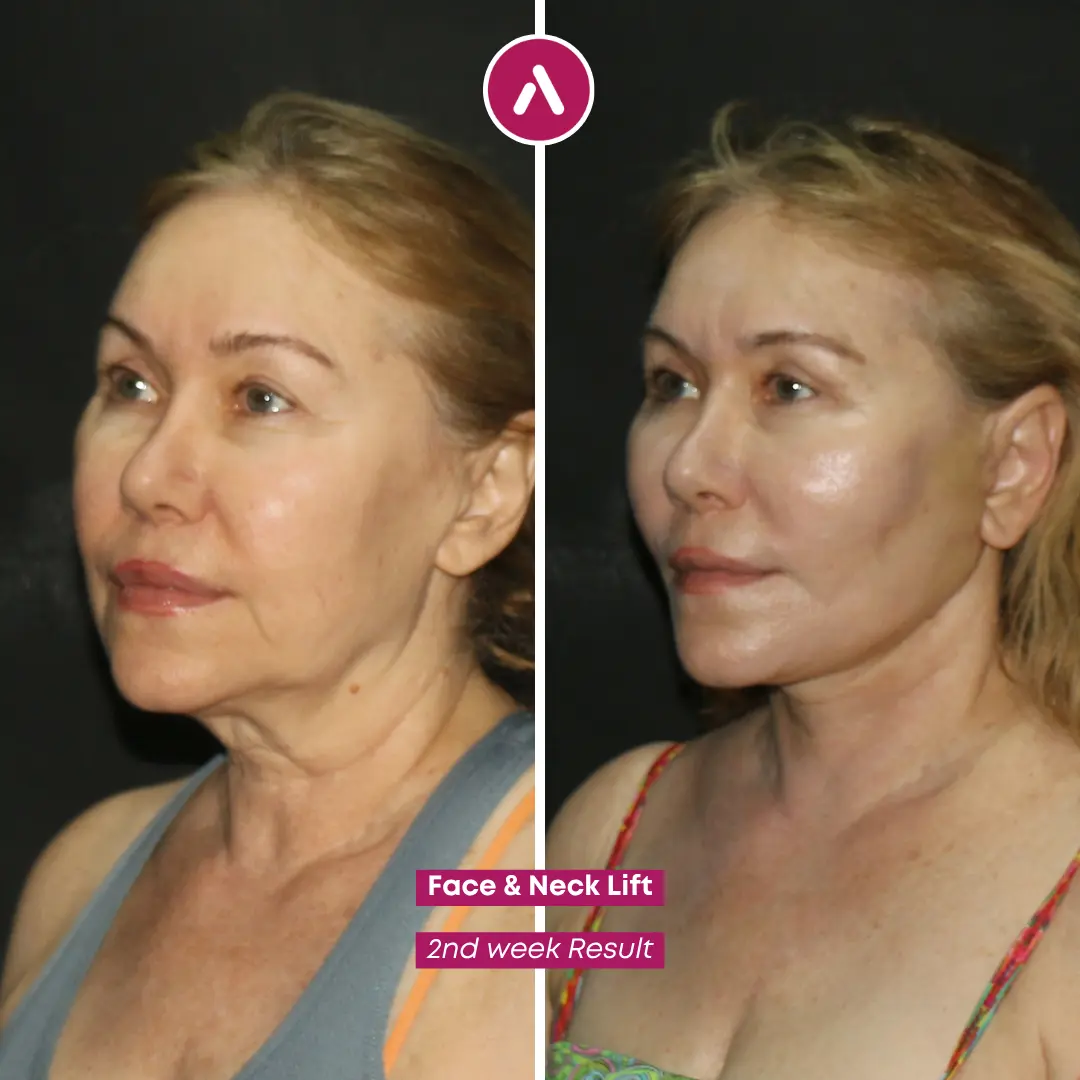
Twilight Facelift Before and After: Realistic Expectations and Results
A twilight facelift can reposition descended facial tissues and improve lower-face definition. It cannot stop ageing, guarantee perfect symmetry or reproduce another person’s appearance.
The final result depends on the surgical technique, facial anatomy, skin quality, healing response and procedures performed at the same time. The anaesthetic method affects the treatment experience, but it does not determine the quality of the lift.
What Can a Twilight Facelift Improve?
Facelift surgery is most effective when the visible concern is caused by structural descent. It can address tissues that have moved downwards with age rather than simply treating surface lines.
Potential improvements include:
- A clearer and more continuous jawline
- Reduced jowling
- Improved lower-face support
- Repositioning of descended cheek tissue
- A smoother transition between the face and neck
- Reduced neck laxity when a neck lift is included
- Softening of folds influenced by tissue descent
The degree of correction must remain proportionate to the patient’s anatomy. A natural result does not mean that the operation is ineffective or barely noticeable.
It means the structural improvement is visible without making the face look unfamiliar, tightly pulled or surgically altered.
What Can Facelift Surgery Not Correct?
A facelift is not designed to treat every sign of facial ageing. Separate procedures may be needed for concerns outside the tissues being lifted.
A facelift alone may not fully correct:
- Upper-eyelid hooding
- Lower-eyelid bags
- A descended brow
- Fine surface lines
- Sun damage or pigmentation
- Significant facial volume loss
- Dynamic lines caused by muscle movement
Combining procedures may improve balance, but additional treatment also increases complexity. Each proposed addition should have a clear anatomical purpose.
When Will I See the Result?
Early improvement may be visible once the main swelling begins to settle. This is not the final result.
During the first few weeks, oedema can obscure the jawline, create temporary asymmetry and make the face feel firm. The tissues then soften and settle progressively.
A typical result develops through several stages:
- First two weeks: Bruising, swelling and tightness remain visible.
- Weeks three to six: Facial contours begin to look more settled.
- Two to three months: Residual swelling continues to reduce.
- Six to twelve months: Scars and deeper tissues continue to mature.
Patients should avoid judging the result too early. Early photographs may show encouraging structural change, but they cannot predict every aspect of long-term healing.
How Natural Results Are Created
Natural-looking facelift results depend on correcting the supportive tissues beneath the skin. Skin tension alone cannot reliably recreate youthful facial architecture.
The surgical plan should consider:
- The natural direction of cheek descent
- The relationship between the jawline and neck
- The position of the earlobe and hairline
- The patient’s pre-existing facial asymmetry
- The distribution of facial fat
- The quality and elasticity of the skin
Deep tissue support allows the skin to be redraped with less tension. This helps reduce the risk of an obviously pulled appearance.
“A successful facelift should restore the patient’s own facial structure rather than replace it with a standardised look.”
Facelift Scars and Incision Healing
Every surgical facelift creates scars. The objective is to position them discreetly and close the skin without excessive tension.
Incisions may extend:
- Within or immediately in front of the hairline
- Around the natural contours of the ear
- Behind the ear
- Into the hair-bearing scalp
- Beneath the chin when neck work is required
Scars commonly appear red or firm during early healing. They usually soften and fade over time, although their final appearance varies.
Genetics, skin type, infection, sun exposure, smoking and wound tension can all affect scar quality. No responsible surgeon should promise a completely scarless facelift.
How Long Do Facelift Results Last?
A facelift cannot freeze the face at a particular age. The operated tissues continue to age after surgery.
The longevity of the result is influenced by:
- The extent of structural correction
- Skin elasticity
- Age at the time of surgery
- Weight stability
- Smoking and nicotine exposure
- Sun exposure
- General health
Patients may continue to look more refreshed than they would have without surgery, even as ageing progresses. The procedure resets facial position; it does not prevent future change.
Could I Need Further Surgery?
Revision surgery may occasionally be considered for recurrent laxity, scar concerns, asymmetry or an unsatisfactory result. It should not be treated as a routine part of the original procedure.
Further surgery is usually delayed until swelling and scar tissue have matured, unless an urgent complication requires earlier treatment.
Previous facelift surgery can alter tissue planes and blood supply. Revision procedures therefore require careful assessment and may be more complex than primary surgery.
Twilight Facelift Cost in 2026: Turkey Versus the UK
The cost of a twilight facelift depends on what is actually being performed. A limited lower facelift, SMAS facelift and deep plane face-and-neck lift are not equivalent procedures and should not be compared by price alone.
Publicly advertised prices are useful reference points, but the written quotation provided after assessment is more important. Patients should compare the surgical scope, anaesthesia, facility, accommodation and aftercare included in each price.
How Much Does a Twilight Facelift Cost in the UK?
Publicly listed UK prices vary considerably by technique and provider. As of 21 July 2026, published London examples range from approximately £9,800 for a MACS or mini facelift to £16,000 for a deep plane facelift.
Another London provider publicly lists a facelift at £10,395 and a combined face-and-neck lift at £14,995. These examples are not a national tariff and should not be treated as directly comparable quotations.
Factors affecting the UK price include:
- The surgeon’s fee
- The facelift technique
- Whether the neck is included
- Anaesthesia and anaesthetic-team fees
- Operating theatre charges
- Hospital or overnight-stay costs
- Pre-operative consultations
- Post-operative reviews
- Additional procedures
How Much Does a Twilight Facelift Cost in Istanbul?
Patients searching for facelift cost in Istanbul will find that packages vary widely. The lowest advertised figure should not be assumed to represent the operation, surgeon, anaesthesia and aftercare that an individual patient needs.
As of 21 July 2026, AKM Clinic publicly lists an all-inclusive facelift package from £3,700. The published package states that suitable patients may undergo an awake, twilight-sedation approach.
The advertised package includes:
- The facelift operation
- One hospital night
- Post-operative care and medication
- Airport and clinic transfers
- Four nights in a five-star hotel
International flights and personal travel expenses are not included. The final quotation may change if the patient requires a neck lift, deep plane surgery, eyelid treatment or another combined procedure.
Twilight Facelift in Turkey Versus UK Cost
A search for twilight facelift in Turkey vs UK cost should lead to a like-for-like comparison. A package price in Istanbul may contain travel-related services that are not included in a UK surgical quotation.
| Cost Consideration | UK Private Clinic | AKM Clinic Istanbul Package | What to Confirm |
|---|---|---|---|
| Publicly listed starting point | Approximately £9,800 to £16,000 in selected London examples | From £3,700 | Whether the technique and surgical areas are equivalent |
| Anaesthesia | May be included or charged separately | Twilight approach may be available for suitable patients | Who administers and monitors sedation |
| Neck treatment | May require a higher face-and-neck quotation | Depends on the personalised treatment plan | Whether platysmaplasty or neck contouring is included |
| Hospital stay | Varies by clinic and anaesthetic plan | One hospital night listed | Whether additional observation could create extra charges |
| Hotel | Usually not relevant for local patients | Four hotel nights listed | Hotel category, room type and additional-night cost |
| Transfers | Normally arranged by the patient | Airport and clinic transfers listed | Number and timing of included transfers |
| Medication | Inclusion varies | Post-operative medication listed | Which prescriptions and dressings are included |
| HBOT and LLLT | Availability and charges vary | Available according to clinical assessment | Whether sessions are indicated and included in the quotation |
| Follow-up | Normally provided locally | International and virtual follow-up available | Length of follow-up and management of complications |
Prices were checked on 21 July 2026 and may change. A personalised written quotation should confirm the current amount, currency, surgical scope and package inclusions before booking.
Why Can Surgery Cost Less in Turkey?
A lower Istanbul price does not by itself prove that clinical standards are lower. Differences may reflect local staffing costs, property costs, operating expenses and currency values.
These economic factors do not remove the need for careful clinical checks. Patients should still verify the surgeon, facility, anaesthetic arrangements and aftercare pathway.
Value should be assessed through:
- Relevant surgical experience
- A clearly defined procedure
- A licensed operating environment
- Transparent anaesthesia planning
- Structured post-operative monitoring
- Accessible long-term follow-up
- A written list of included and excluded costs
What May Increase the Final Price?
The advertised starting price may not apply to every patient. More extensive surgery requires additional operating time, clinical resources and aftercare.
The quotation may increase when the plan includes:
- A neck lift or platysmaplasty
- Deep plane tissue release
- Revision facelift surgery
- Upper or lower blepharoplasty
- A brow or temporal lift
- Facial fat transfer
- Laser resurfacing
- Additional hotel nights
- Further tests or specialist medical assessment
Questions to Ask About the Quotation
Before comparing prices, patients should request a written breakdown. Verbal assurances can be misunderstood, particularly where several services are bundled together.
- Which facelift technique is included?
- Does the price include the neck?
- Who will perform the operation?
- Are anaesthesia and theatre fees included?
- Are pre-operative tests included?
- How many hotel nights are provided?
- Are all transfers included?
- Are HBOT or LLLT sessions included?
- What happens if an extra hospital night is needed?
- Which costs remain the patient’s responsibility?
“The most useful price is not the smallest number on a website. It is the complete cost of the medically appropriate treatment and recovery plan.”
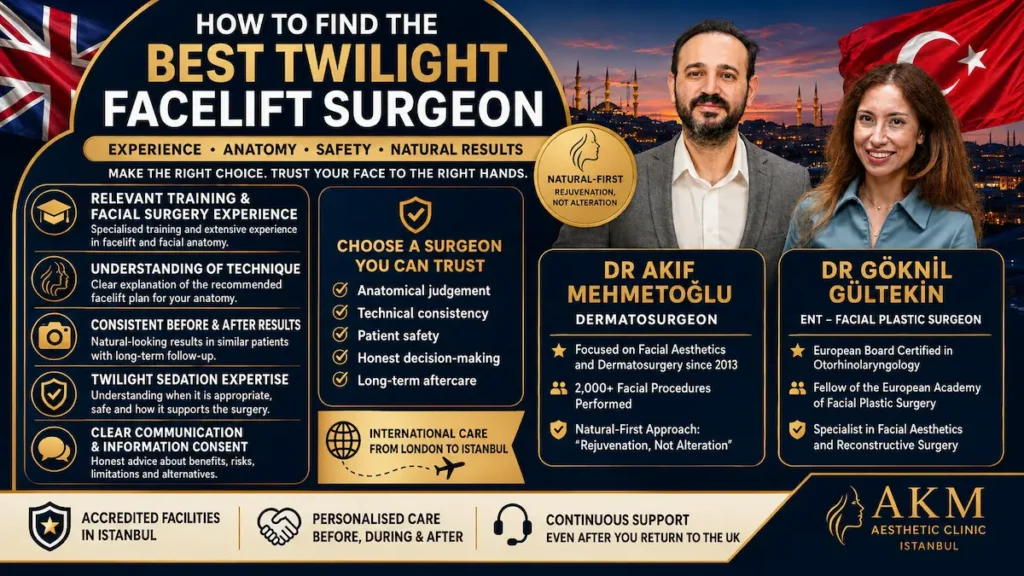
How to Find the Best Twilight Facelift Surgeon
Searching for the best twilight facelift surgeon should involve more than comparing social-media photographs or promotional claims. The right surgeon must understand facial anatomy, facelift planes, local anaesthesia, conscious sedation and the management of complications.
Patients should also look for consistency. A surgeon who offers twilight surgery should be able to explain when it is appropriate, when it is not, and how the anaesthetic plan supports the required surgical technique.
Relevant Training and Facial Surgery Experience
Facelift surgery requires detailed knowledge of the SMAS, facial retaining ligaments, platysma and facial nerve pathways. General experience in cosmetic procedures does not automatically demonstrate equivalent experience in structural facial rejuvenation.
Patients should ask:
- How often does the surgeon perform facelift surgery?
- Which facelift techniques does the surgeon use?
- Does the surgeon regularly perform face-and-neck lifts?
- How are revision cases managed?
- What experience does the surgeon have with awake or twilight protocols?
The answers should be specific. Terms such as “specialist”, “expert” and “board-certified” should be accompanied by the relevant field, organisation and qualification.
Understanding the Surgeon’s Preferred Technique
A surgeon should be able to explain why a mini, SMAS, deep plane or combined face-and-neck approach has been recommended. The explanation should relate to the patient’s anatomy rather than to a single technique being marketed as suitable for everyone.
Useful questions include:
- Which anatomical layer will be treated?
- Will the retaining ligaments be released?
- How will the jowls and neck be corrected?
- Where will the incisions be placed?
- How will skin tension be minimised?
A technically detailed answer helps the patient understand what the procedure is intended to achieve. It also makes it easier to compare recommendations from different surgeons.
Before-and-After Photographs
Before-and-after images should be assessed for consistency rather than dramatic transformation. Patients should look for cases with similar age, facial structure, skin quality and degree of laxity.
Review the following areas:
- Jawline definition
- Neck contour
- Earlobe position
- Hairline preservation
- Scar placement
- Natural facial expression
Lighting, camera angle, make-up and head position should be reasonably consistent. Very early photographs can demonstrate healing progress, but longer-term images are more useful when evaluating durability and scar quality.
Questions About Twilight Sedation
A surgeon offering twilight facelift surgery should be able to explain how sedation is integrated into the operative plan. The patient should know who administers the medication, who monitors them and what happens if deeper anaesthesia becomes necessary.
Important questions include:
- Why is conscious sedation suitable for this operation?
- How long is the planned procedure expected to take?
- Will local anaesthesia be used throughout?
- How is discomfort monitored?
- What is the escalation plan?
The surgeon should not treat a preference for twilight sedation as more important than the operation the patient actually needs.
Communication and Informed Consent
Good communication is a clinical skill. Patients should receive clear information about benefits, limitations, alternatives, scars, recovery and recognised complications before agreeing to surgery.
A trustworthy consultation should include discussion of:
- What the procedure can realistically improve
- What it cannot correct
- Whether additional procedures are necessary
- Expected recovery stages
- Possible complications
- What happens if the result does not meet expectations
The patient should have time to consider the recommendation. Pressure to book immediately is not part of informed decision-making.
Facial Surgery at AKM Clinic
At AKM Clinic, Dr Akif Mehmetoğlu leads our facial rejuvenation practice. His work has focused on facial aesthetics and dermatosurgery since 2013, with more than 2,000 facial procedures recorded across the clinic’s international patient base.
His approach is guided by our Natural-First principle: “Rejuvenation, Not Alteration.” The objective is to restore facial support and definition without creating an over-tightened or standardised result.
We also work within a dual-specialty facial team. Dr Göknil Gültekin is an otolaryngologist and facial plastic surgeon with European Board certification in otorhinolaryngology and fellowship recognition from the European Academy of Facial Plastic Surgery.
Each surgeon’s credentials should be described accurately. We do not use one doctor’s certification to imply that every member of the team holds the same qualification.
“The surgeon should be selected for anatomical judgement, technical consistency and honest decision-making — not for a single promotional title.”
How to Choose the Best Twilight Facelift Clinic
The best twilight facelift clinic is not necessarily the clinic with the lowest package price or the most polished advertising. Patients should assess whether the facility can support the complete pathway: consultation, surgery, sedation, early recovery and long-term follow-up.
For international patients, operational organisation matters. It must remain secondary to medical governance and clinical preparedness.
Operating Theatre Standards
A twilight facelift should be performed in an appropriately licensed setting with sterile theatre protocols, continuous monitoring and emergency equipment. A comfortable clinic environment is valuable, but it cannot replace these requirements.
Patients should confirm:
- Where the operation will take place
- Whether the facility is licensed for surgery
- Which monitoring equipment is used
- Who is responsible for sedation
- How emergency transfer is organised
These details should be available before travel. They should not be discovered on the morning of surgery.
Pre-Operative Assessment
A proper clinic assessment includes more than reviewing facial photographs. The team should evaluate medical history, medication, allergies, anaesthetic experiences and relevant test results.
Further specialist advice may be required when a patient has:
- Cardiovascular disease
- Respiratory conditions
- Sleep apnoea
- Uncontrolled blood pressure
- Diabetes
- Bleeding disorders
- A complex medication history
A clinic that confirms surgery before reviewing these factors may be prioritising conversion over candidacy.
Integrated Recovery Support
Post-operative care should include structured observation, wound checks, medication guidance and a clear escalation pathway. Technologies such as HBOT and LLLT may be added when clinically appropriate, but they should not be used as substitutes for standard surgical aftercare.
Patients should ask:
- Who will review me after surgery?
- How often will I be checked in Istanbul?
- Are HBOT or LLLT sessions clinically indicated?
- What happens if swelling or bleeding increases?
- Who decides when I am fit to fly?
A recovery service should be personalised. Not every patient needs the same technology, number of appointments or length of stay.
International Patient Coordination
For patients travelling from the UK, good coordination reduces avoidable stress. Airport transfers, clinic transport, hotel arrangements and appointment scheduling should be explained in writing.
A dedicated patient coordinator can help organise:
- Pre-arrival documentation
- Airport collection
- Hotel and clinic transfers
- Procedure-day scheduling
- Medication instructions
- Post-operative appointments
- Communication after returning home
Coordinators support the journey, but they do not replace the surgeon. Medical recommendations should come from qualified clinicians.
Aftercare Once You Return Home
International care should include a plan for routine healing and unexpected problems. Patients need to know how to submit photographs, arrange virtual reviews and contact the clinic after returning to the UK.
The clinic should also explain the limits of remote support. Acute symptoms may require immediate assessment through a local doctor or A&E department.
Long-term follow-up may include reviews at planned intervals to assess swelling, scars, facial movement and overall result.
Transparency About Costs and Inclusions
An all-inclusive package should define what “all-inclusive” means. Patients should receive a written quotation specifying the procedure, anaesthesia, accommodation, transfers, medication and follow-up.
The quotation should also identify potential additional costs, such as:
- Extra hotel nights
- Additional hospital observation
- Further medical tests
- Changes to the surgical plan
- Unplanned treatment after complications
- International flights and travel insurance
Financial transparency allows patients to assess value without assuming that a package covers every possible circumstance.
Clinic Red Flags
Patients should reconsider a provider when there is:
- No direct surgeon consultation
- No clear explanation of the surgical technique
- No named person responsible for sedation
- No written complication policy
- No licensed operating location identified
- A guarantee of painless or risk-free surgery
- A promise of a fixed recovery date
- Pressure to pay immediately
A clinic should welcome detailed questions from an informed patient. Careful scrutiny is not an obstacle to treatment; it is part of responsible consent.
“A well-organised international journey matters. The medical systems supporting that journey matter more.”
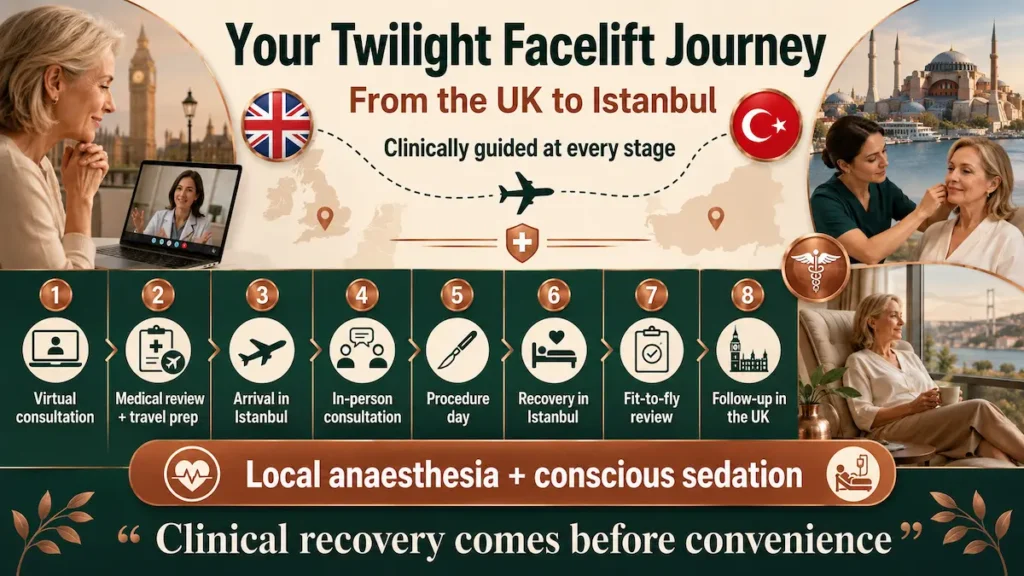
Your Twilight Facelift Medical Journey from the UK to Istanbul
International treatment requires more planning than a local procedure. A clearly organised pathway helps patients understand what must happen before travel, during their stay in Istanbul and after returning to the UK.
The schedule remains individual. Flight dates, hotel nights and the timing of discharge should be based on the planned operation and clinical recovery rather than a fixed tourism itinerary.
Step 1: Your Virtual Consultation
The process begins with a remote assessment. Patients are asked to describe their concerns, relevant medical history, current medication and previous procedures.
Clear photographs may be requested from several angles. These allow the surgical team to make a preliminary assessment of the jawline, cheeks, neck and skin quality.
The consultation should establish:
- Which facial areas concern the patient
- Whether surgery appears appropriate
- Which facelift techniques may be considered
- Whether twilight sedation may be suitable
- Which combined procedures may be relevant
- What further medical information is required
A remote assessment is preliminary. The final surgical and anaesthetic plan is confirmed only after an in-person examination and review of the required tests.
Step 2: Medical Review and Travel Preparation
Patients should provide complete and accurate medical information before booking travel. Concealing medication, nicotine use or a previous anaesthetic problem can create avoidable risk.
Pre-operative preparation may involve:
- Blood tests or other investigations
- Review of prescription medication
- Instructions regarding supplements
- Smoking and nicotine cessation
- Fasting guidance
- Planning for a responsible companion
Patients should not stop prescribed medication without approval from the relevant doctor. They should also arrange suitable travel insurance and check whether it covers planned medical treatment abroad.
Step 3: Arrival in Istanbul
International patients may arrive through Istanbul Airport or Sabiha Gökçen Airport. Transfer arrangements should be confirmed in writing before departure from the UK.
After arrival, the patient is taken to the planned hotel or clinical appointment according to the schedule. Time should be allowed to rest before surgery, particularly after a late or disrupted flight.
Patients should not schedule the operation immediately after a demanding journey without sufficient time for assessment and preparation.
Step 4: In-Person Consultation
The surgeon examines the patient while sitting or standing so that facial descent can be assessed naturally. The jawline, cheeks, neck, skin quality and pre-existing asymmetries are reviewed.
The consultation should confirm:
- The exact facelift technique
- Whether the neck will be treated
- Incision placement
- The proposed anaesthetic approach
- Expected recovery stages
- Recognised risks and alternatives
The plan may change after physical examination. A patient who appeared suitable for a limited procedure in photographs may require broader correction, while another may need less surgery than expected.
Step 5: Procedure Day
On the day of surgery, the team repeats identity, procedure and safety checks. Surgical markings are completed before sedation begins.
The operation is then performed using the agreed technique. The length of surgery depends on whether the plan includes the lower face only, a neck lift, deep plane work or additional procedures.
Afterwards, the patient remains under observation until the clinical team is satisfied with breathing, circulation, comfort and wound condition.
Step 6: Early Recovery in Istanbul
The first days after surgery should be reserved for rest, gentle movement and scheduled clinical reviews. They should not be treated as an ordinary city break.
The team may review:
- Swelling and bruising
- Incisions and dressings
- Facial movement
- Pain and nausea control
- Hydration and mobility
- Any drains or sutures
HBOT or LLLT may be added when clinically appropriate. These treatments support the recovery pathway but do not replace medical observation or wound care.
Step 7: Final Review Before Flying Home
The patient should be examined before departure. Fit-to-fly advice depends on the extent of surgery and how recovery is progressing.
The review may include:
- Checking for abnormal swelling or bleeding
- Assessing incision healing
- Reviewing medication
- Confirming wound-care instructions
- Discussing movement and hydration during travel
- Explaining which symptoms require urgent care
Return travel should not be brought forward merely because the patient feels well. Early complications can occasionally develop before the final appearance of recovery is established.
Step 8: Follow-Up in the UK
After returning home, patients remain in contact through scheduled virtual reviews and progress photographs. Follow-up may continue at intervals throughout the first year.
Remote reviews can support routine recovery monitoring. They cannot replace physical examination where symptoms suggest infection, haematoma, breathing difficulty or another urgent complication.
Patients should retain copies of their procedure details, medication list and clinic contact information while travelling.
“Your international journey should be simple to navigate, but every stage must remain led by clinical recovery rather than convenience.”
Frequently Asked Questions About a Twilight Facelift (FAQ):
Is a Twilight Facelift the Same as an Awake Facelift?
Are You Fully Conscious During Twilight Sedation?
Will I Feel Pain During the Operation?
Can I Talk During Twilight Sedation?
Which Medicines Are Used for Twilight Sedation?
Is Twilight Sedation Safer Than General Anaesthesia?
Can a Deep Plane Facelift Be Performed Without General Anaesthesia?
Can a SMAS Facelift Be Performed Under Conscious Sedation?
How Long Does a Twilight Facelift Take?
The surgical team should provide an individual estimate after the treatment plan is established.
Can I Return to My Hotel on the Same Day?
How Long Should I Stay in Istanbul?
When Can I Fly Back to the UK after Twilight Facelift?
Does Twilight Sedation Improve the Surgical Result?
How Much Does a Twilight Facelift Cost in Turkey?