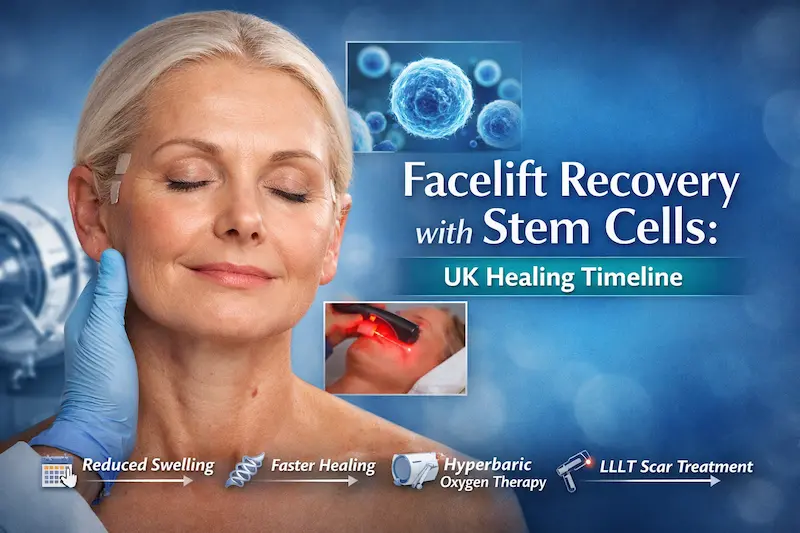
For many British patients, the most important question is not simply how a facelift looks on the operating table, but how real life feels afterwards. Facelift recovery with stem cells is increasingly searched by people who want natural-looking rejuvenation without the fear of looking obviously “done”, disappearing from work for too long, or flying home before they feel genuinely ready. In practical terms, this topic sits at the intersection of surgical technique, post-operative planning, regenerative support, and honest expectation-setting.
At AKM Clinic, the discussion around stem cell facelift recovery is never reduced to a trendy phrase. British patients tend to ask smarter questions: How long will I look swollen? When will I feel comfortable on a video call? What does healing after stem cell facelift actually look like in the first week, and does it make any meaningful difference to bruising, oedema, and social downtime? These are the right questions, because recovery quality matters almost as much as the final lift itself.
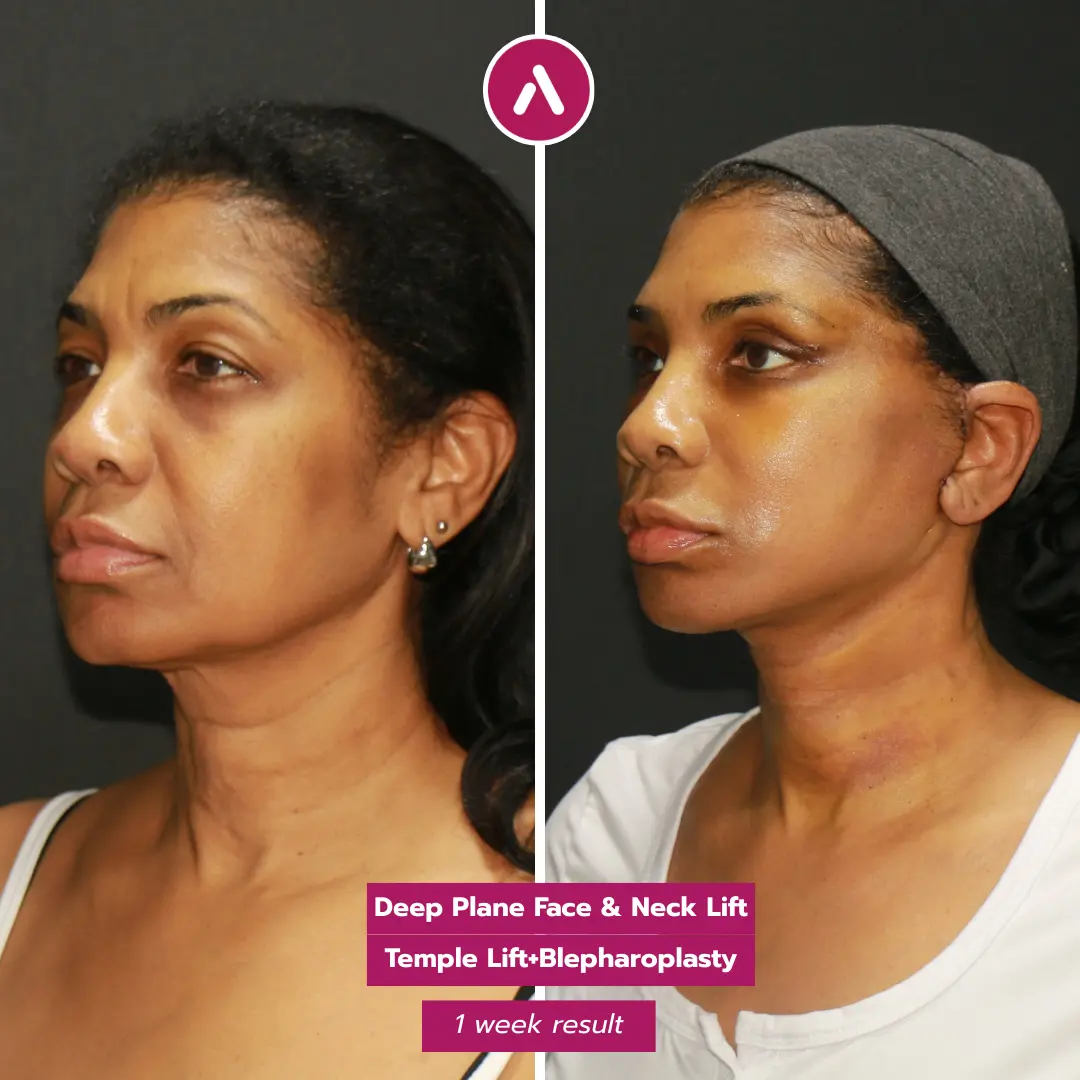
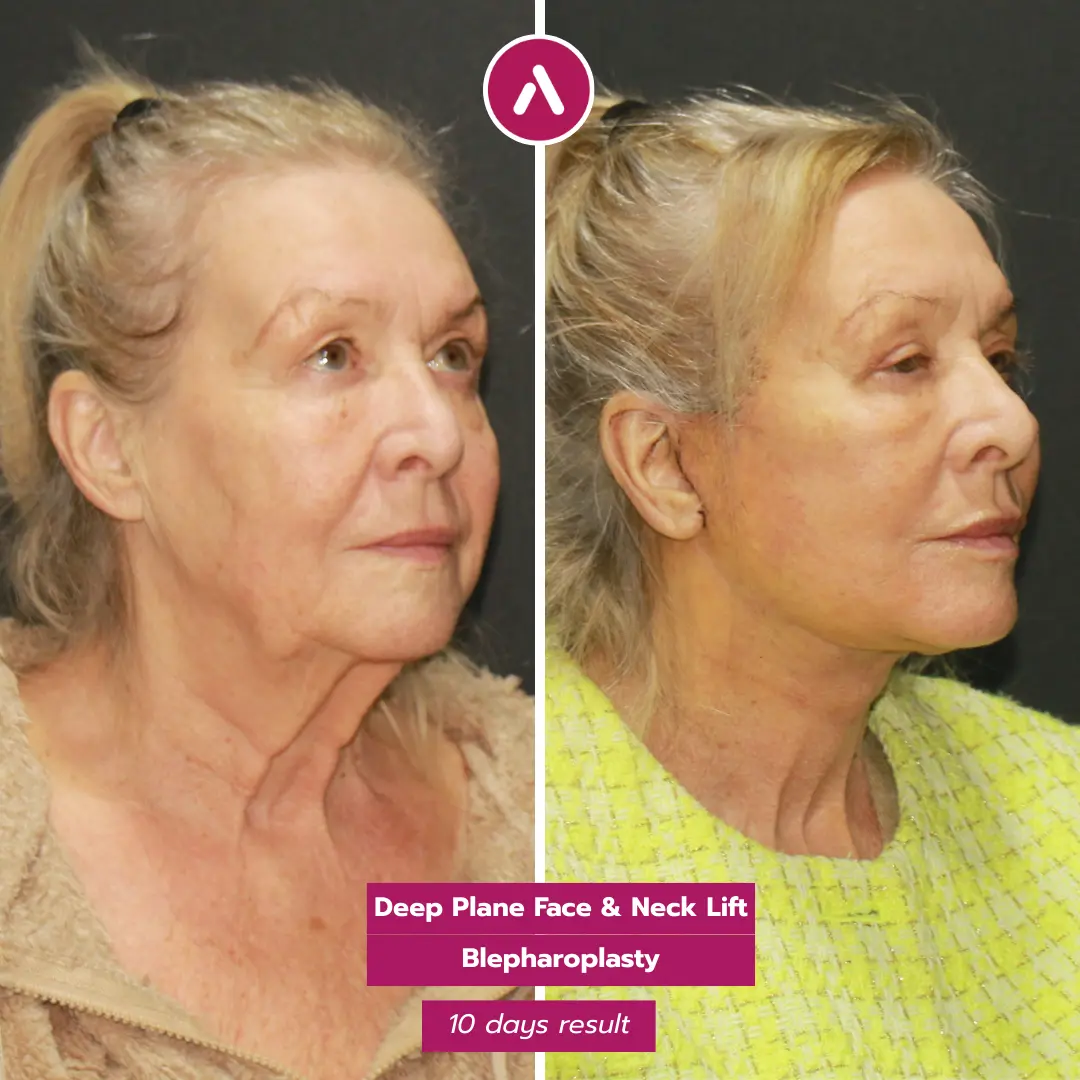
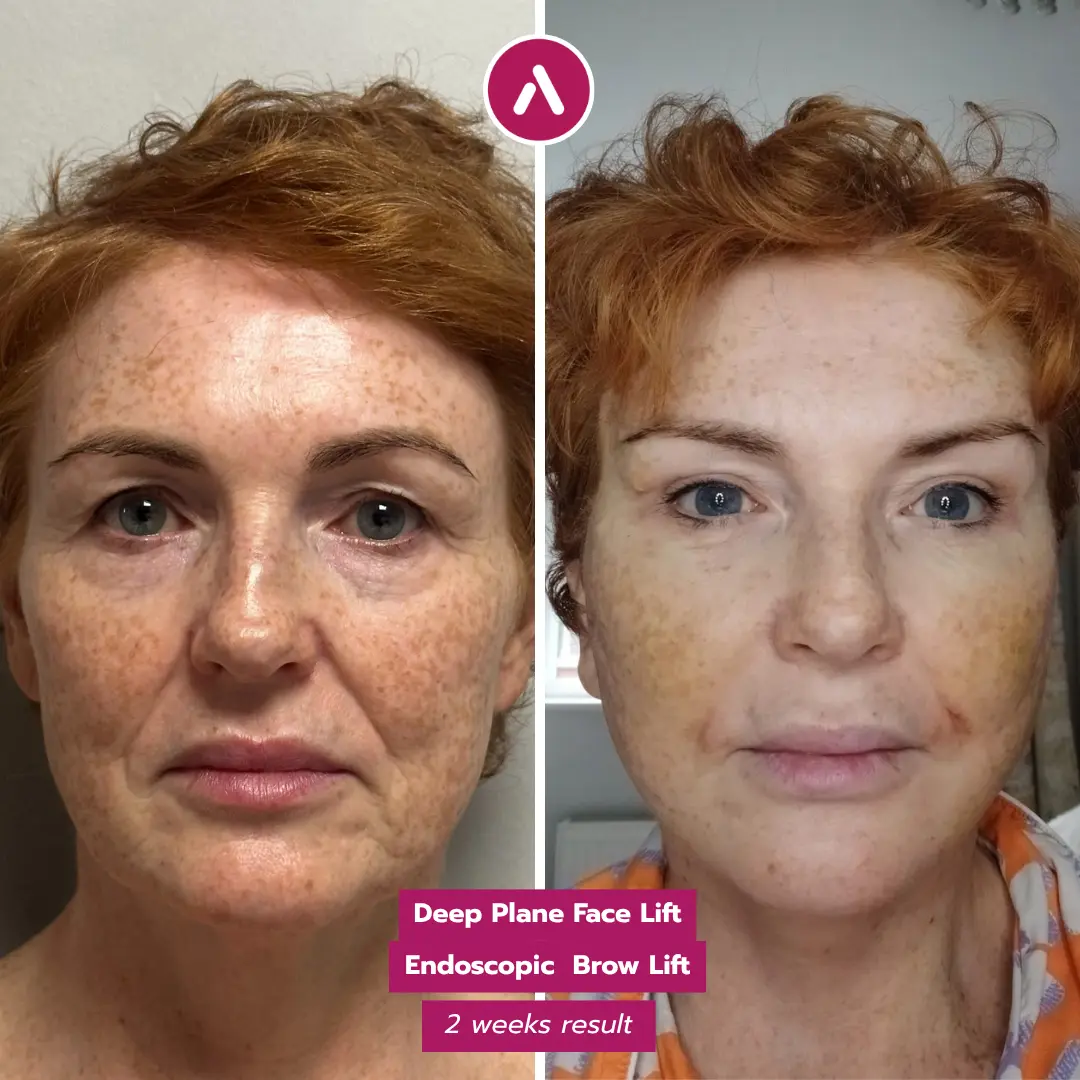
It is also important to be balanced. A regenerative facelift does not create a “zero recovery” experience. You should still expect swelling, temporary tightness, bruising, and a period of visible healing. However, when a facelift is combined with regenerative fat-based support and modern post-op protocols, many patients are interested in whether the overall recovery feels smoother, the skin quality looks healthier, and whether there is potential for faster healing after facelift surgery. That is where clinical judgement, careful technique, and medical science all come into the conversation.
For UK patients comparing Harley Street costs with Istanbul value, recovery planning is often part of the decision. The aim is not merely to save money, but to achieve subtle facial rejuvenation with sensible logistics, strong aftercare, and a realistic facelift recovery timeline UK patients can actually plan around. In this guide, we will walk through the expected healing stages, explain why stem cell support may matter, and show where a deep plane approach, post-op care, and technology such as HBOT and LLLT fit into the bigger picture.
One UK patient, Sarah, described her recovery as unexpectedly comfortable and said she needed very little paracetamol. That kind of feedback matters because British patients often judge a clinic not only by before-and-after photos, but by how manageable recovery feels in real life.
Table of Contents
What Does “Facelift Recovery with Stem Cells” Actually Mean?
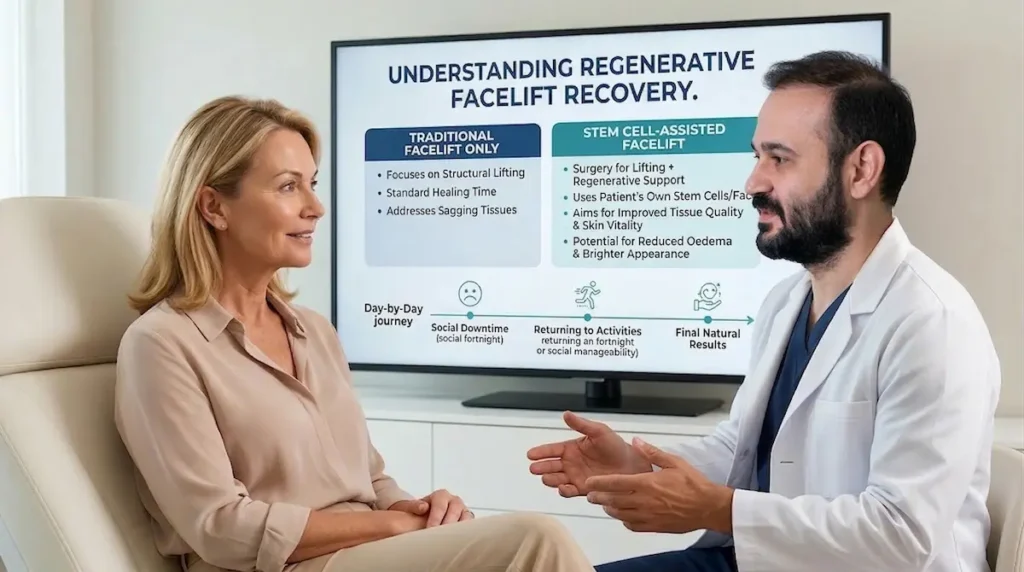
Before discussing timelines, it helps to define the phrase properly. Many people search for facelift downtime with stem cells expecting a miracle shortcut, but the reality is more nuanced. In most clinical conversations, the term refers to a facelift that is paired with regenerative support, often using the patient’s own fat-derived material to improve tissue quality, skin vitality, and the overall healing environment. The surgery still does the lifting; the regenerative element is there to support how the tissues recover and settle.
How a Stem Cell-Assisted Facelift Differs from Surgery Alone
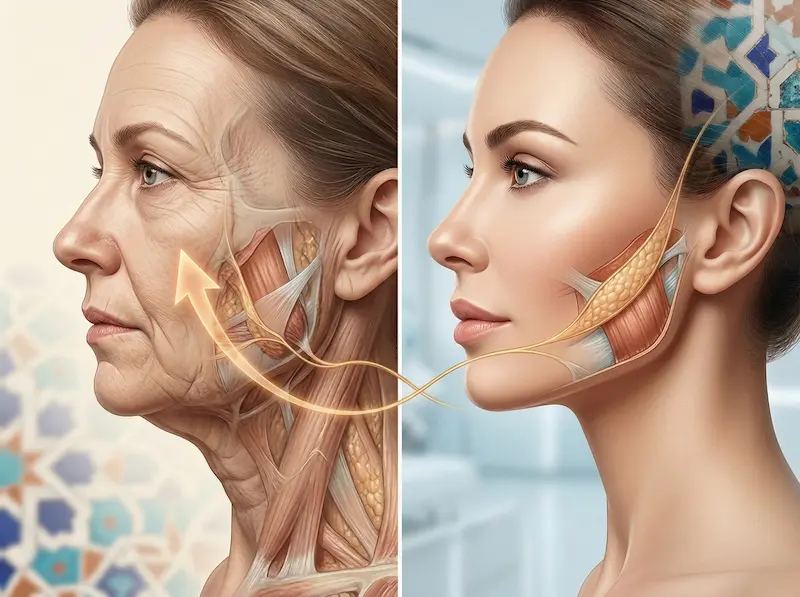
A traditional facelift focuses primarily on repositioning deeper facial structures and removing or redraping skin in a controlled way. A stem cell assisted facelift surgery approach adds another layer to that plan. Rather than treating the face as a matter of lift alone, it also addresses tissue quality. This is why the topic often appeals to patients who want more than tension-based tightening and are especially concerned about looking natural once the recovery period is over.
For many UK patients, this distinction is crucial. They are not asking for a dramatically altered face. They want improvement that looks rested, fresher, and believable. In that context, regenerative support is discussed not because it replaces surgery, but because it may complement it. The underlying idea is simple: a better healing environment may help tissues settle more gracefully, which is especially relevant when patients are worried about reduced oedema after facelift and a less “drawn” appearance early on.
If you are also researching technique, this conversation often overlaps with deep plane facelift recovery. A deep plane lift works below the SMAS layer and is designed to reposition facial structures more naturally, rather than creating an over-pulled surface effect. When a deep plane approach is combined with regenerative planning, patients are often looking for two things at once: stronger structural rejuvenation and a gentler-looking recovery phase.
The Role of Regenerative Fat, Nanofat, and Tissue Quality
The regenerative side of a facelift is usually discussed in terms of fat processing and tissue support rather than as a magic “anti-ageing injection”. In clinical science, the interest comes from how fat-derived regenerative elements may support skin quality, softness, and the appearance of vitality. This helps explain why so many patients search terms such as stem cell facelift healing time and healing after stem cell facelift. They are not only asking how long bruises last; they are also asking how quickly their face begins to look like themselves again.
Another useful way to think about it is this: surgery creates the lift, while regenerative support may improve the quality of the canvas. That may matter when the aim is subtle rejuvenation rather than obvious change. British patients, especially those comparing outcomes with older facelift methods, often prefer a softer result with better skin texture, smoother transitions, and less of the “worked on” look that can happen when the lift is technically successful but the tissues still appear tired.
That is also why related topics such as Nanofat Grafting Turkey and Stem Cell Facelift vs Traditional Facelift sit so naturally beside this recovery guide. They help patients understand that regenerative planning is not separate from surgical strategy; it is part of how modern facial rejuvenation is increasingly being personalised.
Why British Patients Often Prioritise Healing Time as Much as the Result
In the UK market, recovery is not an afterthought. It is often one of the main decision drivers. Patients want to know how many days they should stay in Istanbul, when they can walk comfortably, when swelling is socially manageable, and how soon they can return to family, work, and travel. This is why a phrase like facelift recovery with stem cells day by day has such strong appeal: it reflects the practical mindset of the expert patient.
British patients also tend to be cautious about exaggerated marketing. They want consultant-led care, visible standards, and realistic timelines. That means being honest: even with a modern plan, the first week still looks like recovery. There may still be puffiness around the cheeks and jawline, bruising under the skin, interrupted sleep, and a sense of facial tightness. What patients want to know is whether that journey feels more predictable, more comfortable, and more compatible with real life.
For that reason, the best approach is never to promise “instant normality”. Instead, it is to provide a sensible recovery framework, clear post-op guidance, and reassurance that the process has been organised around the needs of UK patients travelling home after surgery. That is particularly important for anyone seeking Harley Street-style quality with stronger value and a private cosmetic clinic in Istanbul with British standards.
Your Healing Timeline: From Day 1 to Week 12
If you are searching for facelift recovery with stem cells day by day, the most useful answer is not a single exact number, because every patient heals at a slightly different pace. Age, skin quality, smoking status, surgical extent, sleep, hydration, mobility, and aftercare all influence recovery. Even so, there is a recognisable pattern. The table below gives a realistic overview of stem cell facelift healing time and what most patients can expect at each stage.
| Healing Stage | What You May Notice | What Most UK Patients Can Usually Do |
|---|---|---|
| First 24–72 hours | Tightness, swelling, tiredness, facial heaviness, mild discomfort | Rest, short assisted walks, keep the head elevated, focus on medication and fluids |
| Days 4–7 | Bruising becomes more visible before it fades, oedema may peak, incisions feel tender | Gentle walking, light personal care, early review appointments, careful washing as advised |
| Weeks 2–3 | Noticeable improvement in swelling and colour changes, face looks more presentable | Video calls, limited social activity, some desk-based work depending on confidence |
| Weeks 4–6 | Contours begin to settle, lingering firmness gradually softens | More normal public activity, social events, light routine-building |
| Weeks 8–12 | Ongoing refinement, improved softness, maturing scars, more natural movement | Most day-to-day life feels normal, although final refinement still continues beyond this point |
The First 24 to 72 Hours: Tightness, Oedema, and Rest
The first three days are usually the most intense part of the process. This is when patients are most aware that they have had surgery. Your face may feel tight, heavy, warm, or mildly numb in places. Swelling starts early, and while bruising may not yet be fully developed on day one, oedema is already building. This phase is not about appearance; it is about rest, circulation, hydration, and following instructions carefully.
During this stage, your post-op routine matters enormously. Proper head elevation, gentle walking, prescribed medication, and avoiding unnecessary exertion all contribute to smoother healing. Good post-op care after facelift starts here, not a week later. Patients who try to do too much too soon often feel more swollen and more fatigued. Those who respect the first 72 hours usually feel more in control as the next phase begins.
This is also the stage at which expectations should stay calm and realistic. Even if you are specifically hoping for reduced oedema after facelift, there will still be visible swelling. The question is not whether it exists, but whether it behaves in a normal, controlled pattern. That is one reason modern recovery protocols, including careful monitoring and supportive technologies, are valued so highly by UK patients.
Days 4 to 7: Bruising, Dressing Changes, and Early Mobility
By the middle of the first week, patients often feel better than they look. Bruising can become more obvious before it begins to resolve, which can be emotionally frustrating if you expected a linear recovery. Swelling may still be at or near its peak. This is entirely normal. Many people describe this period as the “awkward middle”: you are no longer in the immediate post-operative phase, but you do not yet look socially ready.
This is where mobility becomes increasingly important. Gentle walking supports circulation, helps patients feel less stiff, and forms part of wider travel-readiness planning. For British patients who have come to Istanbul for surgery, the first week is also when logistical reassurance matters most. They want to know that their recovery is being monitored, that questions can be answered quickly, and that they are progressing appropriately rather than being left to figure things out alone.
When patients search for reduced bruising after facelift, they are usually asking whether this phase can be made easier. The honest answer is that bruising cannot always be prevented, but the intensity and duration may feel more manageable when the surgical plan is gentle, the recovery programme is organised, and additional support is used thoughtfully. In other words, better recovery is rarely about one magic element; it is about the entire care pathway working well together.
Weeks 2 to 3: Looking More Presentable in Public
This is the point at which many patients begin to feel they are turning a corner. Swelling is still present, but it is usually less dramatic. Bruising often changes colour and becomes easier to conceal. Facial movement feels more familiar. If your job is desk-based or largely online, this is often the stage when returning to some work activity starts to feel realistic.
That said, “presentable” does not mean “fully healed”. There may still be puffiness in the cheeks, a sense of stiffness around the ears or jawline, and mild asymmetry caused simply by one side settling faster than the other. This is one reason why a thoughtful facelift recovery timeline UK patients can trust is more useful than glamorous one-week promises. Real healing happens in layers.
For patients trying to schedule family responsibilities, business meetings, or travel plans, weeks two to three are often socially easier but not yet perfect. A measured mindset remains important. The face is improving, but it is still very much in recovery.
Weeks 4 to 6: Social Recovery, Confidence, and Early Refinement
By one month, many patients feel significantly more like themselves. The lift starts to look more integrated rather than obviously post-operative. Skin quality often begins to show through more clearly, and the overall impression shifts from “recovering” to “refreshed, but not quite final”. This is the stage at which patients often begin to appreciate why the early patience was worthwhile.
If you are specifically comparing facelift downtime with stem cells against a more traditional experience, this is often where the difference becomes more meaningful to the patient. The conversation is no longer only about bruises fading. It becomes about whether the face appears softer, whether the skin looks healthier, and whether the result feels subtle rather than surgically announced.
For British patients, this phase also matters psychologically. It is when many feel confident enough for ordinary public life, dinners out, and more visible work commitments. Not everyone is identical, of course, but the fourth to sixth week often marks the transition from “managed recovery” to “quiet confidence”.
Weeks 8 to 12: Settling, Scar Maturation, and Natural Facial Movement
Between two and three months, refinement continues. Residual firmness softens. The face moves more naturally. Scars begin maturing further, though scar development continues well beyond 12 weeks. If you felt impatient during the first fortnight, this later stage is often reassuring because the result starts to feel less like a post-op face and more like your own face again.
This is why it is helpful to separate stem cell facelift healing time into two ideas: visible social recovery and deeper biological settling. You may feel socially presentable earlier, but the tissues continue adapting for months. Good surgeons explain this clearly because it protects patients from the common mistake of judging results too early.
In short, the recovery timeline is best understood as a continuum. You do not wake up on one exact day “finished”. Instead, you move through stages of comfort, confidence, and refinement. Understanding that pattern helps patients plan better and worry less.
Why Stem Cells May Support a Smoother Recovery
This is the question that usually sits behind the search phrase itself. Why do patients believe regenerative support may improve recovery? The simplest answer is that recovery is not only mechanical; it is biological. Surgery repositions tissue, but the body still has to calm inflammation, restore circulation, remodel collagen, and settle the skin over time. That is why this subject attracts attention in both science and everyday patient decision-making.
In that context, stem cell assisted facelift surgery is often discussed not as a shortcut, but as a way of supporting the healing environment after structural lifting. For patients, the value lies in whether recovery feels calmer, tissue quality appears better, and the face returns to a more natural-looking state with less visible disruption during the early post-operative weeks.
Supporting Skin Quality, Microcirculation, and Tissue Repair
A facelift can create an excellent lift, but if tissue quality is poor, the early healing period may still look more dramatic than the patient expected. Regenerative support is often discussed because it may help create a more favourable environment for skin vitality and tissue repair. In plain language, the face does not only need lifting; it needs to heal well and look well while it heals.
This matters especially for patients who are not content with a “technically lifted” appearance. They want brightness, softness, and a believable complexion once swelling starts to settle. From a practical point of view, this is why regenerative planning is associated with questions about faster healing after facelift surgery. Patients are asking whether the face can move through the visible phases of recovery with less drama and better quality.
It is important, however, to keep the wording precise. “Faster” should never mean rushed or unrealistic. It means the possibility of a more efficient recovery environment, not the elimination of healing time altogether.
Reducing the “Drawn” Post-Operative Look During Early Healing
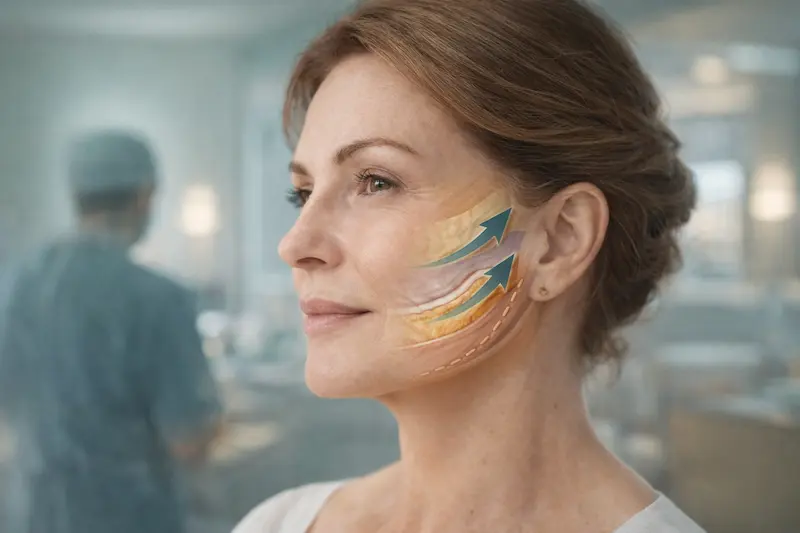
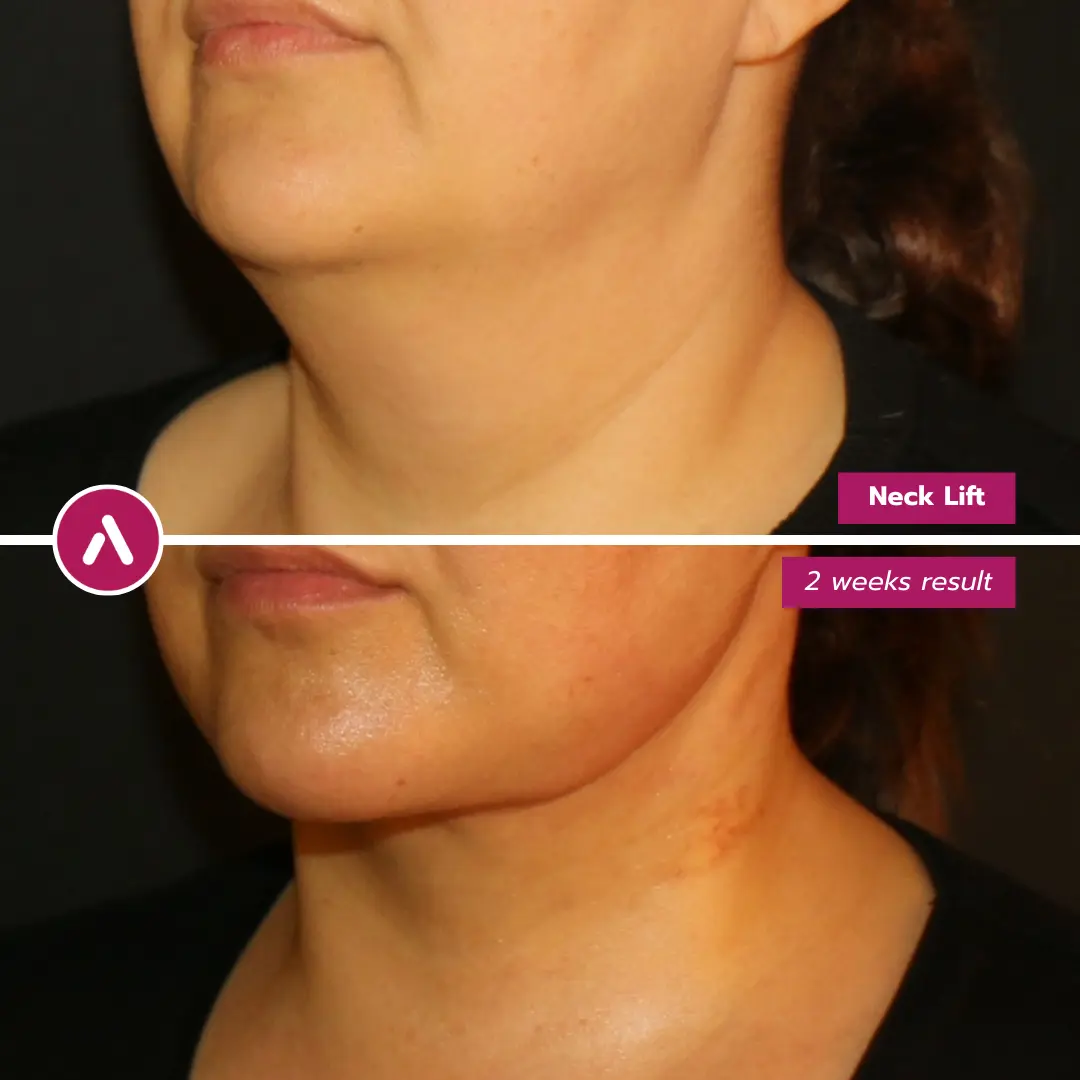
One of the biggest fears among British patients is not just swelling; it is the fear of looking artificial. They worry about appearing stretched, windswept, or obviously altered while healing is still underway. This is where a combined surgical and regenerative strategy may be especially attractive. Structural lifting can address sagging, while regenerative support may help the surface quality appear less harsh as the tissues settle.
That does not mean every patient will look instantly soft and camera-ready. Yet the appeal is understandable. If the recovery feels less severe and the skin appears healthier as the swelling resolves, patients often perceive the journey as smoother overall. In other words, healing after stem cell facelift is not only about what the mirror shows at 12 weeks; it is also about how manageable the face feels during weeks one to six.
Why Recovery Quality Matters for Subtle, Natural-Looking Results
Subtle results do not begin at the final photograph; they begin in the recovery strategy. When a clinic prioritises gentle technique, realistic post-op planning, and regenerative support where appropriate, the patient experience usually feels more coherent. The result is not simply “lifted”. It is more likely to feel consistent with the British preference for refreshed, not overdone, facial rejuvenation.
That is why discussions of stem cell facelift recovery should never be separated from aftercare. The quality of the first few weeks influences patient confidence, travel comfort, scar management, and the emotional experience of healing. For UK patients, this is not a luxury concern. It is central to whether the whole surgical journey feels worthwhile.
Managing Swelling, Bruising, and Scars After a Facelift
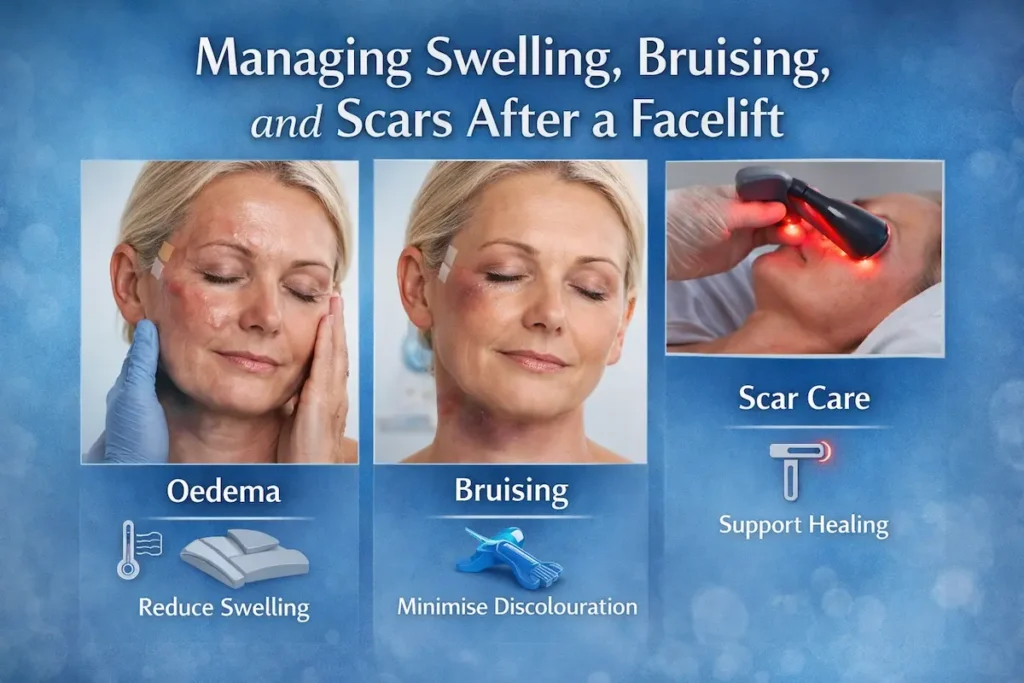
Even when a patient is specifically hoping for reduced oedema after facelift and reduced bruising after facelift, it is essential to remember that visible healing is still part of the normal journey. The goal is not to pretend swelling and bruising do not happen, but to help them resolve in a more organised, more comfortable way. Good surgical handling, calm post-op routines, and technologies such as LLLT can all support that process, especially for UK patients who want subtle recovery rather than dramatic signs of surgery.
When Post-Operative Oedema Usually Peaks
In most cases, swelling is at its most obvious during the first several days and can remain noticeable into the second week. This is one reason patients sometimes underestimate deep plane facelift recovery in the early phase. A structurally elegant lift may still look puffy before it looks refined. That does not mean anything is wrong; it simply means deeper tissues are still settling.
For British patients planning flights, family life, or remote work, this distinction matters. You may feel relatively comfortable before you look camera-ready. That is why facelift recovery timeline UK patients should always separate medical stability from social confidence. They are related, but they are not identical.
What Is Considered Normal Bruising vs a Reason to Contact the Clinic
Colour changes under the skin, tenderness around incision lines, mild asymmetry, and a firm or numb feeling near the ears or jawline are commonly part of post-op care after facelift. However, patients should always be told what falls outside the expected range. Increasing pain, one-sided swelling that suddenly worsens, active bleeding, or a temperature above 38°C (100.4°F) deserves direct communication with the clinic.
This is where aftercare systems make a real difference. UK patients are often less anxious when they know they have a clear route back to the team rather than being left to interpret symptoms alone. That reassurance is one reason accessible support remains so important in facial surgery abroad.
How LLLT Scar Therapy Fits Into the Recovery Plan
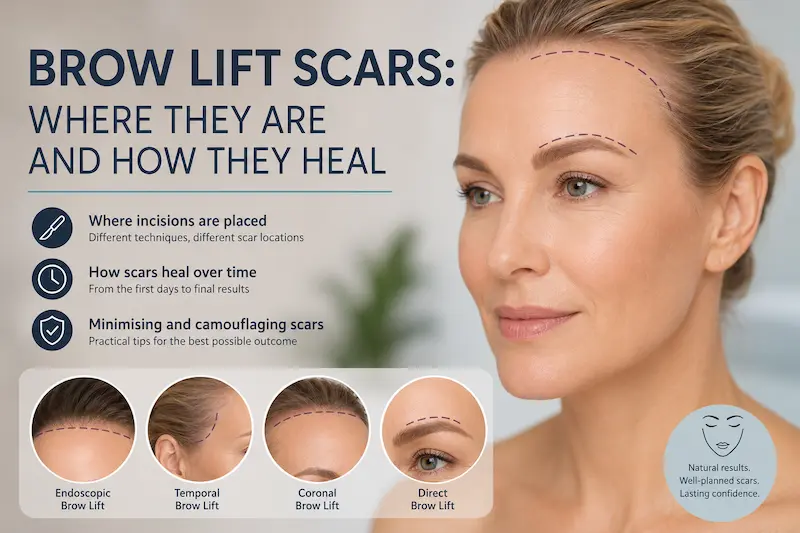
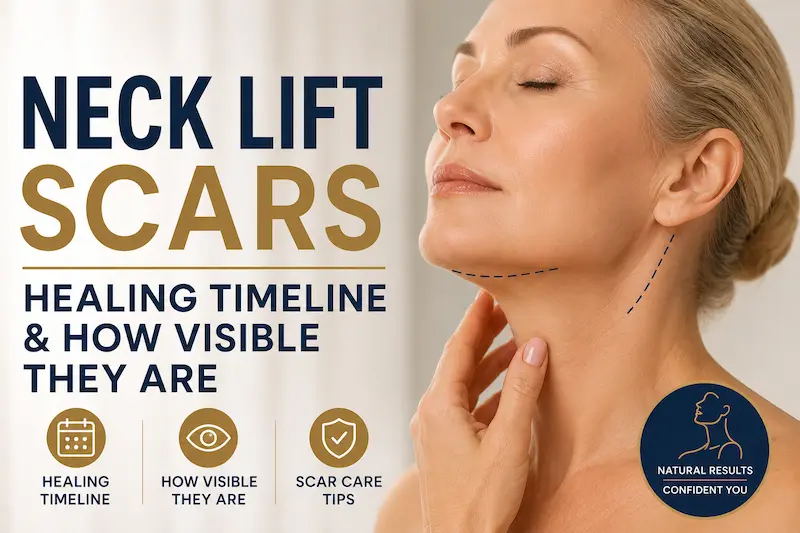
Scar quality matters tremendously in facelift surgery because the best result is one that does not advertise itself. Low-Level Laser Therapy, or LLLT, is designed to support the healing environment around incision lines. In practical terms, patients are interested in whether this means smoother healing, less visible redness, and a more discreet long-term scar pattern.
From a medical science perspective, scar care is not about one miracle device. It is about combining careful incision placement, gentle tissue handling, sensible wound care, and supportive technologies in a disciplined way. For patients searching faster healing after facelift surgery, this is a more honest way to frame the topic.
Practical Tips for Sleeping, Washing, and Protecting Incisions
The simplest advice is often the most effective. Sleep with your head elevated, avoid twisting sharply onto one side, follow washing instructions exactly, and do not apply random creams too early. Keep incision areas clean and dry as directed, use only the recommended medication, and remember that “doing less” is often better than over-managing the area.
- Sleep slightly upright for the first stage of recovery.
- Drink at least 2–3 litres of water daily unless advised otherwise.
- Use paracetamol or other prescribed medication exactly as instructed.
- Avoid strenuous exercise, heavy lifting, and bending too early.
- Protect healing skin from unnecessary sun exposure.
When Are You Safe to Fly Back to the UK?
For many British patients, this is the real decision-making question. It is not enough to ask, “When can I leave the hotel?” They want to know when they can safely board a flight, manage cabin pressure, walk through the airport, and arrive home without feeling medically exposed. This is why facelift downtime with stem cells is often searched alongside practical travel questions rather than aesthetic ones alone.
What “Flight-Ready Recovery Protocols” Mean in Practice
“Flight-ready” should never be treated as a marketing slogan. It means the clinic has a structured way to assess healing progress, mobility, swelling behaviour, comfort, and general readiness before a patient travels. For a UK audience, that matters because reassurance comes from process, not vague optimism.
In real terms, being fit to fly after facial surgery depends on your examination findings, your energy levels, your swelling pattern, and whether the surgical team is satisfied with your early recovery. The safest answer is always individual, not generic. A responsible clinic will clear you when you are ready, not when the schedule is merely convenient.
DVT Prevention, Cabin Pressure, and Walking After Surgery
Any expert patient is often more worried about the journey than the facelift itself. That is understandable. After any operation, patients want guidance on circulation, hydration, and movement. Gentle walking, good fluid intake, and avoiding prolonged inactivity are standard parts of sensible planning.
Although facelift surgery is not the same as major body contouring in terms of mobility demands, it still makes sense to treat travel seriously. You should not feel faint, dehydrated, or poorly supported when moving through the airport. In most cases, a well-planned recovery period in Istanbul makes the trip home feel far more manageable.
Planning Direct Flights from London to Istanbul and Back
One advantage for UK patients is the simplicity of direct travel. Straightforward routing reduces unnecessary stress and makes the overall journey easier to organise. That matters more than many people realise. Long stopovers, rushed transfers, and heavy luggage are not ideal when you are protecting fresh healing tissue.
For that reason, a realistic plan usually works better than an overly ambitious one. Patients who respect recovery logistics tend to feel calmer, safer, and less rushed. That is one of the hidden benefits of choosing a clinic that understands the British patient journey rather than simply the operation itself.
Whether You Should Travel Alone or With a Companion
Some patients travel independently without difficulty, while others feel more comfortable with a companion for the first few days. The best choice depends on your confidence, your tolerance for travel, and how much emotional reassurance you want around you. A companion can be especially helpful if you are naturally anxious, have young children waiting at home, or want help with practical tasks.
It is also perfectly reasonable to ask about a surgery companion in advance. In fact, that can be a very sensible part of planning rather than a sign of weakness. For many patients, confidence comes from knowing that support has been organised before they need it.
| Travel Question | Practical Guidance |
|---|---|
| Can I fly as soon as I feel “fine”? | No. Fit-to-fly decisions should follow clinical review, not impatience. |
| Should I choose a direct route? | Yes, whenever possible. Simpler travel usually means less stress. |
| Do I need to walk after surgery? | Yes, gentle walking supports circulation and recovery. |
| Should I travel with help? | Often beneficial, especially if you feel anxious or are travelling with multiple bags. |
How HBOT and Modern Recovery Protocols May Shorten Social Downtime
One of the strongest reasons patients search for stem cell facelift recovery is the hope that the recovery will not simply be safe, but more socially manageable. This is where a broader recovery programme becomes important. HBOT, careful review schedules, hydration, mobility, scar support, and realistic pacing can all shape whether a patient feels hidden away for too long or steadily returns to normal life with confidence.
In practical terms, stem cell assisted facelift surgery appeals to patients who want recovery to feel not only clinically safe, but easier to manage in everyday life. When advanced aftercare is combined with regenerative support, the goal is to reduce the sense of prolonged downtime and help patients move more confidently through the early healing stages without compromising the quality of the final result.
HBOT for Oedema Reduction and Lymphatic Support
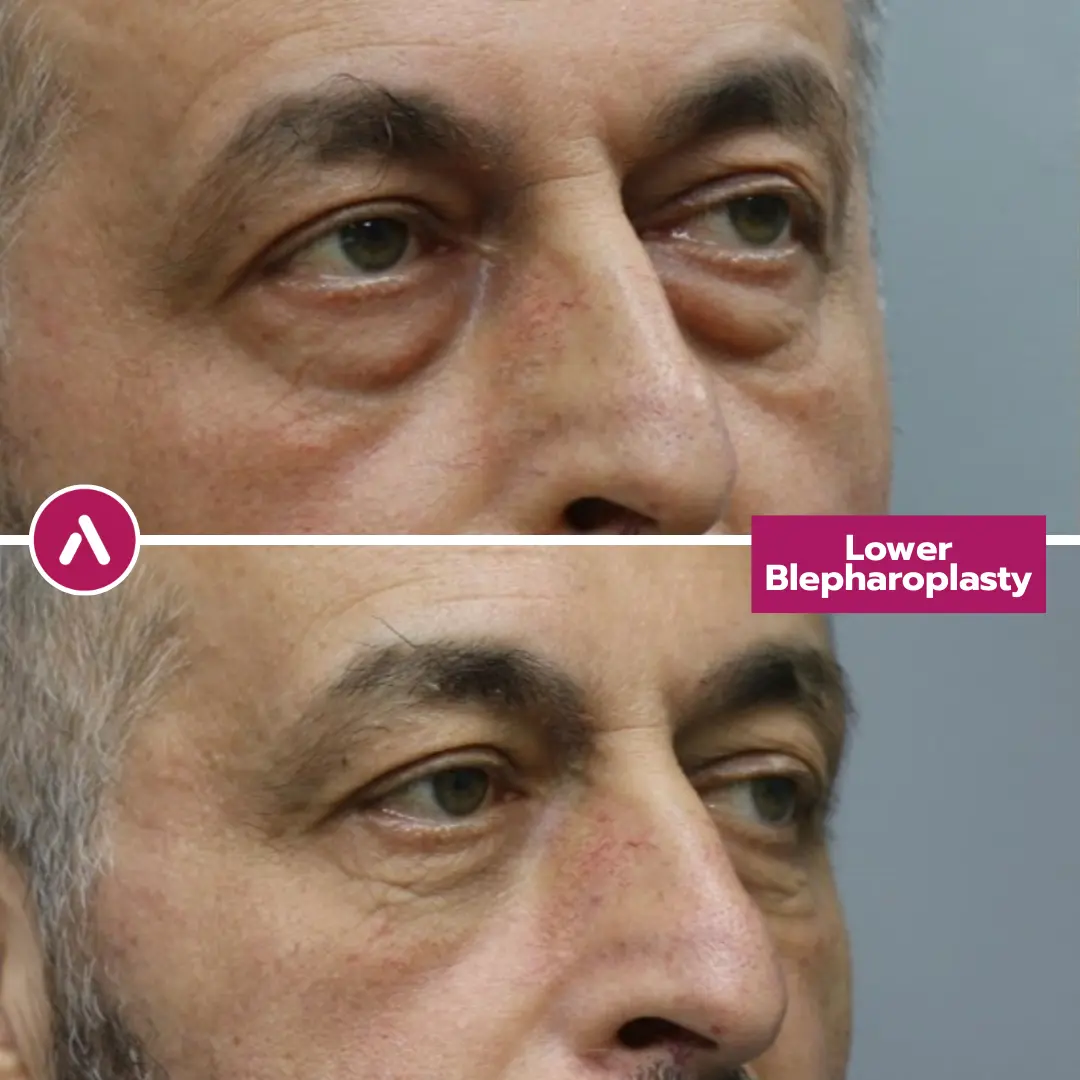
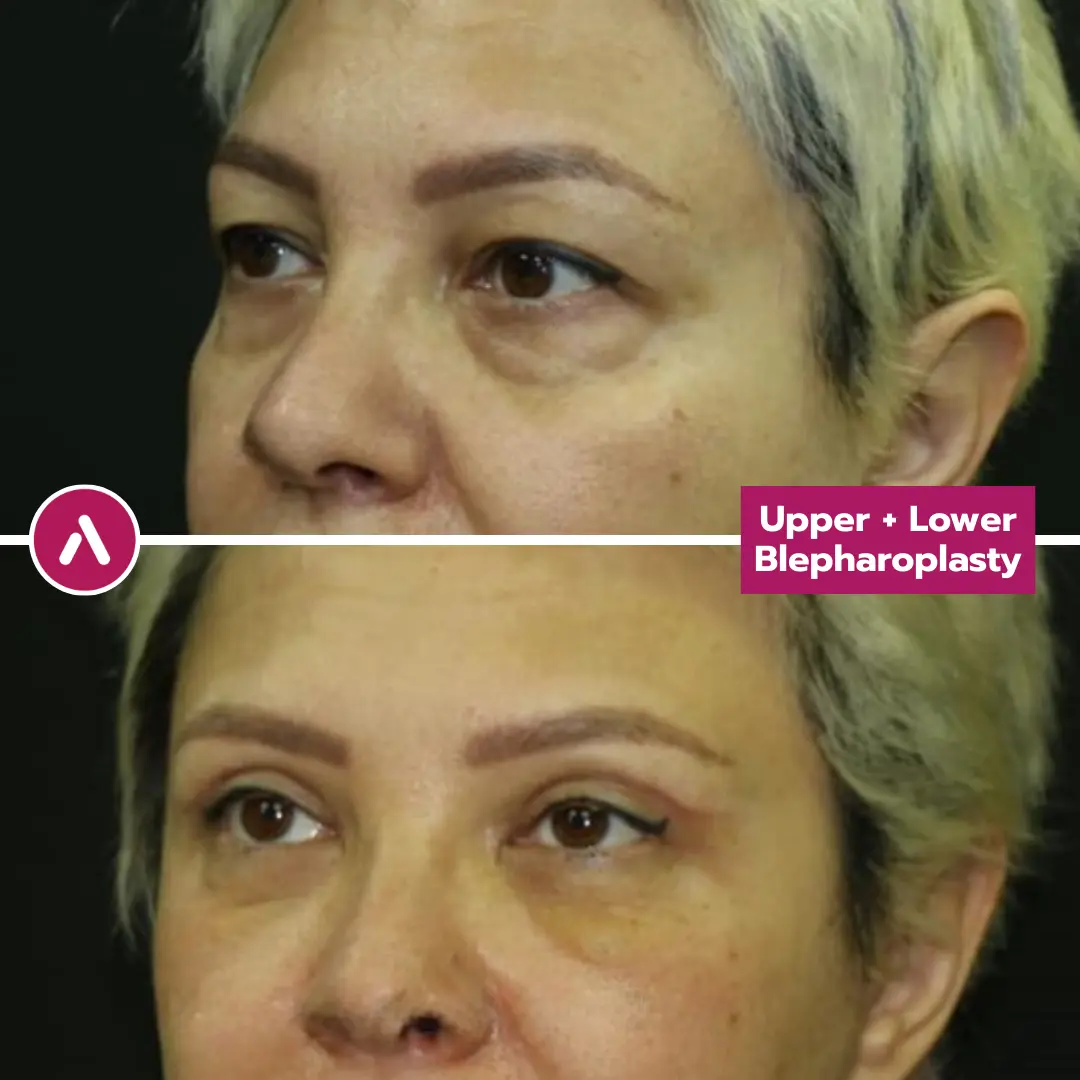
Hyperbaric Oxygen Therapy is used at AKM Clinic as part of a rapid recovery strategy. In practical language, patients are most interested in what that means for their mirror and their timetable. If oedema settles more efficiently and lymphatic congestion is better managed, the face may begin to look more presentable sooner, even while deeper healing continues.
This does not mean HBOT replaces patience. Instead, it may support a more favourable recovery environment, which is exactly why it appeals to patients comparing standard recovery with a more advanced pathway. The topic has obvious relevance for anyone searching stem cell facelift recovery alongside terms like reduced bruising after facelift and faster healing after facelift surgery.
The Link Between Faster Recovery and Returning to Work Sooner
For many UK patients, recovery is measured less by pain and more by visibility. They want to know when they can return to Zoom meetings, office conversations, dinners, school runs, and everyday life without feeling self-conscious. That is why facelift downtime with stem cells is such a commercially important phrase: it reflects real-life scheduling pressure.
If swelling, bruising, and scar behaviour are handled well, social downtime may feel shorter even when biological healing is still ongoing. In simple terms, that means patients often judge recovery by confidence, not only by anatomy.
Why UK Patients Search for Harley Street Quality With Better Recovery Logistics
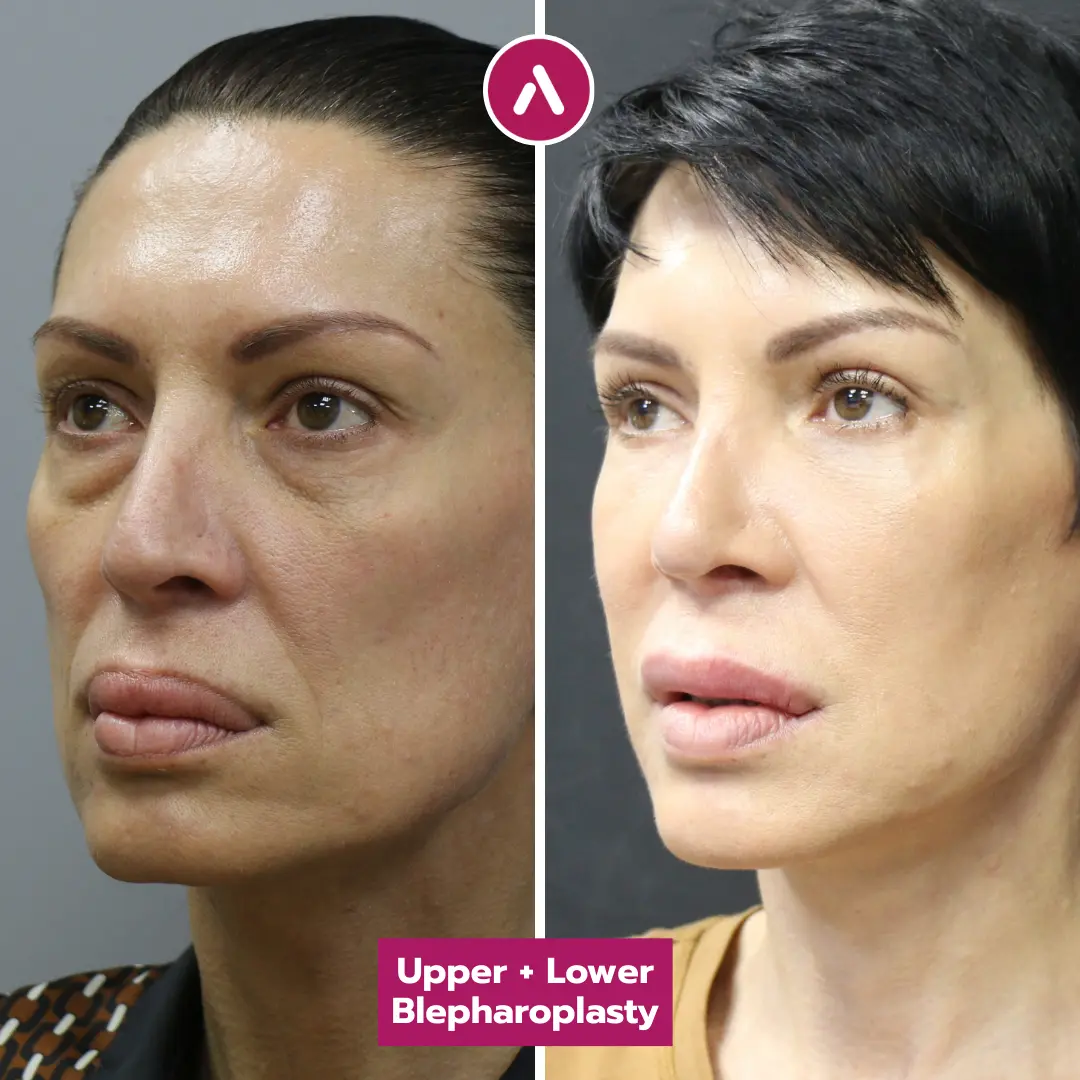
British patients are rarely looking for a “cheap” facelift. They are looking for consultant-led standards, natural results, and a recovery plan that feels properly managed. The attraction of Istanbul is not price alone. It is the possibility of combining high-level facial expertise with stronger logistics, more attentive follow-up, and a recovery journey that has been designed around international patients.
At AKM Clinic, the philosophy is “rejuvenation, not alteration” — a principle that aligns closely with what UK patients mean when they ask for a subtle result.
How AKM Clinic Combines Technology With British-Style Aftercare Expectations
The modern British patient often expects more than a surgeon and an operating theatre. They want continuity. They want someone to contact. They want a system. That is why the wider framework matters so much: UK support, a London correspondence point, and responsive follow-up all reduce the emotional burden of recovering abroad.
It also helps that AKM Clinic positions facial rejuvenation around subtlety rather than exaggeration. Our surgeons focus on natural-looking facial rejuvenation and support a consultant-led message that resonates strongly with UK readers who are comparing expertise, trust, and recovery planning together rather than as separate issues.
Returning to Work, Family Life, and Social Events
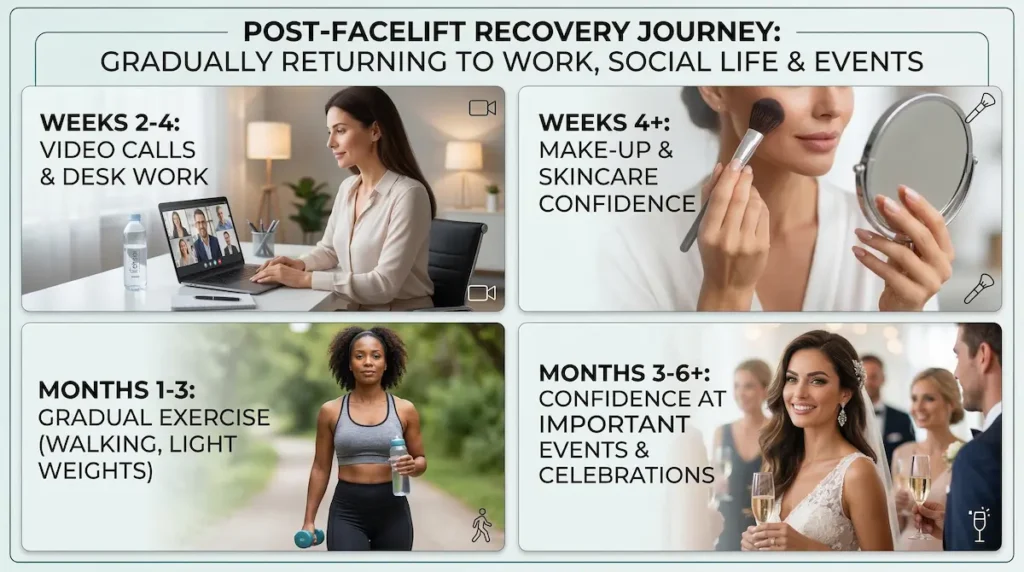
One of the most useful ways to think about recovery is not “When am I healed?” but “When am I comfortable doing ordinary things again?” That mindset is far more practical. A patient may not be fully settled for months, but may still be perfectly capable of working, socialising, and travelling much sooner. This section is where facelift recovery with stem cells day by day becomes meaningful in daily life.
When You May Feel Ready for Video Calls, Office Work, and Meetings
Many patients feel significantly more presentable between weeks two and four, depending on the extent of swelling and bruising. Video calls often come first, followed by selective in-person meetings. Desk-based work is usually easier to resume than physically demanding routines, especially if you can control your schedule and lighting.
The key is not to compare yourself with filtered online recovery diaries. Your goal is not perfection at two weeks. It is credible, comfortable progress.
When Make-Up, Skincare, and Hair Washing Usually Feel Comfortable Again
These details matter more than some clinics realise. Feeling able to wash your hair more normally, use light camouflage if approved, and reintroduce parts of your skincare routine can make an enormous difference to confidence. Yet timing must still follow incision healing and your surgeon’s guidance.
This is another reason thoughtful post-op care after facelift matters. Tiny practical permissions often determine whether a patient feels housebound or human again.
Exercise, Lifting, and Daily Routines: What to Reintroduce Gradually
Walking generally returns first. Gym sessions, heavy lifting, and vigorous exercise come later. Patients should think in stages rather than all-or-nothing terms. The face may feel “fine” before the tissues are truly ready for pressure, strain, or sudden increases in circulation.
For that reason, gradual reintroduction is safer than a dramatic comeback. Recovery tends to reward patience.
Setting Realistic Expectations Before Weddings, Holidays, or Important Events
If you are planning surgery around a wedding, family celebration, holiday, or major work event, give yourself more time than you think you need. One of the most common mistakes is scheduling a facelift too close to an emotionally important date. Even if you are medically well, you may still have residual puffiness or feel psychologically unfinished.
The best timing is not the earliest possible point at which you can attend something. It is the point at which you can attend it with confidence.
Frequently Asked Questions (FAQ): Facelift Recovery with Stem Cells
The questions below reflect the most common concerns from UK patients researching facelift recovery with stem cells, especially those balancing healing, travel, and a return to normal life.
Does a stem cell-assisted facelift heal faster than a traditional facelift?
It may support a smoother recovery environment, but it does not remove the normal healing phases. Most patients still experience swelling, bruising, and gradual settling.
How many days should I stay in Istanbul after surgery?
This varies by patient and procedure, but you should stay long enough for early reviews, safe monitoring, and clinical clearance before flying home.
When can I fly back to London after a facelift?
Only after your surgeon confirms you are fit to travel. Feeling impatient is not the same as being flight-ready.
Is swelling still normal after two weeks?
Yes. Visible swelling often improves by week two, but residual oedema can remain for several more weeks.
Will stem cells help reduce visible scarring?
They may support better tissue quality overall, but scar outcome also depends on incision placement, wound care, skin type, and technologies such as LLLT.
When can I return to work after facelift surgery?
Many patients feel ready for some desk-based work within two to three weeks, though full social confidence may take longer.
Is HBOT necessary after a facelift, or simply beneficial?
It is best understood as a beneficial recovery tool rather than a substitute for good surgery and disciplined aftercare.
What helps with reduced oedema after facelift?
Head elevation, gentle walking, hydration, following medication advice, and appropriate clinic-led recovery support all help.
How is healing after stem cell facelift different from ordinary recovery?
Patients often hope for a softer, more manageable recovery experience, especially in terms of skin quality, bruising visibility, and social downtime.
Is a deep plane facelift recovery always harder?
Not necessarily. It depends on technique, tissue handling, the individual patient, and how well the recovery pathway is managed.
If you would like to explore related topics alongside this guide, you can also learn more about Nanofat Grafting Turkey, Stem Cell Facelift Longevity, Surgery Companion Turkey, How to Prepare for Cosmetic Surgery, Best Deep Plane Facelift Clinic in Turkey, and Specialist Plastic Surgeon Turkey. These resources can help you better understand recovery planning, long-term results, surgical expertise, and the practical steps involved in organising your procedure with greater confidence.
Medical Disclaimer: This page is provided for general educational purposes only and does not replace a face-to-face medical consultation, diagnosis, or personalised treatment plan. All surgery carries risks and outcomes vary between individuals. Suitability for a facelift surgery, procedure selection, and anaesthesia choice can only be determined after a full clinical assessment by a qualified surgeon. Always follow your clinician’s instructions and seek urgent medical attention if you develop concerning symptoms during recovery.