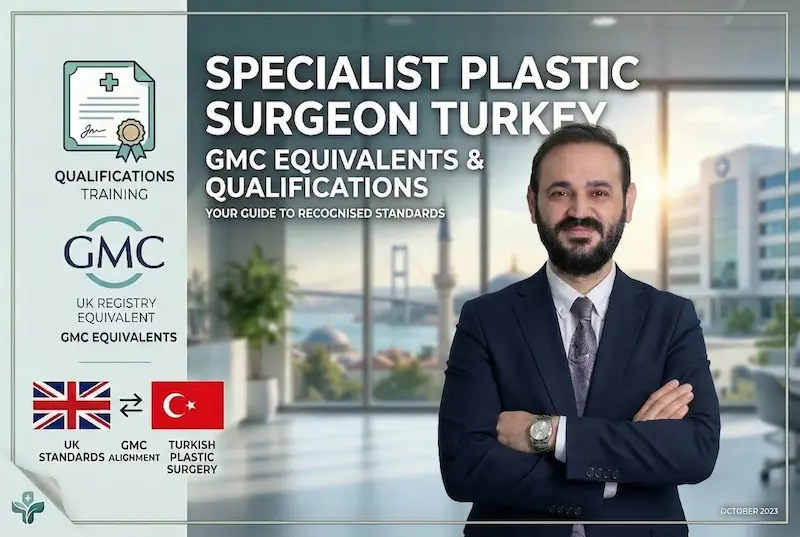
If you are searching for a specialist plastic surgeon Turkey, you are probably not looking for the cheapest quote. You are trying to answer a far more important question: how do I judge a surgeon in Turkey by standards that make sense to a British patient? In practice, most UK patients are trying to translate familiar concepts such as GMC registration, consultant status, specialist training, and FRCS-level credibility into an international setting.
This is why search terms such as specialist plastic surgeon in Turkey, Turkey specialist plastic surgeon, plastic surgeon GMC verification, GMC specialist register plastic surgery, GMC registered surgeon alternatives, and consultant plastic surgeon equivalent Turkey are so common. They all reflect the same concern: not price first, but proof first.
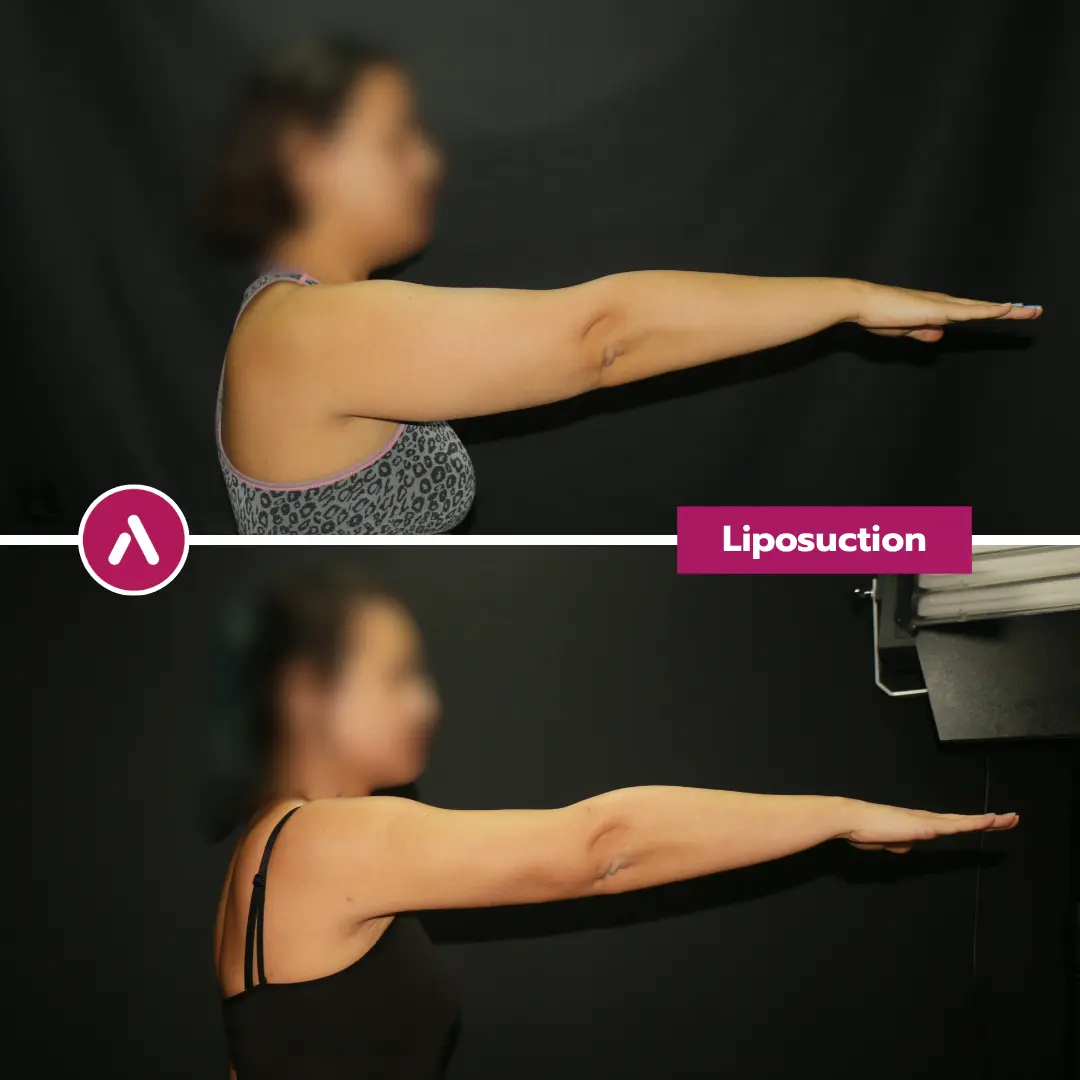
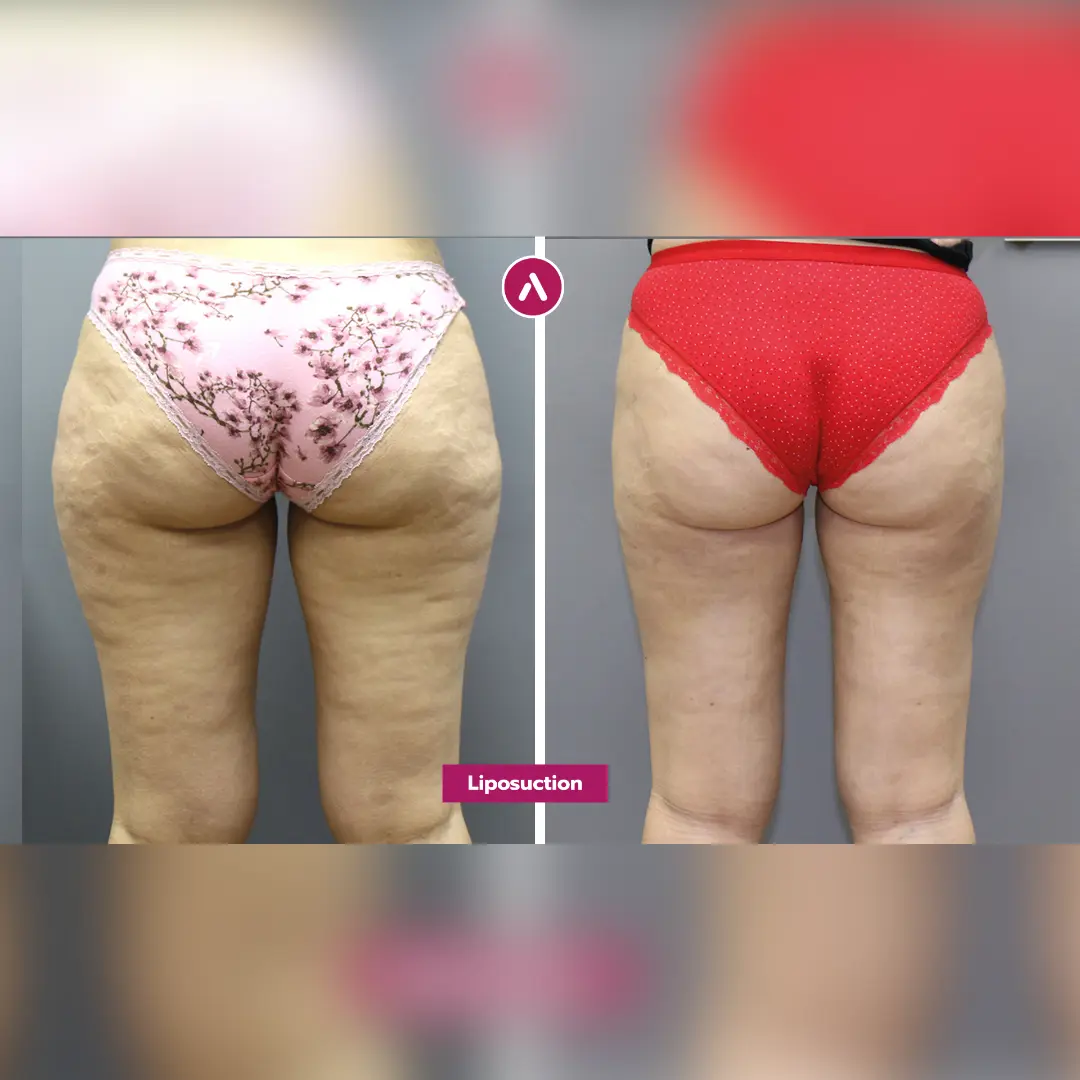
For the British patient, credentials should never be treated as a decorative line on a website. They are part of a wider safety picture that includes procedure-specific expertise, transparent communication, operating theatre standards, aftercare planning, and a surgeon-led approach to decision-making. Good choices in aesthetics should be grounded in medical science, clear documentation, and realistic expectations rather than social media popularity alone.
“Rejuvenation, Not Alteration.”
Table of Contents
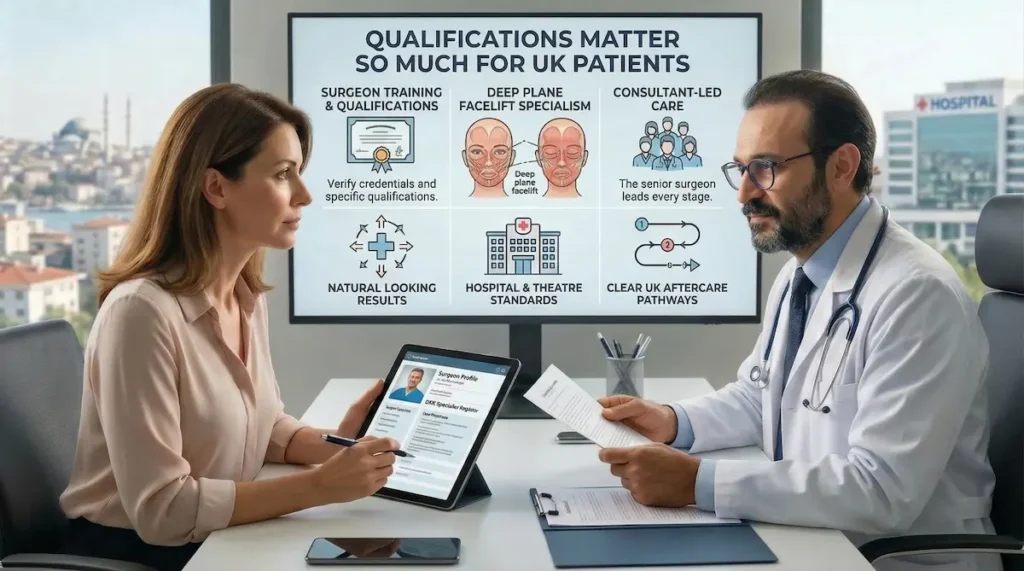
Why Qualifications Matter So Much for UK Patients
When British patients research surgery abroad, they usually bring a UK frame of reference with them. They want clarity, not vague promises. They want to know who will operate, what that person is specifically trained to do, and whether the overall standard feels closer to Harley Street logic than to medical tourism marketing. That is why qualifications matter so much: they help separate genuine specialist practice from generic cosmetic advertising.
For many UK patients, this process is not simply about checking diplomas; it is about understanding whether a surgeon’s training, judgement, and aesthetic philosophy genuinely match their expectations for safe, natural-looking results. This is especially true for patients searching for the best deep plane facelift surgeon in Turkey, where specialist expertise, anatomical precision, and a consultant-led approach can make a meaningful difference to both outcome quality and overall confidence.
Why “specialist” is not just a marketing word
The word specialist should mean more than “experienced” or “popular”. In a serious medical context, it should indicate focused training, defined scope of practice, and a consistent record in the type of surgery you are considering. A surgeon who performs a narrow range of procedures at a high standard is often easier to assess than someone who claims to do everything from head to toe.
For example, a patient looking for a facelift or a facial refinement procedure should not be reassured by a broad cosmetic label alone. They should ask whether the surgeon has facially focused training and whether the results repeatedly show balanced, subtle, age-appropriate outcomes. That is especially true for patients searching for a specialist facial aesthetic surgeon Turkey, because facial surgery demands a different level of anatomical precision and aesthetic judgement.
What British patients usually look for beyond a clinic website
British patients tend to look beyond polished branding. They usually want to see evidence of the following:
- A named surgeon rather than a vague “medical team” reference
- Procedure-relevant qualifications rather than a generic cosmetic title
- Consultant-led care, where the senior surgeon evaluates, plans, and performs the operation
- Hospital and theatre standards that suggest disciplined systems rather than improvisation
- Clear aftercare pathways for the period after returning to the UK
In other words, the British patient is rarely asking only, “Is this surgeon famous?” The deeper question is, “Can I verify this surgeon in a structured way?” That is why searches around plastic surgeon GMC verification and GMC specialist register plastic surgery are so revealing. They show a need for traceability, not hype.
How qualifications reduce uncertainty when planning surgery abroad
One reason this topic matters so much is that travelling for surgery already introduces uncertainty. You are comparing systems, titles, and expectations across countries. Strong qualifications reduce that uncertainty because they give you something objective to examine. They also make consultation questions more precise. Instead of asking, “Are you good?”, you can ask, “What specialist training supports this operation, and how does that compare with what I would expect from a UK consultant?”
Qualifications also help you interpret outcomes more intelligently. If a surgeon is trained to prioritise natural structure, preserve facial identity, and manage recovery carefully, the results usually look more refined. That matters for British patients who often want to look fresher, not obviously “done”.
“Considering the quality comparison between London and Istanbul, I would confidently choose Turkey over the UK.” — Sarah, UK patient
What Is the UK Equivalent of a “Board-Certified” Plastic Surgeon?
This is the central question in the article, and it needs a careful answer. There is no single one-to-one legal badge outside the UK that is identical to GMC registration plus specialist status in Britain. That means the phrase “GMC equivalent” should be understood as a comparison framework, not as a literal copy of the UK regulatory system. A thoughtful patient compares multiple indicators together rather than hunting for one magic label.
For UK patients, this means the safer approach is to assess qualifications as part of a wider pattern of evidence, including specialist focus, surgical philosophy, and consistency of results. This is particularly relevant for anyone searching for the best deep plane facelift surgeon in Turkey, where subtle technique, advanced anatomical knowledge, and a clearly defined specialist background often matter far more than broad marketing claims alone.
Understanding GMC registration, specialist status, and consultant-level expectations
In the UK, patients often feel reassured when they can confirm that a doctor is properly registered and that their specialist status aligns with the procedure they need. In aesthetic surgery, many patients also think in terms of consultant-level responsibility: who assessed me, who planned my operation, and who will actually perform it?
That same logic should be used in Turkey. The right question is not, “Is there a Turkish GMC?” The better question is, “Which combination of training, board examination, fellowship, hospital standard, and consultant-led care gives me a credible equivalent of what I would expect in Britain?”
| UK concept | What it means to a British patient | What to look for in Turkey |
|---|---|---|
| GMC registration | A doctor who is formally accountable within a regulated medical framework | Traceable physician identity, transparent qualifications, and clear professional accountability |
| GMC specialist register plastic surgery | Recognised specialist standing in the relevant field | Documented specialist training and a practice that matches the procedure you are booking |
| Consultant surgeon | The senior clinician leads decision-making and treatment | Named surgeon-led planning, operative responsibility, and aftercare oversight |
| FRCS-level credibility | High-level surgical training and recognised professional progression | Advanced board examinations, fellowship credentials, and evidence of focused surgical work |
So when patients search consultant plastic surgeon equivalent Turkey, they are really asking whether the surgeon’s training and responsibility level reflect consultant standards, even though the legal framework is not identical.
How FRCS and other advanced credentials are interpreted by UK patients
British patients frequently recognise FRCS as a marker of senior surgical development. That is why searches such as FRCS plast equivalent Turkey appear so often. The intent behind that search is understandable: patients want to know whether the surgeon abroad has passed through an equally demanding pathway of specialist formation.
The sensible way to interpret this is not to force a false one-word equivalence. Instead, you should assess whether the surgeon can demonstrate advanced, procedure-relevant credentials that signal rigorous training, a clear field of practice, and professional recognition beyond simple self-description. In facial work, that may include recognised European board examinations and fellowship-level affiliations. In plastic and reconstructive work, it may include specialist practice that is both deep and consistent.
In short, British patients should treat FRCS as a benchmark for seriousness, not as the only acceptable badge. The more useful question is: what evidence shows this surgeon has reached a comparably credible level of specialist maturity for my procedure?
Why European board certifications matter when comparing Turkey with the UK
European board credentials matter because they help provide an internationally legible standard for UK patients. They do not replace British regulation, but they can make the surgeon’s training easier to understand when you are comparing systems. That is why the phrase European board-certified plastic surgeon Turkey is searched so often, even if the more accurate assessment may depend on the surgeon’s exact field and procedure-specific background.
For facial procedures in particular, focused European qualifications can be highly relevant. A patient searching for a specialist facial aesthetic surgeon Turkey should look carefully at whether the surgeon has advanced facial training rather than assuming every cosmetic surgeon is equally equipped for delicate facial work.
Which Qualifications Should You Check Before Booking Surgery in Turkey?
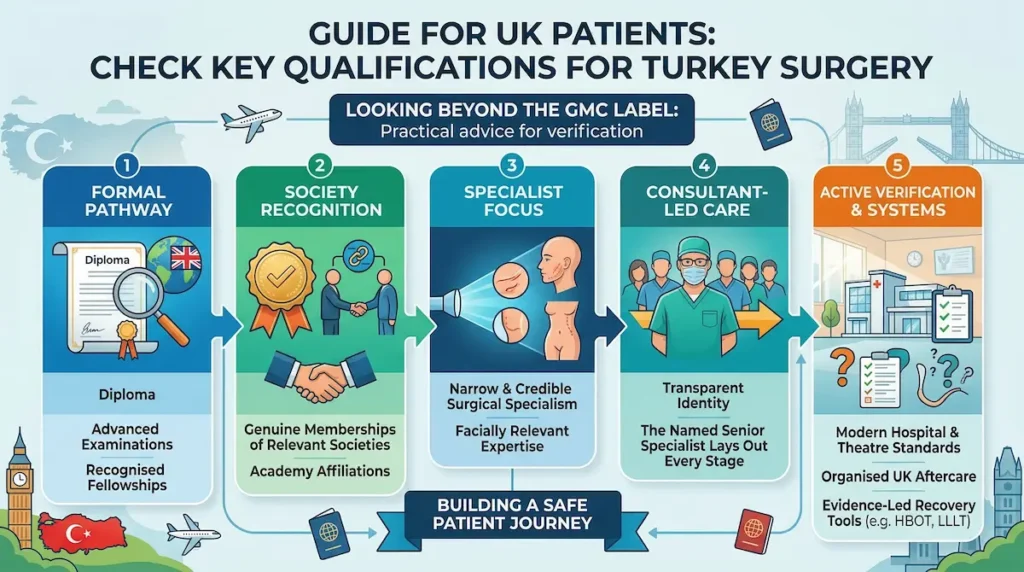
Once you understand that there is no single literal GMC clone outside the UK, the next step is practical. What exactly should you verify before paying a deposit or boarding a flight? The answer is not complicated, but it does require discipline. You should look for a combination of board-level education, society recognition, specialist focus, transparent surgeon identity, and a clinic system that can explain its standards in plain English.
European board exams, society memberships, and focused surgical training
Start with the surgeon’s formal pathway. Do they show advanced examinations, recognised fellowships, or society memberships that make sense for the operation you want? A facelift patient, for instance, should value facially relevant expertise more than broad cosmetic marketing. A body contouring patient should want evidence of repeated work in that area, not a one-size-fits-all profile.
This is where the phrase GMC registered surgeon alternatives becomes useful. British patients are not necessarily looking for a literal UK registration abroad; they are looking for alternative markers that suggest equivalent seriousness. These might include:
- Recognised European board examinations
- Procedure-specific fellowship or academy affiliations
- A narrow and credible surgical focus
- Transparent consultant-led treatment planning
That approach is far safer than relying on labels such as “celebrity surgeon” or “top cosmetic doctor”, which may tell you very little about actual training depth.
Why specialist focus matters more than vague multi-procedure claims
One of the most common mistakes patients make is assuming that a long menu of procedures indicates stronger expertise. In reality, specialist focus is often more reassuring. If a surgeon repeatedly performs the same core procedures and can explain the reasoning, limitations, and recovery pathway in detail, that usually reflects real depth.
This matters even more when comparing a broad “cosmetic surgeon” label with a more defined specialist pathway. A Turkey specialist plastic surgeon should be judged not by how many operations appear on a website, but by how convincingly their training aligns with the operation you want. In facial work, focused anatomical expertise is particularly valuable because small decisions can affect expression, balance, and the difference between a subtle result and an unnatural one.
For British patients, this is where the idea of a consultant plastic surgeon equivalent Turkey becomes practical. You want the senior specialist whose daily work, judgement, and case selection reflect mastery, not simply availability.
How to verify whether a surgeon’s qualifications are relevant to your procedure
Verification should be active, not passive. Do not simply read the qualification list. Ask the clinic to explain how each credential relates to your exact operation. A relevant verification checklist includes the following:
- Who is the named surgeon for my operation?
- What is their specialist background in this exact procedure?
- Will the consultant surgeon perform the operation from start to finish?
- Which hospital or operating theatre standards support patient safety?
- How is aftercare organised once I return to the UK?
You should also look at whether the clinic can discuss recovery with scientific clarity. A strong clinic does not stop at diplomas; it explains how outcomes are supported. That includes the use of evidence-led recovery tools such as HBOT to reduce post-operative oedema and support lymphatic drainage, and LLLT to support scar quality through fibroblast stimulation. That kind of explanation signals that the clinic respects both scientific research and patient education.
In other words, the best verification process joins qualifications to systems. A surgeon may have excellent credentials, but the overall patient journey should also demonstrate discipline, transparency, and an understanding of what a British patient needs before surgery, during recovery, and after flying home.
GMC Equivalents in Turkey: What They Do and Do Not Mean
This is where many British patients become understandably confused. The phrase GMC equivalent is useful, but only when it is used honestly. It should never suggest that Turkey simply has a cloned version of the UK system. Instead, it should help the patient compare standards sensibly: regulation, specialist education, consultant-level responsibility, and evidence of focused practice. For a patient searching specialist plastic surgeon in Turkey, the goal is not to find a copy of the GMC, but to find a surgeon whose qualifications, ethics, and systems stand up to the same level of scrutiny.
For British patients, the key is not to look for a direct institutional copy of the UK system, but to judge whether the surgeon’s qualifications, operative role, and overall standards reflect the same level of seriousness. This is particularly important for anyone searching for the best deep plane facelift surgeon in Turkey, where advanced facial expertise, careful patient selection, and consistently natural results matter far more than simplified marketing comparisons.
Why there is no one-to-one legal copy of the GMC outside the UK
The GMC is a UK regulator. That means its legal function belongs to Britain, not to every other country. So if a clinic tries to imply that a surgeon in Turkey is literally on a British register when they are not, that should raise concern immediately. Honest clinics explain the difference clearly.
For UK patients, this matters because the term plastic surgeon GMC verification reflects a real instinct for due diligence. The instinct is good. The method simply needs adjusting when you look abroad. Instead of asking for a literal British registration number in Turkey, you should ask for the surgeon’s formal qualifications, field-specific credentials, operative role, and the clinic’s wider patient safety framework.
How UK patients can assess credible “equivalent” standards sensibly
A sensible comparison looks at several layers together. First, who is the named surgeon? Secondly, what specialist training do they hold that is relevant to your procedure? Thirdly, does the clinic describe its standards in a way that reflects disciplined medical practice rather than vague prestige language? Fourthly, is there a clear aftercare pathway for a patient returning to Britain?
That is why terms such as FRCS plast equivalent Turkey, European board-certified plastic surgeon Turkey, and consultant plastic surgeon equivalent Turkey are useful search phrases. They show that the British patient is trying to build an evidence-based comparison. This is a good example of how science and practical judgement meet in real patient decision-making: not through one badge, but through the total weight of the evidence.
The difference between real credentials, clinic accreditations, and marketing language
Real credentials belong to the surgeon. These include degrees, board examinations, society fellowships, and specialist training routes. Clinic accreditations, by contrast, belong to the facility or the service framework. Both matter, but they are not interchangeable.
| What you see | What it actually tells you | What you should ask next |
|---|---|---|
| “Award-winning clinic” | Brand positioning, not necessarily specialist proof | Who is the consultant surgeon for my operation? |
| “International standards” | A broad service claim | Which hygiene, theatre, and recovery protocols are in place? |
| Board or fellowship credentials | Evidence of individual surgeon training | How do these qualifications relate to my exact procedure? |
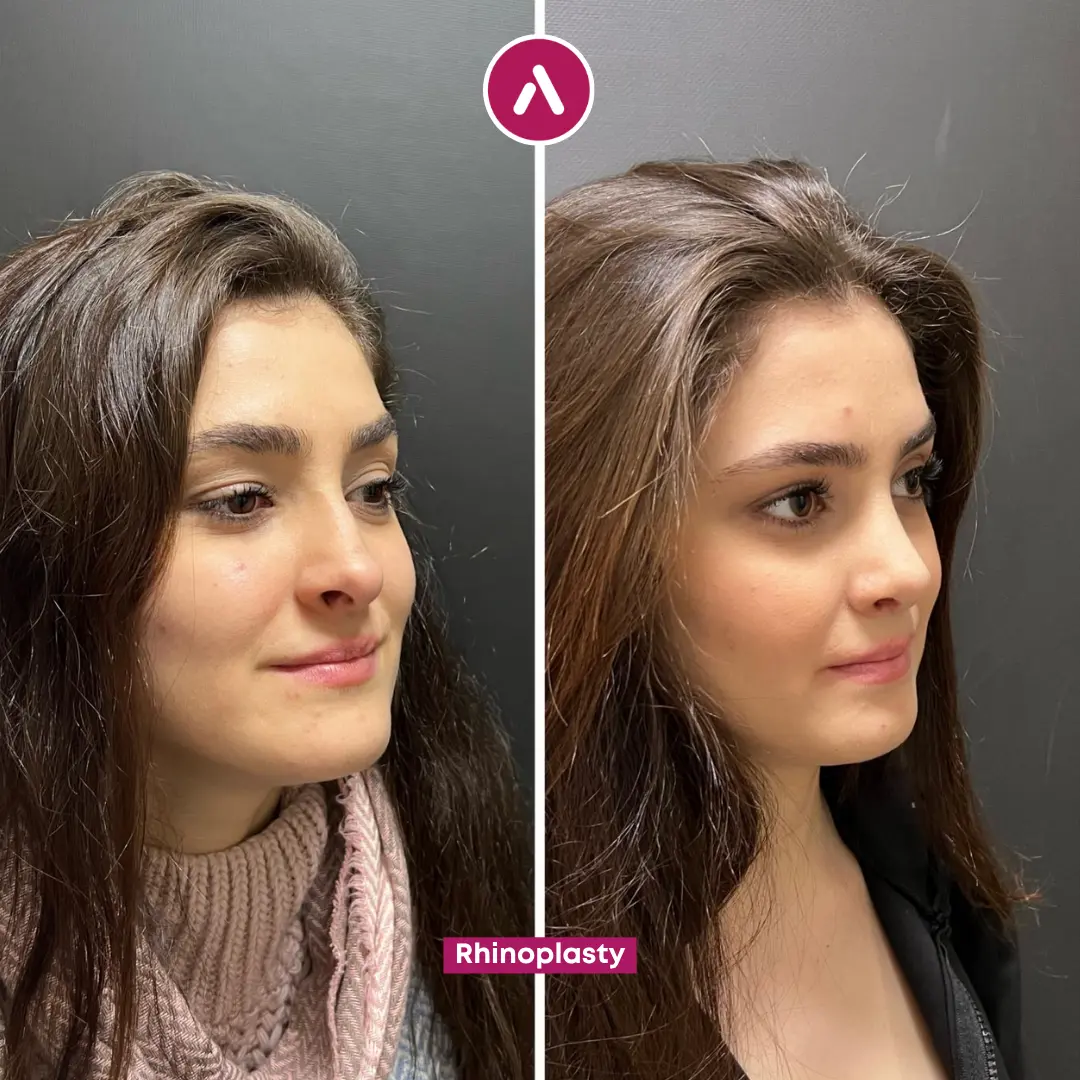
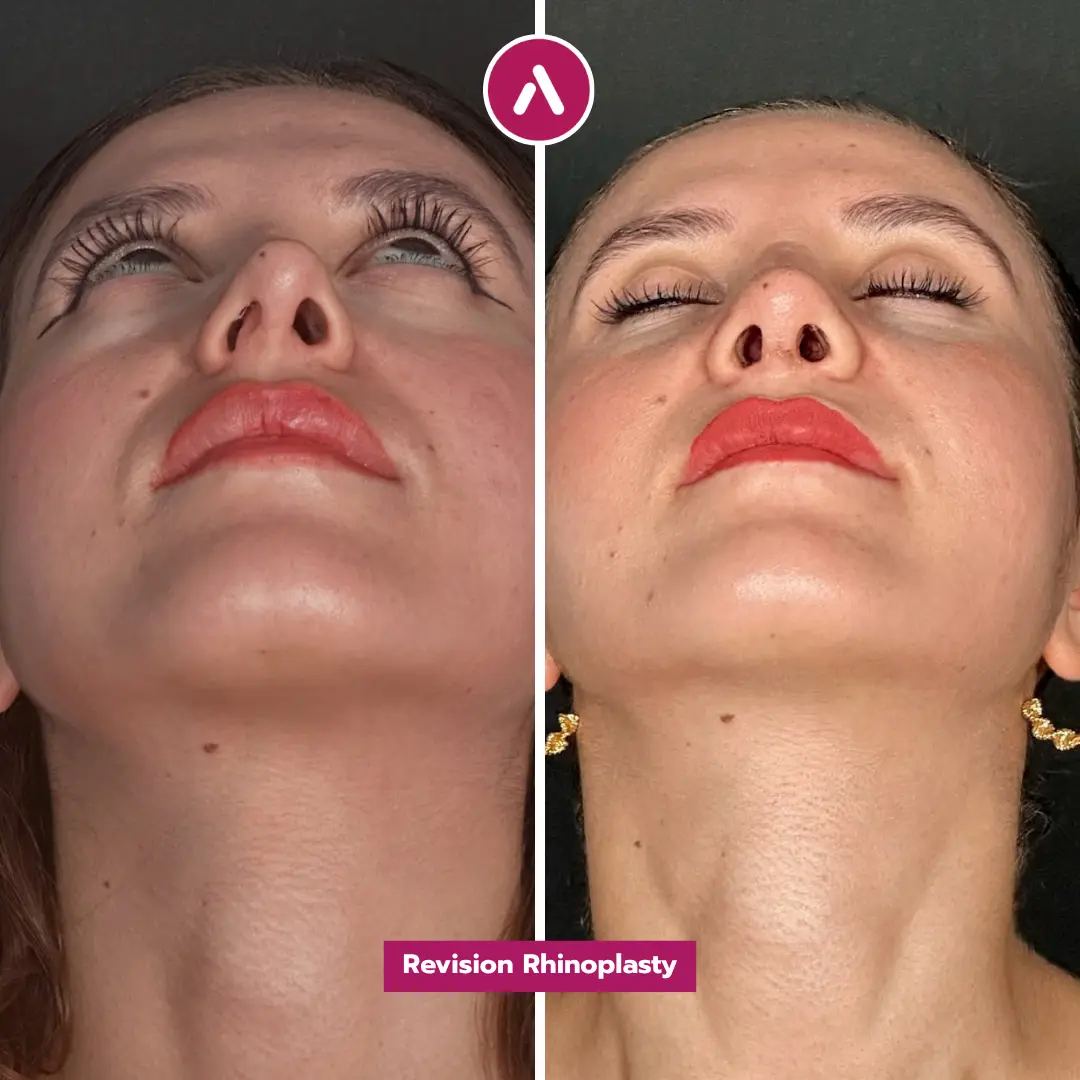
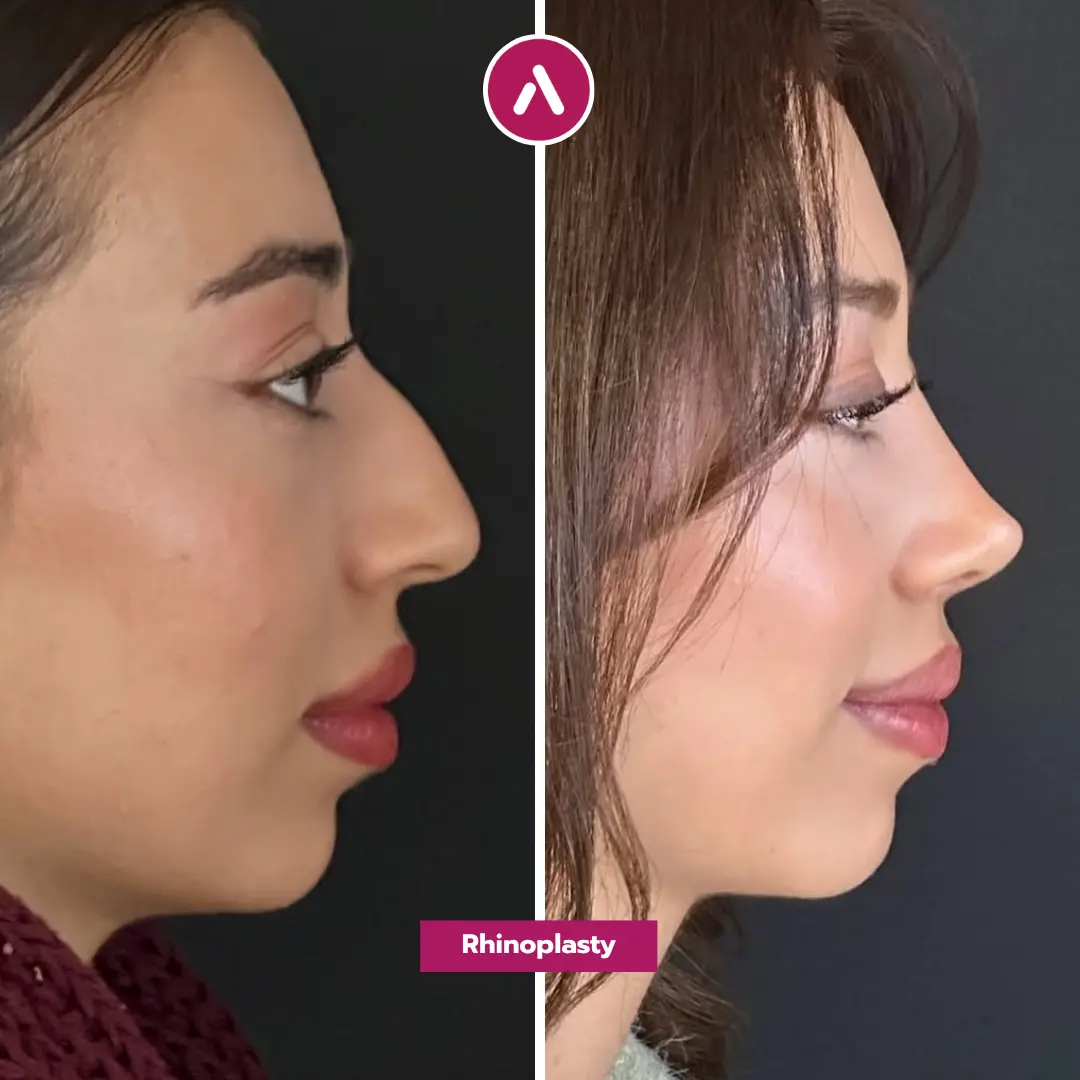
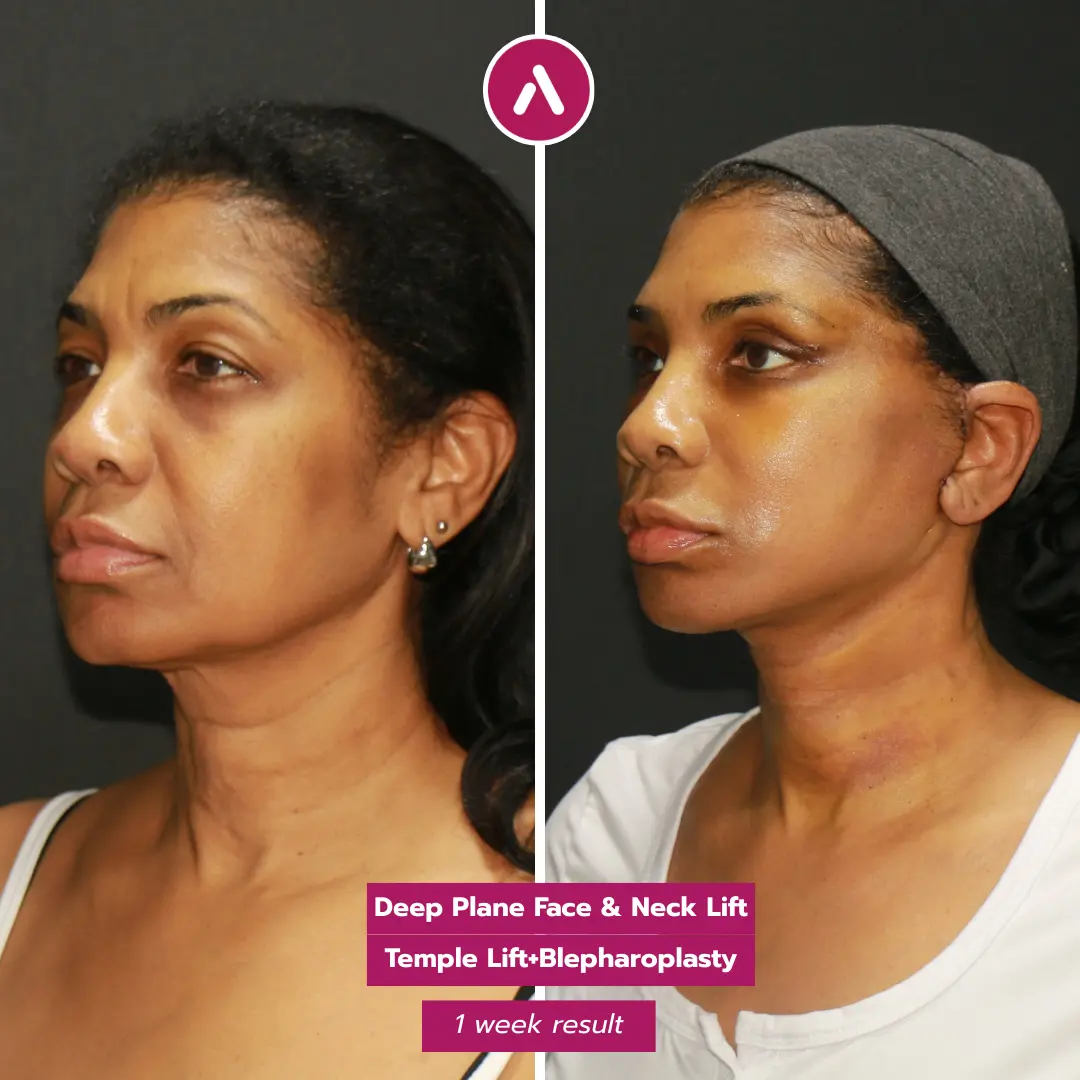
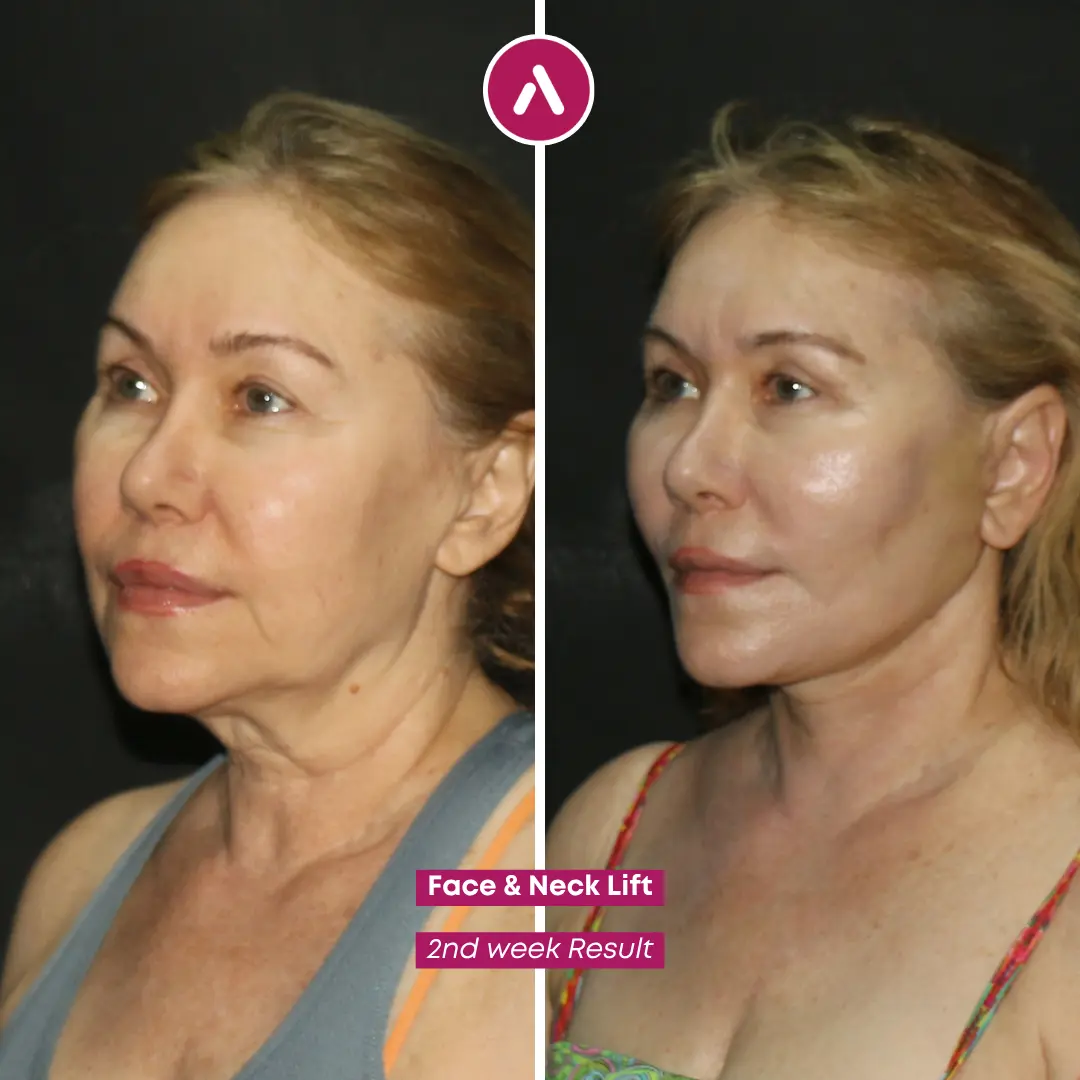
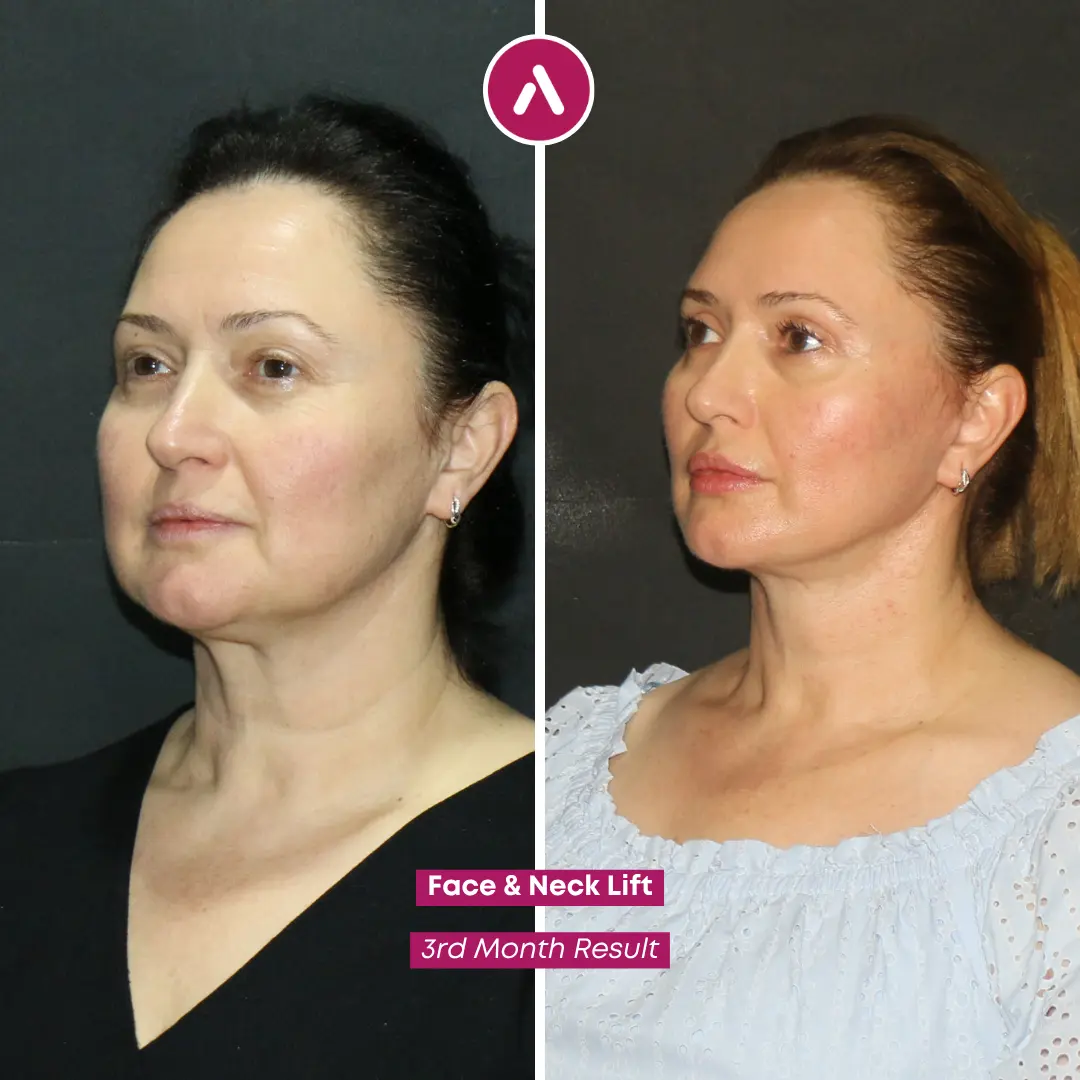
| Before-and-after gallery | Visual evidence of style and consistency | Are these healed, natural-looking, procedure-matched results? |
The best UK-facing clinics do not blur these categories. They explain them. That clarity is often a strong sign that the surgeon and the clinic are used to informed patients asking serious questions.
Red Flags When Reviewing a Plastic Surgeon’s Credentials
Even well-informed patients can be distracted by glossy websites, influencer exposure, or low headline prices. Credentials should therefore be reviewed with the same discipline you would apply to a financial decision or a major legal contract. In aesthetics, the cost of getting this wrong is not only financial; it may involve revision surgery, visible scarring, prolonged oedema, or a result that never looked natural in the first place.
Vague titles such as “cosmetic expert” without specialist context
Be wary of language that sounds impressive but reveals very little. Terms such as “cosmetic expert”, “aesthetic master”, or “beauty surgeon” may have no precise value unless they are supported by real specialist qualifications. A serious Turkey specialist plastic surgeon should be able to explain their background in exact terms, not slogans.
This is especially important when patients are trying to compare a surgeon abroad with the reassurance they would normally seek from the GMC specialist register plastic surgery framework. If the website avoids discussing exact training pathways, that is not a minor omission. It is a signal to slow down.
Missing information about who performs the operation
One of the most important questions is still one of the simplest: who will actually carry out my surgery? If a clinic is unclear about that, the patient should not proceed until the answer is fully documented. British patients are increasingly alert to concerns about delegated operating and “ghost surgery”, and rightly so.
The safest model is consultant-led care. That means the named senior surgeon evaluates you, plans the procedure, and performs the operation rather than handing crucial elements to an unknown assistant. When you search for a consultant plastic surgeon equivalent Turkey, this is exactly the principle you are trying to protect.
Overpromising websites that avoid discussing training, boards, or hospital standards
Overpromising is another red flag. If a website speaks endlessly about luxury, transformation, or celebrity outcomes, but says little about operating theatre protocols, aftercare, complication planning, or scientific reasoning, the balance is wrong. A serious clinic should be able to explain how decisions are made, what is medically realistic, and why a certain patient may not be a candidate for a particular operation.
That matters because the best aesthetic outcomes are not created by enthusiasm alone. They are shaped by anatomy, restraint, surgical judgement, and the disciplined application of medical science. In facial aesthetics especially, over-treatment can age badly. Under the pressure of marketing, some clinics forget that British patients usually want refinement, not exaggeration.
A trustworthy clinic should make you feel better informed, not more dazzled.
How AKM Clinic Presents Qualifications for the British Patient
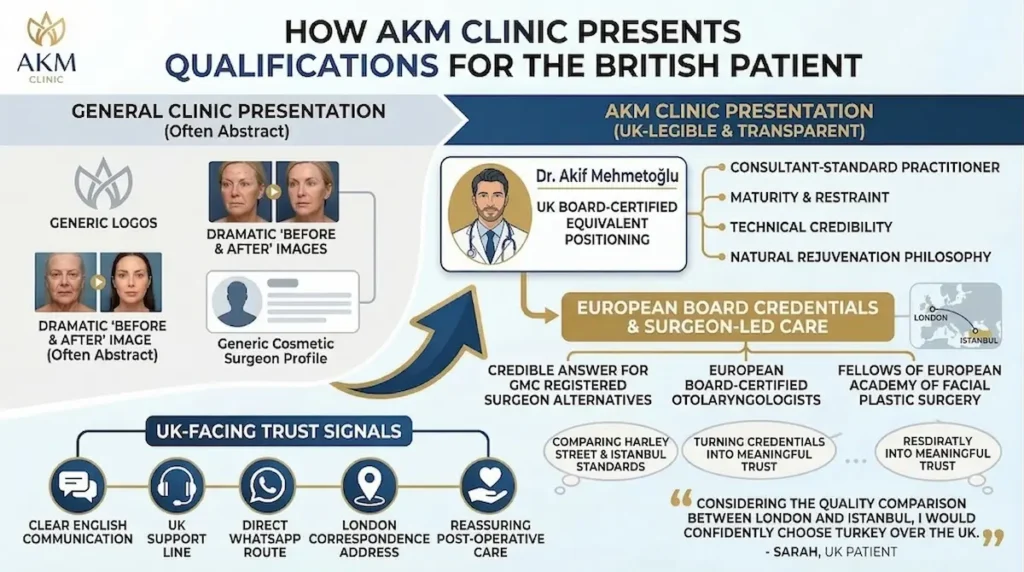
For British patients, the most reassuring clinics are those that present qualifications in a structured, transparent, UK-legible way. At AKM Clinic, the surgeon profiles and patient pathway are framed around standards that make sense to someone comparing Istanbul with Harley Street rather than simply comparing one clinic website with another.
For UK patients, this kind of transparent presentation helps turn credentials into something practical and meaningful rather than abstract. It allows them to judge whether the clinic’s standards, communication style, and consultant-led structure genuinely support informed decision-making. This is especially valuable for patients researching the best deep plane facelift surgeon in Turkey, where trust is often built not only through qualifications themselves, but through how clearly those qualifications are explained in a British context.
UK board-certified equivalent positioning and why it matters
Our doctors are presented to UK patients as a UK board-certified equivalent surgeon. That matters because British patients are not only judging aesthetics; they are judging seriousness. They want to know whether the person operating on their face or body demonstrates the level of maturity, restraint, and technical credibility they would expect from a consultant-standard practitioner.
In practical terms, this matters most for patients seeking subtle results. British patients often fear looking over-pulled, overfilled, or obviously altered. A surgeon whose philosophy prioritises structural, natural rejuvenation rather than dramatic change is therefore often a better fit for the UK market.
European board credentials and surgeon-led care
Our doctors bring another important layer of reassurance. They are described as a European Board-Certified Otolaryngologistes and recognised Fellows of the European Academy of Facial Plastic Surgery. For British patients, this makes them a credible answer to the search for GMC registered surgeon alternatives when the concern is facial expertise, precise anatomical judgement, and a high standard of specialist care.
For anyone searching specialist facial aesthetic surgeon Turkey, that distinction matters. Facial surgery is not simply “another cosmetic procedure”. It involves delicate judgement around expression, proportion, airway function where relevant, scar quality, and long-term harmony. European board-level credentials can therefore be highly meaningful when interpreted in the right context.
Why UK-facing trust signals matter, from London correspondence support to clear communication
Qualifications are central, but they do not stand alone. UK patients also want to know that the clinic understands the emotional reality of travelling home after surgery. This is where UK-facing trust signals make a difference: clear communication in English, a UK support line, a direct WhatsApp route, and a London correspondence address all help reduce the feeling that the patient is “on their own” once they leave Istanbul.
That kind of support is not cosmetic. It is part of the clinical experience. One UK patient, Mehtap, described the reassurance of having direct contact after returning home, particularly through a UK-based point of communication. Another patient, Sarah, compared London and Istanbul quality directly and felt confident choosing Turkey while still expecting natural-looking results and a smooth recovery. These details matter because they show how qualifications, systems, and lived patient experience come together in real life.
“Considering the quality comparison between London and Istanbul, I would confidently choose Turkey over the UK.” — Sarah, UK patient
Beyond Paper Credentials: What Else Defines a Safe Specialist Plastic Surgeon?
Qualifications are the starting point, not the whole answer. A safe and credible specialist is also defined by consistency of results, honesty in consultation, strong operating theatre standards, and a recovery model that respects the patient’s return journey to the UK. This is especially relevant for Researcher Rachel, who is often just as concerned about anaesthesia, oedema, and visible scars as she is about the letters after a surgeon’s name.
Case volume, procedural focus, and before-and-after consistency
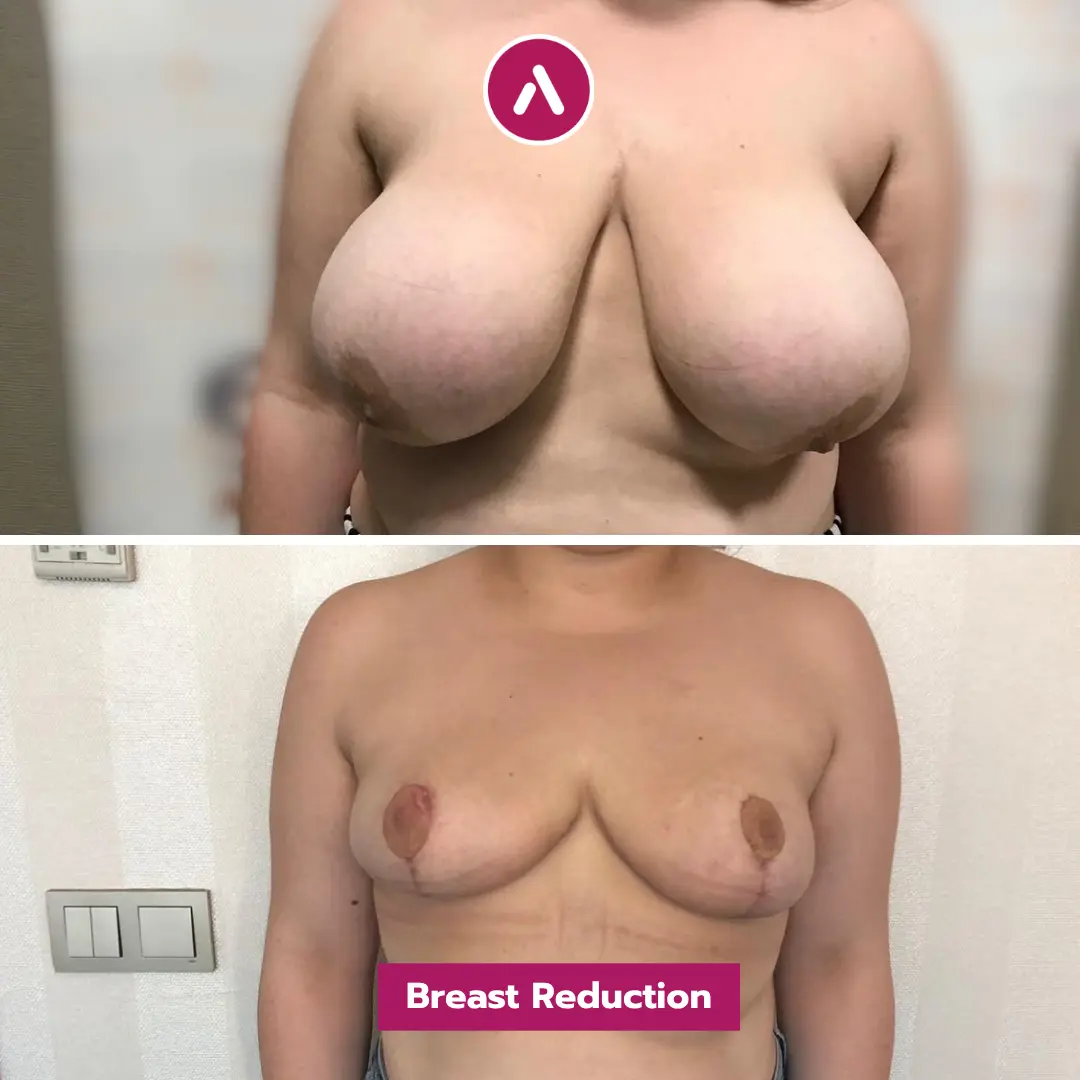
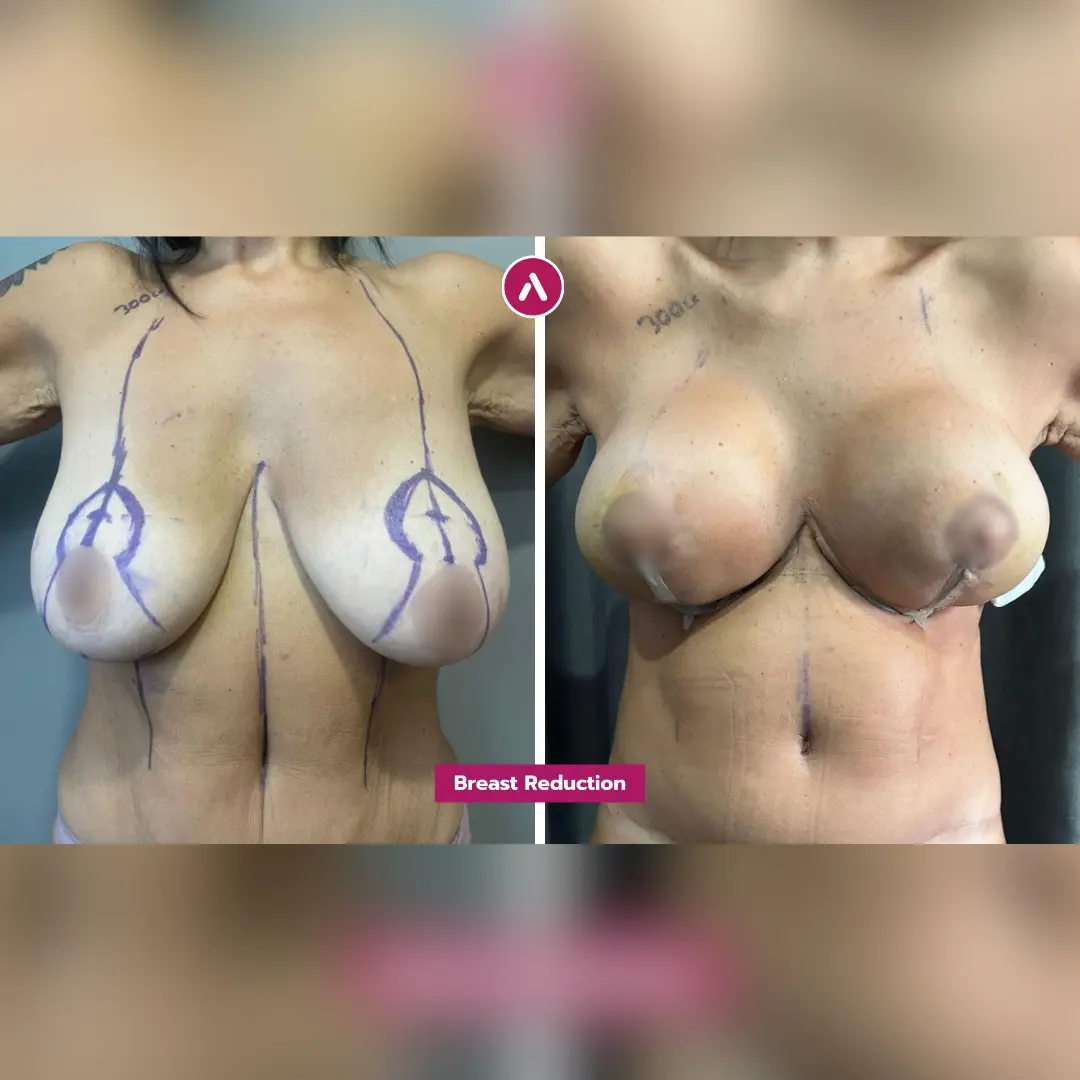
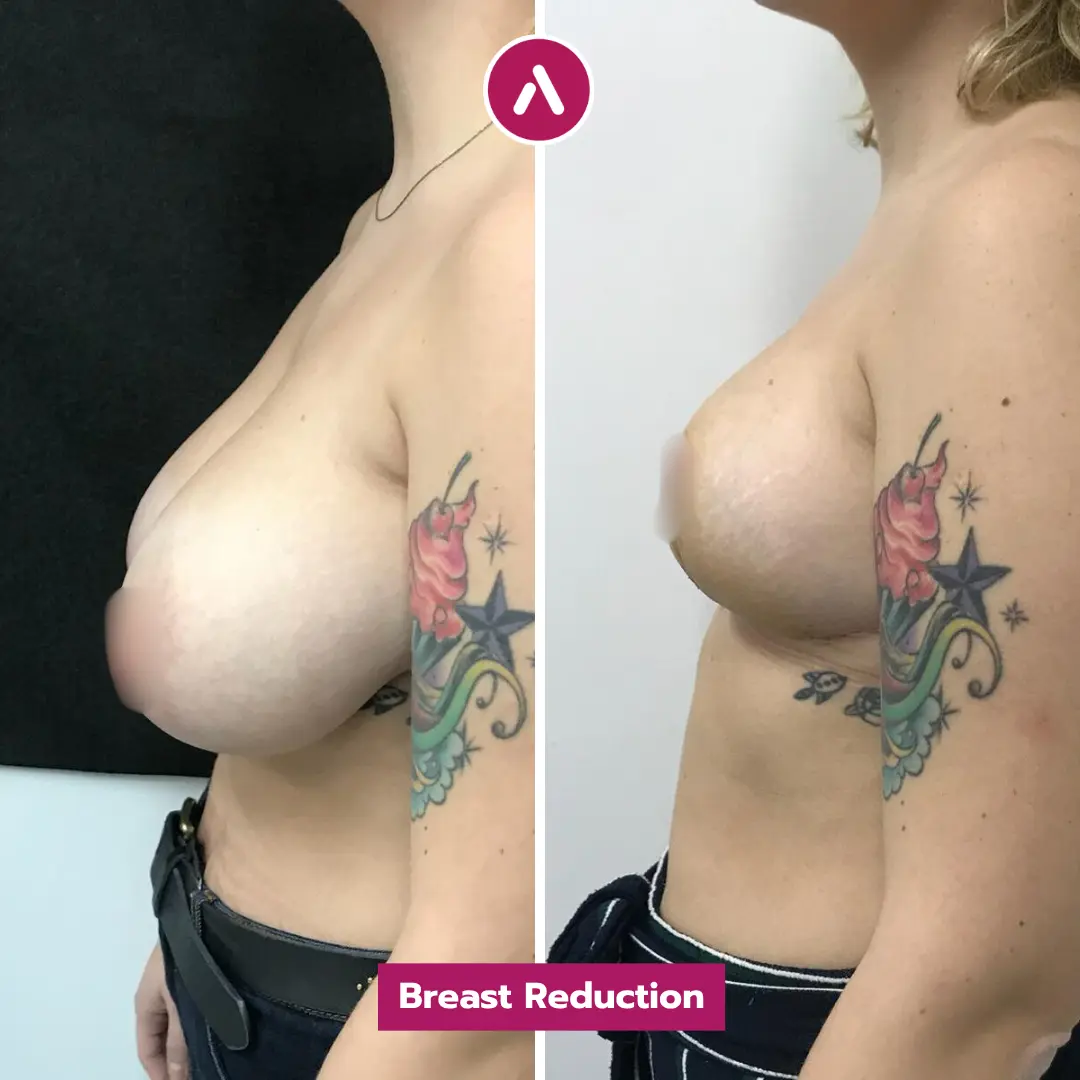
Experience is most meaningful when it is focused. A surgeon who repeatedly performs the same family of procedures tends to develop sharper judgement around case selection, planning, and complication avoidance. That is why before-and-after galleries should be studied for consistency rather than drama.
Look for similar lighting, healed images where possible, natural facial identity, discreet scars, and results that still look believable at six months or longer. A trustworthy gallery should suggest repeatable quality, not isolated luck. For patients comparing a specialist plastic surgeon Turkey option with a UK private provider, this can be more informative than any marketing headline.
Natural-looking outcomes for UK patients who want subtle results
The British aesthetic preference is often understated. Many UK patients do not want friends to say, “You have had surgery.” They want others to say, “You look well.” That sounds simple, but it is actually a highly demanding surgical brief. It requires restraint, proportion, and the confidence not to over-correct.
This is one reason why the phrase specialist facial aesthetic surgeon Turkey matters so much. In the face, millimetres matter. The difference between refreshed and artificial can be extremely small. Good specialists understand not only how to lift or tighten tissue, but when to stop.
Recovery planning, aftercare, and technologies such as HBOT and LLLT as quality signals
Finally, a safe specialist practice thinks beyond the operation itself. Recovery planning is part of the treatment, not an optional extra. At AKM Clinic, this includes technologies such as HBOT, used to reduce post-operative oedema and support lymphatic drainage, and LLLT, used to support scar quality through fibroblast stimulation. For British patients, these are not gimmicks; they are practical signs that the clinic is paying attention to healing, downtime, and the realities of flying home.
For a patient evaluating plastic surgeon GMC verification logic in an international setting, these recovery systems matter because they show seriousness of practice. A clinic that talks clearly about sterile operating theatres, post-operative monitoring, aftercare communication, and evidence-led recovery protocols usually understands that surgical success is measured over weeks and months, not on the day of the operation.
| Quality signal | Why it matters to a UK patient | What it suggests |
|---|---|---|
| Consultant-led planning | Reduces ambiguity about who is responsible | Clear accountability |
| European board or fellowship credentials | Makes international expertise easier to interpret | Structured specialist training |
| HBOT and LLLT recovery support | Speaks to swelling, scar quality, and return travel concerns | Evidence-aware recovery planning |
| UK-facing aftercare communication | Provides reassurance after returning home | Continuity of care |
Frequently Asked Questions (FAQ): Specialist Plastic Surgeon Turkey
British patients often ask the same core questions when they are trying to compare credentials fairly. The answers below are intentionally concise so that the difference between true specialist evidence and marketing language is easy to understand.
Is a surgeon in Turkey regulated in the same way as a GMC-registered surgeon in the UK?
No. The legal framework is not identical, because the GMC is a UK regulator. However, you can still assess a surgeon in Turkey through credible equivalents such as specialist qualifications, board-level credentials, consultant-led care, and transparent facility standards.
What does “UK board-certified equivalent” actually mean?
It means the clinic is presenting the surgeon as having a level of training, specialisation, and professional seriousness that can be sensibly compared with what a British patient expects from a consultant-standard surgeon. It should be treated as a comparison, not a literal legal identity.
Is FRCS the same as being a plastic surgeon in Turkey?
No. FRCS is a UK-recognised surgical credential and cannot simply be copied abroad. When patients search FRCS plast equivalent Turkey, they should look for advanced specialist credentials that indicate a comparably serious level of training for their procedure.
Are European board certifications important for cosmetic surgery patients?
Yes, especially when they are relevant to the procedure you want. For a British patient, European board credentials can make a surgeon’s international training easier to understand and compare.
How can I verify whether a surgeon is truly a specialist?
Ask for the surgeon’s full name, exact qualifications, specialist field, operative role, and procedure-specific experience. Then review whether the clinic’s explanation is precise, consistent, and transparent rather than vague.
What are the biggest red flags when comparing surgeons abroad?
Vague titles, missing information about who performs the operation, overpromising language, no clear aftercare structure, and websites that avoid discussing training or standards in detail.
Should I judge a surgeon by qualifications alone or by results and aftercare as well?
You should judge all three together. Qualifications tell you about training, results show consistency and aesthetic judgement, and aftercare shows whether the clinic understands patient safety beyond the operating theatre.
If you would like to explore related topics alongside the information covered in this article, you can also read more about the Best Deep Plane Facelift Clinic in Turkey, the essential Questions to Ask Plastic Surgeon before booking, how to avoid Ghost Surgery in Turkey, the benefits of working with English Speaking Plastic Surgeons in Turkey, what to expect from an Online Plastic Surgery Consultation, and what is typically included in Plastic Surgery Packages Turkey. These guides can help you compare clinics more confidently, understand safety standards, and make a better-informed decision before travelling from the UK.
Medical Disclaimer: This page is provided for general educational purposes only and does not replace a face-to-face medical consultation, diagnosis, or personalised treatment plan. All surgery carries risks and outcomes vary between individuals. Suitability for a plastic surgery, procedure selection, and anaesthesia choice can only be determined after a full clinical assessment by a qualified surgeon. Always follow your clinician’s instructions and seek urgent medical attention if you develop concerning symptoms during recovery.