
Can You Breastfeed After a Breast Reduction? What to Know Before You Decide

AI Summary
- Breastfeeding after breast reduction is possible, but outcomes depend on technique and preserved nipple connections.
- Pedicle techniques better protect milk ducts, nerves, and tissue than free nipple grafts.
- Partial milk supply is common, so lactation support and supplement planning may help.
- Surgical planning matters: discuss breastfeeding goals, nipple sensation, timing, recovery, and cost before surgery.
Summary generated by AI, fact-checked by our medical experts
Quick answer: Breastfeeding after breast reduction is possible for many women, but it depends on the surgical technique. Procedures that keep the tissue column under the nipple connected to the chest wall protect the best chance of milk production. A free nipple graft usually makes breastfeeding unlikely. Partial milk supply is common, so supplementing may still be needed.
If you are thinking about the reduction techniques used at AKM, and you may want children later, this question belongs at the center of your consultation. Breast reduction can relieve neck pain, shoulder grooves, under-breast rashes, posture strain, and the daily weight of breasts that feel out of proportion. It can also change the breast anatomy involved in lactation.
That does not mean every reduction prevents breastfeeding. It means the plan matters. The milk ducts, nerves, nipple-areola complex, and the glandular tissue beneath the nipple all influence what happens later.
The most honest answer is not simply “yes” or “no.” It is: yes, sometimes, with the right technique and realistic expectations.
This guide explains what can affect milk supply, which breast reduction methods are more protective, why nipple feeling matters, and what to ask before you choose surgery. It is written for women who want relief now without ignoring the possibility of breastfeeding later.
Table of Contents
Can You Breastfeed After a Breast Reduction? The Honest Answer
This section gives the direct medical answer first: many women can breastfeed after reduction, but the outcome depends on how much functional tissue, duct connection, and nipple nerve signaling remain after surgery.

Yes, but the technique matters
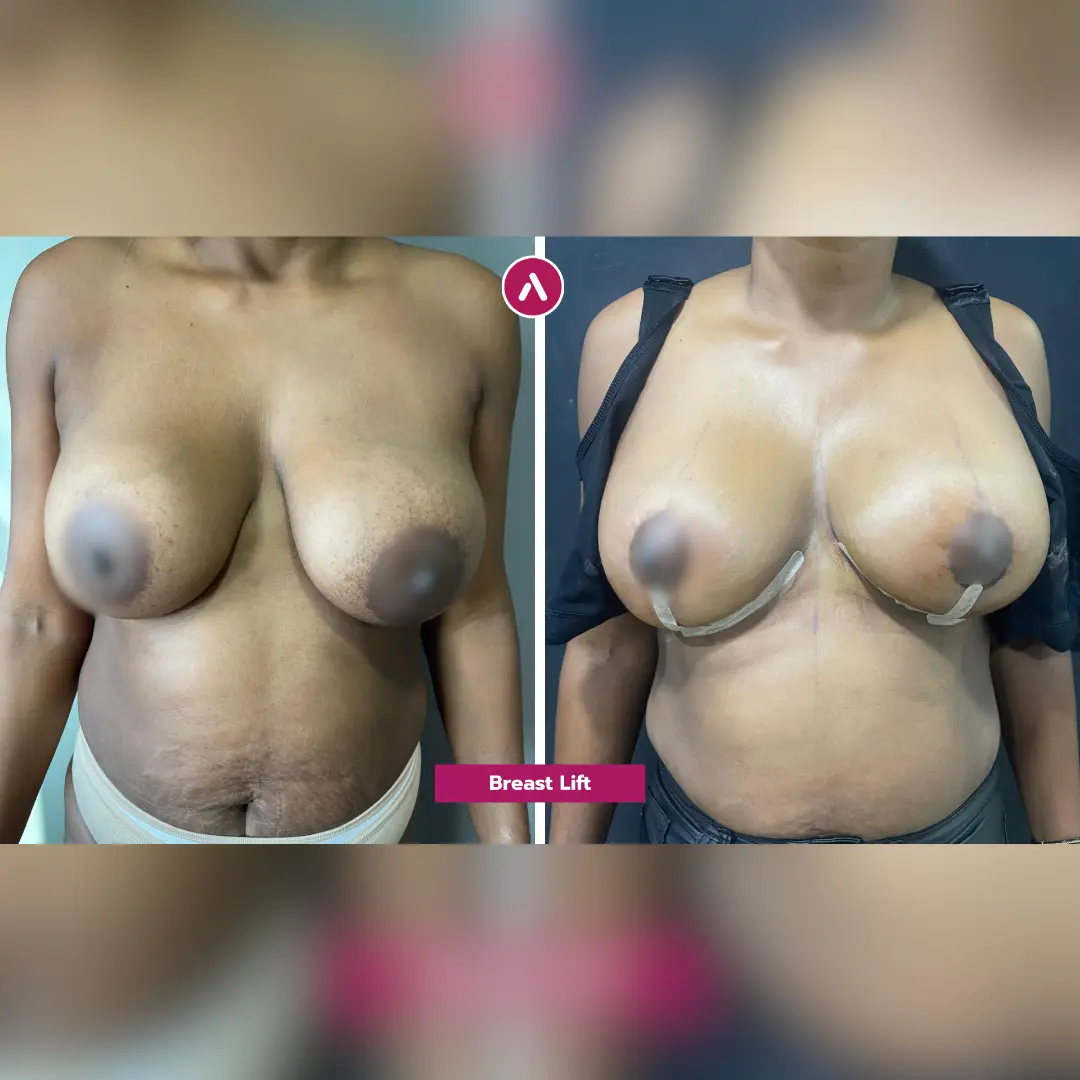
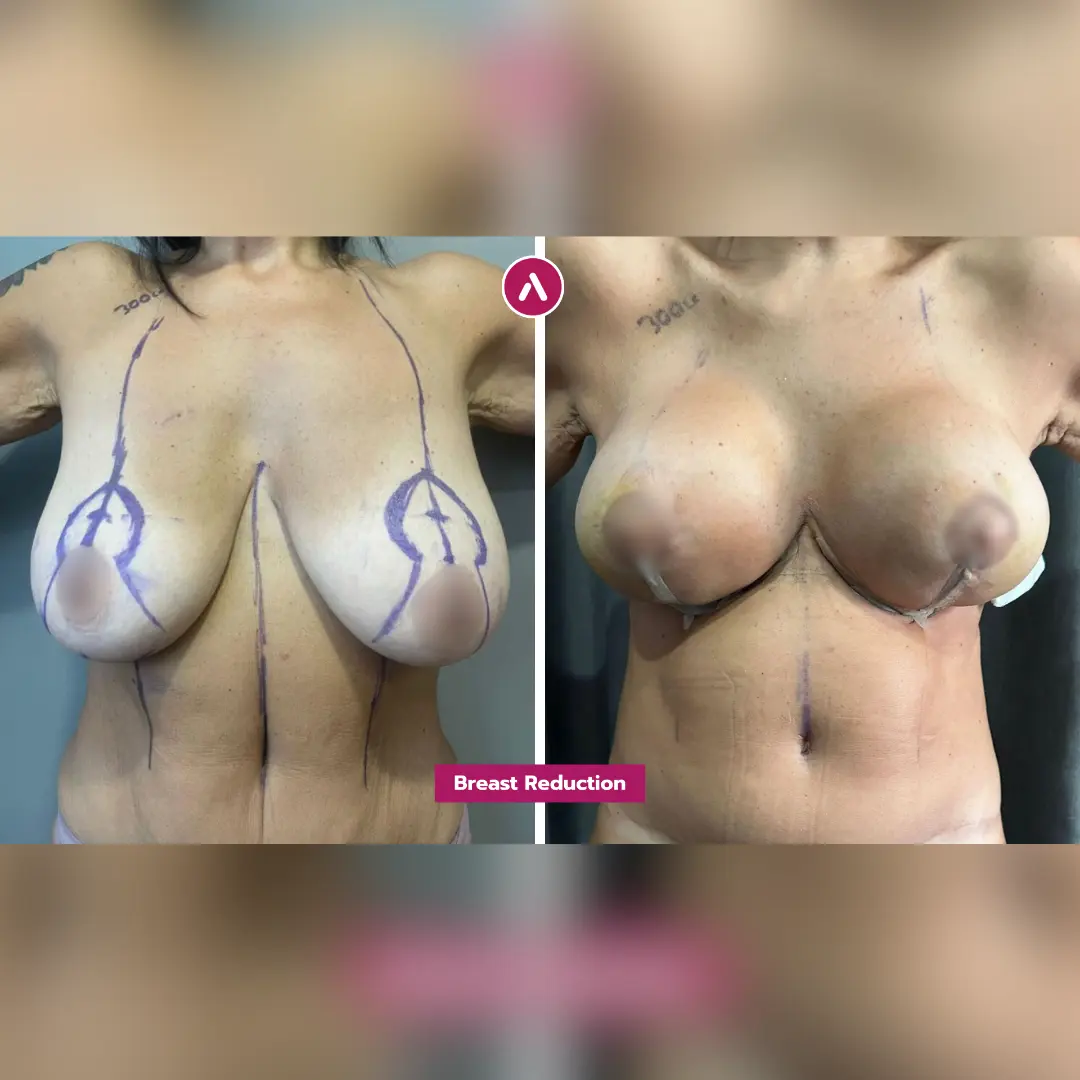
Modern breast reduction often uses a pedicle technique. In simple terms, the nipple is kept attached to a living bridge of tissue that carries blood supply, nerves, and some ductal connections. That preserved bridge is one reason many women can still produce milk after surgery.
The more intact that bridge remains, the better the breastfeeding outlook tends to be. The opposite is also true. If the nipple-areola complex is fully detached and grafted back onto the breast, many of the ducts and nerves needed for lactation are cut.
That is why two patients can both say they had a “breast reduction” and have very different breastfeeding outcomes later.
Why breastfeeding can be affected
Breastfeeding depends on several structures working together. The glandular tissue makes milk. The ducts carry milk toward the nipple. Nerves around the nipple help trigger the let-down reflex. The nipple-areola complex gives the baby the point of latch.
A reduction may affect one or more of these structures. Some ducts may be divided. Some glandular tissue is removed. Nipple feeling may be reduced, especially early after surgery. For some women, sensation improves with time; for others, it stays different.
This raises a common concern: if nipple sensation changes, will feeding still work? Feeling is not the only factor, but it helps signal the hormonal reflexes involved in milk release. Reduced sensation can make breastfeeding more difficult, even when some milk production remains.
What “partial success” really means
Breastfeeding is often discussed as though it is all or nothing. In real life, many women fall somewhere in the middle.
Some produce a full milk supply. Some produce enough milk for part of the baby’s intake and use formula or donor milk for the rest. Some can latch but do not make enough milk to rely on breastfeeding alone. Others are unable to breastfeed after surgery.
Partial milk production still matters. For some mothers, any amount of breastfeeding is emotionally meaningful. For others, the goal is practical: they want to know whether they can feed exclusively. Those are different goals, and they should be discussed before surgery.
A board-certified plastic surgery team should ask about future pregnancy and breastfeeding plans before finalizing the operation. At AKM Clinic, that conversation is part of responsible surgical planning, not an afterthought.
Which Techniques Protect Breastfeeding?
This section explains the technique side of breastfeeding after reduction. The central question is not only which incision is used, but whether the nipple remains connected to enough tissue beneath the areola to support future milk production and let-down.
Pedicle techniques and the preserved tissue column
In a pedicle breast reduction, the nipple-areola complex stays connected to the breast through a “pedicle,” or tissue bridge. The pedicle may be inferior, superior, medial, superomedial, central, or another variation, depending on anatomy and the surgeon’s plan.
For breastfeeding, the exact label is less useful than the question behind it: how much of the subareolar tissue column stays connected from the nipple to the chest wall?
A major systematic review in PLOS One looked at breastfeeding after breast reduction across 51 studies. The authors found a clear pattern when they grouped techniques by how much subareolar parenchyma was preserved: no preserved column had a median breastfeeding success rate of 4%, partial preservation had a median rate of 75%, and full preservation had a median rate of 100% in the included studies. You can review the source here: a systematic review of breastfeeding after breast reduction.
Free nipple graft breastfeeding: why the outlook is different
A free nipple graft is different from a pedicle reduction. In this technique, the nipple-areola complex is removed from the breast and then grafted back into a higher position, similar to a skin graft. It can be useful in specific cases, especially very large reductions where blood supply would otherwise be unsafe.
For breastfeeding, it is the least favorable option. Because the nipple is detached, the ductal and nerve connections are generally disrupted. Milk may still be produced elsewhere in the breast, but the pathway to the nipple and the let-down signaling are usually not preserved in a functional way.
If breastfeeding matters to you, ask directly whether a free nipple graft is being considered. Do not assume every breast reduction technique protects lactation in the same way.
What the newer literature says
A 2023 literature update published in Aesthetic Plastic Surgery also found that breast reduction can affect breastfeeding ability and reported higher odds of not being able to breastfeed compared with controls. That balanced message is useful: the literature is reassuring for some pedicle techniques, but it does not support a blanket promise. You can see the PubMed record here: a 2023 update on breastfeeding ability after reduction.
A woman planning breast reduction and breastfeeding needs two plans: a tailored surgical plan before the operation and a realistic feeding plan after birth.
| Technique factor | What happens anatomically | Breastfeeding outlook | What to ask in consultation |
|---|---|---|---|
| Pedicle technique with strong preservation | The nipple stays attached to a tissue column beneath the areola. | Often the most protective option, though not a guarantee. | “Will the subareolar tissue column remain connected?” |
| Partial preservation | Some ductal and glandular connections may remain, while others are changed. | Breastfeeding may be possible, but partial supply is more likely. | “How much tissue will be removed near the nipple?” |
| Free nipple graft | The nipple is detached and grafted back onto the breast. | Breastfeeding is usually not possible in a functional way. | “Is a free nipple graft necessary for my anatomy?” |
| Large-volume reduction | More glandular tissue may be removed to reach the target size. | Milk supply may be more limited, depending on the technique. | “How does my removal volume affect future milk supply?” |
If breastfeeding matters to you, the technique decision is made before surgery; it cannot be changed afterward. The goal is to reduce breast weight while preserving as much functional nipple connection as your anatomy safely allows.
The safest conversation is specific. Do not ask only, “Can I breastfeed after surgery?” Ask which technique will be used, whether the nipple stays attached, how much tissue is expected to be removed, and whether your anatomy makes a breastfeeding-preserving approach realistic.
Nipple Sensation, Milk Supply, and What “Success” Looks Like
This section defines success in practical terms. For some patients, success means exclusive breastfeeding; for others, it means producing some milk, bonding at the breast, and supplementing safely when needed.

Why nipple sensation matters for feeding
The nerves around the nipple and areola help send signals to the brain during nursing. Those signals support the hormonal response that releases milk. If nipple sensation is reduced after surgery, the let-down reflex may be weaker or less predictable.
This is where nipple sensation becomes clinically relevant to feeding. A patient may still have glandular tissue and some duct connections, yet feeding can feel harder if the nipple does not respond normally to stimulation.
Sensation changes can be temporary. Many patients notice numbness, tingling, hypersensitivity, or patchy feeling in the first months after reduction. Some improve as swelling settles and nerves recover. Others keep a permanent change.
That uncertainty should be part of informed consent. It is not meant to scare you. It helps you plan honestly.
If nipple feeling is already reduced before surgery, tell your surgeon. If breastfeeding is a future priority, ask how the planned pedicle technique protects both blood supply and nerve input to the nipple-areola complex.
Milk supply after reduction: full, partial, or limited
Milk supply after breast reduction can vary widely. Some women produce enough milk for exclusive breastfeeding. Others produce a partial supply and combine breastfeeding with formula. Some produce very little milk, even with a good latch and strong effort.
This range is why breastfeeding “success” after breast reduction needs careful definition. Success might mean exclusive breastfeeding for one mother. For another, it might mean bonding at the breast while supplementing safely.
Neither experience is a failure. The goal is a healthy baby and a supported mother.
After a prior reduction, it is wise to tell your OB-GYN, pediatrician, and lactation consultant before delivery. Early weight checks, latch support, pumping guidance, and a supplement plan can reduce stress during the first days postpartum.
Do not wait until you are exhausted and worried. Plan before birth.
Why supplementing may still be part of the plan
Supplementing is common after breast reduction. That may mean formula, donor milk, or a combination plan guided by your pediatrician. It does not mean you cannot breastfeed at all.
Some mothers nurse first, then supplement. Some pump to measure output. Some use a supplemental nursing system so the baby receives extra milk while staying at the breast. The best plan depends on supply, latch, infant weight gain, and maternal comfort.
This is not only a surgical issue. It is also a postpartum support issue.
Ask your surgeon for operative details you can keep for the future. A lactation consultant may want to know whether the nipple was kept attached, which pedicle was used, and whether a free nipple graft was performed. That information can shape expectations years later.
What changes should be discussed with your surgeon?
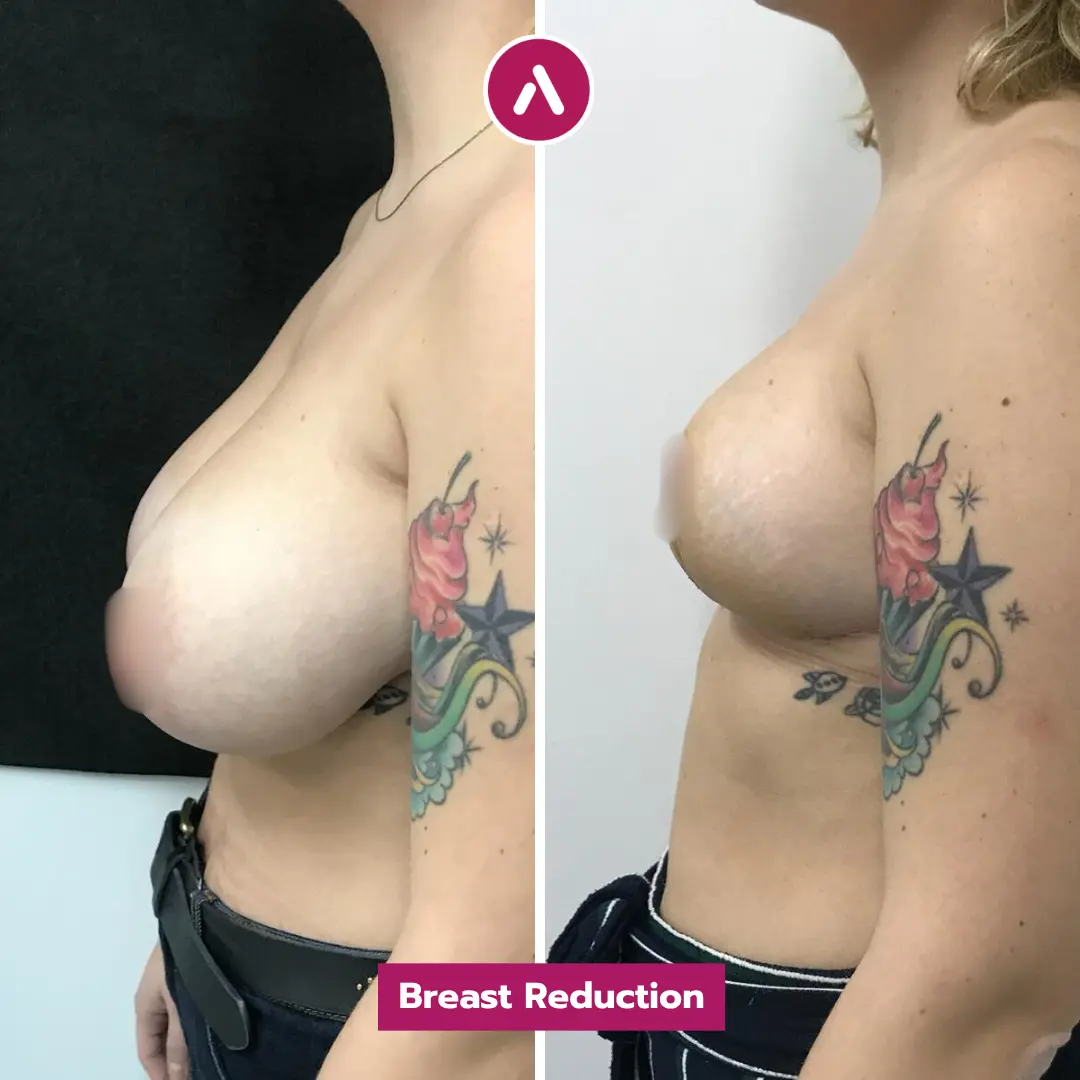
Before breast reduction, ask about nipple position, sensation, and the amount of tissue being removed. A larger reduction can relieve more weight, but it may also remove more glandular tissue. The balance is personal.
If you already know you want to breastfeed, say it clearly. Do not soften the concern. Your surgeon cannot design around a goal that is never stated.
You should also ask what symptoms are normal after surgery and which changes need review. Sensation changes are common, but persistent pain, unusual discharge, severe asymmetry, wound problems, or concerning nipple changes should be discussed with your surgical team. For a broader safety discussion, read about nipple sensation changes and other risks of breast reduction.
Breast reduction can improve quality of life. It can also affect future feeding. Both truths can sit in the same consultation.
Timing: Before or After Children?
This section helps patients weigh timing. The right choice depends on current symptoms, pregnancy plans, breastfeeding priorities, and how much uncertainty a patient is comfortable accepting.
The argument for waiting
Waiting until after children may protect your options. Pregnancy and breastfeeding can change breast size, shape, skin elasticity, and nipple position. If you have surgery first, those later changes may affect the result.
Waiting also means your surgeon does not have to balance reduction goals against future lactation goals. The operation can focus more directly on breast size, lift, symmetry, and long-term shape after childbearing is complete.
For some women, that is the right choice. It can reduce the chance of wanting another breast procedure later.
This timing concern is one reason some patients later explore a breast lift after breastfeeding rather than a reduction before pregnancy. A lift mainly addresses sagging and nipple position, while a reduction removes more volume and weight. They are not the same operation.
The argument for not waiting
Waiting is not always realistic. Large, heavy breasts can cause chronic neck and back discomfort, shoulder grooves, under-breast rashes, difficulty exercising, and emotional strain. Years of waiting can have a cost.
If you are not planning pregnancy soon, or if symptoms are severe, breast reduction before children may still be reasonable. The key is not pretending breastfeeding is unaffected. The key is choosing a technique that preserves function as much as safely possible.
Some women accept the possibility of partial supply because the physical relief matters now. That is a valid decision when it is informed.
Regret often comes from mismatched expectations, not from the operation alone. If timing is your biggest concern, it may help to read why some women regret timing their reduction before children before you decide.
How pregnancy and breastfeeding can change your result
Pregnancy can enlarge the breasts again. Breastfeeding can stretch skin and shift volume. Weight changes can also affect breast shape after a reduction.
This does not mean the surgery was wasted. Relief from heavy breast tissue may still be long-lasting. But the final shape can change after pregnancy, and some patients may consider a revision, lift, or other reshaping procedure later.
A reduction removes tissue. It does not freeze the breast in time.
If you have already lost significant weight or expect more body changes, your surgeon may discuss whether your concern is mainly volume, sagging, or both. In some cases, a lift rather than a reduction after weight loss may better match the anatomy.
A practical timing framework
Use three questions to guide the timing conversation. First, how severe are your symptoms now? Second, how soon do you realistically plan to become pregnant? Third, how important is exclusive breastfeeding compared with partial breastfeeding or comfort nursing?
If symptoms are mild and pregnancy is planned soon, waiting may be sensible. If symptoms are severe and pregnancy is years away or uncertain, earlier surgery may be worth considering. If breastfeeding is a major future goal, technique selection becomes even more important.
There is no universal answer. There is only a better-informed one.
At AKM Clinic, the consultation should document your goals before the surgical plan is finalized. That includes future pregnancy, desired size, nipple sensation concerns, and how much breastfeeding potential you want the team to protect within the limits of safe surgery.
What to Ask Your Surgeon Before You Decide
This section turns the article into a consultation checklist. These questions help make sure breastfeeding goals, tissue preservation, budget, and healed-result expectations are discussed before surgery is scheduled.
Ask which pedicle technique will be used
Do not stop at “Will I be able to breastfeed?” Ask how the surgeon plans to keep the nipple-areola complex attached. Ask which pedicle will be used and why it fits your anatomy.
You can also ask whether the subareolar tissue column will remain connected. This is the tissue pathway beneath the nipple that matters for ducts, nerves, blood supply, and future feeding potential.
A good answer should be clear enough for you to repeat back. If the explanation sounds vague, ask again.
Ask how much tissue will be removed
Breast reduction is not only about cup size. It is about volume, tissue weight, breast width, skin envelope, nipple position, and symptom relief. The more tissue removed, the more careful the planning must be if breastfeeding is a future goal.
If you are comparing sizes, remember that cup labels are not standardized across bra brands. A “D” in one brand can fit like a “C” or “DD” in another. For that reason, surgical planning uses measurements and tissue estimates rather than cup size alone.
For a deeper size-planning discussion, see how removal volume relates to cup size.
Ask whether a free nipple graft is likely
This question is especially important for very large reductions. A free nipple graft may be recommended when keeping the nipple attached on a pedicle could compromise blood supply. It can be the safer reconstructive choice in selected cases.
But it is usually not compatible with functional breastfeeding. If you want to breastfeed later, you need to know before surgery whether that option is being considered.
Ask directly: “Is there any chance I would need a free nipple graft?” Then ask what that would mean for breastfeeding, nipple sensation, and future feeding.
Ask how breastfeeding goals affect the final size
Some patients want the smallest possible result. Others want enough reduction to relieve symptoms while preserving more glandular tissue. These goals can overlap, but they are not always identical.
A breastfeeding-preserving plan may sometimes be more conservative than a maximum-volume reduction. That does not mean the result will be too large. It means your surgeon must balance symptom relief, proportion, nipple safety, and future function.
This is a medical planning decision, not a sales decision.
Ask how recovery, budget, and healed results fit into the plan
Breastfeeding potential should not be the only item in your decision. You also need to understand recovery time, travel timing, aftercare, incision pattern, and the financial plan. AKM’s US reference pricing for breast reduction starts from $4,000, but this article will not unpack cost details. For that, review planning the budget for a reduction.
You may also want to understand how breasts look after healing, especially if you are worried about scars, nipple position, or shape after a smaller size. Instead of treating photos as a promise, use them as a realism tool. You can compare how reduced breasts look once healed while remembering that individual anatomy, skin quality, and healing vary.
For US patients traveling for surgery, trust signals should be concrete. Ask about the surgical team’s breast reduction experience, anesthesia planning, aftercare, and how your future breastfeeding goals will be documented. AKM Clinic’s patient reviews are publicly visible on Trustpilot, but your consultation should still focus on anatomy, safety, and realistic planning.
Before you decide, write down your top three priorities. Relief from pain? A smaller breast size? Future breastfeeding? Nipple sensation? Fewer scars? A stable long-term shape? Your surgeon can only prioritize what you clearly share.
If breastfeeding after breast reduction matters to you, say it early and plainly. The surgical team can then discuss pedicle choice, tissue preservation, nipple sensation, and realistic milk supply before the plan is locked.
Frequently Asked Questions: Breastfeeding After Breast Reduction
This FAQ section answers the most common questions patients ask before reduction surgery. Use these answers to prepare for your consultation, especially if future pregnancy or feeding is part of your life plan.
Can you breastfeed after a breast reduction?
Which breast reduction technique lets you breastfeed?
Will I make enough milk after a reduction?
Does breast reduction affect nipple sensation?
Should I wait until after kids for a breast reduction?
Can you breastfeed after a free nipple graft?
Can you have a breast lift after breastfeeding?
Final Takeaway: Plan the Surgery Around the Future You May Want
This final section summarizes the decision: breast reduction can offer meaningful physical relief, but future feeding goals should be part of the surgical design before any tissue is removed.
Breastfeeding after breast reduction is possible, but it depends on anatomy, technique, tissue preservation, nipple sensation, and postpartum support. The best time to protect that possibility is before surgery, when the pedicle choice and reduction plan are still being designed.
If you may want children later, tell AKM that breastfeeding matters to you. Ask which technique protects it, whether a free nipple graft is likely, and how your desired size affects future milk supply.
You deserve relief now and an honest conversation about later.
Tell AKM that breastfeeding matters to you — and ask which reduction technique may best protect your future feeding goals.
Medical disclaimer: This article is for educational purposes only and does not replace medical advice. Breastfeeding capacity after breast reduction varies by anatomy, surgical technique, healing, pregnancy, and postpartum support. Speak with a board-certified plastic surgery team, your OB-GYN, pediatrician, and a lactation consultant for personalized guidance.
Related Treatments



Ready to Start Your Own Transformation Journey?
Join the 2,000+ patients who trusted Dr. Akif Mehmetoğlu and the AKM Clinic team. Your journey to a more confident, revitalized you begins with a simple, no-obligation conversation. Contact us today from the USA for your free virtual consultation.
#1: Get Your Free Personalised Quote
Start with a free, no-obligation online consultation. Share your photos, and our surgical team will provide a fully personalised treatment plan and a transparent, all-inclusive price package. No hidden fees.
#2: Secure Your Date & VIP Booking
Once you're ready, our dedicated patient coordinators will help you secure your procedure date. We'll handle all your bookings, including your 5-star hotel and private VIP airport transfers.
#3: Arrive in Istanbul & Meet Your Surgeon
Arrive at Istanbul Airport (IST) and be greeted by your private driver. Settle into your hotel and prepare for your in-person consultation, where you'll meet your specialist surgeon to finalise the details for your "natural, subtle, and revitalized" new look.