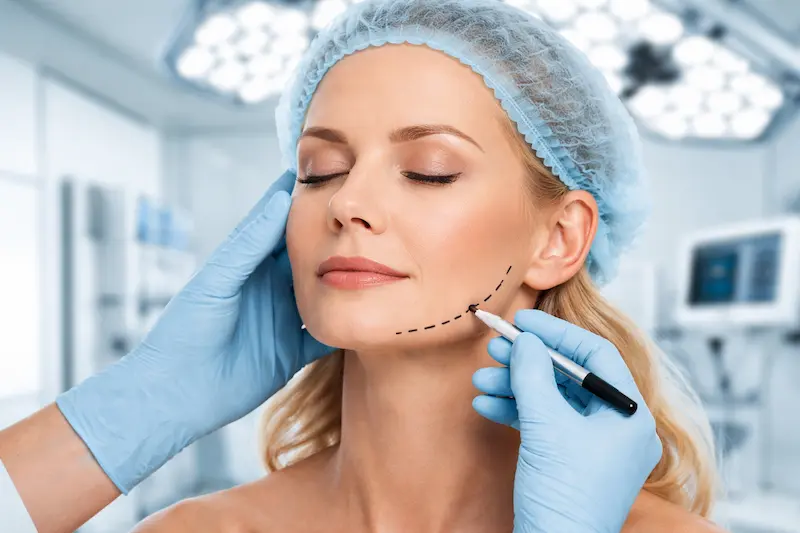
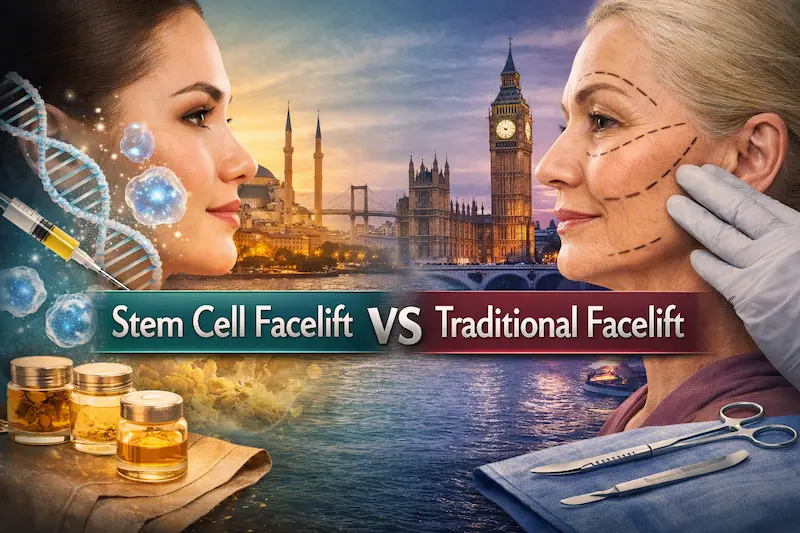
When patients compare stem cell facelift vs traditional facelift, they are usually not asking which option sounds more modern. They are asking which operation will give them the most natural result, the safest recovery, and the best long-term value. For many British patients, the real concern is not simply lifting loose skin. It is also whether the face will still look like them, whether the skin quality will improve, and whether recovery will be manageable without an overdone or windswept appearance.
A traditional facelift remains one of the most effective procedures for correcting jowls, laxity in the lower face, and neck sagging. However, a stem cell facelift or regenerative facelift aims to do more than reposition tissue. It combines lifting with regenerative support, usually through fat-derived cell-rich grafting, nanofat, or related techniques designed to improve skin texture, restore volume, and support healing. That is why the debate around regenerative facelift vs traditional facelift has become so important for informed UK patients.
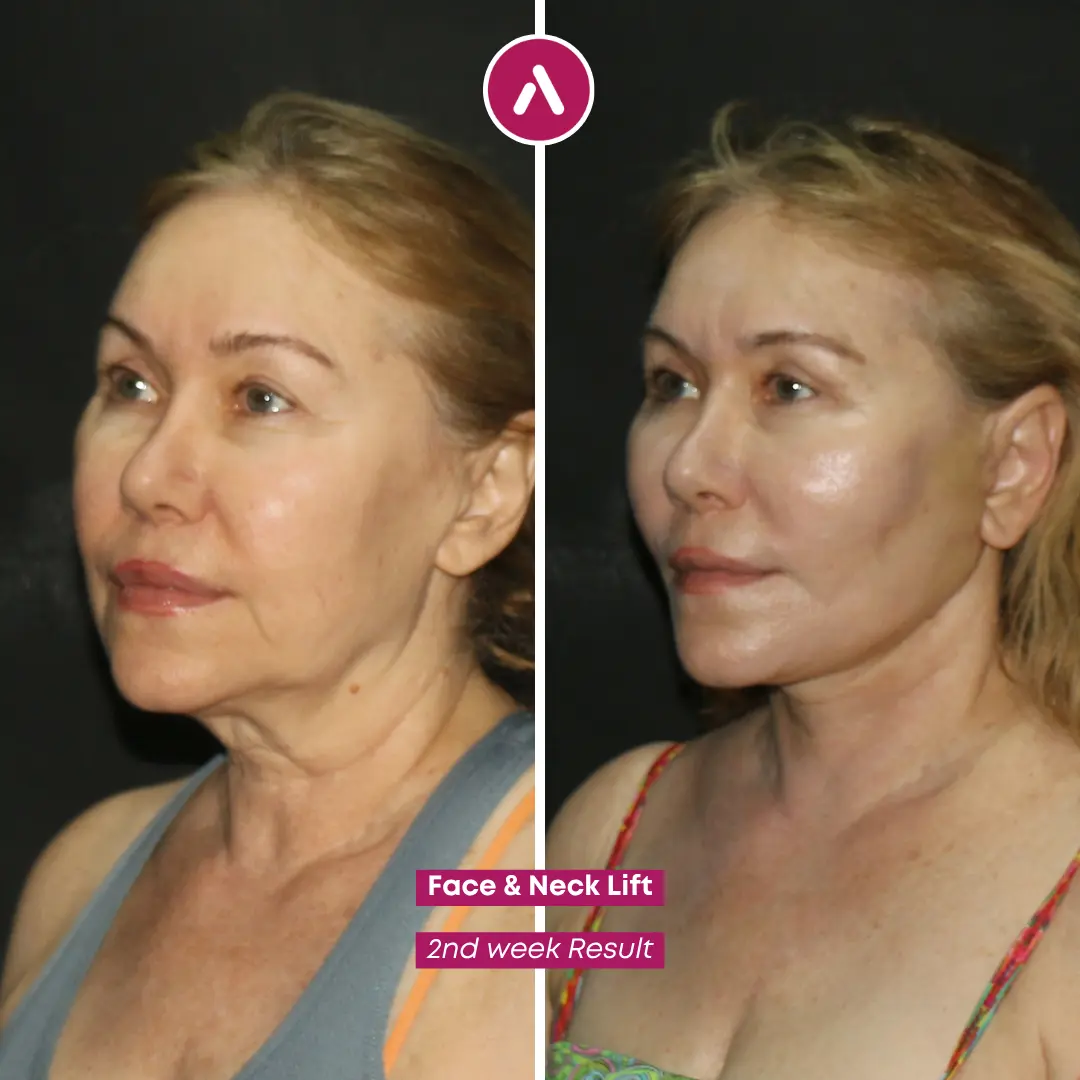
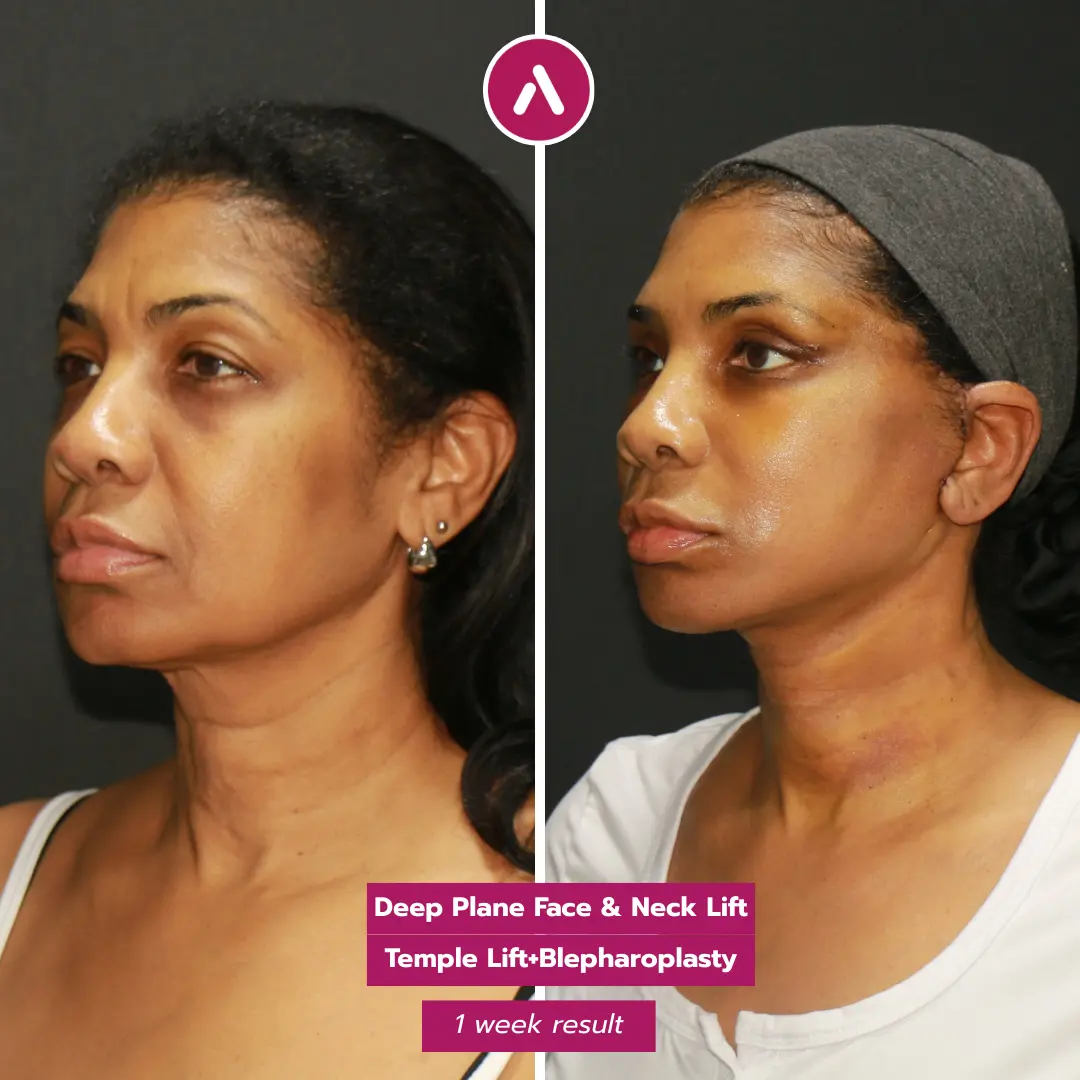
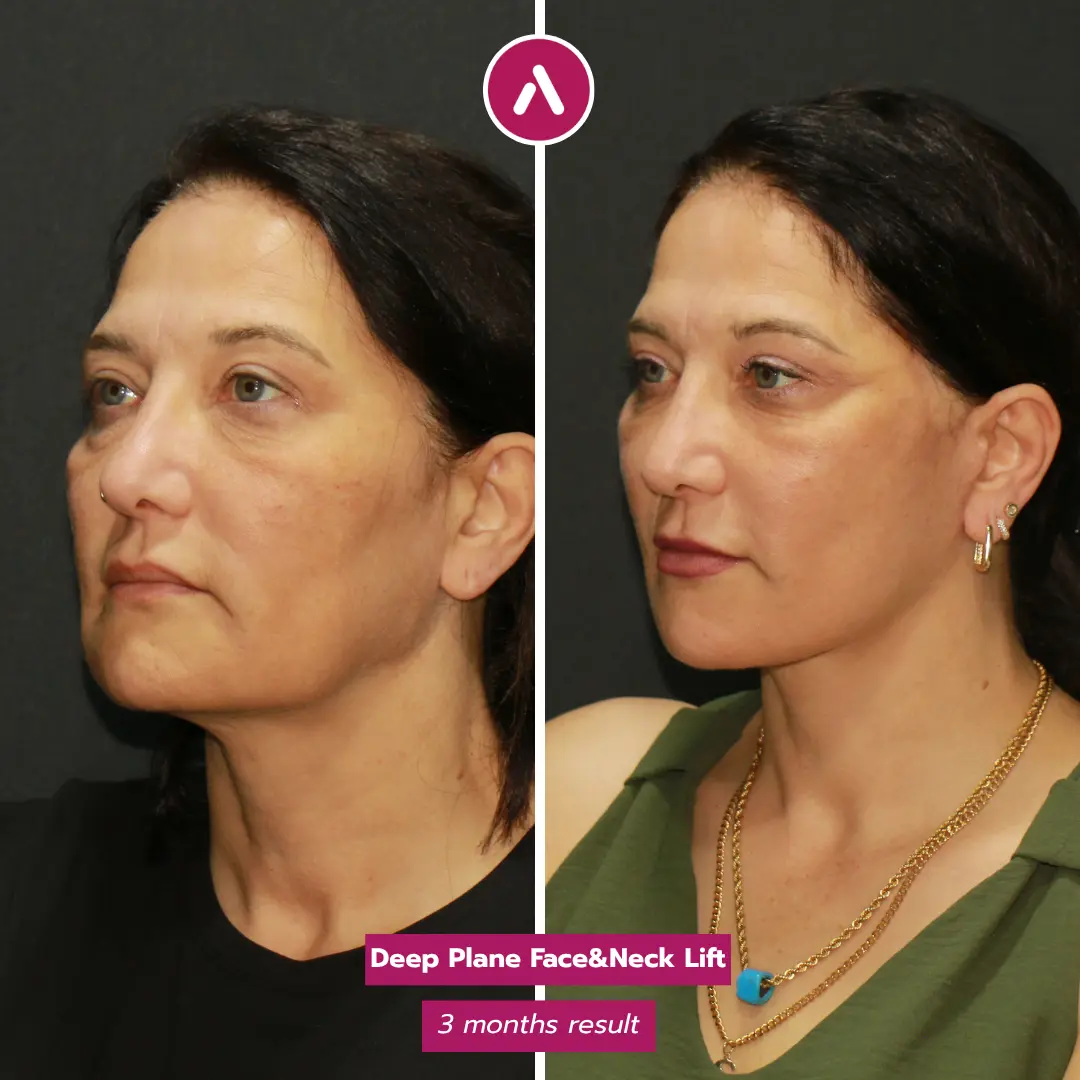
In this guide, we will explain what is stem cell facelift, how the stem cell facelift procedure differs from a conventional lift, and whether a regenerative approach is genuinely better or simply more expensive. We will also look at questions around stem cell facelift surgery, the typical stem cell facelift cost, how to interpret stem cell facelift reviews, and where comparisons such as SMAS facelift vs stem cell facelift and deep plane facelift vs traditional facelift fit into real clinical decision-making.
From the perspective of modern medical science, the best answer is rarely one-size-fits-all. The better option depends on your anatomy, the degree of facial descent, the quality of your skin, your tolerance for downtime, and whether you need structural lifting, regenerative volume restoration, or both.
Table of Contents
What Is the Difference Between a Traditional Facelift and a Stem Cell Facelift?
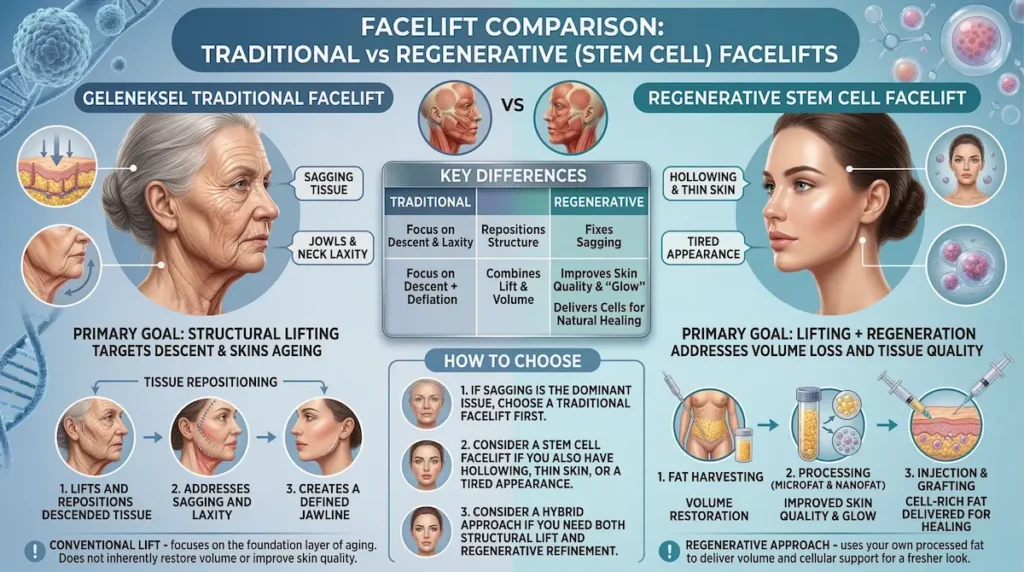
The most important difference is that these procedures aim to solve different parts of facial ageing. A traditional facelift is primarily designed to lift and reposition descended tissue. A stem cell facelift, often described as a regenerative facelift, is designed to combine lifting with tissue quality improvement. In practical terms, one addresses structure first, while the other tries to address structure and biology together.
While both procedures can create a more youthful appearance, they do so through different mechanisms and with different priorities. This is why patients researching stem cell assisted facelift surgery should look beyond marketing language and focus on what their face actually needs: stronger structural lifting, better volume restoration, improved skin quality, or a carefully planned combination of all three for a more natural-looking result.
Structural Lifting vs Regenerative Rejuvenation
A traditional facelift focuses on sagging. It repositions facial tissues, redefines the jawline, and improves laxity in the lower face and neck. This is why it remains such a strong option for patients with visible jowls or skin redundancy. If the main issue is descent rather than hollowing, a conventional lift may already provide excellent improvement.
A stem cell facelift, by contrast, attempts to pair the lift with regenerative support. In most modern settings, this does not mean laboratory stem cell therapy in the way many patients imagine. Instead, it usually refers to the use of your own fat, processed into microfat or nanofat, to deliver volume and cell-rich material back into areas that have thinned with age. This is why some surgeons prefer the term regenerative facelift rather than simply stem cell facelift.
Why a Traditional Facelift Targets Sagging, Not Skin Quality Alone
One reason the traditional facelift still matters is that no amount of injectable volume can lift heavy jowls in the same way as surgery. If facial descent is the main problem, a proper lift remains the foundation. This is especially true when patients are comparing a SMAS facelift vs stem cell facelift and assume they are interchangeable. They are not. A SMAS-based procedure addresses the structural layer of ageing; regenerative fat-based treatment does not replace that lift when tissues have already dropped significantly.
The same logic applies when people search deep plane facelift vs traditional facelift. A deep plane facelift is not the opposite of a traditional facelift. It is a more advanced facelift technique within the facelift family, often used to create a more natural repositioning of deeper facial tissues. In other words, “traditional facelift” is often used by patients as a broad term, but in surgical language there are important technical distinctions within that category.
Why a Stem Cell-Assisted Approach Adds Volume, Glow, and Healing Support
Ageing is not only about dropping tissues. It is also about volume loss, skin thinning, and decline in surface quality. This is where a stem cell facelift procedure may offer an advantage. By combining lifting with carefully processed fat grafting or nanofat, a surgeon may be able to improve hollow temples, flattening in the midface, and the tired quality that surgery alone does not always solve.
This is also the area where scientific research and regenerative aesthetics have generated so much interest. The concept is not that regenerative treatment “replaces” lifting. It is that cell-rich fat can support a more complete rejuvenation by improving softness, skin quality, and the subtle glow that many UK patients want. For patients who say, “I do not want to look done, I only want to look fresher,” that distinction matters a great deal.
- Choose a traditional facelift first if the dominant issue is sagging, jowls, and neck laxity.
- Consider a stem cell facelift if you also have hollowing, thin skin, or a tired, deflated facial appearance.
- Consider a hybrid approach if you need both structural lift and regenerative refinement.
How Does Each Procedure Work in the Operating Theatre?
Patients often hear marketing language but never receive a clear explanation of what actually happens in theatre. This matters, because understanding the mechanics of each operation makes it far easier to judge whether a stem cell facelift surgery is genuinely suitable for you or whether a more conventional facelift plan would be more effective. The answer often comes down to what is being lifted, what is being added, and which form of anaesthesia is being used.
The Core Surgical Steps in a Traditional Deep Plane or SMAS Facelift
In a facelift built around SMAS or deep plane principles, the surgeon first makes carefully planned incisions, usually around the ears and hairline where scars can be concealed. The underlying tissues are then elevated and repositioned. In a SMAS facelift, this involves work on the superficial muscular aponeurotic system. In a deep plane facelift, the release and repositioning go deeper, allowing the cheeks and jawline to be lifted more organically rather than simply pulled tighter at the surface.
This is why a proper structural facelift can create a refreshed result rather than a stretched look. The aim is not merely to tighten skin. The aim is to restore a more youthful position to the facial framework. For the right patient, especially one with heavier descent, this remains the gold standard.
Fat Harvesting, Processing, and Nanofat Application Explained
In a stem cell facelift procedure, there is usually an additional stage beyond lifting. A small amount of your own fat is harvested, often from an area such as the abdomen or thighs. That fat is then processed in different ways depending on whether the goal is volume restoration, regenerative skin support, or both.
Microfat may be used where structural volume is needed. Nanofat, which is more fluid and processed differently, may be placed in areas where skin quality improvement is the priority. This is one reason a regenerative facelift can appeal to patients who are not only worried about laxity, but also about crepey skin, flattened cheeks, or that dull, tired facial quality which make-up cannot correct.
For informed readers asking what is stem cell facelift, this is the most honest answer: it is usually a facelift combined with autologous fat-based regenerative treatment, not a magic substitute for surgery. The quality of the result depends heavily on surgical planning, fat handling technique, and accurate placement.
Local Anaesthesia, Twilight Anaesthesia, and General Anaesthesia: What Changes?
For British patients, anaesthesia is often a major part of the decision. Many are not only comparing outcomes; they are comparing how the journey feels physically and emotionally. A conventional facelift may be performed under general anaesthesia in some settings, but advanced facial rejuvenation can also be performed under local anaesthesia with light intravenous sedation in carefully selected cases.
This matters because a more modern approach can reduce the stress some patients associate with general anaesthesia. For patients who are detail-oriented, concerned about postoperative grogginess, or focused on smoother recovery, this can be highly relevant. It is also one reason why the discussion around stem cell facelift vs traditional facelift cannot be reduced to “old versus new”. Technique, anaesthesia choice, surgeon experience, and recovery planning all influence the final experience.
| Procedure Element | Traditional Facelift | Stem Cell / Regenerative Facelift |
|---|---|---|
| Main goal | Lift sagging tissues | Lift tissues + improve volume and skin quality |
| Focus of correction | Jowls, jawline, neck laxity | Jowls, laxity, hollowing, skin thinning |
| Added fat processing | Usually not required | Often includes microfat or nanofat processing |
| Best for | Heavier descent with less volume loss | Mixed ageing with descent plus deflation |
| Typical patient question | “Will this lift my jawline?” | “Will this lift me and make me look fresher?” |
“The best facial result is not about making someone look different. It is about restoring support where tissues have descended, and adding refinement where volume and skin quality have been lost.”
Which Option Looks More Natural for UK Patients?
For many British patients, the real question is not simply whether a procedure works. It is whether the result will look believable in daylight, at work, on video calls, and in ordinary social settings. This is why the discussion around stem cell facelift vs traditional facelift is so important. A successful result should not make you look “operated on”. It should make you look better rested, structurally fresher, and more like yourself.
For UK patients in particular, naturalness often depends on whether the procedure restores harmony rather than simply creating tighter contours. This is where stem cell assisted facelift surgery can be especially appealing, as it may support both subtle lifting and softer volume restoration, helping the face appear healthier, fresher, and more balanced without looking obviously altered.
In reality, both a traditional facelift and a stem cell facelift can look natural when they are properly planned. Problems usually arise when the operation solves only one part of ageing, or when it is performed with a one-size-fits-all mindset. The most refined outcomes come from balancing lift, volume, skin quality, and facial identity rather than chasing dramatic change.
Avoiding the “Over-Pulled” Look with Modern Consultant-Led Planning
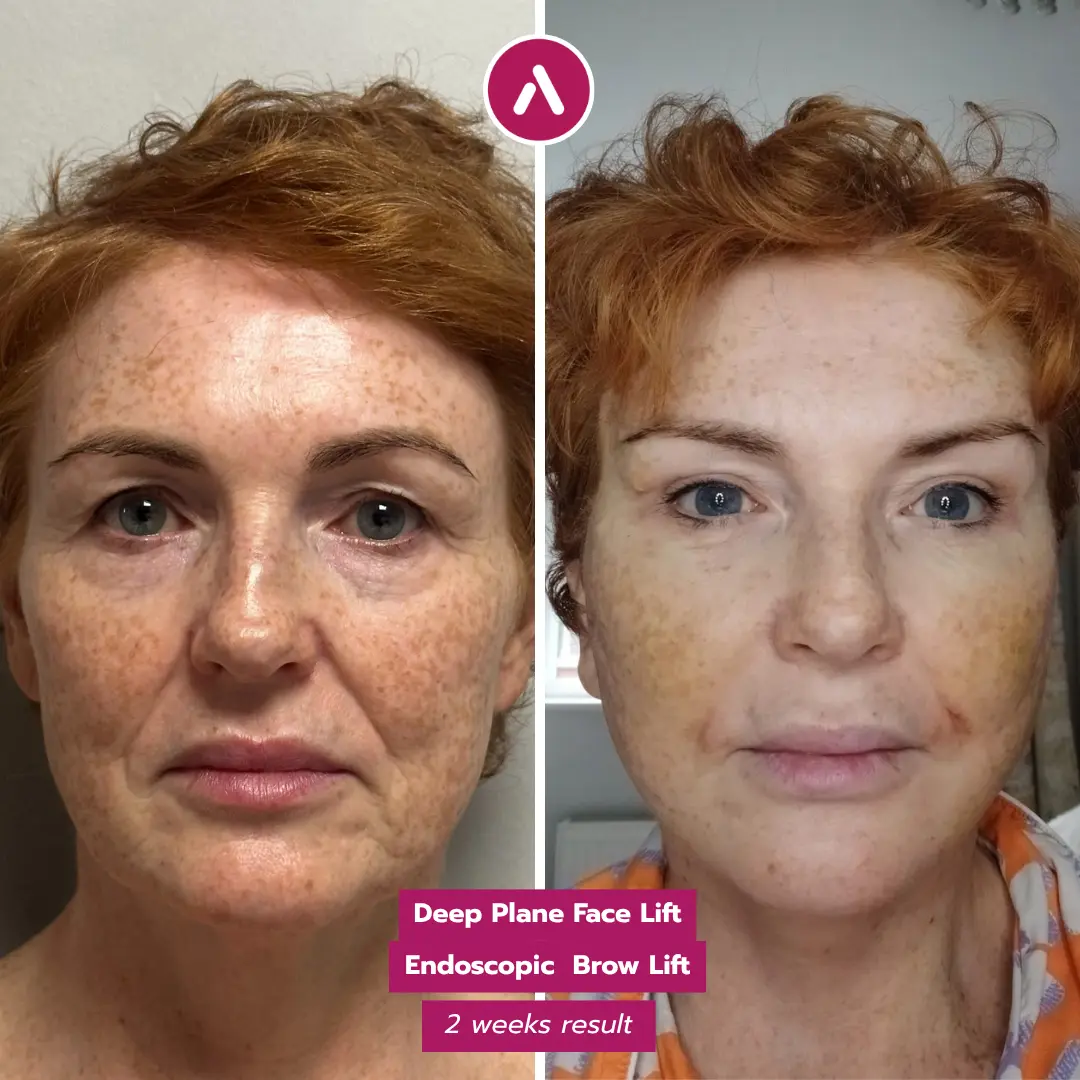
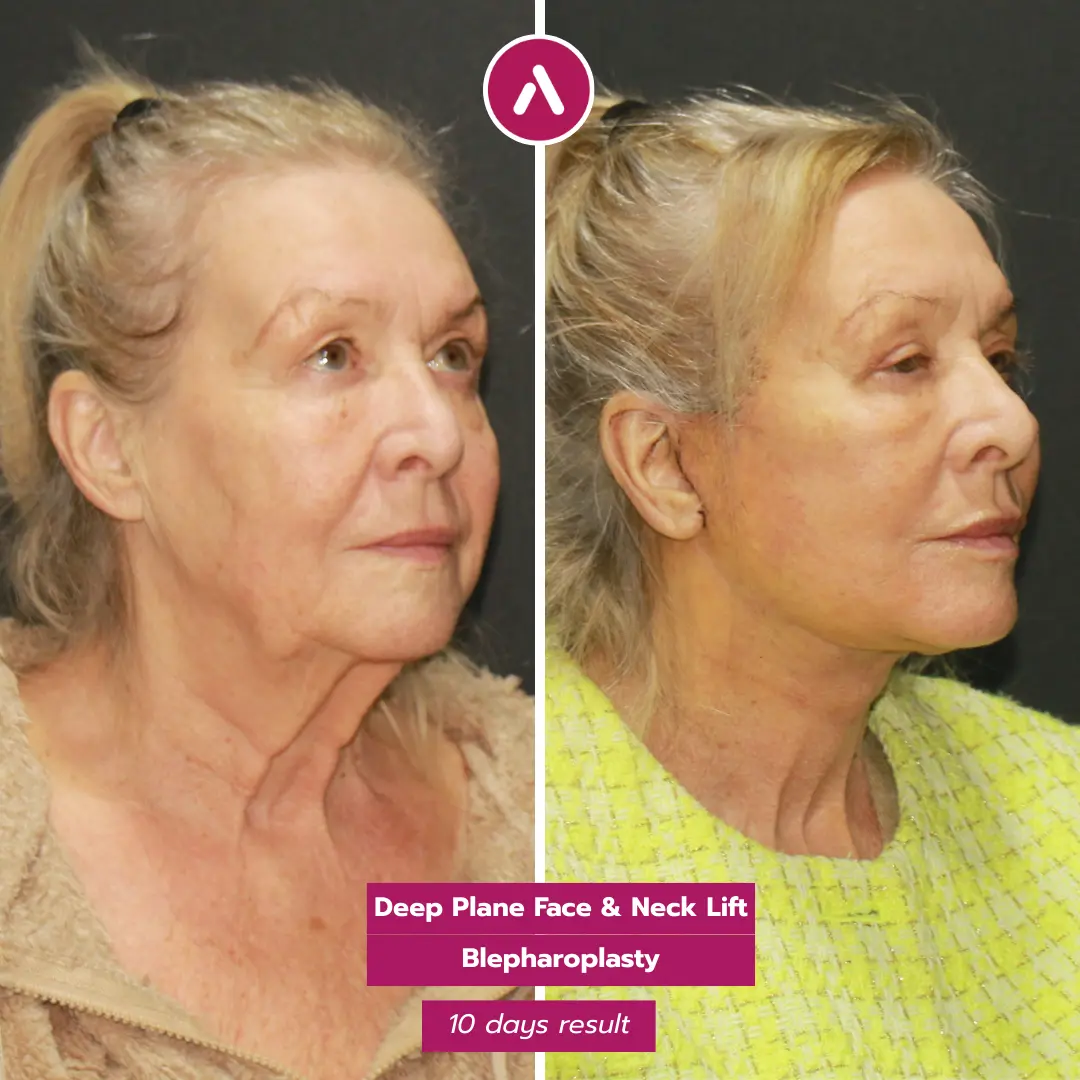
The fear of looking tight, windswept, or obviously altered is one of the biggest barriers for UK patients considering facial rejuvenation. A well-executed facelift should never be based on surface tension alone. Modern facelift surgery is about repositioning deeper tissues and respecting the face’s original anatomy, not stretching the skin for a temporary effect.
This is one reason why technique matters so much when patients compare a deep plane facelift vs traditional facelift. A modern deep plane approach can often deliver a more harmonious result because it lifts the deeper facial structures instead of relying mainly on skin pull. In contrast, older or less sophisticated methods are more likely to create visible tightness around the mouth, ears, or jawline.
Natural-looking rejuvenation also depends on restraint. The best surgeons do not treat the face as a flat surface. They understand where support has fallen, where volume has disappeared, and where the eye naturally notices imbalance. This is especially important for British patients who usually prefer refinement over transformation.
Why Volume Loss in the Midface and Temples Matters More Than Many Patients Realise
One of the limitations of a traditional facelift on its own is that lifting cannot fully correct deflation. If your cheeks have flattened, your temples have hollowed, and the skin has become thinner, a lift may improve sagging but still leave the face looking tired. This is exactly why interest in the regenerative facelift vs traditional facelift comparison has grown.
A stem cell facelift procedure aims to address this by adding carefully processed fat to the areas that have lost youthful softness. When this is done well, the change is not obvious in the way synthetic filler can sometimes be obvious. Instead, the face may simply look healthier, less sharp in a tired way, and more in balance. In aesthetic terms, that is often the difference between looking “lifted” and looking genuinely refreshed.
This is also where science matters. Modern regenerative facial surgery is grounded in the understanding that facial ageing is not only gravitational. It is also volumetric and biological. Soft tissue support, skin quality, collagen behaviour, and healing response all play a role. That is why a purely lifting operation and a regenerative facelift are not interchangeable, even if they can sometimes be combined.
Subtle Facial Rejuvenation vs Dramatic Change: What British Patients Usually Prefer
In clinic reality, many UK patients do not ask to look twenty years younger. They ask to look less tired, less heavy around the jawline, and less hollow through the cheeks and temples. They want colleagues to notice that they look well, not that they have had obvious surgery. That preference aligns far more closely with subtle, consultant-led planning than with dramatic overcorrection.
For patients with significant jowling and neck laxity, a traditional facelift may still be the most natural option because it corrects the core structural issue directly. For patients with milder sagging but greater hollowing, skin thinning, or early facial fatigue, a stem cell facelift surgery may produce the softer, healthier finish they are actually looking for. In many cases, the most elegant answer is not choosing one side blindly, but combining a structural lift with regenerative refinement.
| Naturalness Factor | Traditional Facelift | Stem Cell / Regenerative Facelift |
|---|---|---|
| Jawline definition | Usually stronger | Strong when combined with lift |
| Midface softness | May remain flat if volume is lost | Often improved with fat-based regenerative support |
| Skin quality | Improves less directly | May appear brighter and healthier over time |
| Risk of looking “done” | Higher if over-tightened or outdated technique is used | Lower when volume restoration is subtle and precise |
| Best suited to | Heavier descent and jowls | Deflation, early ageing, and tissue quality decline |
“The most attractive facelift is the one nobody can identify. People should see a fresher version of you, not a different face.”
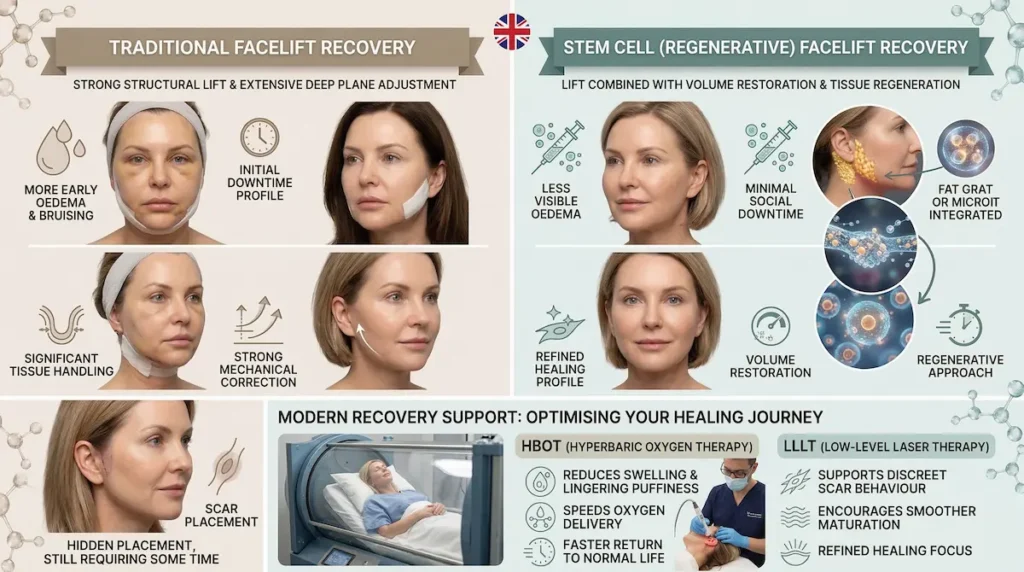
Recovery, Oedema, and Scarring: Which Is Easier?
Recovery is often the point where patient preference becomes very personal. Some people are happy to accept more downtime in exchange for a powerful structural result. Others want the best possible healing profile, less visible bruising, and the reassurance that they can return to normal life with minimal social disruption. For this reason, the question is not only whether stem cell facelift vs traditional facelift produces the better aesthetic result, but also which one offers the easier overall recovery journey.
No facial surgery is entirely downtime-free. However, the recovery experience can differ according to the depth of the operation, the use of regenerative fat support, the type of anaesthesia, and the clinic’s post-operative protocol. For a UK audience, concerns usually centre on oedema, scar visibility, comfort during the first week, and how soon the face looks socially presentable again.
Typical Bruising and Oedema After a Traditional Facelift
A traditional facelift often provides excellent correction of sagging, but it may involve a more obvious early recovery phase when tissue repositioning is extensive. Swelling, bruising, tightness, and temporary numbness are all normal parts of the healing process. This does not mean anything has gone wrong. It means deeper structures have been adjusted and your body is responding as expected.
That said, recovery is not identical for every facelift technique. A well-performed modern facelift under meticulous surgical conditions can still heal remarkably cleanly. Much depends on tissue handling, bleeding control, post-operative support, and whether the operation is designed around a smoother physiological recovery rather than simply a strong mechanical correction.
How HBOT May Support Faster Recovery and Social Downtime Reduction
One reason a clinic’s recovery protocol matters is that good surgery and good healing are not separate issues. Hyperbaric Oxygen Therapy, often referred to as HBOT, is increasingly used to support post-operative recovery by improving oxygen delivery, supporting lymphatic drainage, and helping reduce swelling. In practical terms, this may mean less lingering puffiness and a quicker return to a socially comfortable appearance.
For patients considering a stem cell facelift, this can be particularly appealing because regenerative surgery is often chosen by people who want refinement with less visual evidence of treatment. However, HBOT can also be valuable after a more conventional lift. The key point is that recovery support should be treated as part of the treatment plan rather than an afterthought.
From a medical science perspective, this reflects a broader shift in aesthetic surgery: outcomes are judged not only by the final photograph, but by the quality of healing on the way there. For international patients returning to the UK, reduced social downtime is not a luxury. It is part of the overall value equation.
How LLLT May Help Minimise Scar Visibility for Discreet Healing
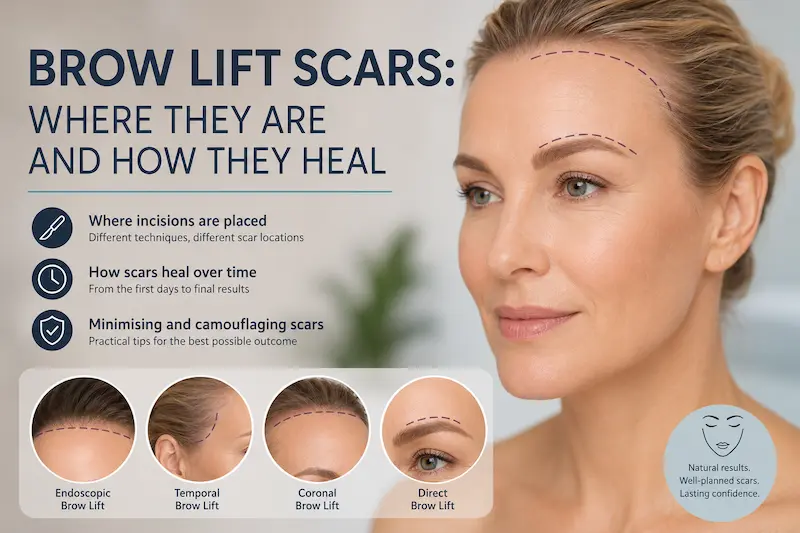
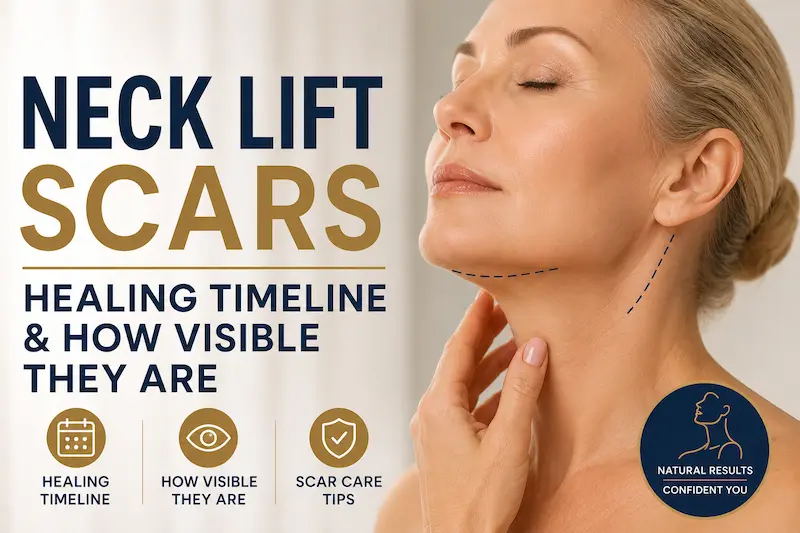
Scars are another major concern, especially for patients who wear their hair up, attend frequent meetings, or simply do not want visible reminders of surgery. Facelift scars are usually hidden around the ears and hairline, but scar quality still matters. This is where LLLT, or Low-Level Laser Therapy, may add value as part of a modern aftercare plan.
LLLT is used to support fibroblast activity and encourage smoother scar maturation. In plain language, that means helping the incision lines settle more discreetly over time. It does not replace good incision placement or precise closure, but it can support the type of refined healing that many British patients prioritise.
This can make a meaningful difference when comparing a stem cell facelift procedure with a conventional approach. A regenerative plan is often chosen by patients who care deeply about subtle outcomes, and discreet scar behaviour is part of that goal. A face can be beautifully lifted, but if healing looks obvious for too long, the patient experience still feels compromised.
- Traditional facelift: often ideal for stronger structural correction, but early swelling may be more noticeable depending on the technique.
- Stem cell facelift: may feel more appealing to patients focused on softer tissue quality and refined healing.
- Recovery support: HBOT and LLLT can improve the overall journey whichever lifting approach is selected.
“I wanted to look refreshed, not operated on. The recovery felt easier than I expected, and I needed very little paracetamol.”
Cost and Value: Is a Stem Cell Facelift Worth the Extra Investment?
For many patients, the most practical part of the stem cell facelift vs traditional facelift debate is not about technique alone. It is about whether the additional regenerative element delivers enough real-world value to justify the higher investment. This is especially relevant for British patients comparing private clinic pricing in London or Harley Street with consultant-led treatment in Istanbul. The right question is not simply, “Which is cheaper?” It is, “Which option gives me the most appropriate result for my anatomy, recovery priorities, and long-term satisfaction?”
When evaluating cost, it is also important to consider what is actually included in the treatment plan rather than comparing headline prices alone. In many cases, stem cell assisted facelift surgery involves additional steps such as fat harvesting, processing, and regenerative refinement, which may justify the higher fee for patients seeking not only lift, but also improved skin quality, volume balance, and a more comprehensive rejuvenation outcome.
In general, a traditional facelift is usually the lower-cost option because it focuses on lifting and repositioning. A stem cell facelift or regenerative facelift usually costs more because it adds fat harvesting, processing, placement, and a more biologically focused treatment plan. That does not automatically make it better value for everyone. If your main issue is heavy jowling and tissue descent, paying extra for regenerative add-ons may not deliver the most meaningful improvement. If your concerns include hollowing, thin skin, poor skin quality, and a tired facial appearance, however, the regenerative element may be where the value truly lies.
Traditional Facelift Cost vs Stem Cell Facelift Cost in GBP (£)
When people search stem cell facelift cost, they often expect one clean number. In reality, pricing depends on the exact surgical plan. A straightforward lift, a deep plane lift, a SMAS lift, and a lift combined with nanofat or microfat transfer are not priced in the same way because they are not the same operation. The cost changes according to operative complexity, the amount of regenerative processing required, the anaesthesia plan, and the level of aftercare included.
As a rule, a traditional facelift tends to represent the more direct investment if your only priority is structural elevation. A stem cell facelift surgery usually sits at a higher price point because the procedure aims to improve not only facial position, but also volume balance and tissue quality. That extra step can be worthwhile, but only when it addresses a real need.
| Cost Consideration | Traditional Facelift | Stem Cell / Regenerative Facelift |
|---|---|---|
| Core surgical focus | Lifting and repositioning | Lifting plus regenerative fat-based refinement |
| Complexity level | Lower to moderate | Moderate to higher |
| Why cost increases | Mainly due to facelift technique and theatre time | Added harvesting, processing, and placement of fat or nanofat |
| Best value for | Patients needing strong lift without major deflation | Patients needing lift, volume restoration, and skin support |
| Risk of overspending | Lower if sagging is the main issue | Higher if regenerative add-ons are used without a clear indication |
Harley Street vs Istanbul: Price Difference Without Framing It as “Cheap”
British patients are often wary of language that makes surgery abroad sound bargain-led. That concern is valid. Facial surgery should never be positioned as a discount purchase. A more accurate comparison is one of value. In Harley Street and other premium London settings, pricing reflects consultant fees, local overheads, and the cost base of the UK private sector. In Istanbul, many patients can access a high-specification surgical pathway with a lower overall financial burden, particularly when treatment is planned as an all-inclusive package in GBP (£).
This is why the phrase facelift London vs Istanbul quality matters more than a simple cost comparison. Patients are not travelling for a “cheap facelift”. They are seeking consultant-led care, natural aesthetics, transparent pricing, and a smoother overall pathway. For the right clinic, the appeal lies in accessing private cosmetic surgery with British standards while avoiding the financial strain often associated with top-end UK private practice.
It is also why stem cell facelift reviews should be read carefully. Positive reviews are useful, but the most valuable reviews are the ones that explain why the patient felt the treatment was worth it. Did the result look subtle? Was recovery manageable? Was communication clear? Did the clinic offer meaningful aftercare after the patient returned to the UK? Cost is only one part of value. Support, safety, honesty, and long-term satisfaction are just as important.
When Paying More for Regenerative Support Makes Clinical Sense
The additional investment in a regenerative facelift makes the most sense when the face needs more than lift alone. Patients with midface flattening, temple hollowing, fine crepey skin, and a generally deflated appearance often benefit from a combined plan. In these cases, a purely structural operation may leave the patient looking tighter but not necessarily more youthful or well-rested.
This is where the regenerative facelift vs traditional facelift comparison becomes clinically useful. If the added cost improves not only the position of the tissues, but also the quality of the final aesthetic, then the investment may be entirely justified. On the other hand, if the main problem is pronounced laxity and neck heaviness, regenerative treatment should not distract from the fact that a strong structural lift remains the priority.
“I wanted subtle facial rejuvenation, not an obvious change. What mattered most to me was naturalness, comfort, and feeling that the investment actually matched the result.”
That mindset is common among UK patients. They are not usually looking for the most dramatic treatment menu. They are looking for the most intelligent plan.
Who Is the Better Candidate for Each Option?
Not every patient needs the same operation, and this is where the decision becomes more precise. The best answer to what is stem cell facelift is not that it is “newer” or “better”. It is that it is more suitable for a particular ageing pattern. A traditional facelift remains exceptionally effective for some faces. A stem cell facelift procedure may be the better fit for others. The real question is whether your face needs lift, volume, tissue quality improvement, or all three at once.
In clinical planning, candidacy depends on anatomy, not trend. Your degree of sagging, skin thickness, fat loss, recovery preference, and aesthetic goal all matter. The most successful outcomes happen when the treatment plan matches the way your face has actually aged rather than the way a procedure is marketed online.
Patients with Heavier Jowls and Neck Laxity but Minimal Volume Loss
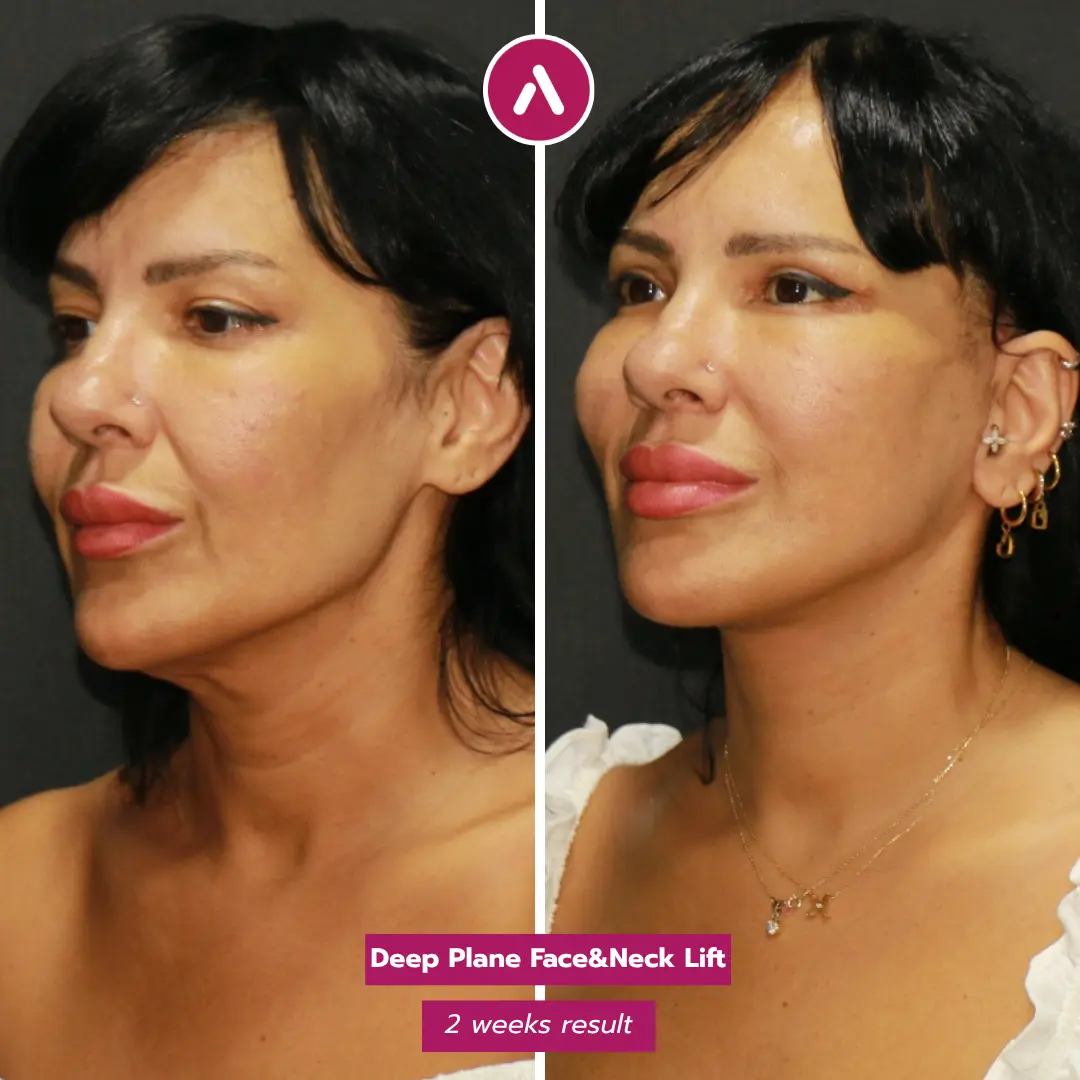
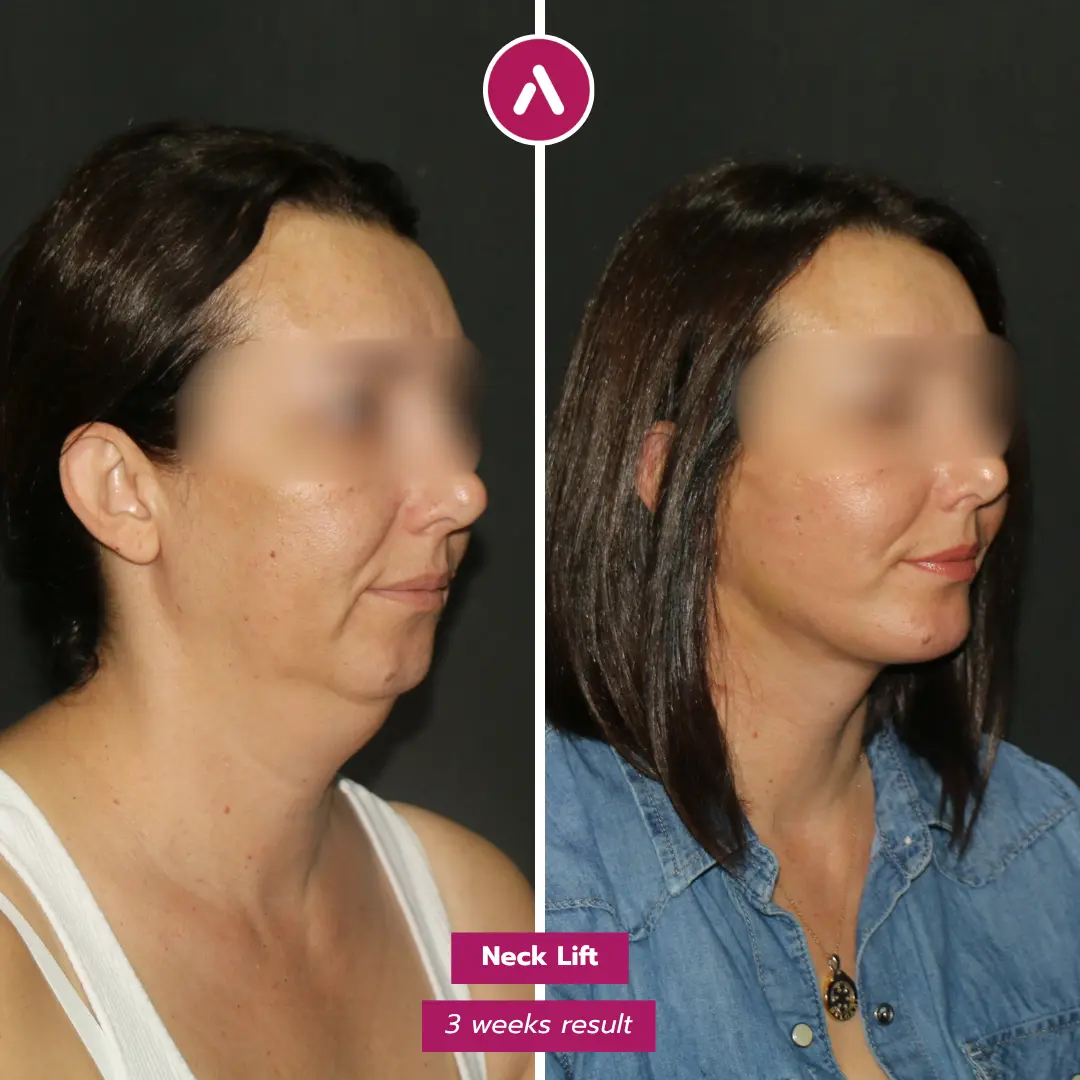
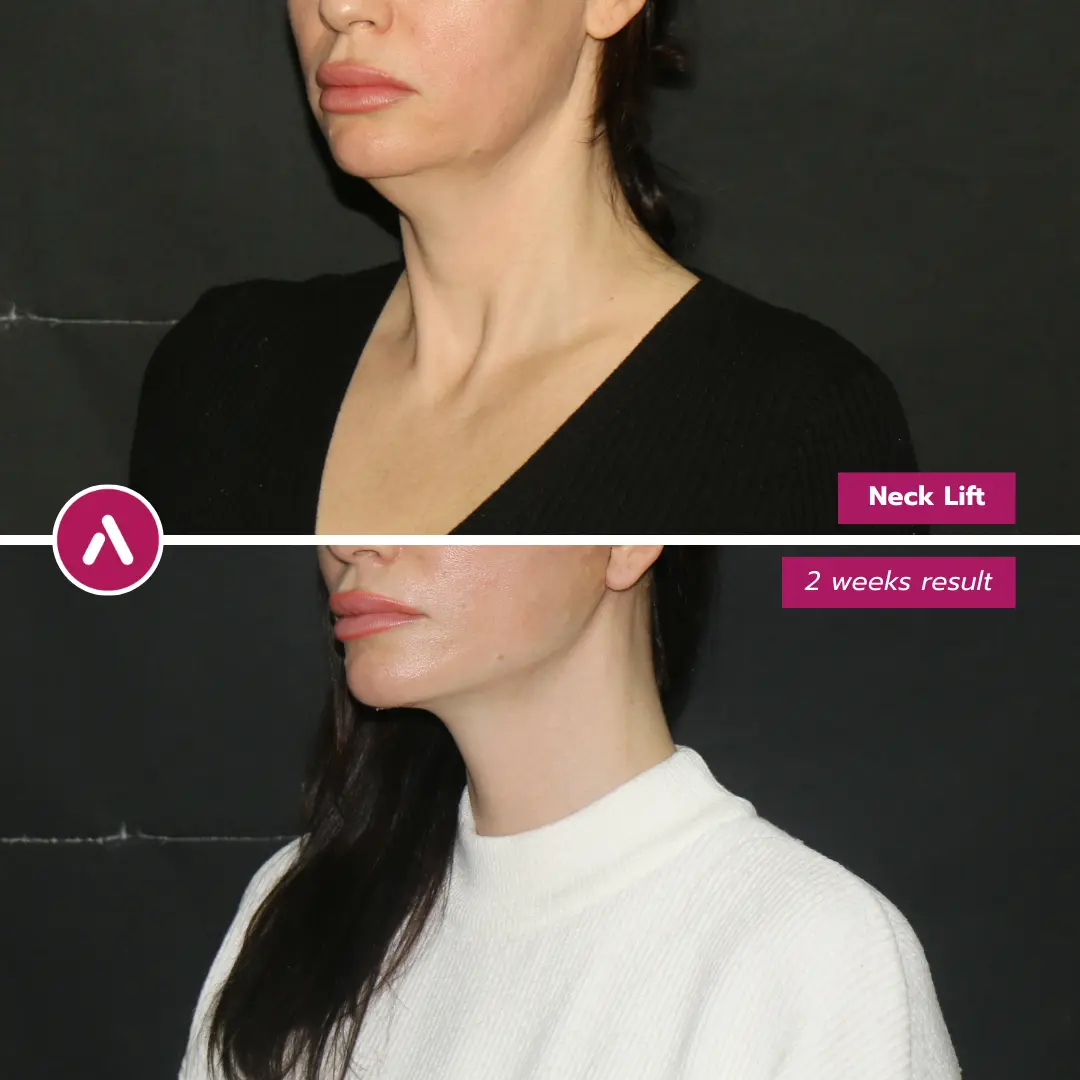
If the main issue is descent rather than deflation, a traditional facelift is often the more logical choice. Patients in this group usually complain of jowls, loss of jawline definition, neck looseness, and a generally heavier lower face. Their cheeks may still have enough natural volume, and their skin quality may not be the dominant concern.
For this patient profile, the most important step is lifting and repositioning the deeper tissues correctly. This is why comparisons such as SMAS facelift vs stem cell facelift need to be understood properly. If the support structures of the face have fallen, regenerative fat alone will not solve the problem. A SMAS or deep plane-based lift is usually the foundation, and it often delivers the strongest and most natural correction.
Patients with Early Ageing, Skin Thinning, and Hollowing in the Midface
Some patients do not yet have severe jowls, but they look tired, flat through the cheeks, and thinner through the temples. Their complaint is less about heaviness and more about losing vitality. The face may look drawn, slightly gaunt, or less healthy even when they are well rested. This is the profile in which a stem cell facelift or regenerative facelift may offer a particularly attractive solution.
For these patients, the issue is not only where the tissue sits, but what the tissue has lost. A well-planned regenerative procedure may restore softness, improve facial transitions, and support a healthier skin quality. In practical terms, the face often looks fresher rather than simply tighter. This makes the treatment especially appealing to patients who want discreet rejuvenation and who dislike the polished, overly corrected look sometimes associated with old-fashioned cosmetic surgery.
When reading stem cell facelift reviews, this is often the patient type that reports the highest satisfaction. They tend to value nuance. They notice when their face looks less hollow, less tired, and more alive rather than merely “pulled up”.
Hybrid Candidates Who Need Both Lift and Tissue Quality Improvement
Many patients do not fit neatly into one category. They have visible descent, but they also have volume loss and skin fatigue. These are the patients for whom a hybrid plan is often the most effective option. In other words, the best answer to stem cell facelift vs traditional facelift may be: neither in isolation. A structural facelift combined with regenerative fat support may produce the most complete and natural-looking result.
This is particularly true in the late 40s, 50s, and early 60s, when facial ageing is often mixed rather than singular. The lower face may need repositioning, while the midface, temples, and peri-oral region may need refinement. In these cases, a hybrid plan allows the surgeon to address the architecture of ageing and the biology of ageing at the same time.
From the perspective of scientific research and clinical judgement, this combined strategy is often more coherent than over-relying on any one method. Lift alone may leave the face too flat. Volume alone may leave the jawline unresolved. The best result comes from recognising when both are needed.
- Better for traditional facelift: pronounced jowls, lower-face heaviness, neck laxity, minimal hollowing.
- Better for stem cell facelift: early ageing, facial thinning, hollow temples, flatter cheeks, skin quality concerns.
- Better for a hybrid plan: mixed ageing with both descent and volume loss.
“A good facelift plan starts with diagnosis, not marketing. The face must be treated according to its ageing pattern, not according to whichever technique sounds most fashionable.”
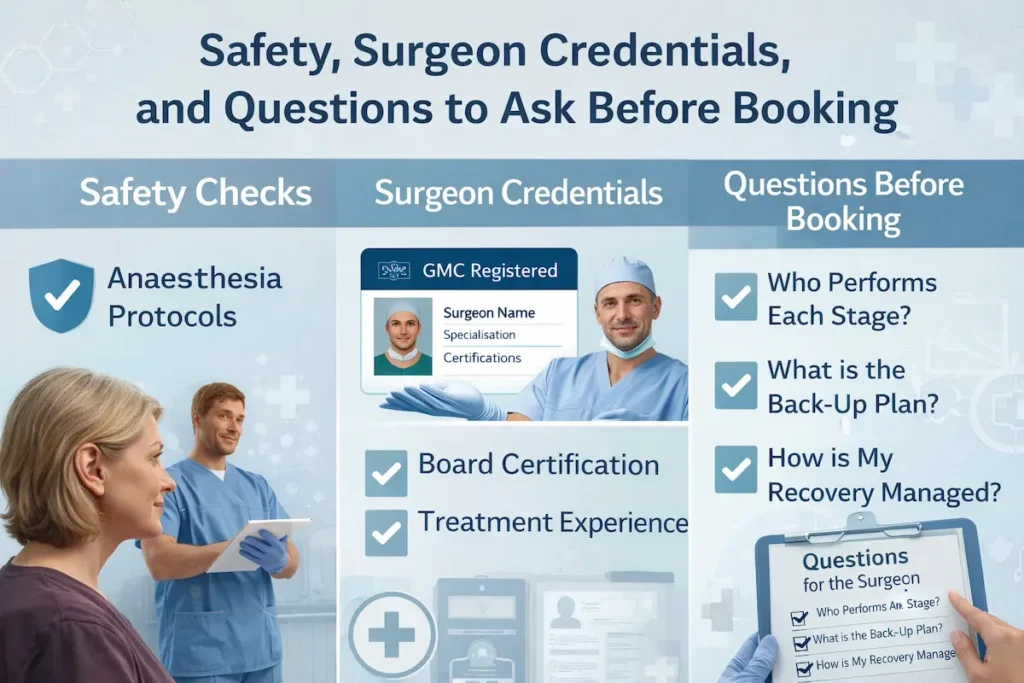
Safety, Surgeon Credentials, and Questions to Ask Before Booking
For many patients, the most important part of the stem cell facelift vs traditional facelift decision is not the marketing language. It is safety. A beautifully written treatment page means very little if the surgeon’s credentials are unclear, the anaesthesia plan is vague, or aftercare becomes difficult once you return to the UK. Whether you are considering a traditional facelift, a stem cell facelift, or a hybrid approach, the standard of diagnosis, surgical judgement, and post-operative support matters more than the label attached to the procedure.
For patients comparing treatment options, safety also means understanding who is performing each stage of the operation, how recovery will be monitored, and whether the clinic has a clear plan for support after returning home. This is particularly important with stem cell assisted facelift surgery, where the quality of surgical technique, fat processing, and post-operative care can all influence both the final result and the overall patient experience.
This is particularly relevant for British patients who are understandably cautious about facial surgery abroad. The right clinic should be able to explain who performs your operation, what qualifications they hold, which technique is recommended for your anatomy, and how your recovery will be monitored after you fly home. In other words, the safety conversation should be concrete rather than reassuring in a vague way.
Why UK Patients Look for GMC-Equivalent or European Board Credentials
Patients in the UK are used to checking whether a doctor appears to meet a recognised professional standard. That is why terms such as GMC equivalent, European Board-Certified, and Fellowship credentials carry genuine weight. They are not decorative titles. They help patients understand whether the surgeon has completed rigorous training in a relevant field and whether their specialisation is actually aligned with facial surgery.
When evaluating a facelift surgeon, it is reasonable to ask exactly how their training maps onto what a British patient would recognise as a high-level standard. In a consultant-led setting, this matters especially in face surgery, where millimetres can influence symmetry, scar concealment, and the difference between a refreshed result and an unnatural one.
For example, one of the strongest signs of credibility is when the surgeon’s qualifications can be explained in plain English rather than hidden behind brand language. A surgeon with recognised European Board or equivalent credentials, a specialist focus, and a clear philosophy of natural facial rejuvenation will usually inspire more confidence than a clinic relying only on generic promises.
Why Case Volume, Technique Choice, and Consultant-Led Care Matter
Credentials matter, but so does repetition. Facial rejuvenation surgery is not only about qualification. It is also about judgement built through experience. A surgeon who frequently performs modern facelift techniques is more likely to recognise when a patient needs a structural lift, when they need regenerative volume, and when combining the two would create a more natural result.
This is also why consultant-led care is so important. Patients should know who is performing the operation from start to finish. In facial surgery, there should be no ambiguity about whether your consultant surgeon is the one designing the plan and carrying out the critical steps. That is a basic patient safety issue, not an optional extra.
Technique choice matters just as much. A patient with strong jowls and neck laxity may be best served by a structural lift, while a patient with early ageing and tissue deflation may benefit more from a stem cell facelift surgery or hybrid plan. A safe surgeon does not push one fashionable operation on everybody. They match the operation to the face in front of them.
The Essential Questions About Aftercare, Anaesthesia, and Who Performs the Surgery
Before booking, patients should ask direct questions. Will the operation be performed under local anaesthesia, Twilight anaesthesia (conscious sedation), or general anaesthesia? Why is that choice appropriate for your case? What aftercare is included once you are back in the UK? What is the plan if you have swelling concerns, travel questions, or scar-related anxiety after you return home?
You should also ask how the clinic manages early healing. This is where recovery planning becomes part of safety. Protocols such as HBOT for post-operative oedema support and LLLT for scar care do not replace surgical skill, but they can improve the overall healing experience. For international patients, that matters because a smoother recovery often means less stress during travel and fewer worries after discharge.
Finally, ask one simple but essential question: Who will actually perform my surgery? If the answer is not immediate and precise, that is a warning sign. The safest path is always the one where the consultant responsible for your case is clearly identified, technically qualified, and visibly involved throughout the patient journey.
| Safety Checkpoint | What You Should Look For | Why It Matters |
|---|---|---|
| Surgeon credentials | Clearly explained UK-equivalent or European Board-level training | Helps verify real expertise rather than marketing language |
| Technique selection | A bespoke plan based on your anatomy, not a standard package | Improves naturalness and reduces mismatch between problem and treatment |
| Anaesthesia plan | Transparent explanation of local, Twilight, or general anaesthesia | Improves confidence and supports safer decision-making |
| Consultant-led surgery | Confirmation that your named surgeon performs the key stages | Reduces uncertainty and protects patient trust |
| Aftercare | Clear post-op support, recovery guidance, and UK follow-up access | Essential for reassurance after returning home |
“I had already experienced surgery in the UK, so I was very cautious. What mattered most was that the result looked natural and the recovery felt manageable. I needed very little paracetamol, and I would confidently choose Turkey again.”
Frequently Asked Questions (FAQ): Stem Cell Facelift vs Traditional Facelift
Below are the most common questions patients ask when comparing a stem cell facelift with a traditional facelift. The key is to remember that neither option is automatically superior in every case. The better procedure is the one that correctly addresses your ageing pattern, your priorities, and your tolerance for downtime.
Is a stem cell facelift a real facelift or just fat transfer?
A stem cell facelift is usually best understood as a facelift combined with regenerative fat-based treatment, such as microfat or nanofat. If no lifting is performed at all, it is not a full facelift in the structural sense.
Does a stem cell facelift last longer than a traditional facelift?
The lifting effect still depends mainly on the quality of the surgical facelift. The regenerative element may improve volume and skin quality, but it does not make ageing stop. Longevity varies according to technique, anatomy, and lifestyle.
Can a stem cell facelift be performed under local anaesthesia?
Yes, in selected patients it may be possible to perform advanced facial rejuvenation under local anaesthesia with light sedation. However, the correct anaesthesia plan depends on the extent of surgery and your individual medical profile.
Will a stem cell facelift help me avoid a pulled or windswept look?
It can help create a softer and more balanced result because it restores volume as well as lift. However, naturalness depends primarily on surgical judgement, deep-tissue planning, and avoiding overcorrection.
Is recovery quicker with stem cell support than with a traditional facelift alone?
Recovery may feel smoother in some patients, particularly when regenerative treatment is combined with strong aftercare. That said, healing speed also depends on the extent of surgery, tissue handling, HBOT support, and scar care protocols such as LLLT.
How much more does a stem cell facelift usually cost in GBP (£)?
A stem cell facelift cost is usually higher than a traditional facelift because it includes harvesting, processing, and placing fat-based regenerative material. The exact difference depends on the surgical plan and what is included in the package.
Which option is better for patients in their 40s, 50s, or 60s?
Patients in their 40s with earlier ageing and volume loss may be strong candidates for a regenerative or hybrid approach. Patients in their 50s or 60s with more obvious jowls and neck laxity often need a stronger structural lift, sometimes combined with regenerative refinement for the most natural result.
If you would like to explore related topics in more detail, you can also read our guides on Nanofat Grafting Turkey, Stem Cell Facelift Longevity, Facelift Recovery with Stem Cells, Regenerative Medicine Cost in Turkey, Specialist Plastic Surgeon Turkey, Questions to Ask Plastic Surgeon, Best Deep Plane Facelift Clinic in Turkey, Facelift Revision Rate, and Ghost Surgery in Turkey for further insight into treatment options, recovery, pricing, surgeon selection, and patient safety.
Medical Disclaimer: This page is provided for general educational purposes only and does not replace a face-to-face medical consultation, diagnosis, or personalised treatment plan. All surgery carries risks and outcomes vary between individuals. Suitability for a facelift surgery, procedure selection, and anaesthesia choice can only be determined after a full clinical assessment by a qualified surgeon. Always follow your clinician’s instructions and seek urgent medical attention if you develop concerning symptoms during recovery.