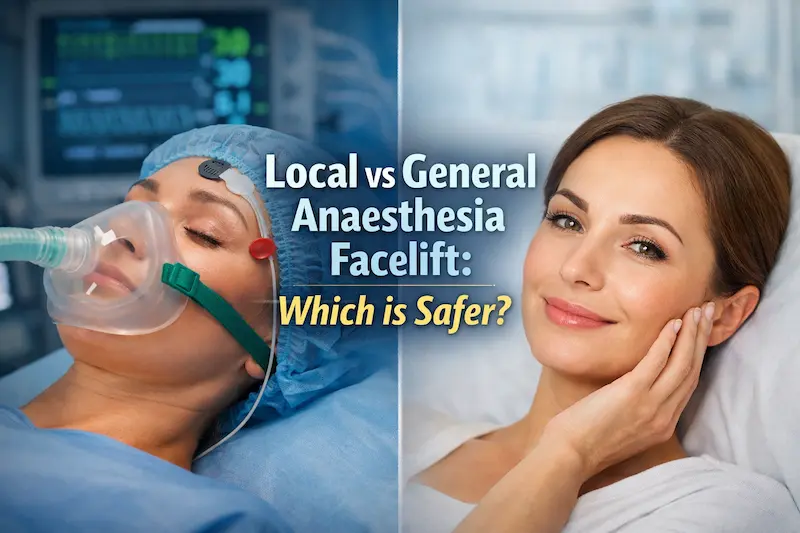
Local vs general anaesthesia facelift is one of the most searched safety comparisons among British patients considering surgery abroad — and for good reason. “Which is safer?” rarely has a one-size-fits-all answer because safety is shaped by your health profile, the type of facelift, and the standard of monitoring and aftercare just as much as the choice of anaesthetic.
In this guide, we’ll compare a facelift under local vs general anaesthetic in clear, UK-friendly terms, including the grey area many people mean when they say “awake” surgery: twilight sedation. We’ll also reference how medical science and modern peri-operative protocols reduce risk — and why reputable clinics focus on patient selection and systems, not marketing claims.
Table of Contents

What “Safety” Really Means in a Facelift (Not Just the Anaesthetic)
When UK patients ask about local vs general anaesthesia facelift safety, they’re often trying to avoid two different things: (1) an anaesthetic complication, and (2) a surgical complication (such as bleeding/haematoma, infection, or delayed healing). The safest pathway is the one that reduces your overall risk across the whole journey: pre-op assessment, the operating theatre plan, intra-operative monitoring, recovery protocols, and aftercare once you’re back in the UK.
Surgical risk vs anaesthetic risk — what people commonly mix up
A facelift’s “risk profile” comes from both the operation and the anaesthetic technique. General anaesthesia may slightly increase certain short-term side effects (for example, nausea), while local anaesthesia with sedation can reduce some physiological stress for suitable patients — but it may also be inappropriate for others (for example, if airway protection or immobility is essential for the planned procedure). In other words, a safer anaesthetic choice can become less safe if it’s the wrong choice for the operation.
The role of patient selection (age, BMI, medical history, smoking)
Good clinics don’t start with “local or general?” They start with “who is the patient?” Factors like cardiovascular or respiratory conditions, obstructive sleep apnoea risk, smoking/vaping, previous clotting history, and certain medications can change the balance of risk. This is where scientific research and evidence-based peri-operative practice matter: modern assessment frameworks are designed to identify avoidable risks before you ever enter the operating theatre.
Why the team + monitoring matter as much as the drug choice
From a safety perspective, the “anaesthetic” is not just a drug — it’s a system: qualified anaesthetist-led care, continuous monitoring, emergency readiness, and recovery-room protocols. A facelift performed under local anaesthesia in a poorly governed environment can be riskier than a facelift under general anaesthesia in a well-governed one. For UK patients, this is a key trust point when comparing private care at home vs treatment abroad.
Quick UK-minded safety checklist (high-level):
- Pre-op: documented medical history, medication review, clear DVT risk plan.
- Intra-op: anaesthetist presence, monitoring, blood pressure control, theatre standards.
- Post-op: early mobilisation, hydration guidance, pain control (UK medicines language), and a structured follow-up plan once you return to the UK.
Local Anaesthesia Facelift Explained (Including “Awake” / Twilight Options)
A “local” facelift can mean different things. Most British patients aren’t looking for a fully awake experience; they want a controlled, comfortable procedure with reduced “hangover” afterwards. In practice, many clinics offer a spectrum: local anaesthesia alone at one end, and local anaesthesia with twilight sedation (sometimes called “conscious sedation”) in the middle. This is why you’ll often see patients comparing facelift under local or general anaesthetic when what they really mean is “local + sedation vs general”.
Local anaesthesia with sedation: what you feel, what you don’t
With local anaesthesia, the surgical area is numbed. If twilight sedation is used, you typically feel deeply relaxed and may have little memory of parts of the procedure, but you are not placed into the same depth of unconsciousness as with general anaesthesia. The goal is comfort without compromising safety. For suitable patients, this can be an appealing option in the “twilight sedation vs general anaesthetic safety” debate — but suitability is key.
Who is a good candidate — and who is not
Local anaesthesia (with or without conscious sedation) tends to suit patients who can safely tolerate a lighter sedation approach and whose planned facelift technique does not require deeper anaesthetic control. It may be less appropriate if:
- you have higher airway risk (for example, significant untreated sleep apnoea risk),
- the procedure is expected to be long or technically complex,
- complete immobility is critical for the surgical plan,
- your anxiety levels make it difficult to remain calm even with sedation.
Benefits UK patients value: comfort, less “physiological stress”, faster mobilisation
When a local pathway is genuinely appropriate, potential advantages include earlier mobilisation, less post-anaesthetic grogginess, and sometimes a smoother immediate recovery — factors that matter to UK travellers thinking about hotel recovery and returning home. That said, the safest decision still comes from aligning the anaesthetic plan to your health profile and surgical requirements, not from choosing the “lightest” option by default.
General Anaesthesia Facelift Explained (What It Involves, What It Controls)
General anaesthesia is often misunderstood as “more dangerous by default”. In reality, it is a highly controlled technique that can be the safest option for some facelift plans and patient profiles — especially when the procedure requires prolonged operating time, deeper tissue work, or absolute stillness. When British patients compare facelift under local vs general anaesthetic, it helps to remember that “general” is not merely about being asleep; it’s about maximising control of breathing, comfort, and surgical conditions.
Airway control & deeper unconsciousness — what that enables
Under general anaesthesia, you are fully unconscious and the anaesthetist manages your airway and breathing. This can be beneficial when:
- the planned facelift is complex or expected to be longer,
- the surgeon needs stable operating conditions for precision,
- your anxiety or comfort needs would make lighter sedation less predictable.
This level of control is one reason why many surgeons still prefer general anaesthesia for certain facelift techniques, even as “awake” options grow in popularity.
When general anaesthesia is genuinely the safer choice
There are scenarios where general anaesthesia may improve overall safety — not because local anaesthesia is “bad”, but because it may be a poor fit for the case. Examples include:
- Complex surgical plan: extended tissue repositioning, combined procedures, or revision work.
- Need for absolute immobility: where small movements could affect precision and bleeding control.
- Unpredictable tolerance of sedation: severe anxiety, discomfort, or inability to lie still for the expected duration.
This is exactly why local vs general anaesthesia facelift safety should be framed as “best-matched technique” rather than a blanket rule.
Common post-op effects (nausea, grogginess) and how they’re managed
General anaesthesia can be associated with short-term effects such as nausea, sore throat, or grogginess. Modern anaesthetic practice, guided by ongoing scientific research, has improved nausea prevention strategies and recovery-room protocols. Good post-operative planning (hydration, early mobilisation when appropriate, and tailored pain relief) reduces discomfort and supports a smoother first 24–48 hours.

Safety Comparison — Risks, Complications, and How Clinics Reduce Them
Patients searching for facelift under local or general anaesthetic are usually trying to minimise complications. The most meaningful safety comparison looks at what can go wrong and what systems are in place to prevent it. Below are key risk areas where the choice between local, twilight sedation, and general anaesthesia may influence the plan — but where protocol and monitoring often make the bigger difference.
DVT risk, mobilisation, hydration and compression protocols
Deep vein thrombosis (DVT) risk is influenced by multiple factors: personal history, smoking status, long procedures, immobility, dehydration, and travel. A reputable clinic will:
- assess your clotting risk pre-operatively,
- use compression strategies when appropriate,
- prioritise safe, early mobilisation,
- give clear hydration guidance, especially for travelling patients returning to the UK.
The anaesthetic technique can affect early mobilisation and nausea, but the protective effect comes from a complete, evidence-based pathway rather than one single choice.
Bleeding/haematoma risk: blood pressure control and medication review
One of the best-known facelift complications is haematoma (a collection of blood under the skin). This risk is influenced by blood pressure spikes, certain medications and supplements, and post-op behaviours. Prevention relies on:
- tight blood pressure control during and after surgery,
- proper medication review (including aspirin-like products and some supplements),
- clear post-op instructions to avoid strain, overheating, and sudden exertion.
This is why “which is safer” often has more to do with surgical and peri-operative discipline than whether the facelift is performed under local or general anaesthesia.
Oedema/bruising management and why recovery protocols change perceived “safety”
Swelling (oedema) and bruising are normal parts of facelift recovery. However, the way they are managed influences comfort, confidence, and “perceived safety” — especially for UK patients who want to be presentable for travel. Consistent aftercare protocols, lymphatic guidance, and appropriate recovery technologies can reduce distress and support an earlier return to everyday activities.
What to Verify Before You Say Yes Abroad
If you are comparing local vs general anaesthesia facelift safety as a UK patient travelling abroad, the best risk reduction step is to verify standards. The question isn’t just “local or general?” — it’s “who is doing it, where, with what governance, and what happens when I go home?”
Surgeon credentials: what “equivalent” should look like for UK expectations
British patients tend to feel reassured when they can clearly understand a surgeon’s training, board credentials, and case experience. Ask for:
- the surgeon’s name and speciality focus (face, neck, revision experience),
- evidence of ongoing professional development,
- realistic planning and a conservative, natural-result approach.
A trustworthy clinic will welcome these questions and answer them clearly.
Facility standards: operating theatre setup, anaesthetist presence, emergency readiness
Safety is theatre-based. You should feel confident about:
- anaesthetist-led care (not “technician only”),
- continuous monitoring,
- clear emergency protocols,
- a structured recovery setting immediately after surgery.
If a clinic cannot explain these basics in plain language, it is a red flag — regardless of whether they advertise “awake” or “general” facelift options.
Aftercare reality: continuity of care once you’re back in the UK
For many British patients, aftercare is the deciding factor. Before booking, clarify:
- how many days you stay locally for check-ups,
- how you reach the team after you return to the UK (response time and method),
- what happens if you need an in-person review in the UK,
- what your follow-up schedule looks like (day-by-day and week-by-week).
This is where the “safer choice” often becomes obvious: it is the clinic with a robust, realistic aftercare pathway.

AKM Clinic Approach for British Patients (How We Design for Safety & Flight-Ready Recovery)
For UK patients, “safe” isn’t only what happens in the operating theatre — it’s the whole pathway: correct case selection, a tailored anaesthetic plan (local, conscious sedation, or general), meticulous technique, and a recovery plan that supports a calm return home. When discussing facelift under local vs general anaesthetic, our focus is always the same: choose the option that best matches the procedure and your health profile, then reduce risk with clear protocols and structured follow-up.
“Rejuvenation, Not Alteration”: natural-result planning and risk reduction
Over-pulled outcomes are a common UK fear — and they’re also a safety issue because aggressive plans can increase tissue stress, swelling, and recovery burden. A conservative, anatomy-led plan supports more natural outcomes and a smoother recovery. In modern medical science, “less trauma with better control” is a meaningful driver of both aesthetic quality and comfort.
Twilight/local pathways for suitable patients — minimising unnecessary general anaesthesia
When appropriate, a local pathway (often with conscious sedation) can be an excellent middle ground in the twilight sedation vs general anaesthetic safety discussion. The key word is “appropriate”. A good pathway:
- starts with an anaesthetist assessment,
- sets expectations about comfort and cooperation,
- includes theatre-grade monitoring,
- keeps the option to convert plans if safety requires it.
For some UK patients, this approach aligns with their preference for a “lighter” immediate recovery, without compromising standards.
Recovery support to reduce oedema/bruising and support return travel
British patients often ask a practical question: “How quickly will I look presentable to travel?” While no clinic can promise a specific recovery speed, structured aftercare can reduce avoidable discomfort and support earlier confidence. Recovery planning focuses on:
- swelling (oedema) control,
- bruising support,
- safe mobilisation,
- clear day-by-day guidance before flying.
This is where the patient experience can feel dramatically different between clinics, even if the surgery itself is similar.
Frequently Asked Questions (FAQ): Local vs General Anaesthesia Facelift
Below are concise answers to the most common UK questions about local vs general anaesthesia facelift safety, including the secondary keyword variations patients frequently search.
Is local anaesthesia always safer than general anaesthesia for a facelift?
No. A facelift under local anaesthesia can be very safe for suitable patients and suitable procedures, but general anaesthesia can be safer for complex plans or when airway control and complete immobility are required. The safest option is the best-matched option after assessment.
What is “twilight anaesthesia” — and is it safer than general anaesthesia?
“Twilight” usually means sedation alongside local anaesthesia. It may reduce some short-term side effects for suitable patients, but it is not automatically safer. In the twilight sedation vs general anaesthetic safety debate, suitability and monitoring standards matter most.
Can a deep plane facelift be performed without general anaesthesia?
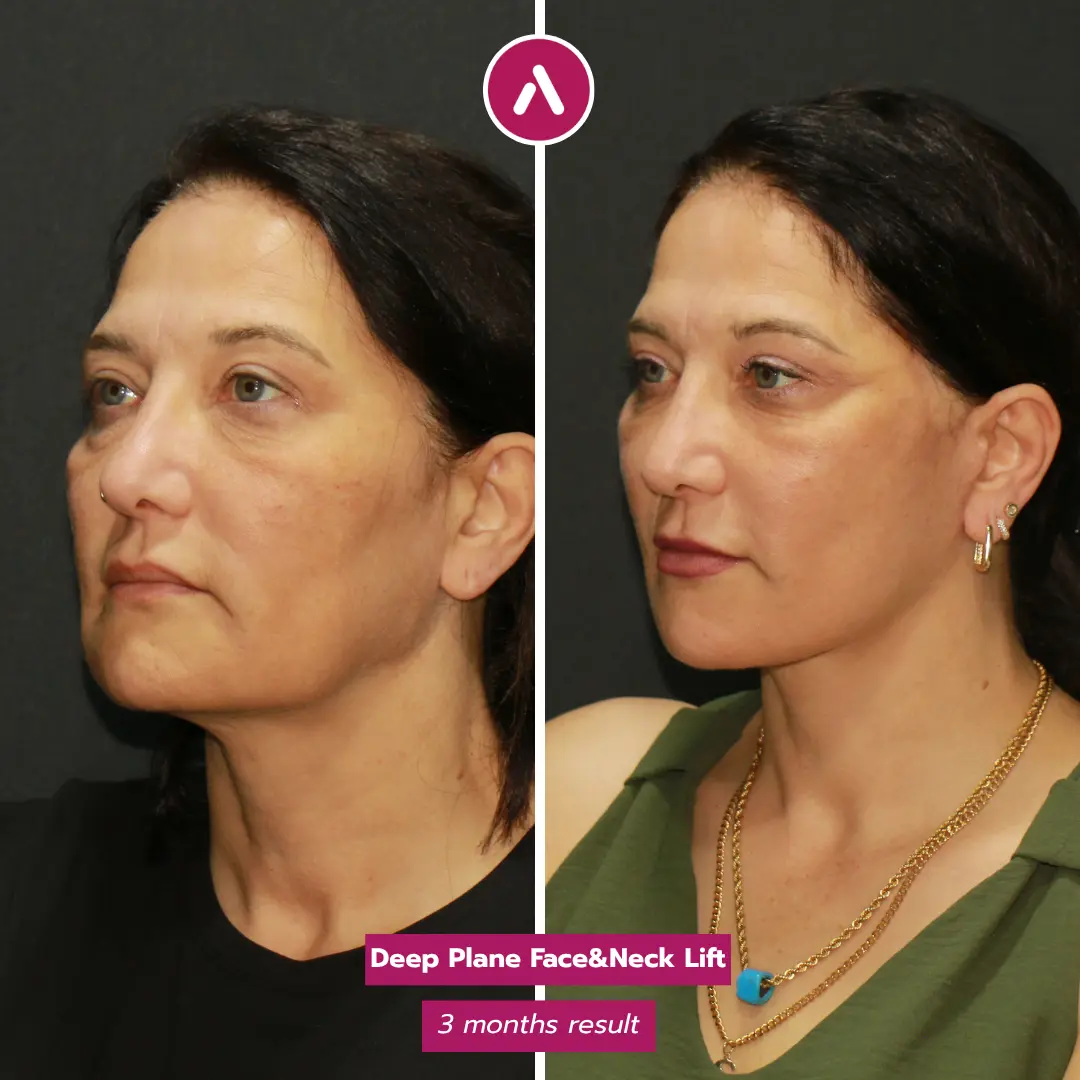
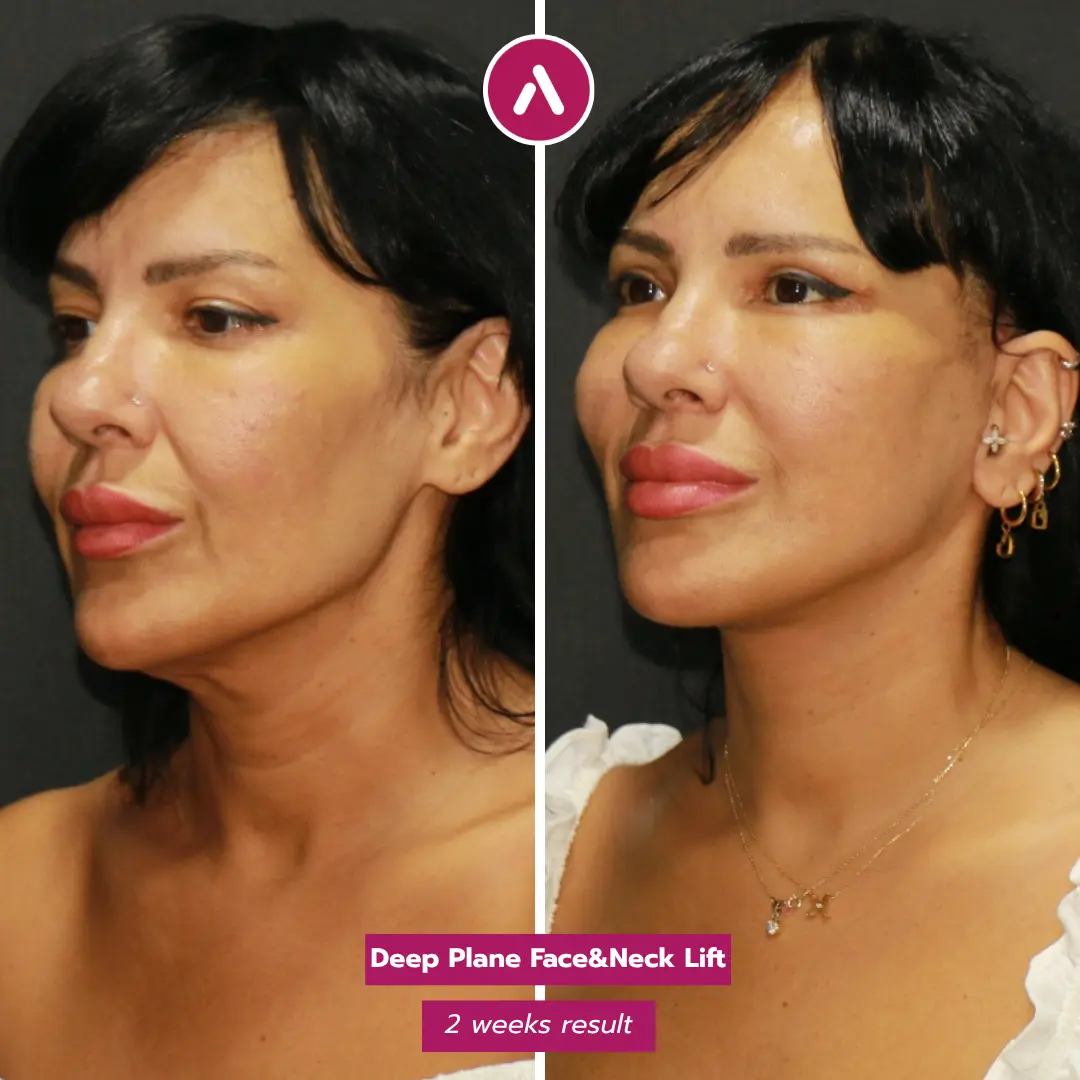
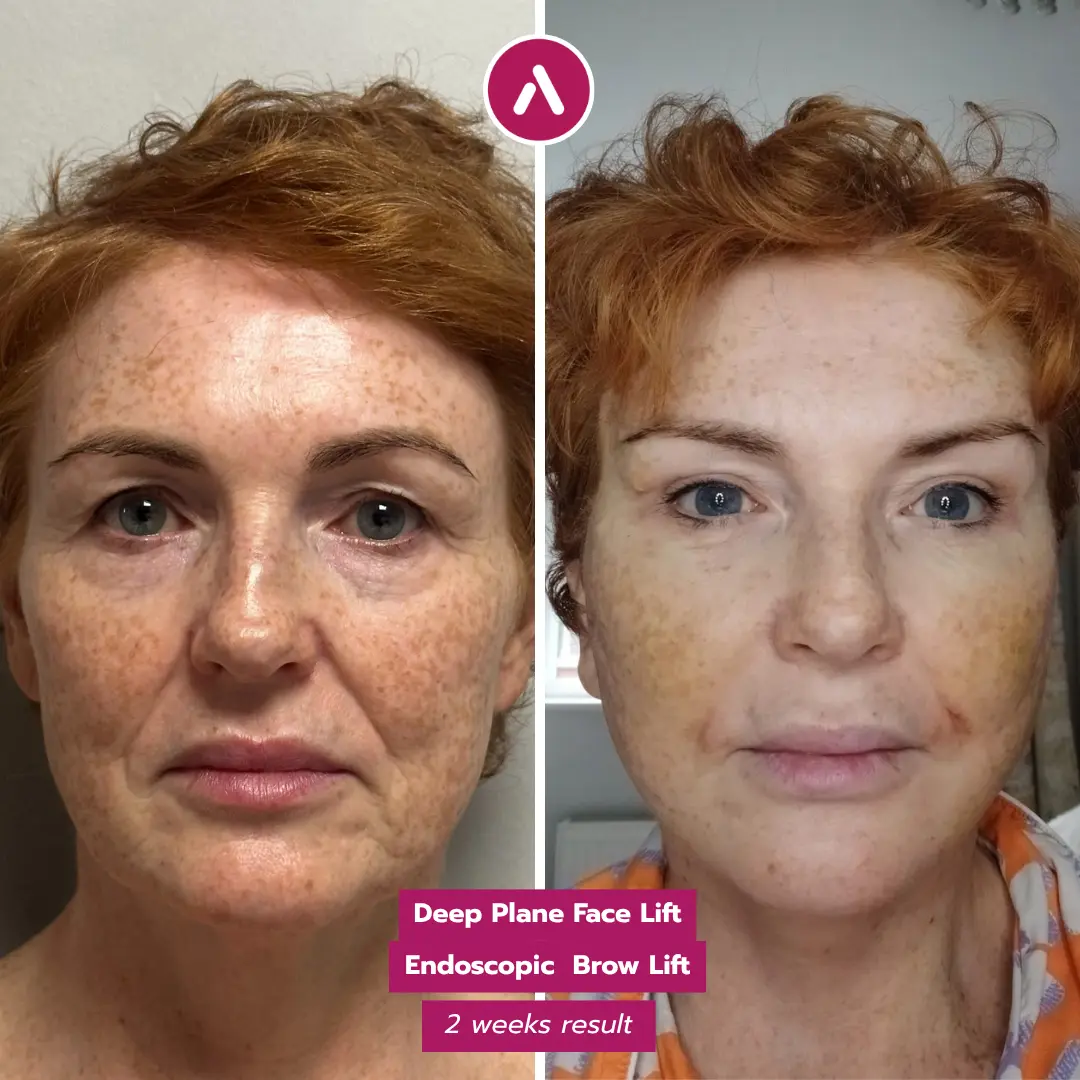
Some advanced facelift techniques may be possible with local anaesthesia and sedation in selected cases, but this depends on the surgical plan, expected duration, and patient tolerance. If the surgeon believes deeper anaesthetic control improves safety, general anaesthesia may be recommended.
What medical conditions make general anaesthesia higher-risk?
Risk can increase with significant cardiac or respiratory disease, poorly controlled hypertension, untreated sleep apnoea risk, and certain metabolic conditions. However, individual assessment is essential — many patients with medical conditions can still have safe general anaesthesia under the right planning.
How do I know an overseas clinic’s anaesthesia standards match UK expectations?
Ask who will deliver the anaesthetic (anaesthetist-led care), what monitoring is used, what emergency readiness looks like, and what the recovery-room protocols are. A reputable clinic will explain this clearly and provide transparent pre-op assessment steps.
When can I safely fly back to the UK after a facelift?
Flight timing depends on your recovery progress, swelling, and your personalised risk assessment (including DVT risk). You should receive a clear plan for mobilisation, hydration, compression guidance where appropriate, and a day-by-day travel readiness timeline from your surgical team.
What aftercare should I expect once I’m back in the UK?
You should expect structured remote follow-up, clear “what’s normal vs what’s not” guidance, and a defined escalation pathway if concerns arise. For UK travellers, aftercare clarity is a core safety feature — not an optional extra.
If you’d like to go beyond what we’ve covered here, you can also explore our related guides on Is Awake Facelift Painful, and the Facelift Recovery Timeline to understand comfort, downtime, and what “flight-ready” recovery can realistically look like. For extra reassurance when researching treatment abroad, we also explain how to check a Plastic Surgeon Turkey, what Hospital Accreditation Turkey standards mean in practice, and we address common concerns in Turkish Plastic Surgery Myths—so you can make a calmer, better-informed decision as a UK patient.
Medical Disclaimer: This page is provided for general educational purposes only and does not replace a face-to-face medical consultation, diagnosis, or personalised treatment plan. All surgery carries risks and outcomes vary between individuals. Suitability for an awake facelift, procedure selection, and anaesthesia choice can only be determined after a full clinical assessment by a qualified surgeon. Always follow your clinician’s instructions and seek urgent medical attention if you develop concerning symptoms during recovery.