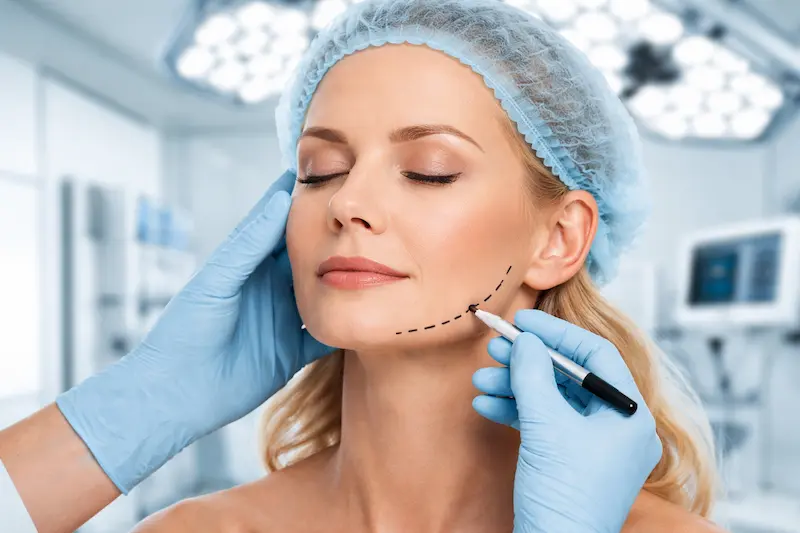

If you are researching facial rejuvenation and keep seeing phrases like “twilight sedation” or “facelift under local anaesthesia”, you are not alone. Interest has grown in approaches that may reduce the “heavy” feeling some people associate with a full general anaesthetic. In this guide, we explain awake facelift benefits in plain UK English—what “awake” really means, how comfort and safety are managed, and what you can realistically expect during the first days of recovery.
We’ll also cover common patient questions using a science-led lens, including where medical science and clinical practice generally agree, where evidence is still evolving, and how to evaluate claims you may see online. Throughout, we will naturally address related searches such as benefits of awake facelift, awake facelift advantages, awake facelift risks and benefits, local anaesthesia facelift benefits, and awake facelift recovery benefits.
Table of Contents

What Is an “Awake” (Twilight) Facelift?
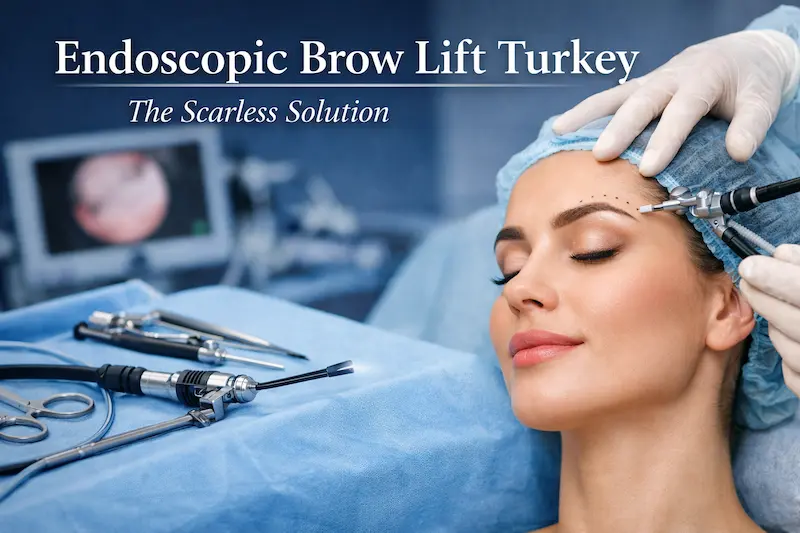
Despite the name, an “awake facelift” usually does not mean you are wide awake, chatting throughout the procedure. In most reputable settings, it refers to a facelift performed with local anaesthesia (to numb the surgical area) plus light intravenous sedation (often described as “twilight”). The aim is to keep you comfortable and calm while maintaining stable, closely monitored physiology. This is why you will also see terms like facelift under local anaesthesia and local anaesthetic facelift benefits used in similar contexts.
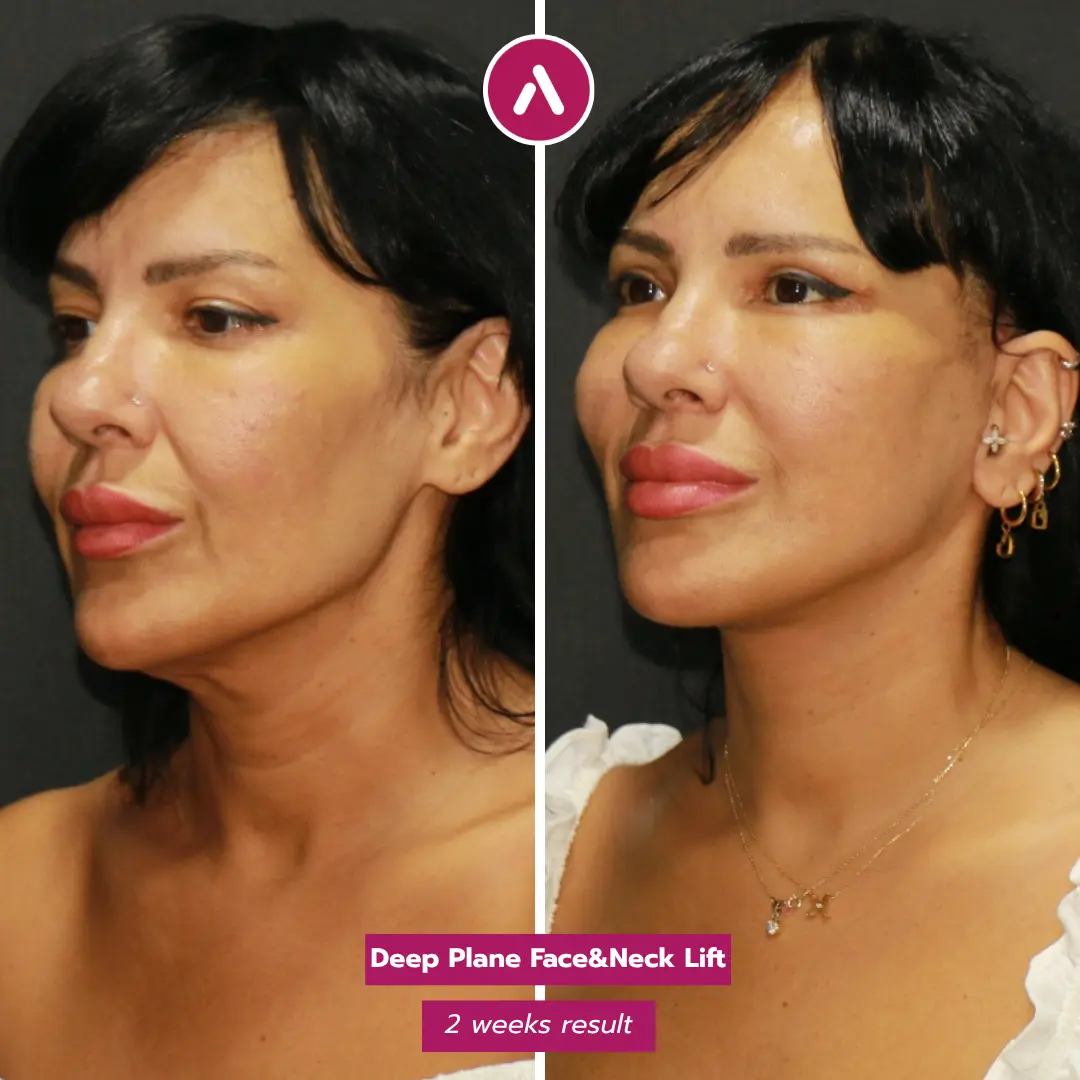
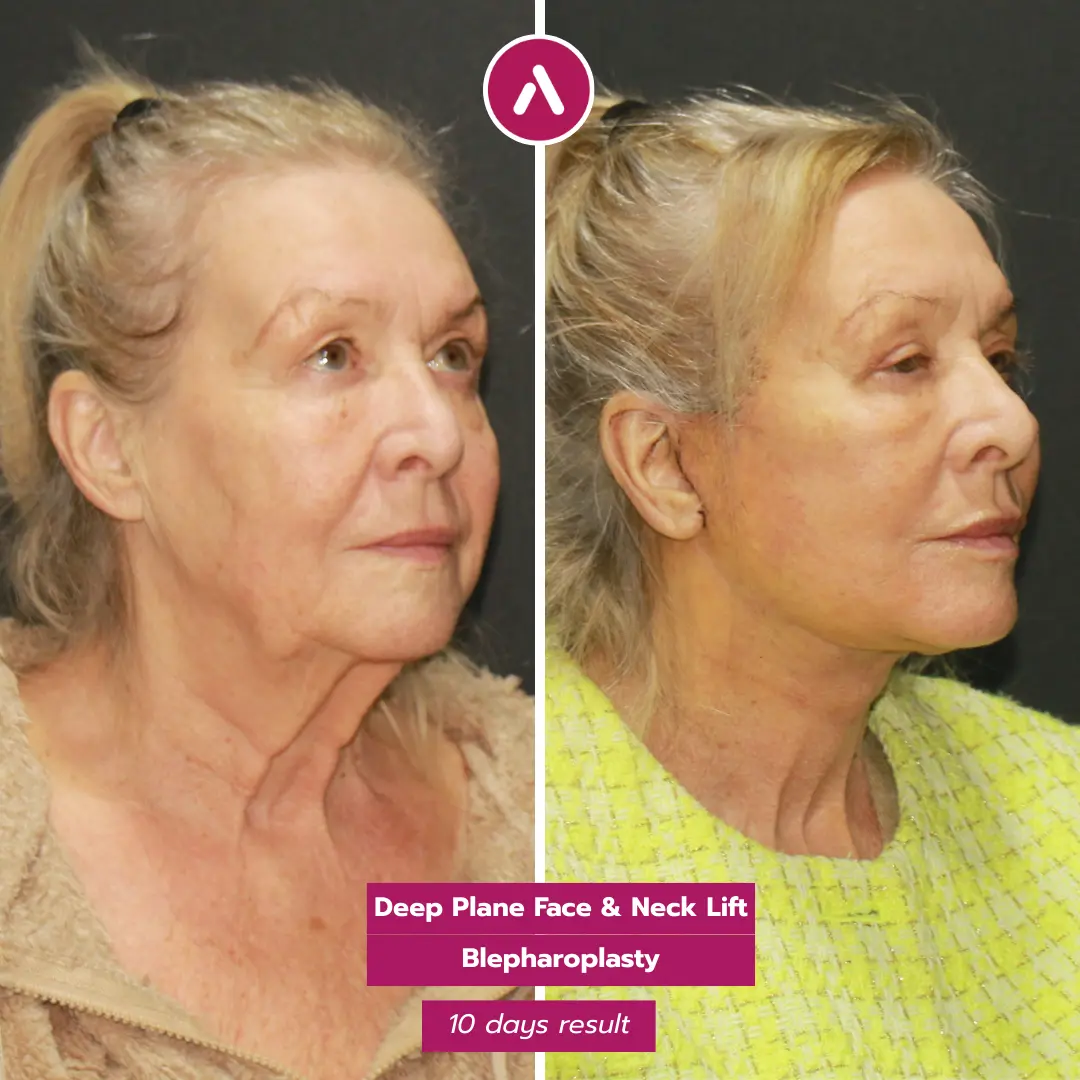
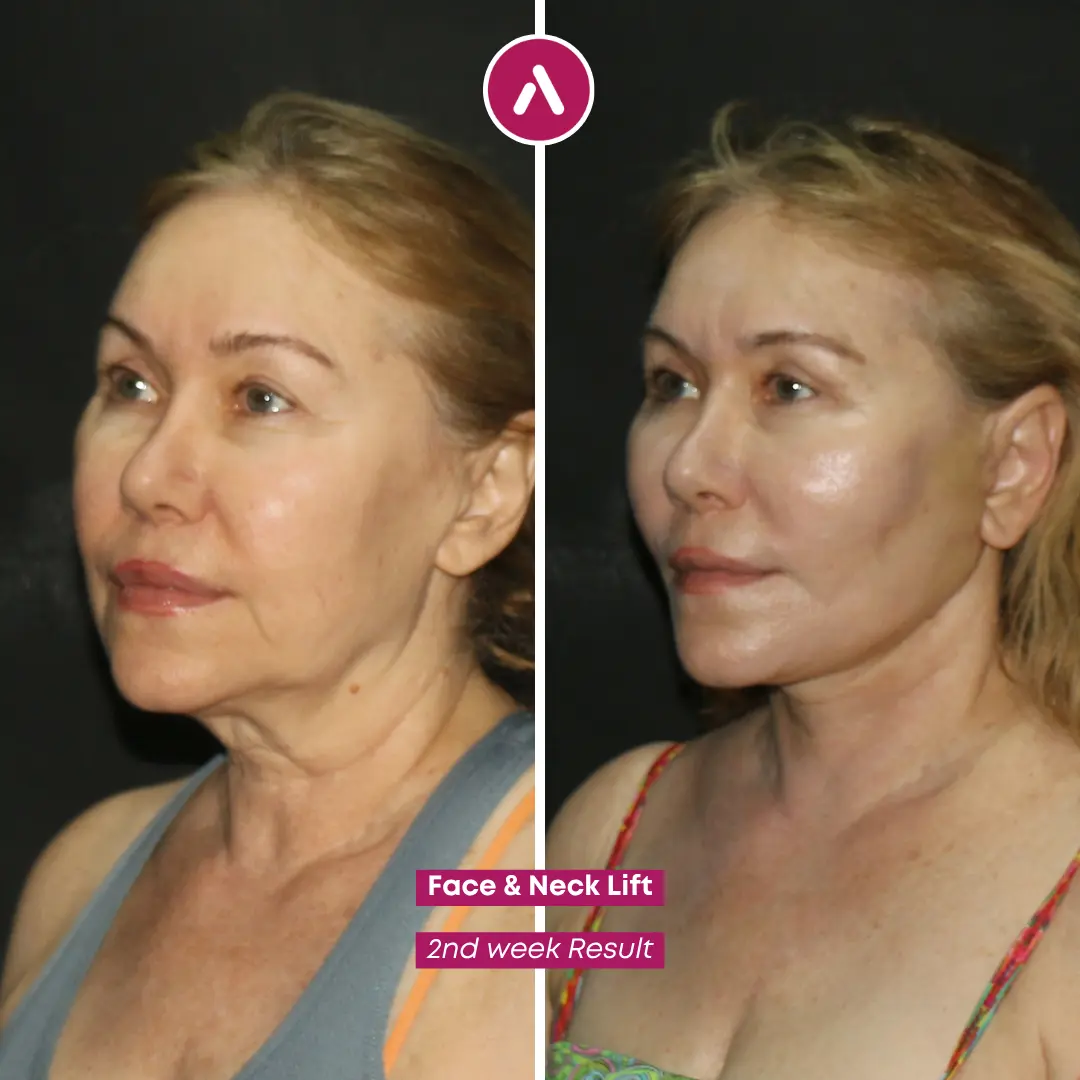
Local anaesthesia + light intravenous sedation: what you actually feel
With local anaesthesia, the skin and deeper tissues targeted during a facelift are numbed. Sedation is then titrated—meaning carefully adjusted—to reduce anxiety and discomfort. Many patients describe feeling drowsy and relaxed, with limited awareness of time passing. You may notice gentle pulling or pressure, but the goal is to avoid sharp pain. Comfort is supported through a structured plan: local numbing, sedation, warmth, positioning, and regular reassurance by the team.
“Awake” vs “fully awake”: clearing up the biggest misconception
The main misconception is that “awake” equals “no sedation” and “you will see everything.” In practice, “awake” more commonly means not under a full general anaesthetic. Some patients are lightly sedated to the point they drift in and out of sleep; others prefer minimal sedation. The right approach depends on your medical history, anxiety level, and the surgical plan—this is where pre-operative assessment matters.
Walk-in walk-out facelift: what it means (and what it doesn’t)
You may encounter marketing language suggesting a “walk-in walk-out” experience. A more accurate interpretation is that many patients can be managed as day-case or with shorter observation periods compared with some general anaesthesia pathways. It does not mean “no recovery” or “no aftercare”. A facelift is still surgery, and you should expect swelling (oedema), bruising, tightness, and a structured follow-up plan—regardless of anaesthetic type.
Why UK Patients Ask for Awake Facelift: Comfort, Control, and Anxiety Reduction
UK patients often arrive with a very specific set of concerns: fear of general anaesthesia, worries about nausea and grogginess, and a desire for a calmer “first 24 hours” experience. When people search for benefits of awake facelift or awake facelift advantages, they are usually trying to balance comfort with safety, and to understand awake facelift risks and benefits in a way that feels medically grounded rather than sales-led.
Fear of general anaesthesia: why it’s common in the UK
For many people, the biggest fear is not the facelift itself—it’s “going under”. This anxiety is understandable and widely reported across elective procedures. An awake/twilight approach can feel psychologically easier because it avoids a deep general anaesthetic. Importantly, this does not eliminate risk; it changes the anaesthetic strategy. A proper pre-operative assessment remains essential, especially if you have conditions such as sleep apnoea, significant reflux, heart rhythm issues, or complex medication regimens.
Nausea, grogginess, and “brain fog”: what patients want to avoid
One of the commonly discussed local anaesthesia facelift benefits is the potential for a “clearer” recovery experience in the hours after surgery. Some patients report less nausea and less lingering drowsiness than they personally associate with previous general anaesthesia experiences. While individual responses vary, the principle is familiar in medical science: reducing the depth of anaesthesia and tailoring sedation may, for some people, reduce certain side effects. However, your experience will depend on the exact medications used, your sensitivity, hydration, and how your body metabolises drugs.
Feeling safer through real-time monitoring and a gentler recovery narrative
Another perceived advantage is a sense of “control”: patients like knowing that sedation can be adjusted and that they are supported throughout. In well-run surgical settings, monitoring does not become “lighter” just because you are not under a full general anaesthetic—your vital signs are still carefully tracked, and the anaesthetic professional’s job is still to keep you stable and comfortable. When evaluating awake facelift risks and benefits, look for signs of good clinical governance: clear consent, realistic complication discussions, and claims that align with scientific research rather than absolutes.
Safety First: Awake (Twilight) vs General Anaesthesia for Facelift
When UK patients compare options, the most common question is whether twilight sedation is “safer” than a full general anaesthetic. In reality, safety is not a one-line answer. A facelift under local anaesthesia can reduce exposure to certain aspects of general anaesthesia, but it introduces its own considerations—such as ensuring comfort, preventing movement, and selecting the right candidate. This is why a balanced discussion of awake facelift risks and benefits matters more than blanket statements.
Physiological stress and recovery load: what changes without general anaesthesia
General anaesthesia typically involves deeper levels of unconsciousness and airway management strategies that may differ from twilight sedation pathways. With an awake/twilight approach, sedation is usually lighter, and the anaesthetic plan is tailored to maintain stable breathing and comfort while the face is numbed with local anaesthetic. From a medical science perspective, “lighter” does not automatically mean “risk-free”—but it can mean a different risk profile, particularly for certain side effects such as post-operative grogginess and nausea in some individuals.
Who is a good candidate—and who isn’t (medical suitability checklist)
Candidate selection is one of the most important safety levers. A surgeon-led consultation and anaesthetic assessment should explore:
- Airway and breathing considerations (including sleep apnoea and smoking history).
- Cardiovascular health (blood pressure control, rhythm issues, clotting history).
- Medication and supplements (especially blood thinners, certain herbal products, and weight-loss injections if applicable).
- Anxiety level and whether light sedation is likely to be sufficient for comfort.
- Procedure complexity (more extensive or combined procedures may influence the best anaesthetic pathway).
In other words, local anaesthesia facelift benefits are most meaningful when matched to the right patient and the right surgical plan.
The role of the anaesthetist and intraoperative monitoring standards (UK expectations)
A key safety signal for UK patients is the presence of an appropriately qualified anaesthetic professional and robust monitoring throughout. Even for a facelift under local anaesthesia, you should expect continuous monitoring of vital signs and a clear escalation plan. If a clinic minimises the need for anaesthetic expertise or downplays complication discussions, treat that as a red flag—high-quality surgical care aligns with scientific research in being transparent about risk, not dismissive of it.
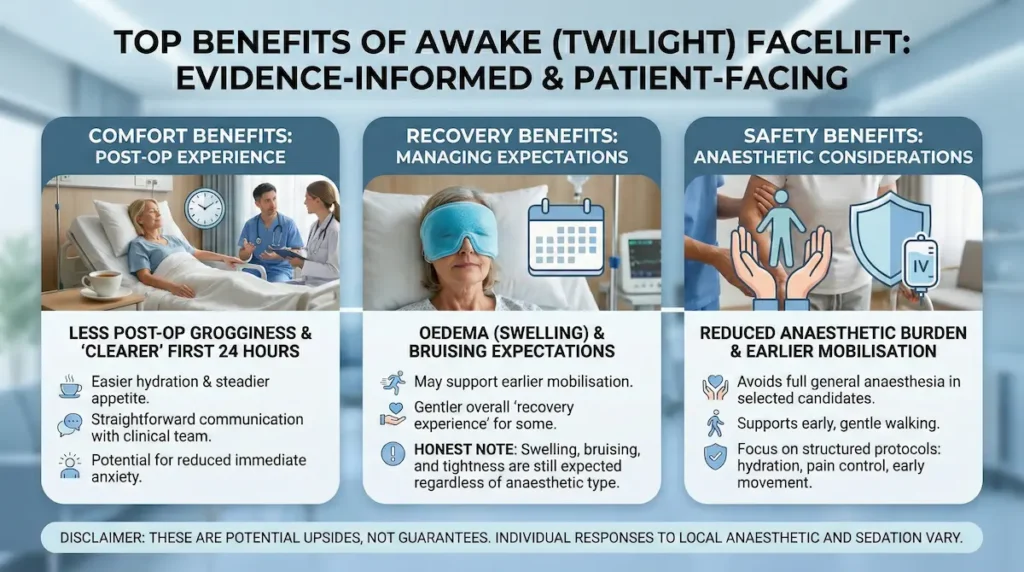
The Top Benefits of Awake Facelift (Evidence-Informed, Patient-Facing)
People searching for benefits of awake facelift often want practical outcomes: “How will I feel afterwards?”, “Will the first night be easier?”, “How quickly can I look presentable?” Below are the commonly cited awake facelift advantages, framed in a realistic way. Think of these as potential upsides—not guarantees—because responses to local anaesthetic and sedation vary from person to person.
Comfort benefits: less post-op grogginess and a “clearer” first 24 hours
One of the most discussed local anaesthetic facelift benefits is that some patients feel more “clear-headed” in the early recovery window compared with their expectations of general anaesthesia. This may translate into easier hydration, a steadier appetite, and more straightforward communication with the clinical team after surgery. It can also help some people feel less anxious in the immediate post-operative period.
Recovery benefits: swelling (oedema) and bruising expectations
Searches for awake facelift recovery benefits often revolve around bruising and oedema. While the surgical technique and your individual healing biology are major drivers, an awake/twilight approach may support earlier mobilisation and a gentler overall “recovery experience” for some patients. That said, it is important to be honest: facelift recovery still involves swelling, bruising, and tightness—especially in the first 7–10 days—regardless of anaesthetic type.
Safety benefits: reduced anaesthetic burden and earlier mobilisation
For selected candidates, avoiding a full general anaesthetic may reduce exposure to deeper anaesthetic agents and their associated side effects. In practice, this can support earlier mobilisation (gentle walking), which is a widely accepted principle in peri-operative care. If you are weighing awake facelift risks and benefits, focus on structured protocols: hydration, pain control, early movement, and clear red-flag guidance—these often matter as much as the anaesthetic label itself.
What the Day of Surgery Looks Like (Step-by-Step)
Understanding the day-of-surgery pathway helps UK patients feel prepared and less anxious—particularly those choosing a facelift under local anaesthesia. A well-run service will be systematic: pre-op checks, comfort planning, theatre safety steps, and an aftercare plan you can follow once you are back in your accommodation. Below is a patient-friendly walkthrough of what typically happens.
Pre-op checks: medical history, medication list, and “what to stop”
Before surgery, your team should confirm your medical history, allergies, previous anaesthetic experiences, and current medications/supplements. You should be given clear instructions on what to stop and when (for example, anything that increases bleeding risk), and what you may take on the day. This is also where you confirm practicalities: fasting instructions (if sedation is planned), compression garments if used, and who will support you after discharge.
In the operating theatre: local anaesthesia, sedation, and comfort measures
In theatre, comfort is built in layers. The face and relevant tissues are numbed using local anaesthetic injections, and sedation is adjusted so you remain calm and comfortable. This is the heart of local anaesthesia facelift benefits: targeted numbness paired with carefully titrated sedation. You may feel gentle pressure or movement, but sharp pain should be addressed immediately—good teams invite you to communicate any discomfort.
Immediately after: pain control plan, hydration, and first-night guidance (in Celsius)
After surgery, you will be monitored as the sedation wears off. Your plan should include realistic pain control (commonly paracetamol-based regimens where appropriate), hydration guidance, and positioning advice to reduce swelling. You should also receive clear “red flags” and temperature guidance in Celsius (for example, what to do if you develop a fever). This is where a clinic’s standards show: good aftercare is precise, not vague.
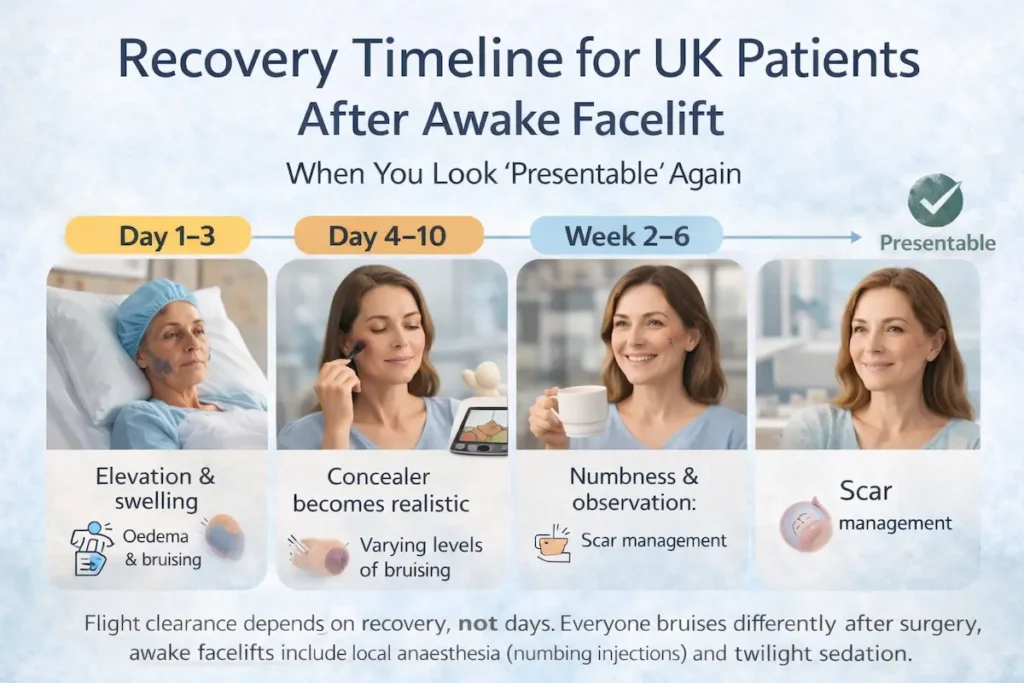
Recovery Timeline for UK Patients: When You Look “Presentable” Again
One of the biggest drivers behind searches for awake facelift recovery benefits is the hope of an “easier” first week. While the anaesthetic approach can influence how you feel in the first hours, your visible recovery is still mainly shaped by surgical technique, your biology, and how closely you follow aftercare. Below is a realistic, UK-friendly timeline that helps you plan work, social life, and travel.
Day 1–3: tightness, bruising, and sleep positioning
Expect tightness, a feeling of pressure, and visible bruising and swelling (oedema). The first 72 hours are usually the most “puffy”. Sleeping elevated and on your back is typically advised to help manage swelling. Gentle walking is encouraged if you are well enough—early mobilisation is a common peri-operative principle supported across medical science, helping circulation and reducing the risks associated with prolonged inactivity.
Day 4–10: oedema patterns and when make-up becomes realistic
Bruising often starts to change colour and gradually fades during this period, while oedema can fluctuate (it may look worse in the morning or after activity). Many patients begin to feel more socially comfortable towards the end of the first 7–10 days, but “presentable” is personal: some people heal quickly; others bruise more easily. If you are evaluating benefits of awake facelift, it’s best to focus on comfort and early recovery experience rather than expecting a dramatically different bruising timeline solely because of the anaesthetic type.
Week 2–6: scar maturation, numbness, and return to work/social life
Most patients feel notably more “normal” in weeks 2–3, with swelling continuing to settle. Some numbness or altered sensation can persist for weeks to months. Scars typically improve gradually over several months. Good aftercare includes scar guidance, activity progression, and realistic expectations—this is as important as any list of awake facelift advantages.
AKM Clinic Approach: “Rejuvenation, Not Alteration” (The UK Standard of Natural Results)
UK patients typically want a refreshed look—less heaviness, a cleaner jawline, softer jowls—without looking “different”. In practice, the best results come from a surgeon-led plan that respects facial harmony. This section explains what “natural” really means in a facelift context, and how outcomes are judged with a careful, evidence-aware mindset rather than exaggerated promises.
How we avoid the “overdone”/wind-swept look
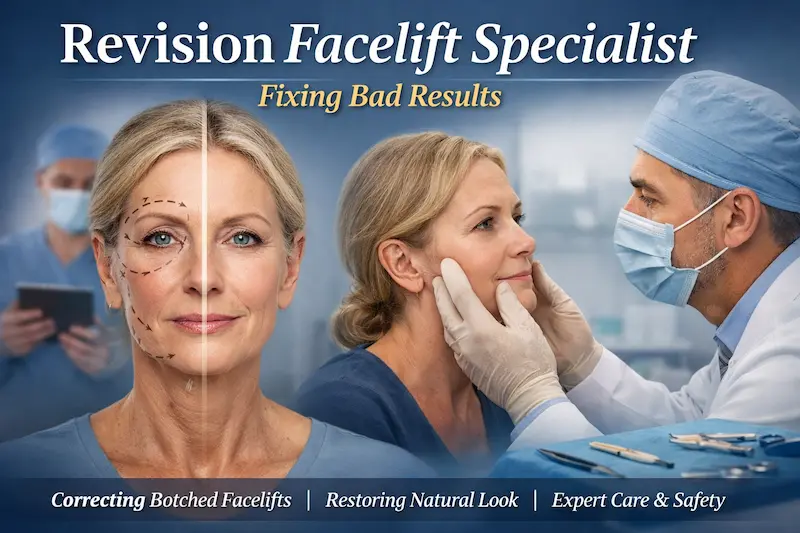
An “overdone” look is often related to excessive tension, incorrect vectors of lift, or pushing the skin rather than addressing deeper support structures. A modern, natural strategy focuses on balanced repositioning and careful skin redraping. The goal is to restore a youthful contour—particularly around the midface and jawline—without creating a pulled appearance. For UK patients researching awake facelift risks and benefits, it’s worth remembering: technique matters as much as anaesthetic choice.
Surgeon-led planning: facial harmony, vector of lift, and subtle rejuvenation goals
A surgeon-led consultation should define what you want to change (and what you want to keep). That means agreeing priorities: jawline definition, neck angle, nasolabial softening, or midface support. It also means discussing whether an awake/twilight approach is appropriate for your planned technique and comfort profile. The best “advantages” are achieved when the surgical plan is tailored, not templated.
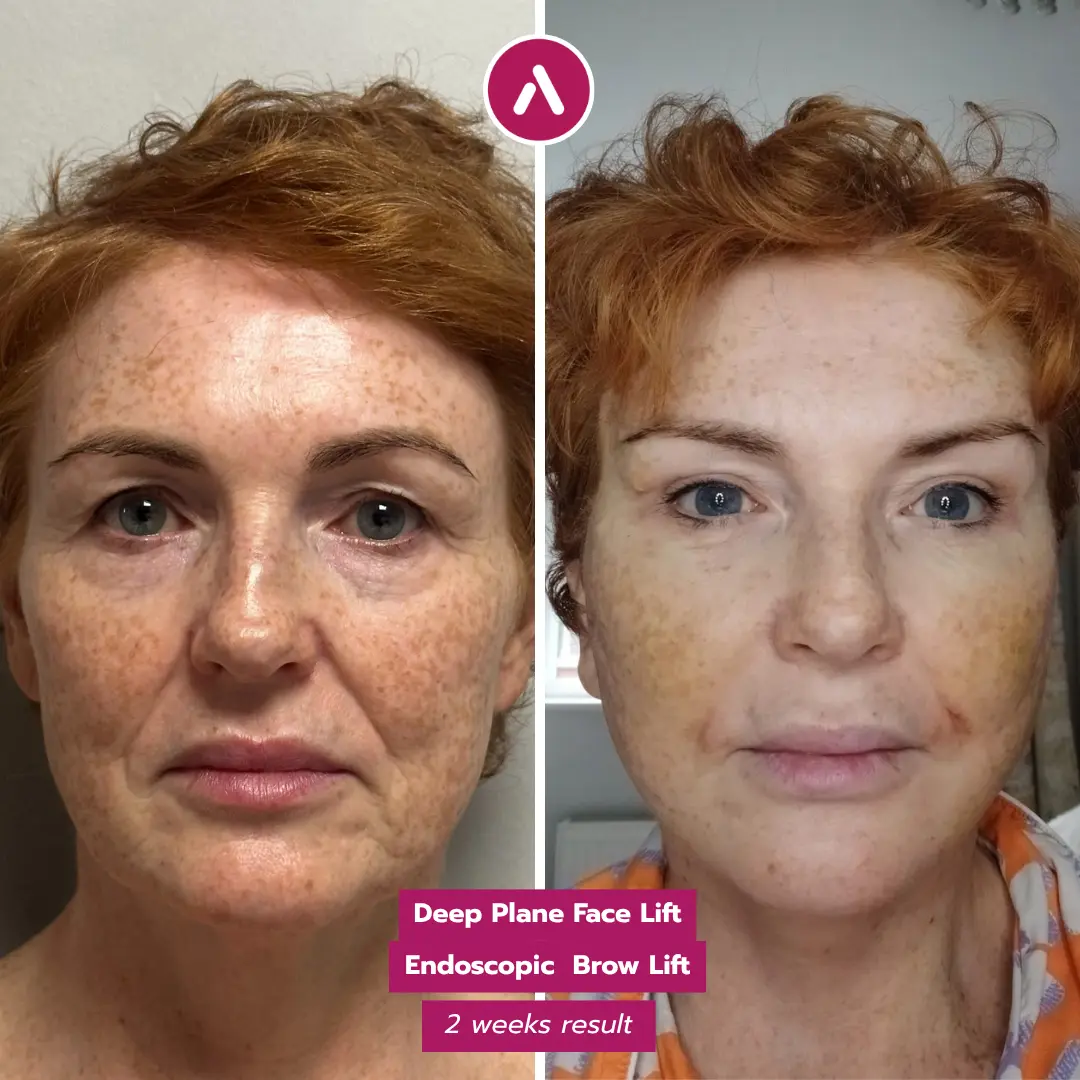
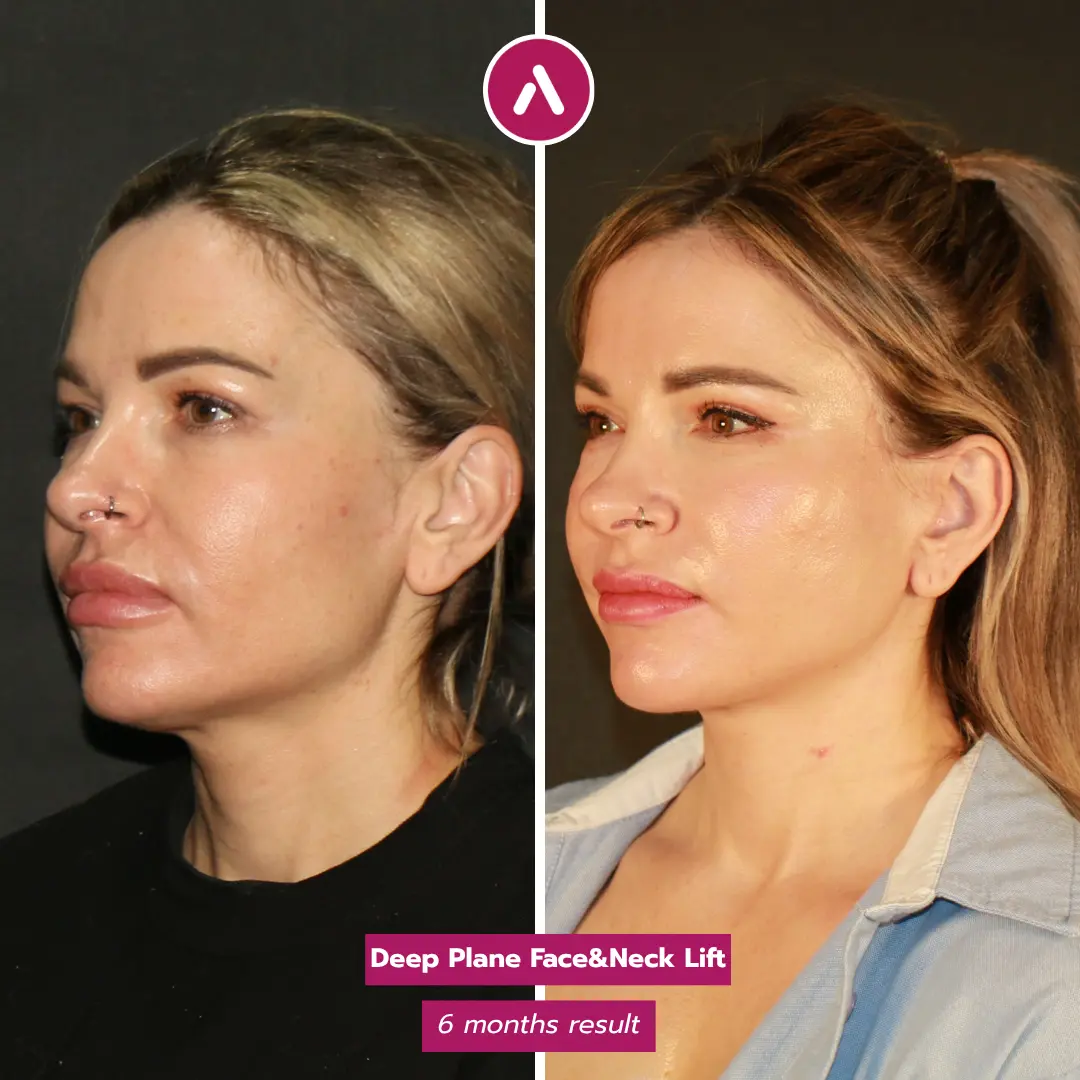
How we assess outcomes: before/after analysis and realistic expectations
Good planning includes standardised photography, an honest discussion of limitations, and clarity about what surgery can and cannot do. Evidence-informed practice—grounded in scientific research and clinical experience—avoids absolute guarantees. The aim is predictable improvement, not perfection. This mindset is especially important for expert UK patients who want transparency.
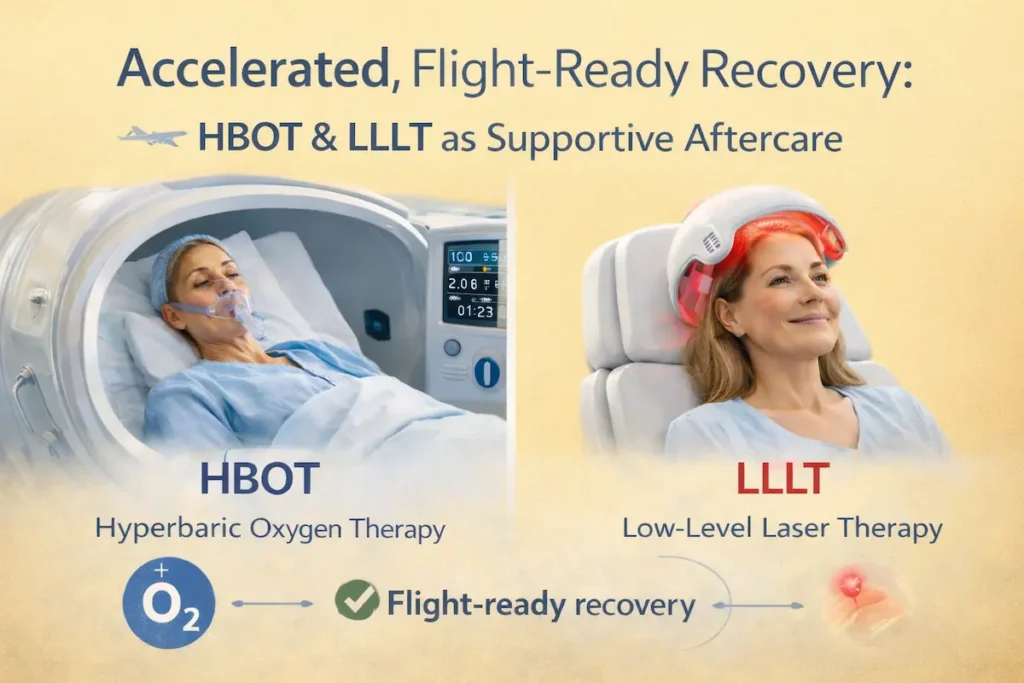
Accelerated, Flight-Ready Recovery: HBOT & LLLT as Supportive Aftercare
Many British patients travelling for surgery want to feel “flight-ready” as safely and comfortably as possible. Alongside standard aftercare (wound checks, swelling control, pain management), supportive modalities are sometimes used to optimise recovery. At AKM Clinic, two technologies frequently discussed are HBOT (Hyperbaric Oxygen Therapy) and LLLT (Low-Level Laser Therapy). These are not magic shortcuts, but in selected contexts they may support recovery goals.
HBOT: why oxygen therapy may help bruising/oedema reduction
HBOT involves breathing oxygen in a pressurised environment. In broader clinical contexts, oxygen delivery can support tissue physiology and healing processes. In aesthetic recovery pathways, HBOT is sometimes used with the aim of supporting tissue recovery and comfort. If you are exploring local anaesthesia facelift benefits and fast recovery, the most credible approach is a combined plan: good surgical technique, meticulous aftercare, and supportive therapies where appropriate—rather than relying on any single intervention.
LLLT: scar-healing support and inflammation management
LLLT (also called photobiomodulation in some scientific research discussions) is used in various settings with the intent to support tissue recovery. In post-operative care, it may be positioned as an adjunct to scar and inflammation management. Practical expectations matter: it is supportive, not a substitute for time, good nutrition, hydration, and careful wound care.
“Flight-ready recovery protocols”: what we track before you return to the UK
A responsible clinic should check you before travel: wound status, swelling pattern, pain control, and whether you understand red flags. If you are returning to the UK soon after surgery, you should also be advised on hydration, gentle movement, and what to do if you feel unwell. This is part of a safety-first interpretation of awake facelift risks and benefits: choosing pathways that support a smooth, monitored early recovery.
UK Trust Signals: How to Vet Safety When Travelling to Istanbul
For UK patients, the fear is rarely “Istanbul itself”—it’s the worry about standards, regulation, and aftercare continuity. If you are weighing awake facelift advantages, build your decision around verifiable trust signals: credentials, protocols, transparent consent, and post-op support that feels clinically robust.
Surgeon credentials: what to verify (and what claims to question)
Look for clear surgeon identification, stated qualifications, and an approach that welcomes scrutiny. You should be able to understand who will operate on you, who will manage your anaesthesia/sedation, and who is accountable for aftercare. Be cautious of vague “expert team” language without names, roles, and responsibilities.
Clinic standards: what UK patients should expect to be documented
UK expert patients often expect structure: written consent, complication discussions, infection-control practices, and clear pathways if something does not go to plan. Ask for clarity on post-op checks, how emergencies are handled, and what monitoring is used during a facelift under local anaesthesia. High-quality clinics will answer confidently and specifically.
Aftercare continuity: support once you are back in the UK
Aftercare is where confidence is won or lost. A credible plan includes: scheduled follow-ups, written instructions, a clear contact route, and guidance for what to do if you are worried once home. When you read about benefits of awake facelift, remember that the “benefit” you will value most is often not a single feature—it’s a reliable, responsive aftercare system.
Frequently Asked Questions (FAQ): Awake Facelift Benefits
These FAQs address the most common UK searches around awake facelift benefits, awake facelift risks and benefits, local anaesthesia facelift benefits, and facelift under local anaesthesia.
Is an awake facelift painful?
It should not be sharply painful. Local anaesthesia is designed to numb the surgical area, and sedation is adjusted to keep you calm. You may feel pressure or movement, but you should be able to communicate discomfort so it can be addressed promptly.
Will I remember anything during the procedure?
Many patients remember little to nothing if sedation is used, but experiences vary. “Awake” does not automatically mean fully aware throughout.
Is twilight anaesthesia safer than general anaesthesia?
It can be a suitable option for selected patients, but it is not “automatically safer” for everyone. The best approach depends on your health, anxiety profile, and the planned surgery. Candidate selection and monitoring are key.
Who is not suitable for an awake (twilight) facelift?
Suitability depends on medical history and procedure complexity. Significant uncontrolled medical conditions, certain airway concerns, or high anxiety that cannot be managed safely may push the plan towards a different anaesthetic pathway.
How long do swelling (oedema) and bruising usually last?
Most bruising and swelling are most noticeable in the first 7–10 days, then gradually settle over weeks. Subtle swelling can persist longer and continues improving over several months.
When can I fly back to the UK after a facelift?
This depends on your recovery, wound checks, and your surgeon’s guidance. You should only travel once you have been assessed as stable and you understand red flags and aftercare instructions.
What medicines are typically used for pain control (UK terms like paracetamol)?
Many plans use paracetamol-based regimens where appropriate, sometimes combined with other medications depending on your needs and medical history. Always follow your surgeon’s instructions and disclose all medications and supplements.
What are the red flags when choosing a clinic abroad?
Red flags include vague credentials, unrealistic promises, pressure-selling, unclear aftercare, and unwillingness to discuss complications. A trustworthy provider welcomes informed questions.
How natural will my results look—and how do you avoid an “overdone” look?
Natural results depend on technique, planning, and respecting facial harmony. Avoiding an over-pulled look typically involves careful structural support and conservative skin tension.
What does aftercare look like once I’m back in the UK?
You should have written instructions, scheduled follow-ups, and a clear route for questions. A strong aftercare plan is central to a safe experience—often more important than any single “advantage”.
Medical Disclaimer: This page is provided for general educational purposes only and does not replace a face-to-face medical consultation, diagnosis, or personalised treatment plan. All surgery carries risks and outcomes vary between individuals. Suitability for an awake facelift, procedure selection, and anaesthesia choice can only be determined after a full clinical assessment by a qualified surgeon. Always follow your clinician’s instructions and seek urgent medical attention if you develop concerning symptoms during recovery.