
If you’re comparing techniques for a natural-looking result, you’ve probably seen the phrase sapphire hair transplant benefits—often alongside claims about faster healing, cleaner incisions, and better density. In reality, “sapphire” doesn’t change everything about a transplant. It specifically changes the tool used to create the recipient sites (the tiny channels where grafts are placed), which can influence precision and tissue trauma when performed correctly.
This guide explains what a sapphire blades hair transplant is, how it differs from traditional steel blades, and what the real-world sapphire hair transplant advantages are—without the hype. You’ll also learn how sapphire can fit into FUE and DHI workflows, what to verify at the clinic, and what “good” looks like in terms of sapphire hair transplant results, especially for expert patients traveling for a sapphire hair transplant Istanbul plan.
Key point: Sapphire is not a separate “new method.” It’s a refinement of the channel-opening step—and results still depend most on planning, angle/direction design, graft handling, and team consistency.
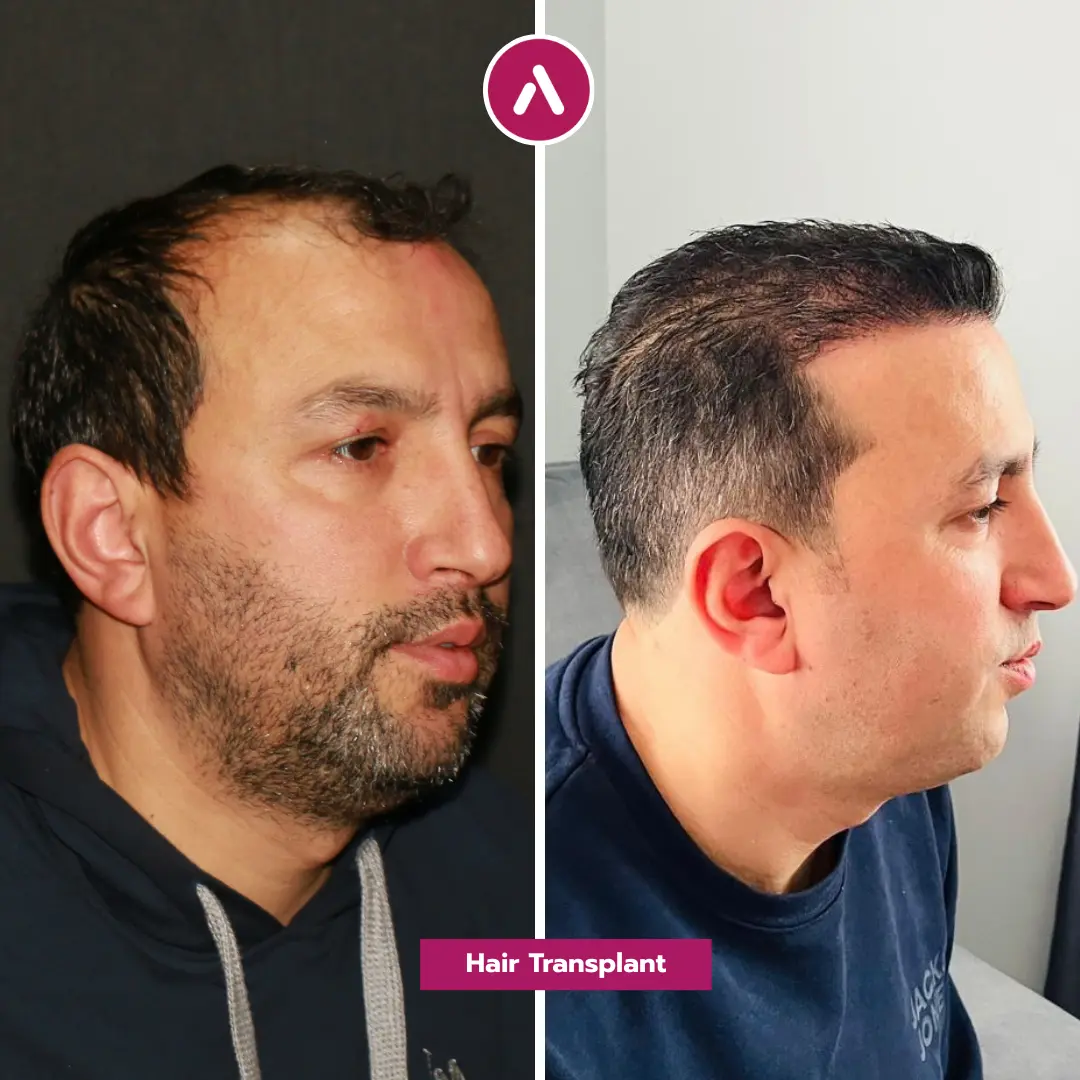
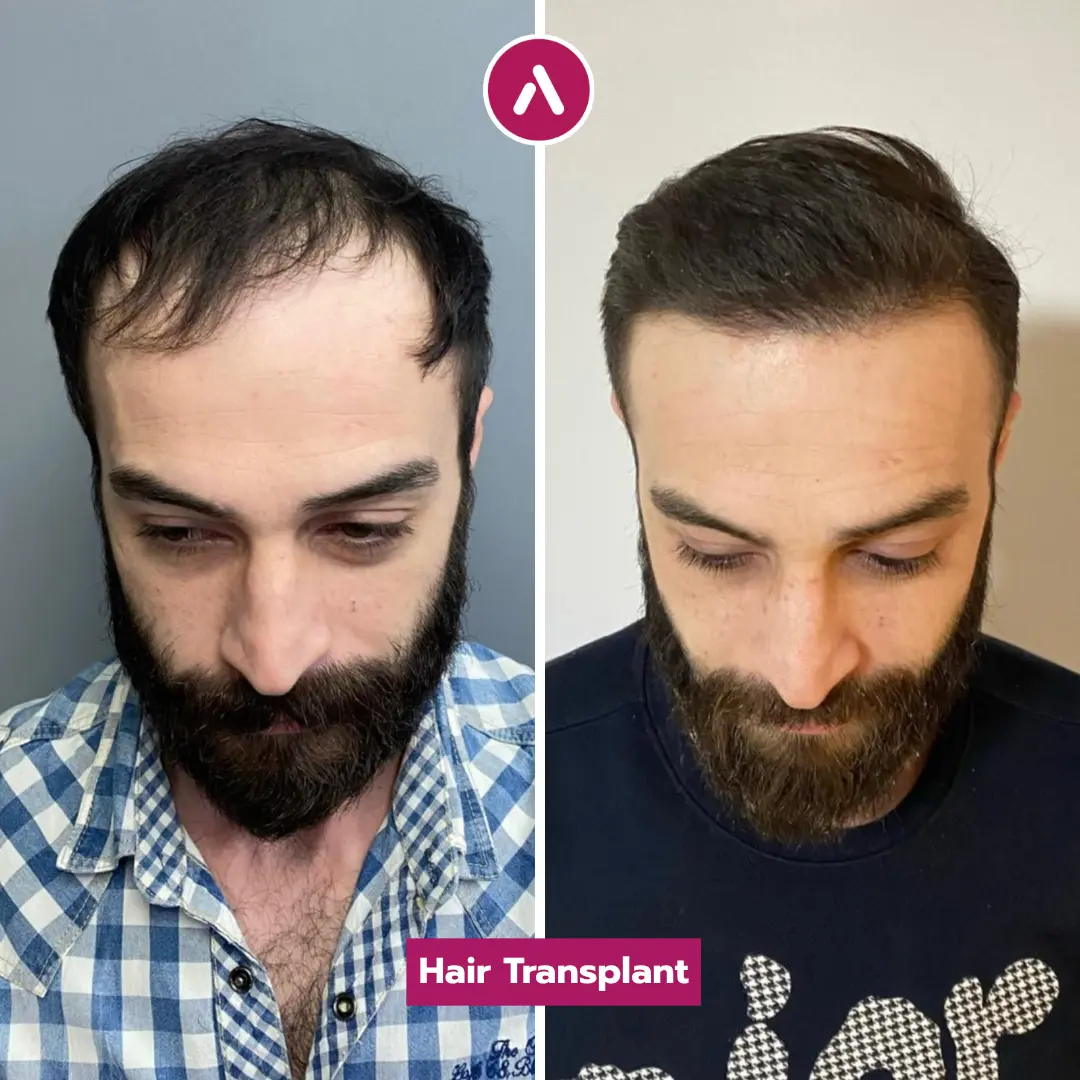
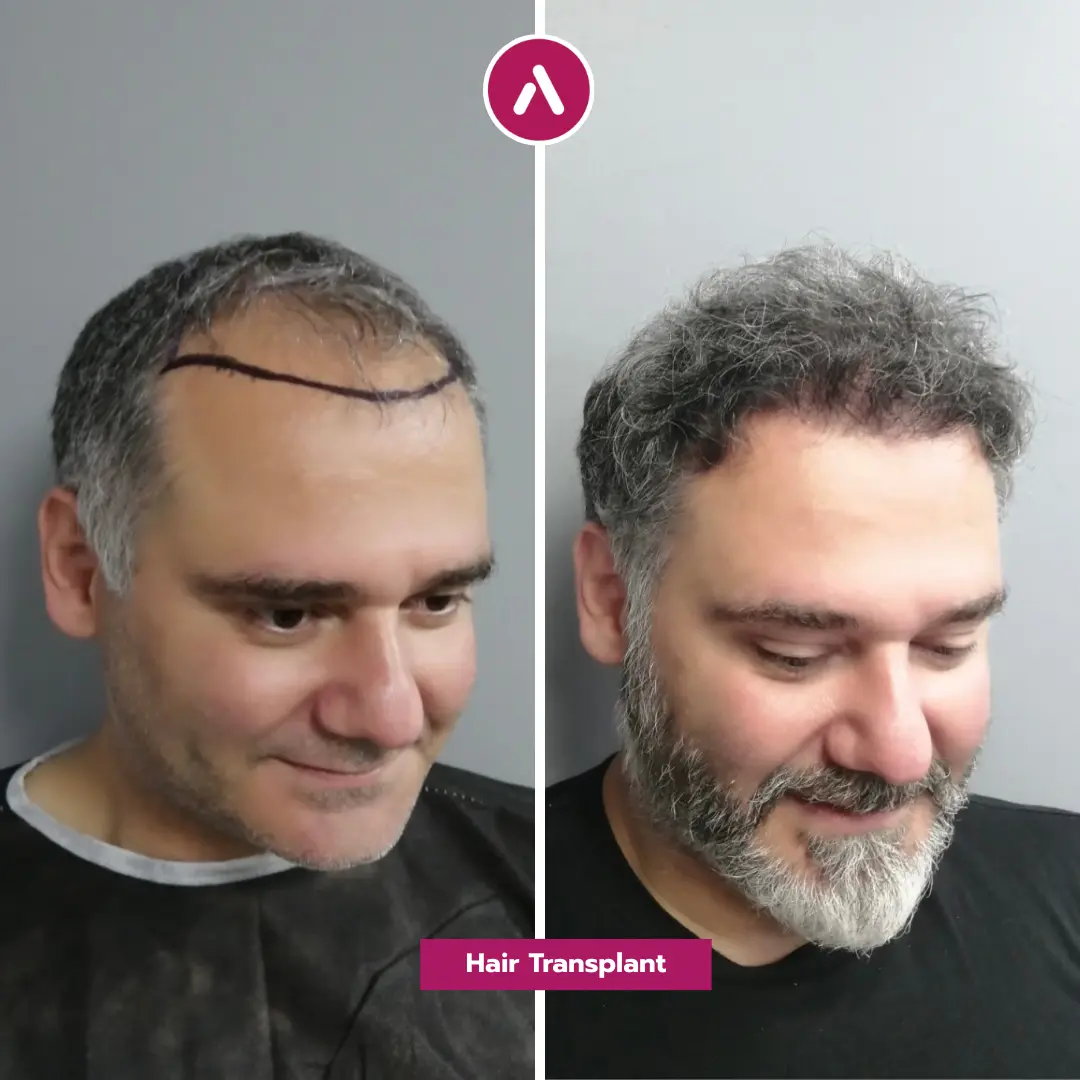
Table of Contents
What “Sapphire Hair Transplant” Actually Means
In most clinics, a “sapphire hair transplant” means the surgeon (or surgical team under physician supervision) uses sapphire blades—typically V-shaped blades made from synthetic sapphire crystal—to create recipient channels. The extraction of grafts usually follows a standard FUE approach, and implantation may be done with forceps, implanter pens, or a clinic-specific protocol. In other words: sapphire is primarily about how the channels are created, not how grafts are removed.
Sapphire vs. “Sapphire FUE”: What part of the procedure changes?
You’ll often see “sapphire fue hair transplant” marketed as a distinct technique. Functionally, it usually means:
- Extraction: Standard FUE punches harvest follicles from the donor area.
- Recipient sites: Channels are opened with sapphire blades instead of steel.
- Implantation: Grafts are placed into those channels using the clinic’s chosen method.
So when a clinic promotes fue hair transplant with sapphire blades, the “sapphire” component is the channel creation step—where hairline naturalness and visual refinement are heavily influenced.
Is sapphire a method or a tool? (Blade material explained)
Sapphire is best understood as a tool/material choice. Sapphire blades can be manufactured with very fine edges and consistent geometry. In practice, this may help a skilled team create uniform micro-channels with controlled depth and spacing. That said, the blade itself is not a guarantee—poor planning, rough graft handling, or incorrect angles can still produce pluggy density, unnatural direction, or widened healing.
The goal: cleaner channels for natural-looking placement
The core promise behind sapphire hair transplant advantages is improved channel precision. For expert patients, the main question is not “Is sapphire better?” but: Does this clinic consistently produce natural angles, soft transitions, and undetectable hairlines? Sapphire can support that goal by potentially reducing tissue trauma and enabling more controlled channel work—especially in the hairline and temple regions where direction changes are unforgiving.
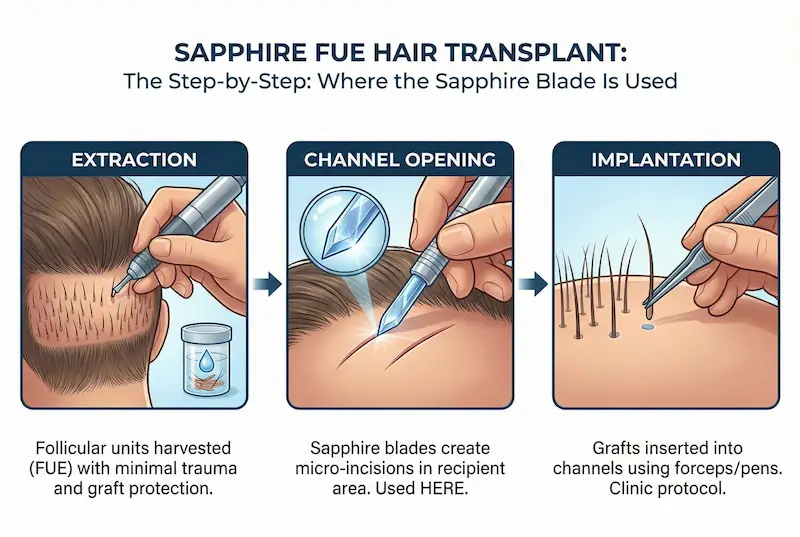
The Step-by-Step: Where the Sapphire Blade Is Used
To evaluate a sapphire option properly, it helps to map the process and identify where the blade matters. A modern transplant typically includes extraction (donor harvesting), channel opening (recipient site creation), and implantation (placing grafts). Sapphire blades are used in the channel opening stage—one of the most critical steps for natural direction, density planning, and a “no one can tell” outcome.
The three core stages: extraction, channel opening, implantation
- Extraction: Follicular units are harvested—usually via FUE—with careful graft protection (hydration, sorting, minimal trauma).
- Channel opening: The recipient area is prepared with micro-incisions. This is where sapphire blades may be used.
- Implantation: Grafts are inserted into channels using forceps or implanter pens depending on the clinic protocol.
Some clinics also discuss sapphire dhi hair transplant. In many cases, this refers to a hybrid approach where sapphire blades may still be used for certain channel work, while implanter pens are used for placement. Terminology varies—so the practical question to ask is: Which tool creates the channels, and which tool implants the grafts?
Channel opening (“slits”): why it matters more than most patients think
Channels determine:
- Angle: How flat the hair exits the scalp (critical for naturalness).
- Direction: How hair flows (especially along the hairline corners and crown patterns).
- Depth: Too shallow risks popping; too deep can compromise aesthetics and healing.
- Spacing: Controls density, vascular safety, and the “packed” look without stress to the scalp.
That’s why evaluating sapphire hair transplant results should include close-up hairline photos, growth direction, and transition softness—not just “before/after” from far away.
How channel angle + direction affects a natural hairline (and “no one can tell” results)
Natural hairlines require irregular micro-variation, feathering, and a plan for singles vs. multi-hair grafts. Even the best sapphire hair transplant in turkey won’t look natural if the hairline is drawn too straight, the angle is too upright, or graft selection is inconsistent. Sapphire blades may help a skilled surgeon/team execute the plan more precisely—but the plan and execution are still the main drivers.
Sapphire vs. Steel Blades — The Key Technical Differences
When people compare a sapphire blades hair transplant to a traditional steel-blade approach, they’re really comparing the recipient-site tool used to open channels. This matters because channel creation influences how precisely the team can follow the surgical plan for angle, direction, depth, and spacing—especially in the hairline where tiny errors are easy to spot.
That said, a blade material alone does not “create” better results. The most honest way to evaluate sapphire hair transplant benefits is to separate what the blade can improve (precision and consistency) from what depends almost entirely on clinical skill (design, graft handling, and implantation quality).
| Comparison Point | Sapphire Blade Channels | Steel Blade Channels | What This Means for Patients |
|---|---|---|---|
| Channel geometry | Often V-shaped, very fine tips | Varies (can be very fine too) | Geometry can influence how “tight” a channel is around a graft, affecting stability during placement. |
| Edge consistency | Typically manufactured for uniform edges | Depends on blade quality and handling | Uniformity may support consistent channel size—useful for refined hairline work. |
| Potential tissue trauma | May reduce tearing when used correctly | Can be gentle with proper technique | Lower trauma may help early healing, but technique is the bigger factor than tool choice. |
| Density planning | May allow controlled micro-spacing | Also possible with skilled hands | High density depends on safe spacing + blood supply management, not “sapphire” alone. |
| Best use-case | Hairline precision, refined transitions | Broadly effective for most areas | Either can produce excellent outcomes; choose the team, then the tool. |
Material & sharpness: what changes in practice?
Sapphire blades are made from a synthetic crystal material (not “gemstone surgery,” just engineered sapphire). In practice, proponents of sapphire hair transplant advantages point to two things: a consistently sharp micro-edge and predictable blade geometry. A sharp, stable edge may help create clean micro-incisions with less dragging.
However, high-grade steel blades can also be exceptionally sharp and precise. If you’re trying to choose between a sapphire fue hair transplant and a steel-blade FUE option, remember: sharpness is only valuable when the plan and execution are excellent—otherwise the same sharp tool can simply create consistently “wrong” angles or a too-straight hairline.
Channel precision: consistency of micro-incisions and spacing
The channel step is where sapphire is most relevant. With fue hair transplant with sapphire blades, the clinic may be aiming for:
- Consistent channel width: better matching channel size to graft size (singles vs. multi-hair units).
- Controlled spacing: supporting density targets without overloading the scalp’s blood supply.
- More predictable placement: channels that “hold” grafts securely during implantation.
Expert-patient takeaway: Ask to see close-up, comb-through hairline results (not just distant before/after). Precision shows up in direction, softness, and the absence of pluggy clustering—this is the real-world test of “sapphire.”
Tissue interaction: why blade geometry can influence trauma
One reason sapphire is popular is the belief that it can reduce micro-tearing and create smoother recipient sites, which may translate to calmer early healing for some patients. If you’re focused on sapphire hair transplant results, this can matter—because excessive trauma can contribute to prolonged redness or slower “settling” in the recipient area.
Still, it’s important to stay grounded: swelling, redness, and scabbing are influenced by anesthesia technique, incision depth, density strategy, aftercare, and your own skin characteristics. So while sapphire can be part of a high-refinement protocol, it should never be the only reason you choose a clinic—whether you’re planning a sapphire hair transplant Istanbul trip or comparing options internationally, what matters most is consistent medical standards and repeatable outcomes.
Patient-Facing Benefits (When Done Well)
Most “sapphire hair transplant benefits” claims fall into three patient-visible categories: how refined the hairline looks (precision), how the scalp behaves in early healing (redness/scabbing/swelling), and how stable graft placement is during implantation. A sapphire blades hair transplant may support these outcomes because the recipient channels can be created with highly consistent geometry—but only when the surgical plan, graft handling, and implantation technique are equally high-quality.
Below are the most realistic sapphire hair transplant advantages patients may notice, and the common misconceptions that lead to disappointment when “sapphire” is treated like a magic upgrade.
| Claim | What’s realistic | What’s not realistic | What to verify |
|---|---|---|---|
| “Higher density” | May help refined packing in experienced hands | Guaranteed dense results regardless of donor limits | Donor assessment, density plan, safe spacing strategy |
| “Faster healing” | Some patients report calmer early recovery | No redness/scabs, or “back to normal in days” | Aftercare protocol, incision quality, swelling control plan |
| “Less scarring” | Cleaner micro-incisions may heal neatly | Zero scarring or scar-free promise | Technique, depth control, your skin type, aftercare |
| “More natural hairline” | Precision can support softer transitions | Naturalness from blade alone | Hairline design, singles placement, angle/direction expertise |
Density & packing potential: where sapphire may help (and where it won’t)
Patients pursuing a sapphire fue hair transplant often do so because they want strong visual density—especially in the frontal zone—without a harsh or “pluggy” hairline. Sapphire blades can help an expert team create consistently sized channels that match grafts (singles vs multi-hair units). This can improve stability during placement and support a controlled density plan.
But density is not limitless. Your safe density depends on:
- Donor capacity: how many robust follicles you can harvest without over-thinning.
- Recipient blood supply management: channels must be spaced to protect vascular integrity.
- Graft quality + handling time: survival is impacted by dehydration, trauma, and time out of body.
- Design choices: building a natural hairline often requires conservative density at the very front and smarter layering behind it.
Reality check: If a clinic promises “maximum density” as a fixed number for everyone, that’s a bigger red flag than any steel-vs-sapphire debate.
Healing & early redness: what patients typically notice first
Early recovery is where many patients hope to “feel” the difference of a fue hair transplant with sapphire blades. Some individuals experience slightly less irritation in the recipient area, potentially because cleaner, more uniform micro-incisions may reduce tissue disruption. In practical terms, that can mean:
- Scabs that form and shed on a predictable timeline (with correct washing guidance)
- Less prolonged “angry” redness in the recipient zone for some skin types
- A smoother transition from the “freshly implanted” look to a calmer scalp
However, your early healing is also shaped by your skin sensitivity, density targets, anesthesia technique, swelling control, and whether you follow aftercare precisely. So if you’re planning a sapphire hair transplant Istanbul trip, the more meaningful question is: How does the clinic manage early healing—and what support do they provide if redness or itching persists?
Scarring risk: why “blade type” is only one variable (surgeon technique still dominates)
Marketing around sapphire sometimes implies “less scarring,” which can be misleading. Any transplant that creates recipient sites creates micro-wounds—and micro-wounds heal with micro-scars (usually cosmetically invisible when done well). A sapphire blade may help create neat channels, but scarring visibility is far more influenced by:
- Incision depth control: too deep increases trauma; too shallow increases popping and rework.
- Overpacking: overly aggressive density can stress healing tissue and increase inflammation.
- Placement trauma: rough insertion damages tissue and grafts, regardless of blade material.
- Your biology: skin type, inflammation tendency, and post-op habits (sun exposure, picking, smoking).
In other words: sapphire hair transplant results improve most when sapphire is used as part of a disciplined, medically rigorous workflow—not as a “premium add-on.” If you’re comparing the best sapphire hair transplant in Turkey claims across clinics, prioritize consistent close-up results, clear surgical planning, and transparent standards over tool-focused hype.
Who Is a Good Candidate for Sapphire (and Who Isn’t)
A sapphire blades hair transplant can be a smart choice for patients who care about micro-level refinement—especially hairline softness, clean direction changes, and a “no one can tell” finish. But sapphire is not automatically the best fit for every scalp, every pattern of hair loss, or every set of expectations.
If you’re weighing sapphire hair transplant benefits as part of planning a sapphire hair transplant Istanbul trip, the most useful approach is to match the technique to your goals, donor capacity, and hair loss pattern—rather than treating sapphire as a universal upgrade.
Patients prioritizing high visual refinement (hairline/mid-scalp transitions)
You may be a strong candidate for sapphire fue hair transplant if your main priority is a highly natural-looking hairline with subtle transitions (especially in the frontal zone). Patients who typically benefit most from sapphire channel precision include:
- Detail-focused patients who want close-up, undetectable hairline results (not just “looks better from far away”).
- Those needing careful angle control to match existing hair direction in the frontal zone and mid-scalp.
- Patients who want a refined density plan that balances packing with scalp safety.
In these situations, fue hair transplant with sapphire blades can support consistent channel work—helping a skilled team execute the design with fewer “messy” micro-incisions.
Sensitive scalps / prone-to-redness patients: realistic expectations
Some patients choose sapphire because they’ve heard it can be gentler on tissue. While sapphire may support cleaner micro-incisions, your early healing still depends on multiple factors: skin sensitivity, density targets, aftercare, and inflammation tendency. If you’re prone to redness, dermatitis, or slow-healing irritation, sapphire may help—but it is not a guarantee of a “calm scalp.”
For expert patients, the best way to evaluate this is to ask clinics for:
- Clear washing and scab-management protocol (day-by-day guidance)
- What they consider normal redness duration (and when they worry)
- How they support patients if redness persists after travel
These practical systems matter more than the marketing phrase “sapphire hair transplant advantages.”
When steel can be perfectly acceptable: avoiding “tool hype”
A high-quality steel-blade approach can produce outstanding outcomes—especially when the team is highly experienced and disciplined about angle/direction planning, graft handling, and implantation. Steel may be perfectly acceptable if:
- Your case is primarily about coverage rather than ultra-refined hairline artistry
- Your donor/recipient balance requires a conservative density strategy
- The clinic can demonstrate consistent, close-up results with natural flow
Bottom line: Sapphire can be a valuable refinement, but it should never be the “main reason” you choose a clinic. The team’s planning and execution are still the biggest drivers of sapphire hair transplant results.
Safety & Quality Control — What Expert Patients Should Verify
Choosing a clinic for a sapphire blades hair transplant is not just a tool decision—it’s a medical safety and repeatability decision. If you’re traveling for sapphire hair transplant Istanbul, you’re effectively compressing your consultation, procedure, and immediate aftercare into a short window. That makes standards even more important than brand language like “sapphire” or “premium.”
Below are the checks that actually correlate with safer care and more predictable sapphire hair transplant results—especially for MOFU expert patients comparing multiple clinics.
Single-use / sterilization standards and “zero-compromise hygiene” mindset
Ask specifically about:
- Single-use items (where applicable) and how instruments are processed between patients
- Sterilization workflow (not just “we sterilize,” but how and where)
- Traceability: how they document instrument processing and patient safety steps
These processes matter more than whether the channel opener is sapphire or steel—because infection risk and inflammation can undermine outcomes regardless of blade material.
Clinic licensing and external oversight (Ministry of Health authorization)
For Turkey-based care, expert patients should verify the clinic operates under appropriate licensing and oversight. Ethical providers are typically transparent about their compliance and will explain what accreditation/authorization means for patient safety. This is one of the most important filters when comparing “best sapphire hair transplant in turkey” lists online.
The surgeon/team factor: how to evaluate consistency beyond marketing
Hair transplantation outcomes depend heavily on:
- Planning: hairline design, graft distribution, density targets, and long-term pattern forecasting
- Graft handling: hydration, sorting, minimal trauma, time control
- Implantation consistency: angle/direction fidelity and gentle placement
To evaluate this in a clinic offering sapphire fue hair transplant or even “sapphire dhi hair transplant” packages, ask for evidence of consistency:
- Close-up hairline photos under different lighting
- Results at multiple time points (early healing, 6 months, 12+ months)
- Clear explanation of who performs each step (planning, channel opening, implantation)
Expert-patient filter: If a clinic can’t clearly explain who does what—and how they standardize outcomes—then “sapphire” is just a label.

Recovery & Results — How to Support Graft Healing
Whether you choose a sapphire fue hair transplant or a workflow that’s marketed as a sapphire dhi hair transplant, your recovery and growth timeline follows the same biological pattern: the scalp heals first, then the follicles enter a normal shedding phase, and finally new growth appears gradually over months. In other words, even with the best sapphire hair transplant Istanbul experience, you should judge success by a realistic timeline—not day-by-day excitement or anxiety.
Below is a practical, expert-patient view of what to expect and what actually protects sapphire hair transplant results in the real world.
First 10 days: protecting channels and managing scabs safely
The first 10 days are about one thing: keeping the grafts stable while the recipient channels “set.” This matters in any fue hair transplant with sapphire blades approach because even perfectly created channels can be compromised by friction, picking, or premature pressure on the recipient area.
| Timeframe | What’s normal | What to prioritize | Common mistakes to avoid |
|---|---|---|---|
| Days 1–3 | Swelling, tightness, mild oozing/crusting | Protect recipient area; follow washing/spray plan exactly | Touching the grafts, friction from hats, sleeping flat |
| Days 4–7 | Scabs form; itching may increase | Gentle, protocol-based cleansing; hydrate scalp as instructed | Picking scabs, “scrubbing clean,” hot showers/steam |
| Days 8–10 | Scabs begin to release gradually (with proper washing) | Controlled scab removal only as instructed by your clinic | Forcing scabs off early, heavy workouts, sun exposure |
Expert tip: Early healing is not the time to “optimize” with random products. Stick to the clinic’s protocol—this is where predictability protects your long-term sapphire hair transplant results.
Month-by-month growth basics (what’s normal vs. not)
The biggest emotional mistake patients make is interpreting normal phases (like shedding) as failure. Your final outcome—especially after a sapphire blades hair transplant that’s designed for refined channel work—can only be judged after enough time has passed for maturation and thickening.
| Timeline | What you may notice | How to interpret it |
|---|---|---|
| Weeks 2–6 | “Shock loss” / shedding of transplanted hairs | Usually normal. The follicles remain under the skin. |
| Months 2–3 | Quiet phase; scalp looks similar to baseline | Normal “waiting period.” Avoid panic comparisons. |
| Months 3–6 | Early growth starts; texture may be fine/wiry | Early stage—density is not “final” yet. |
| Months 6–9 | Noticeable thickening; direction becomes clearer | More reliable time to judge progress and coverage. |
| Months 9–12+ | Maturation continues; shafts thicken and blend improves | Best window to evaluate final density and refinement. |
If a clinic promises instant visible density in a few weeks as a standard outcome, treat that as marketing—not medicine. Even the most refined sapphire hair transplant advantages show up over months, not days.
LLLT support for hair restoration: dormant follicle stimulation, microcirculation, graft healing
One factor that can matter—especially for detail-driven patients traveling for a best sapphire hair transplant in turkey claim—is the clinic’s post-procedure recovery protocol. At AKM Clinic, a medical-grade Low-Level Laser Therapy (LLLT) system is used as a supportive modality in hair restoration. It’s designed to:
- Encourage dormant follicles to shift from a resting phase toward an active growth phase
- Boost scalp microcirculation, improving delivery of oxygen and nutrients to the hair bulb
- Support graft healing after the procedure as part of the recovery plan
LLLT should be seen as an “optimization layer,” not a substitute for surgical fundamentals. The foundation of great sapphire hair transplant results is still the same: accurate hairline design, correct angle/direction, careful graft handling, and disciplined aftercare. But for expert patients who want every controllable variable addressed, structured post-op support can be meaningful—particularly in the first weeks after your sapphire hair transplant Istanbul procedure.
Frequently Asked Questions (FAQ): Sapphire Hair Transplant Benefits
This FAQ is written for expert patients who want clear, non-marketing answers about sapphire hair transplant benefits, how sapphire compares with steel, and what to expect if you’re planning a sapphire hair transplant Istanbul journey. While terms like sapphire fue hair transplant and sapphire dhi hair transplant are widely used, the important detail is always the same: which tool is used to open channels, and how consistently the team executes the plan.
Is a sapphire hair transplant always better than steel?
No—it's not “always better.” A sapphire blades hair transplant can be a refinement of the channel-opening step and may support precision and cleaner recipient-site creation. But the biggest drivers of outcomes are still hairline design, correct angle/direction, graft handling, implantation quality, and aftercare. A highly skilled team using steel can outperform an average team using sapphire.
Does sapphire reduce scarring?
Sapphire may help create neat, consistent micro-incisions, which can support tidy healing. But “scar-free” claims are not realistic. Any transplant creates micro-wounds that heal with micro-scarring (usually cosmetically invisible when done properly). Visible issues typically come from overly aggressive density, poor depth control, trauma during placement, or patient factors like inflammation and sun exposure during healing—not simply the blade material.
Is sapphire used in FUE or DHI?
Sapphire is most commonly associated with FUE workflows, which is why you’ll often see sapphire fue hair transplant or fue hair transplant with sapphire blades. In DHI, implantation is typically done using an implanter pen. Some clinics use hybrid language like sapphire dhi hair transplant—which may mean sapphire is used for some channel work while implanter pens are used for placement. The best approach is to ask: Who opens the channels, with which tool, and who implants the grafts?
Are sapphire blades single-use? How do I verify hygiene standards?
Don’t rely on a yes/no answer—verify the clinic’s overall sterilization and traceability system. Ask what is single-use, what is sterilized and how, and whether they document processing steps. A clinic with disciplined hygiene standards will explain their workflow clearly and consistently. This matters more for safety than whether the tool is sapphire or steel.
Will I feel pain during the procedure?
Most patients describe the initial numbing as the most uncomfortable part. During the procedure itself, discomfort should be minimized if anesthesia is properly administered. Sensations like pressure or mild tugging can occur. If you’re sensitive or anxious, discuss anesthesia comfort planning in advance—especially if you’re traveling for a time-compressed sapphire hair transplant Istanbul schedule.
When can I return to work, gym, and travel?
Many patients return to desk work within days, but your appearance (redness/scabbing) can be more limiting than your physical ability. Travel timing depends on your clinic’s protocol and your comfort level, but you’ll want a plan for washing, sleeping position, and managing swelling during the first week. Strenuous exercise and heavy sweating are typically delayed longer than office work because friction and elevated blood pressure can irritate healing recipient sites.
How long do results last, and is shock loss normal?
Transplanted hair is generally considered long-lasting when grafts are harvested from stable donor areas, but your native hair can still thin over time—so long-term planning matters. Shedding (“shock loss”) in the first weeks is common and not automatically a sign of failure. The follicles usually remain under the skin and re-enter growth over months. Final evaluation of sapphire hair transplant results is typically more meaningful around 9–12+ months.
If you’d like to go beyond the topic covered in this article, you can also explore related guides on hair transplant cost, natural hairline design, the hair transplant growth timeline, and washing hair after transplant. These resources will help you understand pricing factors, how surgeons plan an undetectable hairline, what to expect month by month as growth develops, and the safest way to wash your scalp during early healing—so you can make more confident, results-focused decisions.