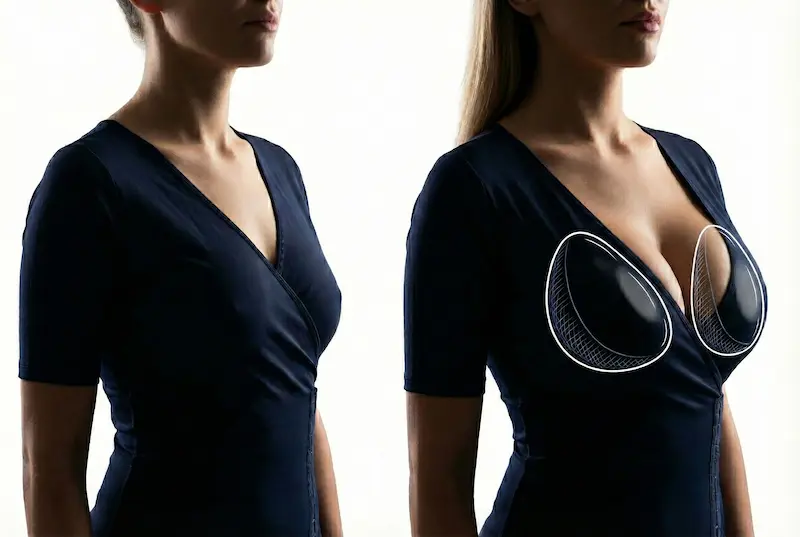

If you’re considering a breast lift with implants, you’ve probably asked the most important question first: Can I safely lift and add volume in one operation—and still look natural? This guide is written for the “expert patient” who wants clear, practical answers about breast lift with implants surgery, including candidacy, scar patterns, and what “one-stage” really involves. We’ll also reference what medical science and scientific research emphasize about tissue safety—because the best aesthetic result is always built on safe biology.
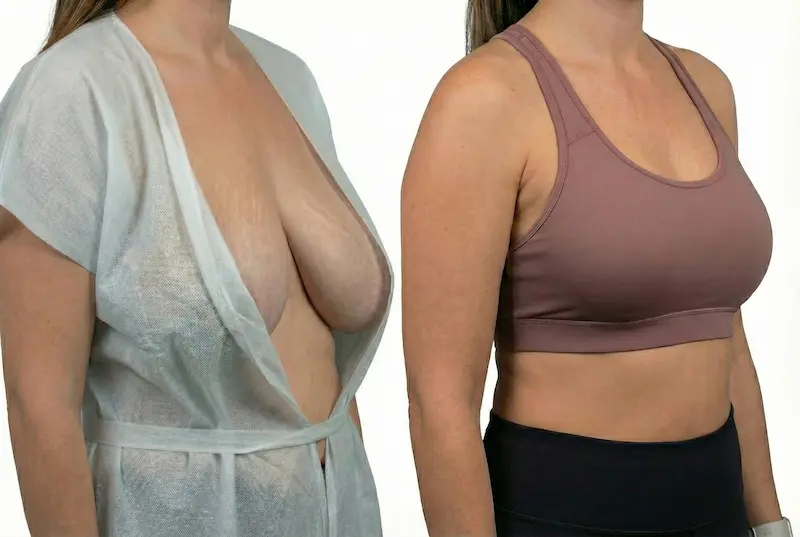
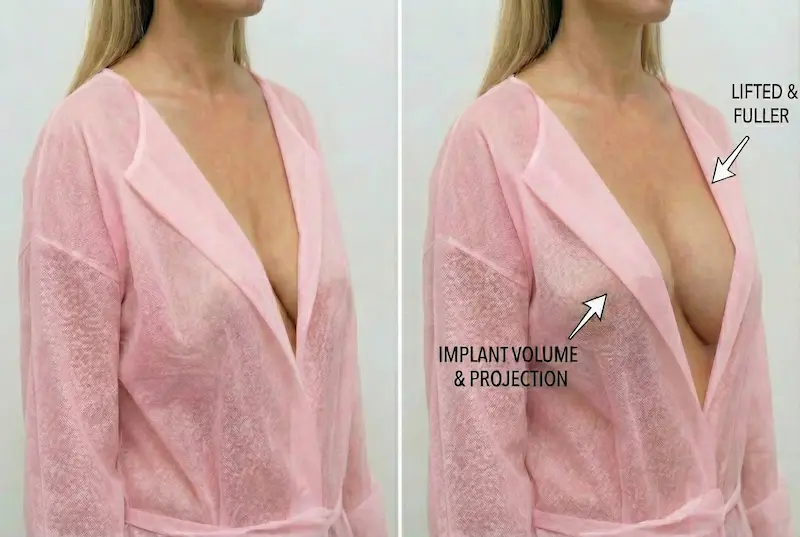
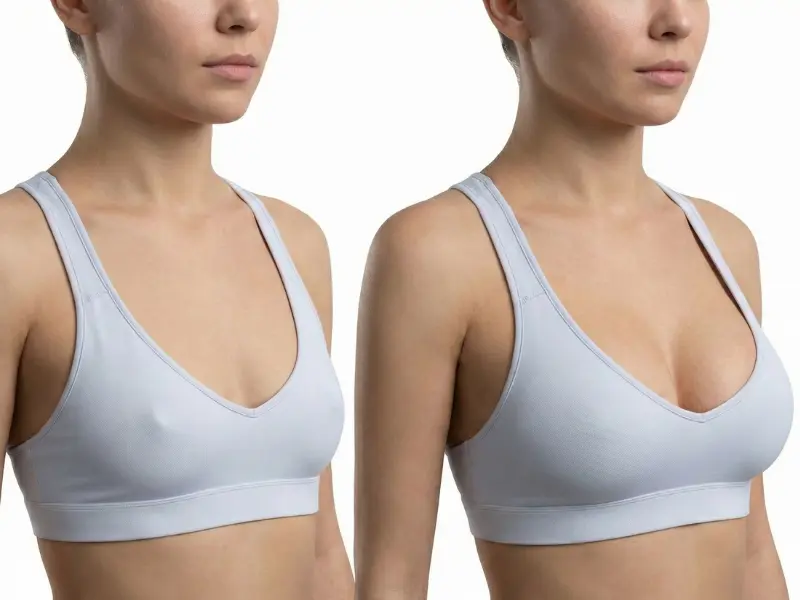
Throughout the article, you’ll see decision points that help you think like a surgeon: how much lift is needed, how much volume is safe to add, and how to reduce tension on incisions (a major factor in healing and the final breast lift with implants scar quality). We’ll also explain what to look for in breast lift with implants before and after photos so you can judge outcomes realistically—especially if you’re comparing results across combination plans that may also include a tummy tuck.
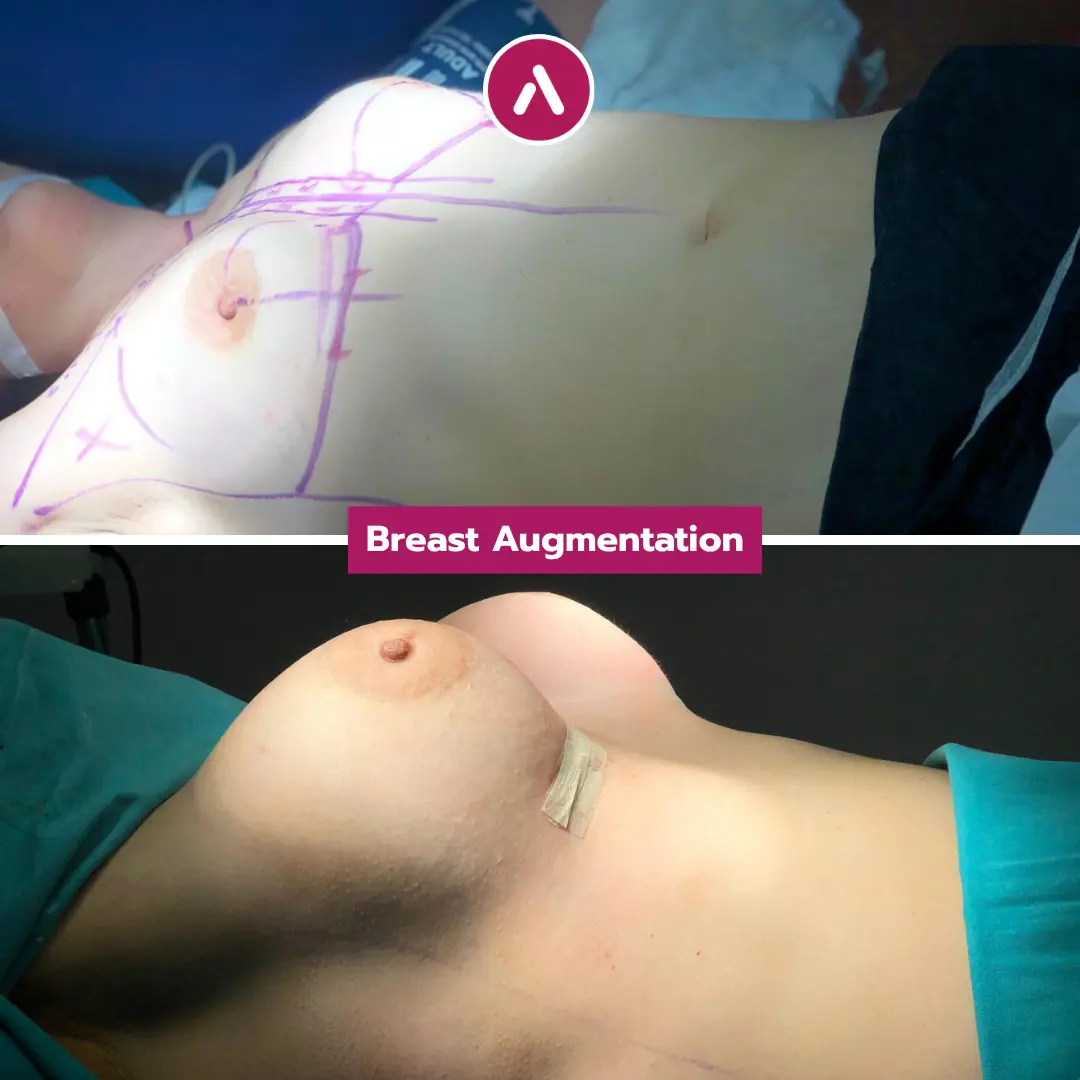
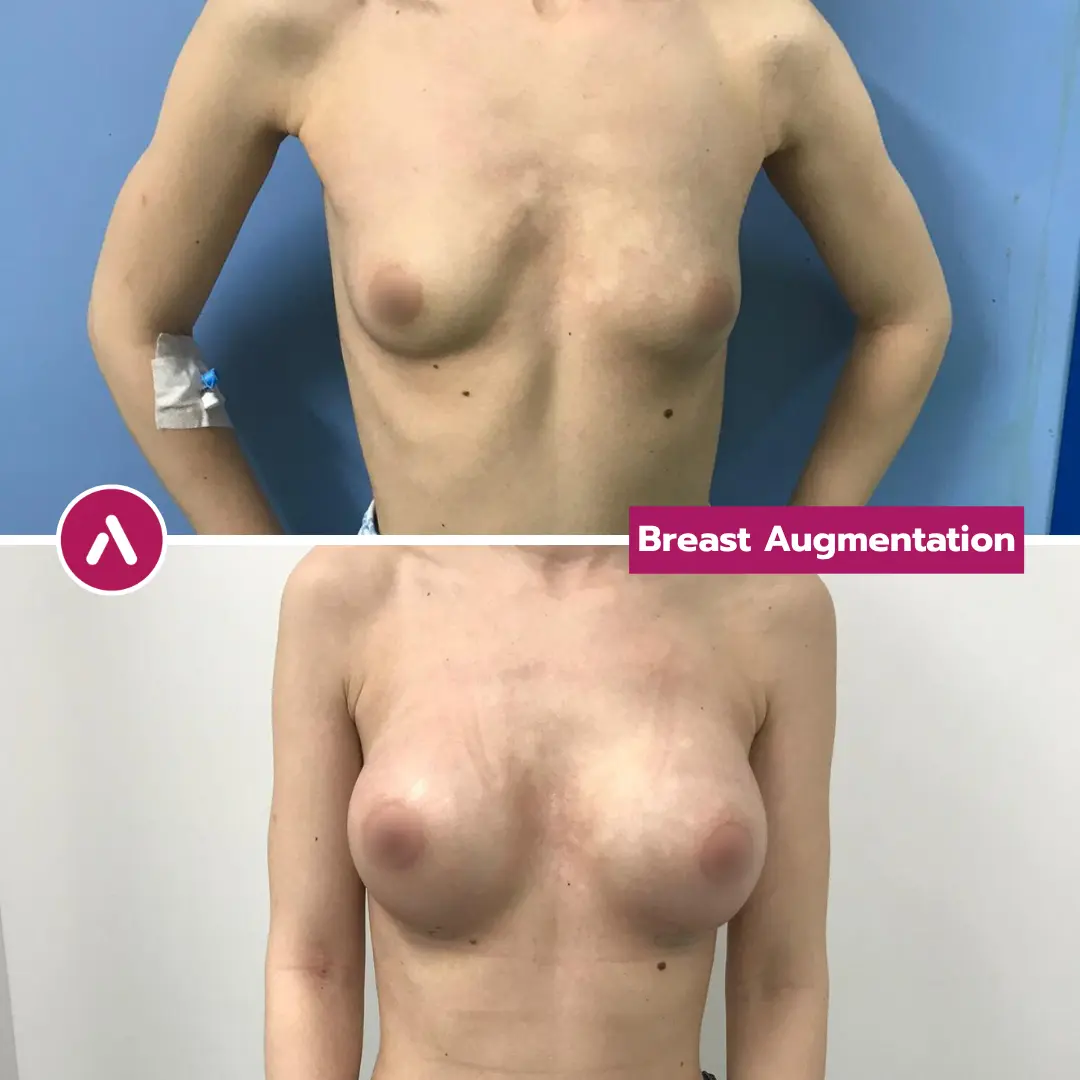
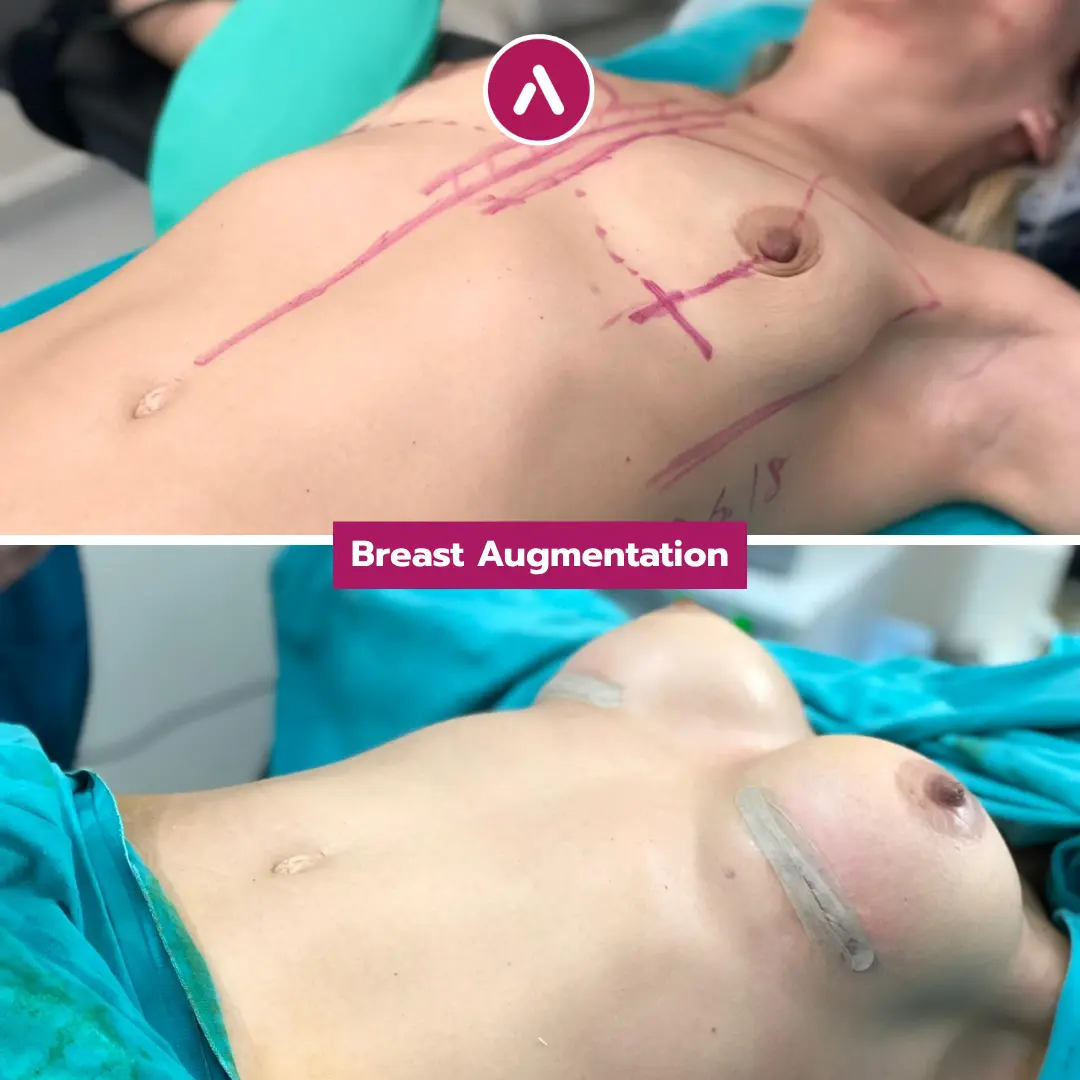
Table of Contents
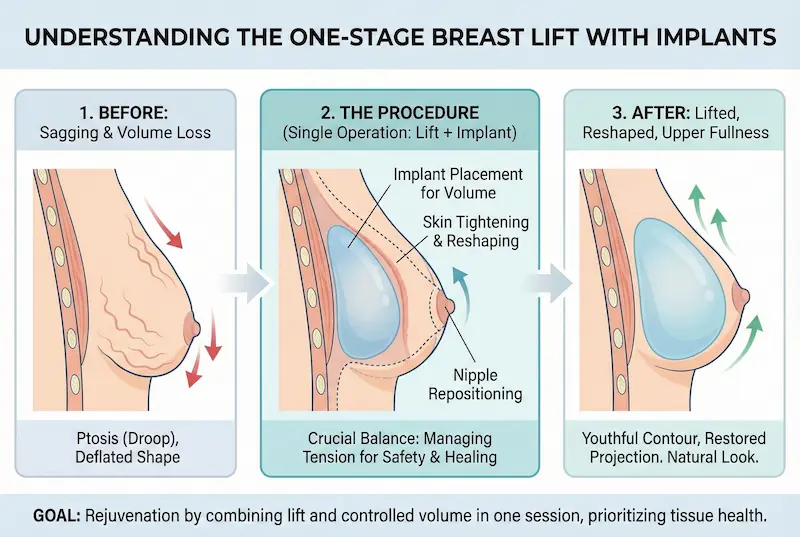
What a One-Stage Breast Lift with Implants Really Means
A one-stage (single-operation) approach combines a lift (mastopexy) with implant placement in the same surgical session. The goal is to correct sagging, reposition the nipple–areola complex, and restore upper-pole fullness—without forcing your tissues to “do too much” at once. The safety challenge is balancing lift strength and implant size so blood supply and wound healing are protected.
Mastopexy + Augmentation in the Same Operation (Simple Definition)
In a one-stage procedure, the surgeon reshapes the breast envelope (skin and supportive tissues) while placing an implant to enhance volume and contour. Done well, this can create a lifted, youthful shape with improved projection—especially for patients who feel they’ve “lost fullness” after weight changes, pregnancy, or aging.
The Core Goals: Lift, Shape, Upper-Pole Fullness, Nipple Position
A lift addresses the position and shape; an implant addresses volume and projection. In practical terms, surgeons aim to:
- Reposition the nipple to a more youthful height
- Remove or tighten excess skin to reduce droop
- Improve breast contour and symmetry
- Add controlled upper-pole fullness with an implant (not an “overstuffed” look)
When “One-Stage” Works Best vs. When It Becomes Risky
One-stage can be an excellent option when sagging is mild-to-moderate and the tissue quality is strong enough to tolerate both reshaping and augmentation. It becomes riskier when the lift is extensive and the implant is large—because combined tension can compromise healing. From a medical science perspective, preserving circulation to skin and the nipple–areola complex is central; scientific research consistently supports that tissue perfusion and tension management influence complication rates and scar outcomes.
Who Is a Good Candidate for a Combined Procedure?
Good candidacy is less about “wanting a bigger cup size” and more about your anatomy: degree of sagging (ptosis), skin elasticity, breast tissue thickness, and your goals for shape. A responsible plan prioritizes predictable healing and long-term stability—two factors that strongly impact satisfaction in both breast lift with implants before and after comparisons and day-to-day confidence.
Signs You Need Both Lift + Implants (vs. Lift Alone / Implants Alone)
- You have sagging + loss of fullness: You want a higher breast position and more upper fullness.
- Implants alone won’t fix the droop: An implant can add volume, but it cannot reliably reposition a low nipple or correct significant skin laxity.
- A lift alone won’t give the fullness you want: If you like your position after “lifting the breast up” (even with your hands) but still want more volume, implants may be appropriate.
Skin Quality, Tissue Thickness, and Degree of Sagging (Ptosis)
These three factors often determine whether one-stage is reasonable. Stronger tissue and better elasticity generally tolerate combined changes more safely. In contrast, very thin tissue or poor elasticity may increase the risk of visible implant edges, bottoming-out, and widened scars. These variables also influence the predicted breast lift with implants recovery experience—particularly swelling duration, incision healing, and when you can safely return to exercise.
Red Flags That May Favor a Staged Approach (Safety-First Criteria)
A staged plan (lift first, implant later—or vice versa) may be safer if you have:
- Severe ptosis requiring major skin tightening
- Very thin tissue where blood supply and wound healing are more vulnerable
- A strong preference for large implants alongside a major lift
- Complex revision history (prior implants, capsular contracture, or significant asymmetry)
Staging can reduce tissue stress and help protect healing—often improving scar quality and long-term breast position.
Implant Decisions That Shape Your Outcome
Implant selection isn’t just about “going bigger.” In a combined breast lift with implants surgery, the implant becomes part of the structural plan: it affects how much skin must be tightened, how much tension sits on incision lines, and how stable the breast position remains over time. From the standpoint of medical science, the safest and most natural-looking outcomes usually come from matching implant volume to tissue capacity—rather than forcing tissue to accommodate a size it cannot reliably support.
Size & Profile: Avoiding an “Overdone” Look While Still Getting Fullness
In one-stage lift + implant cases, “too large” is less about aesthetics and more about biology. A large implant can increase tension on lifted skin, which can raise the risk of delayed wound healing, widened scars, and implant malposition. If your goal is a natural result, many surgeons plan around:
- Upper-pole fullness that looks proportional in clothing and in profile
- Stable breast shape without bottoming out as tissues relax
- Scar quality (minimizing stretch and widening along incision lines)
When you review breast lift with implants before and after galleries, try to note whether the “after” looks balanced from the side and whether the lower pole looks supported (not overly heavy).
Silicone vs. Saline (and What Patients Typically Choose)
Both silicone and saline implants can produce excellent results. Many patients choose silicone because it often feels more natural, especially in thinner tissues. Saline implants may offer the benefit of smaller incisions in some contexts, but the feel and visibility (rippling) can be more noticeable in patients with limited soft-tissue coverage. The right choice depends on your anatomy, your scar priorities, and your surgeon’s plan for placement.
Placement Options (Submuscular / Dual Plane / Subglandular) and Trade-Offs
Implant placement influences how the implant is supported and how visible its edges may be. It can also impact recovery discomfort and long-term stability. Many surgeons favor dual-plane or partial submuscular placement in lift + implant cases when additional coverage is needed—especially for patients with thinner tissue.
| Option | Why it may be chosen | Potential trade-offs | Best suited for |
|---|---|---|---|
| Subglandular (over the muscle) | Can look very natural in patients with good tissue thickness; may involve less muscle-related discomfort | Higher chance of visible edges/rippling in thin tissue; support depends heavily on skin/tissue quality | Patients with robust breast tissue and mild lift needs |
| Submuscular (under the muscle) | More coverage for the upper implant; may reduce edge visibility | May involve more tightness early in breast lift with implants recovery; animation movement can occur in some patients | Thinner tissues or those needing extra upper-pole coverage |
| Dual Plane | Balances muscle coverage with a natural lower breast shape; commonly used in combined cases | Technique-sensitive; requires careful planning to avoid malposition | Many one-stage candidates seeking natural fullness with good support |
Key principle: In a one-stage lift + implant, your safest “best size” is the size your tissues can support with minimal tension and reliable blood flow—this is where science and surgical experience meet.
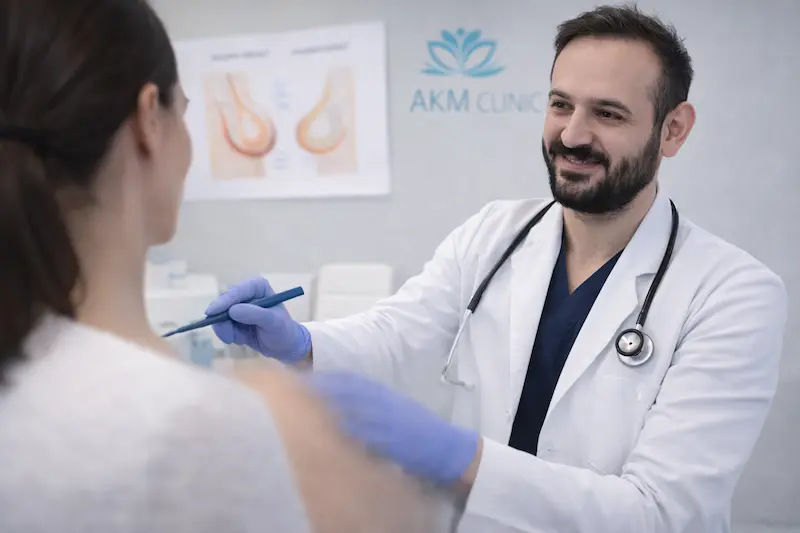
Surgical Strategy: Lift Techniques, Incisions, and Scar Placement
In a combined procedure, scar placement is not a “minor detail”—it’s a reflection of how much reshaping is required. The more skin tightening and nipple repositioning you need, the more likely you’ll require a longer incision pattern. Your surgeon’s job is to choose the least-scar approach that still delivers a stable, lifted shape. This planning directly affects your breast lift with implants scar appearance, your wound-healing risk, and the predictability of results you’ll see in breast lift with implants before and after photos.
Incision Patterns Explained (Periareolar, Vertical, Anchor) and Who They Suit
- Periareolar (around the areola): Often used for mild lifts. It can be appealing for scar minimalism, but it may be limited in how much lift it can safely achieve.
- Vertical (“lollipop”): Useful for moderate sagging and reshaping. Often a balanced choice in one-stage cases where meaningful lift is needed without the full anchor.
- Anchor (inverted-T): Typically chosen for significant sagging or excess skin. It offers powerful reshaping but includes an additional crease-line scar.
Importantly, “more scar” does not automatically mean “worse result.” In many patients, the anchor pattern is the most controlled way to create a stable breast shape and reduce long-term droop recurrence.
Nipple–Areola Repositioning: Blood Supply & Safety Considerations
Repositioning the nipple–areola complex requires protecting its blood supply through the tissue pedicle (the “bridge” of living tissue that keeps circulation intact). When implants are added at the same time, surgeons must carefully balance the lift tightening with the implant volume so circulation and healing remain reliable. Scientific research and clinical experience both emphasize that preserving perfusion and limiting excessive tension are central to reducing wound complications.
Scar Quality: What Affects It and How Surgeons Plan for Cleaner Healing
Scar outcomes depend on both biology and technique. Factors that can affect breast lift with implants scar quality include:
- Tension: Higher tension increases the risk of widened scars or delayed healing.
- Skin quality: Thin, fragile, or sun-damaged skin may scar differently than thicker skin.
- Aftercare and support garments: Proper support can reduce stress on incisions.
- Smoking/nicotine: Strongly associated with impaired healing and higher complication risk.
Surgeons plan incision placement to keep scars as hidden as possible (around the areola edge and in the breast fold when feasible). But the priority remains a stable breast shape and safe healing—especially in combined procedures.
The Biggest Safety Considerations in One-Stage Lift + Implants
The main challenge in a combined breast lift with implants surgery is that you’re asking the tissues to heal after two “competing” forces at once: tightening (the lift) and expansion/weight (the implant). The best surgeons treat this as a tissue-safety problem first, aesthetics second. In medical science terms, the priorities are adequate blood supply, manageable tension, and infection prevention. When those fundamentals are respected, outcomes tend to look more natural and remain more stable over time.
Managing Tension and Protecting Blood Flow (Key to Lowering Complications)
Excessive tension is one of the most common root causes behind wound-healing delays and widened scars. In a one-stage plan, tension rises when the lift is aggressive and the implant is large. Experienced surgeons reduce risk by:
- Choosing an implant size and profile your tissue can safely support
- Using a lift pattern that provides stable reshaping without “over-tightening” the skin
- Planning nipple–areola repositioning to protect circulation (perfusion)
- Staging the surgery when tissue safety would be compromised in one step
Expert-patient takeaway: If your plan seems to require a major lift and a large implant, ask how your surgeon is protecting blood supply and minimizing tension. A science-informed plan should have clear answers.
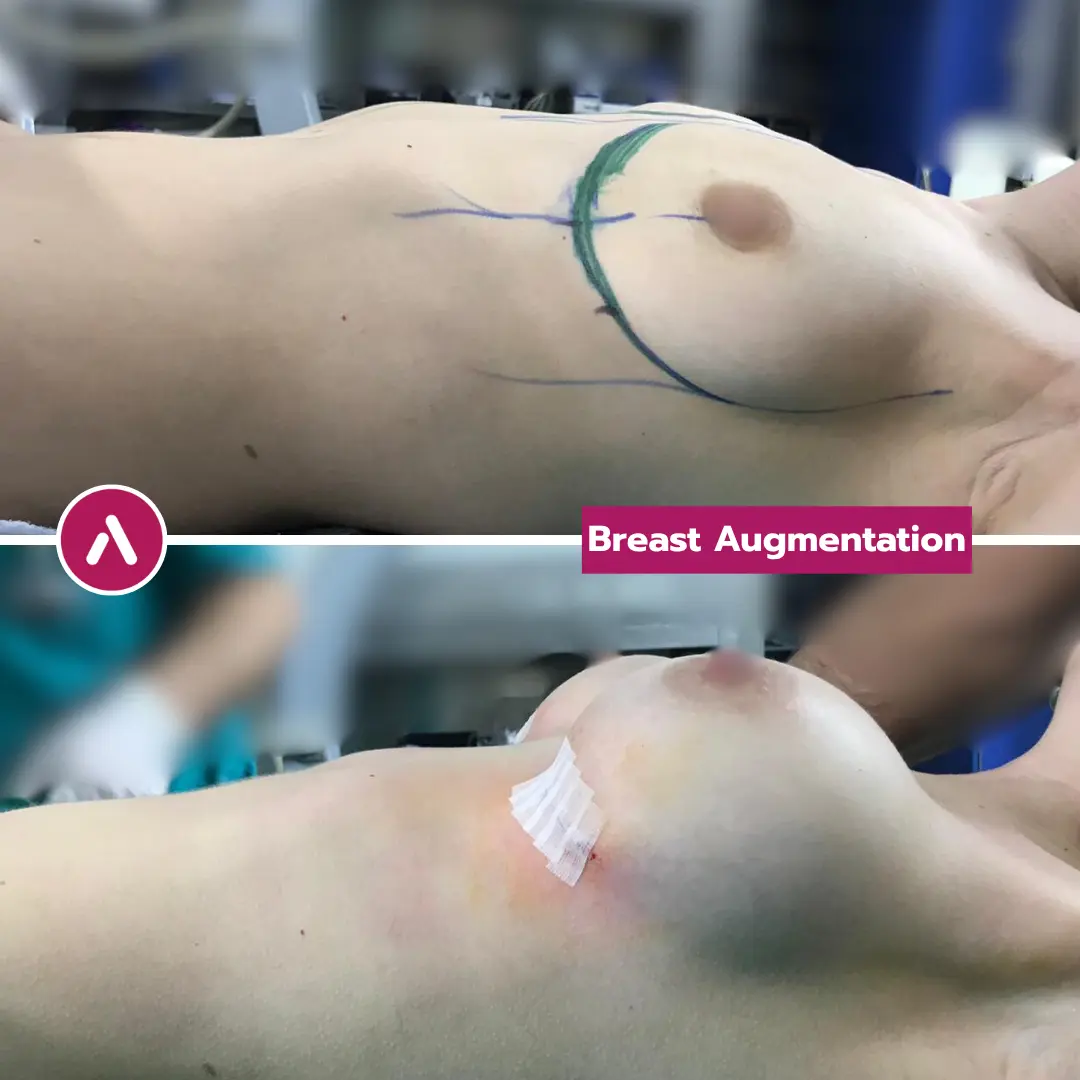
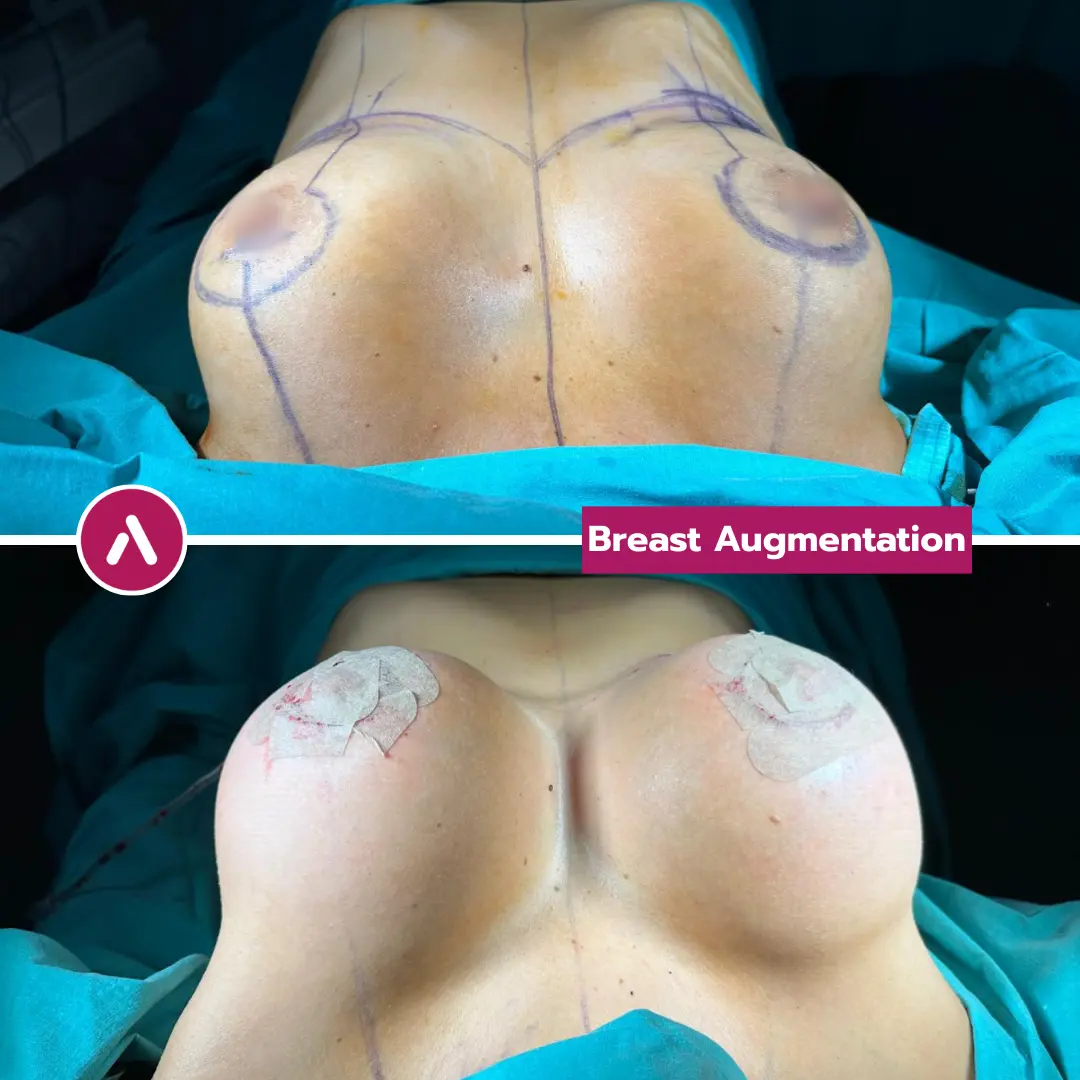
Common Risks: Wound Healing Issues, Infection, Capsular Contracture
All surgery carries risk, but combined procedures have specific concerns. Your surgeon should discuss the realistic risk profile for your anatomy and goals, including:
- Wound healing delay: more likely if tissues are tight, thin, or circulation is compromised.
- Infection: a serious concern with any implant surgery; prevention protocols and sterile technique matter.
- Capsular contracture: the body naturally forms a capsule around the implant; in some cases it tightens abnormally, changing shape or causing discomfort.
Risk reduction is not “marketing”—it’s process: careful patient selection, controlled implant sizing, and structured post-op care.
Implant-Related Concerns: Bottoming Out, Malposition, Asymmetry—Prevention Tactics
Implant position must remain stable as tissues heal and soften. Potential issues include:
- Bottoming out: the implant sits too low over time, often linked to tissue weakness or overly large implants.
- Malposition: the implant shifts laterally or superiorly, affecting symmetry.
- Asymmetry: subtle differences are normal, but significant asymmetry may require revision.
Prevention usually comes down to matching implant choice to tissue support, selecting a stable pocket/placement approach, and using appropriate post-op support garments during breast lift with implants recovery.
When a Two-Stage Plan Is the Smarter Choice
A staged strategy is not a “failure” or a sign a clinic is being conservative—it can be the most predictable way to protect healing and achieve the best long-term shape. For many expert patients, a two-stage approach offers peace of mind: it reduces tissue stress, lowers the chance of wound issues, and can improve the final look of the breast lift with implants scar (because incisions aren’t fighting excessive tension).
Severe Sagging or Very Thin Tissue: Why Staging Can Improve Safety
If you have significant ptosis (droop) or thin tissue, the lift component may require substantial tightening and nipple repositioning. Adding an implant in the same session can push tissue demands past a safe threshold. In these cases, staging allows your tissues to heal and stabilize before additional volume is added.
Very Large Implants + Significant Lift: Why Combining Can Raise Risk
Large implants can increase the “load” on freshly tightened skin. This can raise the chance of widened scars, delayed healing, and implant descent over time. Staging can help you reach your preferred volume more safely by building a stable foundation first.
Revision or Implant Exchange Cases: Special Considerations and Planning
Revisions are more complex because scar tissue, previous pockets, and existing implants can change anatomy. A staged approach may be recommended if there’s capsular contracture, thin tissue, significant asymmetry, or uncertainty about skin tolerance. If you’re coming from a prior surgery, your surgeon should explain the logic behind each step clearly—and show you what “success” looks like in comparable breast lift with implants before and after cases.
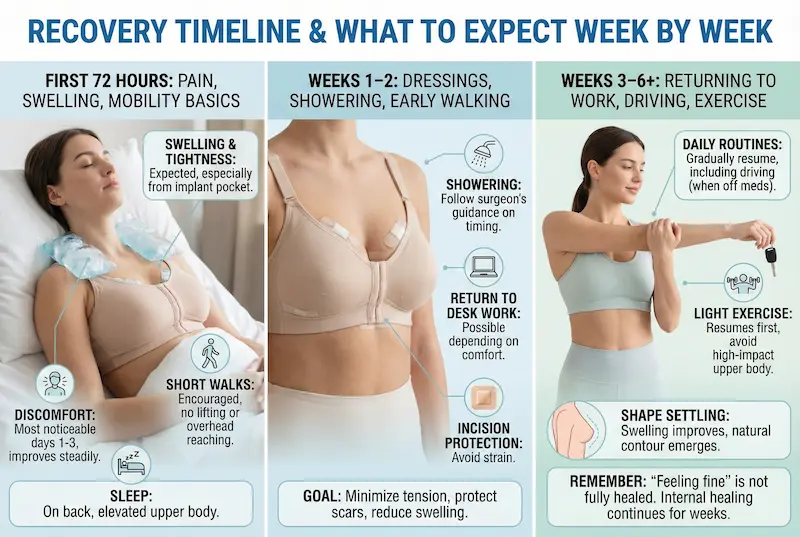
Recovery Timeline and What to Expect Week by Week
Breast lift with implants recovery is highly individual, but most patients follow a predictable pattern: the first days are about comfort and swelling control, the first two weeks are about protecting incisions and minimizing tension, and the following weeks are about gradual return to normal activity. A safe recovery plan is structured and conservative—because healing quality affects your final shape and scar refinement.
First 72 Hours: Pain, Swelling, Mobility Basics
- Swelling and tightness are expected—especially from the implant pocket.
- Discomfort is usually most noticeable in the first 2–3 days, then improves steadily.
- Short walks are encouraged, but lifting, reaching overhead repeatedly, and household “heavy tasks” should be avoided.
- Sleep on your back with upper body slightly elevated unless your surgeon instructs otherwise.
Weeks 1–2: Dressings, Showering, Sleeping Position, Early Walking
This is the period where incision protection matters most. Your surgeon will guide wound care, shower timing, and bra strategy. Many patients return to desk work in this window depending on comfort and travel plans. The goal is to avoid unnecessary strain that could worsen the breast lift with implants scar or contribute to swelling.
Weeks 3–6+: Returning to Work, Driving, Exercise, and Bra Guidance
- Many patients gradually resume normal daily routines, including driving, when comfortable and off strong pain medication.
- Light exercise often resumes first; upper-body training and high-impact activities typically require more time.
- Swelling continues to improve, and shape becomes more “settled.”
Remember: “feeling fine” is not the same as “fully healed.” A medical-science-informed recovery plan respects that internal healing continues for weeks to months.
Results Over Time: What Looks “Normal” as You Heal
One of the most common reasons patients feel anxious after breast lift with implants surgery is that early results can look “too high,” “too tight,” or uneven. That’s usually not a sign something went wrong—it’s the normal biology of swelling, tissue adaptation, and implant settling. The same principle applies if you’re also considering a tummy tuck: early swelling and firmness can temporarily distort how results appear. Understanding what changes are expected (and what is not) helps you interpret breast lift with implants before and after photos more realistically and navigate breast lift with implants recovery with less stress.
“Drop & Fluff” and Settling: How Shape Changes in the First Months
In the early weeks, the breasts often sit higher and feel firmer. As swelling reduces and tissues relax, implants tend to settle into a more natural position and the breast shape softens. This transition can take weeks to months. A lift also needs time for the skin envelope to “accept” its new shape, which is why surgeons typically evaluate final contours later rather than immediately.
Longevity: How Weight Changes, Pregnancy, and Aging Affect Results
A lift and implants can provide long-lasting improvement, but no surgery stops aging. Significant weight loss/gain, pregnancy, and natural skin relaxation over time can change breast position and shape. Choosing an implant size your tissues can support—rather than pushing volume—can improve long-term stability and help reduce the risk of recurrent droop or implant malposition.
How to Review Before/After Photos Like an Expert Patient
When reviewing breast lift with implants before and after galleries, look beyond cup size. Focus on:
- Nipple position (higher, centered, and balanced)
- Lower-pole support (not overly heavy or “pulled down”)
- Scar placement and refinement over time (not just immediate post-op)
- Side profile (natural projection rather than a “stuck-on” look)
- Consistency across multiple patients with similar anatomy to yours
Cost Factors and Value: What You’re Actually Paying For
Breast lift with implants cost varies widely because the procedure is not “one standard operation.” Complexity (how much lift is required), implant type, facility standards, anesthesia, and the surgeon’s experience all influence the cost of breast lift with implants. The most useful way to think about cost is to break it into components—and to confirm what’s included so there are no surprises.
What Drives Price: Complexity, Implant Type, Facility Standards, Surgeon Expertise
In general, the cost of breast lift with implants increases when:
- The lift pattern is more extensive (e.g., significant reshaping and skin removal)
- Implant selection is more specialized (brand, type, size considerations)
- Operating facility and safety standards are higher (this is where you should never “bargain hunt”)
- Case planning is more complex (asymmetry, thin tissue, revision history)
What a Legit Package Should Include (and Common “Hidden Cost” Traps)
Whether you’re comparing providers locally or abroad, ask for a written breakdown of what’s included in your breast lift with implants cost. Common “hidden costs” can include compression garments, medications, extra follow-ups, imaging, revision policies, and extended stays if complications occur.
| Cost Component | What it typically covers | What to clarify upfront |
|---|---|---|
| Surgeon & surgical plan | Pre-op design, operative technique, intra-op decisions | Is revision policy defined? Who performs follow-ups? |
| Implants | Implant type/brand + related supplies | Implant details in writing (type, size range, warranty terms if applicable) |
| Anesthesia | Anesthesiologist + medications + monitoring | Who provides anesthesia and where (hospital vs. office-based) |
| Facility & operating room | Sterile environment, equipment, nursing support | Accreditation/standards, emergency protocols |
| Post-op care | Dressings, follow-ups, wound checks | How aftercare is managed for international patients |
| Recovery essentials | Compression bra, medications, scar care guidance | What’s included vs. paid separately |
Why Patients Compare New York / Los Angeles / Miami vs. Istanbul (and also Mexico/Thailand)
Patients often compare major high-cost US cities (like New York, Los Angeles, and Miami) to Istanbul because pricing structures and bundled services can differ. Many international packages aim to simplify logistics and include coordinated aftercare, while US pricing may be more itemized. Some patients also compare Mexico or Thailand as medical tourism alternatives; the smart approach is to evaluate medical governance, surgeon credentials, facility standards, and aftercare continuity—not just the headline number. In a procedure involving implants, safety infrastructure and infection-prevention protocols are part of value.
Expert-patient rule: If a quote is dramatically lower than every other option, ask what is being excluded. In medical science, outcomes are strongly linked to planning, sterile process, and structured follow-up.
The AKM Clinic Approach: Planning, Patient Safety Standards, and Enhanced Recovery
For international patients, trust is built through process: surgeon-led planning, clear candidacy criteria (including when staging is safer), and recovery support that reduces uncertainty—whether you’re considering a breast procedure or a tummy tuck. AKM Clinic emphasizes structured safety standards and an enhanced recovery approach that includes supportive technologies used post-operatively to help reduce swelling and support tissue healing.
Surgeon-Led Planning: Balancing Lift Mechanics + Implant Choice for Natural Results
A natural outcome is not an accident—it’s engineered. The plan should define:
- How much lift is required (and which incision pattern best supports that lift)
- Which implant size/profile fits your tissue capacity without excessive tension
- How symmetry is addressed (breast base width, nipple position, volume differences)
This is also where “one-stage vs. two-stage” is decided responsibly—based on tissue safety, not convenience.
Safety Protocols: Anesthesia, Facility Standards, Infection Prevention Workflow
Because implants raise the stakes of infection prevention, your clinic should be transparent about anesthesia supervision, sterile technique, perioperative protocols, and post-op monitoring. A credible surgical workflow anticipates risks and actively reduces them rather than dismissing them.
Recovery Support: HBOT & LLLT for Swelling Control and Tissue Healing Support
AKM Clinic highlights two supportive recovery technologies:
- Hyperbaric Oxygen Therapy (HBOT): Presented as a post-operative support method aimed at tissue oxygenation, swelling reduction, and improved scar-healing support.
- Low-Level Laser Therapy (LLLT): Used as a non-invasive support approach associated with cellular repair and inflammation reduction in post-surgical healing contexts.
These are not “magic fixes,” but they reflect a medical-science-informed mindset: optimize the healing environment so your body can do its job more efficiently—especially important during breast lift with implants recovery and scar maturation.
Patient experience matters, too. In one AKM Clinic testimonial, a US patient described her surgery as “fabulous,” with “no pain” and minimal bruising—highlighting the clinic’s focus on recovery support and comfort.
Frequently Asked Questions (FAQ): Breast Lift with Implants
Below are concise, high-clarity answers to the questions patients most often ask when researching breast lift with implants surgery—including healing, scarring, sizing, and the real drivers of breast lift with implants cost.
Is it safe to do a breast lift and implants at the same time?
It can be safe in the right candidate when tissue quality is adequate and implant size is chosen to avoid excessive tension. If your case requires a major lift and a large implant, a staged plan may be safer.
Will I need an “anchor scar,” and how visible is it long-term?
The scar pattern depends on how much lift you need. More sagging often requires a longer incision pattern to create a stable shape. Scar visibility typically improves over months as the breast lift with implants scar matures—especially with proper aftercare and tension management.
What size implant works best with a lift (without looking fake)?
The safest “best size” is the one your tissues can support without high tension. Many natural-looking outcomes come from moderate sizing that prioritizes proportion, stability, and long-term support.
Can implants “drop” or bottom out after a lift?
Yes, especially with very large implants, weak tissue support, or inadequate pocket control. Proper implant selection, placement strategy, and post-op support reduce risk.
How long before I can fly, work, and exercise?
It varies by patient and surgical details. Many return to desk work within 1–2 weeks, but exercise restrictions often extend longer—particularly for upper body activity. Your surgeon should give a staged return plan based on your healing progress.
How long do results last—and will I need a revision later?
Results can be long-lasting, but aging, pregnancy, and weight changes can alter the breast over time. Revision is not inevitable, but it’s a realistic possibility over the years—especially if implant size is aggressive or tissue quality is limited.
What are the most important questions to ask a surgeon before booking?
Am I a one-stage candidate, or is staging safer for my anatomy?
Which lift pattern do you recommend and why?
How are you minimizing tension and protecting blood supply?
What implant size range is realistic for my tissue quality?
What is included in the breast lift with implants cost, and what could be extra?
How will aftercare work if I’m traveling internationally?
If you’d like to go beyond the topic covered in this article, you can also explore related guides to support smarter decision-making: Questions to Ask Plastic Surgeon to prepare for your consultation, Plastic Surgeon Board Certification to evaluate credentials with confidence, and Plastic Surgery Packages Turkey to understand what’s typically included. For budgeting, review Financing Plastic Surgery in Turkey, and for early planning from abroad, see Online Plastic Surgery Consultation. If you’re considering combined procedures, Mommy Makeover Recovery can help you set realistic expectations, while Lymphatic Drainage Massage After Lipo explains how post-op support may aid comfort and swelling control.
Medical Disclaimer: This page is provided for general educational purposes only and does not replace a face-to-face medical consultation, diagnosis, or personalised treatment plan. All surgery carries risks and outcomes vary between individuals. Suitability for a breast lift with implants, procedure selection, and anaesthesia choice can only be determined after a full clinical assessment by a qualified surgeon. Always follow your clinician’s instructions and seek urgent medical attention if you develop concerning symptoms during recovery.