

Endoscopic Temporal & Brow Lift in Turkey



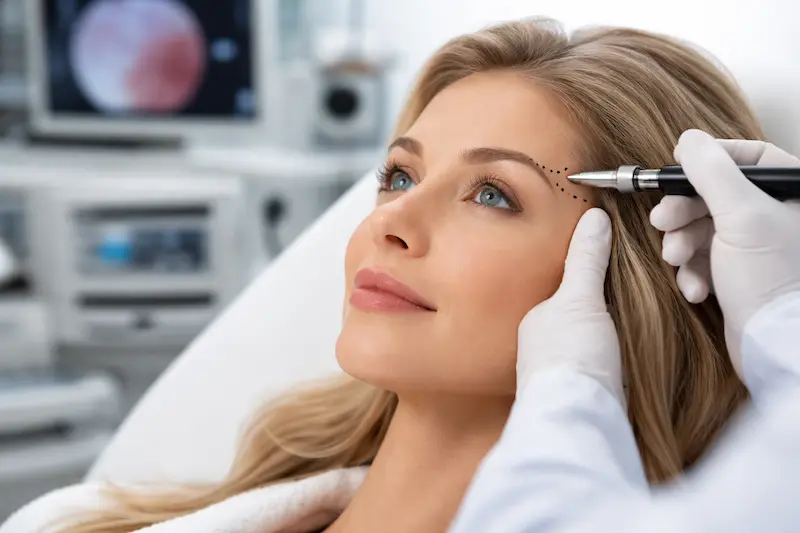
- Endoscopic Temporal & Brow Lift restores a natural, rested look by lifting the brow tail with hidden scalp incisions.
- Transparent GBP fees and all-inclusive value help UK patients compare Turkey vs UK costs without hidden extras.
- Day-by-day recovery guidance sets clear expectations for swelling, tightness, numbness, and flight-ready planning.
- Safety-first pathway includes tailored anaesthesia options, strict screening, sterile theatre standards, and structured follow-up support.
AI-generated summary, fact-checked by our medical experts.
Endoscopic Temporal & Brow Lift: Quick Facts
Duration of Surgery
Type of Anaesthesia
Initial Recovery Period
Hospital Accommodation
Return to Daily Activities
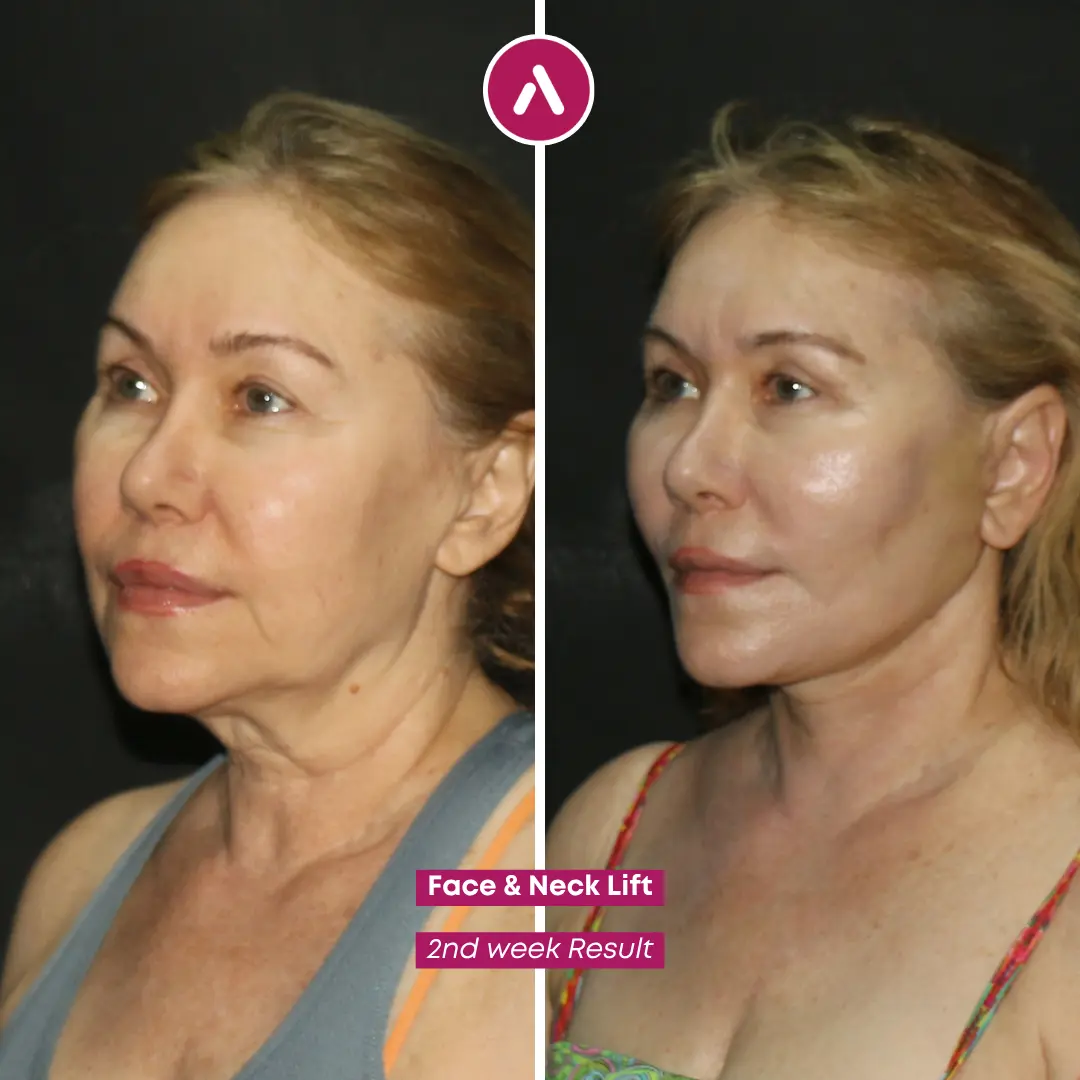
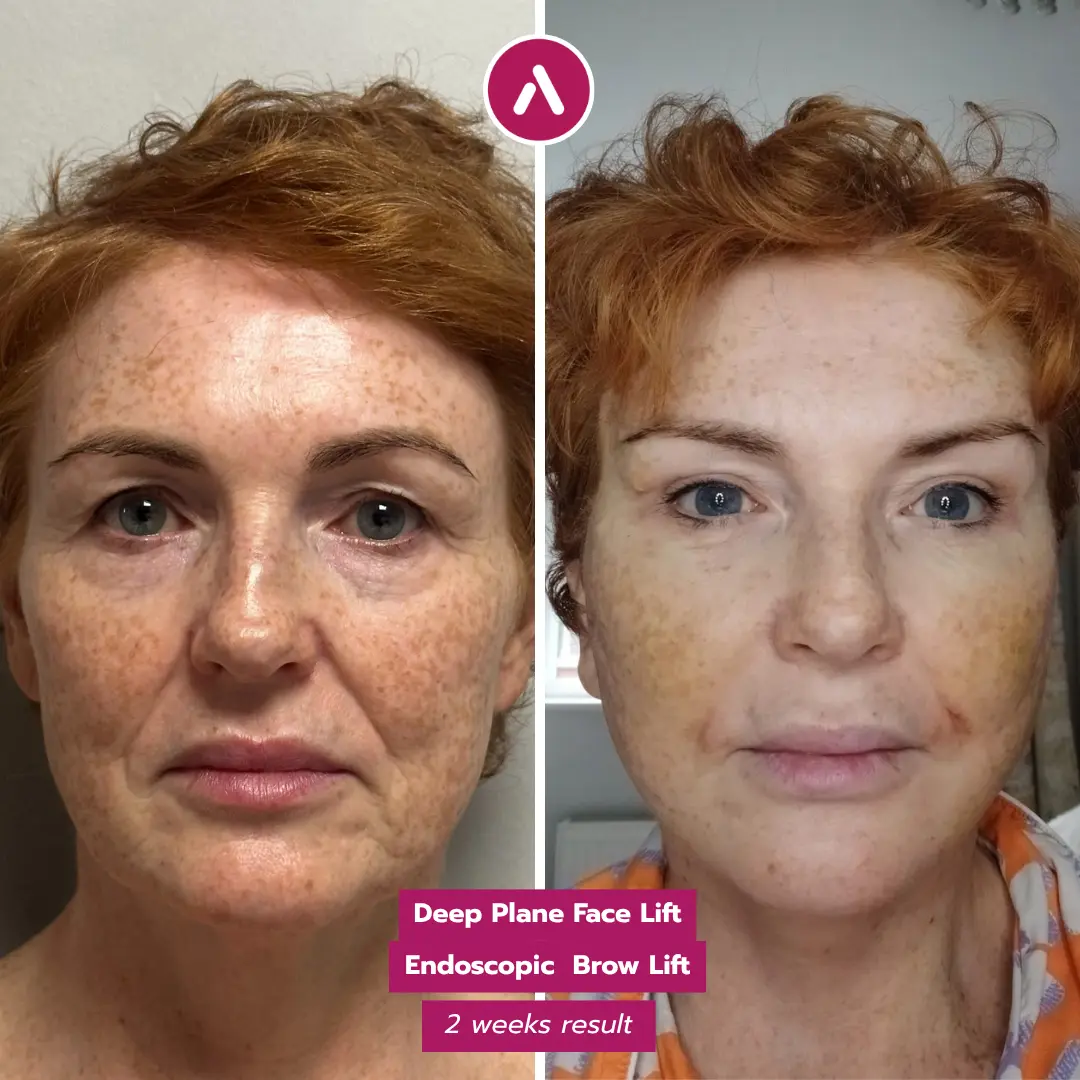
Endoscopic Temporal & Brow Lift Results: Before and After
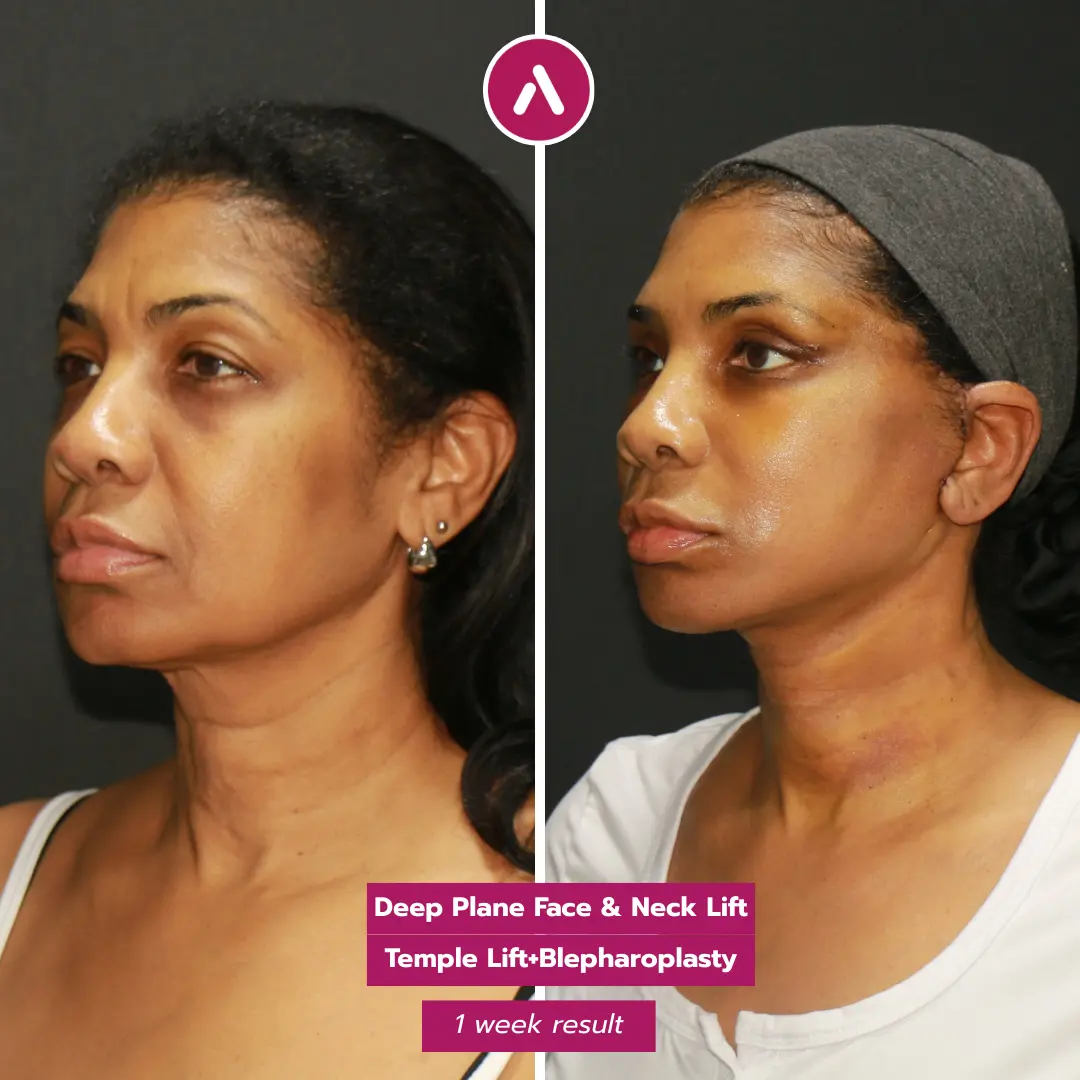
Considering an Endoscopic Temporal & Brow Lift to refresh heavy, hooded eyes without obvious scars? This guide explains how endoscopic and temporal vectors lift the brow tail for a natural, rested expression, with incisions hidden in the hairline and clear anaesthesia options for UK patients.
You’ll also find transparent GBP fees, what’s included in an all-inclusive Istanbul pathway, and a day-by-day recovery overview—plus honest comparisons with direct and hairline lifts. If you want a personalised plan, share photos for a clinician-led assessment and quote.
Table of Contents
What is Endoscopic Temporal & Brow Lift?
Endoscopic Temporal & Brow Lift is a minimally invasive forehead and lateral brow lifting procedure that repositions descended brow tissues through small, hidden incisions within the hair-bearing scalp. Using endoscopic visualisation, we elevate the brow tail and soften upper-eye hooding to restore a rested expression, prioritising natural harmony over an “operated” look.
In practical terms, this is a structural lift, not a “skin pull”. Our aim is to correct the root cause of heaviness around the upper eyes by repositioning the brow in a controlled, anatomical way. The focus is often the outer third of the brow (the “tail”), where descent tends to create a tired or stern expression. Results are designed around our principle: rejuvenation, not alteration.
Because many UK patients research the technique before they choose the provider, we explain the anatomy, the vectors, and the trade-offs in plain language. You should know what is being lifted, how it is stabilised, and what “normal” looks like during healing. That clarity is part of safety.
Understanding the brow and temporal anatomy (why the outer brow matters)
The brow is not a straight line. It is a dynamic structure that frames the eyes and changes how the upper eyelids appear.
- Lateral brow (brow tail): When it drops, the outer upper eyelid can look heavier, even if eyelid skin itself is not excessive.
- Forehead tissues: The forehead and brow are connected by deeper layers that respond better to repositioning than simple skin tightening.
- Temporal region: This is the side of the upper face where lift vectors can be directed to open the eye area without changing your identity.
This is why the same “brow lift” label can mean very different operations. A temporal approach targets the outer brow specifically. A full forehead lift affects a wider area. Matching the technique to the anatomy is what keeps results believable.
What “endoscopic” actually changes (visibility, precision, and tissue handling)
Endoscopic surgery is not a marketing term. It describes how we see and work.
- Endoscopic visualisation: A camera allows controlled work through smaller scalp incisions, reducing the need for long, open cuts.
- Smaller, hairline-hidden incisions: The goal is discreet access, with scars concealed in the hair-bearing scalp.
- Reduced surface tension: By lifting deeper structures rather than relying on skin tension, the result tends to look softer and less “pulled”.
For the “expert patient”, the key question is depth. The endoscopic approach is typically about repositioning tissue planes in a way that respects natural vectors. That is often where the natural look is won or lost.
Why “minimally invasive” still needs a serious recovery plan
“Minimally invasive” does not mean “no recovery”. It means less disruption at the skin level, while deeper tissues still need time to settle.
- Swelling can appear higher on the forehead or towards the temples in the early phase.
- A feeling of tightness is common. It usually improves as tissues adapt to their new position.
- Temporary changes in scalp sensation can happen because the dissection occurs in layers where sensory nerves travel.
At AKM, we strengthen recovery with our rapid recovery and safety protocol, including Hyperbaric Oxygen Therapy (HBOT) and Low-Level Laser Therapy (LLLT), designed to support healing and scar quality through oxygenation and cellular stimulation.
Benefits of Endoscopic Brow Lift: What Concerns Does It Solve
Most patients do not wake up wanting “higher brows”. They want to stop looking tired, tense, or heavier than they feel. The most common driver is upper-eye hooding that makes the eyes look smaller, particularly at the outer corners. In many cases, that hooding is brow descent, not simply “extra eyelid skin”. Treating the cause matters.
Our success metric is subtlety. We aim for subtle facial rejuvenation where friends notice you look rested, not “done”. The lift should respect your baseline brow shape, your forehead length, and your eye spacing. Small changes, correctly placed, can have a large impact.
UK patients often ask direct questions: “Will I look surprised?” “Will this make me look like someone else?” Those concerns are valid. Natural results come from controlled vectors, conservative elevation, and an honest pre-op plan.
“Heavy eyes” and hooding: the structural explanation
When the brow descends, it can push skin down over the upper eyelid. That creates the feeling of heaviness and can make the eye area look older than the rest of the face.
- Outer upper eyelid hooding (often worse in photos and at the end of the day)
- A “tired” or “stern” resting expression
- Asymmetry that becomes more noticeable with age
In suitable candidates, lifting the brow to a more anatomical position can reduce that heaviness without over-removing eyelid skin. It is a different philosophy: fix support first, then consider skin.
Lateral vector planning and the “fox eye / cat eye” searches
Search terms like “fox eye” and “cat eye” often describe a wish for a more open, lifted outer eye area. The surgical version of that is vector planning.
- Lateral lift vector: Aims to elevate the brow tail and improve the outer upper eyelid contour.
- Balance over height: The goal is shape and softness, not a dramatic arch.
- Face harmony: The brow should align with your midface and the rest of your rejuvenation plan.
When done well, the eye area looks less “weighted down”. When done aggressively, the face can look startled. We avoid that.
Surgeon’s Insight: A natural brow lift is usually measured in millimetres, not centimetres. The right vector matters more than the highest point. Our aim is a rested expression that still looks like you.
What “natural” means in real life (not just in the mirror)
Natural results behave naturally. They should look consistent across lighting, selfies, and everyday expressions.
- Your brows should move with your facial animation, not look fixed.
- The eyes should look brighter, without a permanently surprised look.
- Any improvement should fit your age and proportions rather than chasing a trend.
We often discuss anaesthetic options early because comfort and safety influence the whole experience. Many patients prefer a controlled approach such as Twilight anaesthesia or Awake surgery, depending on the surgical plan and your medical profile.
Am I a Suitable Candidate?
Suitability is not just about “wanting a lift”. It is about anatomy, tissue quality, and how your brow behaves when you rest and when you animate. Some patients have true brow descent. Others have mainly eyelid skin excess, where a brow lift alone would not solve the problem.
We assess candidacy through photographs, a video consultation, and an in-person examination in Istanbul. We also run strict pre-operative health screenings to reduce avoidable risk.
The ideal candidate profile (who tends to do well)
Most suitable patients have a clear lateral brow drop that creates outer upper-lid hooding. The aim is to restore the brow to a more anatomical position, not to create a new brow shape. Subtle changes. Clean lines.
- Visible lateral hooding: heaviness that looks worse at the outer corners of the eyes.
- Early-to-moderate descent: enough drop to affect expression, without severe forehead skin laxity.
- Healthy scalp and hair-bearing temples: helpful for hiding incisions within the hairline.
- Realistic expectations: you want to look more rested, not different.
We also consider how your brow position changes when you raise your eyebrows. That movement tells us where the heaviness is coming from.
When another procedure may be the better tool
A brow lift is not a universal fix for the upper face. Sometimes the best result comes from combining procedures, or choosing a different primary operation. We will tell you if the anatomy points that way.
- True excess upper eyelid skin: you may benefit more from upper eyelid surgery (blepharoplasty) than brow elevation alone.
- Diffuse forehead laxity: a broader forehead lift approach may be more appropriate than a lateral-only lift.
- Lower-face ageing is the main issue: lifting the brow won’t correct jowls or neck laxity.
For the expert patient, this matters: the “right” operation is the one that targets the dominant anatomical problem.
Who should avoid or postpone surgery (contraindications and red flags)
Safety starts before the day of surgery. If something increases risk or reduces predictability, we prefer to stabilise it first. No pressure. Just good medicine.
- Smoking or nicotine use: it can impair healing and scar quality. We will give you a clear cessation plan.
- Uncontrolled medical conditions: poorly controlled blood pressure, diabetes, or clotting disorders need optimisation.
- Blood-thinning medication: we review this carefully. Never stop prescribed medication without medical advice.
- Active infection or scalp inflammation: surgery should wait until the area is healthy.
- High scarring risk: a history of problematic scarring needs a tailored incision and aftercare strategy.
If you are unsure, that is normal. A structured consultation is designed to answer the “am I right for this?” question with evidence, not reassurance alone.
Surgical Techniques Explained (Endoscopic vs Direct vs Temporal-only)
“Brow lift” is a broad label. The technique determines the scar pattern, the lift vector, and how natural the result looks when you speak, laugh, and frown. The most common comparison is Direct brow lift vs endoscopic lift, but it is not the only decision point.
We plan the technique around three priorities: the target area (outer brow vs full forehead), scar visibility, and tissue depth. Your anatomy decides. Trends do not.
Direct brow lift vs endoscopic lift: results, scars, and trade-offs
A direct brow lift places the incision close to the brow itself. It can give strong elevation and precise shaping, particularly in heavy brows. The trade-off is scar visibility risk, because the scar sits in a more exposed area.
- Direct brow lift: powerful lift, very targeted correction, higher scar visibility consideration.
- Endoscopic brow lift: smaller incisions hidden in the hair-bearing scalp, deeper tissue repositioning, usually softer surface tension.
Patients who prioritise minimal visible scarring often lean towards an endoscopic approach. Patients who need maximal, very specific correction may be better suited to direct techniques. We discuss both honestly.
Temporal/lateral brow lift vs full brow/forehead lift (area and vector)
A temporal (lateral) brow lift targets the outer third of the brow. It is often the right tool when the main issue is outer hooding and a tired look. A full forehead lift affects a wider area and can address more global forehead and brow changes.
- Temporal/lateral lift: focuses on the brow tail; emphasis on a lateral vector and eye “openness”.
- Full forehead lift: broader correction; may be chosen when there is more uniform descent across the brow.
The goal is balance. We do not chase an exaggerated arch.
Dissection planes: subperiosteal vs subcutaneous (what it changes)
The plane of dissection influences how the lift behaves over time and how “tight” the forehead feels in early recovery. A deeper plane can allow more structural repositioning, while a more superficial approach can be appropriate for selected needs. Technique choice depends on anatomy and the desired vector.
- Subperiosteal: deeper structural work, often used for controlled repositioning and stability.
- Subcutaneous: closer to the skin; can be useful in certain patterns of laxity, but requires careful planning to avoid surface tension.
We explain the plan in plain language. You should understand what layer we are working in and why.
Coronal brow lift
A coronal brow lift uses a longer incision across the scalp. It can be appropriate in selected cases where wide exposure is needed. It is less common now because smaller-incision techniques can achieve similar goals in many patients, but it remains a valid option in the right anatomy.
Pretrichial/hairline lift
A pretrichial (hairline) lift places the incision at the hairline. It may be considered when forehead length and hairline position matter, and when lifting the brow without further “lengthening” the forehead is a priority. Scar strategy and hairline design are central to the plan.
| Technique | Scar visibility | Main target area | Typical recovery profile | Key trade-offs / considerations |
|---|---|---|---|---|
| Endoscopic brow lift | Low (hidden in hair-bearing scalp) | Brow and forehead repositioning (often lateral emphasis) | Usually moderate swelling; scalp tightness can occur early | Requires precise vector planning; temporary scalp sensation changes can happen |
| Temporal / lateral brow lift | Low (temporal scalp, hairline-hidden) | Outer third of brow (“brow tail”) | Often faster social recovery vs full forehead approaches | Best for lateral hooding; limited effect on medial brow |
| Direct brow lift | Higher (near the brow) | Very targeted brow elevation | Localised recovery; scar maturation is the key timeline | Powerful correction, but scar management is central |
| Pretrichial / hairline lift | Moderate (at hairline) | Brow + forehead/hairline considerations | Swelling and forehead tightness early on | Hairline design matters; incision planning is highly individual |
| Coronal brow lift | Low-to-moderate (longer scalp incision) | Broad forehead exposure and lift | Often longer recovery vs small-incision techniques | Less commonly chosen; reserved for selected anatomical needs |
If you are comparing techniques, send us clear front and 45-degree photos. We will tell you which option matches your anatomy, and which options we would not recommend.
Incision Placement, Scar Maturation, and Hairline Strategy
When UK patients compare brow-lift techniques, the question is rarely “Can you lift it?” It is “Where is the scar, and will anyone notice?” That is fair. A well-planned lift should improve the eye area while keeping the access points discreet.
We plan incision placement around your hair-bearing scalp, your existing hairline, and your styling habits. Short hair, fringe, parting preference—these details matter. Scar management is not an afterthought. It starts before we step into theatre.
Another point: scars mature slowly. Early healing looks different from a six-month result. If you know that timeline up front, the recovery feels calmer and more predictable.
Where are the incisions, and how are they concealed?
For an endoscopic or temporal approach, incisions are typically positioned within the hair-bearing scalp. The aim is to keep them out of the direct line of sight. We also respect natural hair direction to avoid “step” changes that make scars easier to find.
- Hair-bearing scalp placement: designed to keep scars concealed as the hair grows through and around the incision line.
- Vector-led access: the incision location supports the lift direction, not just convenience for the surgeon.
- Minimal surface tension: we prioritise deeper repositioning, so the skin closure is not fighting against the lift.
We will show you exactly where the access points sit during the in-person plan review. No guesswork.
Scar maturation timeline (what “normal” looks like)
Scar healing is a process, not an event. In the early phase, scars can look more noticeable than they will later. That does not mean the result is “going wrong”. It means biology is working.
- First 2–3 weeks: scars are fresh and can look pink or slightly raised. Mild tightness is common.
- 6–12 weeks: colour typically softens and the incision line becomes flatter.
- 3–6 months: many scars become hard to find without actively searching in the hairline.
- Up to 12 months: final maturation continues, especially in fair or reactive skin types.
We also give clear aftercare rules because small habits influence scar quality. Smoking and nicotine matter. So does early sun exposure. Alcohol is another common one—many patients simply avoid it for 7 days post-op as part of a clean healing routine.
Surgeon’s Insight: The best scar is the one you never think about. That comes from three things: incision design, low-tension closure, and disciplined aftercare in the first weeks.
Hairline strategy: choosing the right access pattern for your forehead shape
Not every forehead and hairline is the same. Some patients want lift without changing forehead length. Others have a higher hairline where scar placement needs extra thought. We plan around proportions, not a generic template.
- Forehead length awareness: we avoid choices that unintentionally make the forehead look longer in patients where that would be undesirable.
- Temple density and styling: we consider how you wear your hair day-to-day, because concealment is practical, not theoretical.
- Revision-minded planning: we choose access points that keep future options open, should you ever need another procedure later in life.
If you are an “expert patient” who wants details, we will explain why a particular incision pattern matches your anatomy. It is part of informed consent. It also builds trust.
Fixation & Longevity (What patients mean when they search “Endotine”)
After the lift, the next question is stability. Patients often search “Endotine” because they are trying to understand how the brow is held in its new position, and whether the result will last. That is the right question. The lift is only half the job. Fixation is what supports predictable healing.
Fixation is not “one device fits all”. It is a strategy. We select the method based on tissue thickness, the lift vector, and how much repositioning is required. Done well, fixation supports a natural, settled result rather than an over-elevated look that never relaxes.
We also pair fixation strategy with our Rapid Recovery & Safety Protocol. Technologies like HBOT and LLLT are designed to support the biology of healing—oxygenation, inflammation control, and collagen activity—so tissues can stabilise in a healthy way.
What fixation actually does (in plain language)
Fixation keeps repositioned tissues stable while your body heals into the new position. Early movement can reduce predictability. Controlled stability is the goal.
- Supports the new brow position: particularly in the first weeks, when tissues are adapting.
- Reduces reliance on skin tension: stability comes from deeper structures, not a tight surface pull.
- Improves symmetry control: small differences can be managed more precisely with a planned fixation method.
“Endotine” searches: what they usually mean
Endotine is commonly used as shorthand for fixation systems used in some endoscopic forehead and brow lifts. Patients are rarely asking about the brand name itself. They are asking whether a structured fixation method is being used and how it behaves over time.
- Device vs method: some surgeons use devices; others use alternative fixation techniques. The goal is stability, not a logo.
- Suitability matters: the “best” option depends on anatomy and lift pattern.
- Longevity is multi-factorial: fixation helps, but tissue quality and ageing still play a role.
We explain what we recommend for you and why. No mystery. No vague promises.
How long do results last, and what influences longevity?
Longevity is influenced by both surgical design and patient factors. The lift does not “switch off” ageing. It repositions tissues to a more youthful baseline.
- Tissue quality: thicker, healthier tissues tend to hold position more predictably.
- Vector planning: a correct lift direction supports a natural look that ages well.
- Healing environment: reduced inflammation and good collagen activity support a cleaner settle.
- Lifestyle: smoking, major weight fluctuations, and chronic sun exposure can shorten the “fresh” phase of results.
Our philosophy stays the same: rejuvenation, not alteration. A stable, natural result is the standard we plan for.
Anaesthesia: why we prefer Awake / Twilight Sedation
Many UK patients researching an endoscopic temporal & brow lift are not only comparing results—they are comparing safety profiles, comfort, and recovery experiences. Anaesthesia is a major part of that decision.
In suitable candidates, we often favour Awake surgery (local anaesthetic with supportive sedation) or Twilight sedation (sedation that keeps you comfortable and calm, without the depth of a full general anaesthetic). The goal is controlled comfort with strong monitoring, while reducing unnecessary physiological load where appropriate.
That said, anaesthesia is never a “one-size-fits-all” preference. The safest plan is the one matched to your medical profile, anxiety level, airway considerations, and the complexity of the surgical plan (especially if procedures are combined).
What Awake surgery and Twilight sedation actually mean
These terms are often used online without clear definitions. Here is what we mean in practical terms:
- Awake surgery (local + sedation): the surgical area is fully numbed with local anaesthetic. You remain comfortable, with calming medication as needed. You may be drowsy, but you can respond if spoken to.
- Twilight sedation: deeper sedation than “just local”, designed to keep you relaxed and largely unaware of time passing. You continue to breathe independently, while your vital signs are closely monitored.
Patients often like these approaches because they feel less “knocked out” afterwards. Many describe a smoother early recovery day—less grogginess, and a more gradual return to normal activity—although experiences vary by individual.
Importantly: comfort is not optional. Whether awake or sedated, the goal is a controlled, pain-free procedure with strict monitoring standards.
Who may be a good fit (and who may not)
Suitability depends on both medical factors and personal comfort. Some patients prefer twilight sedation for anxiety reasons. Others do well with local anaesthetic and light sedation. In certain cases, a different anaesthetic plan may be safer or more appropriate.
- Often suitable: patients having a focused endoscopic/temporal brow procedure, without complex multi-procedure combinations, and with stable general health.
- May prefer twilight sedation: patients who feel anxious about being aware of the operating environment, even with reassurance and local anaesthetic.
- May require a different plan: patients with significant airway concerns, complex medical histories, or those undergoing longer combined procedures where deeper anaesthesia may be safer.
We also take medication interactions seriously (including antidepressants, blood pressure medication, and any blood-thinning agents). This is reviewed in your pre-op assessment. Never stop prescribed medication unless advised by a clinician.
Surgeon’s Insight: The “best” anaesthesia is the one that keeps you safe, comfortable, and physiologically stable for the exact procedure you’re having. We choose the plan around your medical profile—not around trends or convenience.
If you are comparing clinics, this is a key question to ask: “Who will be monitoring me during sedation, and what is the escalation plan if my comfort or vitals change?” A safe anaesthetic approach is defined by protocols, not promises.
Brow Lift Surgery Step-by-Step: what happens in the operating theatre?
If you’re the sort of patient who reads technique papers and recovery forums, you want a clear walkthrough. Fair. We explain what happens before, during, and immediately after surgery, without theatrics. The aim is predictability. Calm steps. Clear checkpoints.
Pre-op assessment, marking, and final consent
On the day, we start with safety checks and a final review of your plan. We confirm your goals, your baseline asymmetry, and the lift vector we’re aiming for. Then we mark key points with you upright, because gravity matters. Nothing is rushed.
- Medical checks: vitals, medication review, and confirmation of your pre-op instructions.
- Photography: consistent angles to document baseline anatomy and guide symmetry planning.
- Marking: lift vectors and incision points planned to suit your hairline and brow shape.
- Consent: we discuss trade-offs again (scar placement, recovery, and realistic change).
In-theatre: how an endoscopic temporal & brow lift is performed
Once you’re comfortable and the anaesthetic plan is established, we prepare the operating theatre and begin. We use small scalp incisions designed to sit in hair-bearing areas where possible. Endoscopic visualisation helps us work with precision through limited access. The lift is structural, not a skin pull.
- Access: discreet incisions within the scalp, positioned to support the planned vector.
- Dissection: controlled work through the chosen plane to mobilise the tissues safely.
- Repositioning: the brow and forehead tissues are elevated to a measured, anatomical position.
- Fixation: we stabilise tissues so they can heal into place predictably.
Throughout, we prioritise balance. A millimetre can change expression. We plan accordingly.
Closure, dressings, and the first hours afterwards
At the end, we close incisions carefully to minimise tension. We apply dressings designed to protect the surgical sites and reduce early swelling. You’ll be monitored closely in recovery before returning to your accommodation. Then we give you a simple rule set to follow.
- Wound care: how to keep the area clean and what to avoid touching.
- Medication: your schedule is explained clearly (including when to use paracetamol).
- Positioning: head elevation matters in the first nights.
- Contact: you can reach our team if something feels off, even if it’s “just a question”.
Endoscopic Brow Lift Recovery & Aftercare — day-by-day guide
Patients often search endoscopic brow lift recovery day by day because they want a timeline, not vague reassurance. We agree. Recovery is usually easier when you know what’s normal, what’s temporary, and what’s worth flagging. Swelling and tightness can fluctuate early on. That doesn’t mean your result is changing permanently.
First 48 hours: swelling control and comfort basics
The first two days are about inflammation control and protection. Expect swelling, a tight forehead sensation, and some bruising that may track downwards. Keep your head elevated. Keep things simple.
- Sleep: on your back with extra pillows to reduce swelling.
- Cold compresses: only as directed, and never directly on incisions.
- Hydration and light meals: steady intake helps your body recover.
- No alcohol: many patients avoid it for at least 7 days to reduce swelling and bruising risk.
Days 3–7: bruising changes, washing guidance, and social downtime
Bruising often changes colour in this window. Swelling may feel uneven. That’s common. We guide you on safe hair washing and incision care, because this is where many online “mistakes” happen.
- Incision care: keep sites clean and follow the dressing plan we provide.
- Hair washing: follow our timing and method, especially around the temples.
- Work and social plans: some patients feel comfortable quickly, others prefer a week of privacy.
- Activity: short walks are fine; intense exercise usually waits.
Weeks 2–6: oedema settling and the “this is starting to feel like me” phase
This is when the face often begins to look more familiar again. Oedema gradually settles. Sensation changes usually improve. Your brow position stabilises further as tissues adapt to the new support.
- Exercise: we phase this back in, rather than jumping straight to full intensity.
- Sun protection: helpful for scar quality and pigmentation control.
- Scar maturation: the incision line continues to refine for months, not weeks.
- Symmetry: small early differences often settle; we monitor the pattern over time.
Flight planning: our Flight-ready recovery protocols
UK patients commonly ask, “When can I fly?” We plan recovery with travel in mind. Timing depends on swelling pattern, your comfort, and whether procedures were combined. We also schedule checks before departure so you’re not guessing.
- Pre-flight review: we assess healing and confirm you’re safe to travel.
- Swelling strategy: hydration, movement, and head positioning reduce discomfort during flight.
- Aftercare once home: we keep support active, so you don’t feel “cut off” after landing.
If you want a personalised recovery plan, we can review your photos and talk through what your timeline is likely to look like, based on the technique we’d recommend.
Common Concerns: Numbness, Swelling, and “What’s Normal”?
If you read forums, you’ll see the same three questions repeated. “Why is my scalp numb?” “Why does swelling look uneven?” “How do I know if something is wrong?” We answer these directly because clarity reduces anxiety.
Most early changes are temporary. They are part of tissue healing, fluid shift, and nerve irritation settling down. Your job is to follow the protocol. Our job is to monitor the pattern and step in early if something doesn’t look right.
Temporary numbness on the top of the head: why it happens and how long it lasts
Scalp numbness can happen because the dissection is performed in tissue planes where sensory nerves travel. The nerve is not “cut” in most cases. It is often irritated or stretched, then gradually recovers.
- What it can feel like: numb patches, tingling, “pins and needles”, or a tight band sensation.
- What tends to be normal: gradual improvement over weeks, sometimes longer, with sensation returning unevenly.
- What helps: patience, gentle handling of the scalp, and avoiding unnecessary rubbing or heat early on.
We track sensation changes during follow-ups. If numbness is your biggest worry, tell us early so we can set expectations based on your exact technique and dissection pattern.
Surgeon’s Insight: Sensation changes can be unsettling. Most are temporary. We look for the trend: steady improvement is the reassuring sign, even if it’s slow.
Swelling, bruising, and asymmetry: the timeline most patients don’t get told
Swelling rarely disappears in a straight line. It moves. It fluctuates. It can look different on each side, especially in the first two weeks.
- Early phase (first week): swelling can peak and feel firm. Bruising may track downwards with gravity.
- Middle phase (weeks 2–6): oedema gradually settles, but mornings can look puffier than evenings.
- “Not even” phase: one side can settle faster. That does not automatically mean the final result will be uneven.
We plan for this. We also build recovery support into your journey, including our Flight-ready recovery protocols for UK travel timelines, so you are not guessing what is safe and sensible.
When to message us, and when to seek urgent care
We encourage early contact if something feels “off”. You are not being difficult. You are being careful. Most concerns are simple to resolve with a photo check and clear instructions.
- Message us promptly if you notice: swelling that is suddenly increasing on one side, persistent bleeding, a new unusual discharge, or worsening pain that doesn’t respond to your prescribed medication.
- Seek urgent assessment if you have: chest pain, breathing difficulty, fainting, or a high fever with rapid deterioration.
- UK terminology note: in the UK, urgent hospital assessment is via A&E. If you are back home and concerned, use your local services.
Our approach is simple: we prefer a quick check early rather than a delayed problem later.
Safety & Risks — Is Endoscopic Temporal & Brow Lift Dangerous?
Every surgical procedure has risk. A brow lift is no exception. The sensible question is not “Is it risk-free?” It is “How do we reduce risk, and how do we manage it if it occurs?”
We address safety the way UK patients expect: transparent discussion, structured screening, sterile operating theatres, and clear escalation pathways. We also avoid over-promising. Surgery is medicine, not marketing.
Potential risks and complications (honest list, no drama)
Most patients heal without major issues. Still, you deserve the full picture. Typical risks can include:
- Bleeding or haematoma: a collection of blood that may require assessment and, rarely, intervention.
- Infection: uncommon, but possible with any incision.
- Prolonged swelling or bruising: often a healing variation, occasionally a sign to investigate.
- Nerve irritation: temporary sensation changes, or rarely more persistent issues.
- Asymmetry: some asymmetry is natural; we focus on what is clinically meaningful and stable after healing.
- Unfavourable scarring: more relevant in techniques with less concealed access points, and in patients with higher scarring tendency.
How we reduce risk before and after surgery
Risk reduction starts before you travel. We use strict pre-operative health screening to confirm candidacy and reduce avoidable complications. Then we support healing with disciplined aftercare and a clear communication line.
- Pre-op screening: medical history review, medication planning, and individual risk assessment.
- In-theatre standards: sterile operating theatres and continuous monitoring aligned with international expectations.
- Aftercare structure: written instructions, planned follow-ups, and early access to our team for concerns.
We also prefer anaesthetic plans that fit the procedure and the patient, including Twilight anaesthesia or Awake surgery for suitable candidates. Comfort matters. Safety matters more.
Revision surgery and “gone wrong” concerns: what we do differently
When patients search “brow lift gone wrong”, they are usually afraid of two outcomes. A visible scar. An unnatural expression. Our planning is designed to avoid both by keeping vectors conservative and access points discreet.
- First principle: we do not judge early results while swelling is still active.
- Second principle: if a true issue persists after healing, we assess it with a structured plan rather than guesswork.
- Third principle: revision decisions are based on stability, not impatience.
Most concerns settle as healing progresses. When they don’t, we handle them with the same approach as the primary surgery: calm analysis and a clear plan.
Is Endoscopic Temporal & Brow Lift Safe In Turkey for UK Patients?
“Is it safe in Turkey?” is not a vague question. It is a checklist question. UK patients tend to evaluate safety through systems: clinical governance, theatre standards, anaesthesia monitoring, infection control, and aftercare continuity once you’re back home.
We approach this in the same way. Safety is not a slogan. It is what we do before surgery, what we do in theatre, and what happens after you leave the clinic.
What UK patients usually mean by “safe” (the real criteria)
Most safety concerns fall into predictable categories. If you are comparing clinics, these are the areas worth auditing:
- Pre-operative screening: are risks identified and optimised before surgery?
- Anaesthesia and monitoring: who monitors you during sedation/anaesthesia, and what escalation plan exists?
- Theatre standards: sterile protocols, instrument handling, and infection prevention pathways.
- Clear aftercare: written instructions, planned follow-ups, and fast access to clinical advice if something changes.
- Continuity once you’re back in the UK: do you have a structured way to send photos, ask questions, and be guided?
The safest provider is not the one with the loudest marketing. It is the one that can explain its system calmly, and show how it works.
Our standards: safety, privacy, and structured follow-up
We build your journey around predictable medical checkpoints. That includes candidacy assessment, medical history review, medication planning, and clear post-op guidance designed to reduce avoidable complications.
- Strict candidacy assessment: we prioritise suitability and stability over speed.
- Controlled theatre environment: sterile operating theatre processes and continuous monitoring during the procedure.
- Recovery support: we strengthen healing with supportive technologies such as HBOT and LLLT where appropriate, and we provide a disciplined aftercare plan.
- Privacy-first approach: international patients often value discretion; we plan around that.
We also treat communication as part of safety. If something feels unusual, a quick photo review and clear advice early can prevent confusion and reduce risk.
“Harley Street quality”: how to compare properly
Many clinics use “Harley Street” as a reference point. The better way to use that comparison is to compare the underlying quality markers, not the postcode.
- Ask about protocols: screening, monitoring, infection prevention, and aftercare structure.
- Ask about technique selection: are they pushing one approach for everyone, or choosing based on anatomy?
- Ask about realism: do they openly discuss trade-offs (scars, recovery, sensation changes), or do they minimise everything?
If a clinic cannot answer these questions clearly, that tells you something.
Combining Procedures For a Balanced Result
Upper-face surgery can look “unfinished” if we treat only one component of a multi-part problem. For example, some patients have brow descent and genuine excess eyelid skin. Others have brow descent plus midface and lower-face ageing, where a brow lift alone would not match the rest of the face.
The goal of combining procedures is not “more surgery”. It is harmony: achieving a coherent result with a sensible recovery plan.
Temporal & brow lift + upper eyelid surgery (blepharoplasty)
This is one of the most logical combinations when both brow support and eyelid skin contribute to heaviness. Lifting the brow can reduce hooding, but it will not remove true excess eyelid skin. Blepharoplasty addresses eyelid skin and, where appropriate, fat contouring.
- Why combine: improves upper-eye openness from both support (brow) and skin contour (lid).
- What it avoids: over-removing eyelid skin to compensate for brow descent.
- Planning principle: support first, then refine skin—so the result stays natural.
We plan this conservatively. The aim is refreshed, not “hollowed” or over-tight.
Balancing the whole face: when a facelift or midface plan matters
Ageing doesn’t happen in isolation. A lifted, refreshed upper face can sometimes make lower-face ageing feel more noticeable by contrast. In selected patients, a broader plan can create a more consistent result.
- When it helps: if jowling or neck laxity is a dominant concern, or if midface volume descent is significant.
- What we avoid: doing an upper-face change that makes the rest of the face look comparatively “untreated”.
- Personalised sequencing: sometimes it’s better to stage procedures rather than combine everything at once.
We will advise you based on what will look coherent long-term, not what sounds dramatic on a treatment list.
Safe combination principles (how we keep the plan sensible)
Combining procedures must respect safety, swelling load, and recovery logistics—especially for international travel. We choose combinations that keep risk controlled and aftercare realistic.
- Time and complexity: longer procedures can increase physiological stress; we keep plans proportionate.
- Anaesthesia fit: the anaesthetic plan must match the combined surgical duration and your medical profile.
- Recovery clarity: you should know what swelling pattern to expect and how long you’ll want privacy.
- Travel-aware planning: we align follow-ups and “flight-ready” checks with your return to the UK.
If you’re considering combination surgery, we’ll map the options in a way that makes sense medically and practically—then recommend the most rational path.
Brow Lift Cost 2026 (Turkey vs UK)
Most UK patients do not search “brow lift cost” because they want the lowest number. They want to understand the value equation. What is included, what is not, and what drives variation between clinics in London, Liverpool, Kent, Newcastle, Leeds, and Istanbul.
We keep this section rational. Fees reflect theatre time, anaesthesia planning, the fixation strategy, and the recovery system around you. A lower headline figure can still become expensive if aftercare is thin or “extras” appear later.
What drives the fee (the variables that actually change your quote)
There is no single “standard price” for a brow lift because the technique and scope vary. The fee is determined by what we need to do, safely, for your anatomy.
- Technique choice: endoscopic vs temporal-only vs hairline-based approaches change theatre time and complexity.
- Anaesthesia plan: whether we use Twilight anaesthesia or another approach depends on your profile and procedure scope.
- Fixation strategy: stabilisation methods and materials are planned around tissue quality and the lift vector.
- Combination surgery: adding upper eyelid surgery or another procedure changes both operative and recovery load.
- Aftercare intensity: structured follow-ups and our Rapid Recovery & Safety Protocol (HBOT + LLLT) are part of the value model.
UK vs Istanbul: what the comparison really means
When patients search “forehead lift Liverpool vs Istanbul”, they are usually comparing two systems, not two surgeons. UK private pathways often price each component separately. International pathways often bundle logistics and clinical care into one plan.
- UK private model: fees can be split across surgeon, anaesthetist, theatre, follow-ups, and optional aftercare support.
- Istanbul model: plans are often more integrated, which reduces uncertainty for international patients.
- What matters most: safety protocols, the depth of aftercare, and how clearly the clinic explains trade-offs.
We do not position this as “cheap surgery abroad”. We position it as a high-value clinical pathway with a recovery system that many patients struggle to access at home.
What “all-inclusive” should include (and what you should always ask)
All-inclusive only has meaning if you can list what is included in writing. If you are comparing offers, use this checklist. It prevents surprises.
| Category | Typical UK private pathway | Our Istanbul pathway |
|---|---|---|
| Consultation & planning | Often billed separately; imaging varies | Structured remote assessment + in-person planning |
| Surgeon, theatre, and monitoring | Itemised across providers | Single coordinated pathway with continuous monitoring in a sterile operating theatre |
| Anaesthesia | Often itemised (anaesthetist + facility) | Planned around your profile; options may include Twilight / awake approaches where suitable |
| Medication & dressings | May be partly out-of-pocket | Included as part of the post-op plan (UK-appropriate guidance, e.g., paracetamol-based schedules where suitable) |
| Aftercare & follow-ups | Follow-ups included; extended support varies | Structured aftercare + long-distance support once you return to the UK |
| Recovery support technology | Often optional / limited access | Our Rapid Recovery & Safety Protocol: HBOT + LLLT integrated into recovery planning |
| Logistics (hotel, transfers) | Usually self-managed | Coordinated travel logistics to reduce stress and protect early recovery |
If you want a clean comparison, we will outline what is included in your plan in GBP terms. No hidden layers. No vague “from” promises.
Choosing the Best Brow Lift Surgeon And Clinic
High-intent searches like “best endoscopic brow lift surgeon” are really risk-reduction searches. You are trying to avoid the two outcomes you fear most: an unnatural expression and a scar you cannot hide.
We advise UK patients to choose a surgeon the same way they would choose any high-stakes specialist. Look for verifiable credentials, a consistent technical philosophy, and a consultation process that feels clinical, not sales-led.
Why board certification and experience matter more than branding
In upper-face surgery, tiny decisions shape expression. That is why experience matters. We describe our team as European Board Certified Surgeons and specialists registered with international medical boards, because objective credentialing is a trust signal for expert patients.
- Technique range: a surgeon should be able to explain why one method fits you and another does not.
- Natural-first philosophy: you want a plan built around “Rejuvenation, Not Alteration.”
- Safety systems: screening, monitoring, and aftercare should be structured and repeatable.
What to ask in consultation (questions that reveal competence)
Strong consultations are specific. They do not avoid trade-offs. If you want to assess quality quickly, ask these:
- “Which technique are you recommending for my anatomy, and why?”
- “Where will the incisions sit, and what does your scar strategy look like for my hairline?”
- “What is your plan for fixation and long-term stability?”
- “What is a normal recovery timeline, and what would trigger an urgent review?”
- “If I return to the UK, how does follow-up work in practice?”
A careful surgeon welcomes these questions. It shows you understand what you are consenting to.
How to interpret before-and-after results (without being misled)
Before-and-after galleries can be useful, yet easy to misread. Look for consistency and realism.
- Angles and lighting: consistent photos are more reliable than dramatic lighting changes.
- Expression and brow position: a “raised eyebrow” can fake a result. Neutral expression matters.
- Timepoint: early photos can be swollen. Later photos show how the result settles.
If you share your photos with us, we will tell you what result is realistic for your anatomy and what is not. That honesty protects outcomes.
Your medical journey (Arrival to departure)
For UK patients, the procedure is only half the decision. The other half is logistics. You want a journey that feels organised, calm, and clinically supervised from the moment you arrive in Istanbul until you fly home.
We structure your pathway around three things. Clear communication. Predictable timing. Proper aftercare. No surprises.
Our approach is designed for the “expert patient” who wants to know exactly what happens on each day. That includes who you speak to, when you see the surgical team, and how follow-up works once you’re back in the UK.
Online assessment and planning (before you travel)
We start with a remote assessment so you can make an informed decision before booking flights. Simple. Efficient. Clinically focused.
- Photo review: we ask for clear front and 45-degree images in neutral expression to assess brow descent and vector needs.
- Medical screening: we review your health history, current medication, and any factors that affect healing (including smoking/nicotine).
- Technique selection: we explain which approach fits your anatomy (endoscopic, temporal-only, hairline-based) and why.
- Travel-aware timing: we outline how many days you should plan in Istanbul, based on the procedure scope and expected swelling pattern.
If you’re comparing clinics, this is a useful test. A strong team will discuss trade-offs early. Scar placement, recovery timeline, and what the lift can’t do are part of honest planning.
Arrival in Istanbul: transfers, accommodation, and your surgery schedule
Once you arrive, the goal is to remove friction. No chasing taxis. No guessing where to go next. You should be resting, hydrated, and mentally settled.
- Private transfers: we coordinate your transport so you can move comfortably between airport, hotel, and appointments.
- Hotel planning: we align accommodation with your appointment schedule and early recovery needs.
- Day-by-day structure: you’ll know when your in-person examination happens, when you enter theatre, and when your first post-op review is scheduled.
On your in-person day, our surgeons confirm the plan with you face-to-face. We review incision strategy. We review lift vectors. We confirm the anaesthesia approach. Then we proceed.
If you are anxious about general anaesthesia, tell us early. In suitable candidates, we often plan Awake surgery or Twilight sedation to keep the experience controlled and comfortable.
After surgery: follow-ups, flight-ready checks, and UK continuity
Aftercare is where outcomes are protected. We give you clear rules, not vague reassurance. You’ll know what is normal, what is temporary, and what should trigger a message to us.
- Early reviews: we check swelling patterns, incision sites, and comfort levels before you leave Istanbul.
- Medication and care plan: we provide a simple schedule and practical guidance (for UK patients, we use familiar terms such as paracetamol where appropriate).
- Flight-ready recovery protocols: we assess your readiness to fly and advise on swelling management during travel.
- Digital follow-up: once you are home, we continue structured check-ins so you are not left to interpret healing alone.
We also keep communication simple. If something changes, you can send a clear photo and get clinical guidance quickly. That support is part of safety.
If you’d like, we can map your timeline from “landing in Istanbul” to “back home in the UK” in one page. Clean plan. Clear dates. Calm recovery.
Endoscopic Temporal & Brow Lift Frequently Asked Questions (FAQ):
These are the questions we hear most often from UK patients researching brow and temporal lifting. Short answers. Clear timelines. No hype.
Will I look “surprised” or overdone?
Our goal is a rested expression, not a dramatic arch. We plan conservative elevation and prioritise the correct lift vector, especially laterally. If you already have a naturally high brow position, we may recommend a different approach (or no lift at all).
What’s the difference between a temporal (lateral) lift and a full brow/forehead lift?
A temporal lift mainly targets the outer third of the brow (the tail). A full brow/forehead lift addresses a wider area across the forehead and brow. We choose based on where your descent is strongest and what change will look natural on your face.
Direct brow lift vs endoscopic lift: which has the “best” scar outcome?
Endoscopic approaches usually place scars within the hair-bearing scalp, so visibility tends to be lower. A direct brow lift can be very effective, but the incision is closer to the brow and scar management becomes central to the plan. “Best” depends on your anatomy, skin type, and tolerance for scar visibility risk.
How long does an endoscopic temporal & brow lift take?
Timing depends on scope (temporal-only vs broader endoscopic lift) and whether procedures are combined. We will give you a realistic theatre-time estimate after we’ve assessed your case properly. Longer is not automatically better. Controlled is better.
Can I combine a brow lift with upper eyelid surgery (blepharoplasty)?
Yes, in selected patients it’s a very logical combination. A brow lift improves support and can reduce outer hooding, while blepharoplasty treats true excess eyelid skin. Combining can also help avoid over-removing eyelid skin to compensate for brow descent.
What is “normal” swelling, bruising, and tightness?
Swelling tends to peak early and then settle gradually. Tightness is common, especially across the forehead and temples, and it usually improves as tissues adapt. Bruising can track downwards with gravity and change colour over the first 1–2 weeks.
Is numbness on the scalp normal?
Temporary changes in scalp sensation can occur because sensory nerves run through the tissue layers involved in dissection. Numbness can feel patchy and return unevenly. We focus on the trend: steady improvement is typically reassuring.
When can I wash my hair after surgery?
We give specific timing and technique based on your incisions and dressings. The early goal is to keep incisions clean without unnecessary friction. If you’re unsure, ask us before you try a new product or routine.
When can I fly back to the UK?
Most international patients plan their return after we have completed the early checks and you are clinically “flight-ready”. The exact timing depends on swelling, comfort, and whether procedures were combined. We schedule a pre-flight review so you’re not guessing.
When can I return to work and social plans?
It depends on your job and your privacy preference. Some patients feel comfortable with video calls within a week, while others prefer 10–14 days before social events. If you want the most discreet timeline, we can plan around your calendar.
Is Awake surgery or Twilight sedation safe?
For suitable candidates, these approaches can offer a calm experience with controlled monitoring and potentially less “hangover” than a full general anaesthetic. The safest plan is always personalised to your medical history and procedure scope. We confirm the anaesthesia strategy during pre-op assessment.
What are the warning signs I should not ignore?
Contact us promptly if swelling suddenly increases on one side, you develop worsening pain that doesn’t settle with your prescribed medication, you notice unusual discharge, or you have concerns about bleeding. If you develop a fever of 38°C (100.4°F) or higher, especially with rapid deterioration, you should seek urgent assessment.
How long do results last?
A brow lift does not stop ageing. It repositions tissues to a more youthful baseline. Longevity is influenced by tissue quality, lift vector planning, healing, and lifestyle factors such as smoking and heavy sun exposure.
If I’ve had previous surgery, can you still help?
Yes, but revision cases need a careful, structured assessment. Scar patterns, tissue planes, and fixation history matter. We will be honest about what can be improved and what limitations exist.
Endoscopic Temporal & Brow Lift works best when it is planned as a measured structural correction, not a trend-driven change. If you want a personalised recommendation, we can review your photos and explain which technique matches your anatomy—and why.
Medical Disclaimer: This page is provided for general educational purposes and does not constitute medical advice, diagnosis, or treatment. Every surgical procedure carries risks, and outcomes vary between individuals. A personalised consultation with a qualified clinician is essential to determine suitability, discuss potential complications, and confirm the safest treatment plan for your medical history. If you have urgent symptoms or concerns, seek immediate medical attention through your local services.
Endoscopic Temporal & Brow Lift: Patient Stories
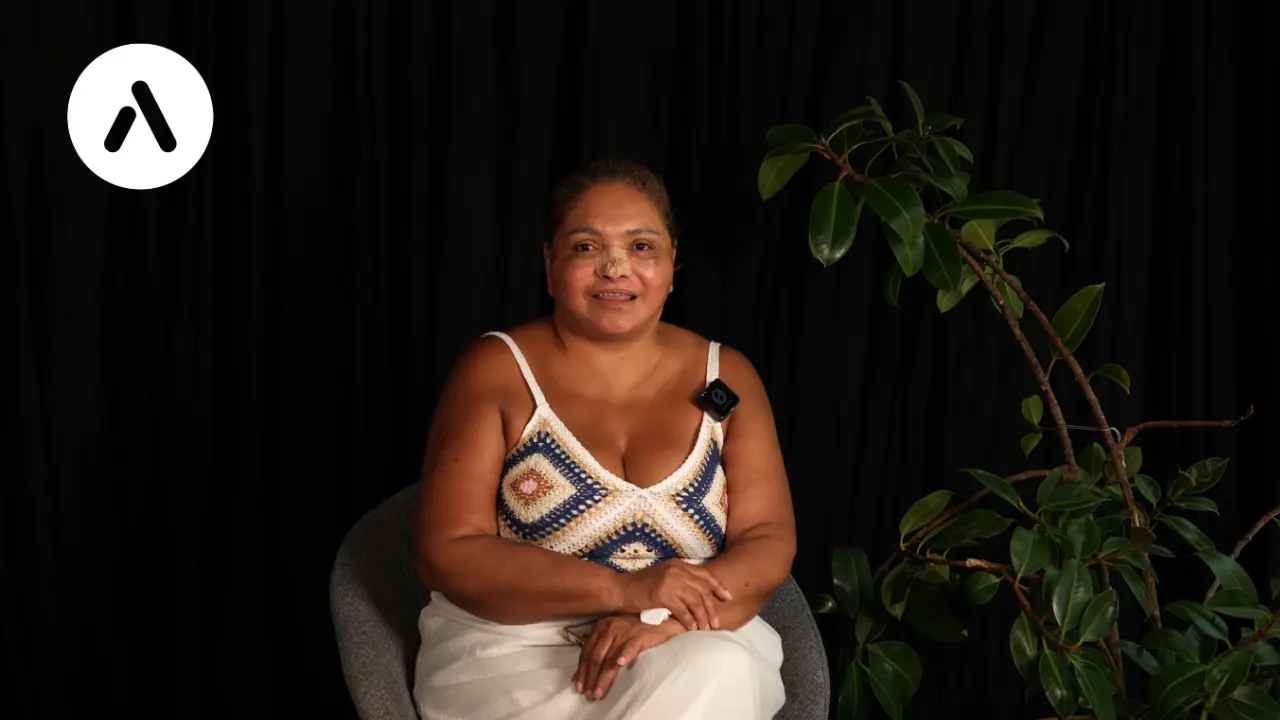
Laura


Mrs. Giordano

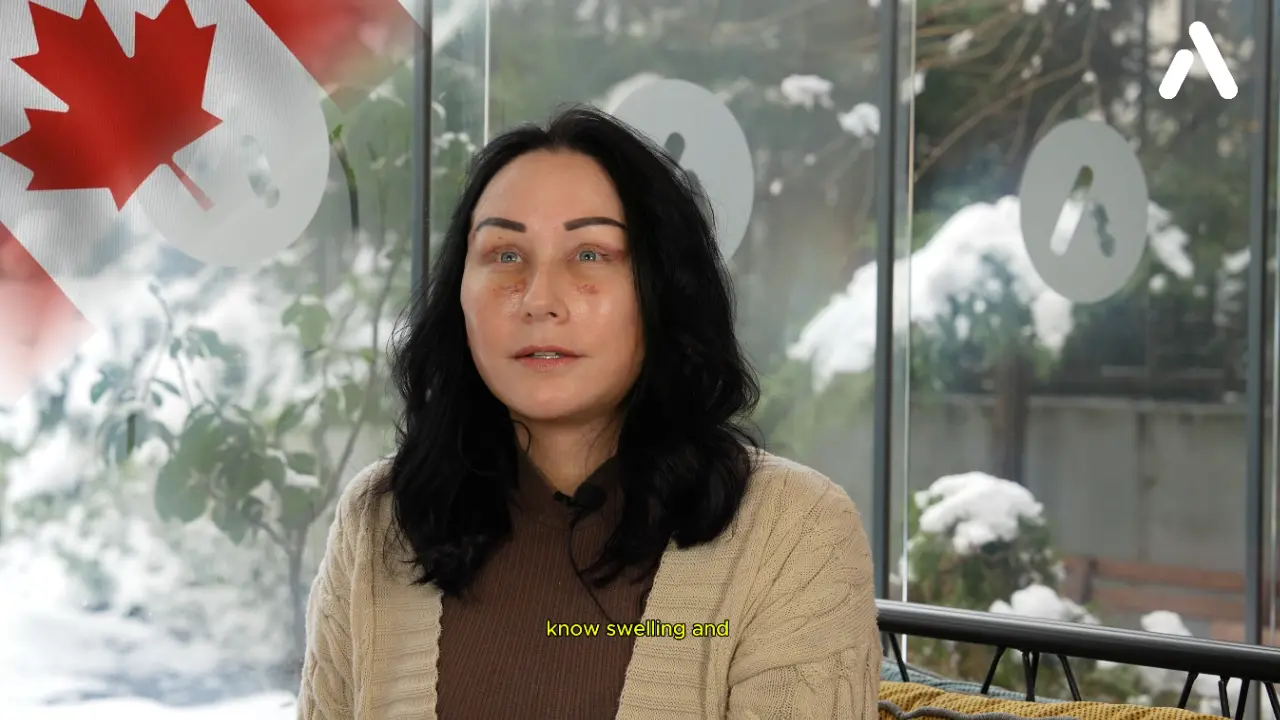

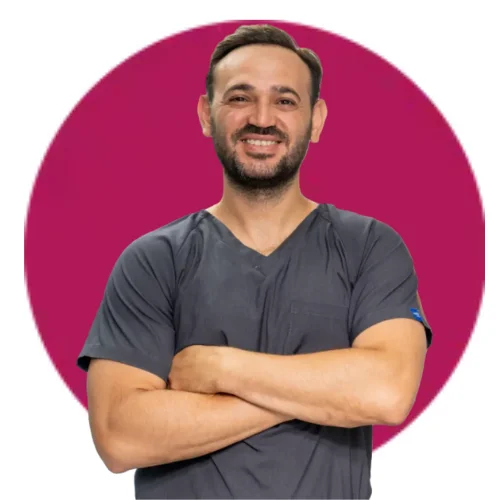
Endoscopic Temporal & Brow Lift Surgeons
Endoscopic Temporal & Brow Lift Cost in Turkey
Starting from ~ £3400
* There are no hidden fees or unexpected charges.
- Your PersonalisedEndoscopic Temporal & Brow LiftProcedure
- All Specialist Surgeon & Anaesthesia Fees
- All Pre-Op Tests & Post-Op Check-ups
- 5-Star Hotel Accommodation (incl. breakfast)
- All Private VIP Airport & Clinic Transfers
- 24/7 Dedicated Patient Coordinator & Translation Services
Endoscopic Temporal & Brow Lift: A Cost Comparison
| City | Cost |
|---|---|
| London | ~ £8,500 GBP |
| Birmingham | ~ £7,800 GBP |
| Manchester | ~ £8,500 GBP |
| Leeds | ~ £7,600 GBP |
| Glasgow | ~ £7,500 GBP |
Endoscopic Temporal & Brow Lift: Patient Reviews
Jammal Canada
I have had face and neck lift with AKM Clinic they have been so good to me and my operation went so smoothly🥰 i would like to thank my doctor here and also to the team 💐
Ava Canada
Thank you AKM Clinic for giving me my confidence back! Had facelift + temporal lift 3 months ago and the outcome is already stunning. Special thanks to Hande!
Jakayla USA
Had a deep plane facelift and lower eyelid procedure at AKM Clinic 7 months ago. The results are fantastic - very subtle and natural. I didn’t expect the entire experience to be so comfortable. Hande managed everything and kept in contact even after I returned to USA. I’m beyond pleased with the outcome and the care I received. Would do it again in a heartbeat!
Barbara United Kingdom
It has been 4 months since my surgery. Everything is great, The most important thing is l love the way l look, l look exactly how l wanted. Meaning l look natural, just almost 40 years younger. I pulled Facebook - majority voted 37ys. I also had face, neck, chest, and hands CO2 laser. My skin is flawless.
Lisa Canada
I had a face, neck and arm lift at AKM. I’m just over 4 weeks post and couldn’t be happier with the results. The entire experience was wonderful! My coordinator, Khadija made me feel comfortable from beginning to end! I highly recommend AKM and will definitely go back for other procedures!
Julie USA
I am beyond grateful I went with AKM Clinic for my deep plane face and neck lift, upper eyelid, and co2 laser. Dr. Akif has magic hands and my results are truly incredible! I came from the US and assistant Emine was the best in assuring every detail was coordinated and communicated with me beyond my expectations every step of the way. 10 out of 10 to the entire team! I couldn’t be more pleased!
Ready to Begin Your Own Transformation Journey?
Join the 2,000+ patients who have trusted Dr Akif Mehmetoğlu and the AKM Clinic team. Your journey to a more confident, naturally restored you begins with a simple, no-obligation conversation. Contact us today from the UK for your free virtual consultation.
#1: Get Your Free Personalised Quote
Start with a free, no-obligation online consultation. Share your photos, and our surgical team will provide a fully personalised treatment plan and a transparent, all-inclusive price package. There are no hidden fees.
#2: Secure Your Date & VIP Booking
Once you are ready, our dedicated patient coordinators will help you secure your procedure date. We will handle all your bookings, including your 5-star hotel accommodation and private VIP airport transfers.
#3: Arrive in Istanbul & Meet Your Surgeon
Arrive at Istanbul Airport (IST) and be greeted by your private driver. Settle into your hotel and prepare for your in-person consultation, where you will meet your specialist surgeon to finalise the details for your natural, subtle, and restored new look.
