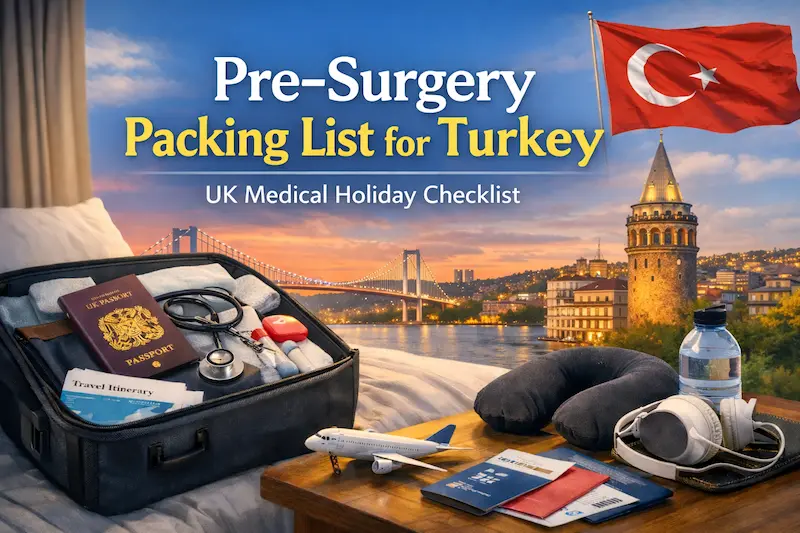
If you’re travelling from the UK for surgery, a pre-surgery checklist isn’t just “nice to have” — it’s a safety tool. The right packing plan reduces stress, protects your comfort, and supports a smoother recovery (especially when you’ll be flying home soon after your procedure). This guide is written for the detail-oriented British “expert patient” who wants a practical medical holiday packing list and a clear pre-op checklist for surgery abroad — without fluff.
Below you’ll find a structured pre-surgery packing list that works across common procedures, plus a cosmetic surgery travel checklist tailored to Turkey. Where relevant, we’ll explain the “why” behind each item using plain-English principles from medical science (for example, how swelling and reduced mobility can change what you need day-to-day).
Table of Contents

Start With the “Why”: Packing for Safety, Not Comfort
Most people think “what to pack for surgery in Turkey” means toiletries and comfy clothes. In reality, your luggage should support: (1) safe mobility, (2) incision and dressing care, (3) swelling (oedema) management, and (4) a calmer return journey to the UK. A good pre-operative checklist before surgery helps you avoid common problems such as forgotten essentials, unsuitable clothing, and last-minute airport stress.
When you’re asking yourself “is it safe to travel to Turkey for surgery”, the most reassuring approach is to plan like a clinician would: minimise avoidable risks and keep the essentials within easy reach. That means packing to reduce strain, prevent irritation, and support simple, consistent aftercare — especially during the first 48 hours and on your return flight, when tiredness and swelling can make small inconveniences feel much bigger.
The UK “expert patient” mindset: what can go wrong if you pack poorly
A rushed or incomplete pre-surgery checklist for patients can lead to avoidable discomfort: clothes you can’t easily put on, shoes that increase fall risk, missing documents, and a lack of simple recovery aids (like elevation support). When you’re abroad, these small issues can feel bigger — particularly if you’re trying to stay within a recovery plan and remain “flight-ready”.
- Mobility matters: immediately after surgery you may move more slowly and tire more quickly, so packing should reduce bending, lifting, and fuss.
- Swelling happens: oedema can make tight waistbands, restrictive tops, and heavy luggage feel far worse than expected.
- Hygiene is strategic: the goal isn’t a luxury wash bag — it’s keeping essentials clean, accessible, and aligned with aftercare guidance.
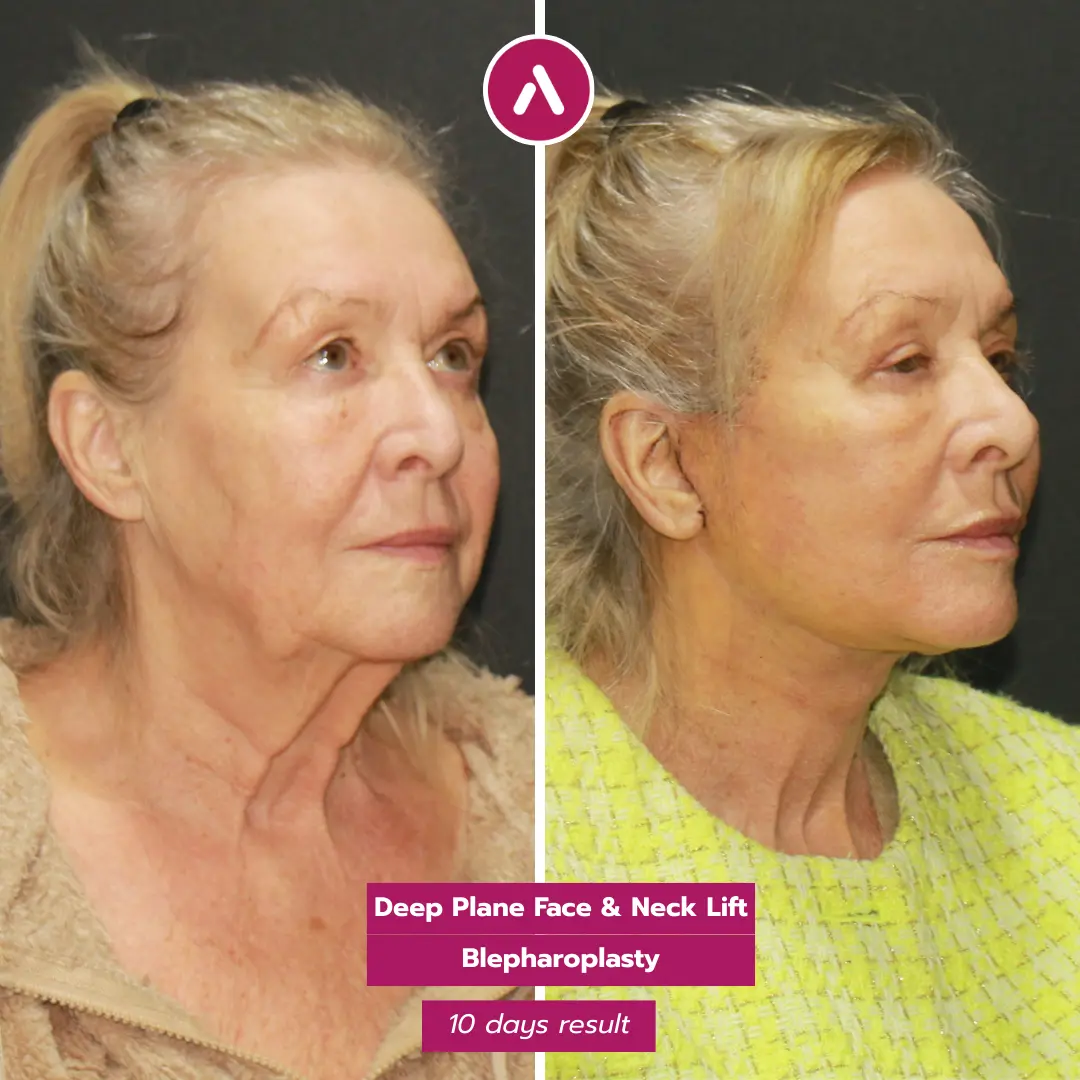
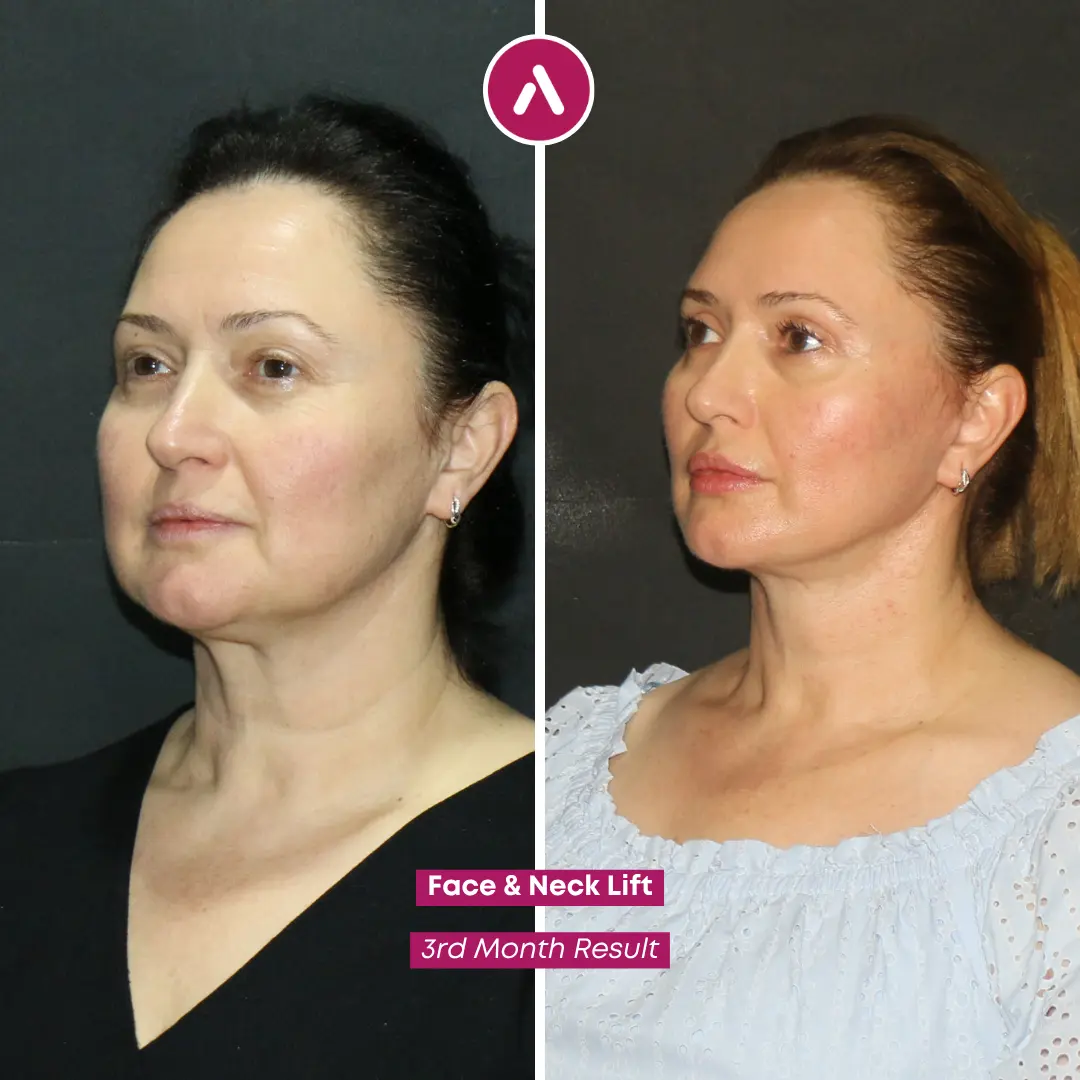
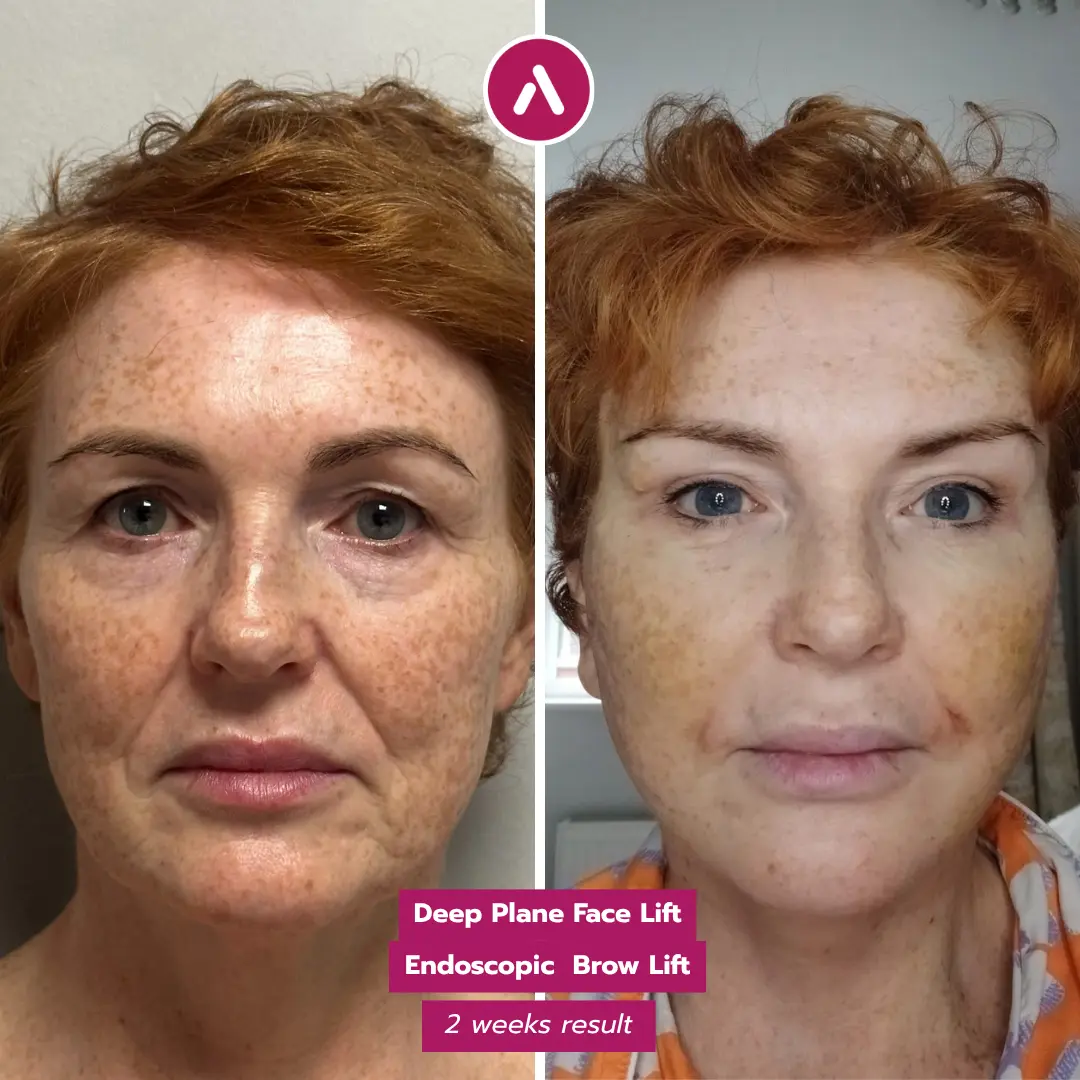
What differs by procedure (face vs body vs hair): swelling, mobility, dressings
Your travel essentials for medical tourism should reflect the type of surgery. The basics overlap, but priorities change:
- Facial surgery (e.g., facelift, eyelids): think head/neck support, gentle cleansing, and items that help you sleep elevated.
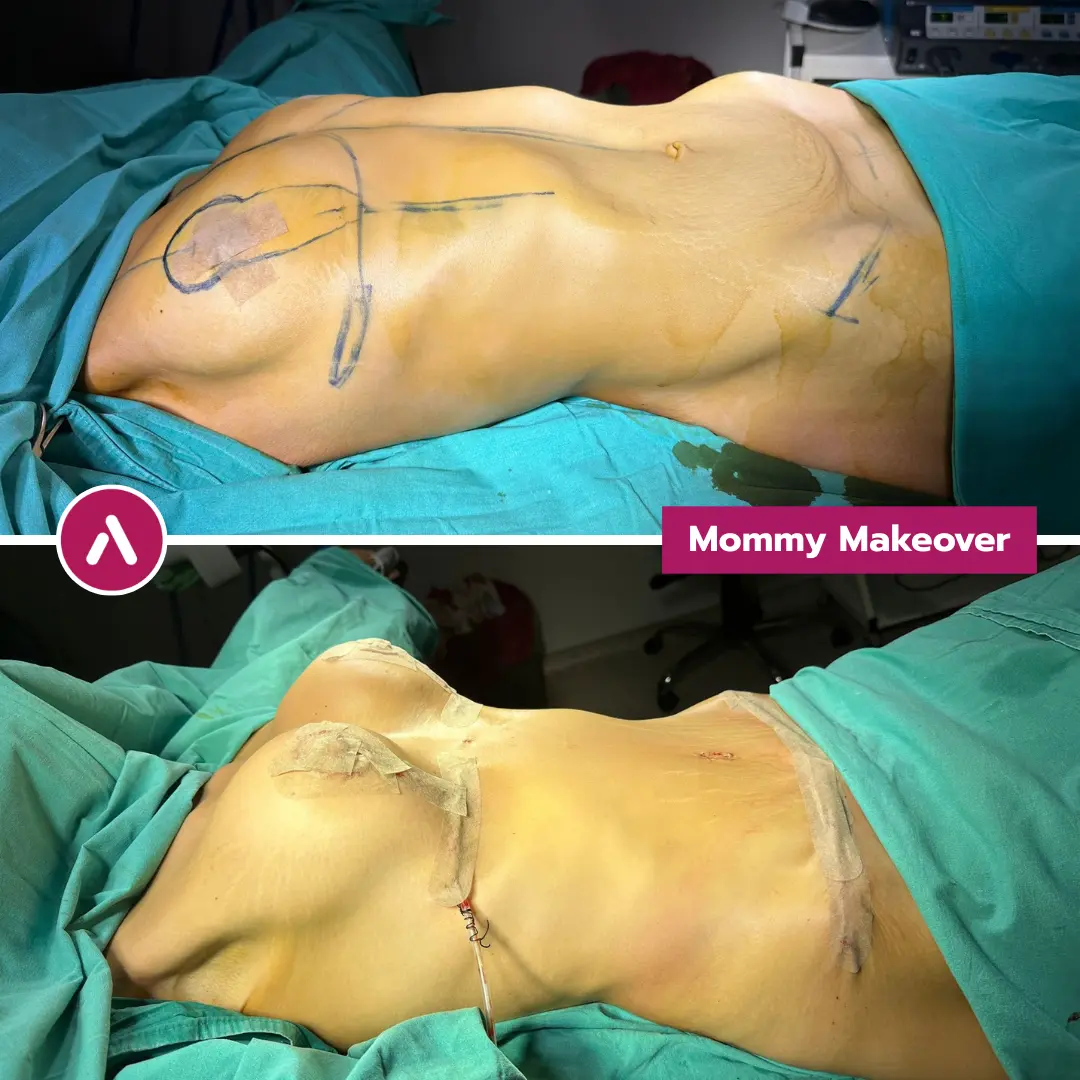
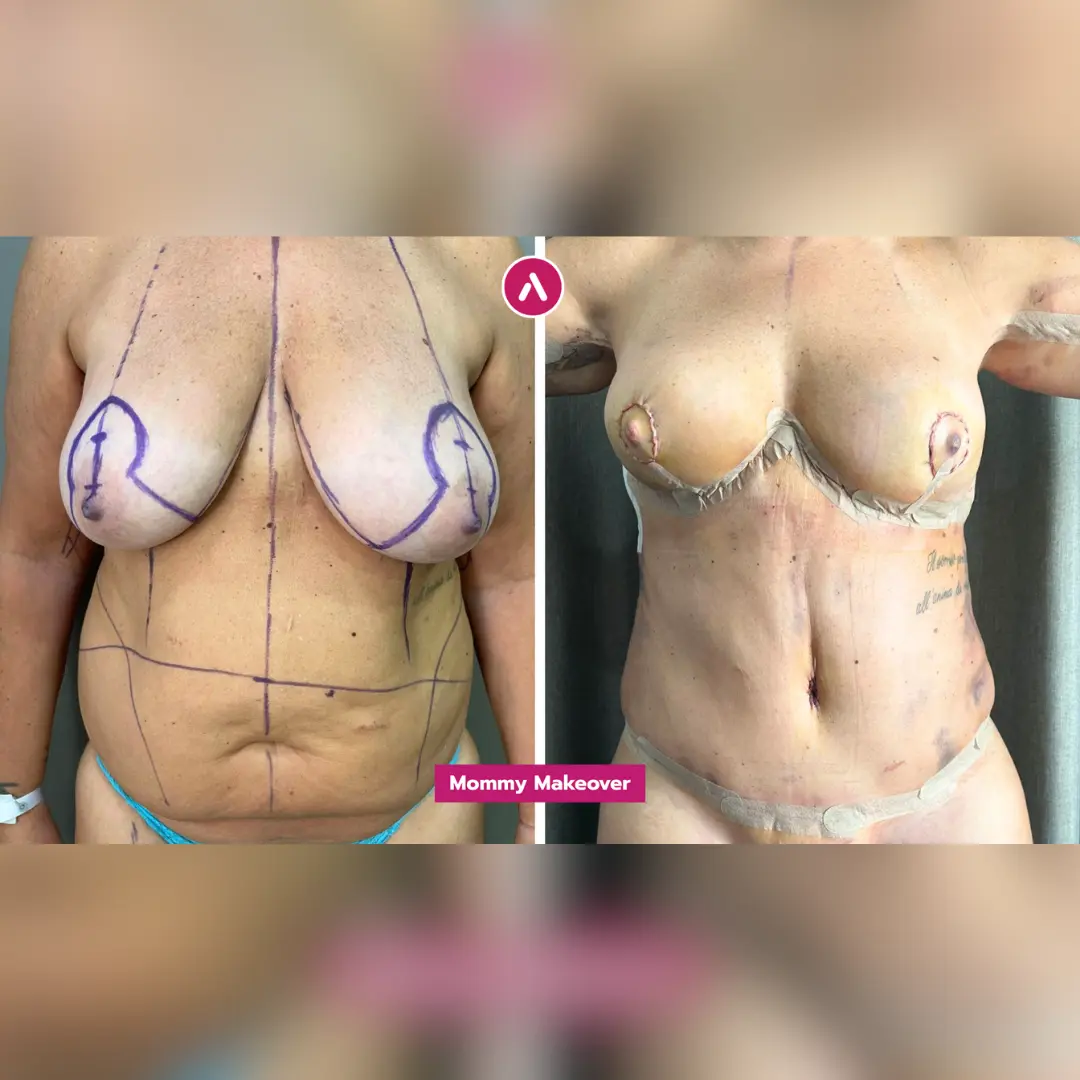
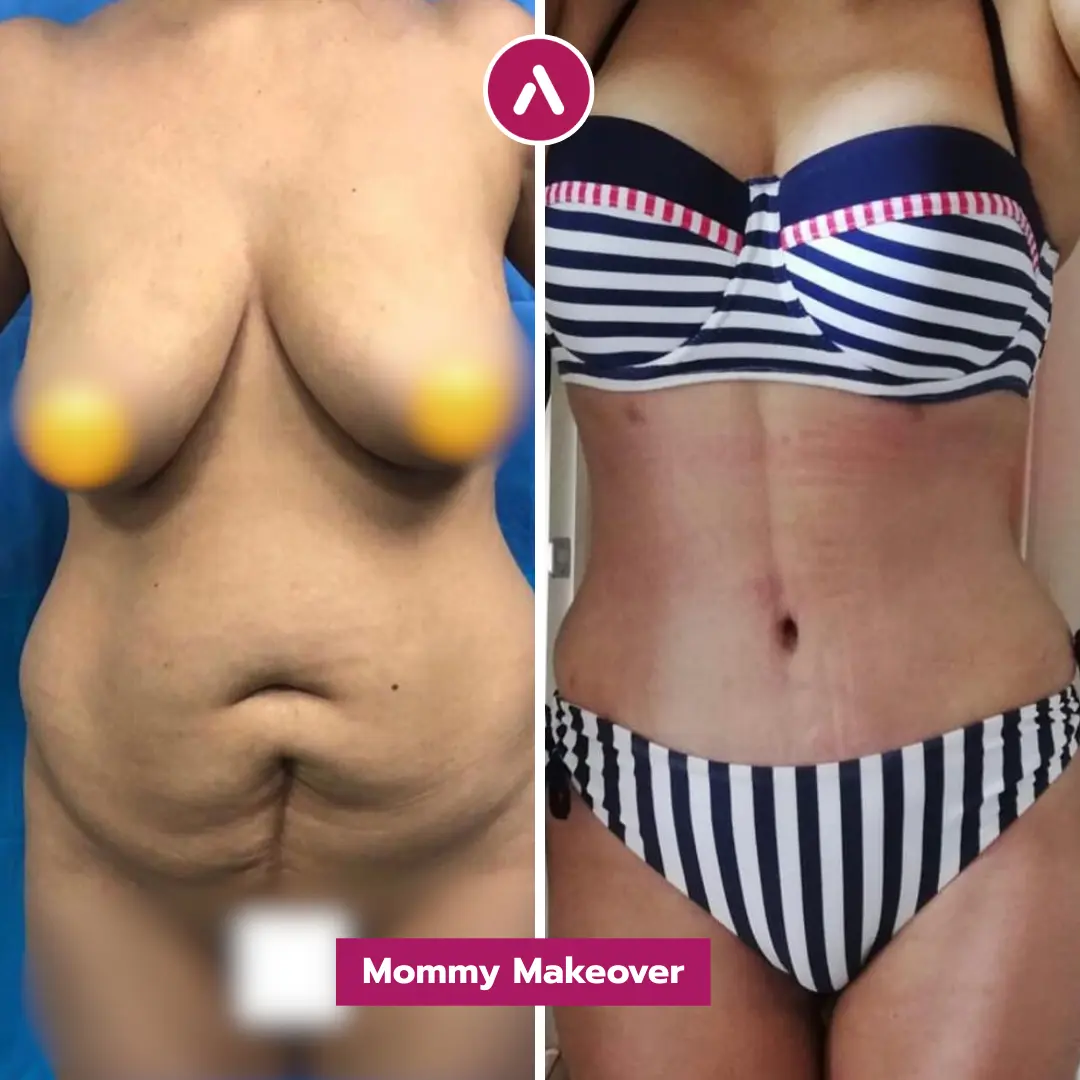
- Body contouring (e.g., liposuction, tummy tuck, mummy makeover): plan for compression garments, front-opening clothing, and easy-to-wear trousers that won’t press on tender areas.
- Hair transplantation: consider a soft, protective travel pillow, loose tops that won’t rub the graft area, and sun protection guidance from the clinic.
Scientific research in peri-operative care consistently emphasises reducing friction on healing areas, maintaining hydration, and planning for limited movement — all of which can be supported by sensible packing choices.
The “flight-ready” logic: packing backwards from your return flight to the UK
A reliable medical holiday packing list is built backwards. Ask: “What will I need on the way home?” Then pack for the day after surgery, then the day of surgery, and finally the days leading up to it. This approach helps you avoid overpacking while ensuring you have the right cosmetic surgery travel checklist items where you can actually reach them (especially in cabin baggage).
Practical tip: Keep your “return flight kit” in a separate pouch so you’re not rummaging through a suitcase in the airport.
Essential Documents & Health Information (Keep These in Your Hand Luggage)
This section is the non-negotiable part of any pre-op checklist for surgery abroad. If your checked luggage is delayed, your aftercare still continues — and you’ll want key information on hand. Keep these items together in a slim folder inside your cabin bag, alongside your phone charger and a pen.
Your medical summary: allergies, medications, past operations, key conditions
Write a short one-page summary (paper + digital copy) including:
- Allergies (including adhesive/plaster reactions)
- Current medications and supplements (with doses)
- Relevant conditions (e.g., asthma, diabetes, clotting history)
- Past operations and anaesthetic history (including nausea after anaesthesia)
- Emergency contact details (UK-based)
This supports safer care and reduces misunderstandings — a cornerstone of a good pre-operative checklist before surgery.
Digital copies: passport, bookings, clinic letters, insurance/travel documents
Store secure digital copies in an encrypted folder on your phone (and ideally a cloud backup). Include:
- Passport photo page
- Flight and hotel confirmations
- Clinic booking details and appointment schedule
- Any consent forms or pre-op instructions you’ve been sent
- Travel insurance documents (where applicable)
If someone asks “what to pack for surgery in Turkey”, this is the part people forget — and it’s often the part that saves time when you’re tired.
Emergency and contact plan: UK-based support line/WhatsApp expectations
Before you fly, confirm how you’ll communicate after surgery (for example, WhatsApp check-ins, photo updates, and who to contact out of hours). Add these numbers to your favourites and write them down on paper too. This is a core “peace of mind” item in any pre-surgery packing list and part of your broader pre-surgery checklist for patients.
Also do this: share your hotel name/address and clinic appointment times with a trusted person in the UK.
What to Wear in Istanbul After Surgery (UK Vocabulary, Realistic Comfort)
After surgery, comfort is not about looking “holiday-ready” — it’s about making recovery easier. Your clothing should minimise friction, avoid pressure on sensitive areas, and help you dress independently when you may feel stiff, swollen, or tired. This section is a practical pre-surgery packing list focused on what you’ll actually wear day-to-day, and it fits neatly into a broader pre-op checklist for surgery abroad.
Loose trousers and front-opening tops: why zips/buttons matter
Pack items you can put on without raising your arms high or bending deeply. Front-opening shirts (buttons or zip-ups) are often more practical than overhead tops, particularly after upper-body or facial procedures.
- 2–3 pairs of loose trousers (soft waistband, not tight around the abdomen)
- 2–4 front-opening tops (light layers you can adjust)
- 1–2 soft cardigans (air-conditioned spaces can feel chilly)
This is one of the most overlooked parts of a medical holiday packing list — people pack “normal outfits” and then realise they can’t comfortably wear them.
Footwear and mobility: slip-ons, anti-slip soles, avoiding long walks
Your safest choice is supportive slip-on footwear with a stable sole. In early recovery you may move more carefully, and airports/hotel floors can be surprisingly slippery.
- Slip-on shoes with anti-slip soles (no complicated laces)
- Compression socks for travel (if advised by your clinician)
- A lightweight shawl or scarf (comfort, privacy, temperature control)
Think of this as part of your cosmetic surgery travel checklist: safe, predictable, low-effort movement.
Procedure-specific clothing: compression garments, bra requirements, modesty layers
If your procedure requires compression garments, your clinic will usually advise what’s needed and when to wear it. Pack to accommodate them rather than fighting against them.
- Compression garments (as provided or specified)
- Soft, non-underwired bras (where appropriate and advised)
- Modesty layers (lightweight long top, roomy jacket) for confidence when you’re swollen
From a medical science perspective, compression is commonly used to support tissues and help manage oedema after certain procedures — so your clothing choices should work with your aftercare plan, not against it.
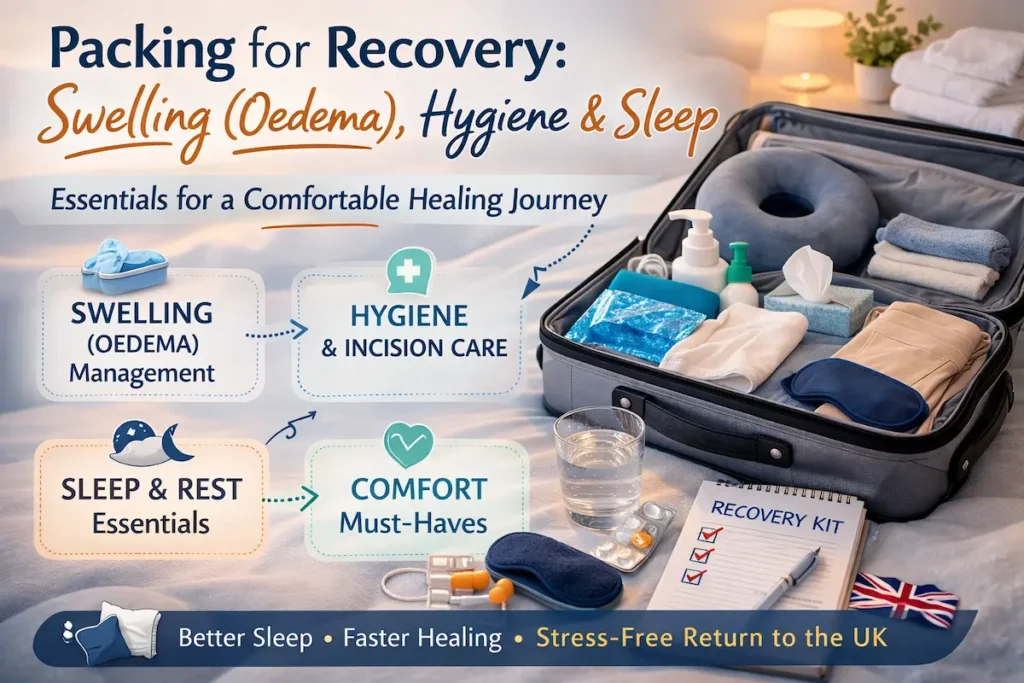
Packing for Recovery: Swelling (Oedema), Hygiene, and Sleep
This is the “comfort meets recovery” section of your travel essentials for medical tourism. The goal is to reduce irritation, keep basics clean and accessible, and create a sleep setup that supports healing. Many people focus on the surgery itself, but a well-planned pre-operative checklist before surgery makes the recovery days far more manageable.
If you’re wondering “is it safe to travel to Turkey for surgery”, recovery planning is where safety becomes practical. Small details — like keeping hygiene items within reach, supporting your sleep position, and choosing tools that reduce swelling-related discomfort — can meaningfully improve how you feel day to day. Packing with these priorities in mind also helps you stick to aftercare instructions consistently, which is especially valuable when you’re in a hotel environment rather than at home.
Managing oedema: cold packs (when appropriate), elevation tools, neck pillows
Swelling is normal after many procedures. Practical supports can make a noticeable difference to how you feel.
- Reusable gel cold pack (only if your surgeon approves its use and timing)
- Small cushion/wedge support for elevation (or ask the hotel/clinic what’s available)
- Neck pillow for travel and upright rest (especially helpful for facial procedures)
Important: Cold packs are not appropriate for every procedure at every stage. Follow your surgeon’s guidance — scientific research shows that timing and technique matter when it comes to swelling management.
Hygiene kit: gentle cleanser, plasters, saline-style basics (clinic-aligned)
Keep hygiene simple. You’re aiming for “clean, gentle, easy”, not a full bathroom cabinet. Pack travel sizes where possible.
- Gentle cleanser and moisturiser (fragrance-free is usually a safe default)
- Alcohol-free wipes for hands and surfaces
- Basic plasters (for minor irritation, not for changing surgical dressings unless instructed)
- Saline spray (useful in dry cabins; follow advice if your surgery involves the nose/face)
This fits into a sensible pre-surgery packing list and prevents unnecessary shopping trips when you should be resting.
Sleep setup: wedge pillow logic, travel pillow, protecting incision areas
Sleep can feel awkward after surgery. The aim is to reduce pressure on healing areas and maintain a comfortable position. If you’re told to sleep elevated, make it easy to comply.
- Travel pillow (helps stabilise your head/neck)
- Button-up pyjamas or a front-opening nightshirt
- Eye mask and earplugs (sleep quality matters)
Many patients report that getting their sleep setup right is one of the highest-value items in their medical holiday packing list.
Safe Return Flight Kit (CAA-Minded): DVT Risk Reduction & Comfort
If you’re travelling back to the UK soon after surgery, your cabin bag becomes your recovery “toolkit”. This part of the cosmetic surgery travel checklist focuses on comfort, swelling management, and practical steps that help you move safely. It’s also why we recommend packing backwards from the day you fly.
DVT basics for travellers: movement plan, hydration, aisle strategy
Long periods of sitting can increase discomfort and may raise clot-related risk in some people — especially if mobility is reduced. Your clinician will advise what’s appropriate for you, but practical travel habits are generally helpful.
- Hydration plan: bring an empty bottle and refill after security
- Gentle movement: ankle circles and short walks when safe/allowed
- Aisle seat if possible (easier access to stand and move)
This sits at the heart of a well-built pre-op checklist for surgery abroad because your return journey is part of recovery.
Compression travel items: what’s useful vs what’s unnecessary
Only use compression items that align with your clinician’s advice. Overdoing it can be uncomfortable.
- Compression socks (if recommended)
- Loose layers (to accommodate swelling)
- Small cushion for support where you feel pressure points
As a rule, avoid anything that creates sharp pressure lines or restricts circulation — your pre-surgery checklist for patients should prioritise safety over “gadgets”.
If swelling spikes mid-flight: practical steps and when to seek help
Mild swelling and tightness can happen, especially with longer flights. Your response should be calm and practical:
- Stand and move gently when permitted
- Hydrate and avoid alcohol
- Loosen restrictive clothing
- Use your neck pillow/support cushion as needed
Seek urgent help if you experience severe chest pain, sudden shortness of breath, one-sided leg swelling with pain, or fainting. This is rare, but any responsible pre-operative checklist before surgery should include “when to escalate” clarity.
Electronics, Practicalities, and “Small Things That Save Your Trip”
This section is your “stress prevention” packing list — the small items that keep you organised, reachable, and comfortable when you’re tired. Many UK patients find these essentials make the difference between a smooth medical holiday and an avoidable hassle. Consider it the final layer of your travel essentials for medical tourism.
If you’re asking “is it safe to travel to Turkey for surgery”, practical organisation plays a bigger role than most people expect. Having your phone powered, your key contacts saved, and a few essentials accessible in your cabin bag reduces stress and helps you follow aftercare instructions consistently. It also means you can reach your clinic quickly if you have a question, share an update photo if requested, and handle travel-day changes without rummaging through luggage when you’re tired or swollen.
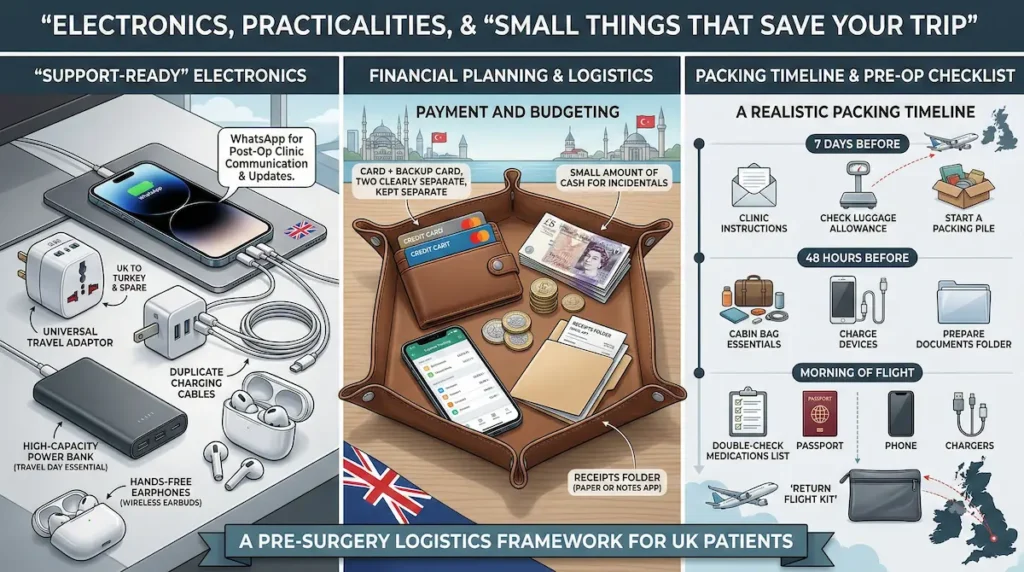
Chargers, adaptors, and keeping your phone “support-ready”
- Universal travel adaptor (plus a spare if you have one)
- Charging cable + plug (pack duplicates if you tend to misplace them)
- Power bank (useful on travel days)
- Hands-free option (earphones) for comfortable calls/check-ins
If you’re using WhatsApp for post-op communication, keeping your phone powered becomes part of your pre-surgery packing list.
Payment and budgeting: GBP planning, small cash needs, receipts
- Card + backup card (kept separate)
- Small amount of cash for incidentals
- Receipts folder (paper or notes app)
Budgeting isn’t glamorous, but it reduces anxiety — and fits naturally into a sensible medical holiday packing list.
A realistic packing timeline: 7 days before, 48 hours before, morning of flight
- 7 days before: confirm clinic instructions, check luggage allowance, start a packing pile
- 48 hours before: separate cabin bag essentials, charge devices, prepare documents folder
- Morning of flight: double-check medications list, passport, phone, chargers, and your “return flight kit”
This timeline doubles as a pre-operative checklist before surgery and helps you avoid the most common last-minute omissions.
Frequently Asked Questions (FAQ): Pre-Surgery Checklist
Below are quick answers designed to support your pre-surgery checklist for patients. Always prioritise your own surgeon’s advice if it differs.
Do I need to pack any medication, or will the clinic provide it?
Bring a list of your current medications and any essential regular prescriptions in their original packaging. Post-operative medicines are typically provided as part of your care plan, but follow your clinic’s guidance.
What should I avoid packing (items that can worsen swelling or discomfort)?
Avoid tight waistbands, restrictive shapewear not prescribed by your clinician, and heavy luggage you’ll struggle to lift. Keep your kit simple and recovery-focused.
How many outfits do I realistically need for a short medical holiday?
Usually fewer than you think: a small rotation of loose trousers and front-opening tops is often enough, plus a light layer for cooler indoor spaces.
What should go in cabin baggage vs checked luggage after surgery?
Cabin bag: documents, phone/charger, hydration essentials, a light layer, basic hygiene items, and anything you’ll need immediately on the return flight. Checked luggage: spare clothing and non-urgent items.
Can I fly back with drains, dressings, or compression garments?
This depends on your procedure and your surgeon’s instructions. Your pre-op checklist for surgery abroad should include a clear, personalised “fit-to-fly” plan.
What helps most on the flight back to London (or elsewhere in the UK)?
Loose layers, hydration, gentle movement when safe, and a properly organised cabin bag. Comfort increases when you can access what you need without bending or rummaging.
What if I forget something—can it be sourced easily in Istanbul?
Many everyday items can be purchased locally, but it’s best to pack procedure-specific essentials (like recommended garments) and key documents to avoid unnecessary stress.
If you’d like to go beyond packing and preparation, you can also explore our related guides, including the Surgery Abroad Safety Checklist, Travelling Solo for Surgery, and advice on when you can Fly After Facelift. We also cover how to choose a Plastic Surgeon Turkey patients can trust, plus a clear, evidence-led look at common Turkish Plastic Surgery Myths—so you can plan your medical holiday with the same confidence you’d expect in the UK.
Medical Disclaimer: This page is provided for general educational purposes only and does not replace a face-to-face medical consultation, diagnosis, or personalised treatment plan. All surgery carries risks and outcomes vary between individuals. Suitability for a plastic surgery, procedure selection, and anaesthesia choice can only be determined after a full clinical assessment by a qualified surgeon. Always follow your clinician’s instructions and seek urgent medical attention if you develop concerning symptoms during recovery.