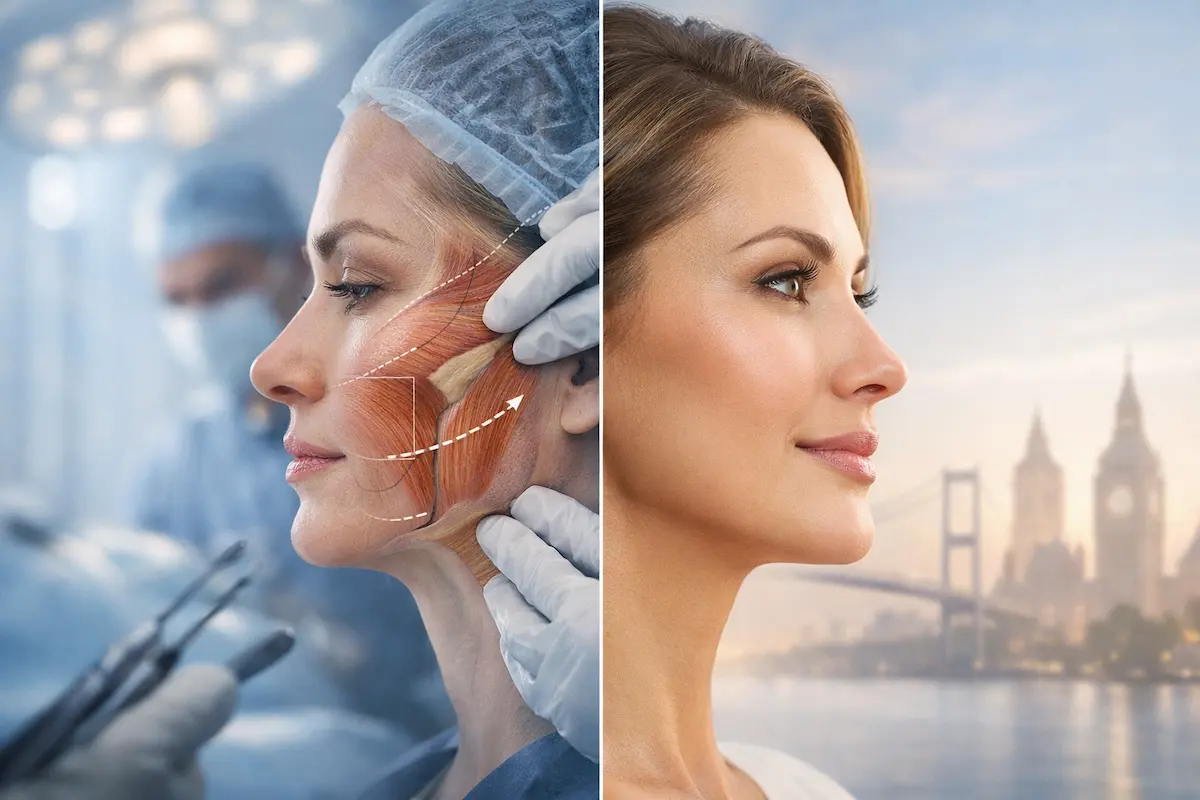
Over the past few years, more British patients have found themselves seriously considering flying to Turkey for facelift surgery — not as an impulsive decision, but as a carefully researched, “expert patient” choice. Whether you call it flying to Turkey for a facelift, travelling to Turkey for facelift, or even medical travel to Turkey for facelift, the question UK patients are really asking is simple: can I achieve Harley Street-level quality, with safer logistics and better value, without compromising on standards or aftercare?
This article is written for the patient who reads reviews, compares techniques, and wants a realistic view of outcomes and recovery. Modern facial rejuvenation is grounded in medical science — and so is good decision-making: verifying credentials, understanding anaesthesia options, and planning a recovery timeline that suits a return flight to the UK.
“My recovery was painless — I needed minimal paracetamol. On quality, I’d choose Istanbul over the UK.”
— Sarah, 45, United Kingdom
In the sections below, we’ll break down why UK patients are choosing Turkey, why Istanbul is the most common destination, and what a safe, step-by-step pathway looks like — including what to verify before you book and how to think about aftercare once you are back home.
- Why the UK facelift market pushes patients to look abroad
- Why flying to Istanbul for a facelift is often preferred over other cities
- What a safe, step-by-step facelift journey Turkey plan should include
- How to evaluate quality beyond price: surgeons, facilities, anaesthesia, and follow-up
Table of Contents
The UK Facelift Landscape: Why Demand Is Rising
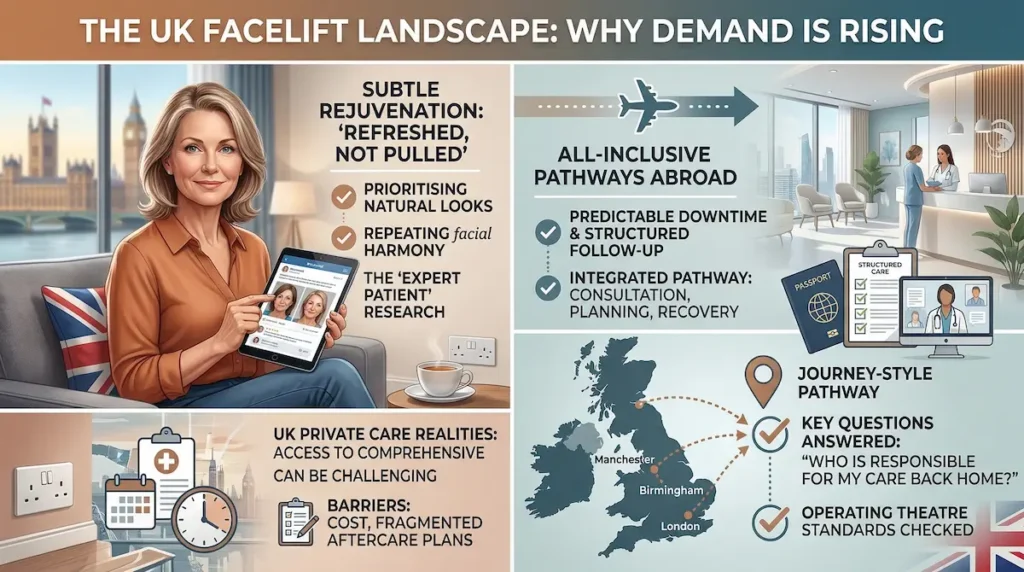
Before looking at Turkey, it helps to understand what is happening at home. UK patients are not just seeking a “lift” — they are seeking subtle facial rejuvenation that looks natural, feels authentic, and fits modern expectations. At the same time, the gap between demand and accessible high-quality private care has widened, which is why some patients begin exploring travelling to Turkey for cosmetic surgery as a practical option.
The “refreshed, not pulled” expectation
Today’s British facelift patient usually does not want a dramatic change. They want to look rested, healthier, and more like themselves — just earlier. This is why you’ll see so many UK patients prioritise techniques and surgeons known for avoiding an “overdone” appearance and for respecting facial harmony.
NHS vs private realities: why patients look abroad
In the UK, facial aesthetic surgery is largely private. For many patients, the barrier is not only cost, but also the difficulty of finding a pathway that feels comprehensive: consultation time, surgical planning, recovery guidance, and structured follow-up. When patients compare a London quote with an all-inclusive pathway abroad, it often triggers the “Could I do this more sensibly?” moment — especially if their work and family life require predictable downtime.
The UK “expert patient” mindset: reviews, forums, and proof
British patients tend to research deeply: patient interviews, before-and-after galleries, independent reviews, and detailed Q&A. They also ask very UK-specific questions: Who is responsible for my care? What standards does the operating theatre follow? What happens if I’m worried once I’m back in Manchester, Birmingham, or London? That mindset is exactly why “journey-style” content matters: it shows the full pathway, not just the end result.
Why Turkey, and Why Istanbul in Particular?
For UK patients, Turkey is rarely chosen on price alone. The real draw is the combination of high-volume surgical experience, internationally aligned clinical processes, and a travel route that can be planned safely. Istanbul, in particular, has become the most common destination because it offers both the medical infrastructure and the practical convenience that makes from London to Istanbul facelift travel feel manageable — especially for patients who want a defined timeline rather than an open-ended recovery plan.
Value without “cheap medicine”: why costs differ
One of the most persistent misunderstandings is that lower prices automatically mean lower standards. In reality, pricing is shaped by multiple factors: overheads, operating costs, and how care is packaged. Many UK patients are comparing a high-fee London environment with a more streamlined international model. What matters is what is included, how transparently it is explained in GBP (£), and whether your surgical plan is built around safety rather than speed.
| What UK patients compare | What to look for (practical checklist) |
|---|---|
| Surgeon credentials | Clear training background, board-equivalent standards, and a track record in facial rejuvenation |
| Facility and infection control | Sterile operating theatres, robust hygiene protocols, and clearly defined peri-operative processes |
| Anaesthesia approach | Appropriate selection between general anaesthesia and local anaesthesia with sedation where suitable |
| Aftercare once back in the UK | Structured follow-up, remote monitoring, and an accessible UK-facing support pathway |
Specialist teams, theatres, and “British standards” thinking
Istanbul has clinics that operate with an international mindset: rigorous hygiene protocols, “zero-compromise” sterile theatre rules, and clear peri-operative pathways. At AKM Clinic, surgical leadership is led by Dr. Akif Mehmetoğlu with a philosophy centred on rejuvenation, not alteration — aligning with what British patients typically want: natural-looking change rather than a visibly “surgical” result.
UK patients also increasingly ask about recovery optimisation as part of the clinical plan. This is where evidence-led supportive care matters: for example, Hyperbaric Oxygen Therapy (HBOT) is used to help reduce post-operative oedema and support lymphatic drainage, while Low-Level Laser Therapy (LLLT) is used to support scar quality. In plain terms: this is not marketing fluff — it is about building a pathway that respects healing biology, informed by scientific research into tissue recovery.
Note on skin and scarring: When evaluating facial surgery abroad, many UK patients benefit from clinics that involve consultant-level skin expertise (sometimes described as a consultant dermatosurgeon) for incision planning, scar strategy, and long-term skin quality. This additional layer can be particularly valuable for “subtle results” patients, where the goal is to look refreshed with minimal visible signs of surgery.
Direct flights from the UK and short travel time
Logistics matter. The popularity of Istanbul is closely linked to straightforward travel: many patients feel more confident about flying to Istanbul for a facelift because they can plan a direct route, build in buffer days, and return with clear milestones. In other words, it supports a safer, more predictable “medical travel” experience — which is exactly what patients mean when they search for a step-by-step facelift journey Turkey rather than a vague “surgery holiday”.
What UK Patients Actually Want From a Facelift Abroad
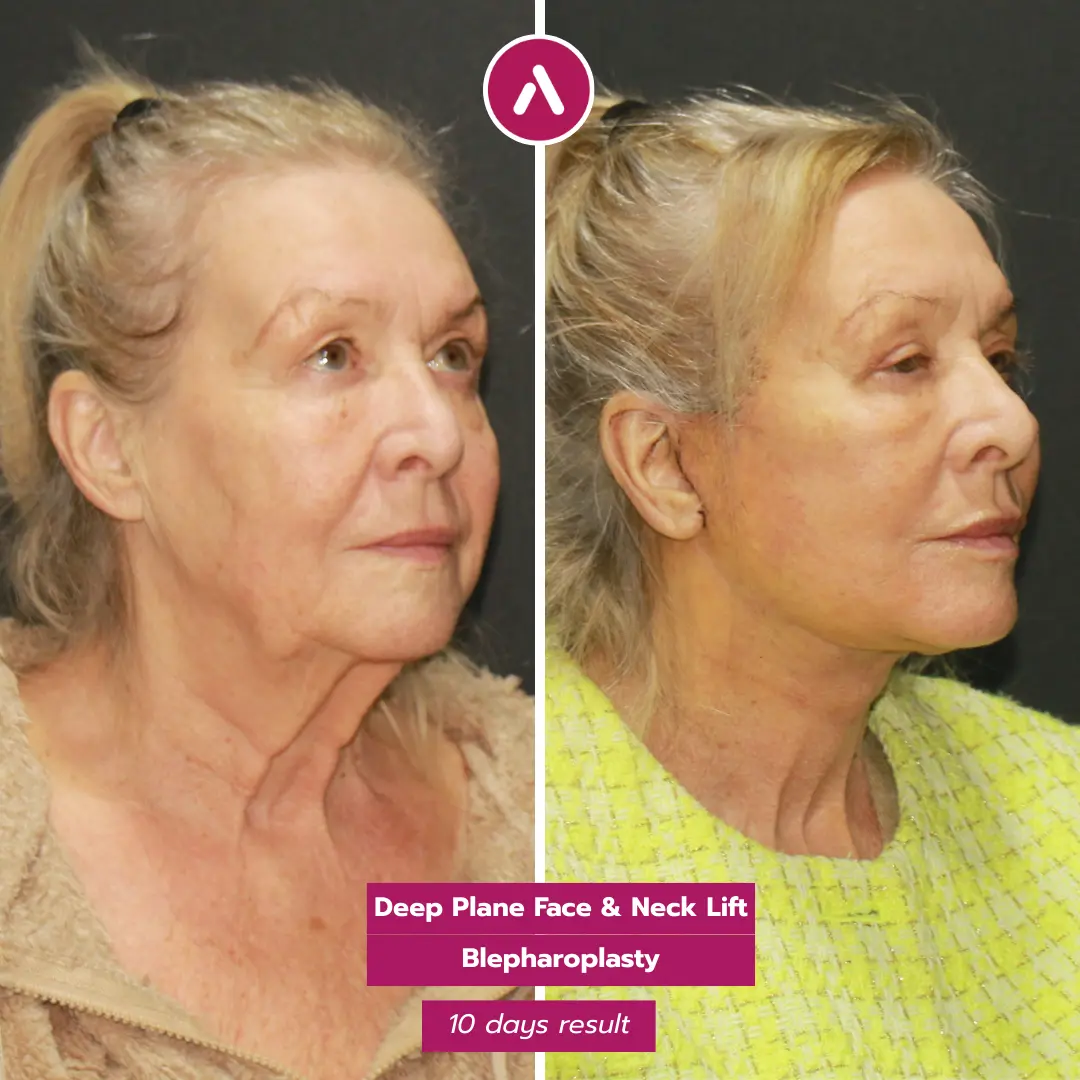
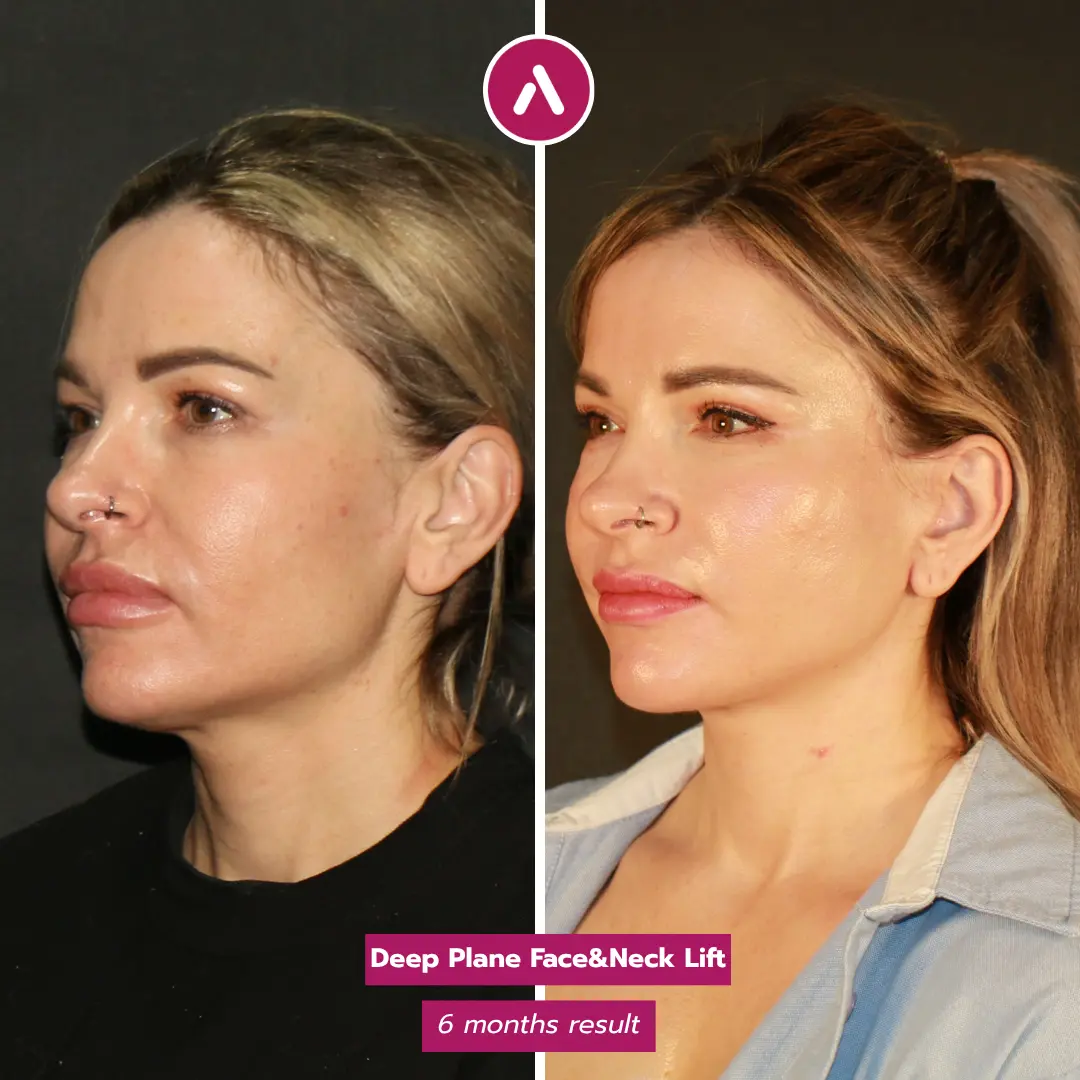
When British patients consider flying to Turkey for a facelift, the decision is rarely “price-first”. It is usually “outcome-first” — with safety and aftercare close behind. Most UK patients want the kind of result that looks like good sleep, reduced stress, and restored facial balance, rather than an obvious surgical change. That preference is consistent with what modern medical science emphasises: respecting facial anatomy, protecting natural expression, and planning recovery in a way that supports tissue healing.
Natural-looking results (rejuvenation, not alteration)
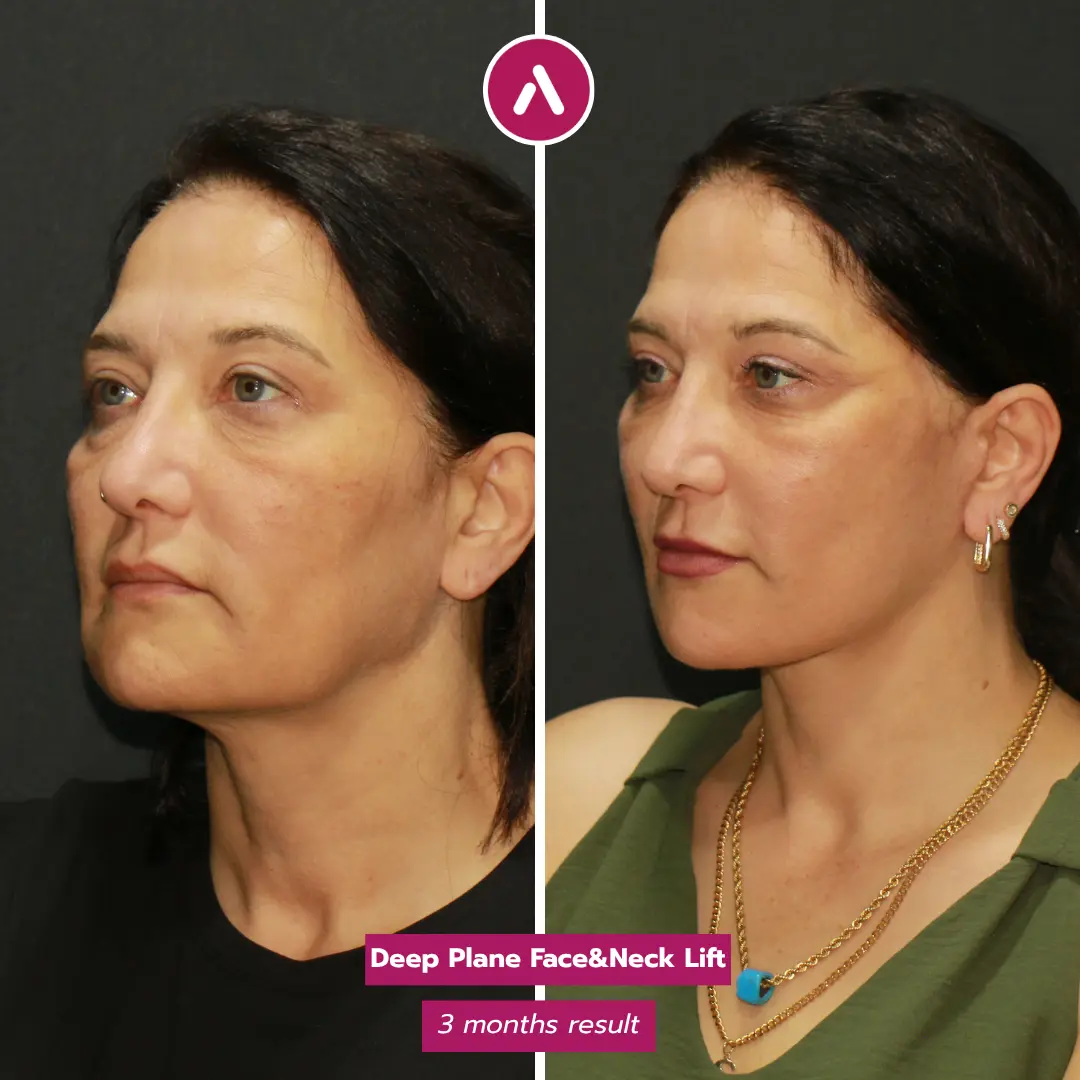
The most common request from UK patients is a result that friends notice without immediately identifying surgery. That typically means:
- Maintaining the patient’s unique facial character (not “copy-paste” aesthetics)
- Avoiding excessive tension that can create a “pulled” look
- Improving definition around the jawline and midface while preserving natural movement
This is why technique selection matters — not because one technique is universally “best”, but because different ageing patterns require different approaches.
Discreet scars and realistic incision placement
Scar anxiety is one of the biggest barriers for UK patients considering travelling to Turkey for facelift. A safe, quality-focused plan should include a clear explanation of incision placement and scar strategy — including what will be hidden in the hairline and around the ear, and what you can do during recovery to support scar quality.
Ask to see healed results (not just early “after” photos). Early photographs can look impressive, but scar maturation continues for months, and your plan should reflect that timeline.
Predictable downtime and “flight-ready” recovery planning
UK patients commonly need a recovery schedule that fits real life: work commitments, school runs, and a return flight. That is why “how long until I can fly?” is not a casual question — it is part of medical planning. A responsible clinic should explain a realistic recovery pathway, what is expected day-by-day, and how swelling (oedema) typically changes from week one through to month three.
If you are considering flying to Istanbul for a facelift, you should also expect guidance on:
- Reducing risk on flights (mobility, hydration, compression guidance where appropriate)
- Medication planning (including what to use instead of NSAIDs if advised)
- Setting expectations about what looks “camera-ready” versus what is still healing
Safety First: How to Vet a Clinic and Surgeon Before You Book
Whether you describe it as medical travel to Turkey for facelift or simply “having surgery abroad”, the safety principles are the same. The goal is not to find the slickest marketing — it is to verify clinical credibility. A trustworthy pathway should feel calm, structured, and evidence-led, with a clear chain of responsibility from consultation through to aftercare.
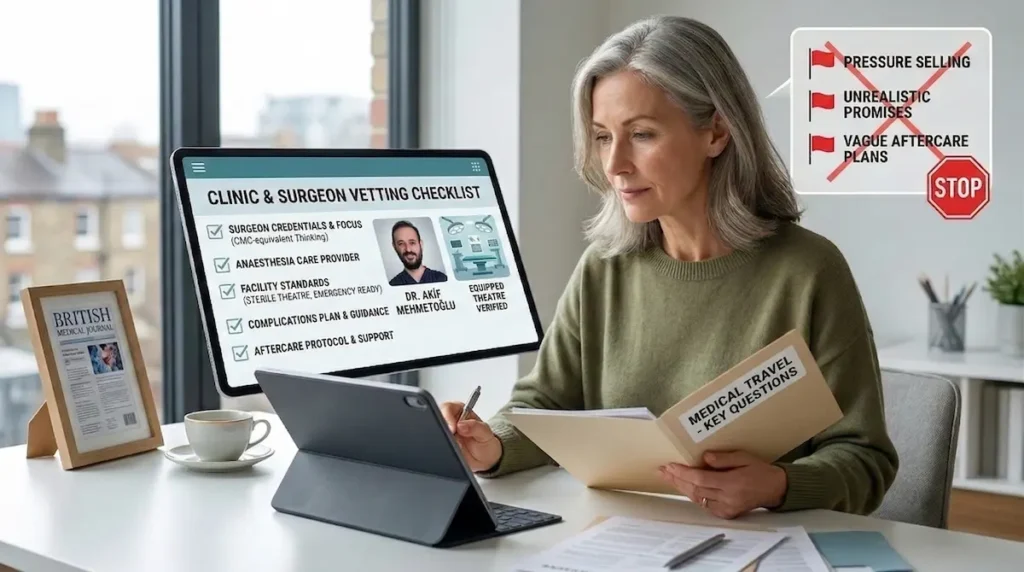
Credentials checklist: “GMC-equivalent” thinking and what to verify
UK patients are used to the idea of regulated standards. When exploring options abroad, apply the same mindset:
- Who is the operating surgeon? Full name, role, and confirmed clinical focus in facial rejuvenation
- What training background is relevant? Look for a clear, consistent professional profile rather than vague claims
- Who provides anaesthesia care? Ask who is responsible on the day, and what type of anaesthesia is planned
- What is the plan for complications? You should be given explicit guidance on what happens if concerns arise
Quality clinics do not “rush” you through this stage. If your questions are treated as inconvenient, treat that as a red flag.
Facility standards: operating theatre, anaesthesia team, emergency readiness
Your safety is shaped by systems — not just the surgeon’s hands. Ask direct questions about:
- Where the procedure takes place (a fully equipped operating theatre, not a minor procedure room)
- Who monitors you during and after surgery
- How pain, nausea, and hydration are managed post-operatively
- What clinical checks happen before you are cleared to return to your hotel
| What to ask | What a reassuring answer looks like |
|---|---|
| “Who will be responsible for my anaesthesia?” | A named anaesthesia professional with a clear safety pathway and monitoring plan |
| “Where will my surgery take place?” | A sterile operating theatre with defined infection control standards |
| “What happens if I’m worried after I fly home?” | A structured aftercare protocol, remote check-ins, and an accessible support line |
| “Can you explain the recovery milestones?” | Clear day-by-day expectations with normal vs abnormal signs explained |
Red flags: pressure selling, unrealistic promises, vague aftercare
UK patients should be particularly cautious of:
- “Limited-time discounts” that pressure you to book quickly
- Promises of zero swelling or instant results (healing biology does not work that way)
- Vague explanations about who you contact post-op
- A lack of written guidance for recovery and follow-up
A safe clinic will welcome scrutiny, encourage questions, and give you time to decide.
Which Facelift Techniques Are UK Patients Choosing in Turkey?
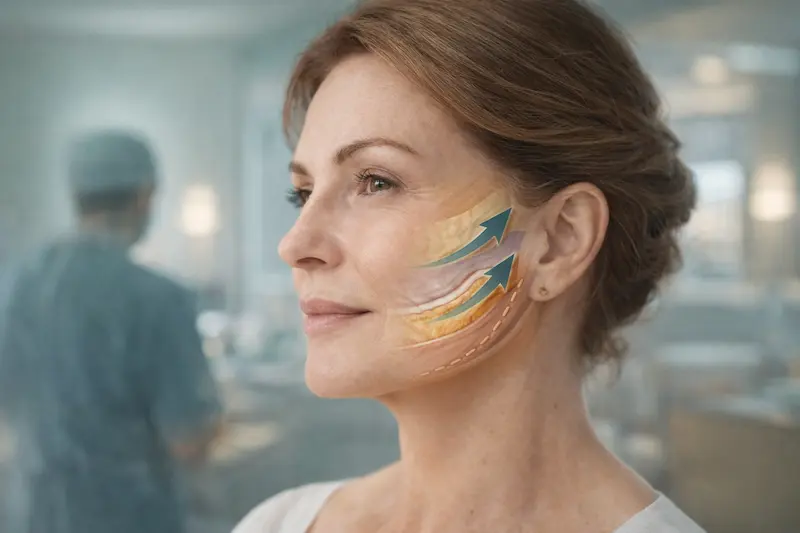
One reason travelling to Turkey for cosmetic surgery has become more mainstream among British patients is that the conversation has shifted from “Where is it cheaper?” to “Which technique fits my face, my ageing pattern, and my recovery window?”. When you are considering travelling to Turkey for facelift, ask your surgeon to explain technique selection in plain language — grounded in anatomy, not trends. That’s where scientific research and experience intersect: understanding tissue layers, blood supply, nerve safety, and how different planes of lifting affect longevity and natural expression.
Deep Plane vs SMAS: the practical differences (who benefits from what)
Most patients will see these two terms when researching facelift options. The key idea is that each technique targets different layers and vectors of lift. A responsible consultation should cover:
- What is actually being repositioned (skin only vs deeper structural support)
- What problem you’re trying to solve (midface descent, jowls, neck definition, loss of jawline)
- How to avoid a “wind-swept” look (often linked to tension placed on skin rather than deeper support)
If your main concern is early jowling and midface descent, you may be advised towards a technique that repositions deeper tissues rather than relying on skin tension alone.
Awake (twilight) facelift under local anaesthesia: who it suits (and who it doesn’t)
Some UK patients are specifically searching for an “awake facelift” because they want to avoid the physiological stress of general anaesthesia. In AKM Clinic’s pathway, the “Awake” (twilight) facelift is described as being performed with local anaesthesia and light intravenous sedation, aiming for a deeply relaxed state while avoiding full general anaesthesia.
However, “awake” does not mean casual. It still requires rigorous patient selection, careful monitoring, and a clear plan for comfort and safety. It may not suit everyone — for example, patients with high anxiety, complex surgical requirements, or certain medical histories may be advised towards a different anaesthesia plan.
Good question to ask: “If I’m considering a twilight (conscious) approach, what makes me a suitable or unsuitable candidate — and why?”
Combining procedures safely (neck lift, blepharoplasty, fat grafting)
UK patients often want one coherent result rather than “a facelift and then more surgery later”. Common combinations include:
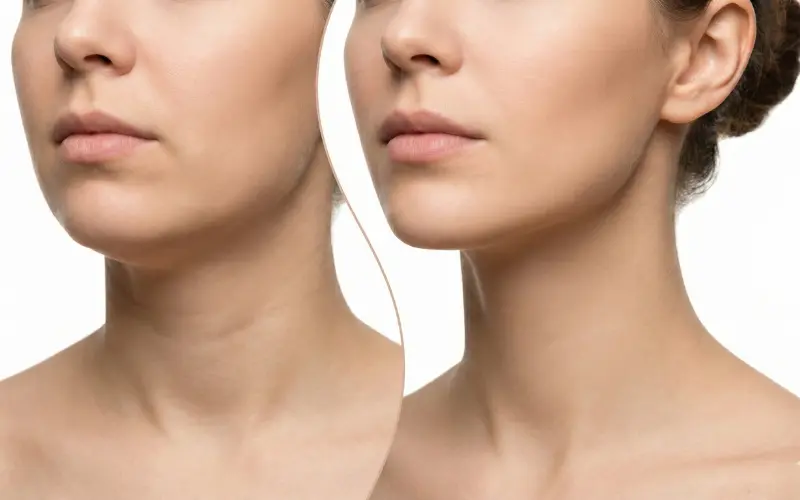
- Neck lift for clearer cervicomental definition
- Blepharoplasty (eyelid surgery) to reduce hooding or heaviness
- Fat grafting where volume loss is a key issue
The safety question is not “Can you do it?” but “Should you do it together for my body and my recovery timeline?”. A surgeon-led plan should explain operative time, swelling expectations (oedema), and what this means for your return flight.
Skin, scarring, and the “consultant dermatosurgeon” advantage (for subtle results)
Many British patients underestimate how much the final outcome depends on skin quality and scar strategy — not just lifting. If a clinic involves consultant-level skin expertise (sometimes described as a consultant dermatosurgeon approach), it can add value through:
- Incision planning for minimal visibility
- Scar-minimising protocols and early scar optimisation
- Guidance for long-term skin quality (texture, elasticity, pigmentation changes)
Even if your surgery is performed perfectly, neglecting scar management can leave you feeling self-conscious. UK patients should ask what the scar programme looks like from week one through month six.
The End-to-End Patient Journey: From WhatsApp Enquiry to Landing Back in the UK
When people search step-by-step facelift journey Turkey, they are not looking for romance — they are looking for predictability. The safest medical travel to Turkey for facelift experience feels structured: clear pre-operative checks, defined milestones, and an aftercare plan that does not disappear once you’re on the plane. For many, from London to Istanbul facelift logistics are straightforward — but the “journey” should be clinical as well as convenient.
Pre-op planning: photos, medical history, tests, medicines to pause
The journey usually begins with a remote assessment. You share photographs and your medical history, and the team advises whether you need updated blood tests or specialist clearance. Expect to discuss:
- Your goals (natural rejuvenation vs more dramatic change)
- Current medications and supplements (some may need pausing, under medical guidance)
- Smoking/vaping status (important for healing and scar quality)
- Any previous facial surgery or fillers
A quality clinic should give written guidance, not just voice notes. This stage matters because it reduces last-minute surprises and makes your “arrival week” calmer.
Arrival in Istanbul: transfers, hotel, pre-op assessment
Most UK patients want to know exactly what happens after landing. Clinics that support British travellers typically organise airport transfers and help structure the first 24 hours so you are not navigating a new city while anxious. Your in-person pre-op assessment should include:
- A face-to-face clinical review and surgical markings
- A discussion of anaesthesia (general vs local anaesthesia with sedation)
- A final review of risks, consent, and recovery expectations
If you are flying to Istanbul for a facelift, build in time for this assessment and avoid scheduling anything “touristy”. This is healthcare, not a holiday.
Surgery day and immediate milestones (Day 0–3)
On the day of surgery, your focus should be simple: safety, comfort, and clear monitoring. In pathways that use twilight techniques, the goal is to keep you deeply relaxed while maintaining appropriate physiological stability. After surgery, patients typically move through early milestones such as:
- Clinical checks before discharge
- Clear instructions on wound care, plasters, and showering
- Pain relief expectations (many patients use mainly paracetamol, but individual needs vary)
- Guidance on sleeping position and swelling management
For UK patients, the “make-or-break” detail is communication: you should know who to contact if you feel worried at 10 pm, and what signs require urgent review. This is where clinics offering a dedicated UK support pathway can reduce anxiety and improve adherence to recovery instructions.
Recovery, Swelling and Flying Home: What to Expect Day-by-Day
For many British patients, the most practical concern isn’t the surgery day — it’s the return journey. If you’re flying to Turkey for a facelift (or specifically flying to Istanbul for a facelift), you need a recovery plan that is medically sensible and travel-realistic. Healing is biology, not wishful thinking: bruising and oedema follow predictable patterns, and good planning respects what medical science tells us about tissue recovery, inflammation, and circulation.
Below is a realistic, patient-friendly guide to what often happens after facelift surgery. Your exact timeline will vary based on technique, whether procedures are combined, your baseline skin quality, and how your body heals — which is why a structured review schedule matters in any step-by-step facelift journey Turkey plan.
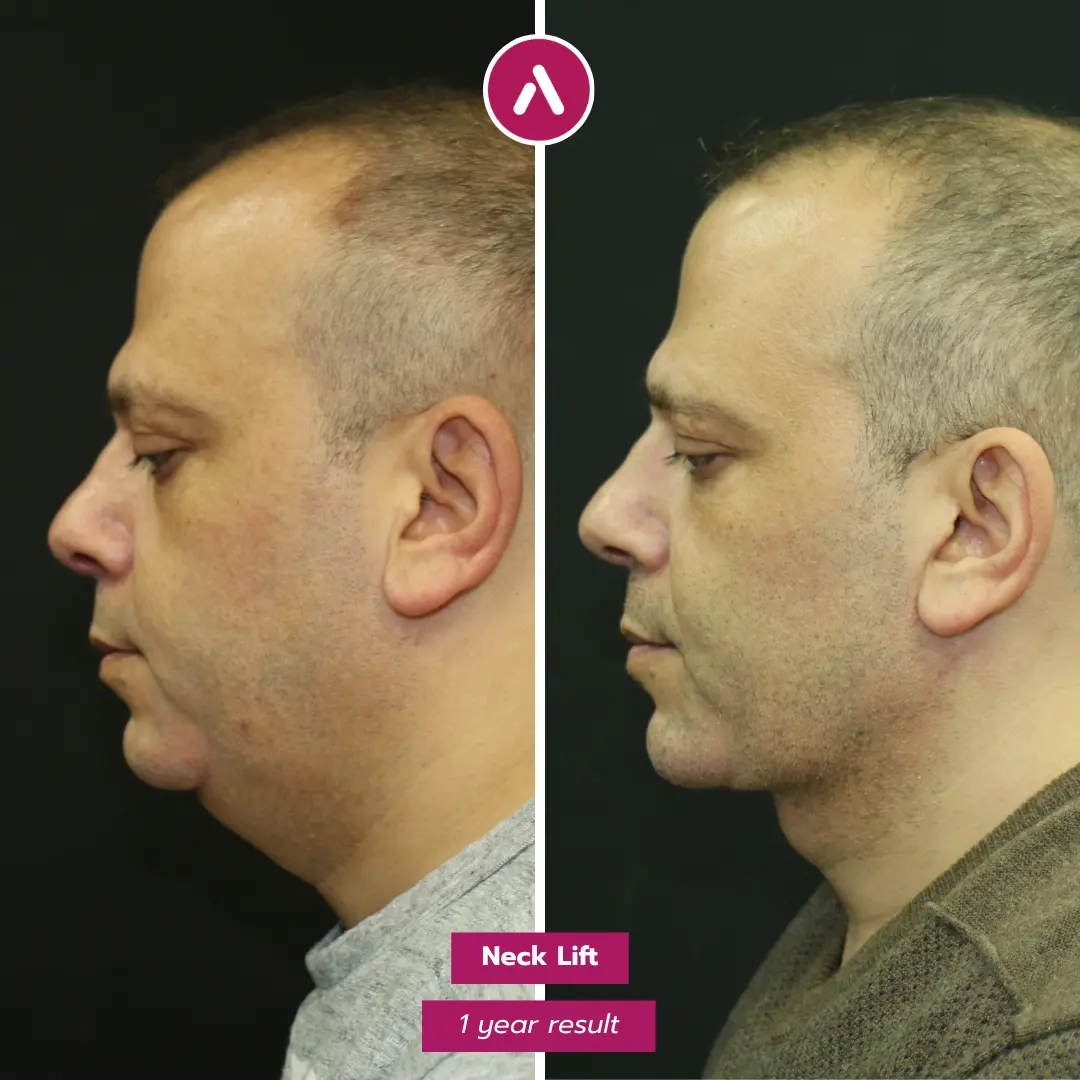
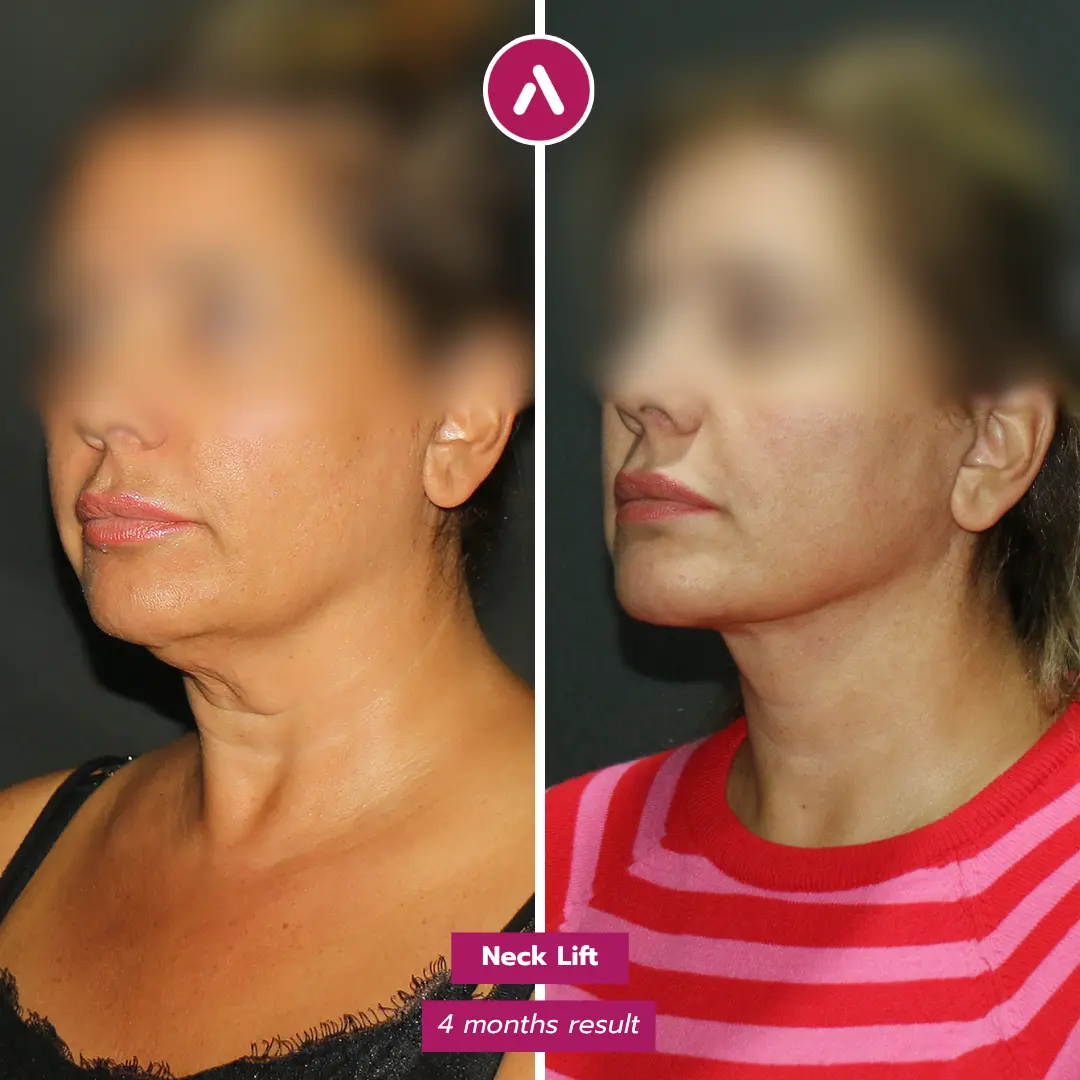
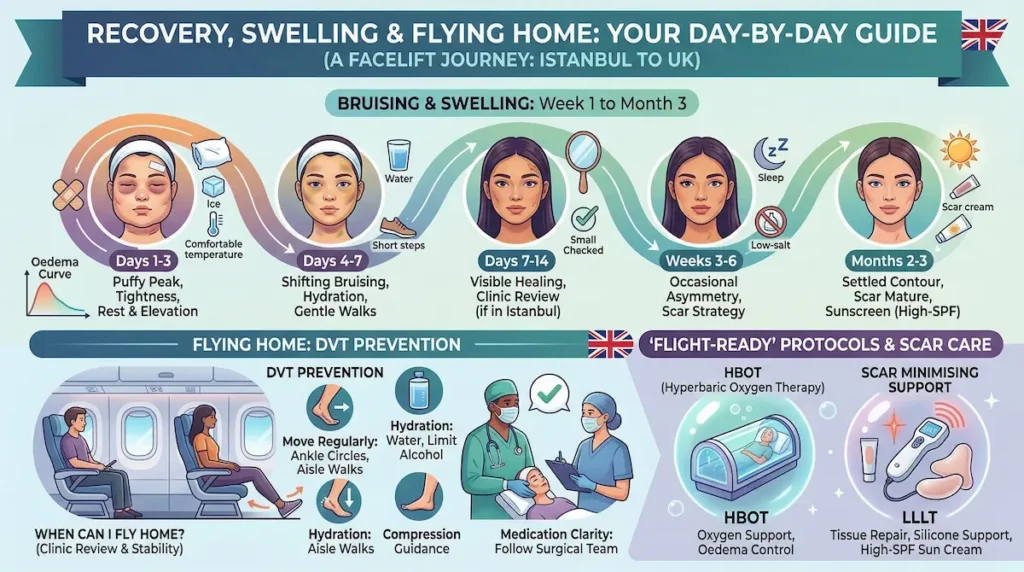
Bruising and oedema timeline: Week 1 → Month 3 (what’s “normal”)
Most UK patients feel most “puffy” before they feel “pretty”. Swelling can look worse before it looks better — and that’s normal. Many patients find it helpful to plan their mirrors around milestones rather than daily fluctuations.
| Timeframe | What you may notice | What helps (typical guidance) |
|---|---|---|
| Days 1–3 | Tightness, heaviness, early bruising, peak “I look odd” phase | Rest, head elevation, gentle walking, paracetamol as advised, keep the room comfortable (around 20–22°C) |
| Days 4–7 | Bruising may shift colour; swelling can migrate (often lower face/neck) | Short walks, hydration, follow wound-care instructions precisely, avoid heavy lifting |
| Days 7–14 | Many feel more “public-facing”, though still visibly healing | Clinic review (if still in Istanbul), gradual increase in activity, continue scar strategy |
| Weeks 3–6 | Noticeable refinement; occasional asymmetrical swelling is common | Consistent sleep, low-salt diet if advised, avoid heat exposure (saunas/steam rooms) |
| Months 2–3 | More “settled” contour; scars continue maturing | Long-term scar care plan, sunscreen discipline, follow-up photos/reviews |
Key point: You do not judge your outcome at week one. Early results can be misleading because swelling and tissue “settling” are still in progress.
DVT prevention and cabin considerations for the return flight
Flying soon after surgery is not just about comfort — it’s about circulation. Any long travel can increase the risk of clots in susceptible individuals. A responsible clinic should assess your risk and give specific advice before you fly.
- Move regularly: get up, walk the aisle when safe, and do ankle circles in your seat.
- Hydration matters: cabin air is dry; aim for regular water intake and limit alcohol.
- Compression guidance: if you are advised to use compression stockings, follow sizing and wear instructions carefully.
- Medication clarity: never self-prescribe blood thinners; follow your surgical team’s instructions.
Surgeon-style question to ask before you fly: “Based on my operation length, medical history, and recovery so far, what steps should I take to reduce clot risk during the flight back to the UK?”
For British travellers, this is a core part of safe medical travel to Turkey for facelift planning — especially if you are doing from London to Istanbul facelift logistics in a tight window.
When can I fly back to the UK after a facelift?
There is no one-size-fits-all answer, and anyone giving you a guaranteed day-count without reviewing you is oversimplifying. Many patients are considered for flying only after:
- A post-operative review confirms wounds are stable and healing is appropriate
- Swelling is manageable and you can mobilise comfortably
- Your surgeon is satisfied there are no early warning signs (excessive swelling, unusual pain, fever, or wound concerns)
In practical terms, many clinics plan the return flight after the first key review (often around the end of week one), but your surgeon’s clearance is what matters. This is why structured check-ins are essential for patients travelling to Turkey for facelift.
“Flight-ready” protocols: how HBOT supports recovery speed
UK patients frequently ask how they can reduce swelling and feel more confident travelling. Alongside standard clinical care, some pathways include supportive recovery technology. Hyperbaric Oxygen Therapy (HBOT) is used with the aim of supporting oxygen delivery to tissues during the healing phase, potentially helping with oedema control and comfort. In simple terms, it’s about optimising the recovery environment — not promising “instant” results.
If you are travelling to Turkey for cosmetic surgery and you need to be “flight-ready” on a schedule, ask exactly how HBOT is integrated:
- When it starts post-op
- How many sessions are recommended
- What the clinic monitors to decide whether it’s appropriate for you
Scar-minimising support: where LLLT fits into aftercare
Scars mature over months, not days. Low-Level Laser Therapy (LLLT) is sometimes used as part of a scar optimisation approach, aiming to support tissue repair processes in the early stages of healing. While outcomes vary by individual biology, consistent scar care is one of the most controllable factors in your result — and it’s often what separates “good surgery” from “satisfying surgery” for British patients who want discreet healing.
A sensible scar plan should include:
- Clear wound-care instructions (what to do and what to avoid)
- When to start silicone-based scar support (if appropriate)
- Sun avoidance and high-SPF habits (especially around hairline/ear incisions)
What Makes Aftercare “Real” for British Patients
Aftercare is where many overseas surgery promises collapse — and where the best pathways prove their value. For UK patients travelling to Turkey for facelift, “real aftercare” means you are not left to self-diagnose swelling, stitches, or scar concerns once you’re back in the UK. A safe, modern pathway treats follow-up as part of the clinical programme, not an optional extra. That is especially important for anyone planning medical travel to Turkey for facelift on a defined timeline and wanting confidence that support continues after the flight home.
24/7 UK support line (+44 WhatsApp): how patients use it in practice
British patients often worry about one very practical issue: “What if I’m anxious at home at 9 pm and I don’t know if this is normal?” This is exactly where a dedicated UK-facing support pathway matters. A UK support line (including WhatsApp access) helps patients:
- Share photos of swelling or bruising (oedema changes can be hard to interpret alone)
- Confirm whether a symptom is normal healing or needs review
- Get guidance on wound care steps without guesswork
- Stay calm and consistent with recovery instructions
When patients describe positive overseas experiences, it is often because communication felt “local” and immediate — even while the surgery happened abroad.
London correspondence address / UK contact point: what it actually changes for trust
For many people, the biggest fear around travelling to Turkey for cosmetic surgery isn’t the flight — it’s the feeling of being “too far away” if something feels off. A London correspondence address and a UK-based patient contact point can reduce that psychological barrier. It doesn’t replace clinical care in Istanbul; it strengthens trust by creating a UK-facing layer for administrative support, document handling, and communication continuity.
In real patient stories, this detail matters more than you might expect: it reassures patients that they are not navigating everything alone once they are home.
Follow-up programme: 1 week, 1 month, 3 months, 12 months (remote monitoring)
The safest step-by-step approach includes defined checkpoints. Clinics working to “British standards” should be able to show you a structured follow-up timetable and what each review is for. Here is an example of how a clinically organised pathway may look for patients flying to Turkey for a facelift and returning to the UK:
| Checkpoint | What is assessed | Why it matters for UK patients |
|---|---|---|
| First week (in Istanbul or immediately after) | Wound stability, bruising/oedema pattern, early scar care instructions | Helps determine safe travel timing and reduces “flying blind” anxiety |
| 1 month | Swelling trends, skin quality, scar optimisation plan | Prevents common mistakes (over-activity, heat exposure, inconsistent scar care) |
| 3 months | Contour refinement, symmetry, scar maturation progress | Aligns expectations with healing biology (results continue settling) |
| 12 months | Long-term outcome, scar maturity, “naturalness” and satisfaction review | Reassures UK patients that care continues beyond the early “holiday surgery” window |
In short: if a clinic cannot describe aftercare clearly, that is not a minor detail — it is a safety signal.
Real Stories: What British Patients Say After Their Facelift in Turkey
The UK “expert patient” persona trusts lived experience. That’s why genuine patient journeys carry so much weight: they reveal what matters beyond the brochure — how pain is managed, how communication feels, and what support looks like once you’re back home. If you’re researching flying to Istanbul for a facelift, look for stories that include the full pathway: decision-making, surgery, recovery milestones, and aftercare in the UK.
The decision journey: what finally made them book
Many UK patients describe a long research phase. Sarah, a 45-year-old patient from the United Kingdom who previously had surgery in the UK, compared the overall experience and felt the Istanbul pathway matched what she wanted: subtle facial rejuvenation without Harley Street-level fees.
“My recovery was painless and I needed minimal paracetamol. Comparing quality, I’d choose Turkey over the UK.”
— Sarah, United Kingdom
If you want to read this type of story in full, it works well as an internal journey link:
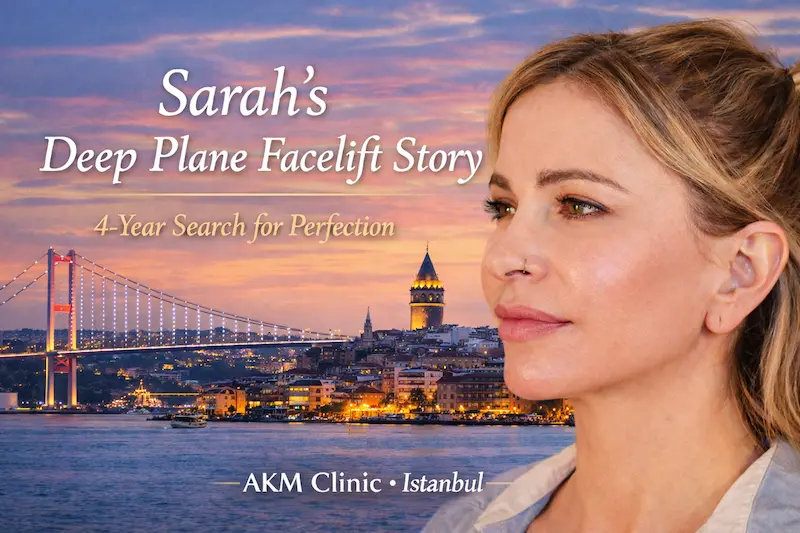
- Sarah’s Deep Plane Facelift Story: 4-Year Search for Perfection
- 14-Day Deep Plane Facelift Journey: From Flight to Recovery
What surprised them most (communication, standards, comfort)
One of the strongest trust signals in patient interviews is “peer-to-peer validation”. Stella, another UK patient, described that her confidence increased dramatically after speaking directly with a previous UK patient. This is the opposite of sales pressure — it’s reassurance through real-world comparison and honest answers.
Patients also frequently mention comfort and clarity: knowing what is happening on each day, what swelling changes are normal, and who to contact if they are worried. For anyone planning from London to Istanbul facelift travel, this level of structure turns a stressful idea into a manageable plan.
Lessons learned: timing, packing, travelling solo vs with a companion
Mehtap’s journey highlights a detail British patients often underestimate: aftercare access once you are home. She described that having a direct WhatsApp UK number and a UK support line made a genuine difference after returning to the UK, and that a UK contact point (including a London correspondence address) provided real psychological comfort.
Practical tips UK patients commonly share include:
- Do not compress your schedule — build in buffer days for review and reassurance
- Pack for comfort on the return flight (neck pillow, water bottle, easy layers)
- If travelling solo, choose a pathway that offers proactive check-ins and clear escalation routes
- Expect swelling to fluctuate — the goal is steady progress, not perfection at day 7
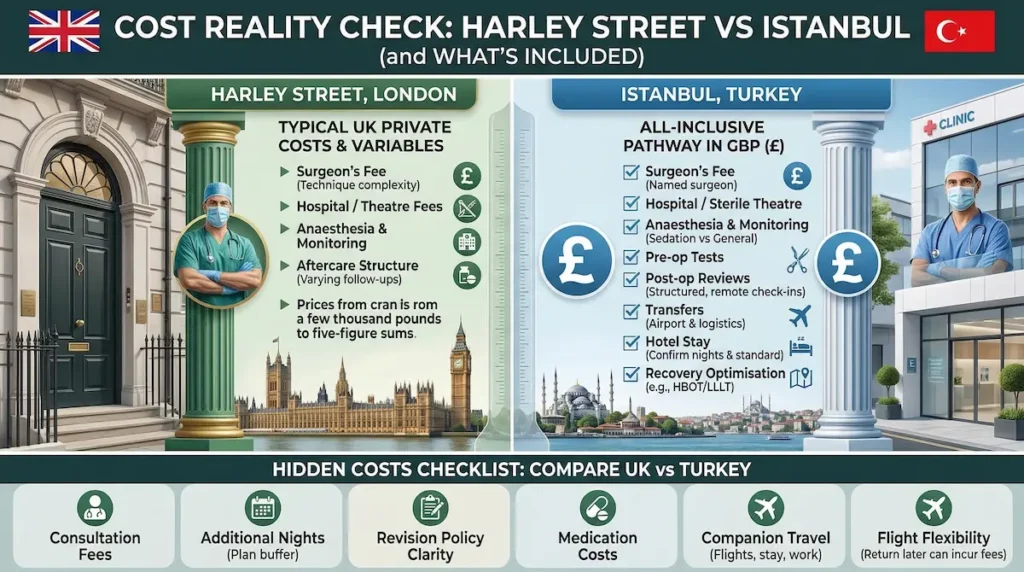
Cost Reality Check: Harley Street vs Istanbul (and What’s Included)
Cost is one of the reasons British patients explore flying to Turkey for a facelift — but the most sensible comparison is like-for-like. A “facelift price” can mean very different things depending on what is included (surgeon’s fee only vs hospital/theatre vs anaesthesia vs aftercare), the technique (mini vs face-and-neck vs deep-plane approaches), and how follow-up is delivered once you are back in the UK.
If you are considering medical travel to Turkey for facelift, treat cost as a transparency test: a good provider will itemise what is included, explain what can change your quote, and be clear about aftercare responsibilities — especially once you’ve flown home.
Typical UK private ranges (London vs regional) and why they vary
In the UK, pricing varies by geography, hospital fees, anaesthesia costs, surgical complexity, and whether neck work or additional procedures are included. As a high-level guide, UK public information often references a range from “a few thousand pounds” for smaller procedures up to five-figure sums for more extensive face-and-neck surgery. In London/Harley Street, published prices can be higher, particularly for complex techniques and premium facilities.
- Technique complexity: deeper-plane approaches and combined procedures typically cost more than limited “mini” procedures.
- Hospital and theatre fees: these can be a significant part of the total, especially in London.
- Anaesthesia and monitoring: who provides anaesthesia care, length of surgery, and post-op observation all affect the final figure.
- Aftercare structure: the number and format of follow-ups (in-person vs remote) can be included or billed separately.
All-inclusive packages in GBP: what should be included (no hidden costs)
One reason travelling to Turkey for facelift can feel “easier to budget” is the package model. Many clinics present an all-inclusive quote in GBP (£) that bundles clinical care with logistics. However, “all-inclusive” is only meaningful if you know exactly what is included and what is not.
Use this checklist to compare a UK quote against an Istanbul package:
| Cost area | UK private quotes often include | A well-defined Istanbul package should include |
|---|---|---|
| Surgeon’s fee | Usually included | Included (named surgeon and technique explained) |
| Hospital / operating theatre | Sometimes itemised separately | Included (sterile theatre + defined monitoring pathway) |
| Anaesthesia & monitoring | May be separate (anaesthetist fee) | Included (clarity on local anaesthesia with sedation vs general anaesthesia) |
| Pre-op tests | Variable | Included (with clear medical clearance steps) |
| Post-op reviews | Variable number | Included (structured schedule + remote check-ins once back in the UK) |
| Transfers / logistics | Not applicable | Often included (airport transfers, co-ordination support) |
| Hotel stay | Not included | Often included or arranged (confirm nights and standards) |
| Recovery optimisation | Usually not included | May include HBOT/LLLT protocols (confirm what is offered and when) |
Important: Flights are not always included, and that’s not necessarily a problem. What matters is that you understand the total cost of the journey — particularly if you are doing from London to Istanbul facelift travel and might need flexibility to change return dates.
A transparent comparison table + “hidden costs” checklist
To keep your comparison fair, list every possible “extra” that can appear on either side. Here is a practical hidden-cost checklist UK patients can use when considering flying to Istanbul for a facelift:
- Consultation fees: UK consults can be charged separately; abroad, confirm whether your consultation is included or credited.
- Additional nights: if swelling or anxiety is higher than expected, you may choose to extend your stay — plan a buffer.
- Revision policy clarity: understand how concerns are handled and what constitutes a revision vs normal healing.
- Medication costs: what is provided vs what you purchase yourself (and what is safe to take).
- Companion travel: if you bring someone, account for their flights, accommodation, and time off work.
- Flight flexibility: returning too early is a safety risk; returning later can carry change fees.
When cost is presented transparently, it becomes a confidence-builder rather than a pressure point. If you feel rushed, or if the quote is vague, that’s a signal to slow down — especially with something as significant as a facelift.
Helpful next reads (internal):
- Deep Plane Facelift Cost: UK Prices vs Turkey Comparison
- Plastic Surgery Costs Turkey: UK vs Turkey Price List
- Surgery Abroad Safety Checklist: CAA & Medical Guidelines
- When Can You Fly After Facelift?
Frequently Asked Questions (FAQ): Flying to Turkey for Facelift
Below are the questions UK patients most commonly ask when they are flying to Turkey for a facelift or planning a more structured step-by-step facelift journey Turkey. These answers are general guidance only — your safest next step is a surgeon-led consultation that considers your medical history, technique choice, and travel timetable.
Is it safe for UK patients to fly to Turkey for a facelift?
It can be safe if you choose a clinic with a clear operating theatre standard, an appropriate anaesthesia plan, and structured aftercare. Safety is less about geography and more about clinical systems: surgeon credentials, facility standards, infection control, and how complications are handled. Avoid any provider that rushes you, glosses over risks, or cannot explain follow-up once you return to the UK.
How do I verify a Turkish surgeon’s credentials?
Ask for the operating surgeon’s full name, clinical focus (facial rejuvenation), and verifiable training background. You should also ask who provides anaesthesia care, where the operation takes place (a sterile operating theatre), and what the escalation pathway is if you have concerns. If a clinic relies on vague claims rather than specifics, consider it a red flag.
What is the difference between Deep Plane and SMAS facelift?
Both aim to reposition tissues for natural-looking rejuvenation, but they work in different layers and vectors. The best approach depends on your anatomy, ageing pattern, and goals (midface descent, jowls, neck definition). A good consultation should explain what layer is being lifted and how the technique avoids tension on the skin that can create an “overdone” look.
Can a facelift be done under local anaesthesia (awake/twilight)?
In selected patients, yes. A twilight (“awake”) pathway typically uses local anaesthesia with light intravenous sedation, aiming for comfort while avoiding full general anaesthesia. Suitability depends on medical history, anxiety level, and surgical complexity. It should never be sold as “easier” — it still requires careful monitoring and proper patient selection.
How long will I need to stay in Istanbul after surgery?
Most patients should plan to stay long enough for key post-operative reviews, early wound checks, and clearance for travel. The exact length depends on the technique, whether you combine procedures (e.g., neck lift or eyelid surgery), and how your swelling (oedema) settles. If you’re flying to Istanbul for a facelift, build in buffer time rather than booking the earliest possible return flight.
When can I fly back to the UK after a facelift?
There is no universal day-count. You should fly only after a clinical review confirms stable healing and no early warning signs. Your team should discuss cabin considerations, mobility, hydration, and clot-risk reduction (where relevant). If you are planning from London to Istanbul facelift travel on a tight schedule, make sure your return date is flexible.
What should I pack for the return flight?
Pack for comfort and swelling management: a supportive neck pillow, a water bottle (for regular hydration), gentle skincare approved by your team, and easy layers. Choose loose clothing and avoid anything that rubs incision areas. Keep paracetamol (if advised) and your aftercare instructions in your hand luggage.
What are the signs of complications I should not ignore?
Seek urgent medical help if you develop worsening shortness of breath, chest pain, calf swelling/pain, high fever, sudden increasing redness, significant bleeding, or escalating pain that feels “wrong”. In the UK, that may mean contacting NHS 111 for advice or attending A&E for urgent assessment. Always follow your surgeon’s specific escalation guidance.
Will my scars be visible, and how do you minimise them?
Incisions are typically planned around the ear and hairline to keep scars discreet. Scar appearance depends on incision placement, your skin biology, and consistent aftercare (including sun protection). Ask to see healed outcomes and request a scar strategy that continues for months — not days.
What does aftercare look like once I’m back in the UK?
Real aftercare includes scheduled remote check-ins, clear guidance for normal vs abnormal healing, and a reliable UK-facing support route. British patients often value a +44 WhatsApp support line and a UK contact point because it reduces anxiety and keeps communication consistent once they are home.
Medical Disclaimer: This page is provided for general educational purposes only and does not replace a face-to-face medical consultation, diagnosis, or personalised treatment plan. All surgery carries risks and outcomes vary between individuals. Suitability for a facelift surgery, procedure selection, and anaesthesia choice can only be determined after a full clinical assessment by a qualified surgeon. Always follow your clinician’s instructions and seek urgent medical attention if you develop concerning symptoms during recovery.