If you’re planning cosmetic surgery and you’re focused on minimising scars, you’re not alone. For many UK patients, the biggest worry isn’t just the operation itself — it’s whether the scars will look obvious, stay red, or become raised months later.
This article explains low-level laser therapy (LLLT) for scars in clear, practical terms: what it is, how does LLLT work for scarring, where it fits into recovery, and what the medical science says it can realistically do. We’ll also cover how to minimise scarring after surgery with a wider scar strategy that supports incision healing after surgery.
Table of Contents

Why Scarring Matters to UK Patients (and What “Normal” Looks Like)
A “good” scar is usually one that becomes flatter, paler, and less noticeable over time — but that process can take many months. Understanding what’s normal helps you make better choices about aftercare, including options like laser therapy for surgical scars and other evidence-based approaches to recovery.
For UK patients, it can also be reassuring to know that scar care isn’t only about what happens in theatre — it’s about what you do afterwards, week by week. A structured plan for cleansing, protection, and gradual mobilisation can influence redness, texture, and comfort as the scar matures. If your priority is to speed up facelift recovery, the same principles apply: protect the incision early, reduce avoidable irritation, and follow a clinician-led aftercare routine designed for your skin and procedure.
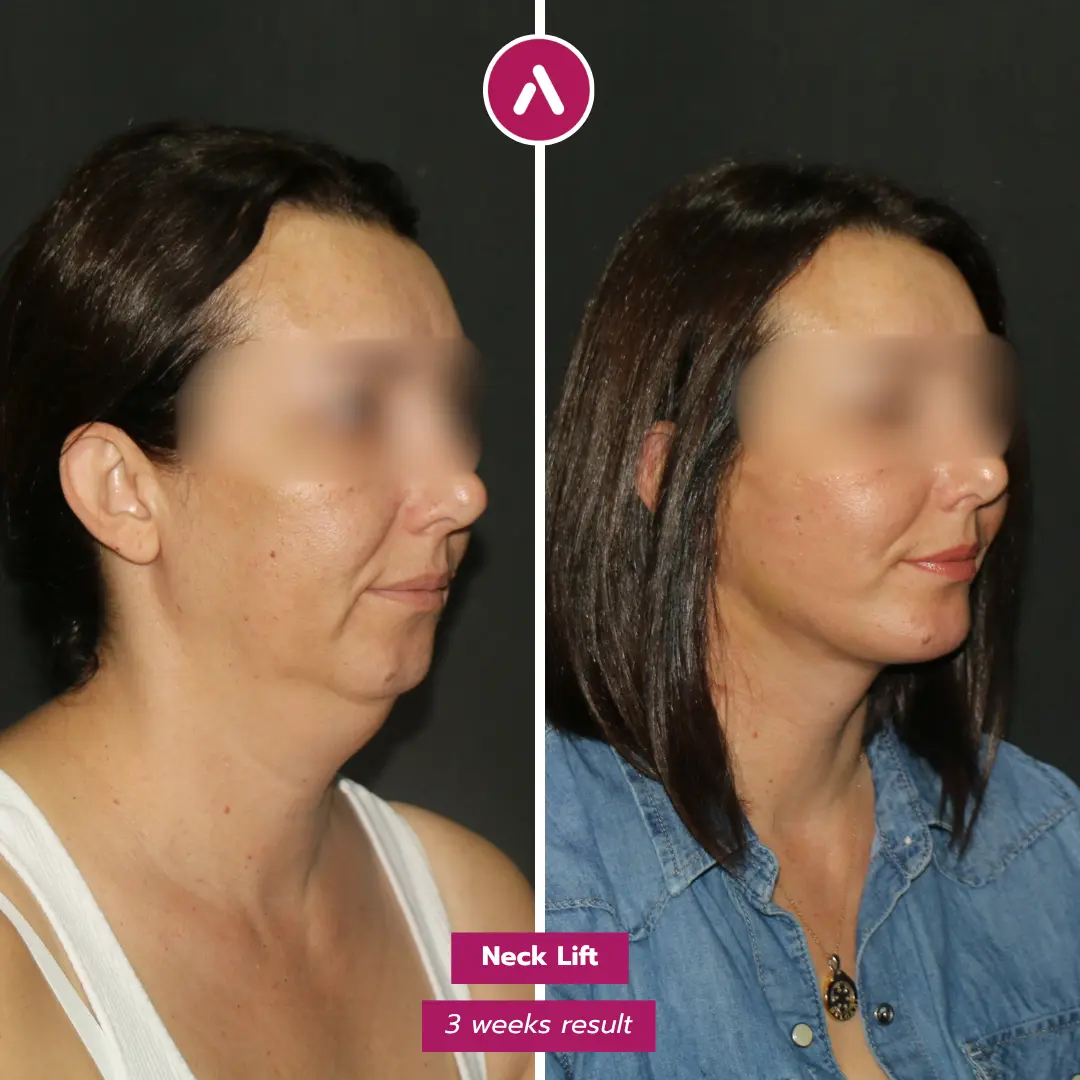
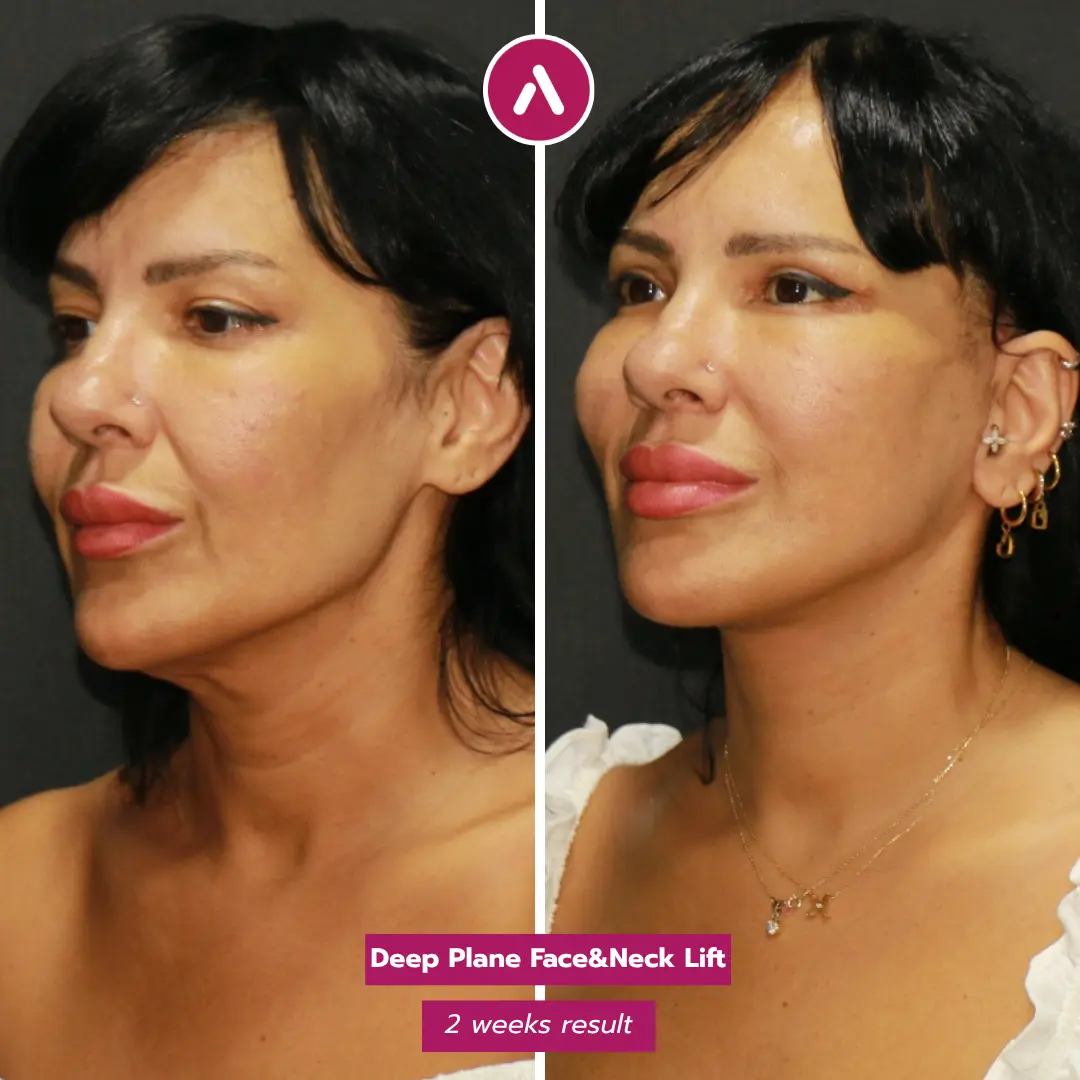
The “expert patient” concern: scars vs natural-looking results
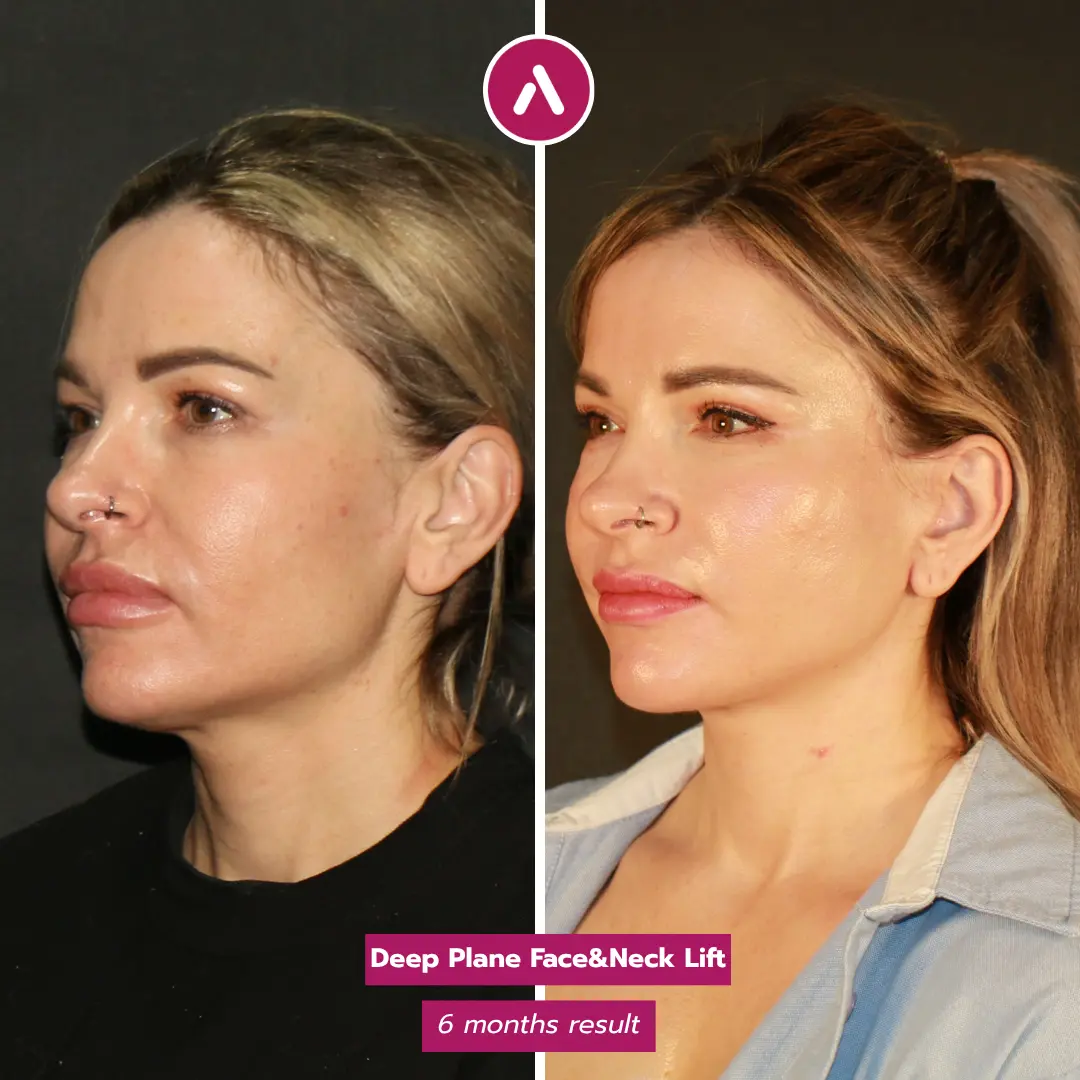
UK patients often prioritise subtle, natural-looking outcomes. That makes scar placement, scar quality, and long-term scar colour just as important as the headline result of the procedure. This is why non-invasive scar reduction options — including LLLT scar healing approaches — are increasingly discussed in post-operative care pathways.
Which procedures can leave more noticeable scars?
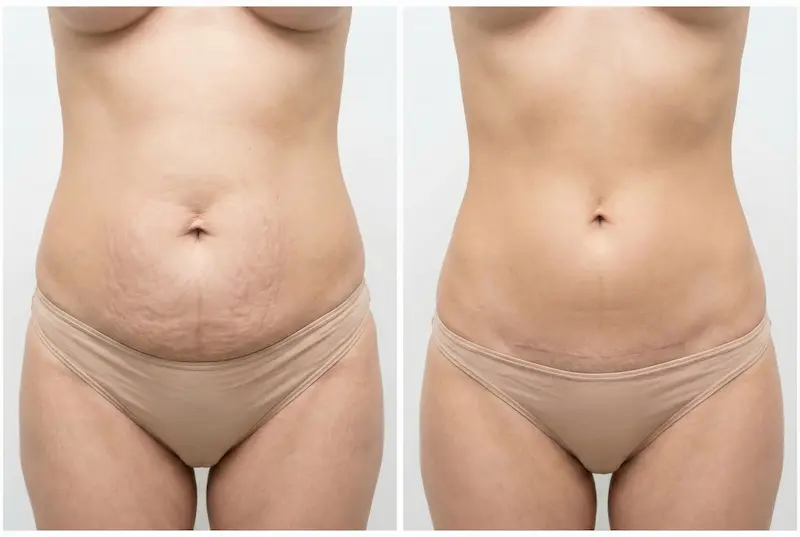
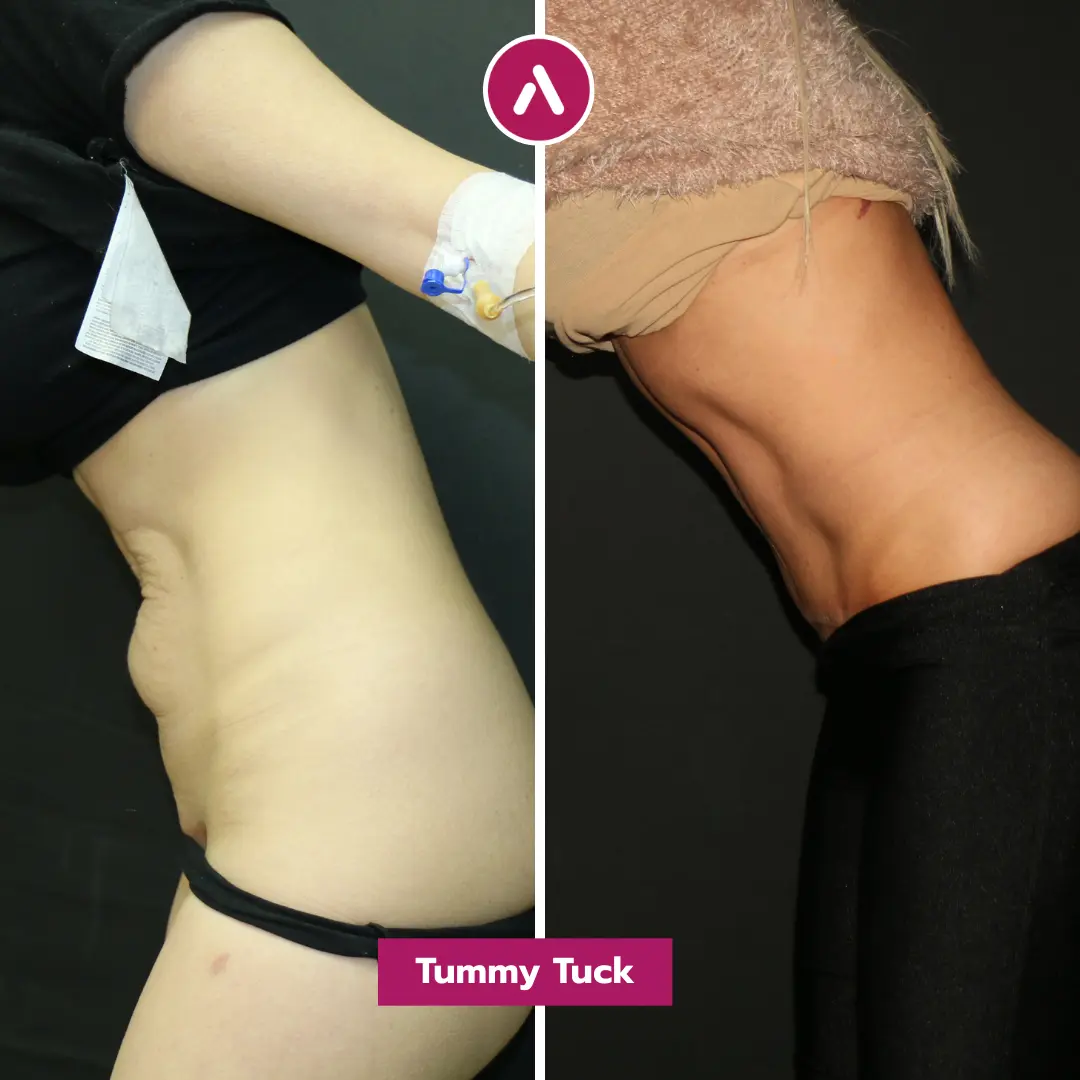
Any surgery that requires an incision creates a scar, but visibility depends on the procedure and where the incision sits. Common examples include tummy tuck (abdominoplasty), breast lift (mastopexy), breast reduction, arm lift, thigh lift, and some face/neck surgeries. Even when incisions are placed in discreet lines or natural creases, the early healing phase influences whether you end up minimising raised or red scars successfully.
Realistic timelines: scar maturity takes months, not days
In the first weeks, scars often look red or pink and can feel firm. Over the following months, the scar typically remodels: it may flatten and fade. This long timeline is exactly why supportive treatments such as red light therapy for scars and “cold laser wound healing post-op” (a common way patients describe LLLT) are discussed — they’re used to support healing biology rather than “erase” a scar overnight.
What Actually Makes a Surgical Scar More Visible?
Scar appearance isn’t random. It’s influenced by surgical technique, your skin’s biology, and how the incision heals in the early phase. When you understand the risk factors, you can choose a sensible aftercare plan and decide whether an adjunct like low-level laser therapy (LLLT) for scars is worth considering as part of your recovery.
Incision placement and closure technique: why tension matters
When a wound is under higher tension (for example, across a highly mobile area), the body may respond by producing a thicker, wider, or more prominent scar. A careful closure technique aims to reduce tension, align skin edges neatly, and protect blood supply — all of which can support better scar quality and help you minimise scarring after surgery over the long term.
Inflammation, bruising, and oedema in the early weeks
Inflammation is part of normal healing, but excessive inflammation may contribute to redness and prolonged irritation. Swelling (oedema) and bruising can also influence how comfortable the area feels and how confidently you can follow aftercare instructions. This is one reason some clinics incorporate supportive modalities such as laser therapy for surgical scars in a structured plan: the aim is to support the healing environment while the body repairs tissue.
Lifestyle factors that change outcomes (smoking, sun exposure, nutrition)
Smoking and nicotine products can reduce oxygen delivery to tissues — a known disadvantage for incision healing after surgery. Strong sun exposure can deepen pigmentation in a healing scar, making redness or darkness more noticeable. Adequate protein intake, hydration, and following your clinician’s wound-care guidance can make a meaningful difference to scar quality. When you combine these fundamentals with carefully selected options like LLLT scar healing support, you’re stacking the odds in favour of a better-looking scar.
How Low-Level Laser Therapy (LLLT) Works: The Science, Explained Simply
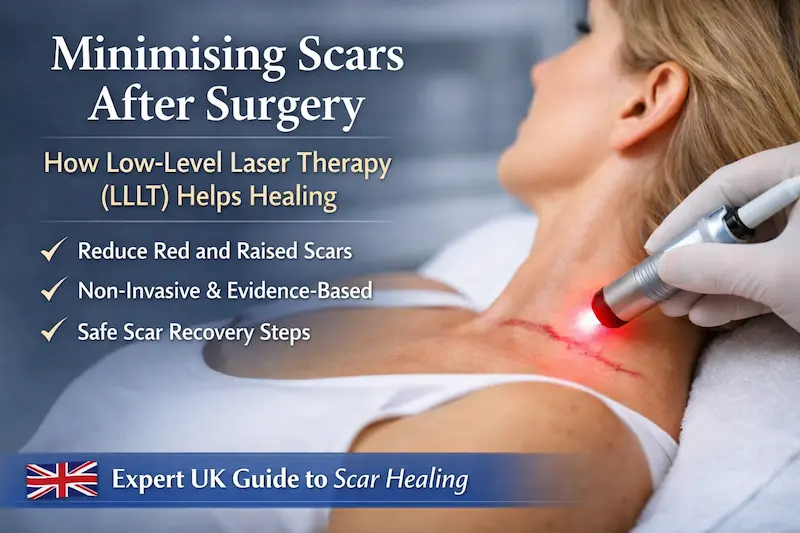
Low-level laser therapy (LLLT) for scars is a form of light-based treatment often discussed under the wider umbrella of photobiomodulation. In practical terms, it uses specific wavelengths of light (commonly in the red or near-infrared range) at low intensities to support tissue recovery. It is sometimes described by patients as red light therapy for scars or “cold laser wound healing post-op” because it does not burn, cut, or remove skin.
Many UK patients explore LLLT not only for long-term scar appearance, but also for how it may support comfort and confidence in the early healing phase. When your aim is to speed up facelift recovery, the priority is always safe, stable healing first — then adding evidence-based adjuncts that may help reduce prolonged redness and sensitivity as tissues settle. Used within a clinician-led plan, LLLT can be positioned as a supportive step alongside the essentials: protecting the incision, controlling irritation, and following a clear aftercare timeline.
What “low-level” means (and what it is not)
LLLT is non-invasive scar reduction support: the goal is not to resurface the skin like ablative lasers. Instead, it’s designed to deliver light energy without creating thermal damage. You should not expect peeling, blistering, or a “burning” sensation as part of normal use. Think of it as an adjunct that may help the body’s own repair processes rather than a treatment that “erases” scars.
How does LLLT work for scarring at a cellular level?
This is where medical science comes in. In simple terms, certain light wavelengths can be absorbed by components within cells (often discussed in relation to mitochondrial activity). The aim is to influence cellular signalling linked to inflammation control and tissue repair. In the context of LLLT scar healing, clinicians may use it to support a more favourable healing environment during the phases when collagen is being laid down and remodelled.
It’s important to be precise: scientific research in photobiomodulation suggests potential benefits for parameters like redness and comfort in healing tissues, but outcomes vary based on device settings, timing, skin type, and individual healing response. The best way to approach laser therapy for surgical scars is as one part of a structured aftercare plan.
Why wavelength matters (e.g., red light) and what it’s used for
Not all light is the same. Devices are built to deliver specific wavelengths (for example, red-light wavelengths often discussed around the mid-600 nm range). In a scar-care context, red light therapy for scars is typically used with the intention of supporting tissue recovery and helping the scar progress through its normal “settling” phase — where the scar often moves from red and firm towards flatter and paler over time.

Where LLLT Fits in Your Recovery Timeline
Timing matters. Scar appearance is shaped most strongly during early healing and the months of collagen remodelling that follow. If you’re looking to minimise scarring after surgery, it helps to see LLLT as a staged support, not a single-session fix. Your clinician should guide timing based on your incision condition, dressings, and overall recovery progress.
The first 2 weeks: protecting the incision and supporting early healing
In the earliest phase, your priority is safe wound care: keeping the incision clean, dry (as instructed), and protected. Many patients ask about cold laser wound healing post-op at this stage. In general terms, clinicians only consider adjunct therapies once the wound is stable and it’s appropriate to do so. Starting too early or interfering with dressings can do more harm than good. The right question to ask is: “Will this support incision healing after surgery safely in my specific case?”
Weeks 3–12: collagen remodelling and reducing prolonged redness
This is the period when scars often look the most “active”: they can remain pink/red, feel firm, and be sensitive. If you’re focused on minimising raised or red scars, this is typically when structured scar-care routines become more important — for example, silicone-based products (if advised), gentle massage when appropriate, and sun protection. LLLT may be discussed here as an adjunct for laser therapy for surgical scars, particularly for patients who want a non-invasive approach alongside standard aftercare.
Months 3–12: scar maturity and what improvements are still possible
Scars continue to change for many months. Even if a scar is noticeable at 3 months, it can still improve significantly by 9–12 months. At this stage, your focus is consistency: continuing good scar hygiene, avoiding UV exposure on the scar, and following your clinician’s plan. If you’re considering low-level laser therapy (LLLT) for scars later in the process, it should be tailored to your scar type (flat vs raised), colour changes, and your personal history of scarring.
What LLLT Can (and Cannot) Do for Scars
It’s sensible to think of LLLT as a supportive tool rather than a magic wand. If your goal is non-invasive scar reduction and you’re hoping to minimise scarring after surgery, LLLT may help certain aspects of scar quality — but it cannot “delete” a scar. A scar is a permanent change in the skin where an incision healed; what we can influence is how noticeable it becomes (colour, texture, thickness, and comfort) as it matures.
Practical expectation-setting: Scar care is about guiding the scar to heal flatter, calmer, and less visible over time — not about making the scar vanish.
Likely benefits: redness, texture, and supporting smoother healing
When people search for LLLT scar healing or red light therapy for scars, they’re usually looking to reduce prolonged redness, support comfort, and encourage a smoother “settling” process. In real-world terms, LLLT may be used alongside standard scar care to help the scar look less angry and feel less reactive during the active remodelling stage.
Limits: why no treatment can erase a scar completely
Even the best laser therapy for surgical scars cannot fully restore uninjured skin. Scar tissue is different in structure and blood supply. The most important determinants remain: incision placement, closure technique, early wound stability, and how your body responds biologically. LLLT can be a helpful adjunct, but it doesn’t replace the fundamentals of incision healing after surgery (safe wound care, good nutrition, and consistent aftercare).
Hypertrophic vs keloid scarring: who may need additional strategies
If you’re prone to raised scars, it matters what type you develop. Hypertrophic scars are raised but stay within the incision line; keloid scars grow beyond the original wound edges. If you have a history of keloids, you’ll typically need a more tailored plan than LLLT alone — and a clinician should discuss risk reduction in advance. If your focus is minimising raised or red scars, early identification of raised-scar patterns can help you act at the right time.
| Scar Goal | What LLLT may support | What LLLT cannot do | What still matters most |
|---|---|---|---|
| Reduce redness | Support calmer-looking scars during remodelling | Guarantee immediate colour change | Sun protection, time, consistent aftercare |
| Improve texture | Support smoother healing alongside scar-care basics | Replace scar tissue with “normal” skin | Tension control, massage (when appropriate), silicone if advised |
| Reduce “raised” feel | May support scar comfort as part of a broader plan | Resolve keloids on its own | Early assessment, tailored medical plan for raised scars |
| Overall minimising | Adjunct support for minimise scarring after surgery | Eliminate scarring entirely | Safe wound care + long-term consistency |
Safety, Suitability, and Questions to Ask Before You Commit
Because LLLT is often described as gentle and “non-invasive”, it can be tempting to assume it’s suitable for everyone at any time. In reality, the safest approach is a personalised plan: the incision must be stable, your skin needs to tolerate the treatment, and the timing has to match your stage of healing. If you’re exploring low-level laser therapy (LLLT) for scars, treat it like any other medical decision — with clear indications, realistic goals, and a clinician-led protocol.
Who is (and isn’t) a good candidate?
Many patients can consider LLLT as part of a recovery plan, but suitability depends on factors such as: your history of raised scarring, skin sensitivity, pigment changes, and any medical conditions or medications that affect healing. If you have had poor healing in the past, the priority should be a robust plan for incision healing after surgery first — then consider adjuncts like LLLT.
Side effects and safety profile: what you should and shouldn’t feel
LLLT is typically described as comfortable — you shouldn’t feel heat, burning, or sharp pain. If you do, the settings may be inappropriate or the skin may be too reactive at that stage. Any aftercare plan involving laser therapy for surgical scars should include clear stop-rules (for example, if the incision becomes unusually sore, weepy, hot, or increasingly red).
A UK-style safety checklist: what to ask before starting LLLT
- Timing: “When is it medically appropriate to start, based on my wound and dressings?”
- Protocol: “What wavelength and treatment schedule are you using, and why?”
- Plan B: “If I develop a raised scar pattern, what additional options are available?”
- Continuity: “How will my progress be reviewed over the next 3–12 months?”
- Self-care: “What should I do at home to support incision healing after surgery between sessions?”

A British-Standards Aftercare Pathway: How LLLT Is Used in a Wider Scar Strategy
For most UK patients, the most reassuring approach is a structured, clinician-led aftercare plan with clear checkpoints — rather than a “one-size-fits-all” product list. If you’re aiming for minimising scars, LLLT works best when it’s positioned inside a wider programme that protects the incision early, supports healthy collagen remodelling, and reduces avoidable triggers for redness and thickening.
For UK patients, “British-standards” aftercare also means clarity and continuity: you should know who to contact, what milestones to expect, and how concerns will be handled once you’re back home. That reassurance can be just as valuable as the treatment itself, especially if your goal is to speed up facelift recovery without compromising safety. When LLLT is integrated properly, it sits alongside practical steps like incision protection, swelling control, and structured follow-ups — so every element of recovery supports calmer, more predictable scar healing.
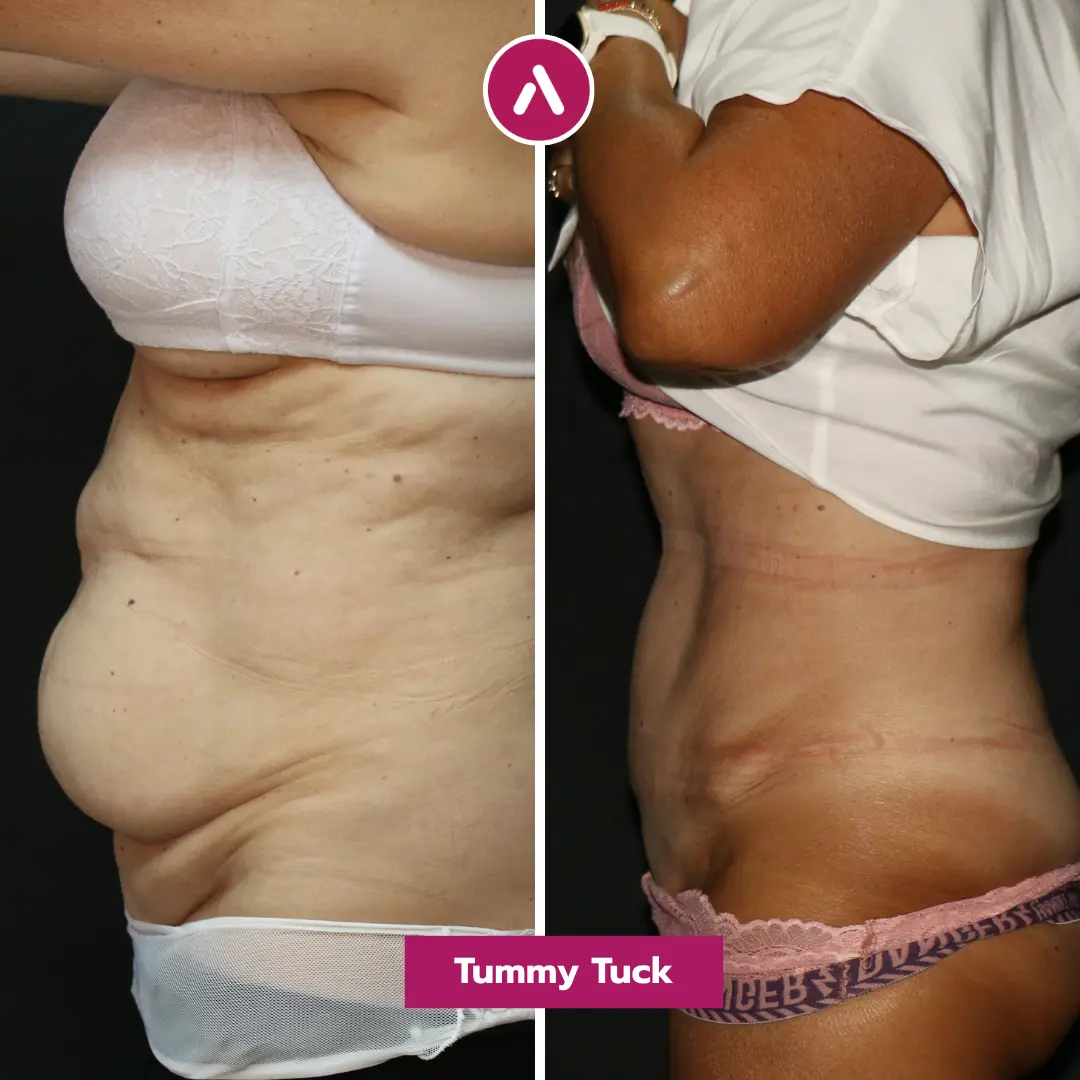
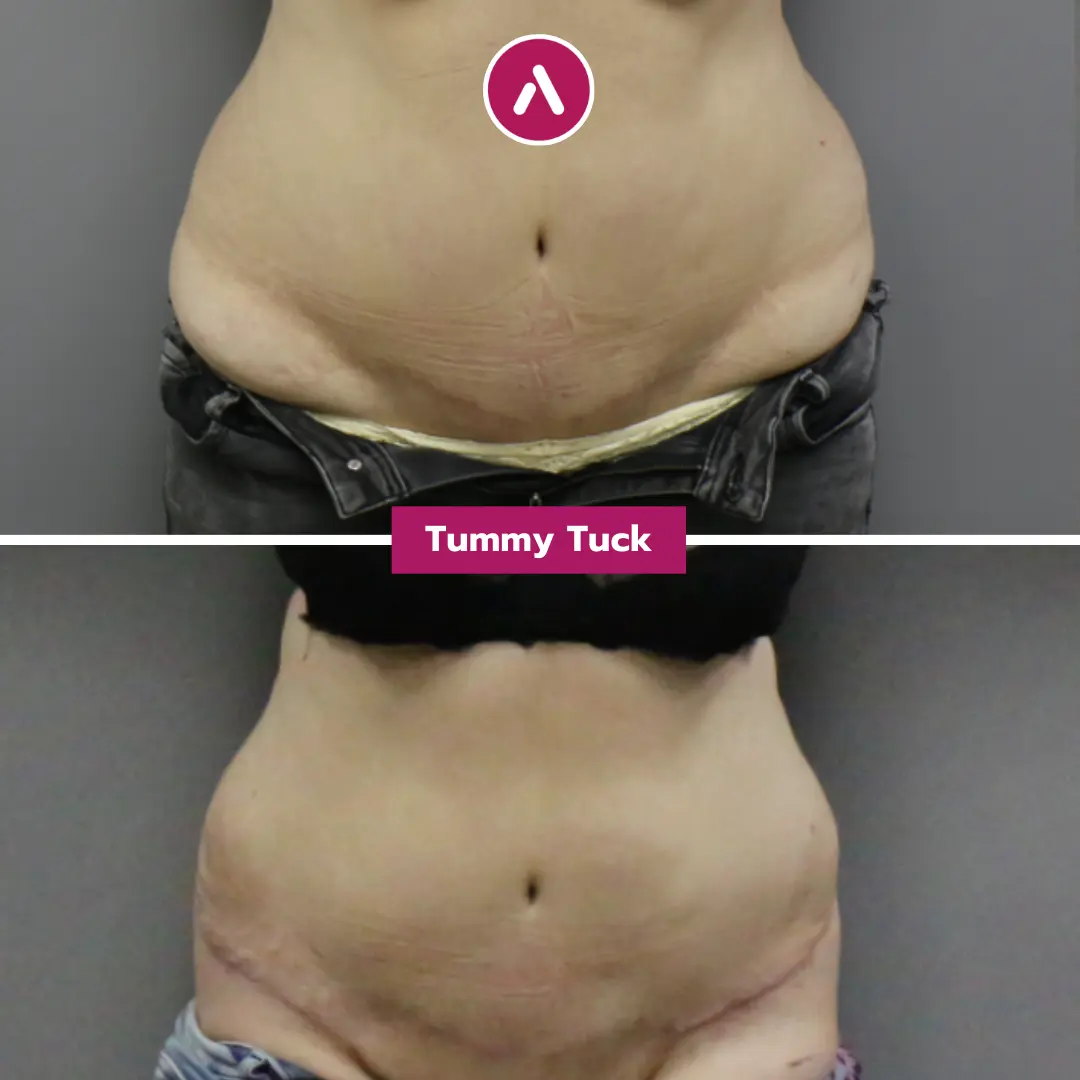
Combining approaches: where LLLT supports scar-healing goals
LLLT scar healing is typically discussed as an adjunct — something that may support the healing environment while your body does the main work. In practice, a good pathway focuses on:
- Wound stability first: safeguarding incision healing after surgery before adding anything that could irritate or disrupt the area.
- Scar modulation next: supporting the normal remodelling phase to help with minimising raised or red scars over time.
- Consistency last: maintaining protective habits (especially sun protection) long enough for the scar to mature.
When patients ask, “how does LLLT work for scarring in real life?”, the simplest answer is: it’s used to support a calmer, more controlled healing process, especially when combined with the basics (silicone if advised, gentle massage at the right stage, and UV protection).
Continuity of care: what UK patients should expect from a proper plan
“British standards” aftercare means you should know exactly what happens next: who reviews your incision, what’s considered normal, and how you get advice if something changes after you fly home. If your plan includes low-level laser therapy (LLLT) for scars or other laser therapy for surgical scars, the pathway should be documented and measurable — for example, agreed photo check-ins, a schedule for sessions (if appropriate), and guidance on when to pause.
In other words, LLLT should never be offered as a vague add-on. It should sit inside a medically sensible timeline with a clear purpose: supporting scar quality while prioritising safety.
At-home scar routine between sessions: what to do (and what to avoid)
If you’re investing in non-invasive scar reduction, your home routine matters. A simple, consistent routine often has more impact than constantly switching products. Always follow your clinician’s instructions, but in general terms, UK patients can ask about the following pillars:
- Silicone (if advised): widely used in scar care, particularly once the incision is closed and stable.
- Gentle scar massage (when appropriate): introduced only when your clinician confirms it’s safe, to avoid stressing early healing tissues.
- Sun protection: one of the most important steps for scar colour. UV exposure can prolong redness or deepen pigmentation.
- Do not “over-treat”: harsh exfoliants, aggressive rubbing, and unverified devices can irritate healing skin.
| Recovery Stage | Primary Goal | Scar Care Focus | Where LLLT may be discussed |
|---|---|---|---|
| Days 0–14 | Protect the incision | Wound care, rest, avoiding friction | Only if clinically appropriate; timing is individual |
| Weeks 3–12 | Support remodelling | Silicone/massage (if advised), UV protection | Often considered here as adjunct support for red light therapy for scars |
| Months 3–12 | Scar maturity | Consistency; prevent pigment change | May still support texture/colour goals depending on scar type |
Bottom line: If you want to minimise scarring after surgery, treat LLLT like part of a plan — not a substitute for good surgery and good aftercare.
Frequently Asked Questions (FAQ): Minimising Scars
These are the questions UK patients most commonly ask when researching laser therapy for surgical scars and low-level laser therapy (LLLT) for scars.
Does LLLT remove scars completely?
No. A scar cannot be fully removed, but LLLT may support a scar healing pathway that aims to make a scar flatter, less red, and less noticeable as it matures. The goal is improvement, not erasure.
When can I start LLLT after surgery?
It depends on your incision status and your clinician’s protocol. The incision must be stable and healing appropriately. Starting too early can be counterproductive for incision healing after surgery, so timing should be clinician-led.
How many sessions do I usually need?
There isn’t a universal number. The best answer depends on scar location, your healing response, and your goals (for example, minimising raised or red scars). A reputable plan should define review points and adjust based on progress.
Is LLLT painful or does it heat the skin?
LLLT is often described as comfortable and is sometimes called “cold laser”. You should not normally feel burning or significant heat. If you do, stop and ask for a review.
Can I use an at-home red-light device instead of clinical LLLT?
Home devices vary widely in wavelength, power output, and treatment guidance. Some people choose them for convenience, but it’s important to avoid assumptions about equivalence. If you’re considering red light therapy for scars at home, ask your clinician whether it’s appropriate for your stage of healing and your skin type.
Does LLLT help with hy pertrophic or keloid scars?
Raised-scar patterns require careful assessment. LLLT may be used as part of a wider strategy, but keloid-prone patients often need additional, tailored options. If you have a personal or family history of keloids, discuss prevention before surgery.
What else matters most for minimising scars?
The fundamentals: careful incision placement and closure, protecting early healing, avoiding nicotine, consistent aftercare, and long-term sun protection. LLLT can be a supportive addition, but it works best when the basics are done well.
If you’d like to go beyond minimising scars, you may also find our related guides helpful — including Hyperbaric Oxygen Therapy, Deep Plane Facelift Recovery, Pain Management After Facelift, when you can Fly After Facelift, and our Surgery Abroad Safety Checklist. We also cover essential trust factors such as Hospital Accreditation Turkey, plus realistic outcome expectations with Tummy Tuck Before After insights.
Medical Disclaimer: This page is provided for general educational purposes only and does not replace a face-to-face medical consultation, diagnosis, or personalised treatment plan. All surgery carries risks and outcomes vary between individuals. Suitability for a plastic surgery, procedure selection, and anaesthesia choice can only be determined after a full clinical assessment by a qualified surgeon. Always follow your clinician’s instructions and seek urgent medical attention if you develop concerning symptoms during recovery.