



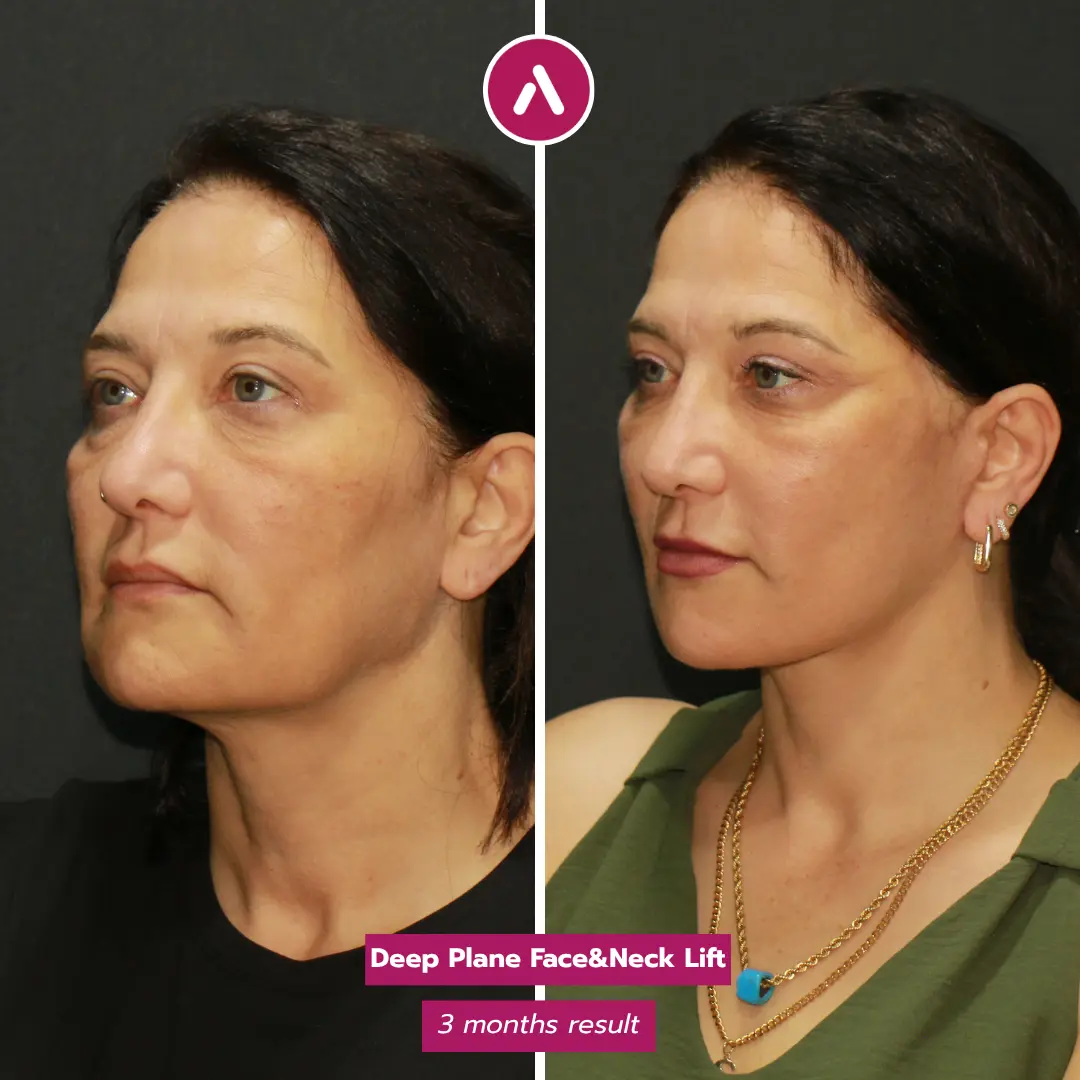
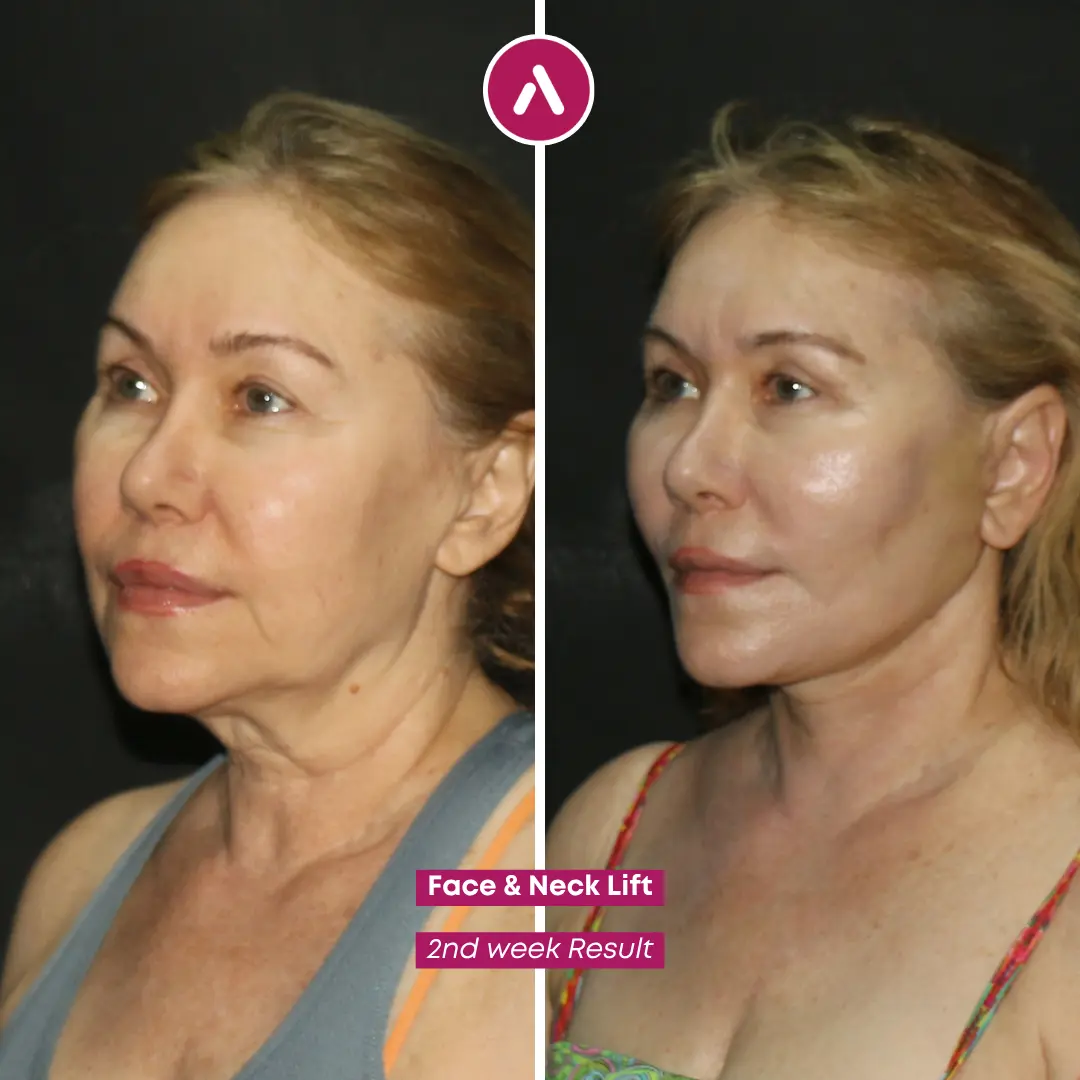
If you’re researching awake deep plane facelift, you’re not looking for a “quick tighten” or a budget-led option. You’re looking for a precise anatomical technique (deep plane) combined with a safer-feeling anaesthesia approach (local anaesthesia with optional twilight sedation), so you can achieve a natural result without turning surgery into a general-anaesthetic hospital event. This guide is written for UK patients who want clarity on technique, comfort, scars, recovery timelines, and how to compare the UK market with a specialist pathway in Istanbul.
Table of Contents
What is an awake deep plane facelift?
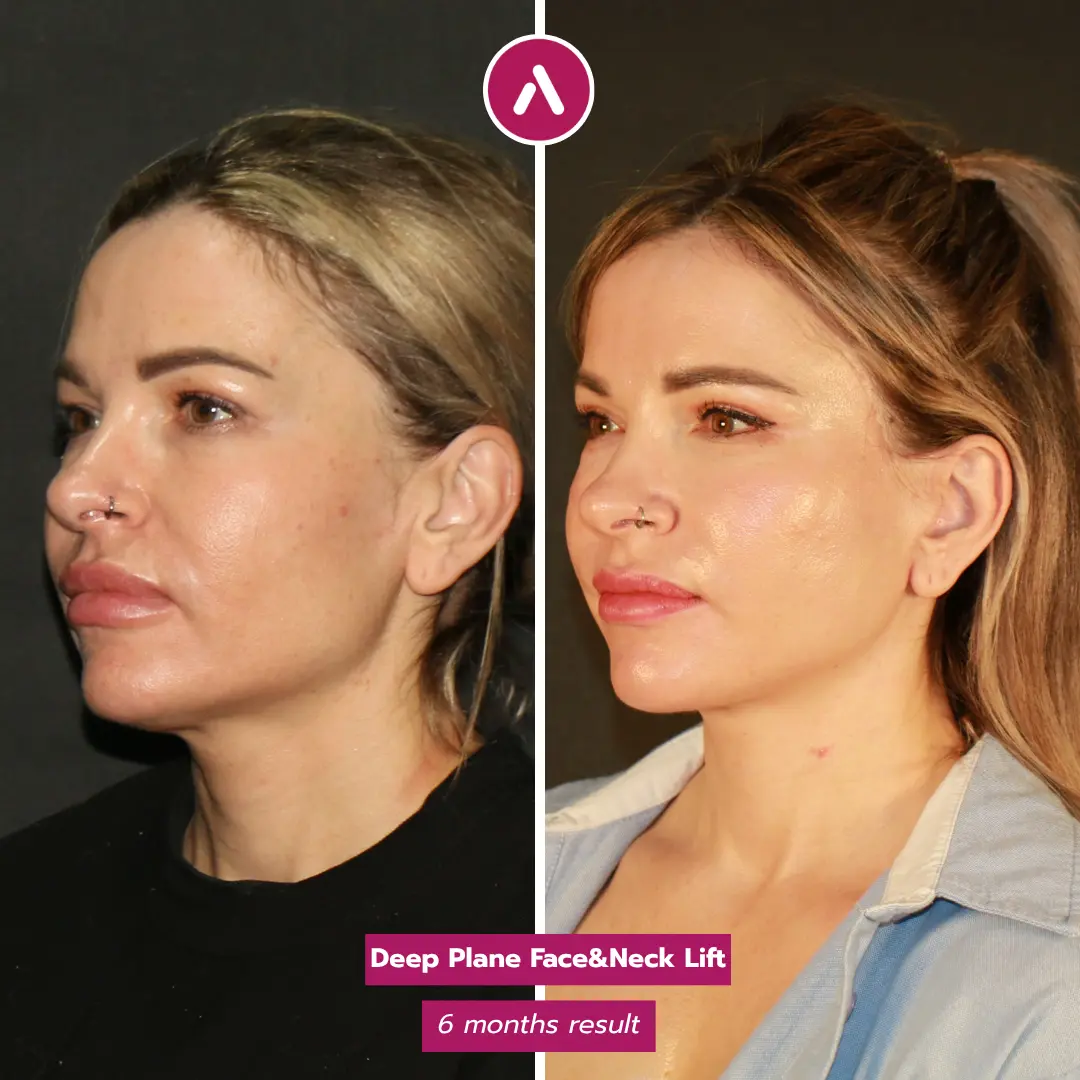
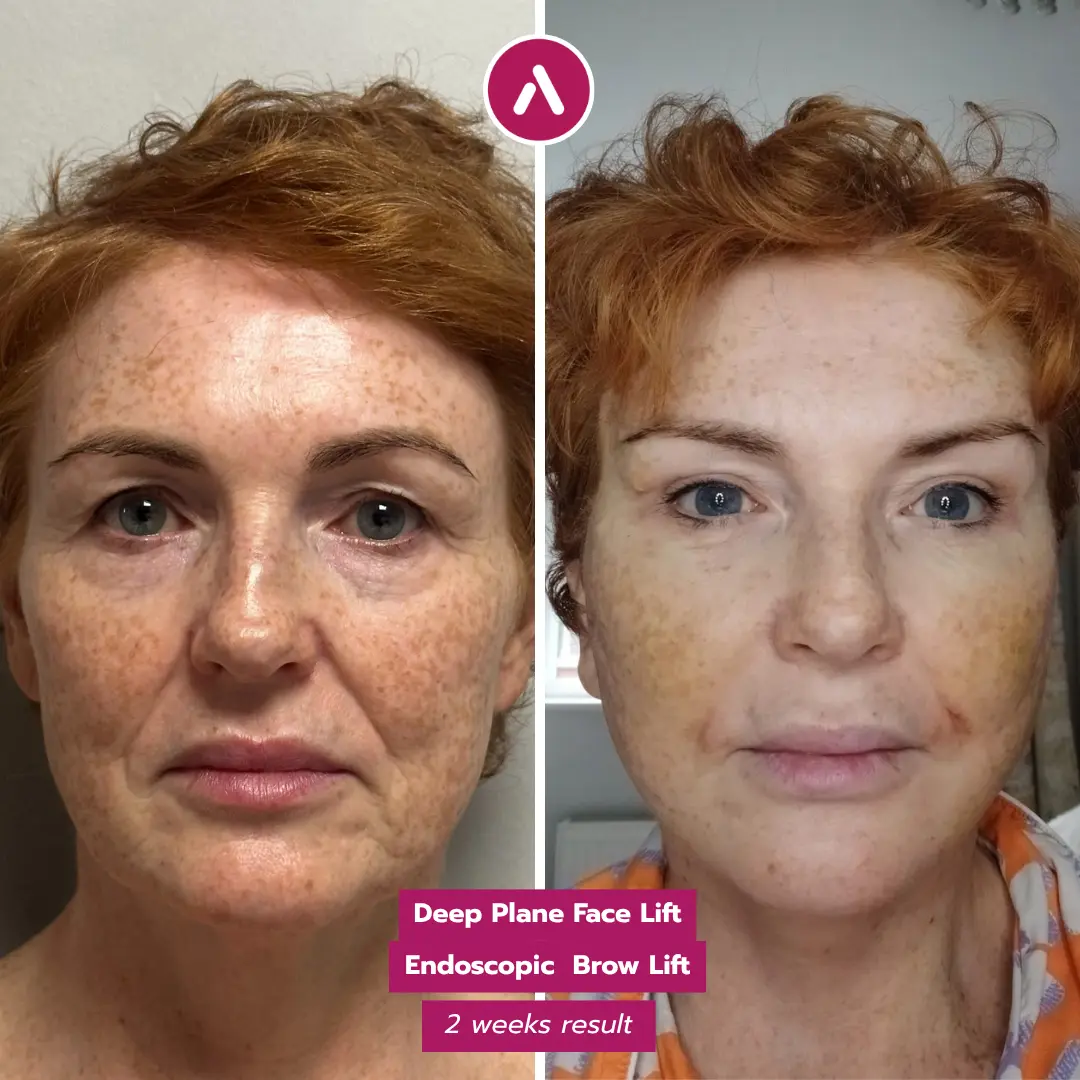
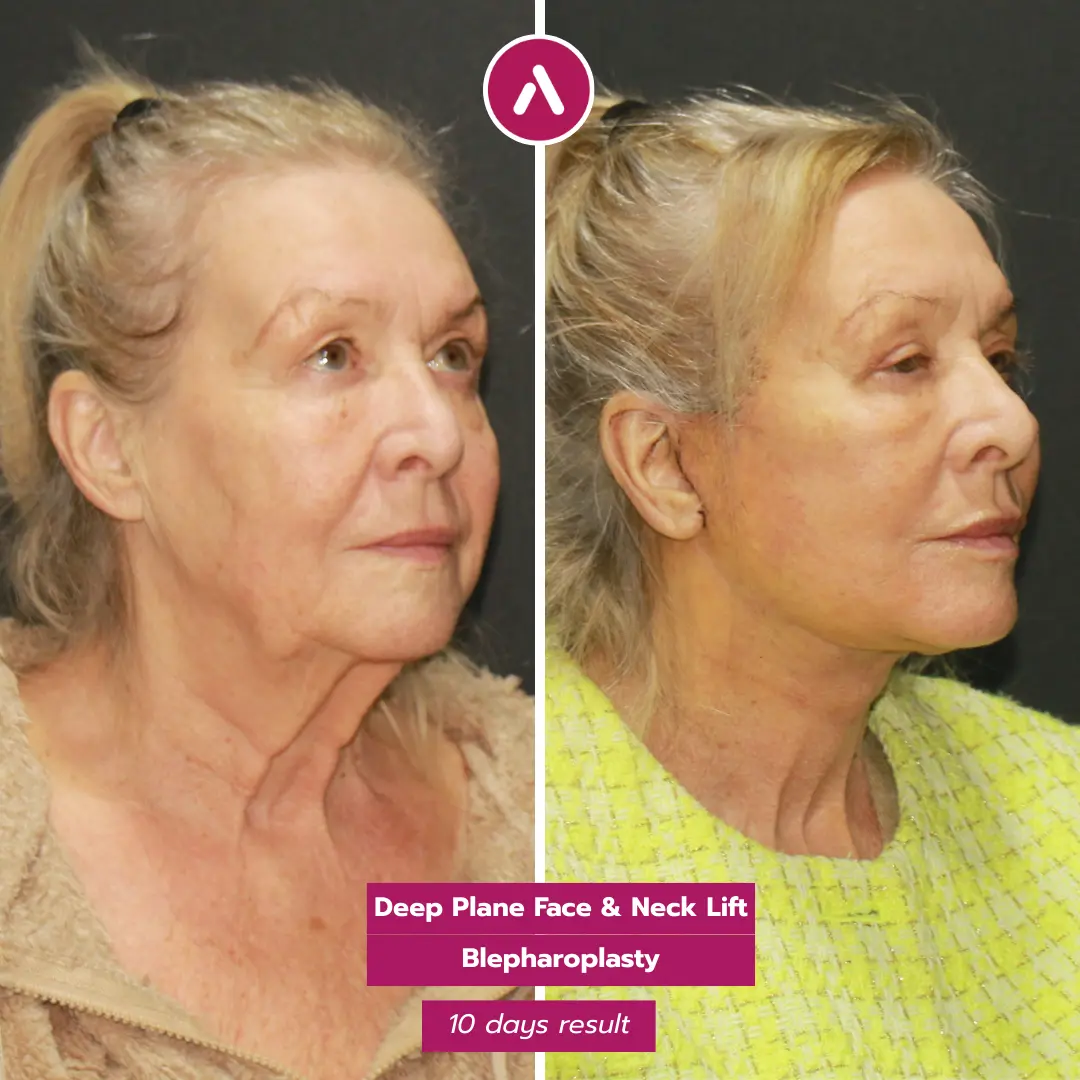
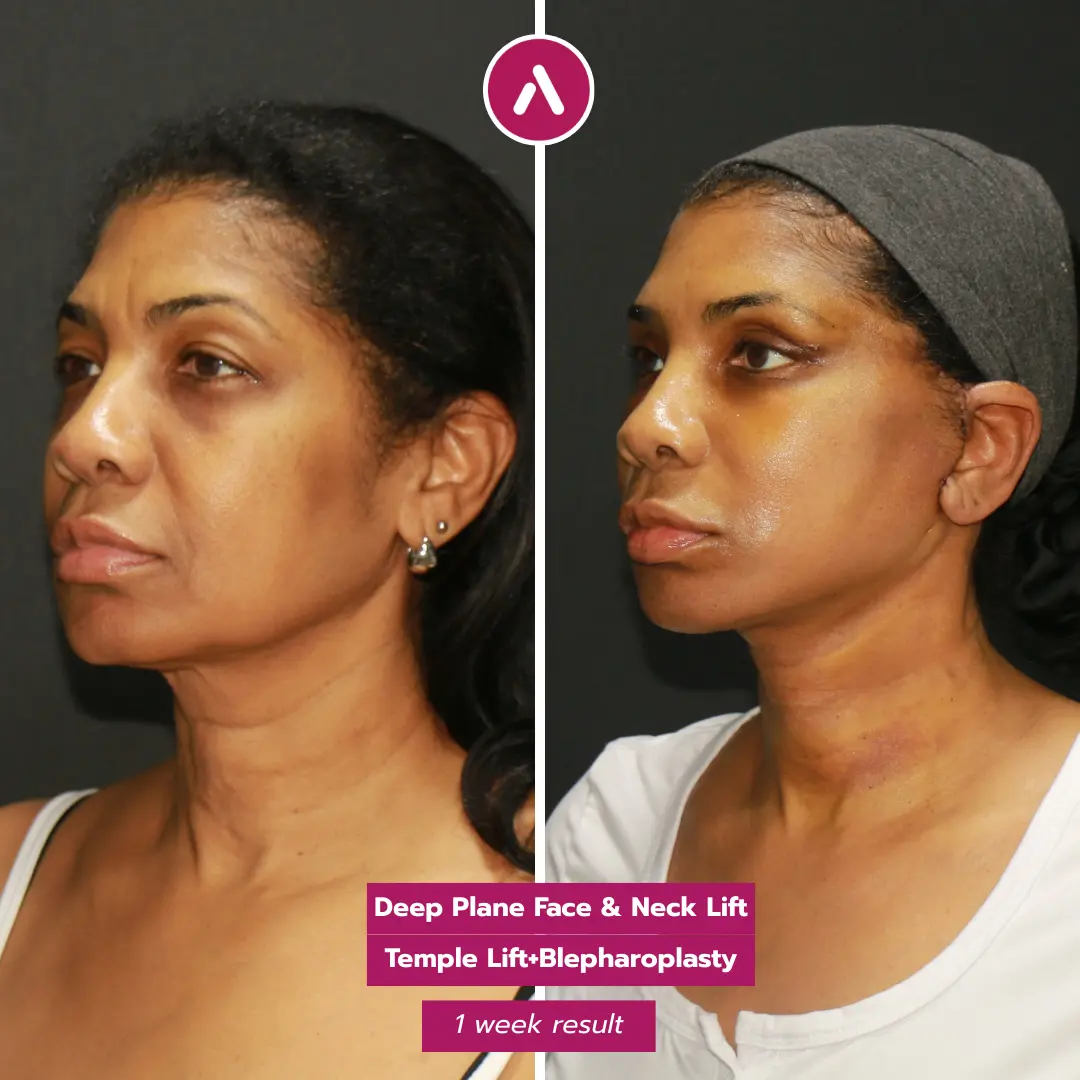
Awake deep plane facelift is a modern facelift technique that repositions deeper facial tissues (not just skin) while you remain comfortable under local anaesthesia, often with light, conscious sedation. The goal is a natural, rested look by restoring mid-face support, softening jowls, and refining the jawline without the “pulled” appearance.
If you’ve been researching “What is a deep plane facelift?” you’re already past surface-level tightening. Deep plane surgery is anatomy-led. It targets the structural layers that actually shift with age, then allows the skin to re-drape with minimal tension.
The “awake” part matters for a different reason. Many UK patients delay facial surgery because they do not want a general anaesthetic. Our approach is built around comfort, controlled monitoring, and a calmer recovery pathway, without turning the day into a hospital-style experience.
It’s also worth grounding this in clinical reality: facelift outcomes and safety are not based on trends, but on surgical anatomy, anaesthesia planning, and evidence-informed peri-operative care. If you want a neutral, patient-focused overview that reflects established clinical standards—covering what a facelift can and cannot do, typical recovery, and the kinds of risks that should be discussed in any responsible consultation—see this scientific overview from BAAPS. For expert patients, using an independent reference like this helps you compare clinics more intelligently: you can check whether the language you’re hearing aligns with recognised surgical principles (rather than marketing claims) and whether complications, scars, and realistic timelines are explained with the clarity you’d expect from a high-standard pathway.
Deep plane: what it changes (and why it looks natural)
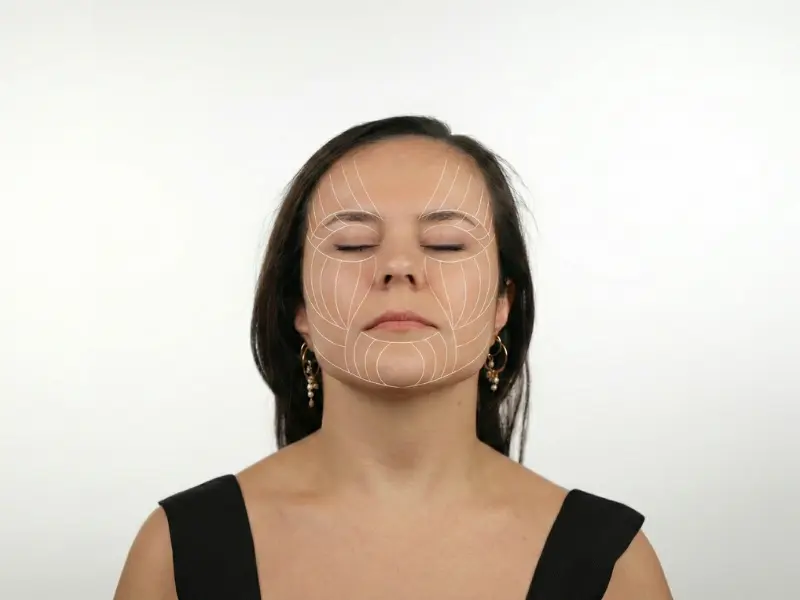
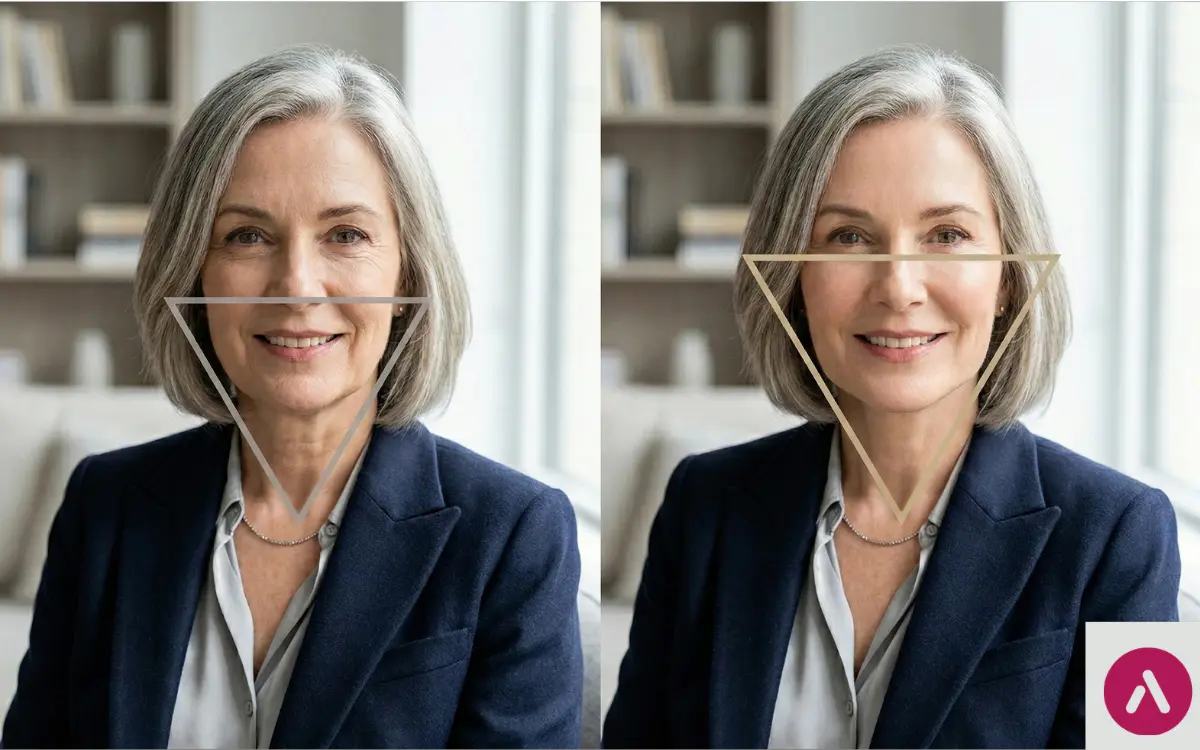
Ageing in the lower face is not just loose skin. Cheek fat pads descend, the mid-face flattens, and the jawline loses its clean edge. A deep plane approach focuses on lifting and repositioning the deeper tissues so the improvement comes from structure, not stretch.
- It can restore the “triangle of youth” by repositioning mid-face support.
- It softens jowls and can improve the jawline without aggressive skin tension.
- It is designed to reduce the risk of a tight, over-operated look.
This is the core reason deep plane results are often described as “you look like yourself, just fresher.” Our philosophy is simple: Rejuvenation, Not Alteration.
We plan for natural harmony first. Rejuvenation, not alteration.
Awake: what “awake” really means in practice
“Awake” does not mean you are alert and uncomfortable. It means we use local anaesthesia, and where appropriate, twilight sedation to keep you calm, drowsy, and relaxed. You can breathe on your own, and our team monitors you closely throughout.
For the expert patient, this is not a marketing point. It is a physiological preference. A lighter anaesthesia strategy can be part of a risk-reduction mindset, especially if your main barrier is “going under”.
- Local anaesthesia targets the surgical area directly.
- Twilight sedation supports comfort and reduces anxiety.
- Our goal is steady, controlled conditions from start to finish.
Why UK patients search for deep plane while awake
Most UK patients who land on this page are comparing options and looking for technical clarity. The most common “expert patient” concerns are consistent:
- “Will I look pulled?”
- “How visible are the scars?” (including deep plane facelift scars queries)
- “How long is downtime?”
- “Do I need a general anaesthetic?”
We address those questions directly throughout this guide. You should not have to guess what a clinic means by “natural”. You should be able to see the logic in the technique.
Benefits of an awake deep plane facelift: natural-looking rejuvenation
The biggest benefit is not “tightness”. It is a believable reset of facial proportions. When the lift comes from deeper support, the skin is not forced into place. That’s how you avoid the tell-tale signs people fear.
A deep plane approach is particularly relevant if your main concerns are the mid-face, jowls, and a softened jawline. It can also support neck refinement when a broader lower-face plan is appropriate, which we assess in consultation.
Natural results come from structure, not skin tension
Traditional techniques can rely heavily on skin tightening. That can work for some patients, but it also increases the risk of an unnatural pull when the skin is doing too much work. With deep plane, we aim to restore deeper positioning so the skin follows.
- Better mid-face support can reduce heaviness around the mouth.
- Jawline definition improves when lower-face tissues are repositioned vertically.
- The goal is a rested look, not a different face.
Subtle changes, strong impact
The best outcomes often feel “quiet”. Friends may say you look well, or like you’ve had a good break. That is intentional. Our focus is subtle facial rejuvenation Turkey patients travel for—refinement that holds up in daylight, on video calls, and in real life.
Men often have a specific concern: preserving a masculine, clean contour without feminising the face. Deep plane planning allows us to lift and support without creating a swept-back look.
A calmer recovery strategy for patients with limited downtime
Recovery is individual, but planning matters. Our surgical approach is designed to minimise unnecessary tissue trauma, and we also support healing with an accelerated recovery pathway using Hyperbaric Oxygen Therapy (HBOT) and Low-Level Laser Therapy (LLLT) for patients who need reduced social downtime.
- We use recovery support to help reduce visible bruising and swelling.
- This matters for international patients who want predictable timelines.
- It also aligns with deep plane facelift recovery time research, where day-by-day expectations drive decision-making.
If you are weighing options between the UK and Turkey, your best next step is not a generic quote. It is a surgeon-led plan. Tell us your goals, your timeline, and your anaesthesia preferences. We’ll tell you what is realistic.
Am I a suitable candidate for an awake deep plane facelift?
The best candidates are typically people who feel their face no longer matches how energetic they feel: early jowling, loss of jawline definition, mid-face descent (a heavier look around the mouth), and a neck that has started to soften. A deep plane approach is designed for structural lift, so it can be particularly relevant when the issue is not just “skin laxity” but deeper descent.
Common concerns that respond well to a deep plane approach
- Deep plane facelift 40s: Often a “maintenance” lift for early structural changes (jowls beginning, mid-face heaviness), aiming for a refreshed look without dramatic alteration.
- Mid-face descent: When the cheeks look flatter or lower, and the lower face feels heavier.
- Jowls and jawline softening: When the jawline has lost its clean edge.
- Neck laxity: When the neck and jawline no longer look connected as one contour.
- Deep plane facelift men: When the priority is correcting laxity while preserving a masculine shape and avoiding a swept-back appearance.
Who should be cautious (or may need a different plan)
Suitability is not only about what you want to change—it’s about what is safe and predictable for your health, your skin quality, and your anatomy. During consultation, we assess:
- Medical history and anaesthetic suitability (including your preference to avoid general anaesthetic where appropriate).
- Smoking status and lifestyle factors that affect healing and scar quality.
- Skin thickness, elasticity, and scarring tendency (important if you are researching “1 week post op” scar appearance).
- Realistic expectations and your timeline for travel and recovery.
In some cases, a different or staged plan may be safer (for example, addressing eyelids separately, or combining a lower-face lift with a neck-focused strategy). The right approach is the one that gives you the highest probability of an undetectable result with an uncomplicated recovery.
What we need from you for a surgeon-led assessment
To give you a meaningful answer (not a generic sales response), we typically ask for:
- Clear, well-lit photos: front, both profiles, and 45-degree angles.
- Your age range and the top 2–3 concerns you want to improve.
- Your health background and any previous facial procedures.
- Your preferred timing (especially if you’re planning around work and events).
SMAS vs Deep Plane: what the difference actually means
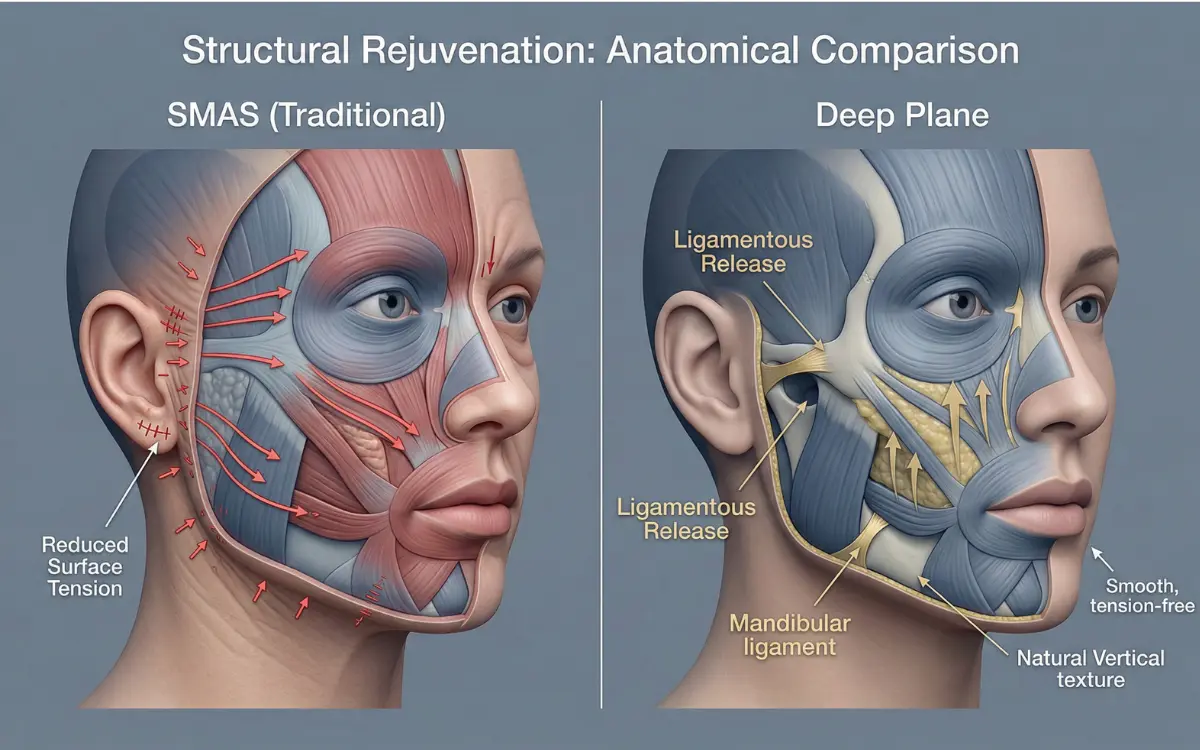
If you’re searching SMAS vs deep plane facelift, you’re already thinking like an expert patient. The key is not which term sounds more advanced—it’s what layer is being lifted, how tension is distributed, and how that influences naturalness, longevity, and scar behaviour.
Why patients compare SMAS and deep plane
Both techniques aim to avoid “skin-only” tightening. The difference is the depth of dissection and how the facial tissues are mobilised. A deep plane approach releases and repositions deeper tissues so the skin can re-drape with less surface tension. That is one reason it is often associated with a softer, less “operated” look when performed well.
Side-by-side comparison
| Factor | SMAS Facelift | Deep Plane Facelift |
|---|---|---|
| Primary target layer | SMAS layer is tightened and repositioned to improve lower face support | Deeper tissue planes are released and repositioned for structural lift |
| How the lift is achieved | Repositioning and tightening of the SMAS, often combined with skin redraping | Mobilisation of deeper tissues so skin can re-drape with reduced surface tension |
| Risk of a “pulled” look | Can be low when done well, but may increase if too much tension is placed on skin | Designed to reduce skin tension; aims for a more “settled” and natural appearance |
| Mid-face improvement | Variable depending on technique details and vector planning | Often stronger mid-face support due to deeper repositioning |
| Scars and incision planning | Incisions are similar in location; scar quality depends on technique + healing | Incisions are similar in location; reduced surface tension may support cleaner healing |
| Recovery | Swelling/bruising typically improves over weeks; timeline varies | Swelling/bruising typically improves over weeks; timeline varies |
| Who it may suit | Patients needing lower-face support with an appropriate plan | Patients needing a structural lift of mid-face/lower face for a natural result |
What matters more than the label
Technique names are not a guarantee. Your outcome depends on planning and execution: incision design, vector choices (how tissues are lifted), careful handling of tissue to minimise trauma, and a recovery plan that supports predictable healing.
If your main fear is looking “done”, your evaluation checklist should focus on:
- Consistency of results: Do outcomes look like the same patient, just refreshed?
- Neck and jawline harmony: Does the lower face look naturally connected to the neck?
- Scar strategy: Does the surgeon talk about scar placement and tension control?
- Comfort and anaesthesia plan: Is the sedation approach explained clearly?
Next, we’ll cover the single biggest psychological barrier for UK patients: anaesthesia. We’ll explain what conscious sedation is, how it differs from general anaesthetic, and why “awake” can be the safer-feeling choice for the right patient.
Anaesthesia: why “awake” can feel like the safer option for the right patient
If your biggest barrier is fear of a general anaesthetic, you’re not alone. Many UK patients arrive at the same conclusion: they want the anatomical advantages of deep plane surgery, but they also want an anaesthesia plan that feels lower-impact and more controlled.
In this context, “awake” usually means local anaesthesia, often supported by twilight anaesthesia cosmetic surgery protocols (also known as conscious sedation). You are not “wide awake” in the way people imagine. The priority is comfort, calm, and stable monitoring throughout your procedure.
Twilight sedation vs general anaesthetic: what changes for the patient experience
The decision is individual and always based on medical suitability. Conceptually, the difference is that general anaesthetic typically involves being fully unconscious, whereas twilight sedation supports relaxation and drowsiness while you continue breathing independently. Many patients describe it as drifting in and out of light sleep.
- Comfort: local anaesthesia targets the surgical area directly; sedation helps reduce anxiety and awareness.
- Control: a lighter sedation approach can feel less like a “hospital event” for patients who are anaesthesia-averse.
- Recovery feel: some patients prefer avoiding the after-effects they associate with general anaesthetic.
It’s important to be clear: “awake” is not about toughness. It’s about choosing an anaesthesia strategy aligned with your personal risk comfort and recovery priorities, when clinically appropriate.
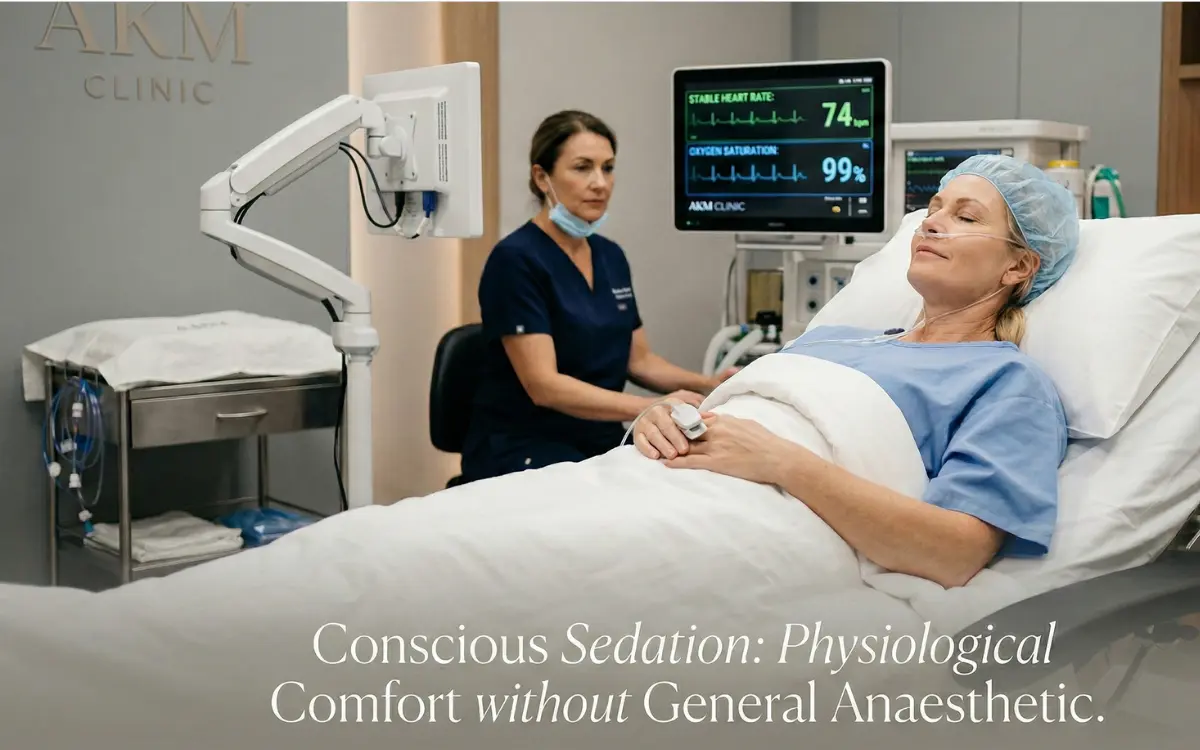
Are you awake during a facelift?
You may be awake enough to respond to simple instructions if needed, but most patients feel relaxed, sleepy, and comfortable. The goal is to make the experience calm and predictable. If your key question is can you have a deep plane facelift without general anaesthesia, the answer is: in many cases, yes—provided you are medically suitable and your surgical plan is appropriate for local anaesthesia with sedation.
“Walk-in walk-out” and same-day discharge: what that implies (and what it doesn’t)
You may see searches such as walk-in walk-out facelift Turkey. In practical terms, this points to an outpatient-style pathway where you are assessed, treated, monitored, and then discharged with a clear aftercare plan. It does not mean the procedure is casual or rushed. A deep plane facelift is still a serious operation, and the safety standards are built around screening, sterile theatre protocols, and post-operative follow-up.
For international patients, a same-day discharge model can also be part of a smoother travel experience—especially when transfers, accommodation, and scheduled checks are organised as part of your medical journey.
Next, we’ll walk through what actually happens on the day, step by step, so you can replace guesswork with a clear mental model of the process.
Step-by-step: what happens on your procedure day
High-intent patients want specifics. The aim of this section is to remove uncertainty: what you can expect, how comfort is maintained, and what “well-organised” looks like when you are travelling from the UK to Istanbul for surgery.
1) Pre-op checks and surgical planning
Your day starts with safety gates: confirming your health details, reviewing your plan, and ensuring you understand what is being done and why. This is also where your key priorities are re-confirmed (for example: jawline definition, mid-face support, or a softer neck-to-jaw transition).
- Health review and suitability confirmation
- Pre-op photos and planning markings
- Final discussion of anaesthesia comfort strategy (local anaesthesia with or without conscious sedation)
2) In theatre: comfort, monitoring, and precision
Deep plane surgery is detail work. The goal is to lift and reposition deeper tissues so the skin can re-drape naturally. Throughout, the focus remains on controlled conditions: comfort, monitoring, and an anatomy-led approach rather than aggressive tightening.
If you’ve been searching for technical reassurance, this is the principle to remember: the best-looking facelifts typically look “quiet” because they are built on structure and balance, not pull.
3) Immediate post-op: recovery check and discharge planning
After your procedure, you are monitored and supported as you begin your initial recovery. Discharge is not a “handover and goodbye”; it is a structured step with clear instructions, medication guidance, and a plan for follow-up checks.
- Monitoring for comfort and stability
- Aftercare instructions (including how to manage swelling and bruising)
- Scheduled check-ins and guidance on what is normal vs what needs attention
4) The first 24–72 hours: what most patients notice
Expect swelling and bruising to be most visible early on. This is normal, and it’s why recovery planning matters—especially for UK professionals who are scheduling time away from work, social events, and travel. Your day-by-day experience is individual, but we aim to support predictable healing through careful tissue handling and a structured aftercare pathway.
In the recovery section later in this guide, we’ll cover “deep plane facelift recovery time” expectations and what patients often mean when they search “1 week post-op scars”.
Combined procedures: maximising results safely
An awake deep plane facelift can be planned as a standalone procedure, but for many expert patients the best outcome comes from treating the face as a connected system. The goal is not to “do more” for the sake of it—it’s to achieve balance in one recovery window, when it is clinically appropriate.
Deep plane facelift + neck lift (jawline harmony)
UK patients often describe the same concern: “My jawline and neck no longer look like one clean contour.” In those cases, it may be sensible to combine lower-face deep plane work with a neck-focused plan so the result looks coherent rather than partially corrected.
- Improves the transition between jawline and neck for a more natural profile.
- Helps avoid a “lifted face but untreated neck” mismatch.
- Often supports a more believable, rested result rather than a tight look.
Facelift + eyelid surgery (one downtime, refreshed expression)
If your eyes look tired even when you feel well-rested, upper eyelid surgery can sometimes be combined with a facelift plan to refresh the overall expression. The advantage is efficiency: one anaesthesia strategy, one recovery period, and a more complete “rested” look—when suitable.
- Addresses heaviness or hooding that can age the upper face.
- Can complement mid-face and lower-face rejuvenation without changing identity.
- May reduce the need to “stage” procedures months apart.
Who benefits from combining procedures (and who shouldn’t)
Combining procedures can be appropriate when it improves balance and reduces repeated downtime. However, it is not always the safest or smartest option. During consultation, we look at your health background, healing risk factors, and what is realistic for your timeline—especially if you are travelling from the UK.
- Good fit: patients seeking balanced rejuvenation and a single recovery window.
- May be better staged: patients with higher healing risks, limited recovery time, or those who need a more conservative first step.
If your priority is a natural result, the guiding principle is simple: combine only when it improves harmony and keeps recovery predictable.
Recovery & aftercare: awake deep plane facelift recovery time (day by day)
If you are planning an awake deep plane facelift, your recovery timeline matters just as much as the technique. Most UK patients are trying to answer practical questions: “When will I look presentable?”, “How long before I can work from home?”, and “What will scars look like at 1 week?”
Every patient heals differently. Your age, skin quality, scarring tendency, smoking status, and how your tissues respond to surgery all affect the timeline. What we can do is plan recovery intelligently: gentle tissue handling, clear aftercare instructions, and structured check-ins to keep healing on track.
Day 1–3: swelling, bruising, and “normal” discomfort
- What you may notice: swelling, bruising, tightness, and a “heaviness” feeling around the cheeks and jawline.
- What is normal: mild oozing from incision points, mild asymmetry from swelling, and fatigue.
- What helps: rest, head elevation, gentle walking, and following your aftercare plan precisely.
Most patients describe discomfort rather than severe pain. Medication is tailored to the individual. In UK terminology, many patients are familiar with paracetamol and plasters (rather than “Tylenol” or “band-aids”).
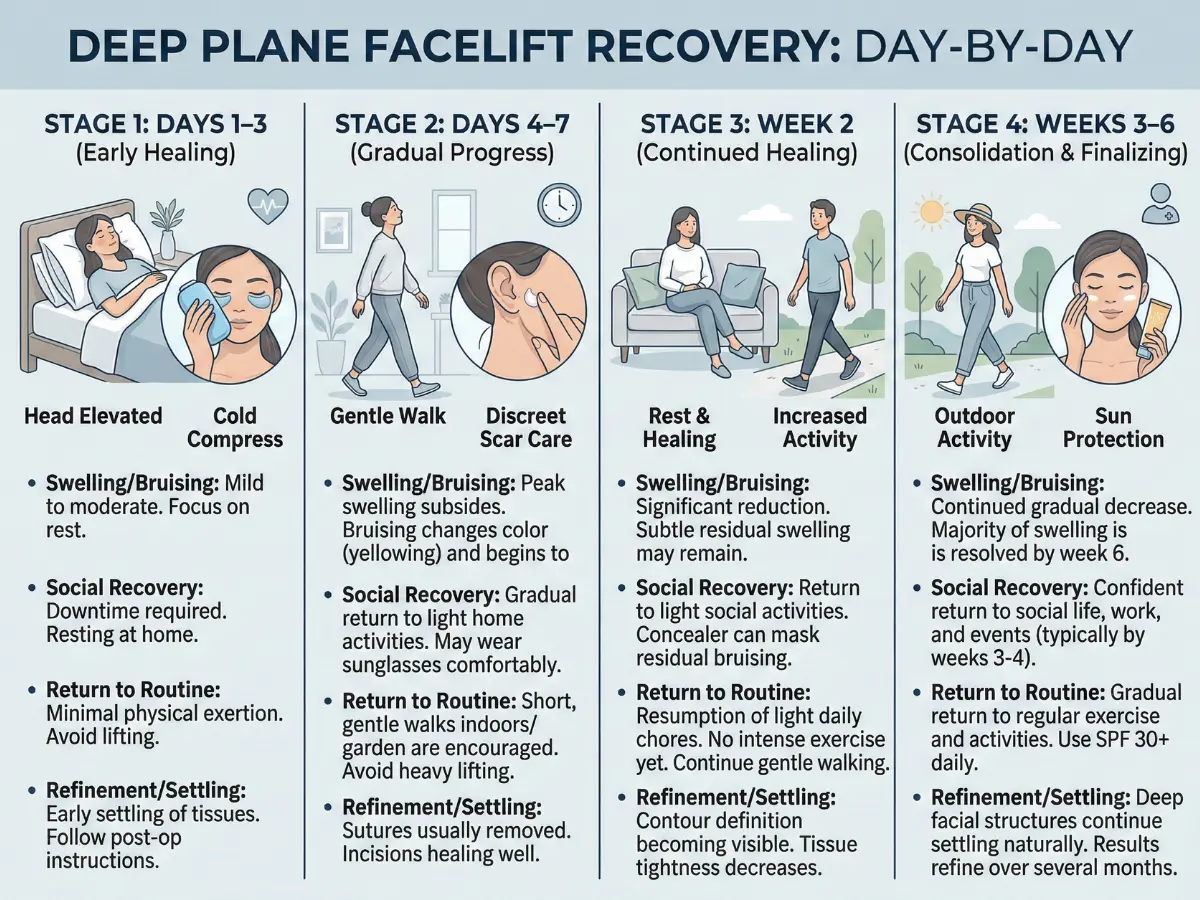
Day 4–7: the “social recovery” window and scar questions
This is the phase behind searches like deep plane facelift scars and “1 week post op deep plane facelift scars”. At around one week, bruising is often still visible (though improving), and swelling can fluctuate during the day. What you see in the mirror is not your final result—it is healing in progress.
- Scars at 1 week: typically look pink/red and slightly raised in places (this is part of normal wound healing).
- Swelling: often shifts and settles unevenly; one side may look “ahead” of the other temporarily.
- Presentable timing: many patients can feel more comfortable in public with strategic styling (hair placement) and light camouflage, depending on bruising.
If your priority is reduced downtime, we plan your recovery strategy around predictability—especially for international patients who want confidence before flying home. This is where structured aftercare and flight-ready recovery protocols matter.
Week 2: returning to routine
Many patients feel significantly more “like themselves” in week two. Bruising is often much lighter, swelling is less dramatic, and movement feels more natural. Remote work is often easier in this phase, and social contact can feel more comfortable.
- Most visible bruising tends to fade substantially by this stage (individual variation applies).
- Residual swelling may still “hide” definition in the jawline or cheeks.
- Incisions usually look less angry, though still healing and visible on close inspection.
Weeks 3–6: refinement and “settling”
This is when results start to look more effortless. The deep plane lift supports the structure; then your face settles into a natural balance. It is common for patients to notice ongoing improvements in the jawline and mid-face as swelling continues to resolve.
- Exercise: typically reintroduced gradually, based on surgeon guidance.
- Scars: begin to soften and lighten over time; scar care advice is important.
- Photos: many patients feel increasingly confident on video calls as “early post-op signs” fade.
Later in this guide, we’ll compare the UK vs Turkey pathway and explain how to evaluate aftercare when you are travelling internationally—because recovery support is a safety issue, not an “extra”.
Safety & risks: awake deep plane facelift complications (explained clearly)
Searching deep plane facelift complications is not negative—it’s responsible. The most trustworthy clinics do not hide risk; they explain it, screen for it, and reduce it with surgical discipline and follow-up.
A deep plane facelift is a significant operation. While many patients recover smoothly, every surgical procedure carries risk. Your personal risk profile depends on your health, anatomy, and lifestyle factors (particularly smoking).
Common risks (seen across facelift surgery)
- Swelling and bruising: expected early on; varies by individual.
- Bleeding / haematoma: a known risk after facelifts; requires prompt assessment.
- Infection: uncommon with good sterile technique and aftercare, but possible.
- Delayed healing: more likely in smokers or patients with certain medical conditions.
- Scar concerns: thickened or widened scars can occur; scar care matters.
- Temporary nerve irritation: can present as temporary weakness or altered sensation; recovery varies.
- Asymmetry: swelling can exaggerate differences early; true asymmetry is assessed over time.
How risk is reduced (what to look for as an expert patient)
Risk reduction starts before surgery and continues through recovery. Key pillars include:
- Pre-operative screening: medical history, suitability checks, and realistic planning.
- Sterile theatre standards: consistent protocols reduce infection risk.
- Technique discipline: careful tissue handling, tension control, and anatomy-led planning support safer healing and natural outcomes.
- Structured follow-up: scheduled checks and clear access to guidance during recovery.
When to contact your surgical team urgently
Whether you recover in Istanbul or at home in the UK, you should have clear instructions on what is normal vs what needs urgent review. Examples of “don’t wait” symptoms include:
- Rapid, expanding swelling on one side
- Severe pain that escalates rather than improves
- Fever, increasing redness, heat, or discharge from incisions
- Sudden changes that feel “not right”
Your next decision point is often geographic: “Is it safe to do this in Turkey as a UK patient?” In the next section, we’ll address the British standards question directly—without vague reassurance—and explain what to check before booking.
Is it safe in Turkey for UK patients?
For many British patients, the real question isn’t “Is Turkey safe?” but “Can I verify standards, process, and follow-up in a way that feels comparable to what I expect at home?” That is a sensible way to think—because international surgery should be assessed like any other medical decision: evidence, systems, and clarity.
What “British standards” should look like in practice
If you are evaluating a clinic abroad, focus less on glossy marketing and more on how clearly they explain clinical pathways. A high-standard patient journey should include:
- Pre-operative screening that feels structured (medical history, medication review, realistic suitability).
- Sterile operating theatre protocols and clear infection prevention standards.
- Defined aftercare: written instructions, scheduled checks, and a clear route for questions after discharge.
- Transparency about risks, limitations, and what is (and is not) included in your plan.
As an expert patient, you are not being “difficult” by asking how emergencies are handled, how follow-up is structured, and who you contact after you fly home. Those questions are part of safety.
How UK patients should assess surgeon expertise (beyond job titles)
When you see search terms such as “GMC registered surgeon alternatives”, it often reflects a desire for reassurance rather than a specific credential checklist. Instead of relying on labels alone, assess expertise through:
- How clearly the surgeon explains the deep plane plan for your anatomy.
- Whether they discuss natural vectors, tension control, and scar placement in practical terms.
- How consistent results look across different ages and face shapes (not just one “ideal” patient type).
- Whether limitations are stated upfront (a major trust signal).
When the plan is surgeon-led and medically explained, it neutralises the “medical tourism” anxiety—because you are not buying a package; you are choosing a clinical pathway.
Aftercare for British citizens: what to clarify before booking
If you are travelling, aftercare is not a footnote—it’s part of risk reduction. Before you commit, get clear answers to:
- How many in-person checks happen in Istanbul, and on which days.
- What support is available once you return to the UK (remote check-ins, guidance, escalation process).
- What you should do if you notice unexpected symptoms at home.
Many high-intent patients also search deep plane facelift Turkey reviews at this stage. Reviews can be helpful, but use them wisely: look for detailed journeys that match your priorities (naturalness, anaesthesia comfort, recovery support), not just one-line ratings.
Realistic expectations, scars, and what results look like over time
The best facelift outcome is one that is undetectable. That doesn’t mean you look “unchanged”—it means the changes look believable: a cleaner jawline, a lighter mid-face, and a rested expression that still looks like you.
What you see at 1 week is not the final result
Early photos (especially “1 week post-op”) can be misleading because swelling and bruising are still part of normal healing. At this stage:
- Swelling can soften definition (jawline improvements often “appear” gradually as swelling resolves).
- Incisions can look pink and more visible than they will later.
- Asymmetry can be more noticeable due to uneven swelling.
If your main concern is scars, the key question is not “Will there be scars?” (there will be incisions), but “How are scars placed, how is tension controlled, and what scar care guidance is provided?” That’s what drives long-term scar quality.
Typical milestone thinking: 1 month, 3 months, and beyond
- At 1 month: many patients look clearly refreshed, but there may still be residual swelling and firmness.
- At 3 months: results often look more natural and “settled”, with better definition and softer contours.
- Longer-term: scar maturation continues for months; a well-placed scar can become very discreet over time.
What “success” looks like for the expert patient
Success is not just a before/after difference. It is a combination of:
- Natural expression and movement (no tight, artificial pull).
- Balanced rejuvenation (mid-face, lower face, and neck working together).
- A recovery journey that is managed, supported, and predictable.
The goal is not to look “operated on”. It’s to look rested, natural, and like yourself.
Next, we’ll address the practical comparison UK patients almost always make: cost and value. We’ll explain how to compare like-for-like without reducing the decision to “cheap vs expensive”.
Cost analysis: awake facelift cost UK vs Turkey
When UK patients search “awake facelift cost UK vs Turkey”, they are rarely asking for a bargain. They are benchmarking value: technique quality, anaesthesia comfort, recovery support, and the credibility of the process—then comparing that to domestic private care.
To compare properly, you need to compare like-for-like. A “facelift” is not one standard product. The most meaningful cost comparison is between equivalent techniques (deep plane vs non-deep plane), equivalent anaesthesia plans (local/twilight vs general anaesthetic where relevant), and equivalent aftercare support.
Why UK pricing can be higher (without necessarily being more specialised)
In the UK private sector, costs are influenced by facility overheads, staffing models, and the broader pricing environment of private healthcare. That does not automatically mean outcomes are better—it simply means the baseline cost of delivering surgery is often higher.
The question for expert patients is: are you paying for proven deep plane expertise and a recovery pathway that fits your life, or are you paying for a postcode?
What is typically included in a Turkey pathway (and what you should confirm)
Many UK patients prefer a structured, frictionless experience when travelling. That often means a comprehensive plan that can include transfers and accommodation logistics alongside the medical pathway. Always confirm what is included in writing.
| Cost Element | Typical UK Private Pathway | Typical Istanbul Pathway (Turkey) |
|---|---|---|
| Surgeon fee | Usually itemised | Usually included in the overall plan |
| Facility / theatre costs | Often itemised; may vary by hospital | Often included as part of the package |
| Anaesthesia | Often itemised; commonly general anaesthetic in many settings | Local anaesthesia with/without twilight sedation may be included depending on plan |
| Post-op checks | Follow-ups can be included or billed separately | Typically scheduled within the stay; confirm frequency and timeline |
| Medications / dressings | May be separate | Often included; confirm exact items |
| Transfers / transport | Usually not included | Often included for international patients |
| Accommodation coordination | Not included | May be included or arranged; confirm details |
| Remote follow-up after return to the UK | Variable | Should be clarified before booking (check-in schedule and escalation pathway) |
How to decide with an expert-patient mindset
Cost should be a consequence of the right plan, not the driver of the plan. If you want an awake deep plane facelift, your decision criteria should prioritise:
- Technique match: true deep plane planning for your anatomy (not a generic “facelift”).
- Anaesthesia plan clarity: local anaesthesia and sedation explained plainly, with suitability screening.
- Aftercare credibility: written guidance, scheduled checks, and clear support once you return to the UK.
- Natural outcome bias: consistent results that look like the same person, refreshed.
Next, we’ll cover how to choose the right surgeon and what questions to ask to verify deep plane expertise—without relying on vague claims or “celebrity clinic” marketing.
Finding the right surgeon: what UK patients should check
When patients search “best deep plane facelift surgeon in Turkey”, they’re looking for a shortcut to certainty. The safer approach is a checklist that forces clarity: technique depth, scar strategy, anaesthesia plan, and recovery support.
Green flags in a deep plane consultation
- Personalised anatomy explanation: you can understand why the plan fits your face.
- Scar placement strategy: incisions and tension control discussed openly (not hand-waved).
- Naturalness is measurable: the surgeon discusses vectors, balance, and how to avoid “tell-tale” signs.
- Risk is addressed directly: complications discussed calmly with risk-reduction steps.
Questions to ask (copy/paste)
- Which areas will be lifted in my case: mid-face, jowls, neck, or all three?
- What does “deep plane” mean in your hands—what layer is repositioned?
- How do you plan incision placement and tension to support discreet scars?
- What anaesthesia plan do you recommend for me, and why?
- What does my recovery timeline look like day by day, and when can I fly home?
- What is the follow-up schedule in Istanbul, and what support exists once I’m back in the UK?
Red flags to avoid
- Over-promising (e.g., “zero swelling”, “no scars”, “guaranteed” language).
- No clear aftercare plan for UK return.
- Technique talk that stays superficial and avoids anatomy.
- Pressure to book quickly without full screening.
Next, we’ll map the UK-to-Istanbul journey: flights, timelines, and how to plan your stay so recovery is comfortable and logistically simple.
Your medical journey: UK to Istanbul logistics (planning your stay)
Once you’ve decided that an awake deep plane facelift aligns with your goals, the next question is practical: how do you plan travel, surgery, and recovery in a way that feels calm and organised?
Flights and timing: keeping the plan simple
Most UK patients look for direct routes and predictable scheduling. If you are searching for “direct flights London to Istanbul surgery”, the key is not the flight itself—it’s how the timetable supports recovery. Your plan should allow time for pre-op checks, early post-op monitoring, and at least one in-person review before you travel home.
- Arrive with buffer: allow time for in-person assessment and planning.
- Stay for early checks: the first days matter most for swelling, comfort, and reassurance.
- Fly home with confidence: ensure you have clear written guidance and a post-return support route.
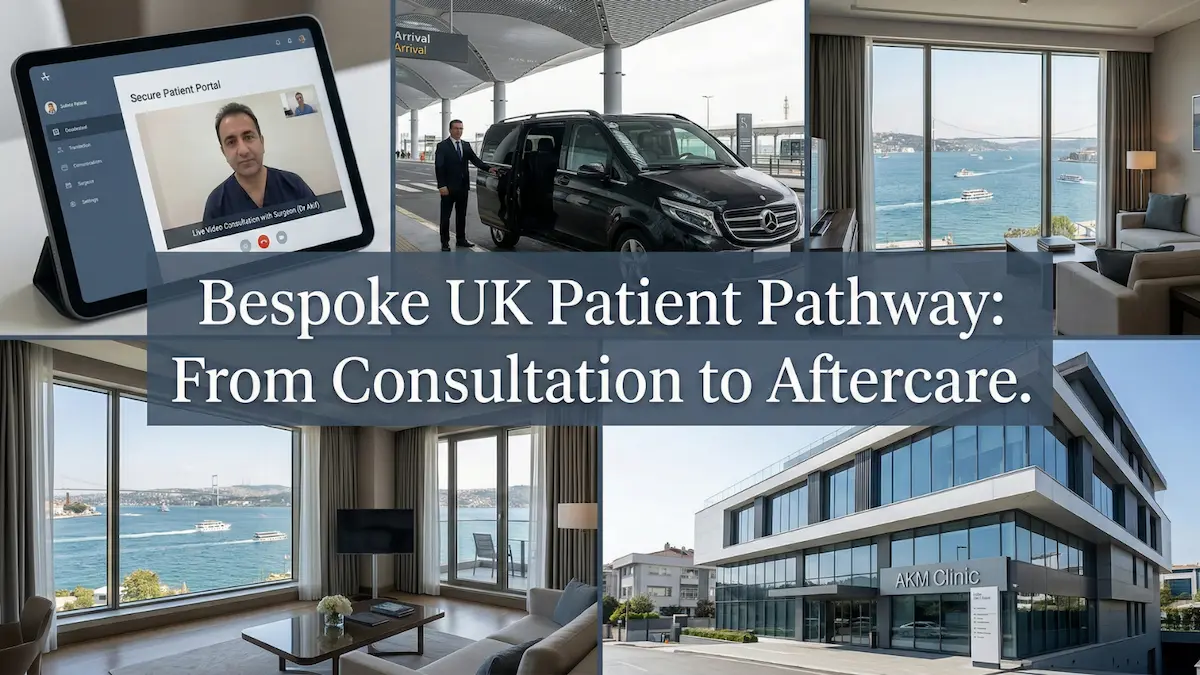
What an “all-in” pathway should include
Some patients search awake facelift packages Istanbul because they want a frictionless experience rather than juggling transport, hotel logistics, and appointments. A well-structured pathway often includes:
- Airport transfers and local transport coordination
- Accommodation planning suitable for recovery comfort
- Scheduled post-op checks during your stay
- Clear aftercare instructions and remote follow-up once you return to the UK
This is also where you can separate “package marketing” from genuine clinical organisation: the right clinic can explain the timeline day by day, not just offer a headline price.
UK-wide patient support: London and beyond
Whether you’re comparing an “awake facelift in London” search, exploring options near Tunbridge Wells, or looking at “deep plane facelift Manchester / Liverpool / Leeds”, the fundamentals stay the same: technique, anaesthesia plan, and aftercare. The advantage of travelling is access to a specialised pathway—so your checklist should stay clinical, not postcode-led.
If you’ve also considered lower-tier European options (for example, Poland, Prague, or Lithuania), compare them using the same expert-patient filter. The goal is not “cheapest”; it’s the highest probability of a safe, natural result with structured follow-up.
Frequently Asked Questions: Awake Deep Plane Facelift
Can you have a deep plane facelift without general anaesthesia?
In many cases, yes—provided you are medically suitable. “Awake” typically means local anaesthesia, often supported by twilight sedation for comfort. Your surgeon should explain why the plan is appropriate for you and what monitoring is used.
Are you awake during a facelift?
You are comfortable and usually drowsy. Most patients describe it as feeling relaxed and sleepy rather than alert. “Awake” does not mean you are uncomfortable; it refers to avoiding full general anaesthetic when appropriate.
What does recovery look like day by day?
Most visible bruising and swelling is concentrated in the first week, then improves week by week. Many patients feel more socially comfortable in week two, while refinement continues for several weeks. The “final settle” is gradual—your face continues to soften and look more natural as swelling resolves.
What will my scars look like at 1 week?
At one week, scars often look pink/red and more visible than they will later. This is normal wound healing. Scar quality depends on incision planning, tension control, and how your body heals. Your long-term scar appearance is assessed over months, not days.
Is deep plane better for men?
It can be an excellent option when the goal is structural support without a tight, swept-back look. Planning is key: masculine-preserving contouring is part of technique, not a “one size fits all” promise.
How do I compare deep plane facelift price / cost UK vs Turkey?
Compare like-for-like: technique depth, anaesthesia plan, follow-up structure, what is included, and the credibility of aftercare once you’re back in the UK. Avoid decisions based purely on a headline number.
Where should I look for deep plane facelift Turkey reviews?
Use reviews as supporting evidence, not the foundation of your decision. Look for detailed patient journeys that discuss the things you care about: naturalness, comfort under sedation, recovery support, and communication throughout the process.
Conclusion
Choosing a facelift is not about chasing tightness—it’s about restoring harmony without changing who you are. A awake deep plane facelift is designed for patients who want an anatomy-led lift with a calmer anaesthesia experience, and who value a structured recovery pathway as much as the surgical result.
If you’re ready to move from research to a personalised plan, the next step is a surgeon-led assessment: your photos, your goals, your health background, and your timeline. We’ll tell you what is realistic—and what will deliver the most natural-looking outcome.
Medical disclaimer: This page is for general information only and does not replace medical advice. Surgical suitability, anaesthesia planning, outcomes, and recovery timelines vary by individual. A consultation and appropriate medical assessment are required to determine the safest and most effective treatment plan for you.